 Cykeo RFID IoT Solution Products R&D Manufacturer

What is Rfid tool tracker tag
137Tool tracker tag solutions help businesses track tools, reduce losses, improve accountability, and streamline inventory management using RFID technology.
MoreAll RFID Product
What is the definition of RFID? RFID stands for Radio Frequency Identification, a wireless technology that uses radio waves to identify tagged objects and collect digital information. An RFID system typically includes tags and readers, with software processing the captured data for inventory, logistics, access control, and asset management.
RFID is not a single device or one specific frequency. It is a family of identification technologies, including low-frequency (LF), high-frequency (HF), and ultra-high-frequency (UHF) systems. The right technology depends on what needs to be identified, how far away the reader must operate, and the surrounding environment.
According to GS1’s official RFID definition, a tag commonly contains a microchip connected to an antenna. A reader sends radio signals and receives the tag’s response, converting that communication into digital information that a computer system can use.
RFID stands for Radio Frequency Identification.
Each part of the term describes an important aspect of the technology:
The central idea is straightforward: identify a physical object electronically without requiring a person to locate and scan a printed barcode.
Consider a warehouse receiving area. A worker may need to verify a pallet containing many tagged cartons. With a properly configured UHF RFID system, the reader can capture multiple tag identifiers within its reading zone. The software can then compare those identifiers with the expected shipment record.
The reader does not independently know the product’s name, price, or destination. Those details usually come from a database linked to the tag identifier. This distinction matters when designing an RFID system: successful radio communication is only the first part of the job.
An RFID system generally contains three functional layers:
| Component | Main function |
|---|---|
| RFID tag | Holds an identifier and, depending on the tag, additional data |
| RFID reader and antenna | Communicate with tags and capture their responses |
| Software or host system | Processes tag data and connects it to business records |
The exact process depends on whether the system uses passive or active RFID.
A passive RFID tag does not have its own battery. Instead, it draws energy from the radio-frequency field generated by a compatible reader. Its chip uses that energy to respond with stored data.
GS1 describes this communication process as part of its RFID system explanation.
Passive RFID is widely used in product identification, warehouse operations, retail inventory, and supply chain applications. The tag can be small and does not need a battery replacement schedule.
An active RFID tag has an onboard power source, usually a battery, and can transmit its signal using that power. Active systems are used in applications where powered tags and longer-range identification or location monitoring are appropriate.
Active and passive RFID should not be treated as interchangeable. Their cost, maintenance, communication behavior, and application requirements differ.
RFID systems are commonly categorized by operating frequency and tag power source. Frequency affects communication characteristics and suitable applications; it does not, by itself, determine the performance of every installation.
| RFID type | Typical frequency | Common applications |
|---|---|---|
| LF RFID | Around 125–134 kHz | Animal identification and specialized access applications |
| HF RFID | 13.56 MHz | Smart cards, NFC-related applications, libraries, and item identification |
| UHF RFID | Regional bands within approximately 860–960 MHz | Warehouse inventory, retail, logistics, and industrial identification |
Actual frequency allocations and permitted operating channels vary by region. Equipment must be configured for the market in which it will be used.
For business applications, UHF passive RFID is particularly relevant when operators need to identify many tagged items without scanning each one individually. GS1’s RFID standards overview explains how EPC data and standardized reader-tag communication support supply chain identification.
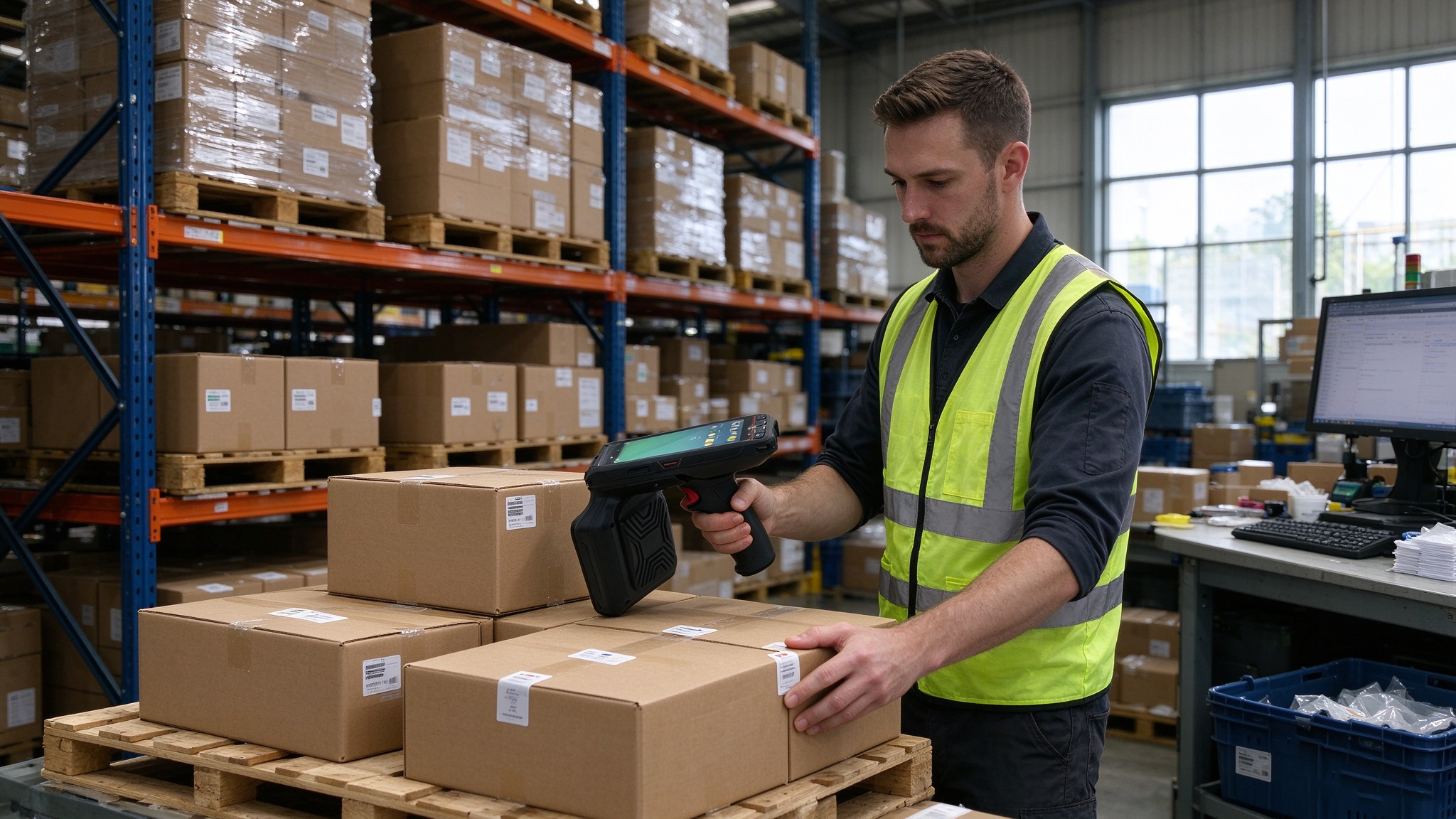
RFID is used when organizations need to identify physical objects, capture movement events, or reconcile items against digital records.
Common applications include:
The value depends on how well the identification system fits the workflow. A warehouse may benefit from fixed UHF readers at a gateway, while a technician managing individual tools may prefer a handheld reader or a compact RFID module integrated into another device.
RFID benefits should be described using evidence from the application being discussed, rather than assuming every installation delivers the same improvement.
A field study by Bill C. Hardgrave, John A. Aloysius, and Sandeep Goyal, published in Production and Operations Management in 2013, examined RFID-enabled inventory visibility at a major retailer. Its first experiment covered 13 stores over 23 weeks and reported an approximately 26% reduction in inventory record inaccuracy associated with RFID-enabled visibility. A second experiment covered 62 stores and five product categories, with results varying by category.
These findings are useful, but they are not a universal performance guarantee. Tag coverage, reader placement, inventory procedures, and software integration all influence results.
RFID performance depends on the complete installation, not just the tag or reader specification. Before selecting equipment, businesses should evaluate the materials being tagged, the number of items moving through a reading zone, and the accuracy required by the application.
For example, metal surfaces can detune or shield some RFID tags, while liquids can affect UHF radio communication. Suitable tag designs, mounting positions, antenna placement, and reader settings can help address these conditions.
A practical evaluation should include:
For industrial applications, Cykeo offers UHF RFID readers and embedded modules designed for integration into identification and automation systems. Supported interfaces, protocols, and performance specifications should be checked against the requirements of the intended application.
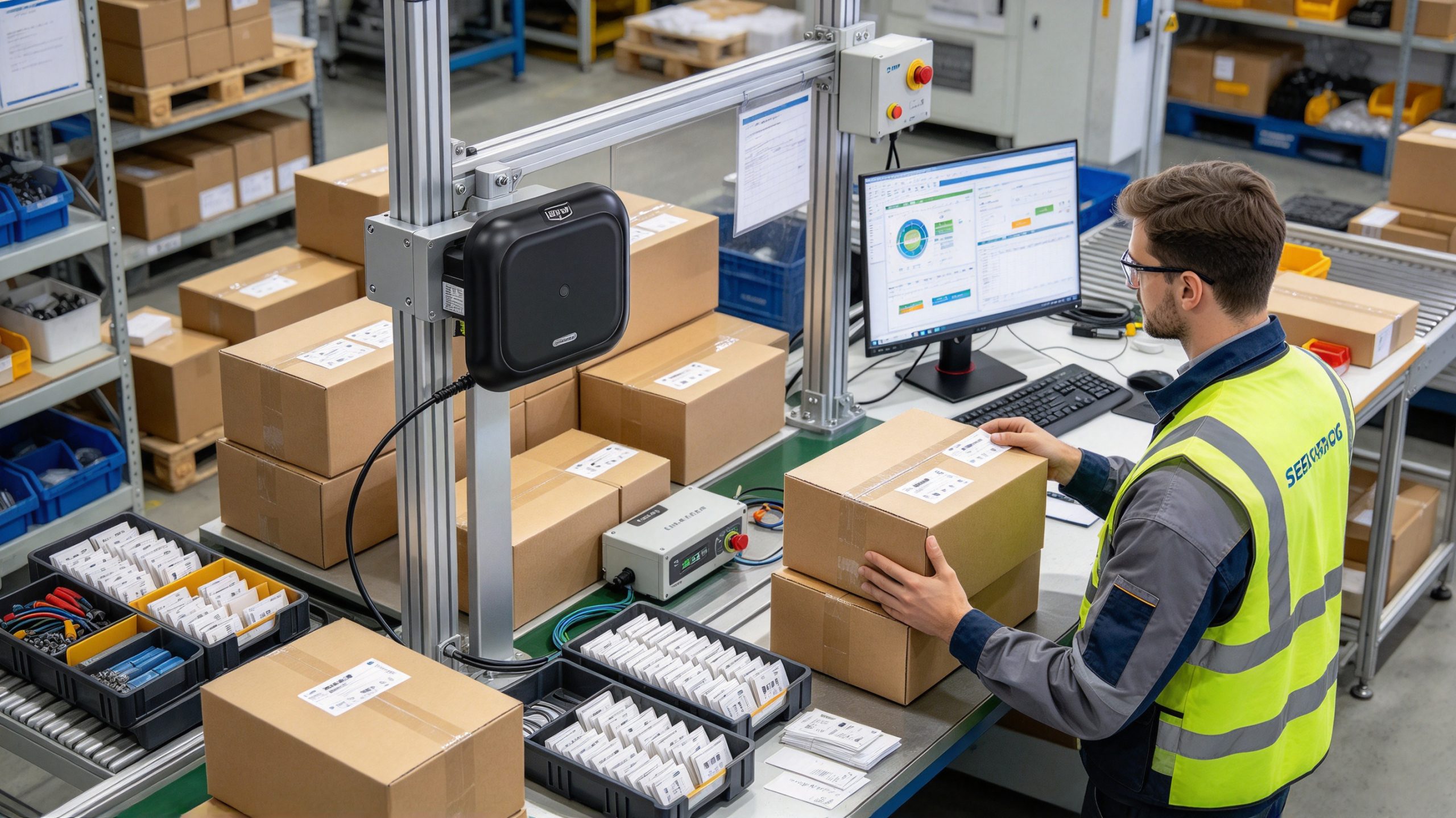
Defining an RFID system is straightforward. Making it work consistently across a real operation requires more careful planning.
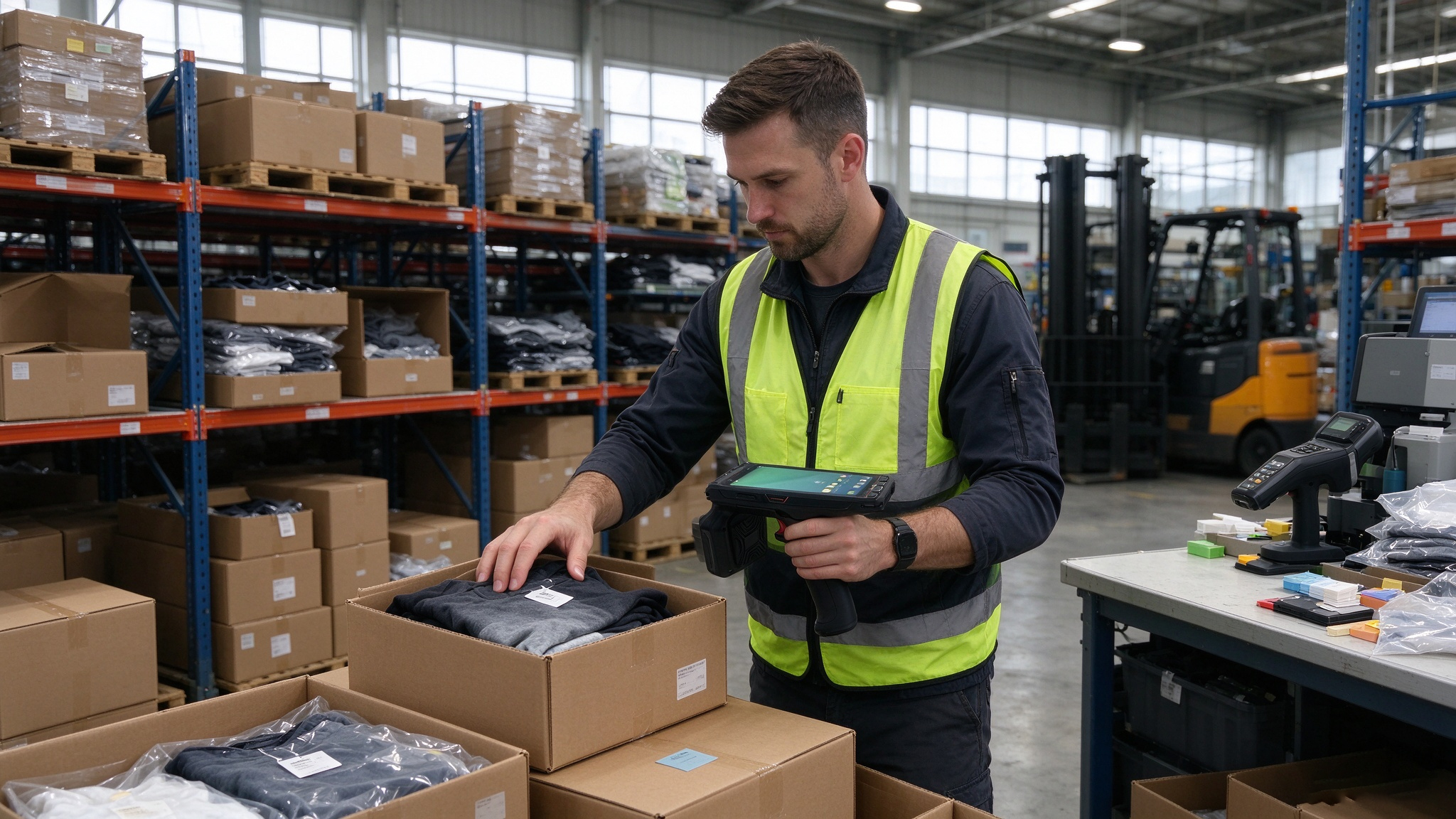
A clothing retailer, a distribution warehouse, and a textile laundry facility may all use RFID, but their operating conditions are different. A tag that works well on a paper hang tag may not be suitable for repeated industrial washing. A reader configured for a warehouse portal may not provide the best results for shelf-level inventory checks.
Before selecting RFID equipment, businesses should evaluate several factors.
Different RFID frequencies serve different purposes.
| Frequency | Common Range | Typical Considerations |
|---|---|---|
| LF | Around 125–134 kHz | Short-range identification and specialized applications |
| HF | 13.56 MHz | Close-range identification, cards, and item-level applications |
| UHF | Around 860–960 MHz | Apparel inventory, logistics, and bulk identification |
These are general frequency ranges; the exact permitted operating bands depend on local regulations and the selected RFID standard.
UHF RFID is widely used for apparel inventory because it can identify multiple tags within a suitable reading zone. However, the actual performance depends on reader output, antenna design, tag sensitivity, garment arrangement, and the surrounding environment.
A tag should be tested on the product it will identify—not only on a workbench.
Fabric composition, folded garments, packaging, nearby objects, and tag orientation can affect read performance. A pilot test should include representative garment types, realistic stacking arrangements, and the intended reader position.
For example, if a warehouse needs to verify cartons of clothing at a receiving station, test the complete process with actual cartons and normal handling speeds. Record missed reads, duplicate records, and unintended reads from neighboring cartons. These results are more useful than relying on a maximum read-distance specification alone.
The reader should match the operating task.
For fixed UHF deployments, an integrated reader and antenna can simplify installation where a compact unit is appropriate. For more complex zones, antenna placement and power adjustment may be necessary to control the reading area.
Cykeo’s UHF RFID reader and module product options can be evaluated against requirements such as supported protocols, interface type, output power, software integration, and read-zone design. Confirm the specifications of the exact model before choosing equipment for a project.
An RFID reader identifies tags, but identification alone does not update a complete inventory system.
The software needs to associate the tag identifier with the correct garment record, process reader events, and apply business rules. Depending on the application, this may involve warehouse management software, retail inventory platforms, or a custom application using the reader’s SDK or API.
A useful implementation test checks the entire chain:
This process helps separate RF performance issues from software or data-management problems.
No. RFID identifies tagged items through radio-frequency communication, while a conventional barcode is read optically. RFID can identify multiple tags within a suitable reading zone without requiring each tag to be visually aligned with a scanner. Actual performance depends on the tag, reader, environment, and system configuration.
Not always. Passive RFID tags obtain the energy needed to respond from the reader’s radio signal. Active RFID tags use an onboard power source, while battery-assisted designs use a battery to support tag operation. The appropriate type depends on the application and required performance.
Yes. Many RFID systems can read multiple tags in a single interrogation process. This capability is particularly useful in apparel inventory and warehouse operations. The number of tags read reliably at once depends on reader configuration, tag placement, RF conditions, and the speed and density of the operation.
No. An ordinary RFID tag does not independently provide GPS coordinates. RFID records identification events when a reader detects a tag. A business can use those events to track movement between known checkpoints, but continuous location tracking requires additional infrastructure or technologies.
An RFID tag may store a unique identifier and, depending on the tag and application, additional data. Many systems use the identifier to retrieve product details from a database rather than storing the complete product record on the tag. Data capacity and supported memory functions vary by tag type.
No. RFID is useful when wireless identification supports a clear operational need, but it is not automatically the best option for every product or process. Cost, materials, read accuracy, privacy requirements, environmental conditions, and software integration should all be assessed before deployment.
RFID stands for Radio Frequency Identification. Its defining feature is the use of radio-frequency communication to identify tagged objects and transfer information to a reader and connected system.
In practice, a successful RFID deployment depends on more than the tag itself. Frequency, antenna placement, tag design, reader settings, software integration, and the way people handle products all influence the result. For apparel and logistics projects, a small pilot using real products is often the most useful step before expanding the system.
For businesses evaluating RFID equipment, start with the task the system must perform—inventory counting, product identification, receiving verification, or process automation—then select tags, readers, and software around that requirement.

Discover SSD-D4AL, a USB-HID UHF RFID reader with 4/8/16 antenna options, Impinj E710/X3M1 chipset, plug-and-play USB power, and OEM customization.
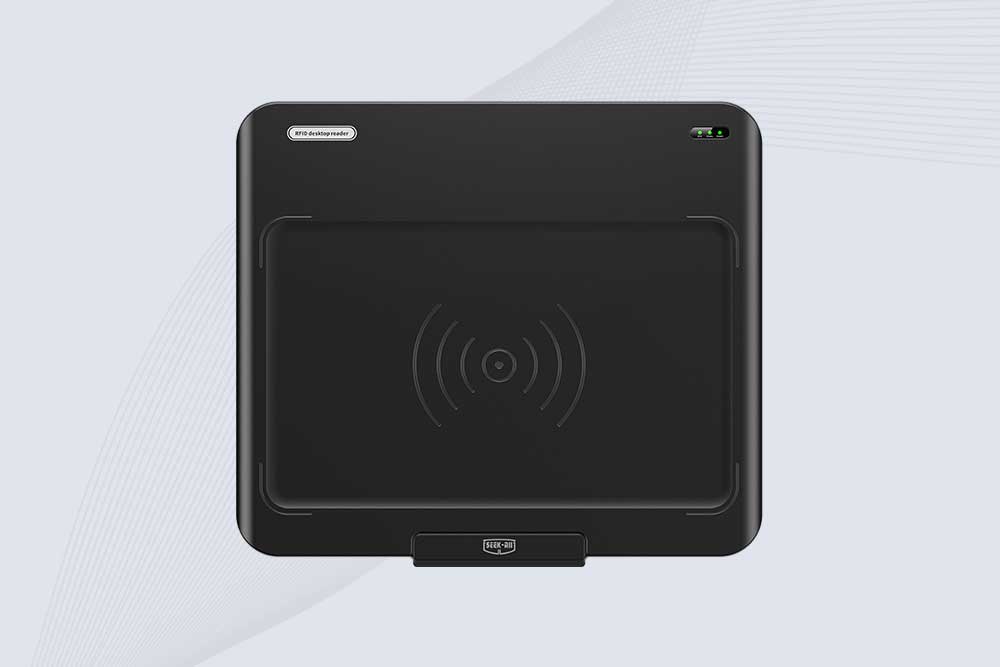
SSD-D3AL is a USB-HID UHF RFID reader with 0–30 cm reading, 0–15 cm writing, over 600 tags/s recognition, USB plug-and-play operation and OEM Logo customization.
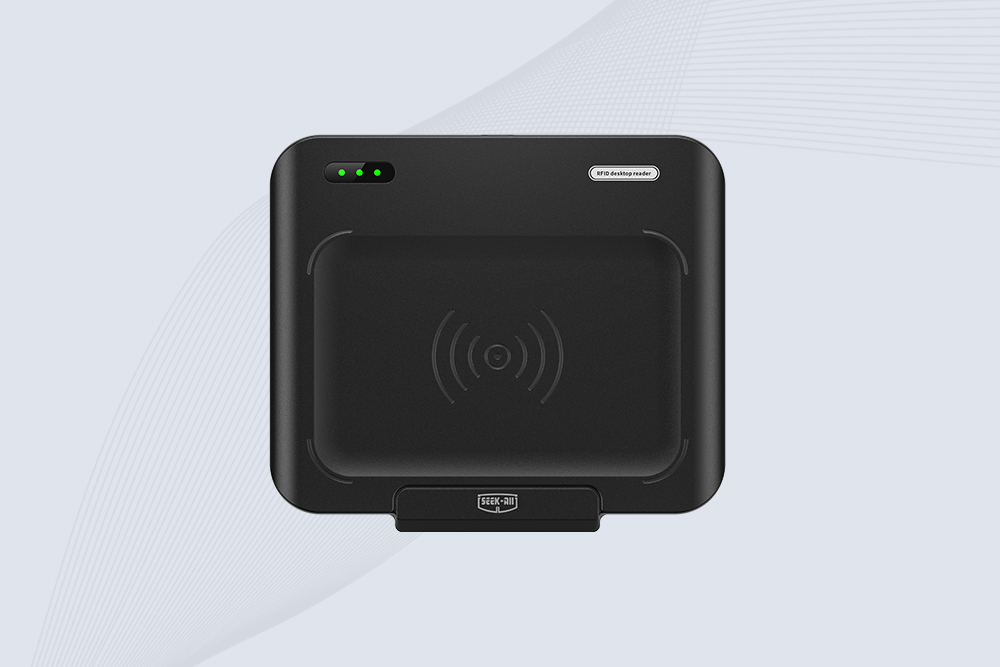
SSD-D1AL is a compact USB UHF RFID reader with Impinj E710/X3M1 chipset, USB-HID, 600+ tags/s recognition, 4/8/16 antenna support and plug-and-play USB power.
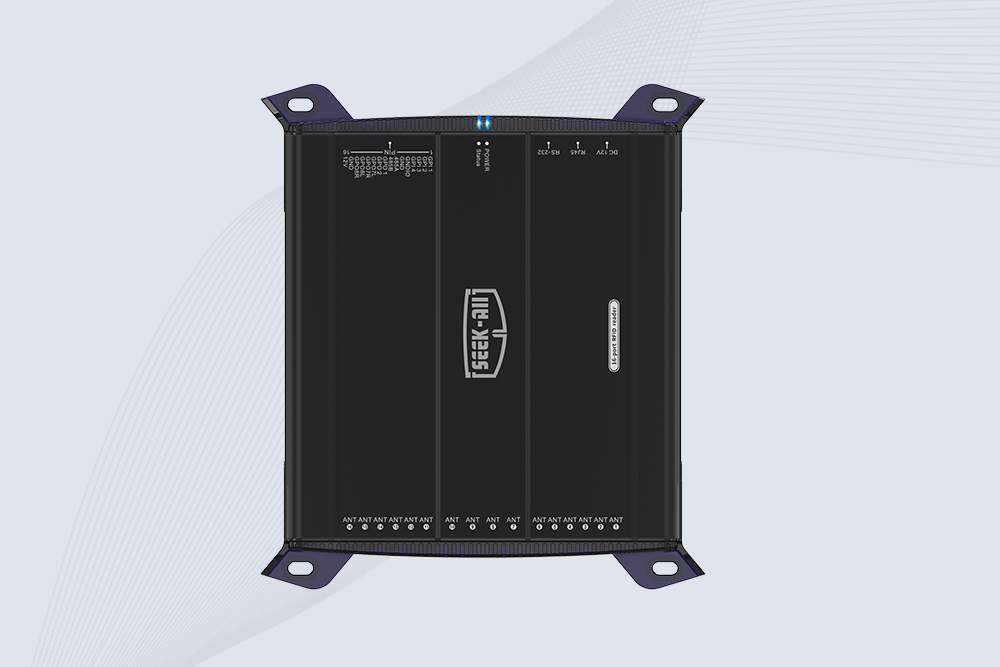
SSD-R16L Multi-Channel RFID Infrastructure for Automated Inventory Management ✔️ 16-Port High-Density RFID Reading Equipped with 16 SMA antenna ports, SSD-R16L supports multi-antenna deployment for warehouses, retail stores, logistics, production lines, and large-area RFID identification. ✔️ High-Speed & Long-Range Performance With up to 33…
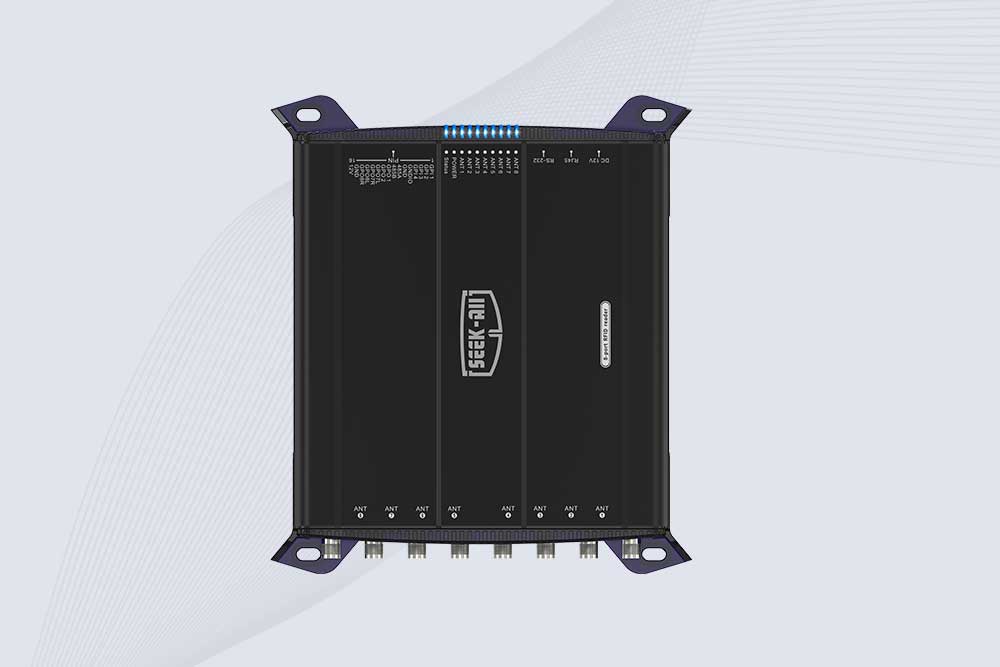
SSD-R8L 8-port UHF RFID reader with 33dBm output, up to 20m reading range and 600+ tags/s recognition. Ideal for warehouse, logistics, retail and asset tracking.
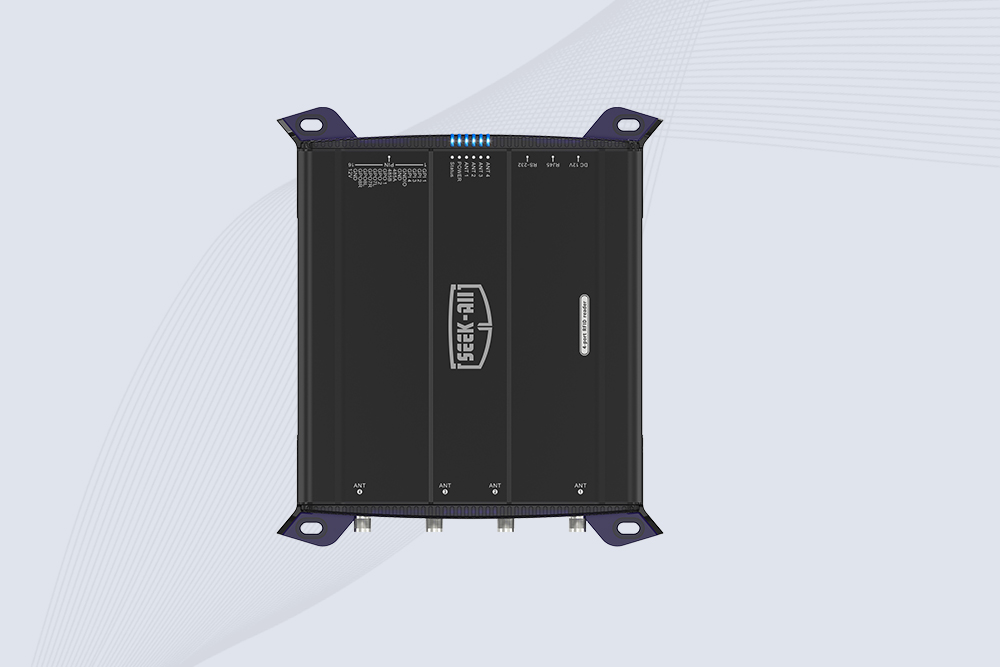
SSD-R4L is a 4-port UHF RFID fixed reader with 33dBm output power, up to 20m reading range, EPC C1G2 support and 600+ tags/s reading speed.

CYKEO CYKEO-D1LA USB RFID Reader is a compact desktop solution with near-field control for precise tag reading and encoding. Powered by USB, supporting ISO 18000-6C, and built for stable batch writing, this usb rfid tag reader fits retail, libraries, offices, and controlled RFID encoding tasks.
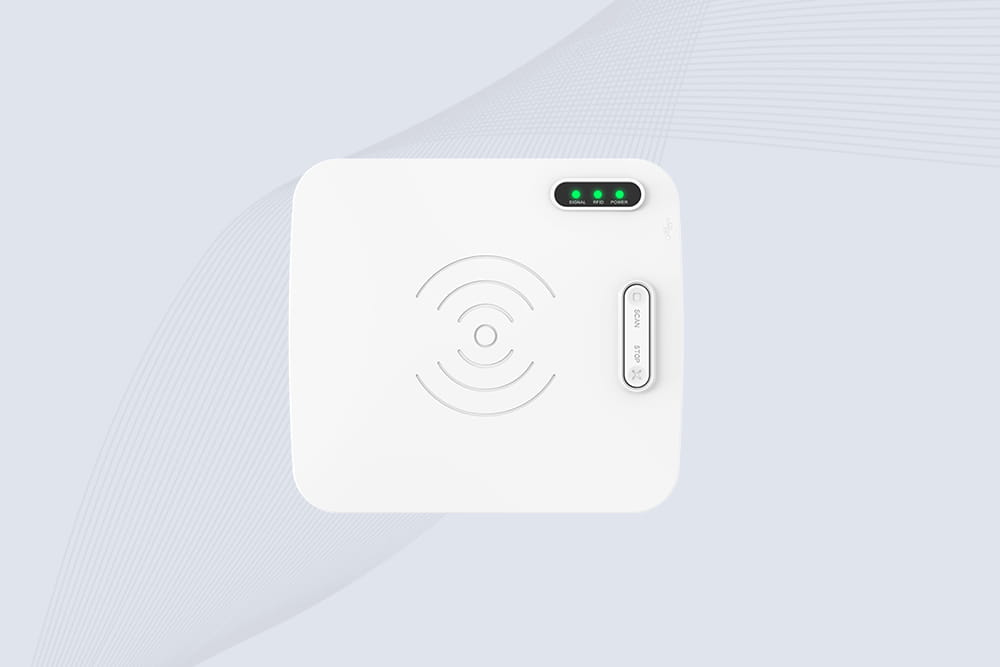
CYKEO CYKEO-D1L RFID scanner USB is a compact desktop UHF RFID scanner designed for short-range tag writing and verification. This usb rfid scanner supports batch encoding, stable 0–26 dBm output, and works across Windows, Linux, and Android systems.
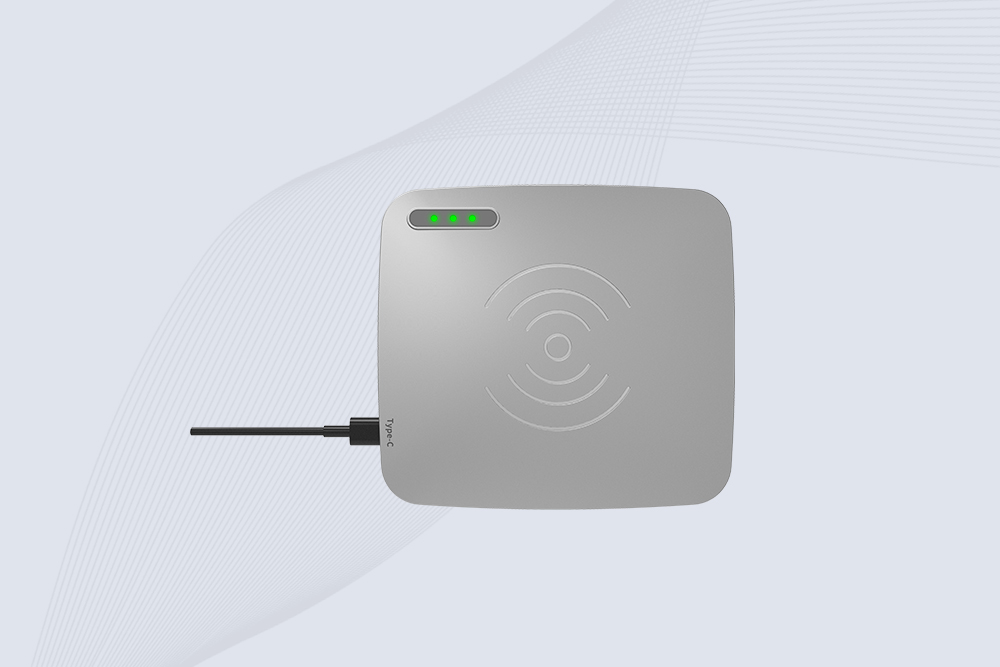
CYKEO CYKEO-D1C USB RFID Card Reader is a near-field UHF desktop writer designed for secure, short-range tag encoding. With USB-C connectivity and stable 26 dBm output, this rfid reader usb c is ideal for badge issuance, label encoding, and controlled desktop RFID workflows.
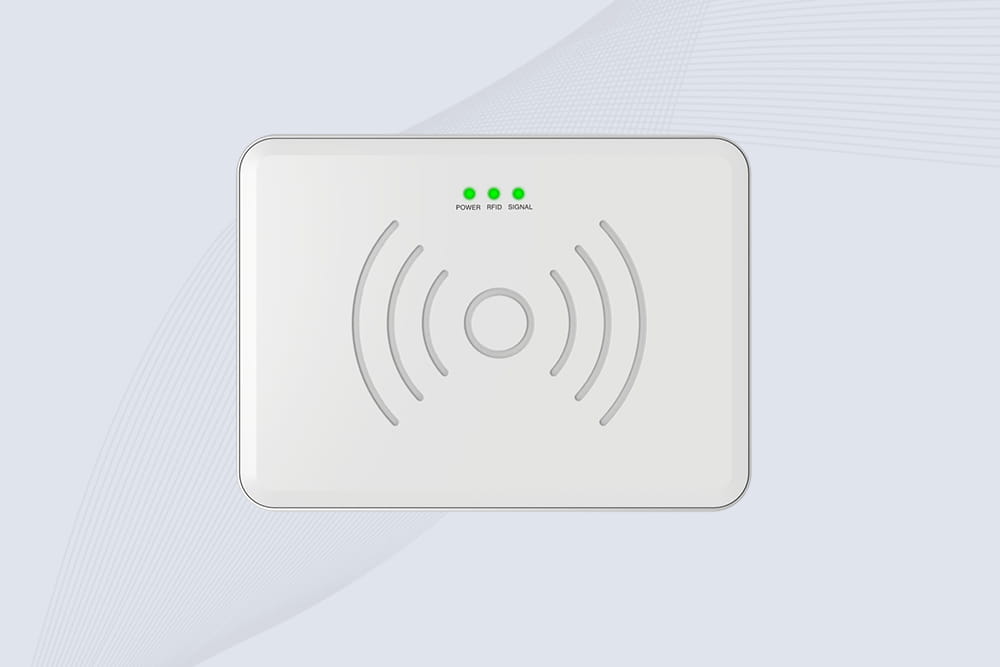
CYKEO CYKEO-D2L RFID Reader USB is a compact desktop encoder built on the Impinj R500 chip. With near-field control and stable USB power, this usb rfid card reader delivers precise tag writing for offices, retail counters, and small-scale logistics encoding tasks.
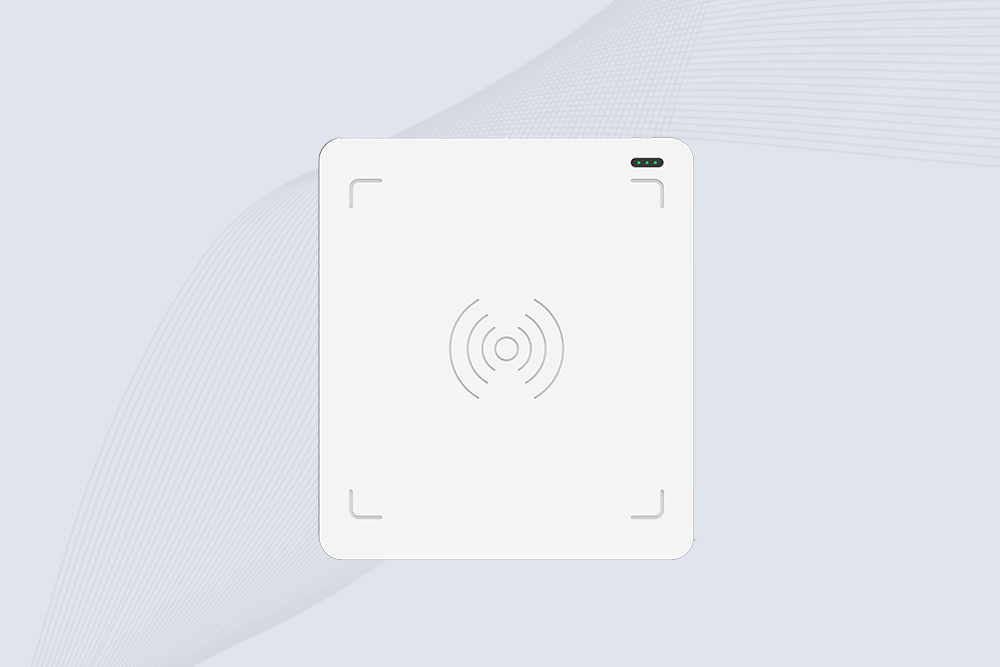
CYKEO CYKEO-D3L USB RFID Tag Reader delivers stable UHF tag reading and writing for daily desktop and light industrial tasks. Designed for controlled short-range operation, this USB RFID Tag Reader works reliably with rfid tag and reader systems in libraries, tool tracking, and inventory registration.
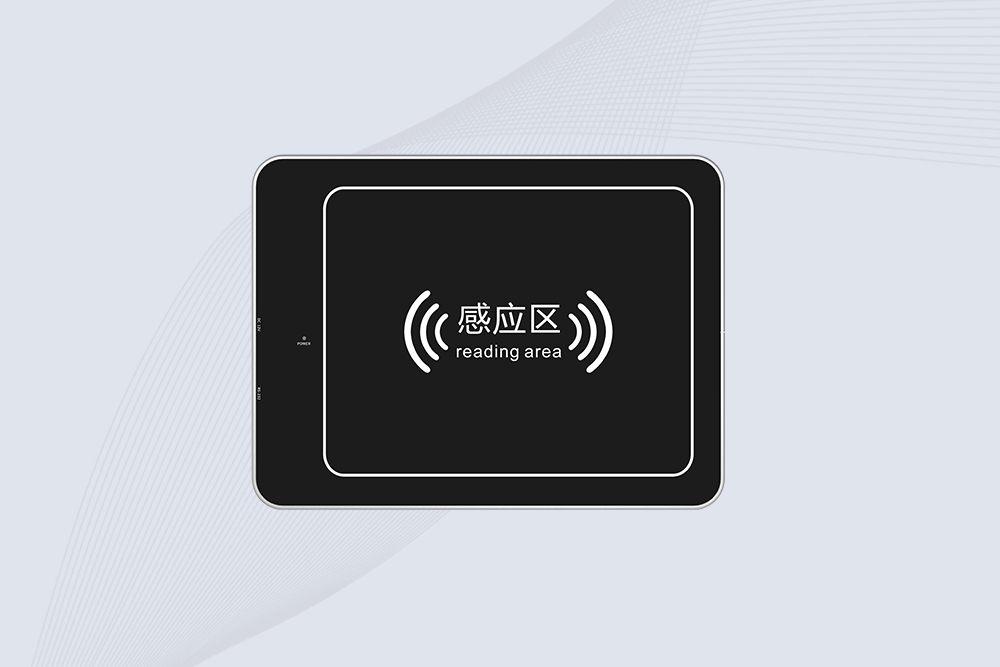
The CYKEO CYKEO-D4L UHF RFID Tag Reader is a stable Desktop RFID Reader designed for accurate tag registration, borrowing, and return workflows. Built with the Impinj R2000 chip, this UHF RFID Tag Reader delivers controlled short-range reads for libraries, asset tracking, and inventory management environments.
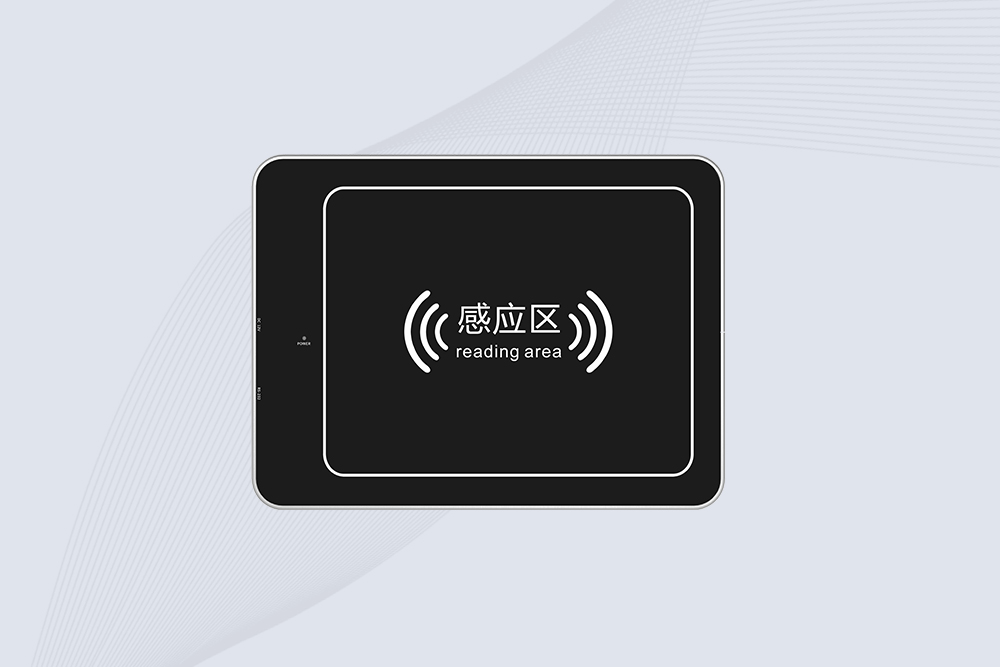
The CYKEO CYKEO-D5L Desktop RFID Card Reader is a stable UHF RFID Card Reader designed for controlled short-range reading and writing. Built for libraries, tool rooms, and asset desks, this UHF RFID Card Reader supports dense tag handling, secure data processing, and easy USB integration.
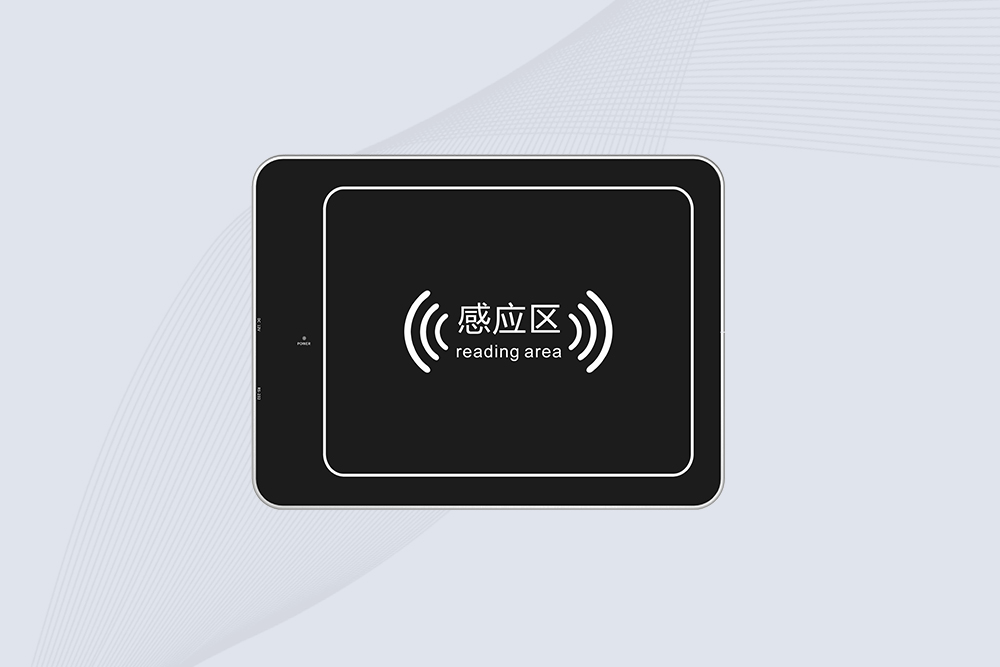
The CYKEO CYKEO-D6L RFID Reader Writer is a heavy-duty Desktop RFID Reader designed for short-range, high-accuracy tag programming. Built for libraries, labs, and asset desks, this RFID Reader Writer supports batch processing, stable 33dBm output, and seamless integration with existing management systems.
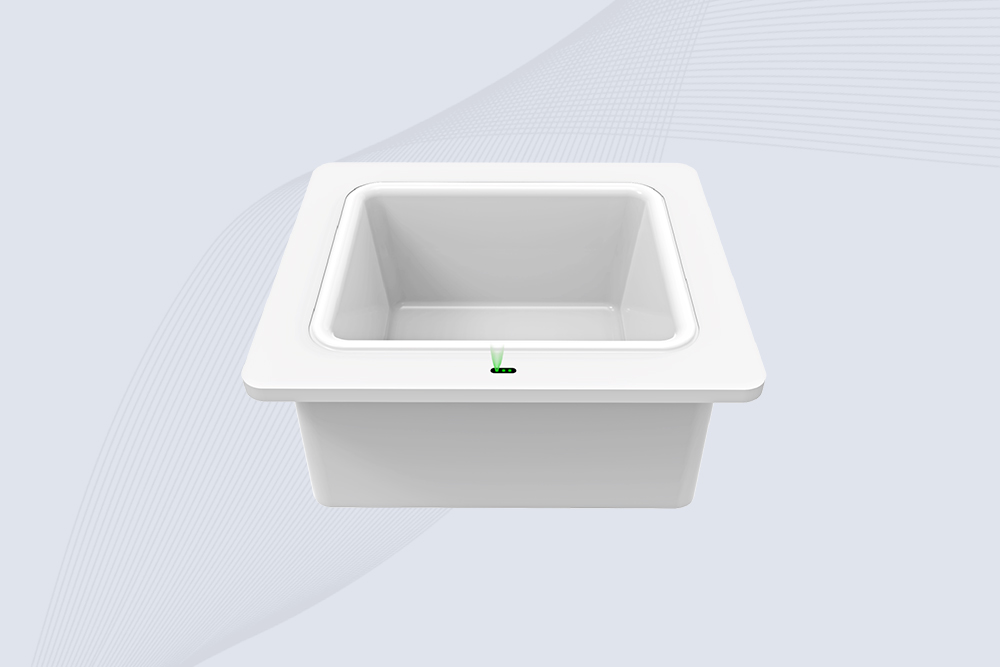
Cykeo CYKEO-D8B UHF RFID tunnel and RFID Desktop Reader features 30+ items batch reading,
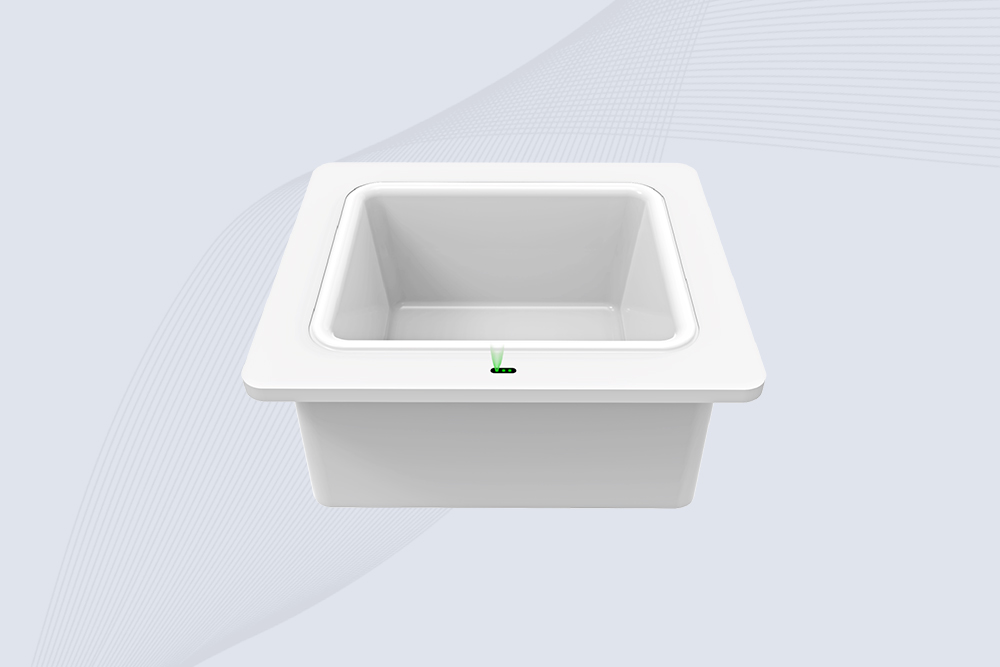
Cykeo CYKEO-D8A embedded RFID badge reader offers 30+ tags/sec scanning, 20cm anti-crosstalk precision, and DC 12V power for unmanned stores, warehouses, and smart inventory systems.
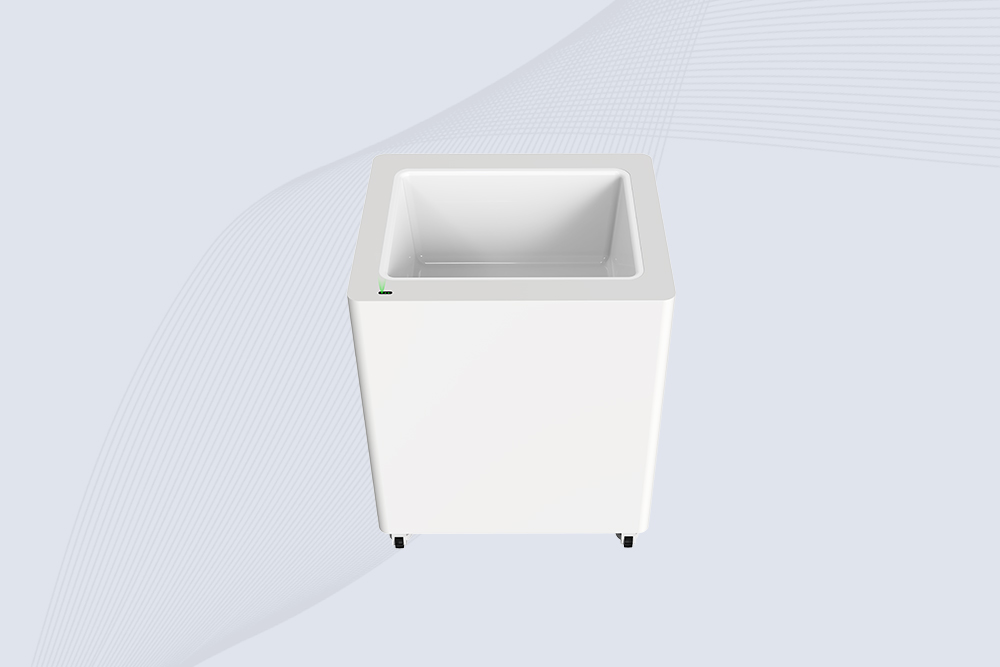
Cykeo’s CYKEO-D8C UHF RFID gate reader achieves 200-tag/batch scanning with adjustable power control, ideal for retail inventory and smart warehouse management.
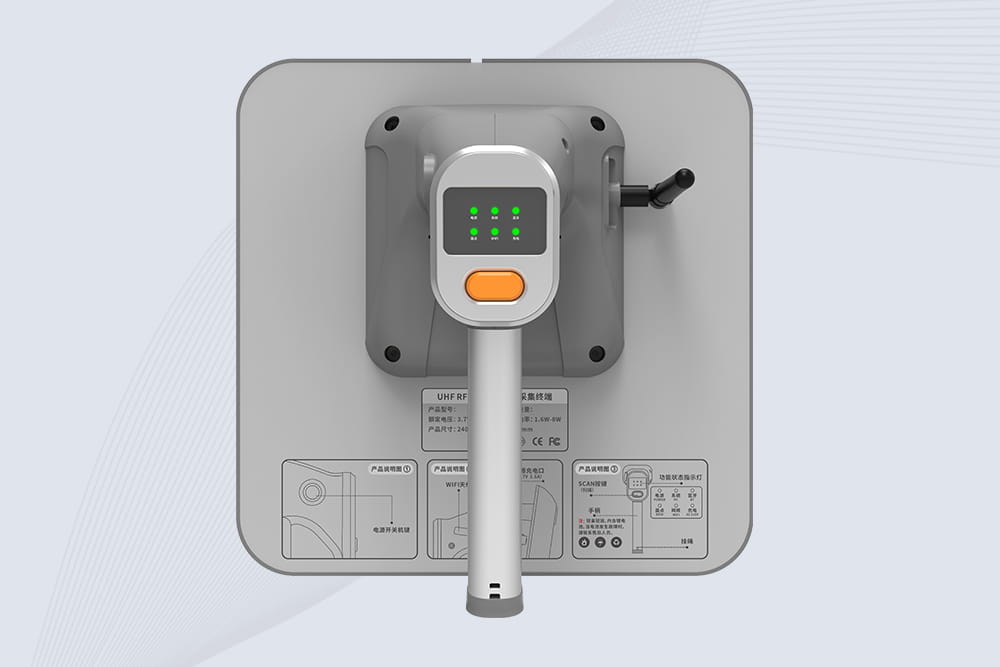
Cykeo CYKEO-B9 UHF Bluetooth handheld RFID scanner features 12m UHF range, 200+ tags/sec scanning, IP67 rugged design for retail/warehouse/pharma. Supports Android SDK & real-time Bluetooth 5.0 transmission.
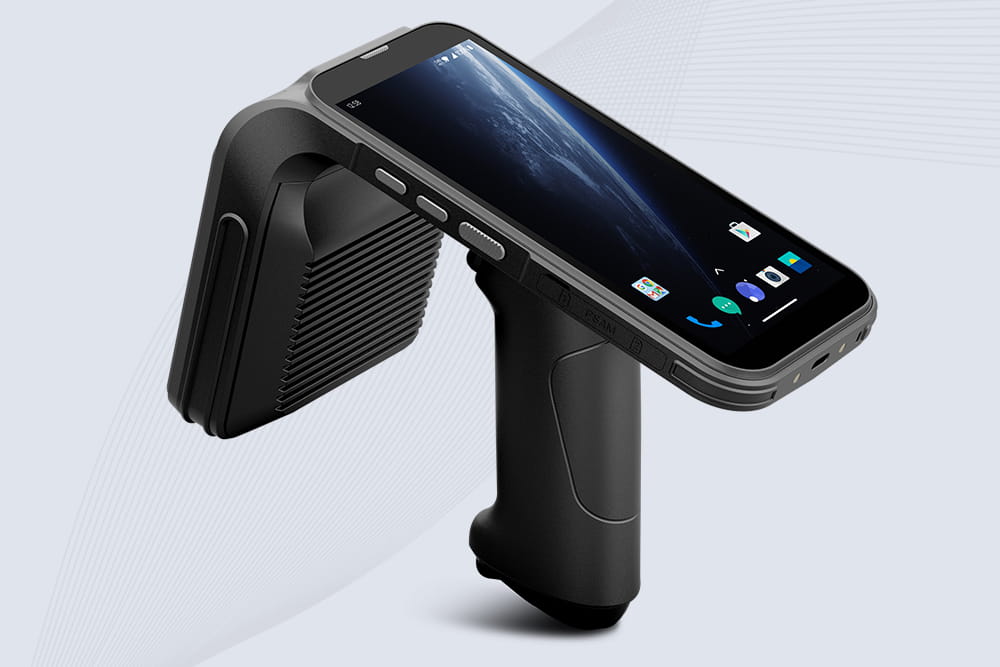
Cykeo CYKEO-B4 UHF Handheld RFID Reader scanner delivers 1300 tags/sec reading, 30m UHF range, and 12-hour battery life. IP65 rugged design with barcode/NFC/ID scanning for retail/manufacturing/logistics.
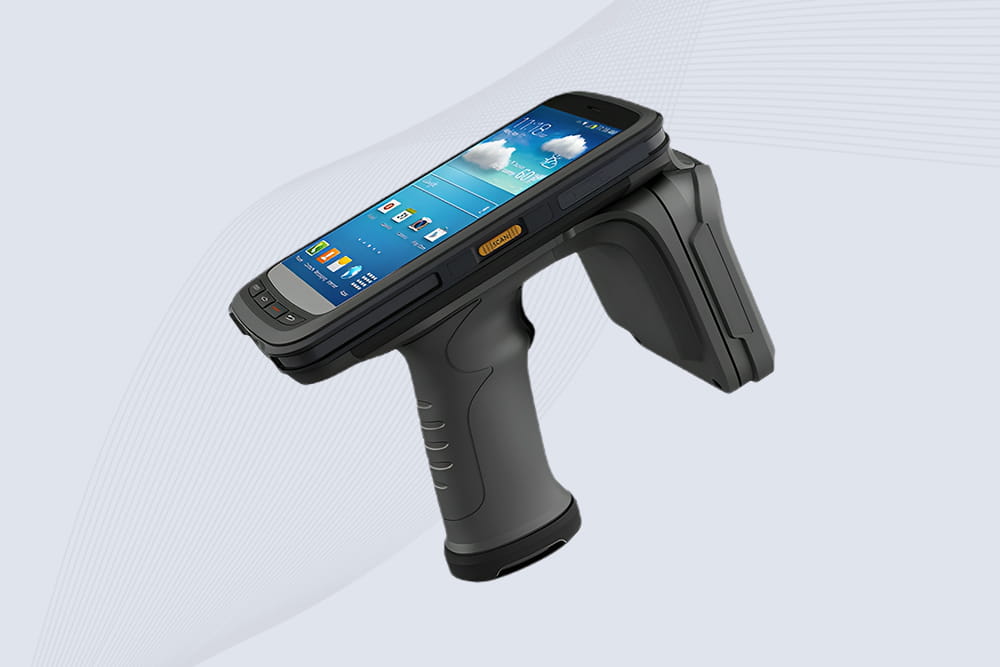
Cykeo CYKEO-B2 industrial UHF RFID handheld Scanner offers 10m range, 500 tags/sec scanning, Android 11 OS, and IP65 rugged design for retail/warehouse/manufacturing.
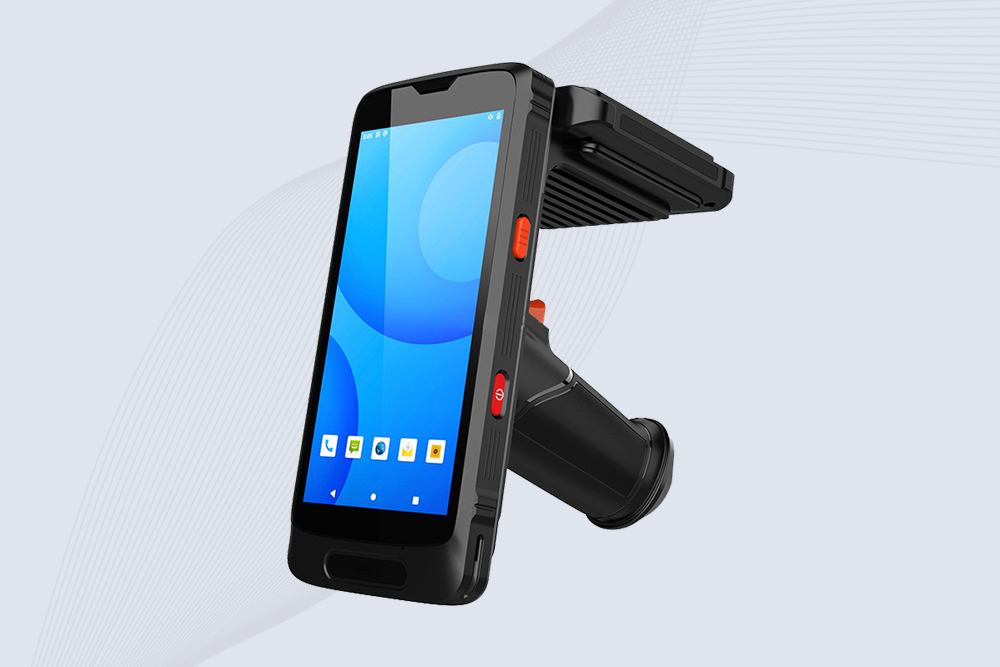
Cykeo CYKEO-B3 industrial RFID Reader Handheld, terminal offers 2m read range, multi-protocol scanning (NFC/barcode/ID), Android 10 OS, and IP65 ruggedness for logistics/retail/manufacturing.
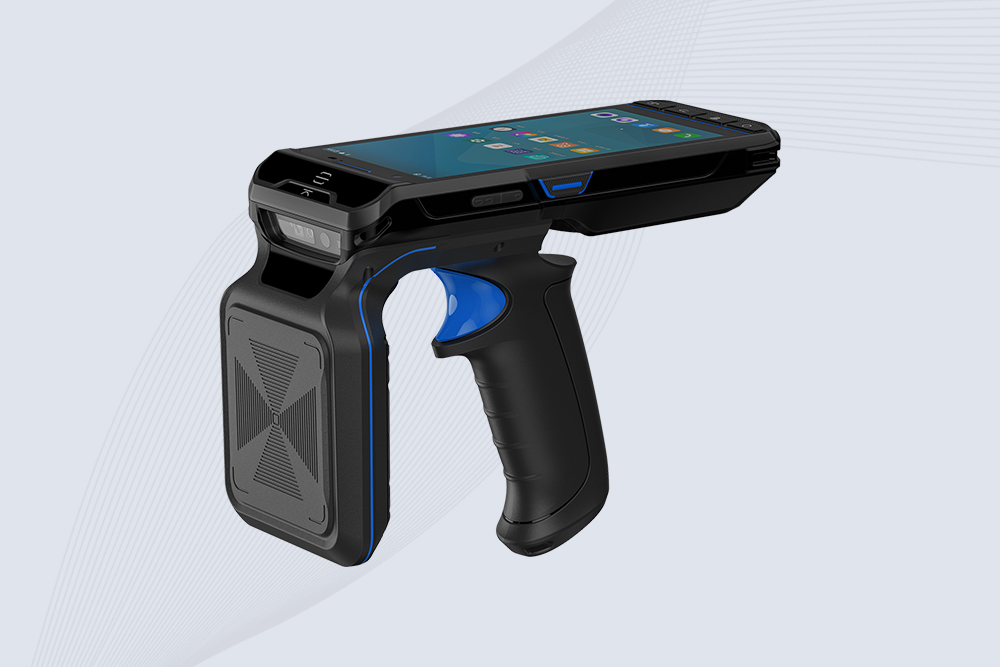
Cykeo CYKEO-B3L industrial handheld UHF RFID Reader terminal features 20m read range, 500 tags/sec scanning, Android 13 OS, 12-hour battery for logistics/retail/manufacturing. Supports barcode/NFC/ID reading.
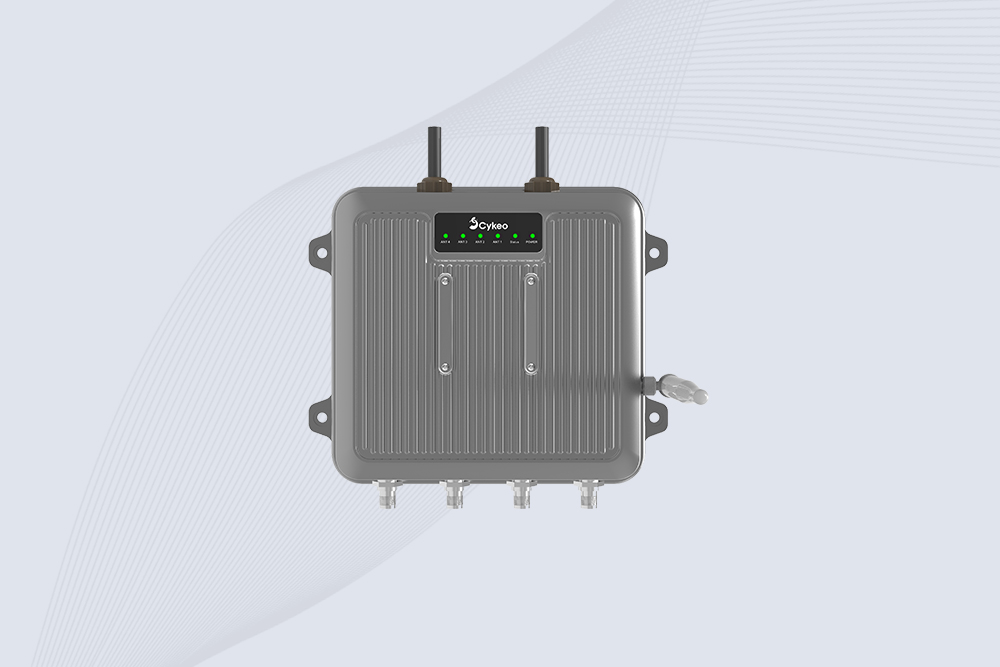
Cykeo CYKEO-C1 industrial Forklift RFID Reader features 20m read range, 600 tags/sec scanning, Impinj R2000 chipset, and IP67 rugged design. Ideal for warehouse logistics and manufacturing. Supports ISO 18000-6C/6B protocols.
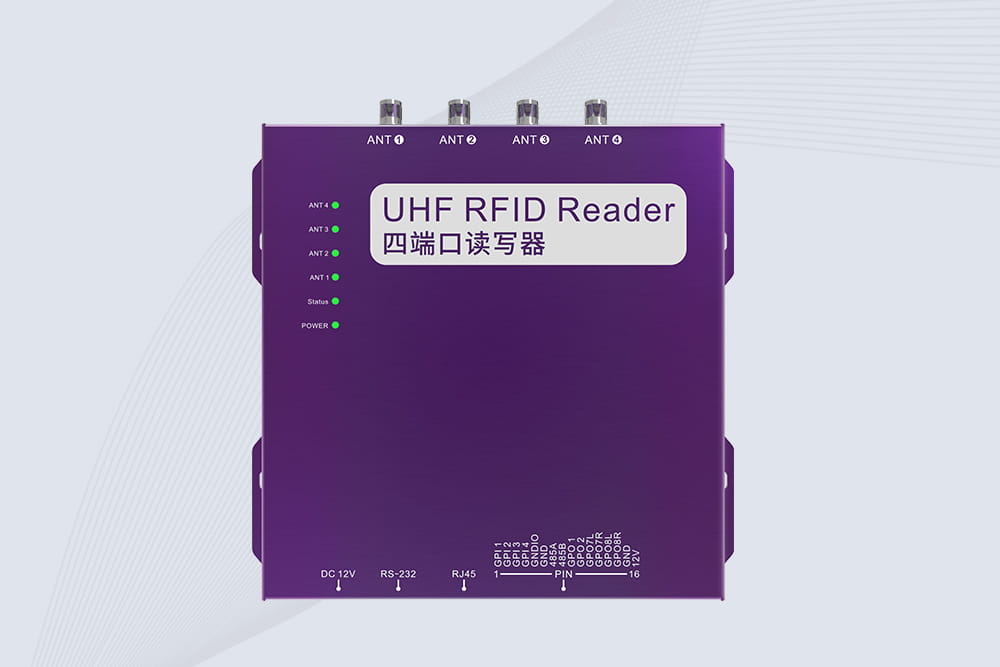
Cykeo CYKEO-R4 industrial UHF RFID Fixed Reader features 4 TNC ports, 400+ tags/sec speed, IP67 housing, and global frequency compliance for vehicle inspection, smart warehouse, and asset management systems.
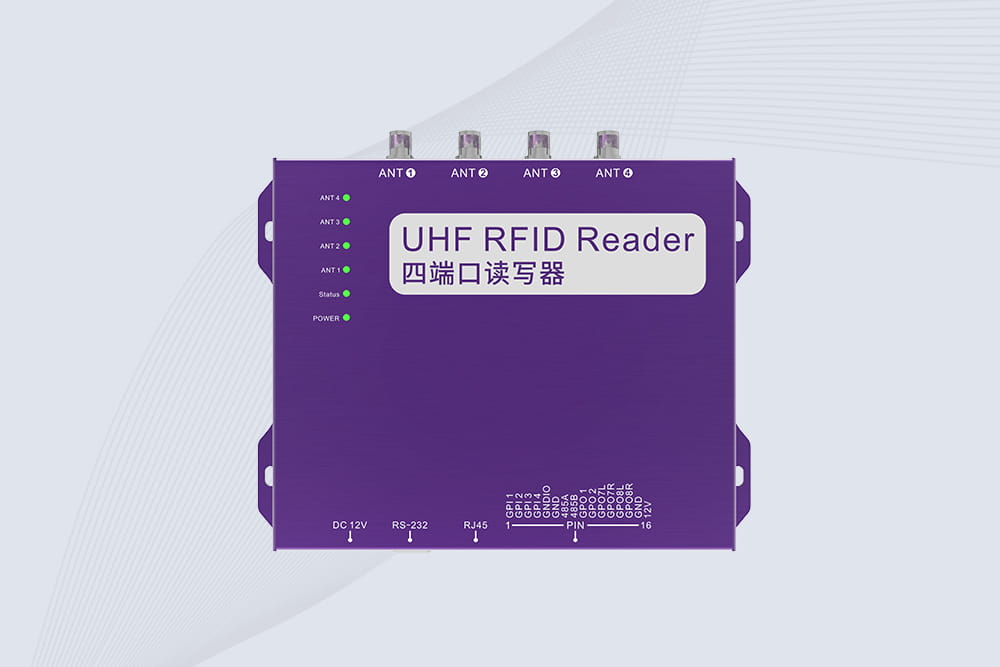
Cykeo’s CYKEO-R4L 4-port Fixed UHF RFID Reader delivers 400 tags/sec scanning, ISO 18000-6C compliance, and IP65 protection. Ideal for warehouse automation, manufacturing WIP tracking, and logistics management.
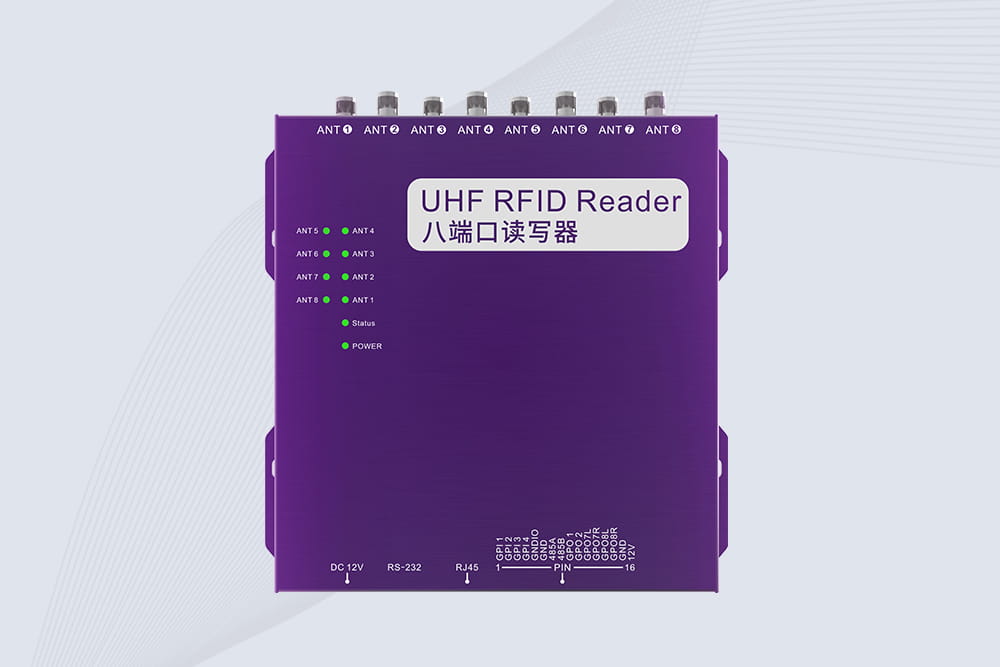
CYKEO CYKEO-R8L Fixed RFID Reader with 8-port UHF design, Impinj-based RF core and up to 20m read range. An industrial Fixed RFID Reader for vehicle inspection, warehouse portals, smart manufacturing lines and secure access checkpoints.
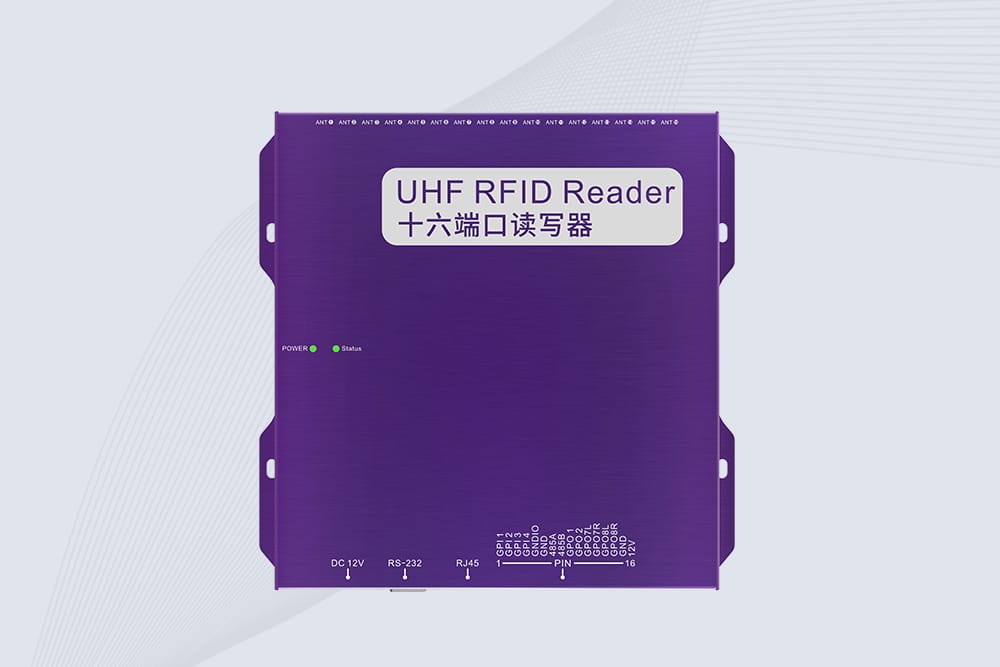
RFID Fixed Reader from CYKEO – the CYKEO-R16L 16-port UHF fixed reader for warehouses, smart cabinets, and production lines. Long-range, multi-tag reading, stable performance for 24/7 industrial use.
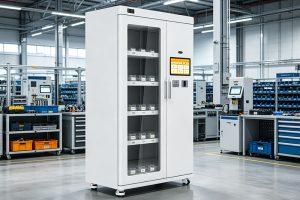
Tool tracker tag solutions help businesses track tools, reduce losses, improve accountability, and streamline inventory management using RFID technology.
More
Discover how to select the best UHF RFID module for industrial asset tracking. Learn about frequency, durability, compatibility, and real-world performance.
More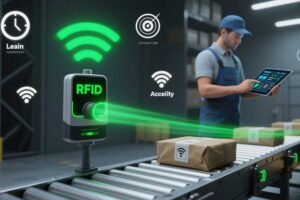
Can RFID readers track items in real-time? Discover the technology behind RFID accuracy, latency limits, and how Cykeo optimizes tracking for critical industries.
More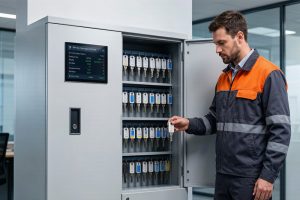
Discover how RFID key tracking helps businesses monitor key movement, prevent losses, automate audits, and improve security. Learn how RFID key management systems work and why organizations are adopting them for scalable asset control.
More