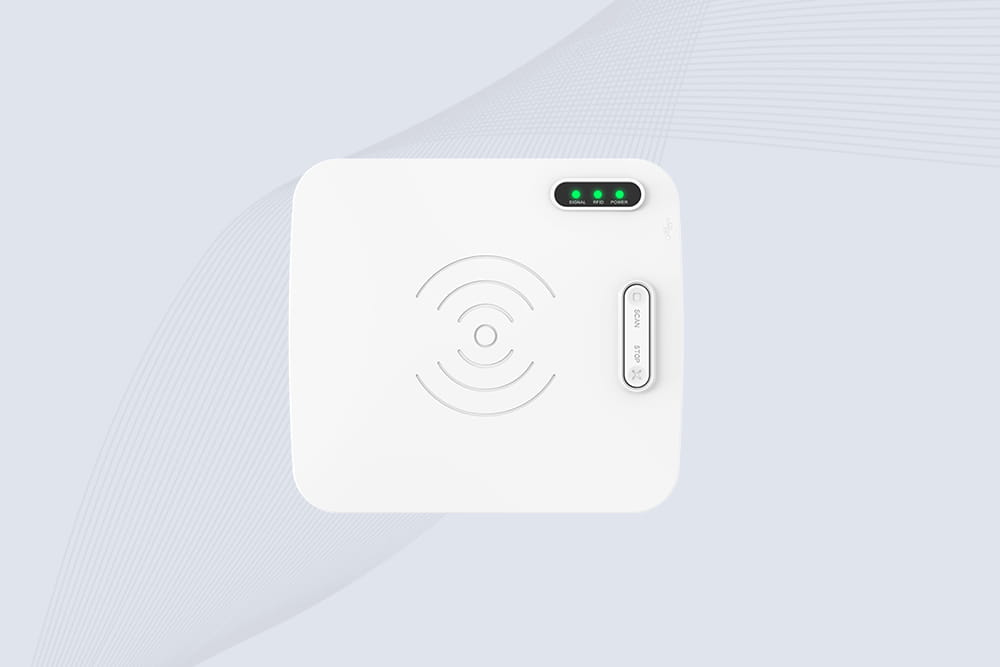
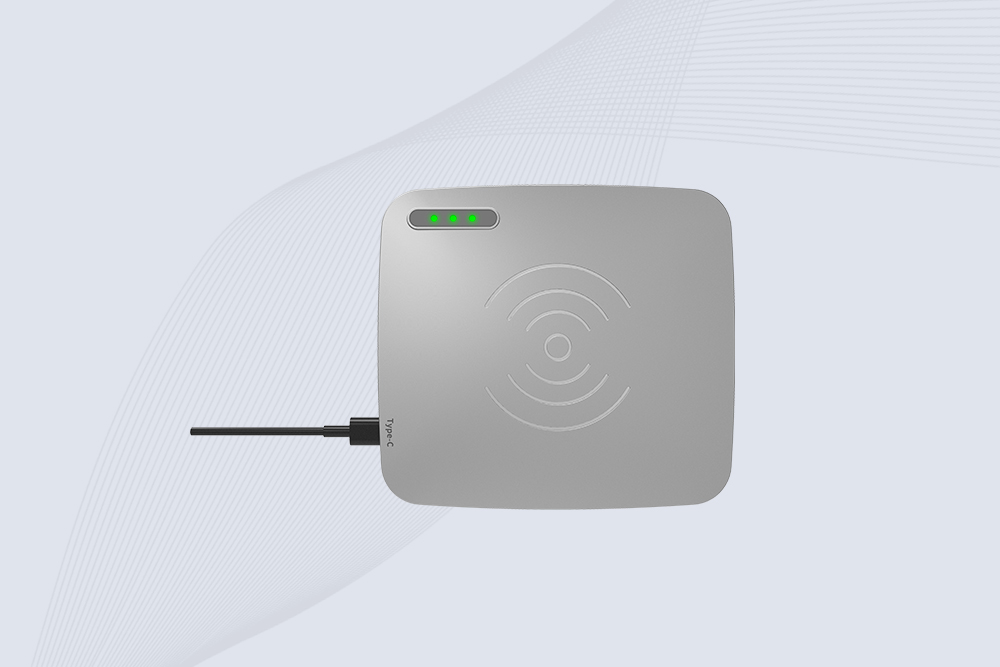
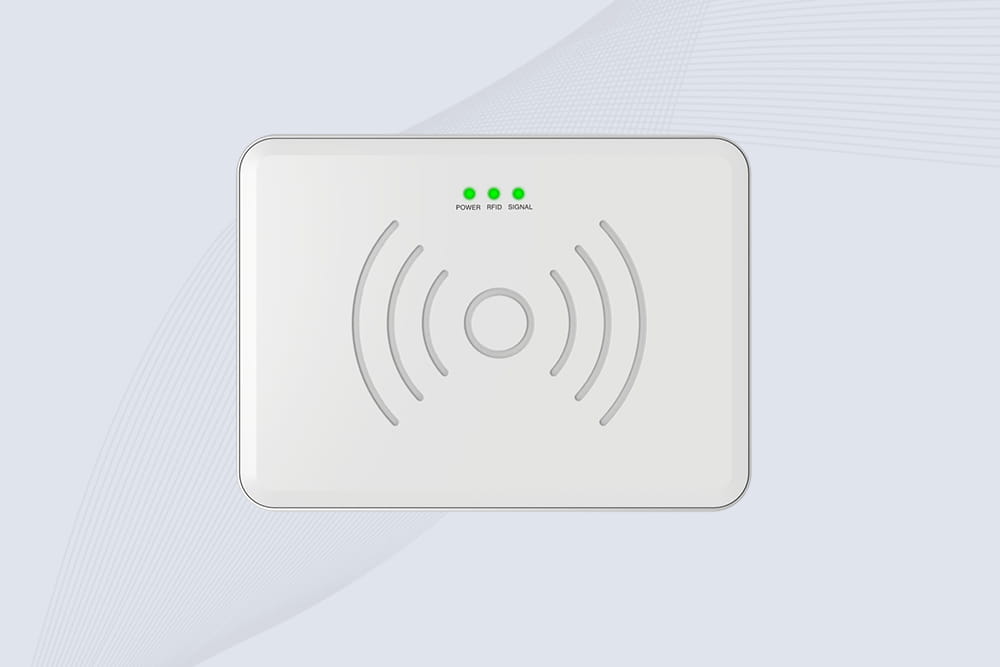
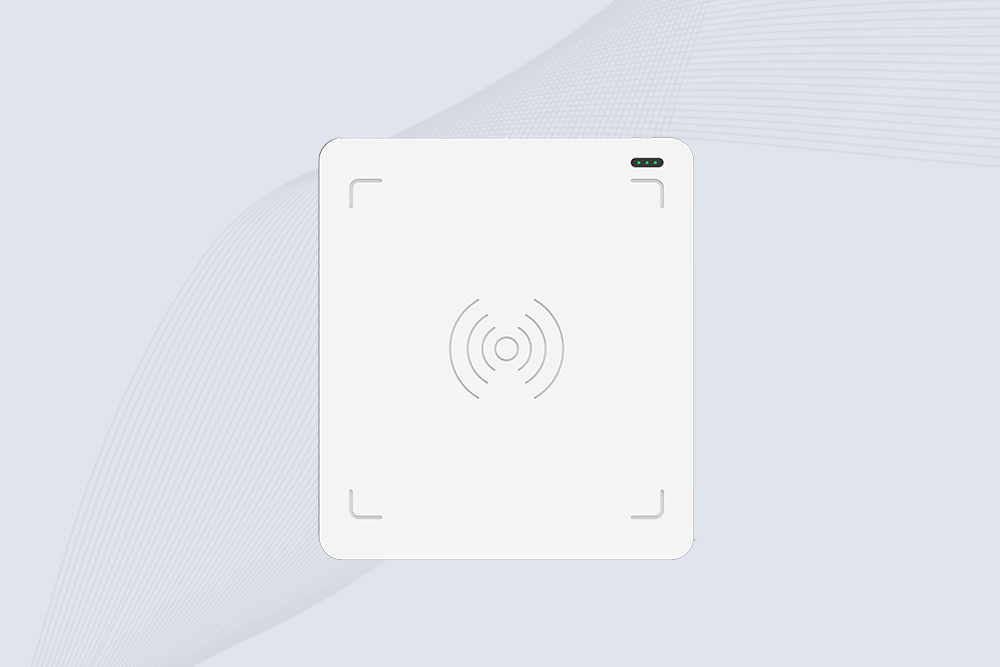
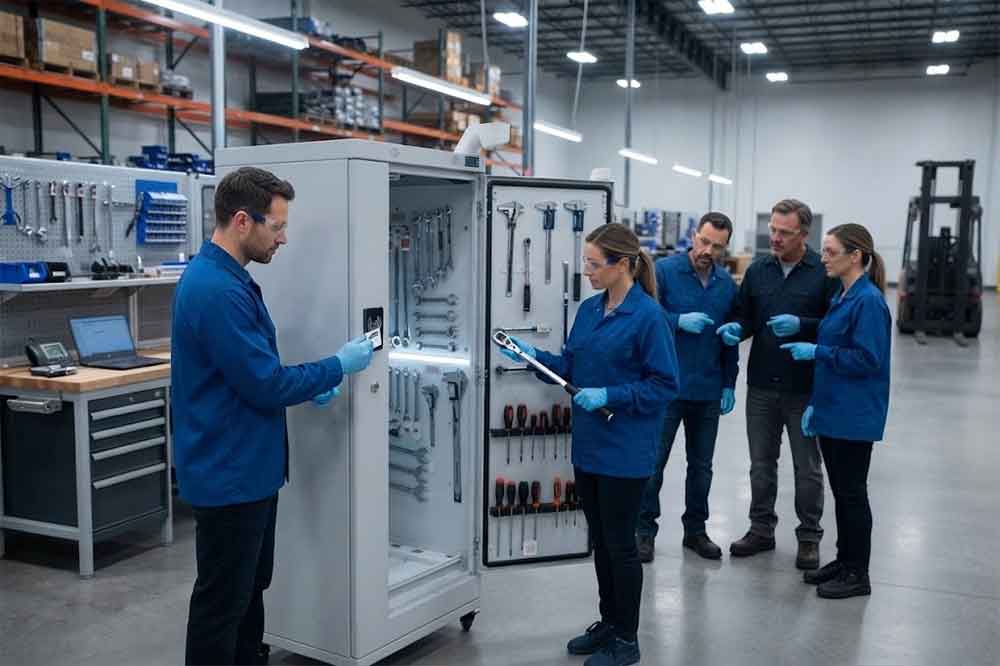
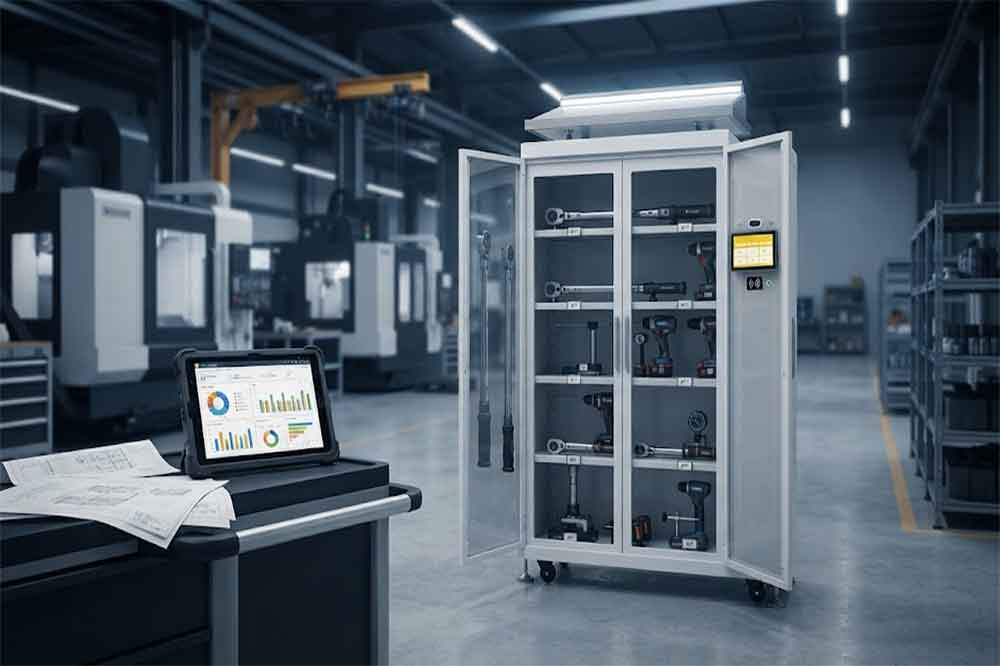
Tools often move between workstations, maintenance teams, storage rooms, and production lines throughout the day. In a small workshop, workers may remember who borrowed a torque wrench or diagnostic tool. In a larger factory, keeping track of hundreds or thousands of tools becomes much harder.
A tool may be returned to the wrong cabinet, left beside a machine, or taken to another department without an update to the inventory record. These situations cause delays, duplicate purchases, and problems during maintenance or equipment audits.
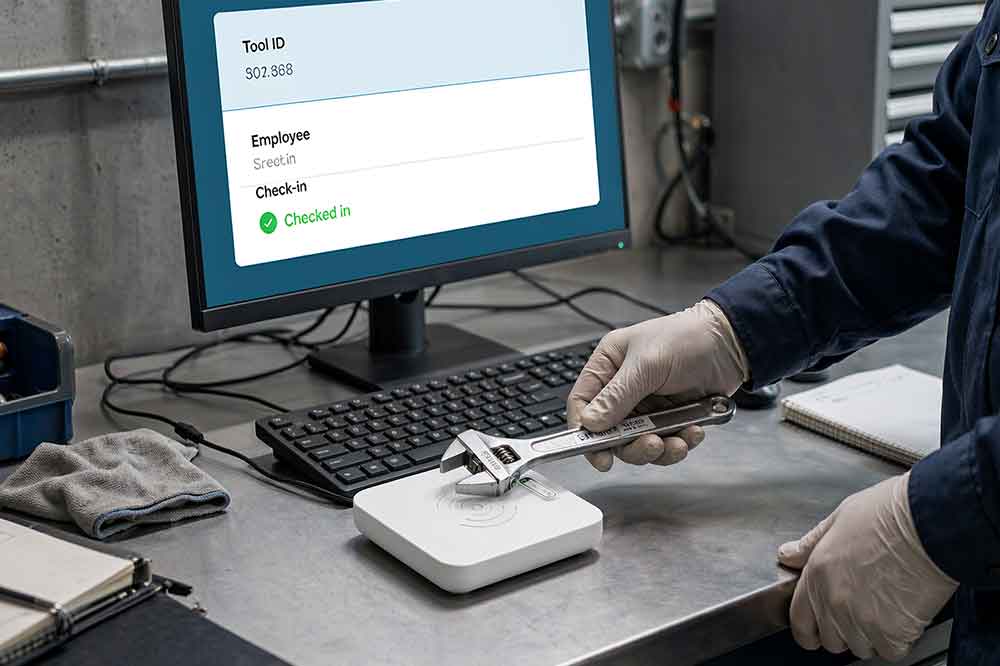
An RFID tool tracking system can make this process easier. With a USB RFID reader connected to a computer or workstation, staff can identify tagged tools and record their movement without entering every tool number manually.
Why Tool Management Needs Better Tracking
Traditional tool management often depends on spreadsheets, handwritten forms, labels, or barcode scanning. Each method can work in certain environments, but problems appear when tools move frequently or several employees share the same equipment.
A paper record depends on someone completing the form correctly. Barcode scanning requires a clear view of the label and usually involves scanning items one at a time. Labels can also become dirty or damaged in industrial environments.
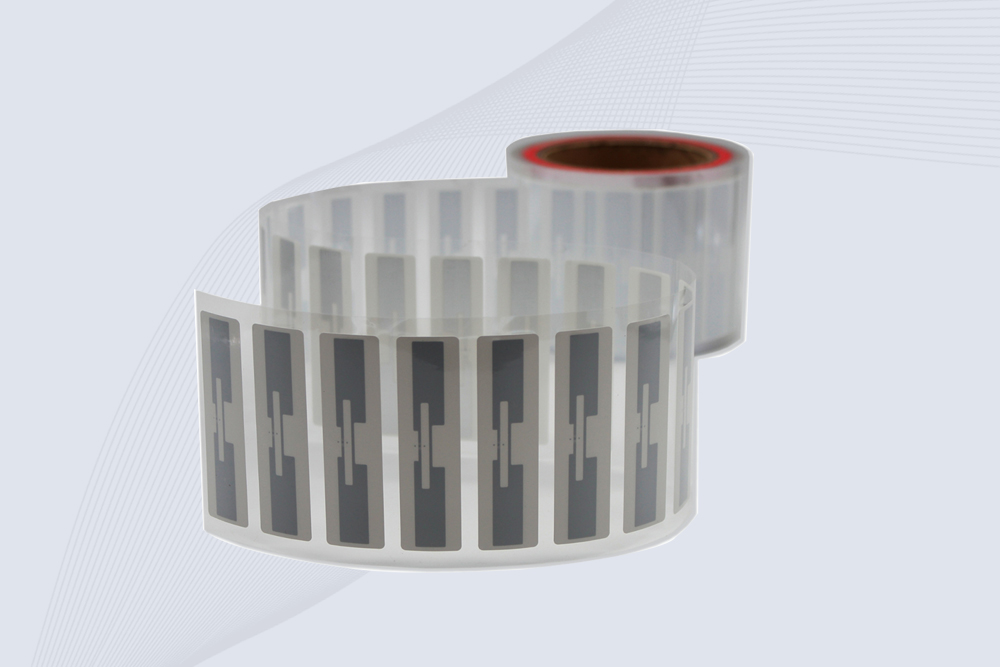
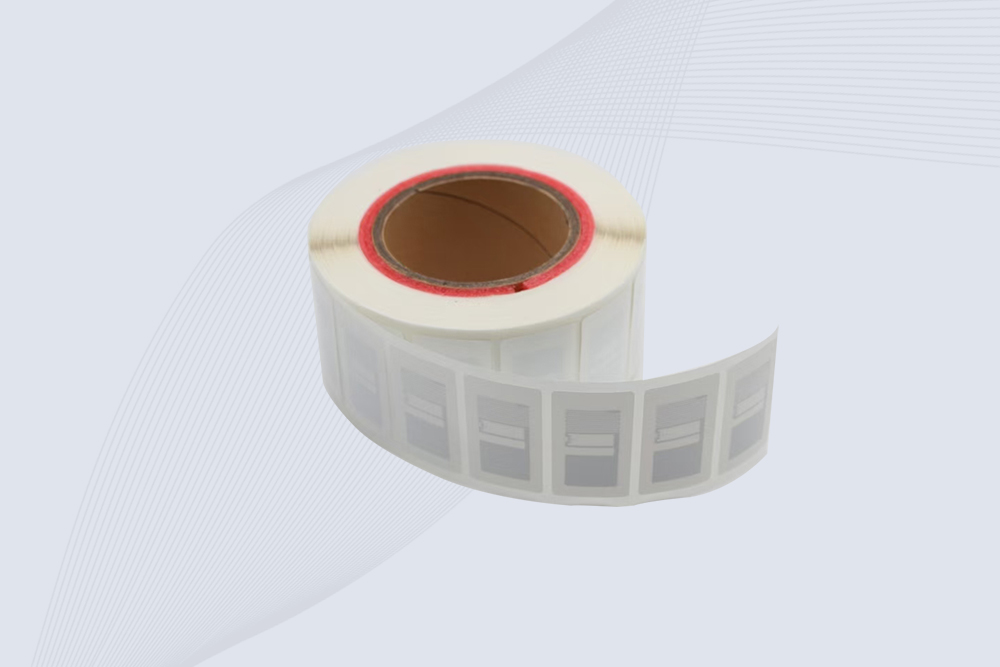
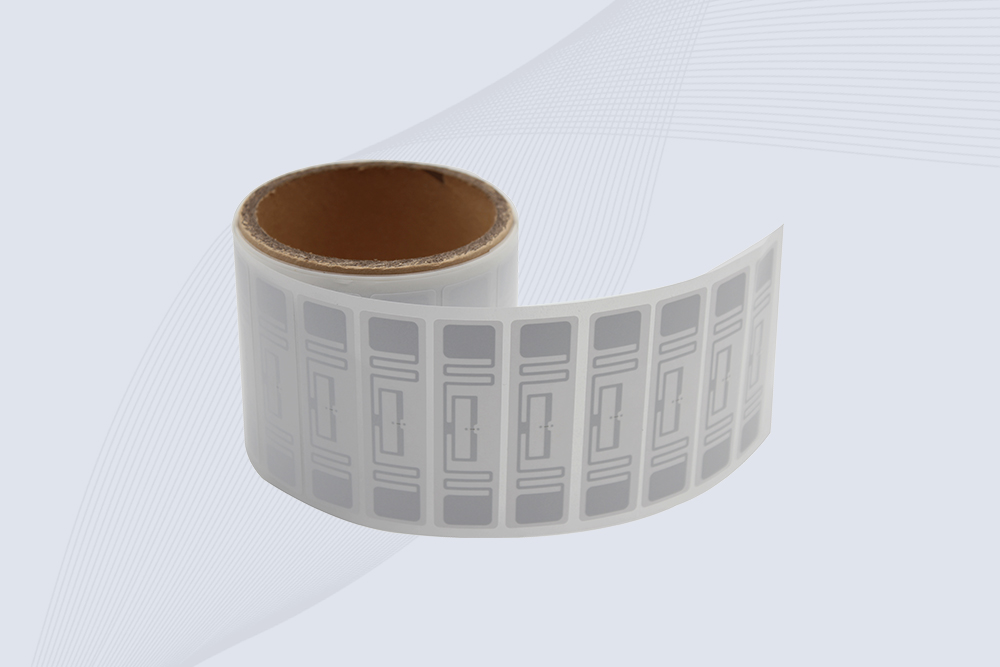
RFID offers another way to identify tools. An RFID tag stores a unique identifier that can be read by a compatible reader. Depending on the RFID technology, frequency, tag design, and operating conditions, the reader may identify a tagged item without requiring direct visual contact with its label.
For companies that already use computers at tool counters, maintenance desks, or inventory stations, a USB RFID reader can be a practical starting point.
How a USB RFID Reader Supports RFID Tool Tracking
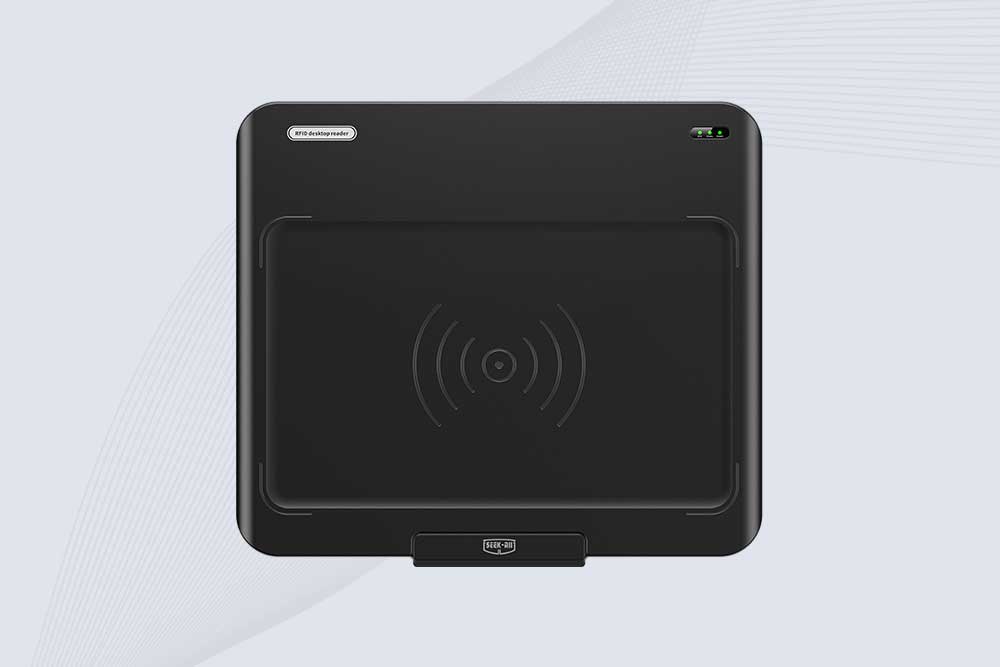
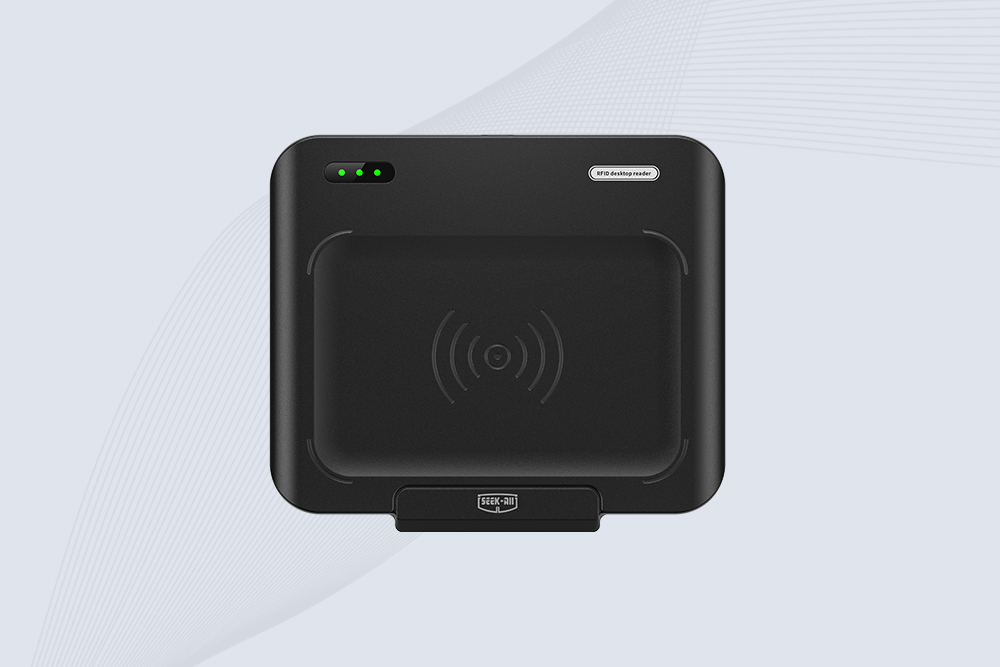
A USB RFID reader connects to a computer through a USB port. The reader communicates with compatible RFID tags and passes the captured identifier to software that processes the reading.
The exact workflow depends on the reader model and application. Some readers behave like keyboard input devices, while others use an SDK, serial communication, or a vendor-specific interface.
A typical tool tracking process includes four steps.
1. Register Each Tool
Each tool receives a compatible RFID tag. During registration, the tool’s RFID identifier is linked to its information in the management database.
The record may include the tool name, internal asset number, model, department, storage location, maintenance interval, and current status.
For example, a maintenance department might register each digital multimeter, torque wrench, drill, and calibration instrument before introducing RFID tracking.
The tag does not necessarily store all this information. In many systems, the tag provides an identifier while the software stores the detailed tool record.
2. Read the Tag at a Workstation
When an employee brings a tagged tool to a designated workstation, the USB RFID reader captures its identifier.
The software searches for the matching record and displays the tool details. Depending on the application, the employee may also need to log in, choose a transaction, or confirm the destination department.
This setup can reduce manual typing and make tool records more consistent.
3. Record Check-In and Check-Out
The software records what happens to the tool.
During check-out, the system may save the employee, time, tool ID, and expected return date. During check-in, it updates the tool’s status and records the return time.
The USB reader itself does not automatically know who borrowed a tool or whether it has been returned. These functions require suitable application logic and, where necessary, employee identification.
4. Review Inventory and Tool History
Once transactions are recorded, supervisors can review which tools are available, which are in use, and which have not been returned on time.
Historical records also help maintenance teams investigate missing equipment, check usage frequency, and prepare for periodic inventory inspections.
The value comes from combining reliable tag identification with a well-designed software workflow.
Choosing the Right RFID Technology for Tools
Not every RFID reader can read every RFID tag. Buyers should confirm the technology before selecting a USB reader.
HF and NFC Readers
High-frequency RFID commonly operates at 13.56 MHz. NFC uses this frequency and is based on compatible HF technologies.
HF readers can suit controlled tool counters, desktop registration stations, and applications where staff intentionally present individual tools for identification. Tag and reader compatibility must still be confirmed.
UHF RFID Readers
UHF RFID is often considered when tools need to be identified over a greater distance or when multiple tagged items must be read within a defined reading area.
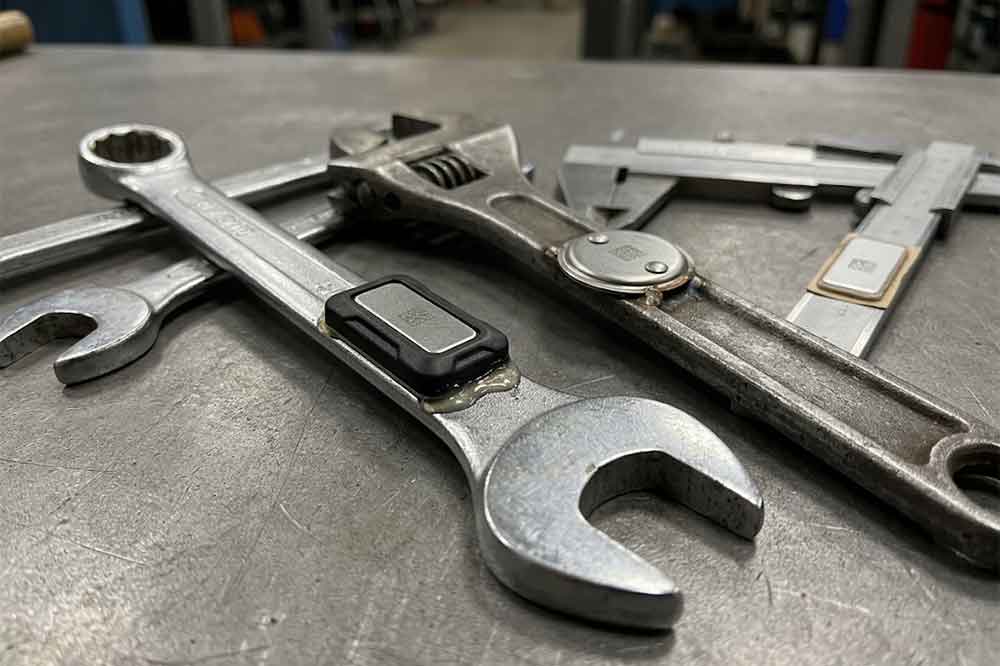
Actual reading performance depends on the reader, antenna, tag, installation, and surrounding materials. Metal tools can detune or shield ordinary tags, so industrial metal-mount tags may be necessary.
A UHF reader also needs suitable software to manage multiple reads and prevent duplicate transactions.
Selecting Tags for Metal Tools
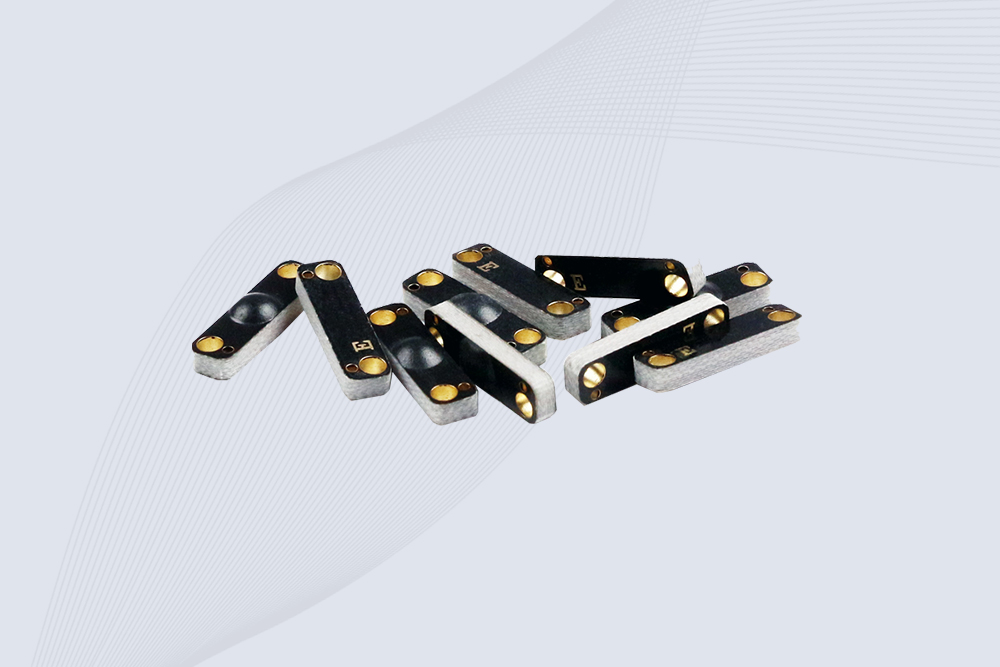
Metal surfaces create a practical challenge for RFID projects. A standard label designed for cardboard or plastic may not perform well when attached directly to a metal wrench or machine component.
Buyers should consider on-metal RFID tags, rugged housings, attachment methods, impact resistance, temperature exposure, and cleaning requirements.
Testing tags on representative tools is more reliable than selecting them based on reading-distance claims alone.
What to Look for in a USB RFID Reader
The best reader depends on how employees handle tools and how the tracking application works.
Reader and Tag Compatibility
Confirm the supported frequency, RFID protocol, tag types, and regional radio requirements. A reader designed for HF tags cannot automatically read UHF tags.
Software Integration
Check whether the reader supports keyboard emulation, a software development kit, an API, serial communication, or another documented interface.
For custom applications, ask whether the supplier provides sample code, SDK documentation, and technical support for the operating system and programming language being used.
Reading Performance
Consider how close the employee must hold a tool to the reader, how quickly the reader captures the tag, and whether nearby tagged items cause unwanted readings.
For a desktop tool counter, controlled single-item reading may be preferable to maximum reading distance.
Durability and Installation
A reader used at a clean office desk has different requirements from one installed in a maintenance workshop. Check the expected operating environment, connector strength, mounting method, and protection requirements.
Future Expansion
A pilot may start with one workstation and a few dozen tools. Later, the company may want more stations, additional departments, or integration with an existing asset management platform.
A documented communication interface and a consistent data model can make expansion easier.
Integrating a USB RFID Reader with Tool Management Software
Hardware selection is only one part of the project. The application must translate tag reads into useful business records.
A basic system can contain three components: RFID tags attached to tools, a USB reader at the workstation, and software connected to a tool database.
The software should identify each tool, display its current status, and record permitted transactions. It should also handle unknown tags, repeated reads, invalid employee credentials, and tools that are already checked out.
For example, when an employee returns a torque wrench, the application can verify that the tool is currently assigned to that employee or department before recording the return. If the tool is already marked as available, the software can ask for confirmation instead of creating another return transaction.
For integration projects, developers should clarify how the reader delivers tag data, how the application distinguishes separate reading events, and how transactions are stored. A USB connection alone does not guarantee compatibility with every inventory platform.
A small pilot using actual tools, tags, and software is a useful way to uncover these issues before deployment.
Common Applications of RFID Tool Tracking
Manufacturing workshops: Track shared hand tools, fixtures, and production support equipment as they move between work areas.
Maintenance departments: Record the issue and return of diagnostic instruments, repair tools, and service kits.
Equipment calibration rooms: Link tagged instruments to calibration records and flag equipment that requires inspection. The RFID system supports identification; it does not perform calibration.
Construction and field service: Help teams maintain tool issue records across storage points and service locations, provided the tags and readers suit the operating conditions.
Laboratories and technical training rooms: Keep records of shared test equipment, specialist tools, and frequently borrowed instruments.
Each application has different requirements. A USB reader is particularly suitable when staff already use a computer-based workstation to manage transactions. Larger facilities may need additional readers, handheld devices, cabinets, or fixed RFID installations.
Common Mistakes to Avoid
One common mistake is choosing a reader before deciding how the tool records will be used. Start by mapping the actual workflow: registration, issue, return, transfer, inspection, and reporting.
Another mistake is assuming that every RFID tag will work on metal. Test the selected tag on the actual tool and in its normal storage position.
Companies should also avoid treating a tag read as proof that a transaction has been completed. Software must validate the action and save the record correctly.
Finally, do not assume that reading more tags always improves performance. For tool counters, a controlled reading zone may reduce errors by limiting which tagged items can be captured during a transaction.
Conclusion
A USB RFID reader can provide a straightforward entry point for RFID tool tracking, particularly at computer-based issue counters, maintenance desks, and inventory stations. It helps reduce manual identification work and gives management software a reliable way to associate tool movements with tagged assets.
The right solution depends on tag compatibility, the environment, employee workflow, and software integration. Before choosing a reader, test it with real tools and confirm that the complete check-in and check-out process works as intended.
For manufacturers, system integrators, and software developers, a successful deployment is not just about reading RFID tags. It is about turning those readings into accurate, useful tool management records.
Frequently Asked Questions
Q1. What is RFID tool tracking?
RFID tool tracking uses RFID tags and readers to identify tools and record their movement. Connected software can manage tool registration, check-in, check-out, and inventory status.
Q2. Can a USB RFID reader track tools automatically?
A USB reader can capture compatible tag IDs, but automatic tracking requires software to process the reads and update records. Employee identification and transaction rules may also be needed.
Q3. Can RFID tags be attached to metal tools?
Yes. Metal-compatible RFID tags are available for this purpose. Test the tag and reader together on the actual tool because metal surfaces can affect reading performance.
Q4. Is a USB RFID reader suitable for a small workshop?
Yes. It can work well at a computer-based tool counter or maintenance desk where staff scan tools during issue and return. Larger facilities may need additional readers or fixed systems.
Q5. Can a USB RFID reader integrate with existing inventory software?
Often, yes. Compatibility depends on the reader’s communication interface and the software. Check SDK availability, supported operating systems, data formats, and integration requirements before purchasing.
SSD-D3AL is a USB-HID UHF RFID reader with 0–30 cm reading, 0–15 cm writing, over 600 tags/s recognition, USB plug-and-play operation and OEM Logo customization.
SSD-D1AL is a compact USB UHF RFID reader with Impinj E710/X3M1 chipset, USB-HID, 600+ tags/s recognition, 4/8/16 antenna support and plug-and-play USB power.
CYKEO CYKEO-D1LA USB RFID Reader is a compact desktop solution with near-field control for precise tag reading and encoding. Powered by USB, supporting ISO 18000-6C, and built for stable batch writing, this usb rfid tag reader fits retail, libraries, offices, and controlled RFID encoding tasks.
CYKEO CYKEO-D1L RFID scanner USB is a compact desktop UHF RFID scanner designed for short-range tag writing and verification. This usb rfid scanner supports batch encoding, stable 0–26 dBm output, and works across Windows, Linux, and Android systems.
CYKEO CYKEO-D1C USB RFID Card Reader is a near-field UHF desktop writer designed for secure, short-range tag encoding. With USB-C connectivity and stable 26 dBm output, this rfid reader usb c is ideal for badge issuance, label encoding, and controlled desktop RFID workflows.
CYKEO CYKEO-D2L RFID Reader USB is a compact desktop encoder built on the Impinj R500 chip. With near-field control and stable USB power, this usb rfid card reader delivers precise tag writing for offices, retail counters, and small-scale logistics encoding tasks.
CYKEO CYKEO-D3L USB RFID Tag Reader delivers stable UHF tag reading and writing for daily desktop and light industrial tasks. Designed for controlled short-range operation, this USB RFID Tag Reader works reliably with rfid tag and reader systems in libraries, tool tracking, and inventory registration.
The CYKEO CYKEO-D4L UHF RFID Tag Reader is a stable Desktop RFID Reader designed for accurate tag registration, borrowing, and return workflows. Built with the Impinj R2000 chip, this UHF RFID Tag Reader delivers controlled short-range reads for libraries, asset tracking, and inventory management environments.
The CYKEO CYKEO-D5L Desktop RFID Card Reader is a stable UHF RFID Card Reader designed for controlled short-range reading and writing. Built for libraries, tool rooms, and asset desks, this UHF RFID Card Reader supports dense tag handling, secure data processing, and easy USB integration.
The CYKEO CYKEO-D6L RFID Reader Writer is a heavy-duty Desktop RFID Reader designed for short-range, high-accuracy tag programming. Built for libraries, labs, and asset desks, this RFID Reader Writer supports batch processing, stable 33dBm output, and seamless integration with existing management systems.
Cykeo CYKEO-D8A embedded RFID badge reader offers 30+ tags/sec scanning, 20cm anti-crosstalk precision, and DC 12V power for unmanned stores, warehouses, and smart inventory systems.
Cykeo’s CYKEO-D8C UHF RFID gate reader achieves 200-tag/batch scanning with adjustable power control, ideal for retail inventory and smart warehouse management.
CYKEO Passive RFID Tags are made for wet and high-humidity environments where standard labels do not last. This rfid passive tag is often used around liquids, chemicals and temperature changes, providing stable reading distance and long data life for industrial tracking.
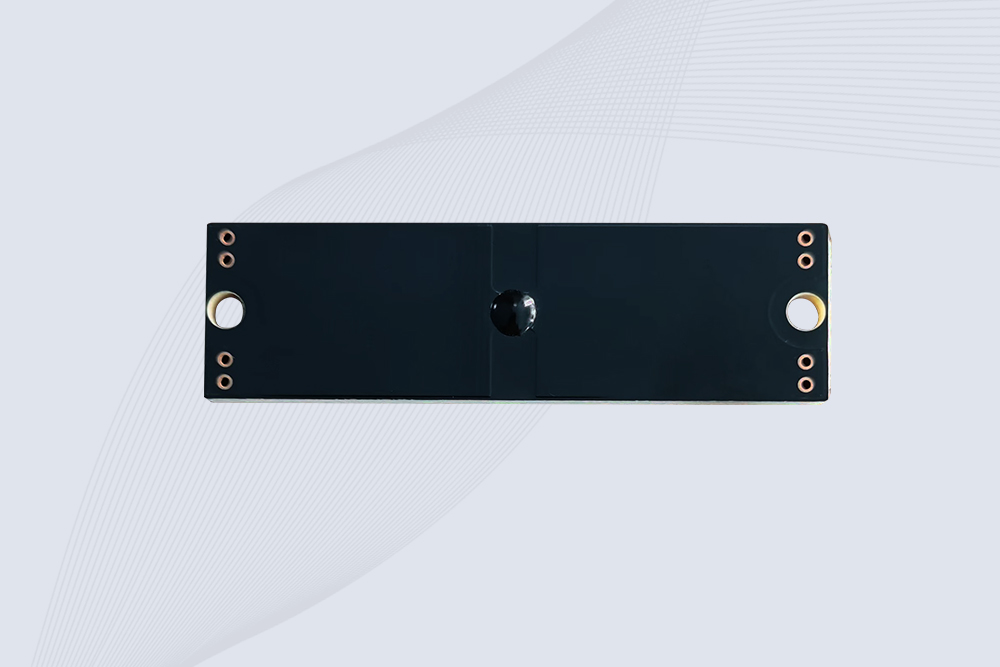
CYKEO CYKEO-PCB1504 Metal RFID Tags is a compact anti-metal UHF RFID solution built for direct mounting on metal surfaces. With stable 8-meter read range, Ucode-8 chip, and long data retention, this rfid metal tag fits tools, containers, automotive parts, and industrial asset tracking.
CYKEO CYKEO-PCB7020 On-Metal RFID Tags are designed for reliable tracking on steel and metal surfaces. Built with an FR4 epoxy body and industrial-grade chips, these On-Metal RFID Tags deliver stable performance, long data life, and chemical resistance, making them a dependable RFID anti-metal tag for harsh environments.
The CYKEO CYKEO-60-25 Anti-Metal RFID Tag is built for metal surfaces where standard tags fail. Designed for long-range performance, harsh environments, and stable data retention, this Anti-Metal RFID Tag is ideal for industrial assets, containers, and equipment tracking using on metal RFID tags.
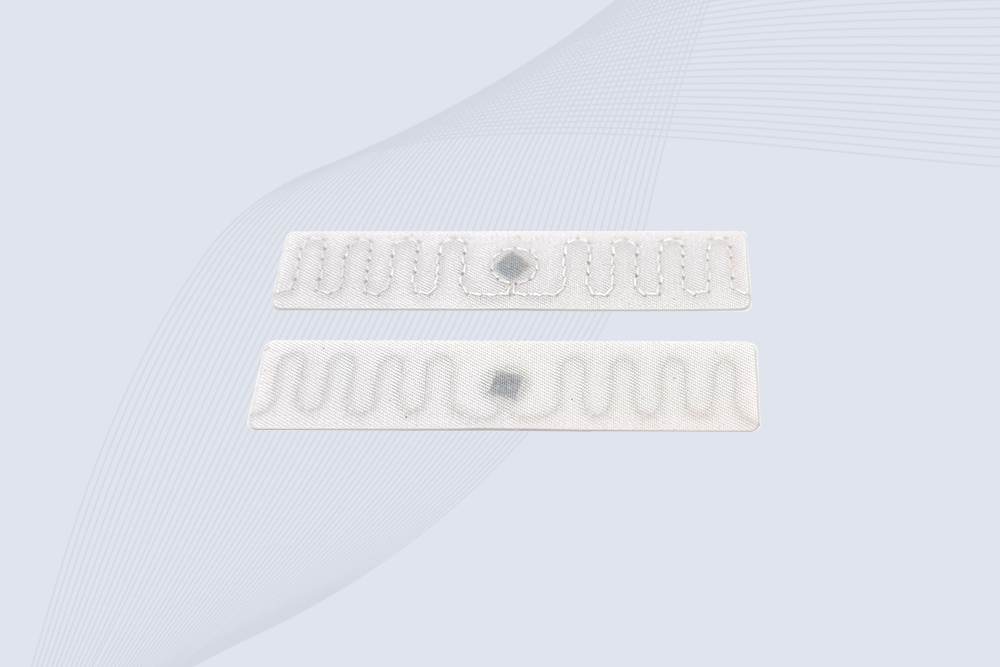
The CYKEO RFID Laundry Tag is designed for long-term textile identification in harsh laundry environments. Built to withstand high heat, chemicals, and repeated washing, this RFID Laundry Tag delivers stable performance for hotels, hospitals, and industrial laundry operations using laundry rfid tags at scale.
The CYKEO CYKEO-125-7 RFID Book Tag is designed for reliable book and document tracking in libraries and archives. This RFID Book Tag delivers long read range, dense placement support, and stable performance on shelves, making it a practical rfid tag on books for library automation, file management, and archival systems.
CYKEO RFID tags in hospitals are designed for sterile environments where accuracy matters. These autoclavable RFID tags support long-term tracking of surgical tools, implants, and medications, helping hospitals improve visibility, compliance, and patient safety.
CYKEO RFID Cable Tie Tag is built for reliable identification on metal surfaces. This UHF RFID Cable Tie Tag is widely used in rfid tags for inventory systems, industrial asset management and Hospital RFID Tags, offering stable read performance, long service life and global EPC Gen2 compatibility.
CYKEO RFID Asset Tag is designed for stable identification of metal assets in industrial environments. This UHF RFID Asset Tag is commonly used for rfid tag asset tracking on equipment, tools and containers, providing reliable reads, long service life and ISO/IEC 18000-6C support.
CYKEO UHF RFID Card is designed for fast identification and long-term use in industrial and commercial systems. Supporting ISO 18000-6C, this UHF RFID Card works at 860–960 MHz and is suitable for custom RFID cards used in asset tracking, access control and inventory management.
CYKEO HF RFID Cards are designed for secure and stable access control systems. These 13.56 MHz RFID key cards support ISO 14443-A, reliable rewriting and long service life, making HF RFID Cards suitable for offices, campuses, events and membership management.
CYKEO UHF RFID Tag is designed for reliable tracking of metal jewelry and high-value items. This Jewelry RFID Tag supports long-range reading up to 8 meters, anti-counterfeit protection and stable performance on metal, making it suitable for retail, inventory control and asset management.
RFID Industry Writer | IoT & Asset Tracking Analyst
James writes about RFID technology, asset tracking, and the practical challenges of digital transformation across warehousing, retail, manufacturing, and logistics.
His work focuses on how RFID is applied in real-world operations—improving inventory visibility, automating workflows, and helping businesses manage assets with greater accuracy and efficiency.
He regularly covers topics including UHF RFID, smart cabinets, RFID portals, tool tracking, warehouse automation, and industrial IoT trends..
RFID tool cabinet training helps employees understand how to authenticate, check out, return, and manage tools correctly in daily work. A practical training ...
Learn proven strategies to minimize RFID tag read errors in high-interference environments. Optimize antenna placement, signal settings, and tag selection for reliability.
Learn what affects RFID tool cabinet cost, including cabinet size, RFID tags, software, access control, integration, installation, testing, and support.
 Cykeo RFID IoT Solution Products R&D Manufacturer