 Cykeo RFID IoT Solution Products R&D Manufacturer
How Is RFID Reader Works? Simple Guide to the Brains of RFID
127Wondering "how is RFID reader works"? Discover the step-by-step process from signal transmission to data decoding. Simple explanation with real-world examples from CYKEO.
MoreAll RFID Product
At a basic level, RFID medical equipment tracking just means this: hospitals can see where their equipment is—without having to go look for it.
But in reality, the problem it solves is a bit messier than that.
Equipment in hospitals doesn’t stay in one place. It moves constantly—ICU to ward, ward to ER, sometimes borrowed, sometimes just left somewhere in between. And most of the time, nobody updates anything when that happens.
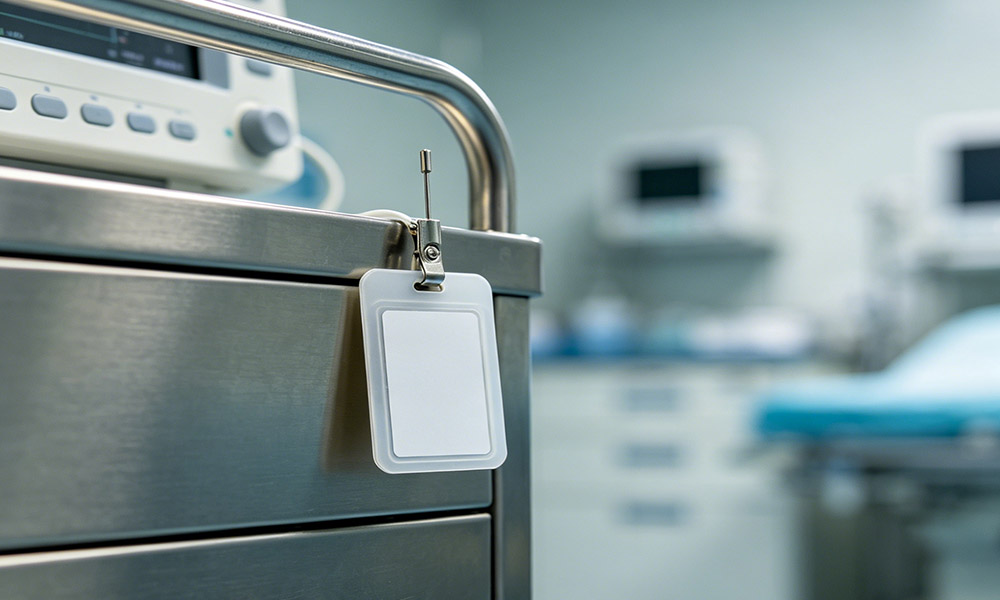
RFID tracking steps in here. Instead of relying on someone to log movements, it records them automatically. Once a device has a tag, every time it passes certain points, the system picks it up.
It’s less about “tracking” in the traditional sense, and more about making movement visible.
I once spoke with someone managing equipment in a mid-sized hospital, and they summed it up pretty well:
“We don’t lose equipment because we’re careless. We lose it because we’re busy.”
Most hospitals have tried the usual methods—Excel sheets, barcode labels, manual logs.
The issue isn’t that these systems don’t work. It’s that they depend on people doing the same thing, every time, under pressure. And that’s where it falls apart.
RFID removes that dependency.
No scanning. No logging. No “I’ll do it later.”
If the equipment moves, it gets recorded. That alone fixes a surprising number of problems.
It sounds technical, but the setup is pretty straightforward.
Tags go on each piece of equipment.
Think of them as wireless IDs.
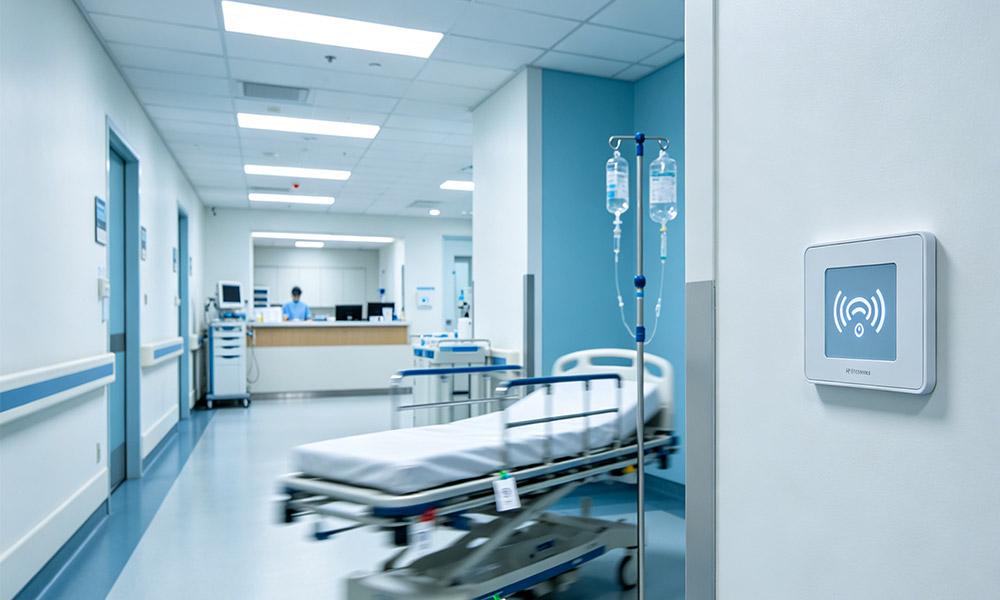
Readers are placed in key areas—doorways, storage rooms, corridors.
They detect tags as equipment passes by.
Then there’s the software, which pulls everything together.
That’s where staff check locations, usage history, availability.
One thing people often underestimate: placement matters more than technology.
Put readers in the wrong spots, and you’ll get data—but not useful data.
A lot of articles talk about “efficiency” in a very abstract way. On the ground, it’s much simpler.
Or:
These aren’t rare situations. They happen daily.
RFID doesn’t magically fix everything—but it removes the guesswork.
If something moved, the system knows. That’s already a big step forward.
Tracking large equipment is one thing.
Managing supplies is another story entirely.
Consumables—PPE, surgical kits, smaller tools—move faster, in higher volume, and are easier to miscount.
This is where simple tracking isn’t enough. Storage needs to be part of the system.
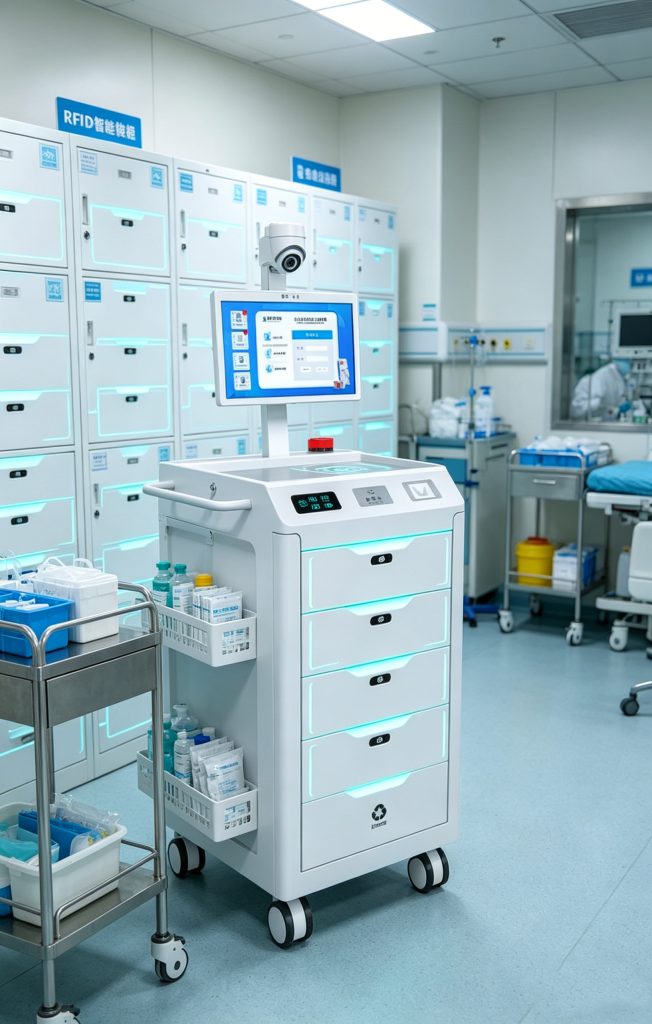
That’s why more hospitals are starting to use an RFID medical cabinet system alongside tracking.
RFID medical cabinet system (internal link to your product page)
Instead of logging items manually, the cabinet detects what goes in and out automatically.
In practice, this means:
From what I’ve seen, this part often delivers faster results than asset tracking alone.
Not everything changes overnight—but some things do shift pretty quickly.
Searching for equipment almost disappears
People stop asking around and just check the system.
Utilization becomes visible
You start noticing equipment that’s rarely used—or constantly in demand.
Purchasing decisions get more grounded
Less “we think we need more,” more actual data.
Less friction in daily work
Especially for staff responsible for managing assets.
It’s not flashy, but it’s practical. And that’s what matters in a hospital setting.
Barcodes can track equipment too. That’s true.
But they rely on one thing: someone has to scan them.
And in real environments, that doesn’t always happen.
RFID works differently. It runs in the background.
No action needed. No extra steps.
Movement equals data.
That’s the difference—not in theory, but in day-to-day use.
A few things tend to come up in real deployments:
Reader placement matters more than expected
Bad placement = incomplete visibility.
Tag selection isn’t one-size-fits-all
Metal surfaces, liquids—these can affect performance.
Starting small usually works better
Many hospitals begin with one department, then expand.
Integration can’t be ignored
If the system doesn’t connect with existing tools, it becomes isolated.
These aren’t deal-breakers, but they’re worth planning early.
If RFID tracking answers “where is it,”
smart cabinets answer “who took it and when.”
They’re especially useful for:
Instead of open storage, everything is logged automatically.
And importantly—it doesn’t add extra steps for staff.
That’s a big reason why adoption tends to be smoother.
RFID medical equipment tracking isn’t really about adopting new technology.
It’s about fixing something that already isn’t working well.
Equipment exists—but can’t be found.
Inventory is recorded—but not accurate.
Purchases happen—but not always necessary.
RFID doesn’t solve everything, but it removes a lot of the uncertainty.
And once you have consistent, reliable data,
managing equipment stops being guesswork—and starts becoming manageable.
Related products
CYKEO-GY1B Medical RFID Cabinet
CYKEO-GY1A Smart Medical Cabinet RFID
CYKEO-GY2A UHF RFID Hospital Asset Cabinet
CYKEO-GY2B Medical RFID Storage Cabinet
CYKEO-GY1 Smart RFID Medical Cabinet
FTNG-L-CK-03 FENTANYL SMARTDRUG CABINET
FTNG-L-CK-02 RFID Fentanyl Secure Pharmacy Cabinet
FTNG-L-CK-01 Medical RFID Medicine Cabinet
CYKEO-MFX RFID Operating Room Cabinet
CYKEO-MFY Operating Room RFID Cabinet
CYKEO-MH RFID Scrub Return Cabinet
CYKEO-GY3 Low-Value Consumables Cabinet
Guide Recommendations
RFID Technology Reshapes Hospital Management: Driving Intelligent Transformation in Healthcare
RFID in Medical Equipment and Asset Management: A Smart Solution for Efficiency and Cost Reduction
RFID in Healthcare: Tracking Equipment, Improving Care
RFID in Healthcare: Is It Really Solving Hospital Problems or Just Adding Tech?
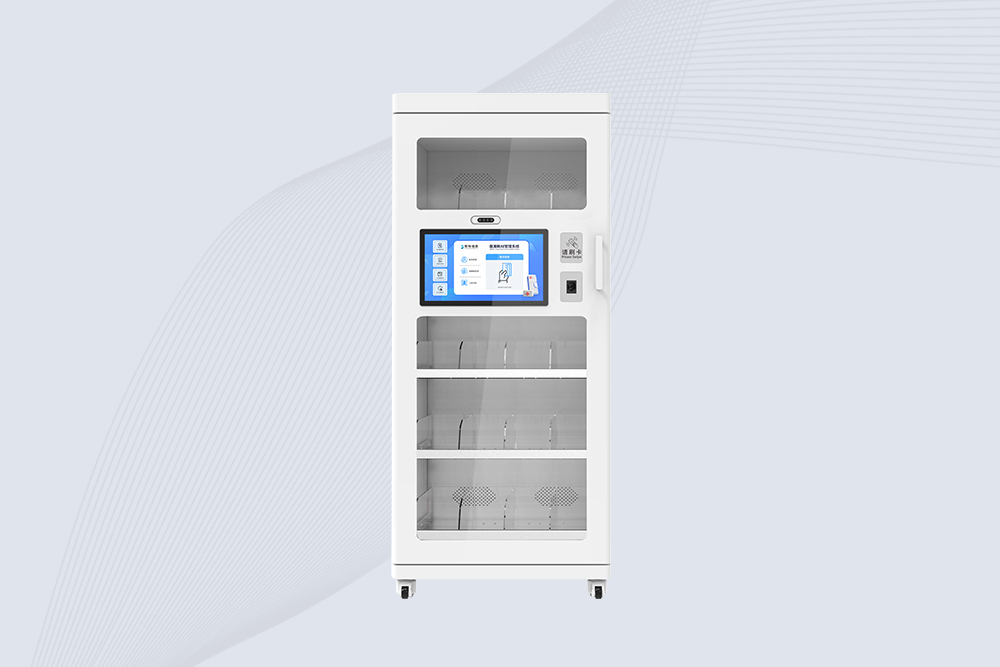
Cykeo’s medical RFID cabinet features 21.5″ touchscreen, dual-door security & HIPAA compliance for OR/pharmacy. Tracks implants, gauze & consumables. Request demo.
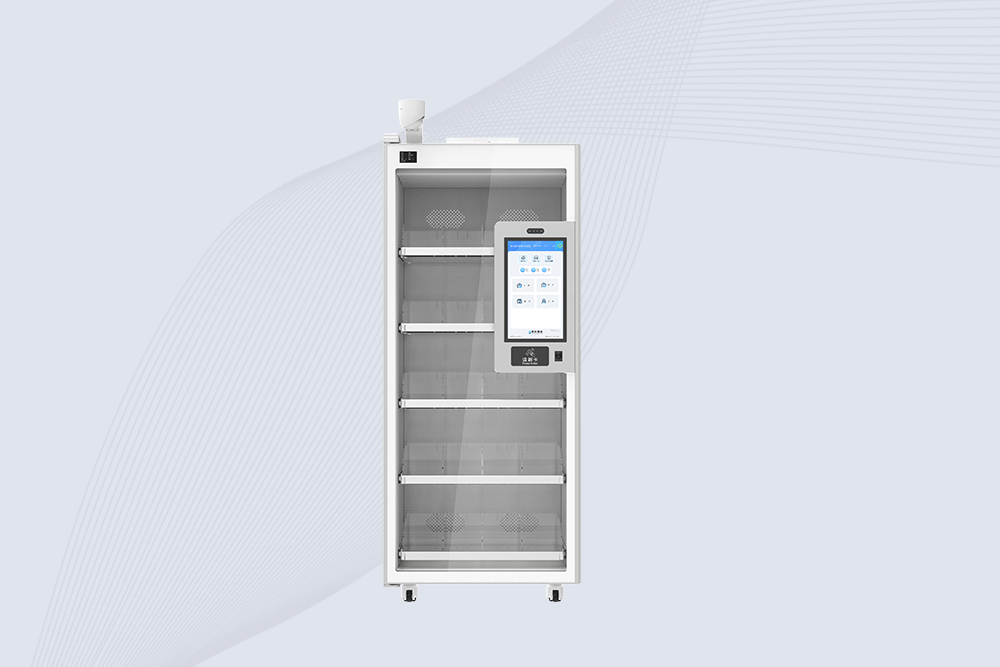
Cykeo’s smart medical cabinet RFID features 21.5″ touchscreen & 99.9% accuracy for OR instrument tracking. Modular shelves for 500+ items. HIPAA compliant. Request demo.
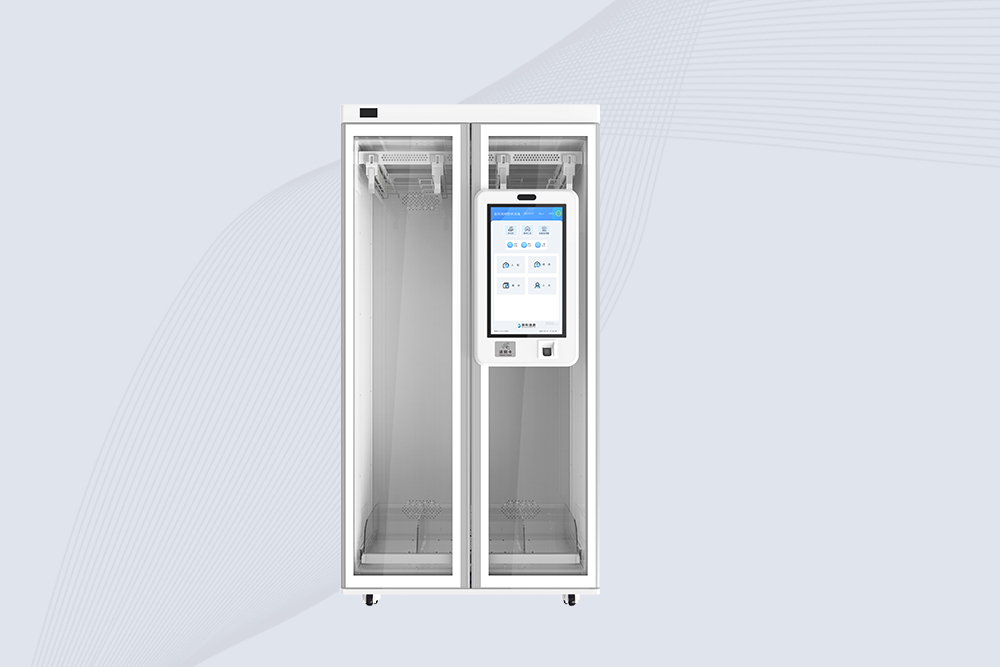
Cykeo’s UHF RFID hospital asset cabinet features dual-door security, antibacterial coating & 99.9% accuracy for OR implants. ISO 13485 compliant. Tracks 2000+ items.
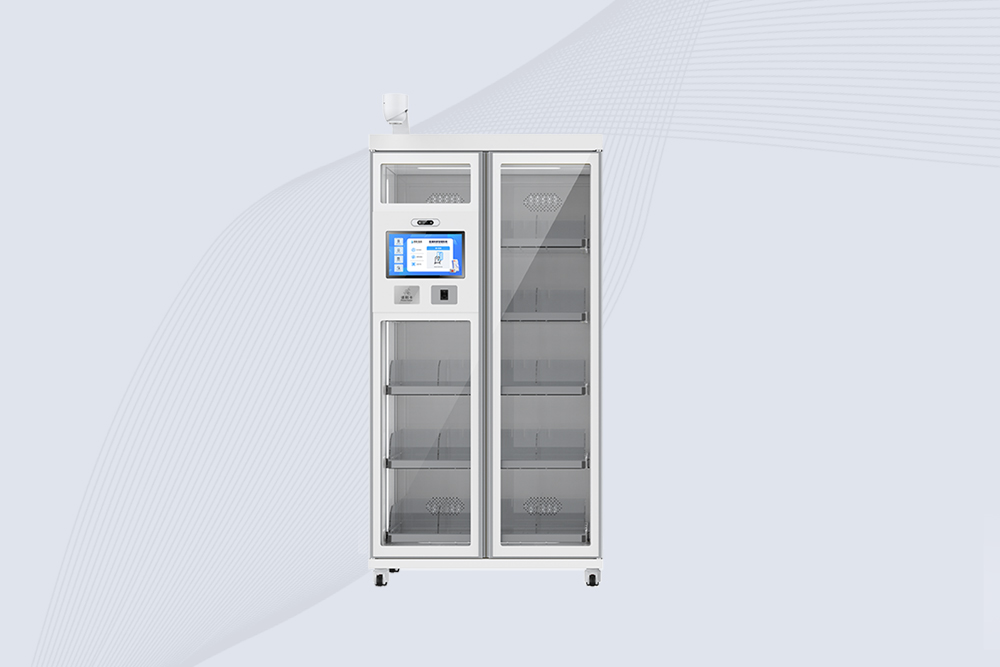
Cykeo’s medical RFID storage cabinet features 14″ touchscreen, 600 tags/sec scanning & 1.2mm steel security. Tracks 500+ surgical consumables. Reduces staff workload by 70%.
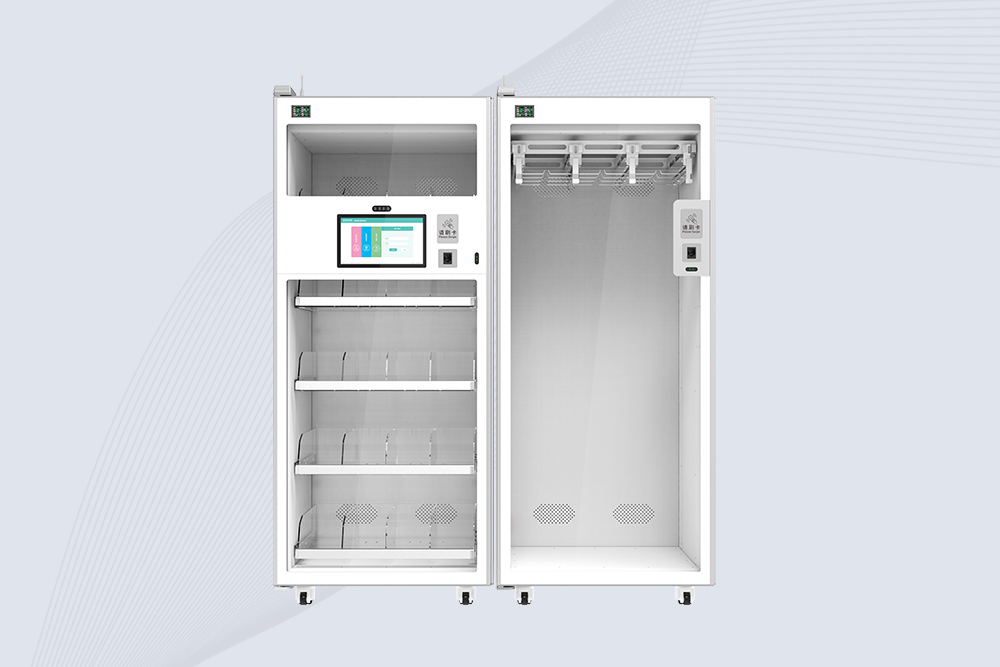
Cykeo’s smart RFID medical cabinet features dual-camera verification, 14″ touchscreen & 99% inventory accuracy. Reduces surgical errors & staff workload. FDA 21 CFR Part 11 compliant.
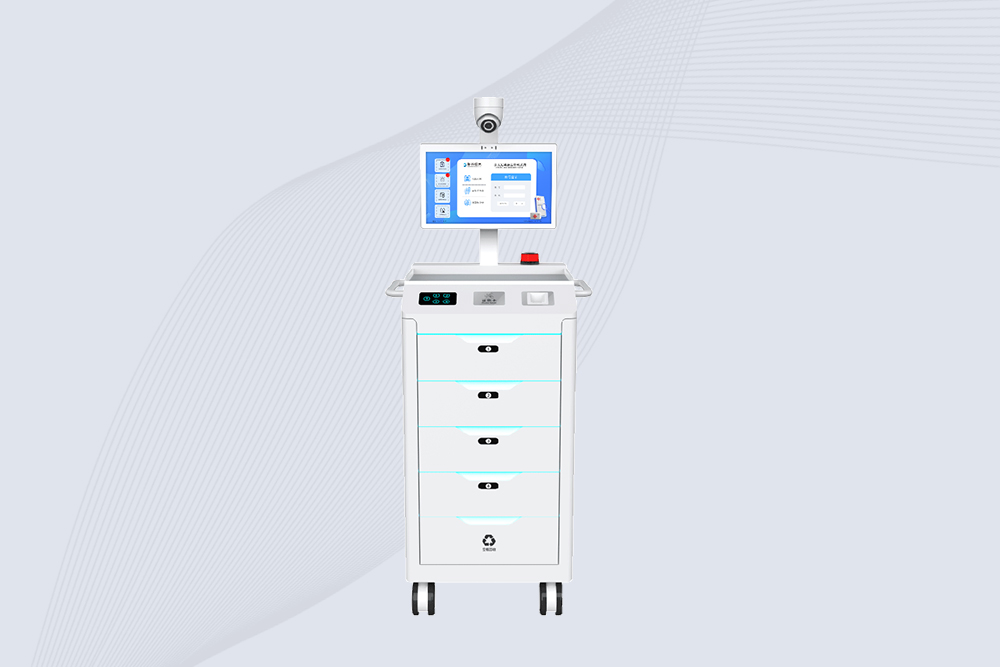
Cykeo’s RFID pharmacy security cabinet features 22″ touchscreen, residual liquid recovery & dual authentication for fentanyl storage. FDA compliant. Manages 1000+ narcotics.
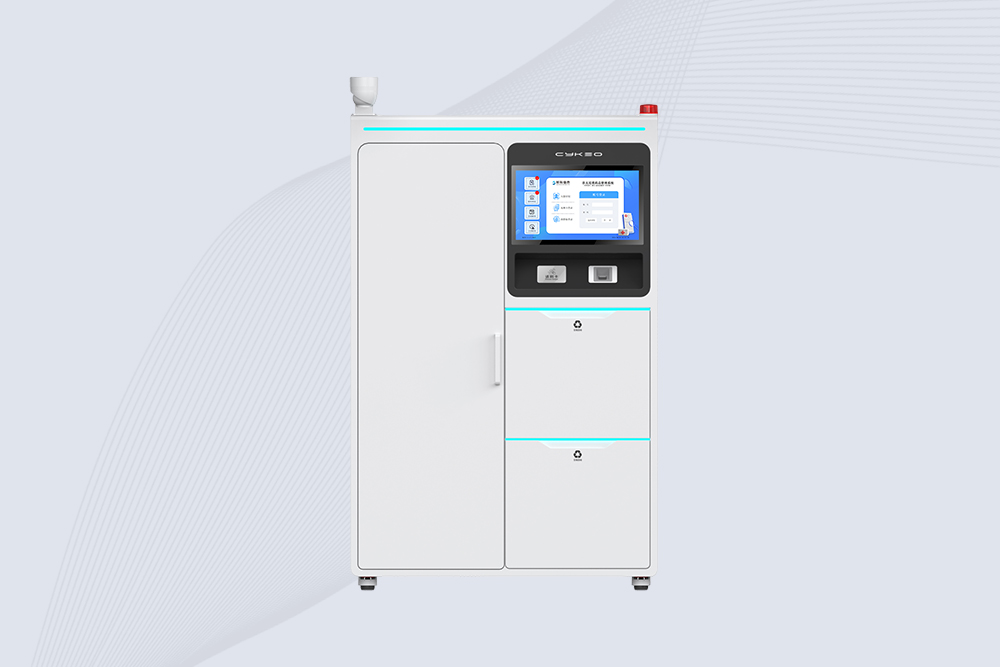
Cykeo’s RFID Anesthesia Medication Cabinet features blockchain auditing, MIL-STD-810G security & real-time reconciliation for Schedule II drugs. DEA/GMP compliant. Configurable 3-10 storage units.
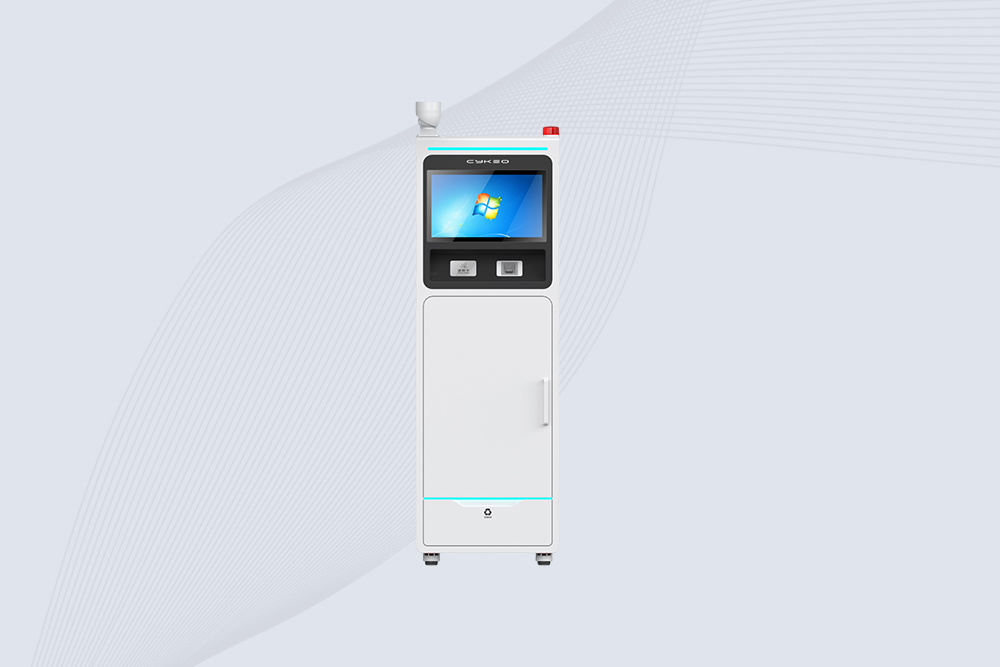
Cykeo medical RFID medicine cabinet features ≤5cm drug tracking, real-time HIS sync, military security, and USP-compliant climate control for Schedule II drugs.
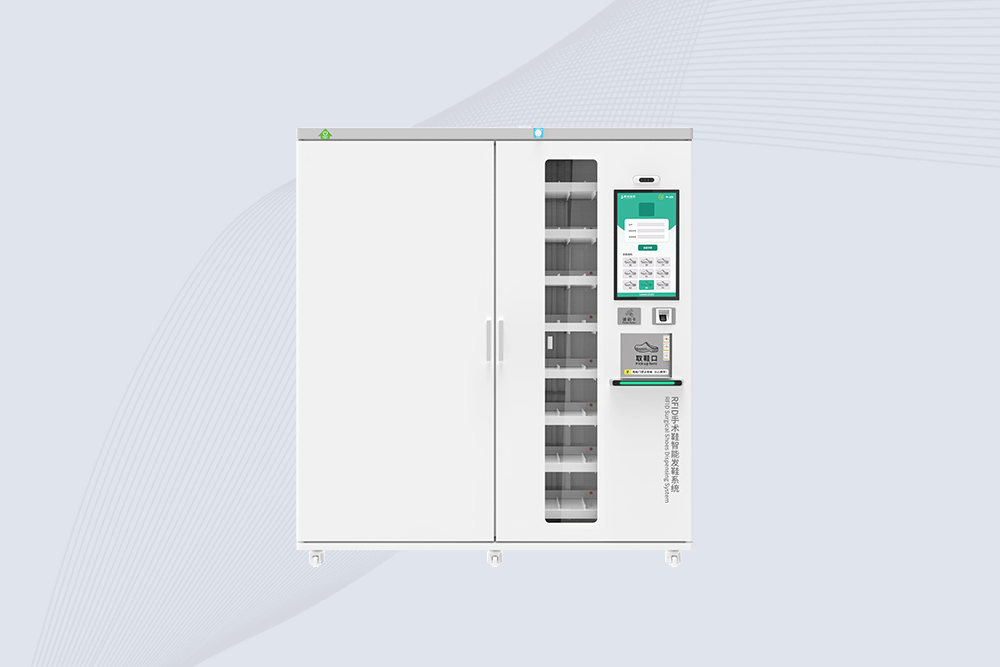
Cykeo RFID operating room cabinet features ≤55s shoe delivery, UHF RFID inventory control, ISO 13485 certification, and biometric access for OR workflow optimization.
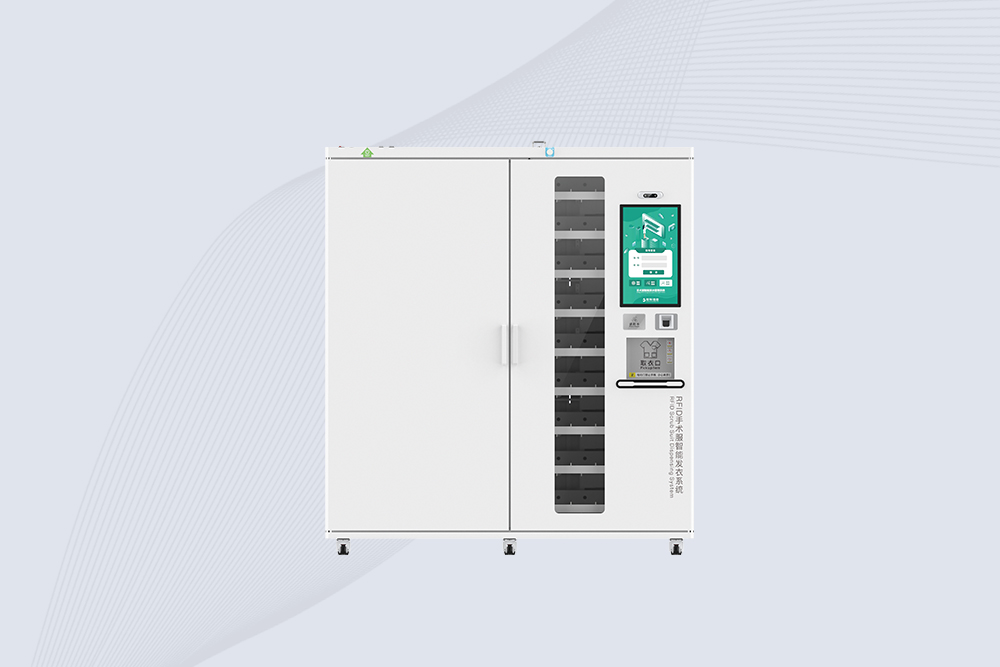
Cykeo operating room RFID cabinet features 108-gown capacity, UHF RFID tracking, real-time SPD integration, and biometric access for sterile OR management.
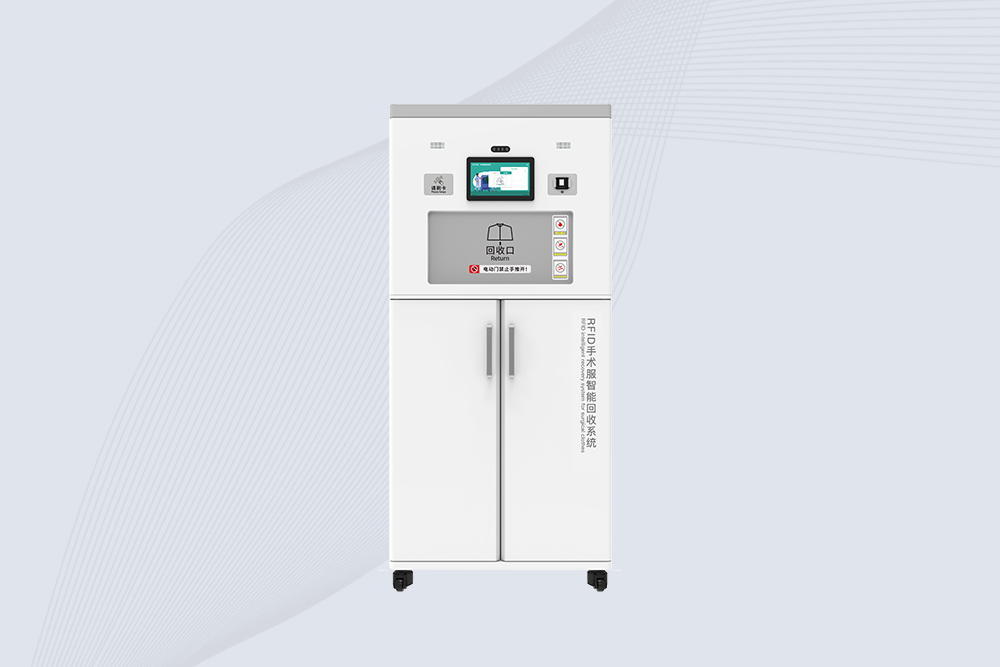
Cykeo’s RFID scrub return cabinet offers 50-gown batch scanning, HL7 integration, UV decontamination, and JCAHO compliance for hospitals/surgical centers.
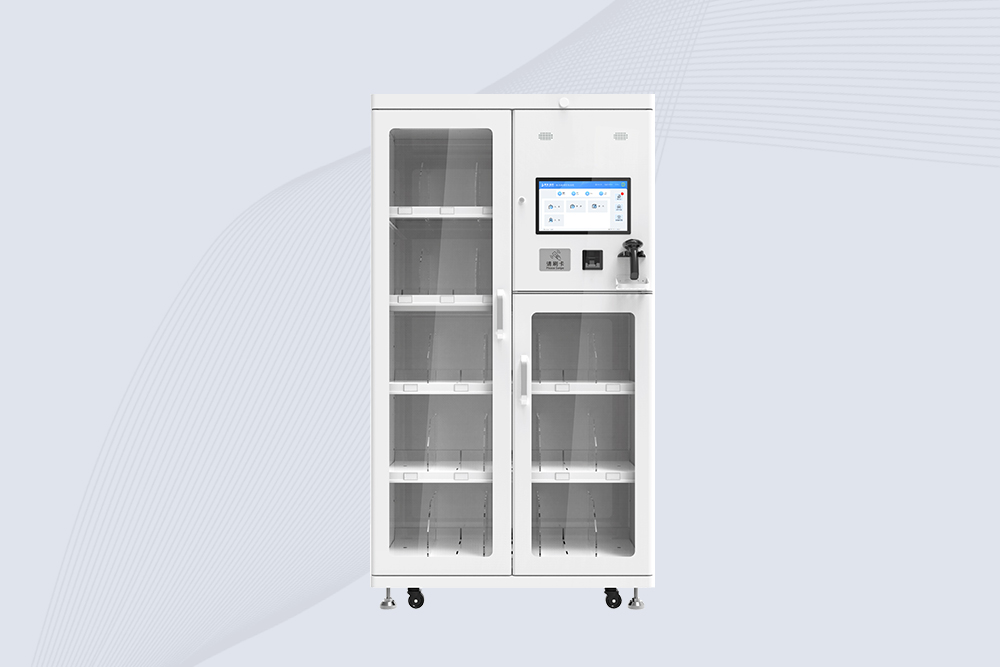
Cykeo’s low-value consumables cabinet offers 5-tier storage, HIPAA encryption, FDA compliance, and SAP integration for hospitals/clinics. Reduces stockouts by 70%.
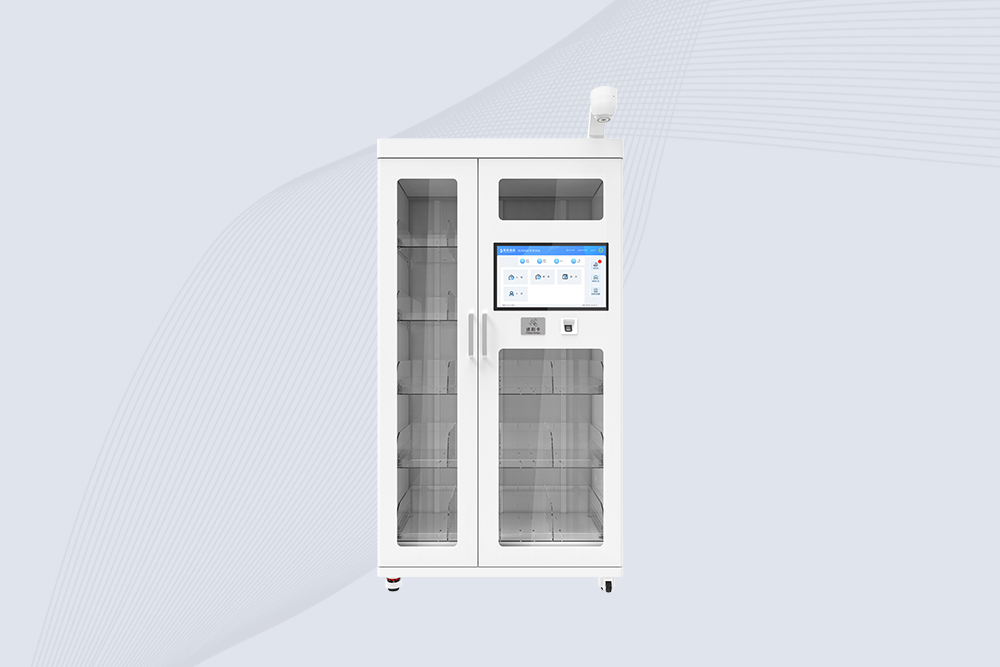
Cykeo’s RFID high-value consumables cabinet offers 500-implant capacity, FDA compliance, real-time Epic sync, and theft prevention for ORs/surgery centers.
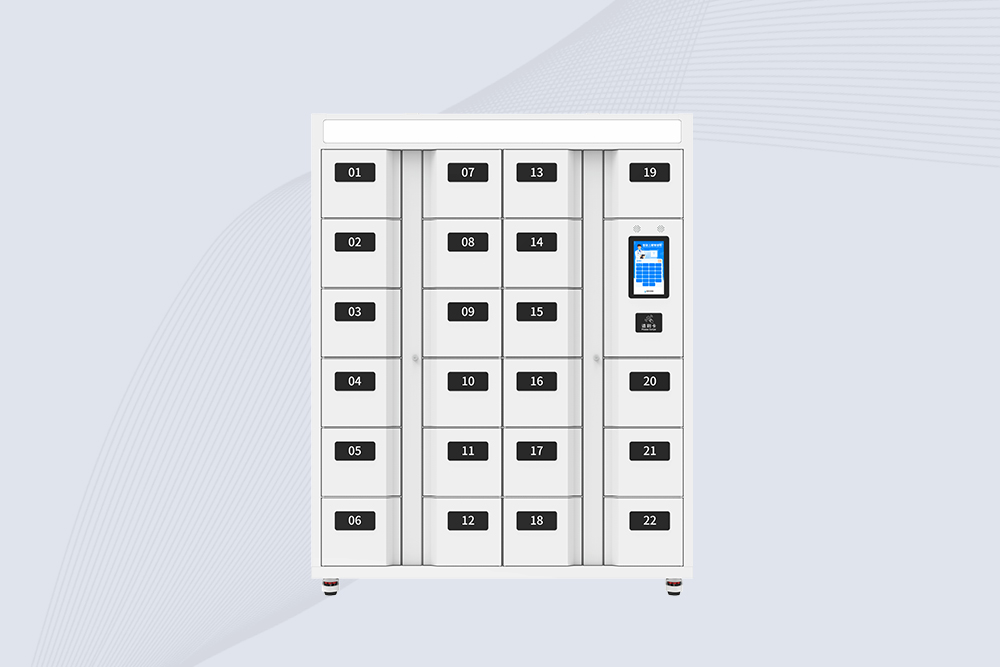
Cykeo CYKEO-G2224 rfid linen management cabinet features modular lockers, 10.1″ Android screen, and 200+/sec scanning for hospitals/hotels. SAP/Oracle integration.
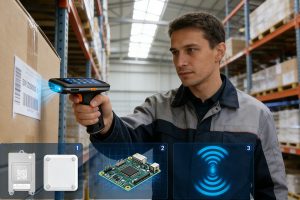
Wondering "how is RFID reader works"? Discover the step-by-step process from signal transmission to data decoding. Simple explanation with real-world examples from CYKEO.
More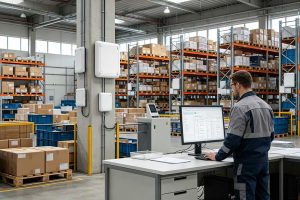
RFID tags are scanned through wireless communication between compatible RFID readers and tags. The reader sends signals, captures returned tag data, and tran...
More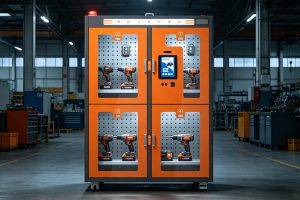
tracking device for power tools enables real-time RFID tracking, reducing loss and improving accountability in construction, maintenance, and industrial operations.
More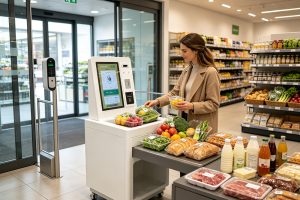
Discover how rfid grocery store solutions streamline self-checkout with Cykeo RFID kiosks. Enable fast multi-item scanning, automated payment, and anti-theft protection for modern retail.
More