 Cykeo RFID IoT Solution Products R&D Manufacturer
RFID Tag Frequency: Which Band Really Fits Your Application?
63rfid tag frequency explained from real deployments. Learn what LF, HF, and UHF actually change in range, speed, and reliability with CYKEO.
MoreAll RFID Product
If you’ve ever had RFID labels fall off, get damaged, or simply not survive the environment—they weren’t the right solution.
That’s exactly where embedded RFID comes in.
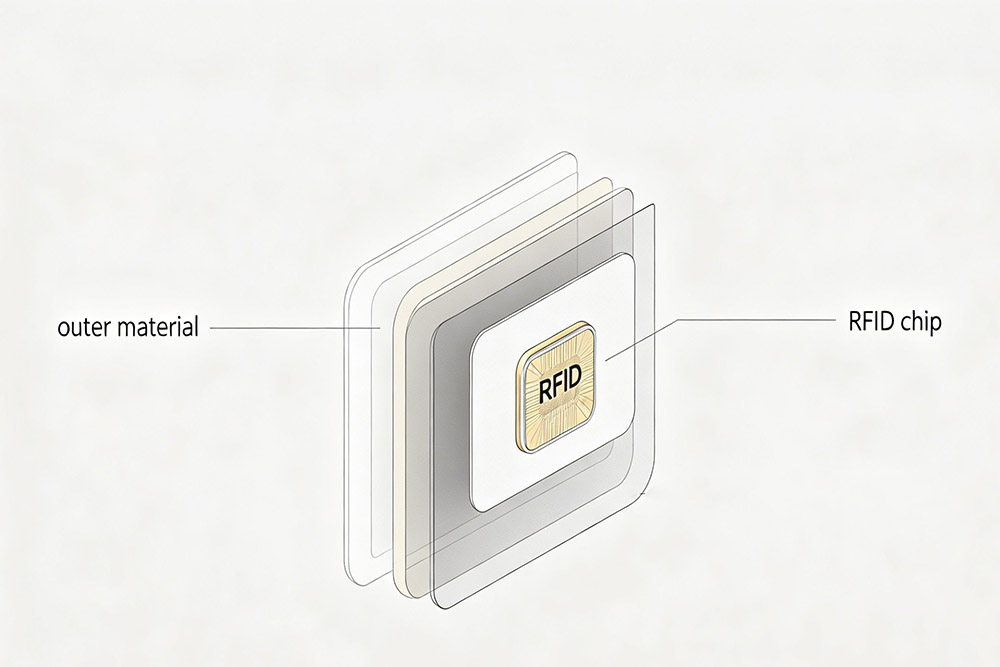
Embedded RFID refers to an RFID tag that is built directly inside an object, rather than attached to its surface.
It’s not a different frequency or technology.
It’s simply a different way of deploying RFID.
Instead of sticking a label on a tool, garment, or container, the RFID tag is:
Once installed, the tag becomes a permanent part of the asset.
Most companies don’t start with embedded RFID. They switch to it after problems appear.
Adhesive RFID labels don’t last in:
Embedding solves this by protecting the tag inside the asset.
In industrial settings, RFID tags face:
Embedded tags are protected from direct exposure, making them far more durable.
Because embedded RFID is hidden and inaccessible, it prevents:
This is critical in tool tracking, asset management, and high-value equipment.
In retail or manufacturing, visible tags can interfere with design.
Embedded RFID creates an “invisible tracking system.”
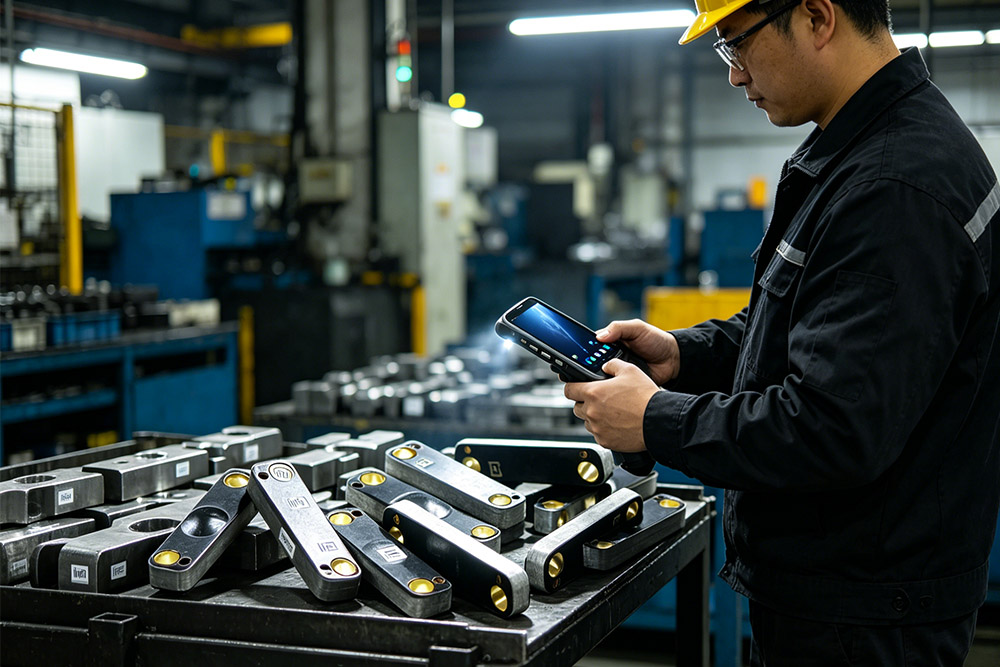
For metal environments, standard RFID fails due to signal interference.
Products like:
👉 Industrial metal RFID tags
Key features:
Typical use cases:
Products like:
👉 CK-BQ7015 industrial RFID laundry tag
These are designed to be:
Applications:
Laundry tags are one of the most common forms of embedded RFID, where the tag is hidden inside fabric pockets.
Products like:
👉 CK-BQY7320 anti-liquid passive RFID tags
Liquids typically absorb RF signals, reducing performance.
These tags are:
Applications:
Embedded RFID is not for every project—but in the right scenario, it’s unbeatable.
It works best when:
Common industries:
| Feature | Embedded RFID | Surface RFID |
|---|---|---|
| Durability | Very high | Medium |
| Replaceable | No | Yes |
| Installation | Complex | Easy |
| Tamper resistance | High | Low |
| Flexibility | Low | High |
Embedded RFID is about reliability, not flexibility.
Embedding RFID is not just “putting a tag inside.”
Incorrect placement can kill performance—especially near metal.
Tags must match the environment:
Smaller embedded tags typically have shorter read ranges (often under 1 meter), while larger ones can reach several meters.
Once embedded:
Testing before deployment is critical.
Avoid embedding if:
In many projects, companies start with surface tags, then move to embedded once the setup is proven.

Embedded RFID isn’t a new technology—it’s a smarter deployment strategy.
It turns RFID from something temporary into something permanent, protected, and reliable.
If your current RFID setup is failing because tags don’t last, get damaged, or get removed, embedding might be the upgrade you actually need.
But remember:
Once it’s embedded, there’s no undo button.
Plan it right the first time.
User Guide
How to Remove RFID Tags from Clothing Safely (Without Ripping Your Shirt)
The Truth About RFID Signals: Aluminum Foil, Smartphones, and Reading Range Explained
How Security Tag Readers Work: RFID vs. Magnetic Systems – Which Is More Efficient?
How to Deactivate RFID Tags Without Guesswork or Myths?
How to Test RFID Tags with Phone
How to Test RFID Tags with Your Smartphone (No Scanner Needed)
How to Use Android Phone to Emulate RFID Tag: Full Tutorial and Application Guide
Can Your RFID Tags Reader iPhone ? Here’s How It Actually Works
Can You Use an NFC Phone as an RFID Tag?
How to Choose the Right RFID Tag for Clothing? Materials, Packaging & Attachment Explained
Industrial Essentials: 2025 Guide to the Most Durable Rugged RFID Tags
Active RFID Tag Range: The Real Difference Between Active and Passive Tags

rfid tag frequency explained from real deployments. Learn what LF, HF, and UHF actually change in range, speed, and reliability with CYKEO.
More
Unsure what is the RFID reader? This crucial device powers your entire RFID system. Learn how it works, the different types, and key selection factors.
More
You know that awkward moment in class or at work when someone has to call out names, and half the time it’s wrong, or you lose track of who’s in or out? Well, that’s where RFID attendance monitoring systems step in, quietly fixing all those littl...
More
CYKEO RFID reader USB-C designed for developers and system integrators. This USB-C RFID reader supports tag reading, writing, and conversion, connects directly to PC software, and integrates easily with custom RFID management systems.
More