If you’ve ever managed cables, tools, or equipment in a warehouse, power station, or telecom site, you already know one thing:labels don’t stay readable forever.
They fade, peel off, get dirty—or worse, someone removes them.
That’s exactly where RFID cable tie tags come in.
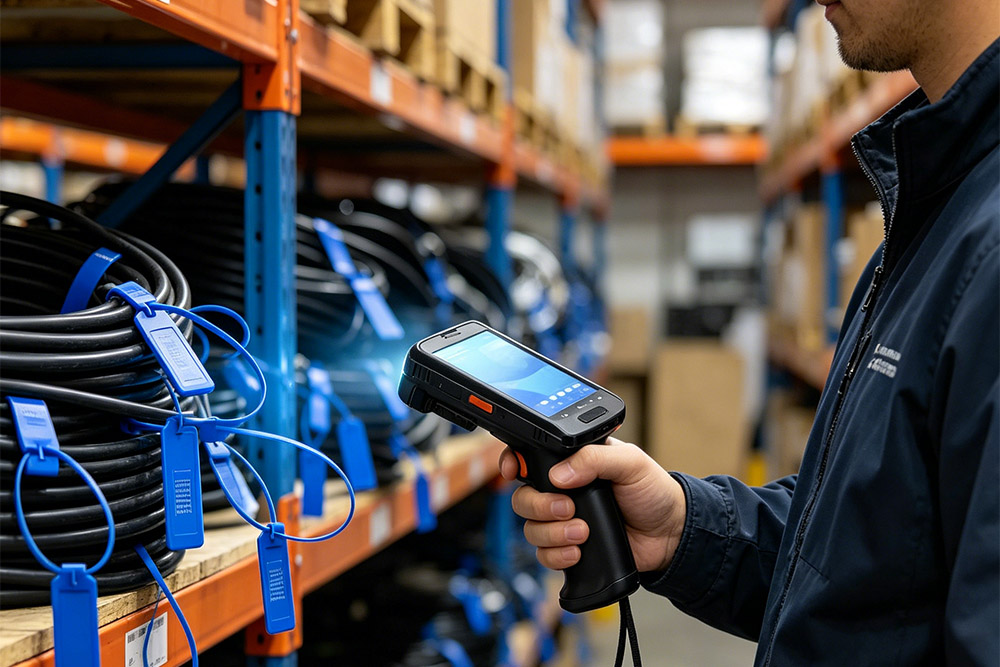
Instead of sticking a label onto an asset, you lock a tag onto it . And instead of scanning one by one, you can read hundreds in seconds.
Let’s break it down in a practical way.
What Exactly Is an RFID Cable Tie Tag?
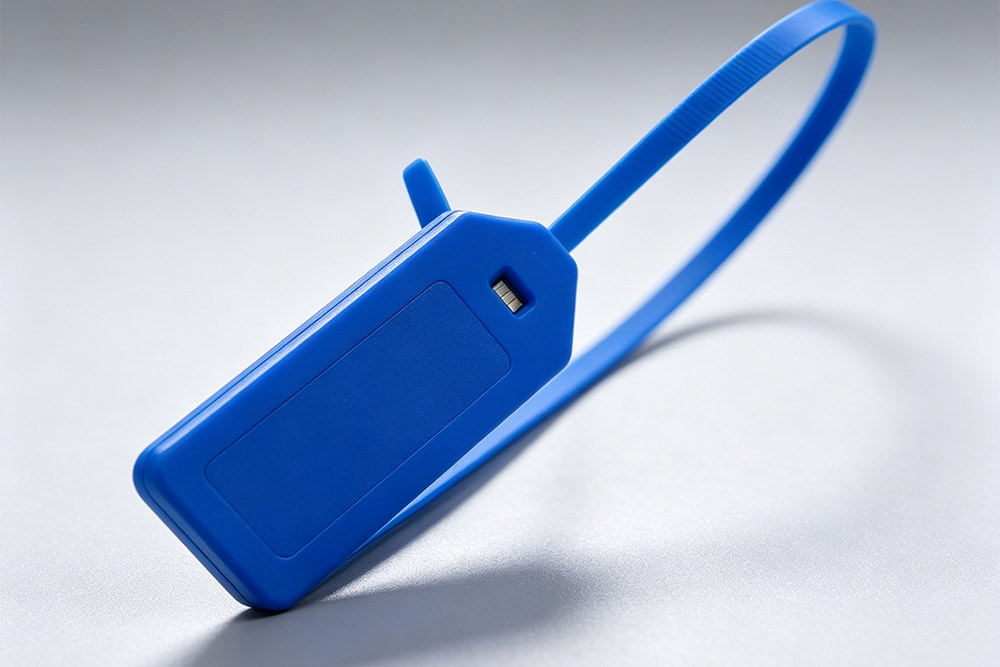
An RFID cable tie tag is a combination of a zip tie and an RFID tag in one piece .
It looks like a normal nylon cable tie, but the head contains a small RFID chip and rfid antenna . Once you fasten it, it works as both:
A permanent physical identifier
A wireless data carrier
Unlike adhesive labels, it doesn’t rely on surface condition. Once installed, it stays there unless you cut it off.
How It Works in Real Life
Most industrial users today are using UHF RFID (Ultra High Frequency) versions.
Here’s what actually happens on site:
Each cable tie tag is encoded with a unique ID
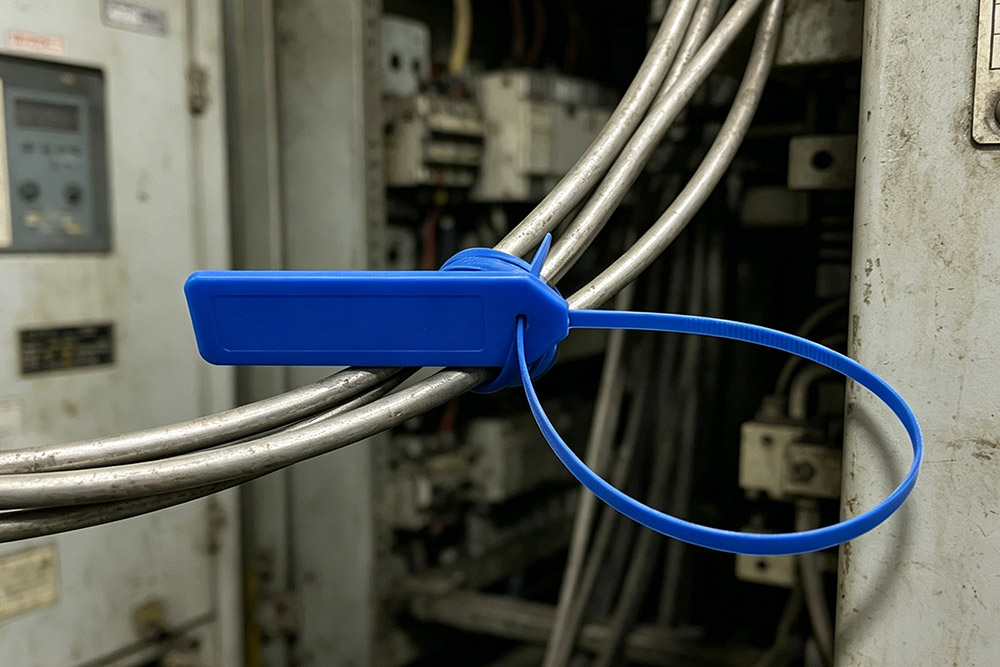
The tag is locked onto cables, tools, or equipment
A handheld or fixed reader scans tags from a distance
Data goes directly into your system (WMS / ERP / asset software)
No line of sight. No manual scanning one by one.
That’s the difference.
Why Companies Replace Barcodes with RFID Cable Tags
Barcodes are cheap. Everyone knows that.
But in real operations, they create hidden costs.
Typical problems with barcodes:
Need line-of-sight scanning
Easily damaged or dirty
Labor-intensive (scan one by one)
Hard to manage at scale
What RFID cable tie tags solve:
Bulk reading (hundreds at once)
Long read distance (up to ~8 meters depending on setup)
No need to align or aim
Much more durable in harsh environments
For small operations, barcodes still work.
Where RFID Cable Tie Tags Are Actually Used
This is not a “lab technology.” It’s already widely used in specific industries.
1. Power & Utility
Cable identification
Transformer and substation assets
Outdoor long-term tracking
2. Telecom & Data Centers
Fiber cable management
Rack and equipment identification
Maintenance tracking
3. Warehousing & Logistics
Returnable transport items (RTI)
Pallets and containers
Tool tracking
4. Industrial & Manufacturing
Equipment lifecycle tracking
Spare parts identification
Harsh environment tagging
The common pattern:assets that need to be tracked long-term, not temporarily labeled
Why the “Cable Tie Structure” Matters
This is something many buyers overlook at first.
The biggest advantage is not just RFID—it’s the locking mechanism .
Once installed:
It cannot be removed without cutting
It prevents tampering
It ensures the tag stays with the asset
That’s why it’s widely used for:
High-value assets
Compliance tracking
Anti-loss management
In simple terms:it’s not just identification—it’s control
What to Look for When Choosing RFID Cable Tags
Not all cable tags perform the same. If you’re sourcing for a project, these are the key factors:
1. Read Distance
Industrial projects typically require long-range UHF tags
2. Environment Resistance
Check:
Temperature range (e.g. -40°C to 85°C)
UV resistance (outdoor use)
Waterproof rating
3. Chip Type
Common options:
Different chips = different performance and memory
4. Anti-Metal Performance
If you’re tagging metal cables or equipment, this matters a lot.
5. Durability & Lifespan
Industrial-grade tags should support:
Long-term outdoor use
High write endurance
Years of service life
A Practical Example
A utility contractor managing thousands of cables switched from printed labels to RFID cable tie tags.
Before:
Manual scanning
Frequent relabeling
High labor cost
After:
Drive-by scanning using handheld readers
Real-time asset visibility
Almost zero label replacement
The hardware cost increased slightly, but labor dropped significantly.
That’s where the ROI comes from.
When Should You Use RFID Cable Tie Tags?
They make the most sense when:
You manage large volumes of assets
Labels don’t survive your environment
Manual scanning is slowing down operations
You need long-term, tamper-resistant identification
If your use case is temporary labeling or low volume, RFID might be overkill.
But for industrial asset tracking, it’s becoming the standard.
Final Thoughts
RFID cable tie tags are not just “another label.”structural upgrade to how assets are identified and tracked .
Instead of relying on something that can fall off, fade, or be ignored,
That shift is why more industries are moving toward RFID.
 Cykeo RFID IoT Solution Products R&D Manufacturer