RFID means Radio Frequency Identification. Four words, one idea: identifying an object using radio waves instead of something you have to look at.
That’s the whole answer. But most people asking “what mean rfid” actually want a bit more — what each of those four words really refers to, and what RFID means when you see it on a box, a card or a tag. Here it is, without the jargon.
RFID means Radio Frequency Identification — identifying things with radio waves instead of labels you can see.
The Four Words, One by One
Word
What it actually means
In practice
Radio
Wireless communication using radio waves
Nothing has to touch or be seen
Frequency
The radio band the system operates on
Different bands (LF, HF, UHF) behave differently
Identification
Recognizing which specific item this is
A unique ID per tag, not just “a box”
—
Together: identifying items by radio
One reader can identify many items at once
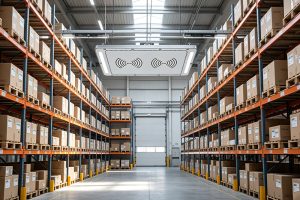
Radio is why you don’t need line of sight. A barcode needs to be visible to a scanner; an RFID tag can sit inside a closed carton and still be read.
Frequency is why two RFID systems can behave completely differently. Low frequency (125 kHz) works at centimeters, high frequency (13.56 MHz) at about a meter, ultra-high frequency (860–960 MHz) at several meters and many tags per second. Same acronym, very different capabilities.
Identification is the part people underestimate. RFID doesn’t just detect “something is here” — it returns a unique identifier for that specific item, which your software looks up to find what it is, where it’s been, and what should happen next.
So RFID means: using radio to ask “which exact item are you?” — and getting an answer from many items at once.
What RFID Means in Practice
Three real examples show how broad the meaning is:
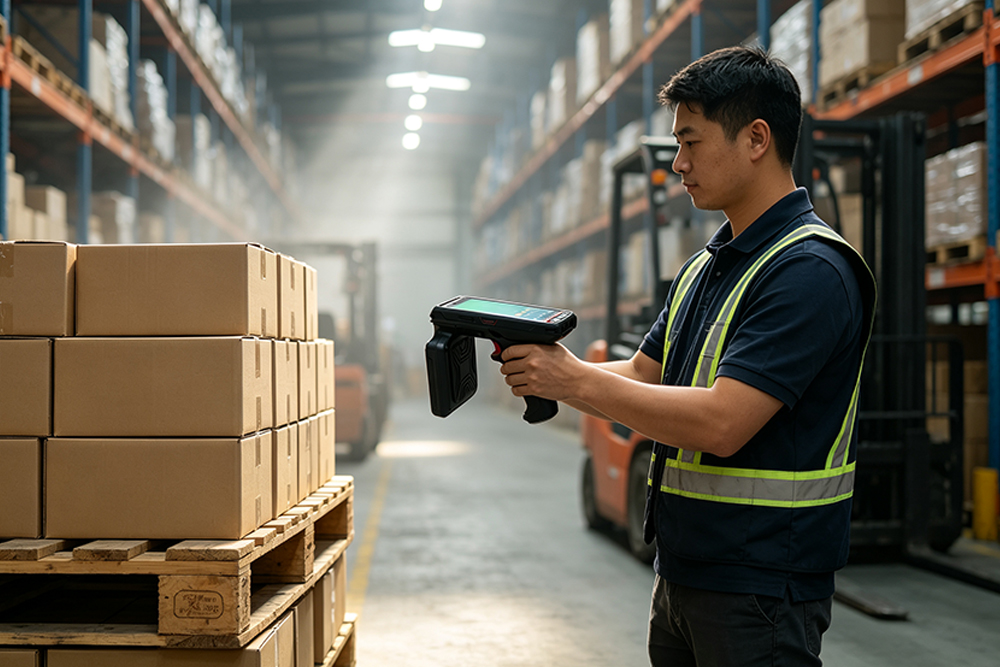
A carton in a warehouse carries a UHF label. A reader at the dock door identifies 40 cartons on a pallet in about two seconds, and your WMS marks them received.
An employee badge contains a 13.56 MHz chip. Tapping it on a door reader identifies the person and unlocks the door.
A tool in a workshop carries a small rugged tag. A smart cabinet knows which tools are inside right now, and who took the missing one.
All three are “RFID” — different frequencies, different hardware, same underlying meaning.
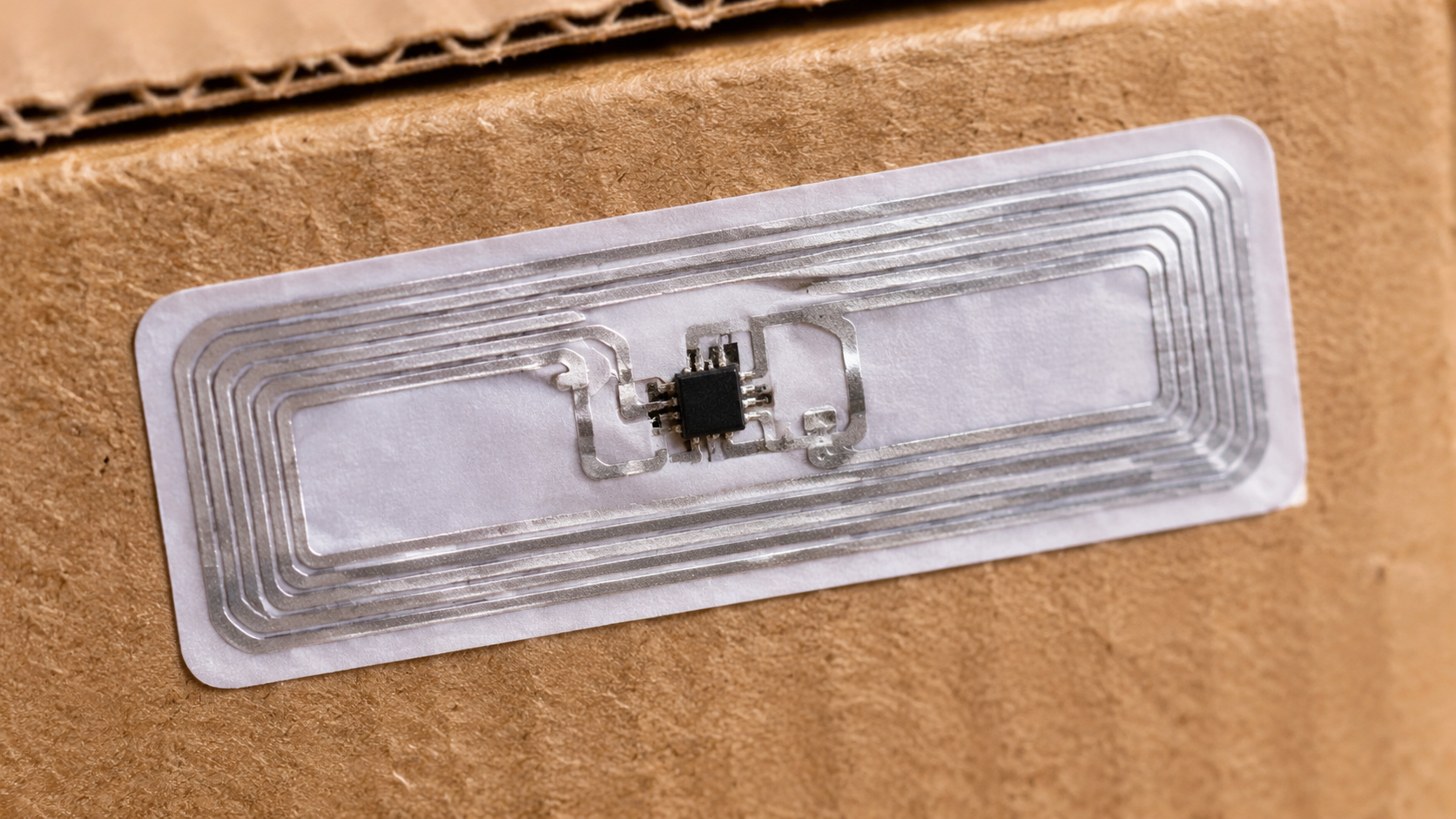
The tag is a chip plus an antenna — no battery in most cases.
What RFID Does NOT Mean (5 Common Misunderstandings)
Because the acronym is so broad, it gets stretched. Five things people assume it means — and what’s actually true:
It doesn’t mean GPS. RFID identifies what an item is, not where it is on a map. You know its location only because a reader at a known place read it.
It doesn’t mean “long range”. Range depends on frequency and setup — from 1 cm (LF) to 20 m (UHF with high-gain antennas). Many RFID reads happen at 10 cm.
It doesn’t mean one single technology. LF, HF, UHF, passive, active, NFC — all are RFID. That’s why two “RFID” products may not work together at all.
It doesn’t mean “replace barcodes”. Most real operations use both: RFID for bulk identification, barcodes for item-level verification and exceptions.
It doesn’t mean it works through anything. Cardboard and plastic, yes. Metal reflects the signal; water absorbs it. That’s a tag-design problem, not a technology failure.
The Same Acronym, Different Meanings by Frequency
This is the single most useful thing to know after the definition — “RFID” covers three very different worlds:
Band
Frequency
Read distance
What “RFID” means here
LF
125–134 kHz
Centimeters
Animal microchips, older access fobs
HF
13.56 MHz
Up to ~1 m
Badges, transit cards, library books, NFC in phones
UHF
860–960 MHz
1–12 m+
Cartons, pallets, apparel, tools, vehicles
When a supplier says “our RFID reader”, the first question is always: which band? A UHF reader cannot read an HF badge, and no amount of power changes that. If you’re comparing the bands, our complete RFID guide explains the trade-offs; if you want the tag side, see how to match tags to surfaces.
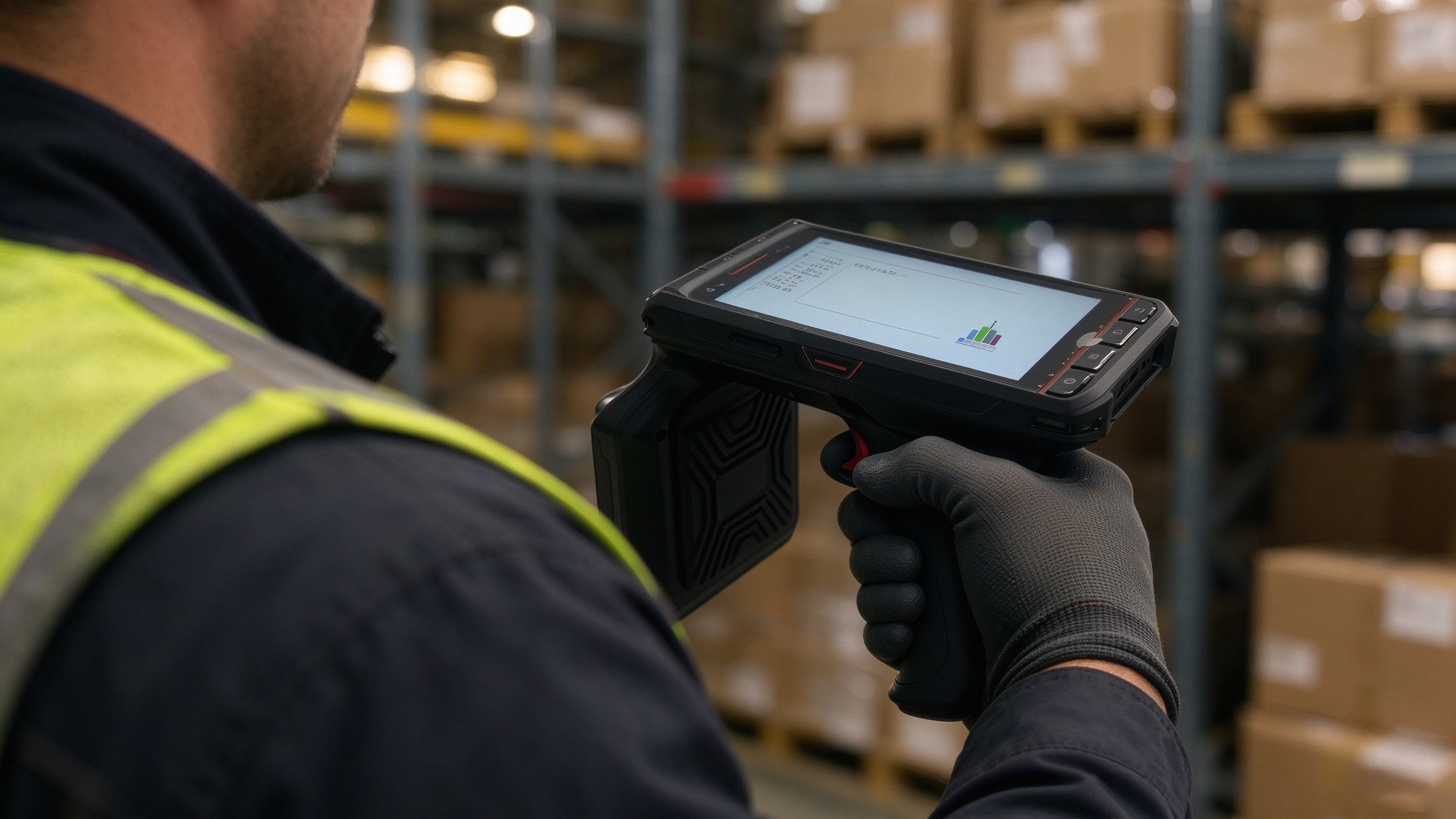
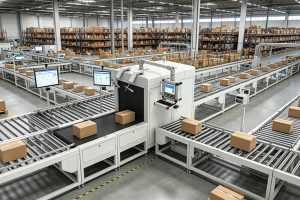
Each line is one uniquely identified item — that’s what “identification” means.
Where the Term Comes From
“RFID” as a term became standard in the 1980s–90s as radio-based identification moved from labs and livestock into logistics. Today the term is defined and standardized by bodies you’ll see cited everywhere:
ISO/IEC — the standards family (e.g., ISO/IEC 18000 series for air interfaces)
GS1 / EPCglobal — the EPC Gen2 (ISO 18000-63) standard behind retail and supply-chain UHF RFID
RAIN Alliance — the industry body promoting UHF RFID, which is why you’ll see “RAIN RFID” used as a synonym for UHF
When a datasheet says “EPC Gen2” or “ISO 18000-6C”, it’s telling you which meaning of RFID the device implements.
So What Does RFID Mean for Your Business?
One sentence: it means you can identify many items at once, without seeing or touching them, and get that data into your software automatically.
Whether that matters depends entirely on how much manual scanning you do today. If a worker spends two hours a day aiming a barcode scanner, RFID means getting those hours back. If you scan ten items a day, it probably means “not yet”.
Radio Frequency Identification — identifying objects using radio waves.
What does RFID mean in simple words?
It means recognizing which specific item something is, using radio instead of a visible label. A reader sends radio energy, a small tag on the item answers with its unique ID, and software records it.
Is RFID the same as NFC?
is a subset of HF RFID at 13.56 MHz, designed for very short range (a few centimeters) — the tap-to-pay kind. Other RFID types work at longer range and are not NFC.
Is RFID the same as a barcode?
No. A barcode is an optical pattern that must be visible to a scanner. RFID uses radio, so tags can be read inside cartons, without line of sight, many at once.
What is the full form of RFID tag?
RFID tag is the physical label containing a microchip and antenna that stores the ID. “Tag” and “transponder” mean the same thing in this context.
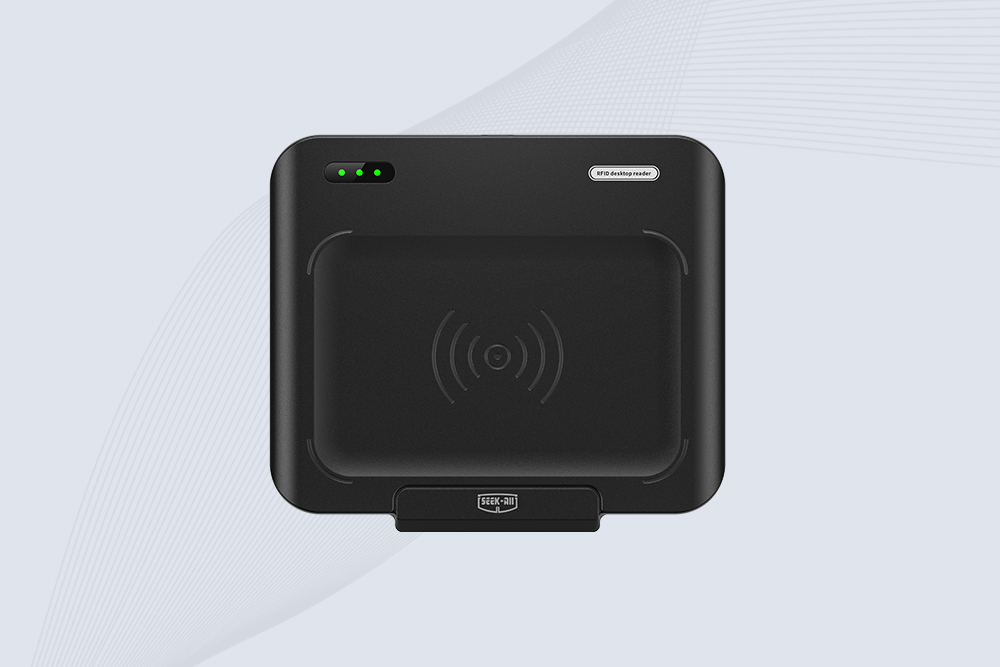
SSD-D3AL is a USB-HID UHF RFID reader with 0–30 cm reading, 0–15 cm writing, over 600 tags/s recognition, USB plug-and-play operation and OEM Logo customization.
SSD-D1AL is a compact USB UHF RFID reader with Impinj E710/X3M1 chipset, USB-HID, 600+ tags/s recognition, 4/8/16 antenna support and plug-and-play USB power.
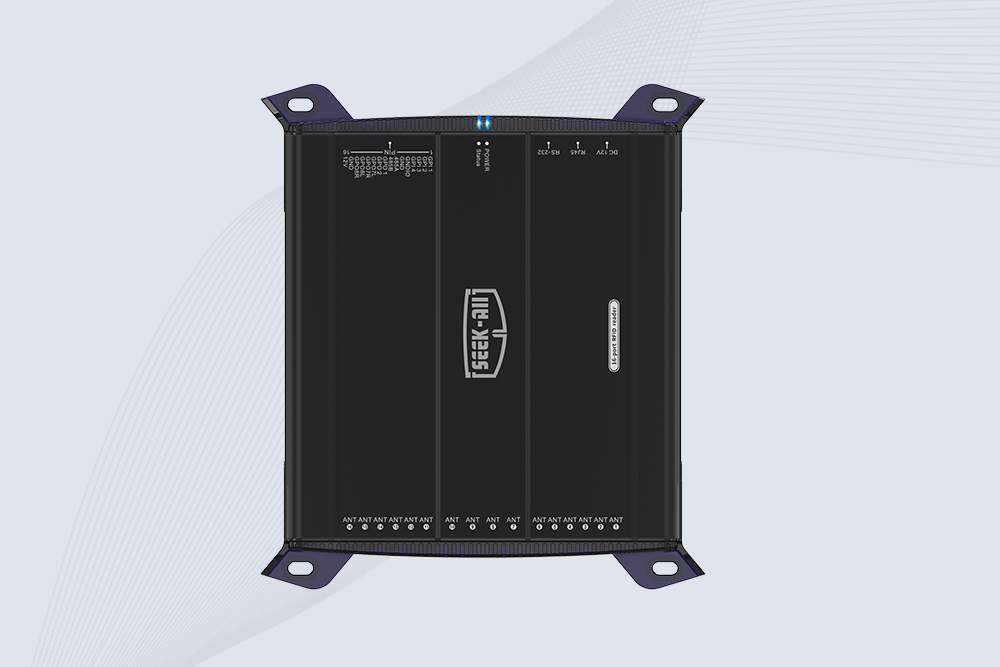
SSD-R16L Multi-Channel RFID Infrastructure for Automated Inventory Management ✔️ 16-Port High-Density RFID Reading Equipped with 16 SMA antenna ports, SSD-R16L supports multi-antenna deployment for warehouses, retail stores, logistics, production lines, and large-area RFID identification. ✔️ High-Speed & Long-Range Performance With up to 33…
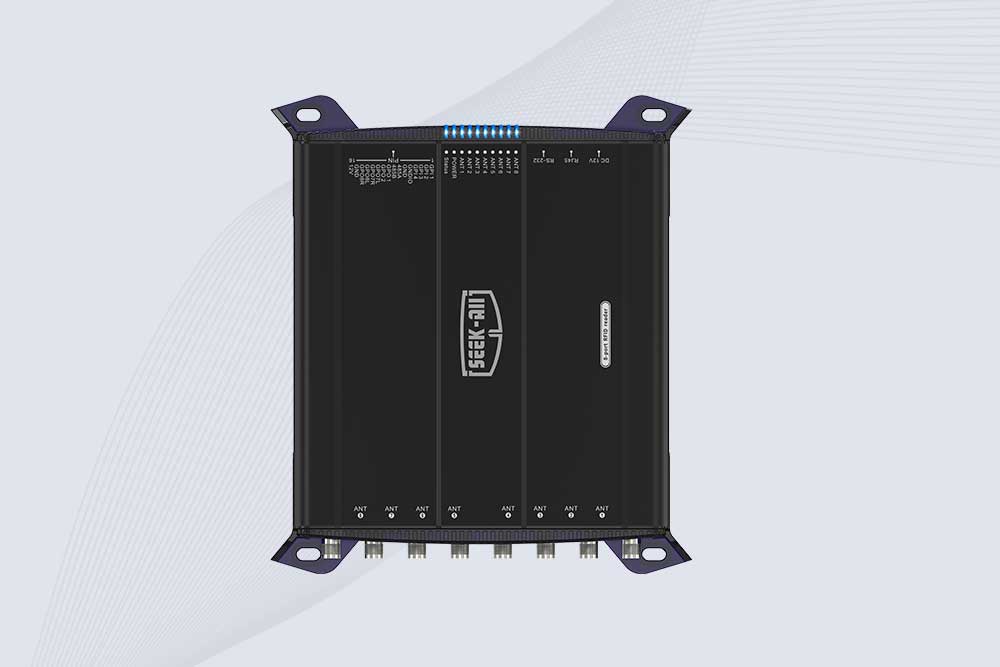
SSD-R8L 8-port UHF RFID reader with 33dBm output, up to 20m reading range and 600+ tags/s recognition. Ideal for warehouse, logistics, retail and asset tracking.
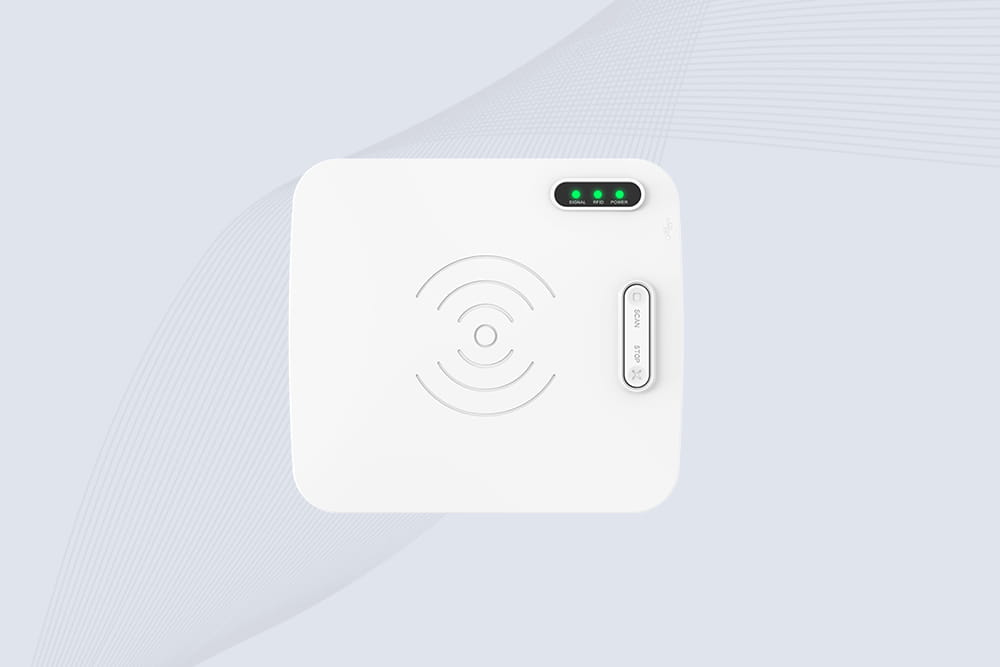
CYKEO CYKEO-D1LA USB RFID Reader is a compact desktop solution with near-field control for precise tag reading and encoding. Powered by USB, supporting ISO 18000-6C, and built for stable batch writing, this usb rfid tag reader fits retail, libraries, offices, and controlled RFID encoding tasks.
CYKEO CYKEO-D1L RFID scanner USB is a compact desktop UHF RFID scanner designed for short-range tag writing and verification. This usb rfid scanner supports batch encoding, stable 0–26 dBm output, and works across Windows, Linux, and Android systems.
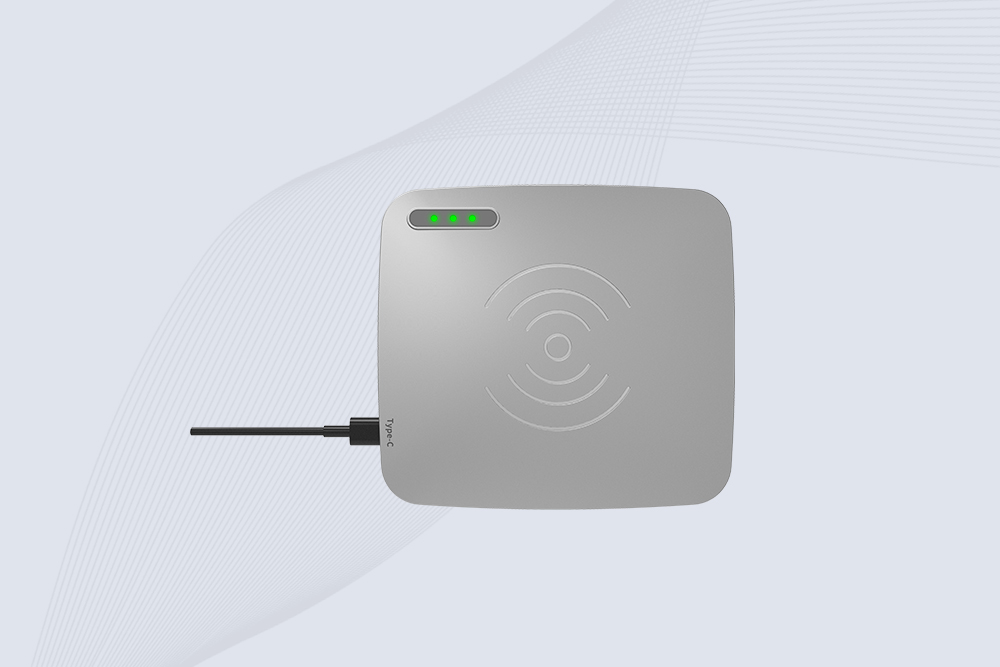
CYKEO CYKEO-D1C USB RFID Card Reader is a near-field UHF desktop writer designed for secure, short-range tag encoding. With USB-C connectivity and stable 26 dBm output, this rfid reader usb c is ideal for badge issuance, label encoding, and controlled desktop RFID workflows.
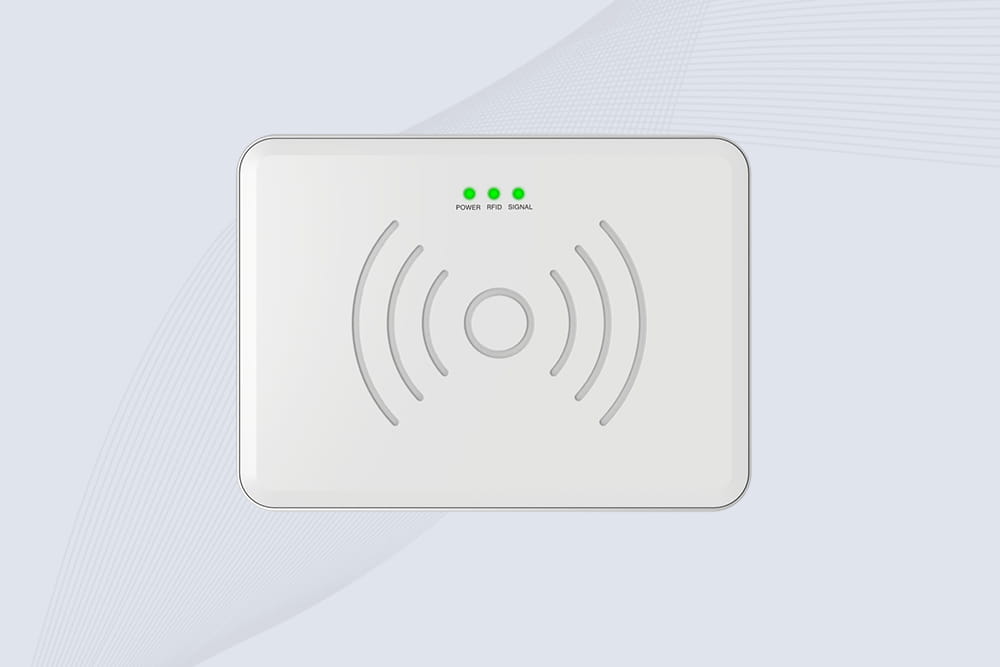
CYKEO CYKEO-D2L RFID Reader USB is a compact desktop encoder built on the Impinj R500 chip. With near-field control and stable USB power, this usb rfid card reader delivers precise tag writing for offices, retail counters, and small-scale logistics encoding tasks.
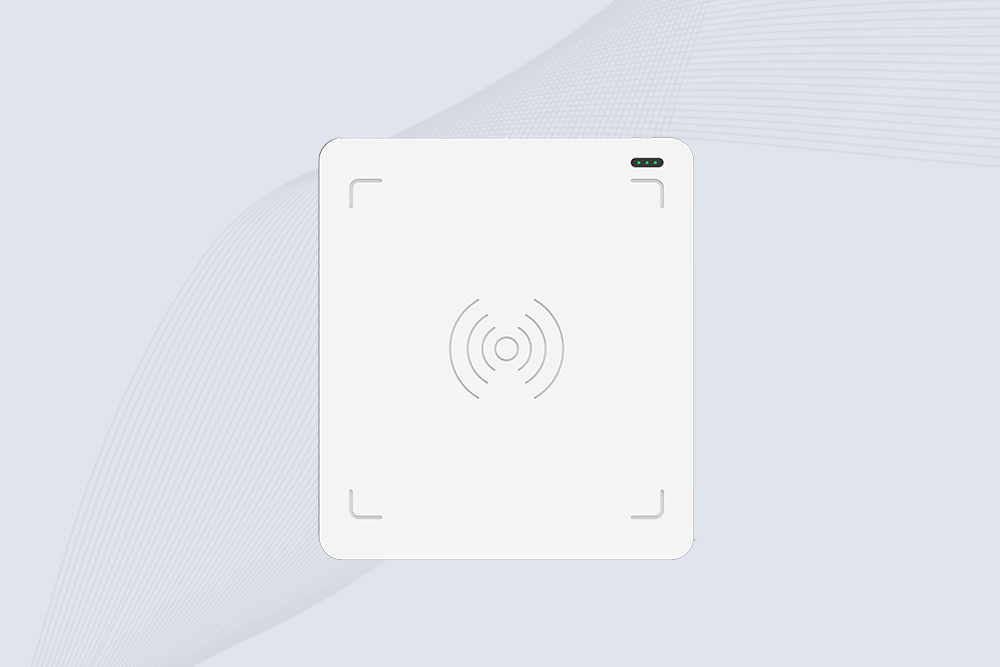
CYKEO CYKEO-D3L USB RFID Tag Reader delivers stable UHF tag reading and writing for daily desktop and light industrial tasks. Designed for controlled short-range operation, this USB RFID Tag Reader works reliably with rfid tag and reader systems in libraries, tool tracking, and inventory registration.
The CYKEO CYKEO-D4L UHF RFID Tag Reader is a stable Desktop RFID Reader designed for accurate tag registration, borrowing, and return workflows. Built with the Impinj R2000 chip, this UHF RFID Tag Reader delivers controlled short-range reads for libraries, asset tracking, and inventory management environments.
The CYKEO CYKEO-D5L Desktop RFID Card Reader is a stable UHF RFID Card Reader designed for controlled short-range reading and writing. Built for libraries, tool rooms, and asset desks, this UHF RFID Card Reader supports dense tag handling, secure data processing, and easy USB integration.
The CYKEO CYKEO-D6L RFID Reader Writer is a heavy-duty Desktop RFID Reader designed for short-range, high-accuracy tag programming. Built for libraries, labs, and asset desks, this RFID Reader Writer supports batch processing, stable 33dBm output, and seamless integration with existing management systems.
Cykeo CYKEO-D8A embedded RFID badge reader offers 30+ tags/sec scanning, 20cm anti-crosstalk precision, and DC 12V power for unmanned stores, warehouses, and smart inventory systems.
Cykeo’s CYKEO-D8C UHF RFID gate reader achieves 200-tag/batch scanning with adjustable power control, ideal for retail inventory and smart warehouse management.
Cykeo CYKEO-C1 industrial Forklift RFID Reader features 20m read range, 600 tags/sec scanning, Impinj R2000 chipset, and IP67 rugged design. Ideal for warehouse logistics and manufacturing. Supports ISO 18000-6C/6B protocols.
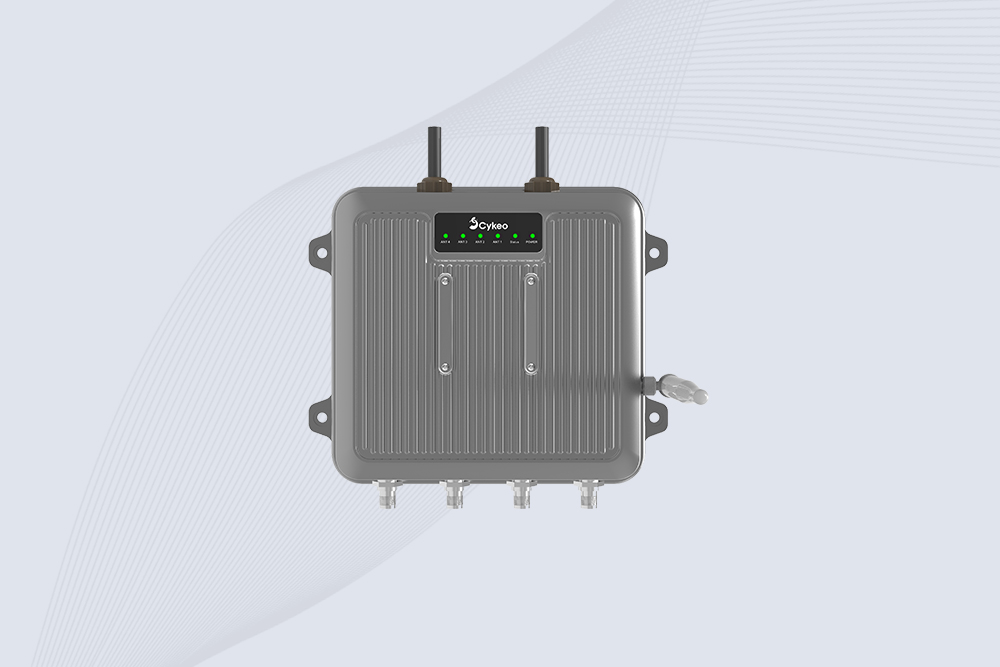
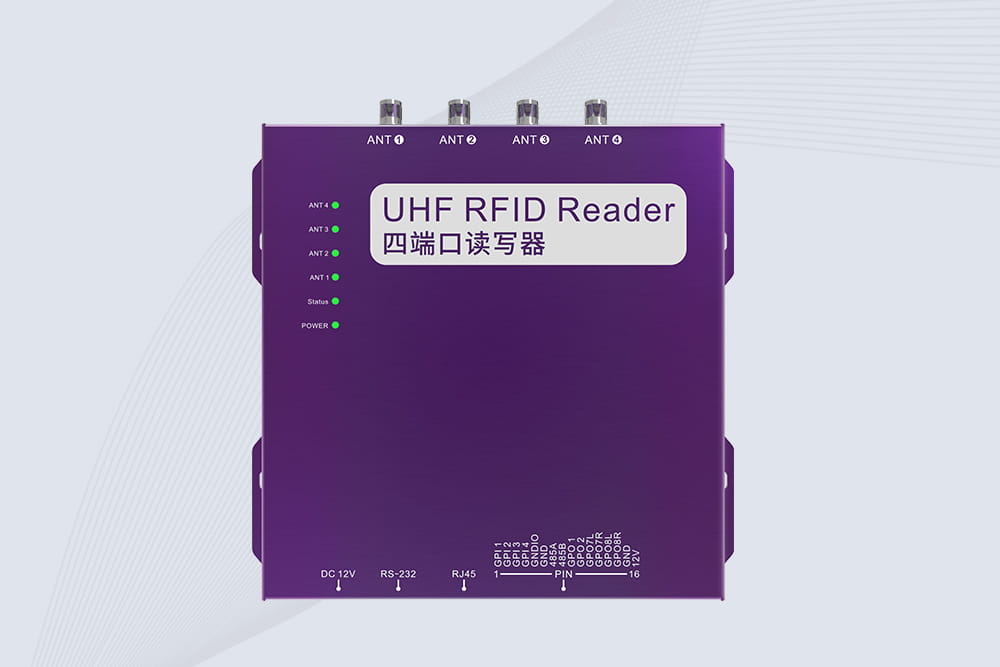
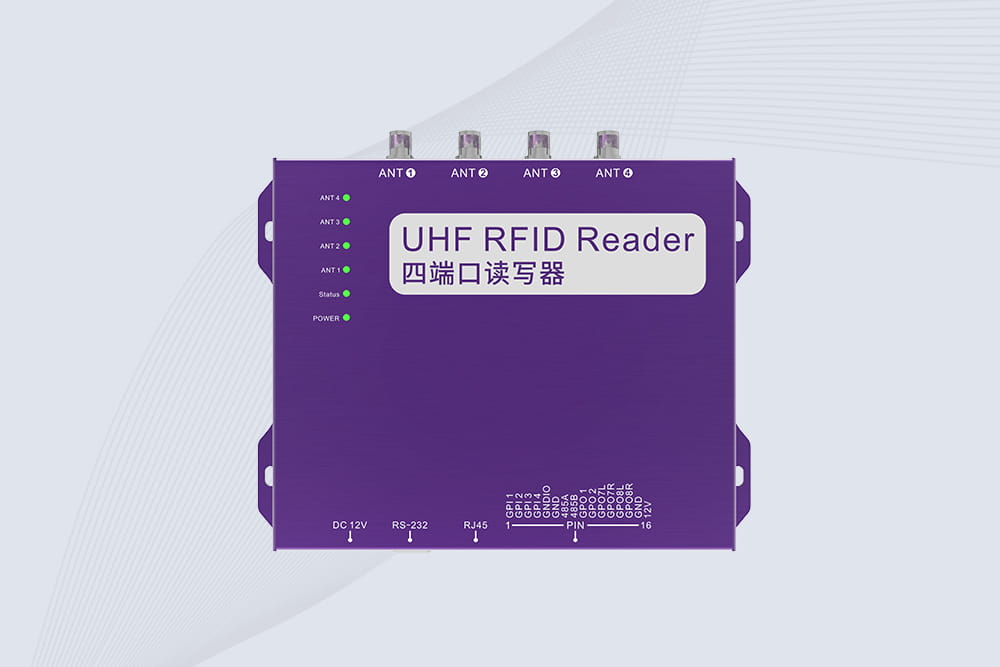
Cykeo CYKEO-R4 industrial UHF RFID Fixed Reader features 4 TNC ports, 400+ tags/sec speed, IP67 housing, and global frequency compliance for vehicle inspection, smart warehouse, and asset management systems.
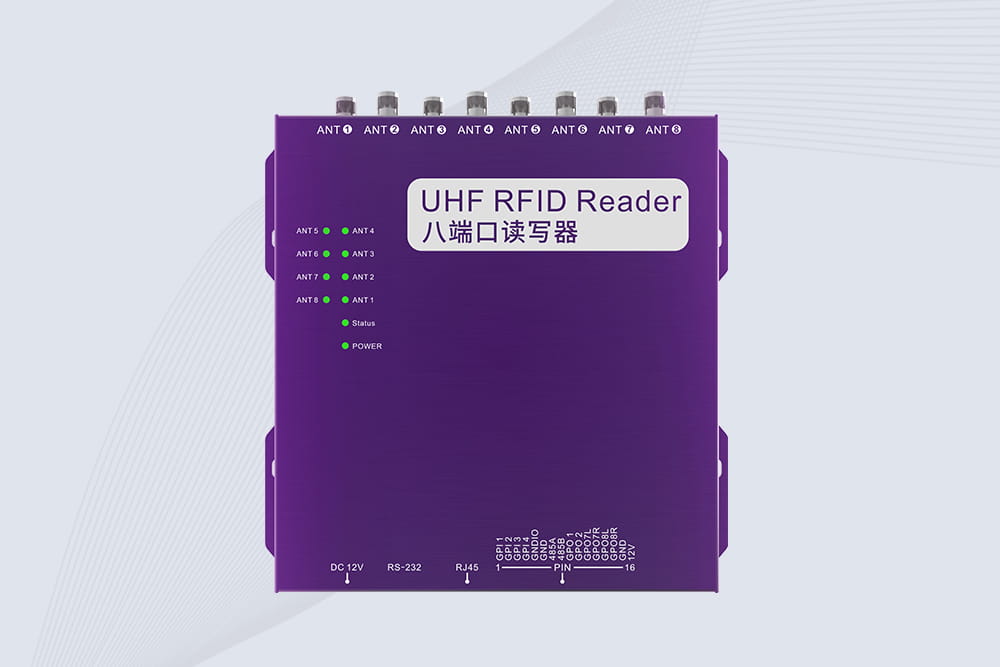
CYKEO CYKEO-R8L Fixed RFID Reader with 8-port UHF design, Impinj-based RF core and up to 20m read range. An industrial Fixed RFID Reader for vehicle inspection, warehouse portals, smart manufacturing lines and secure access checkpoints.
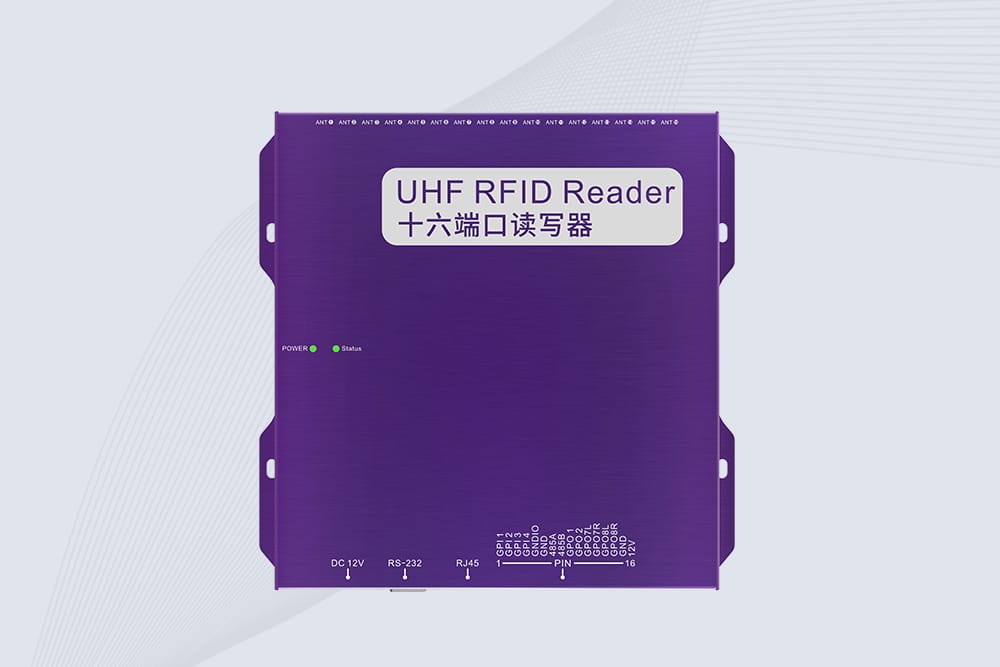
RFID Fixed Reader from CYKEO – the CYKEO-R16L 16-port UHF fixed reader for warehouses, smart cabinets, and production lines. Long-range, multi-tag reading, stable performance for 24/7 industrial use.
RFID access control system offers businesses an efficient and secure way to manage entry and exit. This guide explains how to set up an RFID system from scratch, covering hardware components, wiring, card programming, and controller configuration....
inventory management rfid tags enable real-time asset visibility, reduce manual errors, and improve warehouse accuracy up to 99% for efficient operations.
Learn how RFID tool tracking systems work, from smart tool cabinets to full industrial setups. Understand how antennas and RFID modules integrate into real-world solutions.
Discover how RFID logistics tracking improves inventory accuracy, shipment verification, and warehouse efficiency. Learn how Cykeo RFID solutions automate logistics operations.
 Cykeo RFID IoT Solution Products R&D Manufacturer