 Cykeo RFID IoT Solution Products R&D Manufacturer

Attendance RFID Card Reader For Enterprise Attendance Management
869Attendance RFID Card Reader has become a popular choice for optimizing attendance systems in modern enterprises
MoreAll RFID Product
If you manage a store — apparel, footwear, cosmetics, electronics — you have probably heard that RFID will “transform your inventory.” It will, eventually. But between the sales pitch and a working deployment sits a short list of things retail teams consistently wish they had known first. This is that list.
This isn’t a hardware explainer — the mechanics are covered in how RFID tags work in retail. This is the decision brief: what RFID fixes, what it doesn’t, what it costs, which hardware a store actually needs, and how to prove it works in your own store within three weeks.
RFID gives every item a unique electronic identity that readers can detect without seeing it — so a full-store count takes minutes instead of shifts, and your system stock finally matches your shelf. Retailers doing it well report item-level inventory accuracy above 95%, versus roughly 65–75% under manual barcode processes. That gap is not a reporting nicety: false out-of-stocks are lost sales, and omnichannel promises like buy-online-pickup-in-store collapse when system stock isn’t true.
Be clear-eyed before spending. The honest split:
What it genuinely fixes:
What it doesn’t fix:
That last point is the one experienced deployers repeat most: RFID failures in retail are process failures, not technology failures. If the team doesn’t act on what the readers report, you’ve bought an expensive counter. Decide who owns the data before you decide which reader to buy.
1. Tag cost × SKU count is the real price. Tags run roughly 0.08–0.15 for standard apparel labels. On 50,000 items a year, tagging costs land near 5,000–7,500 annually — often more than the first reader. Budget tagging as a recurring line item, not a one-off purchase, and remember it scales with every new SKU you introduce.
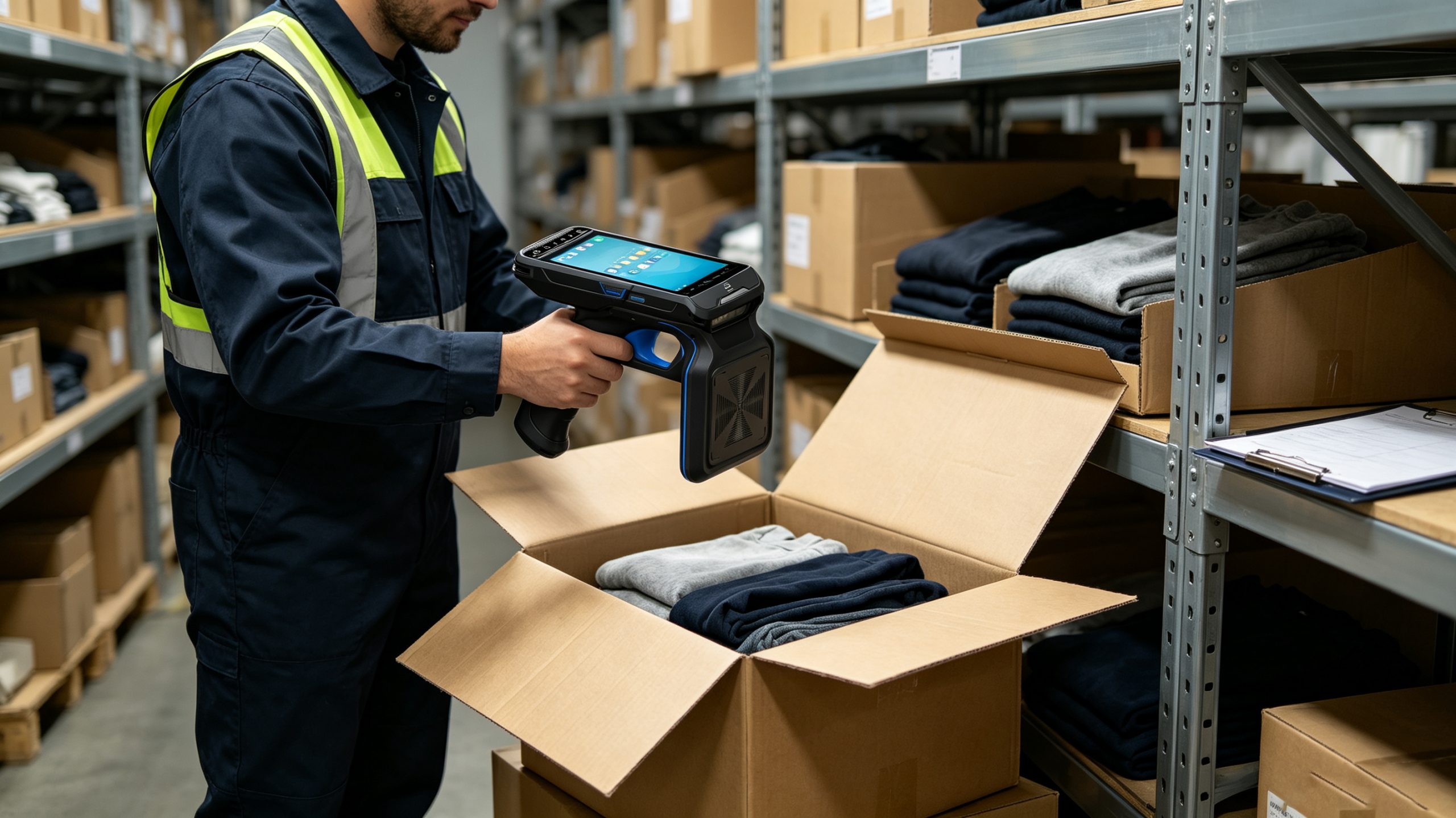
2. Start with a handheld, not a store buildout. The most common first mistake is pricing portals and smart shelves before proving anything. A single Bluetooth or Android handheld (300–800) plus tags for one department lets you measure real count times and accuracy within two weeks. Most retailers’ second purchase is more handhelds — not fixed infrastructure.
3. Dense hanging apparel is an RF planning problem. Tight racks of hanging garments reflect and crowd signals. Fitting rooms, metal shelving and security fixtures all reshape the read zone. This is solvable — tag placement and antenna tuning fix it — but it’s why choosing tags for the right surfaces matters more in retail than in a carton warehouse. A garment with metal zips or embellishments needs a different tag than a plain cotton tee.
4. Receiving is the fastest win. Before touching the sales floor, put RFID at the backroom door: scan an inbound carton against the packing list in one pass instead of opening and checking each unit. Receiving errors are expensive, invisible, and the easiest process to fix — and the backroom has fewer RF complications than the floor.
5. The data must reach someone who acts on it. A count that lives in the reader’s memory changes nothing. The plan needs one line from reader to your stock system — even a simple CSV export beats “we’ll integrate later.” Retailers who skip this step usually stall in pilot mode and blame the hardware.

Retail RFID hardware comes in four roles. You almost never need all four at the start:
| Hardware | Role in the store | Typical cost | Needed at start? |
| Handheld reader | Floor counts, finding items, receiving checks | 300–800 each | Yes — this is the pilot |
| Desktop reader/encoder | Writing tag data before items reach the floor | 40–150 | Only if you tag in-store |
| Fixed reader + antennas (portal) | Automatic detection at doors or zones | 1,500–4,000 per point | Later — after process is proven |
| Smart fixtures / cabinets | Continuous monitoring of a zone | 3,000–15,000 | Rarely, and only for specific workflows |
Two practical notes. First, if your supplier applies tags at the factory or distribution center, you can skip the desktop encoder entirely — most apparel chains do exactly this. Second, fixed portals amplify whatever process already exists: a portal at the door of a store with bad counting discipline just automates the chaos. That’s why the table above orders hardware by when to buy it, not by how impressive it sounds.
If you’re comparing specific models, the Cykeo RFID reader range splits cleanly into handheld, USB/desktop and fixed lines — matching the roles above.
Indicative 2026 figures for a single store:
| Setup | Hardware | Tags (annual) | Best for |
| Pilot: 1 handheld + 1 department | 300–800 | 400–1,500 | Proving count-time savings |
| Standard: 2–3 handhelds + receiving point | 1,000–2,500 | 2,000–6,000 | Single-store item-level accuracy |
| Advanced: + entrance/EAS-adjacent zone | 3,000–8,000 | same as above | Loss-pattern visibility, exits |
| Chain rollout | per-store × N | per-store × N | Only after one store proves the numbers |
Hardware is the smaller half. Add time for tagging discipline, staff training and system hookup — realistically another 30–50% in year one. The RFID vs barcode economics work out precisely because counting labor falls faster than tagging cost rises — but only at item volumes above roughly a few thousand units. Below that threshold, barcodes remain the rational choice, and no amount of enthusiasm changes the math.
This sequence mirrors what works in practice: backroom first, floor second, infrastructure last. The store-operations trade-offs are explored further in our piece on whether RFID is really changing store operations.
A pilot doesn’t need a project plan worthy of a chain rollout. It needs three weeks and one department:
The pilot’s real output is not the count. It’s the discovery of where your store’s inventory truth actually breaks — and RFID makes that visible in a way no spreadsheet can.

Usually yes for apparel and footwear above a few thousand items; marginal below that. The handheld pilot at 300–800 answers the question with your own numbers in two weeks
Yes, with the right tag — standard labels struggle near metal, so garments with metal zips, foil prints or decorations need tags designed for those surfaces.
Hang tags and hard tags can be; adhesive apparel labels are typically single-use. Reuse changes the cost math significantly for rental, resale and returnable formats.
Item-level tags store a product ID, not customer data, and are typically deactivated or removed at checkout. The privacy conversation matters more for loyalty-linked systems than for inventory RFID itself.
Two to four weeks: tag one department, count with a handheld three times, compare against your barcode baseline — the plan above is deliberately this small.
No, and it shouldn’t. Most stores keep barcodes for item-level verification, returns and supplier labeling, using RFID for bulk counting and movement visibility. The two work together.
.

Discover SSD-D4AL, a USB-HID UHF RFID reader with 4/8/16 antenna options, Impinj E710/X3M1 chipset, plug-and-play USB power, and OEM customization.
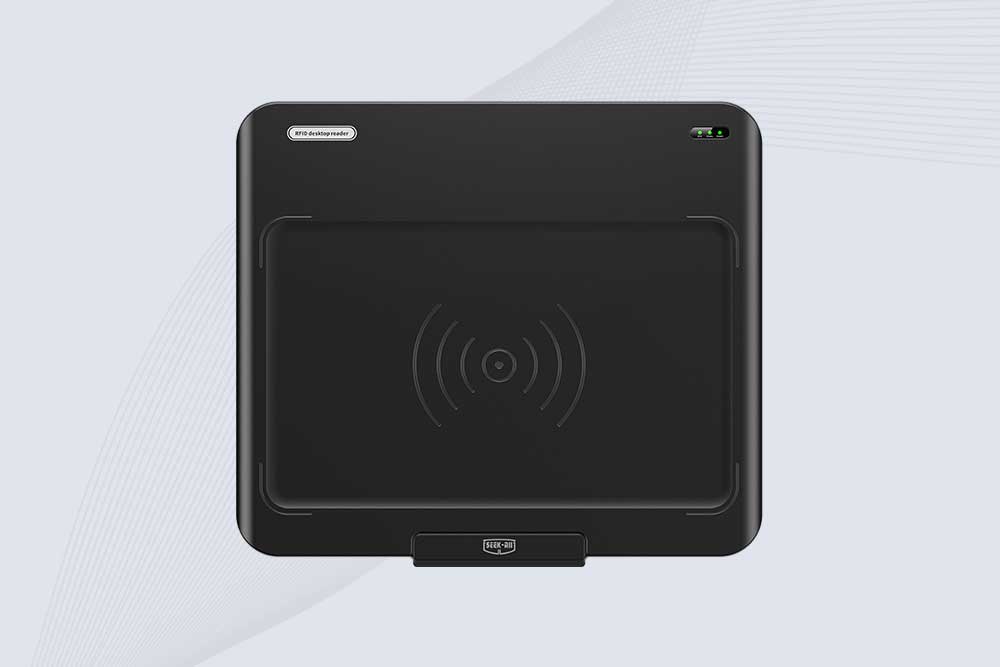
SSD-D3AL is a USB-HID UHF RFID reader with 0–30 cm reading, 0–15 cm writing, over 600 tags/s recognition, USB plug-and-play operation and OEM Logo customization.
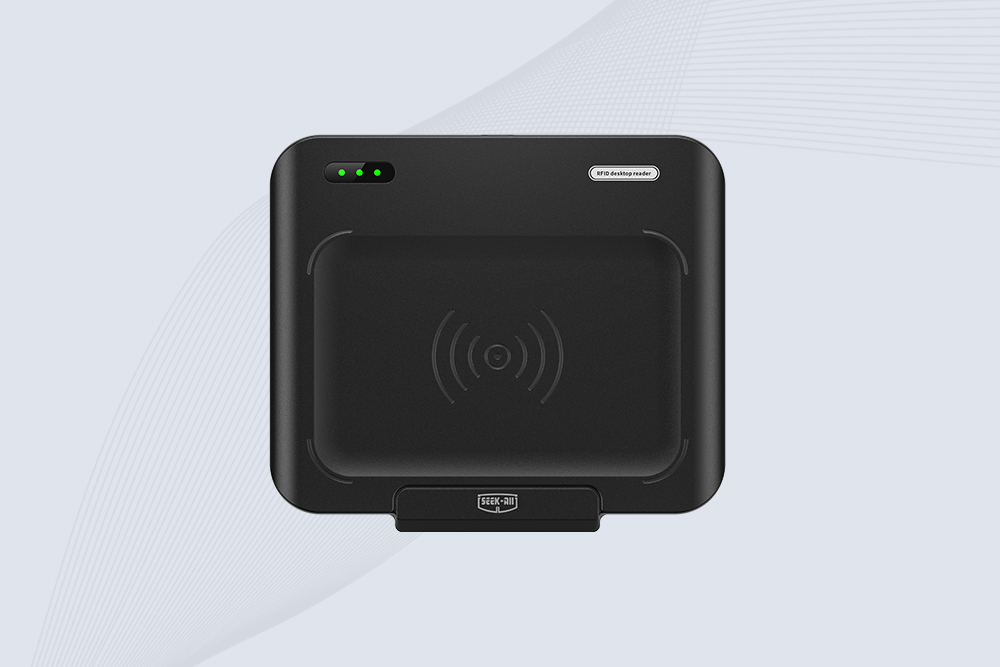
SSD-D1AL is a compact USB UHF RFID reader with Impinj E710/X3M1 chipset, USB-HID, 600+ tags/s recognition, 4/8/16 antenna support and plug-and-play USB power.
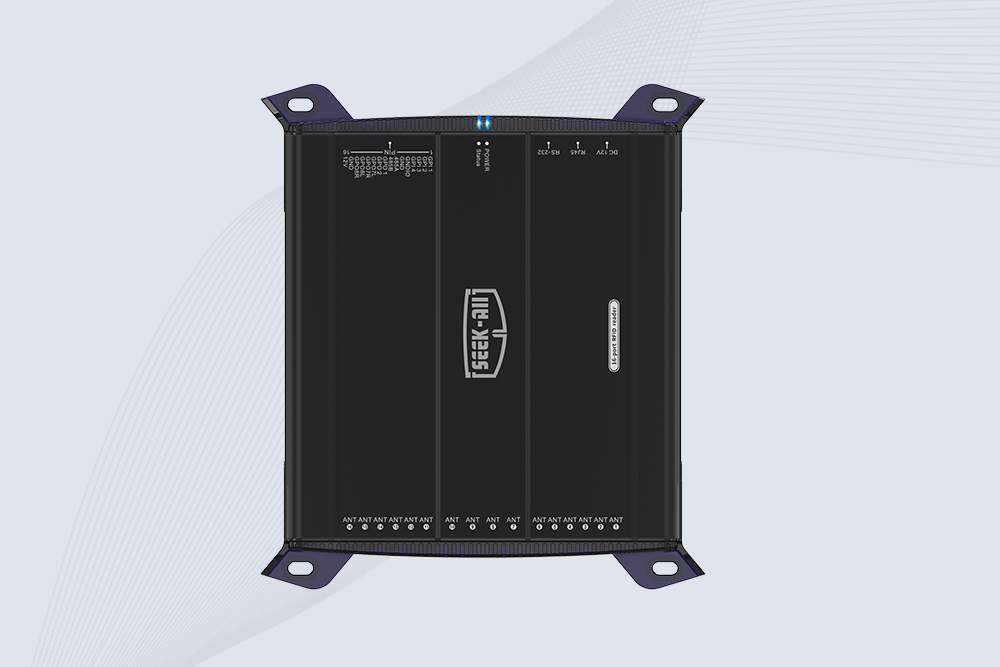
SSD-R16L Multi-Channel RFID Infrastructure for Automated Inventory Management ✔️ 16-Port High-Density RFID Reading Equipped with 16 SMA antenna ports, SSD-R16L supports multi-antenna deployment for warehouses, retail stores, logistics, production lines, and large-area RFID identification. ✔️ High-Speed & Long-Range Performance With up to 33…
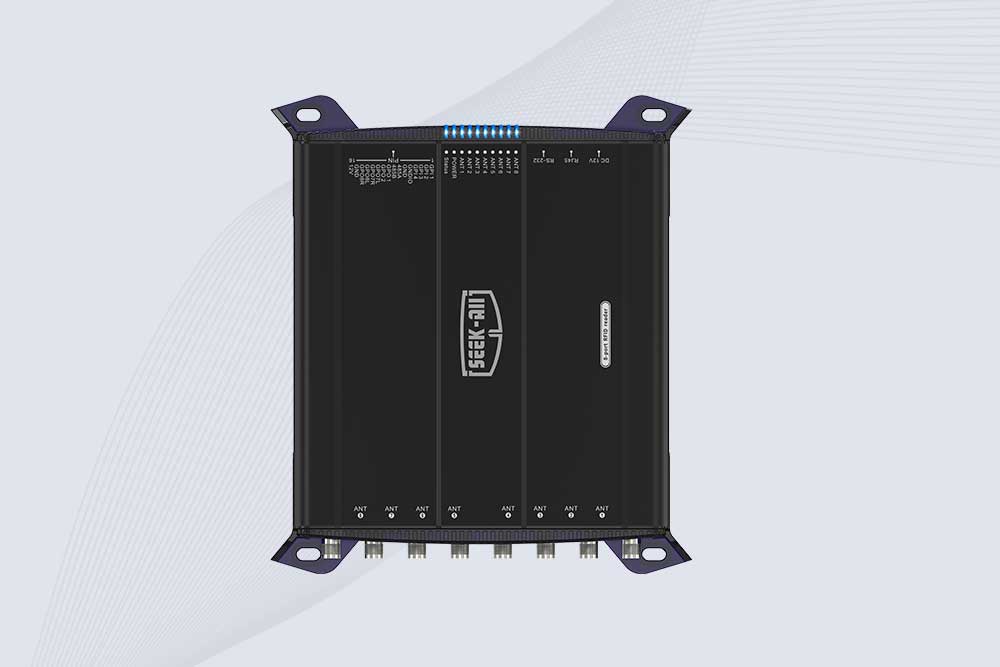
SSD-R8L 8-port UHF RFID reader with 33dBm output, up to 20m reading range and 600+ tags/s recognition. Ideal for warehouse, logistics, retail and asset tracking.
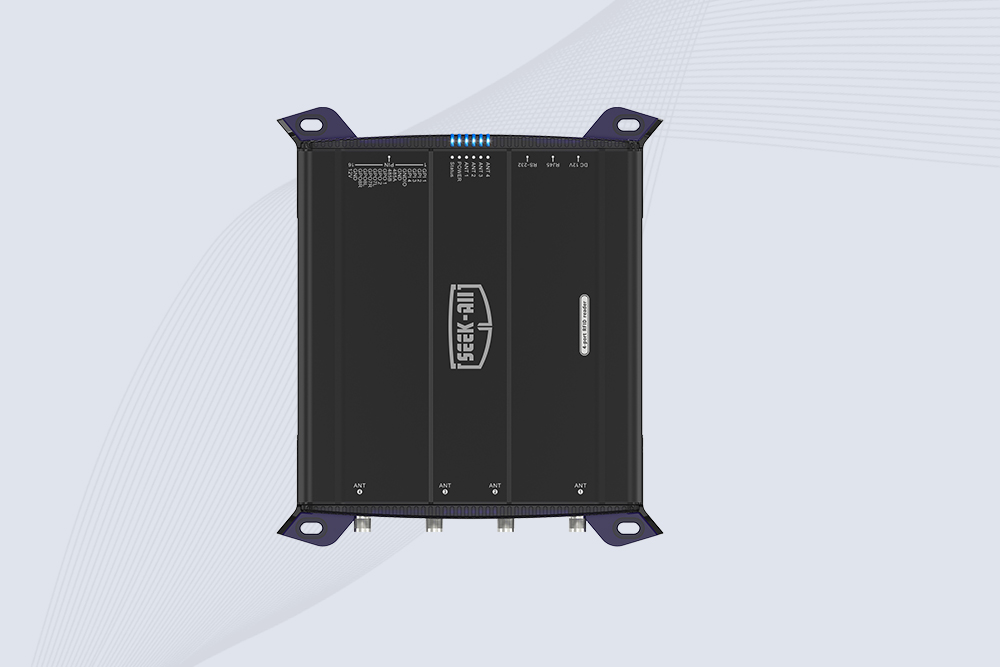
SSD-R4L is a 4-port UHF RFID fixed reader with 33dBm output power, up to 20m reading range, EPC C1G2 support and 600+ tags/s reading speed.

CYKEO CYKEO-D1LA USB RFID Reader is a compact desktop solution with near-field control for precise tag reading and encoding. Powered by USB, supporting ISO 18000-6C, and built for stable batch writing, this usb rfid tag reader fits retail, libraries, offices, and controlled RFID encoding tasks.
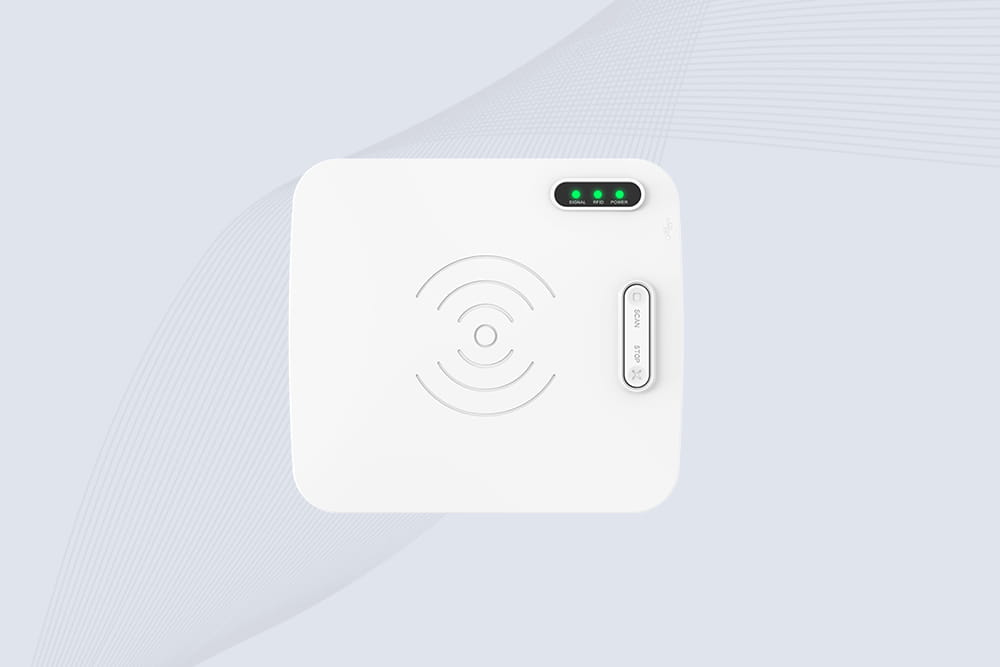
CYKEO CYKEO-D1L RFID scanner USB is a compact desktop UHF RFID scanner designed for short-range tag writing and verification. This usb rfid scanner supports batch encoding, stable 0–26 dBm output, and works across Windows, Linux, and Android systems.
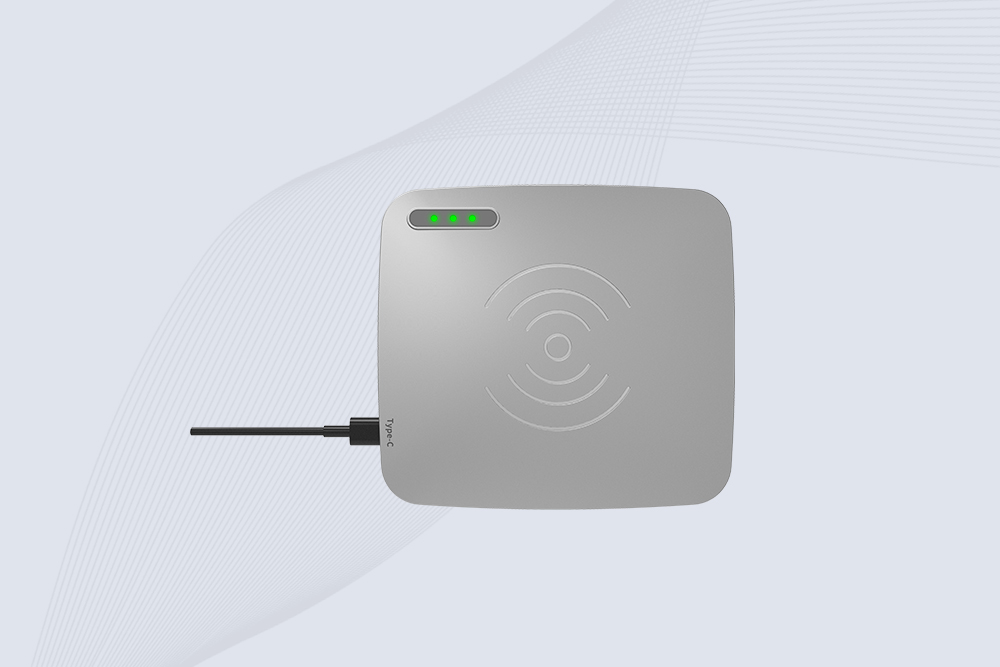
CYKEO CYKEO-D1C USB RFID Card Reader is a near-field UHF desktop writer designed for secure, short-range tag encoding. With USB-C connectivity and stable 26 dBm output, this rfid reader usb c is ideal for badge issuance, label encoding, and controlled desktop RFID workflows.
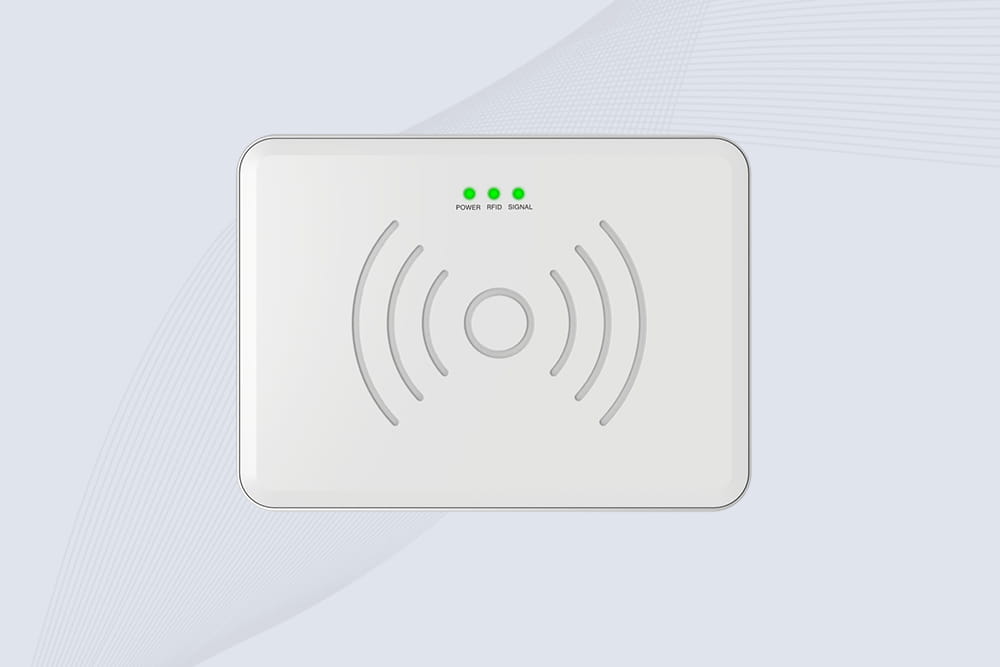
CYKEO CYKEO-D2L RFID Reader USB is a compact desktop encoder built on the Impinj R500 chip. With near-field control and stable USB power, this usb rfid card reader delivers precise tag writing for offices, retail counters, and small-scale logistics encoding tasks.
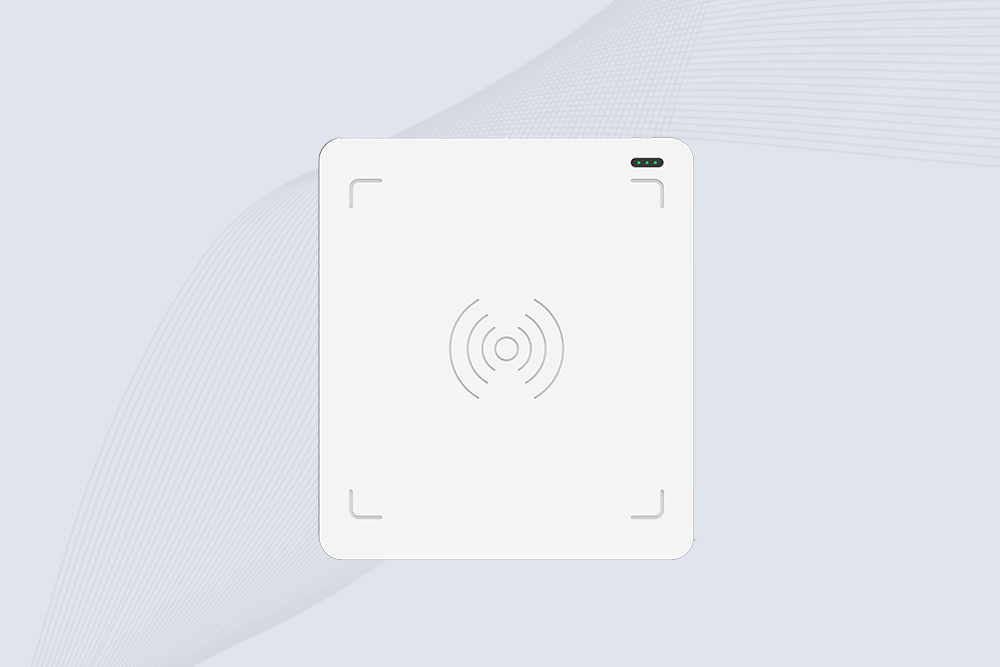
CYKEO CYKEO-D3L USB RFID Tag Reader delivers stable UHF tag reading and writing for daily desktop and light industrial tasks. Designed for controlled short-range operation, this USB RFID Tag Reader works reliably with rfid tag and reader systems in libraries, tool tracking, and inventory registration.
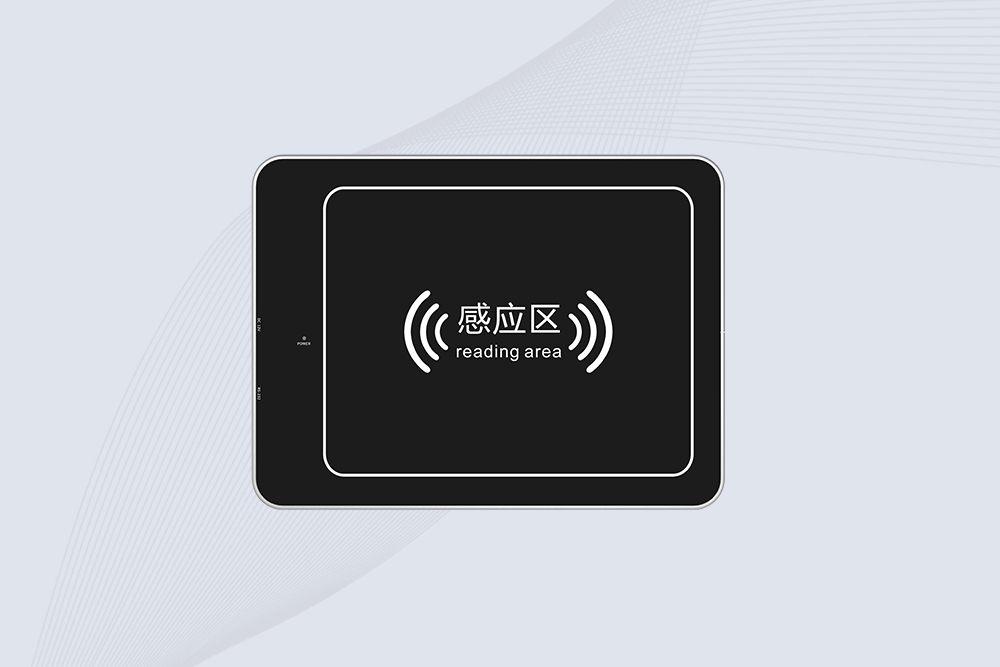
The CYKEO CYKEO-D4L UHF RFID Tag Reader is a stable Desktop RFID Reader designed for accurate tag registration, borrowing, and return workflows. Built with the Impinj R2000 chip, this UHF RFID Tag Reader delivers controlled short-range reads for libraries, asset tracking, and inventory management environments.
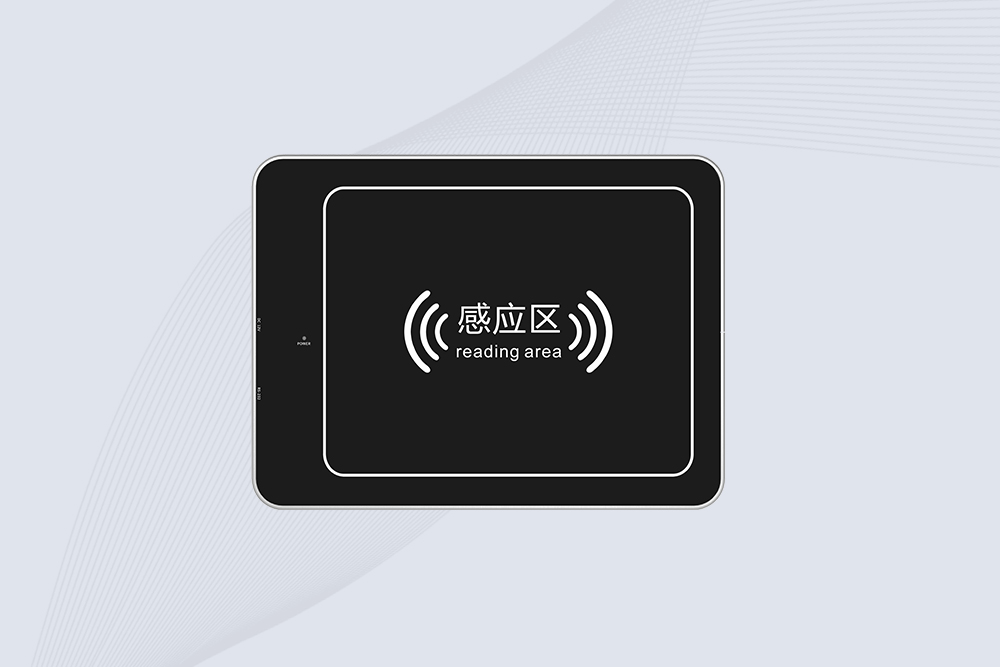
The CYKEO CYKEO-D5L Desktop RFID Card Reader is a stable UHF RFID Card Reader designed for controlled short-range reading and writing. Built for libraries, tool rooms, and asset desks, this UHF RFID Card Reader supports dense tag handling, secure data processing, and easy USB integration.
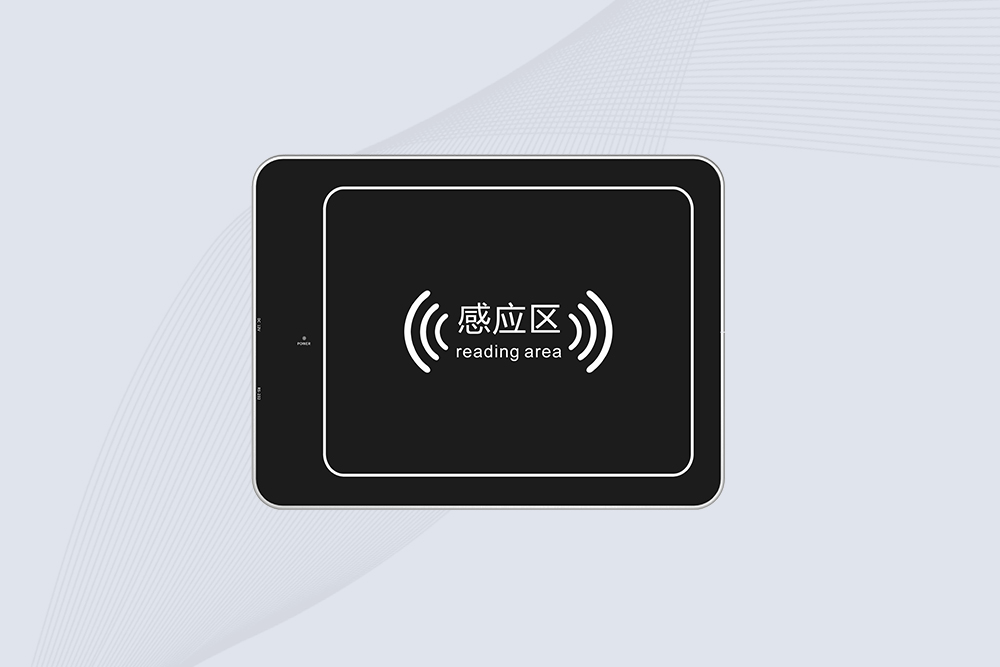
The CYKEO CYKEO-D6L RFID Reader Writer is a heavy-duty Desktop RFID Reader designed for short-range, high-accuracy tag programming. Built for libraries, labs, and asset desks, this RFID Reader Writer supports batch processing, stable 33dBm output, and seamless integration with existing management systems.
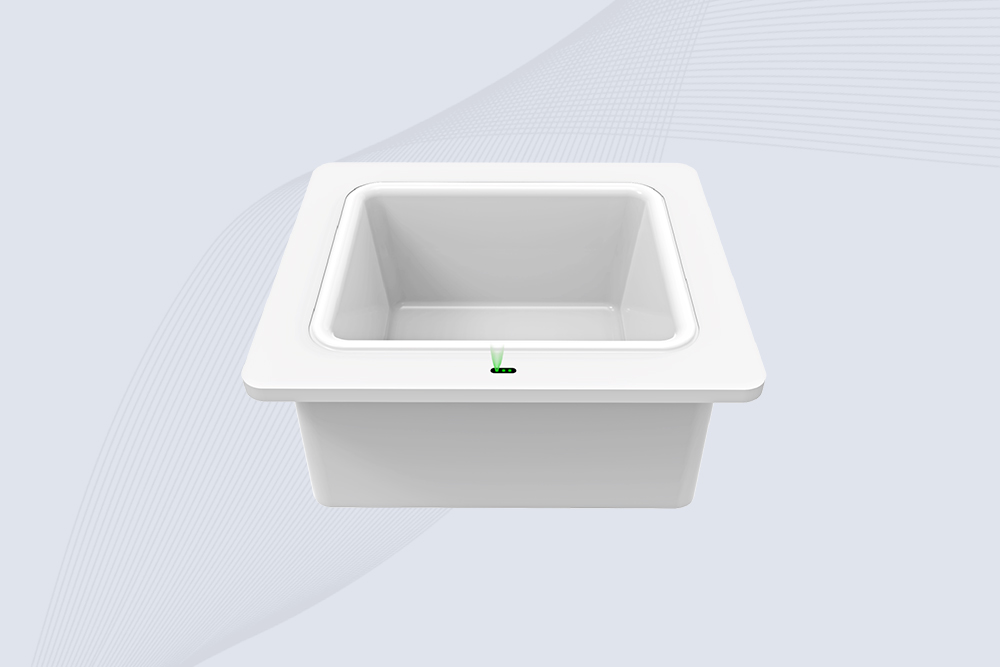
Cykeo CYKEO-D8B UHF RFID tunnel and RFID Desktop Reader features 30+ items batch reading,
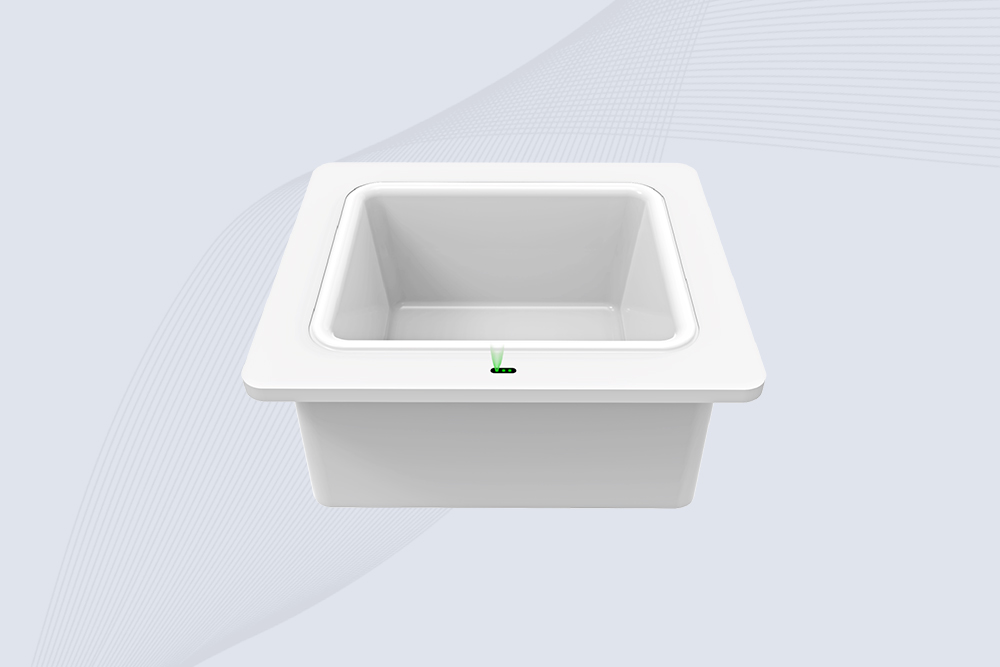
Cykeo CYKEO-D8A embedded RFID badge reader offers 30+ tags/sec scanning, 20cm anti-crosstalk precision, and DC 12V power for unmanned stores, warehouses, and smart inventory systems.
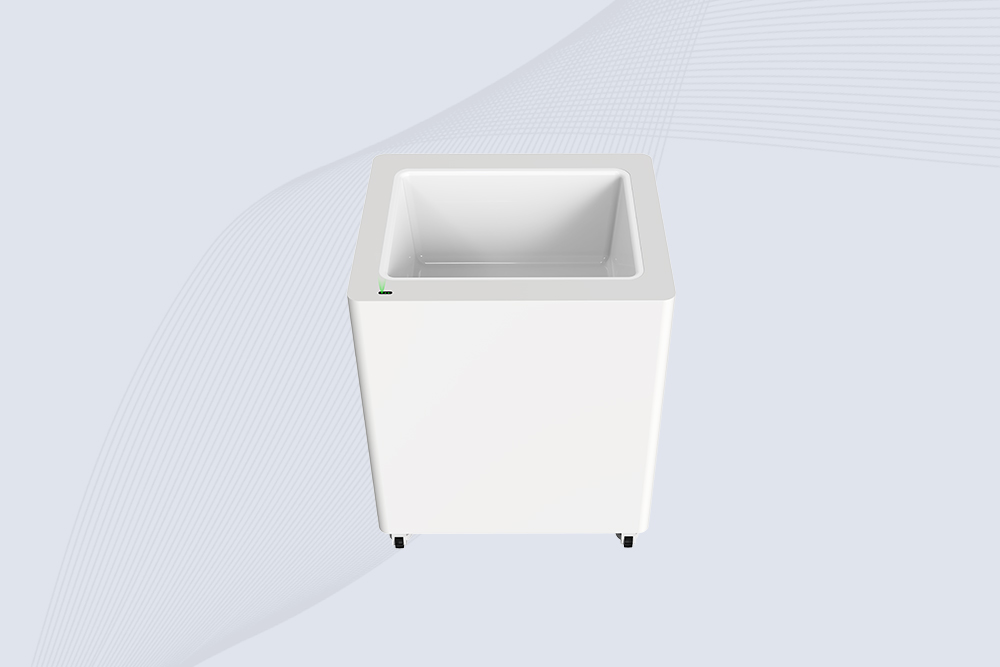
Cykeo’s CYKEO-D8C UHF RFID gate reader achieves 200-tag/batch scanning with adjustable power control, ideal for retail inventory and smart warehouse management.
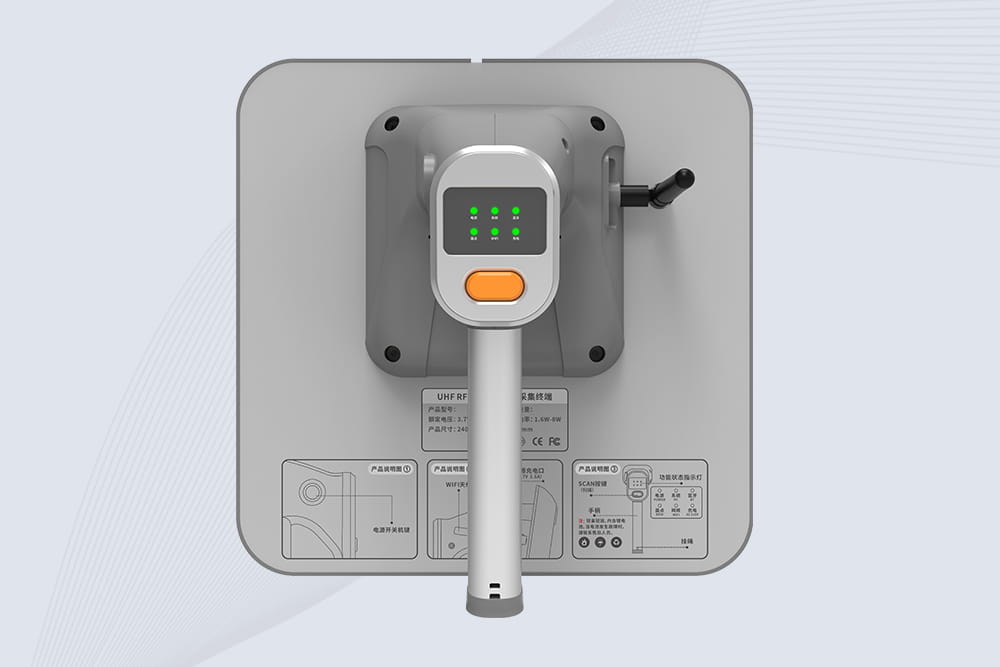
Cykeo CYKEO-B9 UHF Bluetooth handheld RFID scanner features 12m UHF range, 200+ tags/sec scanning, IP67 rugged design for retail/warehouse/pharma. Supports Android SDK & real-time Bluetooth 5.0 transmission.
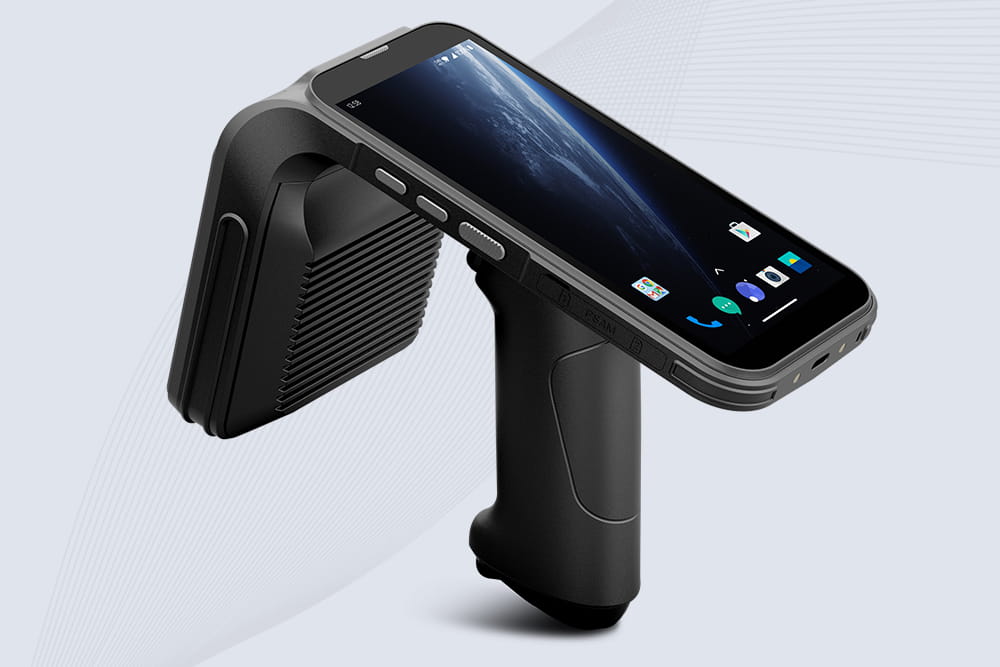
Cykeo CYKEO-B4 UHF Handheld RFID Reader scanner delivers 1300 tags/sec reading, 30m UHF range, and 12-hour battery life. IP65 rugged design with barcode/NFC/ID scanning for retail/manufacturing/logistics.
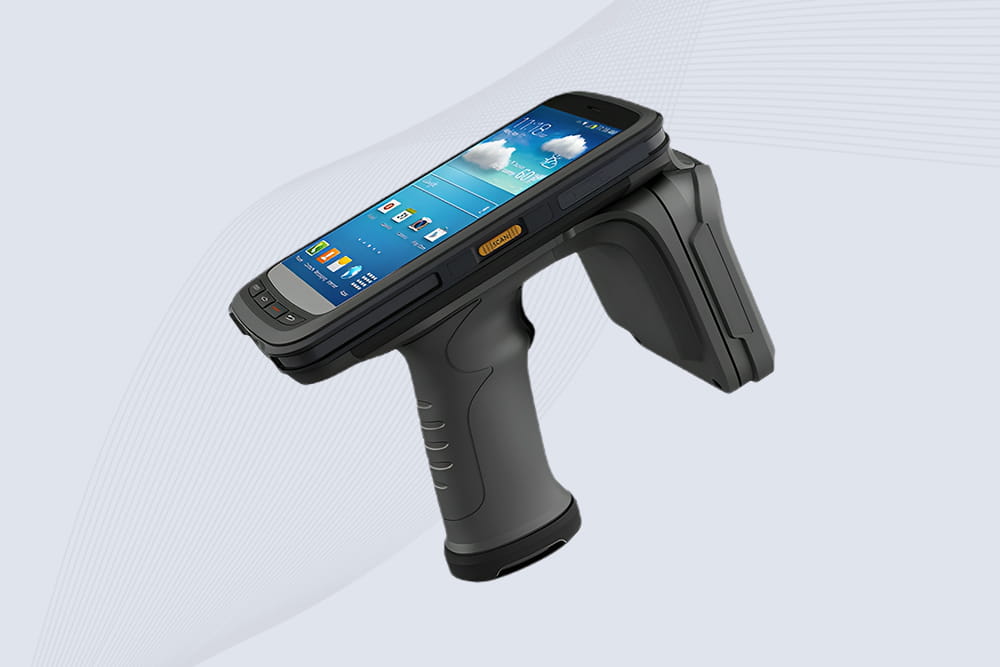
Cykeo CYKEO-B2 industrial UHF RFID handheld Scanner offers 10m range, 500 tags/sec scanning, Android 11 OS, and IP65 rugged design for retail/warehouse/manufacturing.
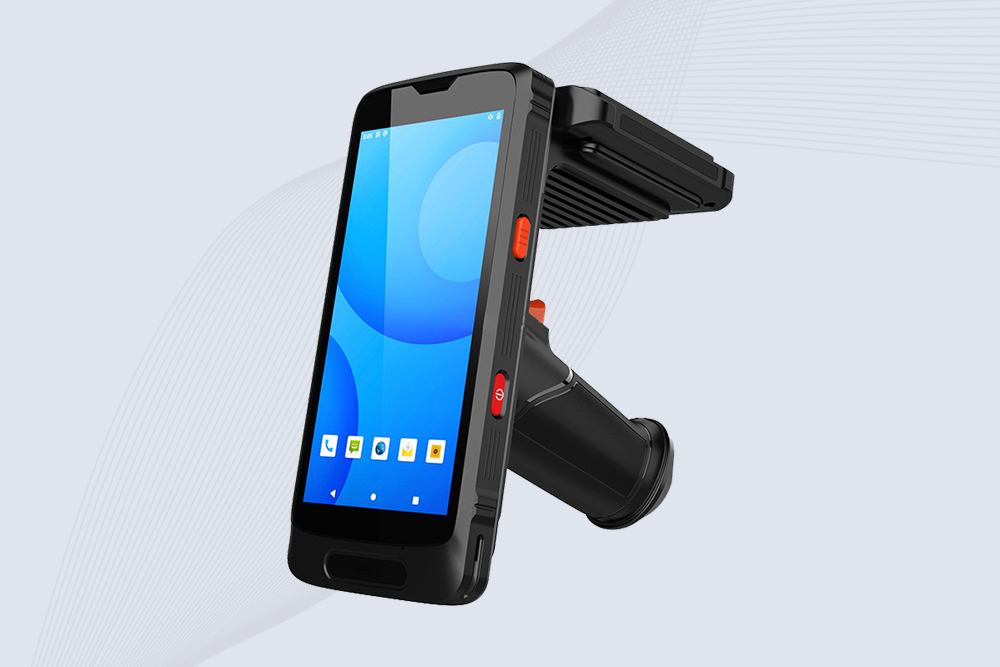
Cykeo CYKEO-B3 industrial RFID Reader Handheld, terminal offers 2m read range, multi-protocol scanning (NFC/barcode/ID), Android 10 OS, and IP65 ruggedness for logistics/retail/manufacturing.
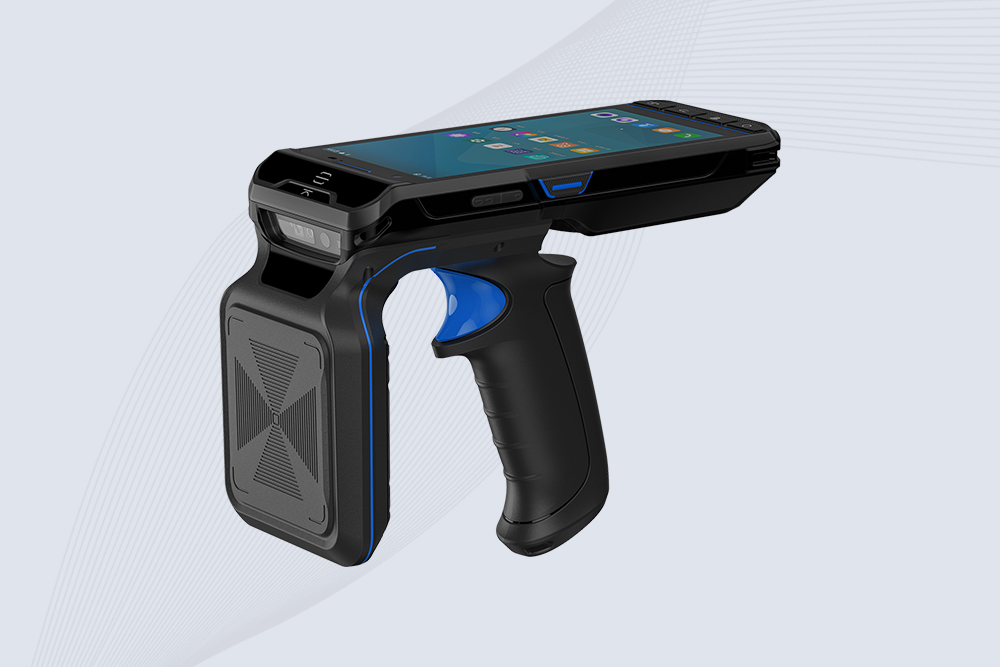
Cykeo CYKEO-B3L industrial handheld UHF RFID Reader terminal features 20m read range, 500 tags/sec scanning, Android 13 OS, 12-hour battery for logistics/retail/manufacturing. Supports barcode/NFC/ID reading.
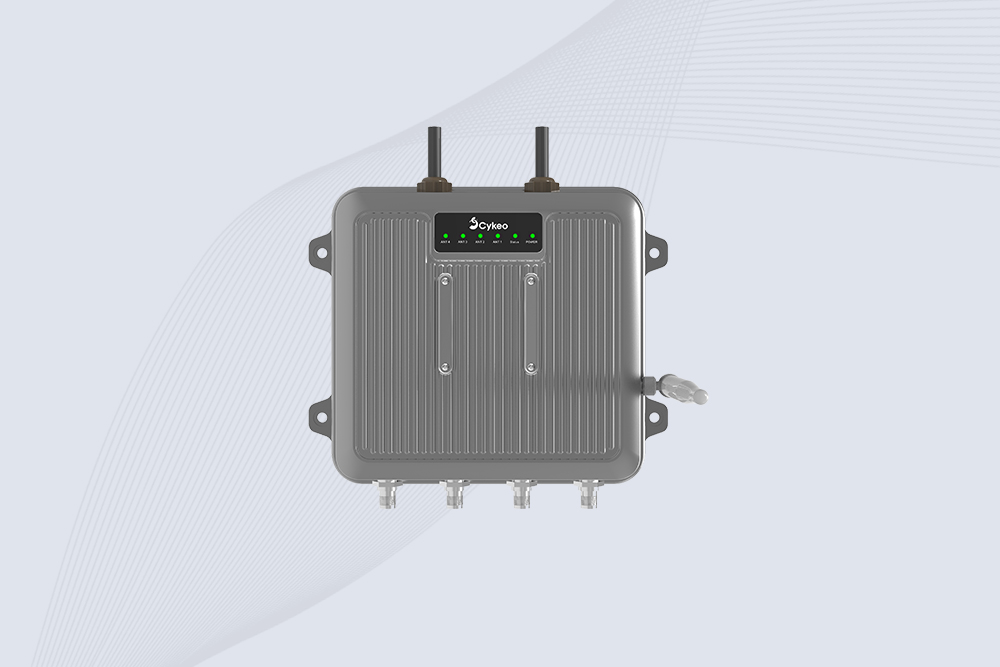
Cykeo CYKEO-C1 industrial Forklift RFID Reader features 20m read range, 600 tags/sec scanning, Impinj R2000 chipset, and IP67 rugged design. Ideal for warehouse logistics and manufacturing. Supports ISO 18000-6C/6B protocols.
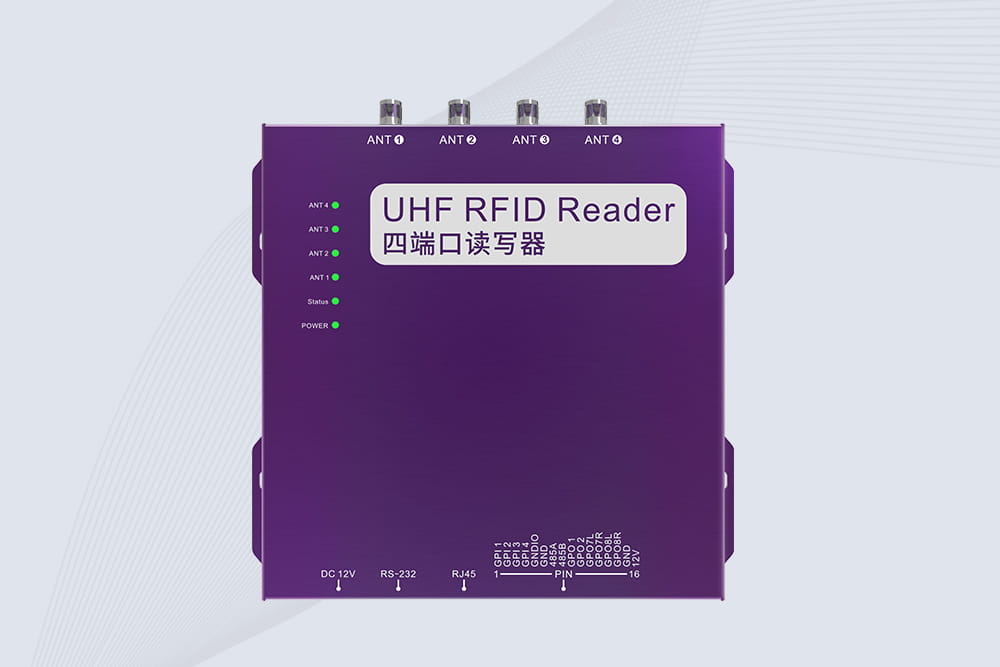
Cykeo CYKEO-R4 industrial UHF RFID Fixed Reader features 4 TNC ports, 400+ tags/sec speed, IP67 housing, and global frequency compliance for vehicle inspection, smart warehouse, and asset management systems.
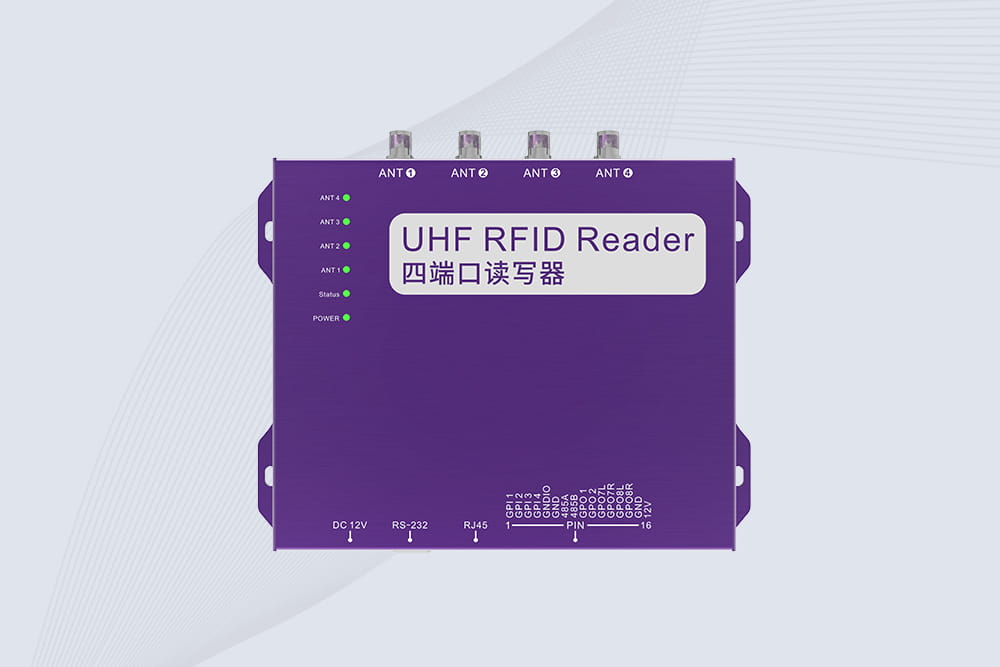
Cykeo’s CYKEO-R4L 4-port Fixed UHF RFID Reader delivers 400 tags/sec scanning, ISO 18000-6C compliance, and IP65 protection. Ideal for warehouse automation, manufacturing WIP tracking, and logistics management.
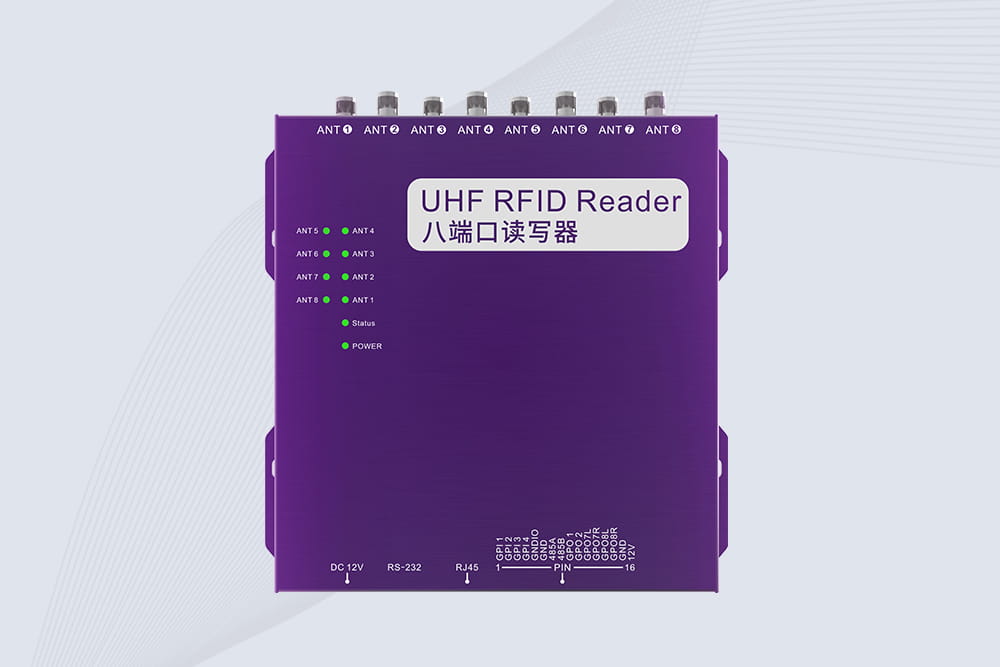
CYKEO CYKEO-R8L Fixed RFID Reader with 8-port UHF design, Impinj-based RF core and up to 20m read range. An industrial Fixed RFID Reader for vehicle inspection, warehouse portals, smart manufacturing lines and secure access checkpoints.
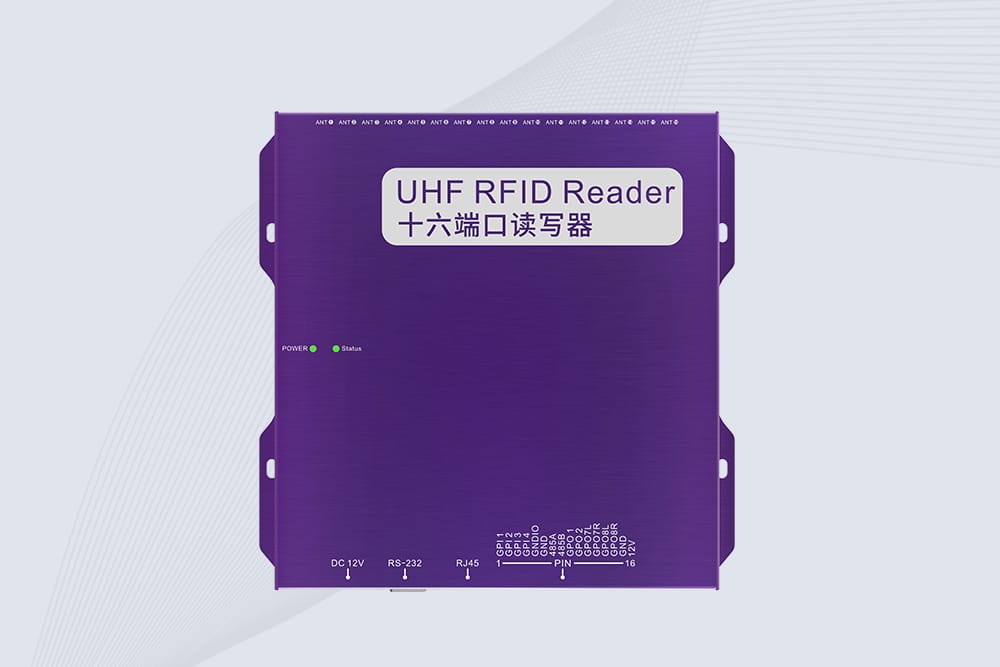
RFID Fixed Reader from CYKEO – the CYKEO-R16L 16-port UHF fixed reader for warehouses, smart cabinets, and production lines. Long-range, multi-tag reading, stable performance for 24/7 industrial use.
Attendance RFID Card Reader has become a popular choice for optimizing attendance systems in modern enterprises
More
High temperature RFID tags explained from real industrial use: heat limits, materials, failures, costs, and where heat-resistant RFID truly works.
More
Wondering what an RFID transmitter is? Learn about active RFID tags that transmit signals, how passive tags use backscatter instead, and when each is used. Clear guidance from CYKEO engineers.
More
Discover how weather conditions affect long-range RFID reader performance and learn to mitigate rain, snow, and temperature challenges with Cykeo’s rugged solutions.
More