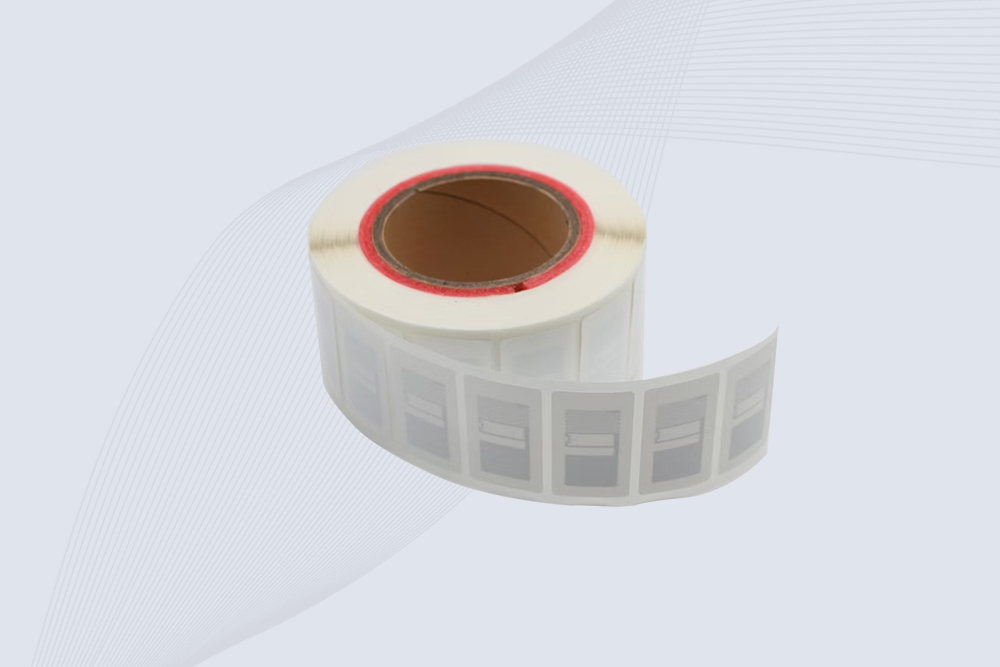
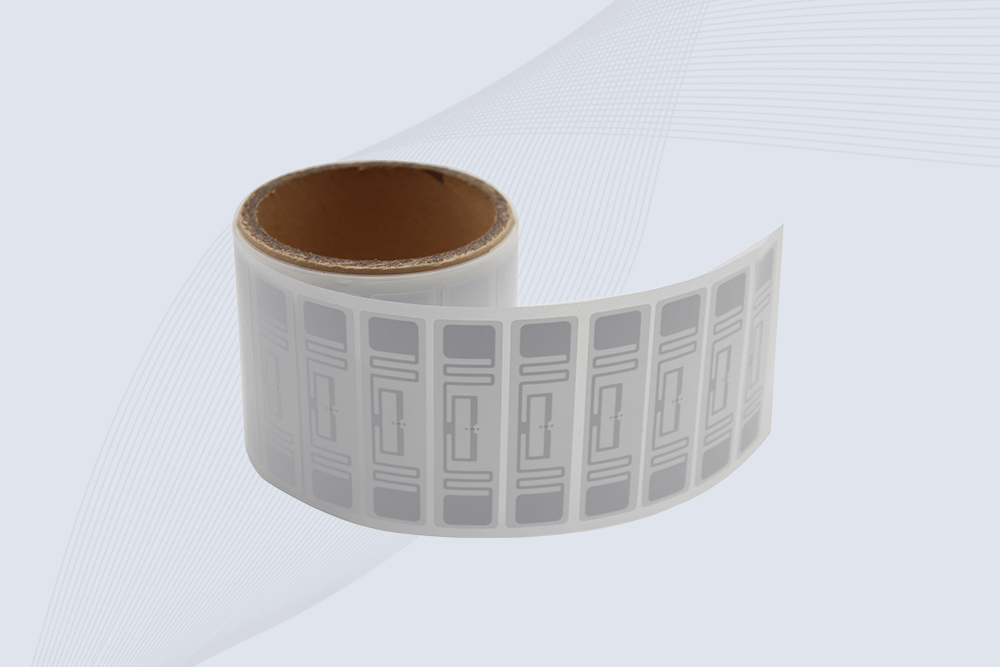
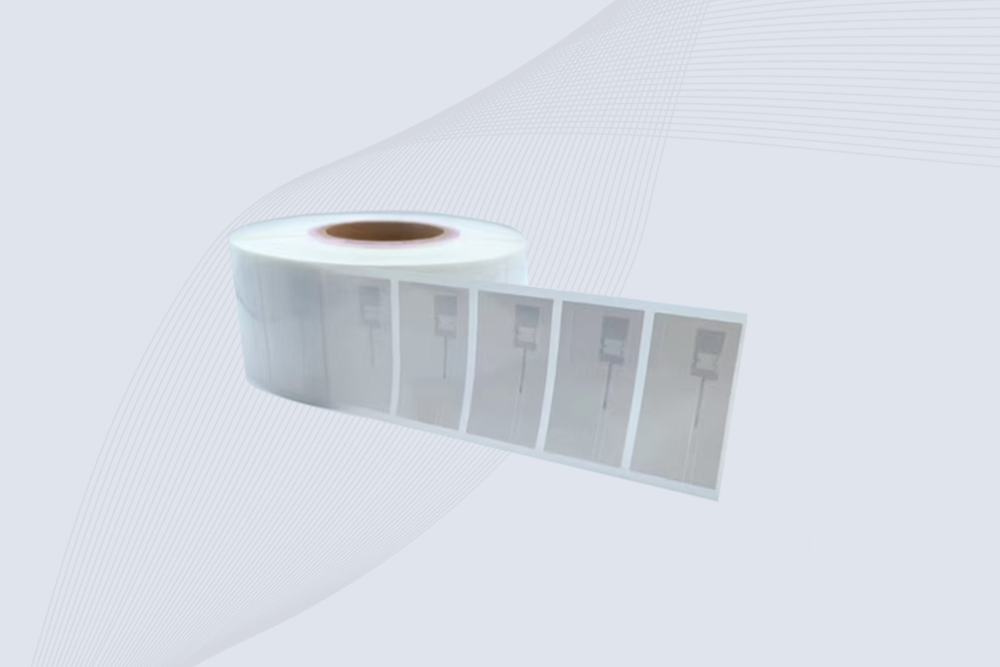
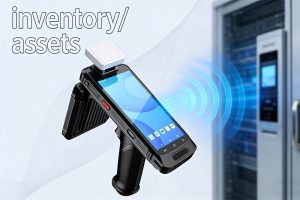
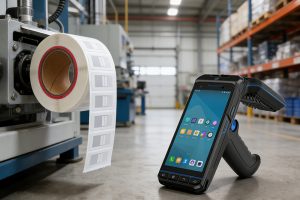
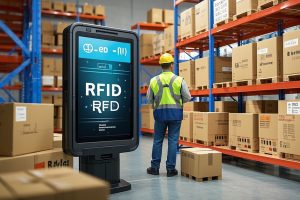
what can you do with rfid tags? RFID tags can identify, track, and manage physical objects by transmitting stored information to RFID readers. They are widely used for inventory control, asset tracking, manufacturing processes, logistics management, retail operations, and automation systems that require accurate item visibility.
In real RFID projects, the tag is usually the smallest component, but it plays the role of connecting physical objects with digital systems.
A pallet entering a warehouse, a medical device moving between hospital departments, or a component traveling through a production line all have the same requirement: the company needs reliable information about where the object is and what happened to it.
RFID tags provide that identity.
During Cykeo RFID solution development and deployment discussions, engineers often focus less on the tag itself and more on the environment around it:
What material is the object made from?
Where will the tag be installed?
How often does the object move?
How quickly must the system identify it?
A tag attached to a cardboard carton and a tag attached to a metal container may use completely different designs, even though both are called RFID tags.
What can you do with RFID tags in industrial applications?
RFID tags allow companies to assign a unique digital identity to physical items.
Unlike traditional labels, RFID tags communicate wirelessly with compatible readers. The reader captures the tag information and transfers the event data to software systems for processing.
According to GS1, RAIN RFID technology enables automatic identification of physical objects and supports information sharing across supply chains.
Common industrial RFID tag applications include:
Product identification
Warehouse inventory management
Manufacturing tracking
Tool management
Asset monitoring
Logistics visibility
Returnable container tracking
Quality control
Equipment maintenance
Authentication systems
The RFID tag itself does not “track” an object independently.
A complete system works through:
RFID Tag → RFID Reader → Software → Database → Business Decision
The software matches the ID with shipment information.
↓
The warehouse system updates inventory status.
The physical movement becomes digital information.
What can you do with RFID tags for inventory management?
Inventory management is one of the most common uses of RFID tags because businesses need accurate information about products moving through warehouses and distribution centers.
Traditional barcode processes often depend on manual scanning.
An employee must locate the barcode, position the scanner, and record each item.
RFID changes this process by allowing readers to identify tagged objects automatically within a defined reading area.
RFID tags can be used for:
Inventory Process
RFID Tag Function
Receiving goods
Confirm incoming products
Warehouse storage
Associate items with locations
Stock counting
Capture multiple tagged items
Order picking
Verify selected products
Shipping
Confirm outgoing shipments
Returns
Identify returned goods
Auburn University researchers studied RFID-based inventory accuracy improvements in retail operations. One field study covering 13 stores over 23 weeks reported approximately a 26% improvement in inventory record accuracy after RFID implementation. The research also showed that results depend on product categories and operational conditions.
This finding reflects an important engineering reality:
RFID tags do not automatically create accurate inventory.
The improvement comes from combining:
suitable RFID tags;
correct reader installation;
optimized reading zones;
reliable software integration.
How RFID tags improve warehouse visibility
A warehouse is not a static environment.
Products arrive, move, wait, get picked, and leave.
The difficult part is not knowing that a company owns inventory.
The difficult part is knowing what happened five minutes ago.
RFID tags help create event-based visibility.
Example:
Receiving area
The system detects a tagged pallet entering the warehouse.
Storage area
The inventory database updates the item’s status.
Shipping gate
The system confirms the correct goods leave the facility.
This approach reduces the information gap between physical operations and digital records.
What can you do with RFID tags for asset tracking?
Many companies use RFID tags to manage valuable assets that move frequently.
These assets are often not sold products, but they affect daily operations.
Examples include:
Manufacturing tools
Medical equipment
Transport containers
Industrial pallets
IT devices
Rental equipment
Maintenance instruments
A common problem in factories is not losing expensive equipment permanently.
It is losing visibility temporarily.
A tool may be:
left at another workstation;
waiting for maintenance;
used by another team;
stored incorrectly.
An RFID tag gives the asset a unique electronic identity.
For example:
Asset
RFID Identification
Calibration tool
RFID ID A001
Transport box
RFID ID A002
Production fixture
RFID ID A003
Once connected to software, companies can create records of movement and usage.
What can you do with RFID tags in manufacturing?
Manufacturing environments are where RFID tags often become part of the production workflow.
A component may pass through multiple stations before becoming a finished product.
RFID tags can support:
Work-in-process tracking
Assembly verification
Component identification
Production history recording
Quality inspection management
A typical manufacturing process may include:
Raw Material → Assembly → Inspection → Packaging → Shipping
At each stage, RFID readers can capture the item’s identity.
For example:
An automotive component receives an RFID tag before assembly.
At each workstation, the system records:
arrival time;
production step;
inspection result;
movement history.
The RFID tag does not replace manufacturing software.
Instead, it provides accurate physical data that helps software understand what is happening on the factory floor.
What can you do with RFID tags in supply chain tracking?
Modern supply chains involve multiple transfers between organizations.
A product may move from:
Supplier → Factory → Warehouse → Distributor → Retail Store
Each transfer creates a potential visibility problem.
RFID tags can help companies capture important movement events.
GS1 EPCIS provides a standard framework for recording supply-chain events, including information about what happened, when it happened, where it happened, and why it happened.
RFID tags can support:
Supply Chain Stage
RFID Application
Supplier shipment
Product identification
Warehouse receiving
Arrival confirmation
Distribution
Movement tracking
Retail delivery
Product visibility
Return logistics
Asset recovery
The purpose is not to record every second of movement.
The purpose is to capture meaningful events that improve operational decisions.
RFID tag types and what they can do
Different RFID tags are designed for different environments.
Choosing the right tag requires understanding the application.
RFID Tag Type
Frequency
Typical Uses
LF RFID Tags
125–134 kHz
Access control, animal identification
HF RFID Tags
13.56 MHz
NFC products, cards, authentication
UHF RFID Tags
860–960 MHz
Logistics, warehouse, industrial tracking
UHF RFID tags are widely used in industrial applications because they support longer-range identification and fast reading of multiple tags.
However, real performance depends on:
tag design;
reader power;
antenna location;
surrounding materials;
environmental interference.
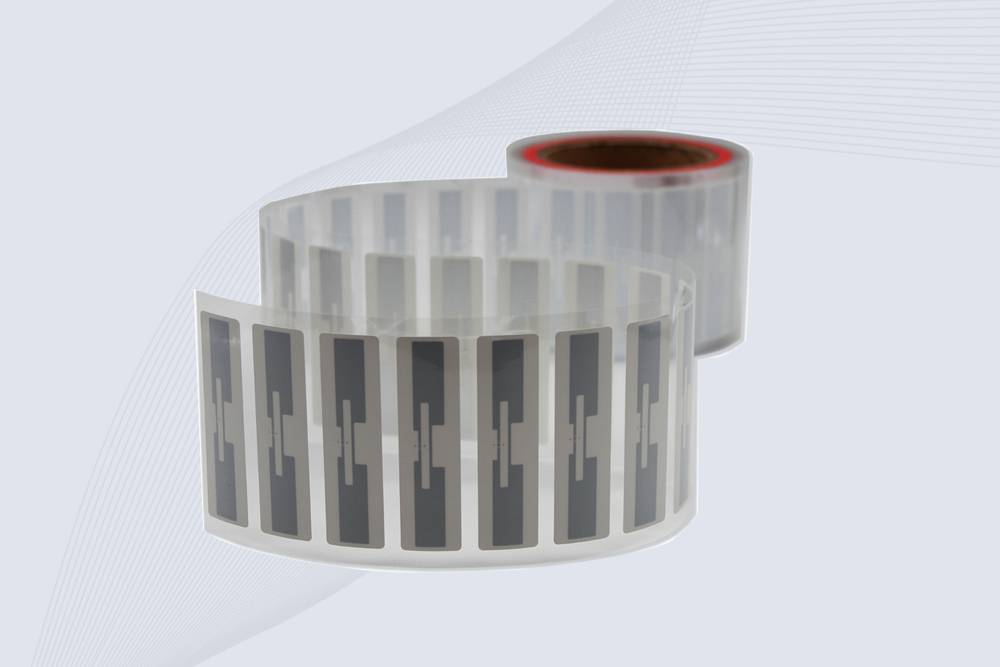
A standard UHF label may work well on cardboard but perform poorly when attached directly to metal.
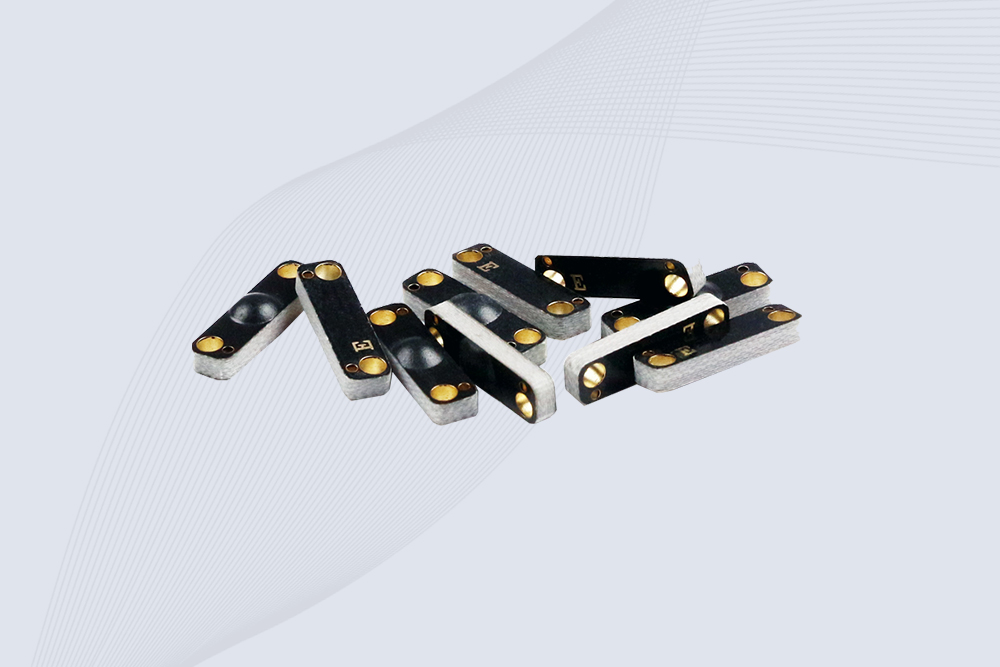
For metal equipment, specialized on-metal RFID tags are often required.
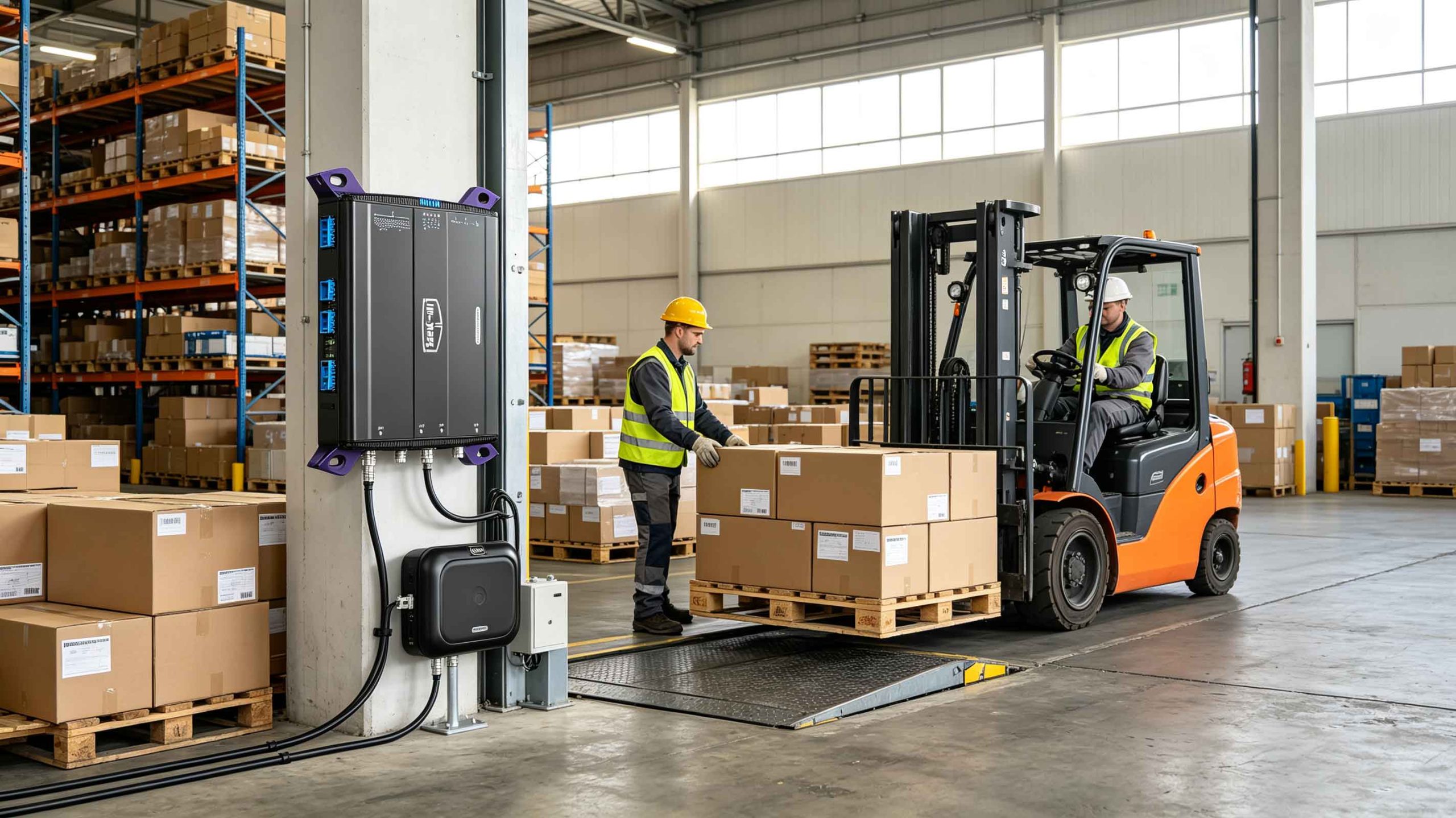
RFID tags help warehouses automate inventory identification and improve product visibility.
What can you do with RFID tags for automation?
RFID tags can support automation by reducing repetitive manual identification tasks.
Many business processes require employees to repeatedly confirm:
What item is this?
Where did it come from?
Where should it go?
Has the process been completed?
RFID can provide automatic identification at key points.
Examples include:
Automated warehouse gates
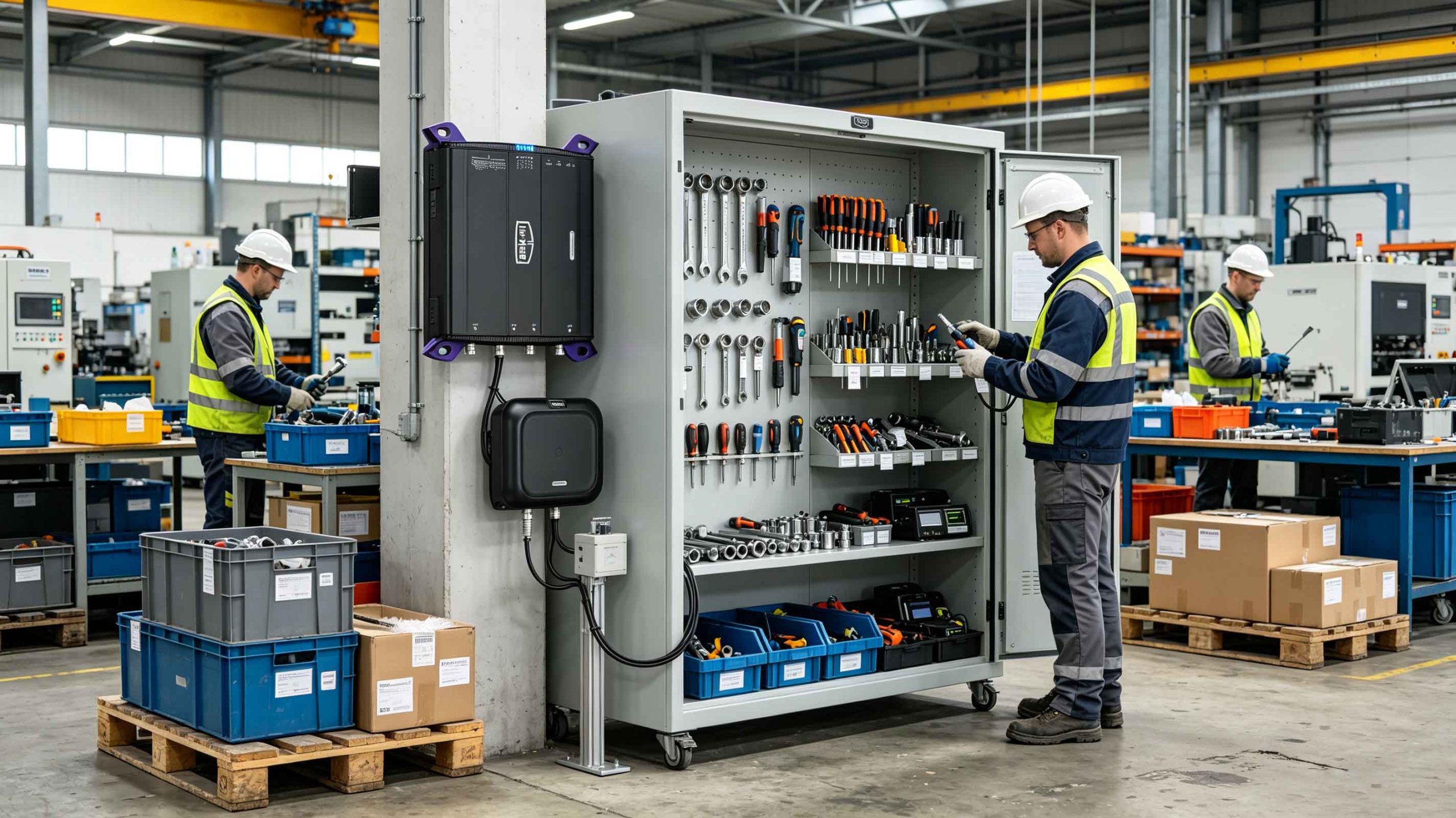
Smart storage cabinets
Production line checkpoints
Retail self-service systems
Equipment monitoring stations
A well-designed RFID system does not remove human involvement.
It removes unnecessary manual identification work.
How Cykeo uses RFID tags in practical solutions
At Cykeo, RFID applications are developed around real operating environments.
Industrial sites rarely provide perfect conditions.
Metal structures, liquids, dense storage, moving equipment, and electromagnetic interference can affect RFID performance.
During RFID system planning, engineers evaluate:
Tag mounting position
Reading distance requirements
Object materials
Reader placement
Number of simultaneous tags
Communication interface
Software requirements
Cykeo RFID solutions combine RFID tags with readers and software integration to support applications such as:
Warehouse inventory;
Industrial asset tracking;
Manufacturing identification;
Logistics management.
Products such as CYKEO-RA9L / CK-D9L fixed UHF RFID readers and CYKEO-M4L RFID modules are designed for industrial RFID systems requiring stable communication and flexible integration.
What can you do with RFID tags in retail applications?
Retail is one of the most recognized areas where RFID tags create measurable operational improvements.
Retailers manage thousands of individual products across stores, warehouses, and online fulfillment channels. The challenge is not only knowing how many products exist in the system, but knowing whether the physical items are actually available.
RFID tags can be attached to:
Clothing products
Electronics
Luxury goods
Accessories
Packaging
Returnable retail assets
With RFID readers installed at receiving areas, storage rooms, or sales floors, retailers can automatically identify products without manually scanning each barcode.
Typical retail RFID tag applications include:
Retail Scenario
RFID Tag Function
Store receiving
Verify delivered products
Inventory counting
Identify multiple items quickly
Online order fulfillment
Confirm item availability
Product authentication
Verify product identity
Smart fitting rooms
Recognize selected products
Returns processing
Match returned items
A common mistake is viewing RFID only as a faster counting method.
In practice, the larger value is improving the connection between inventory records and real product movement.
A retailer may believe an item is available because the database shows stock.
RFID helps answer a more practical question:
“Is the product actually where the system says it is?”
What can you do with RFID tags for healthcare management?
Healthcare environments depend on accurate identification because equipment, samples, and supplies often move between many departments.
RFID tags can support:
Medical equipment tracking
Laboratory sample identification
Pharmaceutical inventory control
Surgical instrument management
Hospital asset monitoring
A hospital may have thousands of mobile assets, including:
Wheelchairs
Infusion pumps
Diagnostic devices
Emergency equipment
Surgical tools
The challenge is usually not knowing that these assets exist.
The challenge is knowing their current operational status.
An RFID-enabled system can help create visibility around:
Last detected location
Equipment availability
Usage records
Maintenance schedules
Movement history
Healthcare RFID applications require careful engineering because medical environments may involve:
Metal surfaces;
Liquid exposure;
Sterilization processes;
Temperature changes;
Strict durability requirements.
The correct RFID tag depends on the actual working conditions.
What can you do with RFID tags for logistics and transportation?
Logistics operations depend on accurate information flow.
A shipment may pass through multiple locations before reaching the final destination.
Each transfer creates a possible information gap.
RFID tags help companies capture identification events during transportation processes.
Applications include:
Pallet tracking
Container management
Shipment verification
Cross-docking operations
Returnable packaging tracking
Distribution center automation
A typical logistics workflow:
Stage
RFID Function
Supplier shipment
Identify incoming goods
Warehouse receiving
Confirm arrival automatically
Storage
Associate products with locations
Shipping
Verify outgoing items
Returns
Identify recovered assets
The RFID tag provides the identity.
The logistics software determines the business meaning.
For example, a reader detecting a pallet at a shipping door does not simply record “tag detected.”
The system may interpret the event as:
“Order 58291 has left the warehouse.”
That difference is where RFID becomes operationally valuable.
What can you do with RFID tags for security and authentication?
RFID tags can also be used to verify identity and control access.
Common applications include:
Employee access cards
Event badges
Equipment authorization
Product authentication
Anti-counterfeit solutions
An RFID system usually includes several layers:
RFID tag or credential
RFID reader
Software platform
Authentication rules
Authorized action
For example:
An employee presents an RFID badge.
↓
The reader captures the tag information.
↓
The access system checks permissions.
↓
The system allows or blocks entry.
The RFID tag provides identification, while the connected software determines the response.
What can you do with RFID tags compared with barcodes?
RFID tags and barcodes both identify objects, but they operate differently.
Barcodes require optical scanning, while RFID uses radio communication between tags and readers.
Feature
Barcode
RFID Tag
Reading method
Optical
Radio frequency
Direct visibility
Usually required
Usually not required
Multiple item reading
Limited
Supported
Manual scanning
Common
Reduced
Automation potential
Moderate
High
GS1 explains that RFID and barcode technologies can work together, with each technology selected according to operational requirements.
In many industrial environments, companies keep barcodes for human-readable identification while using RFID tags for automatic data collection.
The technologies are not always competitors.
They can be complementary tools.
How RFID tags store and communicate information
Many people assume RFID tags store complete product information.
In enterprise applications, RFID tags usually work as unique identifiers connected to databases.
The common structure is:
RFID Tag → Reader → Middleware → Database → Application
For example:
A tag contains an electronic product identifier.
↓
A reader captures the identifier.
↓
Software searches the database.
↓
The system displays product information.
Some RFID tags include writable memory areas.
GS1 explains that RAIN RFID tags may contain EPC memory and optional User memory depending on tag capability and application requirements.
However, storing all information directly on the tag is not always practical.
Large enterprise systems usually keep detailed records in databases because information can be updated more easily.
How Cykeo applies RFID tags in real industrial environments
At Cykeo, RFID systems are designed around actual operating conditions rather than only technical specifications.
A successful RFID deployment requires understanding:
What object needs identification;
Where reading should happen;
How fast objects move;
What materials surround the tag;
How software should use the data.
For example:
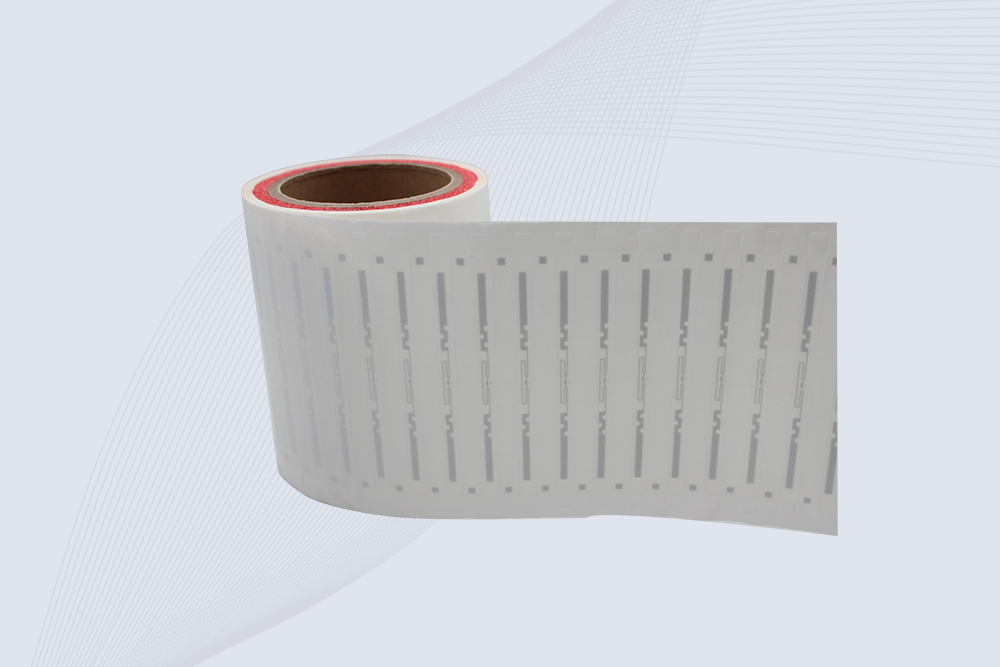
A warehouse carton may use a standard UHF RFID label.
A metal manufacturing container may require an on-metal RFID tag.
A production tool exposed to harsh conditions may require a durable industrial RFID tag.
The application determines the technology.
Cykeo RFID solutions combine RFID tags with fixed readers, modules, antennas, and software integration methods.
Products such as CYKEO-RA9L / CK-D9L fixed UHF RFID readers and CYKEO-M4L RFID modules support industrial identification scenarios where stable tag communication is required.
The engineering goal is not simply reading more tags.
It is creating reliable information at the moment a business needs it.
RFID tags help manufacturers identify, monitor, and manage valuable industrial assets.
What can you do with RFID tags? Frequently Asked Questions
1. What can you do with RFID tags?
RFID tags can identify, track, and manage physical objects in many industries. They are commonly used for inventory management, asset tracking, logistics, manufacturing, retail, healthcare, and automation applications.
2. Can RFID tags track objects in real time?
RFID tags do not contain GPS and cannot independently calculate location. They provide identification when detected by RFID readers. A software system can then associate the detection event with a known location or process.
3. Can RFID tags be rewritten?
Some RFID tags support writable memory, allowing information updates depending on tag type and application requirements. Many enterprise systems mainly use RFID tags as unique identifiers linked to databases.
4. Can RFID tags work on metal objects?
Yes, but standard RFID tags may not perform well on metal surfaces. Specialized on-metal RFID tags are designed to improve performance in industrial environments.
5. Are RFID tags powered by batteries?
Many RFID tags are passive and operate without batteries. They receive energy from the RFID reader signal and return identification information.
6. What industries use RFID tags?
RFID tags are used in manufacturing, logistics, retail, healthcare, transportation, agriculture, libraries, and asset management industries.
Final answer: What can you do with RFID tags?
The answer to what can you do with RFID tags is that RFID tags allow businesses to give physical objects a digital identity.
They can support inventory visibility, asset management, manufacturing tracking, supply-chain monitoring, retail operations, and automation workflows.
The most effective RFID systems are not built around the tag alone.
They depend on selecting the correct combination of:
RFID tag type;
reader technology;
installation environment;
software integration.
A small RFID tag can become a valuable source of operational information when it is correctly designed into a complete identification system.
At Cykeo, RFID solutions focus on connecting physical assets with reliable digital workflows, helping companies improve visibility across modern industrial environments.
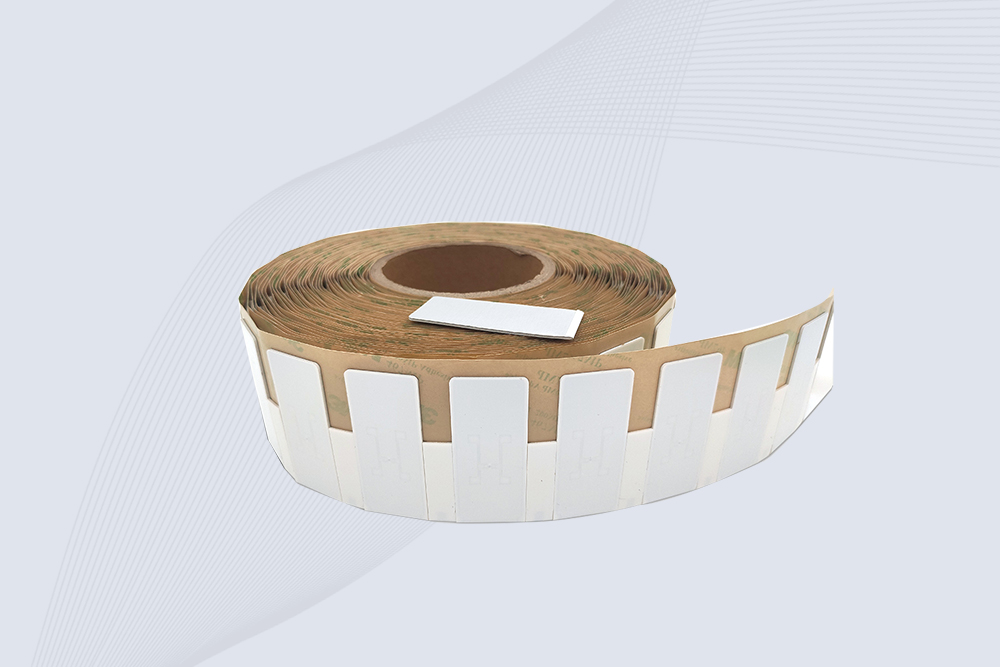
CYKEO Passive RFID Tags are made for wet and high-humidity environments where standard labels do not last. This rfid passive tag is often used around liquids, chemicals and temperature changes, providing stable reading distance and long data life for industrial tracking.
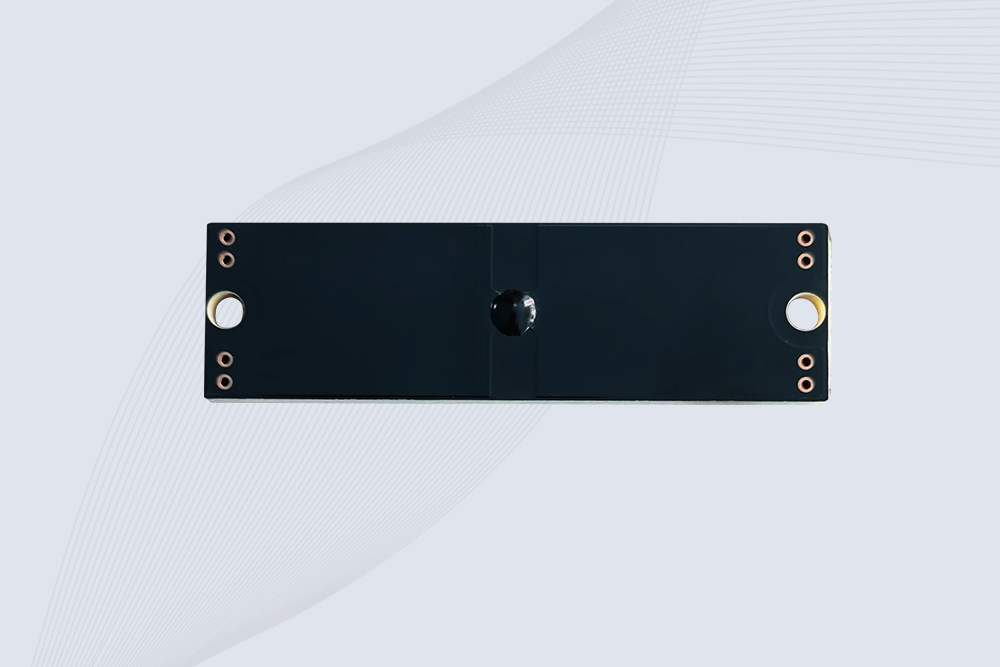
CYKEO CYKEO-PCB1504 Metal RFID Tags is a compact anti-metal UHF RFID solution built for direct mounting on metal surfaces. With stable 8-meter read range, Ucode-8 chip, and long data retention, this rfid metal tag fits tools, containers, automotive parts, and industrial asset tracking.
CYKEO CYKEO-PCB7020 On-Metal RFID Tags are designed for reliable tracking on steel and metal surfaces. Built with an FR4 epoxy body and industrial-grade chips, these On-Metal RFID Tags deliver stable performance, long data life, and chemical resistance, making them a dependable RFID anti-metal tag for harsh environments.
The CYKEO CYKEO-60-25 Anti-Metal RFID Tag is built for metal surfaces where standard tags fail. Designed for long-range performance, harsh environments, and stable data retention, this Anti-Metal RFID Tag is ideal for industrial assets, containers, and equipment tracking using on metal RFID tags.
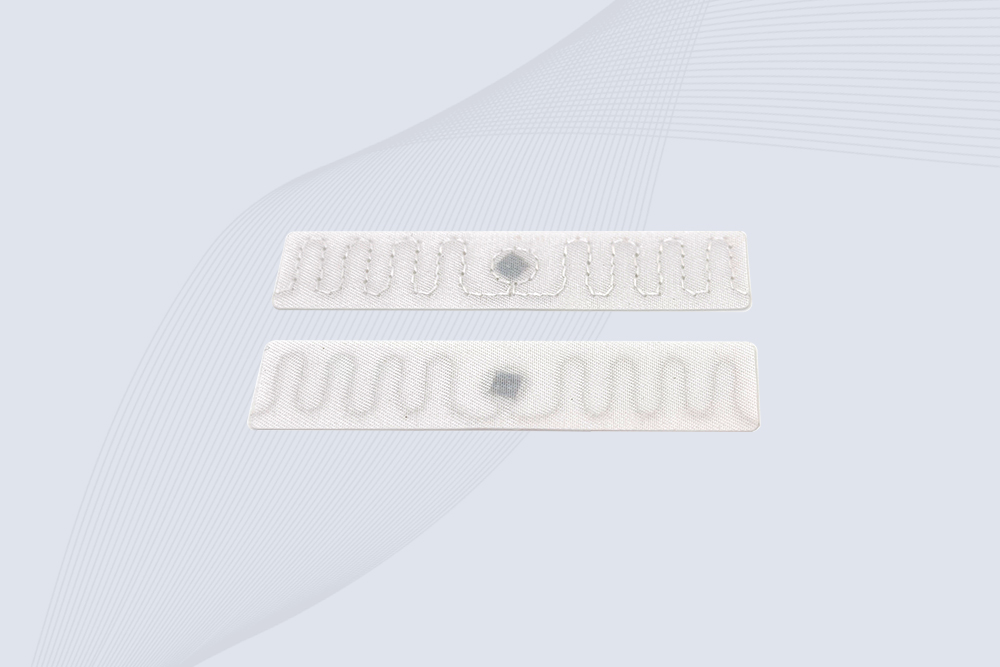
The CYKEO RFID Laundry Tag is designed for long-term textile identification in harsh laundry environments. Built to withstand high heat, chemicals, and repeated washing, this RFID Laundry Tag delivers stable performance for hotels, hospitals, and industrial laundry operations using laundry rfid tags at scale.
The CYKEO CYKEO-125-7 RFID Book Tag is designed for reliable book and document tracking in libraries and archives. This RFID Book Tag delivers long read range, dense placement support, and stable performance on shelves, making it a practical rfid tag on books for library automation, file management, and archival systems.
CYKEO RFID tags in hospitals are designed for sterile environments where accuracy matters. These autoclavable RFID tags support long-term tracking of surgical tools, implants, and medications, helping hospitals improve visibility, compliance, and patient safety.
CYKEO RFID Cable Tie Tag is built for reliable identification on metal surfaces. This UHF RFID Cable Tie Tag is widely used in rfid tags for inventory systems, industrial asset management and Hospital RFID Tags, offering stable read performance, long service life and global EPC Gen2 compatibility.
CYKEO RFID Asset Tag is designed for stable identification of metal assets in industrial environments. This UHF RFID Asset Tag is commonly used for rfid tag asset tracking on equipment, tools and containers, providing reliable reads, long service life and ISO/IEC 18000-6C support.
CYKEO UHF RFID Card is designed for fast identification and long-term use in industrial and commercial systems. Supporting ISO 18000-6C, this UHF RFID Card works at 860–960 MHz and is suitable for custom RFID cards used in asset tracking, access control and inventory management.
CYKEO HF RFID Cards are designed for secure and stable access control systems. These 13.56 MHz RFID key cards support ISO 14443-A, reliable rewriting and long service life, making HF RFID Cards suitable for offices, campuses, events and membership management.
CYKEO UHF RFID Tag is designed for reliable tracking of metal jewelry and high-value items. This Jewelry RFID Tag supports long-range reading up to 8 meters, anti-counterfeit protection and stable performance on metal, making it suitable for retail, inventory control and asset management.
A practical look at handheld RFID readers for developers and system integrators, covering integration advantages, internal development use cases, and real-world RFID projects beyond inventory counting.
Learn how long do led tennis court lights last and how asset tracking tag systems improve visibility, reduce loss, and enable real-time tracking efficiency.
Discover why USB-powered RFID readers are ideal for flexible asset tracking. Learn about plug-and-play setup, cost efficiency, and multi-location applications.
Modern RFID gate access control systems improve vehicle flow, enhance security, and enable intelligent entry management for residential communities, commercial properties, and industrial sites. Learn how RFID readers and structured access logic cr...
 Cykeo RFID IoT Solution Products R&D Manufacturer