 Cykeo RFID IoT Solution Products R&D Manufacturer
RFID Gate System Price Breakdown: What Affects Cost in 2026
444A clear breakdown of RFID gate system pricing, including hardware, antennas, modules, and integration costs.
MoreAll RFID Product
As global transportation becomes increasingly intelligent, vehicle RFID tags—known for their high efficiency and accurate identification—have become a core technology for optimizing traffic management and logistics. This article explores how vehicle RFID tags work, their key advantages, common applications, and purchasing tips to help businesses and professionals seize the opportunities brought by this transformative technology.
Vehicle RFID tags are wireless identification devices equipped with built-in chips and antennas that communicate with RFID readers at specific frequencies. When a vehicle equipped with an RFID tag enters the reader’s coverage zone, the tag is activated and transmits stored vehicle data—such as license plate number, owner information, and vehicle type—to the reader, enabling quick and automatic identification.
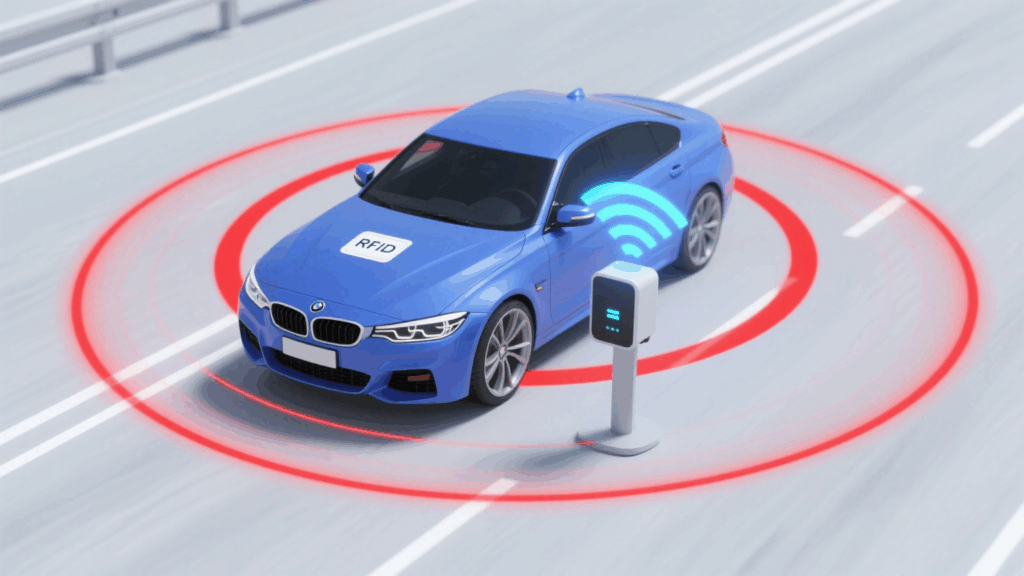
High Speed: Capable of identifying multiple vehicles per second, greatly improving traffic flow over traditional manual or license plate recognition methods.
High Accuracy: Not affected by weather, lighting, or dirty license plates. Recognition accuracy exceeds 99%.
Durable & Secure: Resistant to high temperatures, waterproof, dustproof, and suitable for outdoor use. Supports encrypted data to ensure security.
Remote Management: Enables non-stop identification and passage, supporting intelligent traffic systems and remote monitoring.
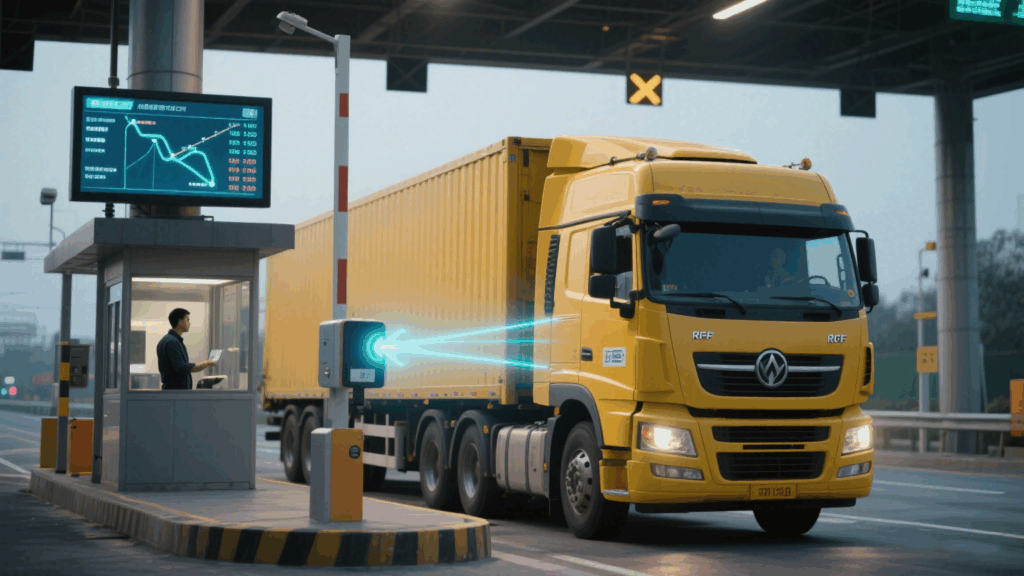
In the logistics industry, vehicle RFID tags enable end-to-end tracking of shipments. By attaching tags to vehicles and cargo pallets, companies can monitor real-time vehicle locations, travel routes, and cargo conditions—optimizing delivery efficiency and improving supply chain transparency. For example, in cold-chain logistics, RFID tags combined with temperature sensors can upload real-time temperature data to ensure safe transport.
In smart parking applications, vehicle RFID tags allow for contactless payment and fast entry/exit. Drivers can link their payment accounts to the tag. When the vehicle approaches the entrance, the system automatically identifies the tag and raises the gate. Upon exit, parking fees are deducted automatically—reducing congestion and eliminating the need for manual payment.

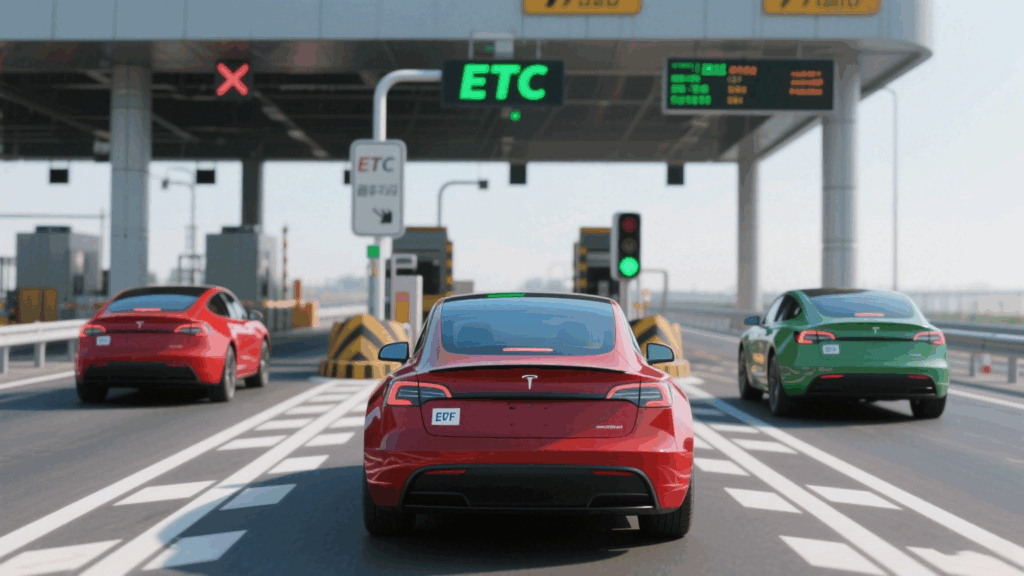
Highways equipped with RFID-based ETC (Electronic Toll Collection) lanes enable fast, non-stop tolling. This improves traffic throughput and minimizes waiting times. Traffic authorities can also use RFID systems to monitor traffic volume and vehicle speeds in real time for improved traffic regulation and violation tracking.
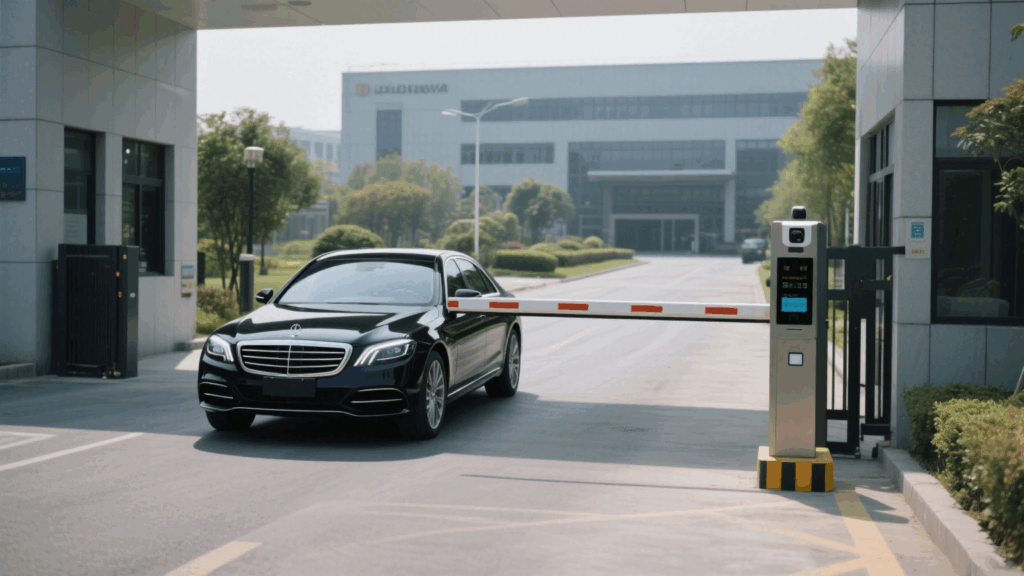
In enterprise campuses or factories, RFID tags help control vehicle access. Only authorized vehicles are allowed entry, and the system logs entry/exit times and zones where the vehicle stays—enhancing internal security and management.
Choose tag types based on the application. For highway tolling, long-range RFID tags are required. For parking lots, medium- or short-range tags may suffice. For logistics tracking, consider multifunctional tags with temperature or humidity sensors.
Pay close attention to key parameters such as operating frequency (125KHz, 13.56MHz, or UHF), reading distance, data storage capacity, and waterproof rating (IP65 or above is recommended) to ensure the tags meet real-world usage demands.
Opt for suppliers with ISO certifications and third-party product testing. Evaluate their after-sales support, including technical assistance, installation guidance, and response time for troubleshooting.
Vehicle RFID tags are revolutionizing global traffic and logistics management with their powerful capabilities and broad adaptability. Whether it’s improving traffic flow, reducing operating costs, or strengthening regulatory control, RFID technology is proving its immense value. By adopting RFID-based vehicle management, businesses can gain a competitive edge in the era of smart transportation. Interested in RFID vehicle tags or complete solutions? Contact us to learn more.
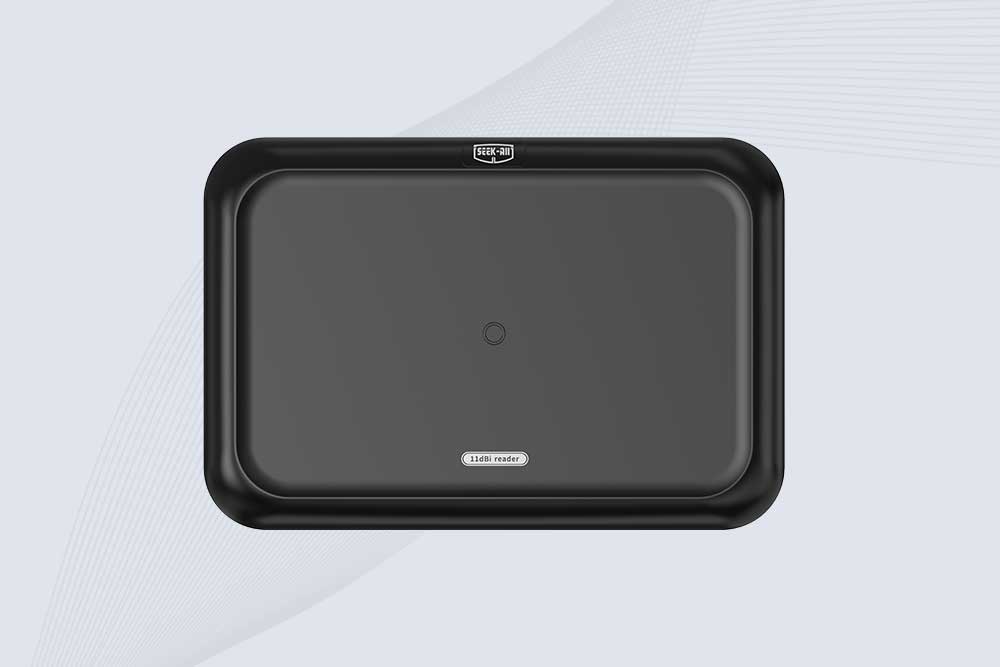
SSD-RA11L is an 11 dBi UHF RFID reader with up to 15m reading distance, 600+ tags/s speed, integrated antenna and flexible connectivity.
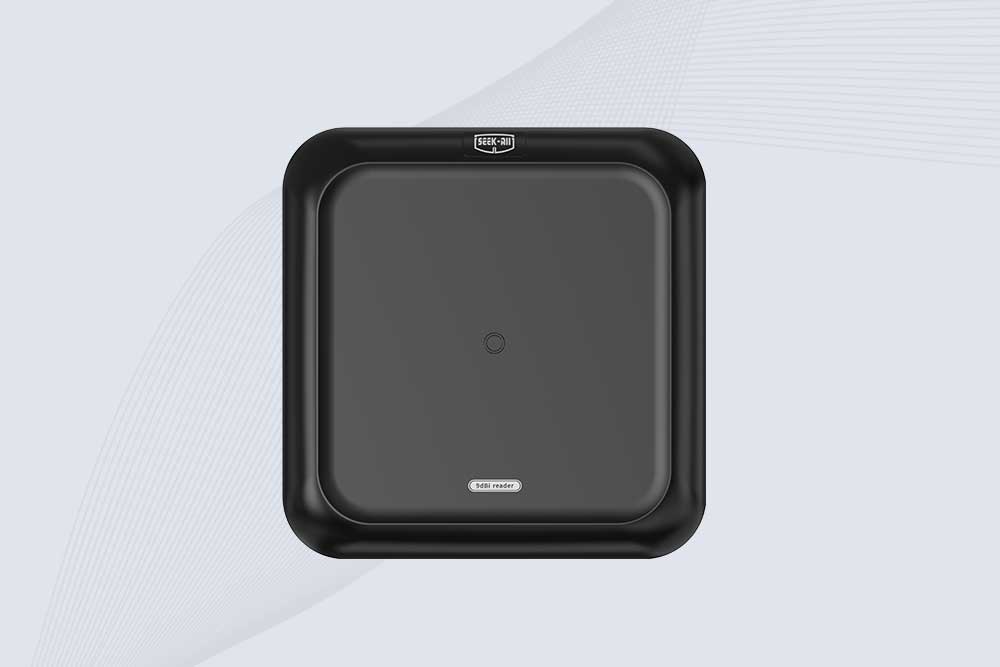
SSD-RA09L is a long range UHF RFID reader with a built-in 9 dBi antenna, 10m reading range, 600+ tags/s speed and flexible interfaces.
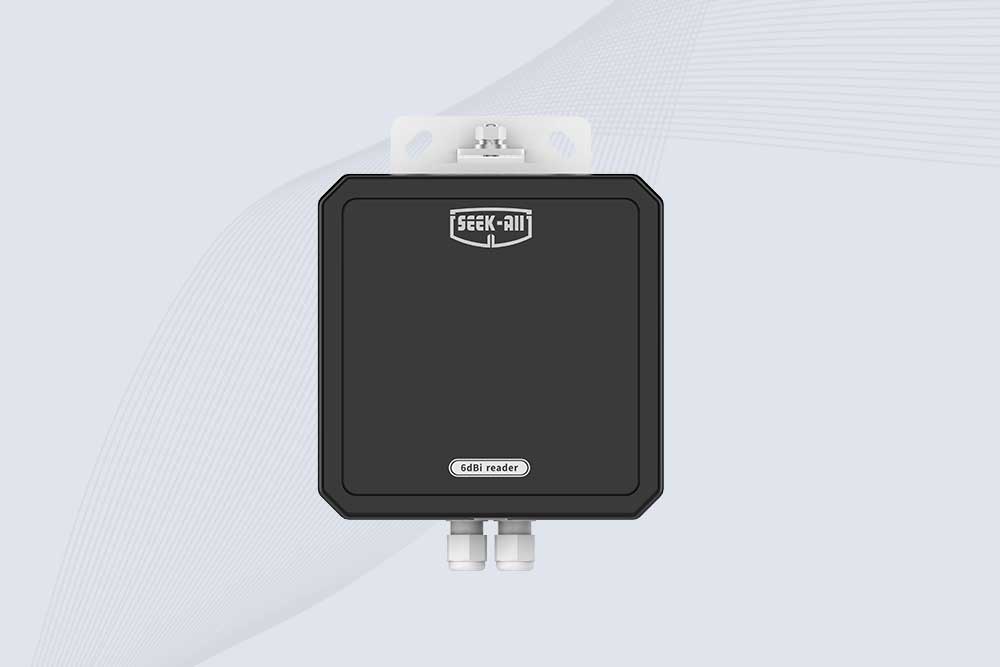
SSD-RA06L is an industrial UHF RFID reader with a built-in 6 dBi antenna, 3 m read range, 600+ tags/s, Ethernet, RS232, and optional Wi-Fi, 4G, and PoE.
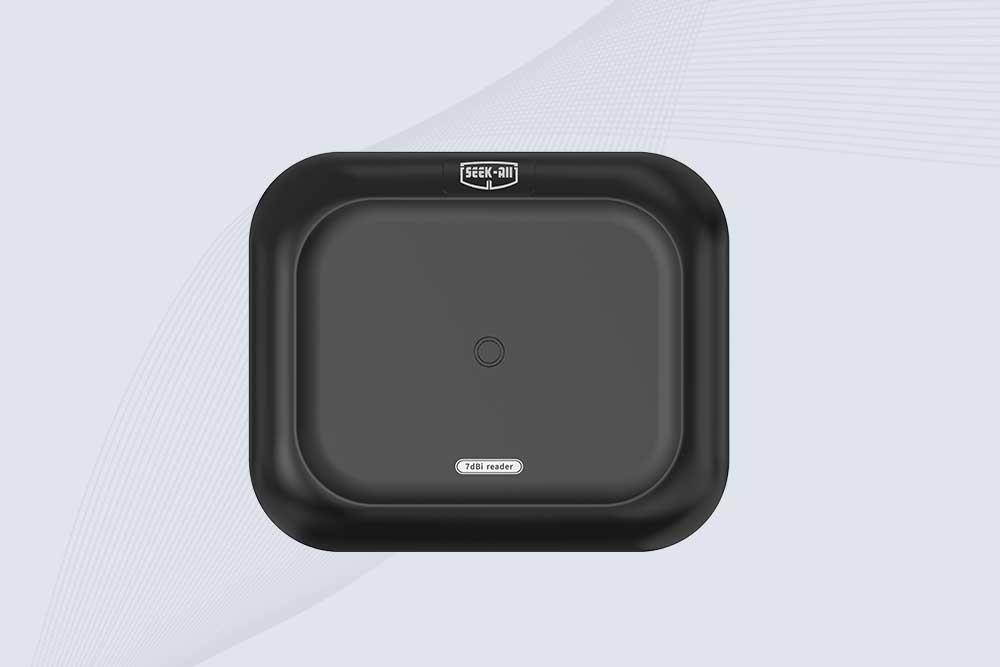
SSD-RA07L industrial UHF RFID reader with integrated 7 dBi antenna, up to 6 m reading distance, over 600 tags/s, Ethernet, RS232, and optional Wi-Fi, 4G, and PoE.

A clear breakdown of RFID gate system pricing, including hardware, antennas, modules, and integration costs.
More
How does an rfid chip work? Explore RFID chip structure, data transmission, and real industrial applications with expert insights from Cykeo RFID engineers.
More
What is an rfid scanner? An RFID scanner is a device that uses radio frequency signals to detect, read, and process RFID tag information without direct contact, enabling automatic identification, inventory management, and real-time asset tracking....
More
Learn how door RFID readers work, common types, buying tips, and future trends to help you find the best access control solution.
More