 Cykeo RFID IoT Solution Products R&D Manufacturer
Ultra High Frequency RFID,Why It’s the Backbone of Modern Tracking Systems
801Learn how ultra high frequency RFID powers modern logistics, manufacturing, and asset management. A practical guide for RFID solution providers.
MoreAll RFID Product
RFID (Radio Frequency Identification) and barcode scanning are two major technologies empowering enterprises to achieve digital and efficient warehouse operations. But how do they differ in working principles, performance, and use cases? In this guide, we’ll provide an in-depth comparison of RFID and barcode scanning to help enterprises choose the right solution.
Barcode scanners emit light to read black and white bars of varying widths. The reflected light is converted into electrical signals and then decoded into digital information.
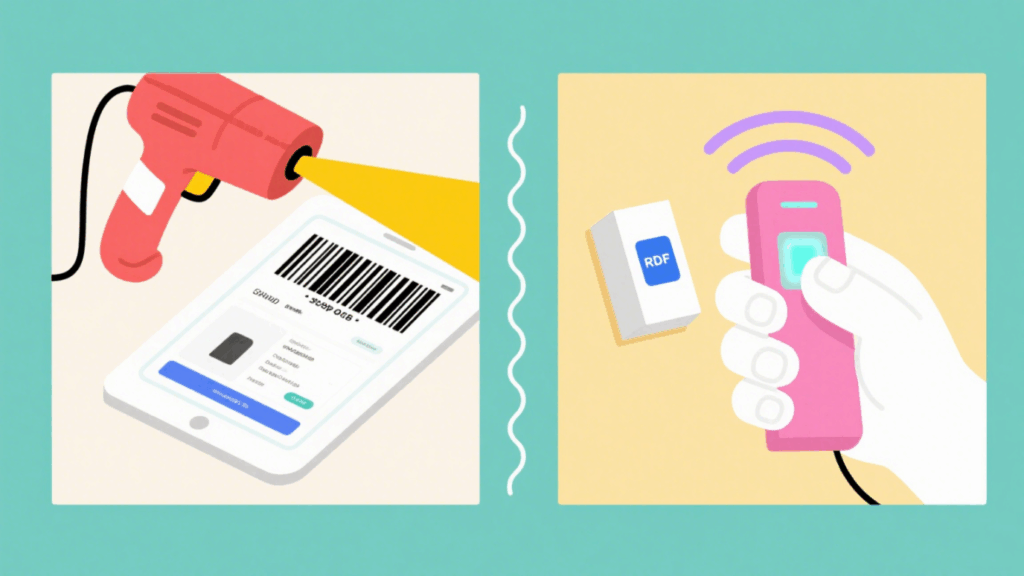
RFID, on the other hand, uses radio frequency to transmit data. RFID reader sends out a signal that activates nearby RFID tags. These tags then return their stored data via antenna-based transmission.
Barcode scanning requires one-to-one close-range operation. In contrast, RFID enables contactless, long-range, and batch reading. These fundamental differences in technology result in vastly different capabilities.
Barcode scanning requires manual aiming and one-by-one operation. It can be slow and prone to errors if the barcode is smudged or wrinkled. RFID can read dozens or even hundreds of tags in seconds—even if tags are obscured or located in complex environments—providing high accuracy and faster data capture.
Barcodes are mature and cost-effective. Labels are cheap, devices are simple, and deployment is easy—ideal for small businesses with limited budgets. RFID systems, though more expensive and technically demanding to deploy, reduce labor and management costs in the long term. This makes them better suited for large-scale and complex operations.
Barcodes can only hold limited data such as product numbers. RFID tags, however, support large data storage and can record detailed information like production dates, batches, and expiry dates. They also support read/write operations and encryption for enhanced data security.

Small convenience stores with limited inventory and low foot traffic can rely on barcode scanning for checkout and inventory control. It’s affordable and sufficient.
Large supermarkets and chain retailers, with massive inventories and frequent restocking, benefit more from RFID systems. These enable faster inventory checks and anti-theft monitoring, significantly improving operational efficiency.
For small and medium-sized logistics warehouses, barcode scanning can handle basic check-in/check-out and inventory records. But in large logistics hubs and e-commerce fulfillment centers, where item turnover is high and product variety is broad, RFID’s batch reading and real-time tracking capabilities better support workflow optimization and speed.
In production lines, barcodes are commonly used to label and trace simple parts. But for precision manufacturing or electronics production, RFID can record full lifecycle data, enabling accurate traceability and strict quality control.
When deciding between RFID and barcode scanning, businesses should evaluate their budget, management complexity, operational scale, and application scenarios.
Both RFID and barcode scanning play vital roles in modern inventory management. Understanding their differences helps you make a smart, cost-effective choice tailored to your business goals.
Need expert advice on RFID or barcode solutions? Contact us today for customized recommendations and hardware options.
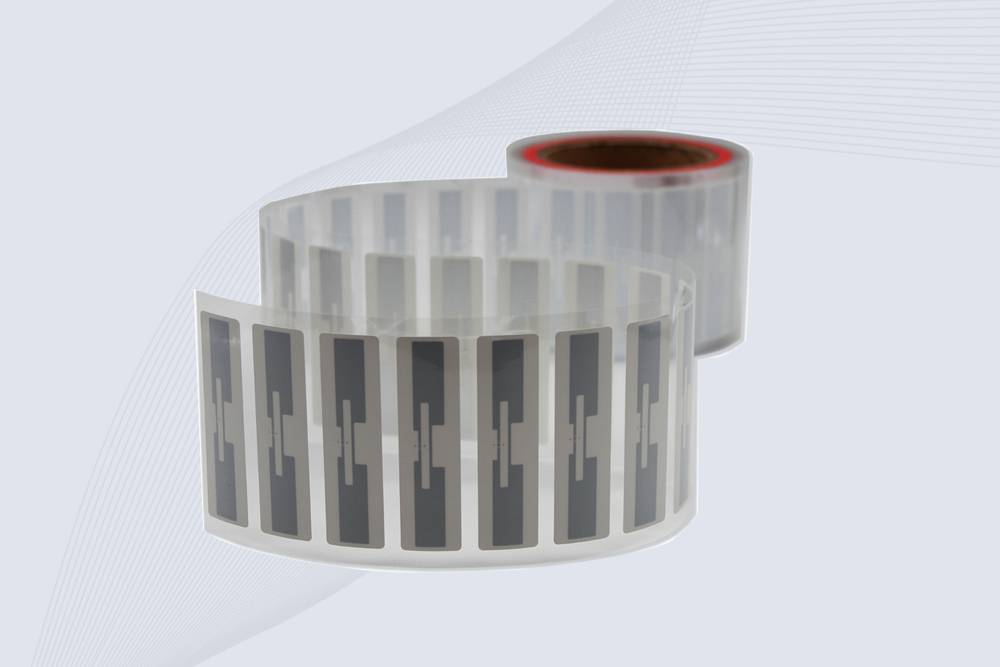
CYKEO Passive RFID Tags are made for wet and high-humidity environments where standard labels do not last. This rfid passive tag is often used around liquids, chemicals and temperature changes, providing stable reading distance and long data life for industrial tracking.
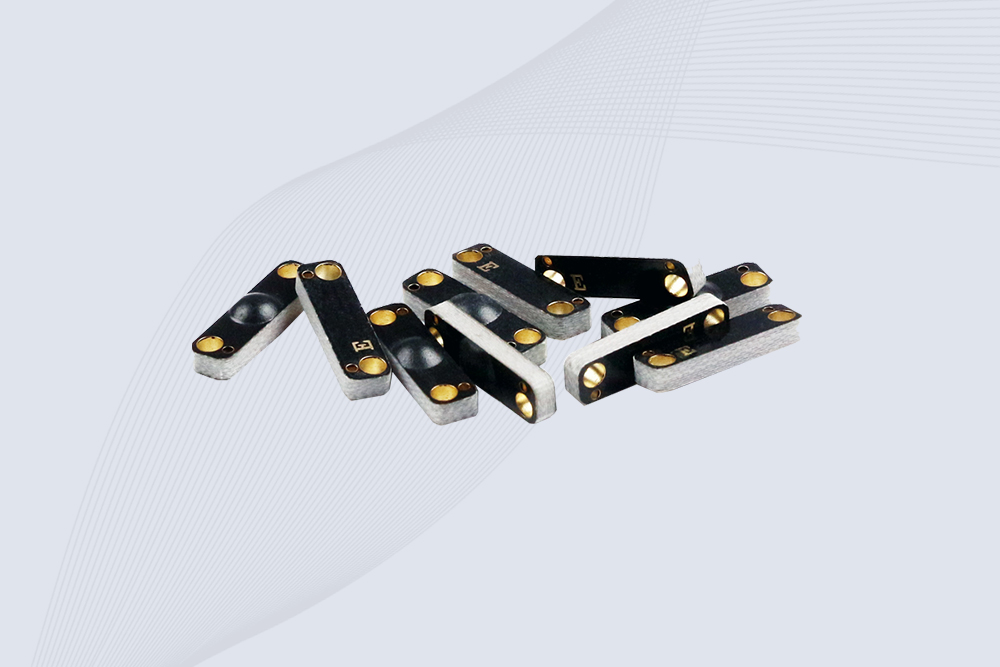
CYKEO CYKEO-PCB1504 Metal RFID Tags is a compact anti-metal UHF RFID solution built for direct mounting on metal surfaces. With stable 8-meter read range, Ucode-8 chip, and long data retention, this rfid metal tag fits tools, containers, automotive parts, and industrial asset tracking.
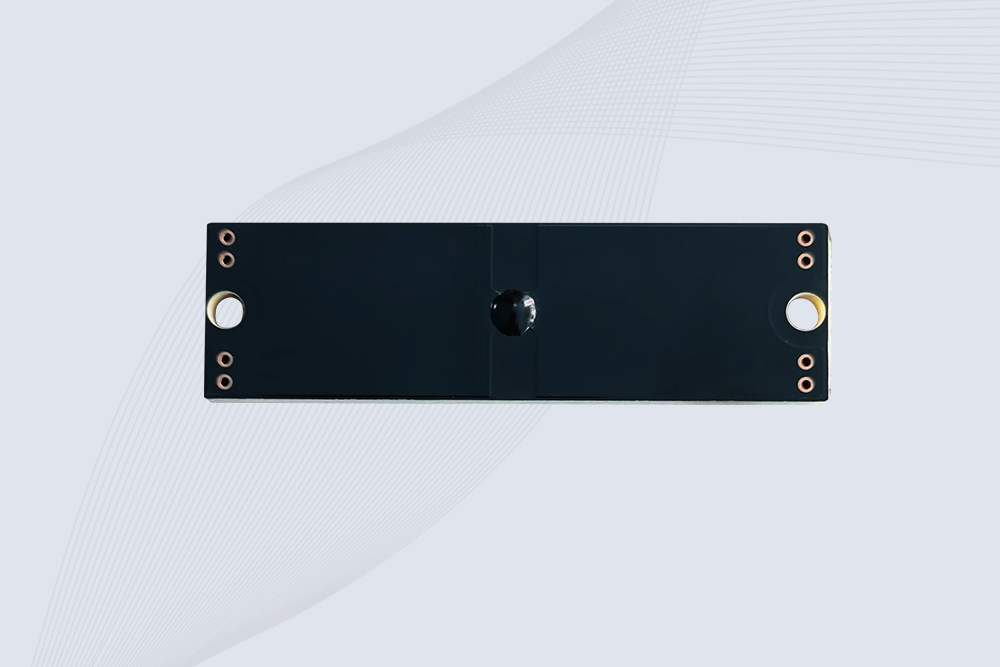
CYKEO CYKEO-PCB7020 On-Metal RFID Tags are designed for reliable tracking on steel and metal surfaces. Built with an FR4 epoxy body and industrial-grade chips, these On-Metal RFID Tags deliver stable performance, long data life, and chemical resistance, making them a dependable RFID anti-metal tag for harsh environments.
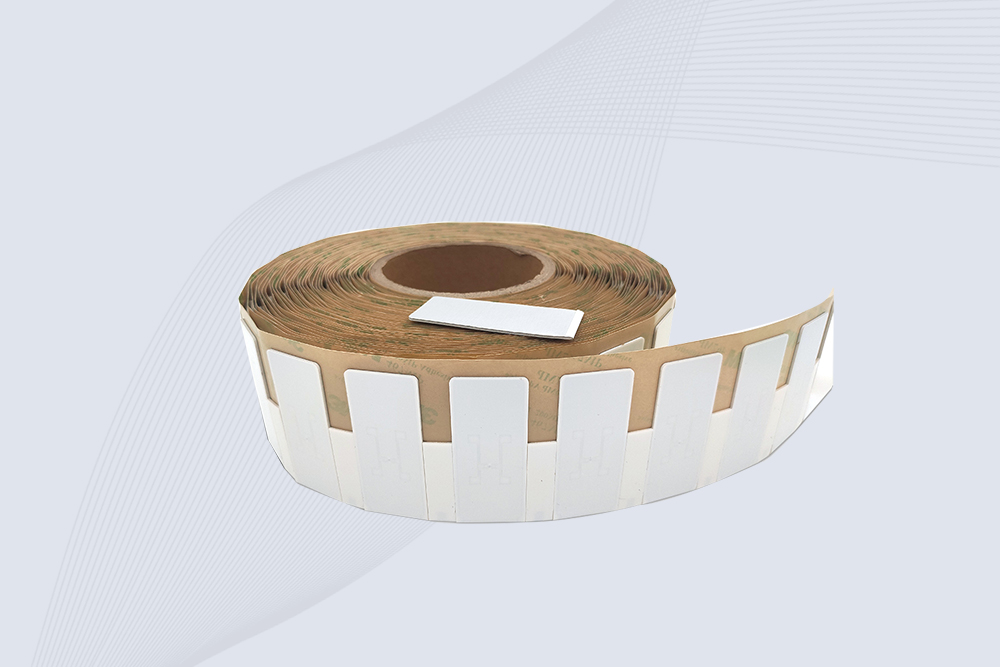
The CYKEO CYKEO-60-25 Anti-Metal RFID Tag is built for metal surfaces where standard tags fail. Designed for long-range performance, harsh environments, and stable data retention, this Anti-Metal RFID Tag is ideal for industrial assets, containers, and equipment tracking using on metal RFID tags.
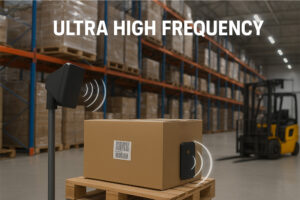
Learn how ultra high frequency RFID powers modern logistics, manufacturing, and asset management. A practical guide for RFID solution providers.
More
What's the real cost of an RFID file tracking system? Get transparent 2025 pricing ranges, key cost factors, and ROI insights for businesses. No surprises.
More
RFID tags identify and track physical objects by working with RFID readers and software systems. Correct tag selection, installation, and deployment testing ...
More
Descubre para qué sirve RFID antenna coil en etiquetas y lectores. Te explicamos cómo transfiere energía y datos en sistemas de acceso y pagos sin contacto.
More