 Cykeo RFID IoT Solution Products R&D Manufacturer


Can You Print RFID Tags?
161Can you print RFID tags? Learn how RFID labels are printed, encoded, tested, and deployed, with practical guidance on tag memory, EPC data, printers, and reliable encoding for retail and industrial use.
MoreAll RFID Product
Jewelry inventory management is more complicated than it looks. A jewelry store may hold hundreds or thousands of rings, necklaces, bracelets, earrings, and watches in a relatively small space. Many products look similar, but each item can have a different design, material, size, price, and stock number.
Keeping track of every piece requires careful work. Staff may need to scan barcodes individually, check product labels, compare physical stock with inventory records, and investigate discrepancies after a busy sales day.
A Jewelry RFID Reader offers another way to handle these tasks. By using RFID-tagged products, a retailer can identify multiple items within a reading area without scanning each barcode one at a time. A USB RFID reader can also connect to a computer, making it useful for desktop inventory operations and software-based stock management.
However, choosing the right reader requires more than checking its reading range. Jewelry products are small, metal surfaces can affect radio-frequency performance, and the size and placement of RFID tags matter.

Jewelry stores face inventory challenges that are not always found in ordinary retail environments.
A store may have many small, high-value items stored in trays, drawers, display cabinets, and secure storage areas. Each product must remain associated with the correct inventory record.
Manual checking creates several problems.
First, employees spend time scanning products individually. During stocktaking, this can take staff away from customers and sales activities.
Second, similar-looking products are easy to confuse. A ring in one size may have a different SKU from an almost identical ring in another size.
Third, inventory records may become inaccurate when items move between display cases, storage areas, repair departments, and sales counters.
A Jewelry RFID Reader can help address these problems by reading compatible RFID tags and passing the captured identifiers to inventory software. The software can then compare the scanned items against its product database.
The result is a more structured stock-checking process, provided that the RFID tags, reader, software, and operating procedures are properly configured.
A USB RFID reader connects to a computer or another compatible host device. Depending on its design, it may use a built-in antenna or connect to an external antenna.
The inventory process typically follows four steps.
Each jewelry item receives an appropriate RFID tag or an RFID-enabled label. The tag stores an identifier that can be associated with the product’s SKU and inventory information.
For small products, tag dimensions and attachment methods are particularly important. The tag should not interfere with product presentation, packaging, or normal handling.
The USB RFID reader connects to a desktop computer or laptop. Depending on the model, it may communicate through USB HID, a virtual COM port, or a vendor-specific SDK.
Some readers can send tag data directly to compatible applications. Others require software development or configuration before they can exchange information with an inventory system.
Staff place tagged items within the reader’s effective reading area or move a tagged tray through a designated scanning position.
The reader captures the RFID identifiers and sends the data to the host application. A multi-tag reader may identify several compatible tags during one reading session, depending on tag orientation, spacing, antenna design, and the surrounding environment.
Inventory software matches the captured identifiers against existing product records.
Staff can then review which items were detected, compare them with expected stock, and investigate missing or unexpected products.
This workflow can support stocktaking, product verification, and inventory updates. Automatic stock changes should only be made when the software’s business rules and validation procedures allow them.
Regular stock checks help jewelry retailers identify discrepancies before they become difficult to resolve.
A USB RFID reader can simplify counting for tagged items placed in a controlled reading area. Staff can compare the detected items with the inventory list rather than manually checking every product label.
For a retailer with several storage trays, separate scans can also help maintain a clearer record of which group of products was checked.
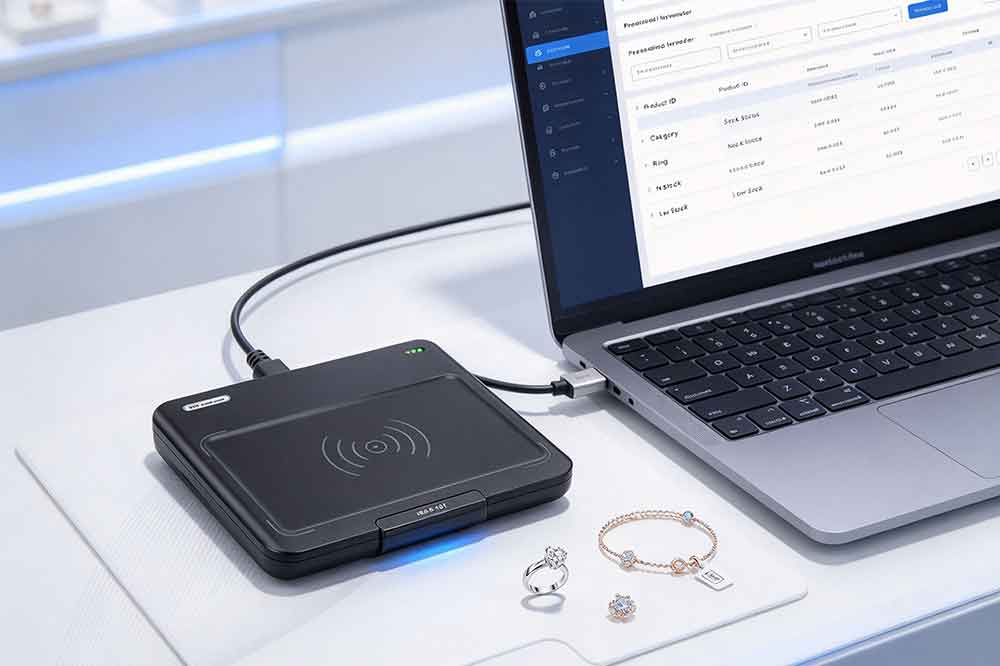
Before opening, employees may need to verify the products displayed in showcases or prepared for the day’s sales.
A Jewelry RFID Reader can support this process by identifying tagged items and comparing the results with the expected display inventory.
The reader does not independently determine whether a product is in the correct physical location. That function depends on how the retailer organizes scanning areas and configures its software.
When new products arrive from a manufacturer or supplier, staff can use RFID identification to check whether expected tagged items are present.
The software can compare scanned identifiers with a receiving list, helping employees identify missing, duplicated, or unexpected records.
For this application, RFID identifiers should be assigned or registered consistently before products enter normal circulation.
Jewelry may move between secure storage, display cases, repair areas, and sales counters throughout the day.
Scanning products at defined checkpoints can help employees record these movements. For example, a staff member can scan a group of tagged products before transferring them from the stockroom to a display area.
Location tracking requires more than a reader alone. The application must record the relevant location or transaction alongside the tag identifier.
A USB RFID reader may also be integrated into a point-of-sale workstation or inventory terminal.
When an employee reads a tagged product, the application can retrieve its SKU, description, and other associated information. Whether the reader can trigger a particular POS action depends on the software integration.
RFID identification should not automatically be treated as proof of a completed sale. Sales, returns, and stock adjustments still need to follow the retailer’s transaction rules.
Not every RFID reader is suitable for small, high-value products. Retailers and system integrators should evaluate several factors before selecting hardware.
UHF RFID is commonly used for inventory applications that benefit from identifying multiple tagged items. However, the reader and tags must operate at compatible frequencies and support the relevant RFID protocol.
A reader designed for another frequency band will not necessarily read UHF jewelry tags.
Jewelry products are often stored close together. A reader that captures tags outside the intended area can produce confusing stock counts.
Evaluate reading performance with actual jewelry samples, trays, packaging, and storage arrangements. Adjustable output power, antenna selection, and software filtering may help control the read zone.
Retailers and system integrators can explore our USB RFID Readers for Retail Inventory Management to compare reader options for desktop stocktaking and software integration.
Metal jewelry, metal display trays, and nearby fixtures can affect RFID performance. Small tags may also have different performance characteristics from larger labels.
The solution may require specially designed tags, alternative tag placement, suitable antennas, or a different scanning arrangement.
Testing with actual products is more reliable than relying solely on the reader’s advertised maximum reading distance.
For desktop use, confirm how the reader communicates with the host computer.
Important considerations include:
For a system integrator, documented communication protocols and example code can reduce integration effort.
A desktop USB RFID reader is suitable for workstation-based inventory checks. An integrated reader with a built-in antenna can reduce installation complexity when the reading area is relatively small.
For larger trays or specialized scanning stations, an external antenna or a different reader configuration may be more appropriate.
The best choice depends on the physical workflow rather than the product category alone.
Both technologies can support jewelry inventory operations, but they work differently.
| Feature | USB RFID Reader | Barcode Scanner |
|---|---|---|
| Identification method | Radio-frequency communication | Optical scanning |
| Direct line of sight | Often not required | Usually required |
| Multiple-item reading | Supported by suitable RFID systems | Usually one barcode at a time |
| Item identification | Requires compatible RFID tags | Requires printed barcodes |
| Metal-related challenges | Tag and environment may affect performance | Labels may be obstructed or damaged |
| Integration | Reader, tags, and software required | Scanner and barcode software required |
RFID is worth evaluating when staff need to count many tagged products or verify items stored close together. Barcodes may remain a practical choice for stores with small inventories or established barcode workflows.
Some retailers can use both technologies, retaining barcodes for customer-facing operations while introducing RFID for stocktaking and product verification.
For a broader look at retail stocktaking workflows, read our guide to USB RFID readers for retail inventory management.
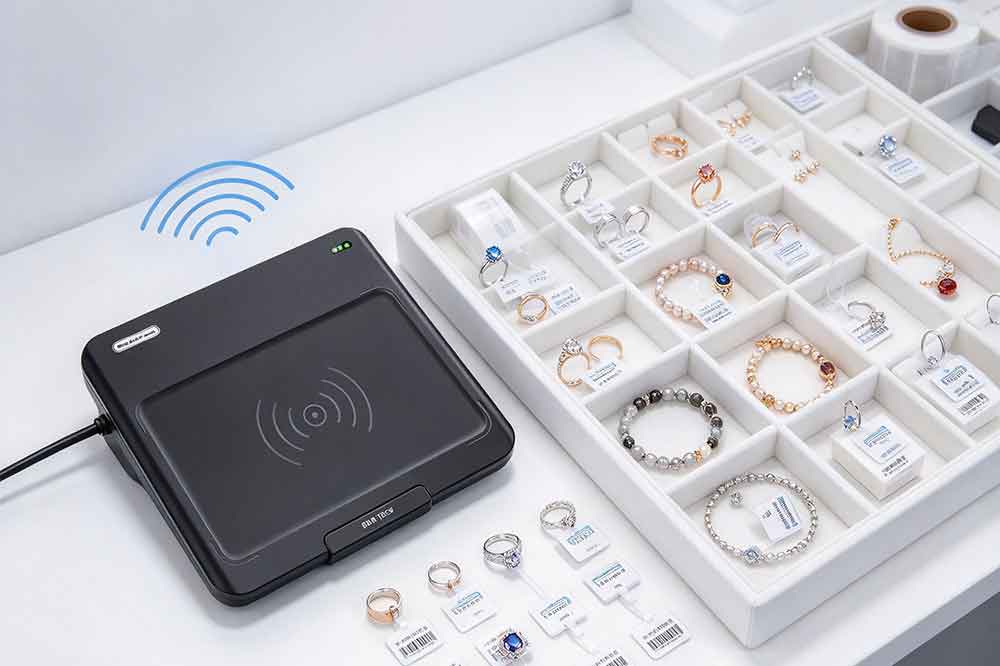
A Jewelry RFID Reader can improve an inventory workflow, but several issues should be addressed during deployment.
Unreliable tag placement: Small tags positioned too close to metal can reduce reading performance. Test different tag positions on representative products.
Unexpected reads: Tags outside the intended scanning area may be detected. Adjust the read zone and apply software filters where appropriate.
Duplicate records: Repeated reads of the same RFID identifier should not automatically create duplicate inventory entries. The application should handle repeated tag reports correctly.
Incorrect product mapping: A correctly read identifier is only useful when it is associated with the correct product record. Validate tag-to-SKU mapping before deployment.
Incomplete movement records: A desktop reader does not provide continuous location tracking by itself. Staff must scan products at defined checkpoints, or the retailer must deploy a more comprehensive RFID system.
A pilot test with actual jewelry products can reveal these issues before the retailer rolls out the solution across multiple stores.
For retailers, the main objective is not simply to read RFID tags. It is to turn tag data into useful inventory information.
A typical integration includes the reader, RFID tags, a host computer, an inventory application, and a product database.
The reader captures identifiers. The application filters repeated reads and validates the data. The database links each identifier to the relevant product record. The application then presents the result in a form that staff can use for stocktaking, receiving, or inventory verification.
For developers, a reader with a documented SDK or communication protocol offers greater flexibility. Integration can be designed around the retailer’s existing inventory software instead of requiring a completely new system.
For RFID solution providers, the final configuration should be tested against real operational requirements, including tag quantity, reading distance, metal interference, data processing, and staff workflow.
A USB RFID reader can make jewelry inventory management more efficient by reducing dependence on individual barcode scans and helping staff verify tagged products through a computer-based workflow.
However, successful deployment depends on more than the reader itself. Tag selection, antenna performance, read-zone control, and software integration all affect the final result.
For jewelry retailers, distributors, and RFID solution providers, the most practical starting point is a controlled pilot using actual products and storage trays. This approach helps determine whether a Jewelry RFID Reader can meet the required accuracy and workflow needs before a larger investment is made.
A Jewelry RFID Reader identifies compatible RFID tags attached to jewelry products. It can send tag identifiers to inventory software for stock counting, product verification, and related retail tasks.
Yes, a suitable multi-tag RFID reader can identify multiple compatible tags within its reading area. Actual performance depends on tag design, orientation, spacing, antenna configuration, and surrounding materials.
RFID can be used with gold and silver jewelry when compatible tags are selected and correctly positioned. Metal can affect radio-frequency performance, so real-product testing is important.
Yes. Depending on the model, it may communicate through USB HID, a virtual COM port, or an SDK. The application must process the tag data and match identifiers with inventory records.
RFID can be advantageous for multi-item stocktaking and workflows where direct barcode scanning is inconvenient. Barcodes may remain more economical for smaller inventories. The best choice depends on inventory volume, tag costs, and workflow requirements.

Discover SSD-D4AL, a USB-HID UHF RFID reader with 4/8/16 antenna options, Impinj E710/X3M1 chipset, plug-and-play USB power, and OEM customization.
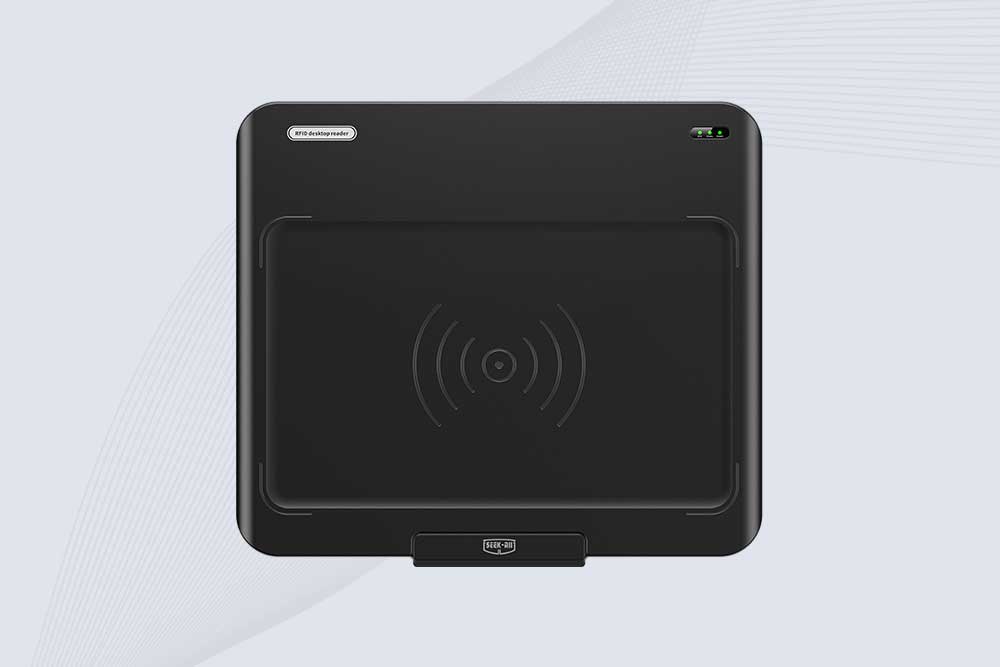
SSD-D3AL is a USB-HID UHF RFID reader with 0–30 cm reading, 0–15 cm writing, over 600 tags/s recognition, USB plug-and-play operation and OEM Logo customization.
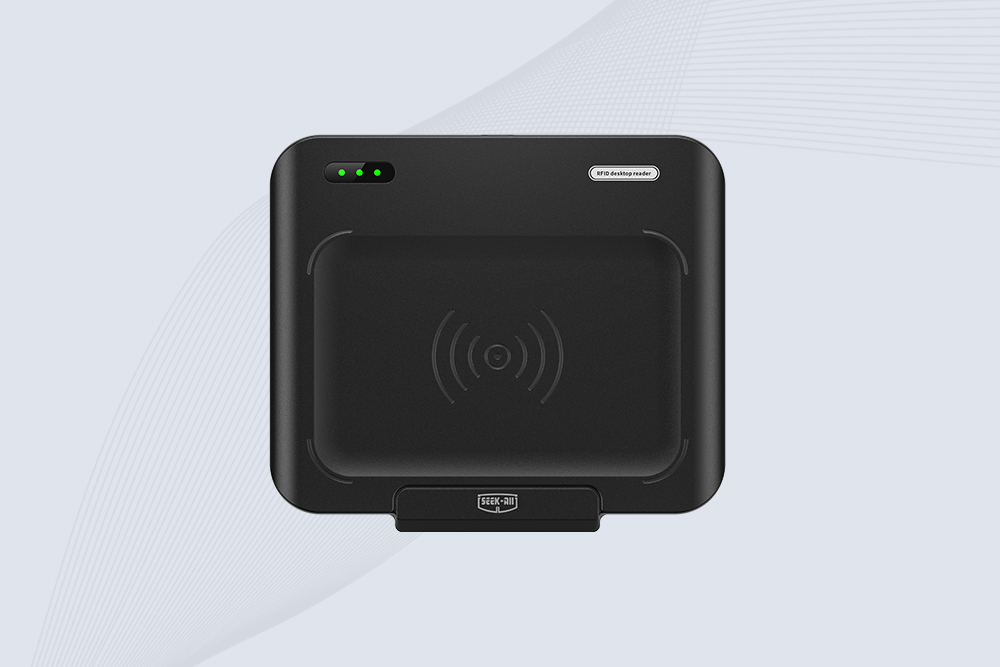
SSD-D1AL is a compact USB UHF RFID reader with Impinj E710/X3M1 chipset, USB-HID, 600+ tags/s recognition, 4/8/16 antenna support and plug-and-play USB power.

CYKEO CYKEO-D1LA USB RFID Reader is a compact desktop solution with near-field control for precise tag reading and encoding. Powered by USB, supporting ISO 18000-6C, and built for stable batch writing, this usb rfid tag reader fits retail, libraries, offices, and controlled RFID encoding tasks.
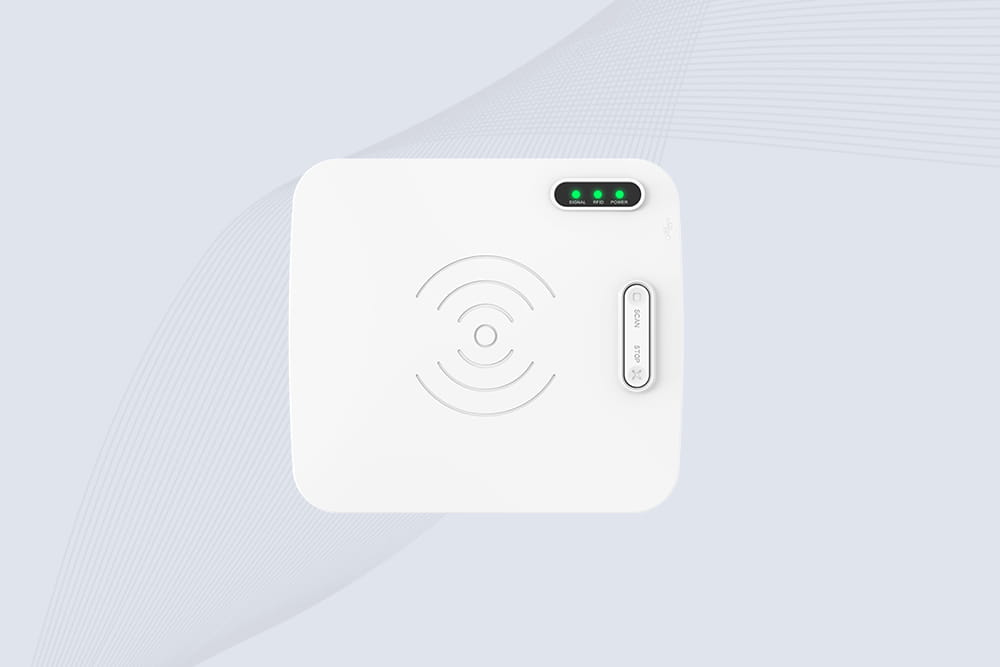
CYKEO CYKEO-D1L RFID scanner USB is a compact desktop UHF RFID scanner designed for short-range tag writing and verification. This usb rfid scanner supports batch encoding, stable 0–26 dBm output, and works across Windows, Linux, and Android systems.
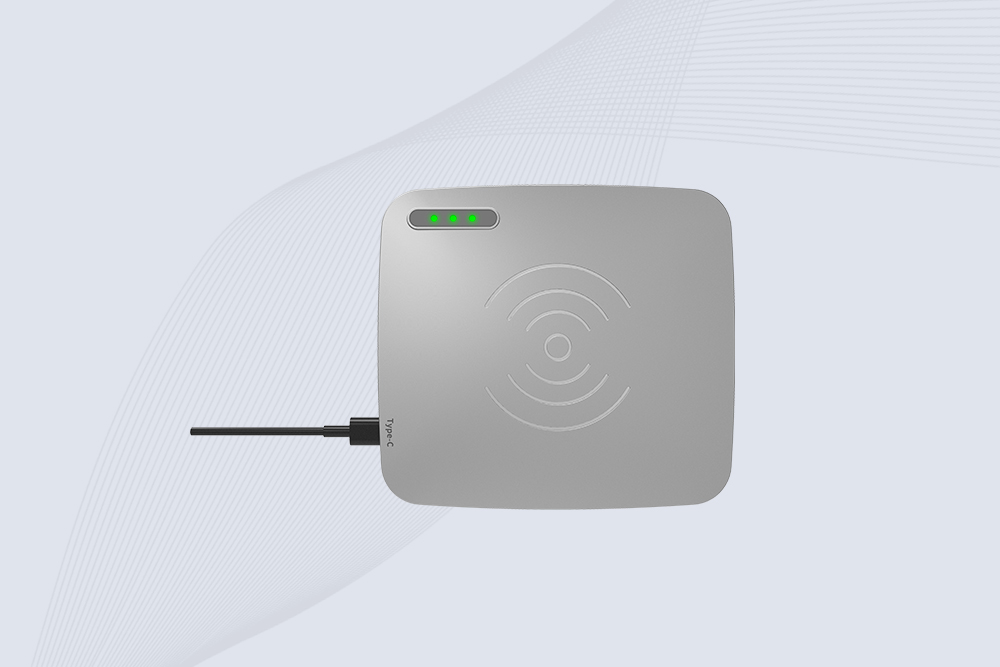
CYKEO CYKEO-D1C USB RFID Card Reader is a near-field UHF desktop writer designed for secure, short-range tag encoding. With USB-C connectivity and stable 26 dBm output, this rfid reader usb c is ideal for badge issuance, label encoding, and controlled desktop RFID workflows.
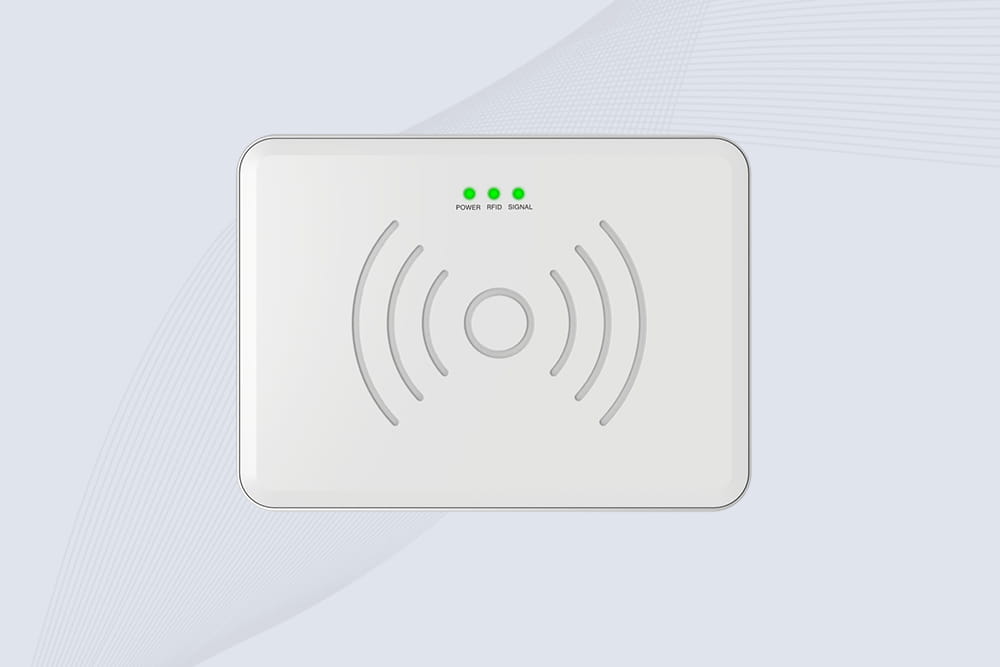
CYKEO CYKEO-D2L RFID Reader USB is a compact desktop encoder built on the Impinj R500 chip. With near-field control and stable USB power, this usb rfid card reader delivers precise tag writing for offices, retail counters, and small-scale logistics encoding tasks.
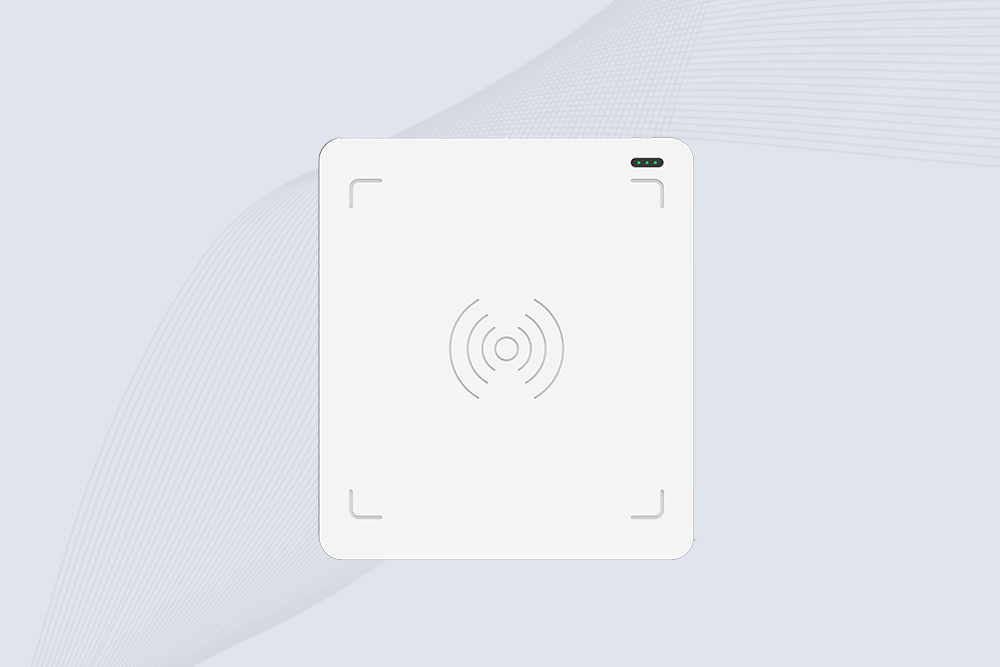
CYKEO CYKEO-D3L USB RFID Tag Reader delivers stable UHF tag reading and writing for daily desktop and light industrial tasks. Designed for controlled short-range operation, this USB RFID Tag Reader works reliably with rfid tag and reader systems in libraries, tool tracking, and inventory registration.
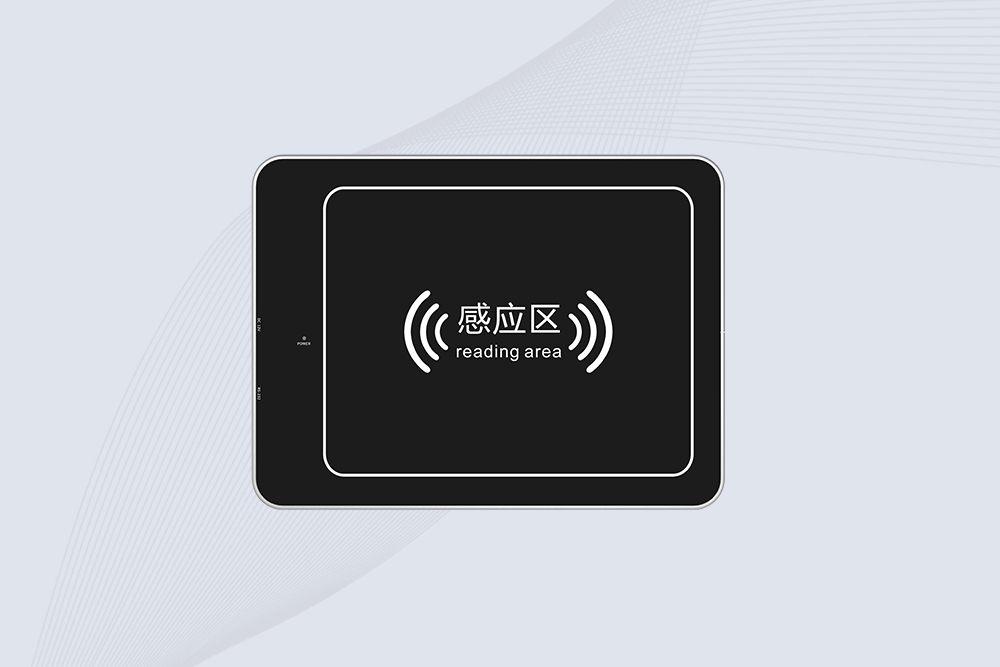
The CYKEO CYKEO-D4L UHF RFID Tag Reader is a stable Desktop RFID Reader designed for accurate tag registration, borrowing, and return workflows. Built with the Impinj R2000 chip, this UHF RFID Tag Reader delivers controlled short-range reads for libraries, asset tracking, and inventory management environments.
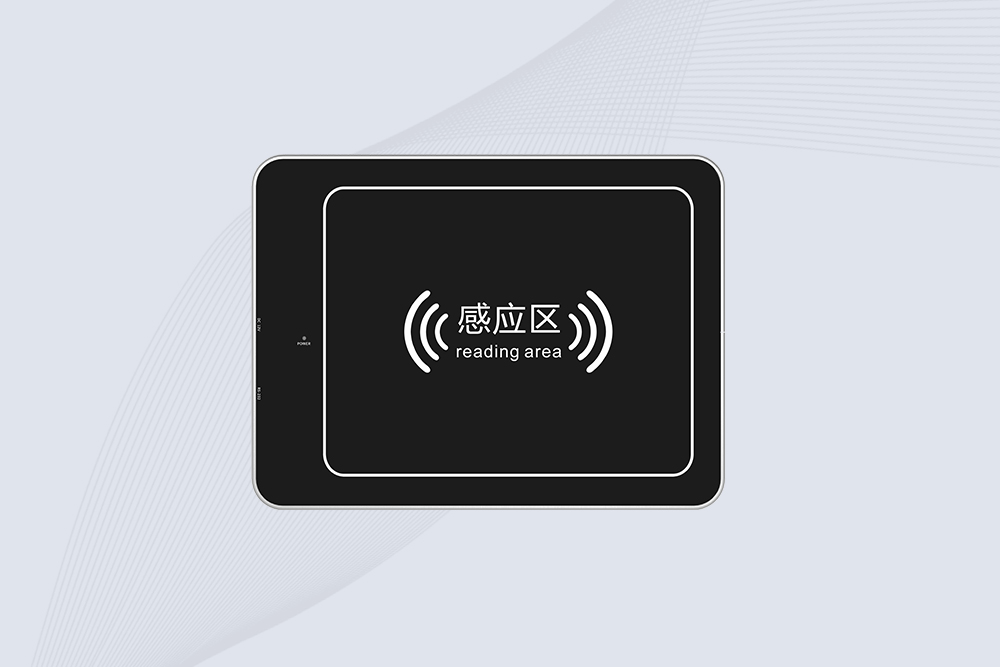
The CYKEO CYKEO-D5L Desktop RFID Card Reader is a stable UHF RFID Card Reader designed for controlled short-range reading and writing. Built for libraries, tool rooms, and asset desks, this UHF RFID Card Reader supports dense tag handling, secure data processing, and easy USB integration.
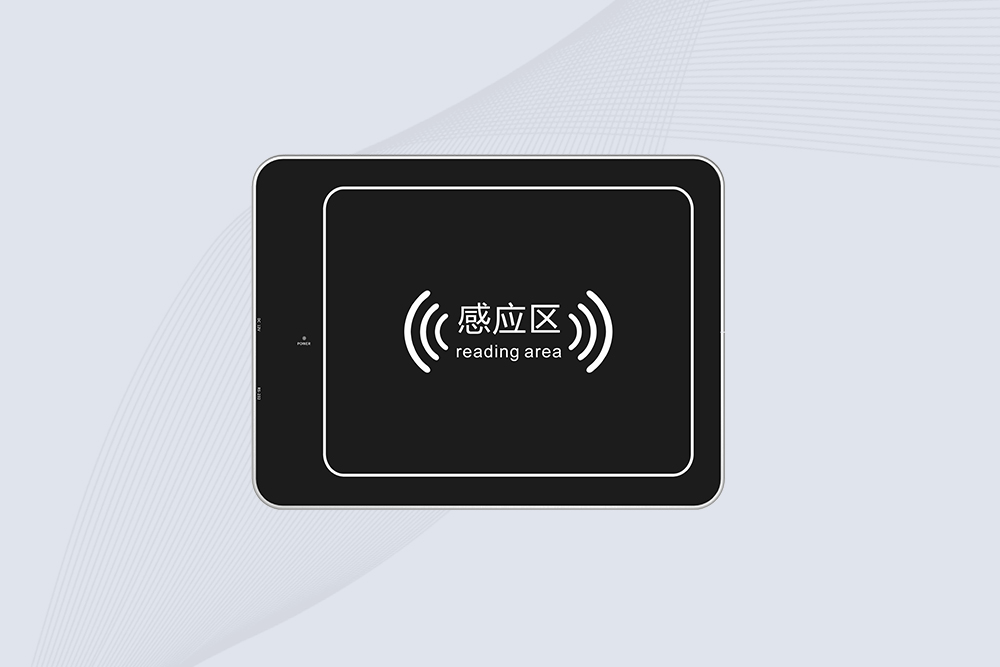
The CYKEO CYKEO-D6L RFID Reader Writer is a heavy-duty Desktop RFID Reader designed for short-range, high-accuracy tag programming. Built for libraries, labs, and asset desks, this RFID Reader Writer supports batch processing, stable 33dBm output, and seamless integration with existing management systems.
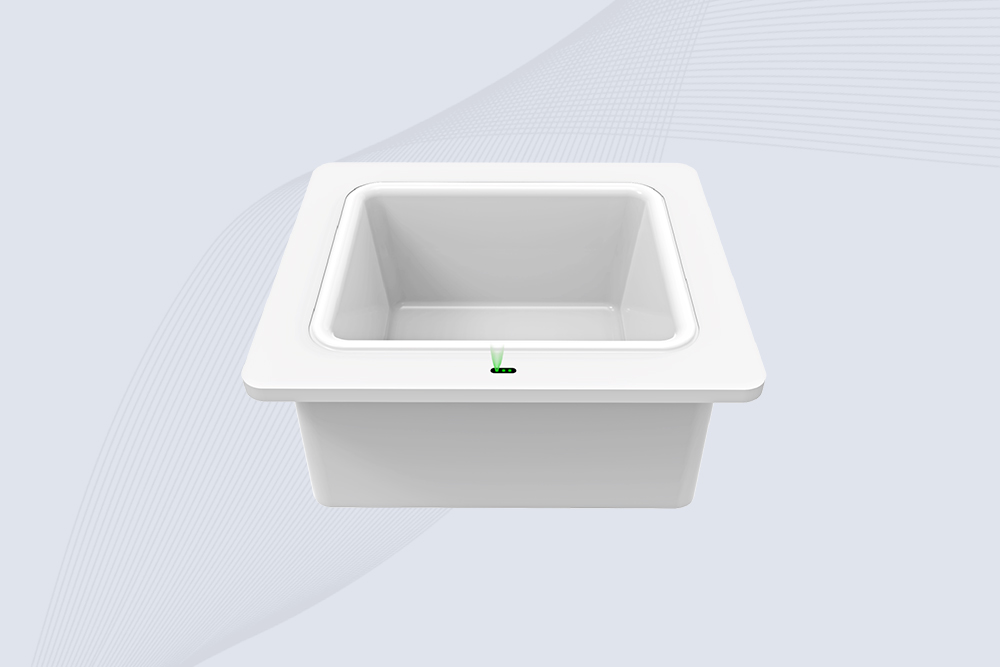
Cykeo CYKEO-D8B UHF RFID tunnel and RFID Desktop Reader features 30+ items batch reading,
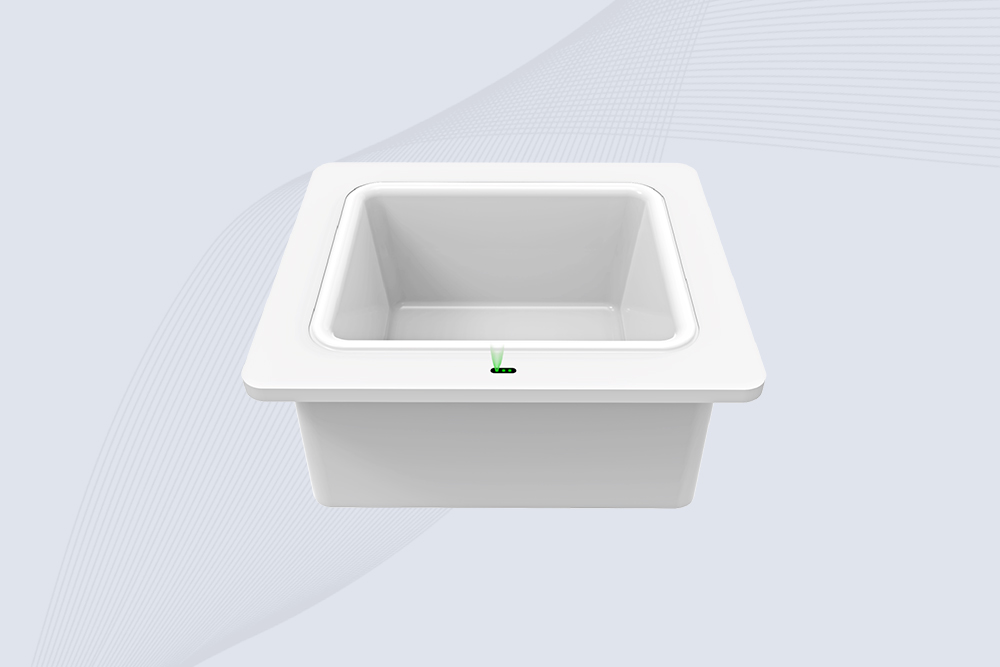
Cykeo CYKEO-D8A embedded RFID badge reader offers 30+ tags/sec scanning, 20cm anti-crosstalk precision, and DC 12V power for unmanned stores, warehouses, and smart inventory systems.
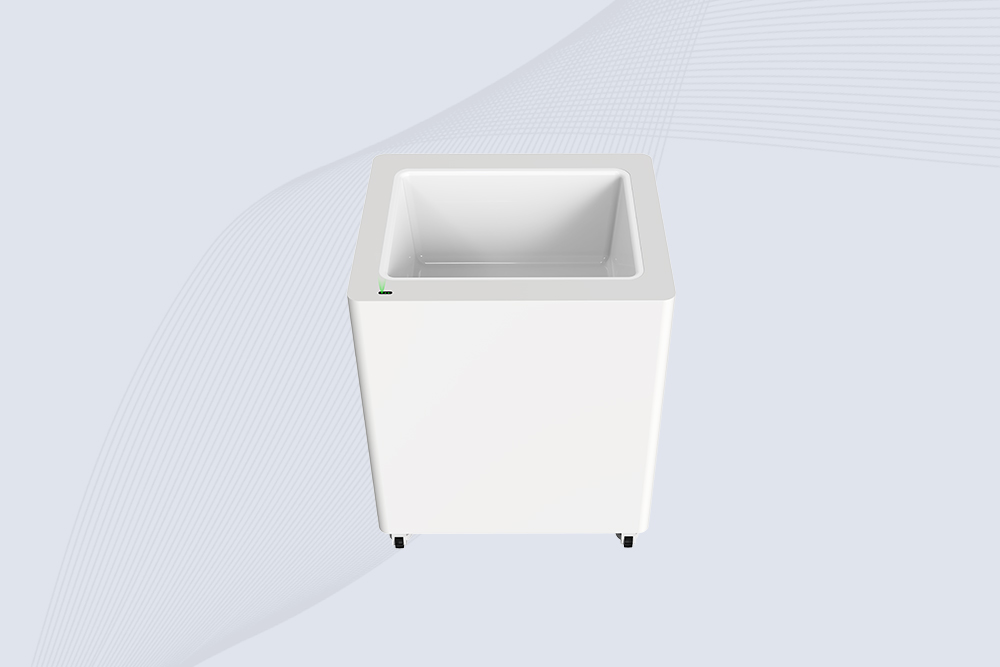
Cykeo’s CYKEO-D8C UHF RFID gate reader achieves 200-tag/batch scanning with adjustable power control, ideal for retail inventory and smart warehouse management.
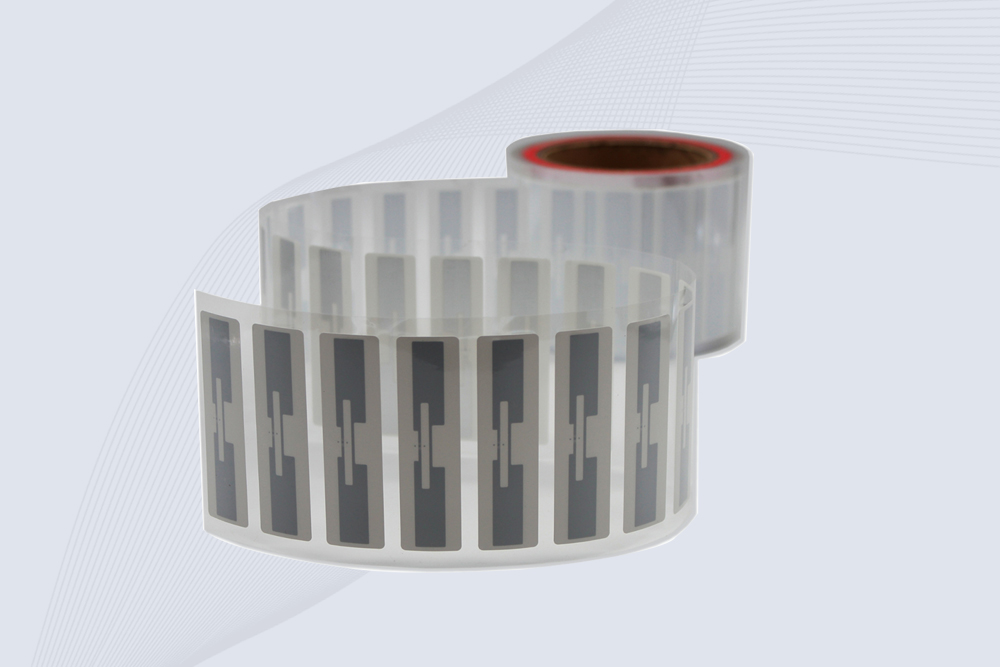
CYKEO Passive RFID Tags are made for wet and high-humidity environments where standard labels do not last. This rfid passive tag is often used around liquids, chemicals and temperature changes, providing stable reading distance and long data life for industrial tracking.
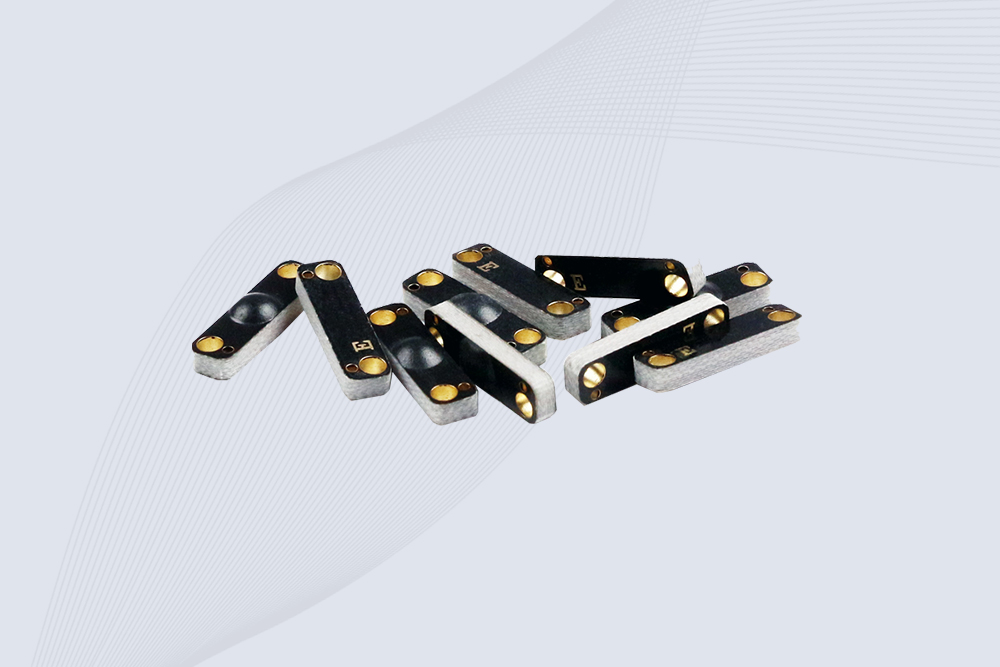
CYKEO CYKEO-PCB1504 Metal RFID Tags is a compact anti-metal UHF RFID solution built for direct mounting on metal surfaces. With stable 8-meter read range, Ucode-8 chip, and long data retention, this rfid metal tag fits tools, containers, automotive parts, and industrial asset tracking.
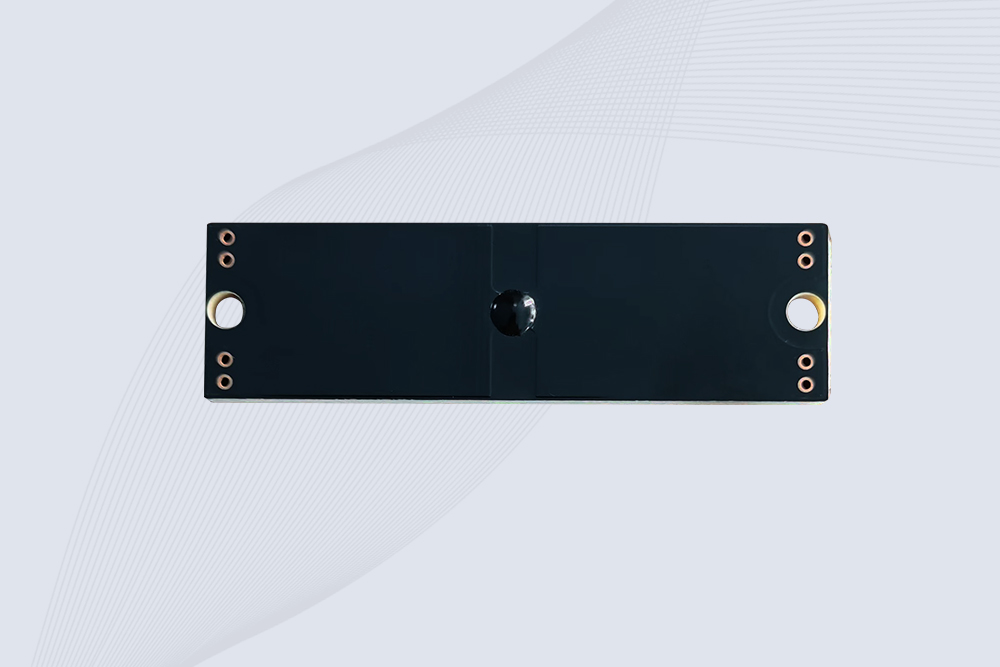
CYKEO CYKEO-PCB7020 On-Metal RFID Tags are designed for reliable tracking on steel and metal surfaces. Built with an FR4 epoxy body and industrial-grade chips, these On-Metal RFID Tags deliver stable performance, long data life, and chemical resistance, making them a dependable RFID anti-metal tag for harsh environments.
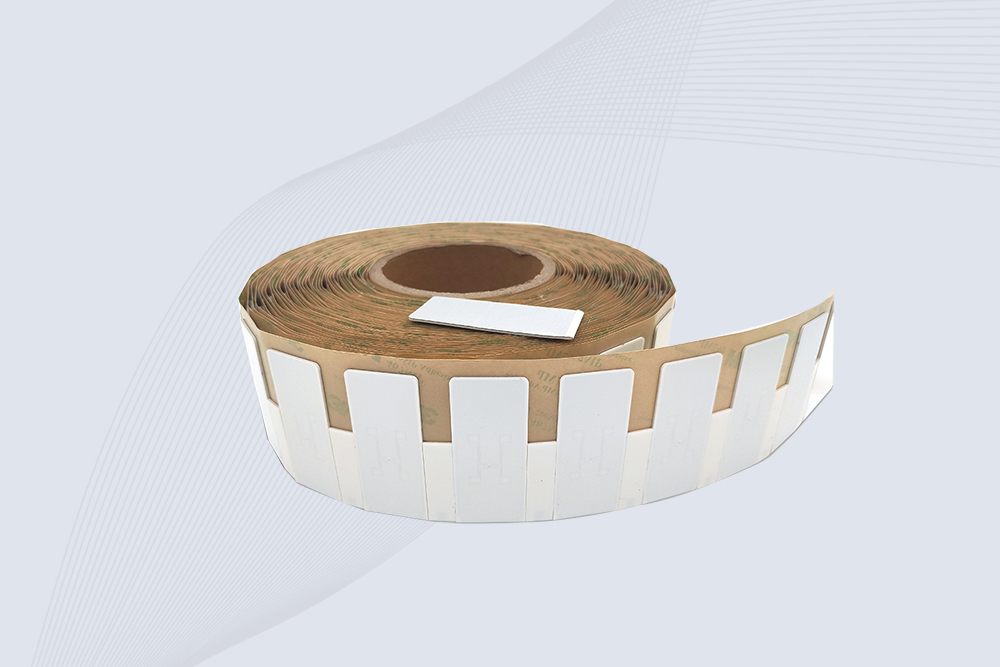
The CYKEO CYKEO-60-25 Anti-Metal RFID Tag is built for metal surfaces where standard tags fail. Designed for long-range performance, harsh environments, and stable data retention, this Anti-Metal RFID Tag is ideal for industrial assets, containers, and equipment tracking using on metal RFID tags.
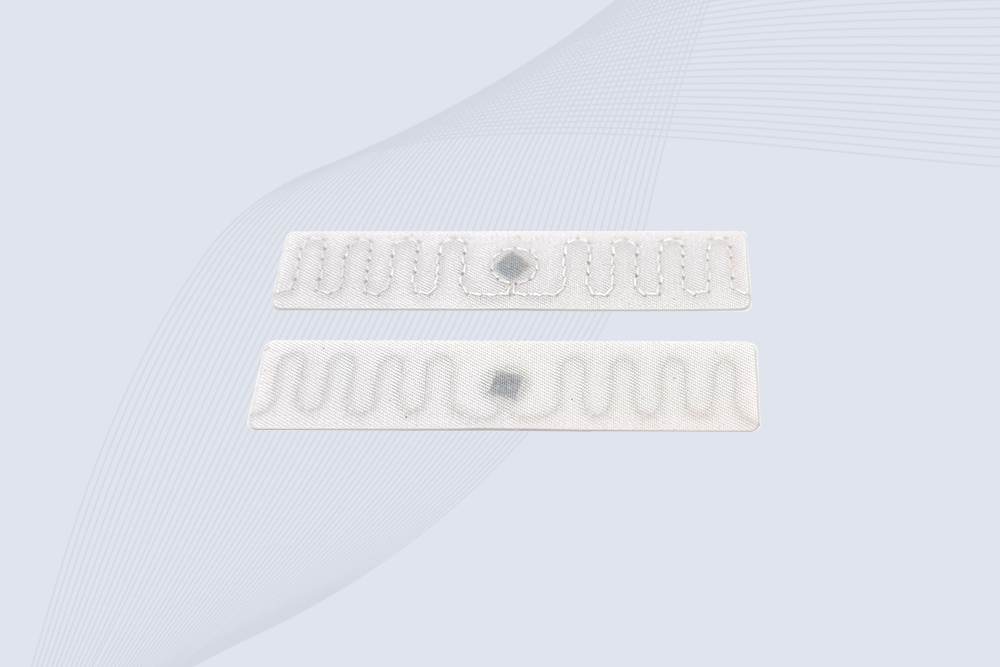
The CYKEO RFID Laundry Tag is designed for long-term textile identification in harsh laundry environments. Built to withstand high heat, chemicals, and repeated washing, this RFID Laundry Tag delivers stable performance for hotels, hospitals, and industrial laundry operations using laundry rfid tags at scale.
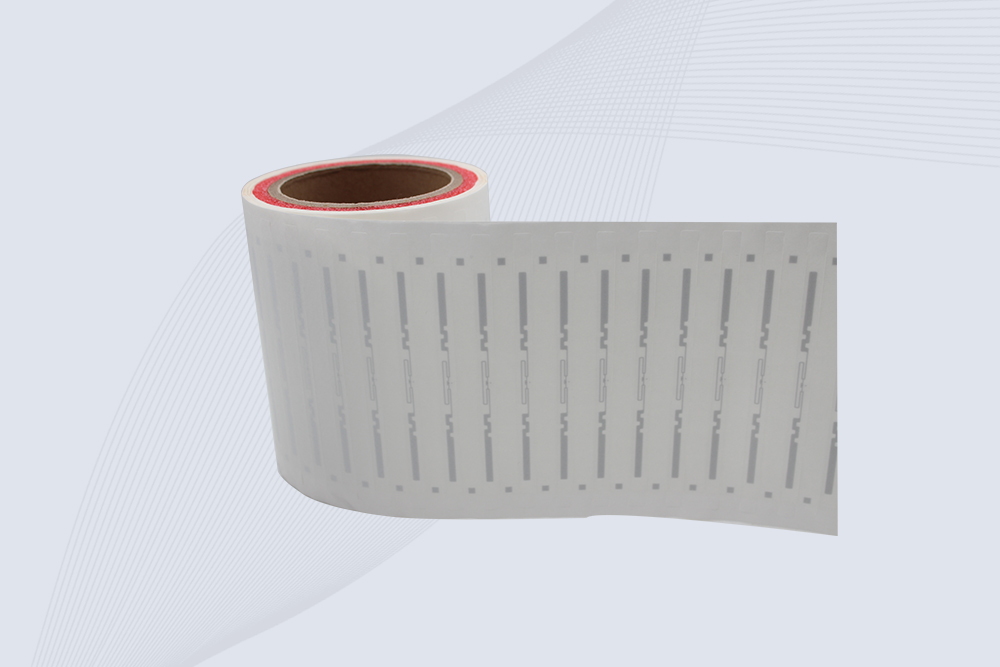
The CYKEO CYKEO-125-7 RFID Book Tag is designed for reliable book and document tracking in libraries and archives. This RFID Book Tag delivers long read range, dense placement support, and stable performance on shelves, making it a practical rfid tag on books for library automation, file management, and archival systems.
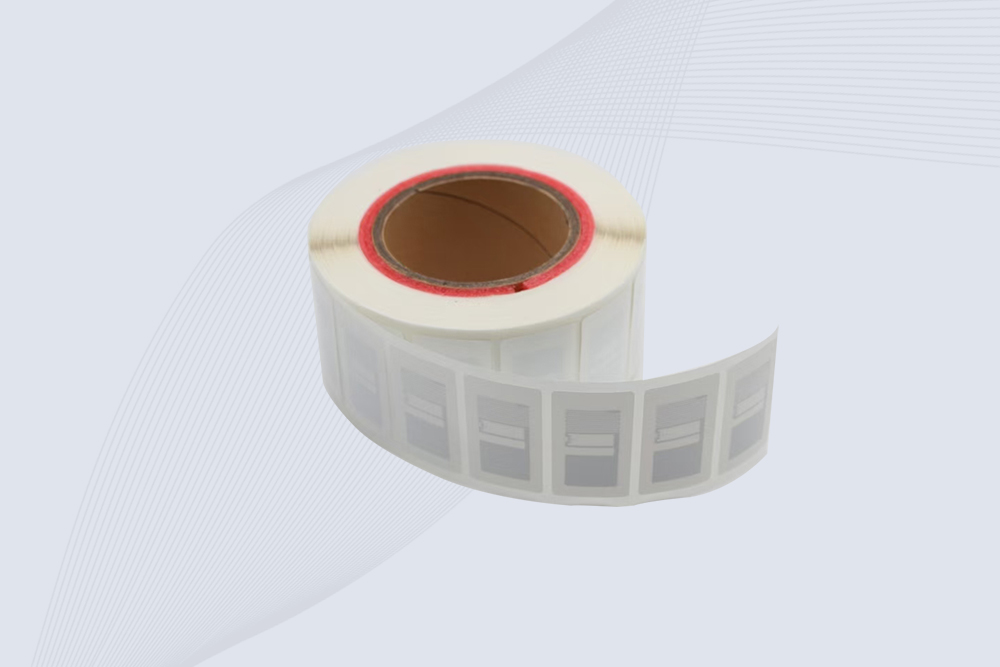
CYKEO RFID tags in hospitals are designed for sterile environments where accuracy matters. These autoclavable RFID tags support long-term tracking of surgical tools, implants, and medications, helping hospitals improve visibility, compliance, and patient safety.

CYKEO RFID Cable Tie Tag is built for reliable identification on metal surfaces. This UHF RFID Cable Tie Tag is widely used in rfid tags for inventory systems, industrial asset management and Hospital RFID Tags, offering stable read performance, long service life and global EPC Gen2 compatibility.
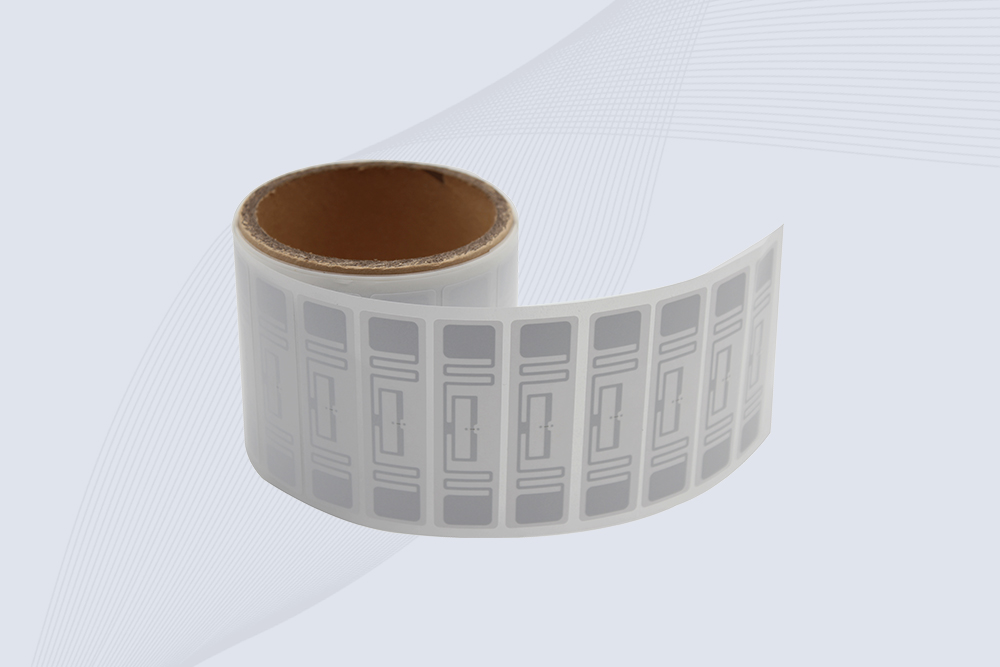
CYKEO RFID Asset Tag is designed for stable identification of metal assets in industrial environments. This UHF RFID Asset Tag is commonly used for rfid tag asset tracking on equipment, tools and containers, providing reliable reads, long service life and ISO/IEC 18000-6C support.
CYKEO UHF RFID Card is designed for fast identification and long-term use in industrial and commercial systems. Supporting ISO 18000-6C, this UHF RFID Card works at 860–960 MHz and is suitable for custom RFID cards used in asset tracking, access control and inventory management.
CYKEO HF RFID Cards are designed for secure and stable access control systems. These 13.56 MHz RFID key cards support ISO 14443-A, reliable rewriting and long service life, making HF RFID Cards suitable for offices, campuses, events and membership management.
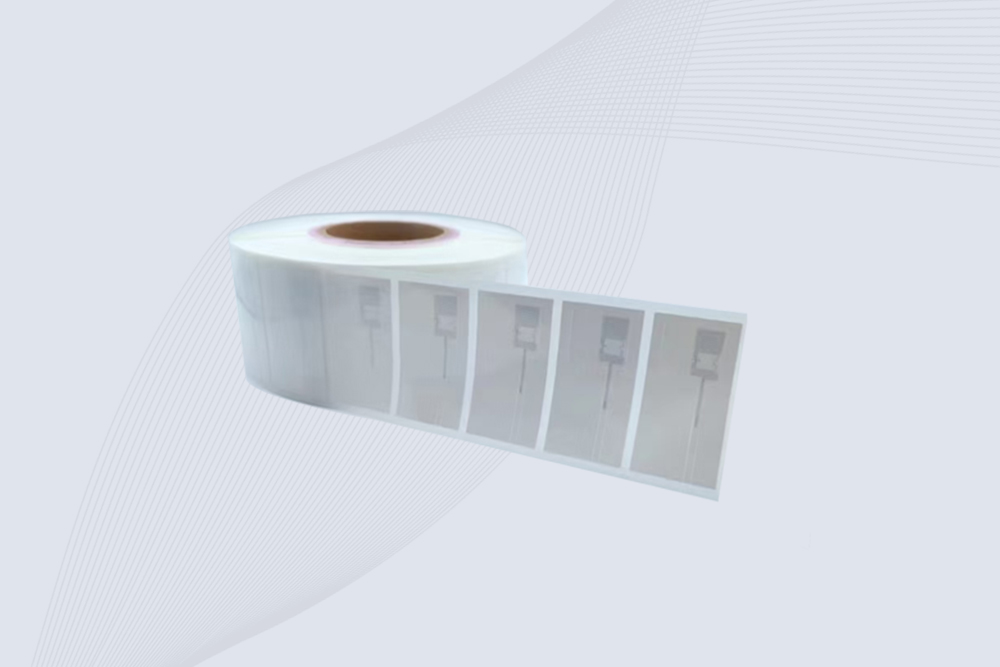
CYKEO UHF RFID Tag is designed for reliable tracking of metal jewelry and high-value items. This Jewelry RFID Tag supports long-range reading up to 8 meters, anti-counterfeit protection and stable performance on metal, making it suitable for retail, inventory control and asset management.
RFID Industry Writer | IoT & Asset Tracking Analyst
James writes about RFID technology, asset tracking, and the practical challenges of digital transformation across warehousing, retail, manufacturing, and logistics.
His work focuses on how RFID is applied in real-world operations—improving inventory visibility, automating workflows, and helping businesses manage assets with greater accuracy and efficiency.
He regularly covers topics including UHF RFID, smart cabinets, RFID portals, tool tracking, warehouse automation, and industrial IoT trends..
Can you print RFID tags? Learn how RFID labels are printed, encoded, tested, and deployed, with practical guidance on tag memory, EPC data, printers, and reliable encoding for retail and industrial use.
More
RFID is used to identify, track, and manage tagged items through radio waves. Businesses apply it to inventory management, asset tracking, supply-chain visib...
More
Explore RFID material fabric used in laundry, textiles, and asset tracking. Learn how durable RFID fabric tags improve efficiency with Cykeo systems.
More
How to use a RFID reader: Connect the reader and antenna, configure UHF parameters, test compatible tags, and verify data within a controlled read zone.
More