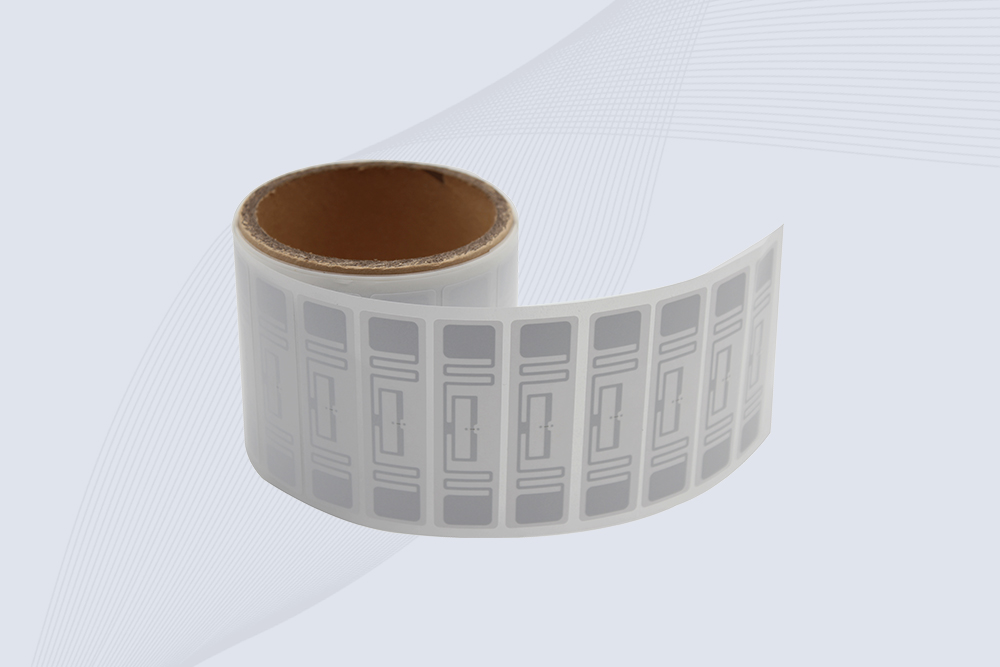
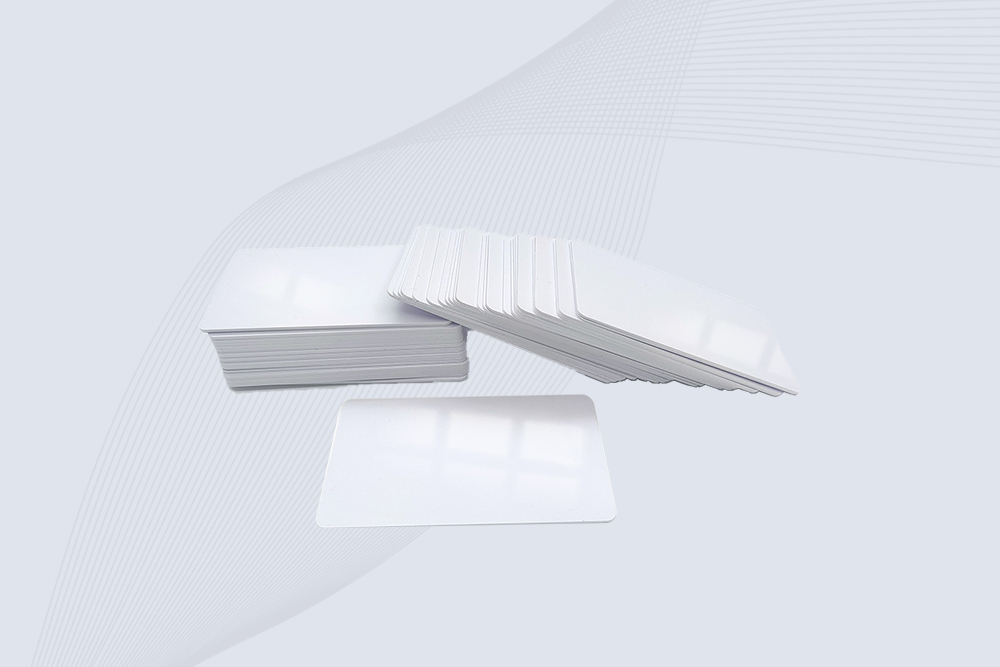
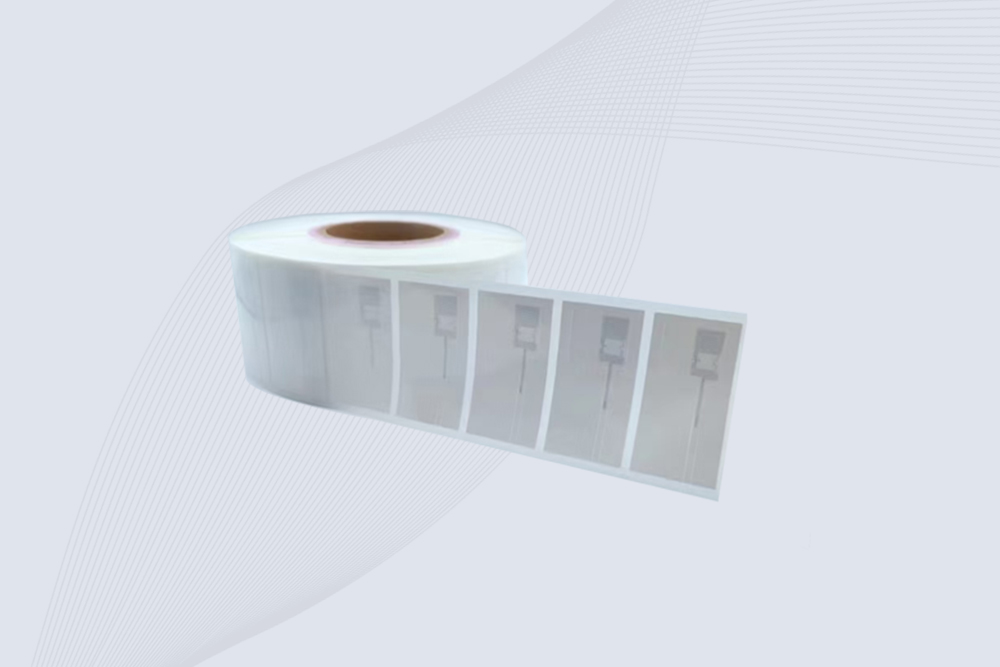
What is rfid tag number? An RFID tag number is a unique identifier stored inside an RFID tag that allows a reader system to recognize and manage a specific tagged item. It works as the digital identity of an asset, connecting physical objects with inventory, tracking, and management software.
In practical RFID deployments, the term “RFID tag number” is often used by operators to describe the unique code assigned to a tag during registration. However, the actual data structure can vary depending on the RFID standard, tag type, and application requirements.
For example, in UHF RFID systems based on EPC standards, the identifier is commonly stored as an Electronic Product Code (EPC). According to GS1, the EPC provides a standardized way to encode identifiers on RAIN RFID tags and connect physical objects with information systems. The GS1 EPC Tag Data Standard defines how EPC data, user memory information, control information, and manufacturing data are structured inside Gen 2 RFID tags.
From years of working with RFID deployment projects, I have found that many customers initially treat an RFID tag number like a barcode number. The difference becomes obvious during real implementation. A barcode requires visual scanning one by one, while an RFID reader can capture multiple tag identities through radio communication. In a library registration room, for example, a staff member can place tagged books near a desktop RFID reader and complete registration, verification, or conversion without manually aligning each label.
The challenge is not only reading a number. Reliable RFID management depends on how the tag number is created, stored, filtered, and connected with business data.
How RFID Tag Number Works in an RFID System
An RFID tag number is usually stored inside the memory area of an RFID tag chip. When an RFID reader sends radio waves, the tag responds by transmitting its stored information back to the reader.
A complete RFID identification process normally includes:
Component
Function
RFID Tag
Stores identification data and communicates through radio frequency
RFID Tag Number
Provides the unique identity of the tagged object
RFID Reader
Captures and transfers tag information
Management Software
Links the identifier with item records
The tag number itself does not usually contain all information about an object. Instead, it acts as a reference key. The connected database may contain additional details such as:
Product information
Borrowing records
Maintenance history
Location information
User authorization data
Inventory status
This structure is important in professional RFID environments because storing large amounts of business information directly on the tag is often unnecessary. The tag mainly provides fast identification, while software manages operational data.
GS1 explains that EPC and RFID are related but not identical concepts: EPC is an identifier, while RFID is the data carrier technology used to communicate that identifier.
RFID Tag Number vs EPC Number: What Is the Difference?
Many engineers and system integrators use “RFID tag number” and “EPC number” interchangeably, especially in UHF RFID applications. Technically, they describe slightly different concepts.
RFID Tag Number
An RFID tag number is a general term describing the unique identification value assigned to an RFID tag.
It may refer to:
EPC memory value
Tag serial number
User-defined identification code
Internal asset number
Database-linked identifier
EPC Number
An EPC number is a standardized identifier format commonly used in UHF RAIN RFID systems.
It provides:
Globally unique identification
Standardized encoding format
Better interoperability between RFID systems
For supply chain and asset tracking projects, EPC-based identification allows different companies and systems to exchange RFID data more efficiently. GS1 standards define EPC formats and encoding methods to support this type of interoperability.
Why Accurate RFID Tag Numbers Matter in Asset Management
During RFID implementation, incorrect tag registration is one of the issues that creates the most operational problems.
A warehouse may have thousands of tagged items. A library may manage hundreds of thousands of books. A maintenance department may track tools that move between different locations every day.
In these environments, the RFID tag number becomes the foundation of:
1. Inventory Accuracy
Each physical item needs a distinct digital identity. Duplicate or incorrectly assigned tag numbers can create false inventory records.
2. Faster Registration
A properly configured RFID registration workstation can write or read tag numbers quickly without manually entering long identification strings.
3. Traceability
When a tagged item moves through different processes, the RFID number allows the system to record events such as:
Check-in
Check-out
Transfer
Inspection
Return
4. Data Management
Professional RFID platforms often include filtering, RSSI monitoring, and batch processing functions because real environments rarely contain only one tag at a time.
Practical Experience: Registering RFID Tag Numbers with Desktop RFID Readers
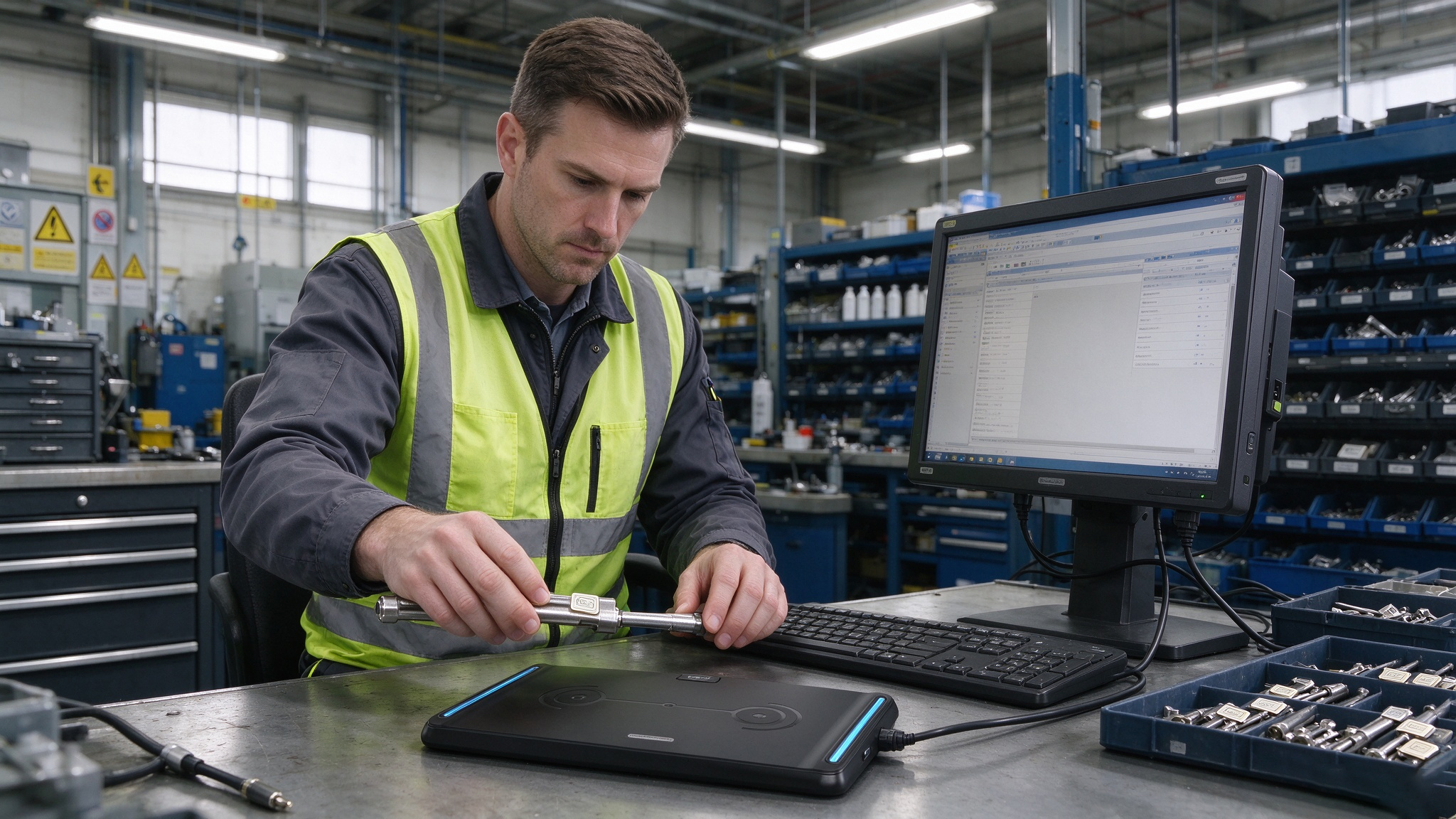
In RFID projects involving libraries, tool rooms, and textile management, desktop RFID readers are often used during the initial tagging stage.
A typical workflow looks simple:
Attach RFID tags to items.
Place tags near the desktop RFID reader.
Read the existing tag number.
Write new information if required.
Connect the tag number with management software.
However, field experience shows that the difficult part is maintaining consistency. Tags may arrive in batches from different suppliers, operators may need to rewrite identifiers, and some projects require converting existing tag data.
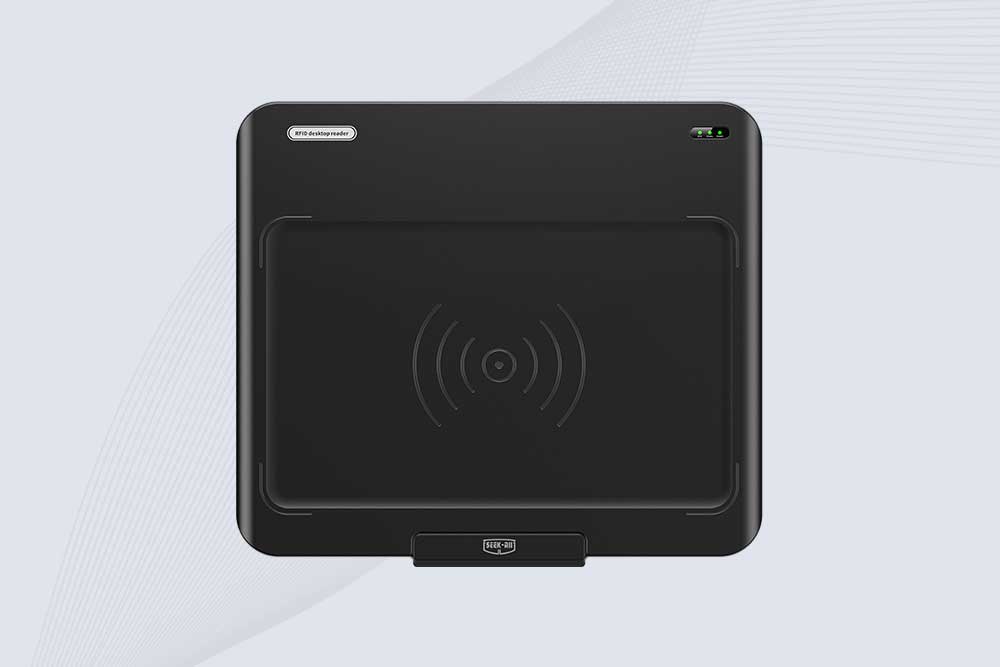
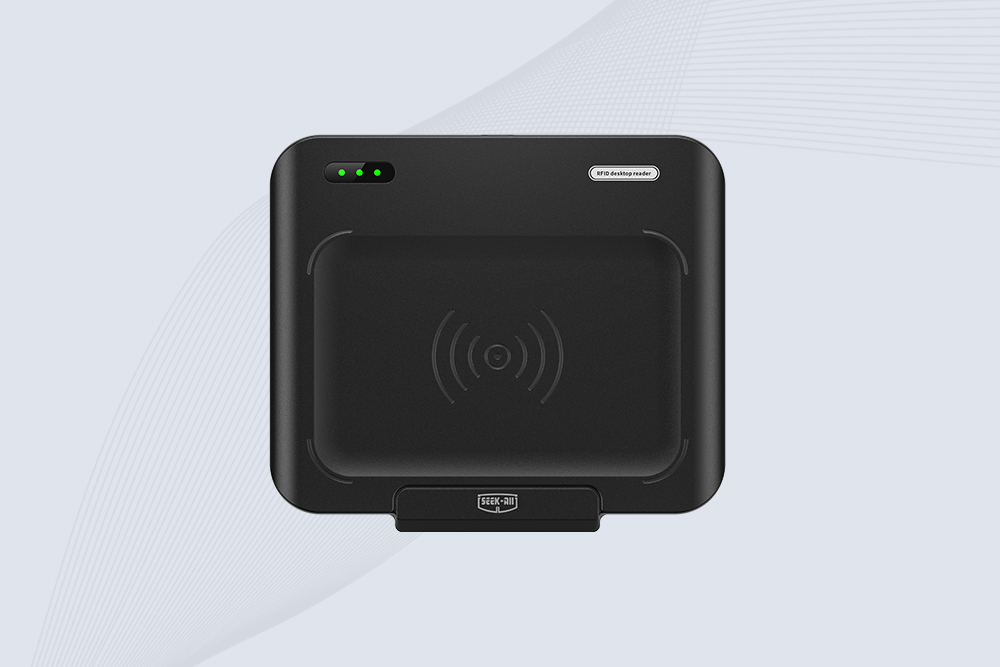
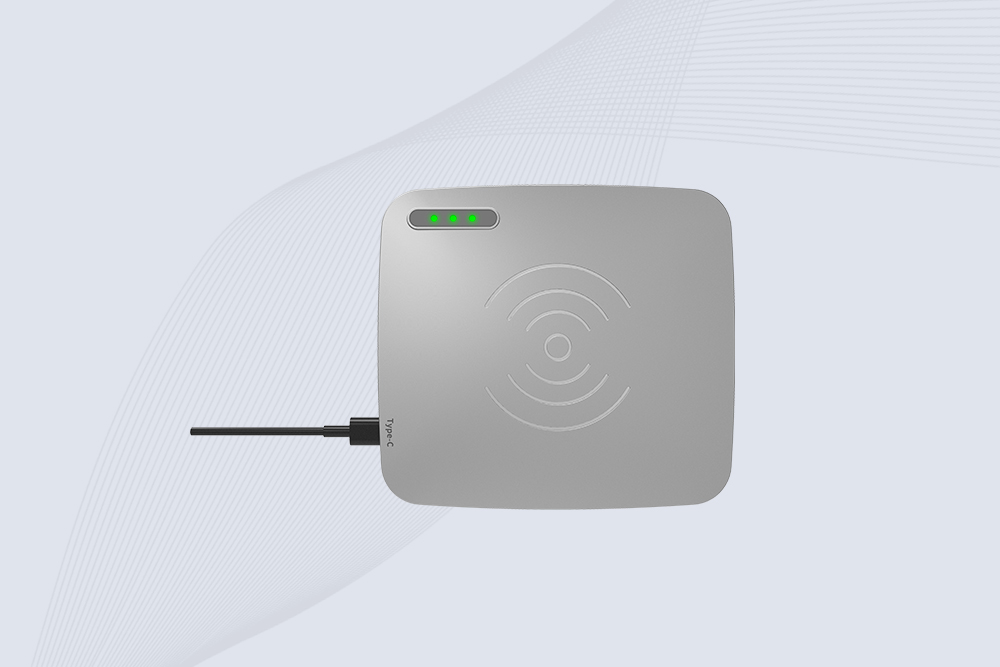
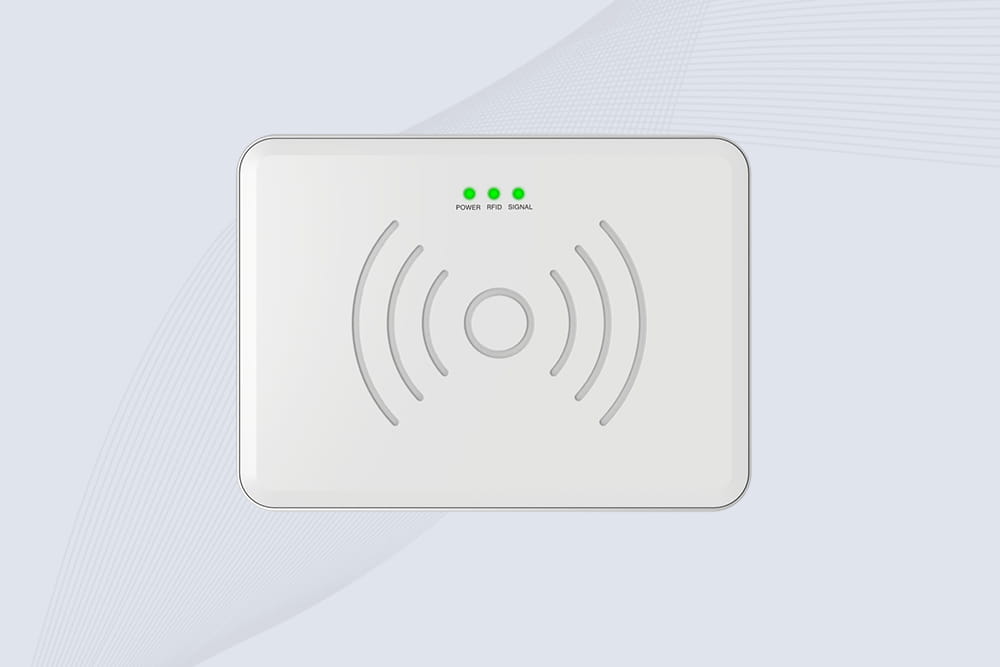
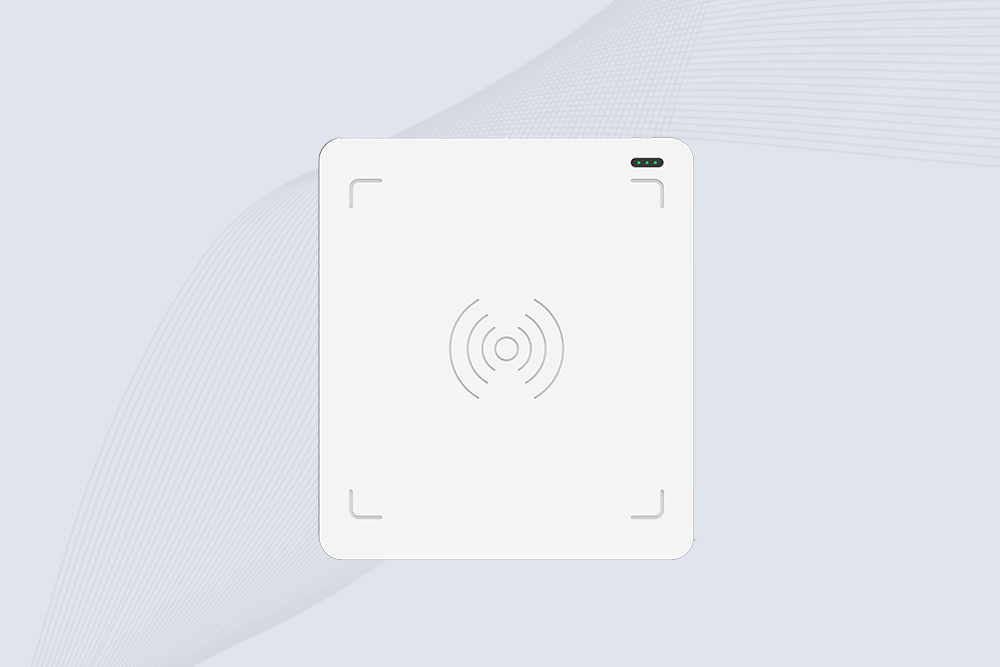
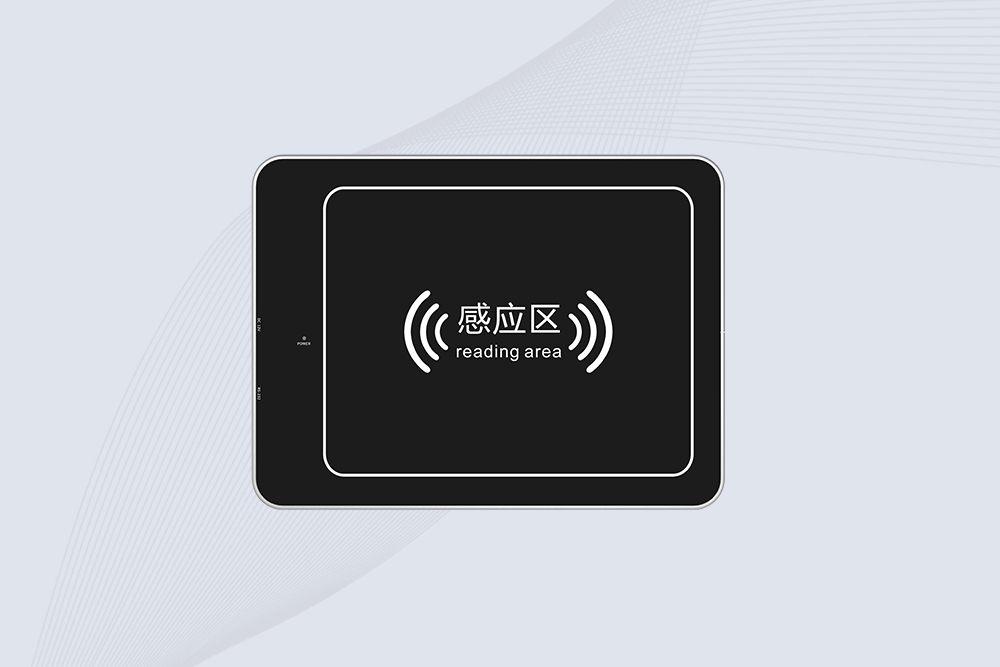
Cykeo’s UHF RFID desktop reading platform is designed for these registration-focused environments. It supports functions such as item registration, document registration, shelf label registration, item search, borrowing statistics, return records, and tag conversion.
The platform uses a high-efficiency signal processing algorithm to maintain stable reading and writing performance. With USB connectivity, administrators can quickly connect the device to a workstation. The system supports multi-tag identification, tag data filtering, RSSI signal strength detection, and near-field operation designed to keep reading distance within approximately 30 cm and writing distance within approximately 10 cm.
For tag writing tasks, the platform supports output power up to 33dBm, helping maintain stable writing performance when administrators process multiple RFID tags during daily operations.
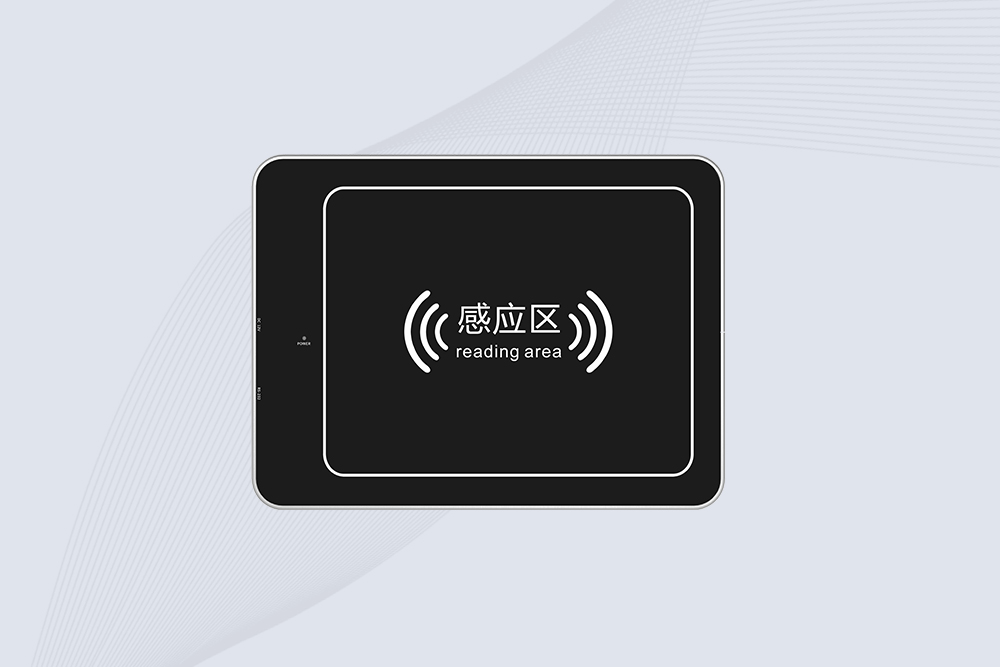
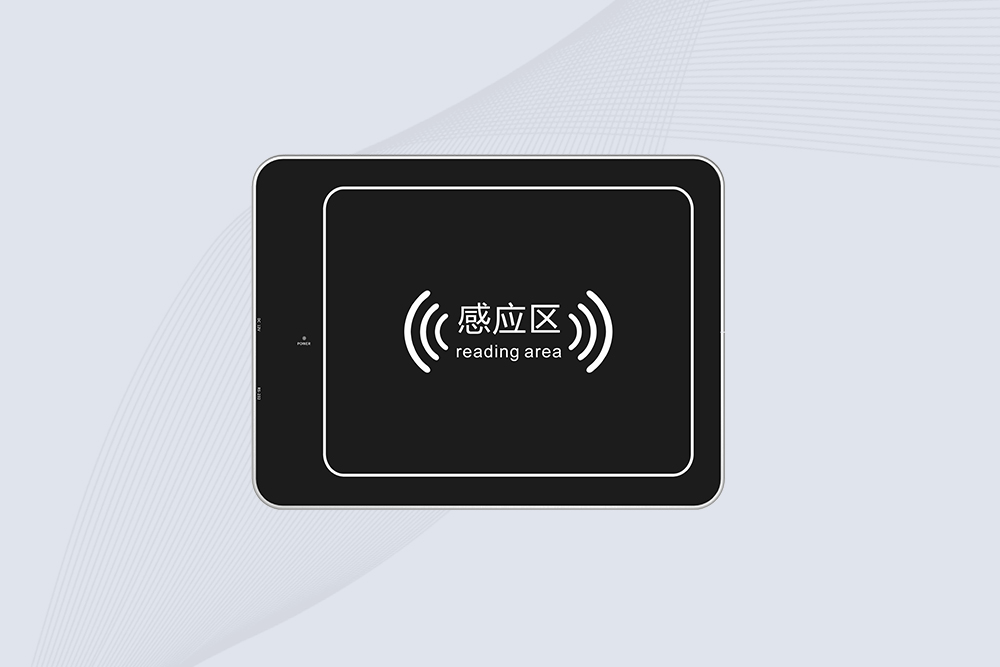
A desktop RFID reader helps administrators capture and register RFID tag numbers during library asset management.
How RFID Tag Number Management Improves Daily Operations
A well-managed RFID tag number system is not only about assigning an identifier to an object. In real business environments, the value appears when thousands of physical items can be connected with accurate digital records.
During RFID deployment projects, I have seen that the registration stage often determines the long-term reliability of the entire system. A poorly organized tag numbering process can create repeated records, missing assets, or unnecessary manual corrections later.
For example, in a tool management room, each tool may receive an RFID tag number linked with employee borrowing information. When a worker checks out equipment, the RFID system can associate the tag identity with the person, time, and transaction record. When the tool returns, the same identifier allows the system to confirm the item status.
The same principle applies to textile management. Laundry facilities, hotels, and industrial cleaning companies often attach RFID tags to reusable textile items. The RFID tag number becomes the reference point for tracking circulation, maintenance cycles, and inventory status.
Common Applications Using RFID Tag Numbers
RFID Tag Number in Library Management
Libraries are one of the earliest large-scale applications of RFID identification.
A book RFID tag usually contains an identification number connected with:
Book information
Borrowing history
Storage location
Return status
Inventory records
Instead of scanning each barcode manually, librarians can process multiple tagged books through an RFID reader. Desktop RFID reading platforms are especially suitable for registration counters because operators can complete tag reading, writing, and conversion tasks within a controlled working area.
RFID Tag Number in Tool Tracking Systems
Industrial companies often manage thousands of tools distributed across workshops, maintenance areas, and production lines.
An RFID tag number allows each tool to have an individual digital identity.
Typical management functions include:
Function
RFID Tag Number Role
Tool registration
Creates a unique equipment record
Borrowing management
Links tools with users
Return verification
Confirms correct equipment return
Inventory checking
Identifies missing items
Maintenance tracking
Records service history
In these environments, fast and reliable tag writing is important because administrators may need to process large batches of newly tagged equipment.
RFID Tag Number in Laundry and Textile Management
Textile assets often experience frequent movement between departments and locations.
Examples include:
Hotel linen
Hospital textiles
Industrial uniforms
Cleaning materials
The RFID tag number provides a stable identity even when items move through repeated washing and circulation processes.
The management system can use the identifier to record:
Current location
Usage frequency
Cleaning cycles
Replacement requirements
The physical RFID tag remains small, but the associated data history can become extensive.
How to Register and Rewrite RFID Tag Numbers
In professional RFID environments, administrators may need to create new tag records or modify existing tag information.
A typical RFID tag registration workflow includes:
Step 1: Prepare the RFID Tag
The administrator places the RFID tag within the reading area of the desktop RFID platform.
Because near-field reading controls the operating area, accidental reading of nearby tags can be reduced.
Step 2: Read Existing Tag Information
The RFID reader captures the current tag number stored inside the chip.
The system can verify:
Tag identity
Memory information
Signal strength
Read quality
Step 3: Write or Convert Tag Data
Some applications require changing tag information before deployment.
For example:
Converting temporary tags into official asset tags
Assigning new inventory numbers
Updating registration information
Step 4: Connect with Management Software
After registration, the RFID tag number is linked with business software through development interfaces.
Cykeo desktop RFID platforms provide C# and Java development materials, allowing system developers to integrate RFID functions into existing management platforms.
Technical Factors That Affect RFID Tag Number Reading Performance
Although RFID technology is designed for fast identification, actual performance depends on several environmental factors.
Reading Distance Control
A longer reading distance is not always better.
In registration environments, excessive reading range may capture unwanted tags. A controlled reading area helps administrators confirm that the correct item receives the correct RFID tag number.
Tag Density Processing
When multiple tags are placed together, collision handling becomes important.
Advanced anti-collision algorithms allow readers to identify multiple tags efficiently without reducing system stability.
Signal Strength Monitoring
RSSI (Received Signal Strength Indicator) provides information about signal intensity.
This helps operators understand:
Whether a tag is too far away
Whether a tag position needs adjustment
Whether environmental interference exists
Choosing an RFID Reader for RFID Tag Number Management
Different RFID applications require different reader designs.
For registration tasks, a desktop RFID reader is often more practical than a long-range fixed reader because administrators usually work with individual items.
A suitable RFID tag number registration platform should provide:
Requirement
Importance
Stable writing
Prevents failed tag programming
Data filtering
Reduces incorrect reads
Multi-tag identification
Supports batch processing
USB connection
Simplifies workstation setup
Development support
Enables software integration
Cykeo’s UHF RFID desktop reading platform was designed around these operational requirements. It combines near-field antenna control, high-efficiency signal processing algorithms, stable tag writing, and management functions for registration-intensive environments.
The platform supports applications including:
Library registration
Tool recording
Textile management
Asset identification
RFID tag conversion
RFID tag numbers allow companies to connect physical assets with digital inventory management systems.
Frequently Asked Questions About RFID Tag Number
What is rfid tag number used for?
An RFID tag number is used to identify individual tagged objects inside an RFID management system. It connects physical items with digital records such as inventory information, borrowing history, location data, and asset status.
Is an RFID tag number the same as a barcode number?
No. An RFID tag number and barcode number both identify products or assets, but they use different technologies. Barcode identification requires optical scanning, while RFID readers communicate wirelessly and can capture multiple tags without direct visual alignment.
Where is the RFID tag number stored?
The RFID tag number is stored inside the memory area of an RFID chip. In UHF RFID systems, it is commonly stored as EPC data according to RFID industry standards.
Can RFID tag numbers be rewritten?
Yes, many RFID tags support rewriting depending on chip type and memory configuration. RFID desktop readers can be used for reading, writing, and converting tag information during registration processes.
How many RFID tags can a reader identify?
The number depends on the reader performance, antenna design, environment, and tag configuration. Professional UHF RFID systems use anti-collision algorithms to process multiple tags efficiently.
Why is RFID tag number management important?
RFID tag number management ensures that every physical asset has an accurate digital identity. It reduces manual errors and improves tracking efficiency in libraries, warehouses, tool rooms, and textile operations.
SSD-D3AL is a USB-HID UHF RFID reader with 0–30 cm reading, 0–15 cm writing, over 600 tags/s recognition, USB plug-and-play operation and OEM Logo customization.
SSD-D1AL is a compact USB UHF RFID reader with Impinj E710/X3M1 chipset, USB-HID, 600+ tags/s recognition, 4/8/16 antenna support and plug-and-play USB power.
CYKEO CYKEO-D1LA USB RFID Reader is a compact desktop solution with near-field control for precise tag reading and encoding. Powered by USB, supporting ISO 18000-6C, and built for stable batch writing, this usb rfid tag reader fits retail, libraries, offices, and controlled RFID encoding tasks.
CYKEO CYKEO-D1L RFID scanner USB is a compact desktop UHF RFID scanner designed for short-range tag writing and verification. This usb rfid scanner supports batch encoding, stable 0–26 dBm output, and works across Windows, Linux, and Android systems.
CYKEO CYKEO-D1C USB RFID Card Reader is a near-field UHF desktop writer designed for secure, short-range tag encoding. With USB-C connectivity and stable 26 dBm output, this rfid reader usb c is ideal for badge issuance, label encoding, and controlled desktop RFID workflows.
CYKEO CYKEO-D2L RFID Reader USB is a compact desktop encoder built on the Impinj R500 chip. With near-field control and stable USB power, this usb rfid card reader delivers precise tag writing for offices, retail counters, and small-scale logistics encoding tasks.
CYKEO CYKEO-D3L USB RFID Tag Reader delivers stable UHF tag reading and writing for daily desktop and light industrial tasks. Designed for controlled short-range operation, this USB RFID Tag Reader works reliably with rfid tag and reader systems in libraries, tool tracking, and inventory registration.
The CYKEO CYKEO-D4L UHF RFID Tag Reader is a stable Desktop RFID Reader designed for accurate tag registration, borrowing, and return workflows. Built with the Impinj R2000 chip, this UHF RFID Tag Reader delivers controlled short-range reads for libraries, asset tracking, and inventory management environments.
The CYKEO CYKEO-D5L Desktop RFID Card Reader is a stable UHF RFID Card Reader designed for controlled short-range reading and writing. Built for libraries, tool rooms, and asset desks, this UHF RFID Card Reader supports dense tag handling, secure data processing, and easy USB integration.
The CYKEO CYKEO-D6L RFID Reader Writer is a heavy-duty Desktop RFID Reader designed for short-range, high-accuracy tag programming. Built for libraries, labs, and asset desks, this RFID Reader Writer supports batch processing, stable 33dBm output, and seamless integration with existing management systems.
Cykeo CYKEO-D8A embedded RFID badge reader offers 30+ tags/sec scanning, 20cm anti-crosstalk precision, and DC 12V power for unmanned stores, warehouses, and smart inventory systems.
Cykeo’s CYKEO-D8C UHF RFID gate reader achieves 200-tag/batch scanning with adjustable power control, ideal for retail inventory and smart warehouse management.
CYKEO Passive RFID Tags are made for wet and high-humidity environments where standard labels do not last. This rfid passive tag is often used around liquids, chemicals and temperature changes, providing stable reading distance and long data life for industrial tracking.
CYKEO CYKEO-PCB1504 Metal RFID Tags is a compact anti-metal UHF RFID solution built for direct mounting on metal surfaces. With stable 8-meter read range, Ucode-8 chip, and long data retention, this rfid metal tag fits tools, containers, automotive parts, and industrial asset tracking.
CYKEO CYKEO-PCB7020 On-Metal RFID Tags are designed for reliable tracking on steel and metal surfaces. Built with an FR4 epoxy body and industrial-grade chips, these On-Metal RFID Tags deliver stable performance, long data life, and chemical resistance, making them a dependable RFID anti-metal tag for harsh environments.
The CYKEO CYKEO-60-25 Anti-Metal RFID Tag is built for metal surfaces where standard tags fail. Designed for long-range performance, harsh environments, and stable data retention, this Anti-Metal RFID Tag is ideal for industrial assets, containers, and equipment tracking using on metal RFID tags.
The CYKEO RFID Laundry Tag is designed for long-term textile identification in harsh laundry environments. Built to withstand high heat, chemicals, and repeated washing, this RFID Laundry Tag delivers stable performance for hotels, hospitals, and industrial laundry operations using laundry rfid tags at scale.
The CYKEO CYKEO-125-7 RFID Book Tag is designed for reliable book and document tracking in libraries and archives. This RFID Book Tag delivers long read range, dense placement support, and stable performance on shelves, making it a practical rfid tag on books for library automation, file management, and archival systems.
CYKEO RFID tags in hospitals are designed for sterile environments where accuracy matters. These autoclavable RFID tags support long-term tracking of surgical tools, implants, and medications, helping hospitals improve visibility, compliance, and patient safety.
CYKEO RFID Cable Tie Tag is built for reliable identification on metal surfaces. This UHF RFID Cable Tie Tag is widely used in rfid tags for inventory systems, industrial asset management and Hospital RFID Tags, offering stable read performance, long service life and global EPC Gen2 compatibility.
CYKEO RFID Asset Tag is designed for stable identification of metal assets in industrial environments. This UHF RFID Asset Tag is commonly used for rfid tag asset tracking on equipment, tools and containers, providing reliable reads, long service life and ISO/IEC 18000-6C support.
CYKEO UHF RFID Card is designed for fast identification and long-term use in industrial and commercial systems. Supporting ISO 18000-6C, this UHF RFID Card works at 860–960 MHz and is suitable for custom RFID cards used in asset tracking, access control and inventory management.
CYKEO HF RFID Cards are designed for secure and stable access control systems. These 13.56 MHz RFID key cards support ISO 14443-A, reliable rewriting and long service life, making HF RFID Cards suitable for offices, campuses, events and membership management.
CYKEO UHF RFID Tag is designed for reliable tracking of metal jewelry and high-value items. This Jewelry RFID Tag supports long-range reading up to 8 meters, anti-counterfeit protection and stable performance on metal, making it suitable for retail, inventory control and asset management.
Discover how portable RFID scanners help retail stores perform faster inventory counts, reduce stock discrepancies, and improve real-time product visibility across shelves and backrooms.
Learn how RFID tool cabinet reporting tracks tool usage, locations, checkout history, inventory status, users, and exceptions across industrial operations.
Discover how weatherproof RFID antennas enhance outdoor asset tracking accuracy in harsh conditions. Learn about durability, performance, and cost-saving benefits for industries like construction and logistics.
Trying to understand what an RFID Intelligent Police Equipment Cabinet really solves? This real-world breakdown covers police gear management, law enforcement storage workflows, keyless RFID locker systems, and smart cabinet setups — including wha...
 Cykeo RFID IoT Solution Products R&D Manufacturer