 Cykeo RFID IoT Solution Products R&D Manufacturer
Laundry RFID Tags for Automated Linen Tracking and Laundry Management
54Discover how laundry RFID tags improve linen visibility, automate inventory counts, reduce losses, and streamline laundry operations with Cykeo RFID solutions.
MoreAll RFID Product
Walk into any busy warehouse, hospital, or airport today, and you’ll notice something subtle but revolutionary — things are finding themselves. Not through magic, but through small, almost invisible devices quietly pulsing data through the air. These are RFID tracking devices, the unsung heroes of modern logistics and asset management.
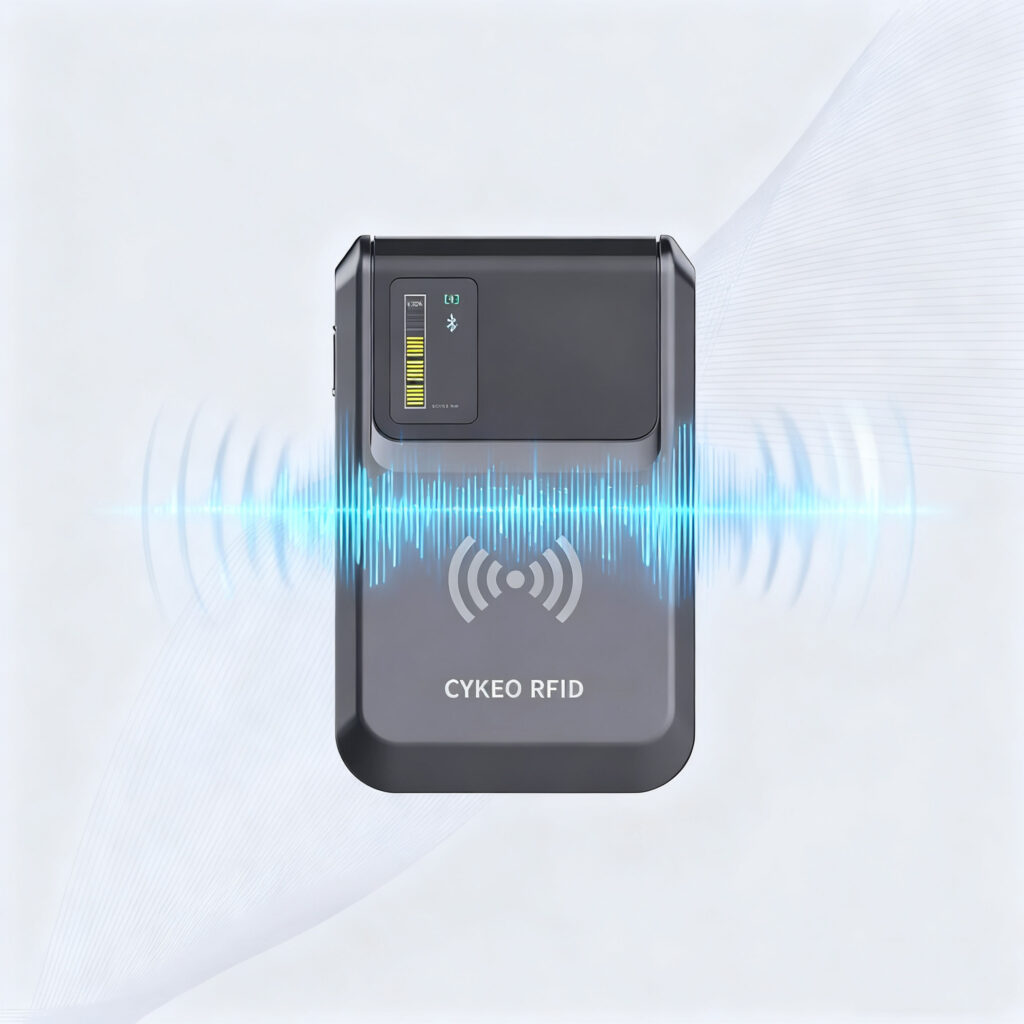
Every RFID system starts with one simple but powerful idea — give every asset a digital identity.
RFID tracking devices, whether embedded in a label or bolted onto a machine, store a unique code that can be wirelessly read by an RFID reader. No barcode scanners, no manual entry — just radio waves bouncing through space, identifying dozens or even hundreds of items in seconds.
It sounds high-tech, but the beauty is in its simplicity. You stick a tag on a toolbox, a laptop, or a shipment pallet, and suddenly that object becomes part of a live data ecosystem. The tag doesn’t need a battery if it’s passive; it simply wakes up when an RFID reader sends a signal nearby, responds with its ID, and goes back to sleep.
That’s why warehouses can scan entire shelves at once, and why hospitals can locate critical equipment without running from room to room.
Let’s strip away the jargon. Think of it as a conversation:
This interaction happens at high speed and can cover several meters, depending on the type of device and antenna setup.
In busy environments — like a production floor or logistics hub — this means workers don’t have to scan each item individually. The system quietly collects all the data in the background, feeding it to a database where location, status, and usage history are updated in real time.
If you’ve ever spent hours searching for misplaced tools or equipment, RFID technology feels like a miracle.
But the real benefits go deeper:
That’s not just convenience; it’s operational intelligence. RFID tracking devices turn “we think it’s somewhere in the building” into “it’s on shelf B3, scanned 14 minutes ago.”
Of course, not everything about RFID is plug-and-play.
RFID tracking devices don’t perform well in every environment. Metal surfaces can reflect radio waves, liquids can absorb them, and dense materials can block them entirely. Choosing the right tag type — one built for your conditions — matters more than the technology itself.
Then there’s placement. Tagging every asset is one thing; knowing where to tag it is another. A misplaced tag can mean no reads at all. In the real world, this means testing, retesting, and sometimes a little creative engineering (like embedding tags into plastic handles or mounting them on brackets).
And finally, the human factor. A new system is only as good as the people using it.
Training teams to trust automation — to let the devices do the counting — can take time. But once they experience the efficiency firsthand, there’s no going back.
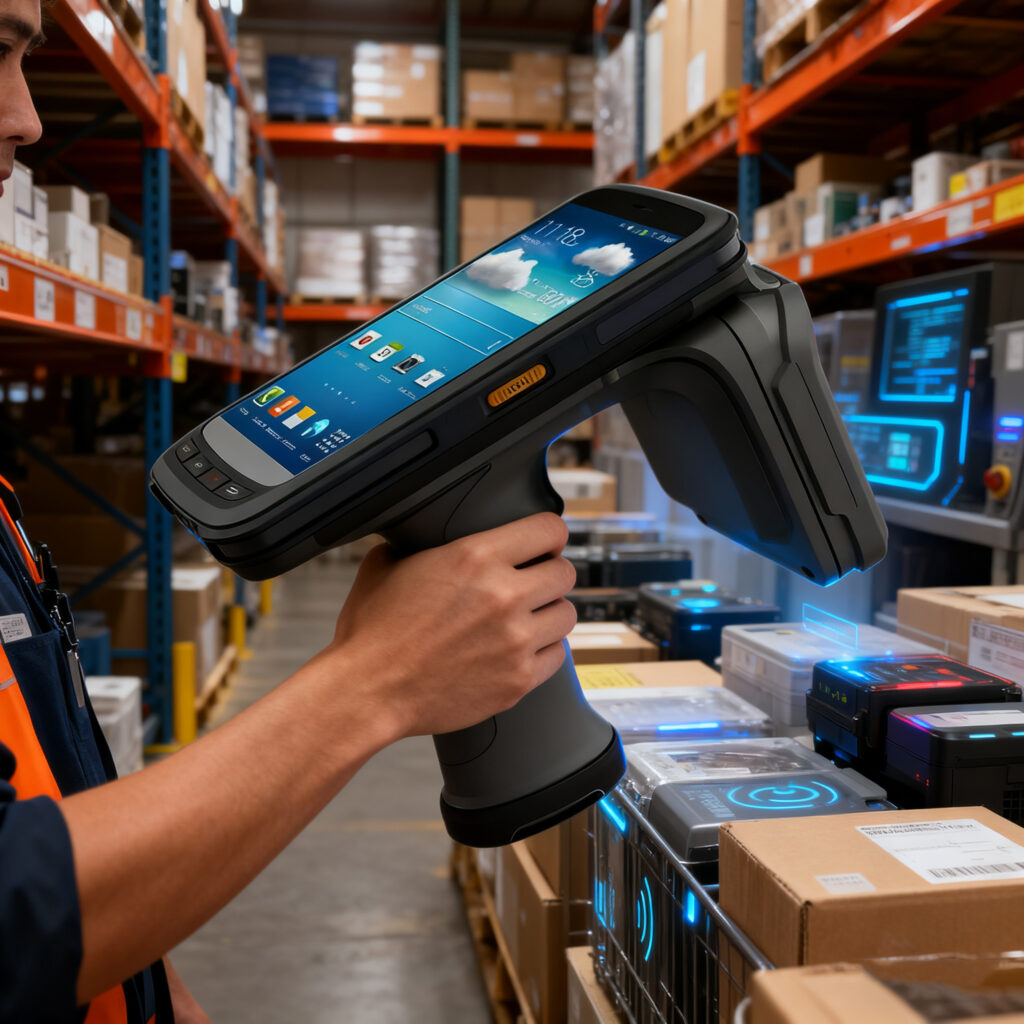
What’s exciting about RFID tracking devices isn’t just knowing where things are — it’s knowing how they move.
Imagine coupling RFID with sensors that detect temperature, humidity, or motion. Now you’re not only tracking assets; you’re monitoring their health, usage, and even potential failure.
For manufacturers, this means real-time insights into production flow. For logistics operators, it means visibility from dock to destination. For everyday users, it’s the quiet assurance that their assets aren’t just labeled — they’re alive in the data stream.
The future isn’t about tagging more things; it’s about making the tagged world more intelligent.
RFID tracking devices are the invisible infrastructure of modern operations. They don’t shout for attention, but they make everything else run smoother — from asset security and inventory control to predictive maintenance and workflow automation.
In an age where data is the new currency, RFID isn’t just another tech acronym.
It’s the bridge between the physical and the digital — between “where it is” and “what it means.”
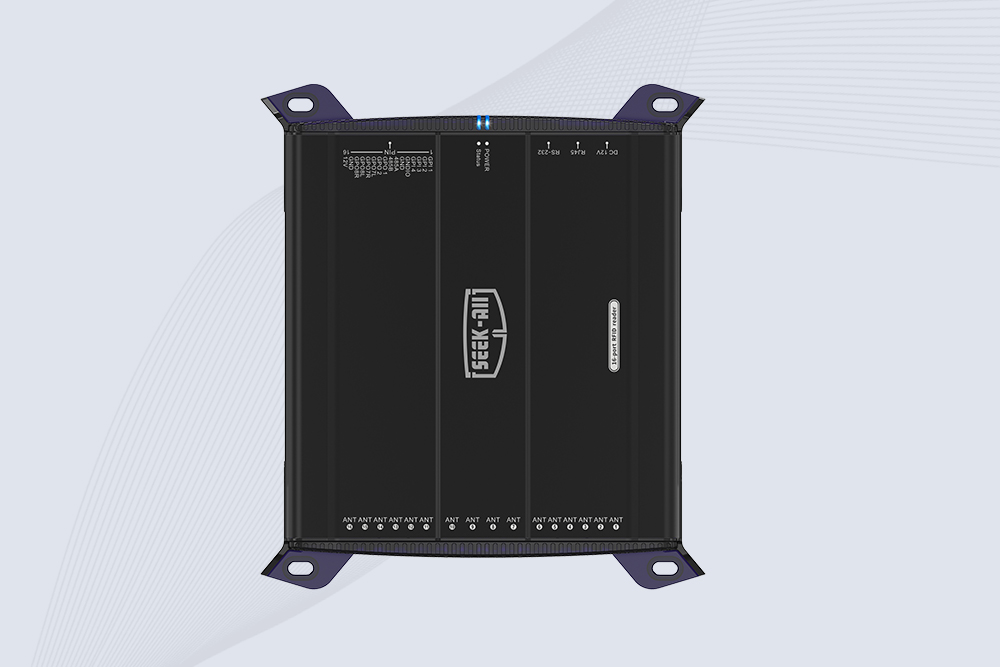
SSD-R16L Multi-Channel RFID Infrastructure for Automated Inventory Management ✔️ 16-Port High-Density RFID Reading Equipped with 16 SMA antenna ports, SSD-R16L supports multi-antenna deployment for warehouses, retail stores, logistics, production lines, and large-area RFID identification. ✔️ High-Speed & Long-Range Performance With up to 33…
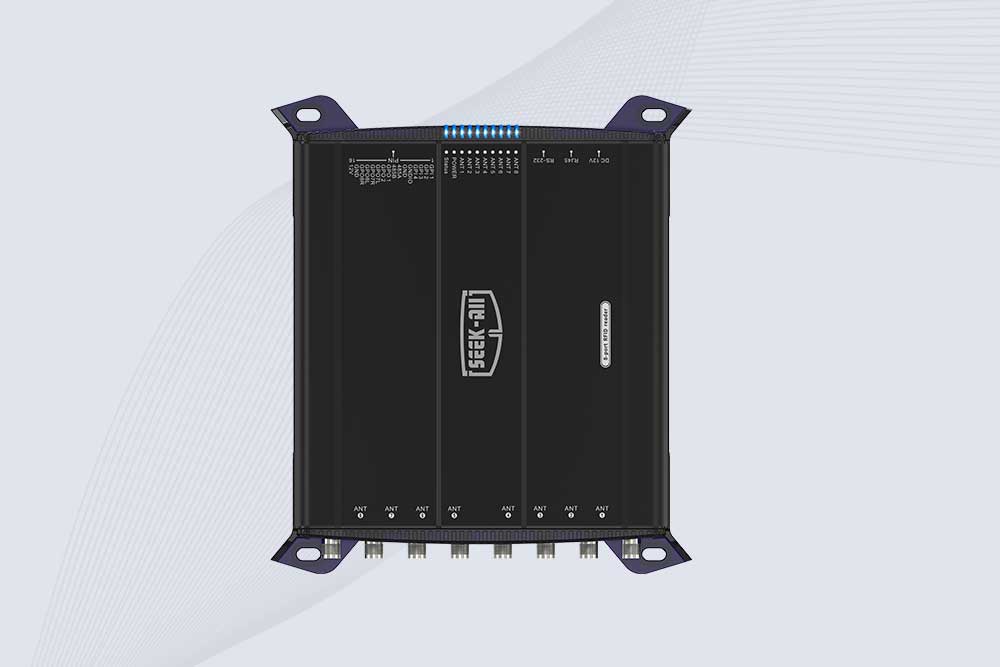
SSD-R8L 8-port UHF RFID reader with 33dBm output, up to 20m reading range and 600+ tags/s recognition. Ideal for warehouse, logistics, retail and asset tracking.
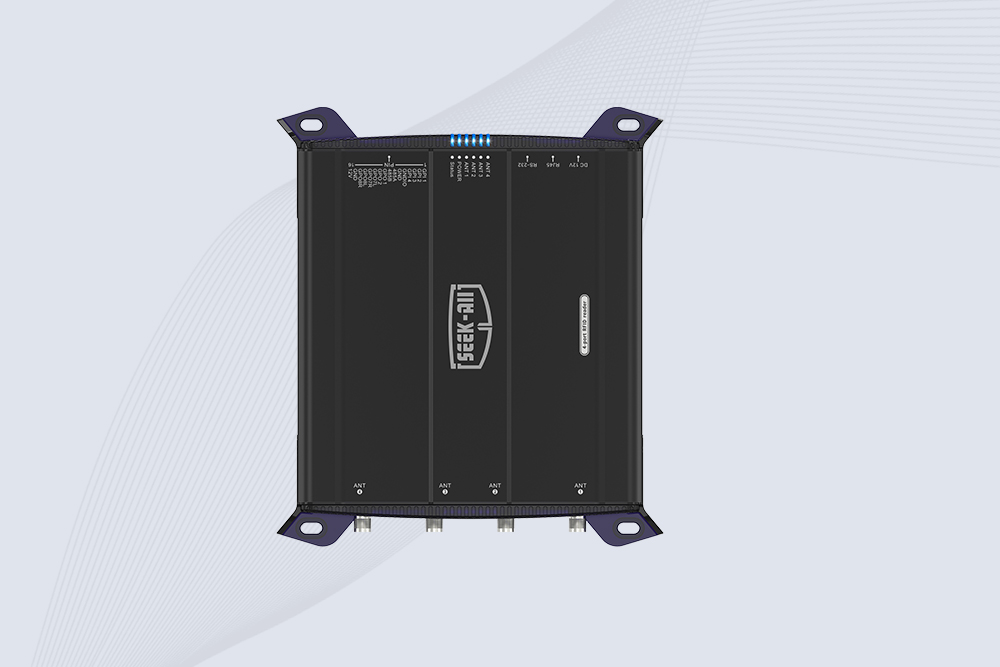
SSD-R4L is a 4-port UHF RFID fixed reader with 33dBm output power, up to 20m reading range, EPC C1G2 support and 600+ tags/s reading speed.
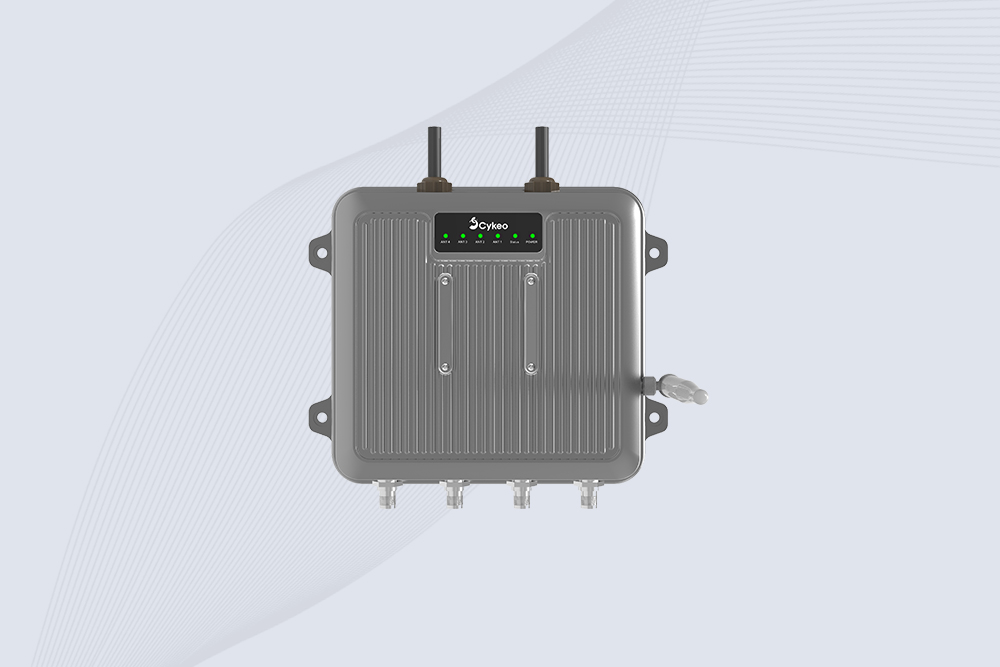
Cykeo CYKEO-C1 industrial Forklift RFID Reader features 20m read range, 600 tags/sec scanning, Impinj R2000 chipset, and IP67 rugged design. Ideal for warehouse logistics and manufacturing. Supports ISO 18000-6C/6B protocols.

Discover how laundry RFID tags improve linen visibility, automate inventory counts, reduce losses, and streamline laundry operations with Cykeo RFID solutions.
More
See how CYKEO UHF RFID Fixed Reader enables seamless system integration. Perfect for developers and solution providers needing secondary development, it fits logistics, manufacturing, access control, and asset tracking projects.
More
What's the real cost of an RFID file tracking system? Get transparent 2025 pricing ranges, key cost factors, and ROI insights for businesses. No surprises.
More
Wondering, "Do all state ID have RFID antenna?" We clarify the common confusion between RFID, contactless chips, and barcodes used in modern driver's licenses.
More