 Cykeo RFID IoT Solution Products R&D Manufacturer

was ist ein rfid? A Practical Guide to Radio Frequency Identification
75RFID (Radio Frequency Identification) uses radio waves to identify objects through electronic tags and readers. It supports automated identification, invento...
MoreAll RFID Product
“RFID technology” is a single phrase covering five quite different capabilities, and that’s the reason so many buying conversations go sideways. One person means “a handheld that counts stock faster”. Another means “a system that knows where every pump is in the building”. Both are called RFID, both are UHF, and the hardware, software and budget for each are nothing alike.
The technology itself is straightforward: a passive UHF tag (860–960 MHz) carries an ID; a reader sends energy, the tag reflects a modulated answer, and software turns that read into a business event. What varies is how much you ask the system to do with that event.
This article lays the technology out as a ladder of five rungs — identify, count, track, locate, sense — and shows what changes at each step. Most operations need rung two. Some are sold rung four and never get there.
| Rung | The business question it answers | Hardware that changes | Typical cost |
| 1. Identify | “Is this the item I think it is?” | Handheld or desktop reader | 600–2,500 |
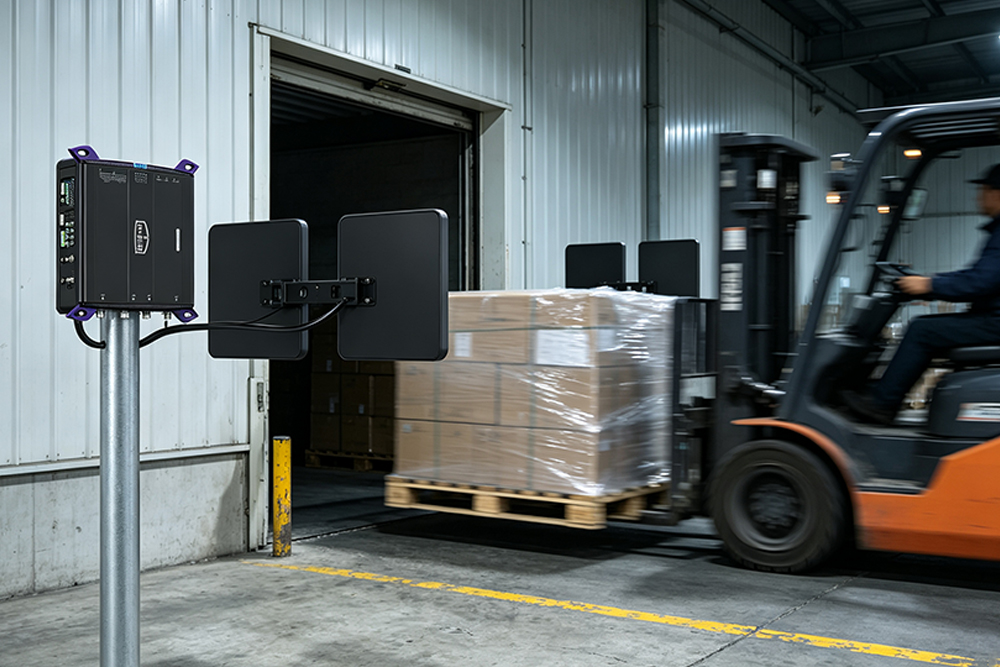
| 2. Count | “How many are here, right now?” | Handheld, portal, or tunnel | 2,000–6,000 |
| 3. Track | “When did it move, and from where?” | Several read points + middleware | 8,000–25,000 |
| 4. Locate | “Which zone is it in?” | Zone readers + location software | 15,000–60,000 |
| 5. Sense / verify | “Is it genuine, or still in spec?” | Sensor and authenticated tags | 5–25 per tag |
Each rung is explained below, including the specific way it usually fails. Read the one you’re considering, then read the rung below it — most projects are one rung less ambitious than the brief suggests.
Four parts, and only one of them is clever:
The air interface is standardised (EPC Gen2 / ISO 18000-63, the basis of RAIN RFID), which is why tags from one supplier generally work with readers from another. If you want the components in more depth, what the RFID system consists of covers the four layers; here we care about what you build on top of them.
What it is: a reader confirms “this is item X”. A single scan, a single record.
Hardware: a handheld reader or a desktop unit; standard labels. Data you get: the ID, once, at the moment someone chose to read it. Typical cost: 600–2,500 for a handheld; 0.05–0.15 per label. Where it dies: nowhere, usually — it’s the safest rung. The failure mode is strategic: people stop here and assume they’ve “done RFID”, when all they’ve automated is a barcode scan without the aiming.
If this is your goal, the honest question is whether a barcode would do the same job for less. It often would.
What it is: the reader captures a population. A shelf, a carton, a rack, a pallet — dozens to hundreds of IDs in one sweep.
Hardware: handheld for counting; fixed reader plus antennas for a doorway; a tunnel if items move on a conveyor. Data you get: a count and a list, in seconds instead of minutes. Typical cost: 2,000–6,000 per portal; 600–2,500 for a handheld. Where it dies: read rate. Missed tags turn a count into an estimate, and an estimate into a recount. Dense metal, liquid, tags facing the wrong way and antennas pointed at the wrong volume all show up here — which is why on-site testing beats any datasheet claim.
This is the rung where RFID pays for itself most often: cycle counts, receiving verification, dispatch checks.
What it is: the same read, but recorded at known places, so the tag accumulates a history. “Received Tuesday 09:14 at Dock 3; moved to Bay 12 Thursday; shipped Friday.”
Hardware: several read points, plus middleware and a database that respects time and location. Data you get: a movement history, not just a count. Typical cost: 8,000–25,000 for a multi-point deployment, integration included. Where it dies: in the software layer. A read is not an event until something decides which event it is. Duplicate reads, reads from the neighbouring bay, and reads of items that never left the truck all have to be handled by rules — and that’s the part nobody budgets for.
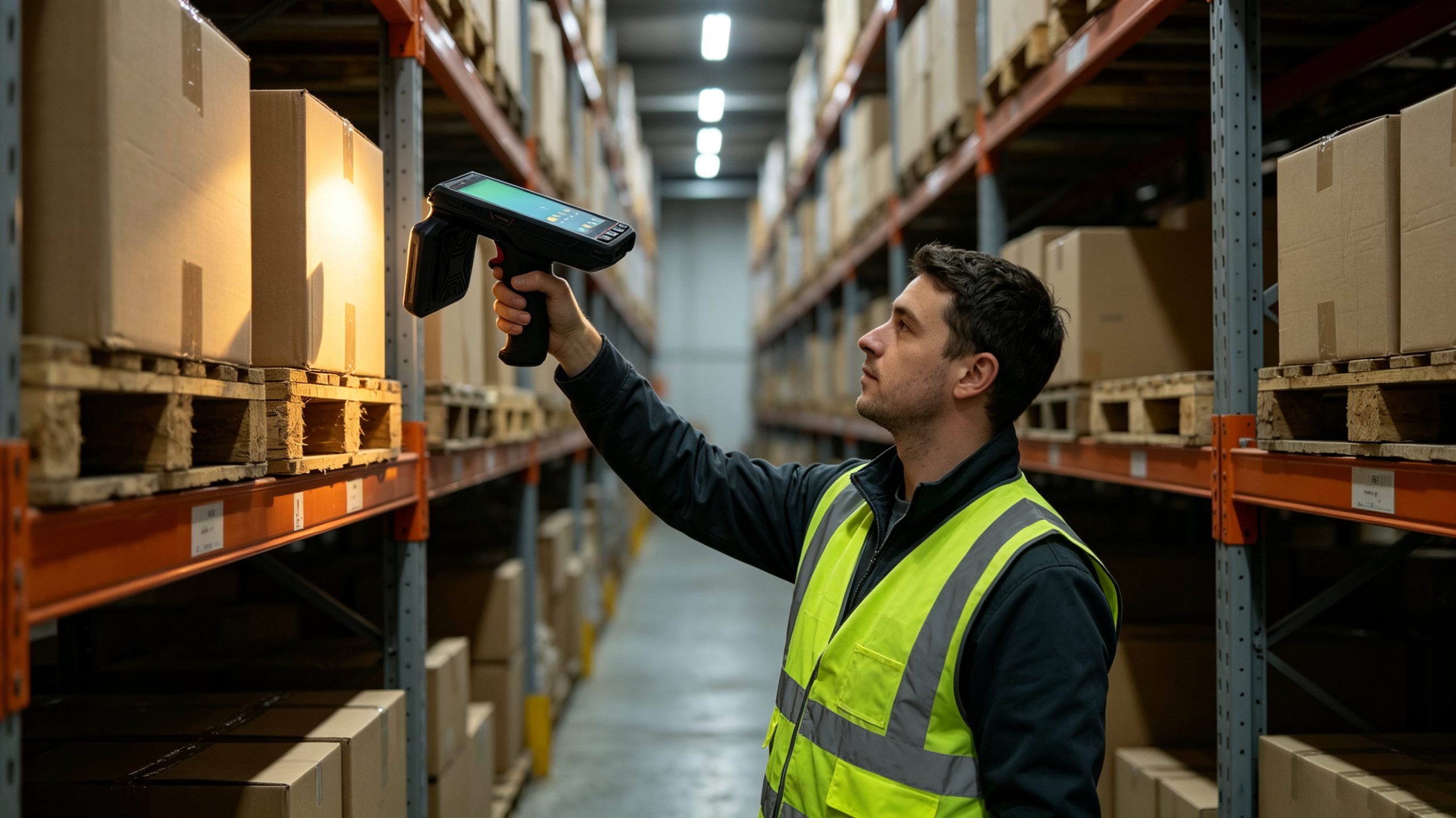
What it is: the system can say roughly where a tagged item is right now — which room, which bay, which yard zone. Not centimetres; zones.
Hardware: readers with antennas covering defined areas, usually several per site, plus software that maintains a “last seen at” model. Data you get: presence by zone, with a timestamp. Typical cost: 15,000–60,000 per site, highly dependent on building geometry. Where it dies: expectations. Zone-level presence is not real-time location. If someone needs “within one metre, continuously”, that’s a different technology class (UWB), and no amount of UHF tuning will deliver it. Being clear about this before the purchase is the single biggest favour you can do your project.
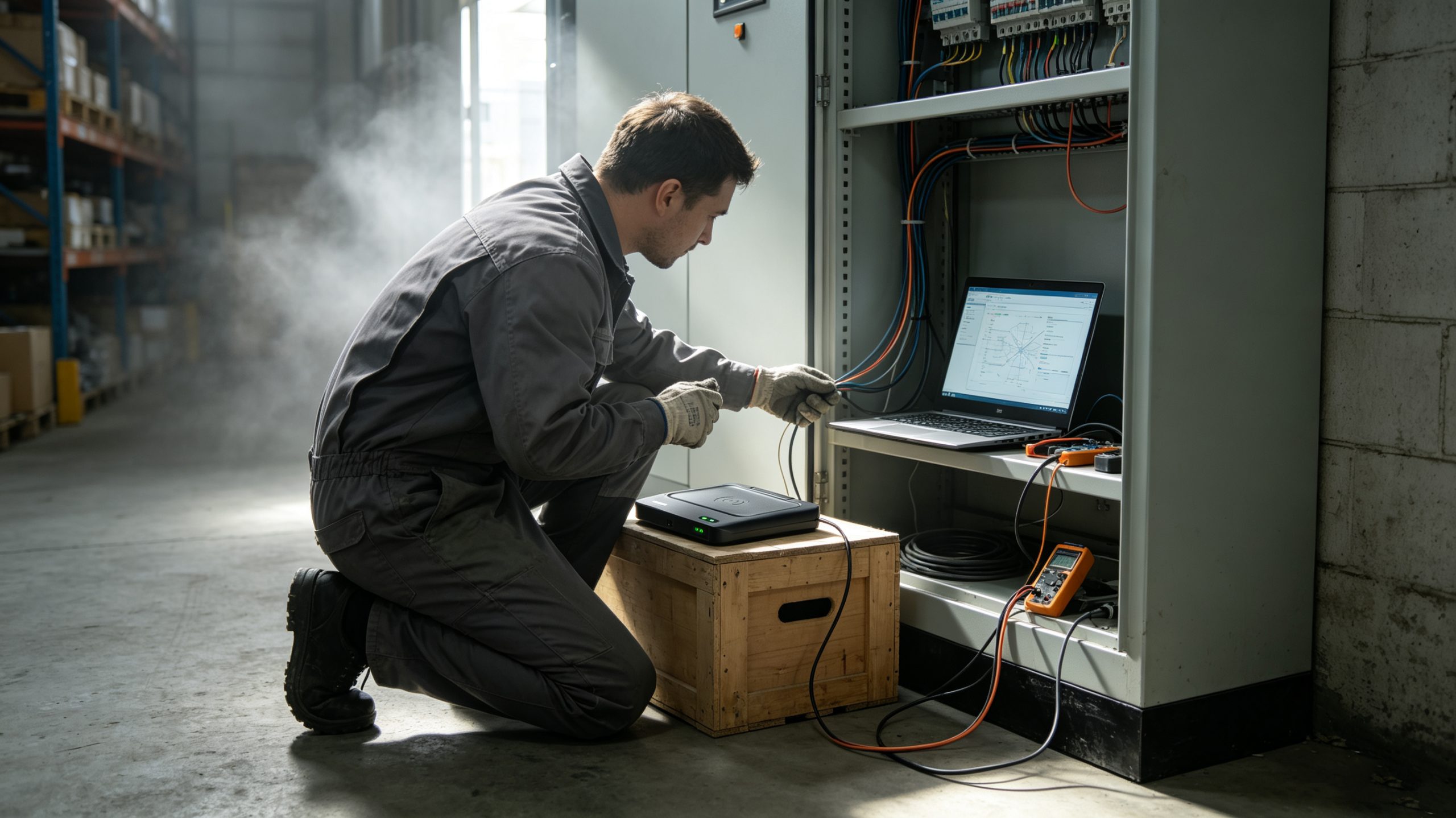
What it is: the tag carries or generates additional information — temperature, tamper status, or a cryptographic proof of authenticity.
Hardware: specialty tags (sensor tags, tamper-evident designs), plus the same readers in most cases. Data you get: condition and trust, not only identity. Typical cost: 5–25 per tag for sensor or authenticated variants — orders of magnitude above a label. Where it dies: in the arithmetic. Sensor tags are usually only justified where a single excursion (a spoiled pallet, a counterfeit batch) costs more than the whole tagging programme.
None of these five capabilities is new. What changed is that rungs two to four became commercially ordinary:
The physics did not change. That’s the next section, and it’s the one that decides whether any of this works in your building.
Four constraints, all of them older than the standards:
Every one of these shows up as “the technology doesn’t work” in a project review, and every one of them is solvable with tag choice, antenna placement and testing — which is why the pilot is not optional.
| What you actually need | Rung | Minimum kit |
| Faster stock counting | 2 | Handheld + labels |
| Automatic receiving / shipping | 2 | Portal at the door |
| Know when an item moved, and from where | 3 | Several read points + middleware |
| Find equipment somewhere in a building | 4 | Zone readers + location software |
| Prove condition or authenticity | 5 | Sensor or authenticated tags |
One warning: each rung costs roughly three to five times the one below it, and each adds a system that must be maintained. Climbing two rungs at once is the most common way to spend a budget and get nothing running.
The ladder is easier to see as a sequence than as a menu. A mid-size 3PL, 8,000 pallet positions, two dock doors:
Year 1 — rung 2. Two handhelds and 20,000 pallet labels. Cycle counts drop from a two-day quarterly exercise to a four-hour monthly one. Cost: roughly $8,000 including tags. Nothing is integrated yet; counts are exported by hand. This is deliberate — the point of year one is to learn how the tags behave on this site’s product mix.
Year 2 — rung 2 plus one read point. A portal at the inbound door, 4,000–5,000 installed, wired to the WMS so receiving becomes automatic. The handhelds stay for counting and exception checks. Most deployments stop here permanently, and that is a perfectly good outcome.
Year 3 — rung 3. A second portal at dispatch plus middleware that maintains event history. Now the site can answer “when did this pallet leave, and on which trailer” without asking anyone. Cost: another 8,000–12,000, most of it integration.
Notice what didn’t happen: no step tried to reach rung 4. Zone-level location would have cost more than the first three years combined and answered a question this operation never asked. The ladder is not a maturity model — climbing higher is only correct if the business question requires it.
Whatever rung you’re buying, the test is the same and takes an afternoon:
Write the results down and put them in the purchase specification. A supplier who receives “90% read at 1.8 m, edge-on, on steel shelving” will quote a tag that can meet it. A supplier who receives “needs 8 metres” will quote whatever is in stock.
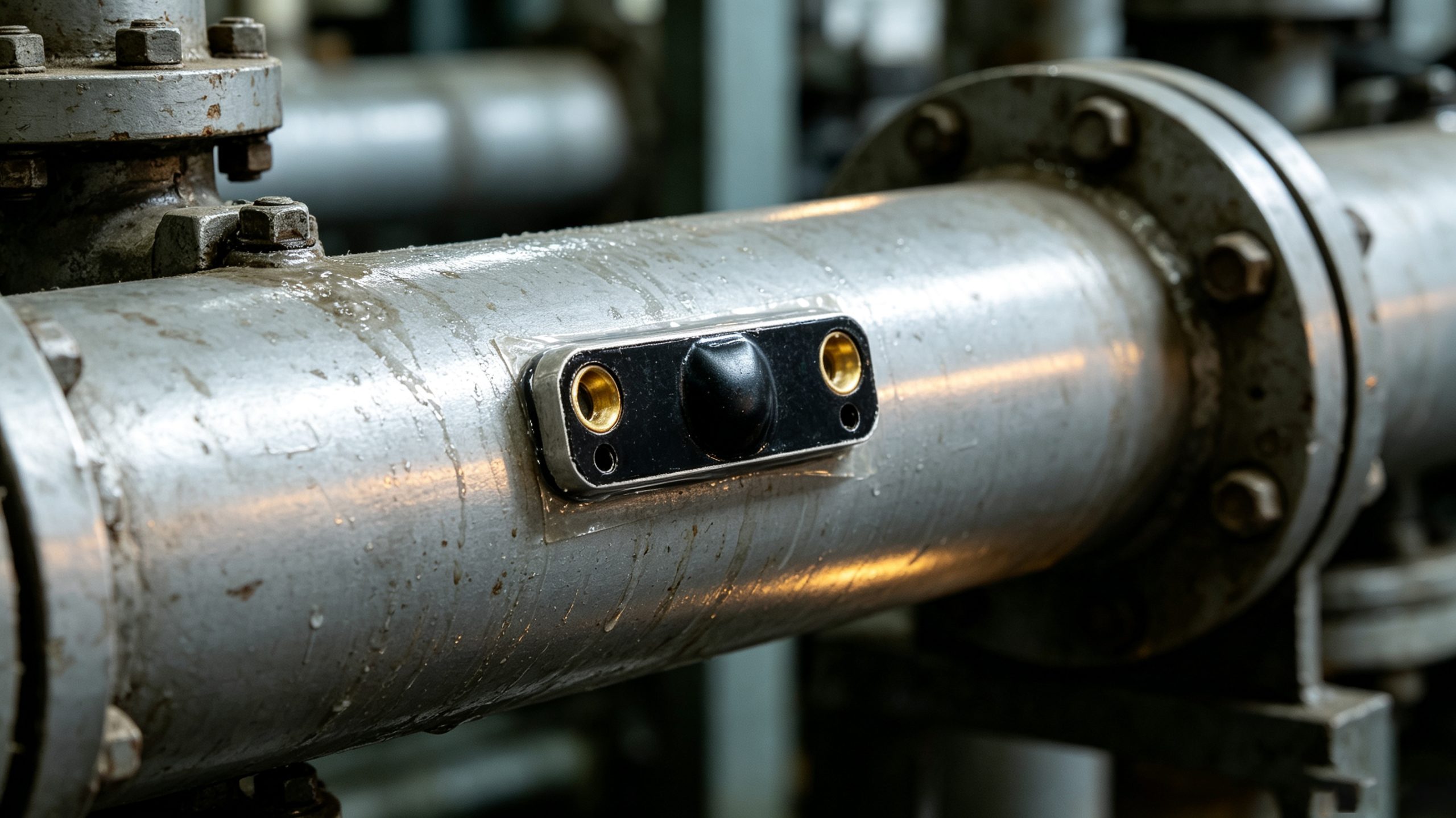
Reading the maximum range as the working range. “Up to 10 metres” describes one tag in free air at full power. In an aisle with product, expect well under half.
Buying hardware before defining the event. A reader that reports 4,000 reads an hour is useless if nobody defined what “received” means. Decide the event first; the hardware list follows almost automatically.
Treating tags as consumables and buying on price alone. The tag is 5–10% of the project cost and roughly 90% of the read performance. Saving $0.03 per label is the most expensive decision in the budget.
Hedged deliberately, because predictions age badly: the visible direction is toward tags that carry context (sensor and authentication variants getting cheaper), readers that push processing to the edge rather than a central server, and software that treats exception handling as a first-class feature rather than a report. None of that changes the four physical constraints above — so the useful planning assumption remains: build for the rung you need now, and keep the read points you install able to serve the next one.

RAIN RFID refers specifically to passive UHF systems following the GS1 EPC Gen2 standard — the technology used for inventory and asset tracking. It’s the main branch of RFID, not the only one.
For the passive systems covered here, 860–960 MHz, with the exact band set by region: 865–868 in Europe, 902–928 in North America, 920–925 in China.
No, and that’s its main advantage over printed codes. It does still need the tag to be inside a properly designed read zone.
Above 99% is achievable in a well-engineered zone with suitable tags; 92–97% is common when the environment fights back. The difference is almost always tag choice and antenna placement, not reader brand.
No, not usefully. UHF attenuates heavily through dense materials — which is helpful when you want a read zone confined to one doorway.
One handheld reader and a few thousand labels, applied to a single counting process. That answers the only question that matters first: does the count get better, and does anyone use it?

Discover SSD-D4AL, a USB-HID UHF RFID reader with 4/8/16 antenna options, Impinj E710/X3M1 chipset, plug-and-play USB power, and OEM customization.
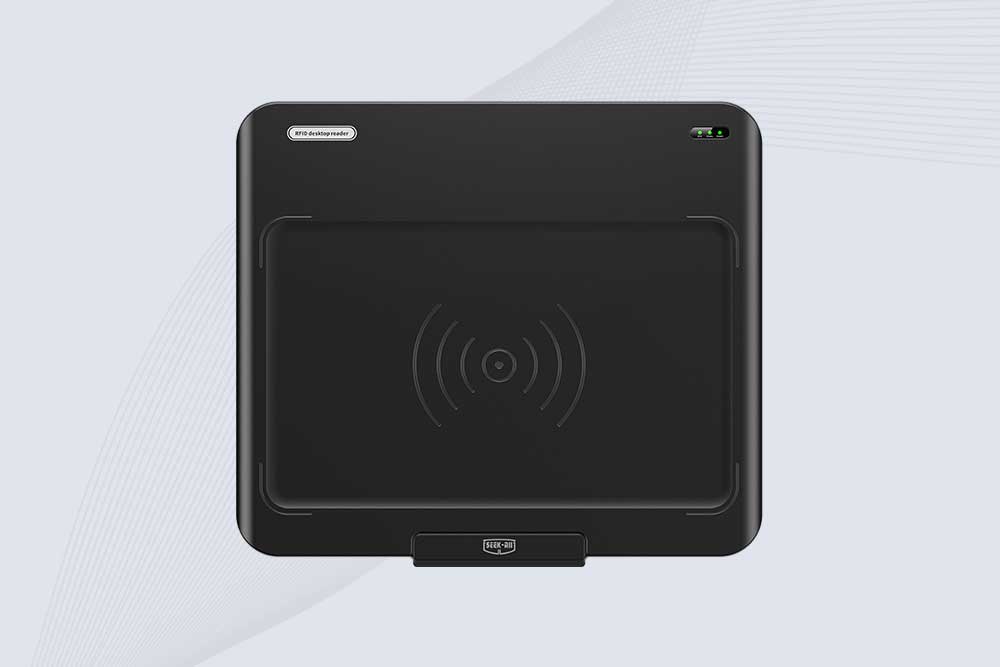
SSD-D3AL is a USB-HID UHF RFID reader with 0–30 cm reading, 0–15 cm writing, over 600 tags/s recognition, USB plug-and-play operation and OEM Logo customization.
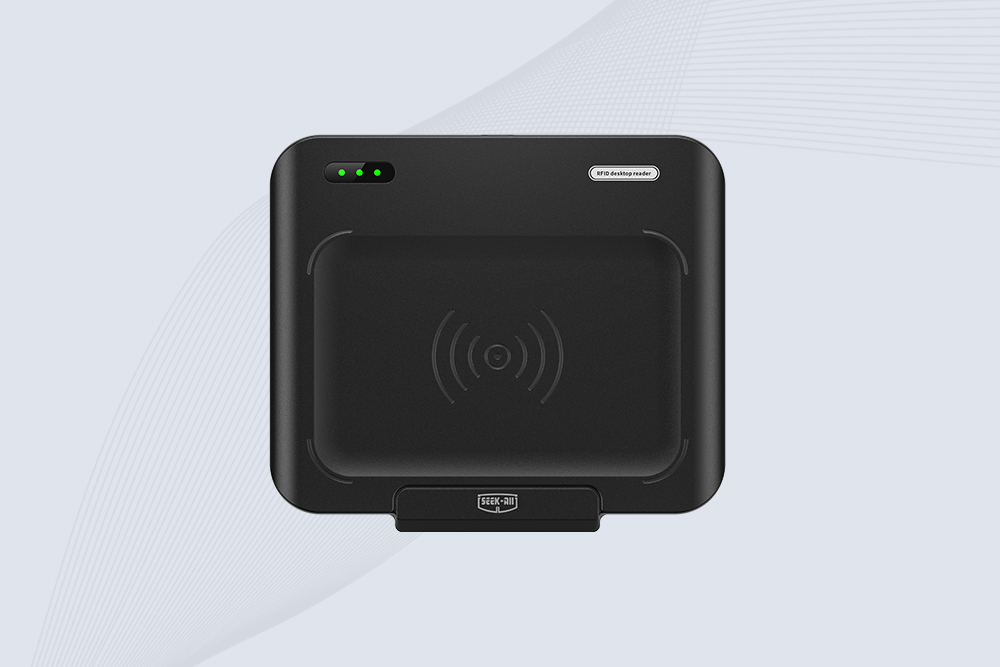
SSD-D1AL is a compact USB UHF RFID reader with Impinj E710/X3M1 chipset, USB-HID, 600+ tags/s recognition, 4/8/16 antenna support and plug-and-play USB power.
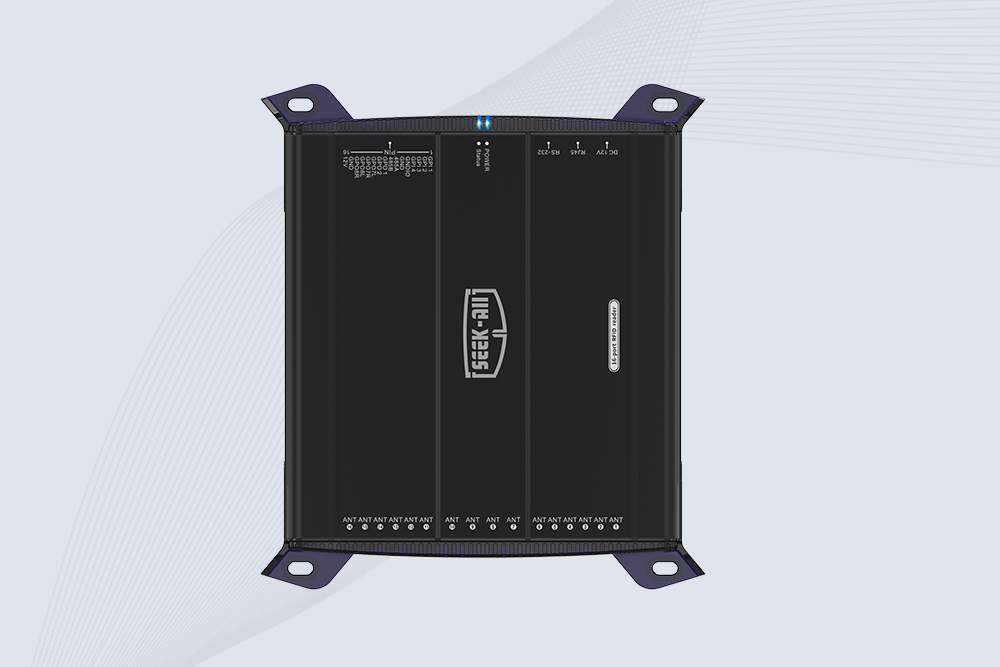
SSD-R16L Multi-Channel RFID Infrastructure for Automated Inventory Management ✔️ 16-Port High-Density RFID Reading Equipped with 16 SMA antenna ports, SSD-R16L supports multi-antenna deployment for warehouses, retail stores, logistics, production lines, and large-area RFID identification. ✔️ High-Speed & Long-Range Performance With up to 33…
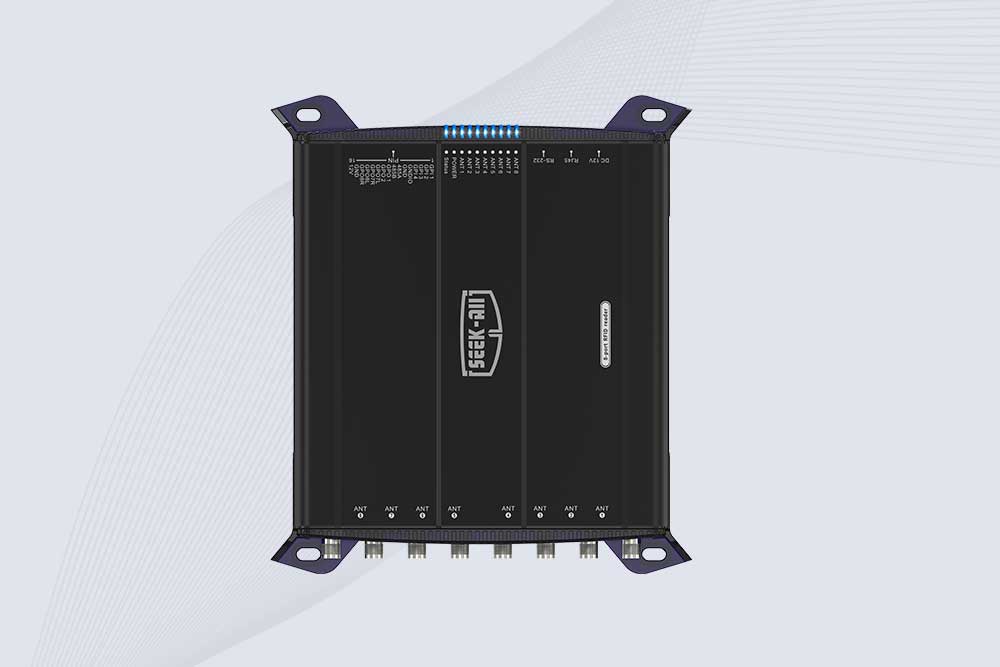
SSD-R8L 8-port UHF RFID reader with 33dBm output, up to 20m reading range and 600+ tags/s recognition. Ideal for warehouse, logistics, retail and asset tracking.
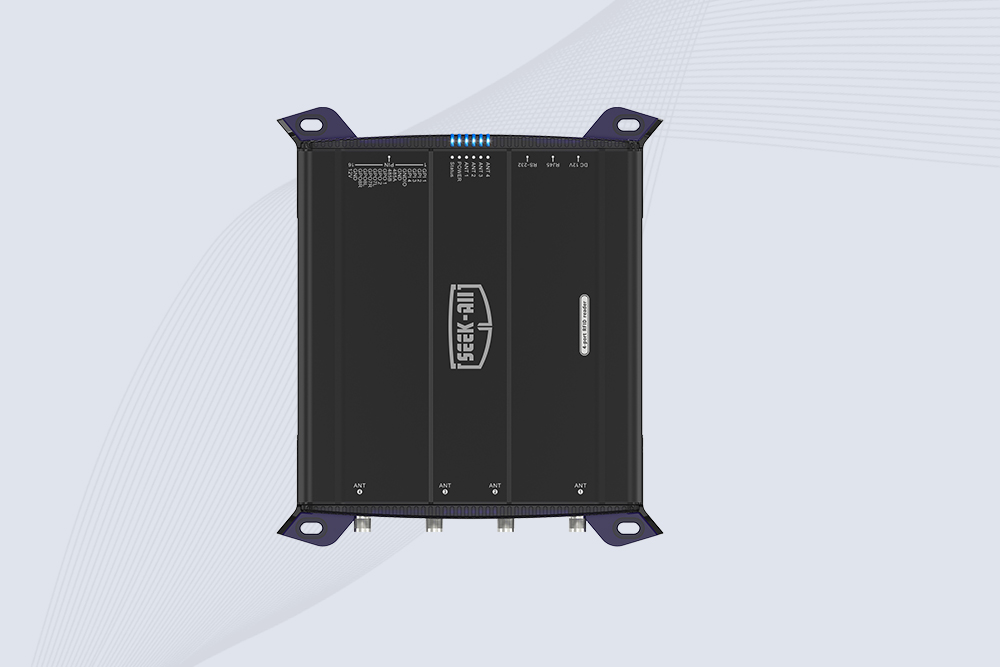
SSD-R4L is a 4-port UHF RFID fixed reader with 33dBm output power, up to 20m reading range, EPC C1G2 support and 600+ tags/s reading speed.

CYKEO CYKEO-D1LA USB RFID Reader is a compact desktop solution with near-field control for precise tag reading and encoding. Powered by USB, supporting ISO 18000-6C, and built for stable batch writing, this usb rfid tag reader fits retail, libraries, offices, and controlled RFID encoding tasks.
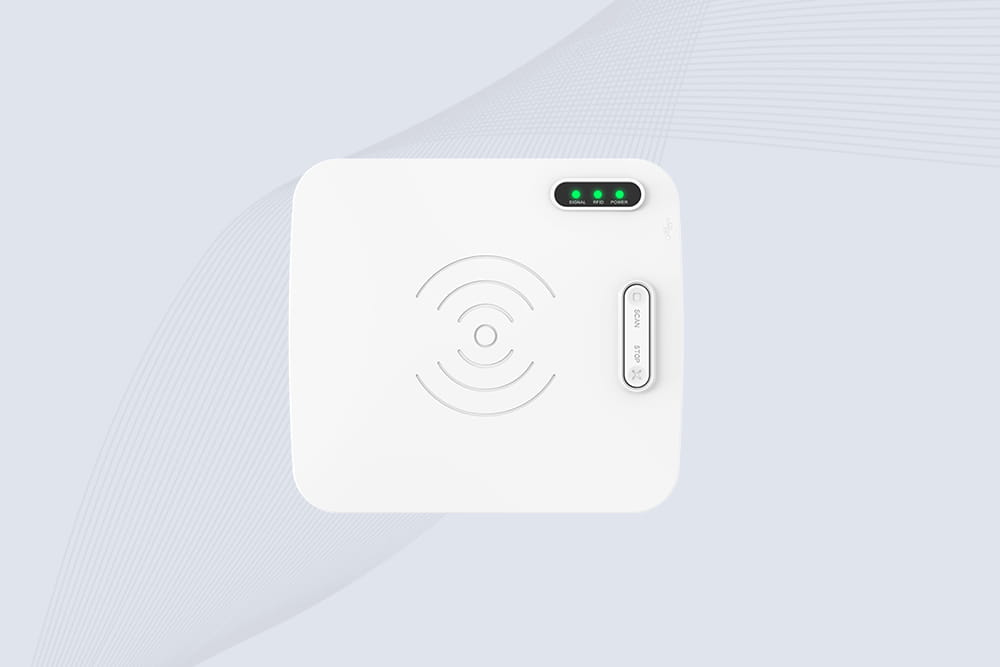
CYKEO CYKEO-D1L RFID scanner USB is a compact desktop UHF RFID scanner designed for short-range tag writing and verification. This usb rfid scanner supports batch encoding, stable 0–26 dBm output, and works across Windows, Linux, and Android systems.
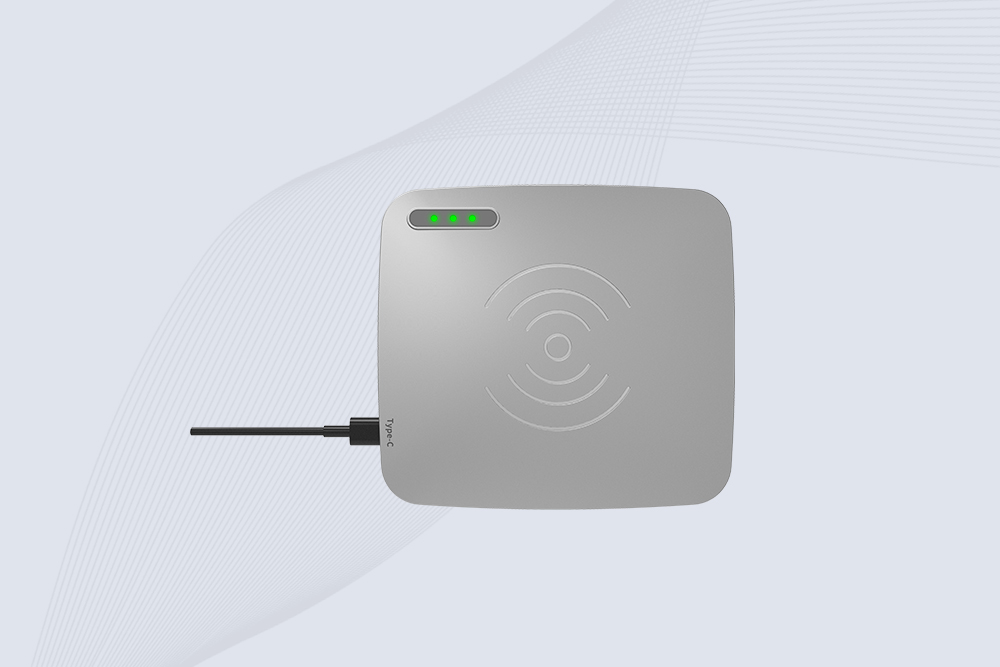
CYKEO CYKEO-D1C USB RFID Card Reader is a near-field UHF desktop writer designed for secure, short-range tag encoding. With USB-C connectivity and stable 26 dBm output, this rfid reader usb c is ideal for badge issuance, label encoding, and controlled desktop RFID workflows.
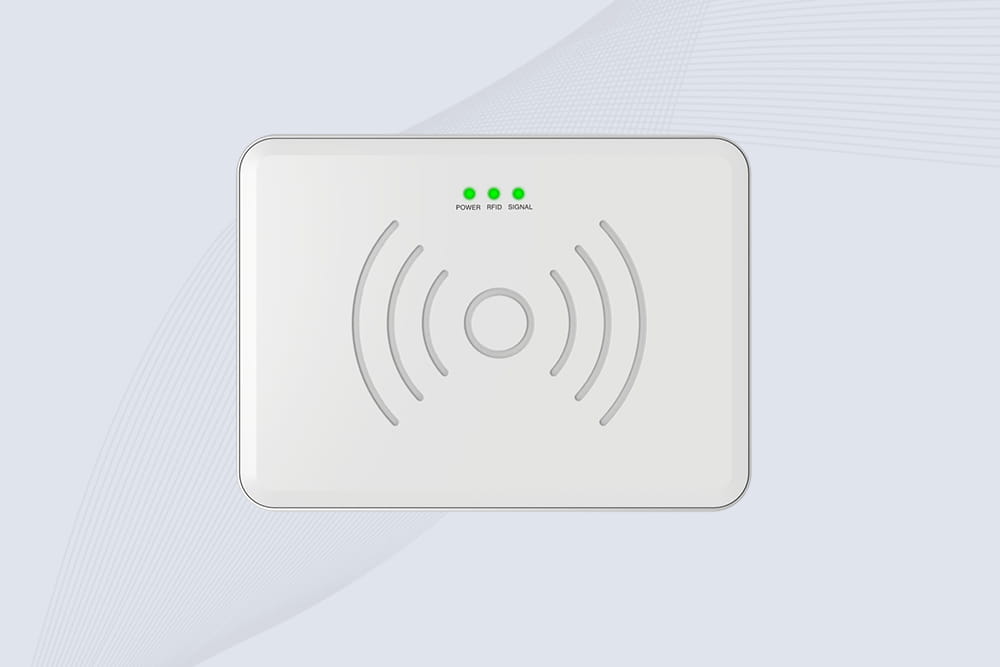
CYKEO CYKEO-D2L RFID Reader USB is a compact desktop encoder built on the Impinj R500 chip. With near-field control and stable USB power, this usb rfid card reader delivers precise tag writing for offices, retail counters, and small-scale logistics encoding tasks.
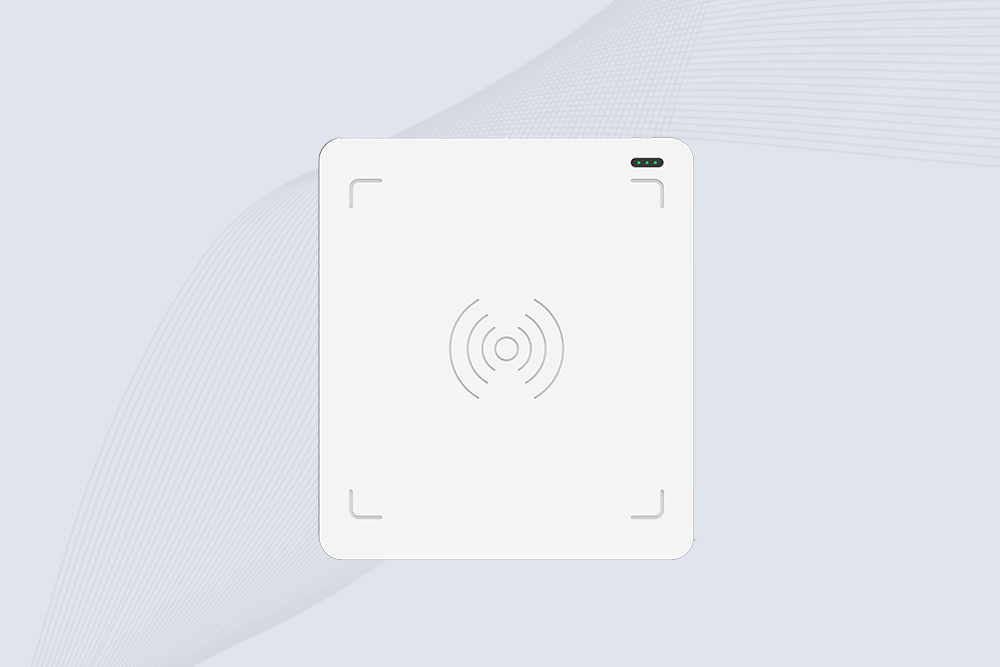
CYKEO CYKEO-D3L USB RFID Tag Reader delivers stable UHF tag reading and writing for daily desktop and light industrial tasks. Designed for controlled short-range operation, this USB RFID Tag Reader works reliably with rfid tag and reader systems in libraries, tool tracking, and inventory registration.
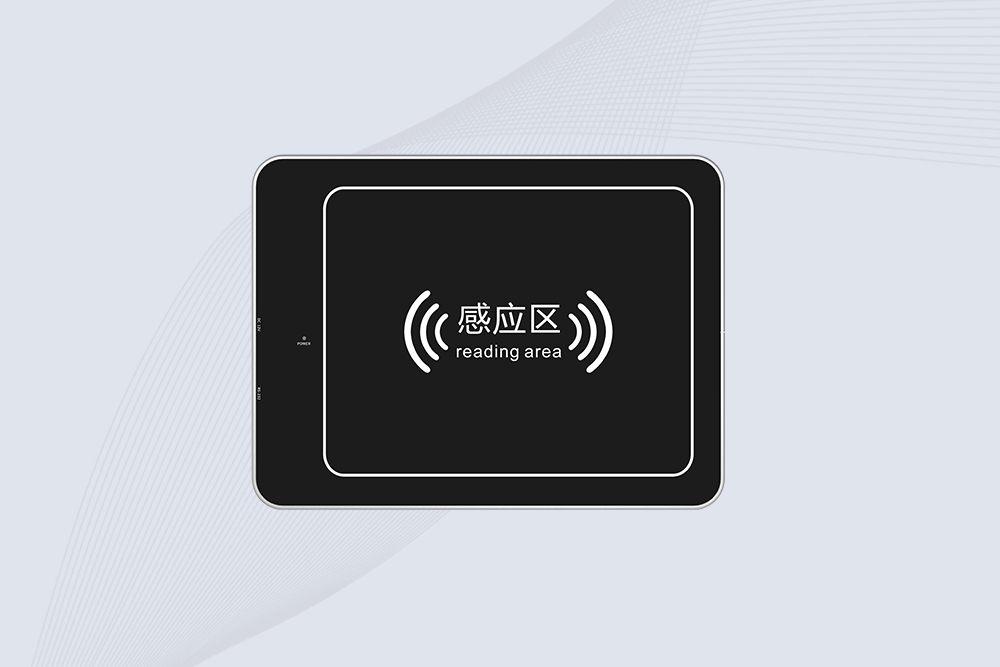
The CYKEO CYKEO-D4L UHF RFID Tag Reader is a stable Desktop RFID Reader designed for accurate tag registration, borrowing, and return workflows. Built with the Impinj R2000 chip, this UHF RFID Tag Reader delivers controlled short-range reads for libraries, asset tracking, and inventory management environments.
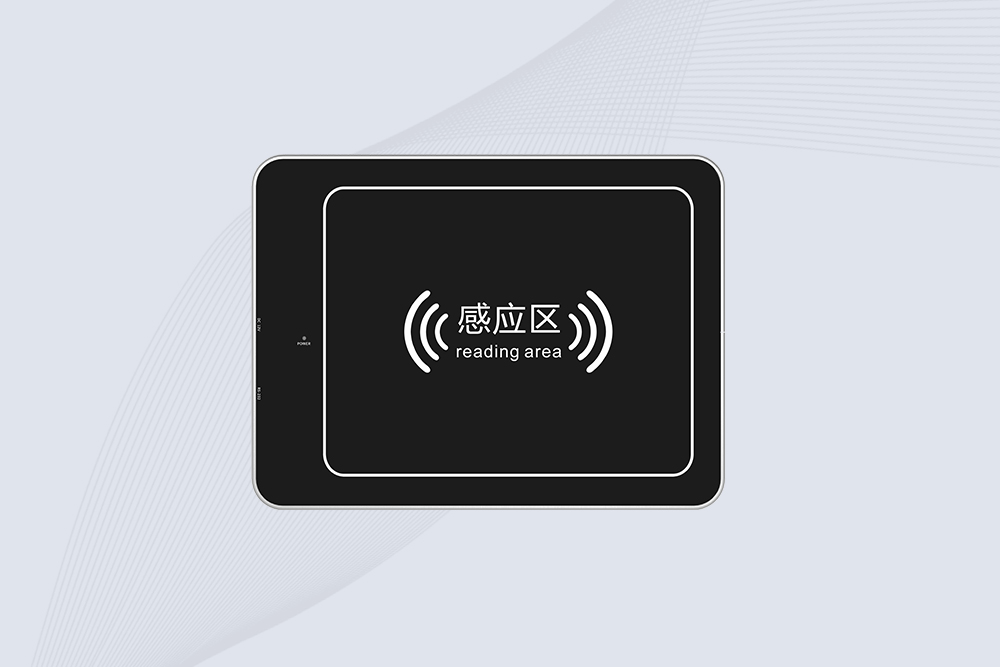
The CYKEO CYKEO-D5L Desktop RFID Card Reader is a stable UHF RFID Card Reader designed for controlled short-range reading and writing. Built for libraries, tool rooms, and asset desks, this UHF RFID Card Reader supports dense tag handling, secure data processing, and easy USB integration.
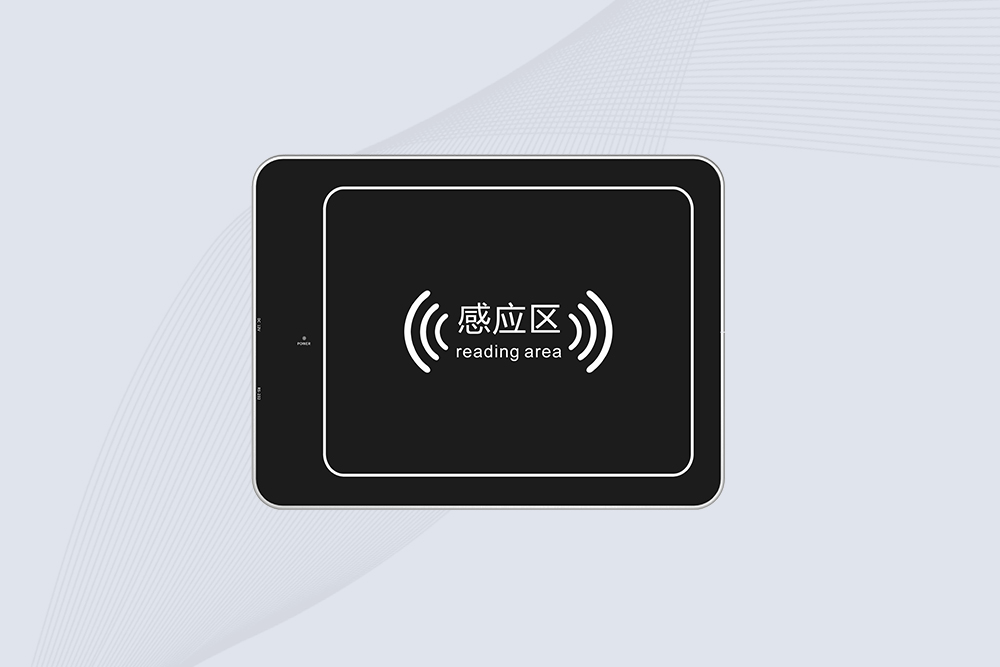
The CYKEO CYKEO-D6L RFID Reader Writer is a heavy-duty Desktop RFID Reader designed for short-range, high-accuracy tag programming. Built for libraries, labs, and asset desks, this RFID Reader Writer supports batch processing, stable 33dBm output, and seamless integration with existing management systems.
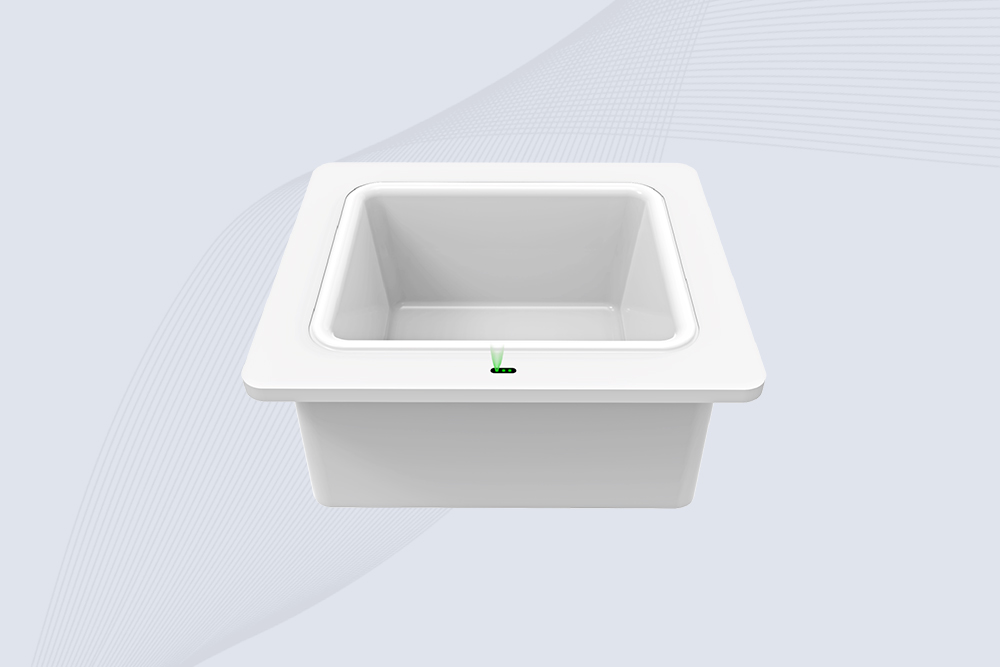
Cykeo CYKEO-D8B UHF RFID tunnel and RFID Desktop Reader features 30+ items batch reading,
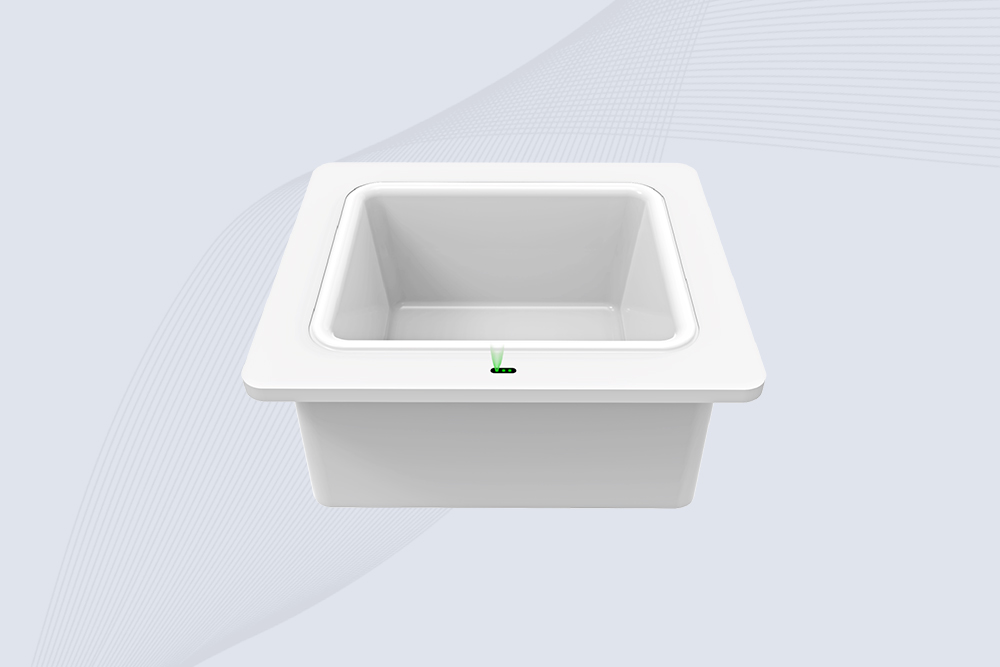
Cykeo CYKEO-D8A embedded RFID badge reader offers 30+ tags/sec scanning, 20cm anti-crosstalk precision, and DC 12V power for unmanned stores, warehouses, and smart inventory systems.
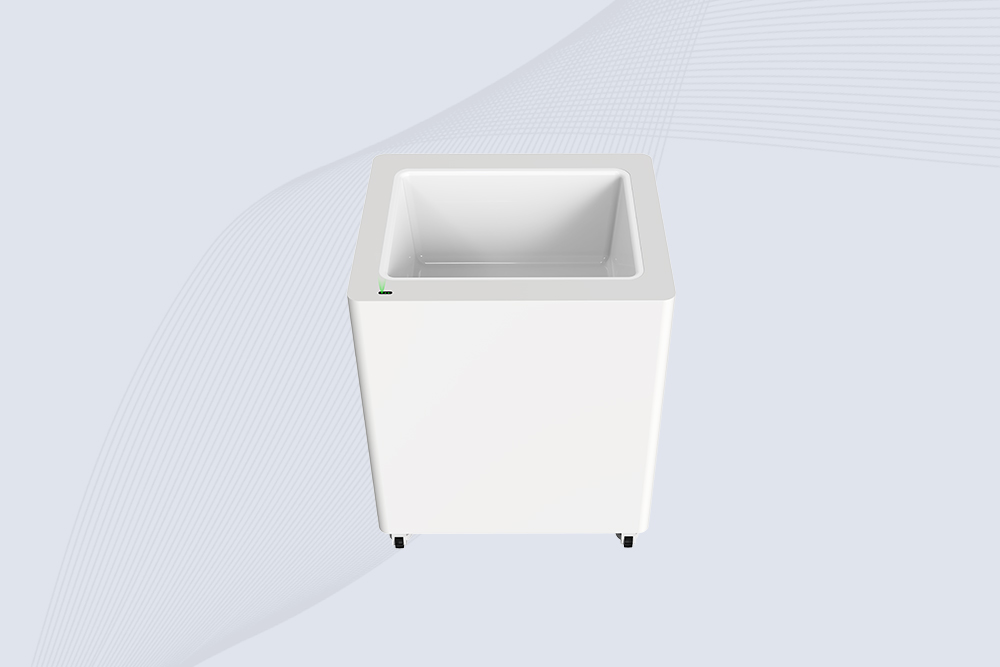
Cykeo’s CYKEO-D8C UHF RFID gate reader achieves 200-tag/batch scanning with adjustable power control, ideal for retail inventory and smart warehouse management.
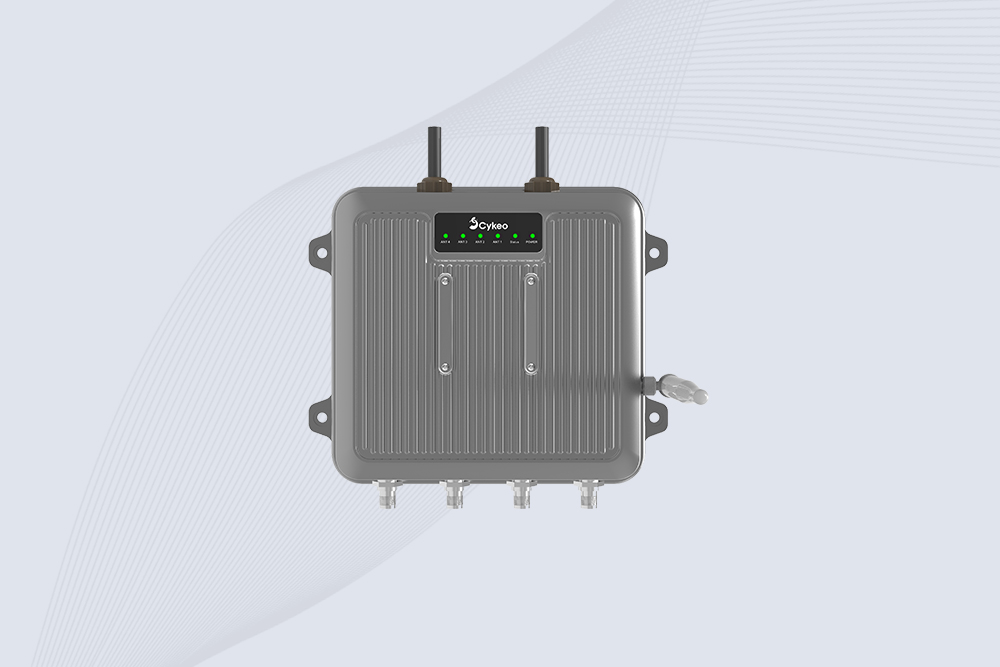
Cykeo CYKEO-C1 industrial Forklift RFID Reader features 20m read range, 600 tags/sec scanning, Impinj R2000 chipset, and IP67 rugged design. Ideal for warehouse logistics and manufacturing. Supports ISO 18000-6C/6B protocols.
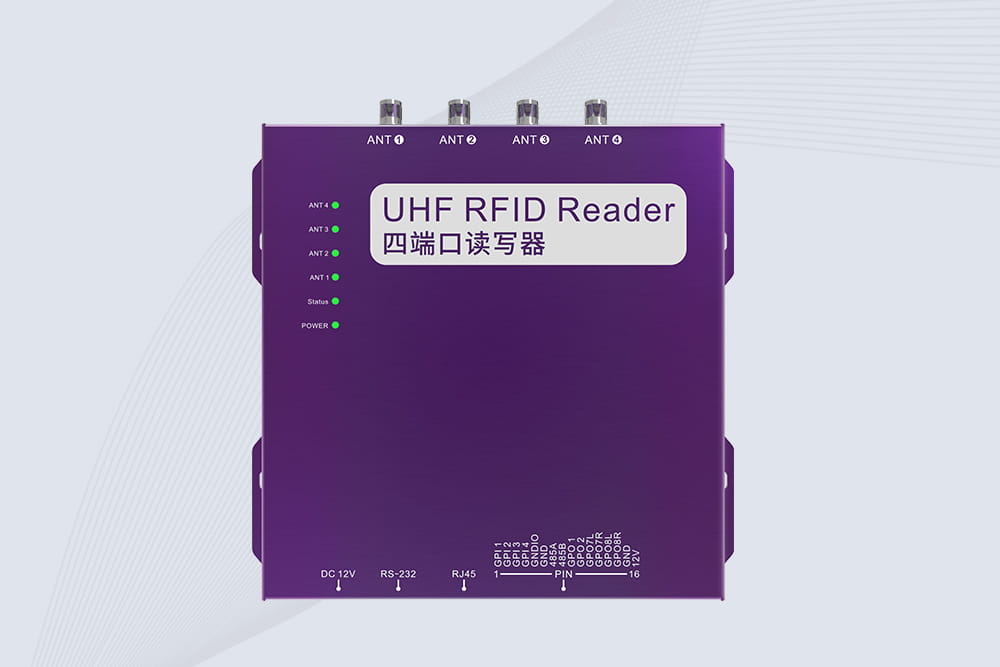
Cykeo CYKEO-R4 industrial UHF RFID Fixed Reader features 4 TNC ports, 400+ tags/sec speed, IP67 housing, and global frequency compliance for vehicle inspection, smart warehouse, and asset management systems.
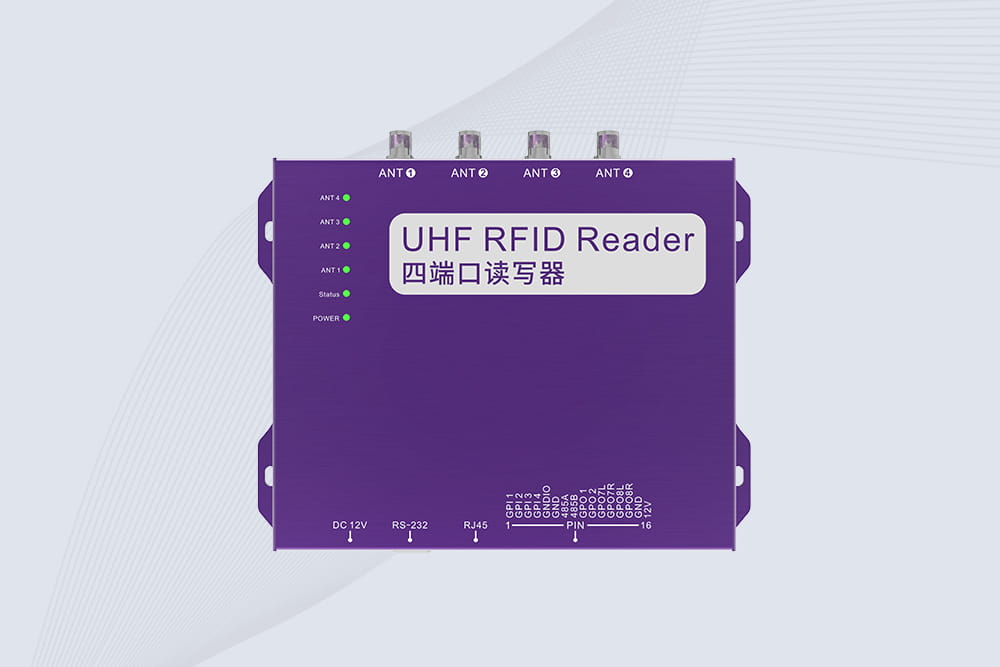
Cykeo’s CYKEO-R4L 4-port Fixed UHF RFID Reader delivers 400 tags/sec scanning, ISO 18000-6C compliance, and IP65 protection. Ideal for warehouse automation, manufacturing WIP tracking, and logistics management.
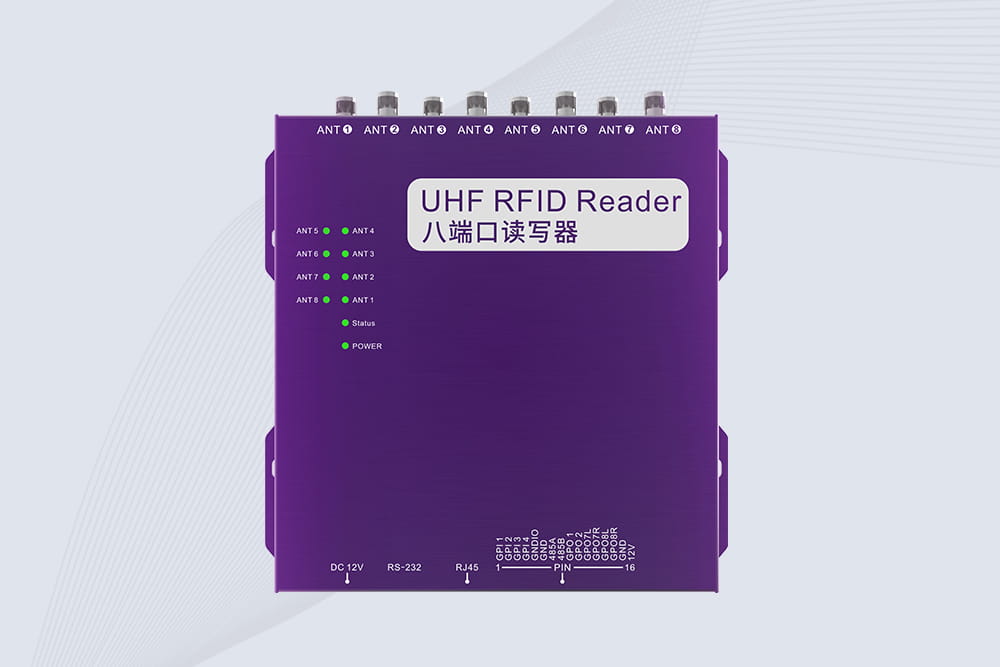
CYKEO CYKEO-R8L Fixed RFID Reader with 8-port UHF design, Impinj-based RF core and up to 20m read range. An industrial Fixed RFID Reader for vehicle inspection, warehouse portals, smart manufacturing lines and secure access checkpoints.
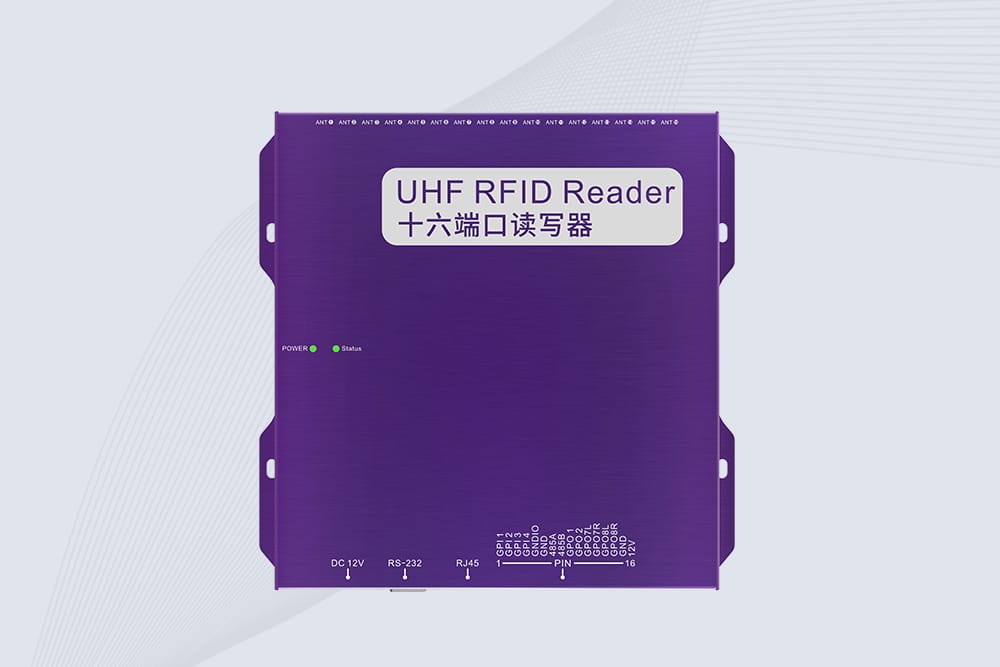
RFID Fixed Reader from CYKEO – the CYKEO-R16L 16-port UHF fixed reader for warehouses, smart cabinets, and production lines. Long-range, multi-tag reading, stable performance for 24/7 industrial use.
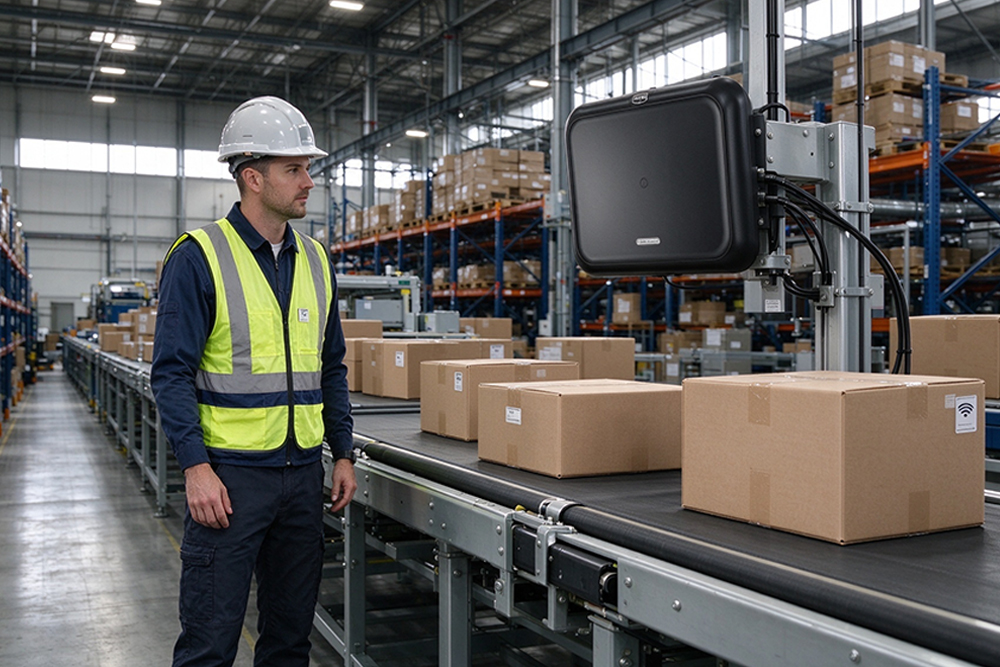
RFID (Radio Frequency Identification) uses radio waves to identify objects through electronic tags and readers. It supports automated identification, invento...
More
Discover how rfid tag location tracking delivers real-time asset visibility, improves inventory accuracy, and reduces manual searches. Learn practical deployment tips and expert insights from Cykeo.
More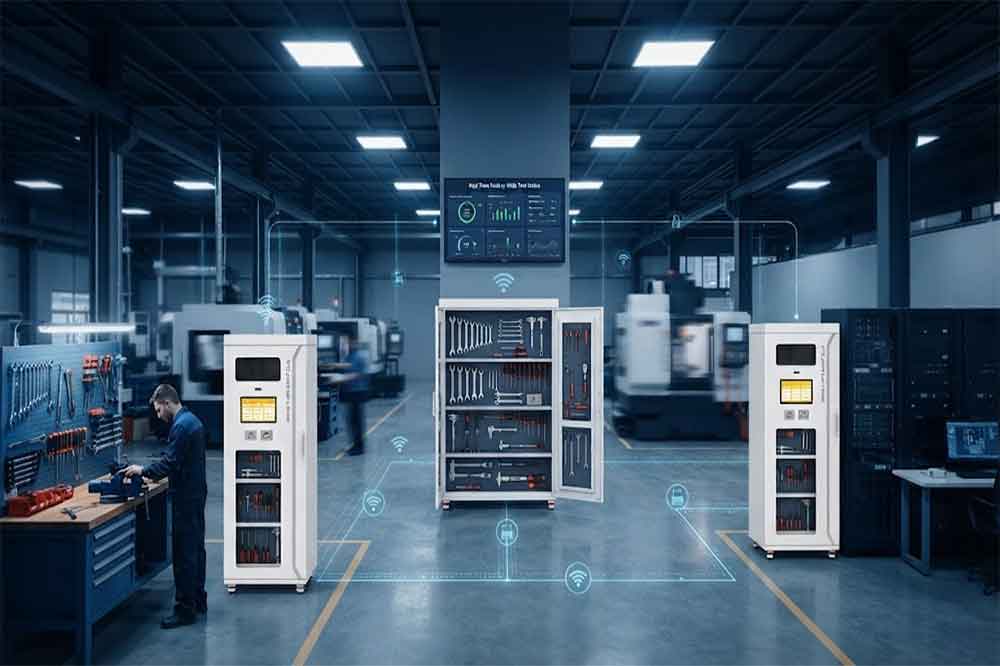
RFID tool cabinet can help organizations track tools across multiple workshops, departments, production areas, and maintenance locations. By connecting cabin...
More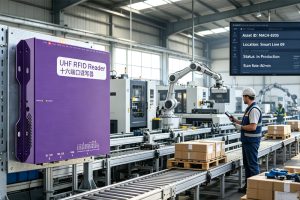
Discover how rfid for asset tracking solutions improve asset visibility, reduce losses, and automate inventory with Cykeo industrial RFID systems. Trusted insights, real data, and deployment expertise.
More