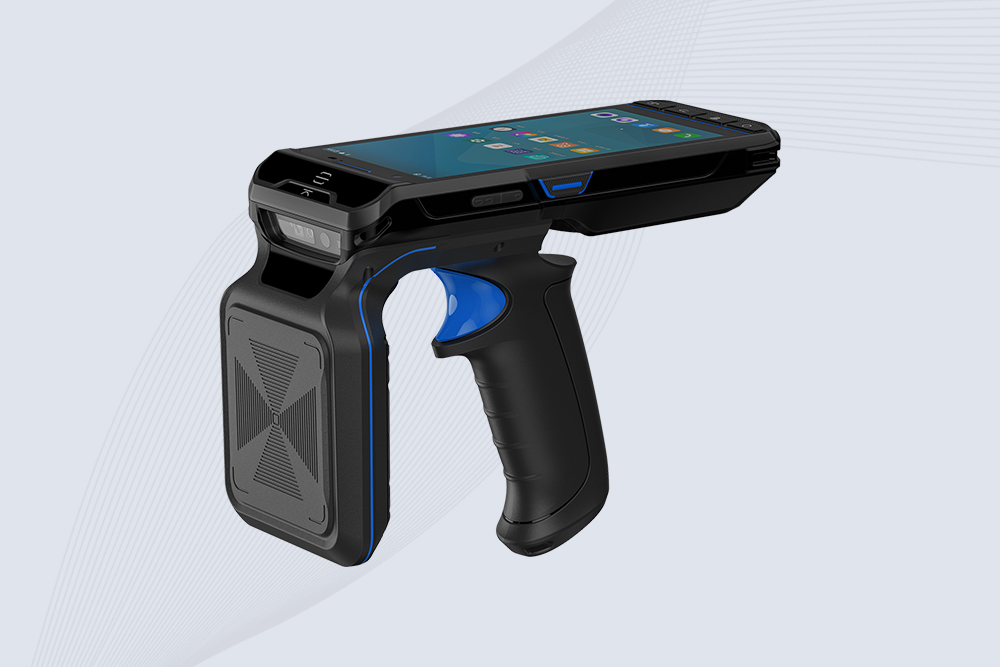
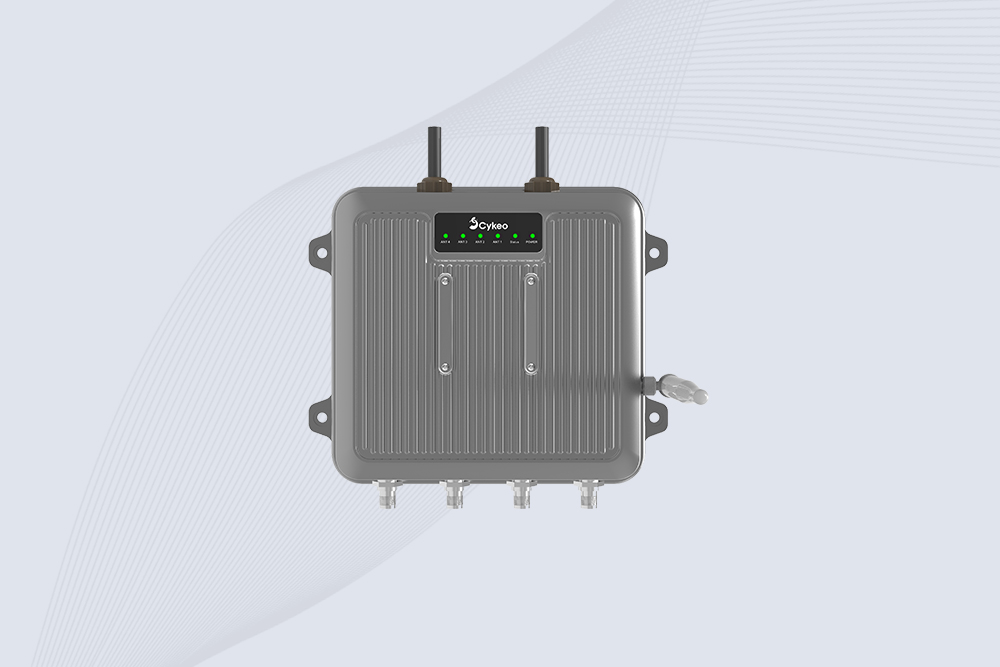
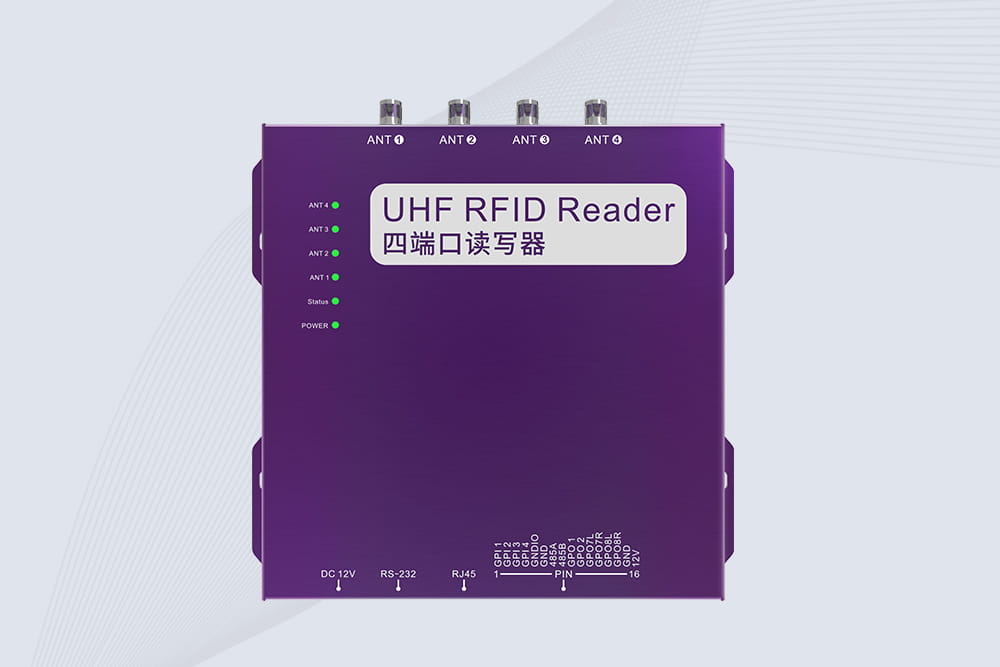
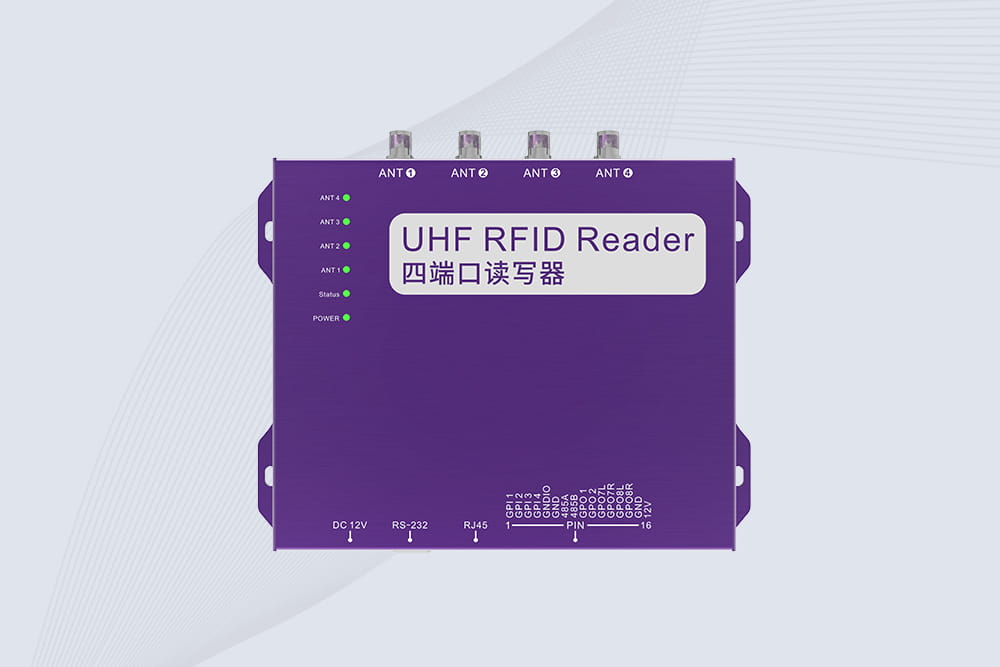
Price per unit drops fast when you order readers by the pallet. That is exactly why the stakes go up. A reader that fails after 200 units are deployed across three warehouses costs you more than the discount ever saved — field trips, re-flashing firmware, angry end clients, and a project that stalls mid-rollout.
We build RFID readers at our Shenzhen facility and ship them to integrators in 40+ countries. Every week we talk to buyers who got burned by a “cheap” batch somewhere else. Almost every failure traces back to one of the seven checks below. If you plan to buy cheap RFID reader in bulk for a warehouse, tool room, retail or logistics project, run through this list before you wire the deposit.
1. Verify the RF Performance, Not the Advertised Range
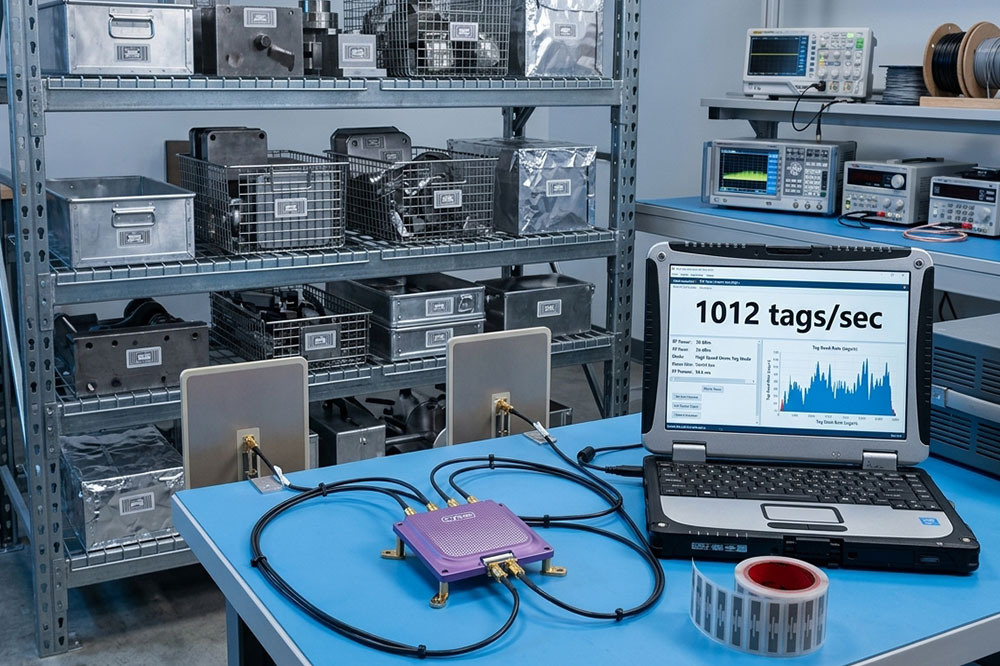
Every supplier claims “10m read range” or “600 tags/sec.” The number that matters is sustained read rate against your actual tags, in your actual environment.
Ask the supplier for a test video or a sample unit and check three things:
Read rate on dense stacks. 20 tags taped together on a metal shelf is a very different problem from one tag on a conveyor. This is where cheap RF front ends collapse — anti-collision algorithms matter more than raw output power.
Range with your tag type. A generic free-space test with a premium tag tells you nothing. Ship 10 of your own tags and ask for a side-by-side test report.
Return loss / antenna match. A poorly matched antenna output burns output power and creates dead zones. Good manufacturers publish the antenna port specs (SMA/N-type, 50Ω) and impedance matching data.
If a factory refuses to run a sample test with your tags, treat that as an answer in itself.
2. Confirm the Frequency Band Matches Your Target Market
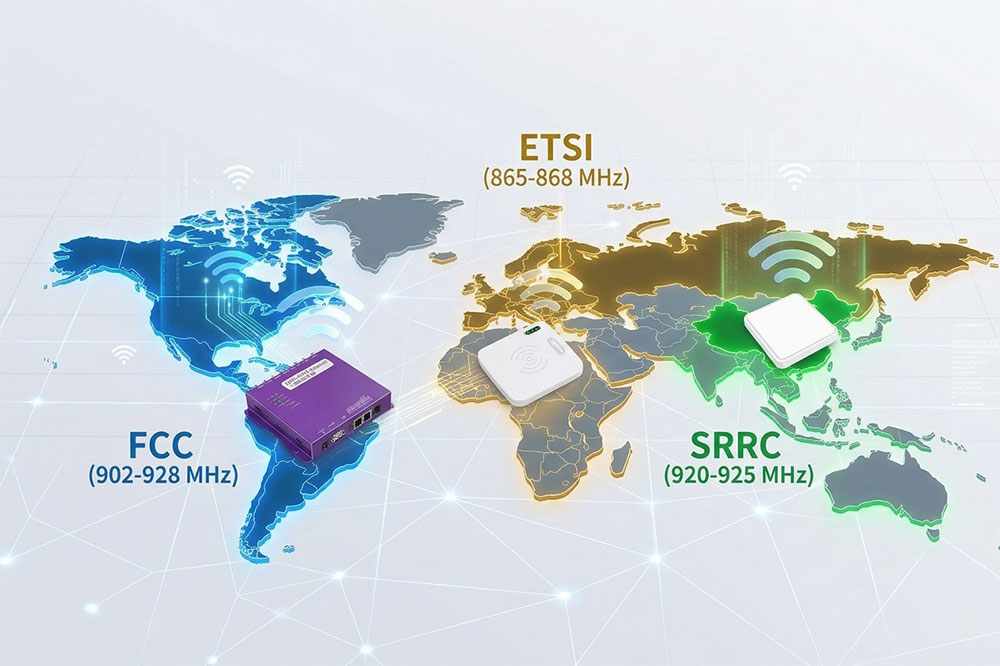
This one has killed more bulk orders than any hardware defect. UHF RFID frequency bands differ by region:
Region
Band
Notes
US / Canada
902–928 MHz
FCC certified
EU / UK
865–868 MHz
ETSI / CE
China
920–925 MHz
SRRC
Japan
952–954 MHz
ARIB
A reader tuned for 915 MHz will read ETSI tags poorly or not at all. If your batch ships to a distributor in Germany but the units were tuned for North America, you own a pallet of very specific paperweights.
Two things to confirm in writing:
The reader supports the band list of every country you’ll deploy in (or at least that your first deployment covers).
Certificates are available: FCC, CE/ETSI, SRRC — and ask whether the certificate covers the exact model number, not a “similar” one.
3. Check Firmware Quality and SDK Maturity
At unit prices under $100, the hidden cost is almost always software. Before committing, get answers to:
Is the SDK free and downloadable without an NDA dance? You should be able to evaluate C/C++, Java, C# or Python demos on day one.
Are there firmware updates? Cheap readers often ship with frozen firmware. One bug in the anti-collision engine and you’re stuck patching around it for the life of the project.
What protocol do they speak? Modbus RTU/TCP, RS-232/485, Wiegand, MQTT, USB HID — the interfaces decide how much integration work your team inherits. A reader that speaks native Modbus can drop into a PLC line; one that only offers a proprietary serial protocol means weeks of middleware.
Our own RFID reader modules and fixed readers ship with open SDKs and demo source code precisely because integration cost is what ODM buyers actually feel. If your vendor can’t send you the SDK before the deposit, walk.
4. Stress-Test the Build for Your Deployment Environment
A reader that survives a demo room can die in a freezer or on a forklift. Match the IP rating and operating temperature to the worst corner of your site, not the average one:
IP65 / IP67 for outdoor gates, loading docks, washdown areas.
–30°C to +55°C industrial range if the units sit in cold chain or desert logistics.
Metal-mount tolerance — mounting a reader directly onto steel racking detunes antennas; ask whether the housing design compensates for it.
Also inspect connector quality on the sample: cheap screw terminals and unbranded M12 connectors are the first things to corrode. Pull-test the antenna cable strain relief. This takes five minutes and catches half of the field failures we get repair requests for.
For harsh outdoor deployments, compare against a purpose-built unit such as our long range UHF RFID readers with IP67 housings and lightning protection — then ask your cheap candidate what its equivalent spec sheet says.
5. Look at Real RMA Rates and Warranty Terms
“1-year warranty” printed on a quote is not a warranty. Ask these questions and get the answers in the contract:
What is the actual RMA rate for this model over the last 12 months? A serious manufacturer tracks it. Anything under 1% is healthy for industrial UHF readers.
Who pays return shipping, and from where? A warranty that requires shipping to a warehouse in a third country is a cost center, not a promise.
Is there advance replacement? For bulk deployments, batch swap beats per-unit repair turnaround every time.
Spare parts availability: can you buy 3% extra units as spares at the batch price? That’s cheaper than any warranty claim.
6. Size the Order Around a Pilot, Not a Blind Rollout
Even with all checks passing, never put 500 units into production cold. Structure the bulk purchase in two steps:
Pilot batch (10–20 units) into one real site, one workflow. Measure read accuracy at chokepoints, integration hours, and failure behavior under real power conditions.
Main batch with the pilot learnings folded into the spec: different antenna gain, different interface, firmware flag, whatever the pilot surfaced.
This is also your leverage window. Once the pilot confirms fit, push for volume pricing on the full order plus tooling/ODM concessions — custom logo, custom boot behavior, private label packaging. Most factories’ MOQ tiers start around 50–100 units; ask what the next discount step is before you commit quantities.
7. Match the Reader Type to the Job, Not the Price Tag
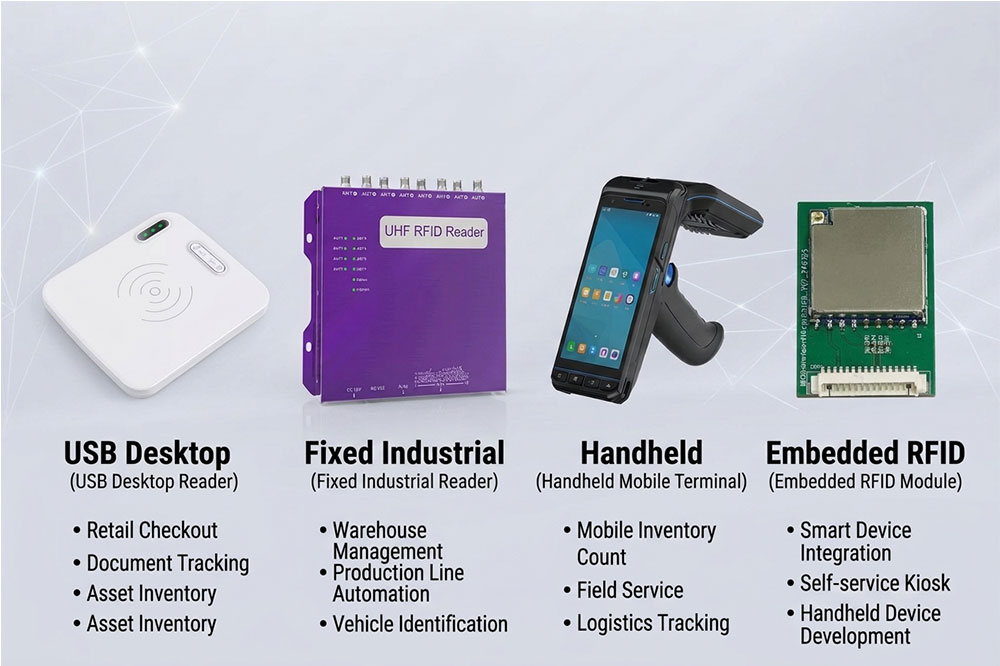
The cheapest unit in a catalog is usually a USB desktop reader — and it is the right answer for maybe 30% of bulk projects. Buying the wrong category is the most expensive way to save money. Quick mapping:
Q1: What is a realistic price range when buying RFID readers in bulk?
Entry USB readers drop to roughly $20–40 per unit at volume; fixed UHF industrial readers typically land between $80–200 depending on antenna configuration and interface. Prices below that range usually mean simplified RF front ends or frozen firmware — ask for the RMA rate before celebrating.
Q2: Is it safe to buy cheap RFID readers directly from a Chinese manufacturer?
Yes, if you verify three things: real certificates (FCC/CE/SRRC matched to the model number), a working sample test with your own tags, and contract-level warranty terms with advance replacement. The factory-direct route typically saves 30–50% over local distributors because you cut two margin layers.
Q3: Can I mix reader types in one bulk order to hit the MOQ?
Most manufacturers allow mixed-SKU orders to reach the volume tier, but per-SKU pricing may be quoted at a lower tier. Ask explicitly — some factories (including ours) will apply the batch price across a mixed order if the total quantity clears the tier.
Q4: How many sample units should I test before a bulk order?
Ten to twenty units in a real pilot site, not on a desk. Desk tests hide RF reflections, power fluctuation and network edge cases. Budget 2–4 weeks for the pilot and fold the findings into the main order spec.
Q5: What certification documents should I collect with the order?
FCC / CE-ETSI / SRRC certificates tied to the exact model, ISO 9001 factory certificate, RoHS declaration, and the test reports from your sample batch. These four documents cover most customs and end-client audit scenarios.
Start With a Sample, Then Scale the Batch
The formula is boring but it works: verify RF behavior with your tags, confirm the band and certificates, pressure-test the SDK, match the housing to your worst environment, get warranty terms in writing, pilot before rollout, and pick the reader category that fits the job.
If you want to shortcut the evaluation loop, browse the full Cykeo RFID product catalog, request SDK access on the same page, and ask our team to run a free read-rate test with your own tags before you place the batch. For planning a rollout on a tight budget, our guide to the affordable RFID reader for inventory tracking systems covers the budget allocation side of the same decision.
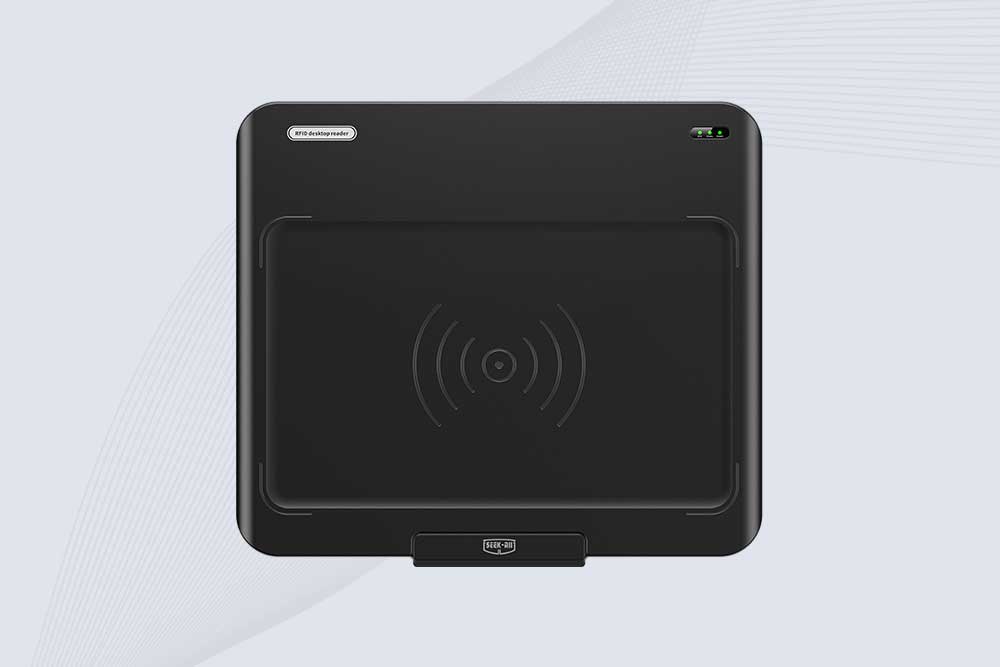
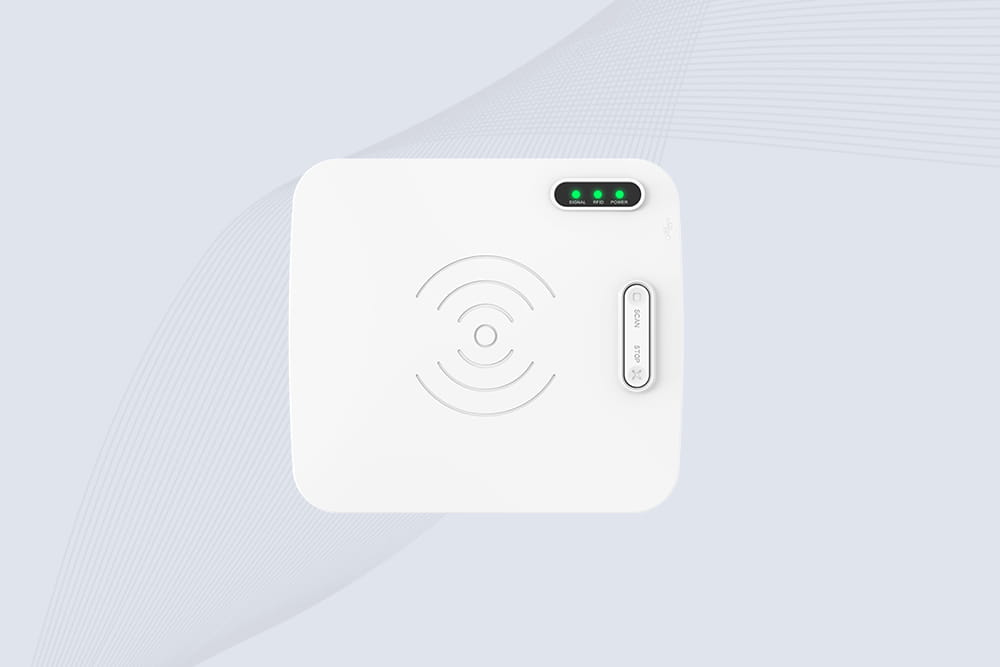
SSD-D3AL is a USB-HID UHF RFID reader with 0–30 cm reading, 0–15 cm writing, over 600 tags/s recognition, USB plug-and-play operation and OEM Logo customization.
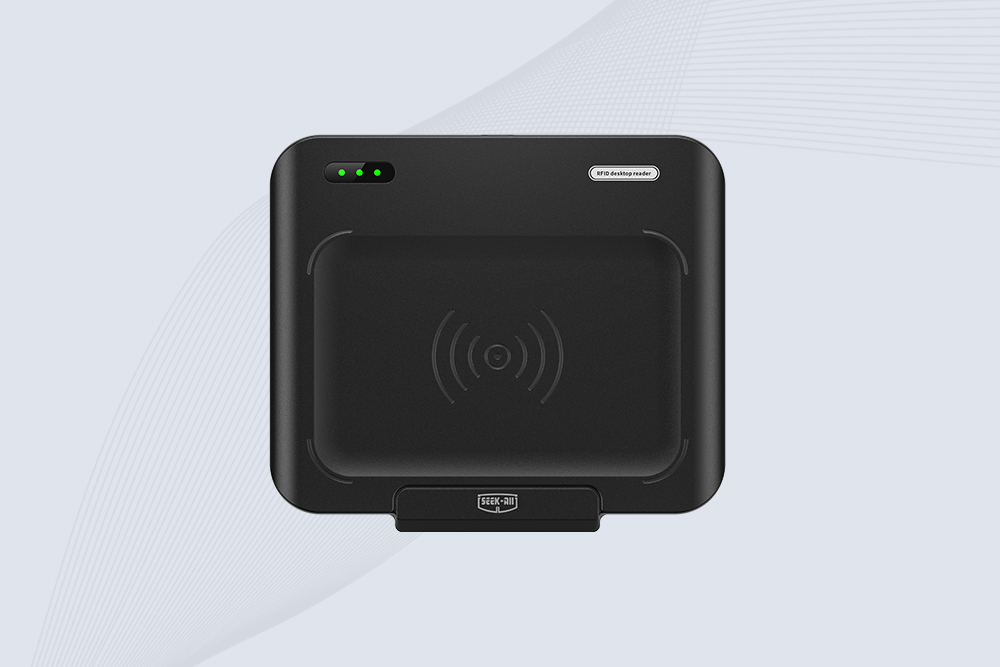
SSD-D1AL is a compact USB UHF RFID reader with Impinj E710/X3M1 chipset, USB-HID, 600+ tags/s recognition, 4/8/16 antenna support and plug-and-play USB power.
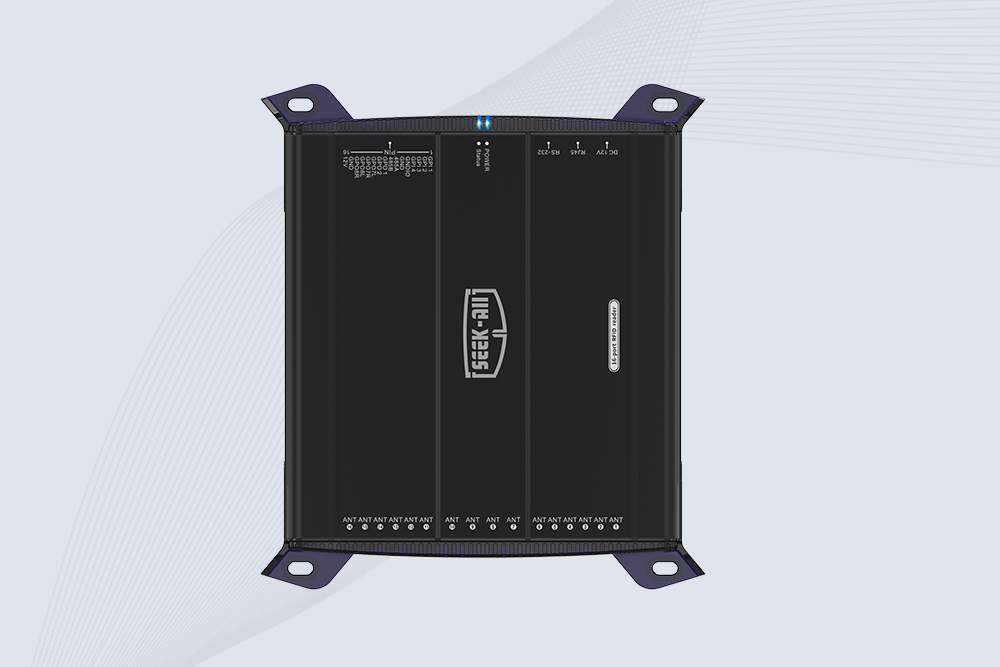
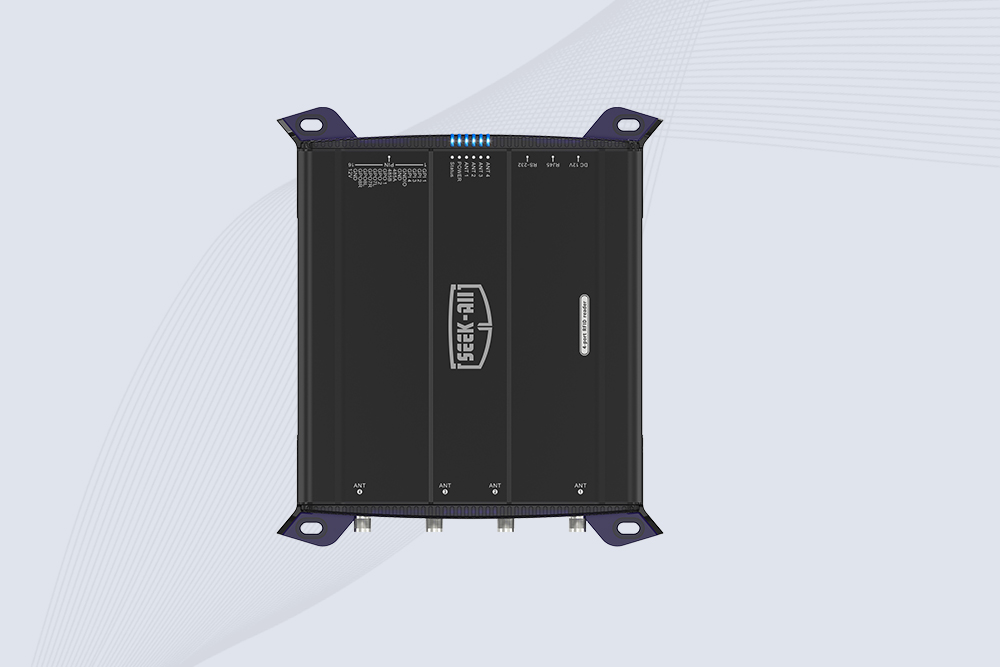
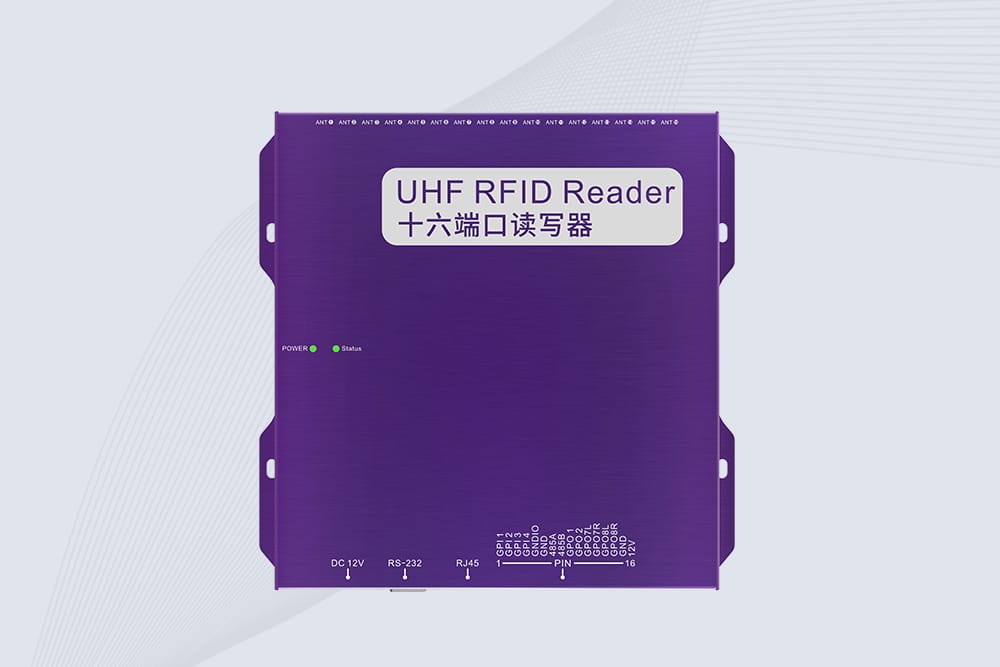
SSD-R16L Multi-Channel RFID Infrastructure for Automated Inventory Management ✔️ 16-Port High-Density RFID Reading Equipped with 16 SMA antenna ports, SSD-R16L supports multi-antenna deployment for warehouses, retail stores, logistics, production lines, and large-area RFID identification. ✔️ High-Speed & Long-Range Performance With up to 33…
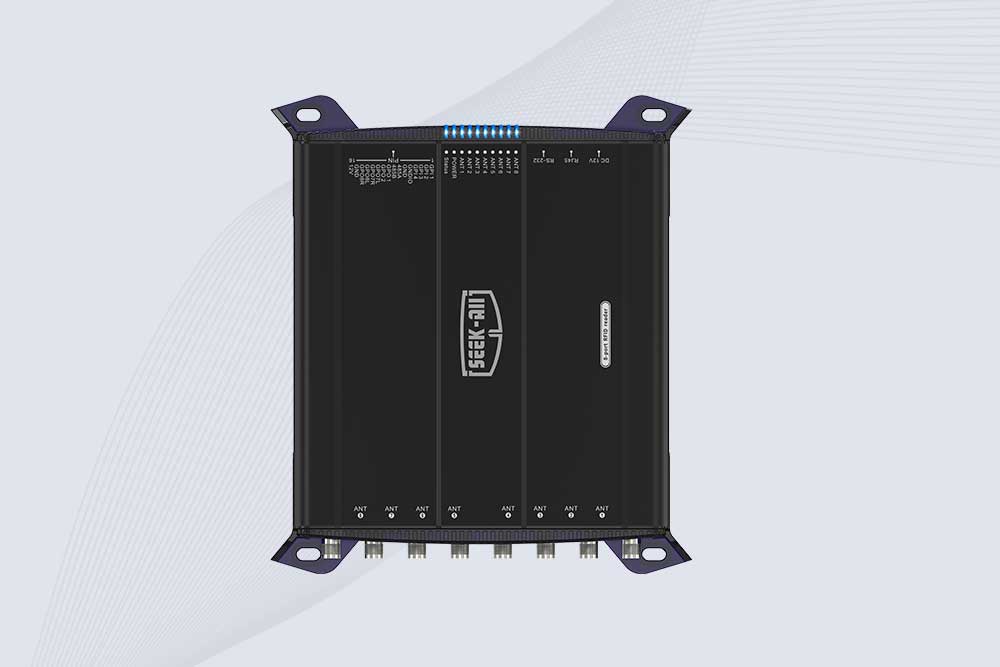
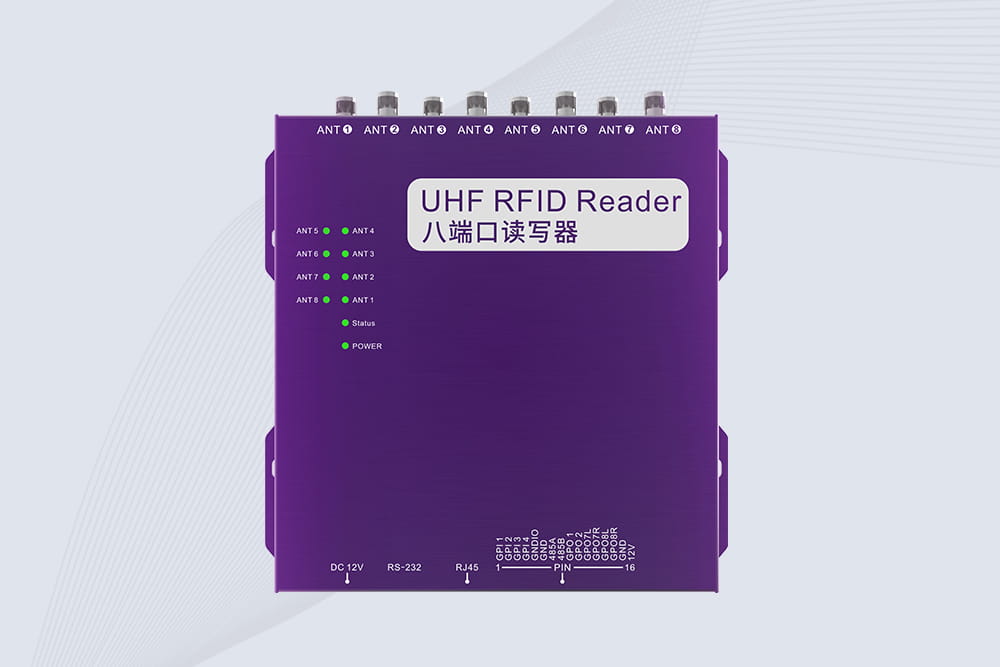
SSD-R8L 8-port UHF RFID reader with 33dBm output, up to 20m reading range and 600+ tags/s recognition. Ideal for warehouse, logistics, retail and asset tracking.
CYKEO CYKEO-D1LA USB RFID Reader is a compact desktop solution with near-field control for precise tag reading and encoding. Powered by USB, supporting ISO 18000-6C, and built for stable batch writing, this usb rfid tag reader fits retail, libraries, offices, and controlled RFID encoding tasks.
CYKEO CYKEO-D1L RFID scanner USB is a compact desktop UHF RFID scanner designed for short-range tag writing and verification. This usb rfid scanner supports batch encoding, stable 0–26 dBm output, and works across Windows, Linux, and Android systems.
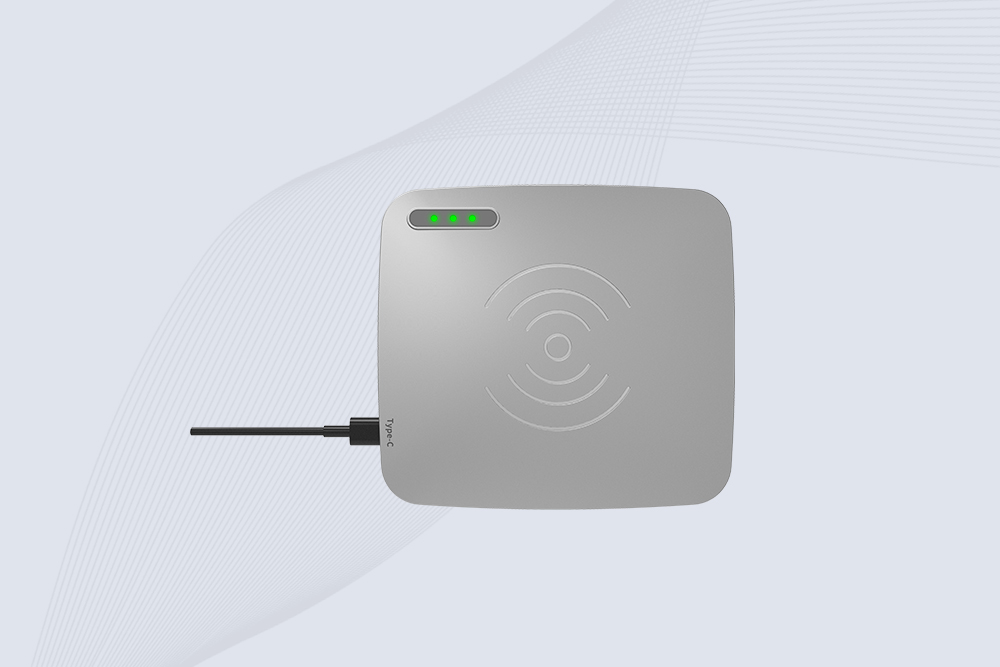
CYKEO CYKEO-D1C USB RFID Card Reader is a near-field UHF desktop writer designed for secure, short-range tag encoding. With USB-C connectivity and stable 26 dBm output, this rfid reader usb c is ideal for badge issuance, label encoding, and controlled desktop RFID workflows.
CYKEO CYKEO-D2L RFID Reader USB is a compact desktop encoder built on the Impinj R500 chip. With near-field control and stable USB power, this usb rfid card reader delivers precise tag writing for offices, retail counters, and small-scale logistics encoding tasks.
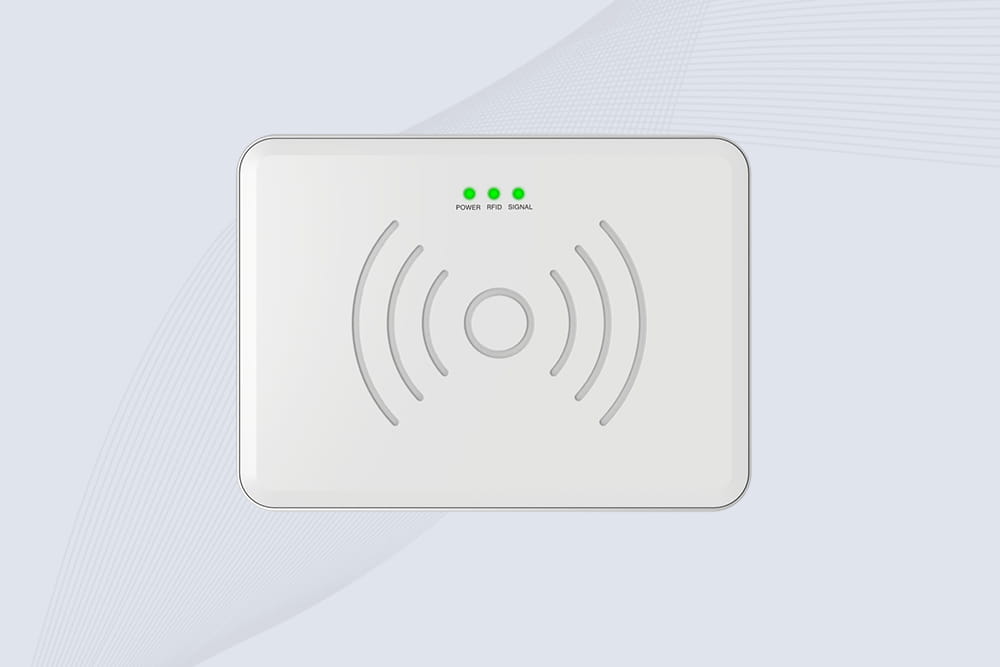
CYKEO CYKEO-D3L USB RFID Tag Reader delivers stable UHF tag reading and writing for daily desktop and light industrial tasks. Designed for controlled short-range operation, this USB RFID Tag Reader works reliably with rfid tag and reader systems in libraries, tool tracking, and inventory registration.
The CYKEO CYKEO-D4L UHF RFID Tag Reader is a stable Desktop RFID Reader designed for accurate tag registration, borrowing, and return workflows. Built with the Impinj R2000 chip, this UHF RFID Tag Reader delivers controlled short-range reads for libraries, asset tracking, and inventory management environments.
The CYKEO CYKEO-D5L Desktop RFID Card Reader is a stable UHF RFID Card Reader designed for controlled short-range reading and writing. Built for libraries, tool rooms, and asset desks, this UHF RFID Card Reader supports dense tag handling, secure data processing, and easy USB integration.
The CYKEO CYKEO-D6L RFID Reader Writer is a heavy-duty Desktop RFID Reader designed for short-range, high-accuracy tag programming. Built for libraries, labs, and asset desks, this RFID Reader Writer supports batch processing, stable 33dBm output, and seamless integration with existing management systems.
Cykeo CYKEO-D8A embedded RFID badge reader offers 30+ tags/sec scanning, 20cm anti-crosstalk precision, and DC 12V power for unmanned stores, warehouses, and smart inventory systems.
Cykeo’s CYKEO-D8C UHF RFID gate reader achieves 200-tag/batch scanning with adjustable power control, ideal for retail inventory and smart warehouse management.
CYKEO Embedded RFID Modules are designed for compact industrial and IoT devices that require stable UHF performance. These UHF RFID Modules support global protocols, flexible power control, and reliable multi-tag reading for smart cabinets, production lines, and asset tracking systems.
CYKEO Embedded RFID Module is built for compact IoT and industrial devices that need stable UHF performance. This UHF module supports global protocols, low power operation, and reliable multi-tag reading for smart lockers, production lines, and always-on RFID systems.
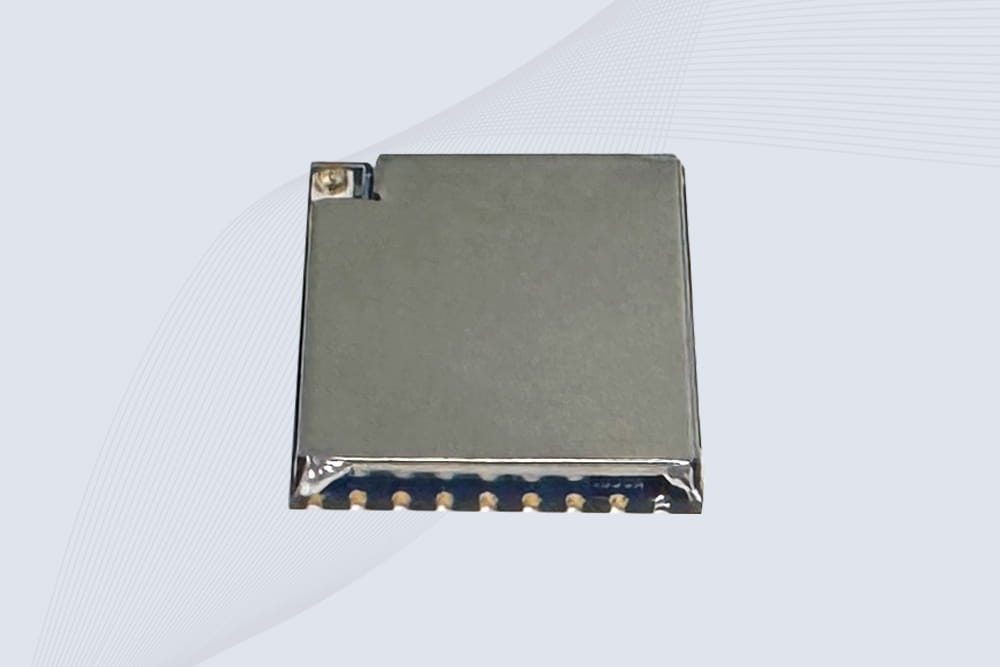
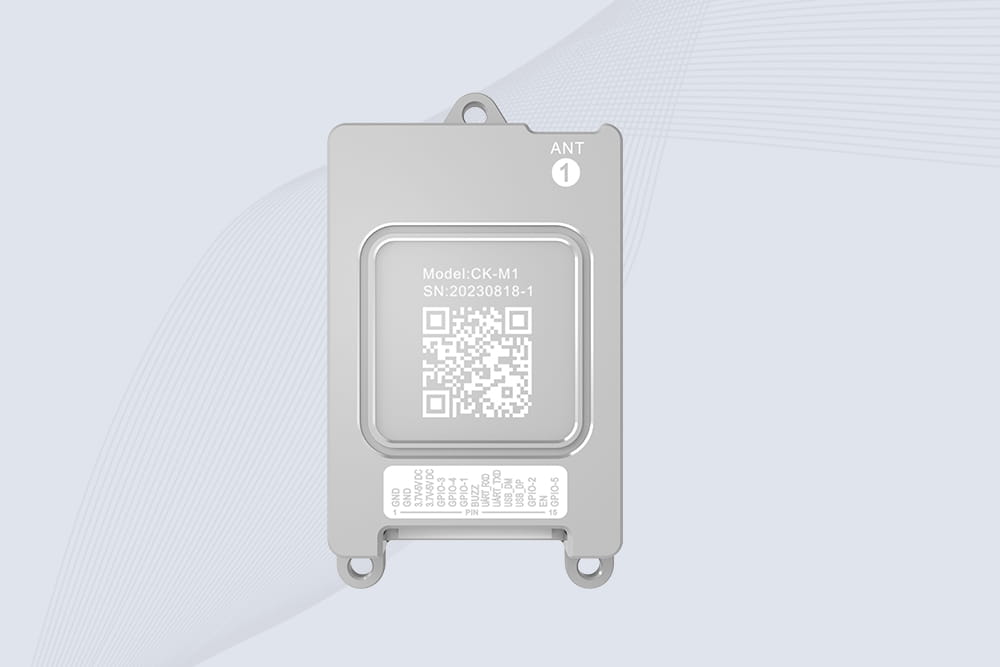
CYKEO CYKEO-M1 drone rfid module is a compact UHF RFID reader module designed for drones and UAV platforms. It supports long-range aerial scanning, fast multi-tag reading, and stable performance in wind, vibration, and outdoor environments.
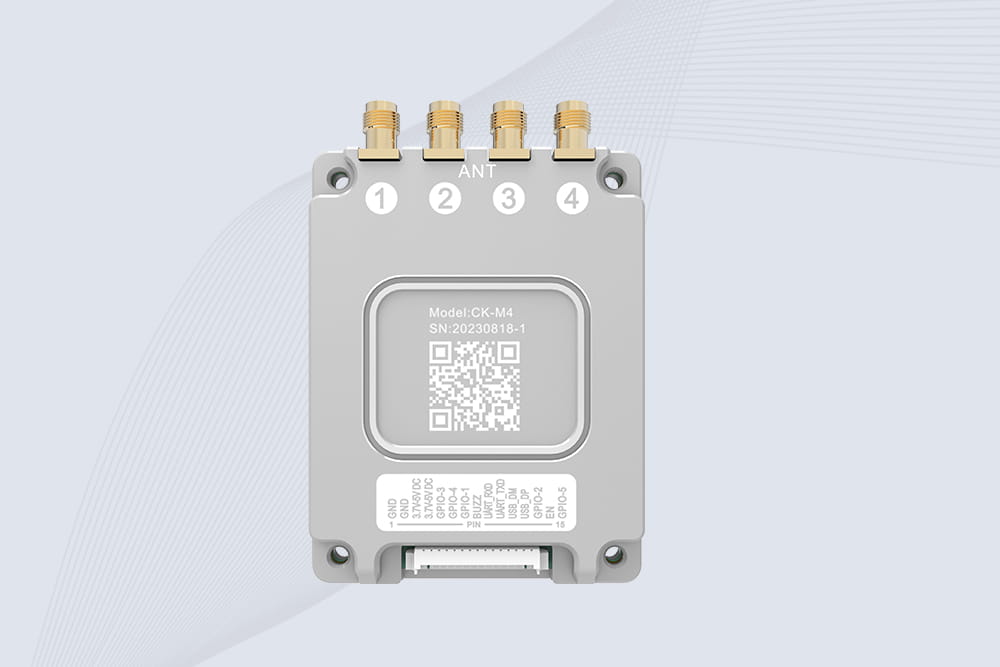
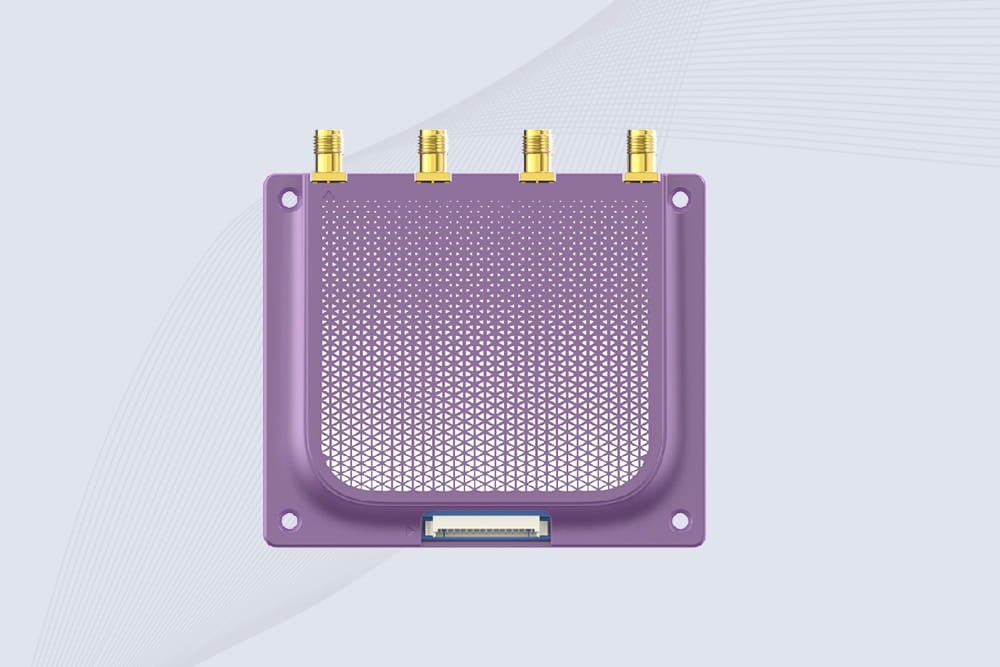
CYKEO CYKEO-M4 RC522 RFID Module is an industrial-grade UHF RFID reader with 4 ports, supporting ISO, EPC, and GB protocols. High-speed, accurate reading for IoT, automation, and warehouse applications.
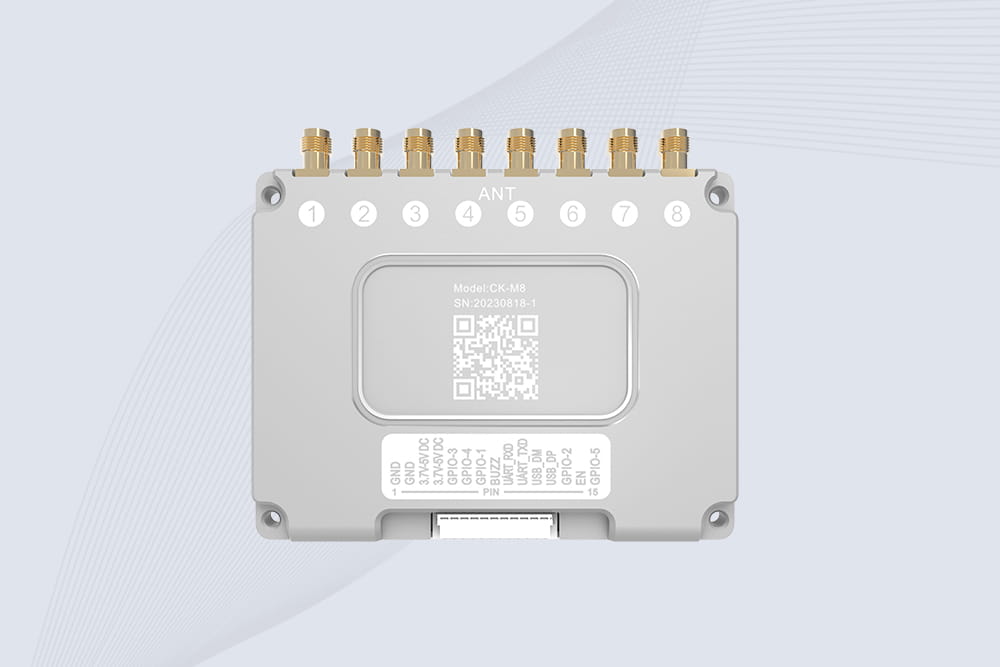
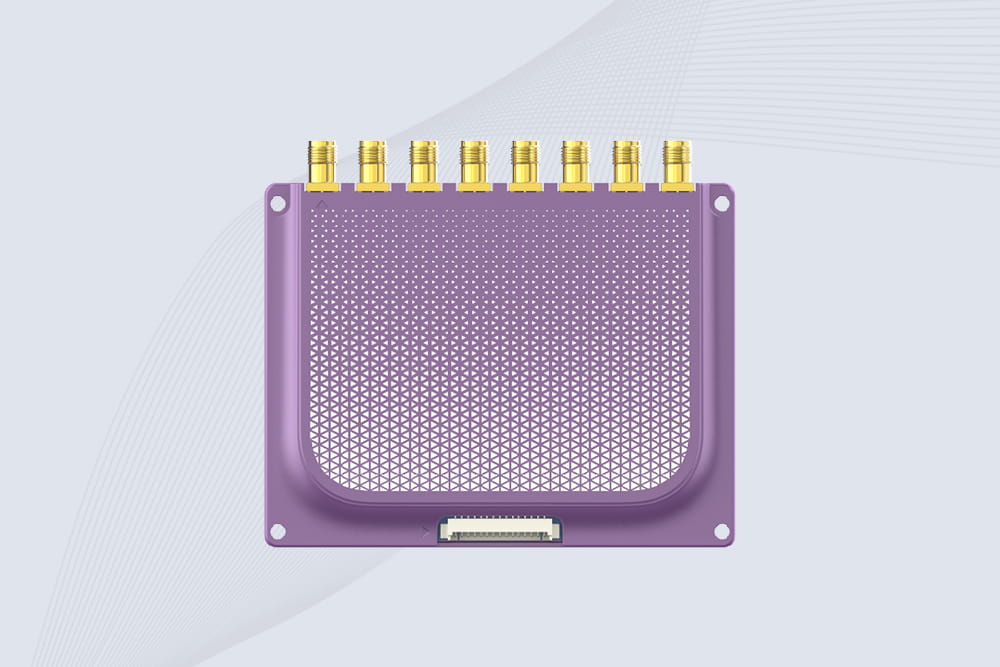
CYKEO CYKEO-M8 Module RFID is an 8-port UHF R2000 RFID Module designed for high-density, multi-tag environments. Stable 33dBm output, ISO & GB protocol support, ideal for warehouses, factories, and automated systems.
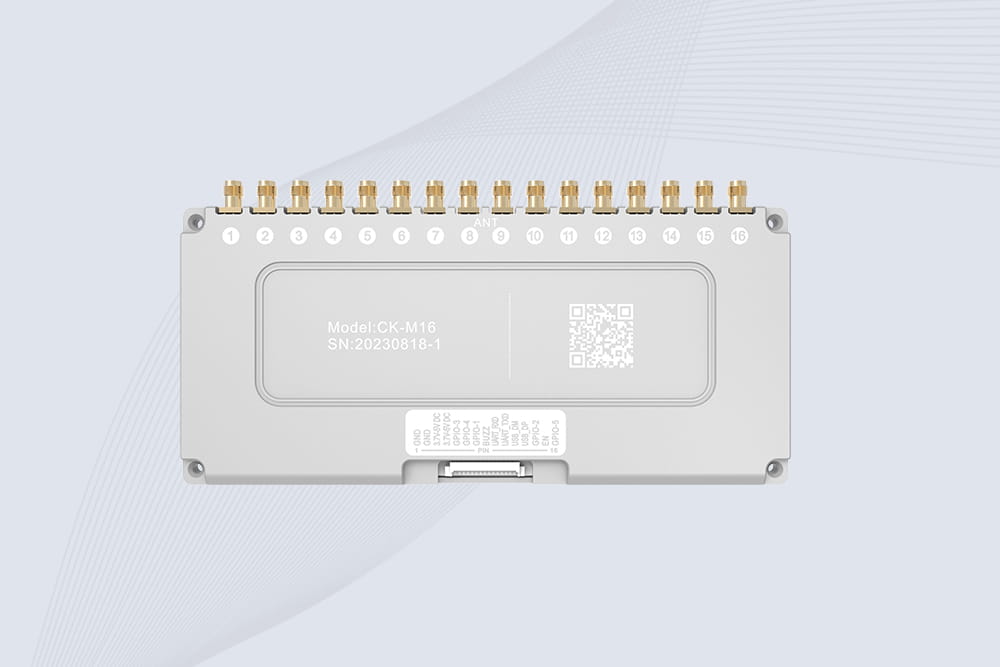
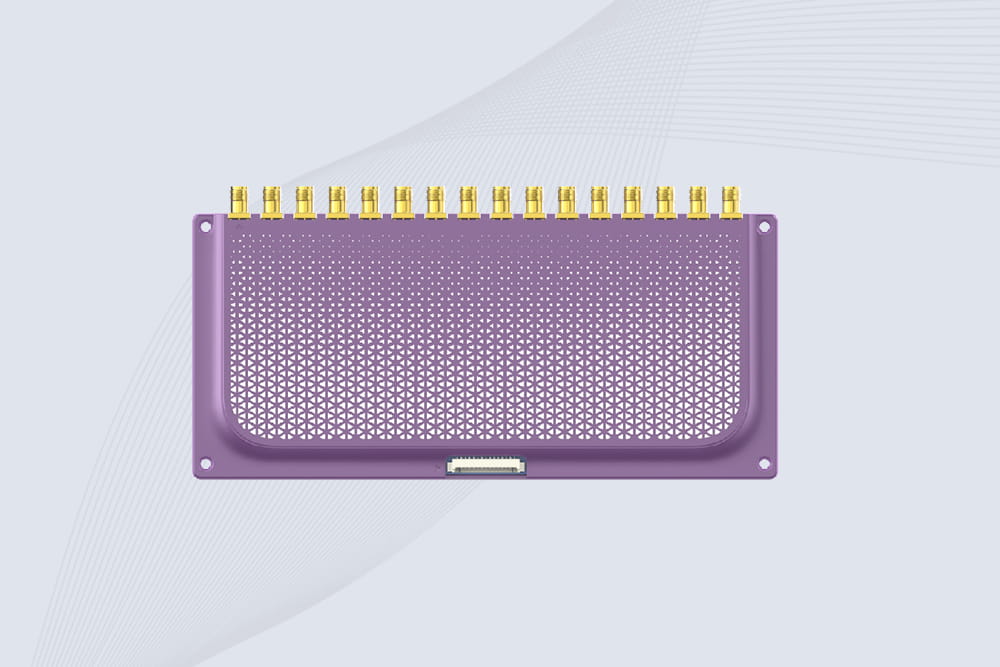
CYKEO CYKEO-M16 RFID Module is a 16-port UHF RFID reader module based on the R2000 chipset. Designed for dense tag environments, it supports ISO and GB standards and delivers stable multi-antenna control for industrial automation.
The CYKEO CYKEO-M16L RFID Reader Module is a 16-channel UHF RFID core designed for dense tag environments. With adjustable 33dBm output, multi-protocol support, and stable multi-antenna control, this RFID Tag Reader Module fits industrial automation, warehouse systems, and large-scale IoT deployments.
CYKEO CYKEO-M8L module RFID is a compact industrial UHF module built for dense tag and multi-antenna environments. With 8 RF ports, adjustable 33 dBm output, and ISO & GB protocol support, it is widely used in factories, warehouses, and automated tracking systems.
CYKEOCYKEO-M4L UHF RFID Module is a compact 4-channel RFID tag reader module designed for dense tag environments. Supporting ISO and GB protocols, it delivers stable reads up to 10 meters for industrial and IoT systems.
Cykeo CYKEO-C1 industrial Forklift RFID Reader features 20m read range, 600 tags/sec scanning, Impinj R2000 chipset, and IP67 rugged design. Ideal for warehouse logistics and manufacturing. Supports ISO 18000-6C/6B protocols.
Cykeo CYKEO-R4 industrial UHF RFID Fixed Reader features 4 TNC ports, 400+ tags/sec speed, IP67 housing, and global frequency compliance for vehicle inspection, smart warehouse, and asset management systems.
CYKEO CYKEO-R8L Fixed RFID Reader with 8-port UHF design, Impinj-based RF core and up to 20m read range. An industrial Fixed RFID Reader for vehicle inspection, warehouse portals, smart manufacturing lines and secure access checkpoints.
RFID Fixed Reader from CYKEO – the CYKEO-R16L 16-port UHF fixed reader for warehouses, smart cabinets, and production lines. Long-range, multi-tag reading, stable performance for 24/7 industrial use.
RFID Industry Writer | IoT & Asset Tracking Analyst
James writes about RFID technology, asset tracking, and the practical challenges of digital transformation across warehousing, retail, manufacturing, and logistics.
His work focuses on how RFID is applied in real-world operations—improving inventory visibility, automating workflows, and helping businesses manage assets with greater accuracy and efficiency.
He regularly covers topics including UHF RFID, smart cabinets, RFID portals, tool tracking, warehouse automation, and industrial IoT trends..
Wondering "how can I read 1000 RFID tags"? Discover tunnel systems, anti-collision optimization, hardware selection, and real-world strategies for bulk RFID reading with CYKEO.
Get a clear answer to what is a RFID antenna. Learn how this hardware enables wireless communication in RFID systems for access control, tracking, and inventory.
A long range RFID scanner helps smart factories track materials, work-in-process products, tools, equipment, pallets, and reusable containers. By connecting ...
Learn how long range RFID readers are used in parking systems, including barrier gates, windshield tags, license plate tags, vehicle detection, installation layout, and common deployment issues.
 Cykeo RFID IoT Solution Products R&D Manufacturer