 Cykeo RFID IoT Solution Products R&D Manufacturer
What Is a Hand Tool Tracking System?
164Discover how a hand tool tracking system improves accountability, inventory accuracy, and tool visibility using RFID technology. Reduce losses and automate inspections with Cykeo.
MoreAll RFID Product
Libraries handle much more inventory movement than most people realize.
Books are constantly borrowed, returned, sorted, relocated, archived, and reshelved throughout the day. In large public libraries, universities, and archive centers, keeping track of everything manually becomes difficult very quickly.
That’s why RFID has become one of the most widely adopted technologies in modern library management systems.
And increasingly, the hardware behind these systems is no longer a large standalone reader sitting beside a checkout desk.
More libraries and equipment manufacturers are embedding RFID reader modules directly inside kiosks, return stations, sorting equipment, and smart shelving systems.
Traditional barcode systems still work, but they depend heavily on manual operation.
Staff or visitors must:
This slows down circulation, especially during busy periods.
RFID changes the process because books can be identified automatically without line-of-sight scanning.
Multiple books can be processed at the same time, which significantly improves efficiency.
RFID is now used across many different library workflows.
Visitors can borrow multiple books simultaneously without staff assistance.
The RFID system automatically identifies all tagged items placed on the checkout surface.
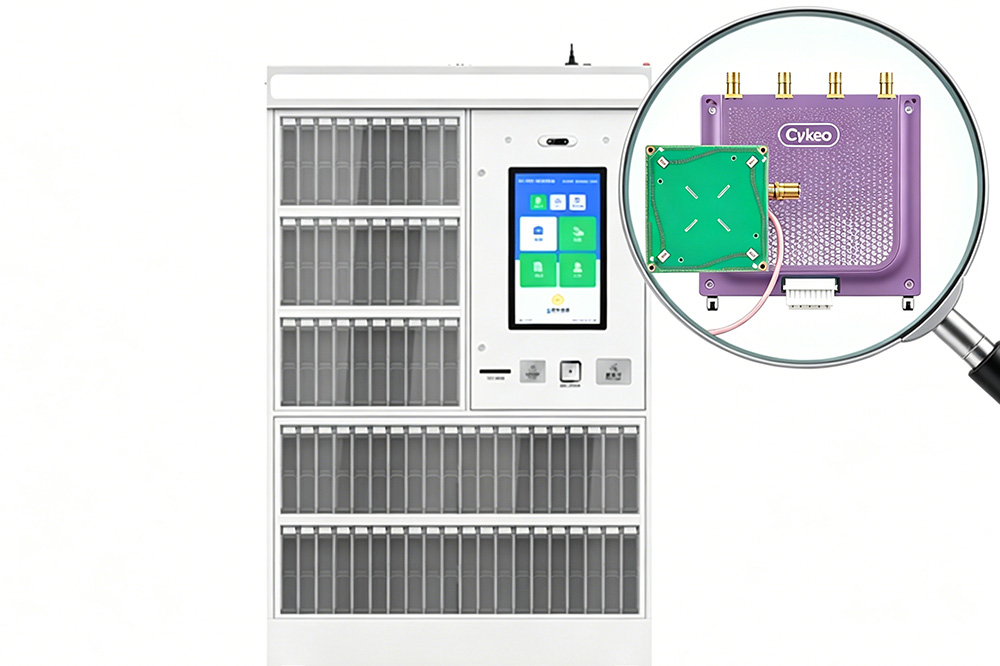
RFID return systems help automate:
without requiring manual scanning.
Some libraries now use RFID-enabled shelves to monitor:
in real time.
Earlier RFID library systems often depended on large external readers mounted beside circulation desks.
Now, more manufacturers are embedding RFID modules directly inside:
This provides more flexibility for:
For organizations comparing hardware approaches, this guide explains the practical difference between RFID modules and standalone readers:rfid module vs rfid reader whats the difference
It’s especially useful for OEM developers building embedded RFID systems for public infrastructure.
Libraries may look simple compared to factories or warehouses, but they still create several RF challenges.
Especially because systems operate around:
These conditions can affect:
That’s why library RFID systems still require extensive real-world testing before deployment.
Many unstable RFID library systems are actually suffering from poor antenna design.
Especially in compact self-checkout kiosks and automated return systems where space is limited.
Integrators often spend time adjusting:
Even small antenna changes can significantly improve reading accuracy.
Library RFID systems rarely process one item at a time.
Visitors often place:
onto the checkout area simultaneously.
This is where anti-collision performance becomes critical.
Poor multi-tag handling can create:
which directly affects circulation accuracy.
One reason embedded RFID adoption is growing in libraries is hardware miniaturization.
Modern RFID modules are now compact enough to fit inside:
without requiring large external readers.
You can see examples of RFID modules designed for embedded integration here: rfid modules
These types of modules are widely used in smart infrastructure and automated inventory systems.
The RFID hardware is only part of the system.
Most RFID library deployments also integrate with:
This is where SDK quality becomes extremely important.
Poor software integration often creates more operational problems than the RFID hardware itself.
For developers interested in understanding RFID hardware architecture more deeply, this guide explains how RFID reader modules are designed internally:how to make rfid reader module
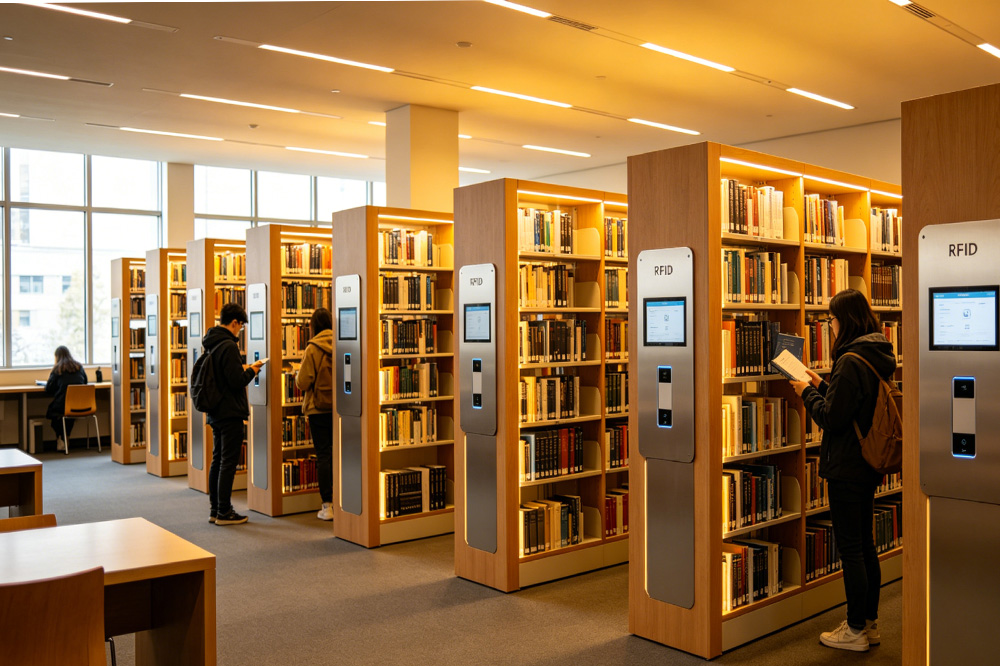
A surprising number of RFID library systems begin as small pilot projects.
Developers and universities often experiment using:
before scaling into full deployments.
That testing stage is usually where engineers first learn how RFID behaves around dense tag environments and compact public equipment.
For smaller embedded RFID projects and development experiments, this Arduino-compatible RFID guide is a useful reference:best arduino compatible rfid readers for diy enthusiasts top 5 picks
Many newer library systems are adopting UHF RFID because it supports:
That’s why embedded UHF RFID modules are increasingly being integrated directly into modern library infrastructure itself.
For more examples of how UHF RFID modules are used in real operational environments, this article explores practical deployment scenarios across multiple industries:UHF RFID Reader Module,Real-World Solutions for Modern Operations
Library RFID systems usually require several rounds of tuning before deployment.
Integrators often adjust:
before achieving stable operation.
That process is completely normal.
The systems that perform reliably long-term are usually the ones that went through enough real-world testing before rollout.
Libraries are becoming more automated while trying to maintain fast and convenient visitor experiences.
Instead of relying entirely on manual barcode workflows, more institutions are embedding RFID directly into checkout kiosks, shelves, sorting systems, and public infrastructure itself.
And in many of those deployments, the RFID reader module is quietly handling identification, circulation tracking, and inventory visibility behind the scenes every day.
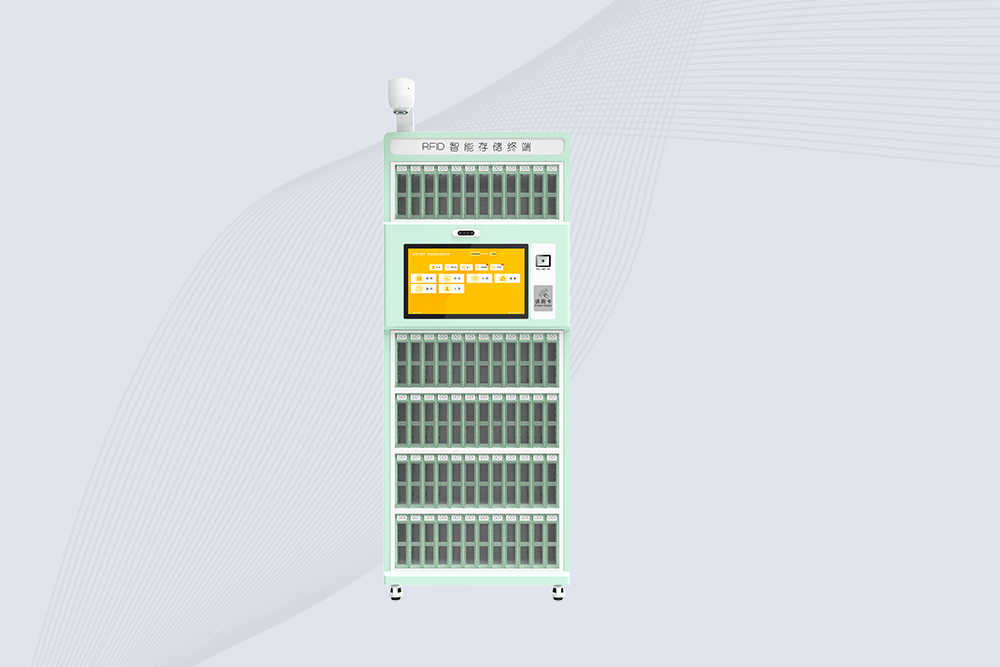
Cykeo’s RFID Library Management Cabinet offers 72-cell precision control for archives/labs/retail. Features dual-band UHF/HF scanning, facial authentication & cloud sync. ISO 18000-6C/15693 certified.
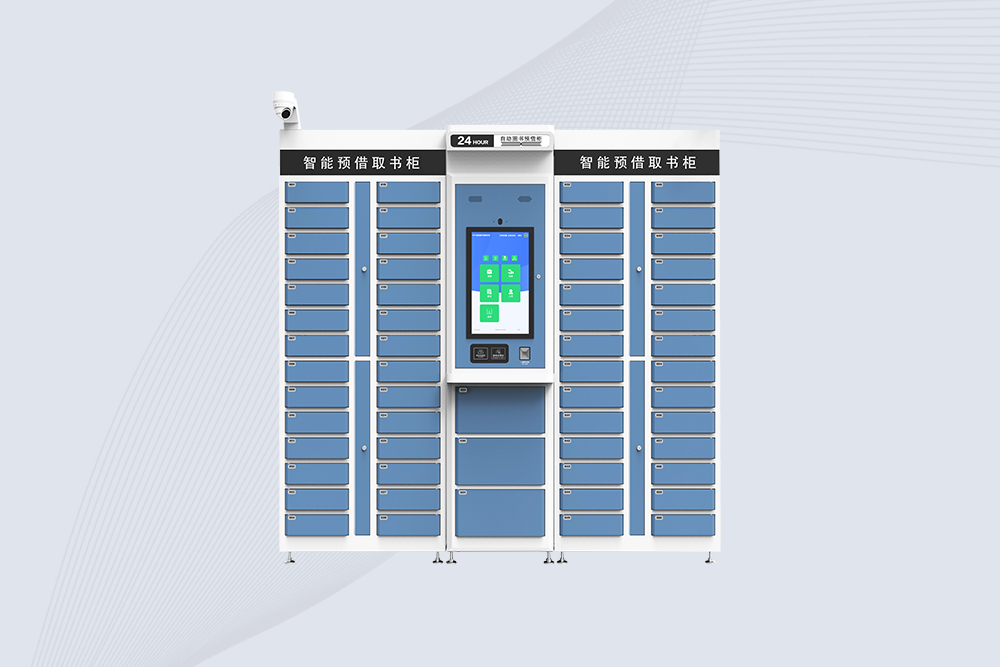
Cykeo’s RFID Smart Library Cabinet enables 24/7 book reservations with 59 compartments, biometric security & cloud sync. Ideal for universities/public libraries. Windows/Android OS.
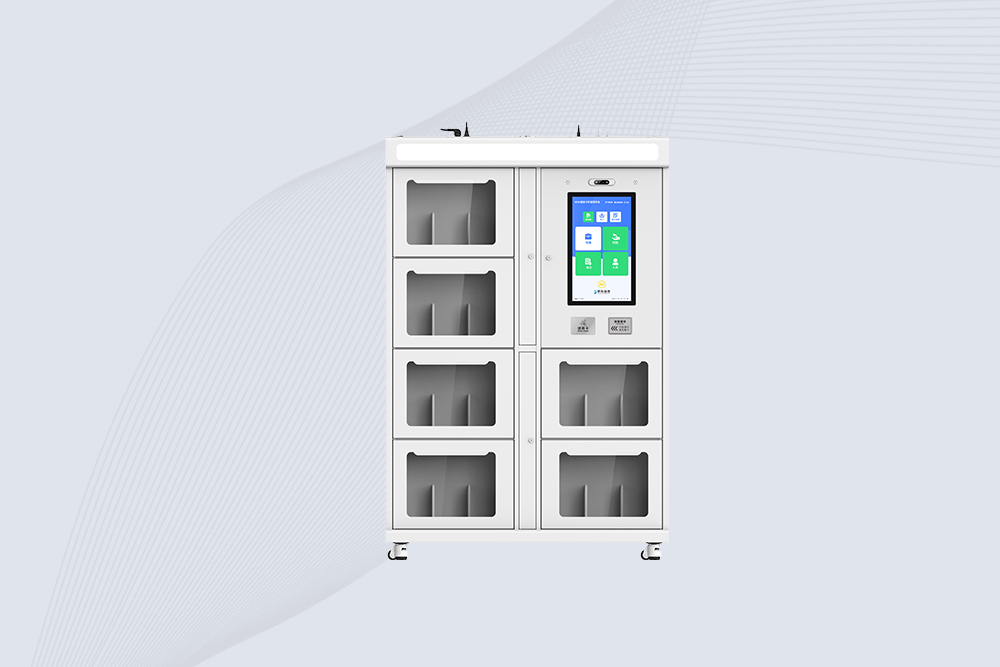
Cykeo’s RFID Book Inventory Cabinet features 7 compartments, Impinj R2000 UHF technology & dual OS for libraries/archives. 99.98% recognition accuracy with solar/cloud options.
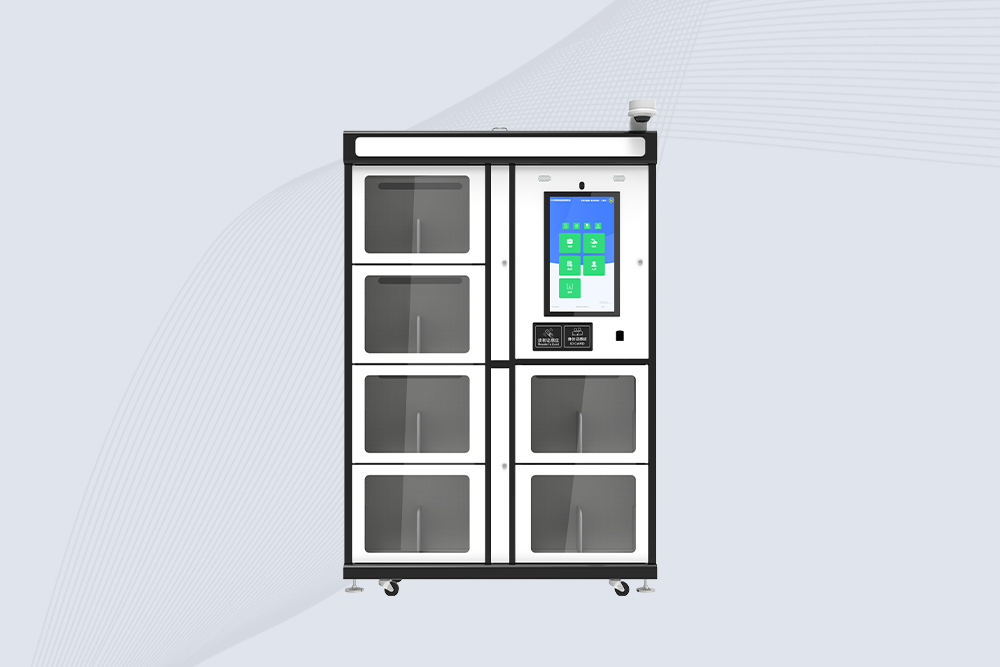
Cykeo’s industrial RFID School Library Cabinet features Impinj R2000 UHF technology, 21.5″ touchscreen & customizable compartments for academic archives, museums and libraries. Dual OS supports Windows/Android.
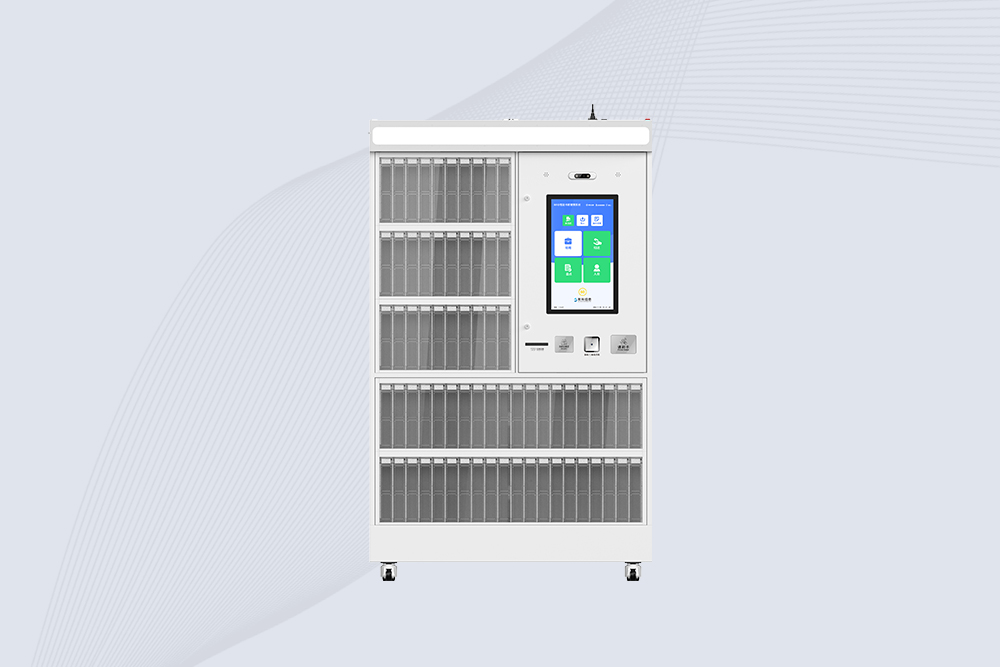
Cykeo’s RFID Mobile Library Cabinet enables 24/7 self-service book lending with 100-tag RFID scanning, facial recognition & solar power. Ideal for schools/communities.
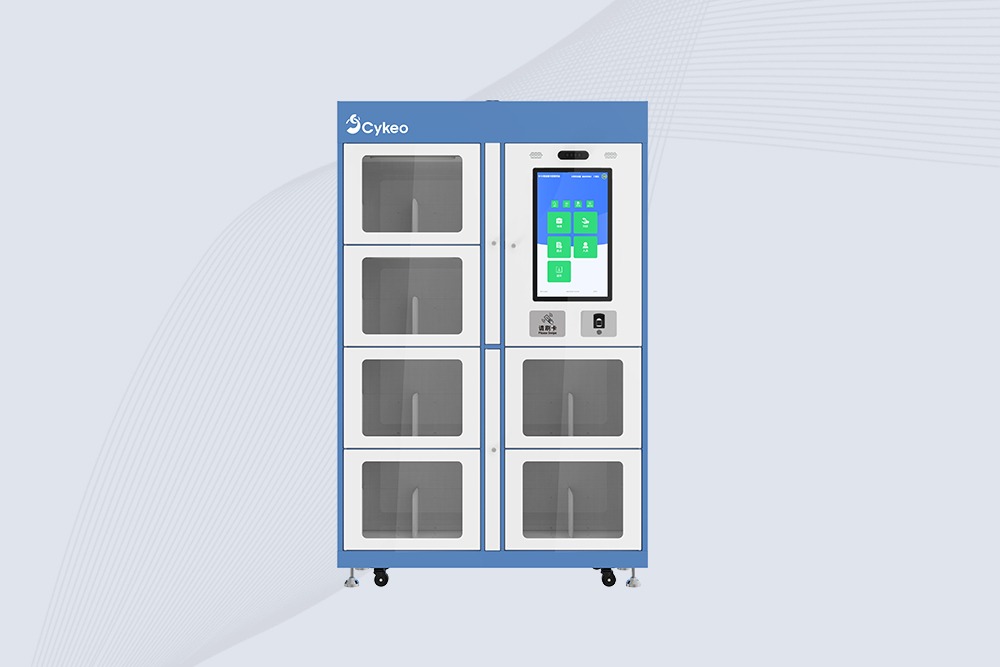
Cykeo CYKEO-G68B RFID smart bookcase features BookEye™ technology, 175-book capacity, and SAP integration for automated library management. Industrial-grade construction for 24/7 unmanned operations.
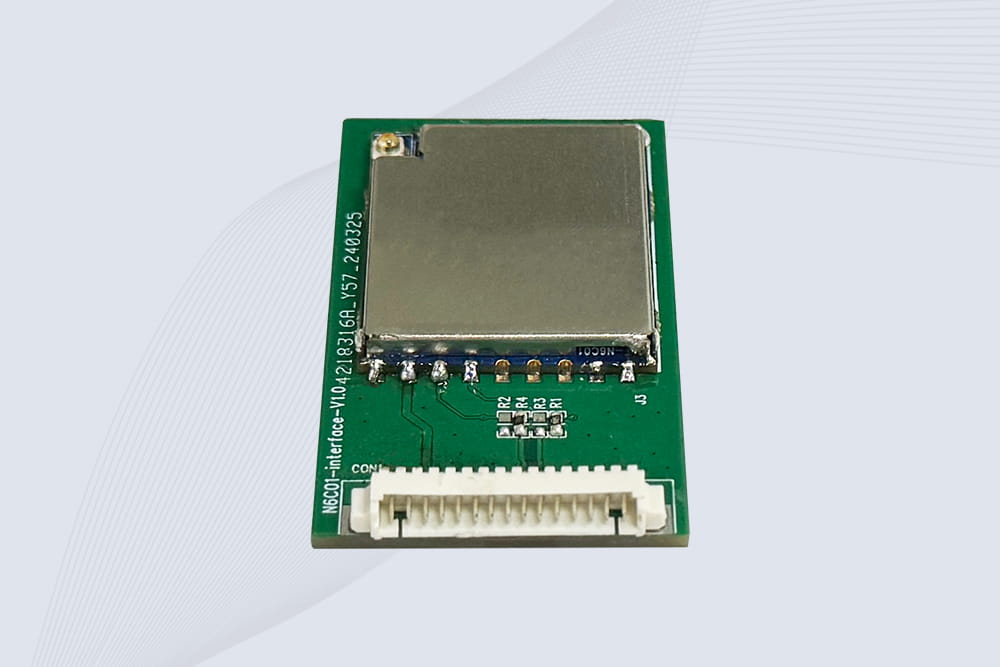
CYKEO Embedded RFID Modules are designed for compact industrial and IoT devices that require stable UHF performance. These UHF RFID Modules support global protocols, flexible power control, and reliable multi-tag reading for smart cabinets, production lines, and asset tracking systems.
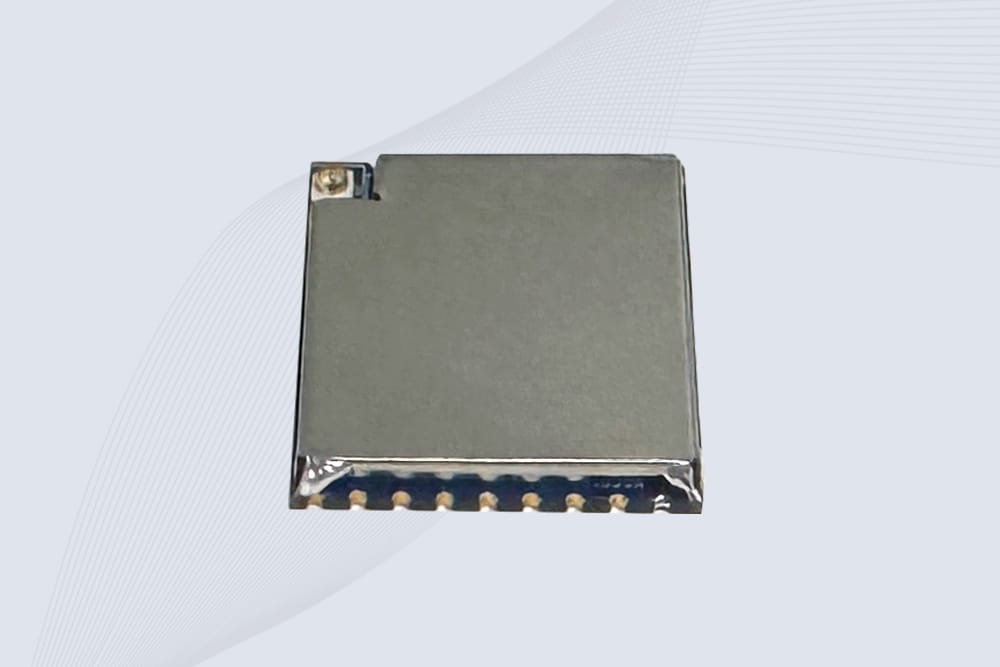
CYKEO Embedded RFID Module is built for compact IoT and industrial devices that need stable UHF performance. This UHF module supports global protocols, low power operation, and reliable multi-tag reading for smart lockers, production lines, and always-on RFID systems.
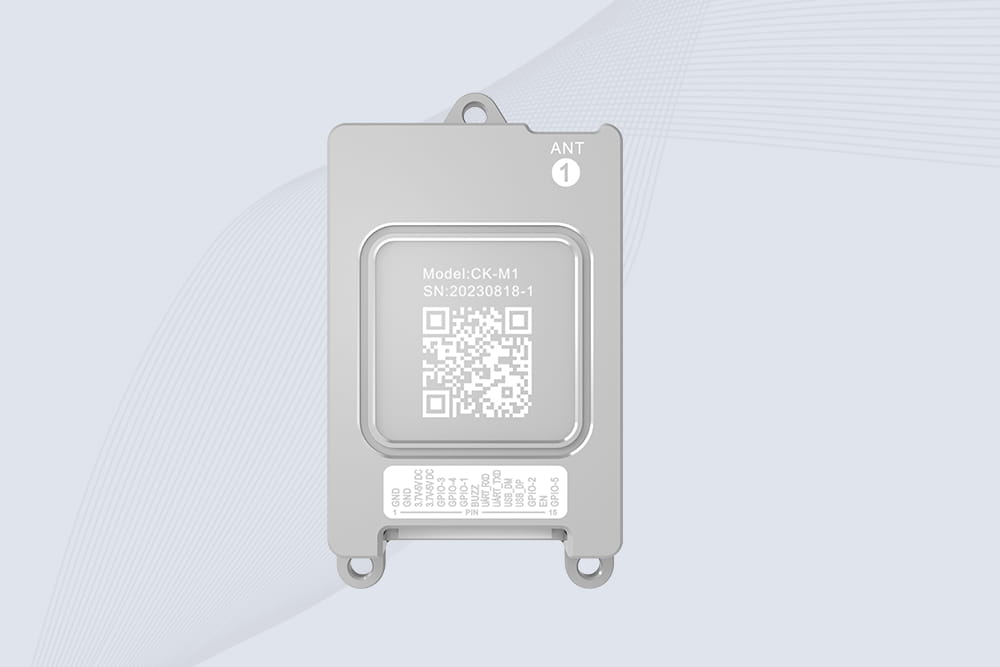
CYKEO CYKEO-M1 drone rfid module is a compact UHF RFID reader module designed for drones and UAV platforms. It supports long-range aerial scanning, fast multi-tag reading, and stable performance in wind, vibration, and outdoor environments.
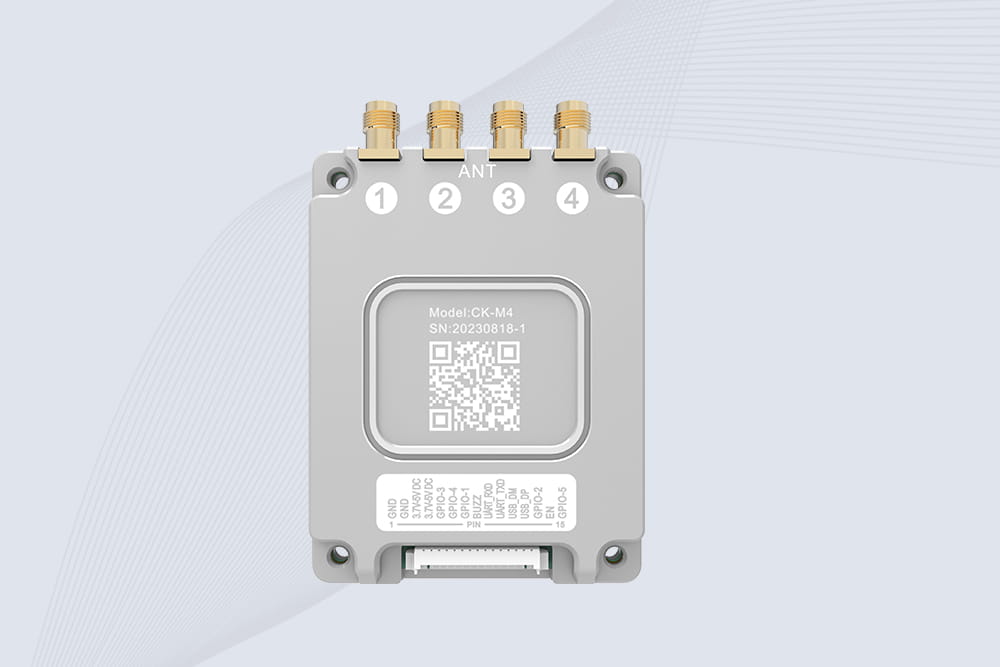
CYKEO CYKEO-M4 RC522 RFID Module is an industrial-grade UHF RFID reader with 4 ports, supporting ISO, EPC, and GB protocols. High-speed, accurate reading for IoT, automation, and warehouse applications.
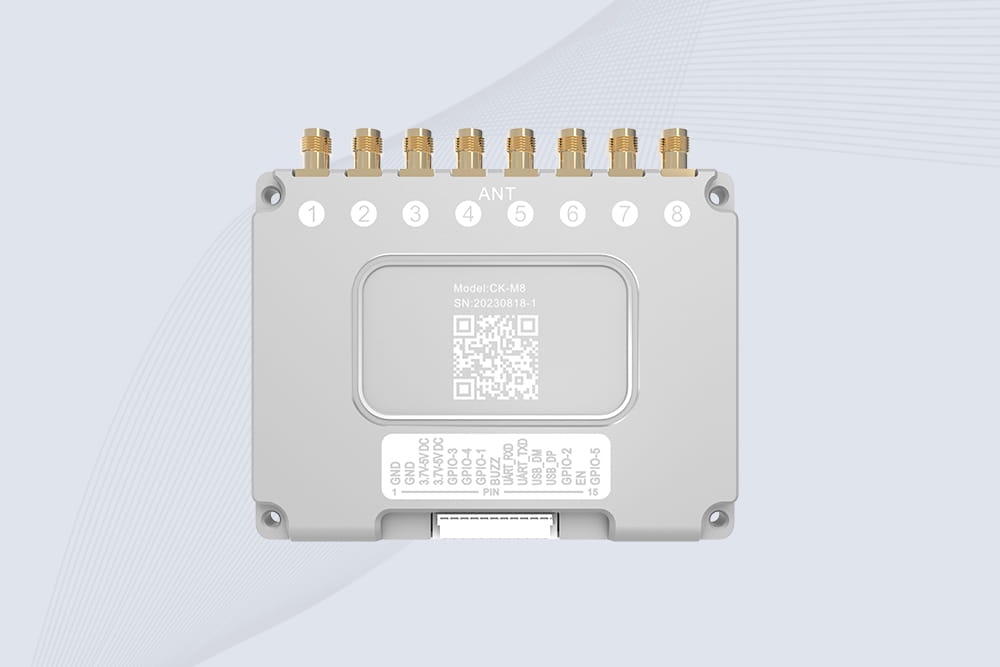
CYKEO CYKEO-M8 Module RFID is an 8-port UHF R2000 RFID Module designed for high-density, multi-tag environments. Stable 33dBm output, ISO & GB protocol support, ideal for warehouses, factories, and automated systems.
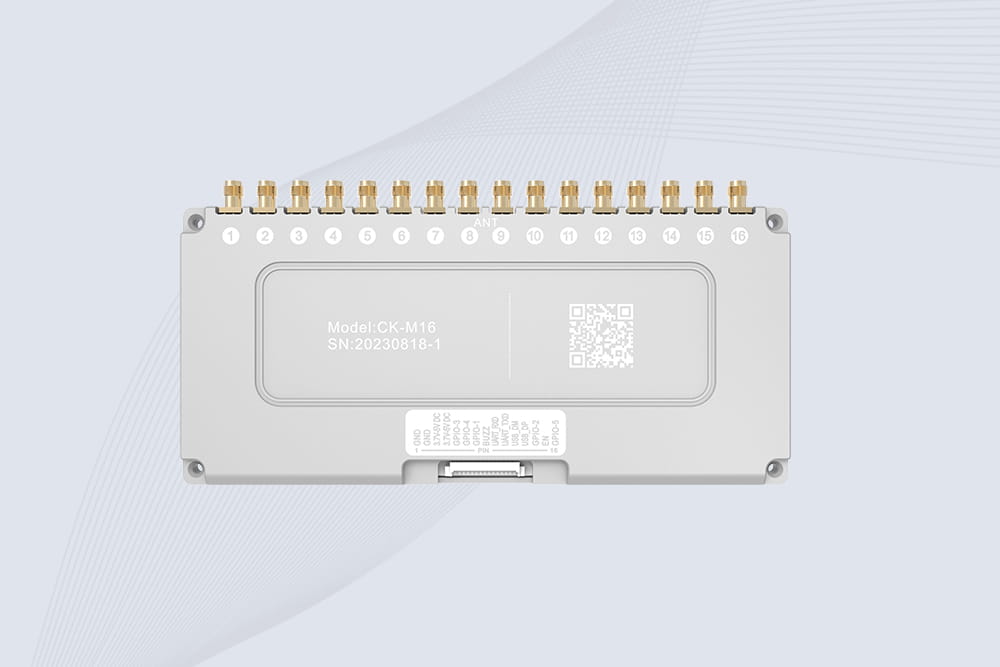
CYKEO CYKEO-M16 RFID Module is a 16-port UHF RFID reader module based on the R2000 chipset. Designed for dense tag environments, it supports ISO and GB standards and delivers stable multi-antenna control for industrial automation.
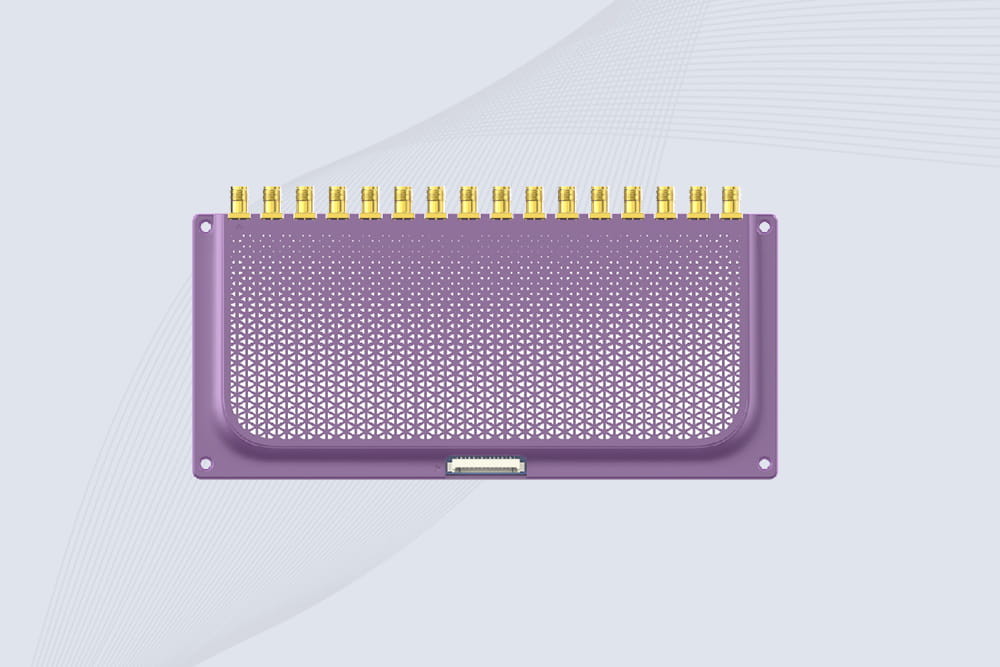
The CYKEO CYKEO-M16L RFID Reader Module is a 16-channel UHF RFID core designed for dense tag environments. With adjustable 33dBm output, multi-protocol support, and stable multi-antenna control, this RFID Tag Reader Module fits industrial automation, warehouse systems, and large-scale IoT deployments.
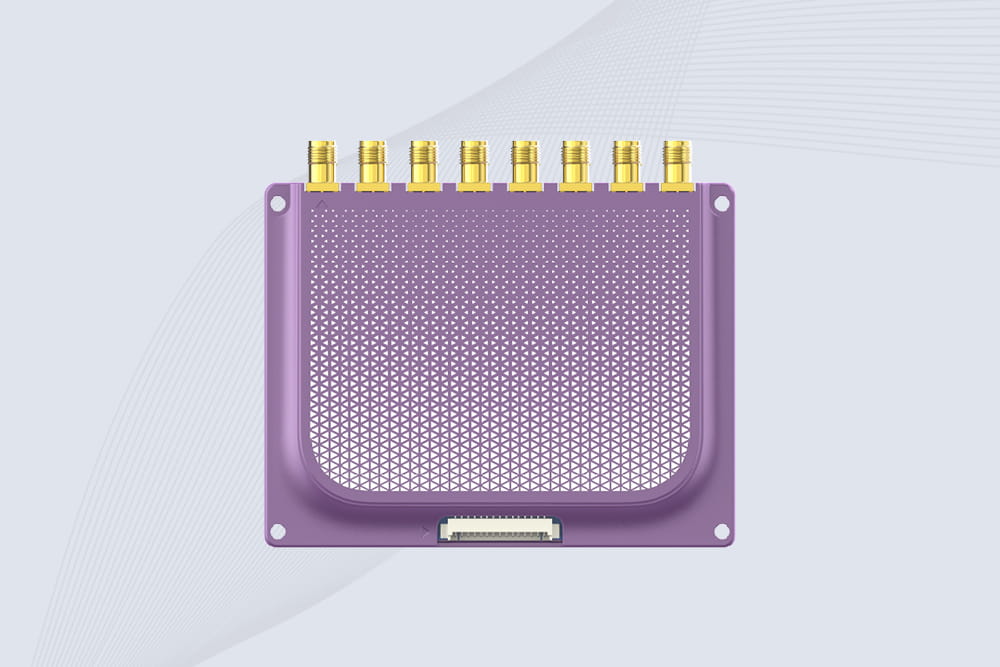
CYKEO CYKEO-M8L module RFID is a compact industrial UHF module built for dense tag and multi-antenna environments. With 8 RF ports, adjustable 33 dBm output, and ISO & GB protocol support, it is widely used in factories, warehouses, and automated tracking systems.
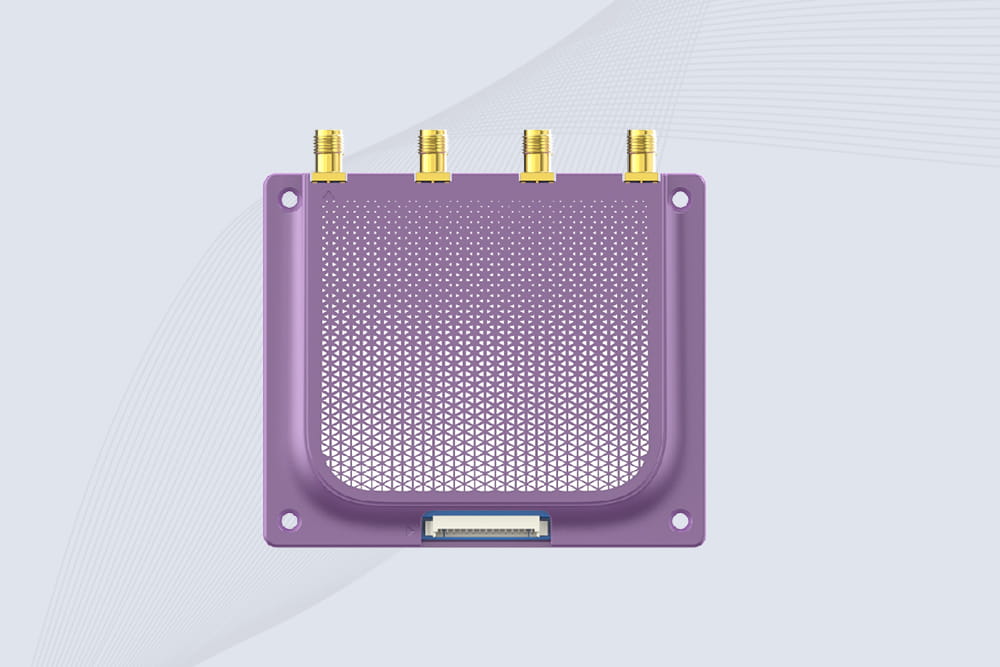
CYKEOCYKEO-M4L UHF RFID Module is a compact 4-channel RFID tag reader module designed for dense tag environments. Supporting ISO and GB protocols, it delivers stable reads up to 10 meters for industrial and IoT systems.

Discover how a hand tool tracking system improves accountability, inventory accuracy, and tool visibility using RFID technology. Reduce losses and automate inspections with Cykeo.
More
Searching for one antenna for all jobs? We explore the reality behind a universal UHF RFID reader antenna, its ideal uses, and when you need a specialist.
More
Discover what is rfid reader and how it enables fast, accurate tag identification. Cykeo explains RFID reader technology, applications, and smart management solutions.
More
Discover how RFID technology, featuring the CK‑TP4A retractable UHF RFID gate, streamlines warehouse and inventory management. Improve efficiency, accuracy, and real-time tracking for large-scale warehouses and high-volume inventory operations.
More