 Cykeo RFID IoT Solution Products R&D Manufacturer
UHF Reader: Is It the Right Choice for Long-Range RFID Applications?
279UHF reader explained from real deployments: read range, stability, common mistakes, and how companies actually use UHF readers in RFID systems.
MoreAll RFID Product
Adding RFID to a textile management project sounds simple at first.
Attach tags to garments, install readers, connect software, and start tracking inventory.
In reality, successful RFID laundry deployments depend heavily on planning. Many projects fail not because of the RFID technology itself, but because the system design doesn’t match the real operating environment.
Commercial laundries, hotels, hospitals, and uniform rental companies all process textiles differently. The workflow, washing conditions, and inventory movement patterns directly affect how the RFID system should be deployed.
For companies building smart textile management systems, the goal is not simply “using RFID.”
The real goal is building a tracking process that remains stable during daily industrial operations.
Before selecting tags or readers, it’s important to understand how textiles actually move through the operation.
In many projects, deployment problems happen because the RFID system is designed before the real workflow is analyzed properly.
A typical textile management process may include:
Each stage creates different RFID reading conditions.
For example, tightly packed wet linens behave differently from dry folded uniforms during RFID scanning.
Understanding those workflow details early helps avoid many deployment issues later.
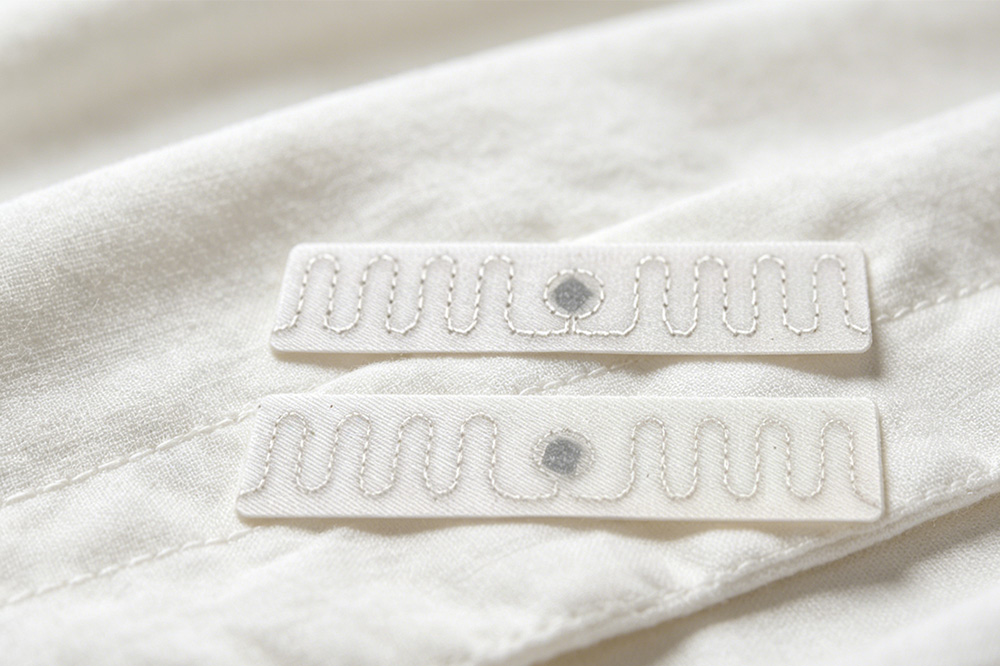
Not every washable RFID tag is suitable for industrial laundry environments.
Commercial washing systems expose tags to:
If the tag cannot survive those conditions, tracking reliability drops quickly.
A durable industrial RFID laundry tag is usually designed specifically for repeated industrial washing and long-term textile circulation.
When selecting RFID laundry tags, solution providers typically evaluate:
The best tag choice often depends on the textile type and application environment.
One common mistake in RFID projects is focusing heavily on the tags while underestimating reader positioning.
RFID performance depends greatly on how textiles move through reading zones.
For example:
Because of this, reader placement usually requires real testing inside the actual operational environment.
In textile management systems, common RFID reading points include:
The goal is creating stable read coverage without slowing down workflow efficiency.
RFID hardware alone does not solve inventory problems.
The real value comes from how the data integrates into the textile management system.
Most deployments require software capable of handling:
Without good software integration, RFID simply becomes a faster scanning tool instead of a true operational management system.
For larger deployments, system integration often determines whether the project delivers long-term operational value.
RFID performance during demonstrations and actual production environments can be very different.
A system that works perfectly in a clean testing room may behave differently once exposed to:
That’s why experienced RFID solution providers usually conduct real environment testing before large-scale rollout.
Testing helps identify:
Small adjustments during deployment often prevent much larger operational issues later.
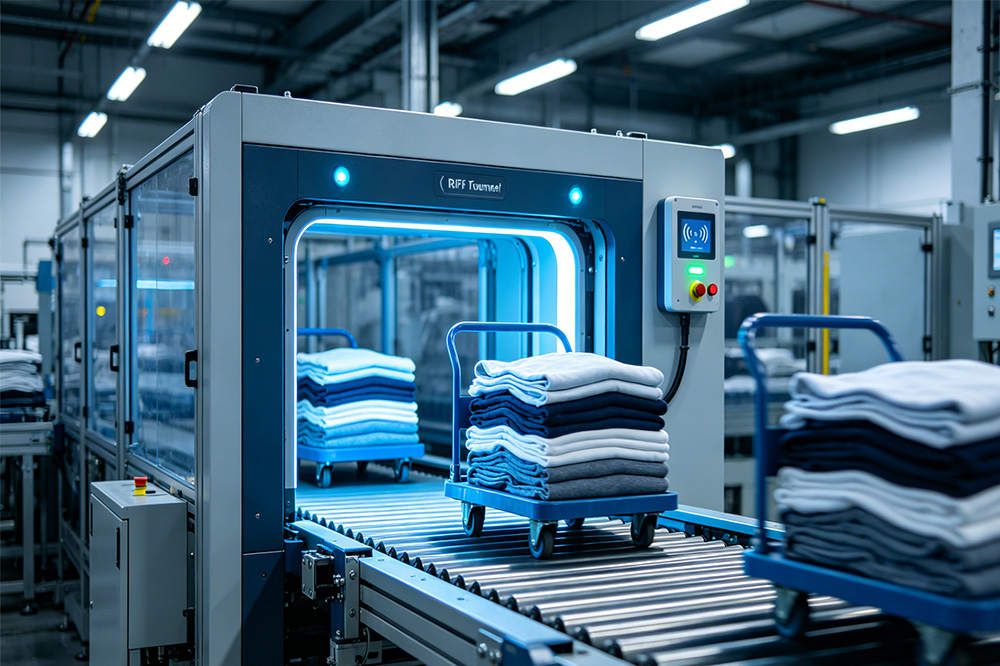
Many textile operators start with small RFID projects and expand later.
For example, a hotel group may initially track only towels and bed linens before expanding into uniforms or multi-property inventory management.
If scalability is ignored early, system expansion becomes much more difficult later.
Good deployment planning should consider:
RFID infrastructure usually works best when scalability is considered from the beginning.
Textile tracking is gradually moving away from manual inventory systems.
As labor costs rise and inventory visibility becomes more important, more commercial laundries and textile operators are investing in RFID infrastructure.
But successful deployment depends less on buying hardware and more on understanding how textiles move through real operational environments.
For many modern textile management systems, RFID laundry tags are no longer viewed as optional upgrades. They are increasingly becoming the foundation of automated textile tracking operations.
User Guide
How to Remove RFID Tags from Clothing Safely (Without Ripping Your Shirt)
The Truth About RFID Signals: Aluminum Foil, Smartphones, and Reading Range Explained
How Security Tag Readers Work: RFID vs. Magnetic Systems – Which Is More Efficient?
How to Deactivate RFID Tags Without Guesswork or Myths?
How to Test RFID Tags with Phone
How to Test RFID Tags with Your Smartphone (No Scanner Needed)
How to Use Android Phone to Emulate RFID Tag: Full Tutorial and Application Guide
Can Your RFID Tags Reader iPhone ? Here’s How It Actually Works
Can You Use an NFC Phone as an RFID Tag?
How to Choose the Right RFID Tag for Clothing? Materials, Packaging & Attachment Explained
Industrial Essentials: 2025 Guide to the Most Durable Rugged RFID Tags
Active RFID Tag Range: The Real Difference Between Active and Passive Tags

UHF reader explained from real deployments: read range, stability, common mistakes, and how companies actually use UHF readers in RFID systems.
More
Learn how far away can an RFID tag be read across UHF, HF, and LF systems. Compare real-world RFID ranges, reader power, antenna design, tag orientation, and materials.
More
Professional guide to long range RFID for solution providers, covering rfid reader performance, industrial selection, and real deployment considerations
More
Explore how NFC phones can be used as RFID tags for efficient asset management and tracking. Learn the differences between NFC and RFID technologies, and discover the benefits of combining both in real-world applications. Check out our guide and e...
More