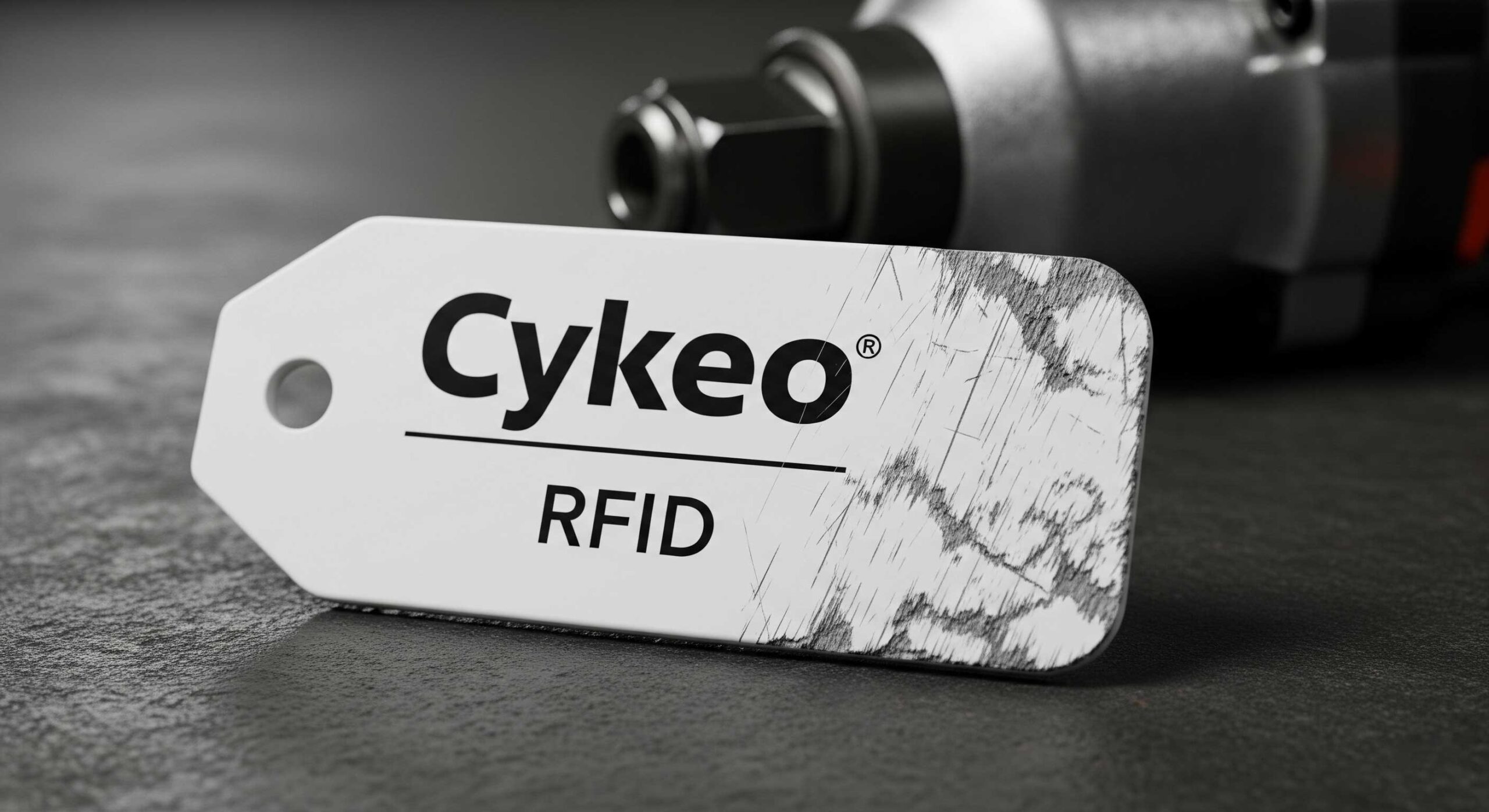
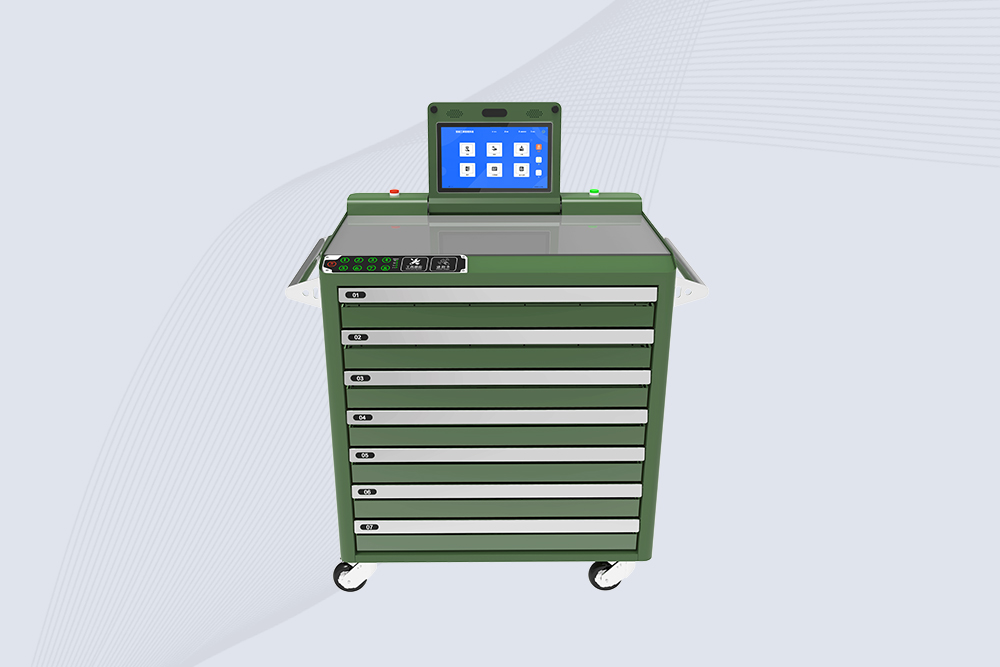
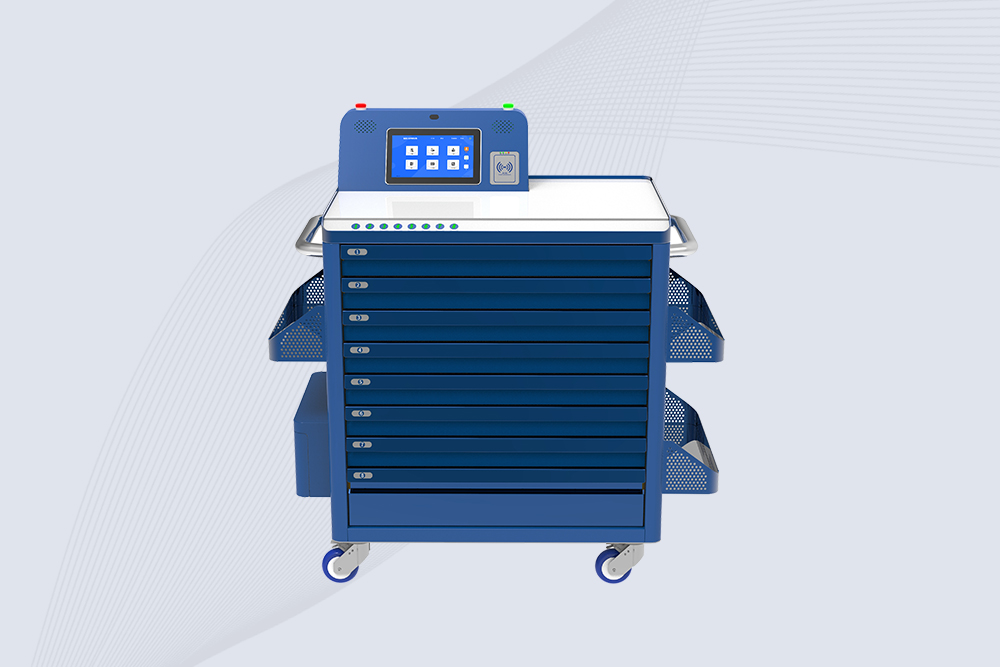
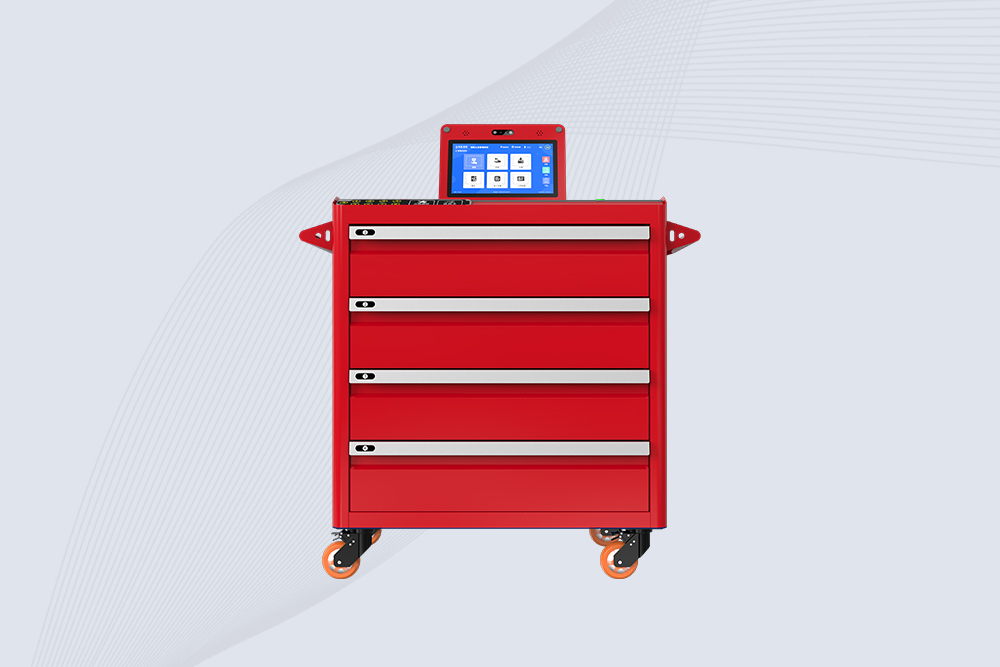
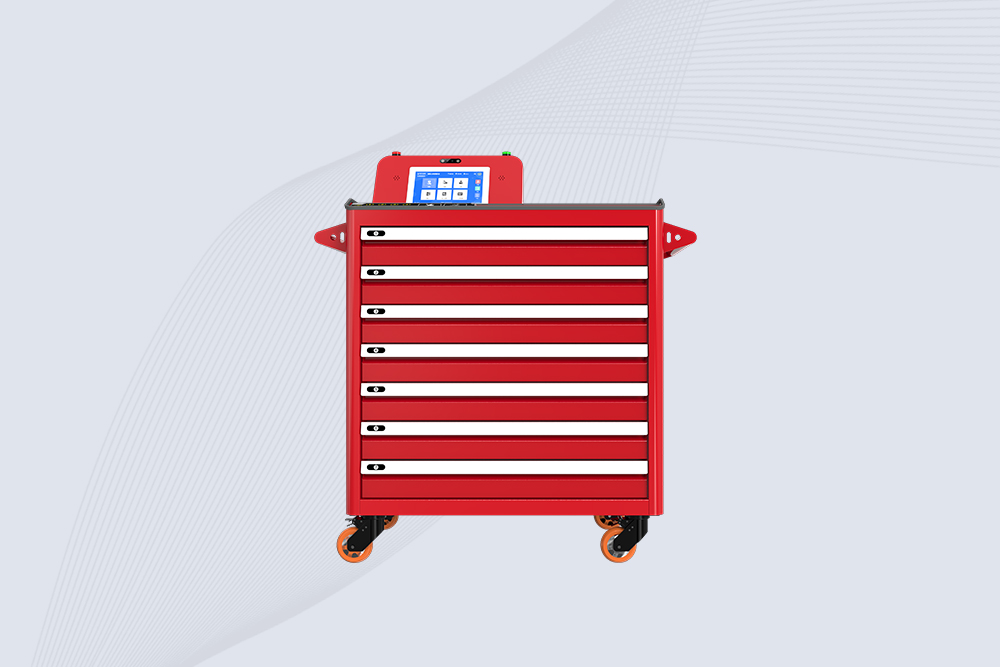
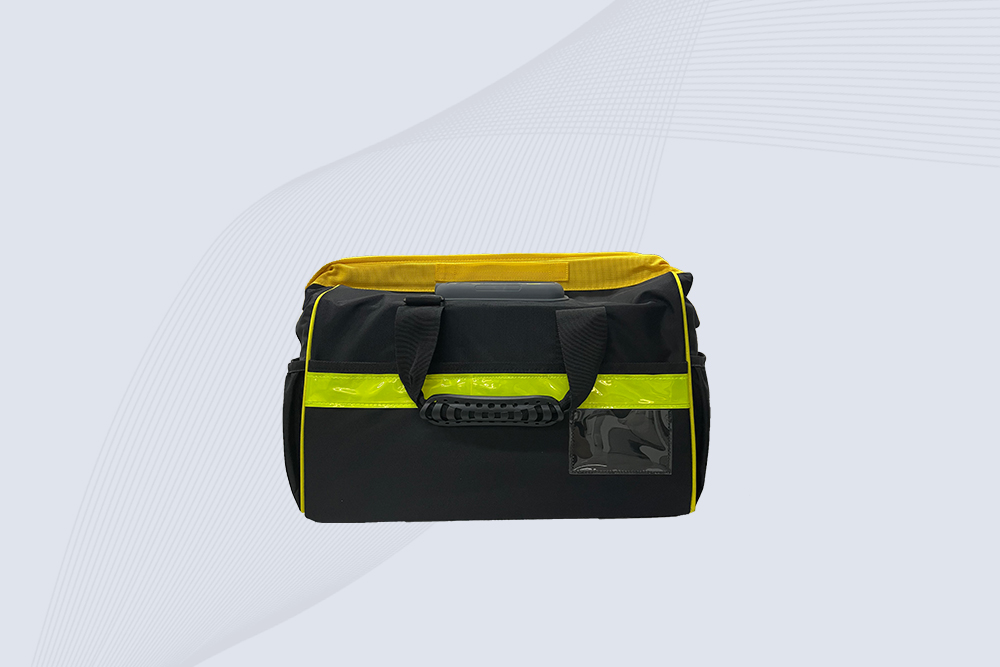
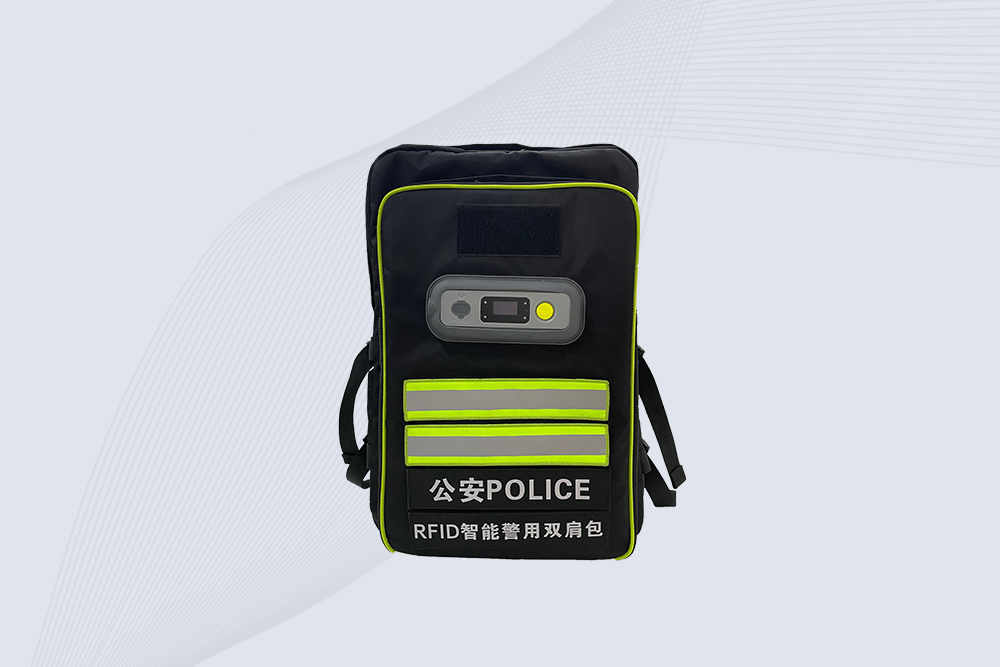
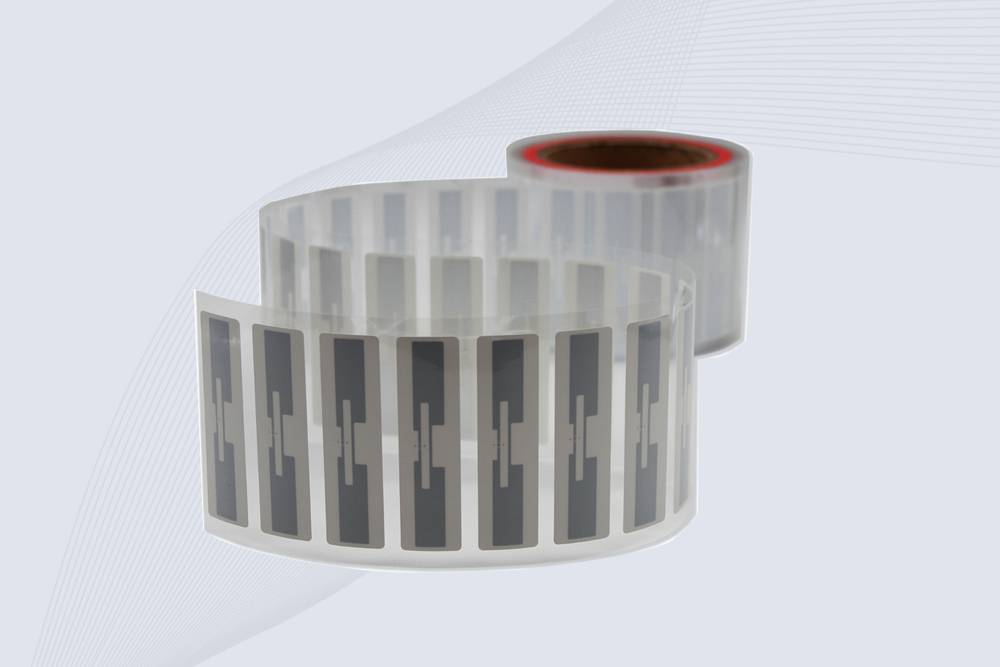
Houston, we’ve got a tool problem. Last quarter, a mislogged torque wrench nearly grounded a 787 in Dubai—an entirely preventable $2M delay. In precision-driven sectors like aerospace or energy, RFID for tool tracking isn’t about innovation; it’s survival.
The Manual Tracking Trap
Most facilities still rely on paper logs or foam shadow boards. At a Texas oil rig, auditors found 40% of calibration records mismatched physical tools. These gaps cause:
Safety nightmares: Forgotten tools become FOD (Foreign Object Debris)—think a socket left inside a GE turbine.
Compliance fines: FAA violations average $125k per incident.
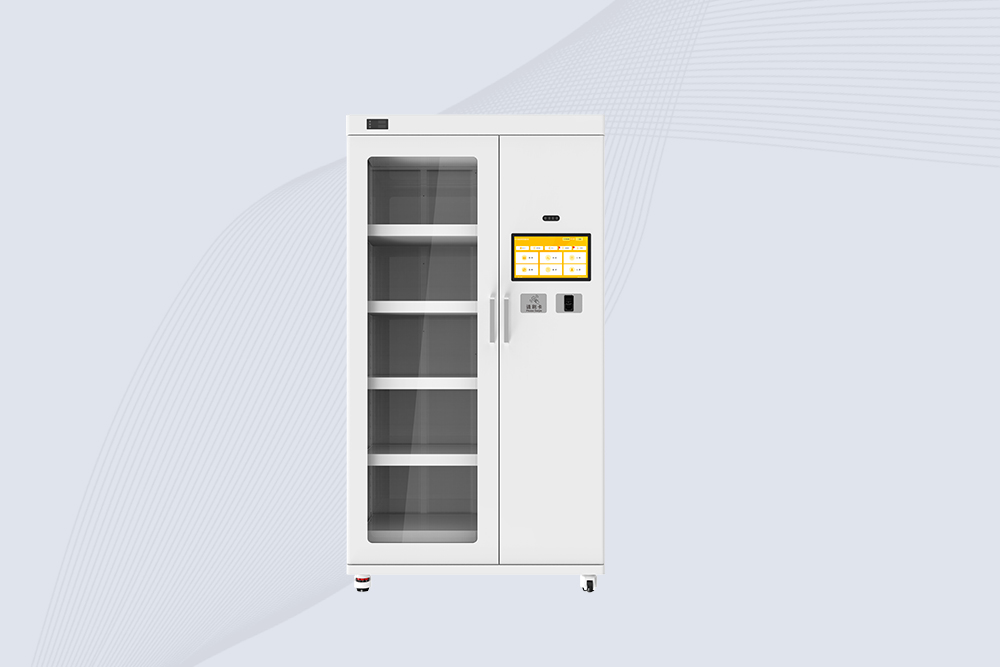
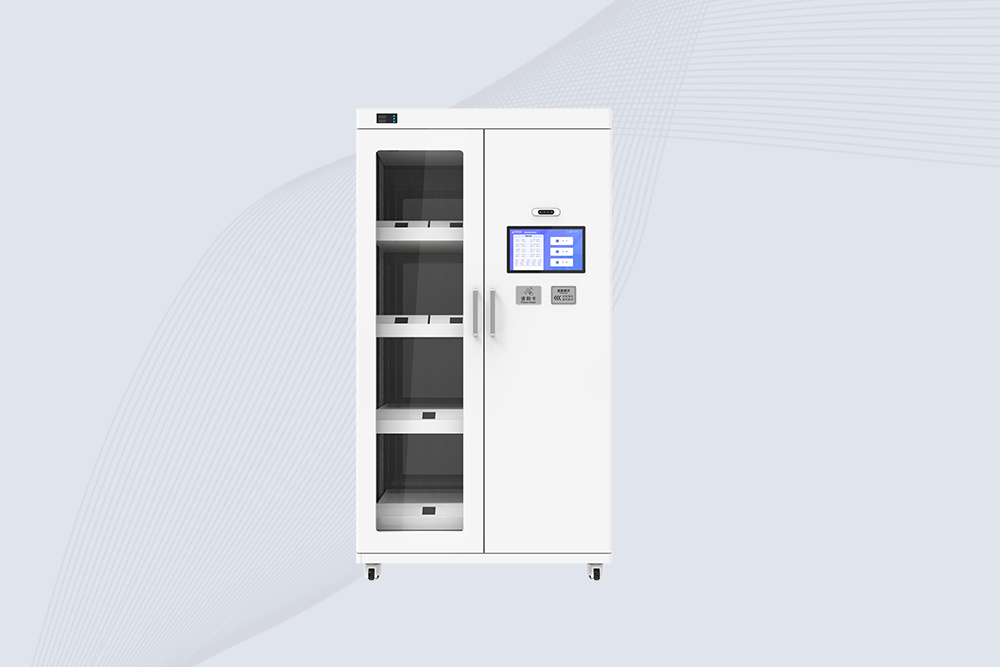
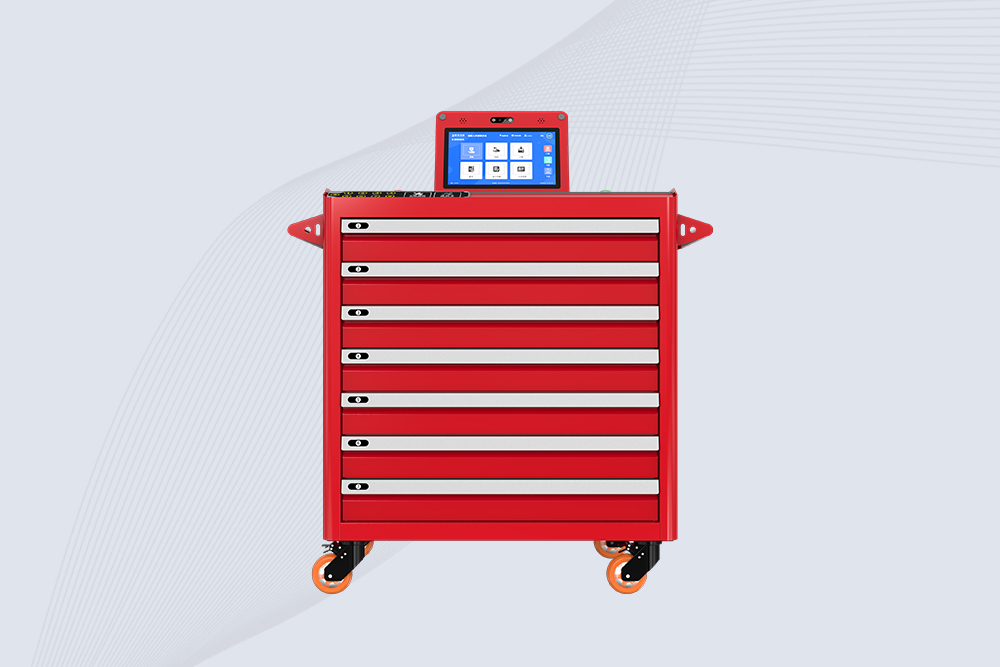
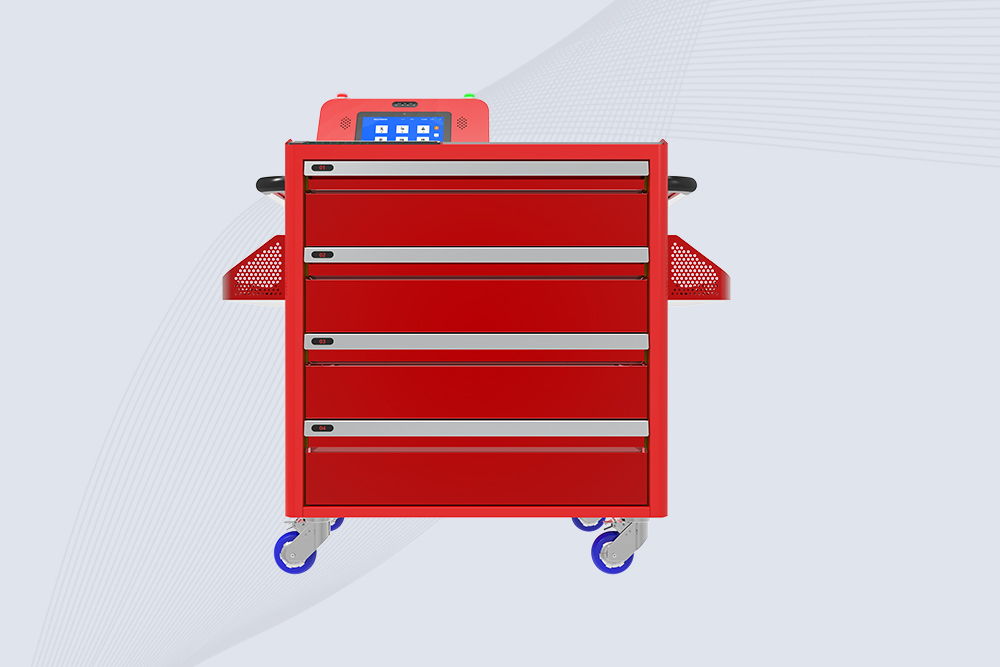
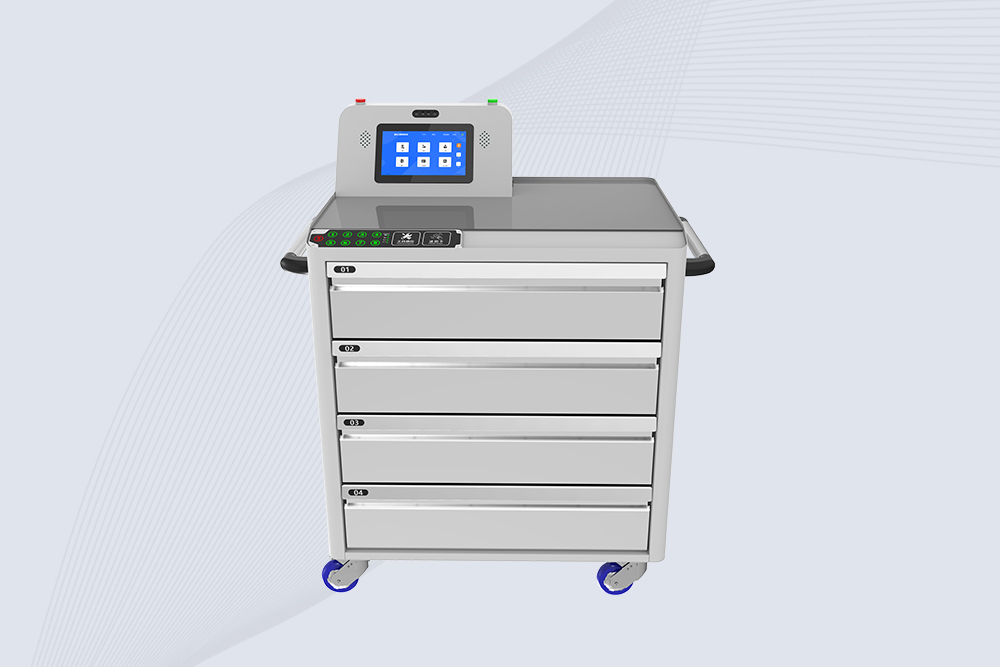
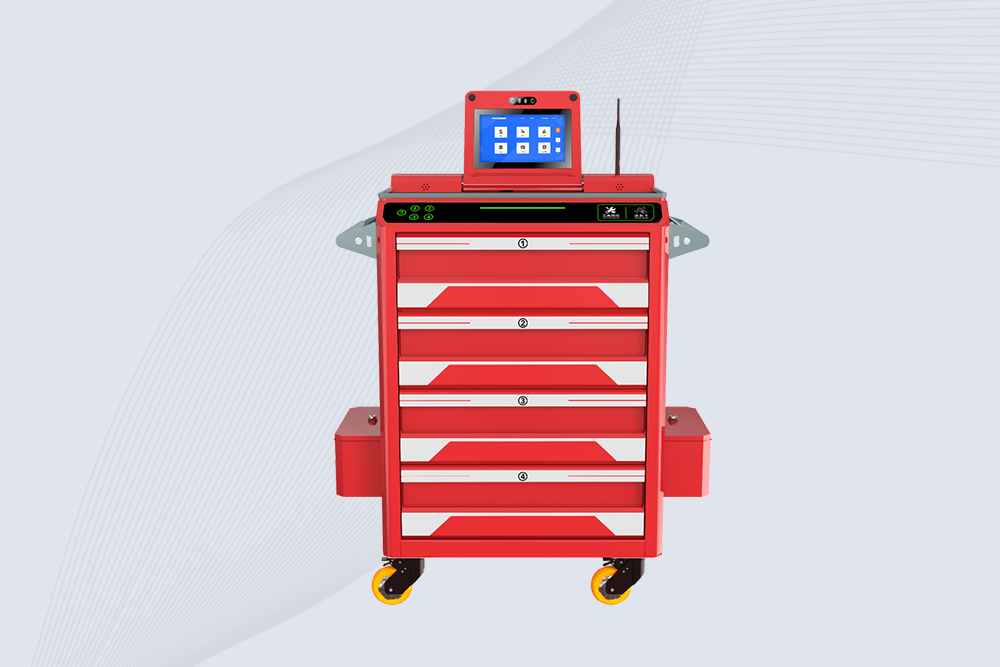
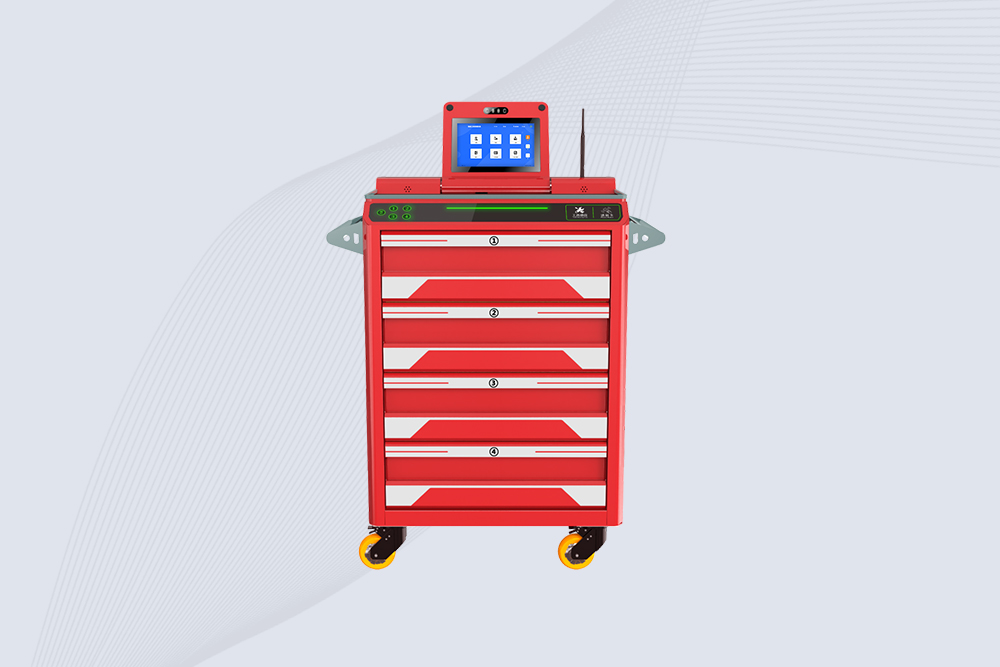
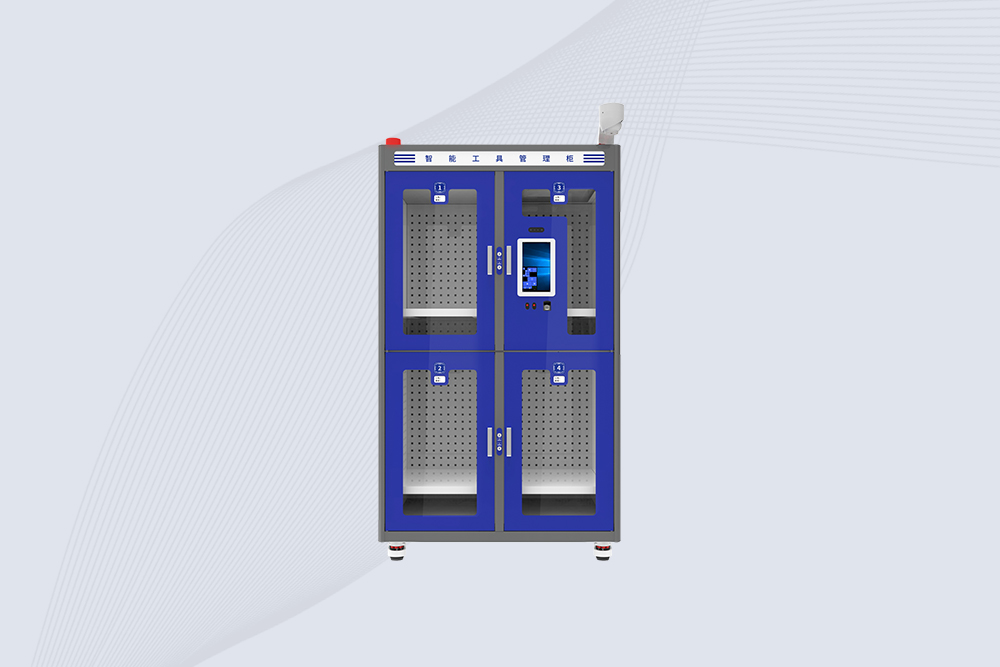
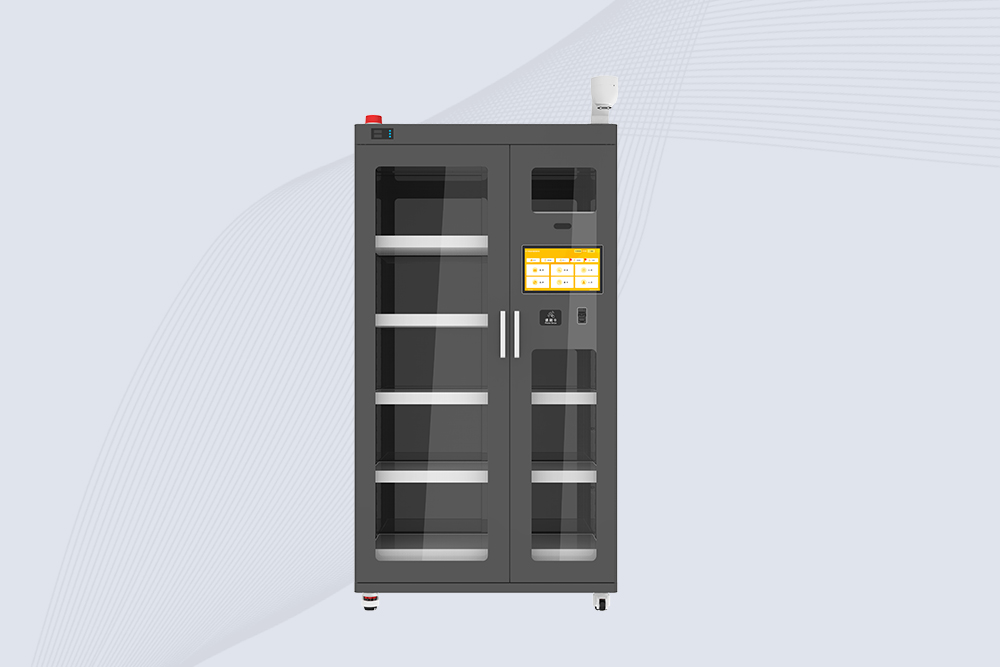
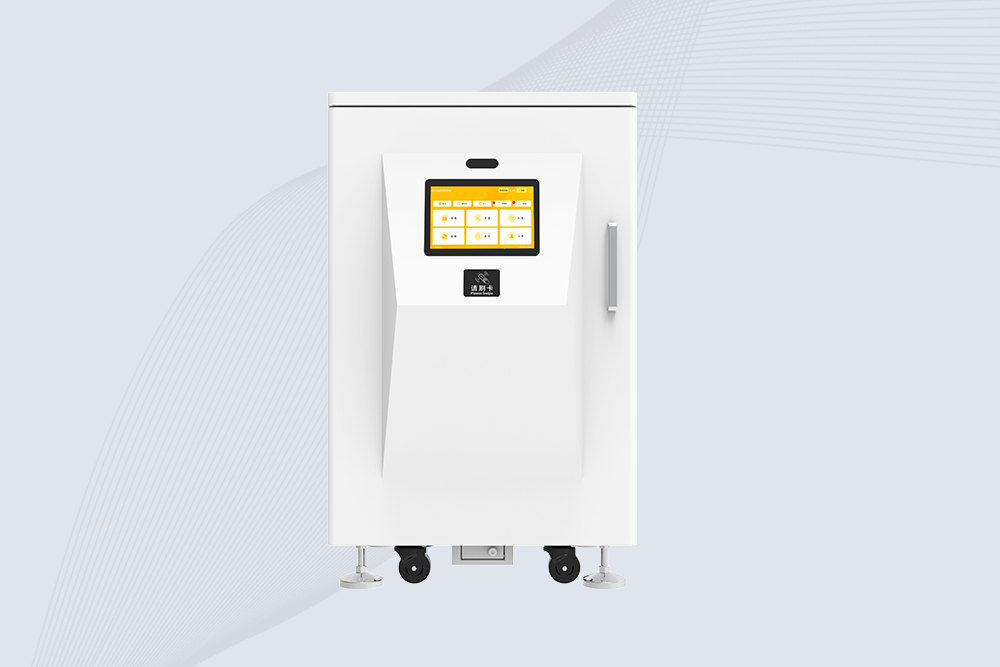
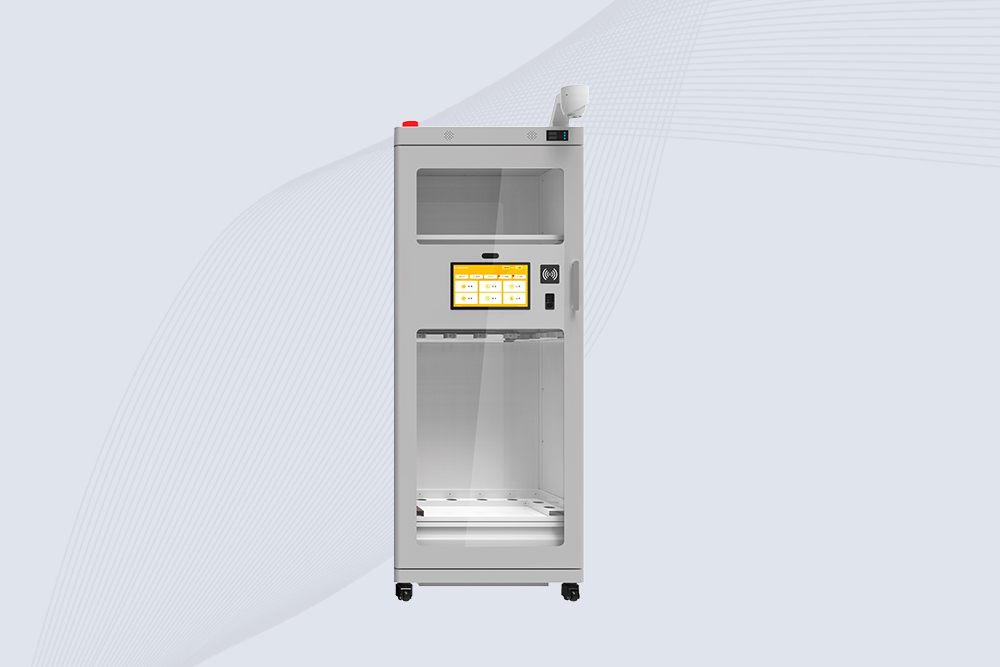
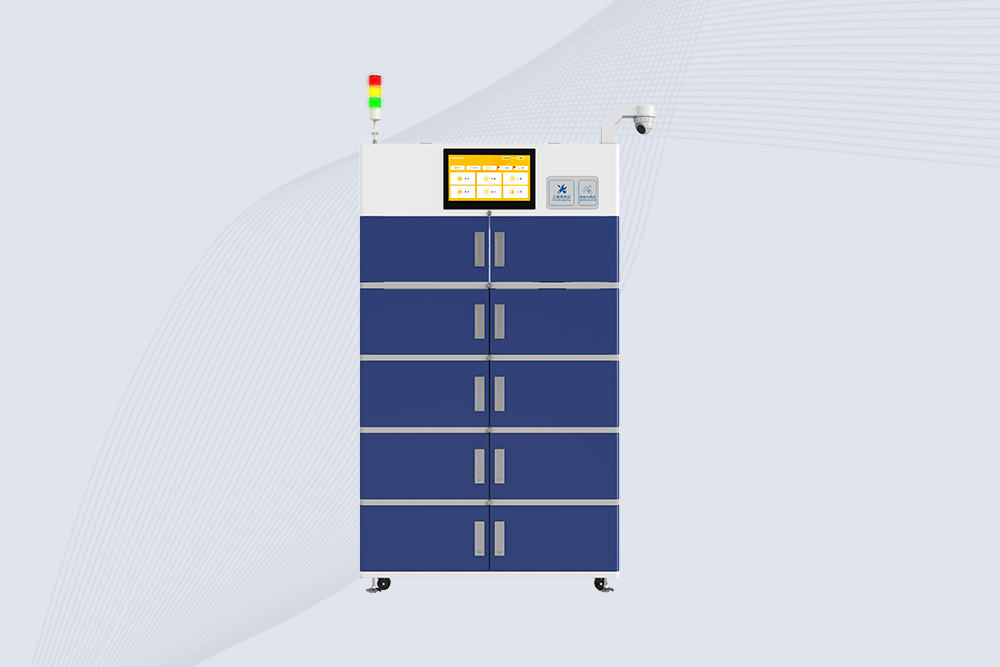
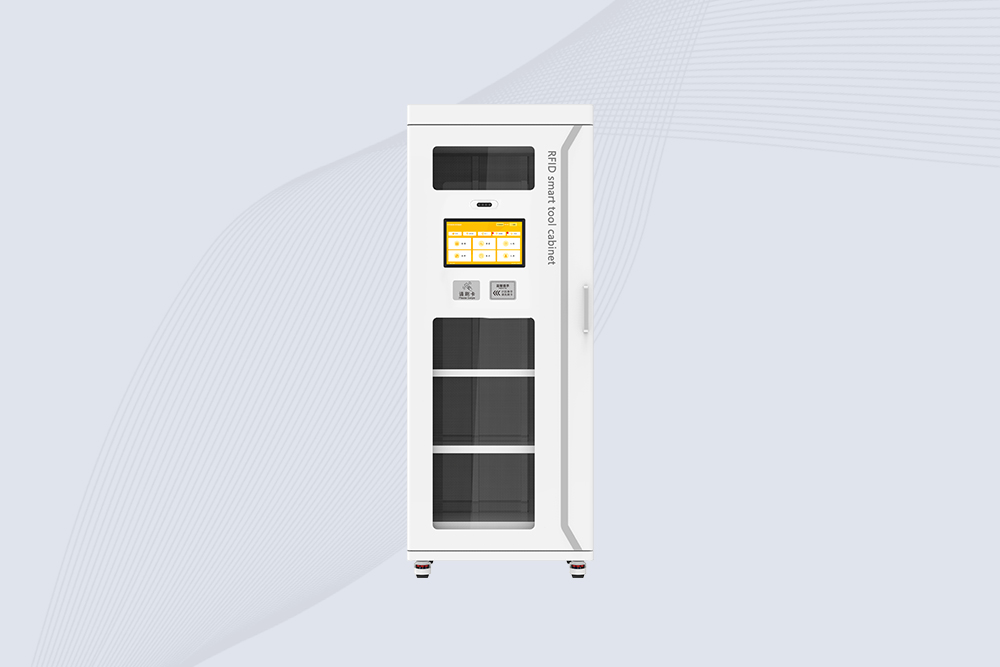
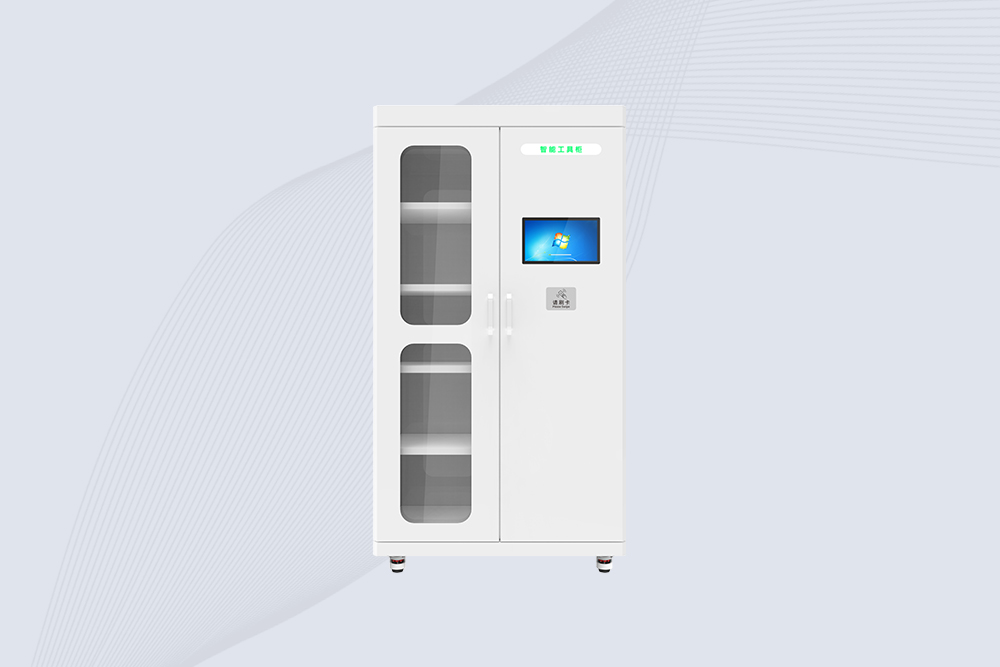
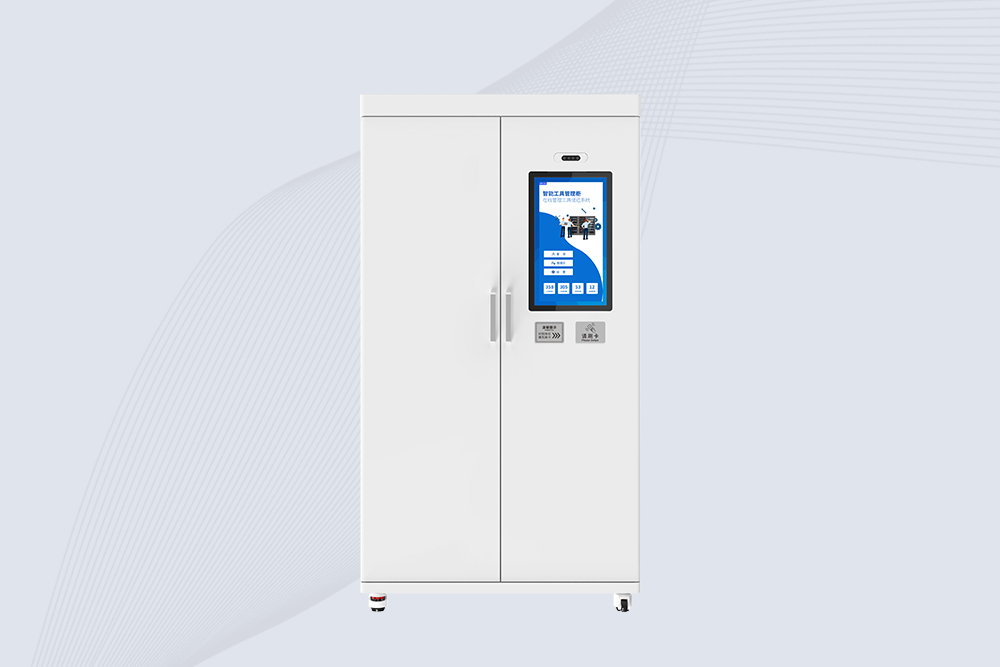
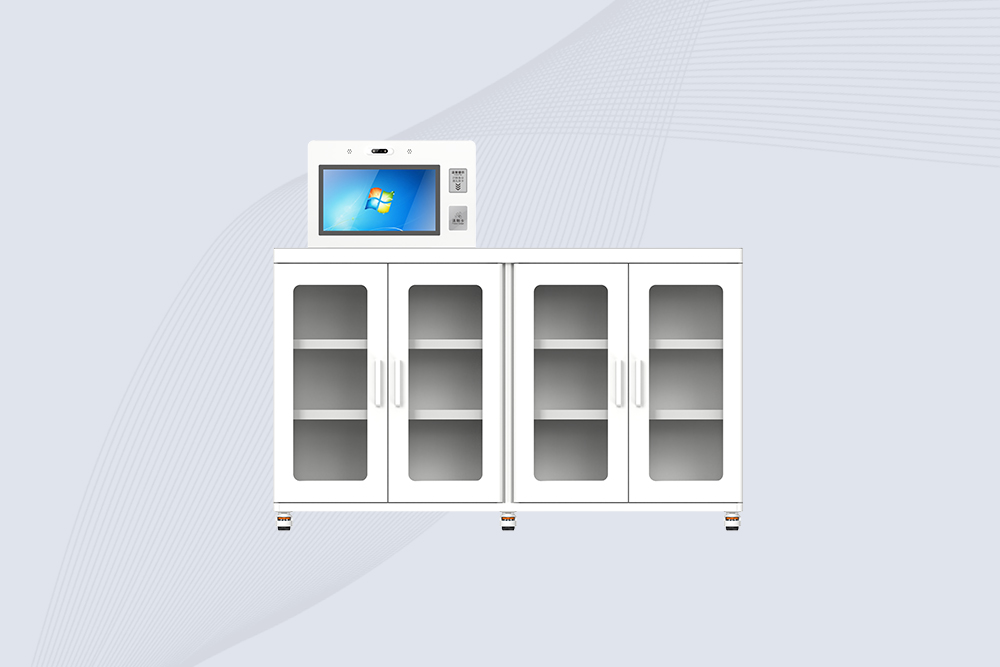
Smart cabinets with “idiot-proofing”: Drawers auto-lock if tools are missing. Try closing it with a wrench un-scanned—the alarm screams like a B737 reverser.
FOD-focused workflows: Tools scanned out for Engine Bay 3? The system flags if one enters Bay 2.
“We stopped caring about ‘digital transformation.’ Just tell me if my 10mm socket is missing before I seal the wing.” — Senior Mechanic, Singapore MRO Facility
Proof Points Beyond Marketing Fluff
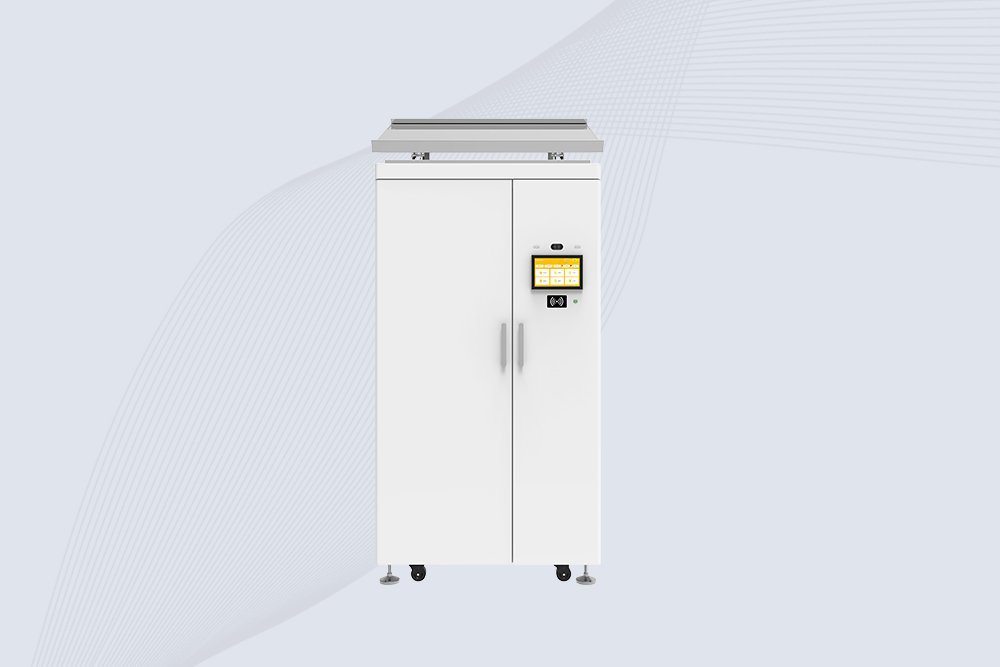
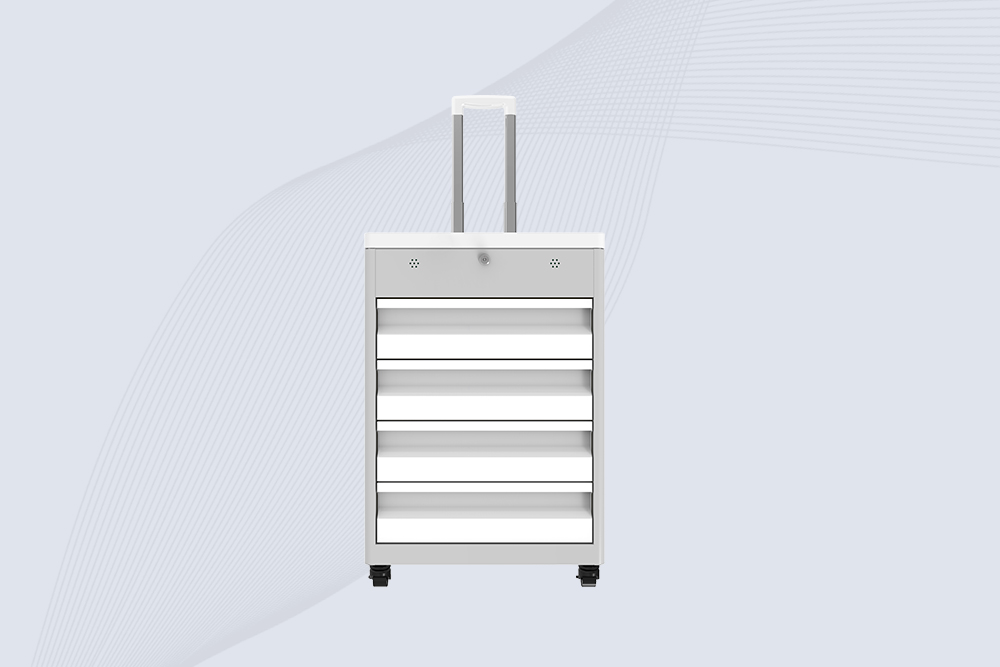
Tool loss reduction: 87.3% drop in misplaced assets at a French nuclear plant using Cykeo’s trolleys.
Audit speed: 3-hour manual checks now take 8 minutes via RFID hand scanners.
Hidden ROI: One German autoplant saved $420k/year slashing duplicate tool buys.
Why Generic “Smart Cabinets” Fail
We’ve all seen shiny RFID demos. But in a Rotterdam shipyard last year, competitor tags failed after saltwater exposure. Cykeo’s edge?
Frequency agility: Auto-switching between 865-928 MHz to dodge EM interference from welders.
No “pretty” software: Their UI shows only missing tools and due dates—techs don’t need dashboards.
Legacy integration: Plugged into SAP PM at a Korean shipbuilder in 3 days.
The Compliance Game-Changer
Forget innovation—RFID for tool tracking is about audit-proofing:
Automatic AS9100 logs showing every tool used on turbine #45.
Real-time FME (Foreign Material Exclusion) alerts if unregistered items enter clean zones.
Tool lifespan tracking: Drill bit #3942 retired after 1,200 cycles—no guesswork.
Cut tool checks from 47 minutes to 90 seconds per shift.
Reduced FOD incidents to zero for 11 months (and counting).
Unexpected win: New hires stopped quitting—less frustration over “where’s the damn spanner.”
The Bottom Line
RFID for tool tracking isn’t revolutionary—it’s necessary hygiene. As one Cykeo client in Alberta’s oil sands put it: “This pays for itself the first time we avoid blowing up a compressor.”
Read and write MIFARE (ISO14443-A) cards using PC/SC readers like ACR122U and Omnikey. Includes the GET DATA APDU, SCard flow, sample code (C++, Python, C#) and practical troubleshooting.
Learn how RFID tool cabinet security protects tool access, user permissions, transaction records, system communication, and industrial tool management data.
Discover how RFID laundry tracking systems help hotels, hospitals, industrial laundries, and uniform rental companies reduce linen loss, improve inventory accuracy, automate sorting, and gain real-time visibility across the entire textile lifecycle.
 Cykeo RFID IoT Solution Products R&D Manufacturer