If you’ve worked on RFID projects before, chances are you’ve come across Impinj. It’s one of those brands that shows up everywhere—from retail tagging to logistics tracking.
But here’s the thing most people don’t talk about openly: Impinj readers aren’t always the best fit for industrial or large-scale deployments.
Once you move beyond pilot projects into real-world environments—warehouses, production lines, RFID gates—you start running into different priorities:
Can it handle high tag density?
Can it scale across multiple read points?
Is it cost-effective for bulk deployment?
How flexible is the integration?
That’s where UHF RFID fixed readers often become a more practical choice.
1. Performance: Stability vs High-Throughput Capability
Impinj readers are known for their stability. No doubt about that. They perform consistently in controlled environments, especially in retail and standardized setups.
But in industrial scenarios, the game changes.
Think about:
Conveyor belt tracking
Pallet-level scanning
RFID tunnel or gate systems
You’re not just reading a few tags—you’re dealing with dozens or hundreds simultaneously.
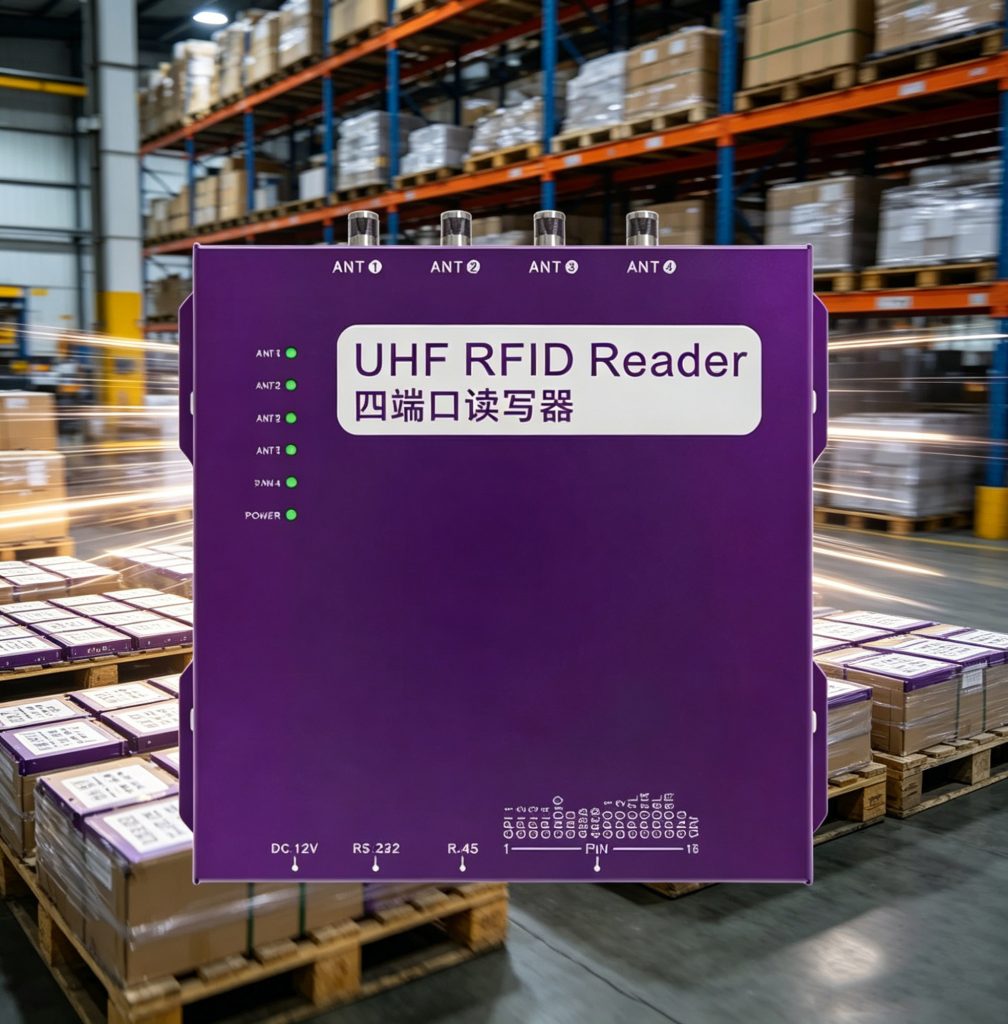
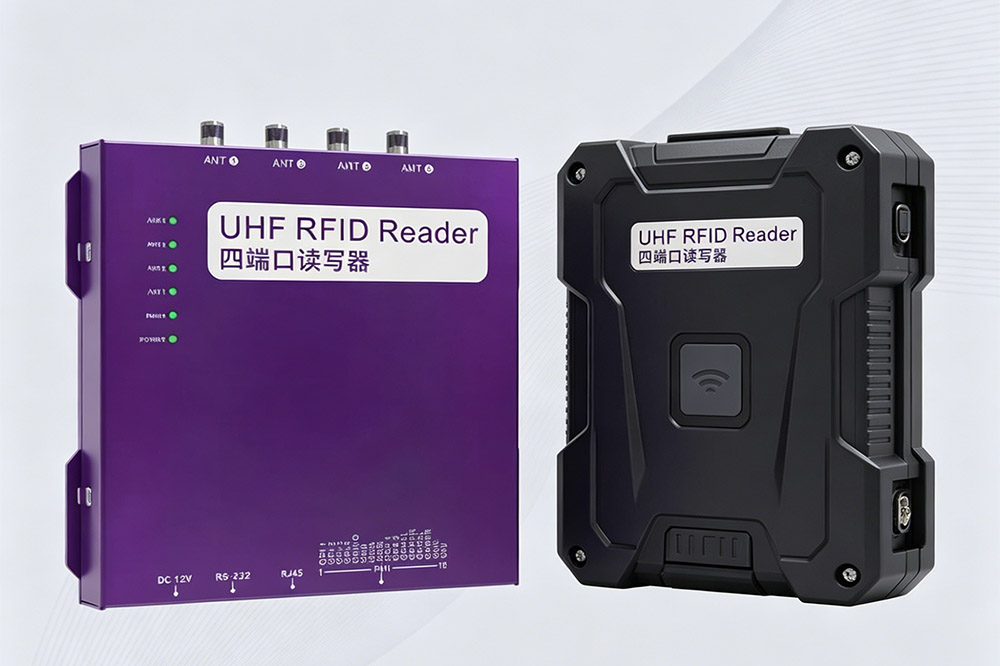
In these cases, many system integrators lean toward industrial-grade devices like aUHF RFID fixed reader
Why?
Because they’re typically designed with:
Multi-antenna support
Higher read concurrency
Better adaptability to complex RF environments
From experience, once tag density goes up, the difference becomes very noticeable.
2. Scalability: Small Deployment vs Large Systems
Here’s where a lot of projects hit a wall.
Impinj readers work well when:
You have limited read points
The environment is predictable
You don’t need much customization
But let’s say you’re deploying:
50+ warehouse checkpoints
Multiple dock doors
Full production line tracking
Now scalability becomes critical.
Industrial UHF fixed readers are usually built with:
Flexible antenna configurations
Network-based deployment
Easier expansion without redesigning the system
In other words, they’re not just devices—they’re part of a system architecture.
3. Cost Consideration: Brand Premium vs Project ROI
Let’s be honest—Impinj isn’t cheap.
For small deployments, that’s fine. You’re paying for reliability and brand reputation.
But in large-scale projects, cost starts multiplying quickly:
Add antennas, cables, integration… it adds up fast
That’s why many integrators start looking for alternatives—not because Impinj is bad, but because:
The ROI doesn’t always make sense at scale.
Industrial UHF fixed readers often provide:
Lower per-unit cost
Comparable performance in real scenarios
Better flexibility for OEM or customization
4. Integration & Development: What Really Matters in Projects
This is something only people who’ve actually deployed RFID systems will fully appreciate.
Specs look great on paper—but integration is where time gets burned.
Key questions integrators usually ask:
Is there a stable SDK?
How easy is API integration?
Can it connect smoothly with WMS / ERP systems?
Is customization possible if needed?
Impinj does provide solid development support, but it’s often more standardized and controlled.
On the other hand, many industrial RFID reader manufacturers offer:
More flexible SDKs
Custom protocol support
Faster response for project-level adjustments
And when deadlines are tight, that flexibility matters a lot more than brand name.
5. Application Scenarios: Where Each Option Fits
Let’s break it down in a practical way:
When Impinj RFID Readers Make Sense
Retail and apparel tracking
Small-scale inventory systems
Controlled environments
Projects requiring strict standardization
When UHF RFID Fixed Readers Are a Better Choice
Warehouse automation
Industrial manufacturing tracking
RFID gate / tunnel systems
High-density tag environments
Large-scale deployments
Final Thoughts
There’s no point pretending one solution fits everything.
Impinj readers are reliable, well-established, and absolutely suitable for many standard applications.
But once you step into industrial or large-scale RFID projects, priorities shift:
Flexibility
Scalability
Cost efficiency
Integration speed
That’s where a well-designed UHF RFID fixed reader can often deliver more practical value—especially for system integrators managing complex deployments.
Learn how a long range RFID scanner for vehicle identification improves parking management, factory access, logistics, ports, and fleet operations. Discover how to choose the right RFID solution for wholesale and OEM projects.
Learn how ultra high frequency RFID tags work, where they are used, and why businesses rely on UHF RFID technology for inventory tracking, logistics, asset management, and warehouse automation.
A realistic RFID tool cabinet price guide covering hardware, antennas, RFID modules, and system integration. Learn how to budget and avoid costly mistakes.
What is RFID reader and tag? Discover how this wireless duo works, their different types, and how they automate tracking in logistics, retail & security. Real-world examples inside.
 Cykeo RFID IoT Solution Products R&D Manufacturer