 Cykeo RFID IoT Solution Products R&D Manufacturer
RFID Tags in Industrial Applications:Beyond the Buzz
696Learn how RFID tags are reshaping industrial applications — from warehouse tracking to quality control. Practical insights, challenges, and lessons from real-world use cases.
MoreAll RFID Product
Integrating long-range RFID readers with IoT platforms unlocks real-time visibility into asset locations, condition monitoring, and predictive maintenance. This synergy is vital for industries like logistics, manufacturing, and smart warehousing. Below, we outline a step-by-step approach to connect RFID systems with IoT ecosystems efficiently.
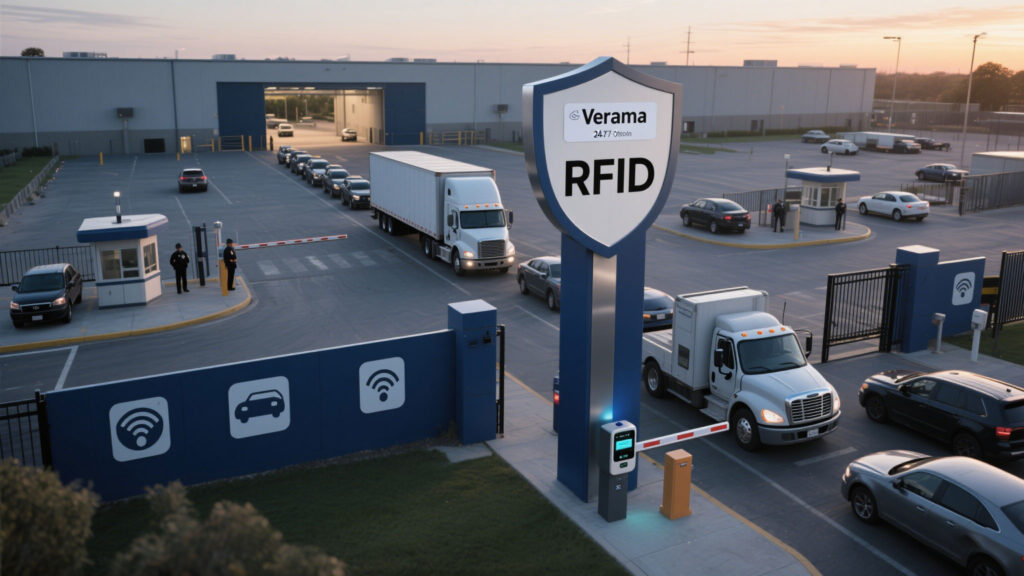
Cykeo’s RFID readers, for instance, include built-in MQTT brokers and TLS 1.3 encryption, simplifying secure data transfer to AWS IoT or Azure IoT Hub.
A global logistics firm using Cykeo’s system reduced shipment delays by 30% by integrating RFID dock-door scans with SAP IoT for real-time container tracking.
Cykeo’s readers are pre-configured for major IoT platforms, reducing setup time from weeks to hours. Their devices support edge computing, processing data locally to minimize latency and cloud costs in smart factories or cold chain logistics.

Learn how RFID tags are reshaping industrial applications — from warehouse tracking to quality control. Practical insights, challenges, and lessons from real-world use cases.
More
Discover the memory capacity of RFID tags, including passive vs. active tags and use cases. Learn how Cykeo’s high-memory tags support data-rich applications.
More
Learn how to position RFID reader modules for maximum coverage and accuracy in warehouses, retail stores, and manufacturing facilities. Avoid common mistakes with our guide.
More
This article provides a comprehensive overview of rfid reader portable (handheld RFID readers), covering core functions, working principles, typical application scenarios, and key selection criteria, helping enterprises achieve more efficient tag ...
More