 Cykeo RFID IoT Solution Products R&D Manufacturer

RFID Tags vs Barcodes: Which Costs You More in 2025?
1416RFID tags vs barcodes cost analysis: Discover why cheap labels often cost more long-term. See real price breakdowns and when RFID saves money.
MoreAll RFID Product
How to install RFID system components successfully starts with defining the tracking task, selecting compatible RFID tags and readers, planning antenna positions, and connecting the equipment to management software. Before full deployment, test actual tagged products in the intended environment to verify read coverage, data accuracy, and reliable system operation.
An RFID installation is more than mounting a reader and powering it on. A system that reads a tag perfectly on a workbench may miss it when the tag is attached to a liquid-filled container, placed against metal, or carried through a busy warehouse doorway.
For businesses, the installation should be designed around the movement of goods and the decisions that depend on RFID data. A receiving station may need to identify incoming cartons quickly, while a tool-management station may need to distinguish one tagged asset from another. Those two applications can require different tags, antenna layouts, reader settings, and software workflows.
This guide explains how to plan, install, configure, and test an RFID system, with particular attention to passive UHF RFID used for inventory and asset tracking.
The first installation decision is not which reader to purchase. It is deciding what must be identified, where the identification happens, and what the system should do with the result.
Write down the intended process before choosing hardware. At minimum, document:
These details influence every later decision. A reader with a long advertised range is not automatically the right choice for a narrow checkout counter. Similarly, a high-performance antenna cannot compensate for an unsuitable tag attached to a metal object.
RFID systems use different frequency bands, and they are not interchangeable.
| RFID technology | Typical frequency | Common applications | Main consideration |
|---|---|---|---|
| LF RFID | 125–134 kHz | Animal identification and some access applications | Generally short-range communication |
| HF RFID | 13.56 MHz | Contactless cards, ticketing, and selected item-tracking applications | Often suited to controlled, close-range interactions |
| UHF / RAIN RFID | 860–930 MHz in the GS1/EPC Gen2 operating range | Inventory, logistics, and asset identification | Supports rapid multi-tag identification; performance depends on the environment |
GS1 describes these three main RFID frequency categories and notes that passive UHF systems can achieve read ranges of up to 10 metres depending on the environment. This is a possible range, not a guaranteed installation distance. Actual performance depends on the tag, reader, antenna, orientation, and surrounding materials
For warehouse inventory and asset tracking, passive UHF RFID is often a practical starting point because it supports identification across a larger read zone than many close-range card systems. GS1’s EPC Gen2 standard defines the air-interface behavior for compatible UHF RFID systems; its current version is 3.0.1, published on 26 February 2026.
That does not mean UHF is always the best option. If a project involves contactless cards presented directly to a reader, an HF system may be more appropriate. Select the technology according to the application rather than the popularity of a frequency band.
A typical passive UHF RFID installation consists of tags, one or more rfid readers, rfid antennas, a host computer or controller, and software that processes the collected data. Depending on the project, it may also need network switches, mounting brackets, protective enclosures, trigger sensors, or additional integration hardware.
Each tag carries an identifier and, depending on the chip, may support additional writable memory. Choose tags based on the material they will be attached to, the required read performance, and the operating environment.
The reader communicates with compatible tags and sends the collected data to the host system. Choose a fixed reader for permanent installations or a suitable desktop or handheld device for workstation-based operations.
Antennas shape the read zone. Their orientation, polarization, gain, position, and distance from tagged items all influence which tags are detected.
For a fixed warehouse installation, consider whether the reader supports the required number of antennas, network interfaces, operating protocol, and regional radio configuration. A desktop installation may instead prioritize USB connectivity and a compact reading area.
For example, Cykeo’s industrial fixed UHF RFID reader range includes integrated-antenna configurations and models with Ethernet or serial communication options. The appropriate model depends on the installation layout and required interfaces; verify the specifications for the exact device before finalizing the design.
A useful procurement checklist includes:
Antenna placement is one of the most consequential parts of an RFID installation. The objective is not to cover as much space as possible. It is to create a read zone that captures the intended tags while limiting reads from nearby inventory.
Walk through the actual process before fixing the hardware in place. At a conveyor, determine where cartons enter the zone, how far apart they travel, and whether their tag positions remain consistent. At a warehouse doorway, check whether pallets move through the opening centrally or close to one side.
Antenna placement should reflect those movements. Depending on the setup, antennas may be positioned on the sides, above the conveyor, or around a controlled passage. Avoid choosing positions solely because they are convenient for mounting.
Metal surfaces can reflect radio waves, and liquids can absorb energy or detune tags. GS1 identifies both materials as potential causes of reduced RFID performance. Tag design and placement should therefore be tested on the actual products, particularly when containers hold liquids or assets have metal housings.
For a fixed installation, record three things during planning:
This simple distinction prevents a common commissioning problem: a reader successfully detects every intended tag, but also captures inventory on the neighboring shelf. Increasing transmit power may improve some missed reads while making the unwanted reads worse.
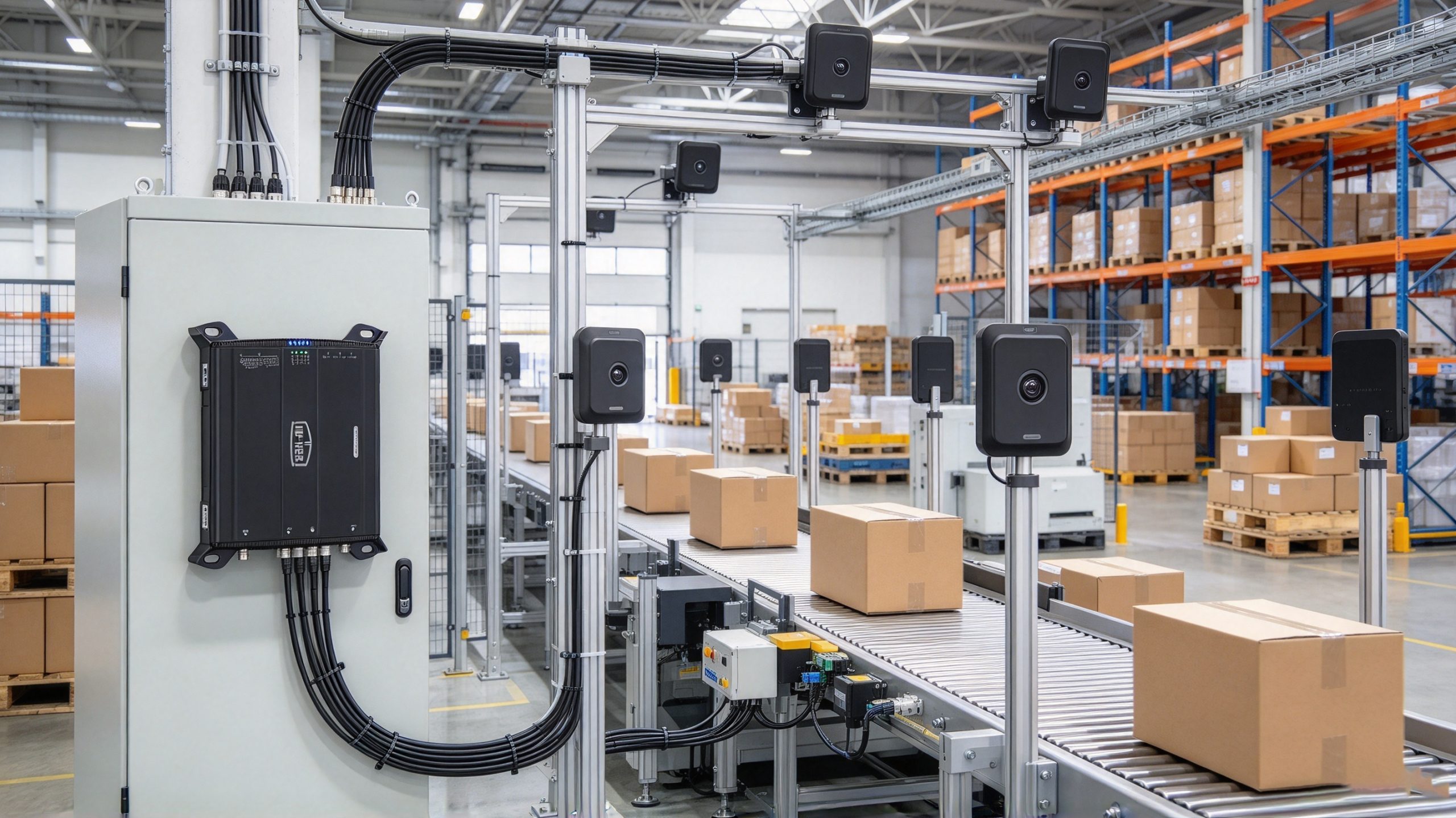
Once the hardware positions are planned, determine how the reader will communicate with the application.
A fixed reader may connect through Ethernet or a supported serial interface, while a desktop reader may connect through USB. The correct choice depends on the model, distance to the host, network architecture, and software requirements.
Before installation, confirm:
Do not assume that connecting the reader to the network completes the integration. The software still needs to interpret tag data, associate it with the correct item, and decide what action to take.
For systems based on GS1 EPC/RFID, the EPC identifies an object through an agreed data structure. GS1 also provides standards for exchanging supply-chain visibility events between applications. These standards can help establish consistent data handling, but the implementation must still be designed for the business workflow.
After confirming the component selection and read-zone plan, install the reader and antennas according to the manufacturer’s instructions. Mount equipment securely, protect cables from impact and abrasion, and leave adequate access for maintenance.
For a reader with external antennas, follow the manufacturer’s power-down procedure before connecting or disconnecting antenna cables. Incorrect handling can damage equipment. Check the antenna connectors, cable specifications, grounding, power supply, and environmental protection before energizing the installation.
The correct configuration depends on the reader model and installation. Siemens’ RFID commissioning guidance similarly emphasizes selecting components according to the environment, tag position, identification range, and integration requirements.
A successful installation must do more than detect a tag once. It must identify the correct tags repeatedly under normal operating conditions while avoiding unwanted reads from nearby areas.
Test the installation with the actual or representative tags, products, and packaging. GS1 guidance on RFID testing highlights the effects of tag construction and environmental conditions, including reflections from metal surfaces, on read performance.
Use a checklist such as this:
For example, if 98 of 100 required tags are detected in a test, the measured detection rate is 98%. This is an illustrative calculation, not a performance claim for any particular RFID product. Also measure unwanted reads: a high detection rate is not sufficient if the system regularly captures tags outside the intended zone.
If performance is inconsistent, avoid changing reader power, antenna angle, tag position, and software filtering simultaneously. Adjust one variable, repeat the same test, and record the result.
This makes it easier to identify what actually improves performance. It also produces a repeatable configuration that can be maintained after installation.
| Symptom | Likely cause | What to check |
|---|---|---|
| Some tags are missed | Tag orientation, unsuitable tag type, insufficient read-zone exposure, or material interference | Test the tag on the actual product and adjust placement or antenna position. |
| Tags from neighboring areas are detected | Excessive coverage or overlapping read zones | Reduce power where appropriate, adjust antenna direction, and test zone boundaries. |
| Performance changes after equipment is moved | Antenna position, nearby metal, cable routing, or tag orientation has changed | Repeat the commissioning test and compare results with the recorded baseline. |
| Reader connects but no useful data reaches the application | Incorrect communication settings, protocol mismatch, or software parsing issue | Check reader logs, interface configuration, and application integration. |
| Multiple readers produce duplicate events | Overlapping coverage or insufficient application-level event handling | Identify the source reader and apply workflow-specific filtering and deduplication. |
| Read performance drops when products move faster | Items spend less time in the read zone or are presented too closely together | Test at the actual process speed and review antenna coverage and reader settings. |
A particularly important distinction is between missed reads and unwanted reads. Increasing transmit power may help a tag at the edge of a zone, but it can also cause the reader to detect items that belong to another process. RAIN RFID field guidance recommends designing read zones within practical operating limits instead of trying to maximize range indiscriminately.
Installation time depends on the number of read points, site preparation, mounting requirements, software integration, and testing. A simple desktop setup may require little installation work, while a multi-antenna warehouse deployment needs more planning, commissioning, and operational validation. There is no reliable universal installation time.
A small desktop setup may be manageable by an in-house technician if the hardware, software, and tags are compatible and the manufacturer’s instructions are followed. Industrial fixed-reader installations may require networking, mounting, RF configuration, and integration expertise. Follow site safety requirements and local radio regulations.
Place antennas so their coverage intersects the intended movement or presentation of tagged items. Consider tag orientation, mounting height, antenna angle, nearby metal and liquids, and neighboring read zones. Test the final arrangement with actual tagged products rather than relying solely on theoretical coverage.
Passive UHF RFID is often suitable for warehouse and supply-chain inventory because it can support multi-tag identification over a relatively broad read zone. HF may be more suitable for some close-range card and item-interaction applications. The best choice depends on the items, operating environment, required range, and application.
Inconsistent reads can result from unsuitable tag placement, metal or liquid interference, antenna orientation, changing read-zone conditions, or incorrect configuration. Check the tag and reader together under realistic conditions, then adjust one variable at a time and repeat the test.
Confirm that the system meets its agreed acceptance criteria for required-tag detection, unwanted reads, data accuracy, throughput, and application integration. Test normal and difficult operating conditions, document the final settings, and establish a process for monitoring faults after deployment.
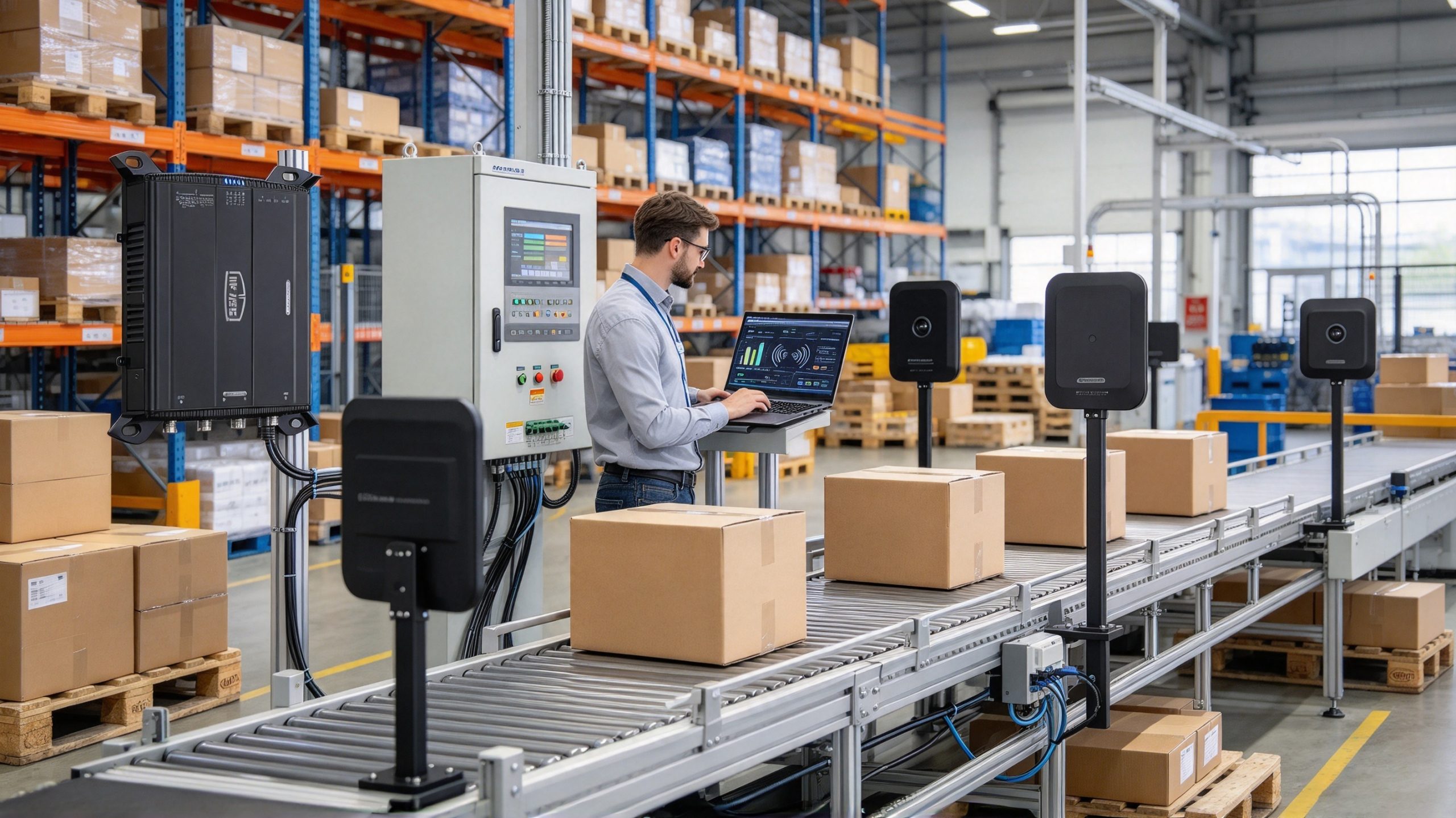
Before putting the system into routine use, confirm that each item below has been addressed.
The practical lesson is that an RFID system should be commissioned as a complete process, not as a collection of independent devices. A reader can function correctly while the overall installation still misses items, reads the wrong zone, or sends unusable data to the application.
For Cykeo RFID deployments, component compatibility, antenna positioning, controlled read zones, and application integration should all be verified before full-scale operation. Understanding how to install RFID system components means designing for the actual work environment and confirming that the finished system performs consistently there.
Technical note: Prepared for Cykeo’s RFID technical content resources. Installation recommendations are based on general RFID engineering principles and cited industry guidance. Confirm model-specific specifications, regional radio requirements, and electrical installation procedures before deployment.

Discover SSD-D4AL, a USB-HID UHF RFID reader with 4/8/16 antenna options, Impinj E710/X3M1 chipset, plug-and-play USB power, and OEM customization.
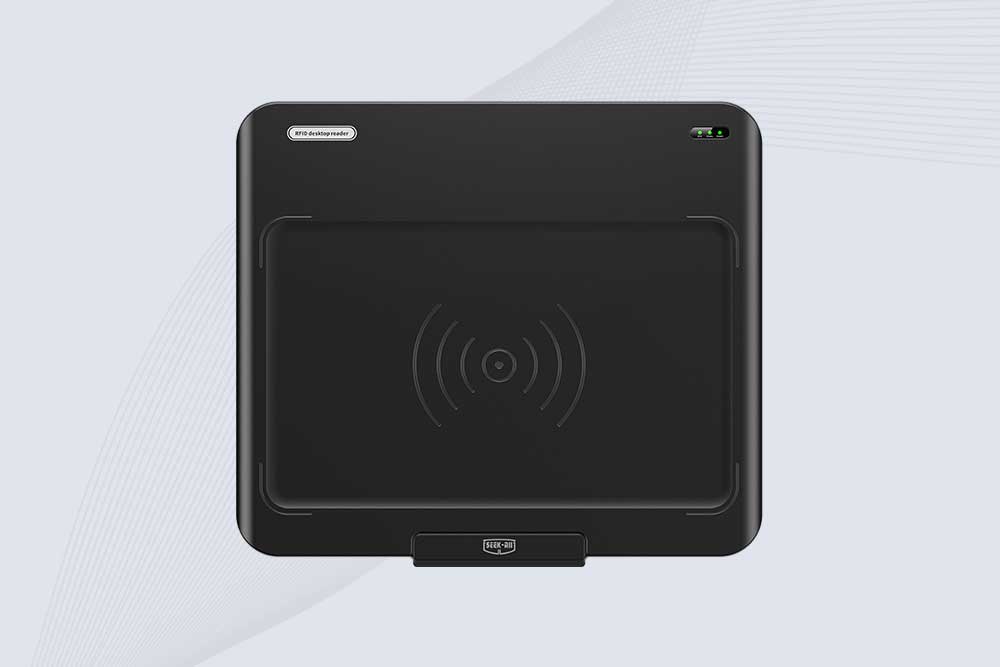
SSD-D3AL is a USB-HID UHF RFID reader with 0–30 cm reading, 0–15 cm writing, over 600 tags/s recognition, USB plug-and-play operation and OEM Logo customization.
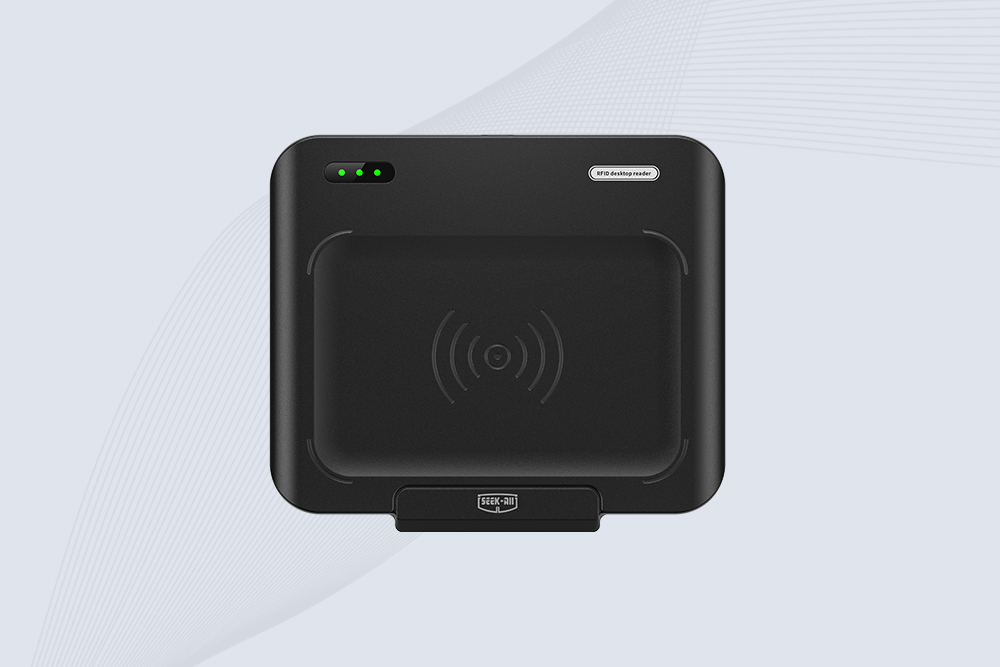
SSD-D1AL is a compact USB UHF RFID reader with Impinj E710/X3M1 chipset, USB-HID, 600+ tags/s recognition, 4/8/16 antenna support and plug-and-play USB power.

SSD-R16L Multi-Channel RFID Infrastructure for Automated Inventory Management ✔️ 16-Port High-Density RFID Reading Equipped with 16 SMA antenna ports, SSD-R16L supports multi-antenna deployment for warehouses, retail stores, logistics, production lines, and large-area RFID identification. ✔️ High-Speed & Long-Range Performance With up to 33…

SSD-R8L 8-port UHF RFID reader with 33dBm output, up to 20m reading range and 600+ tags/s recognition. Ideal for warehouse, logistics, retail and asset tracking.

SSD-R4L is a 4-port UHF RFID fixed reader with 33dBm output power, up to 20m reading range, EPC C1G2 support and 600+ tags/s reading speed.

CYKEO CYKEO-D1LA USB RFID Reader is a compact desktop solution with near-field control for precise tag reading and encoding. Powered by USB, supporting ISO 18000-6C, and built for stable batch writing, this usb rfid tag reader fits retail, libraries, offices, and controlled RFID encoding tasks.
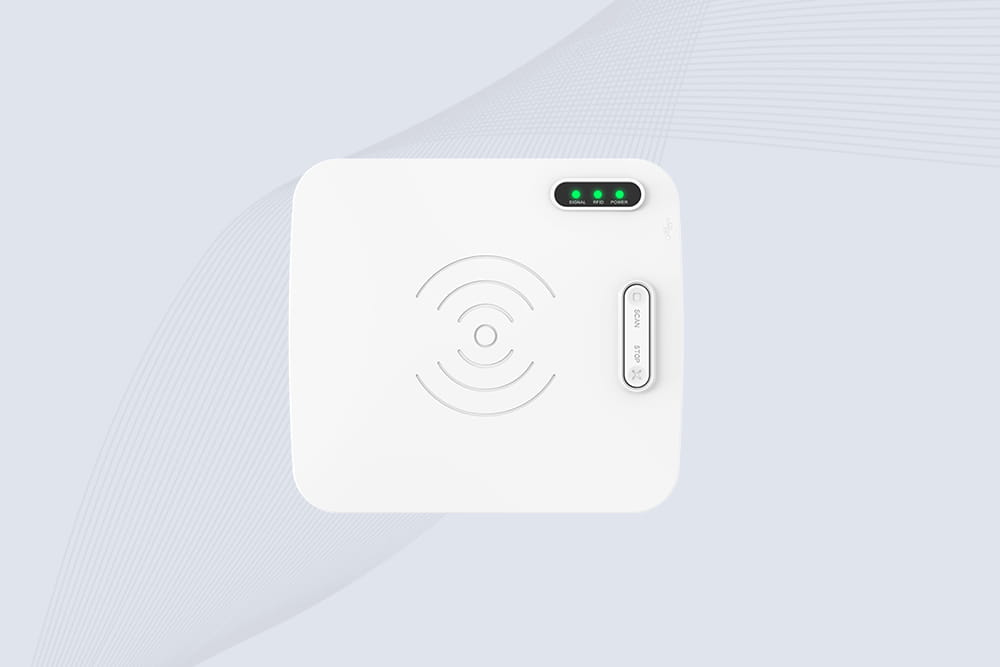
CYKEO CYKEO-D1L RFID scanner USB is a compact desktop UHF RFID scanner designed for short-range tag writing and verification. This usb rfid scanner supports batch encoding, stable 0–26 dBm output, and works across Windows, Linux, and Android systems.
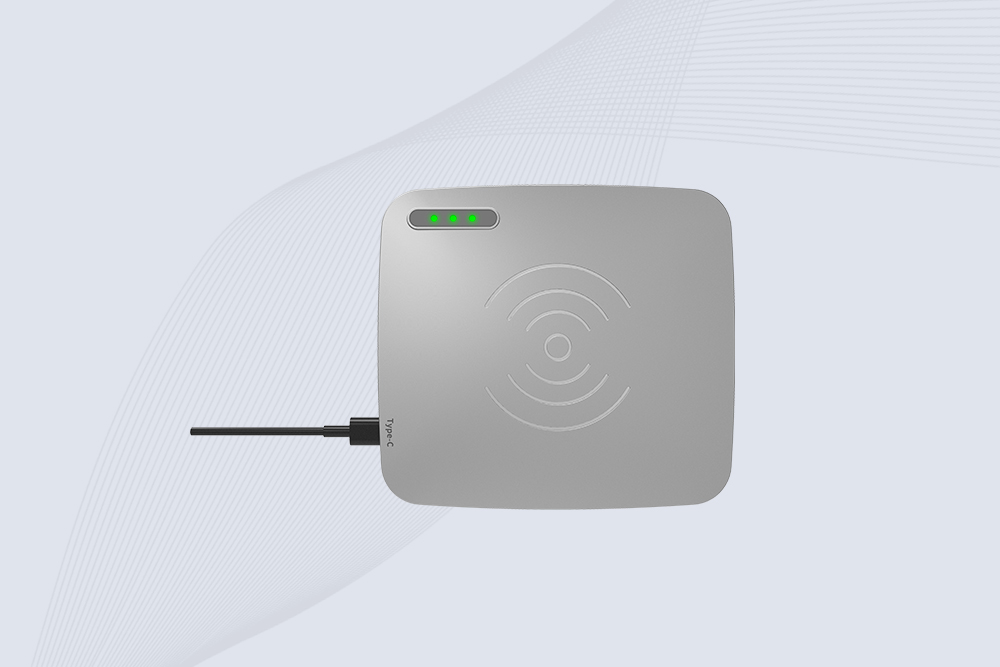
CYKEO CYKEO-D1C USB RFID Card Reader is a near-field UHF desktop writer designed for secure, short-range tag encoding. With USB-C connectivity and stable 26 dBm output, this rfid reader usb c is ideal for badge issuance, label encoding, and controlled desktop RFID workflows.
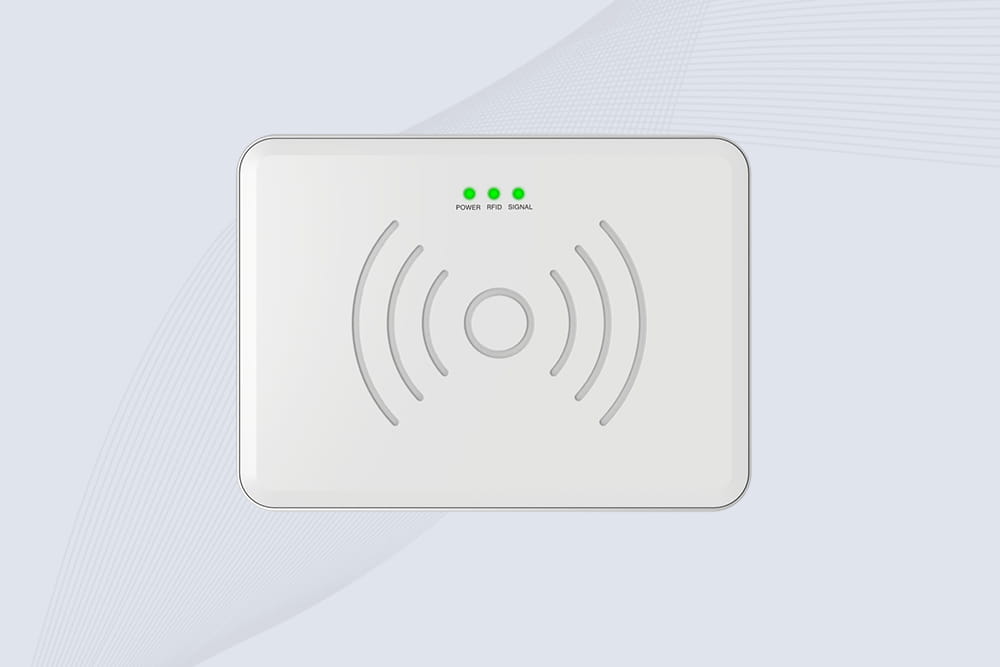
CYKEO CYKEO-D2L RFID Reader USB is a compact desktop encoder built on the Impinj R500 chip. With near-field control and stable USB power, this usb rfid card reader delivers precise tag writing for offices, retail counters, and small-scale logistics encoding tasks.
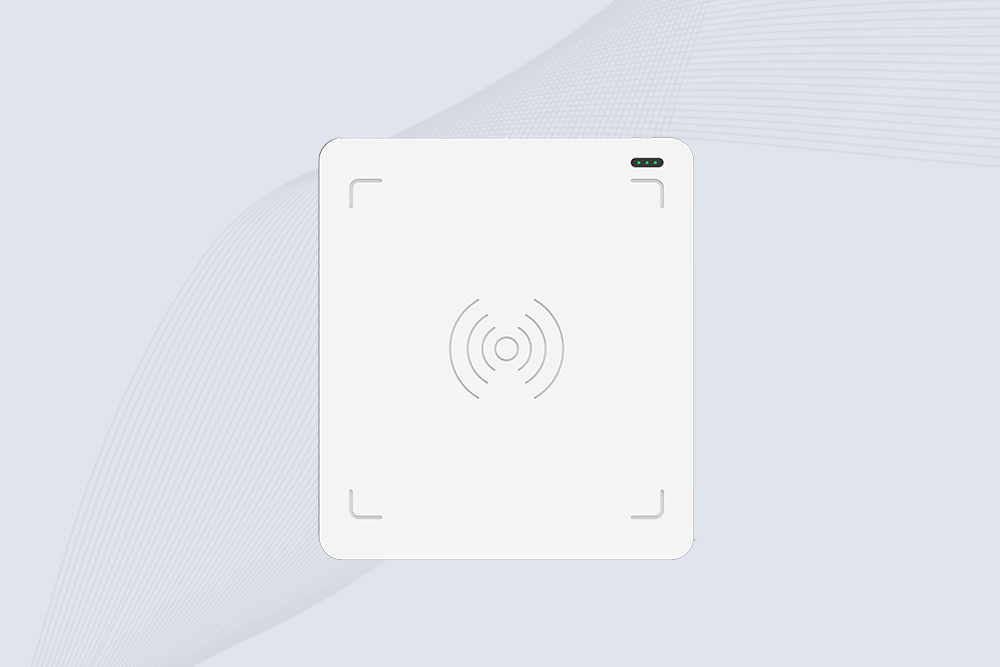
CYKEO CYKEO-D3L USB RFID Tag Reader delivers stable UHF tag reading and writing for daily desktop and light industrial tasks. Designed for controlled short-range operation, this USB RFID Tag Reader works reliably with rfid tag and reader systems in libraries, tool tracking, and inventory registration.
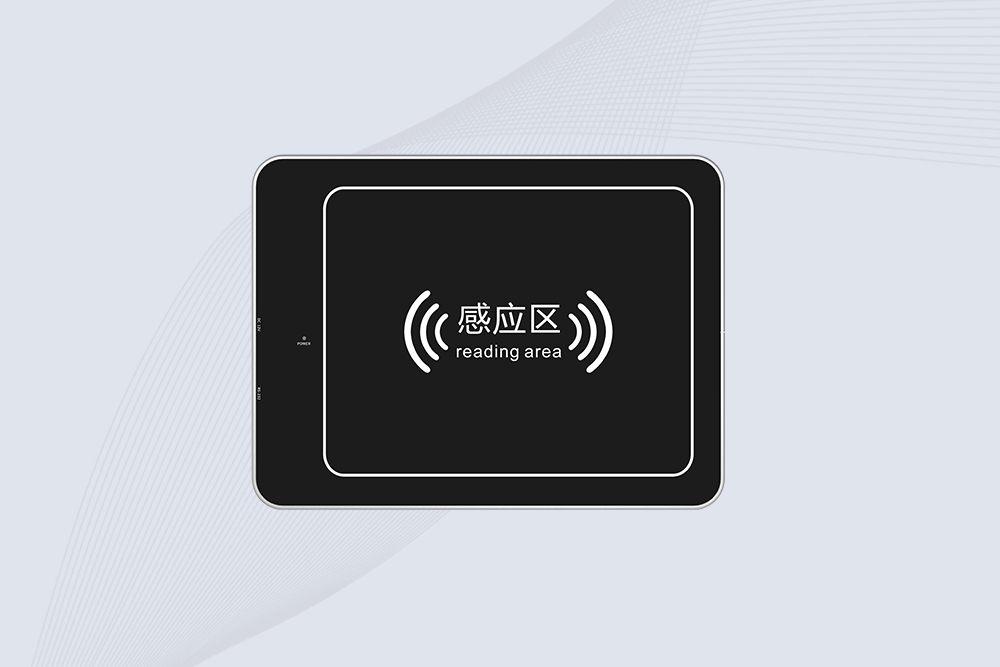
The CYKEO CYKEO-D4L UHF RFID Tag Reader is a stable Desktop RFID Reader designed for accurate tag registration, borrowing, and return workflows. Built with the Impinj R2000 chip, this UHF RFID Tag Reader delivers controlled short-range reads for libraries, asset tracking, and inventory management environments.
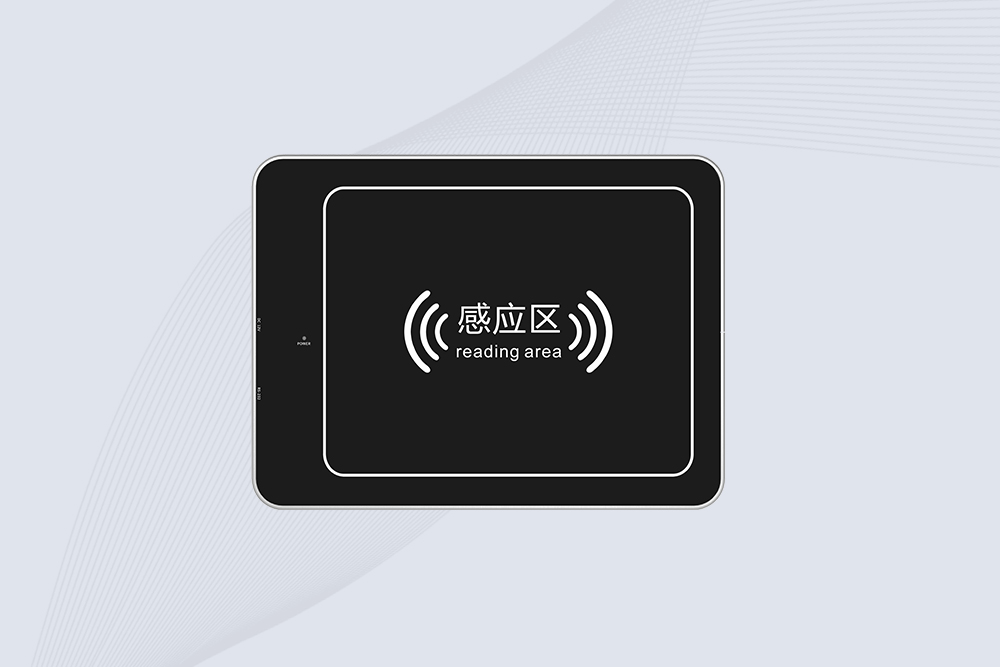
The CYKEO CYKEO-D5L Desktop RFID Card Reader is a stable UHF RFID Card Reader designed for controlled short-range reading and writing. Built for libraries, tool rooms, and asset desks, this UHF RFID Card Reader supports dense tag handling, secure data processing, and easy USB integration.
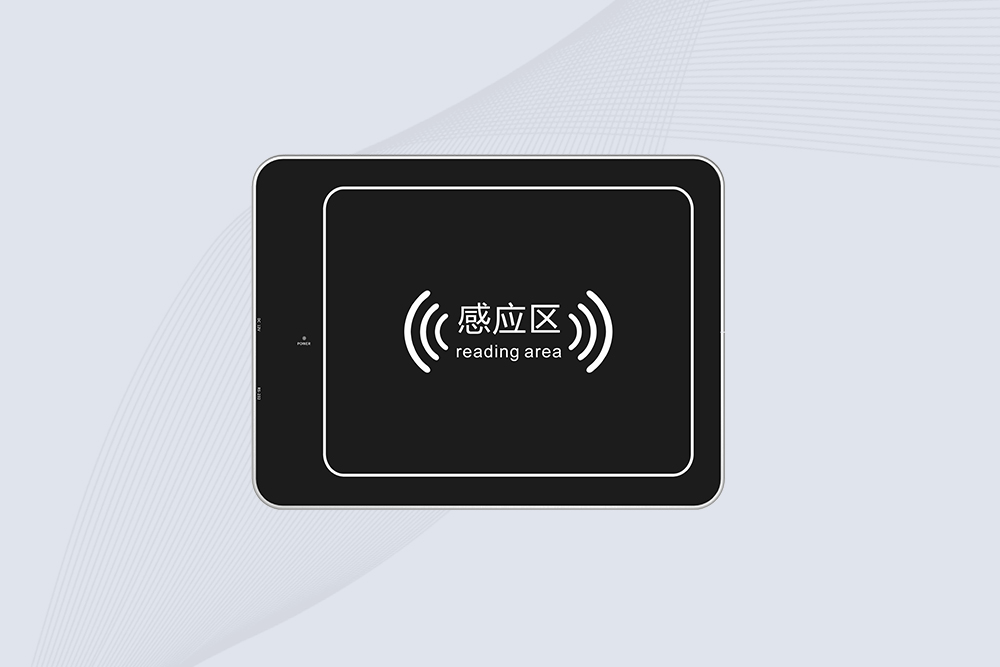
The CYKEO CYKEO-D6L RFID Reader Writer is a heavy-duty Desktop RFID Reader designed for short-range, high-accuracy tag programming. Built for libraries, labs, and asset desks, this RFID Reader Writer supports batch processing, stable 33dBm output, and seamless integration with existing management systems.
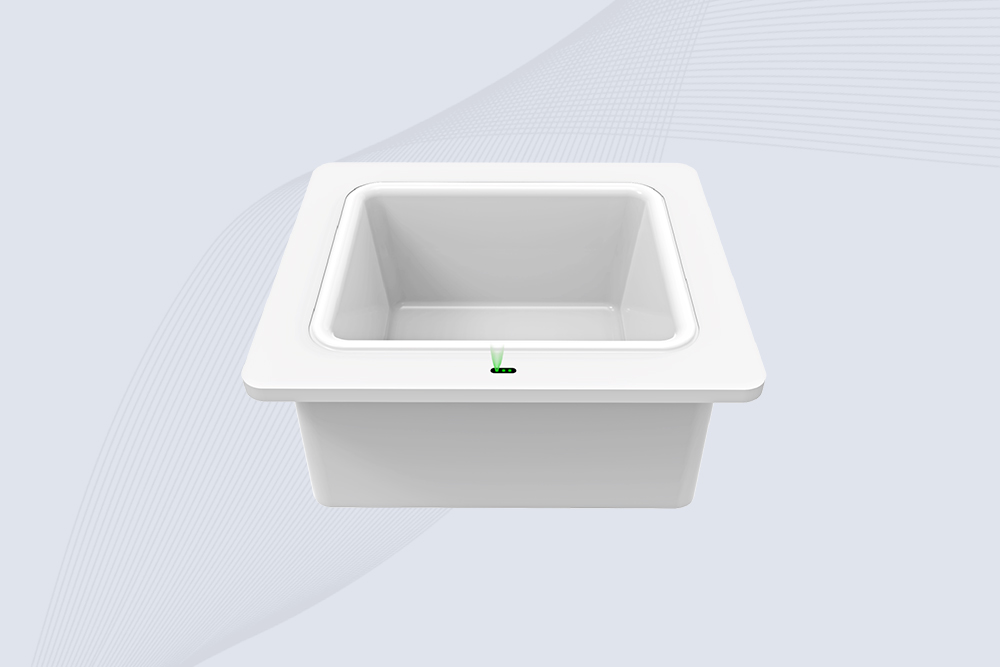
Cykeo CYKEO-D8B UHF RFID tunnel and RFID Desktop Reader features 30+ items batch reading,
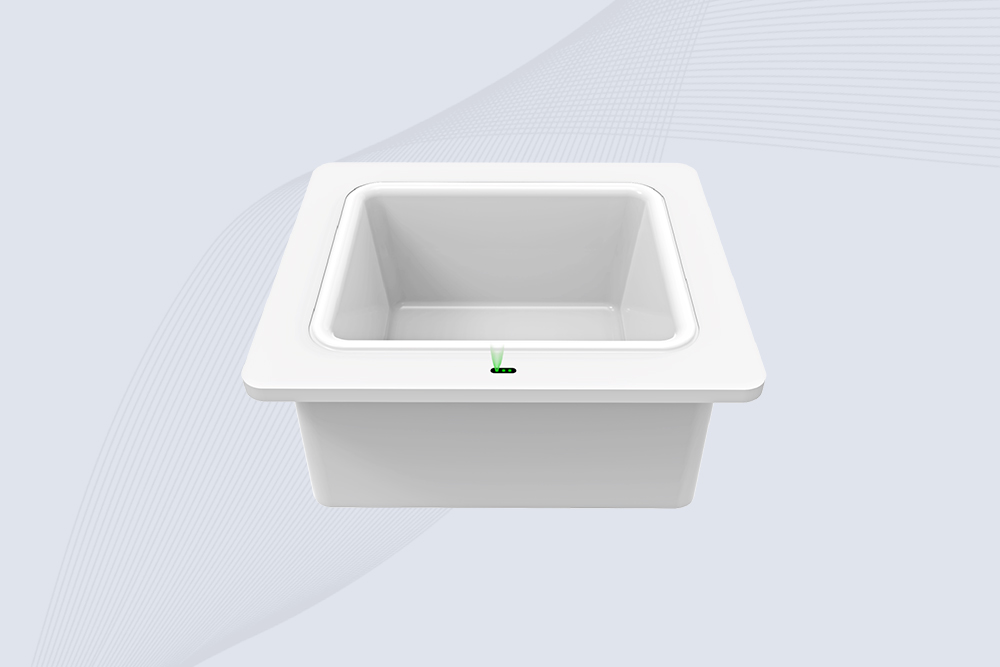
Cykeo CYKEO-D8A embedded RFID badge reader offers 30+ tags/sec scanning, 20cm anti-crosstalk precision, and DC 12V power for unmanned stores, warehouses, and smart inventory systems.
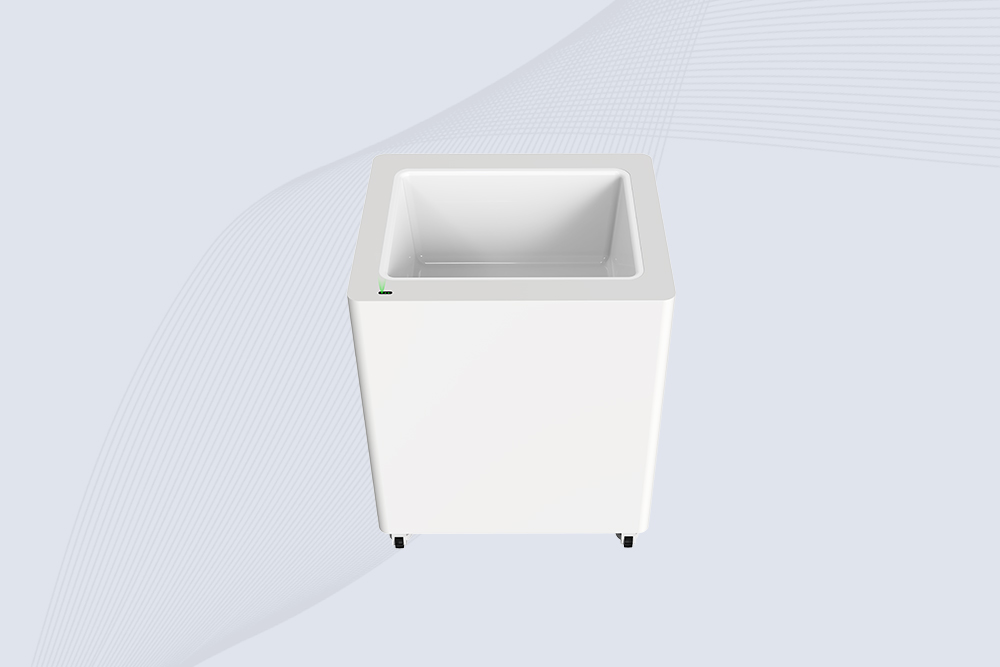
Cykeo’s CYKEO-D8C UHF RFID gate reader achieves 200-tag/batch scanning with adjustable power control, ideal for retail inventory and smart warehouse management.
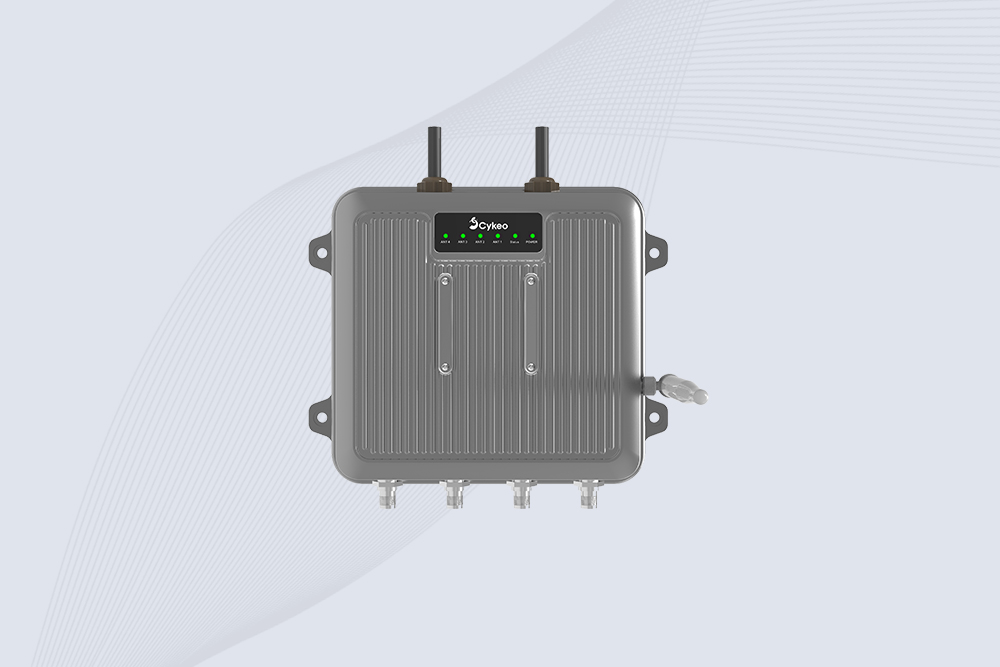
Cykeo CYKEO-C1 industrial Forklift RFID Reader features 20m read range, 600 tags/sec scanning, Impinj R2000 chipset, and IP67 rugged design. Ideal for warehouse logistics and manufacturing. Supports ISO 18000-6C/6B protocols.
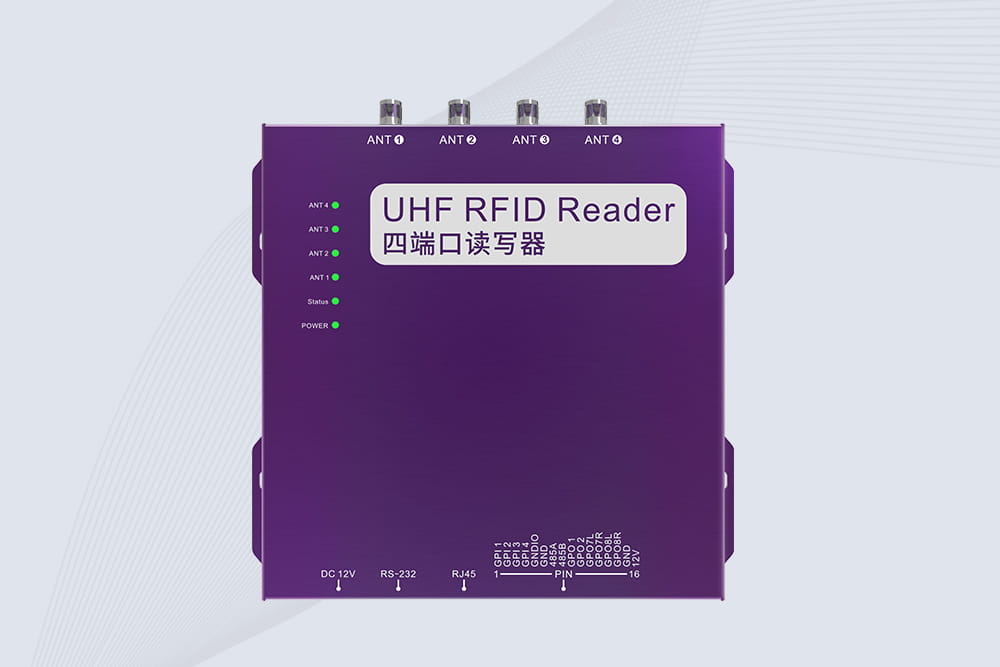
Cykeo CYKEO-R4 industrial UHF RFID Fixed Reader features 4 TNC ports, 400+ tags/sec speed, IP67 housing, and global frequency compliance for vehicle inspection, smart warehouse, and asset management systems.
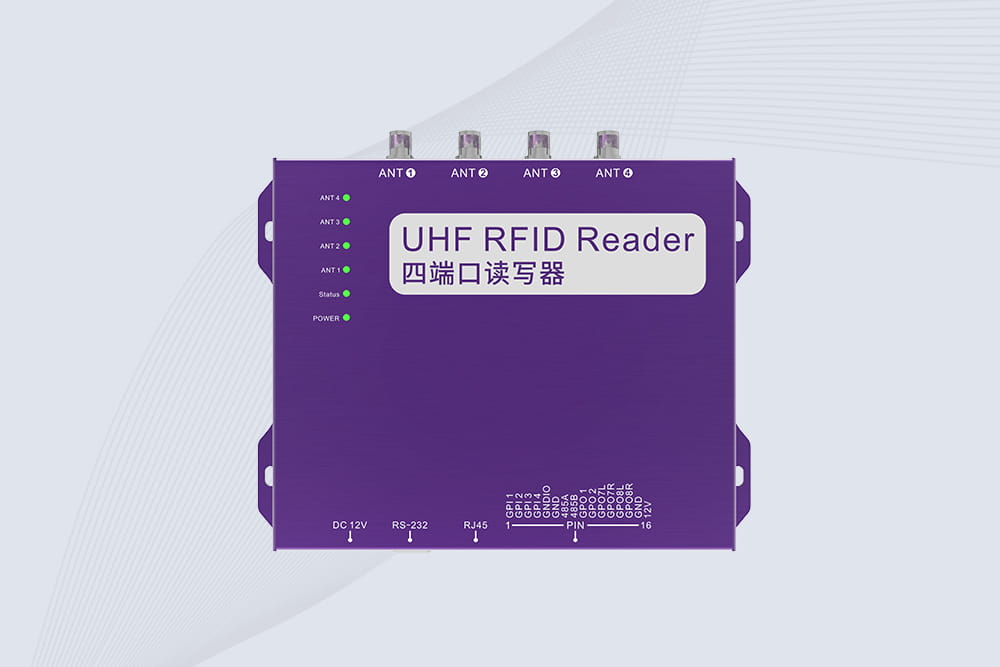
Cykeo’s CYKEO-R4L 4-port Fixed UHF RFID Reader delivers 400 tags/sec scanning, ISO 18000-6C compliance, and IP65 protection. Ideal for warehouse automation, manufacturing WIP tracking, and logistics management.
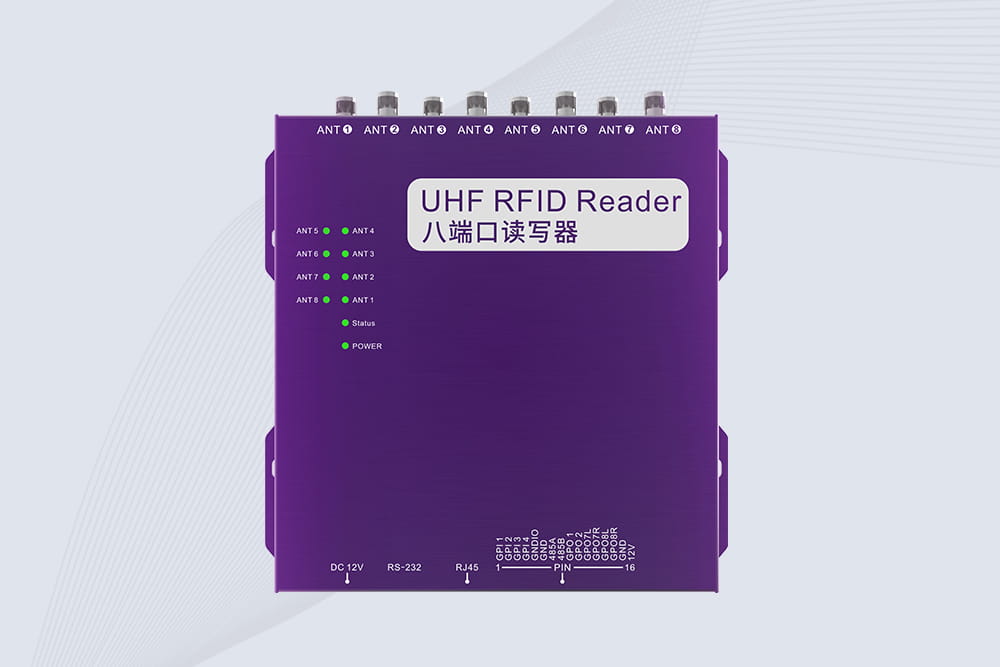
CYKEO CYKEO-R8L Fixed RFID Reader with 8-port UHF design, Impinj-based RF core and up to 20m read range. An industrial Fixed RFID Reader for vehicle inspection, warehouse portals, smart manufacturing lines and secure access checkpoints.
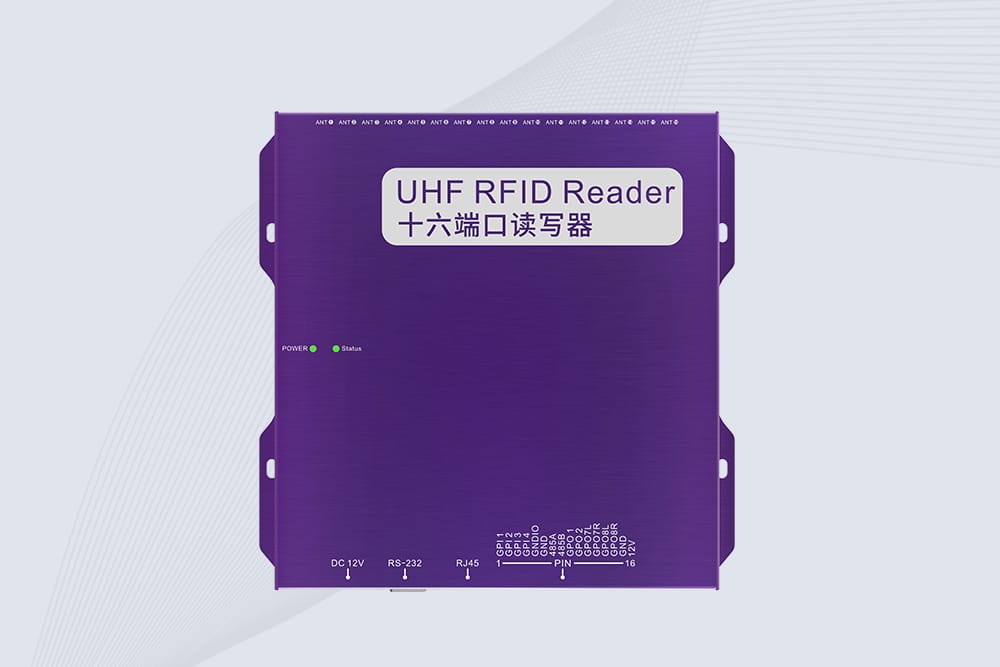
RFID Fixed Reader from CYKEO – the CYKEO-R16L 16-port UHF fixed reader for warehouses, smart cabinets, and production lines. Long-range, multi-tag reading, stable performance for 24/7 industrial use.

RFID tags vs barcodes cost analysis: Discover why cheap labels often cost more long-term. See real price breakdowns and when RFID saves money.
More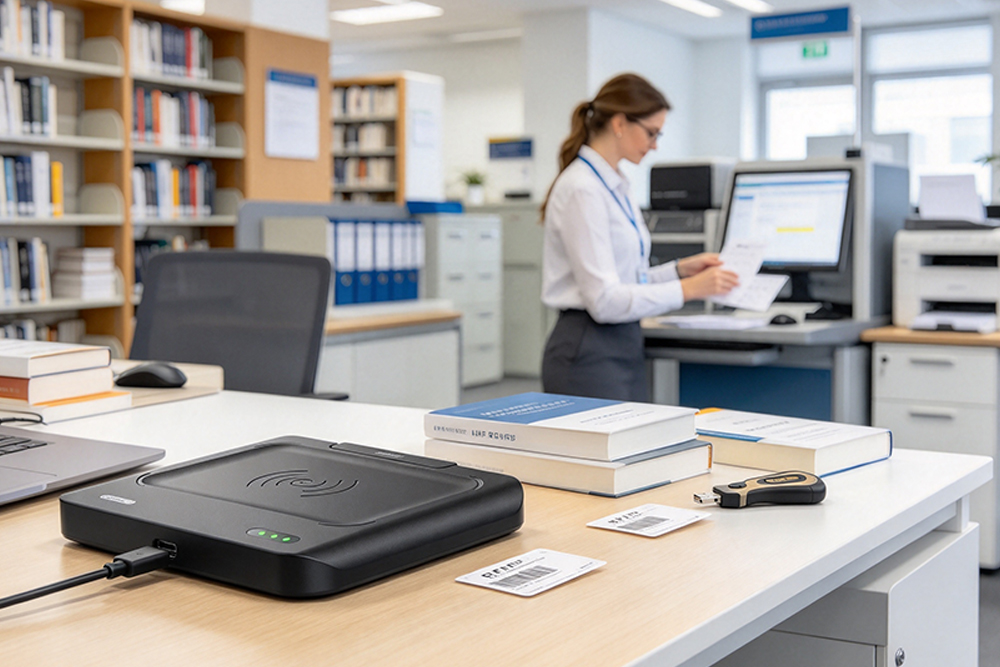
Changing an RFID tag number requires a compatible reader/writer, the correct writable memory area, and verification. The new identifier must follow the appli...
More
RFID (Radio Frequency Identification) is a wireless communication technology. Automatically identifying and tracking the corresponding frequency band tags on attached objects by emitting electromagnetic waves of different frequency bands emitted b...
More
See how RFID improves hospital equipment tracking efficiency in real-world scenarios. Learn where it actually saves time and how smart cabinets streamline inventory.
More