 Cykeo RFID IoT Solution Products R&D Manufacturer
RFID Tagging System Empowering Smart Enterprise Management
853RFID tagging systems, leveraging advanced radio frequency identification technology, offer an accurate, efficient, and intelligent management solution,
MoreAll RFID Product
You have the reader in one hand and a drill in the other. Maybe it is for a door. Maybe for a desktop. Maybe for a machine panel. But the instructions that came in the box assume you have done this ten times before.
Here is the thing. How to install RFID card reader depends entirely on where you put it. A USB reader for the front desk installs nothing like a weatherproof reader for an exterior door. And an industrial panel mount is a whole different animal.
Let me walk through the three most common installations so you can figure out which one applies.
Look at your reader. The installation method changes based on type:
Pick your category and follow that section.
This is what people mean when they just want to add card reading to a computer. Reception desks, libraries, small offices.
Step 1: Unpack and check driver requirements
Some USB readers work like keyboards—no driver needed. Plug them in and they type card numbers into whatever field has focus . Others need specific drivers, especially if they read multiple frequencies or secure cards .
CYKEO USB readers typically fall into the “no driver” category for basic 125kHz cards. But if you have a multi-frequency model, check the quick start card.
Step 2: Connect the reader
Plug the USB cable into your computer’s USB port. Windows makes that connection sound. On Mac, you might see a keyboard setup assistant—ignore it .
Step 3: Check device recognition
On Windows, open Device Manager. Look under “Keyboards” or “Human Interface Devices.” If you see something like “USB Input Device” or the reader name, Windows sees it .
Step 4: Test with any application
Open Notepad or any text field. Swipe a card. The card number should appear typed out. If it does not, try a different USB port. Some ports, especially on the front of desktops, don’t deliver enough power .
Step 5: Install manufacturer software (optional)
If you need to read secure card data or configure reader settings, install the CYKEO Card Manager software from our website. This gives you control over beep volume, LED behavior, and data formatting .
For 13.56MHz or multi-frequency readers:
You may need to install a driver as administrator. Download from CYKEO support, right-click the installer, select “Run as administrator.” After install, a blue icon appears in system tray showing reader status .
This is the most common. Reader by the door, lock released when authorized card swipes. But wiring matters more than people think.
Tools and materials you need:
Step 1: Plan the layout
Reader mounts outside door, about 48 inches from ground. Exit button inside, near door handle. Power supply somewhere accessible but not obvious .
Step 2: Understand the relay
Most access readers have a relay inside. Three terminals: COM (common), NO (normally open), NC (normally closed) .
For a fail-safe magnetic lock (locked when powered, unlocks when power cut):
For a fail-secure electric strike (unlocked when powered):
Step 3: Run the wires
From reader to power supply and lock:
Use shielded cable for runs over 10 feet. Ground shield at power supply end only .
Step 4: Mount the reader
Most door readers use a mounting plate:
Step 5: Wire the lock
For magnetic lock with fail-safe (locked when powered):
When reader activates, relay switches COM from NC to NO, breaking ground path, lock releases.
Step 6: Wire exit button
Exit button is normally open momentary switch:
Pressing button tells reader to activate relay, releasing lock .
Step 7: Power up and test
Apply power. Reader should beep and LED flash. Swipe a card that is programmed. Lock should click/release for 3-5 seconds (adjustable in reader settings).
Step 8: Program cards
Most door readers have a master card for programming:
Or use CYKEO Door Manager software if reader is network-connected .
Factory floor. Machine control. Conveyor sorting. Readers here mount in control panels or on machine frames.
Step 1: Choose mounting location
Reader needs to be near where tags pass. But also protected from dust, coolant, vibration. IP67 rated readers can go directly on machine. Lower rated readers go inside control cabinet with external antenna .
Step 2: Panel cutout (if flush mounting)
CYKEO industrial rfid readers like the IR-100 series use standard panel cutouts:
Drill pilot holes, use knockout punch or jigsaw. Deburr edges so gasket seals .
Step 3: Grounding
Industrial environments need proper grounding. Reader has ground terminal. Connect to panel ground bus with short, thick wire. This prevents electrical noise from corrupting reads .
Step 4: Power connections
Industrial readers often use 24V DC:
Some support Power over Ethernet (PoE) if Ethernet model. Check label on reader .
Step 5: Communication wiring
For RS485:
For RS232:
For Ethernet:
Use Cat5e or Cat6 shielded cable. If reader supports PoE, one cable does power and data .
Step 6: IO wiring (if used)
Some industrial readers have IO for triggers or outputs:
Check voltage and current limits—CYKEO industrial outputs handle up to 100mA typically .
Step 7: Configure communication parameters
Set baud rate, parity, address to match your system. Defaults are often:
Use CYKEO Config Tool over USB to change settings before final installation.
Step 8: Test communication
Send a simple read command using terminal software or CYKEO Test Utility. If you get tag data back, installation is good.
Reader powers on but no tag read
Check antenna connection. If external antenna, cable might be loose or damaged. Try known good tag. Check if tag frequency matches reader (125kHz vs 13.56MHz vs UHF) .
Door lock doesn’t release
Verify wiring against diagram. Most common mistake: using NO instead of NC. Measure voltage at lock when card swiped—should drop to 0V for fail-safe locks .
USB reader not recognized
Try different USB port. Check if cable is data cable, not charge-only. Install driver as administrator .
Industrial reader communication fails
Check baud rate matches on both ends. Verify wiring—RS485 polarity matters. Add termination resistors if on long line .
Reader reads but data is wrong format
Some readers can format output. Use configuration software to set ASCII hex, decimal, or Wiegand format matching your system .
CYKEO door reader typical wiring:
| Wire Color | Function |
|---|---|
| Red | +12V DC power |
| Black | Ground (0V) |
| Yellow | Relay COM |
| Green | Relay NC |
| Blue | Exit button input |
| White | Buzzer/LED control |
CYKEO industrial reader M12 pinout (8-pin):
| Pin | Function |
|---|---|
| 1 | +24V DC |
| 2 | RS485 A / RS232 TX |
| 3 | GND |
| 4 | RS485 B / RS232 RX |
| 5 | IO1 |
| 6 | IO2 |
| 7 | NC |
| 8 | NC |
CYKEO industrial reader M12 pinout (5-pin):
| Pin | Function |
|---|---|
| 1 | +24V DC |
| 2 | IO common |
| 3 | GND |
| 4 | IO1 |
| 5 | IO2 |
How to install RFID card reader has three answers depending on where you put it:
Most installation failures come from rushing the wiring. Check connections twice. Power up without final mounting to test. Then secure everything.
And when you get stuck—because everyone does—CYKEO support has seen it all. Call us with your reader model and a photo of your wiring. We will sort it out.
Need installation diagrams for your specific CYKEO model?
Download installation guides from our support portal. Includes wiring diagrams, mounting templates, and configuration software for every reader we make.
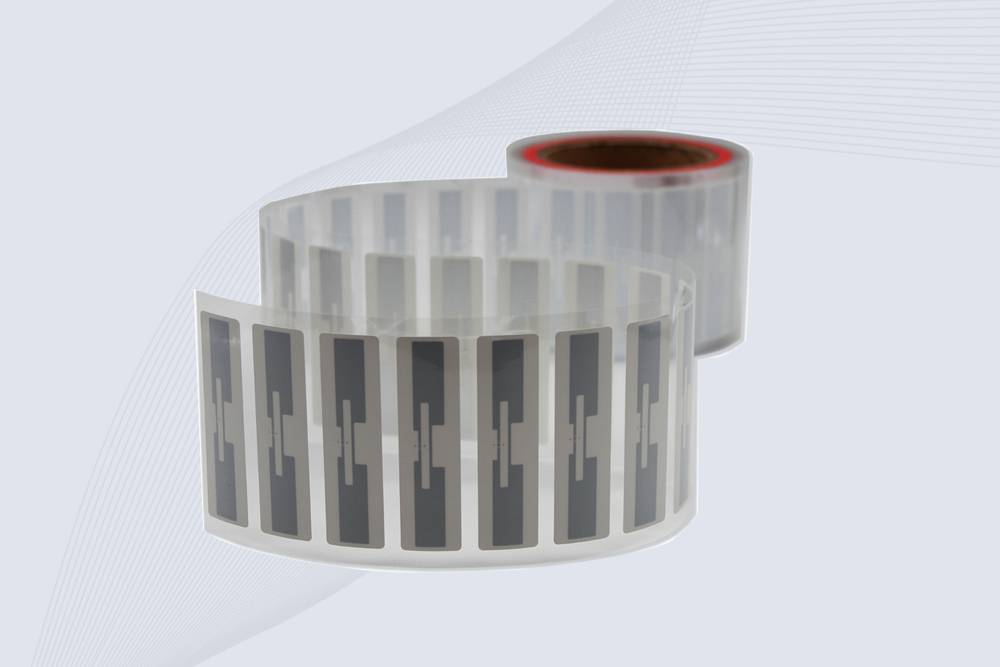
CYKEO Passive RFID Tags are made for wet and high-humidity environments where standard labels do not last. This rfid passive tag is often used around liquids, chemicals and temperature changes, providing stable reading distance and long data life for industrial tracking.
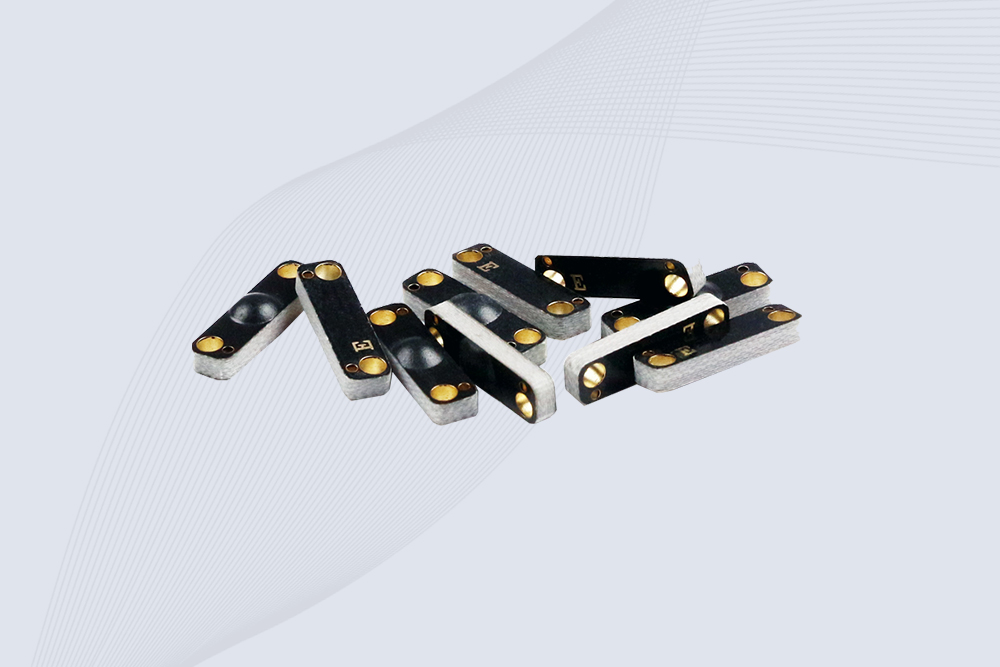
CYKEO CYKEO-PCB1504 Metal RFID Tags is a compact anti-metal UHF RFID solution built for direct mounting on metal surfaces. With stable 8-meter read range, Ucode-8 chip, and long data retention, this rfid metal tag fits tools, containers, automotive parts, and industrial asset tracking.
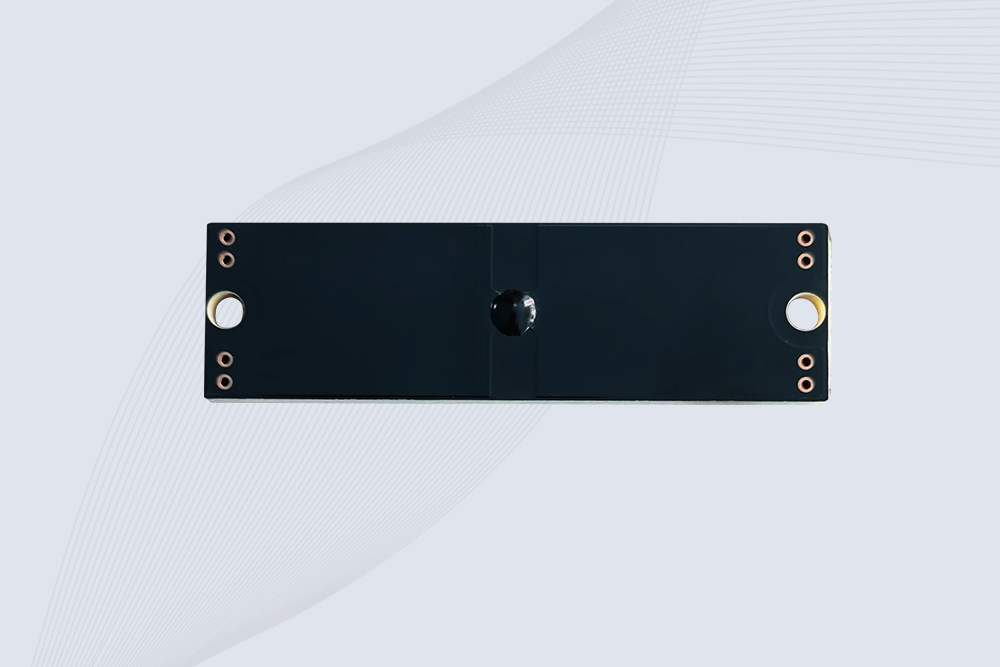
CYKEO CYKEO-PCB7020 On-Metal RFID Tags are designed for reliable tracking on steel and metal surfaces. Built with an FR4 epoxy body and industrial-grade chips, these On-Metal RFID Tags deliver stable performance, long data life, and chemical resistance, making them a dependable RFID anti-metal tag for harsh environments.
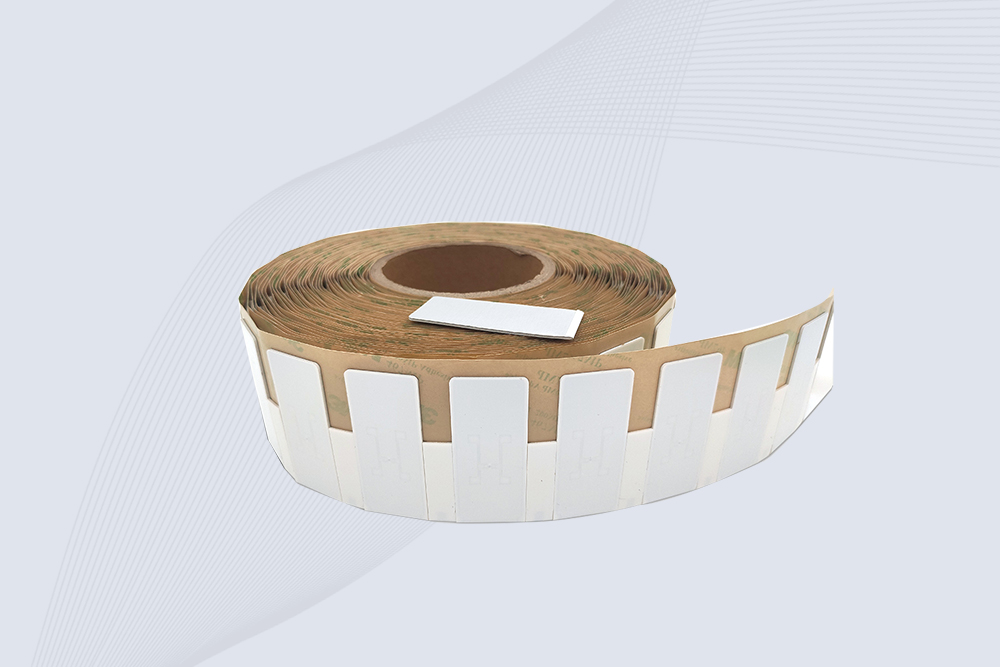
The CYKEO CYKEO-60-25 Anti-Metal RFID Tag is built for metal surfaces where standard tags fail. Designed for long-range performance, harsh environments, and stable data retention, this Anti-Metal RFID Tag is ideal for industrial assets, containers, and equipment tracking using on metal RFID tags.
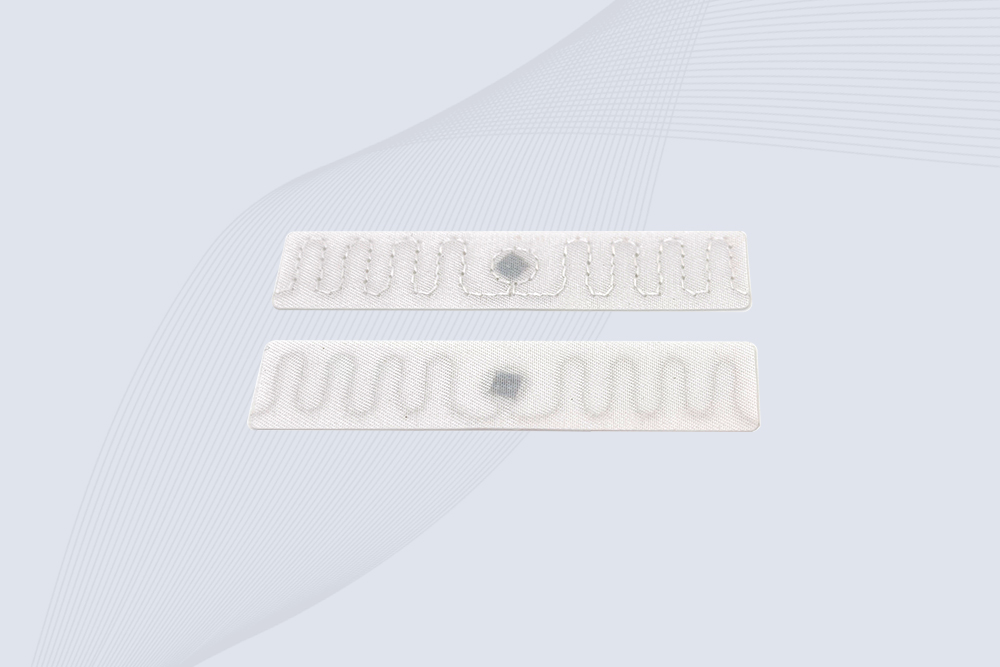
The CYKEO RFID Laundry Tag is designed for long-term textile identification in harsh laundry environments. Built to withstand high heat, chemicals, and repeated washing, this RFID Laundry Tag delivers stable performance for hotels, hospitals, and industrial laundry operations using laundry rfid tags at scale.
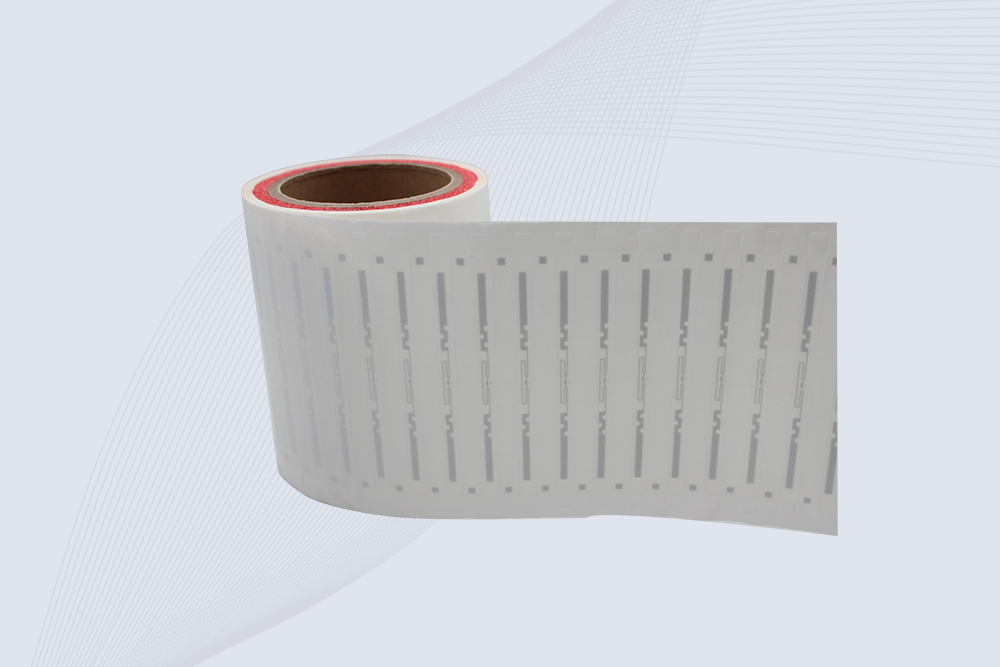
The CYKEO CYKEO-125-7 RFID Book Tag is designed for reliable book and document tracking in libraries and archives. This RFID Book Tag delivers long read range, dense placement support, and stable performance on shelves, making it a practical rfid tag on books for library automation, file management, and archival systems.
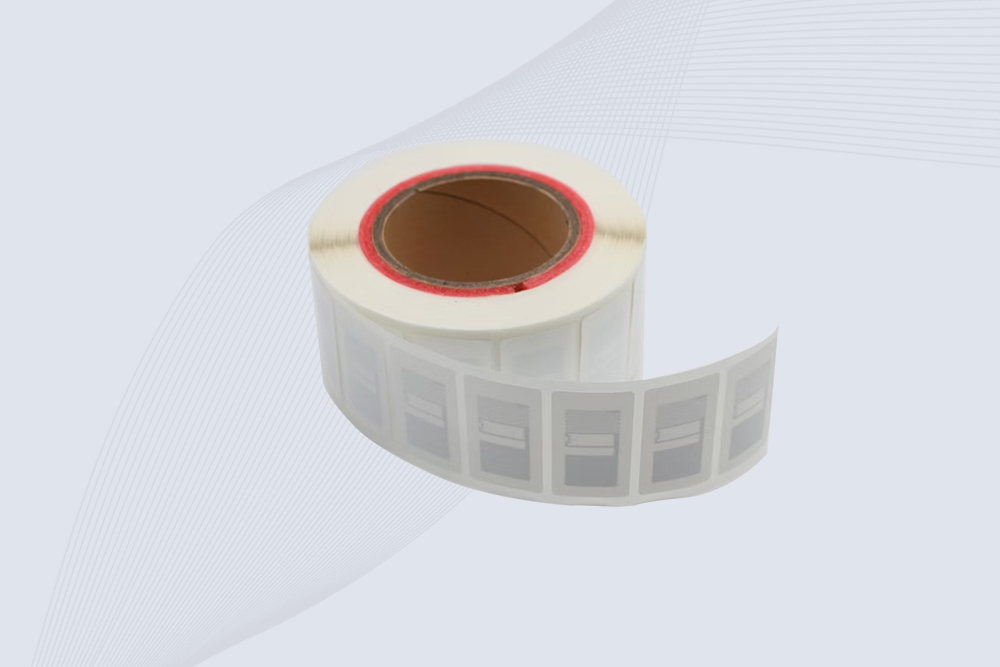
CYKEO RFID tags in hospitals are designed for sterile environments where accuracy matters. These autoclavable RFID tags support long-term tracking of surgical tools, implants, and medications, helping hospitals improve visibility, compliance, and patient safety.

CYKEO RFID Cable Tie Tag is built for reliable identification on metal surfaces. This UHF RFID Cable Tie Tag is widely used in rfid tags for inventory systems, industrial asset management and Hospital RFID Tags, offering stable read performance, long service life and global EPC Gen2 compatibility.
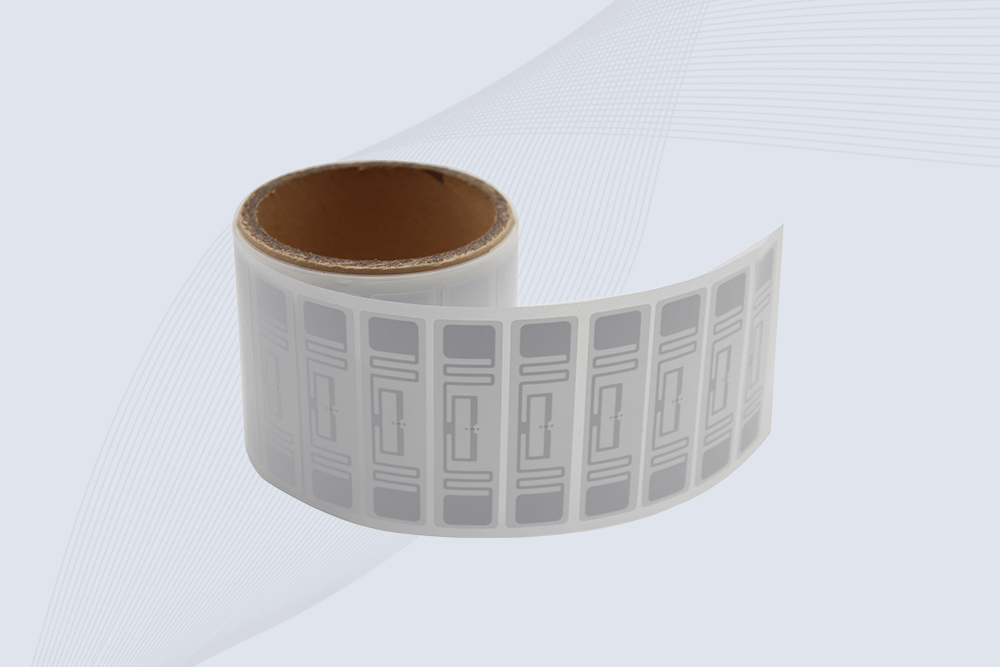
CYKEO RFID Asset Tag is designed for stable identification of metal assets in industrial environments. This UHF RFID Asset Tag is commonly used for rfid tag asset tracking on equipment, tools and containers, providing reliable reads, long service life and ISO/IEC 18000-6C support.
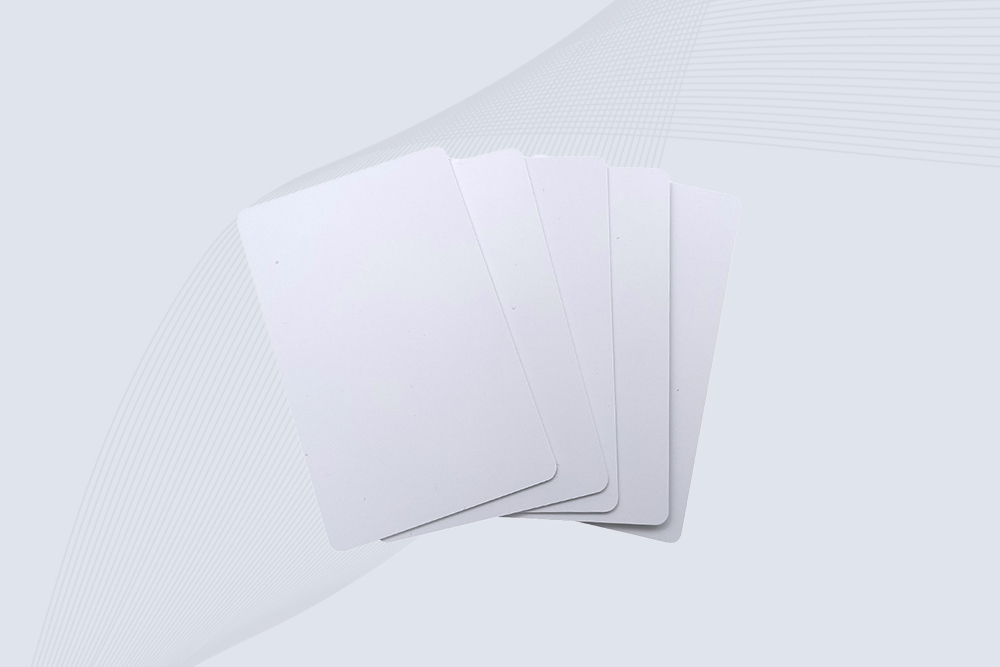
CYKEO UHF RFID Card is designed for fast identification and long-term use in industrial and commercial systems. Supporting ISO 18000-6C, this UHF RFID Card works at 860–960 MHz and is suitable for custom RFID cards used in asset tracking, access control and inventory management.
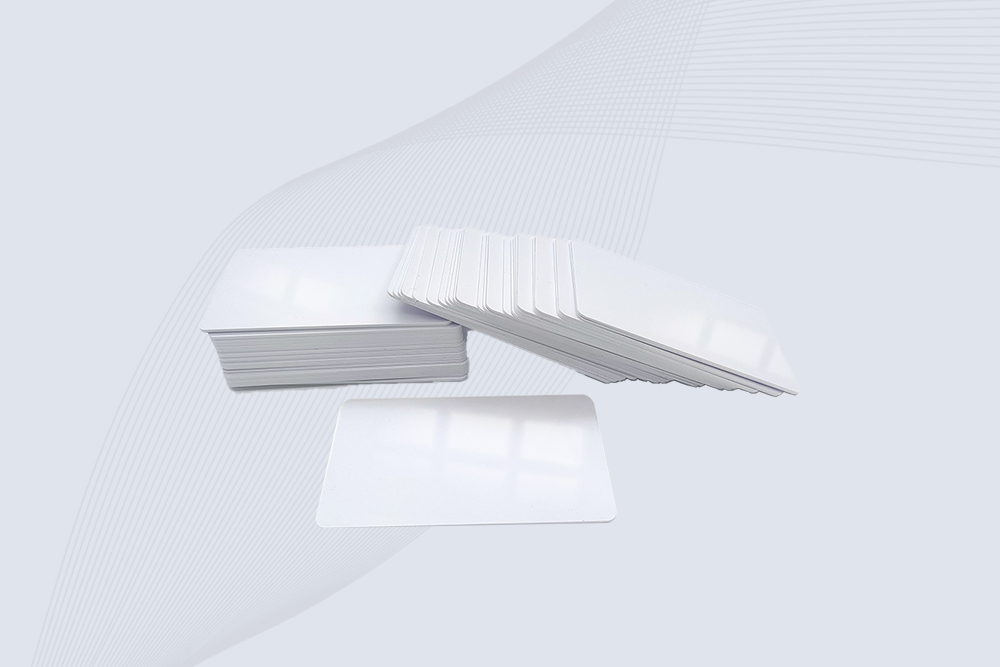
CYKEO HF RFID Cards are designed for secure and stable access control systems. These 13.56 MHz RFID key cards support ISO 14443-A, reliable rewriting and long service life, making HF RFID Cards suitable for offices, campuses, events and membership management.
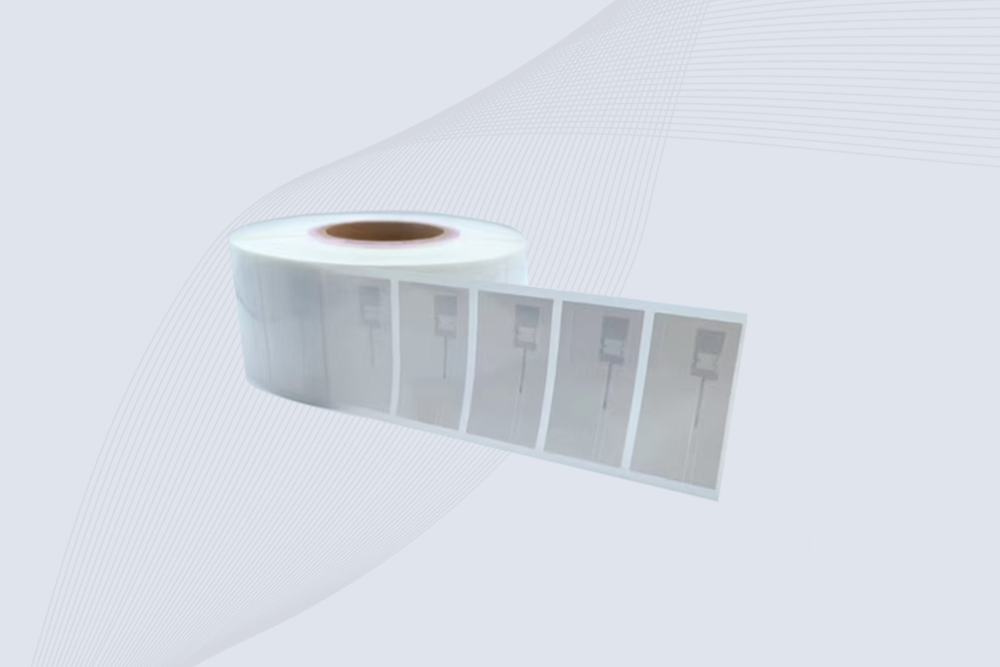
CYKEO UHF RFID Tag is designed for reliable tracking of metal jewelry and high-value items. This Jewelry RFID Tag supports long-range reading up to 8 meters, anti-counterfeit protection and stable performance on metal, making it suitable for retail, inventory control and asset management.
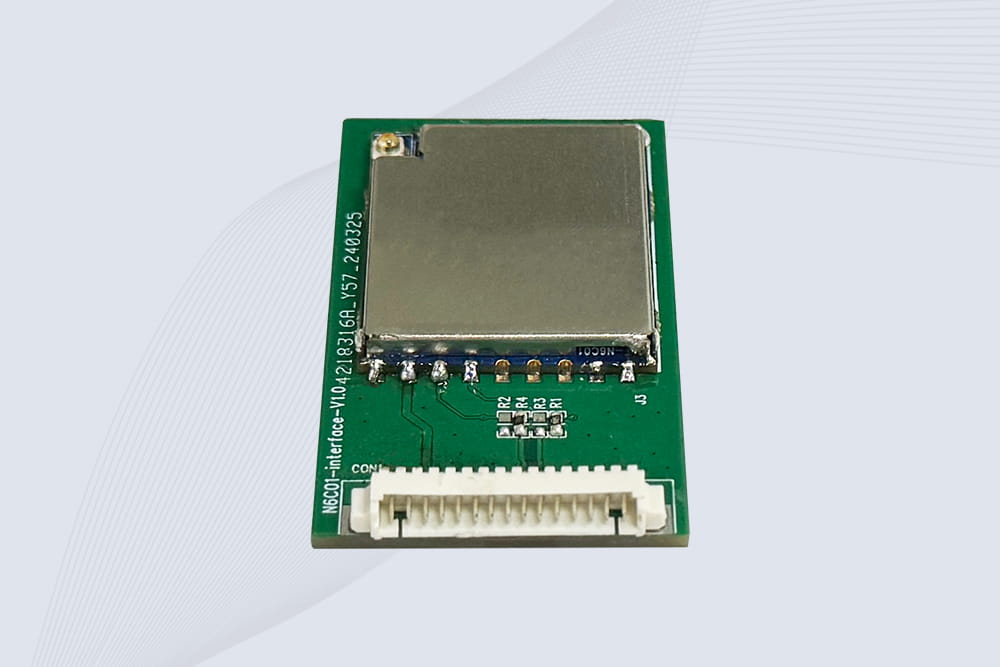
CYKEO Embedded RFID Modules are designed for compact industrial and IoT devices that require stable UHF performance. These UHF RFID Modules support global protocols, flexible power control, and reliable multi-tag reading for smart cabinets, production lines, and asset tracking systems.
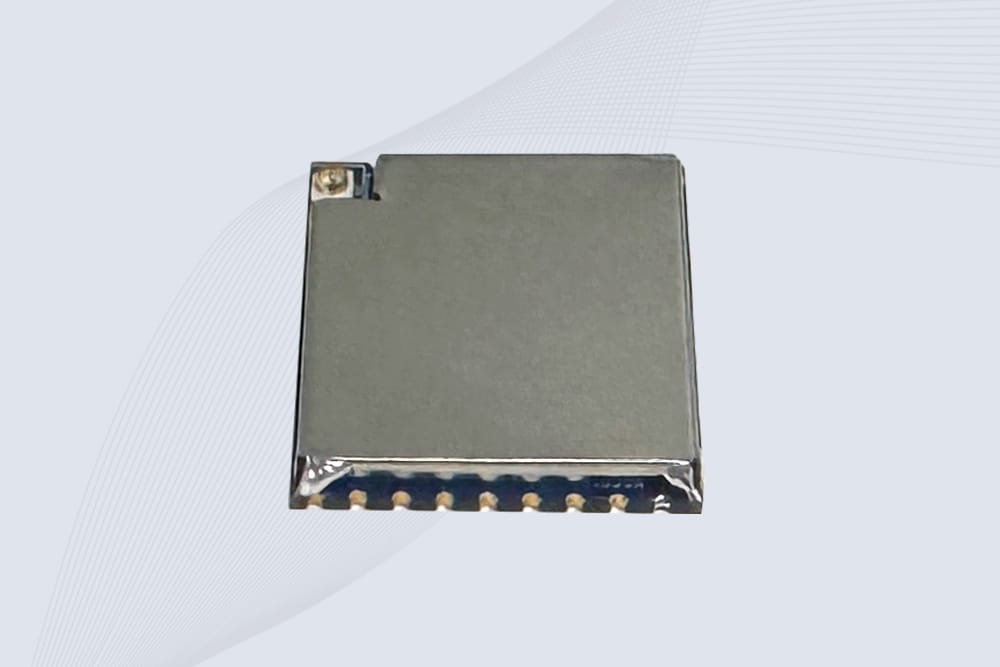
CYKEO Embedded RFID Module is built for compact IoT and industrial devices that need stable UHF performance. This UHF module supports global protocols, low power operation, and reliable multi-tag reading for smart lockers, production lines, and always-on RFID systems.
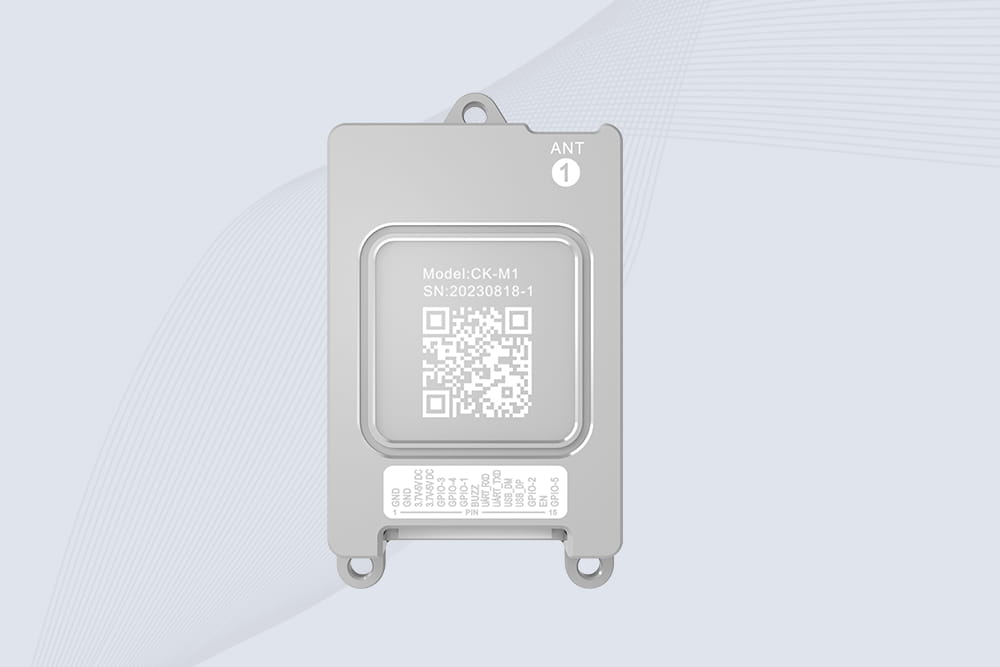
CYKEO CYKEO-M1 drone rfid module is a compact UHF RFID reader module designed for drones and UAV platforms. It supports long-range aerial scanning, fast multi-tag reading, and stable performance in wind, vibration, and outdoor environments.
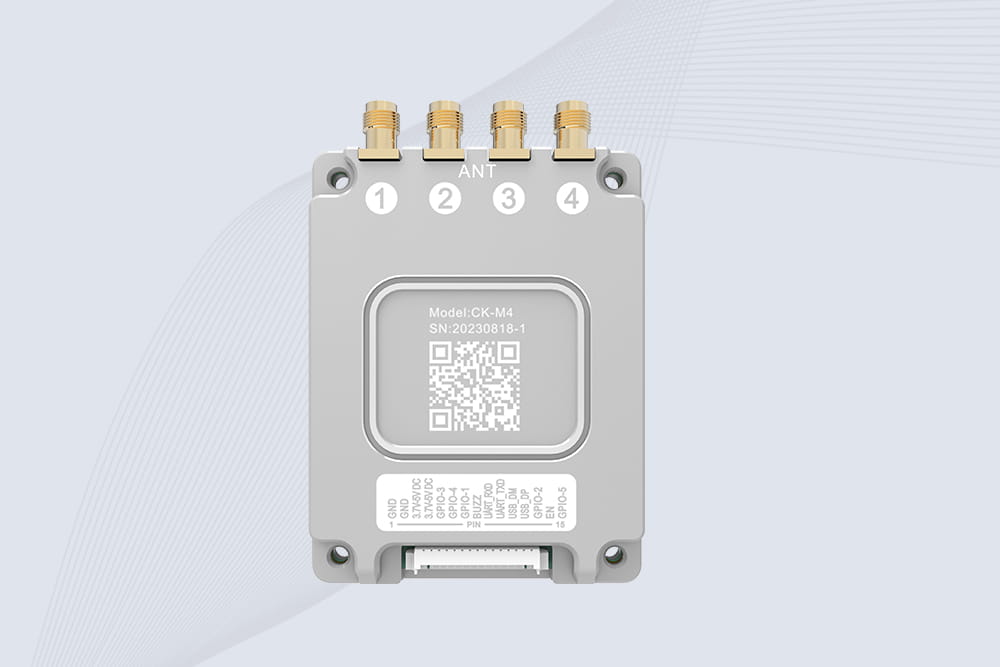
CYKEO CYKEO-M4 RC522 RFID Module is an industrial-grade UHF RFID reader with 4 ports, supporting ISO, EPC, and GB protocols. High-speed, accurate reading for IoT, automation, and warehouse applications.
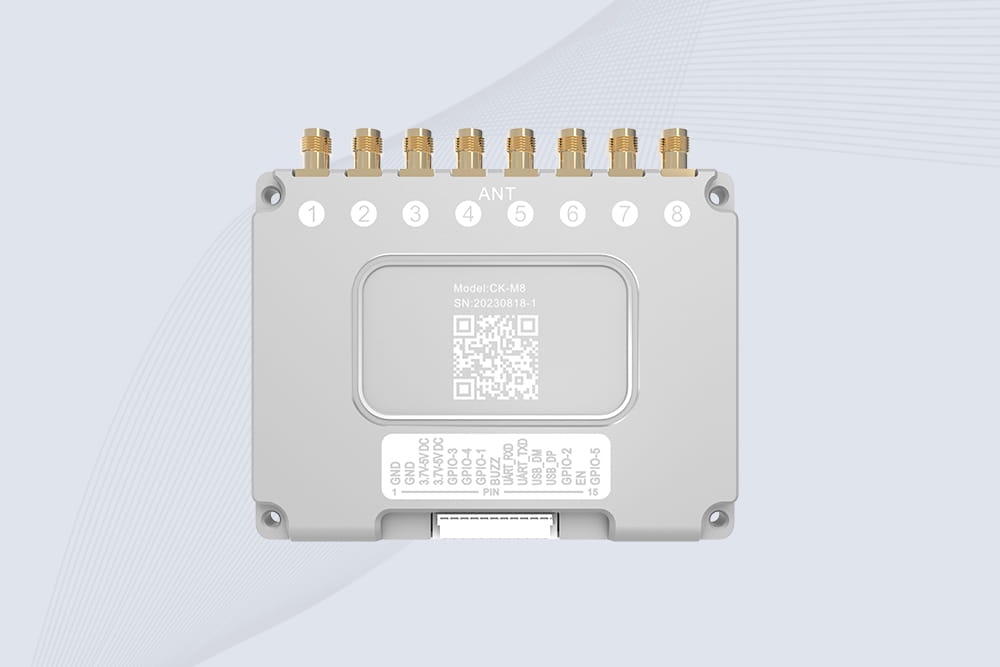
CYKEO CYKEO-M8 Module RFID is an 8-port UHF R2000 RFID Module designed for high-density, multi-tag environments. Stable 33dBm output, ISO & GB protocol support, ideal for warehouses, factories, and automated systems.
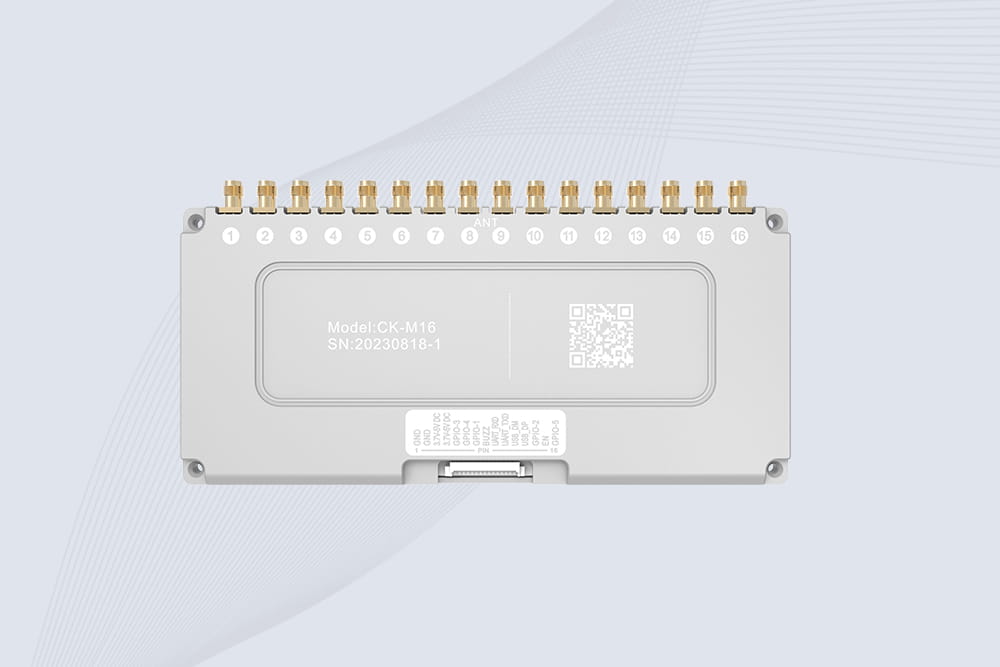
CYKEO CYKEO-M16 RFID Module is a 16-port UHF RFID reader module based on the R2000 chipset. Designed for dense tag environments, it supports ISO and GB standards and delivers stable multi-antenna control for industrial automation.
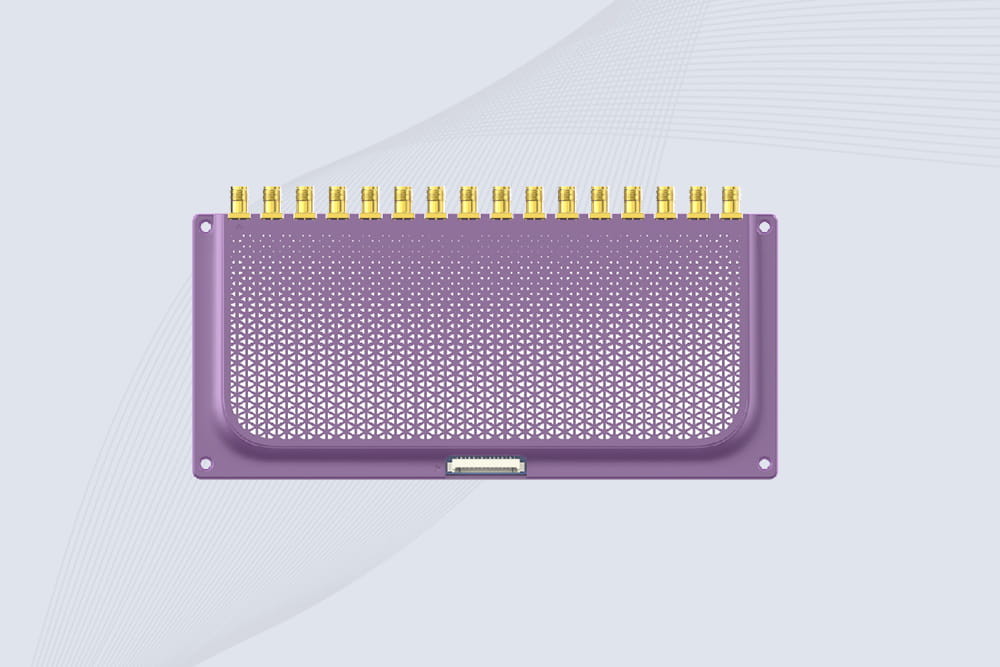
The CYKEO CYKEO-M16L RFID Reader Module is a 16-channel UHF RFID core designed for dense tag environments. With adjustable 33dBm output, multi-protocol support, and stable multi-antenna control, this RFID Tag Reader Module fits industrial automation, warehouse systems, and large-scale IoT deployments.
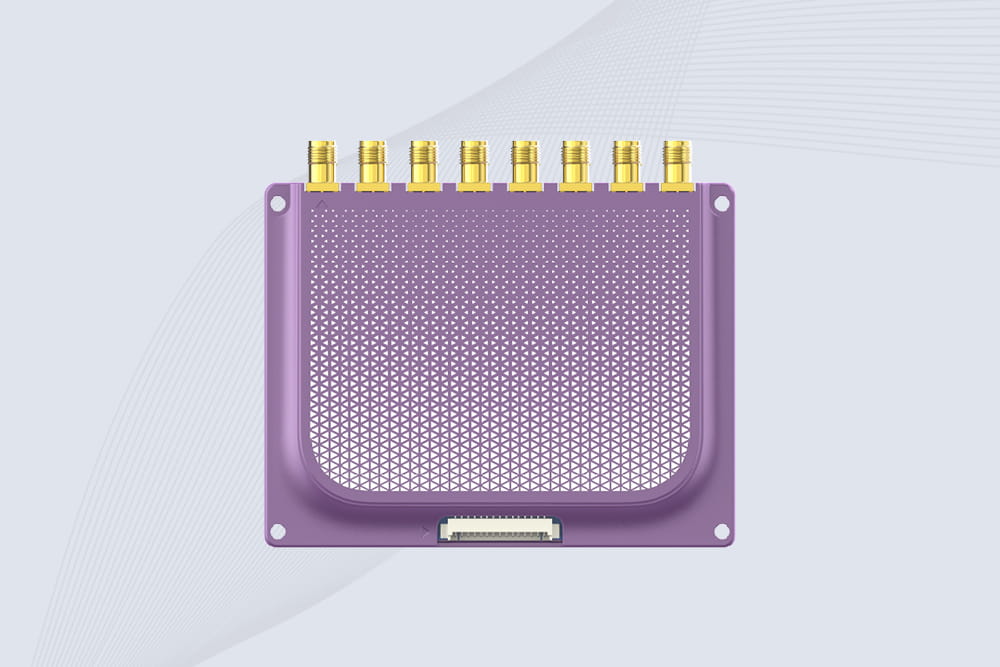
CYKEO CYKEO-M8L module RFID is a compact industrial UHF module built for dense tag and multi-antenna environments. With 8 RF ports, adjustable 33 dBm output, and ISO & GB protocol support, it is widely used in factories, warehouses, and automated tracking systems.
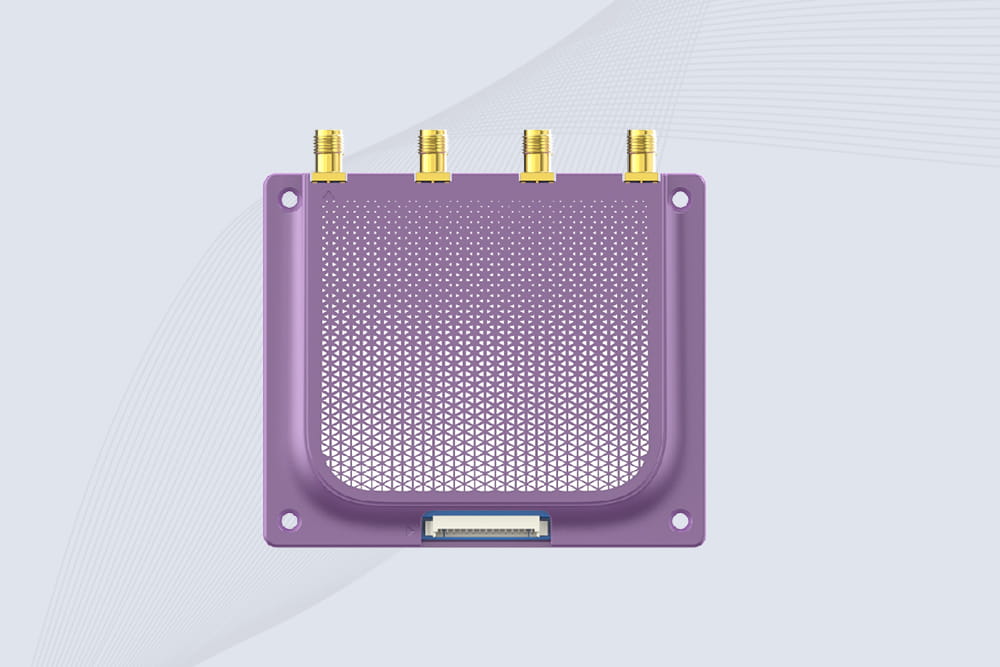
CYKEOCYKEO-M4L UHF RFID Module is a compact 4-channel RFID tag reader module designed for dense tag environments. Supporting ISO and GB protocols, it delivers stable reads up to 10 meters for industrial and IoT systems.
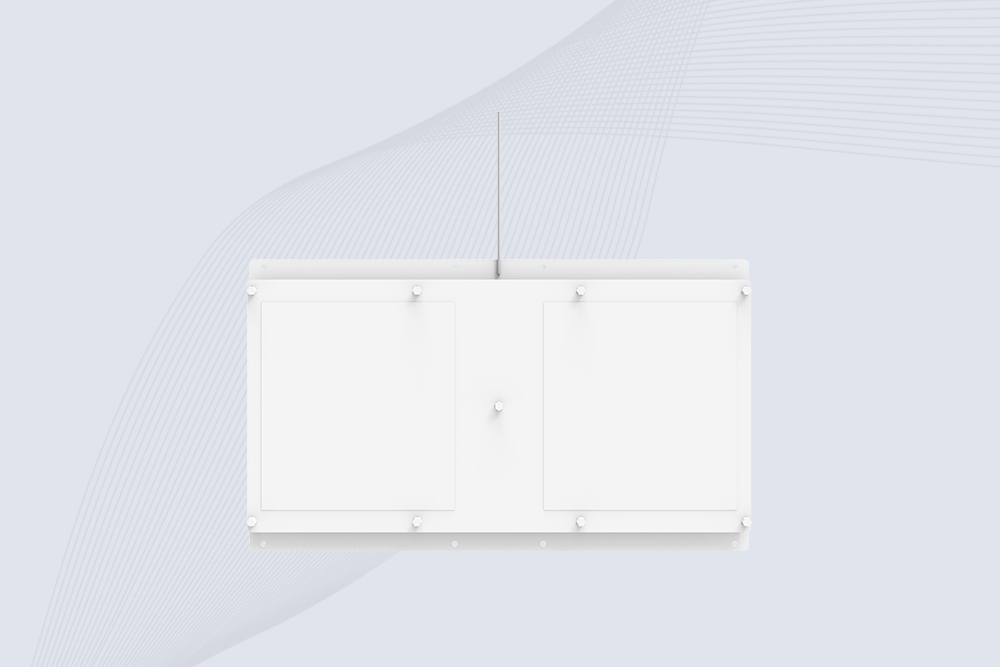
Cykeo CYKEO-A11 UHF RFID reader antenna delivers 11dBi gain, 840-960MHz frequency range, and IP65 ruggedness for retail, logistics, and industrial RFID systems. Features low VSWR and easy installation.
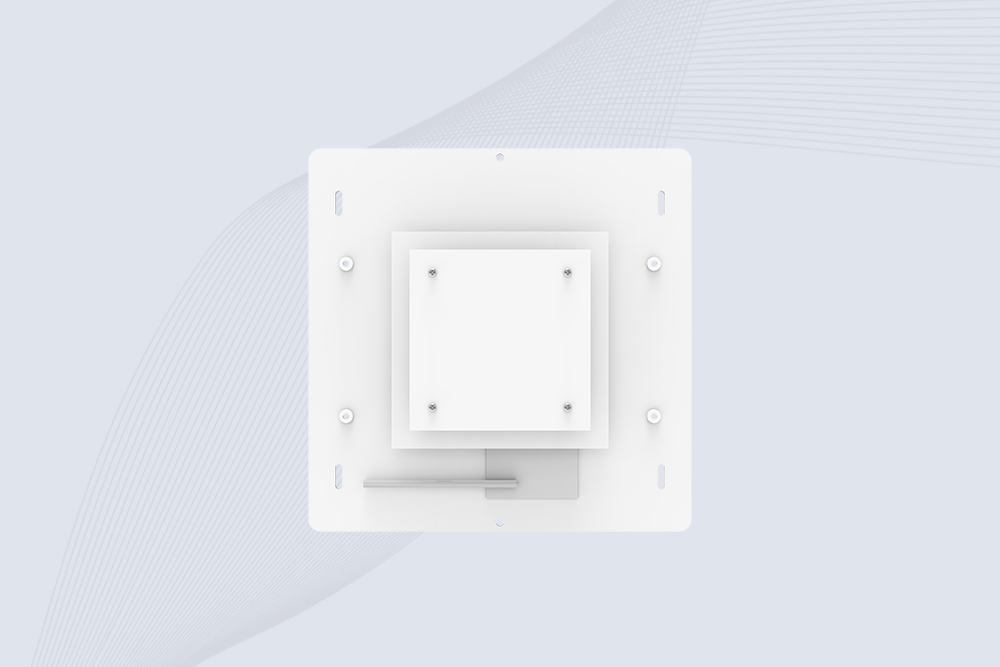
CYKEO Antenna RFID Reader delivers stable long-range UHF performance with a 10.5dBi directional design, built for warehouses, conveyor portals, and industrial RFID systems. This rfid reader antenna provides 20m+ read distance and rugged IP67 protection.

Cykeo CYKEO-PHF3 industrial HF RFID Antenna offers 24-point dynamic tracking, ISO 14443A/15693 protocols, metal-environment stability for archives/libraries/manufacturing.

Cykeo CYKEO-A5B industrial Linear RFID Antenna delivers 5dBi gain, ≤1.5:1 VSWR, and IP65 rugged design for warehouse, production line, and logistics UHF systems.

Cykeo’s CYKEO-B12 Long Range RFID Antenna delivers 15m+ read range with 12dBi gain, IP65 rugged design, and global 840-960MHz UHF support. Ideal for warehouse/logistics asset tracking.
Cykeo CYKEO-B10 Long Distance RFID Antenna offers 10dBi gain, 840-960MHz frequency range, IP65 rating, and 20m+ coverage for logistics/warehousing/ETC systems. Low VSWR ensures stable signal transmission.
Cykeo CYKEO-A6 UHF RFID panel antenna features 6dBi gain, 840-960MHz broadband, IP65 metal-ready housing for logistics/smart retail. 18mm ultra-thin design with tool-free mounting.

Cykeo CK-A3 industrial antenna RFID UHF offers 5m+ tag detection, ≤1.3:1 VSWR, IP65 rugged design, and global UHF spectrum compatibility (840-960MHz) for warehouses, factories, and retail.
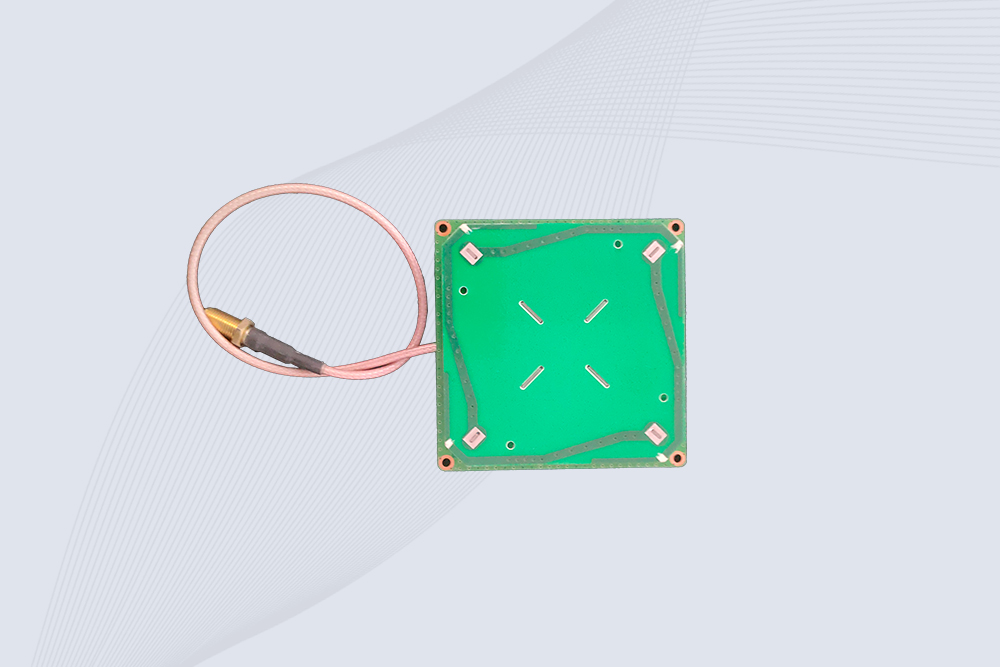
Cykeo CYKEO-B5 directional RFID antenna provides 5dBi gain with 60° narrow beamwidth for precise inventory tracking. IP65-rated, global UHF frequency support, and low VSWR.
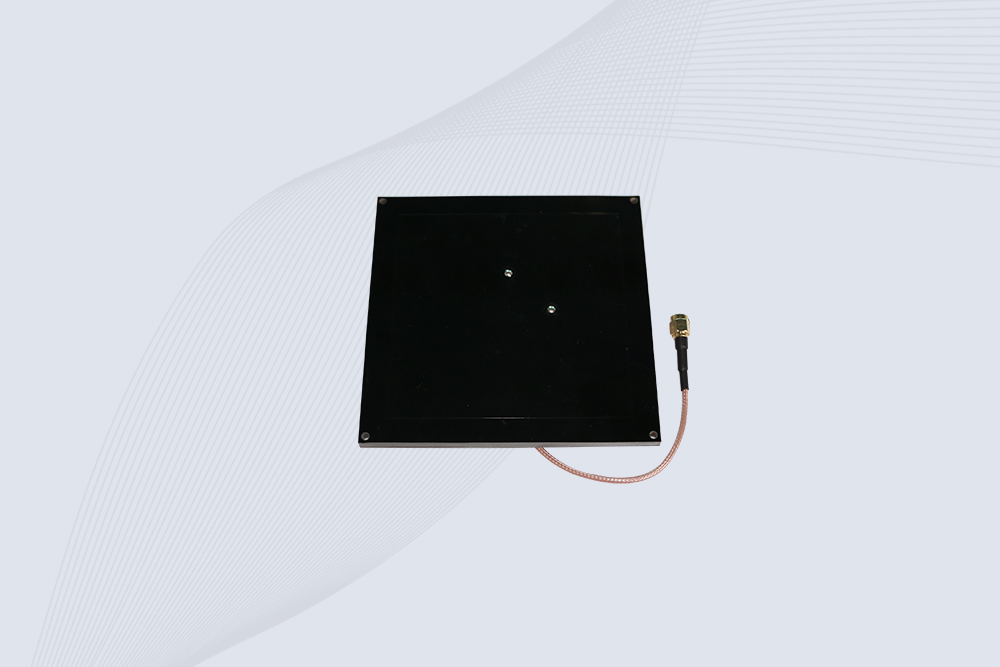
Create your own high-performance DIY RFID antenna! 5dBi gain, 840-960MHz tunable, step-by-step guides. Compatible with Arduino, Raspberry Pi, and commercial UHF readers.
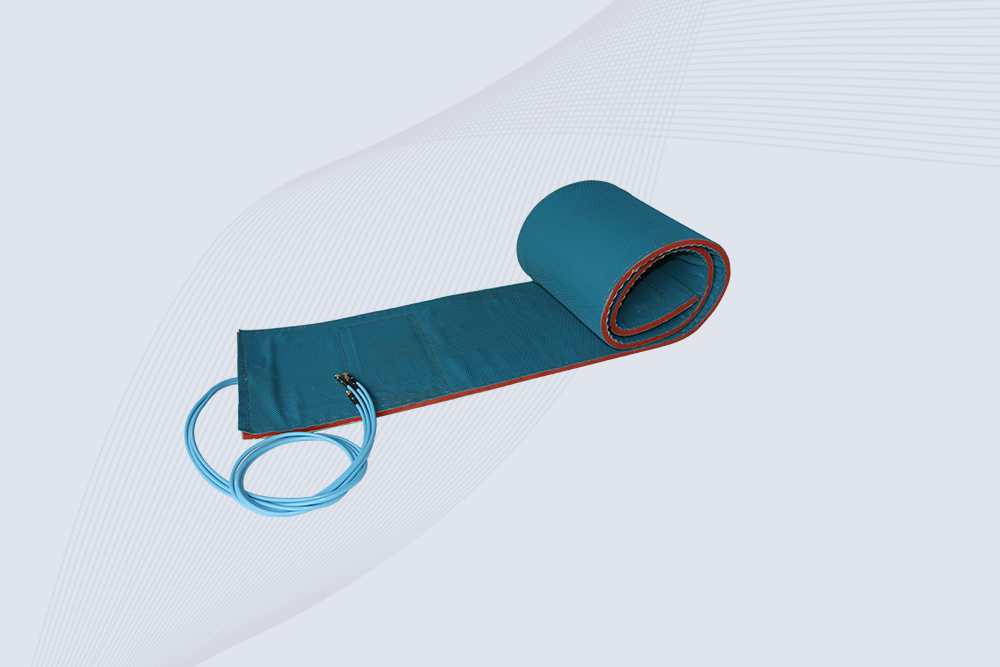
Cykeo CYKEO-A7 Flexible RFID Antenna features 840-960MHz wideband tuning, 7dBi gain, and IP68 rating for medical/retail/industrial curved surface deployments. 98% read accuracy with peel-and-stick installation.
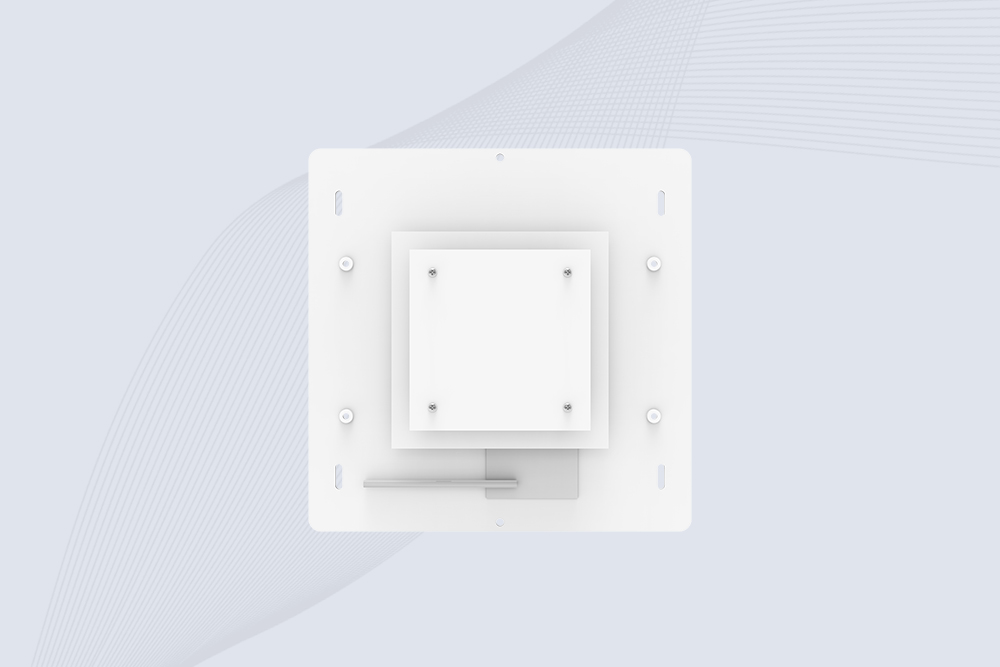
Cykeo CYKEO-B5A industrial Passive RFID Antenna delivers 5dBi gain, 70° beamwidth, and -40°C~55°C operation for warehouses/smart cabinets. Compatible with Zebra/Impinj readers.
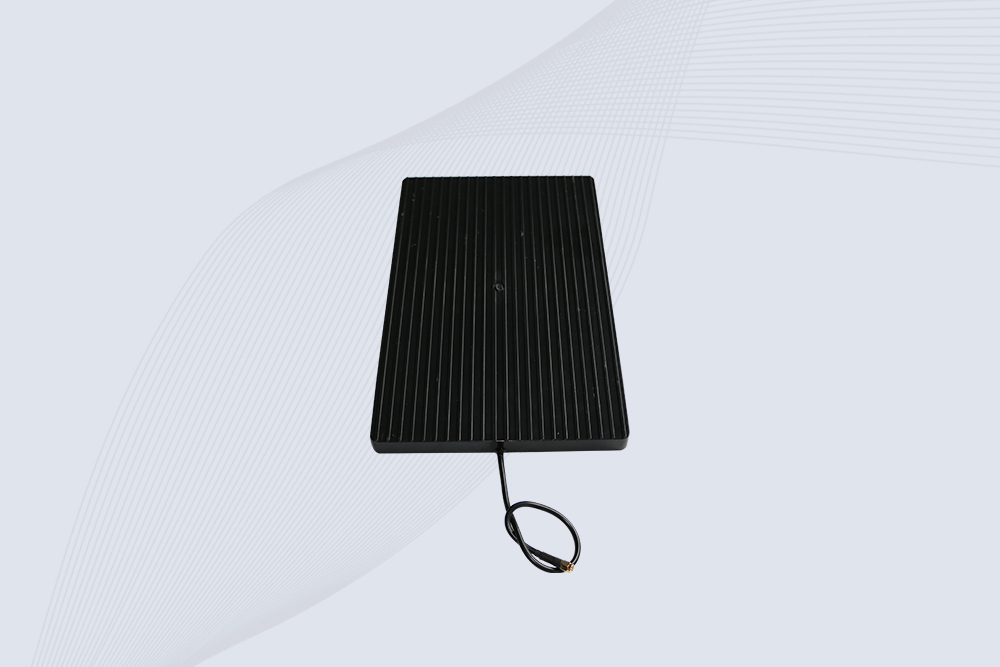
Cykeo’s CYKEO-A9B High Gain RFID Antenna delivers 15m+ read range with 9dBi amplification. Features IP54 rugged design, 840-960MHz bandwidth, and 80° beamwidth for warehouse/manufacturing RFID systems.

Cykeo’s enterprise-grade 8dbi Impinj RFID Antenna 10m+ read range with 840-960MHz tuning. Features IP65 housing, 1.4 VSWR, 35° beamwidth for retail/warehouse RFID systems.
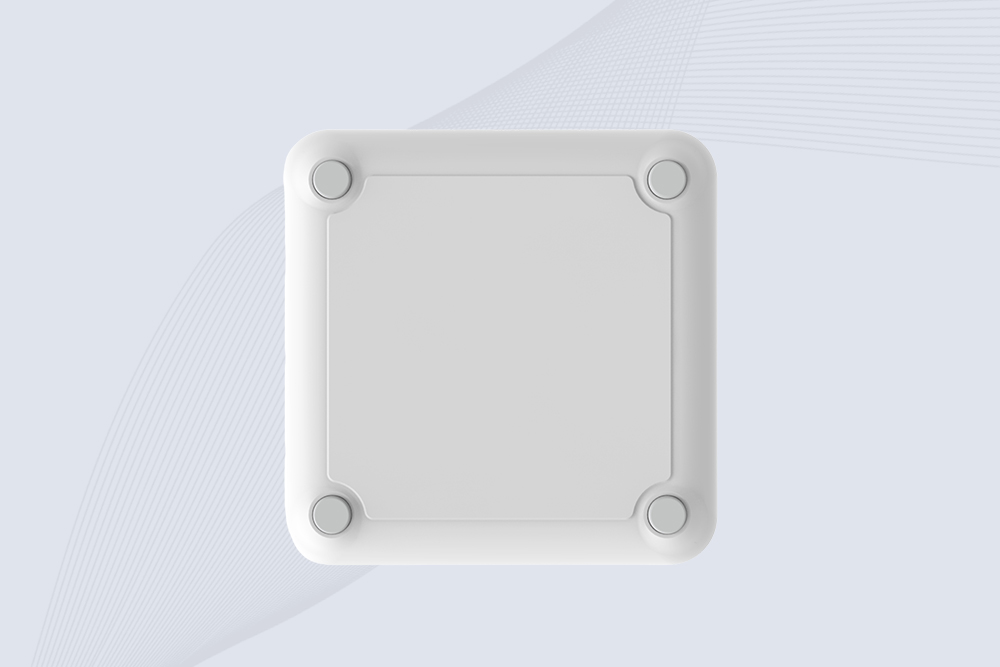
Cykeo CYKEO-A9 industrial UHF RFID antenna delivers 9dBi gain, 840-960MHz frequency range, and IP65 protection for warehouse/logistics/retail RFID systems. Features N-type connector and ≤1.3:1 VSWR.
CYKEO UHF RFID Antenna built for long-distance and industrial applications. This antenna rfid uhf delivers strong gain, outdoor durability, and reliable tag performance in warehouses, yards, and vehicle ID systems.
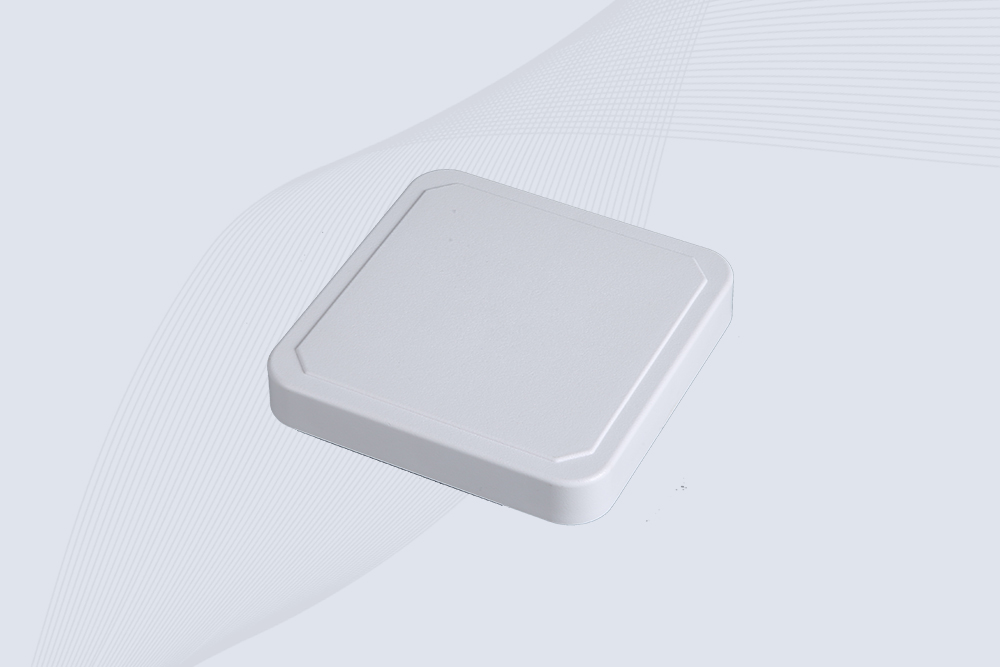
CYKEO Antenna RFID delivers reliable long-range UHF performance in warehouses, retail shelves, and cold-chain environments. This compact uhf rfid antenna provides stable reads with circular polarization and ultra-wide 840–960 MHz support, ideal for industrial tracking, smart shelves, and asset monitoring.
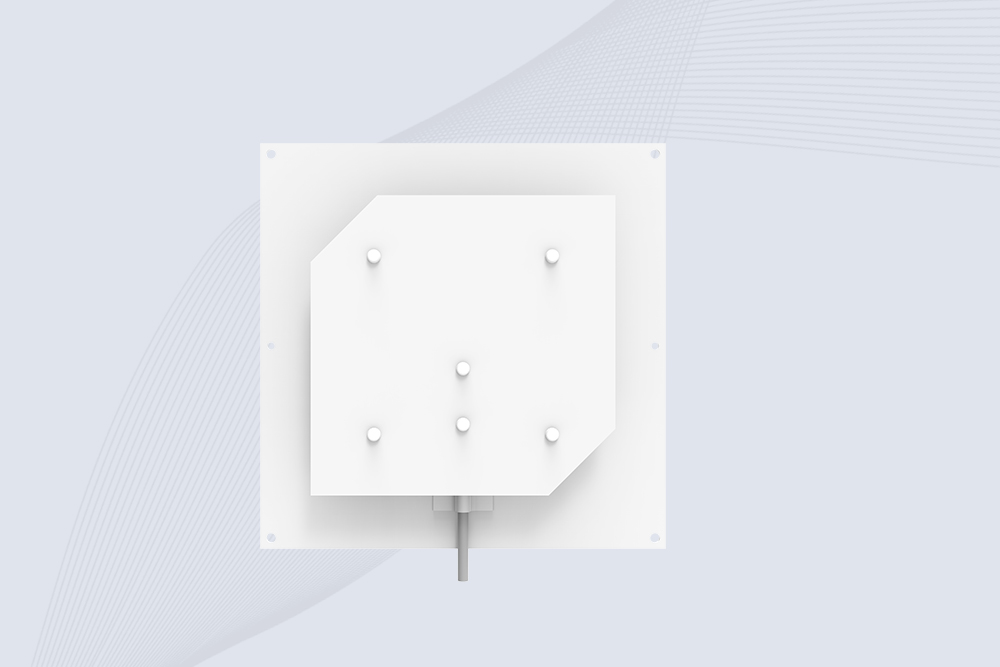
Cykeo’s CYKEO-C8 UHF RFID antennas delivers 8dBi gain, 840-960MHz full-band coverage, and IP65 ruggedness for manufacturing/warehouse RFID systems. Industrial RFID Antennas Features
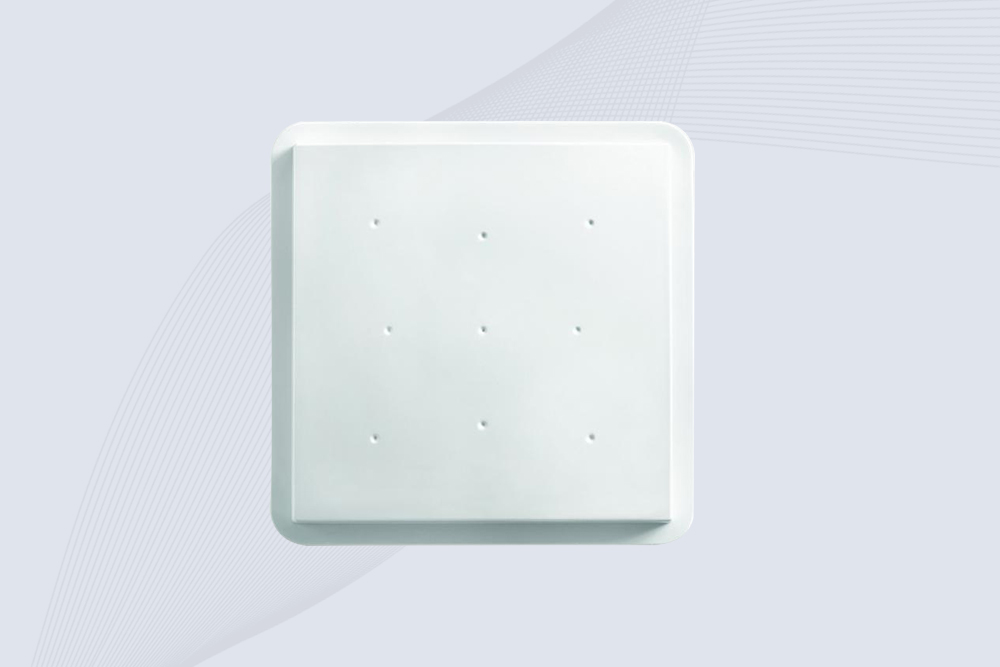
Cykeo’s 8dBi UHF RFID antenna and reader kit delivers 10m+ range, 840-960MHz broadband, and IP65 ruggedness for factories, warehouses, and logistics. ISO 18000-6C & EPC Gen2 certified.
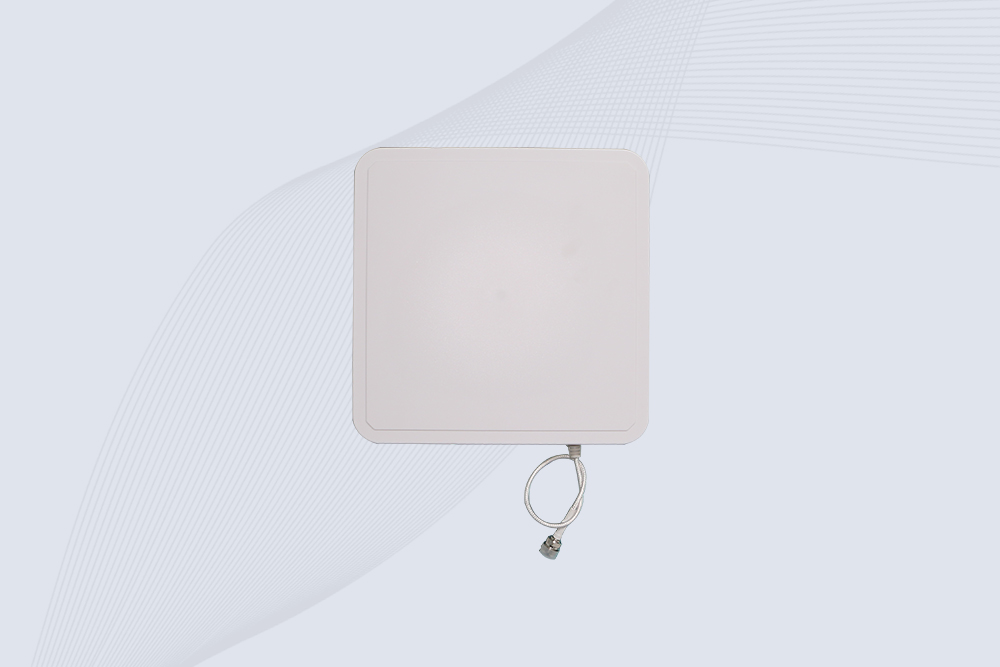
Cykeo CYKEO-A9A industrial UHF RFID reader and antenna kit delivers 10m range, 500 tags/sec, IP65 ruggedness for manufacturing/logistics. Supports EPC Gen2, ISO18000-6C.
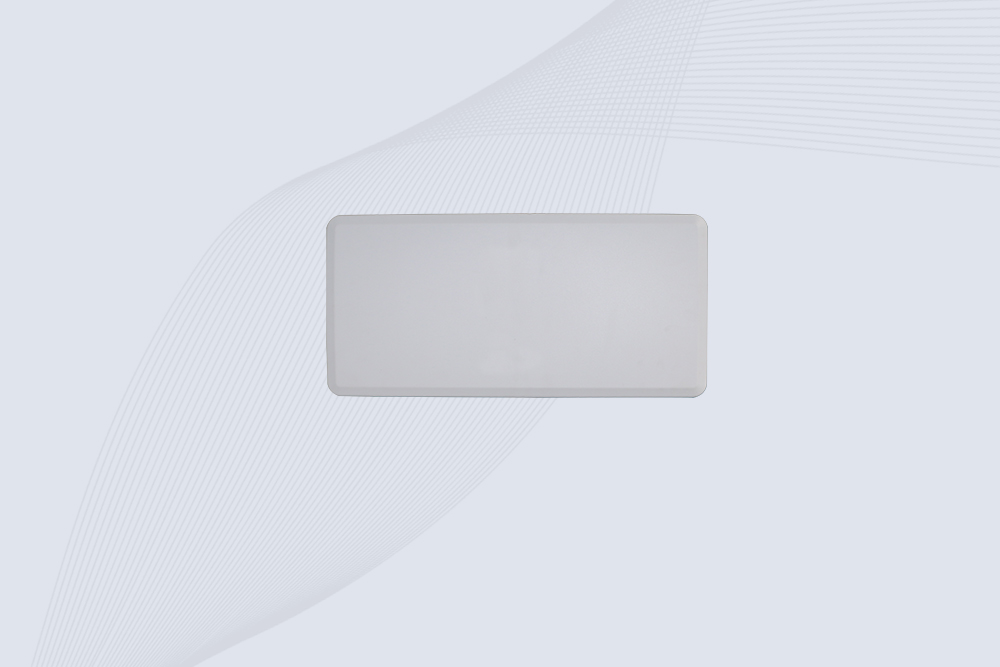
Cykeo’s CYKEO-A12C UHF Large RFID Antenna delivers 12dBi gain, 840-960MHz global frequency, IP65 ruggedness for logistics/warehousing/automotive. 40° beamwidth ensures stable 15m+ tag reads.

CYKEO Near Field RFID Antenna provides precise 5–30 cm reading for shelves, cabinets, and workstations. This compact rfid shelf antenna delivers stable short-range performance around metal and clutter, ideal for pharmacies, libraries, and electronics sorting.
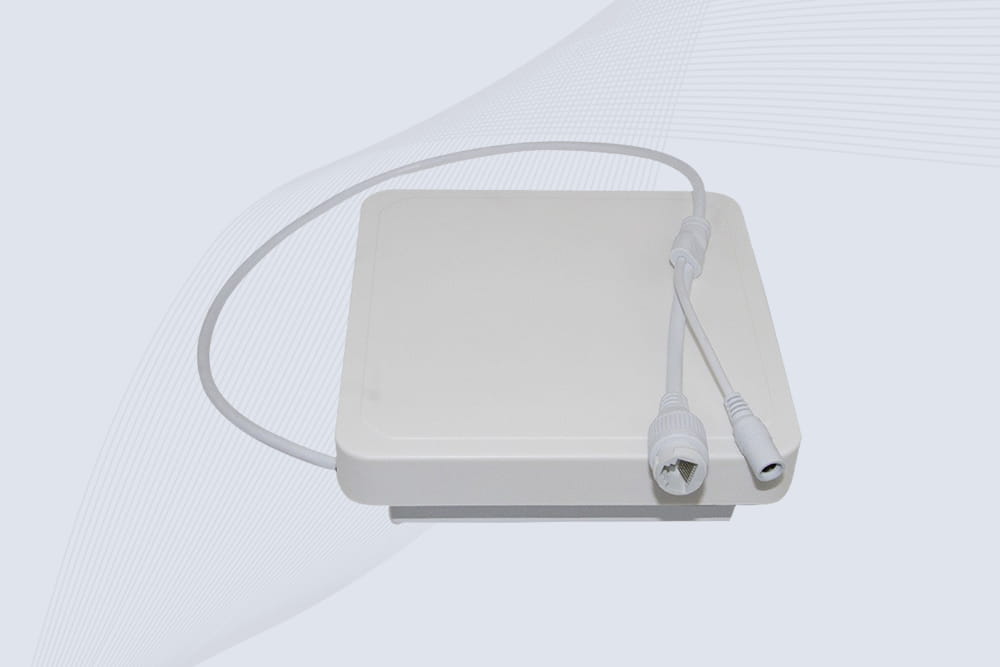
Cykeo’s industrial long range RFID reader delivers 20-meter scanning, 500+ tags/sec speed, and IP67 waterproof design for automated warehouses, logistics, and harsh environment applications.
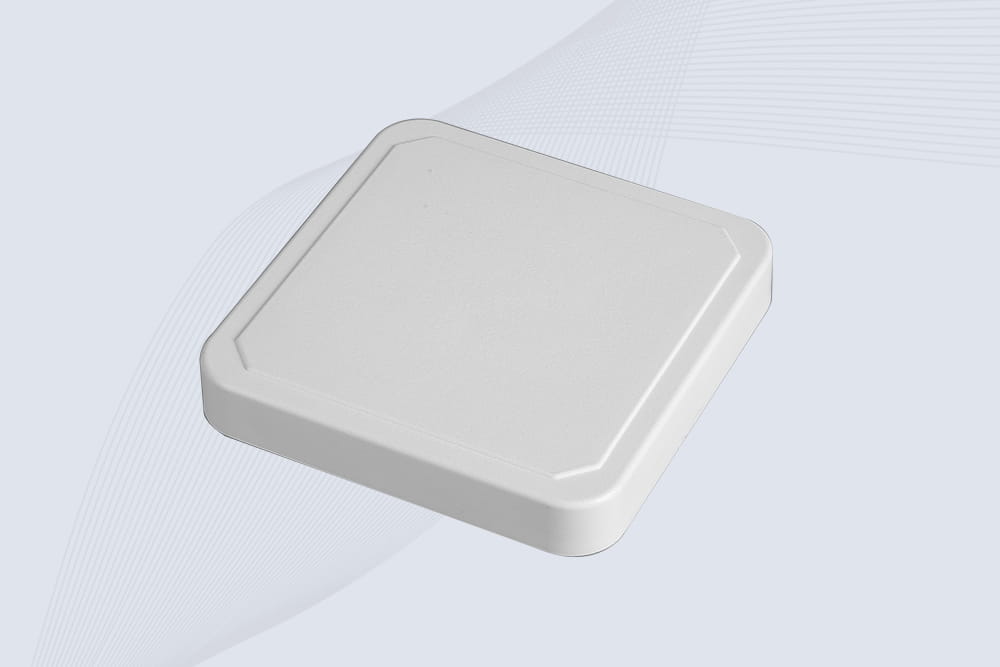
Cykeo’s CYKEO-RA6L industrial RFID long range reader features 20m read distance, 500 tags/sec speed, and IP67 protection. Ideal for warehouse automation, manufacturing WIP tracking, and smart logistics. Supports ISO 18000-6C/6B protocols.
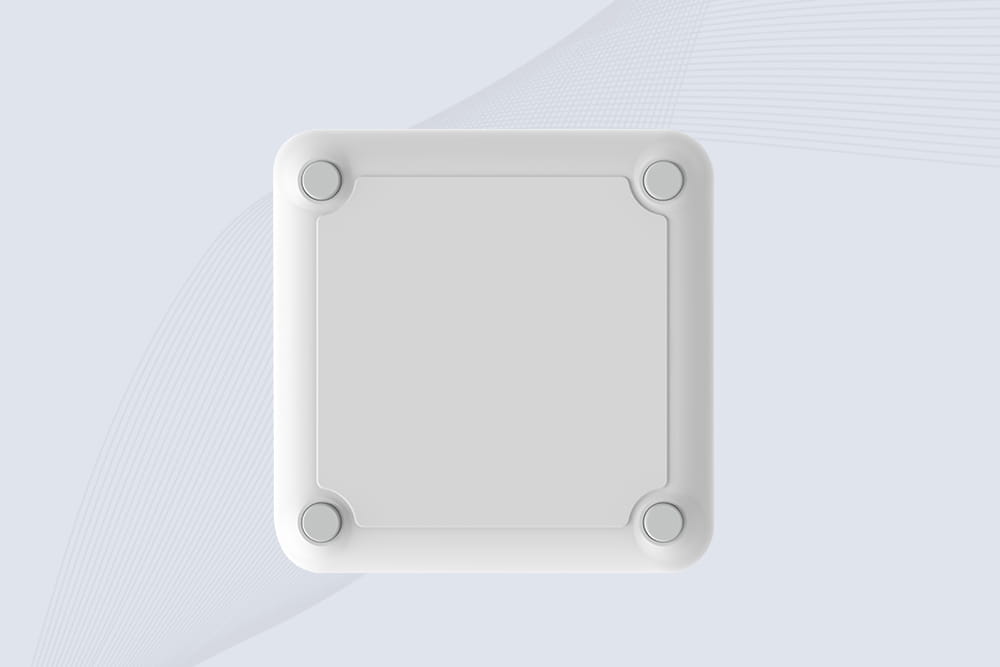
CYKEO Long Range RFID Tag Reader built for outdoor and industrial operations. This Outdoor RFID Reader delivers 20m read distance, fast tag processing, and IP67 durability for wide-area tracking.
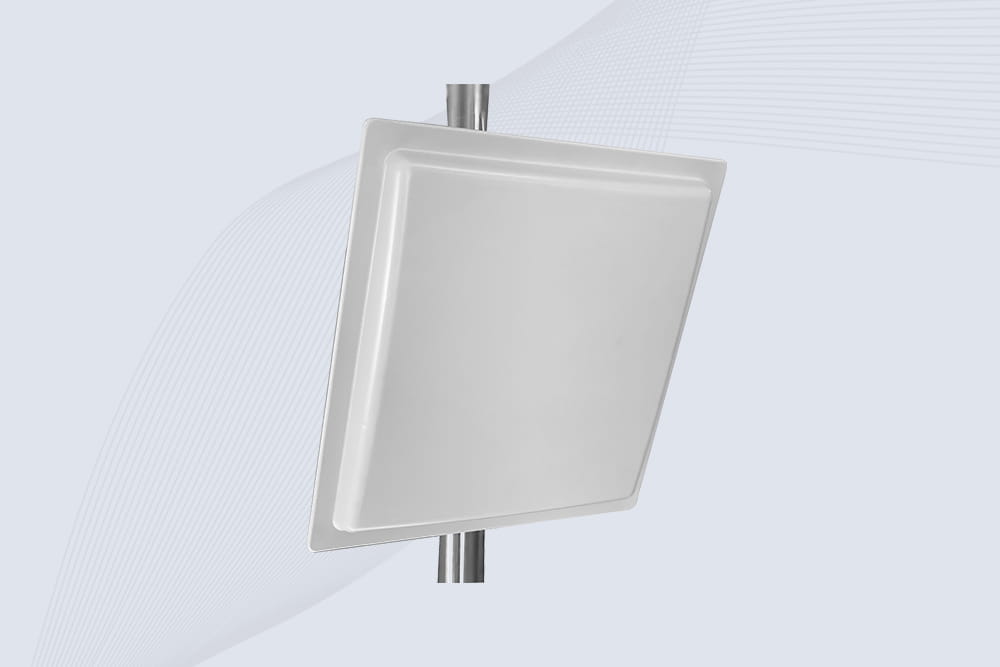
Cykeo CYKEO-RA12L industrial Long Range RFID Reader delivers 20m read range, 200+ tags/sec scanning, and IP67 protection for manufacturing/logistics applications. Supports ISO 18000-6C/GB protocols.
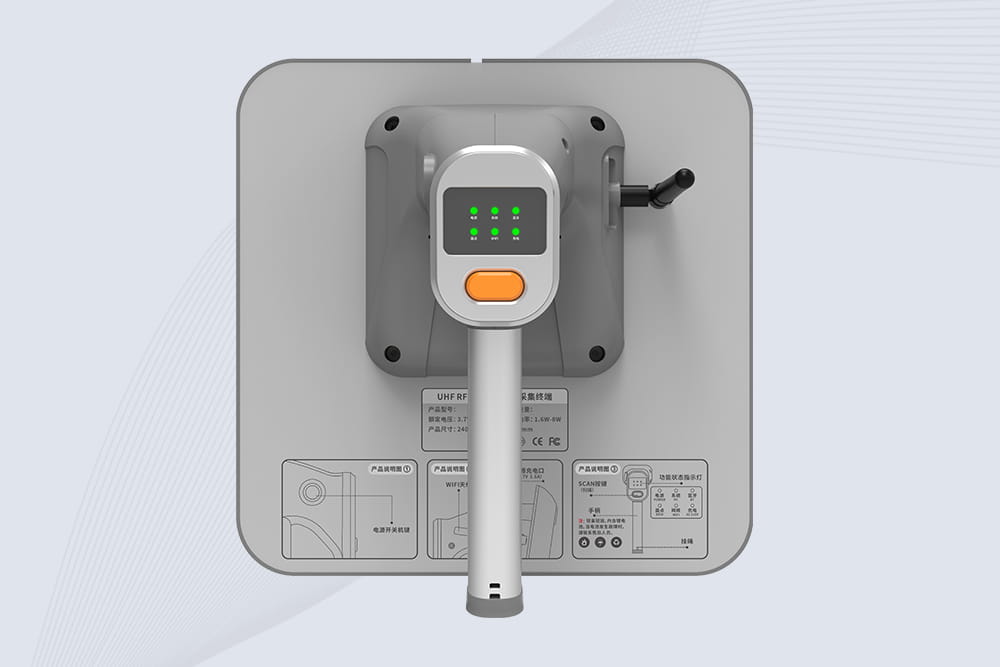
Cykeo CYKEO-B9 UHF Bluetooth handheld RFID scanner features 12m UHF range, 200+ tags/sec scanning, IP67 rugged design for retail/warehouse/pharma. Supports Android SDK & real-time Bluetooth 5.0 transmission.
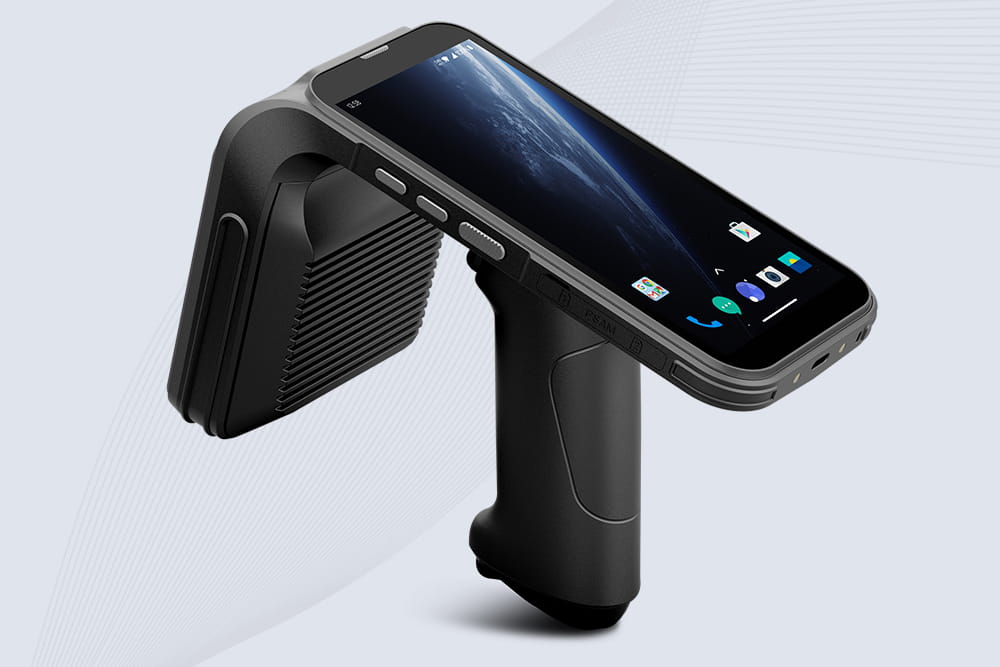
Cykeo CYKEO-B4 UHF Handheld RFID Reader scanner delivers 1300 tags/sec reading, 30m UHF range, and 12-hour battery life. IP65 rugged design with barcode/NFC/ID scanning for retail/manufacturing/logistics.
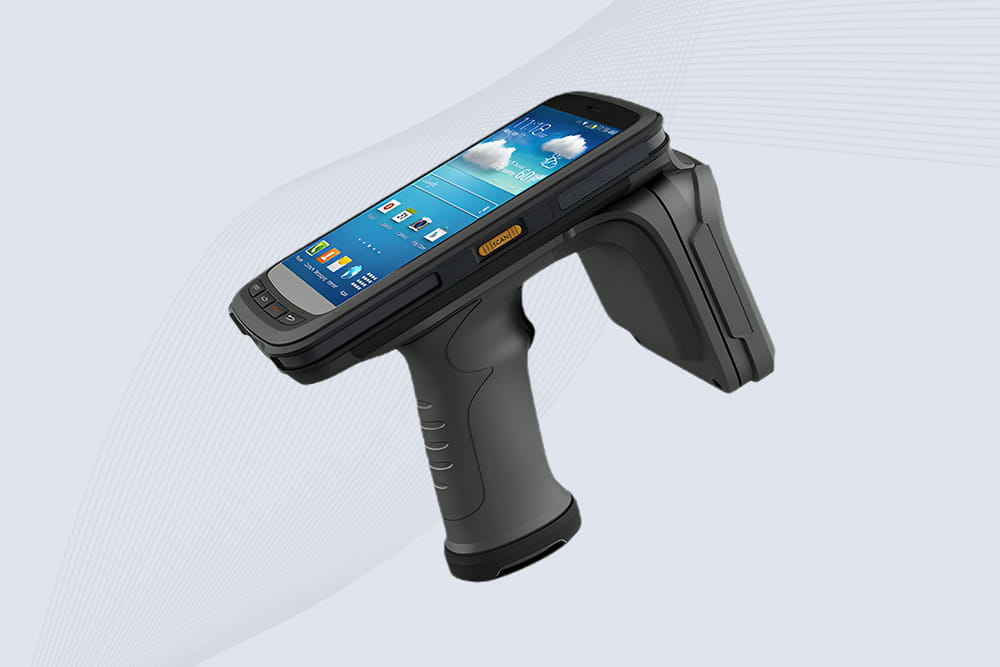
Cykeo CYKEO-B2 industrial UHF RFID handheld offers 10m range, 500 tags/sec scanning, Android 11 OS, and IP65 rugged design for retail/warehouse/manufacturing.
RFID tagging systems, leveraging advanced radio frequency identification technology, offer an accurate, efficient, and intelligent management solution,
More
Explore the real use cases of RFID Gateway Readers across industries. From production lines to New York retail warehouses, we break down pros, cons, and deployment details.
More
A hands-on guide to RFID antenna design covering frequency selection, impedance matching, substrate choice, and tuning. Includes real-world pitfalls, on-site testing tips, and lessons from field deployment.
More
With the continuous advancement of technology, intelligent management has become a goal across industries. In the field of tool management, RFID tool cabinets have provided strong support for achieving intelligent management. In this arti...
More