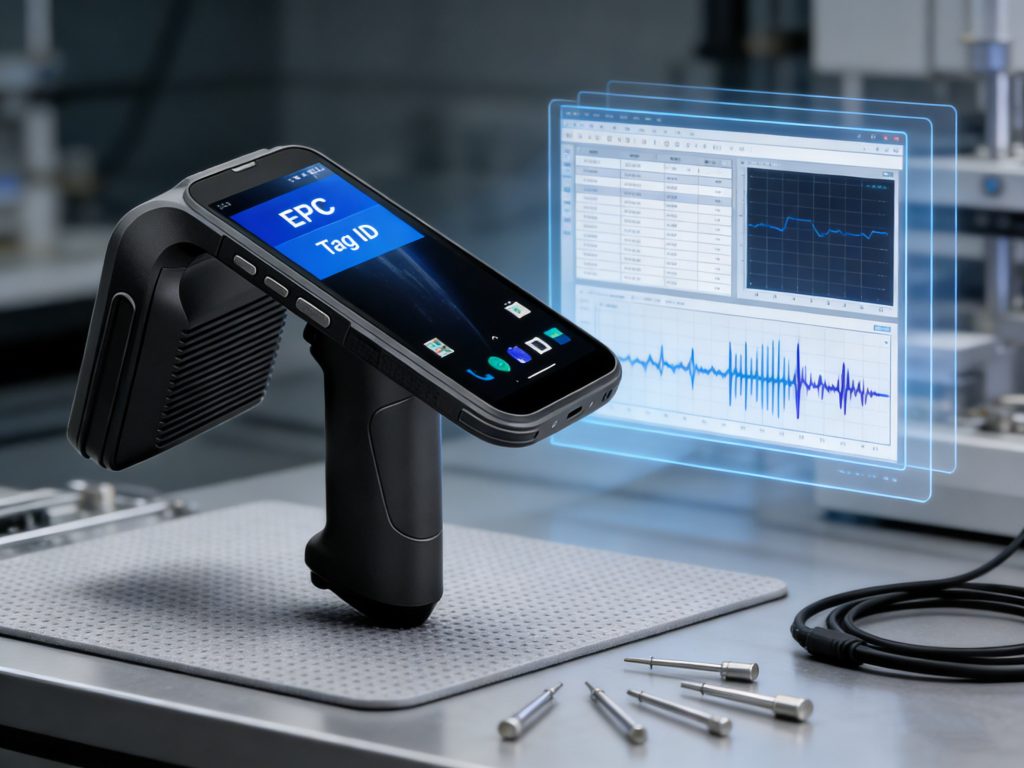
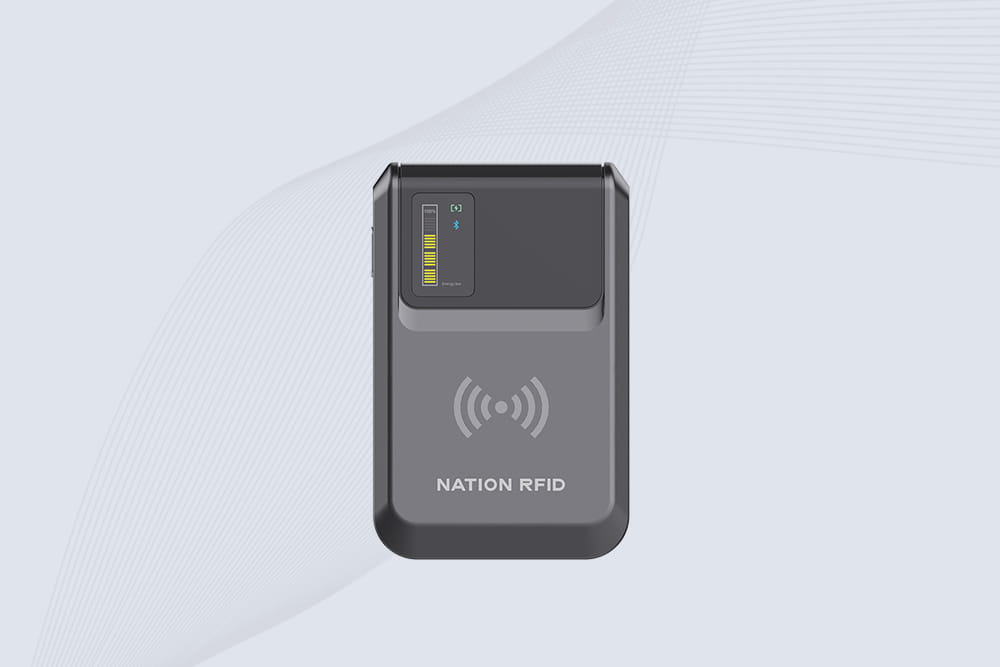
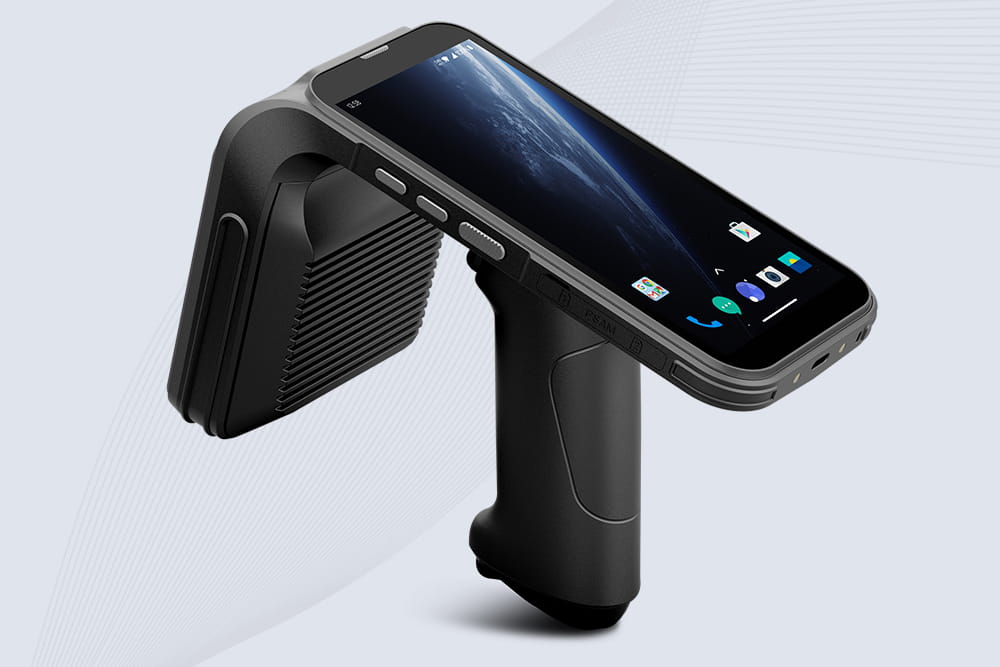
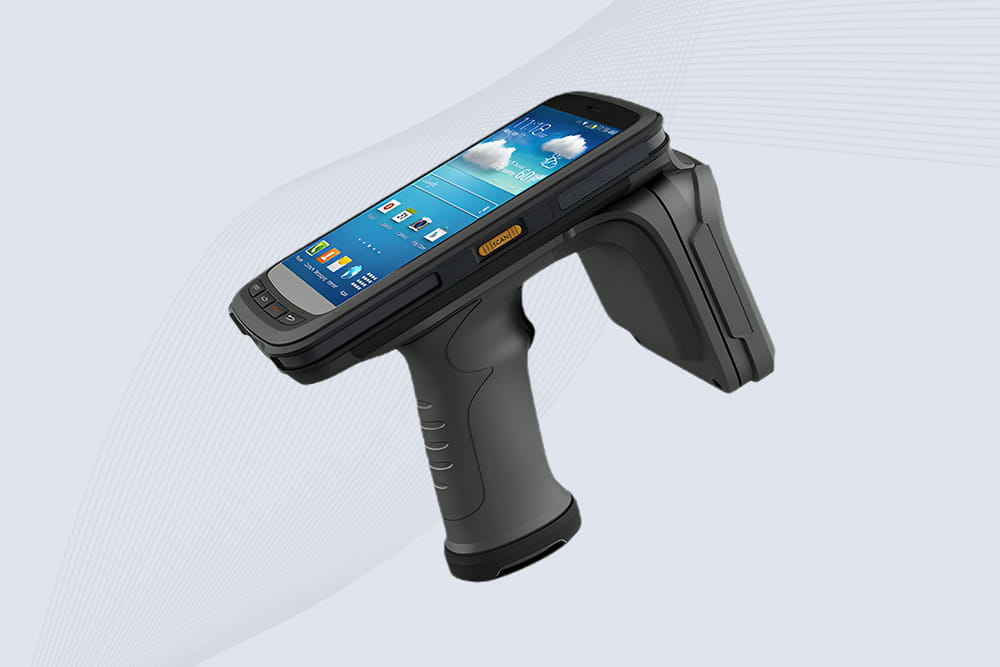
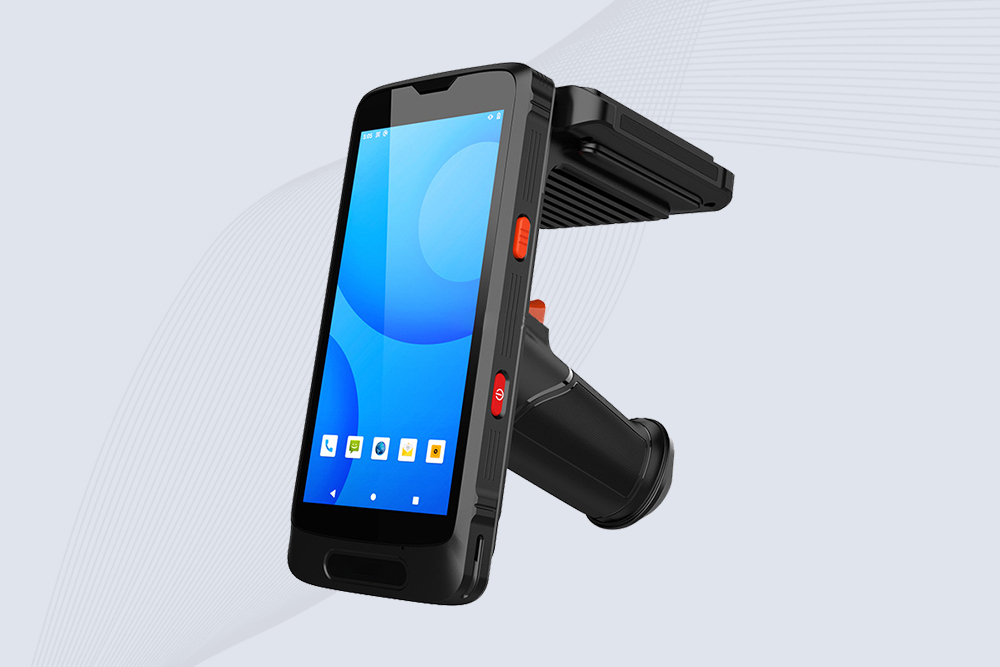
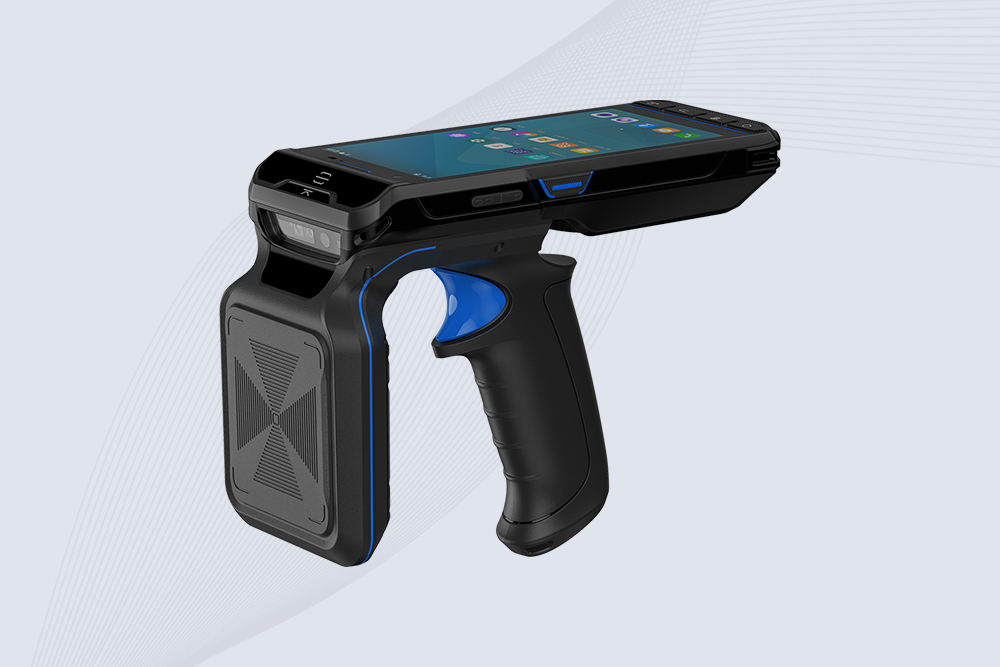
A handheld RFID reader is one of those things people buy for a very clear reason. Inventory. Stock counting. Quick audits.
And then it stays on the desk. Much longer than planned.
Because once you actually work with one, you realize it’s not just a scanner. It’s a flexible RFID core you can move around. Test with. Build on top of.
That’s why developers, integrators, and solution teams keep reaching for handheld readers—even when fixed readers already exist.
It’s Portable. But That’s Not the Point.
Yes, it’s portable. Everyone says that.
But portability isn’t really why developers like handheld RFID readers.
The real reason? You can bring the reader to the problem, not the other way around.
Something doesn’t scan correctly in a cabinet? You walk over. Scan. See what’s happening.
Trying to validate tag behavior before installing gates or antennas everywhere? Handheld reader. Five minutes. Clear answer.
That freedom changes how teams work.
This is also why handheld devices often show up early in projects, long before final hardware decisions are made. The basics are covered well here if you want background context:Handheld RFID readers: working principle and product types
Retail Inventory Counting Is Just the Obvious Part
Retail inventory counting is the visible use case. And yes, it works well.
Walk the aisle. Tags respond. No line of sight. No rescanning.
But for many teams, inventory is just how the reader gets approved internally. The real value shows up later.
After people start asking: “Can we use this for something else?”
That question comes up a lot.
Where Handheld RFID Readers Quietly Become Development Tools
Here’s something you don’t see in brochures.
A lot of companies buy handheld RFID readers for internal development.
Not for daily operations. Not for frontline staff.
For engineers.
They already have:
Their own software stack
Their own backend
Sometimes their own machining or assembly capabilities
What they don’t want to do is build RF hardware from scratch.
So they buy a handheld reader.
Then they use it to:
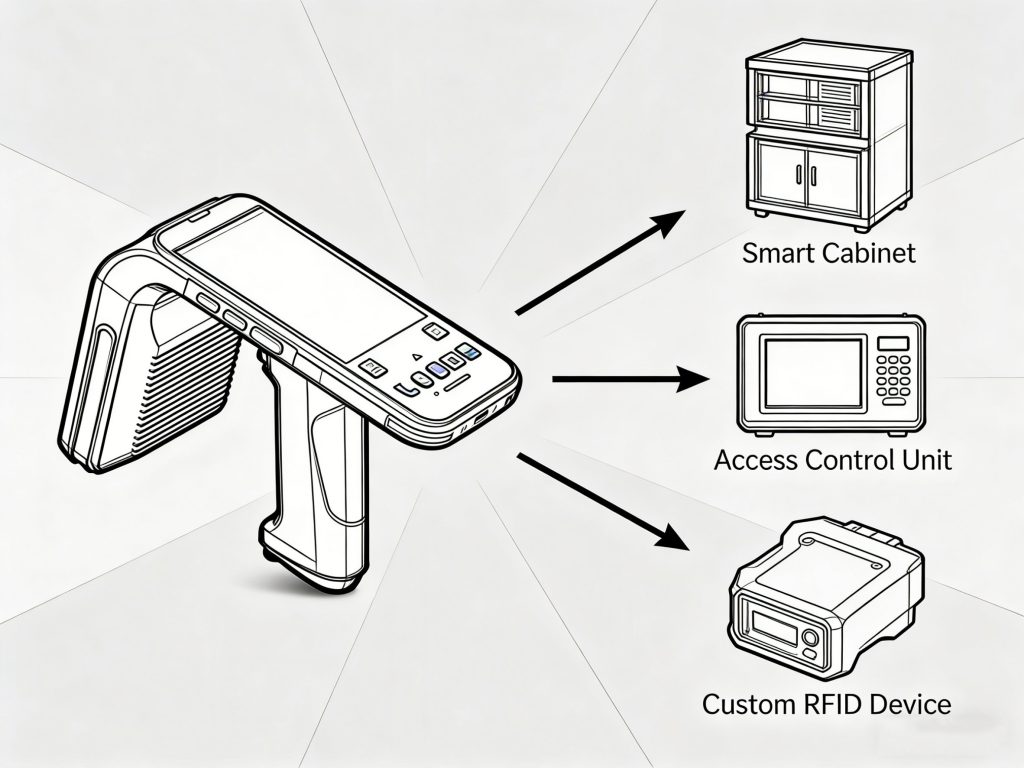
Test RFID logic for smart cabinets
Prototype access control behavior
Validate tag placement
Build demos for clients
Try ideas without committing to fixed infrastructure
At that point, the handheld reader stops being a product. It becomes a tool.
No One Talks About This, But Integration Is the Real Advantage
From a system integrator’s point of view, the biggest benefit isn’t speed or range.
It’s predictability.
You know how the reader behaves. You know what data you get. You know how it reacts to different tags.
That makes integration easier.
Especially when:
You’re building custom cabinets
Or access-controlled units
Or temporary RFID-enabled devices
Some teams even use handheld readers as reference devices. If it works here, it should work everywhere else.
That mindset shows up again and again in real projects.
Using Handheld Readers as Building Blocks
Some teams go further.
They don’t treat the handheld reader as the final device at all.
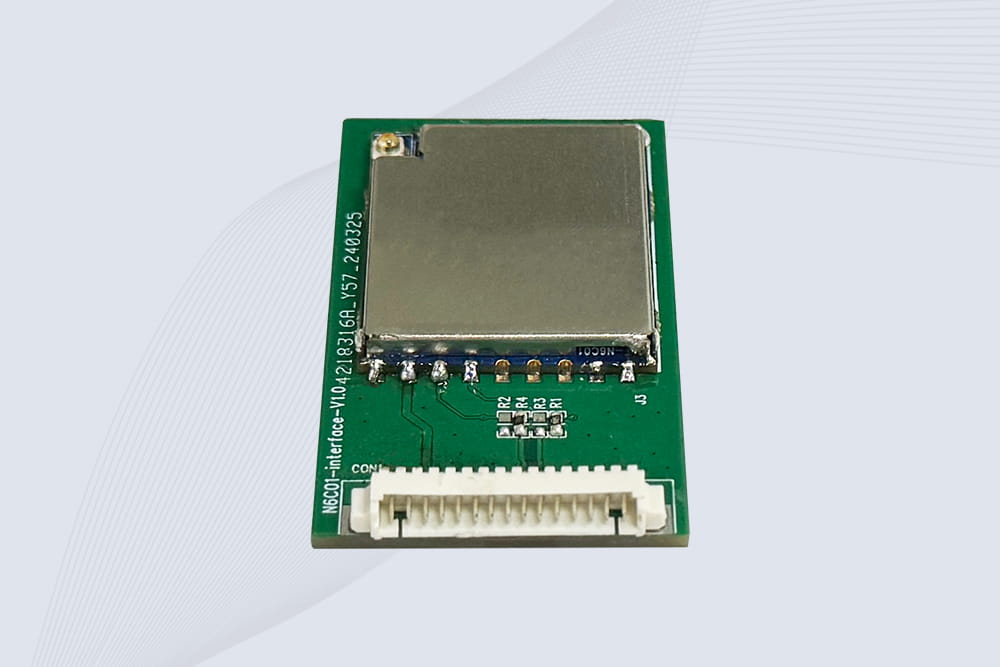
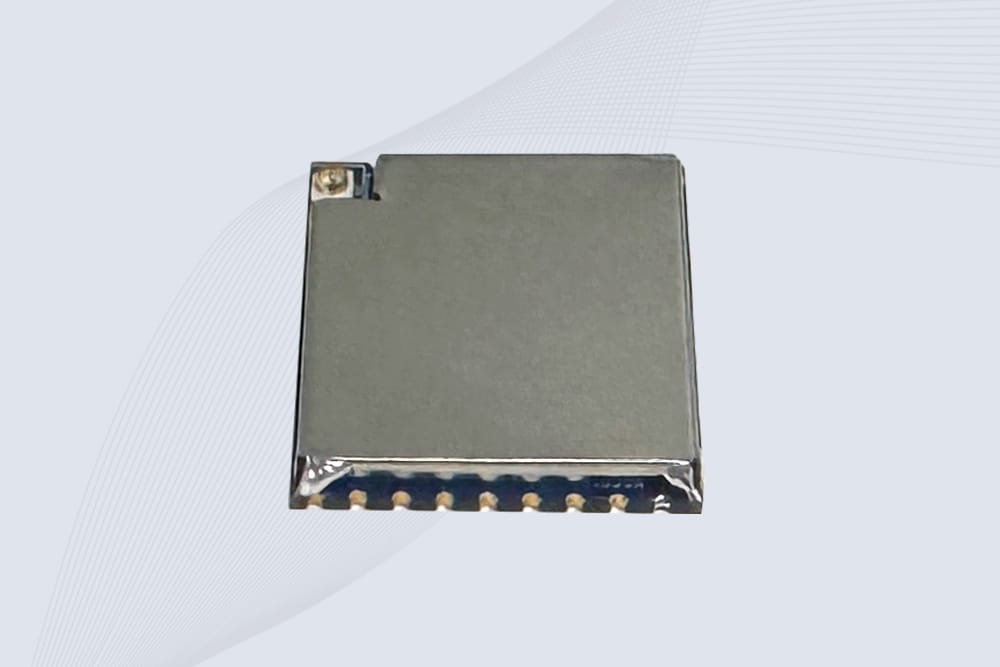
They treat it as: RF module + antenna + stable firmware.
Everything else is custom.
Enclosure. Workflow. UI. Logic.
We’ve seen handheld RFID readers used to help design:
RFID smart lockers
Controlled storage cabinets
Portable access control units
Internal tracking tools
If you’re looking at devices specifically for this kind of integration or internal development, this is usually where people start browsing: RFID handheld readers for system integration
Not because they’re fancy. Because they’re reliable. And they don’t get in the way.
A Quick Note on “How to Use”
If you’re onboarding new people or non-RFID teammates, sometimes you still need a simple explanation. This guide does that job without going too deep:How to use a handheld RFID scanner
Most experienced teams skim it once. Then move on.
It starts as an inventory tool. Then becomes a test device. Then a development shortcut. Sometimes even the backbone of a custom solution.
Retail inventory counting is just the entry point. Behind the scenes, handheld readers are quietly shaping a lot of RFID systems that never get talked about.
If you’re building RFID solutions—not just deploying them—this is usually one of the first tools you reach for.
CYKEO Embedded RFID Modules are designed for compact industrial and IoT devices that require stable UHF performance. These UHF RFID Modules support global protocols, flexible power control, and reliable multi-tag reading for smart cabinets, production lines, and asset tracking systems.
CYKEO Embedded RFID Module is built for compact IoT and industrial devices that need stable UHF performance. This UHF module supports global protocols, low power operation, and reliable multi-tag reading for smart lockers, production lines, and always-on RFID systems.
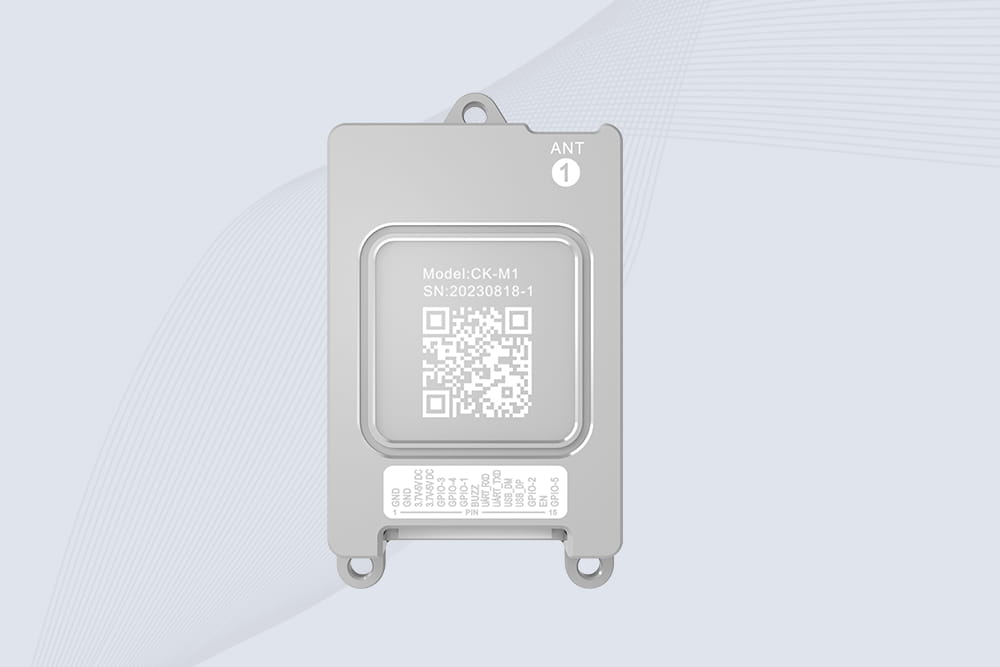
CYKEO CYKEO-M1 drone rfid module is a compact UHF RFID reader module designed for drones and UAV platforms. It supports long-range aerial scanning, fast multi-tag reading, and stable performance in wind, vibration, and outdoor environments.
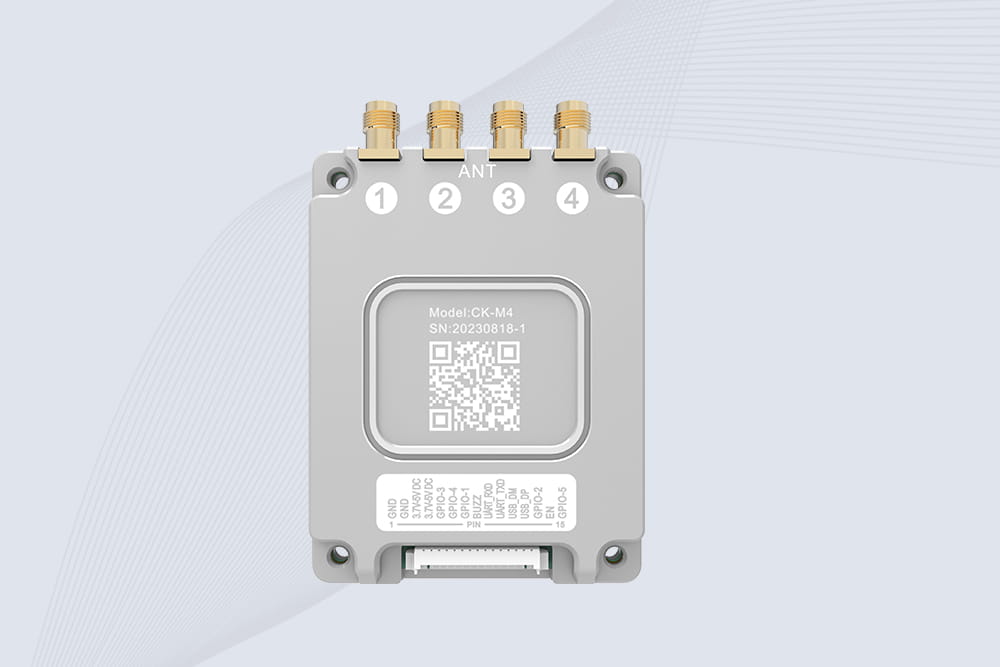
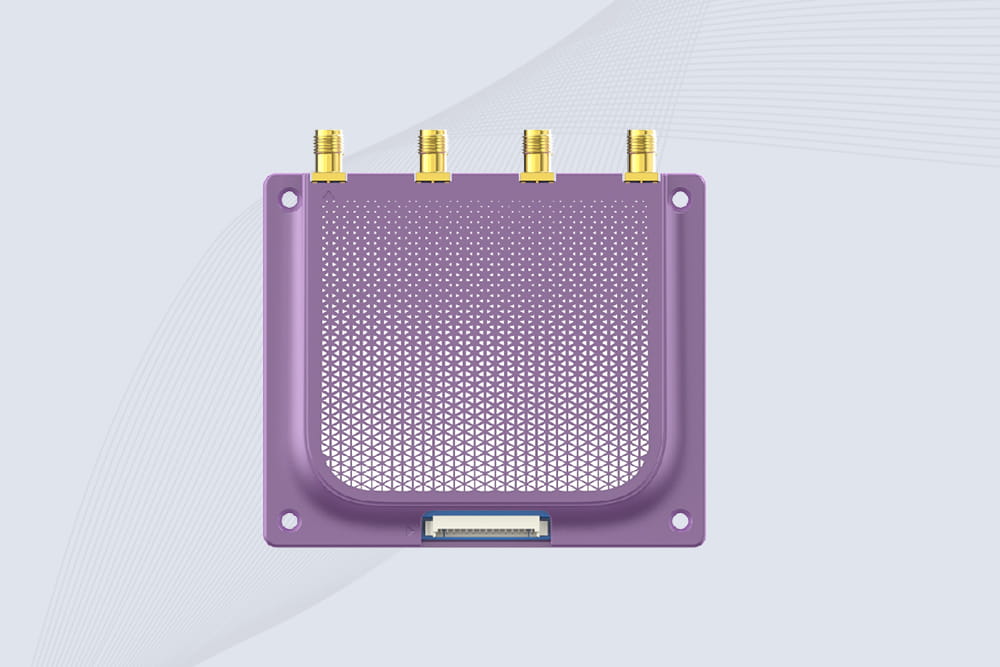
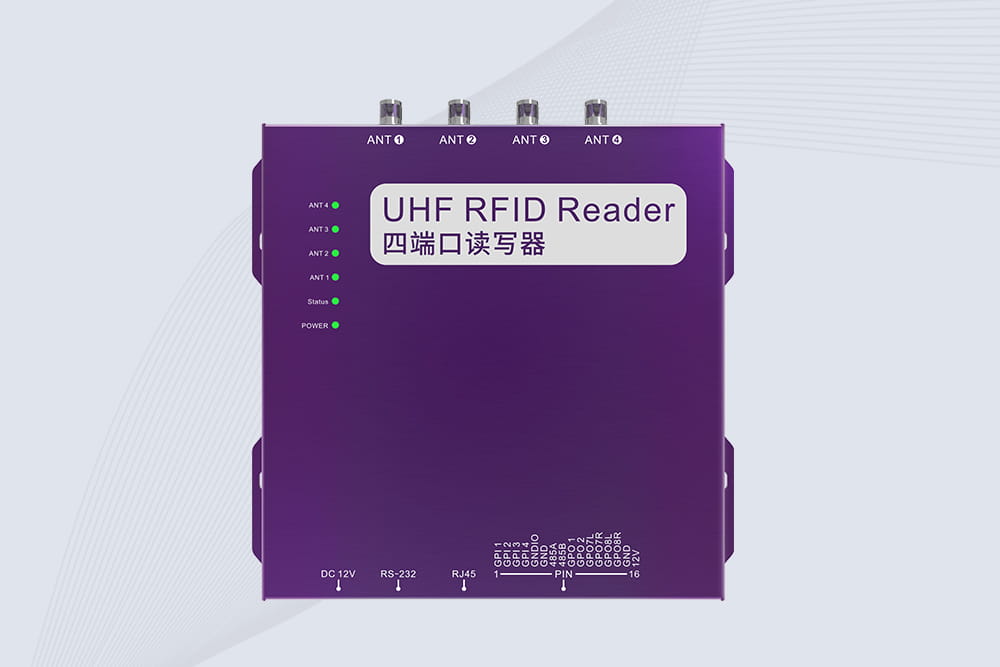
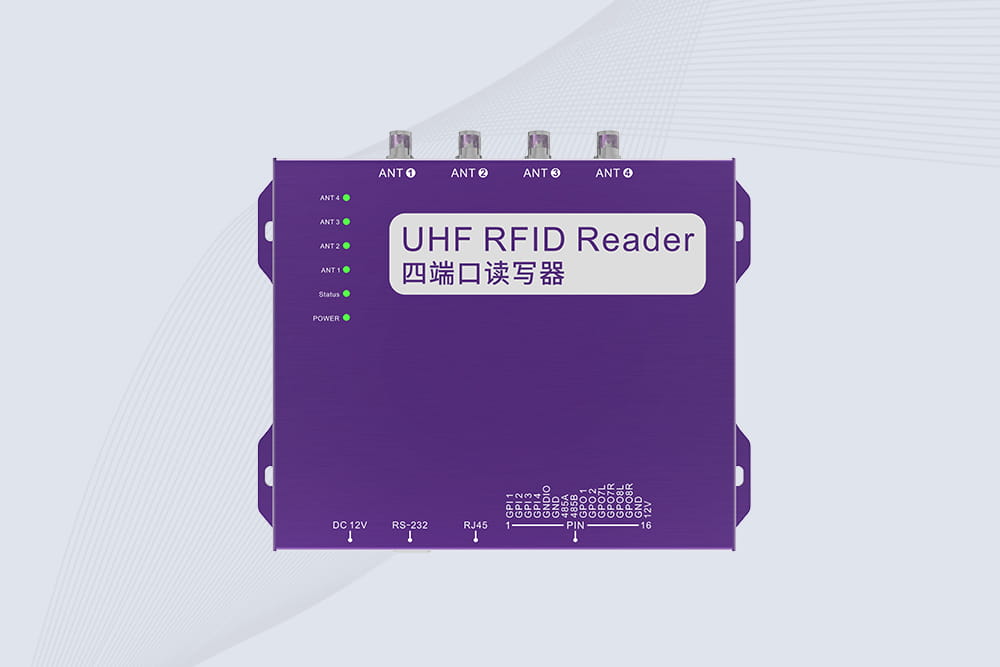
CYKEO CYKEO-M4 RC522 RFID Module is an industrial-grade UHF RFID reader with 4 ports, supporting ISO, EPC, and GB protocols. High-speed, accurate reading for IoT, automation, and warehouse applications.
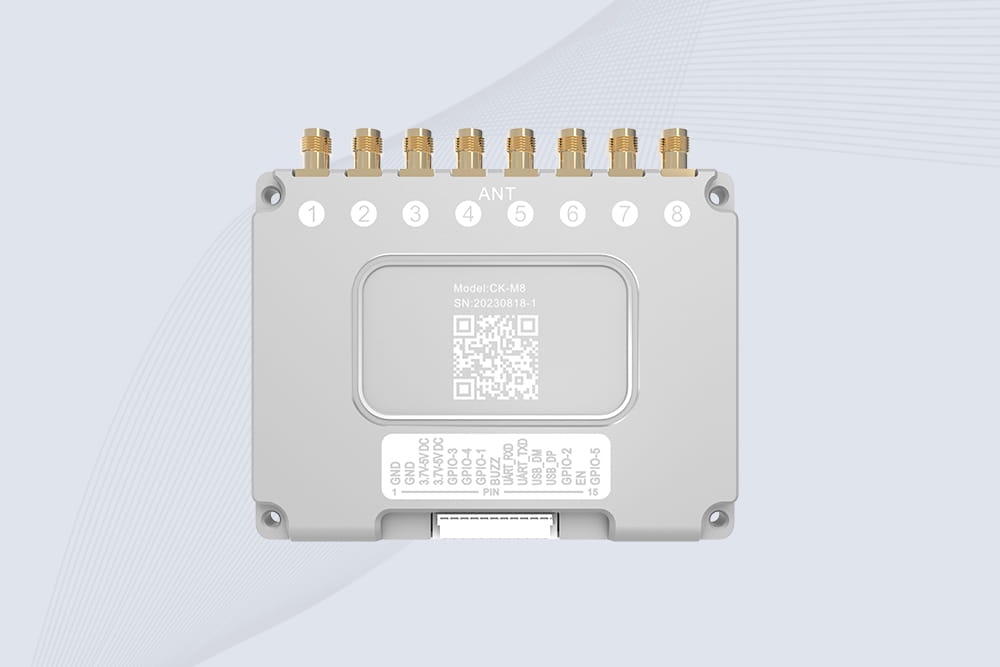
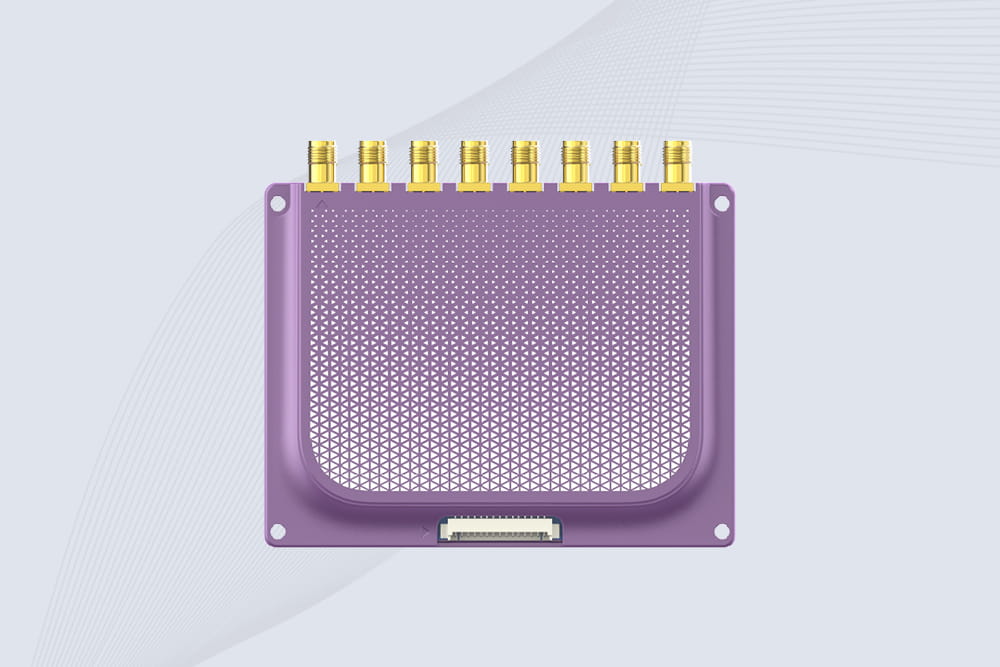
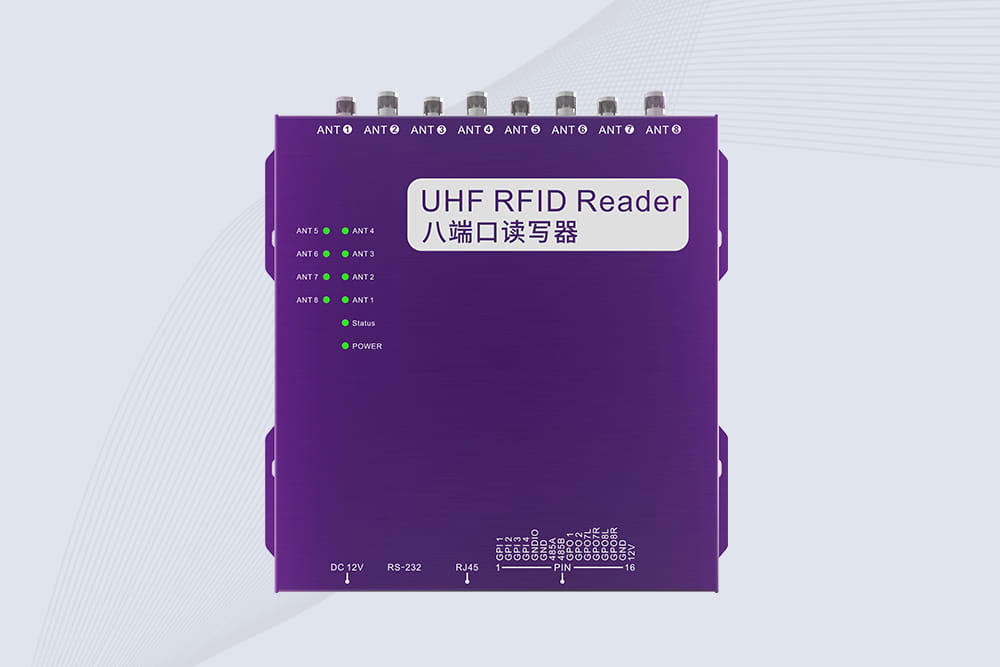
CYKEO CYKEO-M8 Module RFID is an 8-port UHF R2000 RFID Module designed for high-density, multi-tag environments. Stable 33dBm output, ISO & GB protocol support, ideal for warehouses, factories, and automated systems.
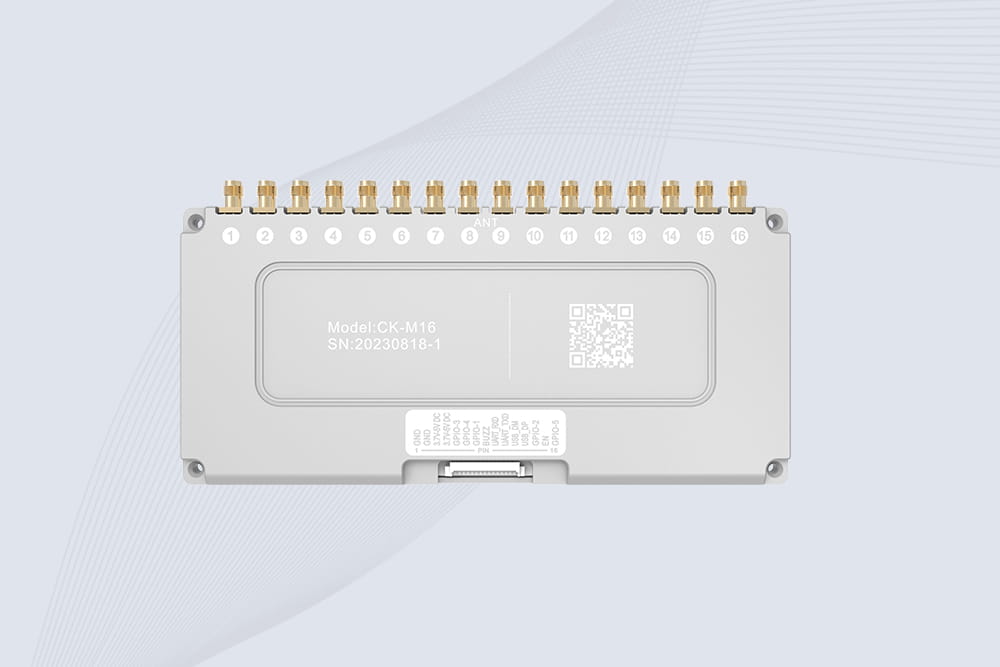
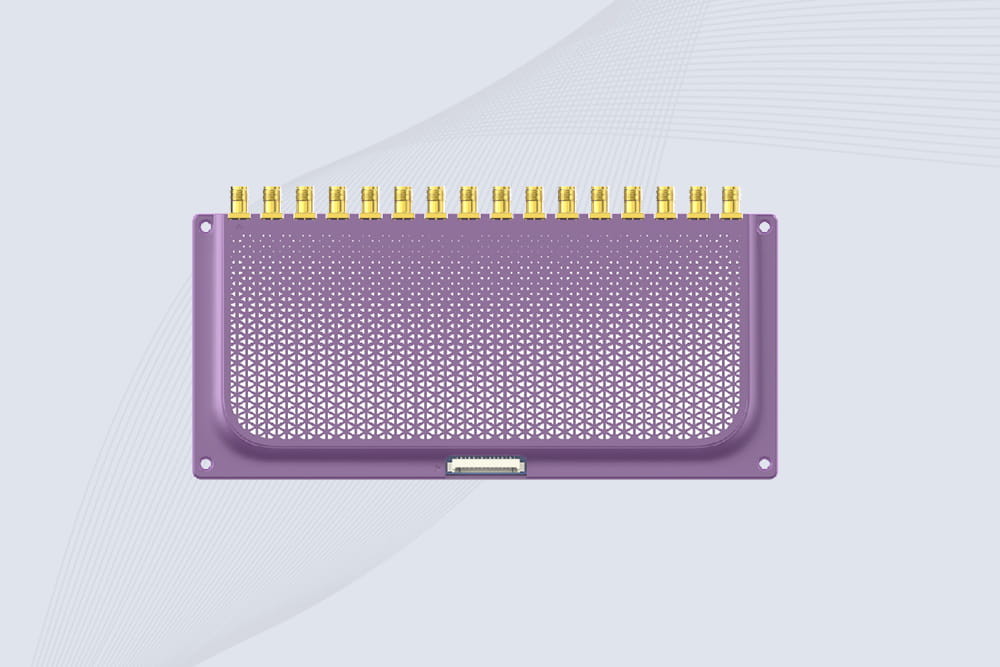
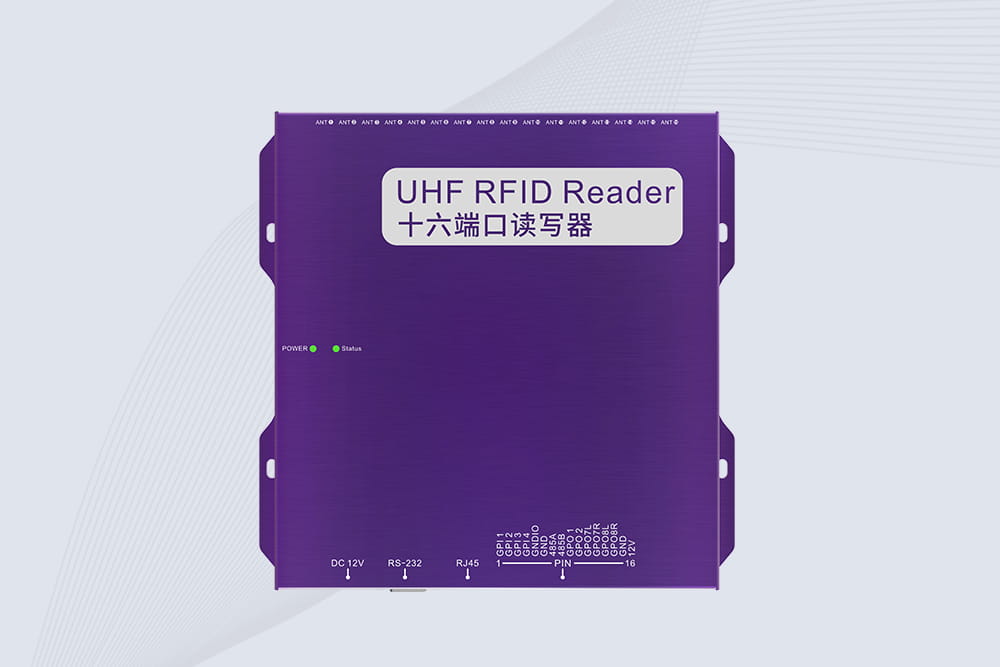
CYKEO CYKEO-M16 RFID Module is a 16-port UHF RFID reader module based on the R2000 chipset. Designed for dense tag environments, it supports ISO and GB standards and delivers stable multi-antenna control for industrial automation.
The CYKEO CYKEO-M16L RFID Reader Module is a 16-channel UHF RFID core designed for dense tag environments. With adjustable 33dBm output, multi-protocol support, and stable multi-antenna control, this RFID Tag Reader Module fits industrial automation, warehouse systems, and large-scale IoT deployments.
CYKEO CYKEO-M8L module RFID is a compact industrial UHF module built for dense tag and multi-antenna environments. With 8 RF ports, adjustable 33 dBm output, and ISO & GB protocol support, it is widely used in factories, warehouses, and automated tracking systems.
CYKEOCYKEO-M4L UHF RFID Module is a compact 4-channel RFID tag reader module designed for dense tag environments. Supporting ISO and GB protocols, it delivers stable reads up to 10 meters for industrial and IoT systems.
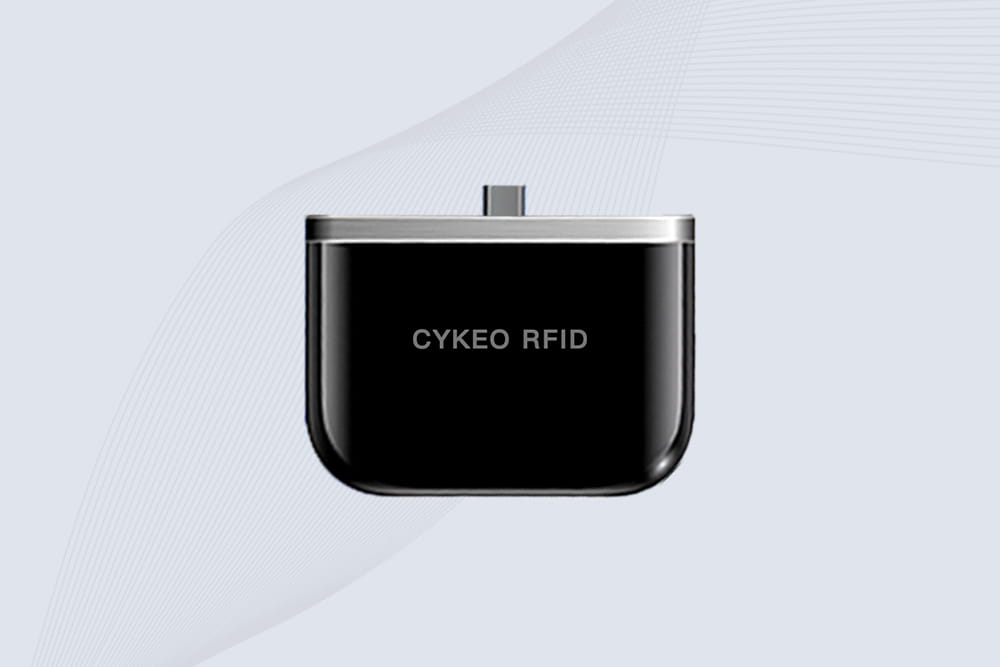
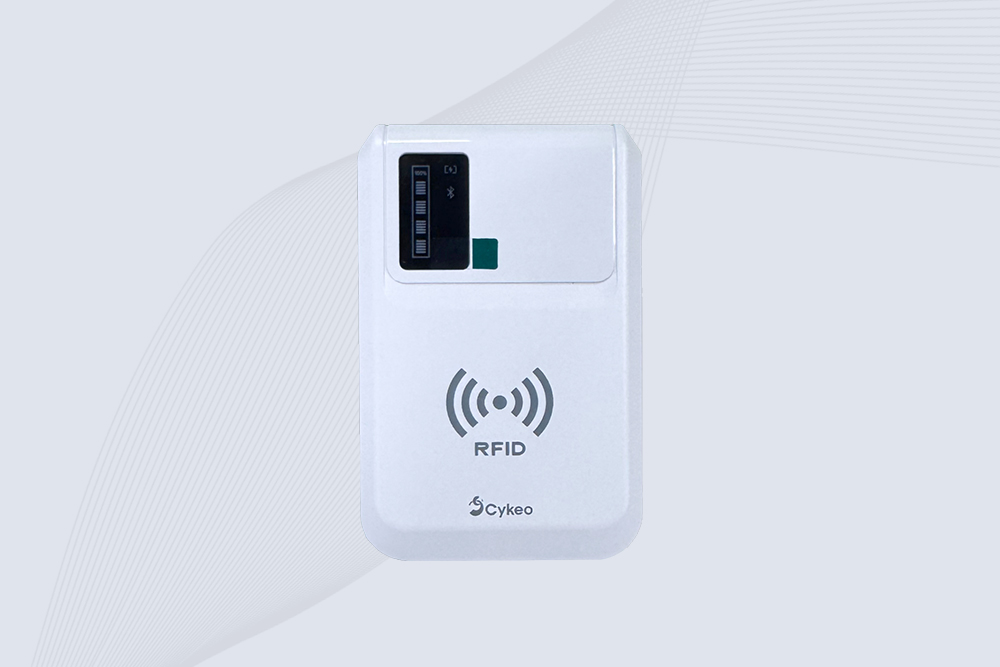
Cykeo CYKEO-B5L portable iPhone RFID reader features 8m range, 500 tags/sec scanning, and built-in 10000mAh charger. Perfect for retail/warehouse teams needing iOS integration.
Cykeo CYKEO-B4L Android RFID reader features 37g magnetic phone attachment, 30cm UHF scanning, and Java/C# SDK for mobile asset tracking. Ideal for anti-counterfeit and warehouse verification.
CYKEO CYKEO-B5L RFID Chip Reader iPhone delivers long-range UHF scanning, iOS compatibility, and all-day battery life. A compact RFID Tag Reader iPhone solution for retail, healthcare, and mobile inventory tracking.
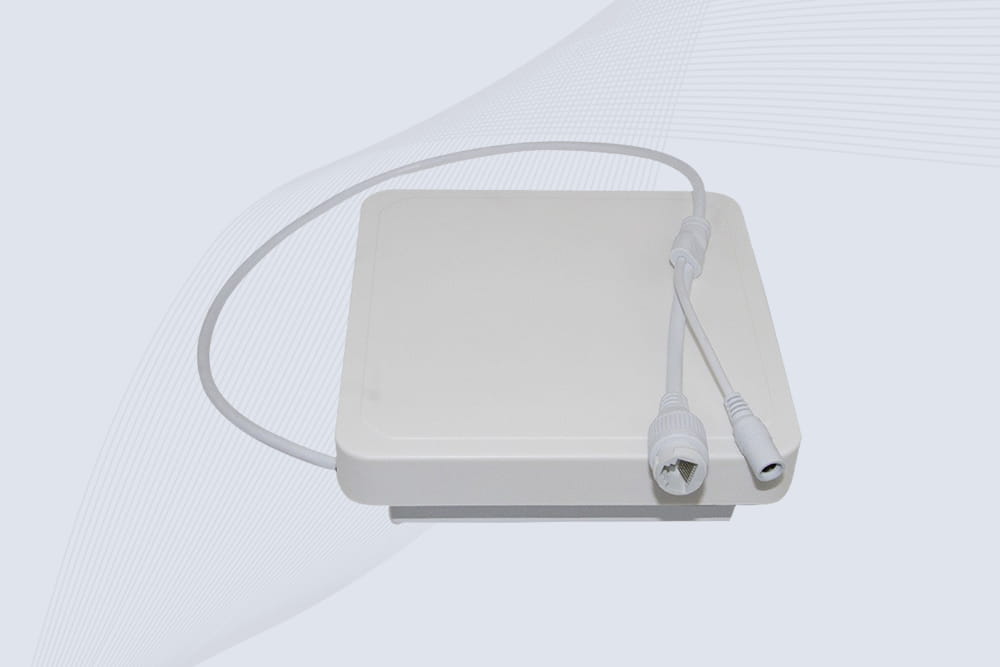
Cykeo’s industrial long range RFID reader delivers 20-meter scanning, 500+ tags/sec speed, and IP67 waterproof design for automated warehouses, logistics, and harsh environment applications.
Cykeo’s CYKEO-RA6L industrial RFID long range reader features 20m read distance, 500 tags/sec speed, and IP67 protection. Ideal for warehouse automation, manufacturing WIP tracking, and smart logistics. Supports ISO 18000-6C/6B protocols.
CYKEO Long Range RFID Tag Reader built for outdoor and industrial operations. This Outdoor RFID Reader delivers 20m read distance, fast tag processing, and IP67 durability for wide-area tracking.
Cykeo CYKEO-RA12L industrial Long Range RFID Reader delivers 20m read range, 200+ tags/sec scanning, and IP67 protection for manufacturing/logistics applications. Supports ISO 18000-6C/GB protocols.
Cykeo CYKEO-C1 industrial Forklift RFID Reader features 20m read range, 600 tags/sec scanning, Impinj R2000 chipset, and IP67 rugged design. Ideal for warehouse logistics and manufacturing. Supports ISO 18000-6C/6B protocols.
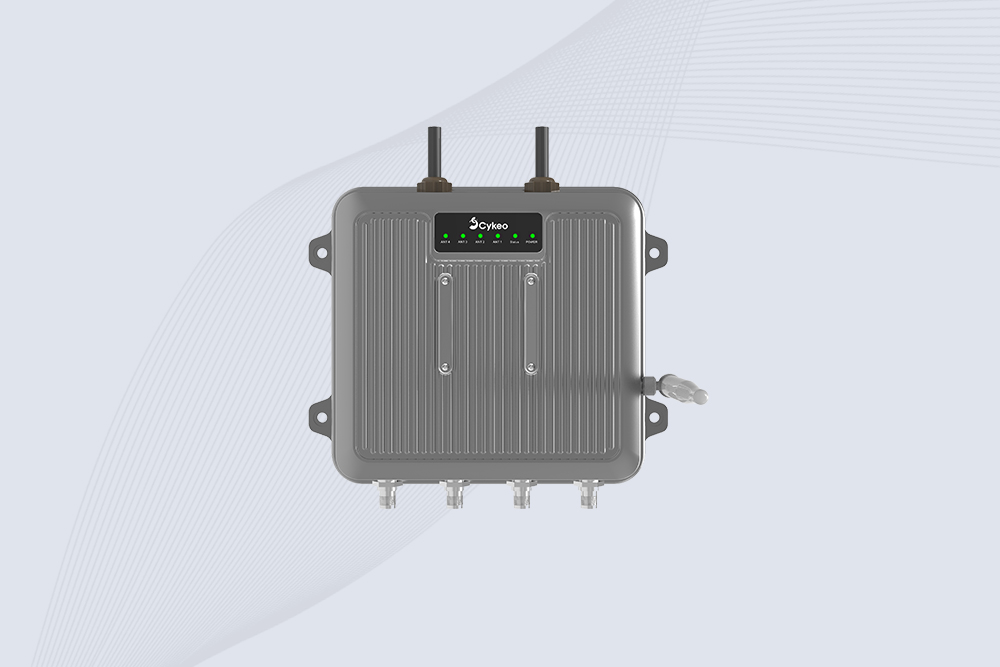
Cykeo CYKEO-R4 industrial UHF RFID Fixed Reader features 4 TNC ports, 400+ tags/sec speed, IP67 housing, and global frequency compliance for vehicle inspection, smart warehouse, and asset management systems.
CYKEO CYKEO-R8L Fixed RFID Reader with 8-port UHF design, Impinj-based RF core and up to 20m read range. An industrial Fixed RFID Reader for vehicle inspection, warehouse portals, smart manufacturing lines and secure access checkpoints.
RFID Fixed Reader from CYKEO – the CYKEO-R16L 16-port UHF fixed reader for warehouses, smart cabinets, and production lines. Long-range, multi-tag reading, stable performance for 24/7 industrial use.
This article delves into the application of RFID technology in medical asset management, analyzing its advantages in improving patient safety, optimizing hospital workflows, and reducing operational costs. Practical advice for implementing RFID sy...
Struggling with RFID reader interference? Learn proven methods to eliminate signal noise in busy environments and maintain scan accuracy. Expert tips from Cykeo.
Discover what RFID readers are, how they function, different types available, and where they're used. Learn key selection tips for your business needs.
RFID technology is revolutionizing how hospitals manage medical equipment. This article explains how RFID enables real-time asset tracking, improves operational efficiency, and introduces Cykeo RFID smart cabinets to support your hospital digital ...
 Cykeo RFID IoT Solution Products R&D Manufacturer