 Cykeo RFID IoT Solution Products R&D Manufacturer

UHF RFID Fixed Reader API Explained
550A practical look at UHF RFID fixed reader APIs. Learn how Cykeo RFID reader APIs are used in real projects like warehouses, RFID gates, MES systems, and custom IoT platforms.
MoreAll RFID Product
Businesses use RFID tags to identify products, equipment, and other items automatically, helping teams improve inventory visibility, reduce repetitive manual scanning, and record item movements more efficiently. When RFID tags are paired with compatible readers and software, organizations can collect identification data across warehouses, retail stores, factories, and asset-management operations.
RFID stands for radio-frequency identification. An RFID tag contains a microchip and an antenna that communicate with an RFID reader using radio waves. Depending on the tag type and system design, the reader can identify tagged items without requiring the direct visual alignment normally needed for barcode scanning.
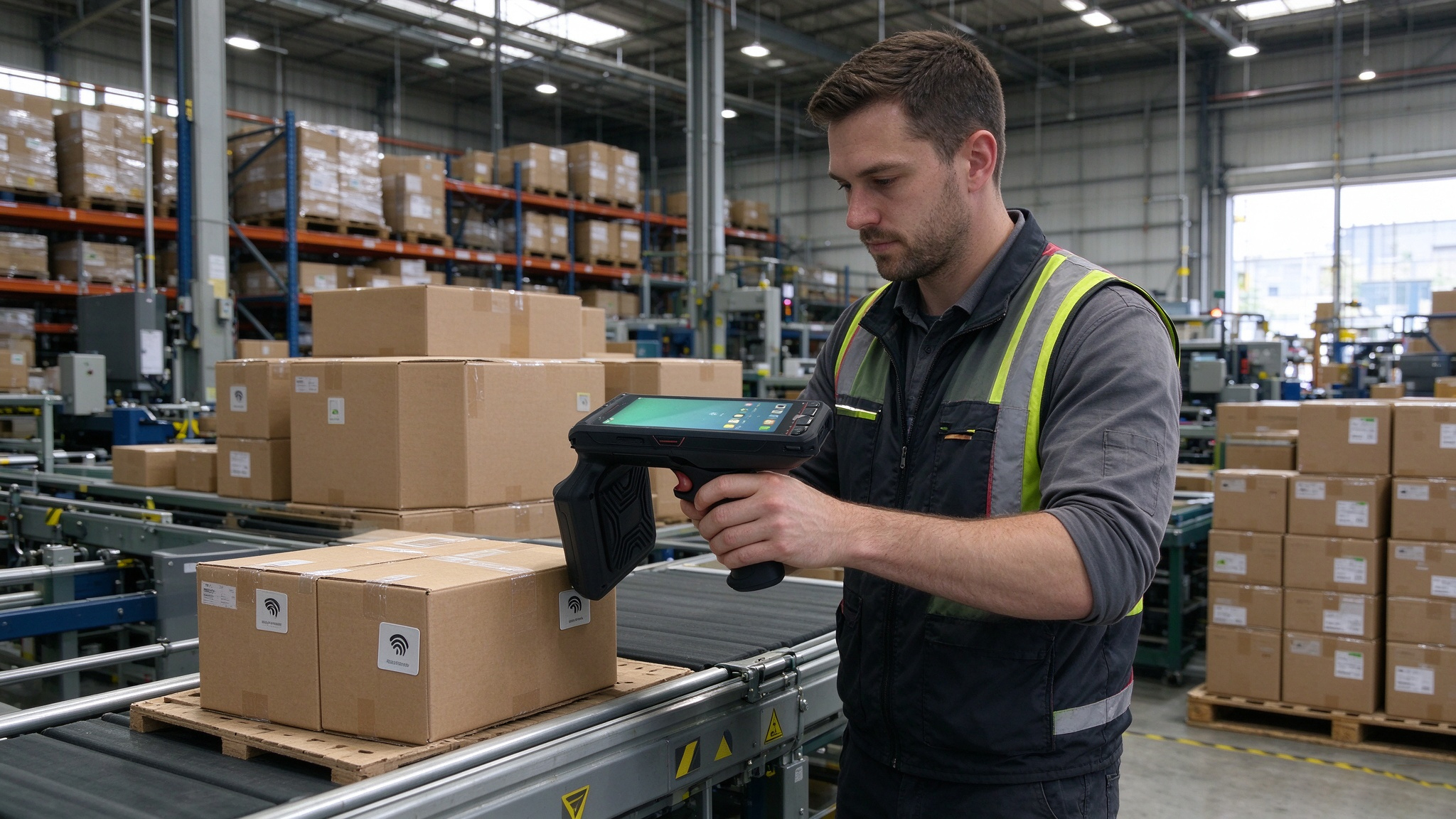
That difference matters during ordinary work. Imagine a warehouse employee checking a pallet containing dozens of cartons. With conventional barcodes, the employee may need to expose and scan individual labels. A properly configured RFID system may identify multiple tagged items in one read zone, provided the tags are compatible, readable, and positioned within effective coverage.
RFID is not simply a faster label. It creates another way to collect item-level data, and that data can support inventory updates, stock checks, equipment registration, product authentication workflows, and movement records.
Businesses commonly use RFID tags for:
Not every RFID application uses the same type of tag. Frequency, reader design, tag memory, read distance, and environmental conditions all influence what the system can do. Selecting a tag based only on price—or choosing a reader based only on advertised range—can lead to disappointing results after installation.
An RFID system usually has three essential components: the tag, the reader and antenna, and software that interprets the collected data.
The tag carries an identifier and, depending on its design, may also store additional information. In many inventory systems, the tag ID links to a record in the business database rather than storing the complete product record on the tag itself.
The reader sends or receives radio-frequency signals through its antenna system. When a compatible tag responds within the effective read zone, the reader captures its identifier. The practical read area depends on the equipment, tag, placement, and surroundings.
Middleware or application software filters duplicate observations, matches identifiers to database records, and applies business rules. This is where a tag detection can become an inventory update, a receiving record, or a checkpoint event.
A useful distinction: detecting a tag is not the same as proving that an item has changed ownership or location. A reader may detect a tagged box near a doorway without establishing that it crossed the doorway. Reliable movement records require suitable reader placement and application logic.
For Cykeo customers, this is an important design consideration. Before deciding how many tags and readers to purchase, define the event the business needs to capture: an item arriving, leaving, being counted, being checked out, or being assigned to a particular location.
The strongest reason to use RFID tags is not that they eliminate every manual task. It is that they can make item identification and data collection more efficient when a business has enough tagged items, repeated handling, or costly inventory discrepancies to justify the system.
Inventory records can drift away from physical reality. Products may be moved without a system update, placed in the wrong location, or missed during a manual count. When RFID reads are integrated into a well-designed inventory process, they can help teams detect and correct these discrepancies.
A field study published in Production and Operations Management examined RFID-enabled inventory visibility at retail stores. In its first experiment, researchers studied one product category across 13 stores over 23 weeks and reported an approximately 26% reduction in inventory record inaccuracy associated with RFID-enabled visibility. A second experiment involved 62 stores and five product categories, with results varying by category. The findings are useful evidence, not a promise that every RFID installation will deliver the same improvement.
For a warehouse manager, the practical value is straightforward: more dependable inventory data can support replenishment decisions and reduce the time spent investigating why the system says an item is available when the shelf or storage location is empty.
Barcode scanning usually requires the scanner to see the barcode clearly. RFID can identify compatible tags without optical line of sight, and some systems can read multiple tags during one interrogation.
The difference becomes more significant when staff handle many items at once. Consider a receiving team unloading tagged cartons. Instead of locating and aiming at each barcode individually, staff may be able to capture multiple item identifiers at a designated read point. The process still needs validation: poorly positioned tags, dense packing, metal, liquids, or interference can affect read performance.
The U.S. National Institute of Standards and Technology (NIST) describes RFID asset management as offering the ability to read identifiers from multiple items nearly simultaneously without optical line of sight or physical contact. These characteristics can improve the speed of common asset-management tasks.
RFID tags can help connect item identification across receiving, storage, picking, dispatch, and other defined checkpoints. With a compatible data system, each read can contribute to a record of where and when an item was detected.
GS1’s RFID resources explain how standardized identifiers, including Electronic Product Codes (EPCs), can support identification and data exchange across supply-chain partners. The benefit is greater when different systems use compatible identification structures and agree on how records are shared.
RFID does not automatically make every item visible everywhere. A business needs readers in the places where detection matters, tags suited to the items, and software that interprets events correctly. If a tagged carton passes through a facility without encountering a relevant reader, the system may have no new observation to record.
Tools, laptops, diagnostic instruments, and shared equipment often move between teams. RFID can make registration and inventory checks less dependent on someone manually reading each asset label.
A tag alone, however, does not establish who took an item. To support accountability, link the RFID record to a checkout transaction, employee credential, approved transfer, or other relevant business event. That distinction is important when a company needs not just a list of tagged equipment, but a defensible record of its use and custody.
RFID tags differ by operating frequency, power source, physical construction, and intended application. The right choice depends on the reading distance, the item being tagged, and the surrounding environment.
| RFID type | Typical characteristics | Common applications |
|---|---|---|
| Low-frequency (LF) | Short-range identification; performance and standards depend on the application | Certain animal-identification and industrial identification systems |
| High-frequency (HF) | Close-range applications, including many 13.56 MHz systems | Smart cards, library systems, and selected item-identification workflows |
| Passive UHF / RAIN RFID | Reader-powered tags that can support multi-item reads over a longer range when conditions are suitable | Warehousing, retail inventory, logistics, and asset management |
| Active RFID | Tags contain a power source and can support applications requiring different detection or location capabilities | Selected tracking systems for equipment, vehicles, and high-value assets |
These are broad categories rather than guarantees of performance. Frequency alone does not determine whether a tag will work on a particular item.
Passive RFID tags do not contain their own battery for normal tag communication. They obtain the energy needed to respond from the reader’s field. This can make them suitable for high-volume identification where tags need to be compact and comparatively economical.
Active RFID tags have an internal power source and are used in applications with different range, signaling, or tracking requirements. They typically involve different hardware, maintenance, and cost considerations from passive tags.
GS1 identifies UHF passive RFID—also known as RAIN RFID—as a widely implemented option for supply-chain applications. Its suitability still depends on the business case, the tag, the reader system, and the operating environment. GS1’s overview of RFID explains the relationship between RFID technology and standardized item identifiers.
| Business environment | Why RFID may help | What to validate |
|---|---|---|
| Warehouses and distribution centers | Faster item identification and inventory checks | Tag placement, read zones, and carton density |
| Retail stores | Stock visibility and item-level identification | Item tagging, store layout, and integration with inventory records |
| Manufacturing facilities | Identification at selected production stages | Heat, chemicals, metal surfaces, and process timing |
| Equipment and tool management | Registration, inventory, and checkout workflows | Durable attachment and responsibility records |
| Libraries and document services | Identification and circulation management | Tag compatibility and the existing library system |
| Logistics and reusable packaging | Identification of cartons, containers, and reusable transport items | Read reliability and data exchange between locations |
RFID is especially worth evaluating when staff repeatedly handle large numbers of tagged items, inventory accuracy matters to daily operations, or individual manual scans consume significant time. For a small collection of items checked only occasionally, barcodes may remain the more economical choice.
Before committing to a large deployment, work through a few practical questions:
A pilot should use the actual items and work procedures—not just a sample tag tested on an empty desk. Measure read reliability and task completion time, then repeat the test under normal working conditions.
For Cykeo, the useful starting point is the operational requirement: identify the items that matter, define the event that needs to be recorded, and choose the tag and reader combination around those conditions.
RFID tags can improve identification and inventory workflows, but their performance depends on the tag, reader, mounting surface, radio environment, and software. A successful deployment accounts for these factors before the technology is introduced into daily operations.
Metal surfaces can interfere with the antenna characteristics of some RFID tags, while liquids can affect radio-frequency performance, particularly in UHF applications. These conditions do not make RFID impossible; they mean that the tag and mounting method must suit the item.
For example, a standard adhesive label that performs well on a cardboard carton may not work reliably when attached directly to a metal tool cabinet. An on-metal RFID tag or a different mounting position may be necessary.
Before deployment, test the selected tag on the actual product, including its packaging and normal storage arrangement. Where possible, evaluate several tag positions rather than assuming the most convenient location will provide the best read performance.
A longer read range may sound attractive, but a business does not always benefit from reading tags farther away. In a warehouse receiving area, for instance, a reader that detects cartons in an adjacent aisle could produce records that do not accurately represent the intended inventory event.
Read performance depends on several factors:
A controlled read zone can be more valuable than maximum range. During testing, measure both missed reads and unintended reads, then adjust the reader configuration and physical layout to suit the workflow.
A passive RFID tag does not independently transmit GPS coordinates. It responds when a compatible reader energizes and interrogates it. Fixed readers can record detections at known checkpoints, while handheld readers can support inventory checks performed by staff.
More detailed location visibility requires an appropriate infrastructure and application design. Businesses should specify whether they need periodic inventory, checkpoint-based movement records, room-level identification, or continuous location tracking. Those are different requirements and may require different technologies.
RFID security depends on the tag’s capabilities, the reader system, the communication protocol, and the software that processes the data. Not all RFID tags provide the same authentication, encryption, or memory-protection features.
For business deployments, consider the following safeguards:
A tag identifier should not automatically be treated as proof that an item is genuine or that an authorized person is carrying it. Those conclusions require suitable controls beyond basic identification.
For additional technical background, consult the U.S. National Institute of Standards and Technology’s Special Publication 800-98, Guidelines for Securing Radio Frequency Identification (RFID) Systems
The financial benefit depends on the process being improved. Businesses may gain value from shorter inventory counts, fewer discrepancies, more efficient receiving, or reduced time spent locating equipment. The size of the benefit varies with the scale of the operation and the quality of implementation.
A practical evaluation begins with a baseline:
| Measurement | Before implementation | After implementation |
|---|---|---|
| Time required for an inventory count | Record the actual time | Repeat the same counting task |
| Inventory discrepancies | Record missing or incorrect records | Compare discrepancies using the same criteria |
| Staff time spent searching for items | Estimate or measure search time | Measure the change after deployment |
| Missed or unintended reads | Establish a baseline where applicable | Test system reliability under real conditions |
| Total operating cost | Include labor and current tools | Include tags, readers, integration, support, and maintenance |
Published studies and implementation case studies can help businesses understand potential benefits, but reported results should not be treated as universal benchmarks. The most relevant comparison is the one measured in the organization’s own workflow.
A pilot does not need to cover every item in the facility. Start with a representative group—such as frequently counted inventory, shared tools, or products moving through a receiving area—and verify whether RFID provides a measurable improvement.

RFID tags can be read without the optical line of sight required by conventional barcode scanning, and compatible systems can identify multiple tags within a read zone. This can make RFID useful for high-volume inventory and asset-management tasks. Barcodes may still be more economical when items are scanned individually and the existing process already works efficiently.
The main benefits include faster item identification in suitable applications, more efficient inventory checks, improved visibility of tagged items, and better support for automated data collection. The actual result depends on tag compatibility, reader coverage, software integration, and the process being measured.
Many commonly used passive RFID tags do not require an internal battery for normal communication. They obtain the energy needed to respond from the reader’s radio-frequency field. Active RFID tags, by contrast, contain a power source and are designed for different application requirements.
RFID can provide timely detection when a tagged item passes within the effective read zone of a compatible reader. However, a basic passive RFID tag does not continuously report its location by itself. Real-time or near-real-time visibility depends on reader infrastructure, software, coverage, and how frequently the system captures and processes events.
They can, but tag selection and installation matter. Metal can affect antenna performance, and liquids can interfere with some UHF RFID applications. Specialized tags, suitable mounting positions, and testing with the actual product can help address these challenges.
Security varies by tag type and system design. Some tags support stronger authentication and data-protection features than others. Businesses should assess the security requirements of the application and protect the associated reader infrastructure, network, and database rather than relying on the tag alone.
Start by defining the application, required read distance, item material, operating environment, and software requirements. Test candidate tags with the intended reader and actual products, then evaluate read reliability and the overall cost of deployment. A pilot helps establish whether the solution fits the business before it is expanded.

Discover SSD-D4AL, a USB-HID UHF RFID reader with 4/8/16 antenna options, Impinj E710/X3M1 chipset, plug-and-play USB power, and OEM customization.
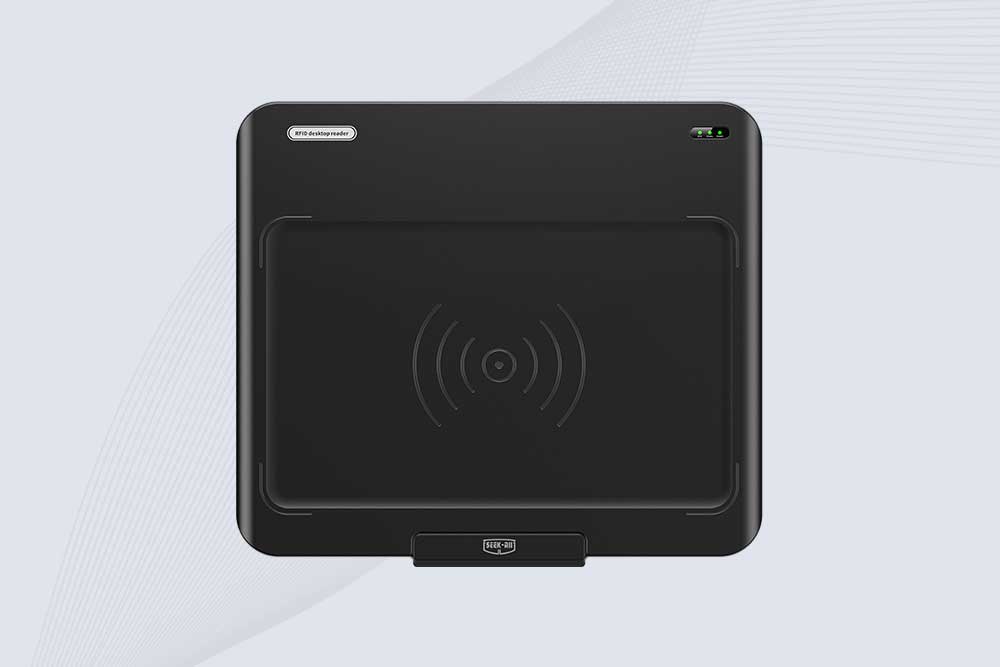
SSD-D3AL is a USB-HID UHF RFID reader with 0–30 cm reading, 0–15 cm writing, over 600 tags/s recognition, USB plug-and-play operation and OEM Logo customization.
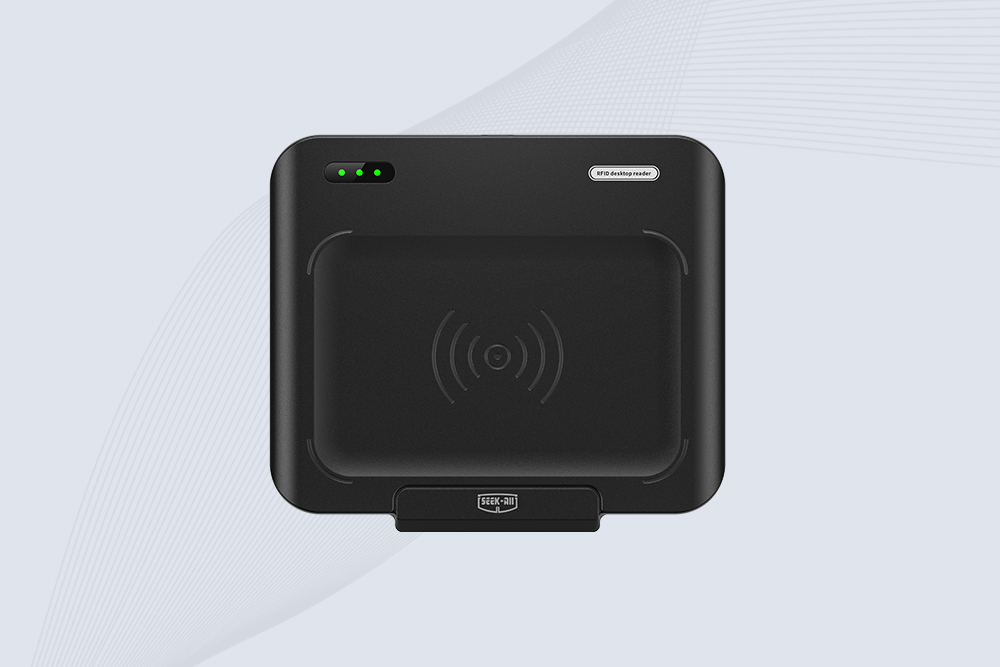
SSD-D1AL is a compact USB UHF RFID reader with Impinj E710/X3M1 chipset, USB-HID, 600+ tags/s recognition, 4/8/16 antenna support and plug-and-play USB power.
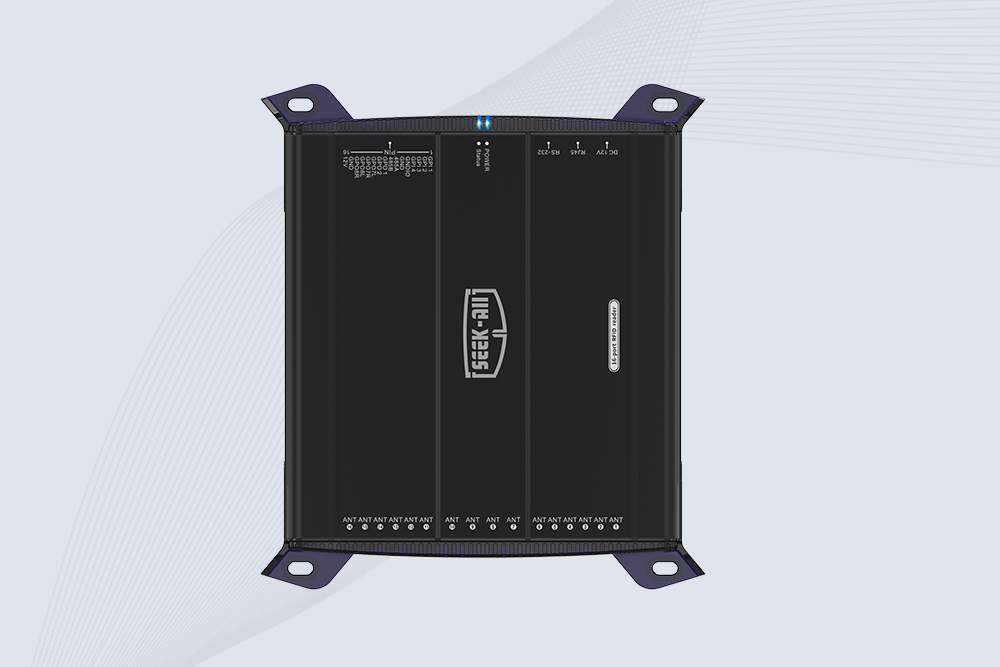
SSD-R16L Multi-Channel RFID Infrastructure for Automated Inventory Management ✔️ 16-Port High-Density RFID Reading Equipped with 16 SMA antenna ports, SSD-R16L supports multi-antenna deployment for warehouses, retail stores, logistics, production lines, and large-area RFID identification. ✔️ High-Speed & Long-Range Performance With up to 33…
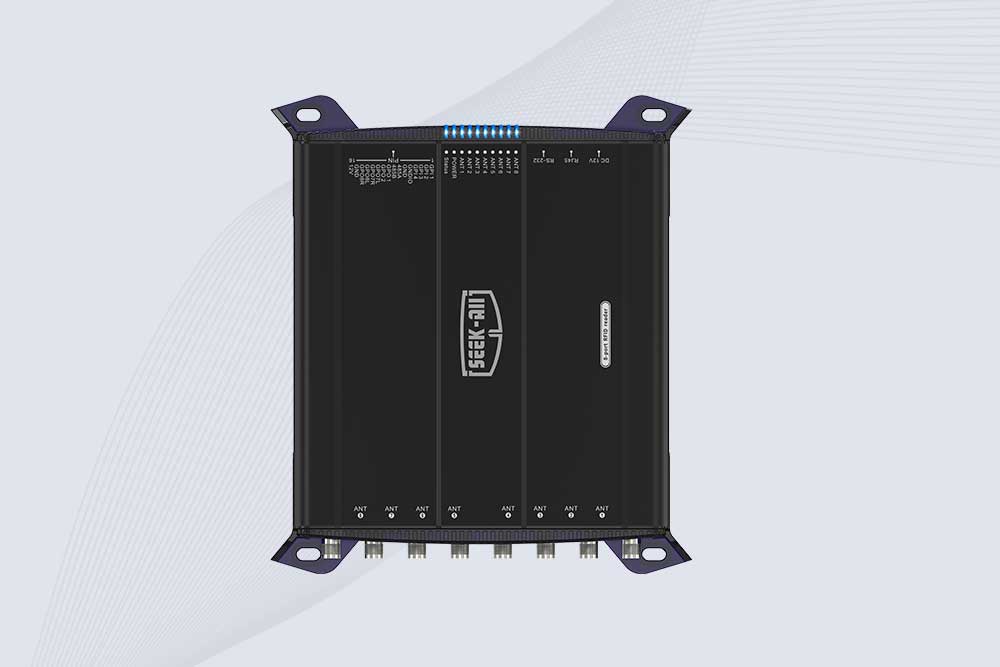
SSD-R8L 8-port UHF RFID reader with 33dBm output, up to 20m reading range and 600+ tags/s recognition. Ideal for warehouse, logistics, retail and asset tracking.
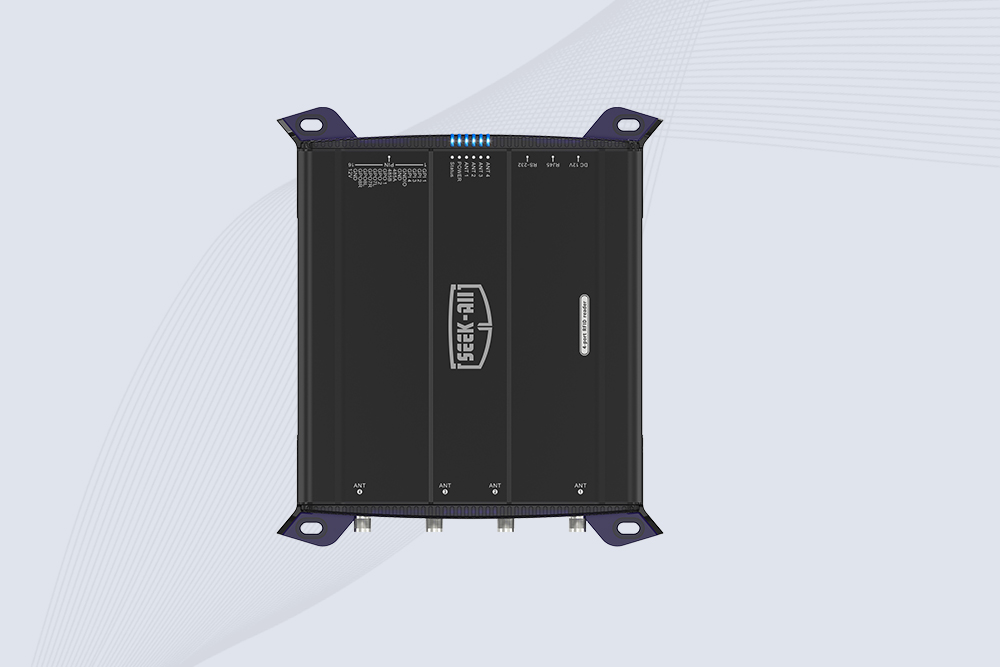
SSD-R4L is a 4-port UHF RFID fixed reader with 33dBm output power, up to 20m reading range, EPC C1G2 support and 600+ tags/s reading speed.

CYKEO CYKEO-D1LA USB RFID Reader is a compact desktop solution with near-field control for precise tag reading and encoding. Powered by USB, supporting ISO 18000-6C, and built for stable batch writing, this usb rfid tag reader fits retail, libraries, offices, and controlled RFID encoding tasks.
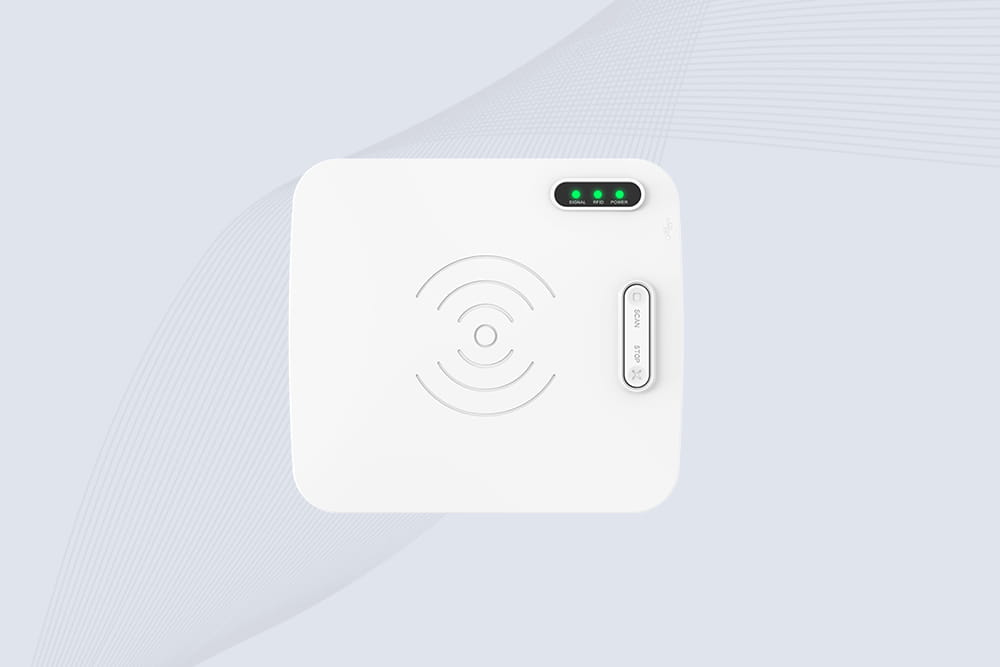
CYKEO CYKEO-D1L RFID scanner USB is a compact desktop UHF RFID scanner designed for short-range tag writing and verification. This usb rfid scanner supports batch encoding, stable 0–26 dBm output, and works across Windows, Linux, and Android systems.
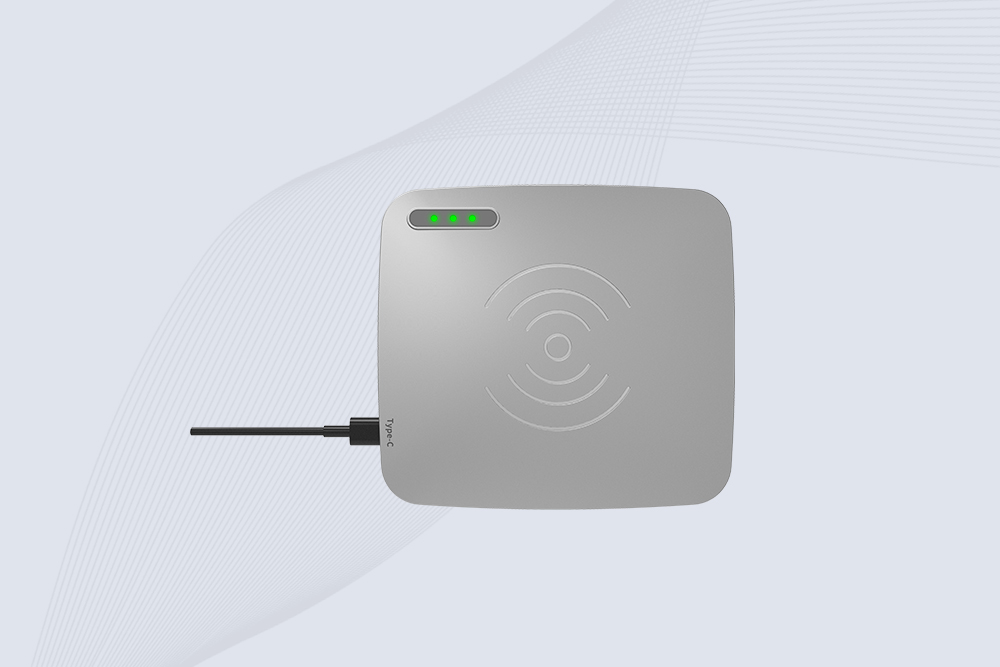
CYKEO CYKEO-D1C USB RFID Card Reader is a near-field UHF desktop writer designed for secure, short-range tag encoding. With USB-C connectivity and stable 26 dBm output, this rfid reader usb c is ideal for badge issuance, label encoding, and controlled desktop RFID workflows.
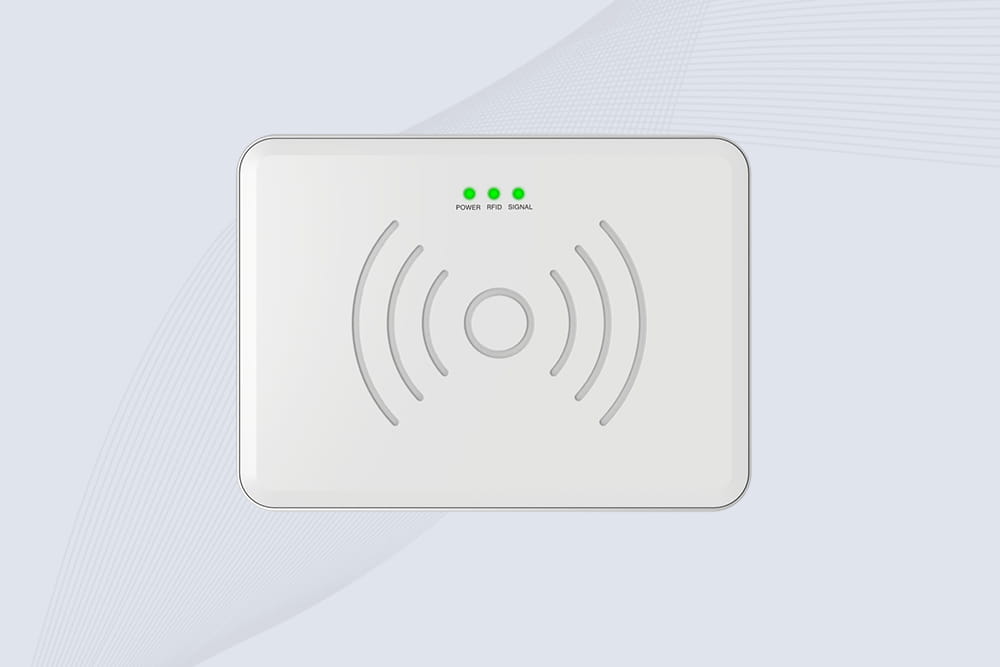
CYKEO CYKEO-D2L RFID Reader USB is a compact desktop encoder built on the Impinj R500 chip. With near-field control and stable USB power, this usb rfid card reader delivers precise tag writing for offices, retail counters, and small-scale logistics encoding tasks.
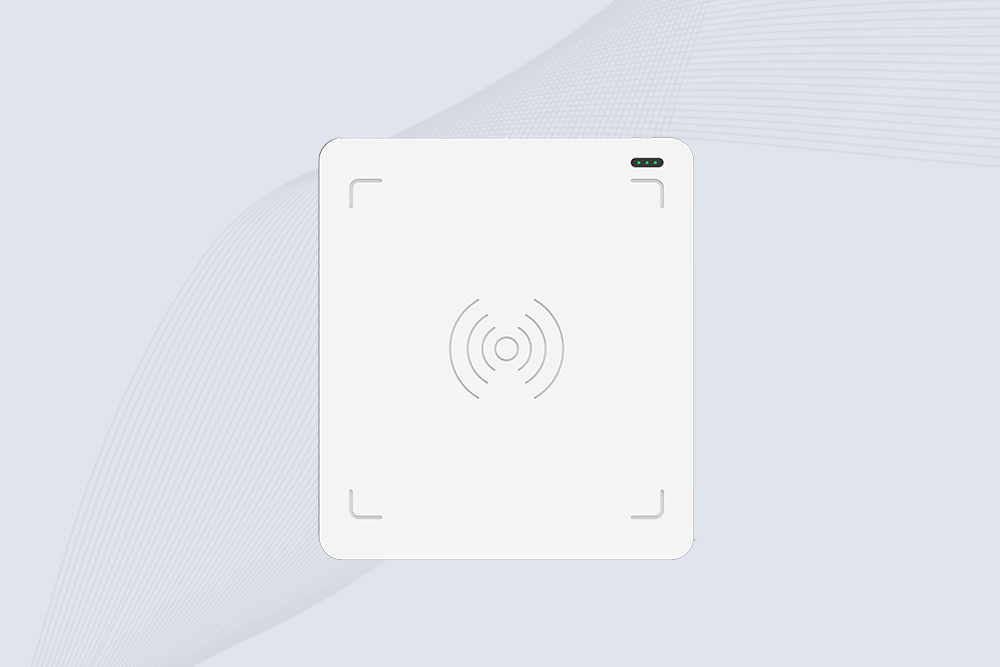
CYKEO CYKEO-D3L USB RFID Tag Reader delivers stable UHF tag reading and writing for daily desktop and light industrial tasks. Designed for controlled short-range operation, this USB RFID Tag Reader works reliably with rfid tag and reader systems in libraries, tool tracking, and inventory registration.
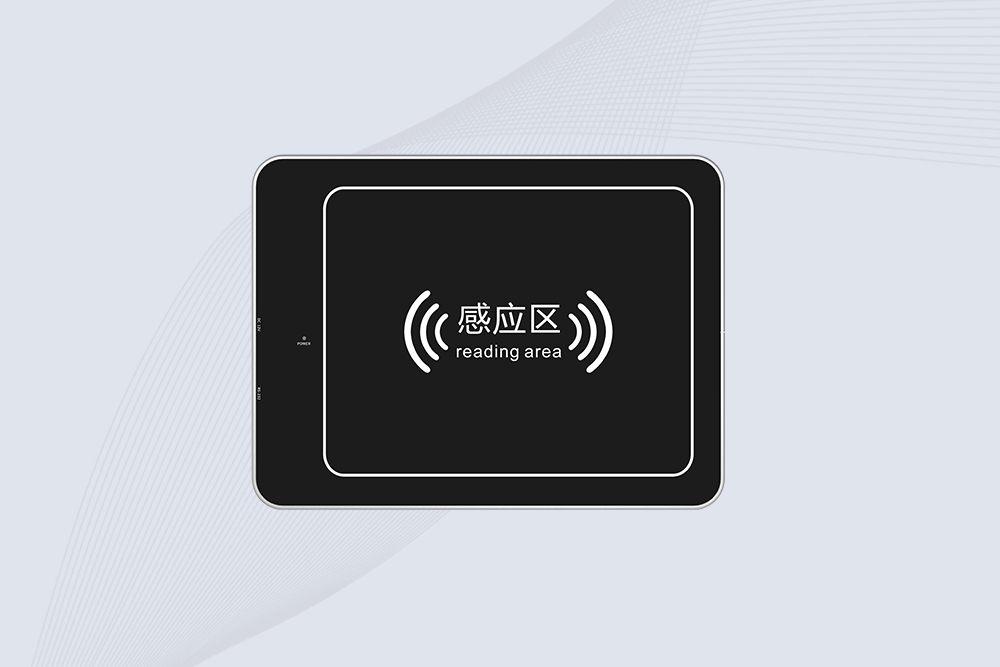
The CYKEO CYKEO-D4L UHF RFID Tag Reader is a stable Desktop RFID Reader designed for accurate tag registration, borrowing, and return workflows. Built with the Impinj R2000 chip, this UHF RFID Tag Reader delivers controlled short-range reads for libraries, asset tracking, and inventory management environments.
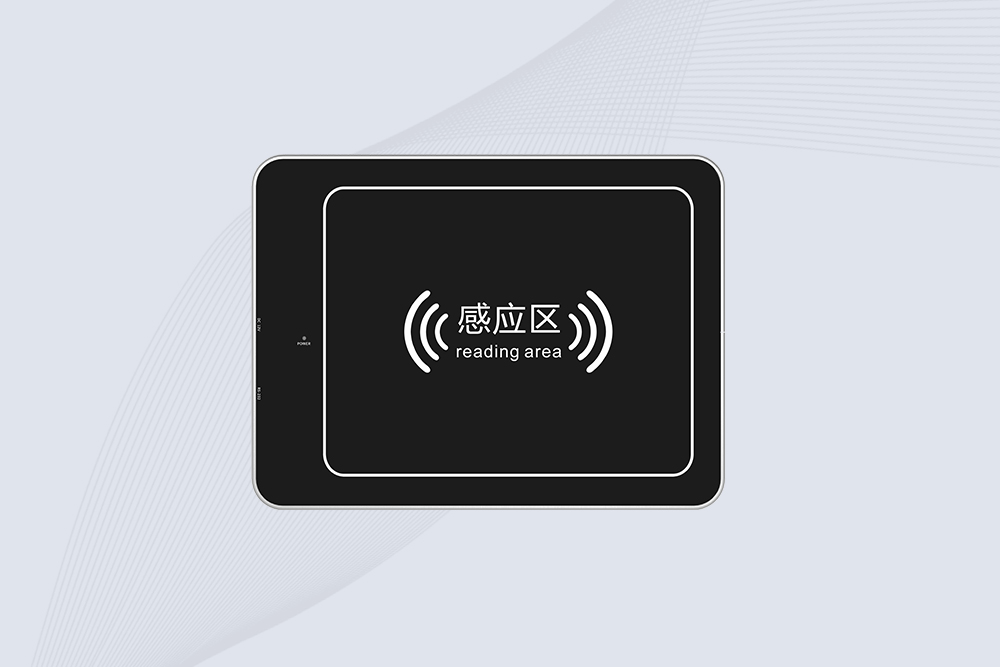
The CYKEO CYKEO-D5L Desktop RFID Card Reader is a stable UHF RFID Card Reader designed for controlled short-range reading and writing. Built for libraries, tool rooms, and asset desks, this UHF RFID Card Reader supports dense tag handling, secure data processing, and easy USB integration.
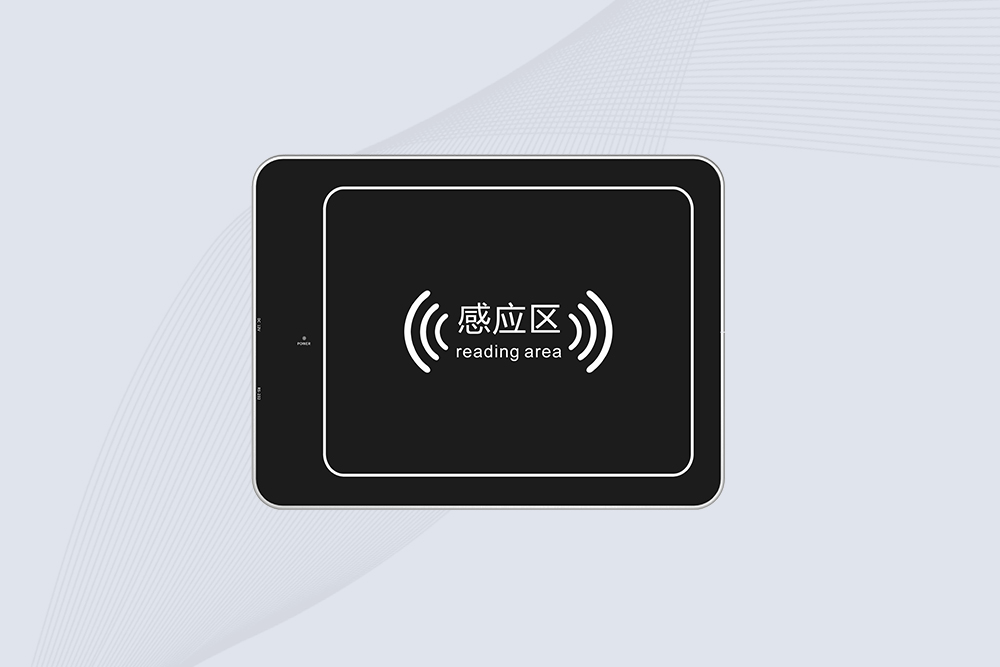
The CYKEO CYKEO-D6L RFID Reader Writer is a heavy-duty Desktop RFID Reader designed for short-range, high-accuracy tag programming. Built for libraries, labs, and asset desks, this RFID Reader Writer supports batch processing, stable 33dBm output, and seamless integration with existing management systems.
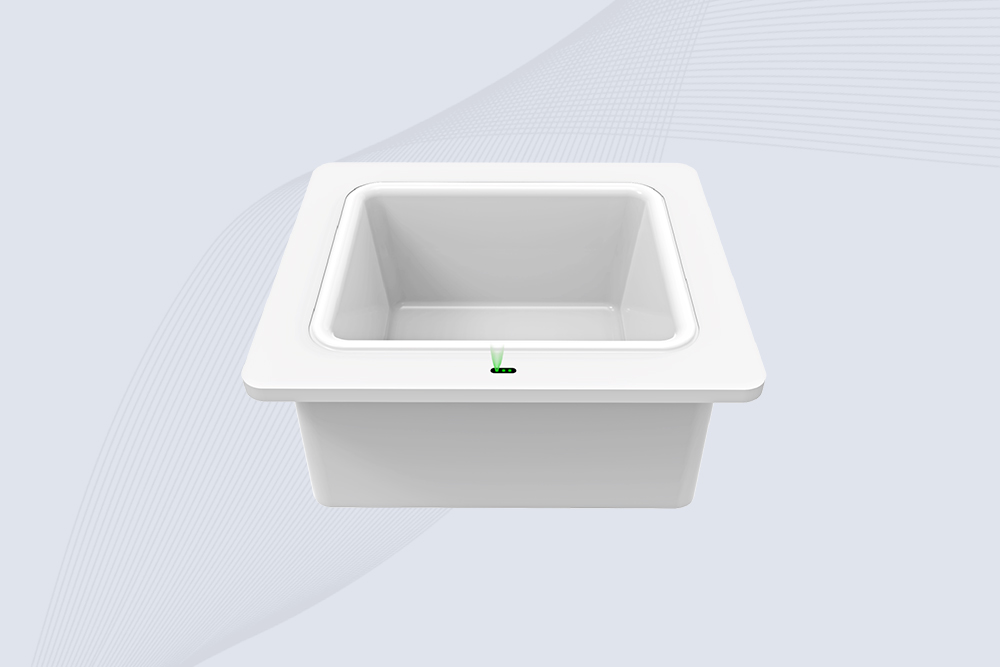
Cykeo CYKEO-D8B UHF RFID tunnel and RFID Desktop Reader features 30+ items batch reading,
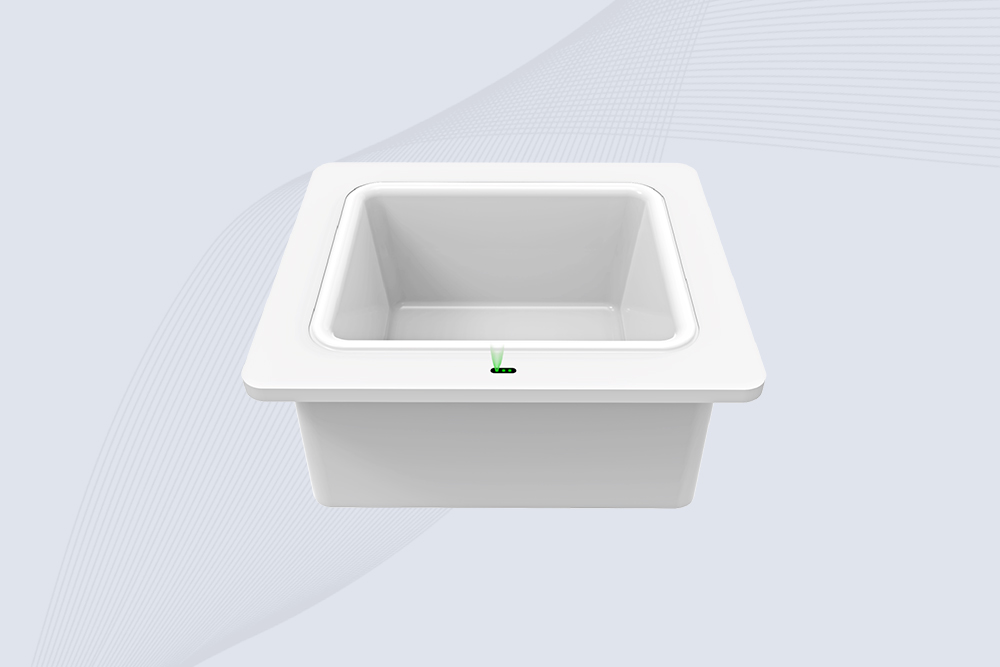
Cykeo CYKEO-D8A embedded RFID badge reader offers 30+ tags/sec scanning, 20cm anti-crosstalk precision, and DC 12V power for unmanned stores, warehouses, and smart inventory systems.
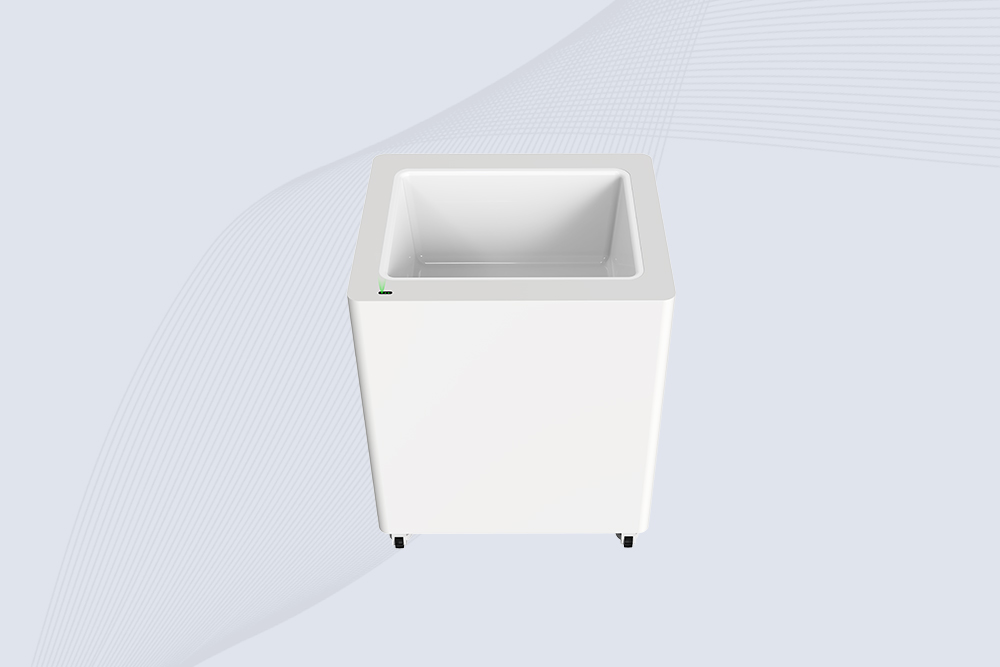
Cykeo’s CYKEO-D8C UHF RFID gate reader achieves 200-tag/batch scanning with adjustable power control, ideal for retail inventory and smart warehouse management.
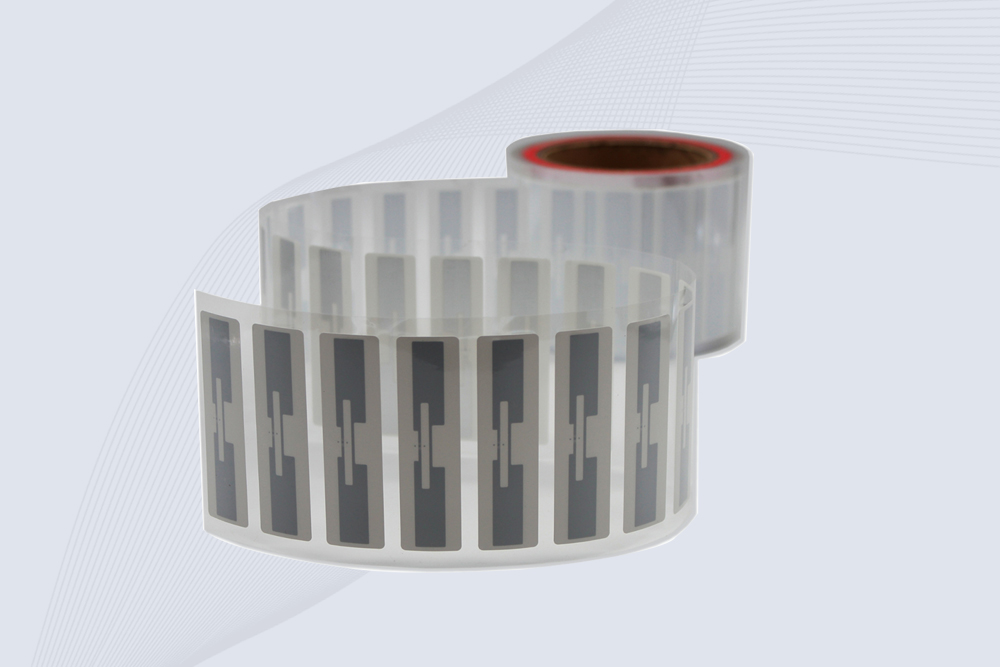
CYKEO Passive RFID Tags are made for wet and high-humidity environments where standard labels do not last. This rfid passive tag is often used around liquids, chemicals and temperature changes, providing stable reading distance and long data life for industrial tracking.
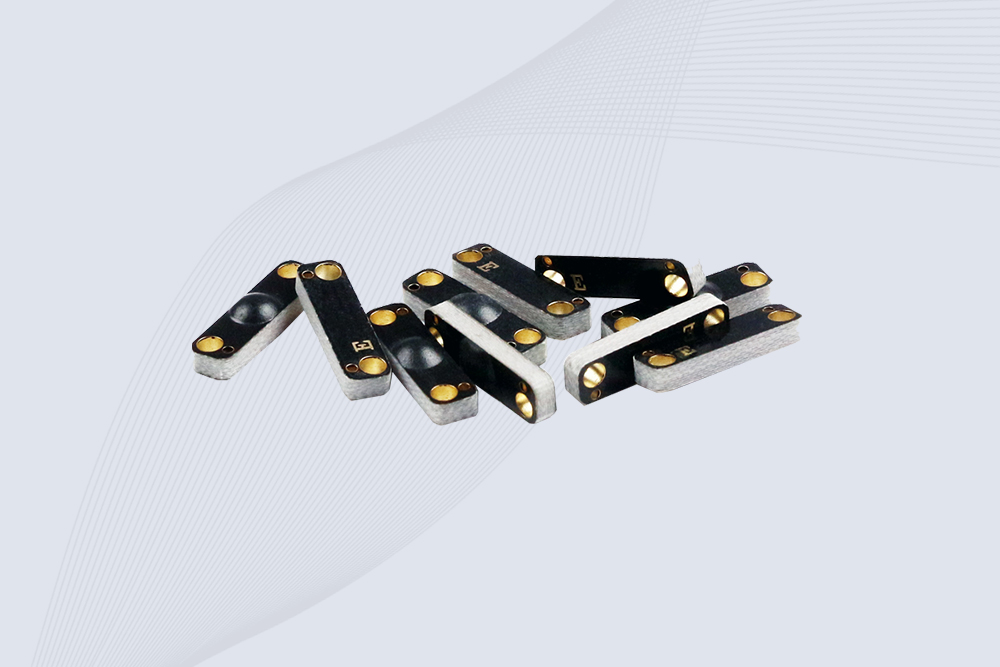
CYKEO CYKEO-PCB1504 Metal RFID Tags is a compact anti-metal UHF RFID solution built for direct mounting on metal surfaces. With stable 8-meter read range, Ucode-8 chip, and long data retention, this rfid metal tag fits tools, containers, automotive parts, and industrial asset tracking.
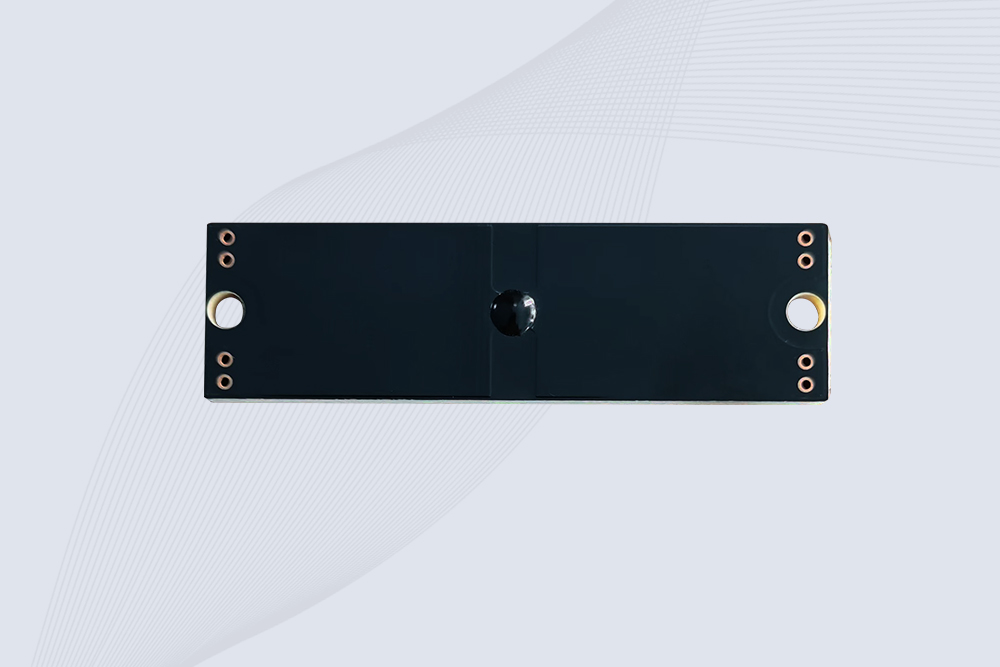
CYKEO CYKEO-PCB7020 On-Metal RFID Tags are designed for reliable tracking on steel and metal surfaces. Built with an FR4 epoxy body and industrial-grade chips, these On-Metal RFID Tags deliver stable performance, long data life, and chemical resistance, making them a dependable RFID anti-metal tag for harsh environments.
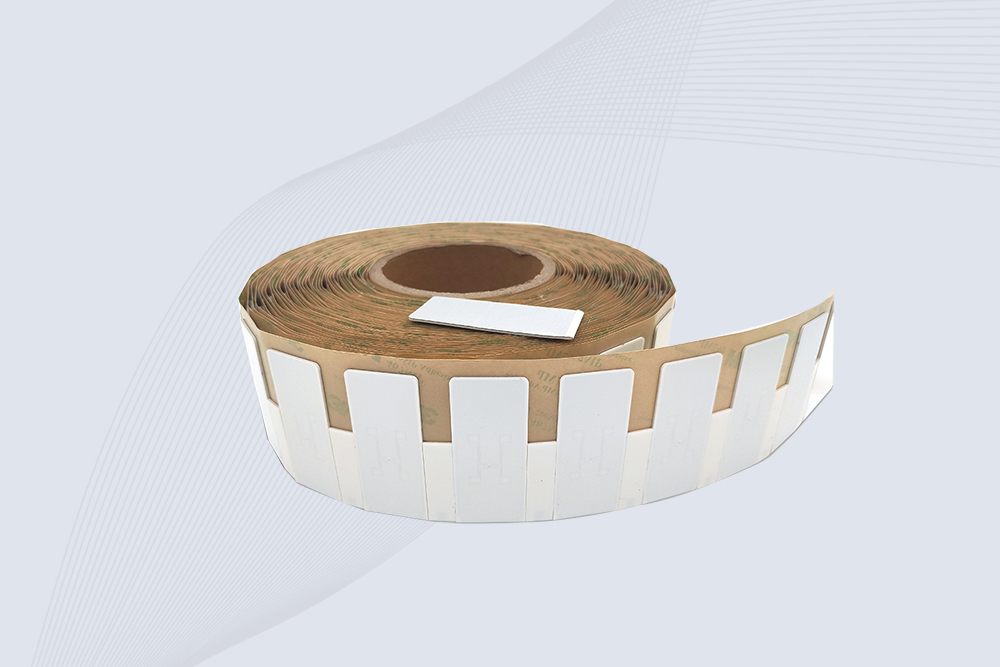
The CYKEO CYKEO-60-25 Anti-Metal RFID Tag is built for metal surfaces where standard tags fail. Designed for long-range performance, harsh environments, and stable data retention, this Anti-Metal RFID Tag is ideal for industrial assets, containers, and equipment tracking using on metal RFID tags.
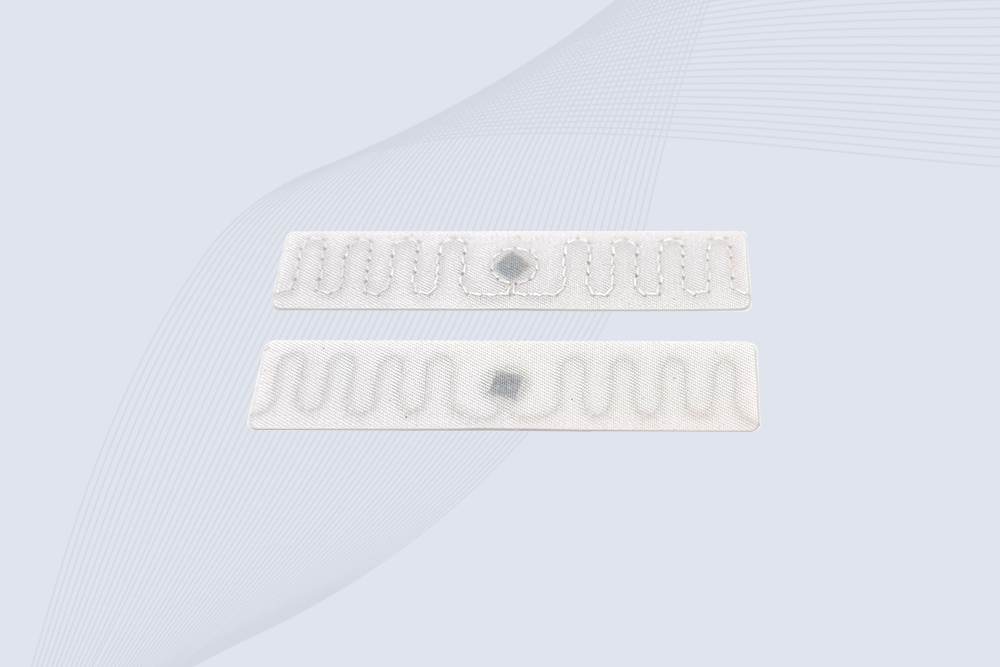
The CYKEO RFID Laundry Tag is designed for long-term textile identification in harsh laundry environments. Built to withstand high heat, chemicals, and repeated washing, this RFID Laundry Tag delivers stable performance for hotels, hospitals, and industrial laundry operations using laundry rfid tags at scale.
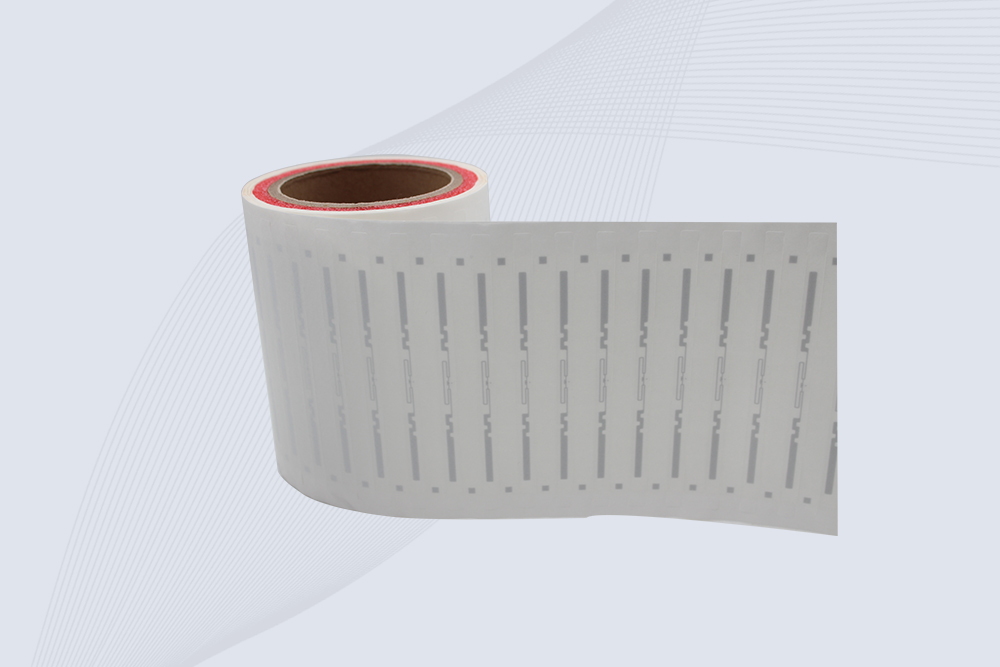
The CYKEO CYKEO-125-7 RFID Book Tag is designed for reliable book and document tracking in libraries and archives. This RFID Book Tag delivers long read range, dense placement support, and stable performance on shelves, making it a practical rfid tag on books for library automation, file management, and archival systems.
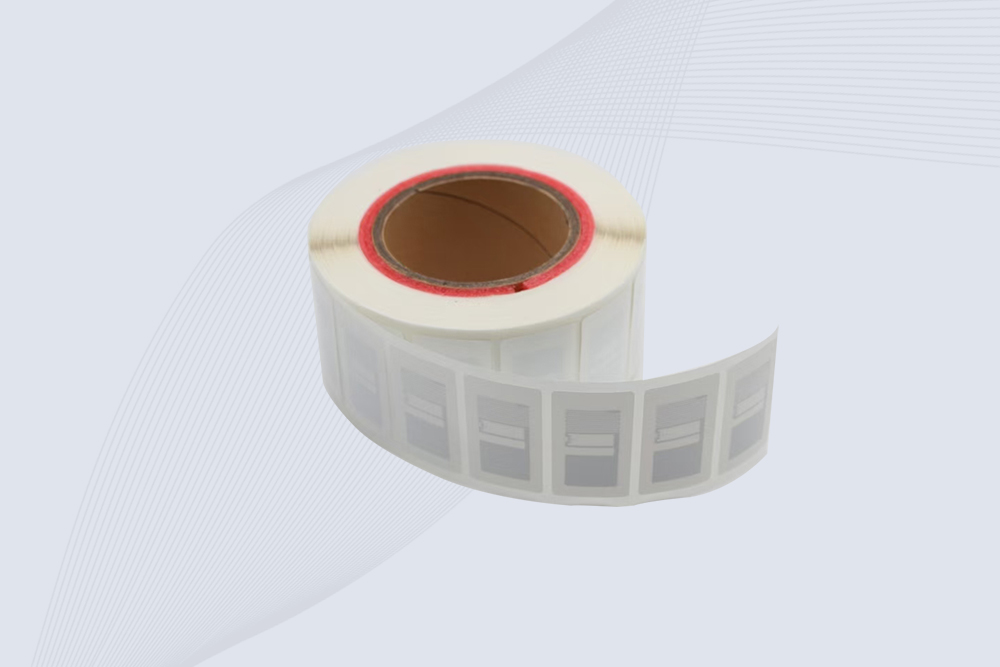
CYKEO RFID tags in hospitals are designed for sterile environments where accuracy matters. These autoclavable RFID tags support long-term tracking of surgical tools, implants, and medications, helping hospitals improve visibility, compliance, and patient safety.

CYKEO RFID Cable Tie Tag is built for reliable identification on metal surfaces. This UHF RFID Cable Tie Tag is widely used in rfid tags for inventory systems, industrial asset management and Hospital RFID Tags, offering stable read performance, long service life and global EPC Gen2 compatibility.
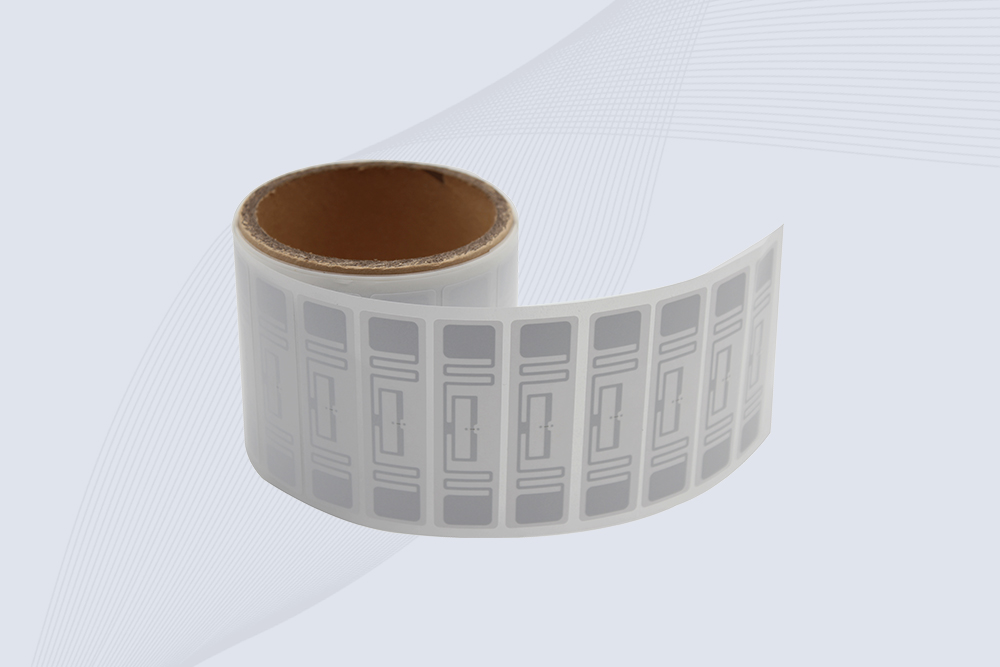
CYKEO RFID Asset Tag is designed for stable identification of metal assets in industrial environments. This UHF RFID Asset Tag is commonly used for rfid tag asset tracking on equipment, tools and containers, providing reliable reads, long service life and ISO/IEC 18000-6C support.

CYKEO UHF RFID Card is designed for fast identification and long-term use in industrial and commercial systems. Supporting ISO 18000-6C, this UHF RFID Card works at 860–960 MHz and is suitable for custom RFID cards used in asset tracking, access control and inventory management.
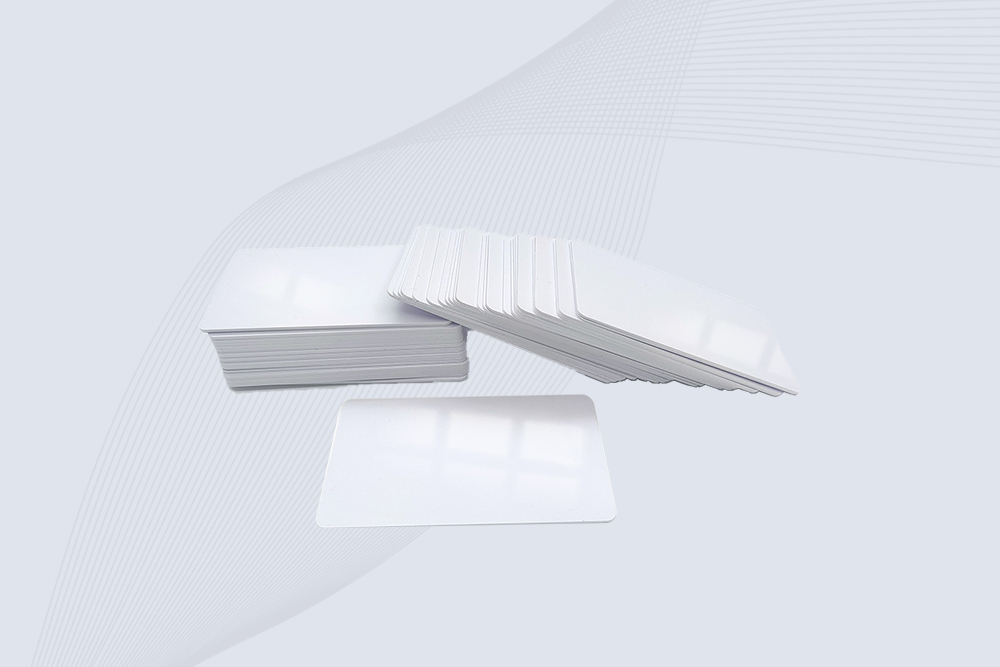
CYKEO HF RFID Cards are designed for secure and stable access control systems. These 13.56 MHz RFID key cards support ISO 14443-A, reliable rewriting and long service life, making HF RFID Cards suitable for offices, campuses, events and membership management.
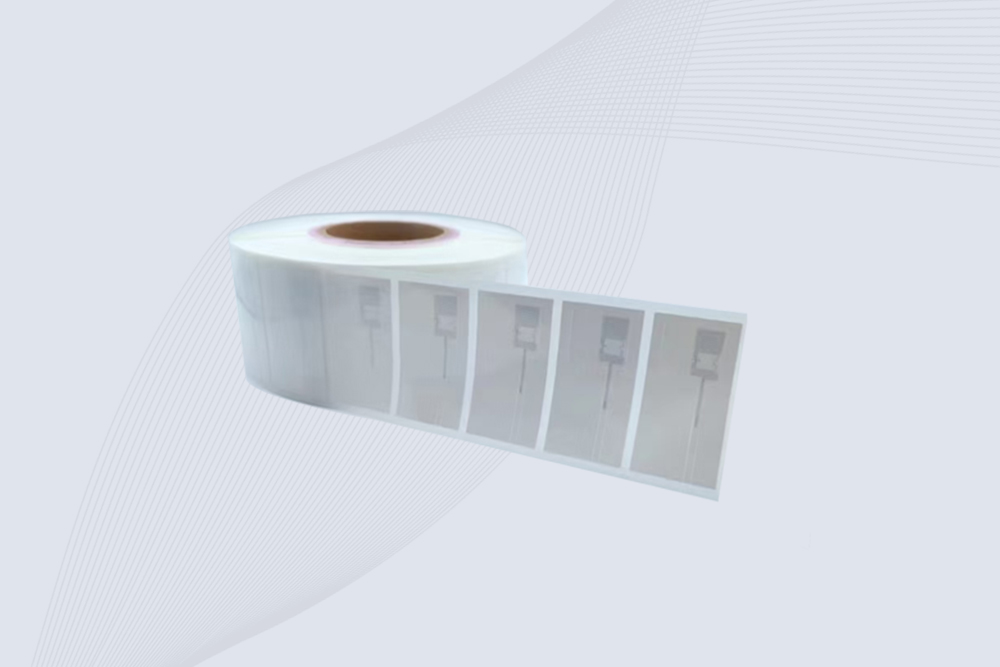
CYKEO UHF RFID Tag is designed for reliable tracking of metal jewelry and high-value items. This Jewelry RFID Tag supports long-range reading up to 8 meters, anti-counterfeit protection and stable performance on metal, making it suitable for retail, inventory control and asset management.
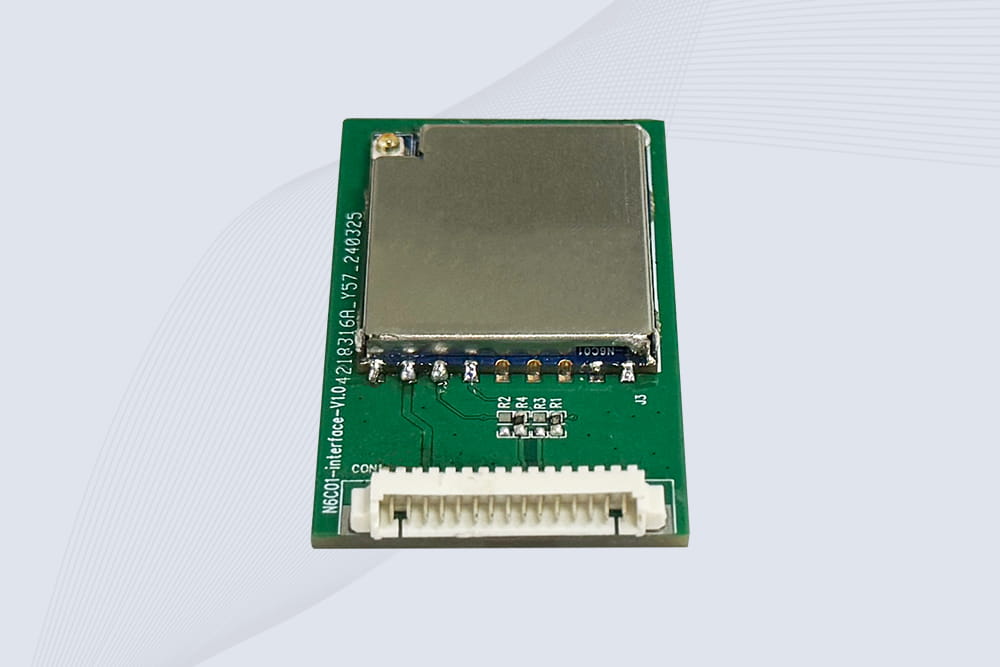
CYKEO Embedded RFID Modules are designed for compact industrial and IoT devices that require stable UHF performance. These UHF RFID Modules support global protocols, flexible power control, and reliable multi-tag reading for smart cabinets, production lines, and asset tracking systems.
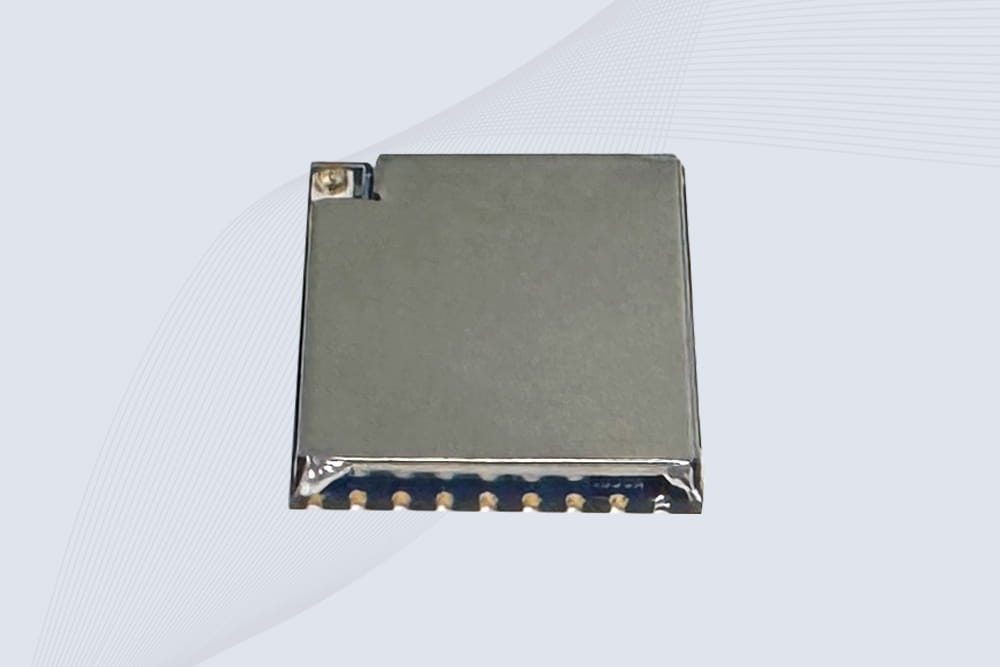
CYKEO Embedded RFID Module is built for compact IoT and industrial devices that need stable UHF performance. This UHF module supports global protocols, low power operation, and reliable multi-tag reading for smart lockers, production lines, and always-on RFID systems.
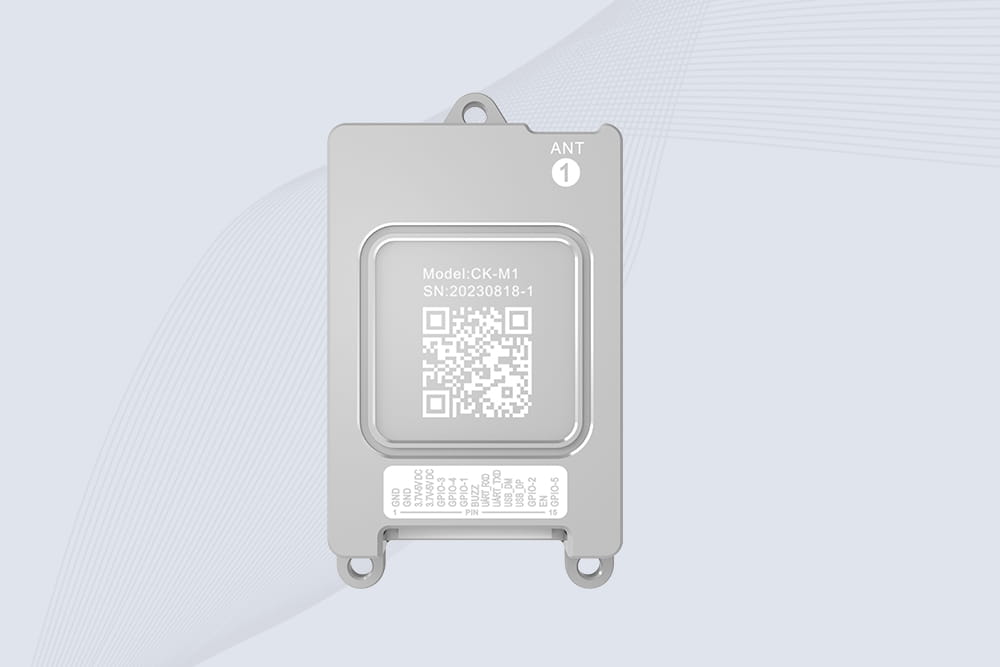
CYKEO CYKEO-M1 drone rfid module is a compact UHF RFID reader module designed for drones and UAV platforms. It supports long-range aerial scanning, fast multi-tag reading, and stable performance in wind, vibration, and outdoor environments.
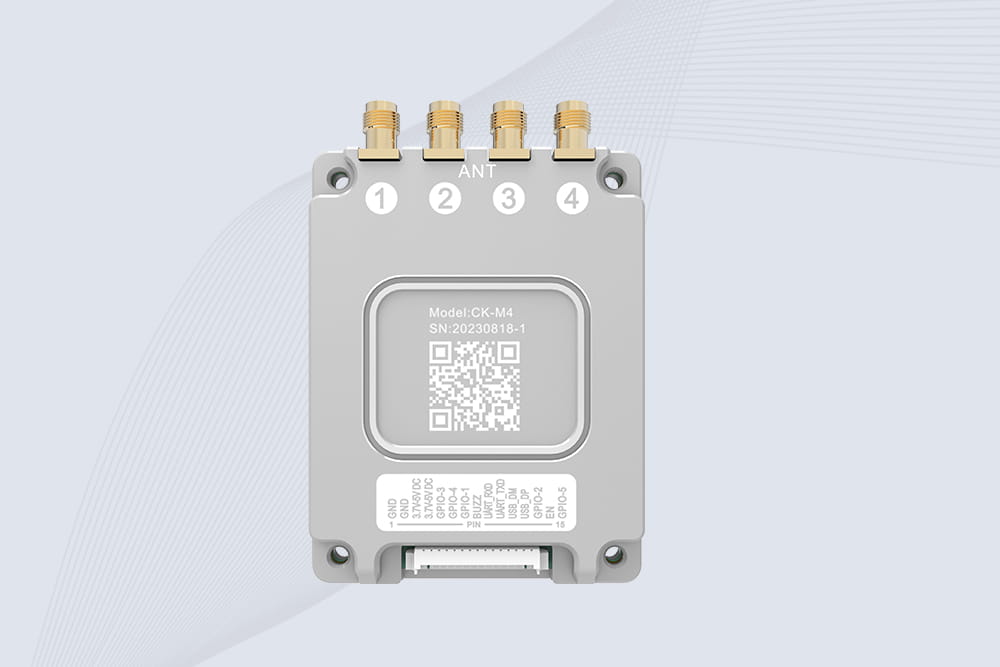
CYKEO CYKEO-M4 RC522 RFID Module is an industrial-grade UHF RFID reader with 4 ports, supporting ISO, EPC, and GB protocols. High-speed, accurate reading for IoT, automation, and warehouse applications.
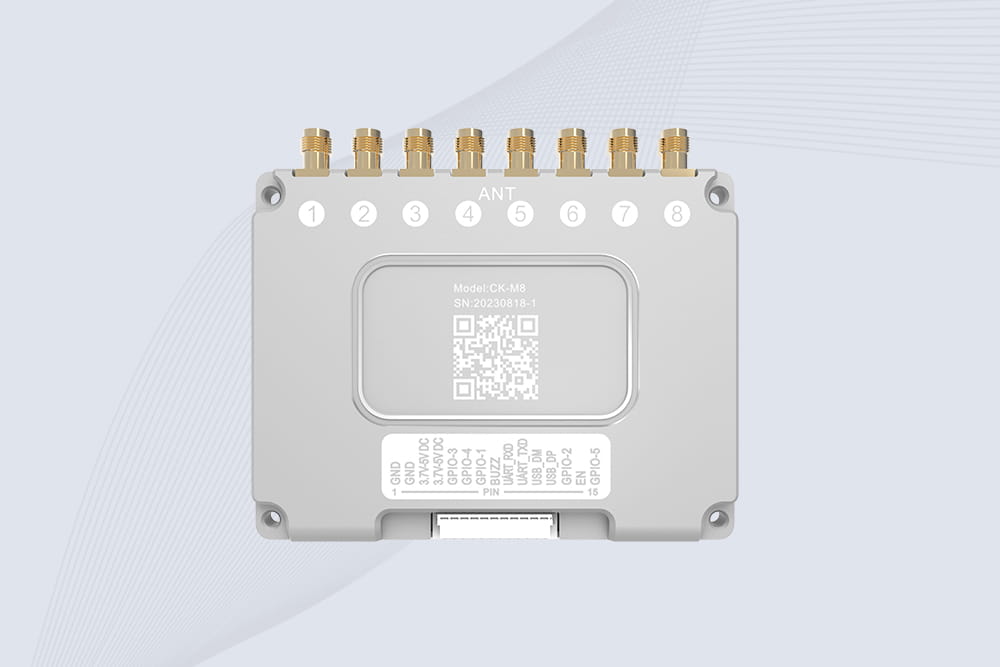
CYKEO CYKEO-M8 Module RFID is an 8-port UHF R2000 RFID Module designed for high-density, multi-tag environments. Stable 33dBm output, ISO & GB protocol support, ideal for warehouses, factories, and automated systems.
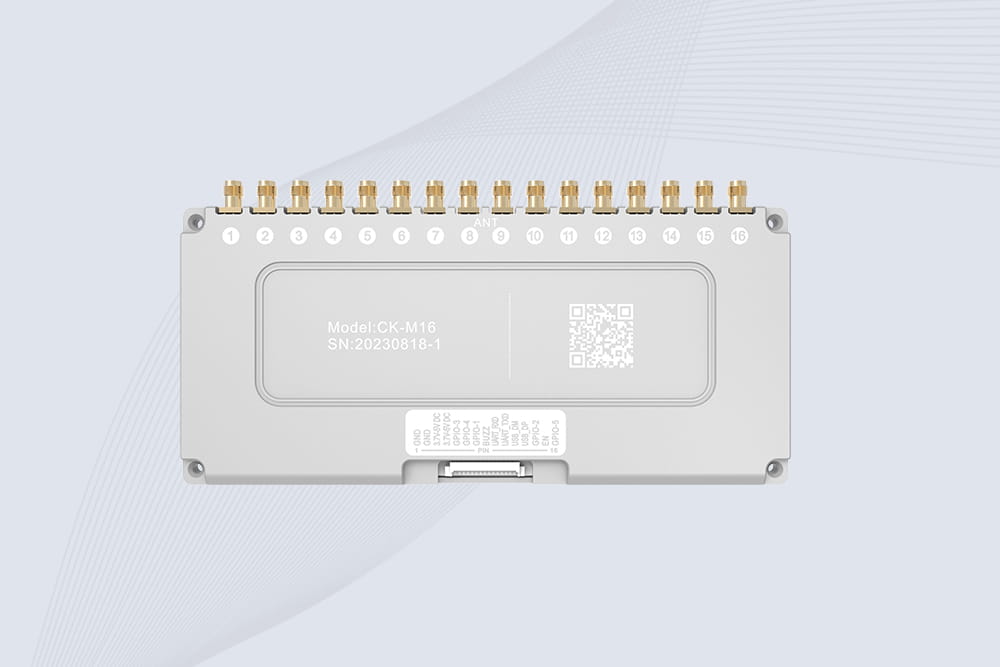
CYKEO CYKEO-M16 RFID Module is a 16-port UHF RFID reader module based on the R2000 chipset. Designed for dense tag environments, it supports ISO and GB standards and delivers stable multi-antenna control for industrial automation.
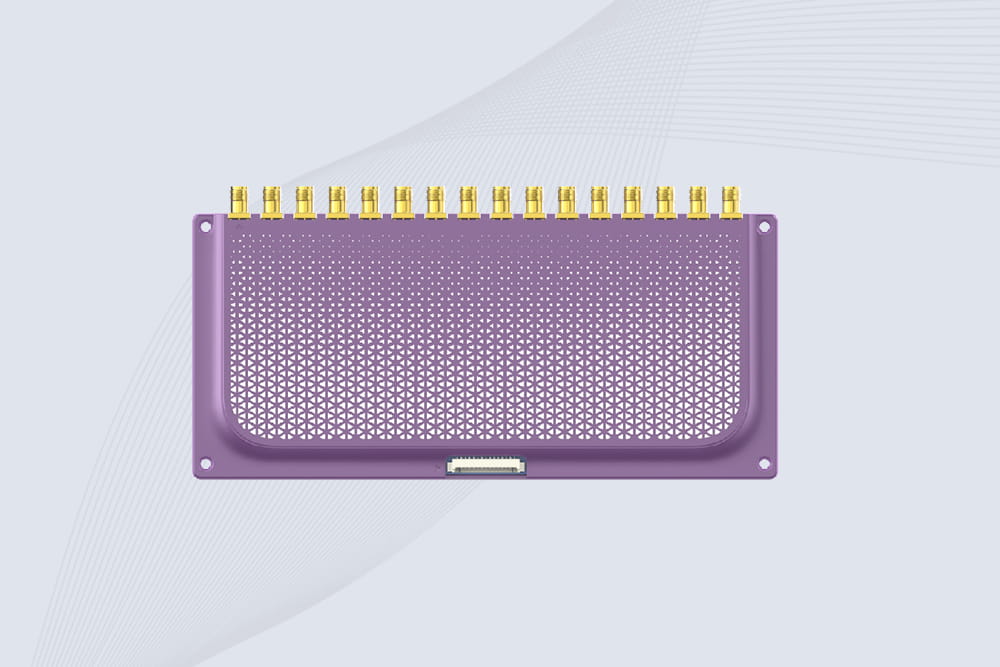
The CYKEO CYKEO-M16L RFID Reader Module is a 16-channel UHF RFID core designed for dense tag environments. With adjustable 33dBm output, multi-protocol support, and stable multi-antenna control, this RFID Tag Reader Module fits industrial automation, warehouse systems, and large-scale IoT deployments.
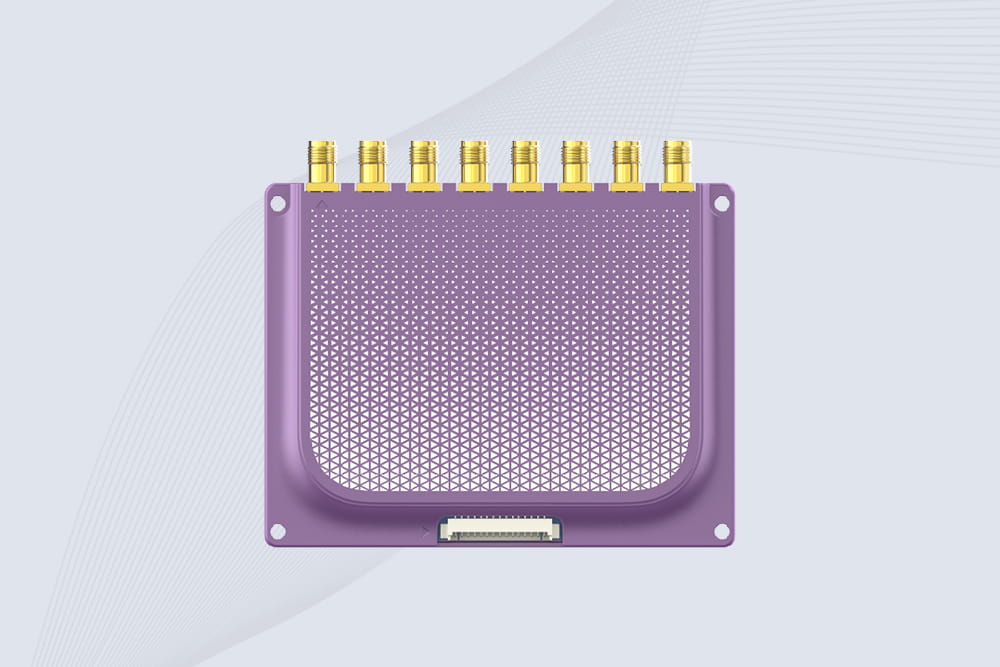
CYKEO CYKEO-M8L module RFID is a compact industrial UHF module built for dense tag and multi-antenna environments. With 8 RF ports, adjustable 33 dBm output, and ISO & GB protocol support, it is widely used in factories, warehouses, and automated tracking systems.
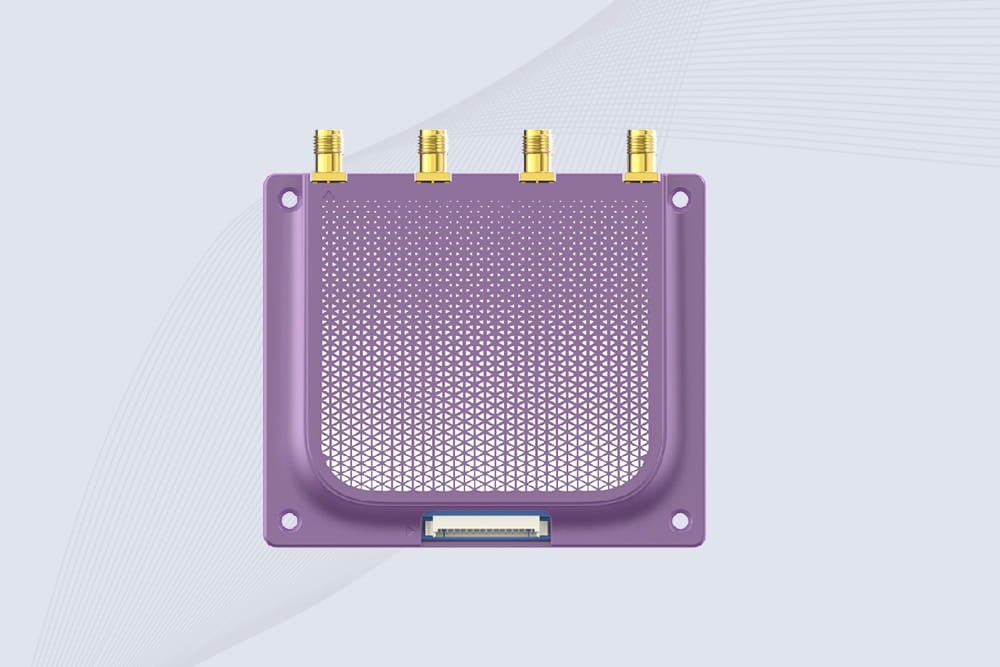
CYKEOCYKEO-M4L UHF RFID Module is a compact 4-channel RFID tag reader module designed for dense tag environments. Supporting ISO and GB protocols, it delivers stable reads up to 10 meters for industrial and IoT systems.
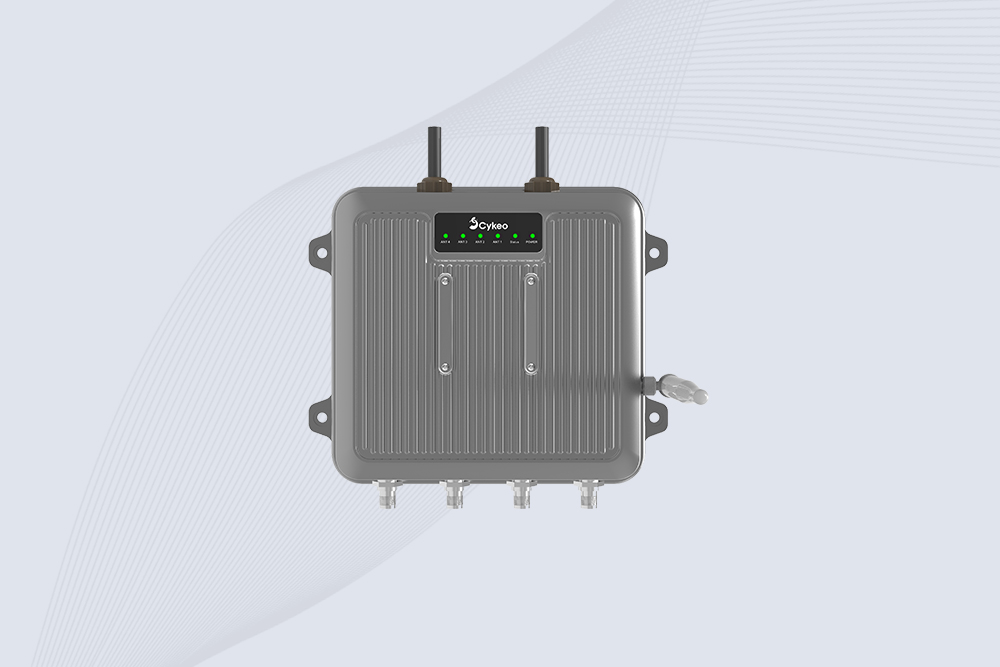
Cykeo CYKEO-C1 industrial Forklift RFID Reader features 20m read range, 600 tags/sec scanning, Impinj R2000 chipset, and IP67 rugged design. Ideal for warehouse logistics and manufacturing. Supports ISO 18000-6C/6B protocols.
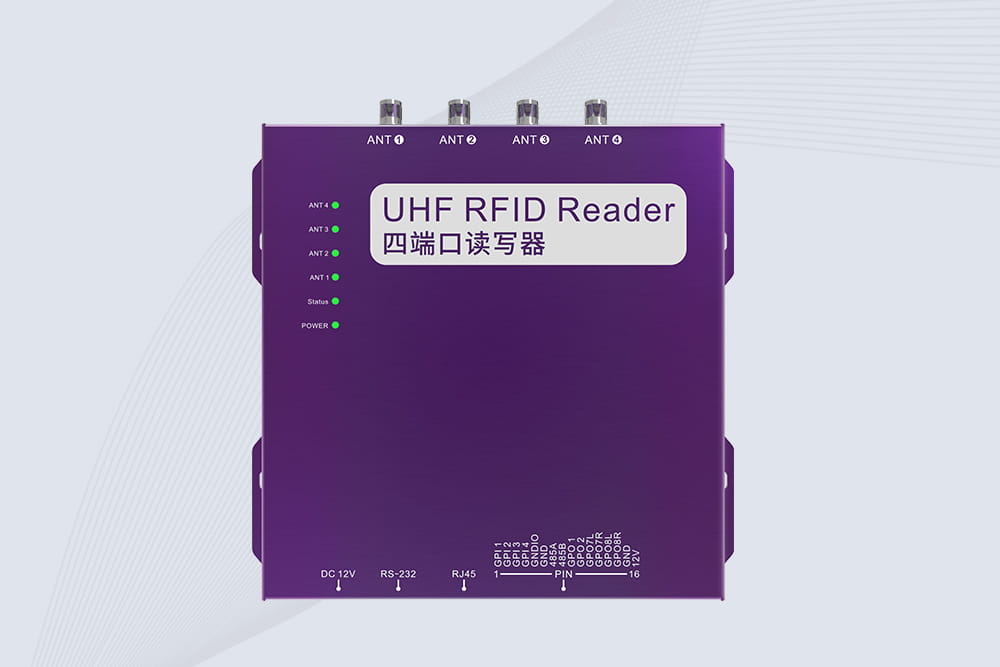
Cykeo CYKEO-R4 industrial UHF RFID Fixed Reader features 4 TNC ports, 400+ tags/sec speed, IP67 housing, and global frequency compliance for vehicle inspection, smart warehouse, and asset management systems.
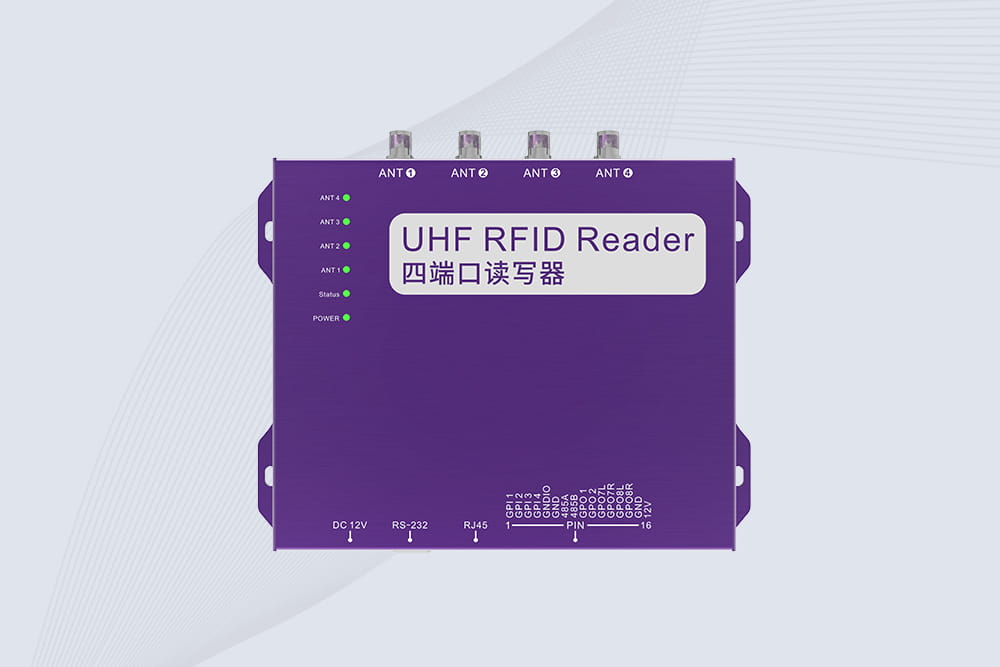
Cykeo’s CYKEO-R4L 4-port Fixed UHF RFID Reader delivers 400 tags/sec scanning, ISO 18000-6C compliance, and IP65 protection. Ideal for warehouse automation, manufacturing WIP tracking, and logistics management.
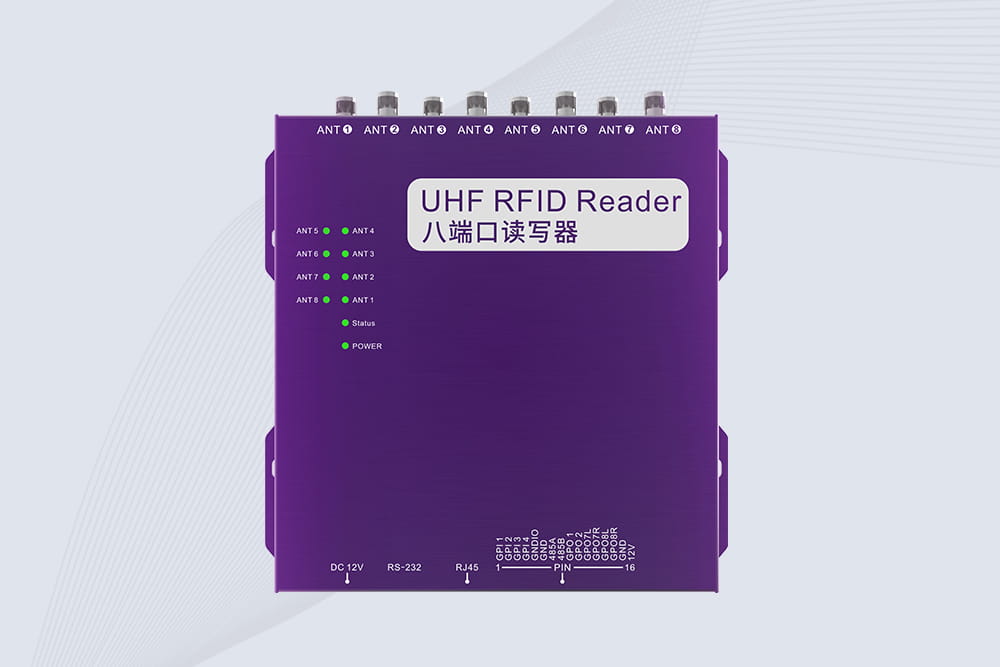
CYKEO CYKEO-R8L Fixed RFID Reader with 8-port UHF design, Impinj-based RF core and up to 20m read range. An industrial Fixed RFID Reader for vehicle inspection, warehouse portals, smart manufacturing lines and secure access checkpoints.
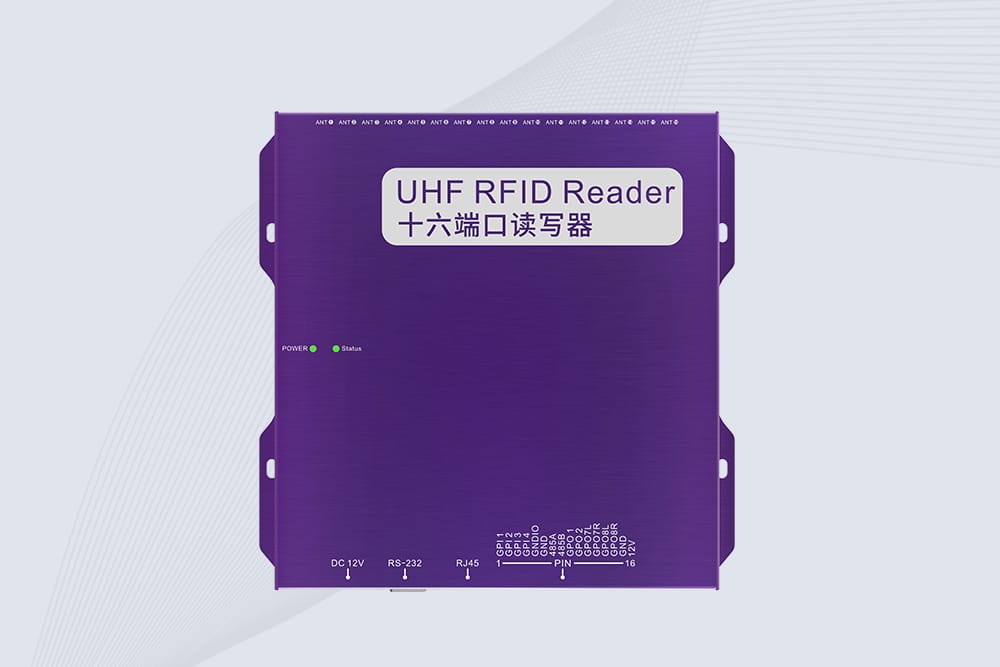
RFID Fixed Reader from CYKEO – the CYKEO-R16L 16-port UHF fixed reader for warehouses, smart cabinets, and production lines. Long-range, multi-tag reading, stable performance for 24/7 industrial use.

A practical look at UHF RFID fixed reader APIs. Learn how Cykeo RFID reader APIs are used in real projects like warehouses, RFID gates, MES systems, and custom IoT platforms.
More
High-memory RFID tags aren’t always necessary. Here’s a practical look at when they make sense—and when you’re just wasting money.
More
RFID metal tag solutions enable reliable asset tracking on metal surfaces in industrial environments. Learn how RFID metal tags improve inventory accuracy, maintenance, and traceability.
More
Learn how to read rfid tags with professional RFID technology. Explore RFID readers, tag communication, inventory applications, and Cykeo solutions.
More