 Cykeo RFID IoT Solution Products R&D Manufacturer

RFID Reader for Industrial Automation: Practical Applications and Buying Guide
259Discover how RFID readers support industrial automation, production lines, material tracking and machine identification. Learn what to consider before buying...
MoreAll RFID Product
Here’s an awkward answer to a simple question: there is no such thing as “an RFID.”
RFID is a technology — a method of identifying things with radio waves. You can’t hold one, buy one, or put one on a box. What you can buy is an RFID tag, an RFID reader, or an RFID system. Every time someone says “we need an RFID” or “how much is an RFID”, they mean one of those three, and knowing which one they mean is the difference between a purchase that works and one that sits in a drawer.
So this article does two things: it explains what RFID is in plain terms, then walks through the three things people almost always mean when they say “an RFID” — so you can work out which one you need.
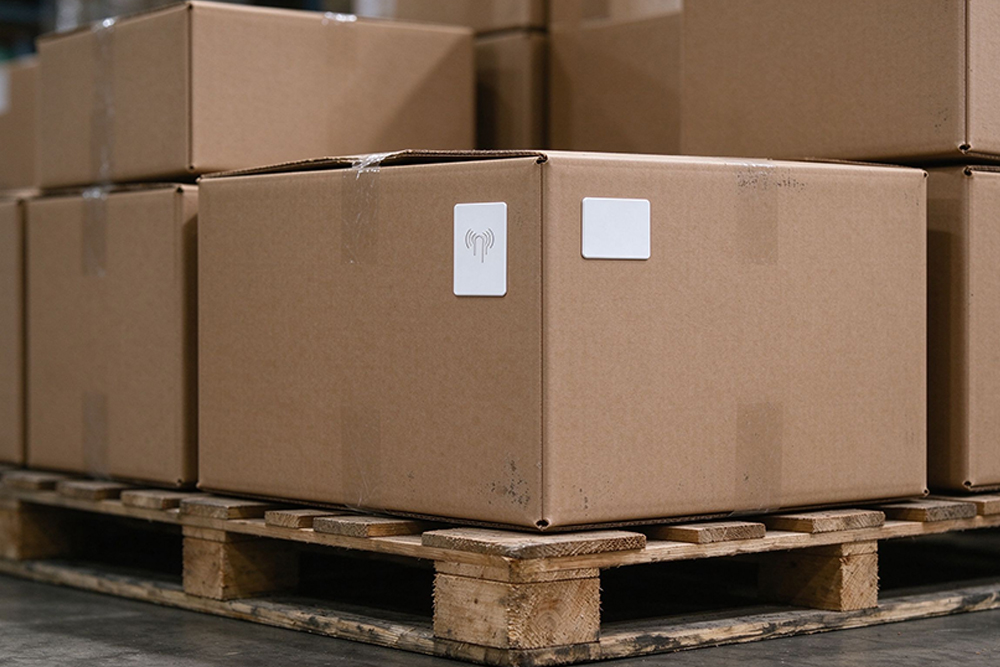
RFID = Radio Frequency Identification. It’s a way of identifying physical objects using radio waves instead of something a scanner has to see. A small electronic tag on the item answers a radio signal from a reader, and the reader passes that identity to software.
Think of it the way you think of “printing” or “wireless”. You don’t buy “a wireless” — you buy a wireless router, a wireless mouse. Same with RFID: the technology is the category; the products inside it are specific.
If you want the acronym broken down word by word, that’s covered separately in what RFID means. This article is about the things.
| What they say | What they actually mean | Looks like | Price band |
| “An RFID” (on a product) | An RFID tag / label | A sticker, hang tag, or hard plastic tag | 0.08–15 each |
| “An RFID” (a device) | An RFID reader | A handheld gun, a desktop pad, a wall unit | 40–3,500 |
| “An RFID” (a project) | An RFID system | Tags + readers + antennas + software | 500–50,000+ |
Retail staff usually mean the tag. Warehouse managers usually mean the reader. Business owners usually mean the system — they just don’t know yet that it’s a system.
Let’s take each in turn, because each has its own gotchas.
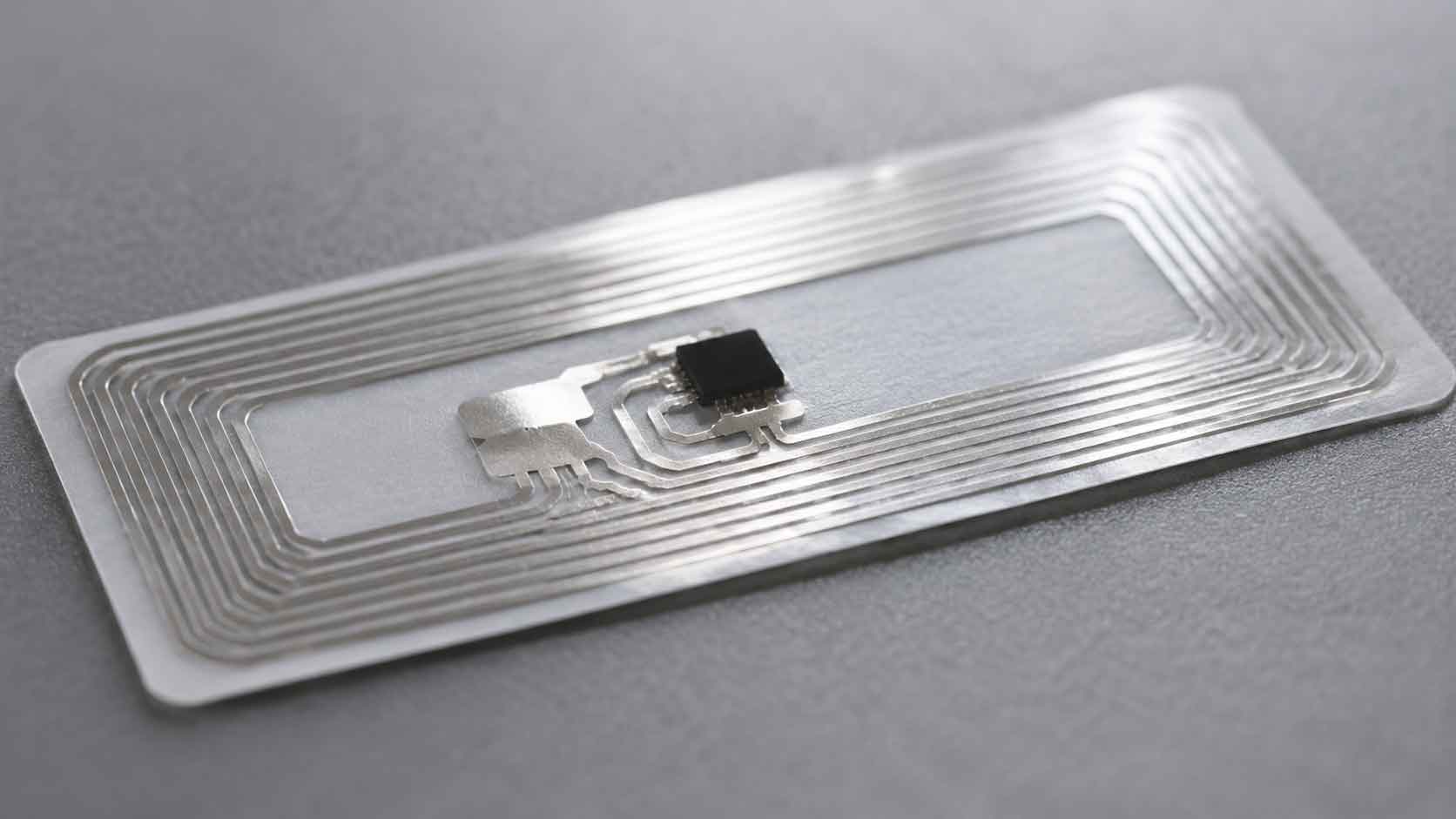
A tag is the physical label on the item. It contains exactly two things:
Most tags have no battery. They wake up only when a reader’s signal reaches them, which is why they cost cents instead of dollars and last for years.
Tags come in three physical families:
That last family matters more than beginners expect. A standard label stuck on a steel tool cabinet will read at a few centimeters — or not at all — because metal detunes the antenna. The tag isn’t broken; it’s the wrong tag. This is covered in detail in our tag selection guide.
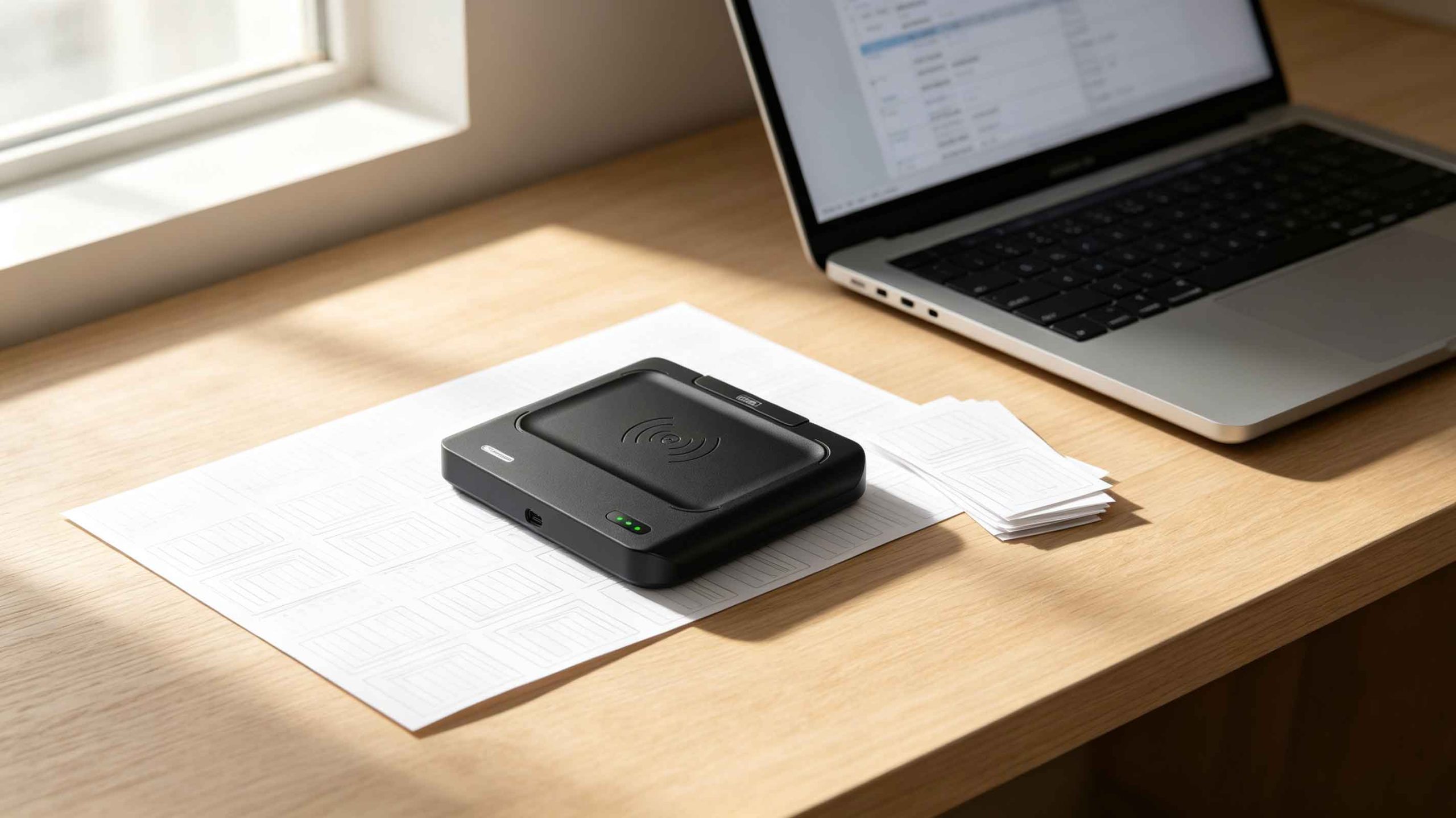
A reader is the device that does the asking. It broadcasts radio energy through an antenna, listens for tags answering, and decodes their replies into digital IDs.
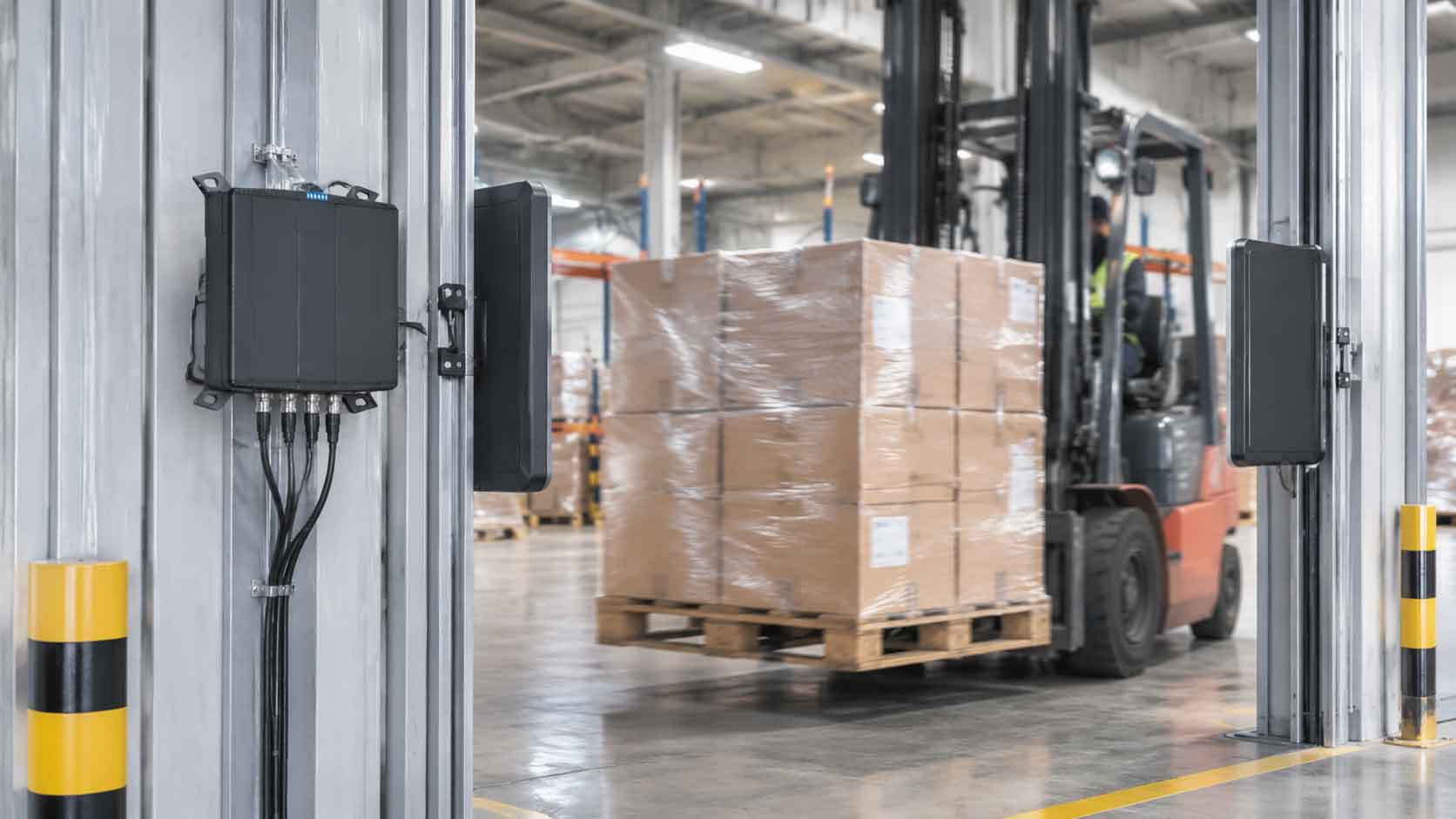
Four physical forms cover almost every use:
200–1,300. Best for counts, audits and finding items.40–150. Best for writing tags one at a time at a desk.800–3,500. Best for hands-free automatic reads.100–600. Best for OEMs building RFID into their own equipment.One rule sits above all of these: the reader must match the tag’s frequency. A UHF reader cannot read an HF badge, no matter how much power you give it. If you’re matching the two halves, what an RFID reader and tag are has the full pairing table.
This is the one that actually delivers business value, and the one people undersize. A system is four layers stacked:
A reader on a desk is a device. Add tags on 500 assets, filtering rules, and a sync to your asset database, and you have a system — the thing that produces records instead of a screen full of numbers. Our guide on what the RFID system is covers the five forms a system takes and how to size one.
Whichever of the three you meant, the underlying exchange is the same, and it takes milliseconds:
Step 5 is where the value lives: the tag carries a license plate, not a product record — everything else is in your database, pulled up by that ID.
For the physics in full, see how RFID tags are read; for what a scan looks like as an operation, see what RFID scanning is.
The reason “an RFID” is a confusing phrase is that RFID covers three frequency bands that behave nothing alike:
| Band | Frequency | Read distance | What it’s used for |
| LF | 125–134 kHz | Centimeters | Animal microchips, older access fobs |
| HF | 13.56 MHz | Up to ~1 m | Employee badges, transit cards, library books, phone NFC |
| UHF | 860–960 MHz | 1–12 m+ | Cartons, pallets, apparel, tools, vehicles |
An “RFID tag” on a library book and an “RFID tag” on a shipping pallet share a technology name and nothing else — different chips, different antennas, different readers, different physics. That’s why the first question to any supplier is always which band.
There’s also passive vs active: passive tags (the overwhelming majority) have no battery and answer only when powered; active tags carry a battery and broadcast on their own, reaching 100 m or more at a much higher unit cost.
Six concrete examples show how broad the answer is:
Notice that in every case, the user bought tags plus readers plus software — never “an RFID”.
Because “an RFID” isn’t a product, the honest answer is a range:
20–50 for a hundred labels60–200300–8001,500–4,000 per door5,000–50,000+The pattern: the tag is the cheapest part and the one most often changed, the reader is the visible part, and the system is where the real money and the real value sit. The complete RFID guide breaks the cost stack down line by line.

That sequence costs a few hundred dollars and answers the only question that matters: does this technology identify my things reliably, in my environment?
Not strictly. RFID is a technology, not an object. Say “an RFID tag”, “an RFID reader” or “an RFID system” — the difference matters when you’re buying.
Usually a thin white or clear sticker with a faint metal antenna pattern inside, about the size of a postage stamp. Hard tags look like small plastic clips or discs, and are reusable.
Tags cost 0.08–15 each; readers 40–3,500; complete systems 500–50,000+. It depends entirely on which of the three you actually need.
No license, but power and frequency are regulated regionally — confirm the frequency setting before ordering cross-border.
Only HF/NFC tags at 13.56 MHz, using an app. Phones cannot read UHF tags — that requires a dedicated reader.
NFC is a subset of HF RFID at 13.56 MHz designed for very short range. All NFC is RFID; almost none of the RFID used for pallets and assets is NFC.

Discover SSD-D4AL, a USB-HID UHF RFID reader with 4/8/16 antenna options, Impinj E710/X3M1 chipset, plug-and-play USB power, and OEM customization.
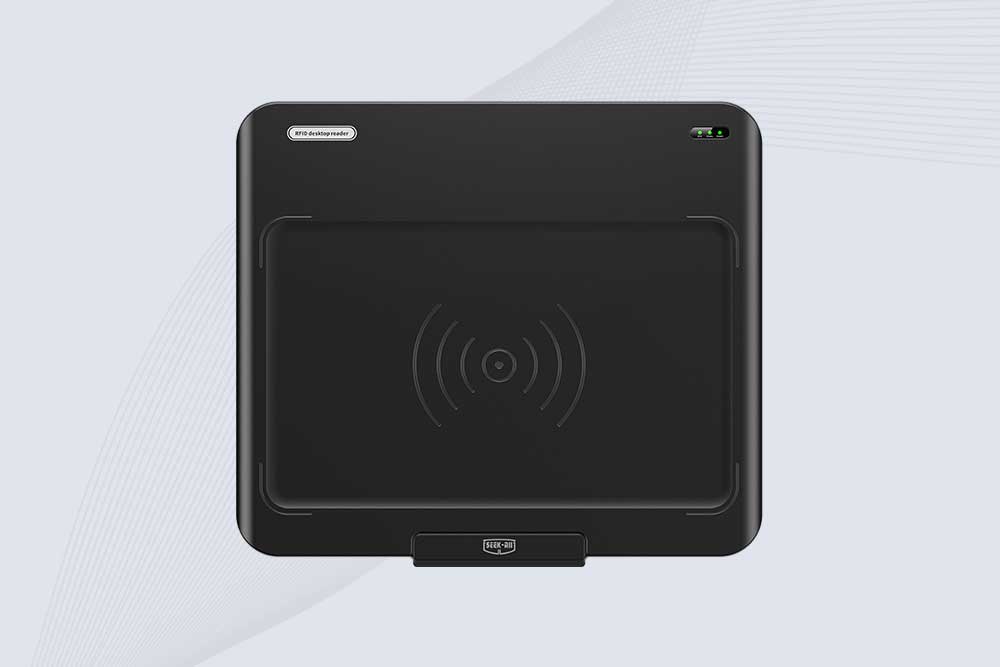
SSD-D3AL is a USB-HID UHF RFID reader with 0–30 cm reading, 0–15 cm writing, over 600 tags/s recognition, USB plug-and-play operation and OEM Logo customization.
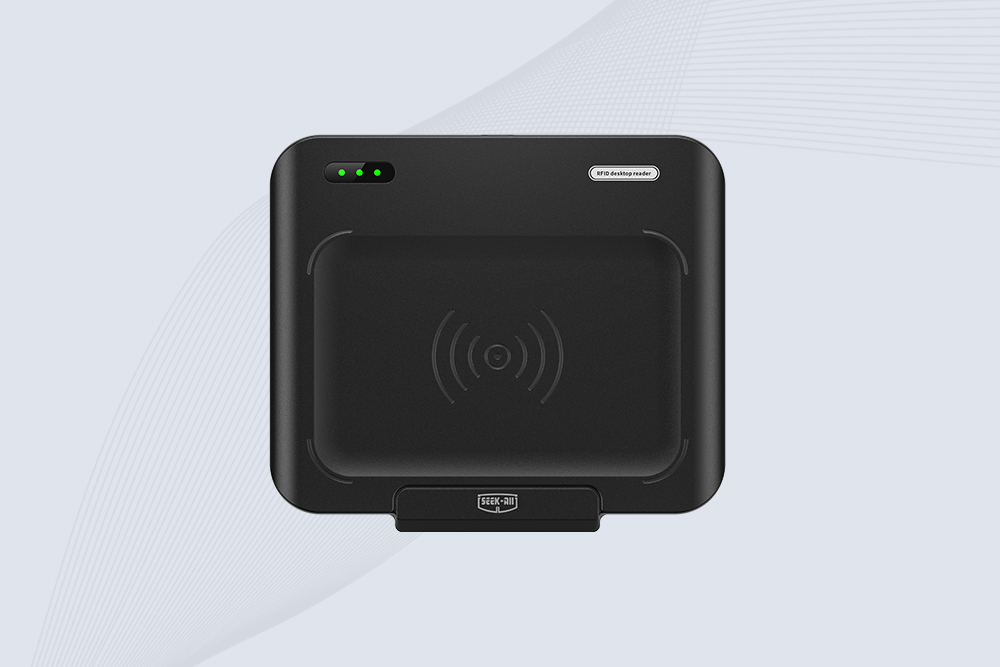
SSD-D1AL is a compact USB UHF RFID reader with Impinj E710/X3M1 chipset, USB-HID, 600+ tags/s recognition, 4/8/16 antenna support and plug-and-play USB power.
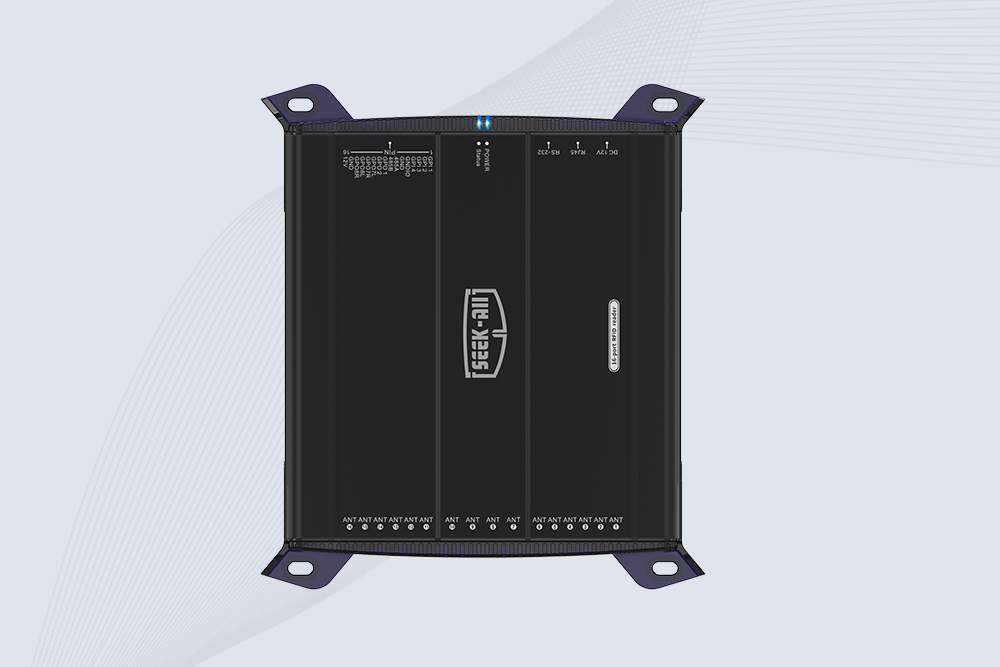
SSD-R16L Multi-Channel RFID Infrastructure for Automated Inventory Management ✔️ 16-Port High-Density RFID Reading Equipped with 16 SMA antenna ports, SSD-R16L supports multi-antenna deployment for warehouses, retail stores, logistics, production lines, and large-area RFID identification. ✔️ High-Speed & Long-Range Performance With up to 33…
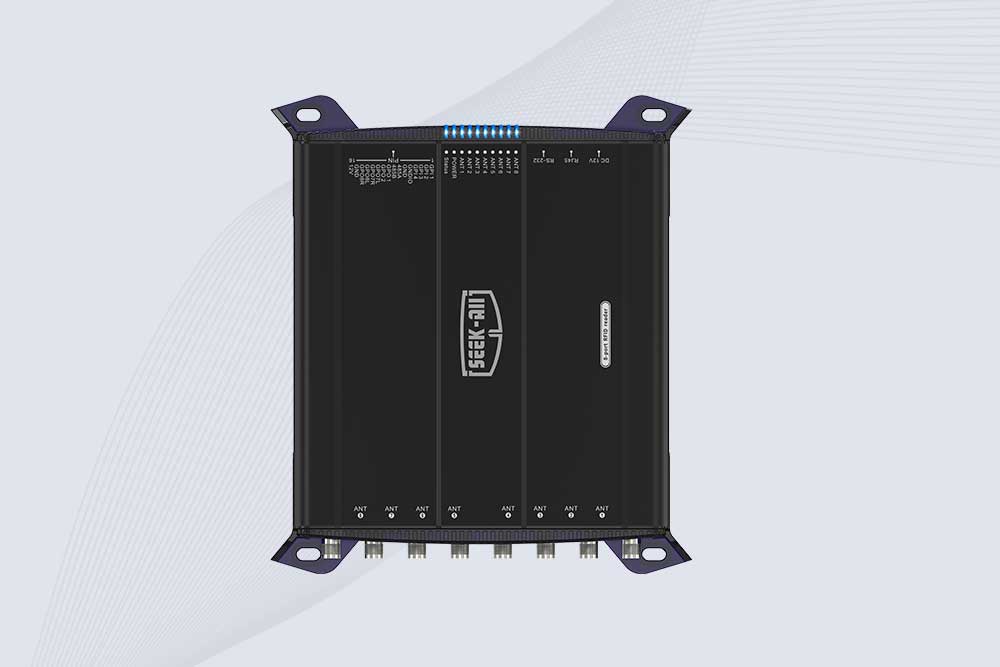
SSD-R8L 8-port UHF RFID reader with 33dBm output, up to 20m reading range and 600+ tags/s recognition. Ideal for warehouse, logistics, retail and asset tracking.
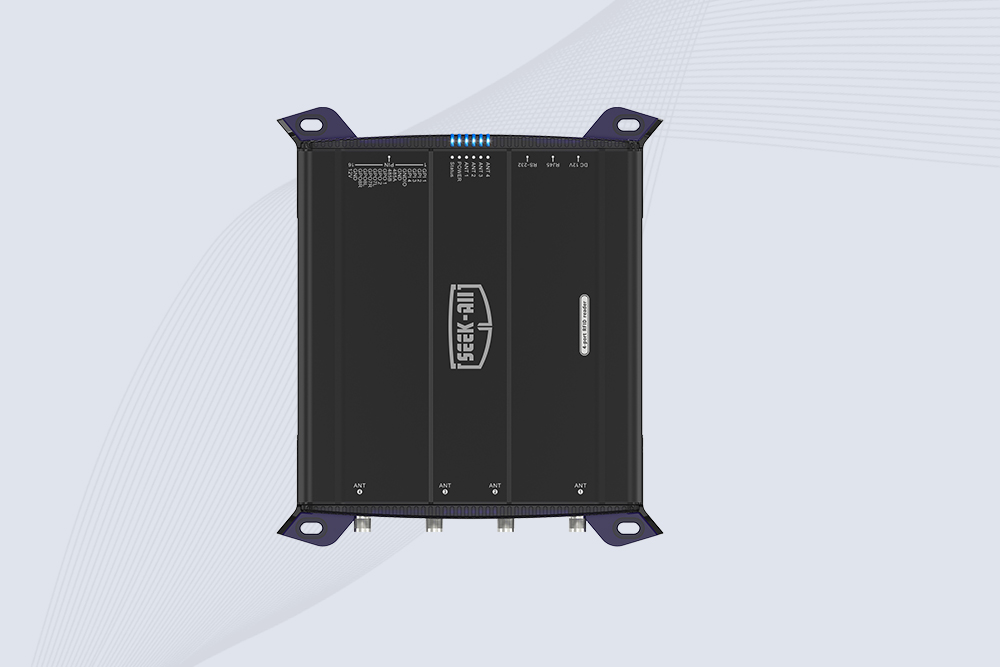
SSD-R4L is a 4-port UHF RFID fixed reader with 33dBm output power, up to 20m reading range, EPC C1G2 support and 600+ tags/s reading speed.

CYKEO CYKEO-D1LA USB RFID Reader is a compact desktop solution with near-field control for precise tag reading and encoding. Powered by USB, supporting ISO 18000-6C, and built for stable batch writing, this usb rfid tag reader fits retail, libraries, offices, and controlled RFID encoding tasks.
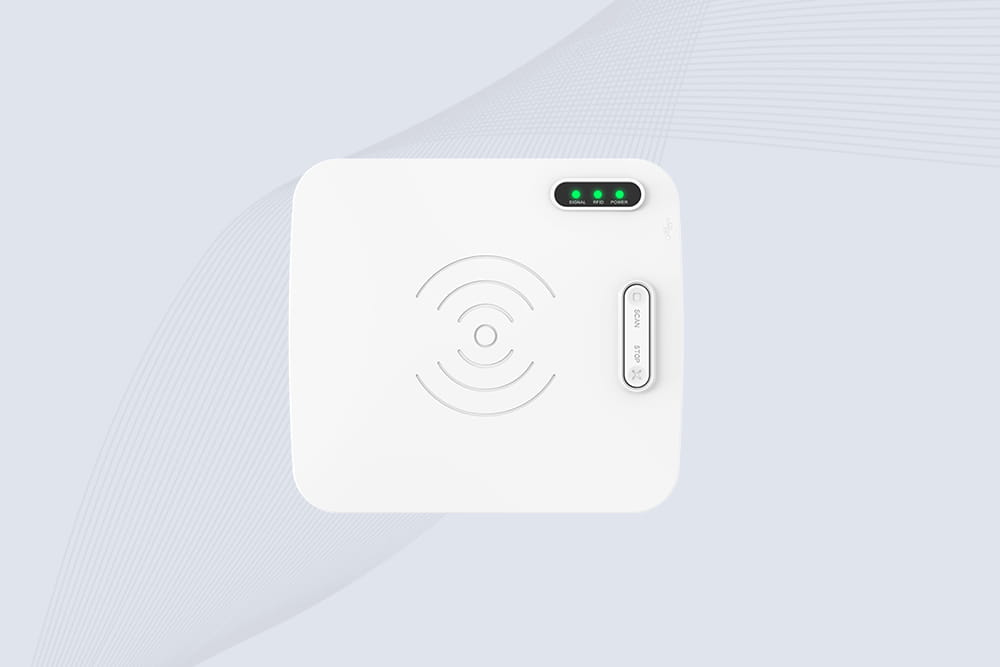
CYKEO CYKEO-D1L RFID scanner USB is a compact desktop UHF RFID scanner designed for short-range tag writing and verification. This usb rfid scanner supports batch encoding, stable 0–26 dBm output, and works across Windows, Linux, and Android systems.
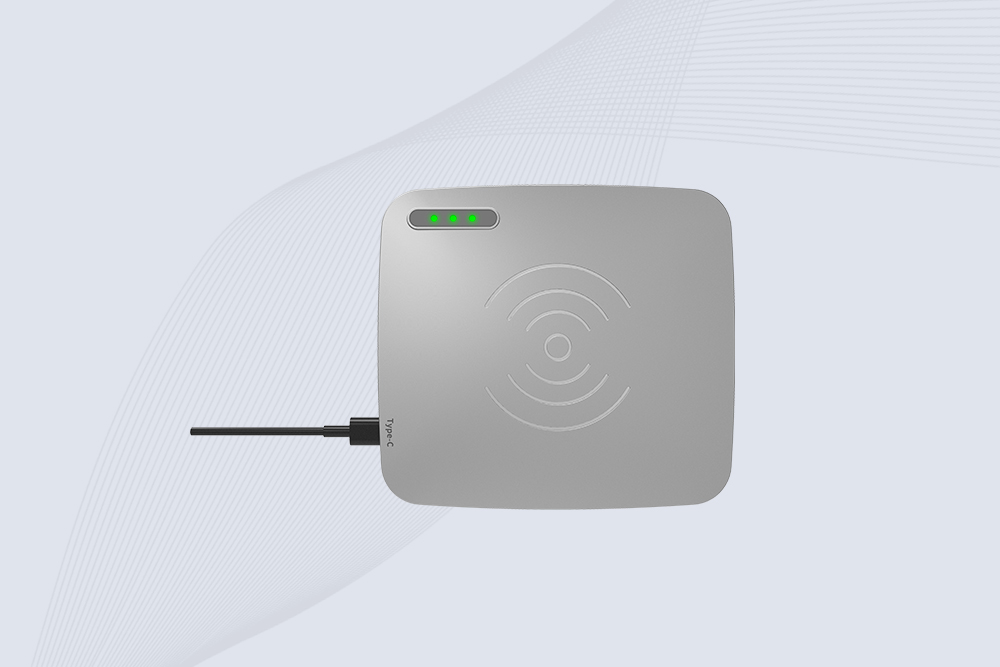
CYKEO CYKEO-D1C USB RFID Card Reader is a near-field UHF desktop writer designed for secure, short-range tag encoding. With USB-C connectivity and stable 26 dBm output, this rfid reader usb c is ideal for badge issuance, label encoding, and controlled desktop RFID workflows.
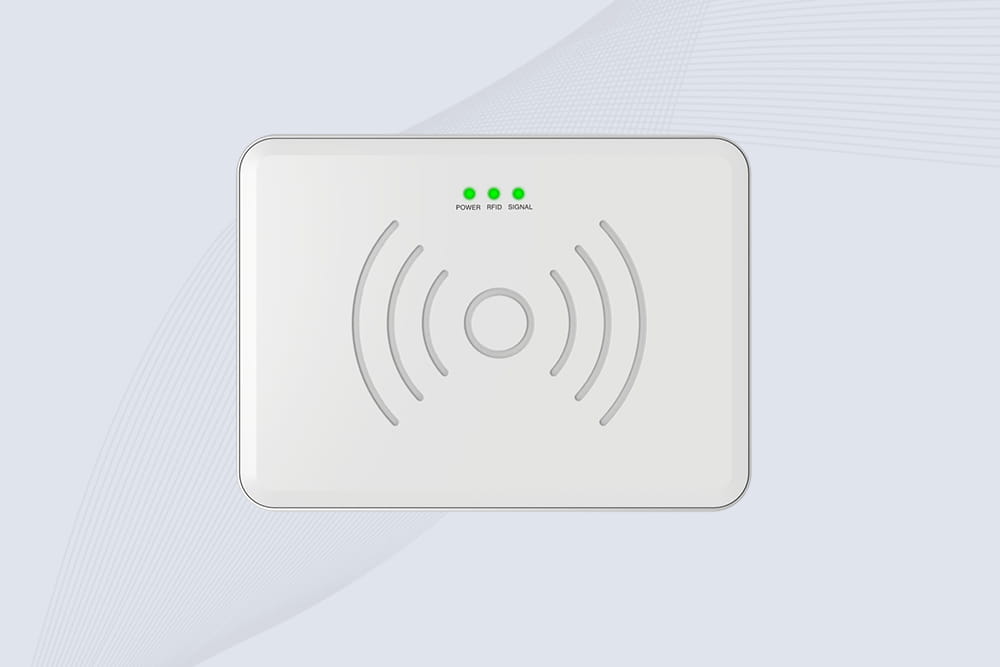
CYKEO CYKEO-D2L RFID Reader USB is a compact desktop encoder built on the Impinj R500 chip. With near-field control and stable USB power, this usb rfid card reader delivers precise tag writing for offices, retail counters, and small-scale logistics encoding tasks.
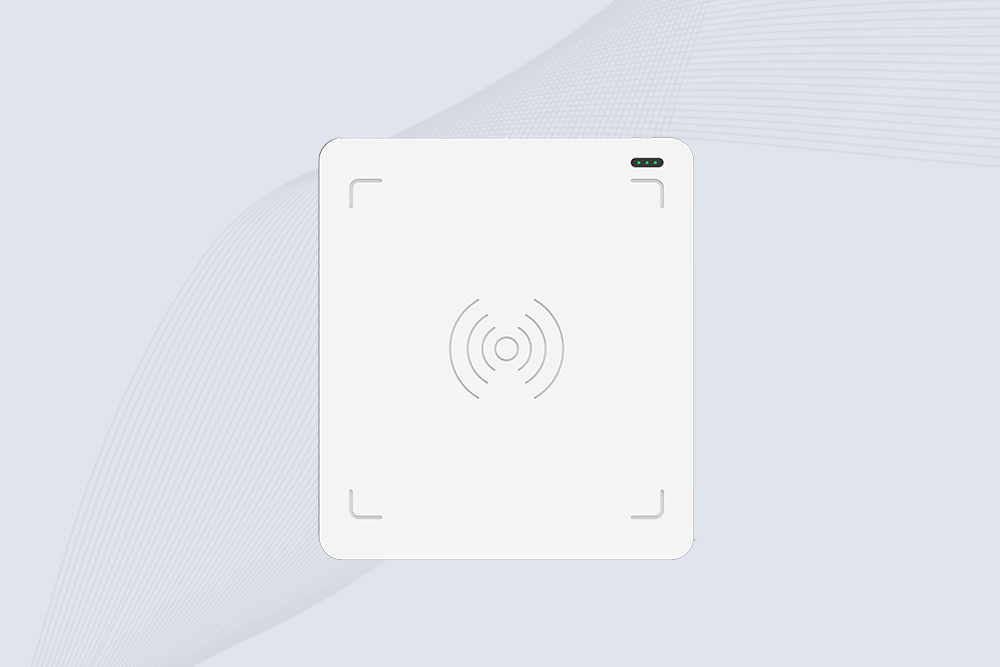
CYKEO CYKEO-D3L USB RFID Tag Reader delivers stable UHF tag reading and writing for daily desktop and light industrial tasks. Designed for controlled short-range operation, this USB RFID Tag Reader works reliably with rfid tag and reader systems in libraries, tool tracking, and inventory registration.
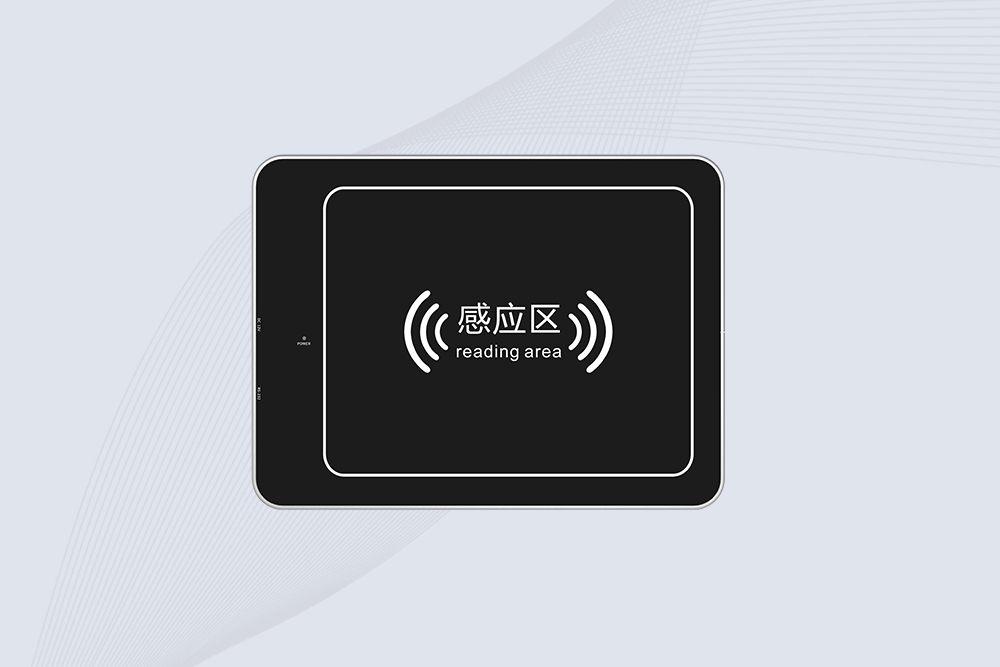
The CYKEO CYKEO-D4L UHF RFID Tag Reader is a stable Desktop RFID Reader designed for accurate tag registration, borrowing, and return workflows. Built with the Impinj R2000 chip, this UHF RFID Tag Reader delivers controlled short-range reads for libraries, asset tracking, and inventory management environments.
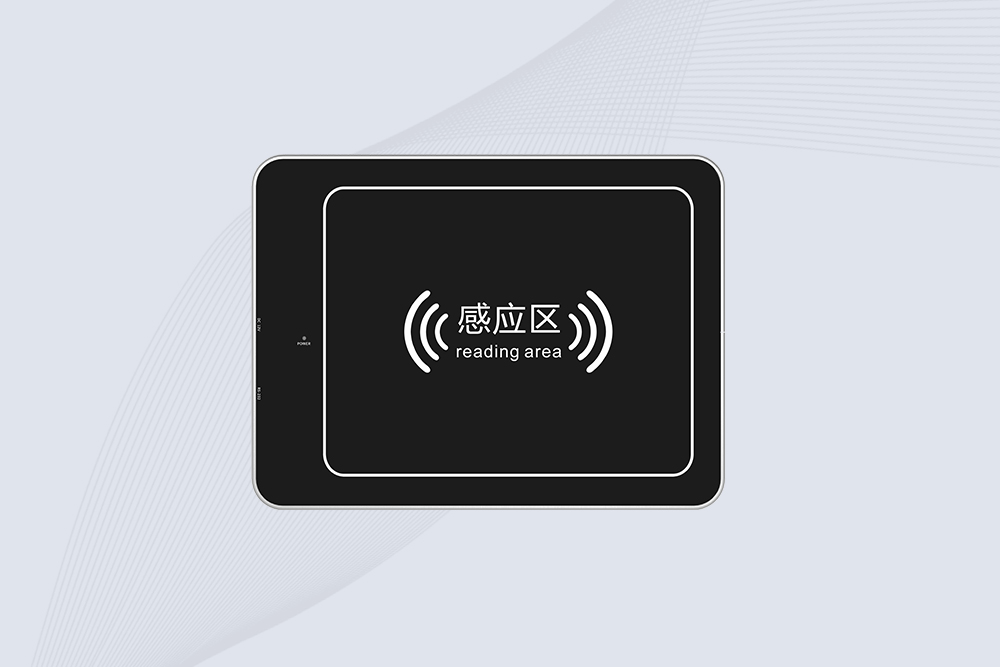
The CYKEO CYKEO-D5L Desktop RFID Card Reader is a stable UHF RFID Card Reader designed for controlled short-range reading and writing. Built for libraries, tool rooms, and asset desks, this UHF RFID Card Reader supports dense tag handling, secure data processing, and easy USB integration.
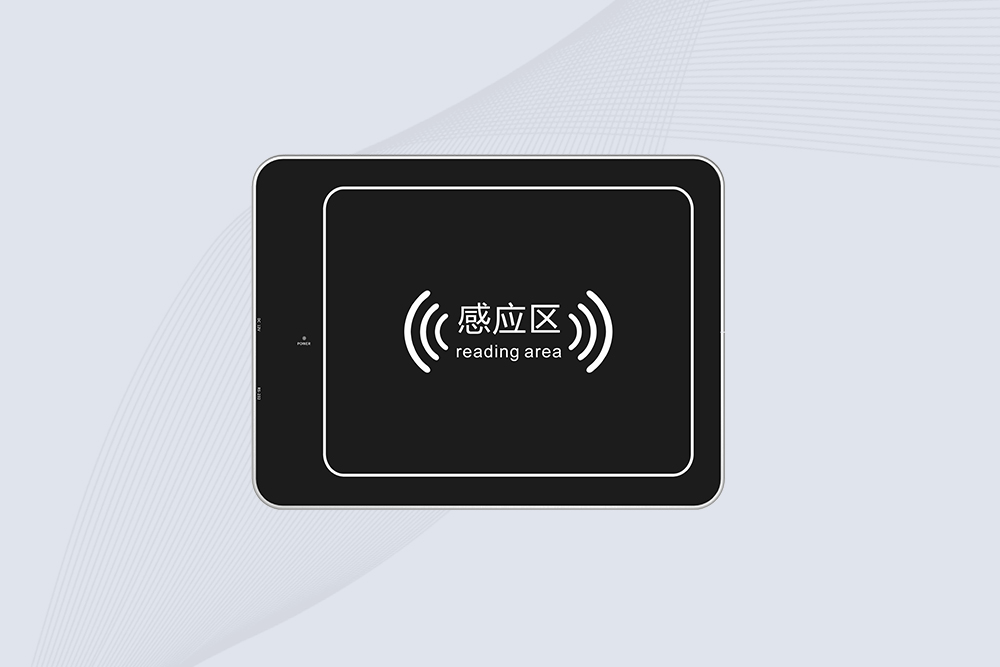
The CYKEO CYKEO-D6L RFID Reader Writer is a heavy-duty Desktop RFID Reader designed for short-range, high-accuracy tag programming. Built for libraries, labs, and asset desks, this RFID Reader Writer supports batch processing, stable 33dBm output, and seamless integration with existing management systems.
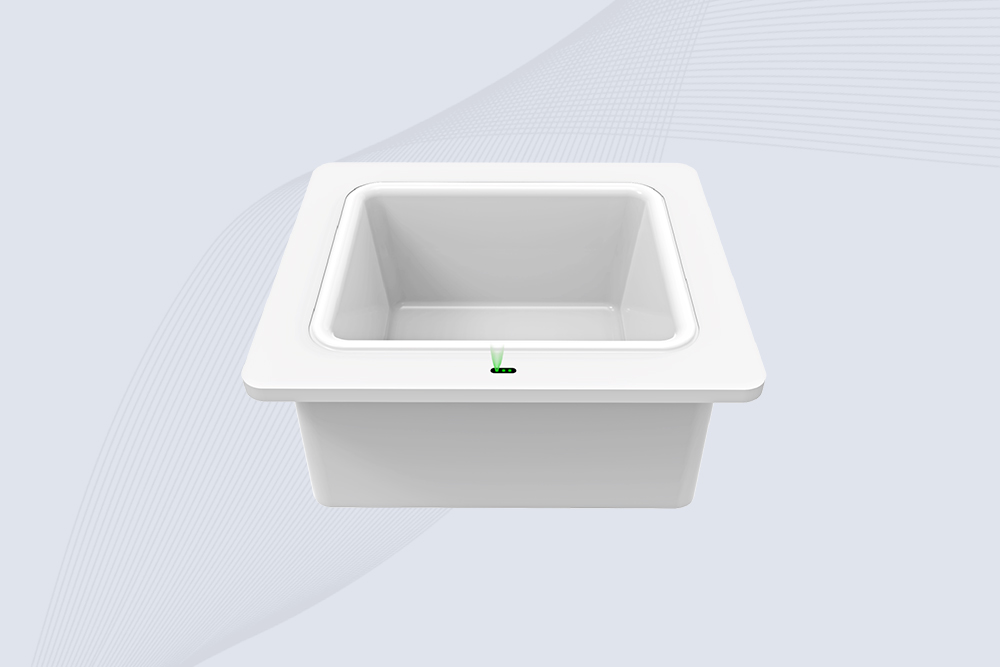
Cykeo CYKEO-D8B UHF RFID tunnel and RFID Desktop Reader features 30+ items batch reading,
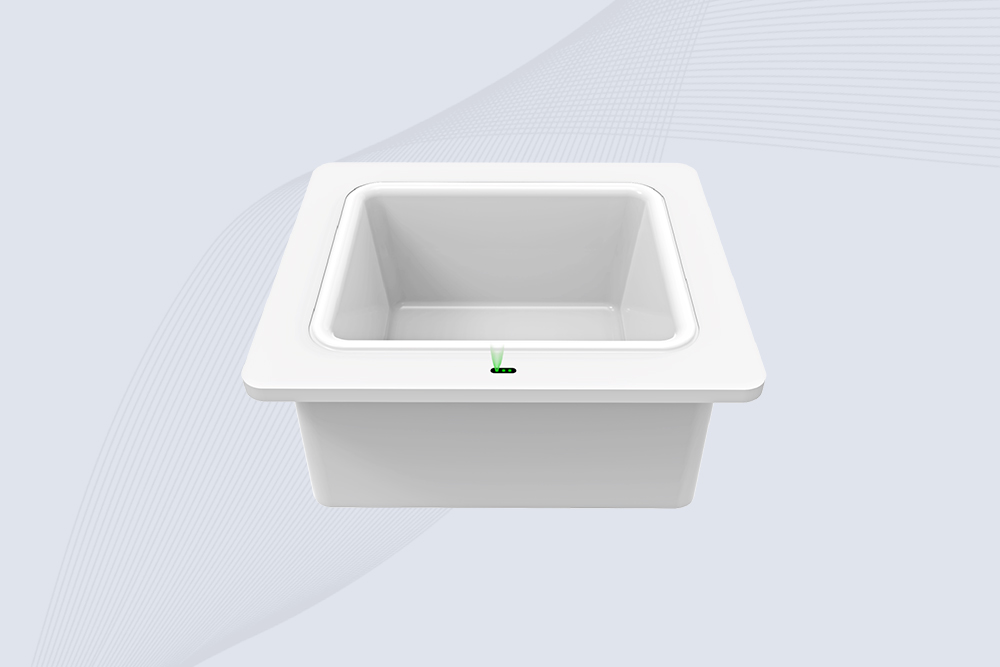
Cykeo CYKEO-D8A embedded RFID badge reader offers 30+ tags/sec scanning, 20cm anti-crosstalk precision, and DC 12V power for unmanned stores, warehouses, and smart inventory systems.
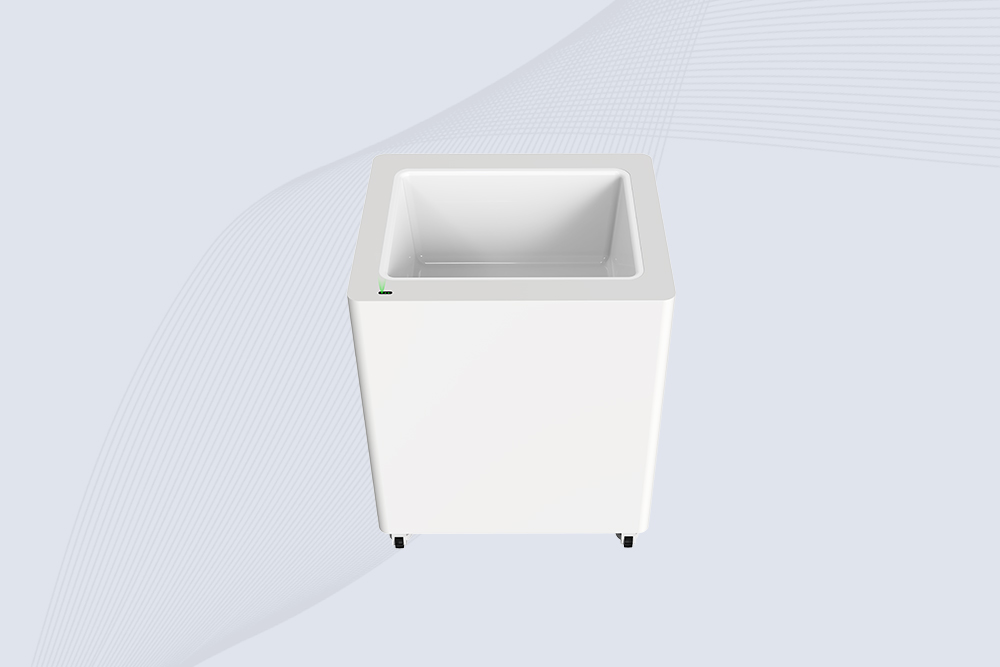
Cykeo’s CYKEO-D8C UHF RFID gate reader achieves 200-tag/batch scanning with adjustable power control, ideal for retail inventory and smart warehouse management.
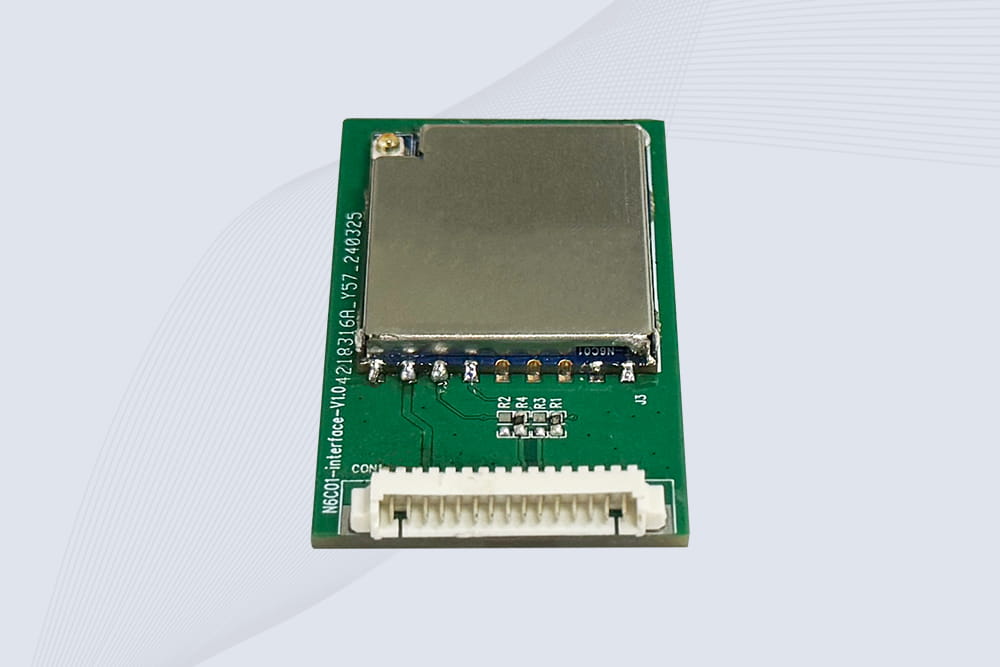
CYKEO Embedded RFID Modules are designed for compact industrial and IoT devices that require stable UHF performance. These UHF RFID Modules support global protocols, flexible power control, and reliable multi-tag reading for smart cabinets, production lines, and asset tracking systems.
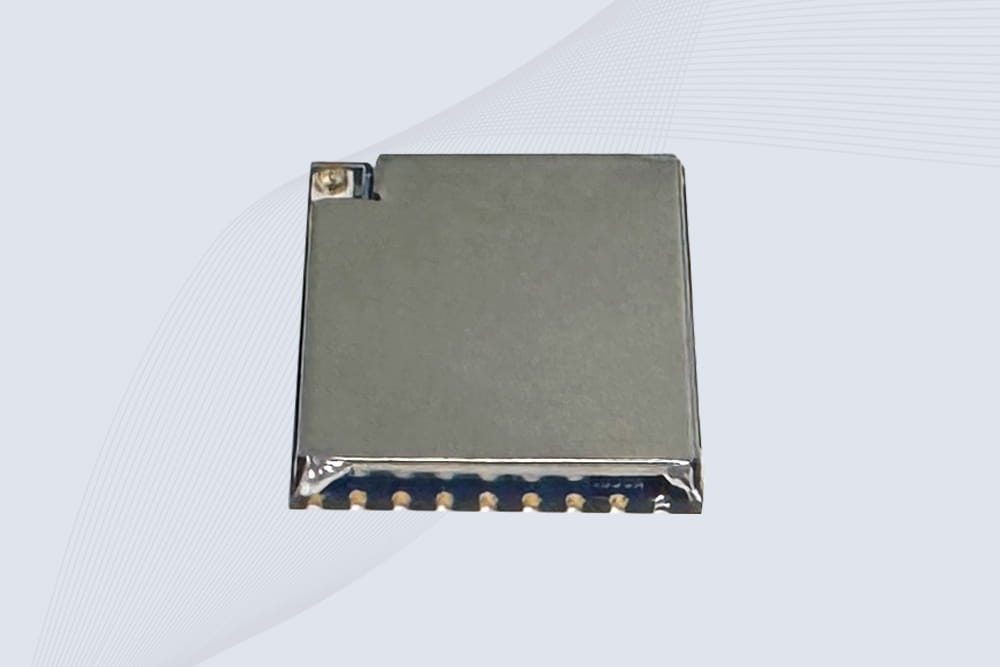
CYKEO Embedded RFID Module is built for compact IoT and industrial devices that need stable UHF performance. This UHF module supports global protocols, low power operation, and reliable multi-tag reading for smart lockers, production lines, and always-on RFID systems.
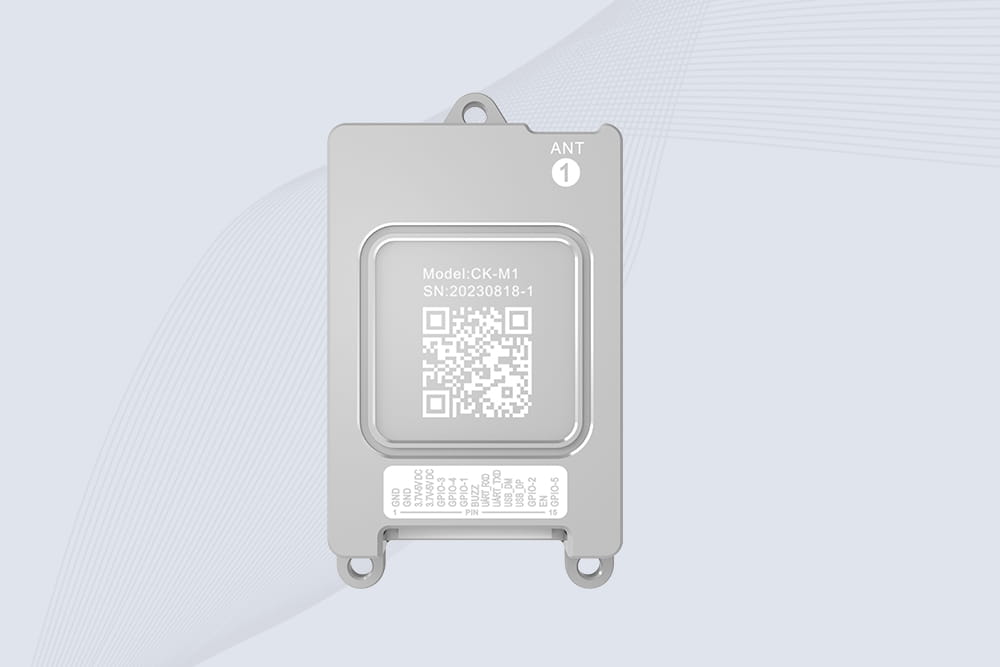
CYKEO CYKEO-M1 drone rfid module is a compact UHF RFID reader module designed for drones and UAV platforms. It supports long-range aerial scanning, fast multi-tag reading, and stable performance in wind, vibration, and outdoor environments.
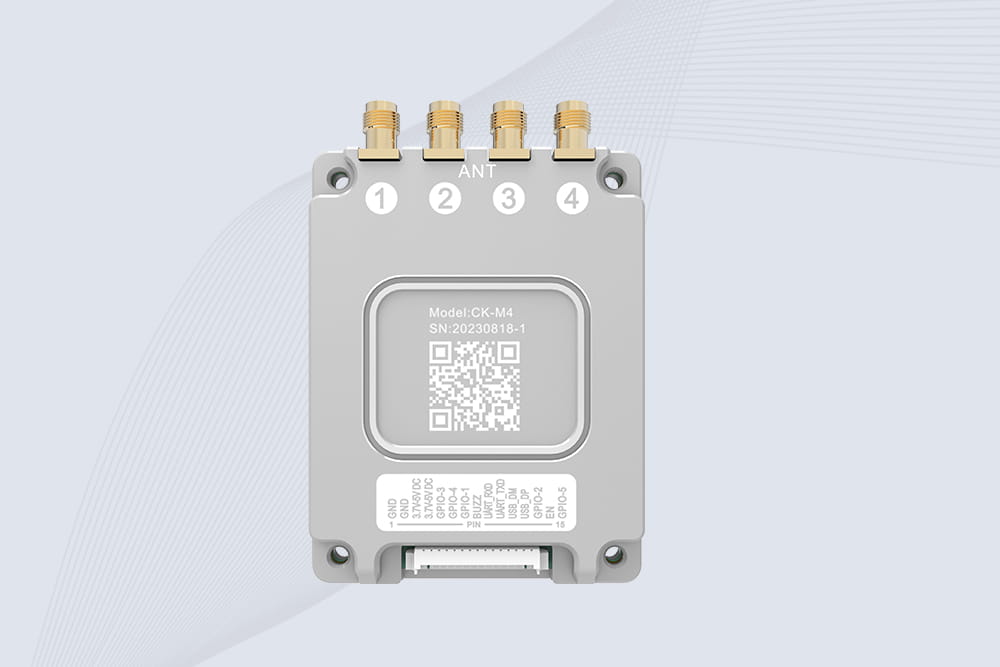
CYKEO CYKEO-M4 RC522 RFID Module is an industrial-grade UHF RFID reader with 4 ports, supporting ISO, EPC, and GB protocols. High-speed, accurate reading for IoT, automation, and warehouse applications.
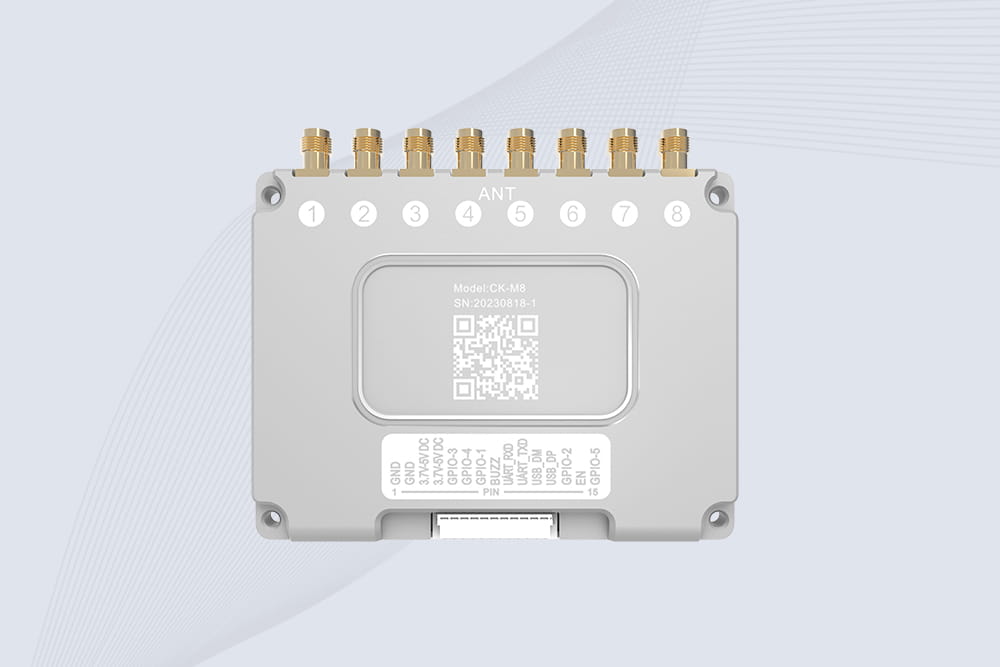
CYKEO CYKEO-M8 Module RFID is an 8-port UHF R2000 RFID Module designed for high-density, multi-tag environments. Stable 33dBm output, ISO & GB protocol support, ideal for warehouses, factories, and automated systems.
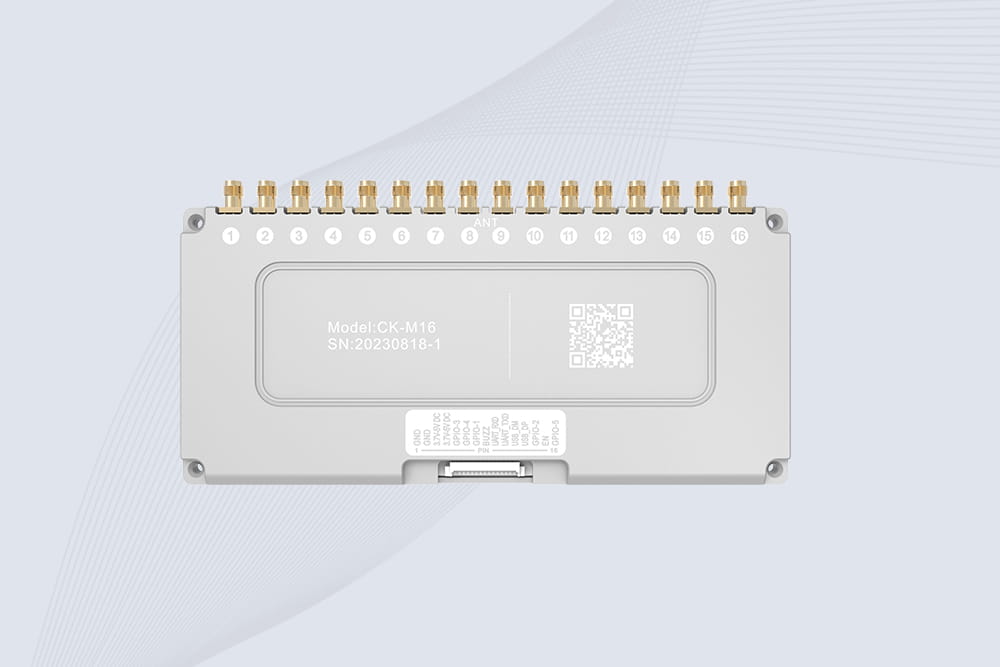
CYKEO CYKEO-M16 RFID Module is a 16-port UHF RFID reader module based on the R2000 chipset. Designed for dense tag environments, it supports ISO and GB standards and delivers stable multi-antenna control for industrial automation.
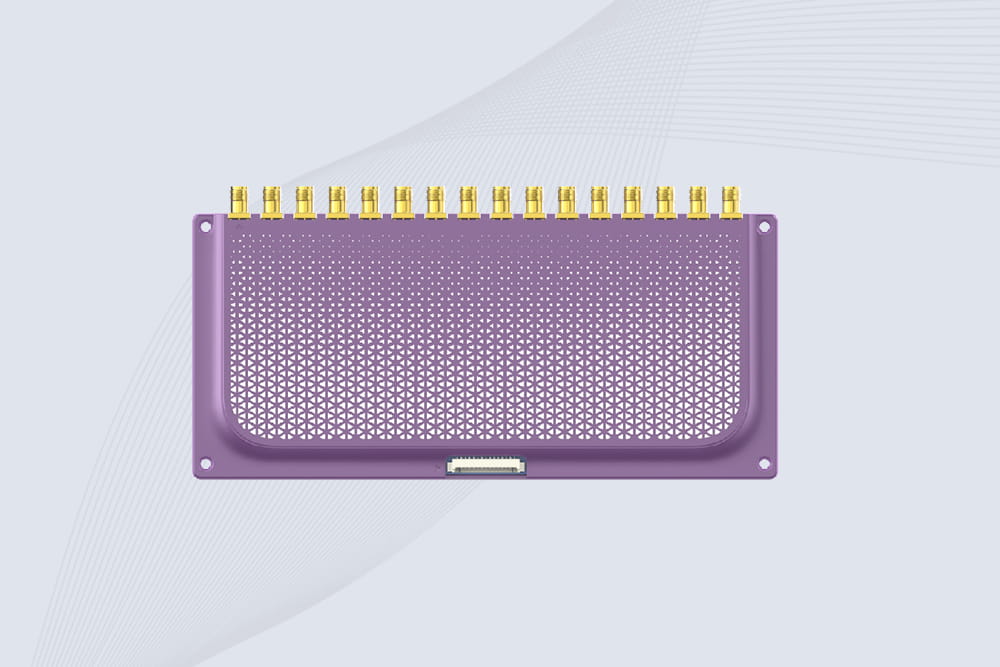
The CYKEO CYKEO-M16L RFID Reader Module is a 16-channel UHF RFID core designed for dense tag environments. With adjustable 33dBm output, multi-protocol support, and stable multi-antenna control, this RFID Tag Reader Module fits industrial automation, warehouse systems, and large-scale IoT deployments.
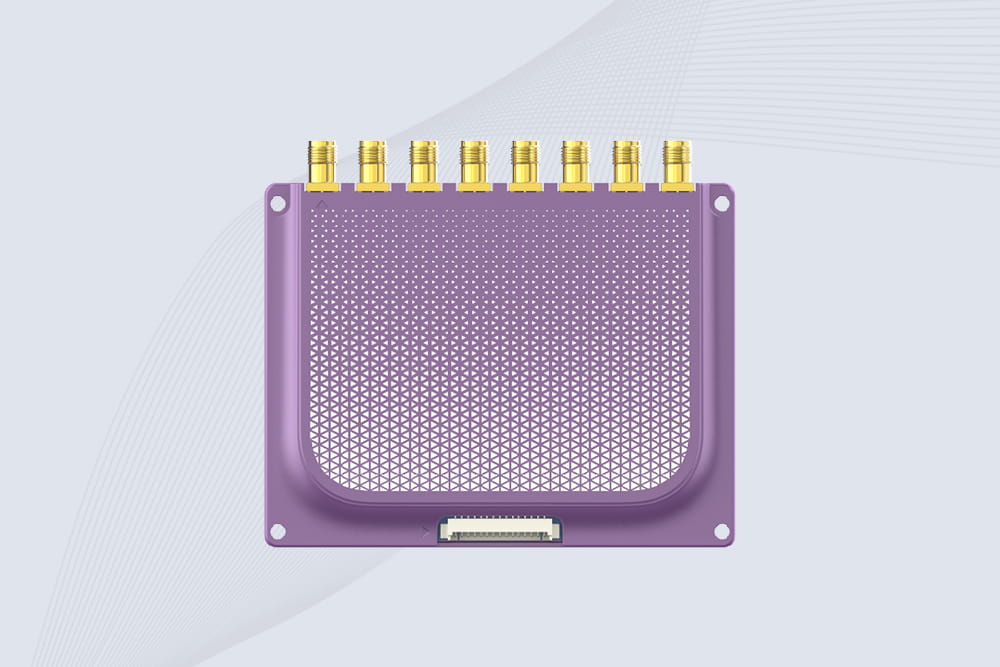
CYKEO CYKEO-M8L module RFID is a compact industrial UHF module built for dense tag and multi-antenna environments. With 8 RF ports, adjustable 33 dBm output, and ISO & GB protocol support, it is widely used in factories, warehouses, and automated tracking systems.
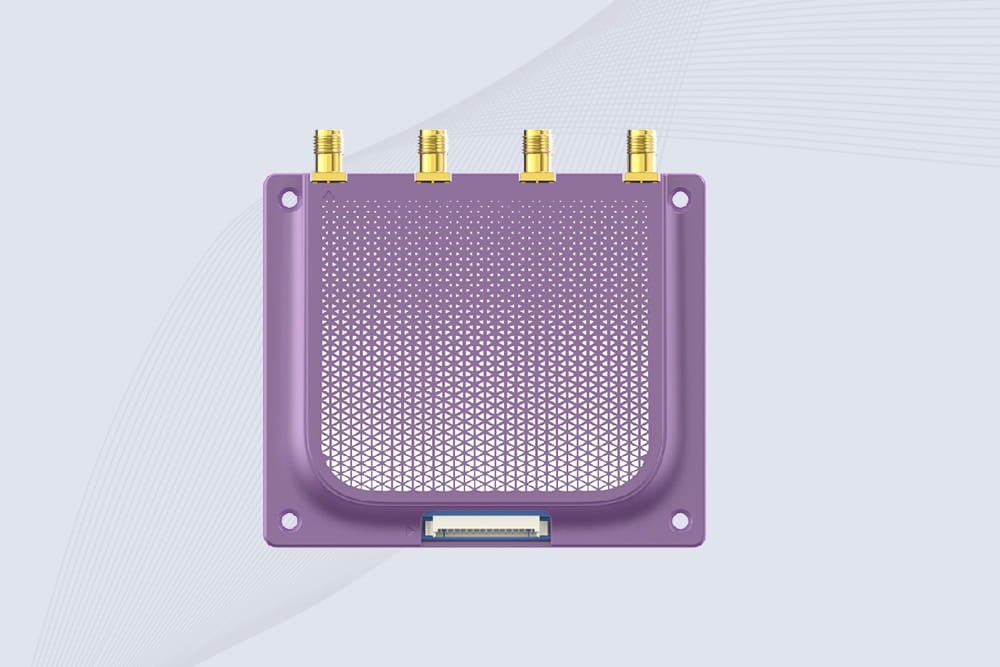
CYKEOCYKEO-M4L UHF RFID Module is a compact 4-channel RFID tag reader module designed for dense tag environments. Supporting ISO and GB protocols, it delivers stable reads up to 10 meters for industrial and IoT systems.
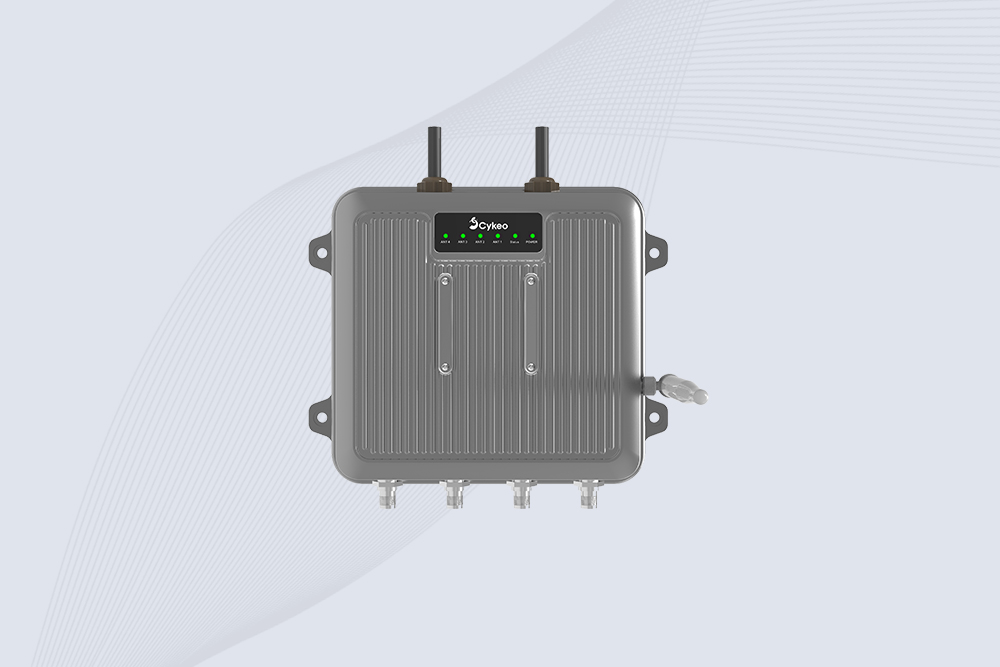
Cykeo CYKEO-C1 industrial Forklift RFID Reader features 20m read range, 600 tags/sec scanning, Impinj R2000 chipset, and IP67 rugged design. Ideal for warehouse logistics and manufacturing. Supports ISO 18000-6C/6B protocols.
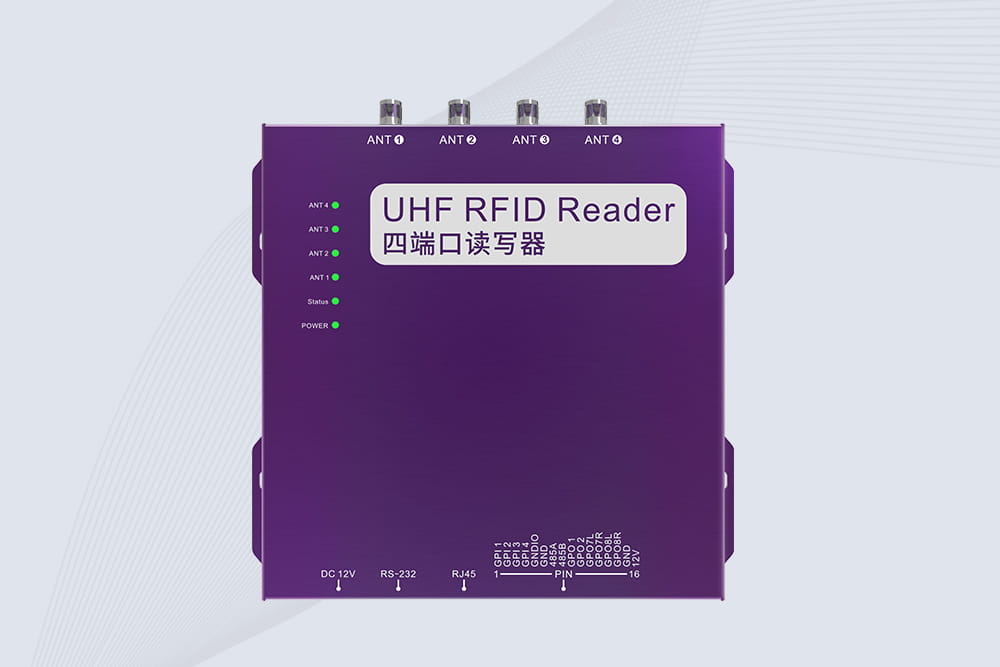
Cykeo CYKEO-R4 industrial UHF RFID Fixed Reader features 4 TNC ports, 400+ tags/sec speed, IP67 housing, and global frequency compliance for vehicle inspection, smart warehouse, and asset management systems.
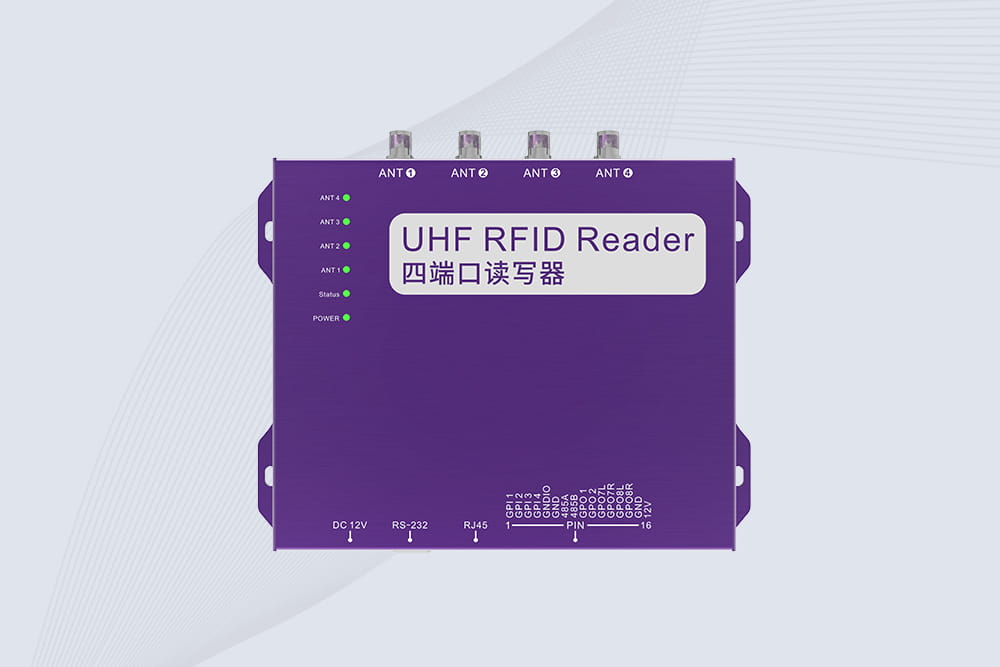
Cykeo’s CYKEO-R4L 4-port Fixed UHF RFID Reader delivers 400 tags/sec scanning, ISO 18000-6C compliance, and IP65 protection. Ideal for warehouse automation, manufacturing WIP tracking, and logistics management.
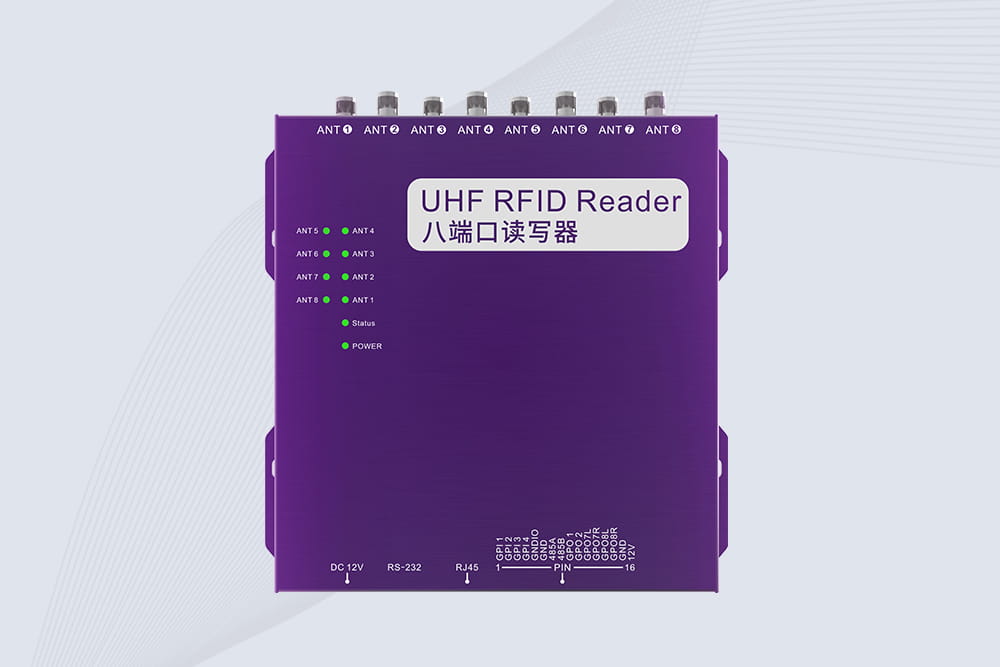
CYKEO CYKEO-R8L Fixed RFID Reader with 8-port UHF design, Impinj-based RF core and up to 20m read range. An industrial Fixed RFID Reader for vehicle inspection, warehouse portals, smart manufacturing lines and secure access checkpoints.
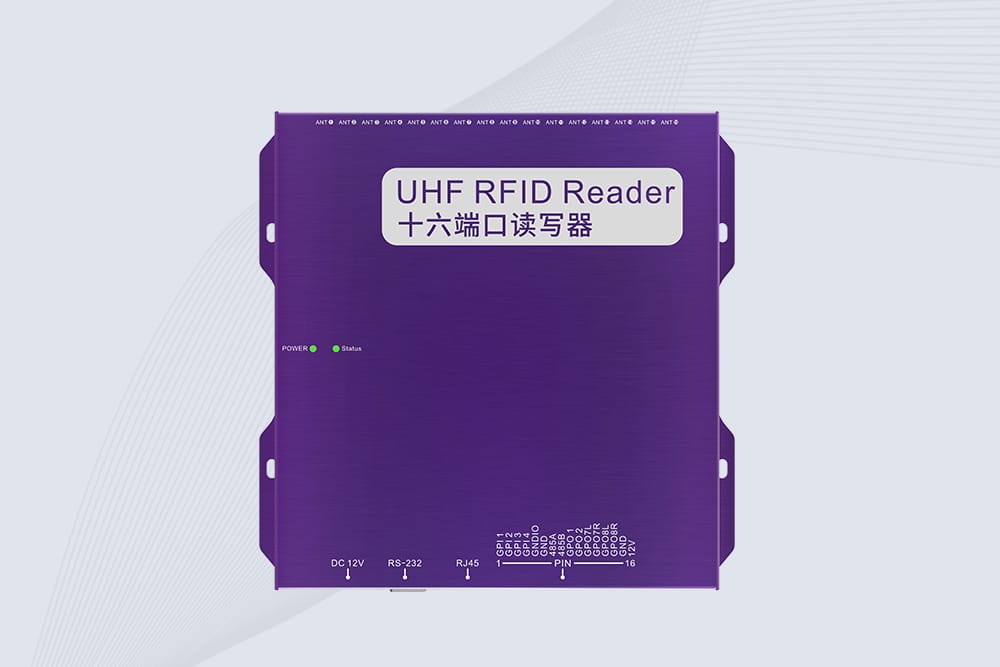
RFID Fixed Reader from CYKEO – the CYKEO-R16L 16-port UHF fixed reader for warehouses, smart cabinets, and production lines. Long-range, multi-tag reading, stable performance for 24/7 industrial use.
Discover how RFID readers support industrial automation, production lines, material tracking and machine identification. Learn what to consider before buying...
More
Discover what is a rfid card, how RFID cards store and transmit data, and how Cykeo RFID solutions improve identification, tracking, and smart management.
More
Learn how antenna RFID UHF technology improves RFID read accuracy, coverage, and inventory efficiency. Discover antenna types, deployment tips, expert insights, and industrial applications from Cykeo.
More
Learn how to test RFID tags using your iPhone. Discover Bluetooth reader options, free apps, and troubleshooting tips for quick verification.
More