You keep hearing the term “RFID reader” thrown around. Someone needs one for inventory. Another person wants one for access control. A colleague mentions integrating one into a product. But what actually is an RFID reader?
Here is the thing. When people search what rfid reader, they usually want a clear, practical explanation—not just a dictionary definition. They want to understand what these devices do, how they work, and which one they might need.
Let me give you a complete answer.
The Simple Definition
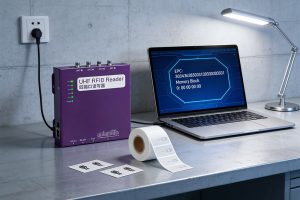
An RFID reader is an electronic device that uses radio waves to communicate with RFID tags, read the information stored on them, and sometimes write new data to those tags . Think of it as a bridge between the physical world of tagged items and your digital systems.
RFID readers go by several names. You might hear them called interrogators, scanners, transceivers, or simply readers . Whatever the name, they all do the same basic job: they send out radio signals that wake up nearby tags and capture the data those tags send back .
Most modern RFID readers can both read and write data . If a device can only read, it is technically a “reader-only” device. If it can both read and write, it is a “reader/writer” or “encoder” . In everyday language, people just call both types “readers.”
How an RFID Reader Works
Understanding how an RFID reader operates helps you appreciate why they are so powerful. The process happens in milliseconds and involves several steps :
Step 1: The reader creates an electromagnetic field. When triggered, the reader’s antenna emits radio waves at a specific frequency. For passive tags, these waves do double duty—they carry commands and provide energy .
Step 2: Tags wake up and respond. Passive RFID tags have no battery. They harvest energy from the reader’s radio waves through their own antenna . This captured energy powers up the tiny microchip inside the tag. Once powered, the tag modulates the reflected signal to send its stored data back to the reader. This technique is called backscatter modulation .
Step 3: The reader decodes the response. The reader’s receiver captures the faint reflected signal, amplifies it, and decodes the digital data . This is typically a unique identifier like an Electronic Product Code (EPC) or other stored information.
Step 4: Data is delivered. The reader sends the tag data to a host system via USB, Bluetooth, Wi-Fi, Ethernet, or other interfaces for further processing .
There are two main physical principles at work depending on frequency :
Inductive coupling for LF and HF systems—the reader and tag act like transformers, with magnetic fields transferring energy and data
Backscatter coupling for UHF systems—the reader radiates electromagnetic waves, and tags reflect a modulated portion back
What’s Inside an RFID Reader?
An RFID reader contains several key components working together :
Component
What It Does
Antenna
Converts electrical signals to radio waves and vice versa. Can be internal or external.
RF Interface Module
Generates the radio signal, modulates commands, and amplifies received tag responses.
Logic Control Module
Runs protocols, handles anti-collision, encodes/decodes data, and manages communication.
Power Management
Regulates power—especially important for battery-powered portable readers.
Communication Interface
Connects to host systems via USB, Ethernet, Wi-Fi, Bluetooth, RS232, etc.
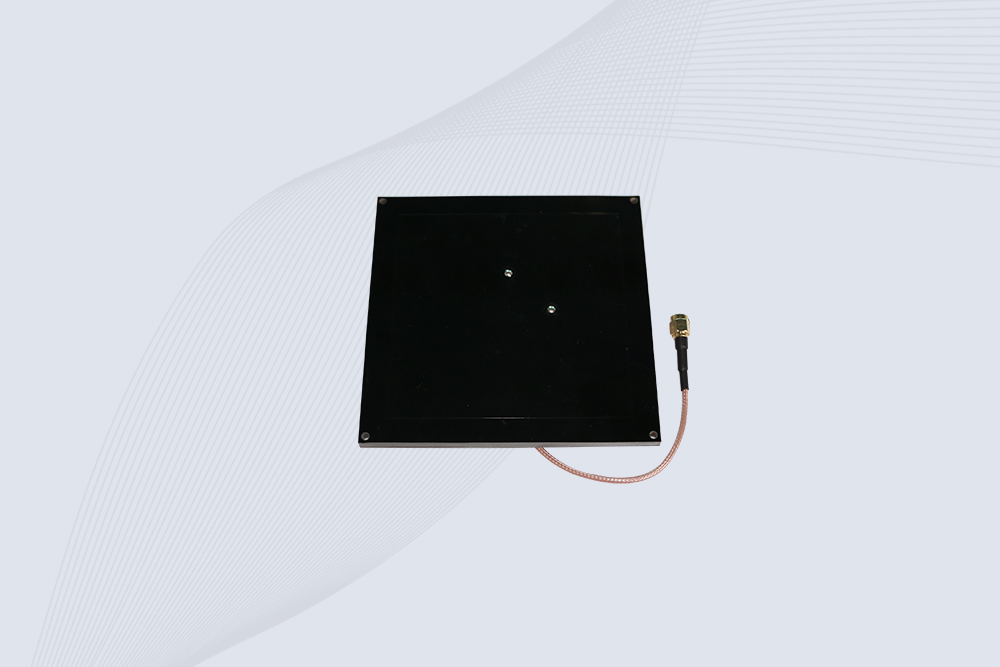
Some readers have the antenna built in (integrated readers). Others connect to external antennas via coaxial cables (non-integrated readers), allowing multiple antennas to cover different zones .
Types of RFID Readers
RFID readers come in several forms because they are used in so many different situations :
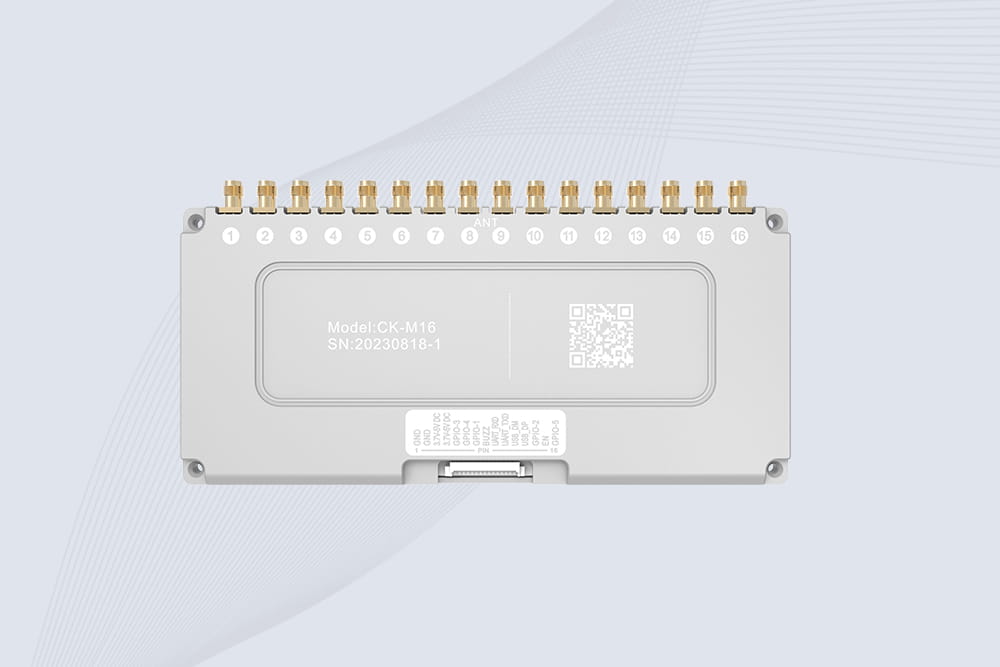
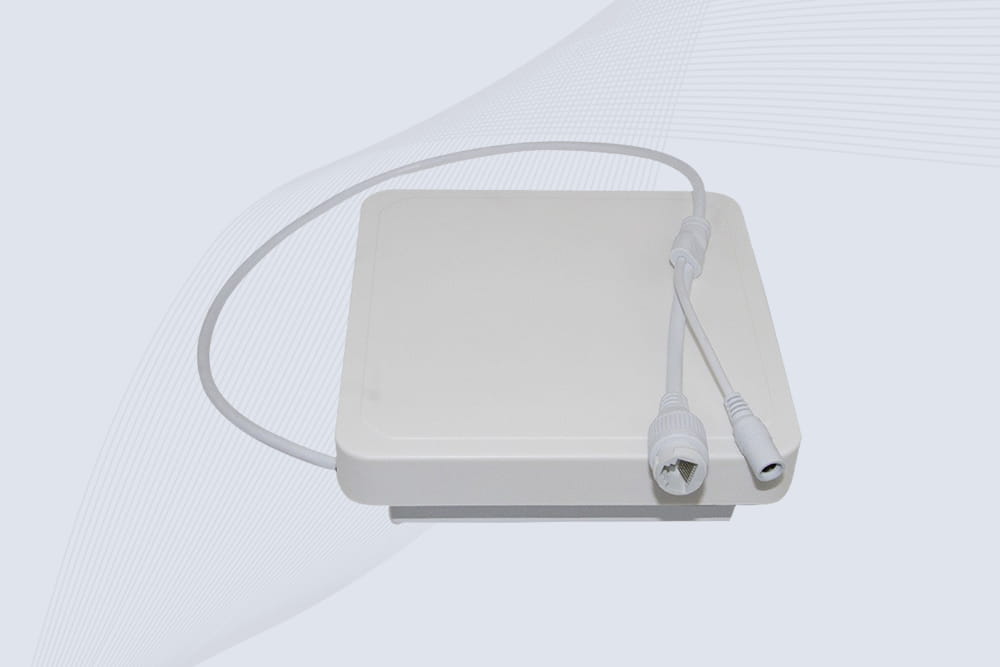
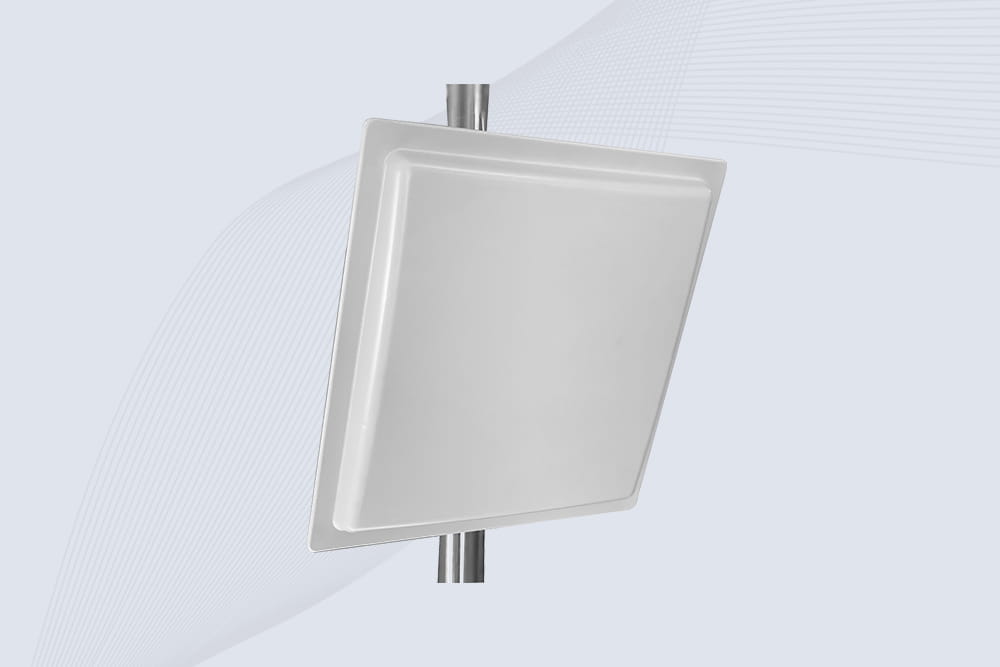
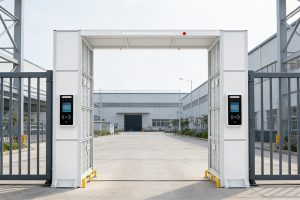
Fixed readers are stationary devices mounted on walls, doorways, or conveyor systems. They work automatically, reading tags as they pass through the read zone without human involvement . Fixed readers often have multiple antenna ports (4, 8, or even 16) to cover wide areas like warehouse portals .
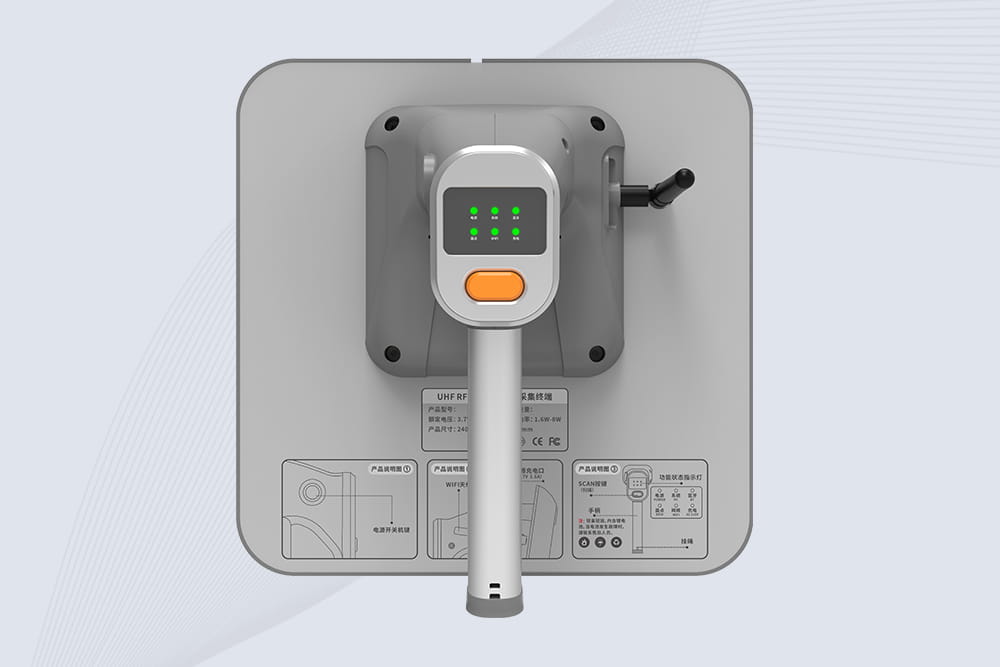
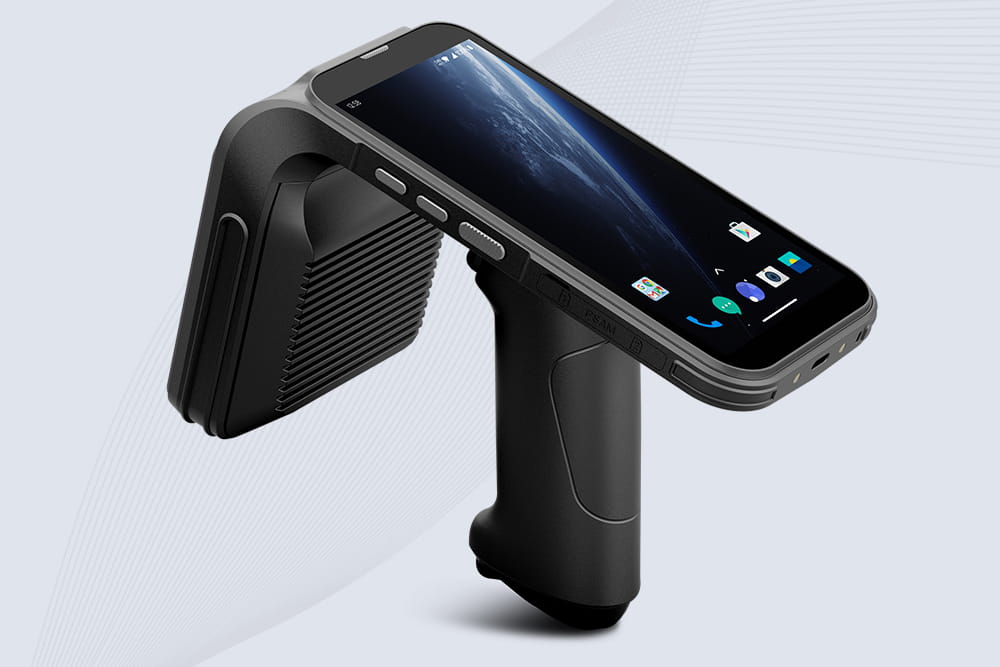
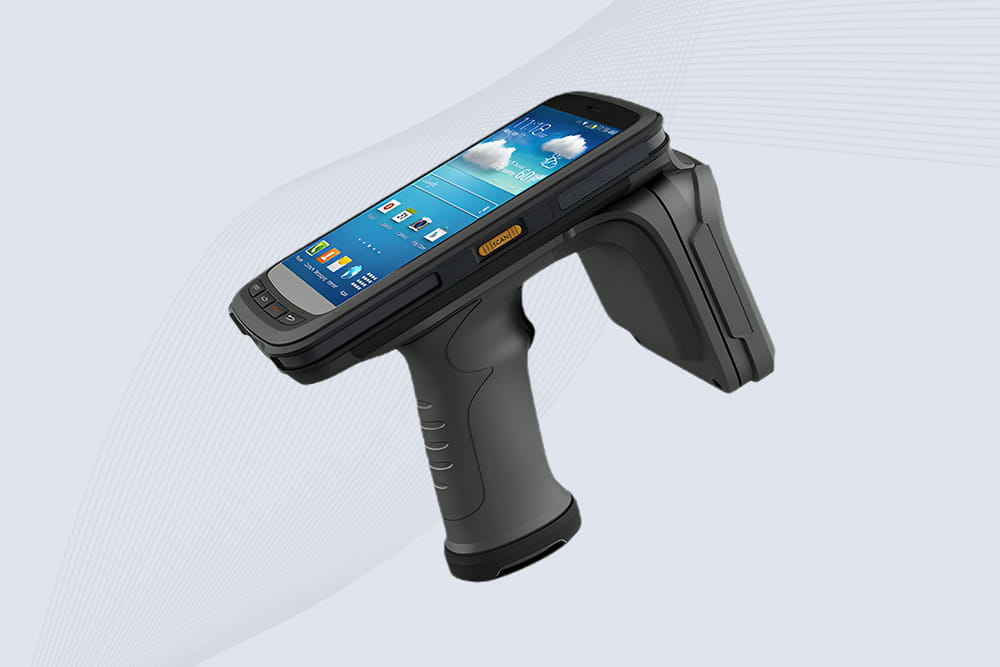
Handheld readers (also called portable or mobile readers) are battery-powered devices carried by users . They offer mobility and flexibility—you can walk through aisles and scan hundreds of tags in seconds. The CYKEO CK-B5L reads over 500 tags in under 3 seconds from up to 8 meters away.
Desktop readers sit on counters next to computers. They have short, focused read ranges (typically a few centimeters) and are perfect for precision encoding one tag at a time . The CYKEO CK-D1L desktop encoder fits this category, with a near-field antenna that only reads the card you place on it.
USB readers plug directly into computers. Some work in keyboard wedge mode, typing tag data into whatever application has focus . Others create virtual COM ports for serial communication.
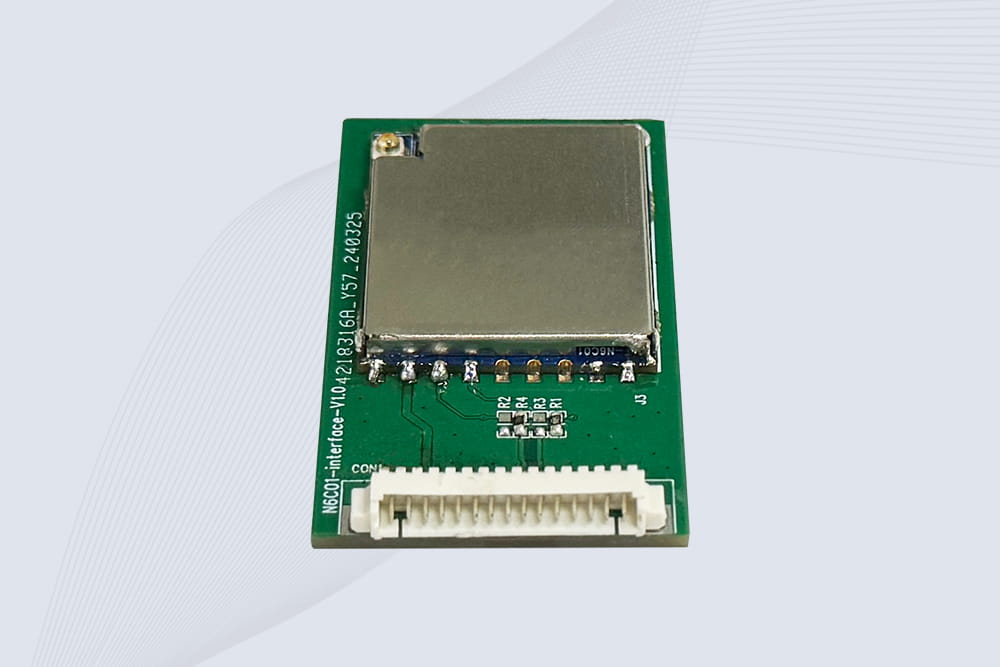
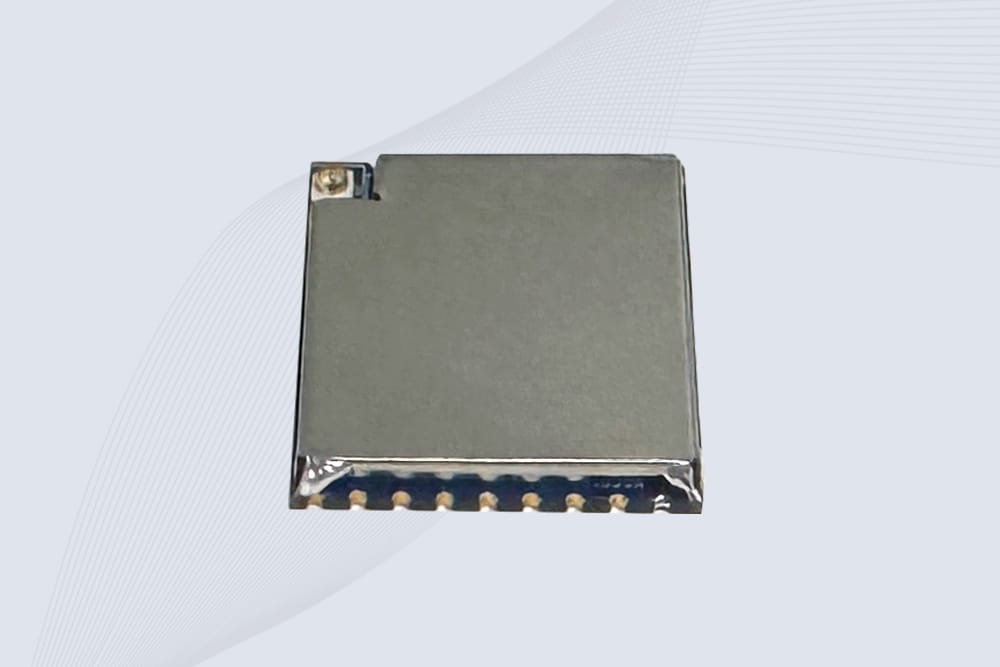
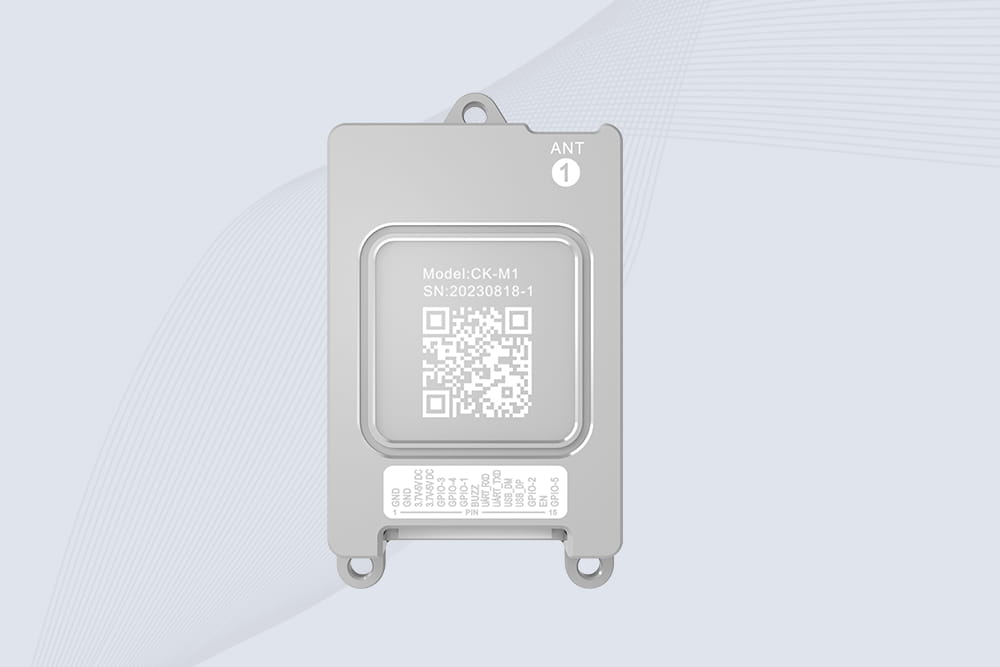
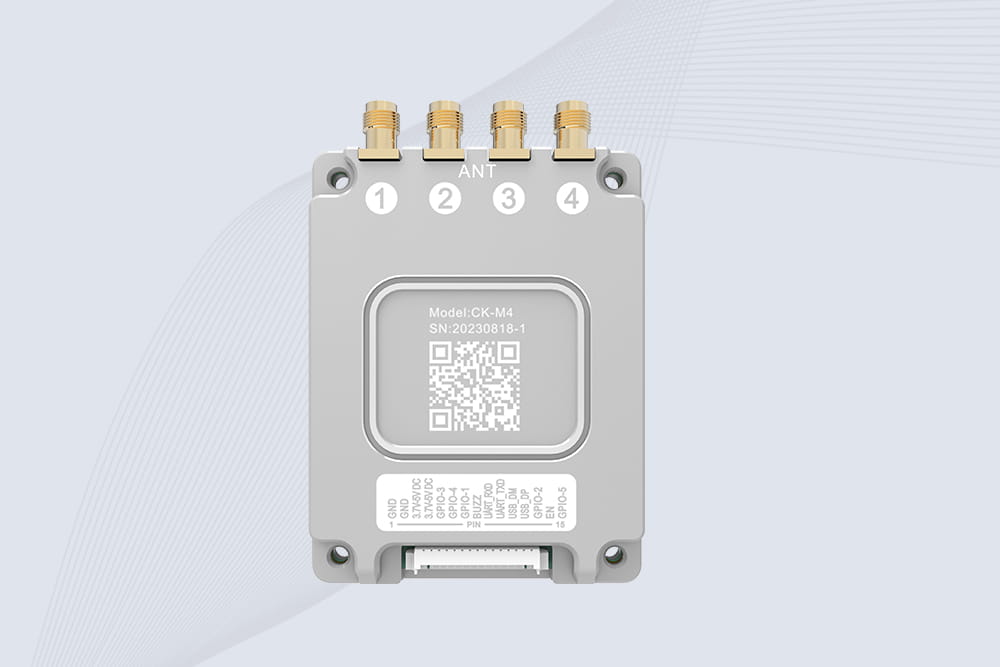
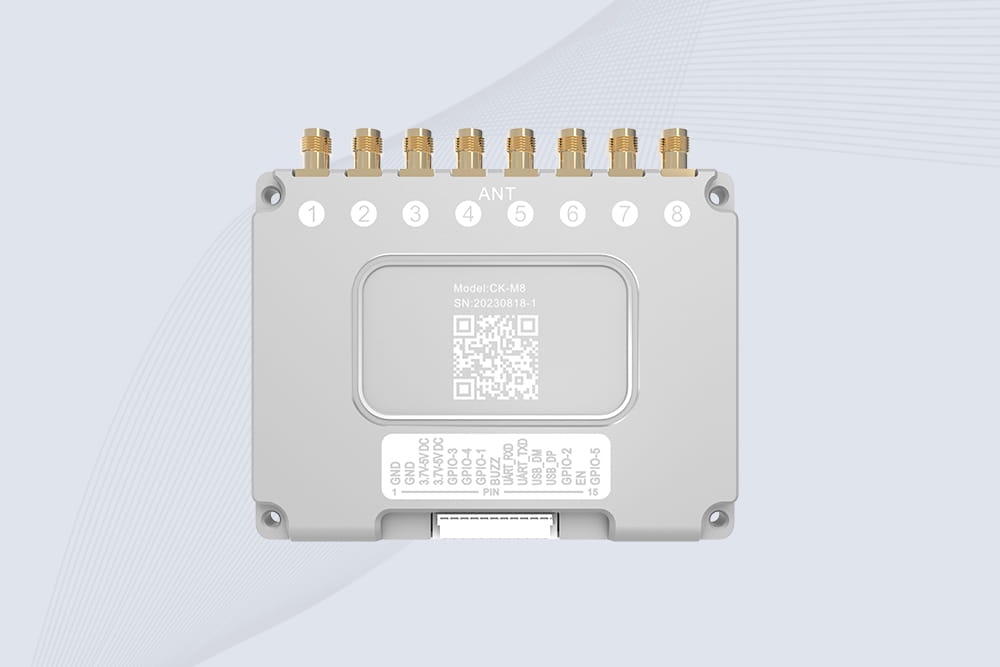
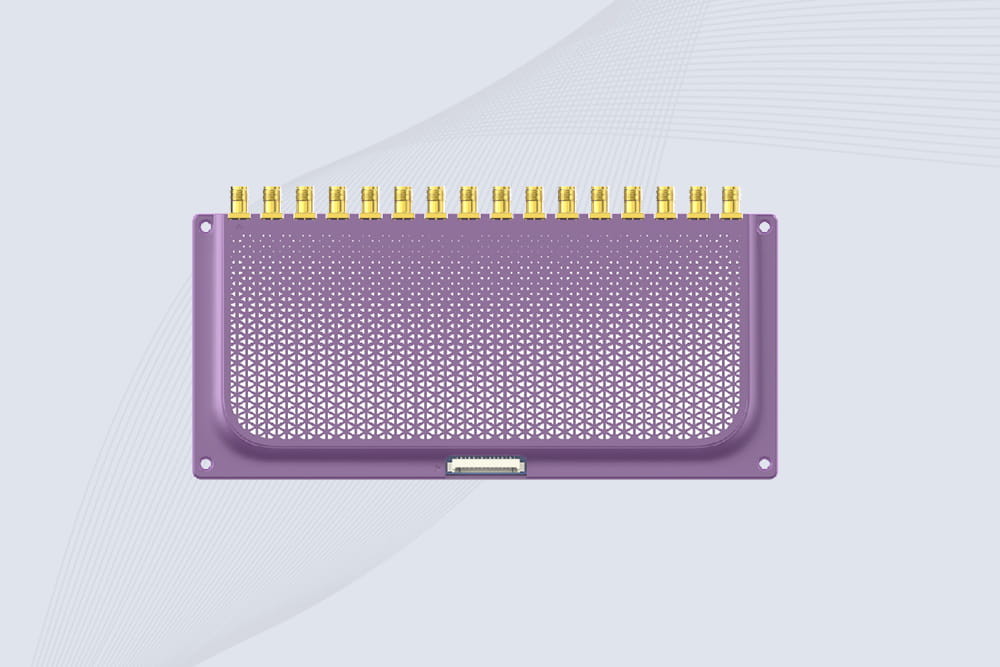
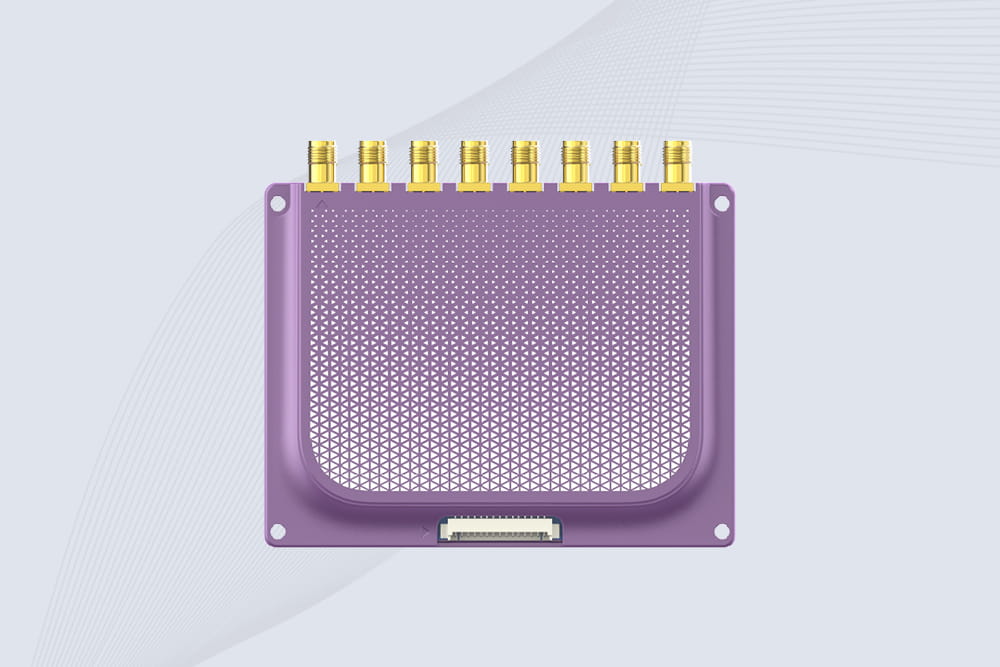
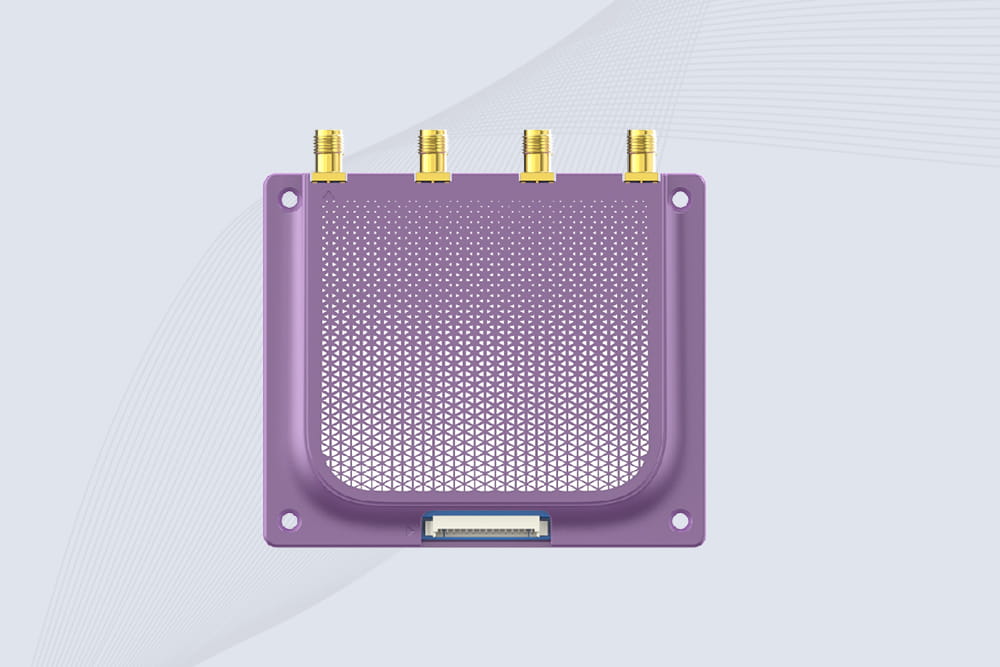
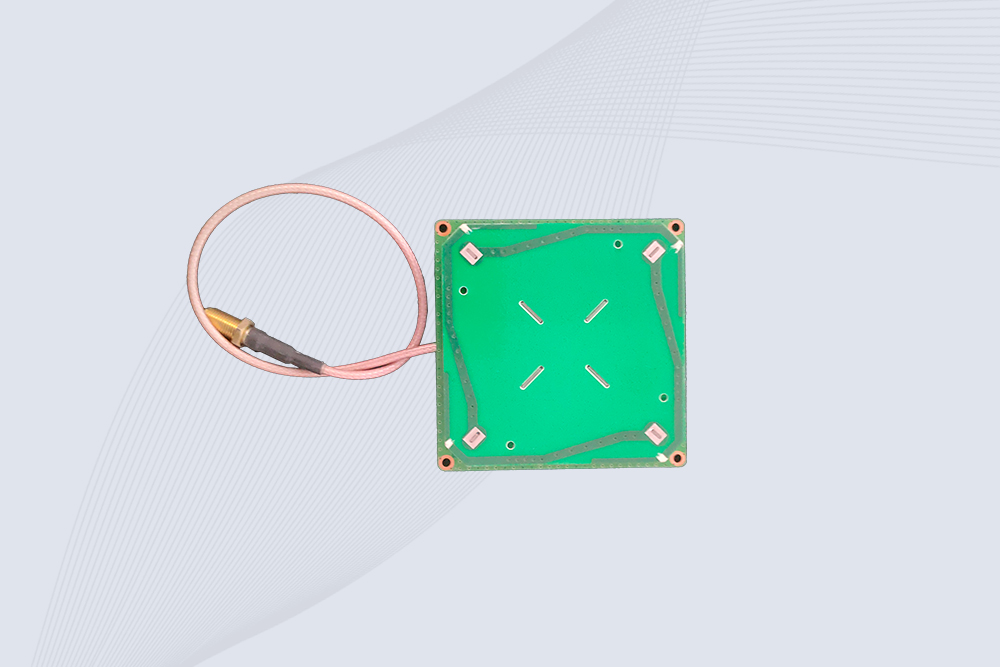
Embedded modules are bare circuit boards designed to be built inside other products—printers, kiosks, medical devices, smart cabinets . These provide RFID reading capability without taking up extra space.
Vehicle-mounted readers are installed on forklifts or other vehicles for mobile applications where driving past tags captures data automatically.
Frequency Matters: Matching Reader to Tag
Not every reader can read every tag. The reader must operate at the same frequency as the tags you are using :
Frequency Band
Typical Range
Common Applications
LF (125-134 kHz)
Up to 10 cm
Animal ID, vehicle immobilizers, older access control
Most warehouses and supply chains use UHF readers because they offer the best combination of range and speed. A single UHF reader can scan hundreds of tags per second without needing line of sight .
Reader Collision: When Readers Interfere
When multiple readers operate in the same area, their signals can interfere with each other. This is called reader collision .
Modern readers avoid this through techniques like :
Frequency hopping: Constantly changing channels within a frequency range
Dense reader mode: Protocols that allow multiple readers to coexist
Shielding: Physical separation or shielding between readers
Key Features That Matter
When evaluating RFID readers, these specifications determine real-world performance:
Read range determines how far from the antenna tags can be read. UHF fixed readers can reach 10-15 meters; handhelds typically reach 3-8 meters .
Read speed affects productivity. A good UHF reader handles 200-500+ tags per second with advanced anti-collision algorithms .
Antenna ports matter for fixed readers. More ports mean you can cover wider areas with multiple antennas .
Connectivity options include Ethernet, Wi-Fi, Bluetooth, USB, RS232, and RS485. Choose based on how data needs to flow to your systems .
Durability matters in industrial environments. Look for IP ratings (IP65, IP67) and drop specifications .
Power options include mains power, PoE (Power over Ethernet), and battery power for portables.
Reader vs. Interrogator: What’s in a Name?
You might hear RFID readers called “interrogators.” This is actually the more technically accurate term from ISO standards . An interrogator does exactly what the name suggests—it interrogates tags, sending queries and receiving responses. The term emphasizes that RFID communication is initiated and controlled by the reader, with tags responding only when asked.
Which RFID Reader Do You Need?
Choosing the right reader depends on your application :
Application
Recommended Reader Type
Warehouse inventory counting
Handheld UHF reader
Automated dock door portal
Fixed UHF reader with multiple antennas
Card programming and enrollment
Desktop HF reader
Access control at doors
Fixed LF or HF reader with Wiegand output
Integration into another product
Embedded UHF/HF module
Mobile asset tracking
Bluetooth handheld paired with smartphone
Retail floor inventory
Lightweight handheld UHF reader
The Bottom Line
What RFID reader? An RFID reader is the device that makes RFID technology work—it communicates with tags using radio waves, extracts their data, and delivers that information to your systems.
RFID readers come in many forms to match different needs:
Fixed readers for automated, permanent installations
Handheld readers for mobility and flexibility
Desktop readers for precision encoding
Embedded modules for integration into other products
Vehicle-mounted readers for mobile applications
The reader must match the frequency of your tags (LF, HF, or UHF) and should be chosen based on your specific application requirements.
CYKEO offers RFID readers for every need—from the CK-B5L Bluetooth handheld for UHF inventory to the CK-D1L desktop encoder for HF card programming, and the CK-R8L fixed reader for automated portals.
When you understand what an RFID reader is and what it does, choosing the right one for your application becomes much easier.
Need help choosing an RFID reader? CYKEO offers free consultations. Tell us about your application and we will recommend the right reader type and model. Contact our team to get started.
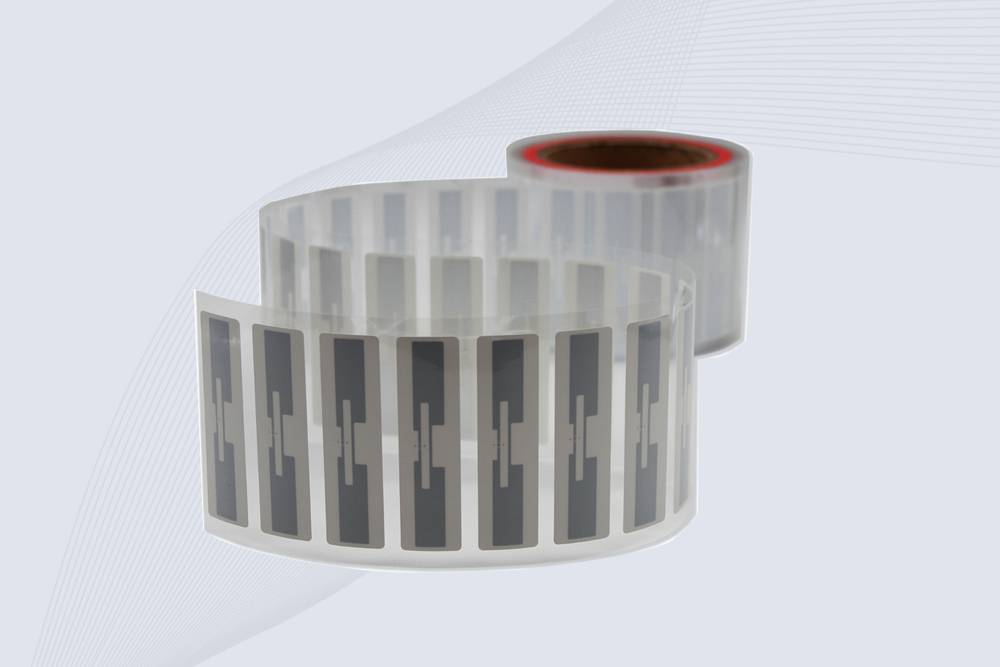
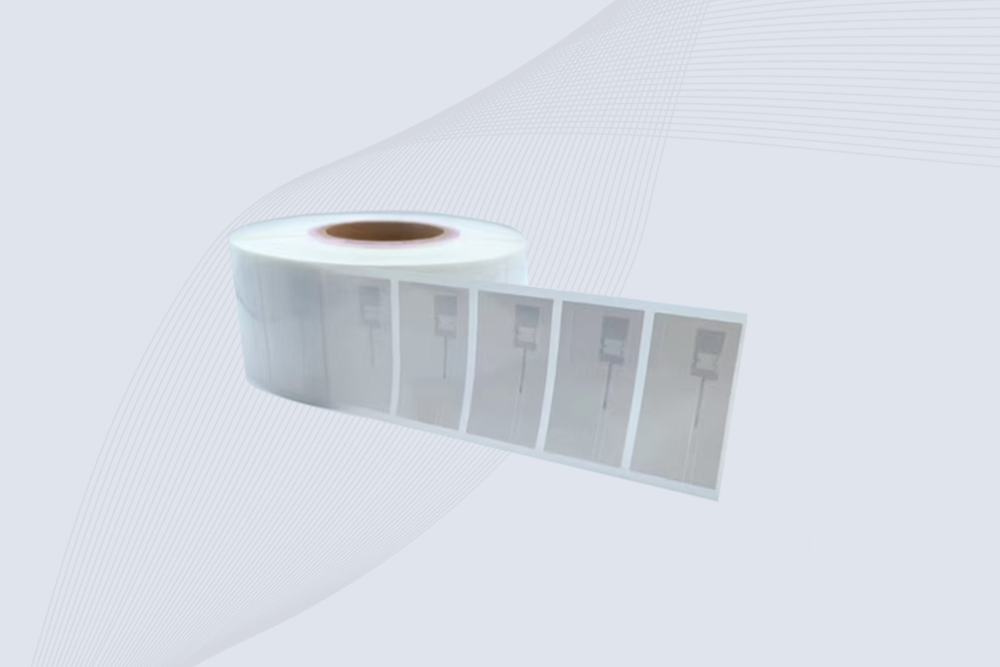
CYKEO Passive RFID Tags are made for wet and high-humidity environments where standard labels do not last. This rfid passive tag is often used around liquids, chemicals and temperature changes, providing stable reading distance and long data life for industrial tracking.
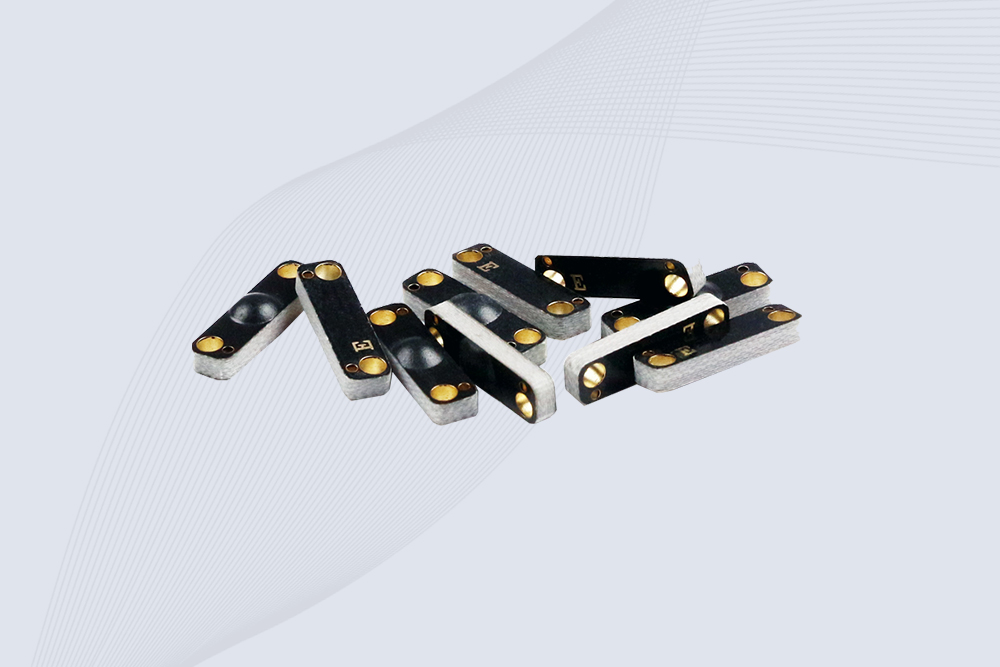
CYKEO CYKEO-PCB1504 Metal RFID Tags is a compact anti-metal UHF RFID solution built for direct mounting on metal surfaces. With stable 8-meter read range, Ucode-8 chip, and long data retention, this rfid metal tag fits tools, containers, automotive parts, and industrial asset tracking.
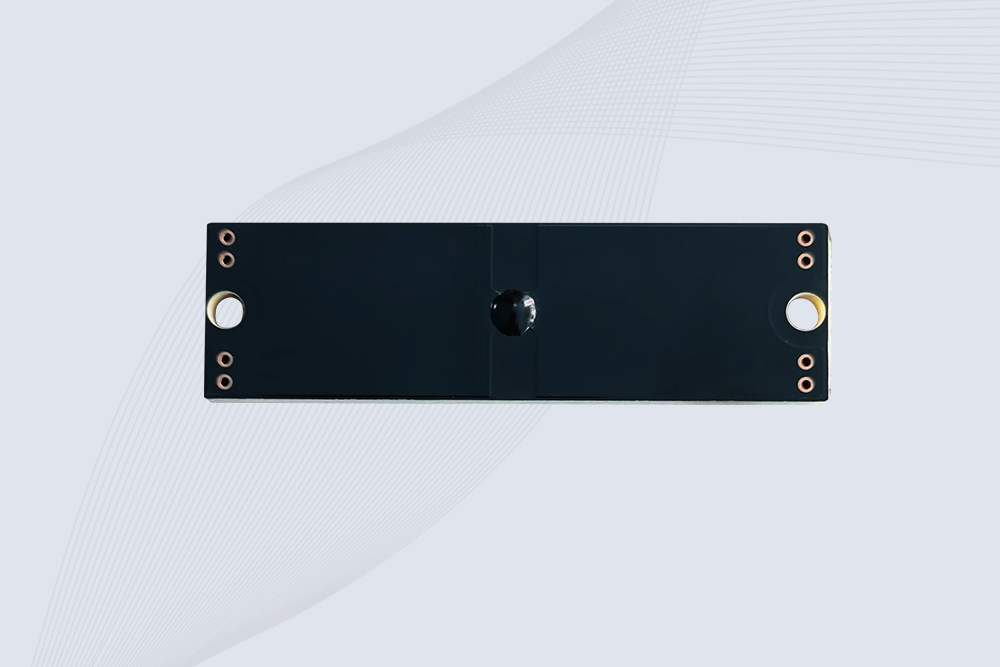
CYKEO CYKEO-PCB7020 On-Metal RFID Tags are designed for reliable tracking on steel and metal surfaces. Built with an FR4 epoxy body and industrial-grade chips, these On-Metal RFID Tags deliver stable performance, long data life, and chemical resistance, making them a dependable RFID anti-metal tag for harsh environments.
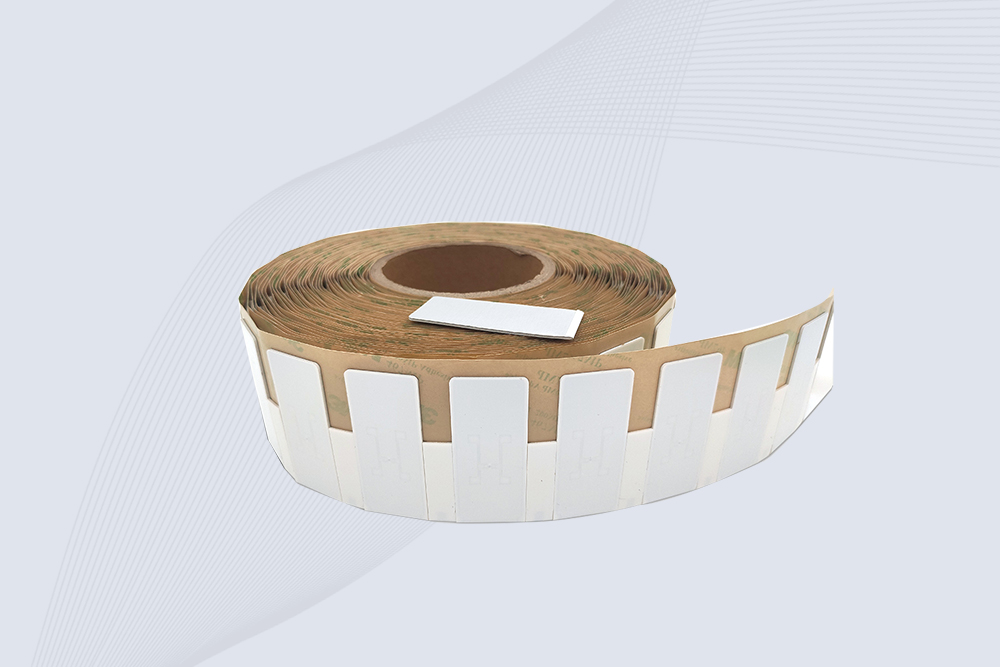
The CYKEO CYKEO-60-25 Anti-Metal RFID Tag is built for metal surfaces where standard tags fail. Designed for long-range performance, harsh environments, and stable data retention, this Anti-Metal RFID Tag is ideal for industrial assets, containers, and equipment tracking using on metal RFID tags.
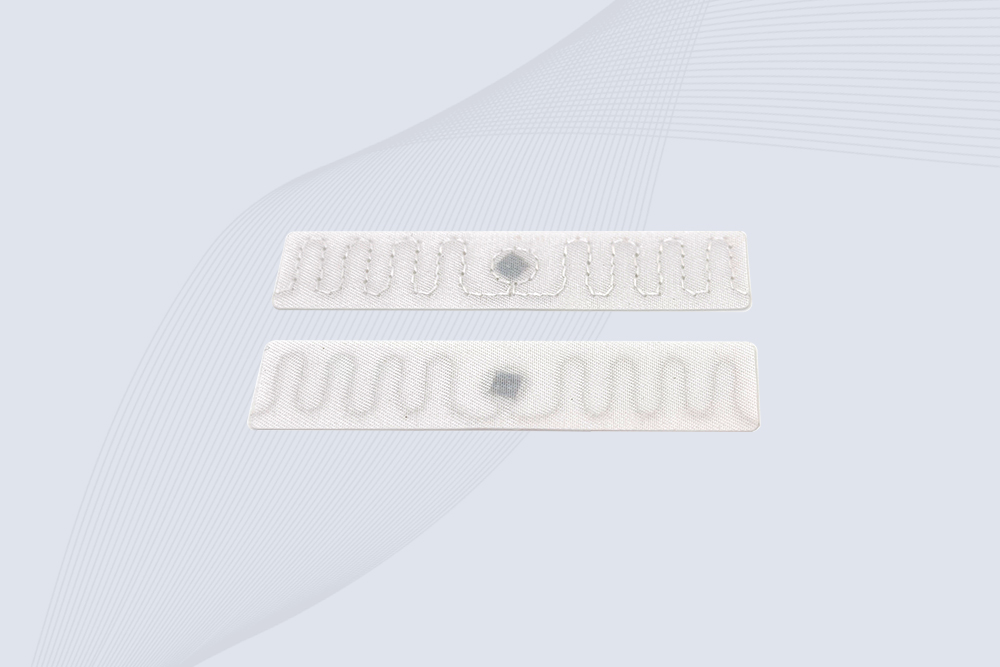
The CYKEO RFID Laundry Tag is designed for long-term textile identification in harsh laundry environments. Built to withstand high heat, chemicals, and repeated washing, this RFID Laundry Tag delivers stable performance for hotels, hospitals, and industrial laundry operations using laundry rfid tags at scale.
The CYKEO CYKEO-125-7 RFID Book Tag is designed for reliable book and document tracking in libraries and archives. This RFID Book Tag delivers long read range, dense placement support, and stable performance on shelves, making it a practical rfid tag on books for library automation, file management, and archival systems.
CYKEO RFID tags in hospitals are designed for sterile environments where accuracy matters. These autoclavable RFID tags support long-term tracking of surgical tools, implants, and medications, helping hospitals improve visibility, compliance, and patient safety.
CYKEO RFID Cable Tie Tag is built for reliable identification on metal surfaces. This UHF RFID Cable Tie Tag is widely used in rfid tags for inventory systems, industrial asset management and Hospital RFID Tags, offering stable read performance, long service life and global EPC Gen2 compatibility.
CYKEO RFID Asset Tag is designed for stable identification of metal assets in industrial environments. This UHF RFID Asset Tag is commonly used for rfid tag asset tracking on equipment, tools and containers, providing reliable reads, long service life and ISO/IEC 18000-6C support.
CYKEO UHF RFID Card is designed for fast identification and long-term use in industrial and commercial systems. Supporting ISO 18000-6C, this UHF RFID Card works at 860–960 MHz and is suitable for custom RFID cards used in asset tracking, access control and inventory management.
CYKEO HF RFID Cards are designed for secure and stable access control systems. These 13.56 MHz RFID key cards support ISO 14443-A, reliable rewriting and long service life, making HF RFID Cards suitable for offices, campuses, events and membership management.
CYKEO UHF RFID Tag is designed for reliable tracking of metal jewelry and high-value items. This Jewelry RFID Tag supports long-range reading up to 8 meters, anti-counterfeit protection and stable performance on metal, making it suitable for retail, inventory control and asset management.
CYKEO Embedded RFID Modules are designed for compact industrial and IoT devices that require stable UHF performance. These UHF RFID Modules support global protocols, flexible power control, and reliable multi-tag reading for smart cabinets, production lines, and asset tracking systems.
CYKEO Embedded RFID Module is built for compact IoT and industrial devices that need stable UHF performance. This UHF module supports global protocols, low power operation, and reliable multi-tag reading for smart lockers, production lines, and always-on RFID systems.
CYKEO CYKEO-M1 drone rfid module is a compact UHF RFID reader module designed for drones and UAV platforms. It supports long-range aerial scanning, fast multi-tag reading, and stable performance in wind, vibration, and outdoor environments.
CYKEO CYKEO-M4 RC522 RFID Module is an industrial-grade UHF RFID reader with 4 ports, supporting ISO, EPC, and GB protocols. High-speed, accurate reading for IoT, automation, and warehouse applications.
CYKEO CYKEO-M8 Module RFID is an 8-port UHF R2000 RFID Module designed for high-density, multi-tag environments. Stable 33dBm output, ISO & GB protocol support, ideal for warehouses, factories, and automated systems.
CYKEO CYKEO-M16 RFID Module is a 16-port UHF RFID reader module based on the R2000 chipset. Designed for dense tag environments, it supports ISO and GB standards and delivers stable multi-antenna control for industrial automation.
The CYKEO CYKEO-M16L RFID Reader Module is a 16-channel UHF RFID core designed for dense tag environments. With adjustable 33dBm output, multi-protocol support, and stable multi-antenna control, this RFID Tag Reader Module fits industrial automation, warehouse systems, and large-scale IoT deployments.
CYKEO CYKEO-M8L module RFID is a compact industrial UHF module built for dense tag and multi-antenna environments. With 8 RF ports, adjustable 33 dBm output, and ISO & GB protocol support, it is widely used in factories, warehouses, and automated tracking systems.
CYKEOCYKEO-M4L UHF RFID Module is a compact 4-channel RFID tag reader module designed for dense tag environments. Supporting ISO and GB protocols, it delivers stable reads up to 10 meters for industrial and IoT systems.
Cykeo CYKEO-A11 UHF RFID reader antenna delivers 11dBi gain, 840-960MHz frequency range, and IP65 ruggedness for retail, logistics, and industrial RFID systems. Features low VSWR and easy installation.
CYKEO Antenna RFID Reader delivers stable long-range UHF performance with a 10.5dBi directional design, built for warehouses, conveyor portals, and industrial RFID systems. This rfid reader antenna provides 20m+ read distance and rugged IP67 protection.
Cykeo CYKEO-A5B industrial Linear RFID Antenna delivers 5dBi gain, ≤1.5:1 VSWR, and IP65 rugged design for warehouse, production line, and logistics UHF systems.
Cykeo’s CYKEO-B12 Long Range RFID Antenna delivers 15m+ read range with 12dBi gain, IP65 rugged design, and global 840-960MHz UHF support. Ideal for warehouse/logistics asset tracking.
Cykeo CYKEO-B10 Long Distance RFID Antenna offers 10dBi gain, 840-960MHz frequency range, IP65 rating, and 20m+ coverage for logistics/warehousing/ETC systems. Low VSWR ensures stable signal transmission.
Cykeo CYKEO-A6 UHF RFID panel antenna features 6dBi gain, 840-960MHz broadband, IP65 metal-ready housing for logistics/smart retail. 18mm ultra-thin design with tool-free mounting.
Cykeo CK-A3 industrial antenna RFID UHF offers 5m+ tag detection, ≤1.3:1 VSWR, IP65 rugged design, and global UHF spectrum compatibility (840-960MHz) for warehouses, factories, and retail.
Cykeo CYKEO-B5 directional RFID antenna provides 5dBi gain with 60° narrow beamwidth for precise inventory tracking. IP65-rated, global UHF frequency support, and low VSWR.
Create your own high-performance DIY RFID antenna! 5dBi gain, 840-960MHz tunable, step-by-step guides. Compatible with Arduino, Raspberry Pi, and commercial UHF readers.
Cykeo CYKEO-A7 Flexible RFID Antenna features 840-960MHz wideband tuning, 7dBi gain, and IP68 rating for medical/retail/industrial curved surface deployments. 98% read accuracy with peel-and-stick installation.
Cykeo CYKEO-B5A industrial Passive RFID Antenna delivers 5dBi gain, 70° beamwidth, and -40°C~55°C operation for warehouses/smart cabinets. Compatible with Zebra/Impinj readers.
Cykeo’s CYKEO-A9B High Gain RFID Antenna delivers 15m+ read range with 9dBi amplification. Features IP54 rugged design, 840-960MHz bandwidth, and 80° beamwidth for warehouse/manufacturing RFID systems.
Cykeo’s enterprise-grade 8dbi Impinj RFID Antenna 10m+ read range with 840-960MHz tuning. Features IP65 housing, 1.4 VSWR, 35° beamwidth for retail/warehouse RFID systems.
Cykeo CYKEO-A9 industrial UHF RFID antenna delivers 9dBi gain, 840-960MHz frequency range, and IP65 protection for warehouse/logistics/retail RFID systems. Features N-type connector and ≤1.3:1 VSWR.
CYKEO UHF RFID Antenna built for long-distance and industrial applications. This antenna rfid uhf delivers strong gain, outdoor durability, and reliable tag performance in warehouses, yards, and vehicle ID systems.
CYKEO Antenna RFID delivers reliable long-range UHF performance in warehouses, retail shelves, and cold-chain environments. This compact uhf rfid antenna provides stable reads with circular polarization and ultra-wide 840–960 MHz support, ideal for industrial tracking, smart shelves, and asset monitoring.
Cykeo’s CYKEO-C8 UHF RFID antennas delivers 8dBi gain, 840-960MHz full-band coverage, and IP65 ruggedness for manufacturing/warehouse RFID systems. Industrial RFID Antennas Features
Cykeo’s 8dBi UHF RFID antenna and reader kit delivers 10m+ range, 840-960MHz broadband, and IP65 ruggedness for factories, warehouses, and logistics. ISO 18000-6C & EPC Gen2 certified.
Cykeo’s CYKEO-A12C UHF Large RFID Antenna delivers 12dBi gain, 840-960MHz global frequency, IP65 ruggedness for logistics/warehousing/automotive. 40° beamwidth ensures stable 15m+ tag reads.
CYKEO Near Field RFID Antenna provides precise 5–30 cm reading for shelves, cabinets, and workstations. This compact rfid shelf antenna delivers stable short-range performance around metal and clutter, ideal for pharmacies, libraries, and electronics sorting.
Cykeo’s industrial long range RFID reader delivers 20-meter scanning, 500+ tags/sec speed, and IP67 waterproof design for automated warehouses, logistics, and harsh environment applications.
Cykeo’s CYKEO-RA6L industrial RFID long range reader features 20m read distance, 500 tags/sec speed, and IP67 protection. Ideal for warehouse automation, manufacturing WIP tracking, and smart logistics. Supports ISO 18000-6C/6B protocols.
CYKEO Long Range RFID Tag Reader built for outdoor and industrial operations. This Outdoor RFID Reader delivers 20m read distance, fast tag processing, and IP67 durability for wide-area tracking.
Cykeo CYKEO-RA12L industrial Long Range RFID Reader delivers 20m read range, 200+ tags/sec scanning, and IP67 protection for manufacturing/logistics applications. Supports ISO 18000-6C/GB protocols.
CYKEO RFID USB scanner designed for developers and system integrators. This USB RFID scanner connects via Type-C, supports tag reading, writing, and data conversion, and integrates easily with custom software systems using demo tools and SDKs.
RFID tags for garments must be washable, soft, and tamper-resistant. This article outlines common RFID label types—fabric, hang tag, embedded, and sew-in—and helps businesses select the right solution for different textile applications.
RFID gate access control systems designed for solution providers and integrators. Explore gate readers, antenna integration, and secondary development for custom access control projects.
 Cykeo RFID IoT Solution Products R&D Manufacturer