Sensor RFID technology combines UHF RFID reading, environmental sensing, and mobile data collection to deliver fast, accurate, real-time tracking across warehouses, hospitals, factories, and logistics centers.
That answer sounds simple. In practice, the difference is obvious the first time a worker walks through a crowded warehouse aisle carrying a portable reader and instantly identifies dozens of tagged assets without stopping to scan barcodes one by one.
At Cykeo, we tested the CYKEO-B5L handheld UHF RFID reader in tool rooms, hospital supply corridors, and pallet staging areas where traditional barcode workflows repeatedly slowed operations. The result was consistent: fewer missed items, faster inventory cycles, and dramatically less manual verification.
Why sensor rfid is becoming critical in modern operations
The RFID market is no longer experimental. According to data published by RAIN Alliance, billions of UHF RAIN RFID tags are now deployed annually across retail, healthcare, logistics, and manufacturing industries.
A separate report from McKinsey & Company noted that IoT-connected asset visibility technologies can significantly improve operational efficiency and reduce manual inventory labor in industrial environments.
In real deployments, the biggest advantage is not just speed.
It is visibility.
When engineers cannot locate tools quickly, when hospitals lose track of consumables, or when warehouse teams manually recount stock every shift, labor costs quietly expand. Sensor RFID systems reduce those invisible operational losses.
Instead of designing a lightweight demo-style scanner, Cykeo focused on field endurance and dense tag reading stability.
Main technical features
Feature
Specification
RFID Protocols
ISO 18000-6C/6B
Frequency Range
865–928 MHz
Battery Capacity
10000mAh
Reading Capability
Multi-tag rapid identification
Chip Platform
Domestic UHF RFID chipset
Application Areas
Logistics, hospitals, factories
The 10000mAh integrated power bank matters more than most spec sheets admit. During one warehouse stress test, our operators worked almost an entire shift without recharging. That eliminated device swaps and reduced workflow interruption during outbound scanning peaks.
Real-world sensor rfid deployment experience
Warehouse inventory verification
In one logistics environment, barcode operators previously spent nearly three hours verifying mixed pallet inventory before shipment dispatch.
After deploying portable sensor RFID readers:
Multi-tag reading reduced manual handling
Workers scanned sealed cartons without opening them
Inventory verification time dropped noticeably
Error disputes during outbound shipping decreased
The improvement was most visible during late-night loading operations where staffing was limited.
The RFID reader maintained stable identification even near metal shelving and tightly stacked freight.
Healthcare consumables management
Hospitals increasingly use UHF RFID for consumable traceability.
According to the U.S. Food & Drug Administration (FDA), traceability and unique device identification are becoming increasingly important for medical inventory safety and compliance.
In hospital scenarios, sensor RFID readers can help:
Track high-value consumables
Monitor sterilized equipment movement
Reduce manual registration
Improve replenishment accuracy
Support full lifecycle traceability
One operating-room supply manager described the biggest benefit very simply:
“We stopped guessing what was actually in stock.”
That comment stayed with our engineering team longer than benchmark numbers did.
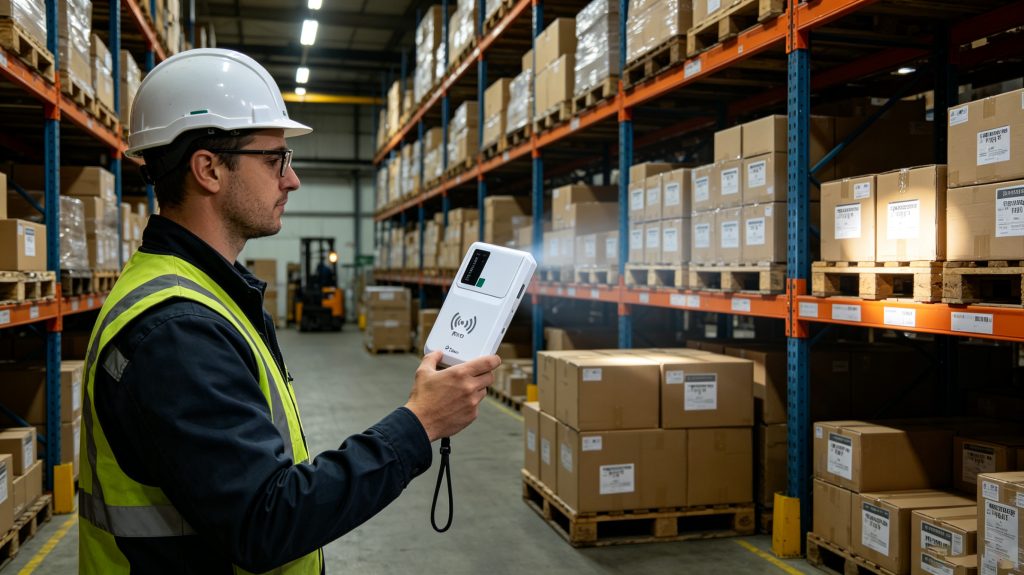
Cykeo CYKEO-B5L performing high-speed UHF RFID inventory identification in a logistics warehouse.
What makes UHF sensor rfid different from barcode systems
UHF RFID advantages
No direct line-of-sight required
Reads multiple tags simultaneously
Faster inventory cycles
Better automation integration
Reduced manual labor dependency
More suitable for industrial-scale operations
Barcode systems still work well for simple retail workflows. But once operations involve thousands of moving assets, traditional scanning creates bottlenecks.
That is usually the moment companies begin evaluating sensor RFID systems seriously.
Dense reading performance in complex environments
One overlooked factor in RFID performance is RF stability.
The CYKEO-B5L reader uses optimized RF circuitry and signal algorithms designed for dense environments. In practice, that means the reader continues performing in areas where many tags are concentrated together.
Examples include:
Hospital storage rooms
Factory tool cages
Apparel sorting centers
Library archives
Cross-docking facilities
The reader also supports temperature and humidity sensor tag protocols, allowing environmental data collection alongside identification data.
That becomes valuable in pharmaceutical logistics and cold-chain monitoring.
Portable sensor RFID technology improves medical inventory visibility and traceability.
Frequently Asked Questions about sensor rfid
What is sensor rfid used for?
Sensor RFID is used for asset tracking, warehouse management, hospital inventory control, environmental monitoring, and industrial automation using UHF RFID technology.
Can UHF sensor rfid read multiple tags at once?
Yes. UHF RFID readers like the Cykeo CYKEO-B5L support anti-collision algorithms and can identify hundreds of tags rapidly in dense environments.
Does sensor rfid work globally?
Most industrial UHF RFID devices support international frequency ranges including China, Europe, and North America between 865–928 MHz.
Why do hospitals use sensor rfid?
Hospitals use RFID to improve consumable traceability, reduce manual counting, monitor medical assets, and strengthen inventory accuracy.
Final thoughts on sensor rfid
The strongest argument for sensor rfid is not theoretical efficiency. It is operational consistency.
When inventory grows faster than staffing levels, manual tracking eventually breaks down. Portable UHF RFID systems like the Cykeo CYKEO-B5L reduce that pressure by turning identification into a continuous background process instead of a separate task.
That shift changes how warehouses, hospitals, and industrial facilities operate day to day.
And once teams experience real-time RFID visibility, going back to manual counting feels surprisingly outdated.
SSD-D3AL is a USB-HID UHF RFID reader with 0–30 cm reading, 0–15 cm writing, over 600 tags/s recognition, USB plug-and-play operation and OEM Logo customization.
SSD-D1AL is a compact USB UHF RFID reader with Impinj E710/X3M1 chipset, USB-HID, 600+ tags/s recognition, 4/8/16 antenna support and plug-and-play USB power.
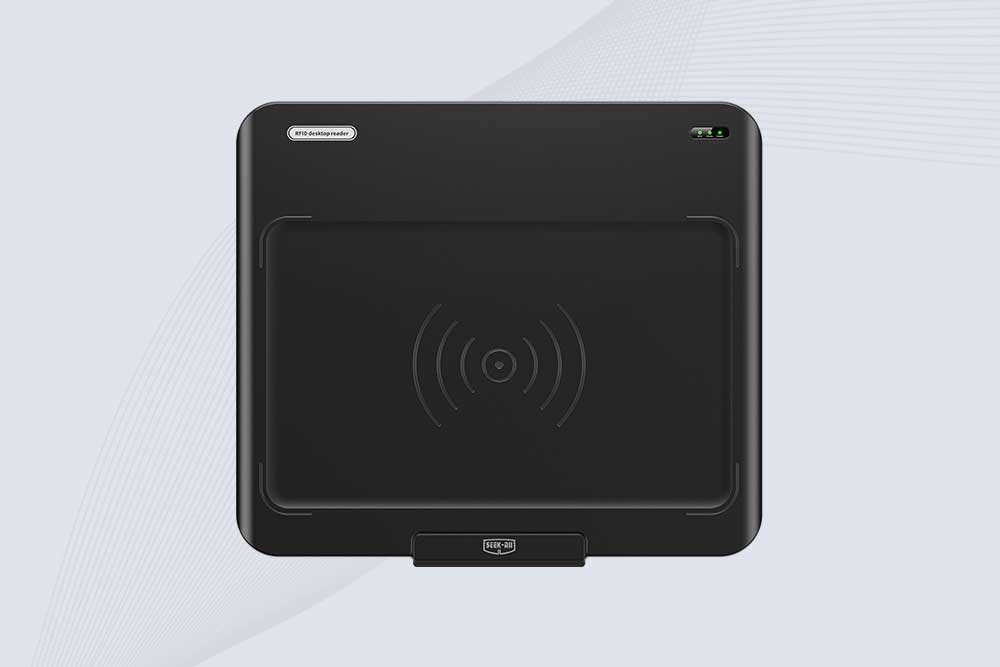
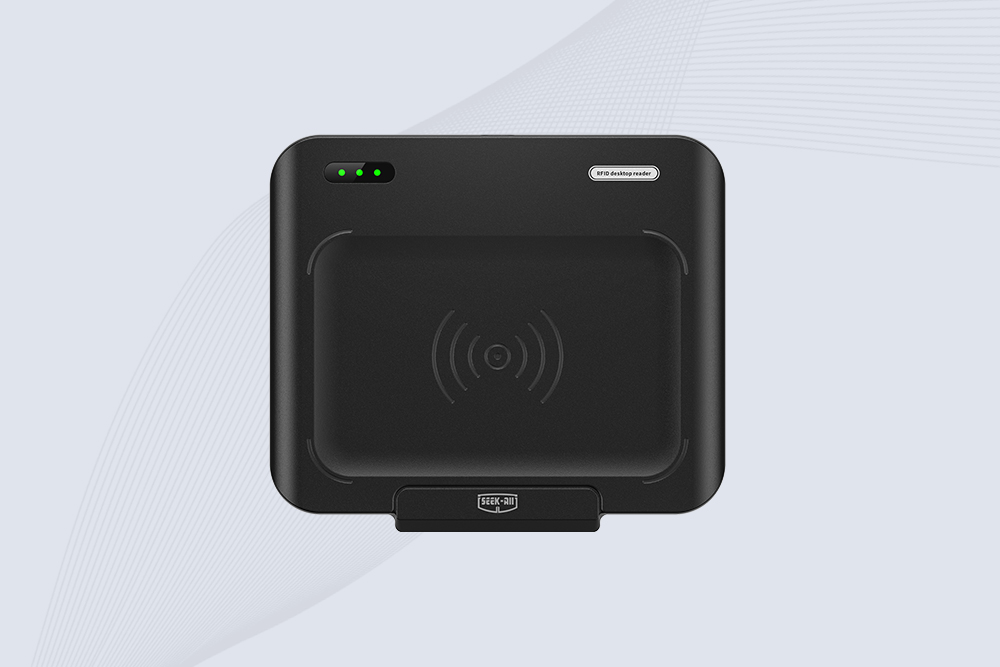
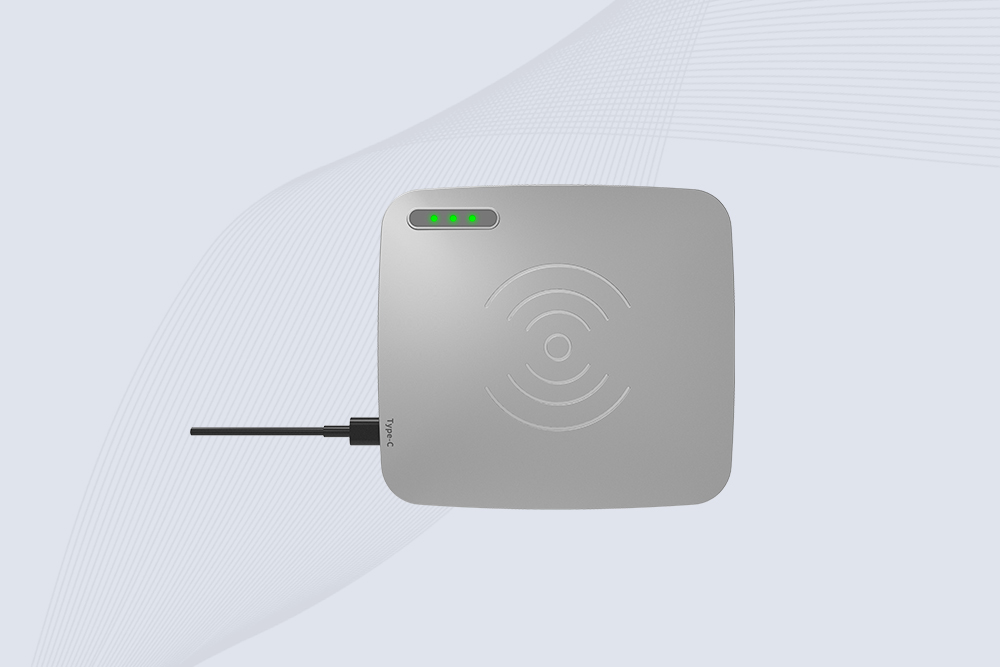
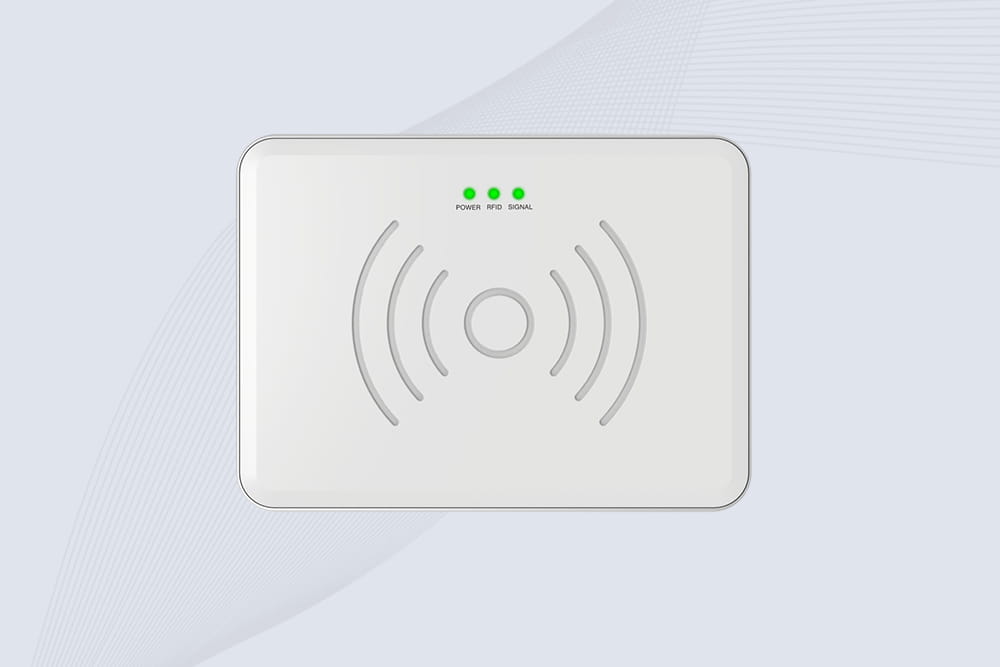
CYKEO CYKEO-D1LA USB RFID Reader is a compact desktop solution with near-field control for precise tag reading and encoding. Powered by USB, supporting ISO 18000-6C, and built for stable batch writing, this usb rfid tag reader fits retail, libraries, offices, and controlled RFID encoding tasks.
CYKEO CYKEO-D1L RFID scanner USB is a compact desktop UHF RFID scanner designed for short-range tag writing and verification. This usb rfid scanner supports batch encoding, stable 0–26 dBm output, and works across Windows, Linux, and Android systems.
CYKEO CYKEO-D1C USB RFID Card Reader is a near-field UHF desktop writer designed for secure, short-range tag encoding. With USB-C connectivity and stable 26 dBm output, this rfid reader usb c is ideal for badge issuance, label encoding, and controlled desktop RFID workflows.
CYKEO CYKEO-D2L RFID Reader USB is a compact desktop encoder built on the Impinj R500 chip. With near-field control and stable USB power, this usb rfid card reader delivers precise tag writing for offices, retail counters, and small-scale logistics encoding tasks.
CYKEO CYKEO-D3L USB RFID Tag Reader delivers stable UHF tag reading and writing for daily desktop and light industrial tasks. Designed for controlled short-range operation, this USB RFID Tag Reader works reliably with rfid tag and reader systems in libraries, tool tracking, and inventory registration.
The CYKEO CYKEO-D4L UHF RFID Tag Reader is a stable Desktop RFID Reader designed for accurate tag registration, borrowing, and return workflows. Built with the Impinj R2000 chip, this UHF RFID Tag Reader delivers controlled short-range reads for libraries, asset tracking, and inventory management environments.
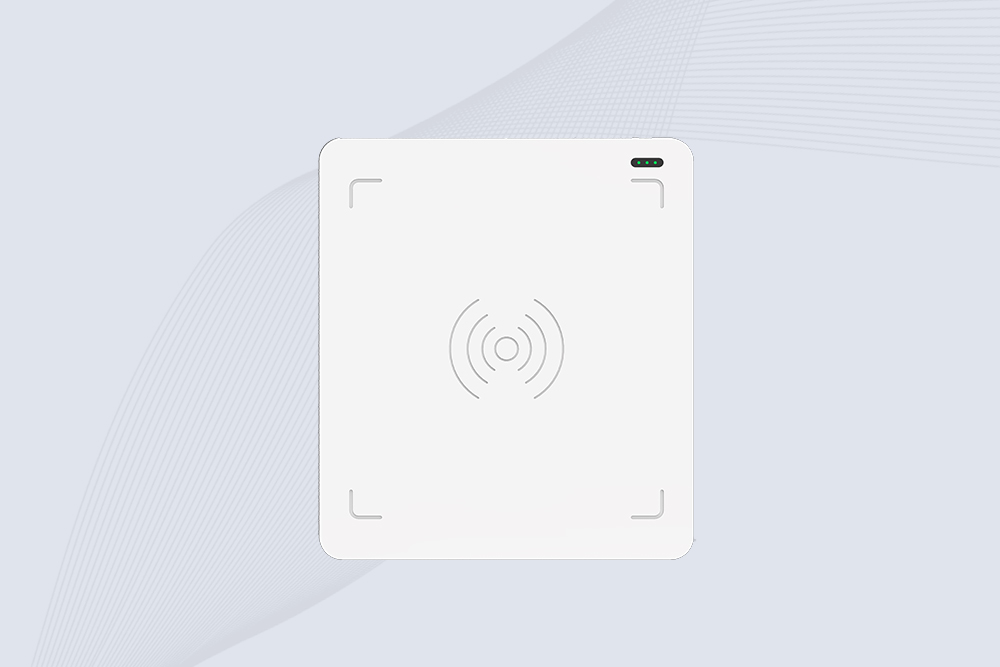
The CYKEO CYKEO-D5L Desktop RFID Card Reader is a stable UHF RFID Card Reader designed for controlled short-range reading and writing. Built for libraries, tool rooms, and asset desks, this UHF RFID Card Reader supports dense tag handling, secure data processing, and easy USB integration.
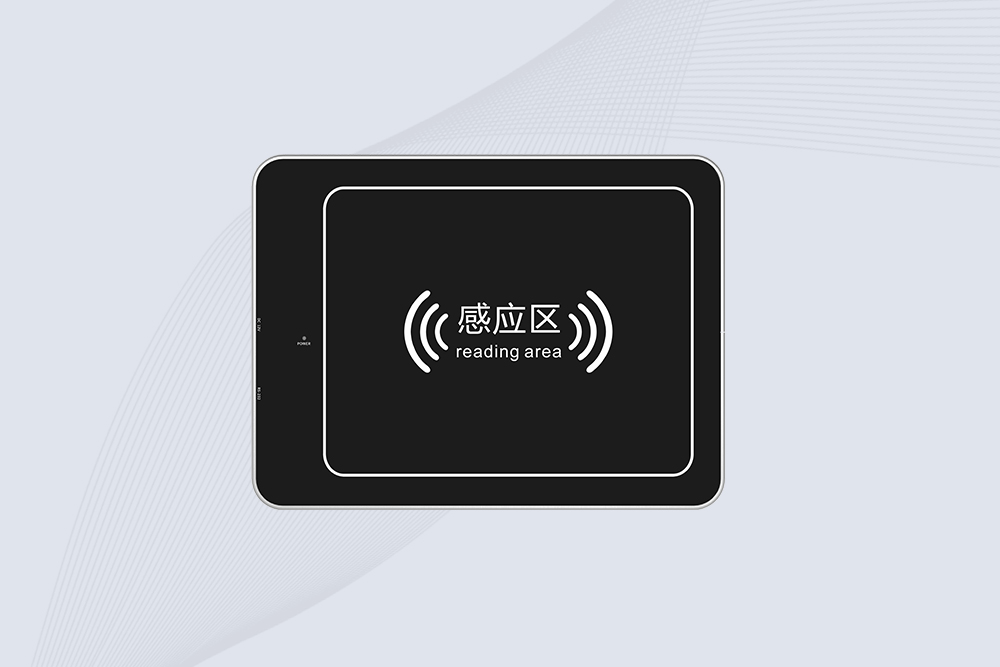
The CYKEO CYKEO-D6L RFID Reader Writer is a heavy-duty Desktop RFID Reader designed for short-range, high-accuracy tag programming. Built for libraries, labs, and asset desks, this RFID Reader Writer supports batch processing, stable 33dBm output, and seamless integration with existing management systems.
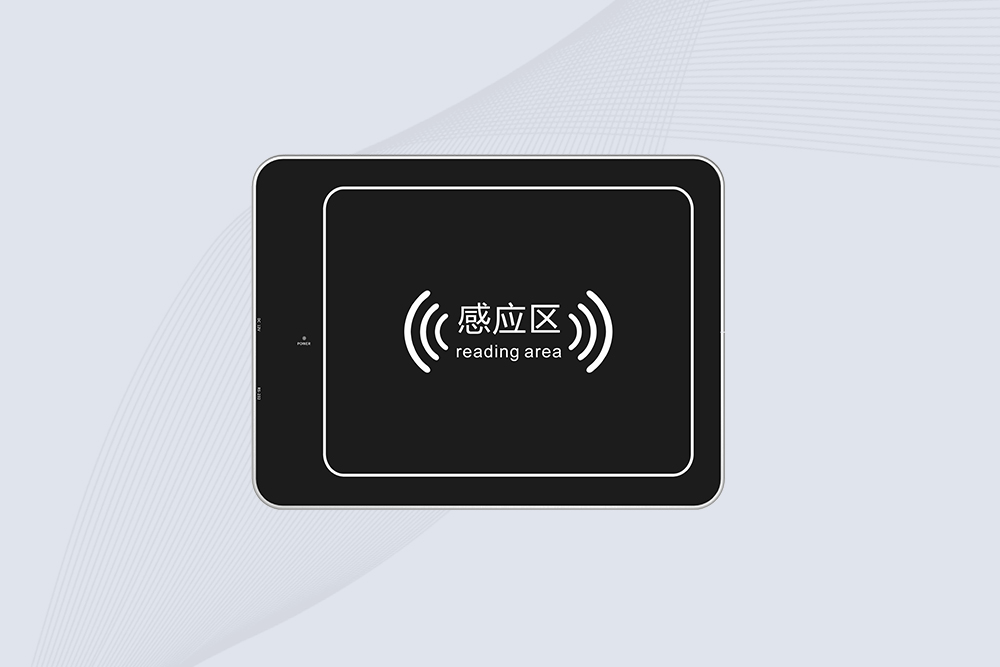
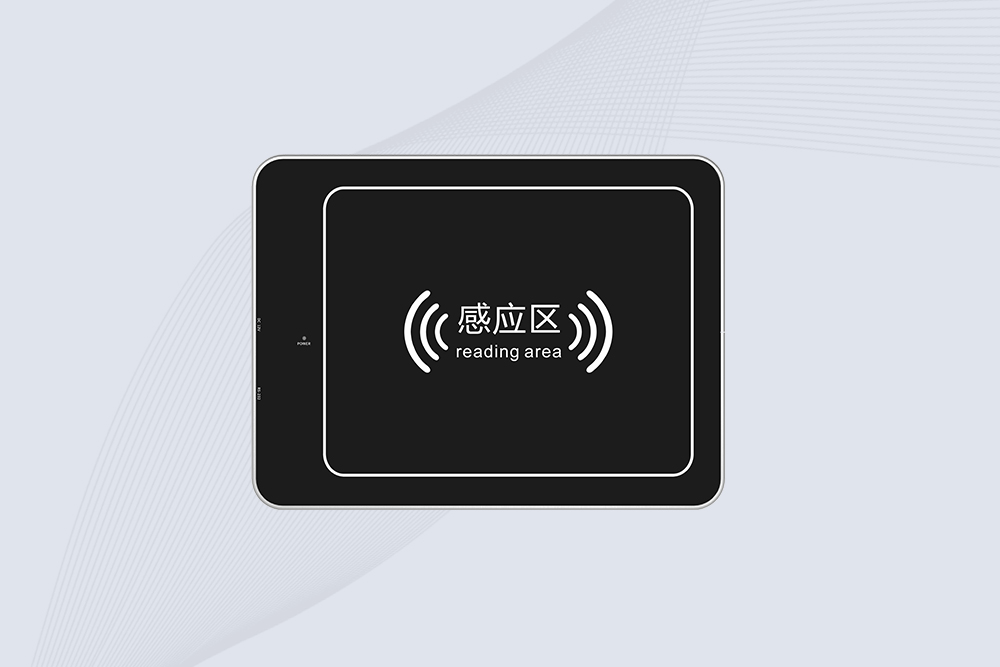
Cykeo CYKEO-D8A embedded RFID badge reader offers 30+ tags/sec scanning, 20cm anti-crosstalk precision, and DC 12V power for unmanned stores, warehouses, and smart inventory systems.
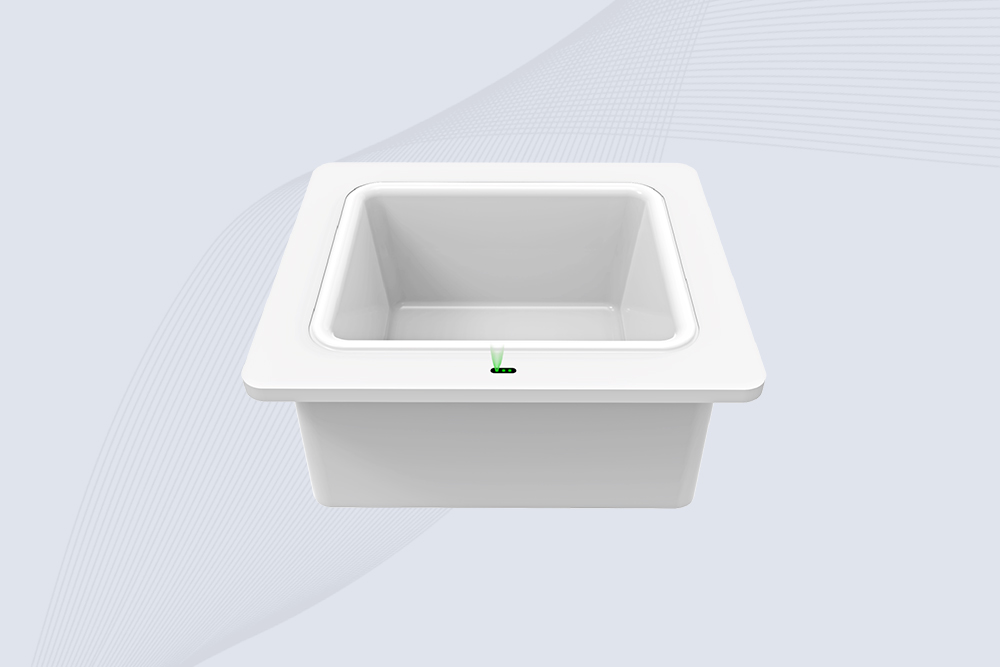
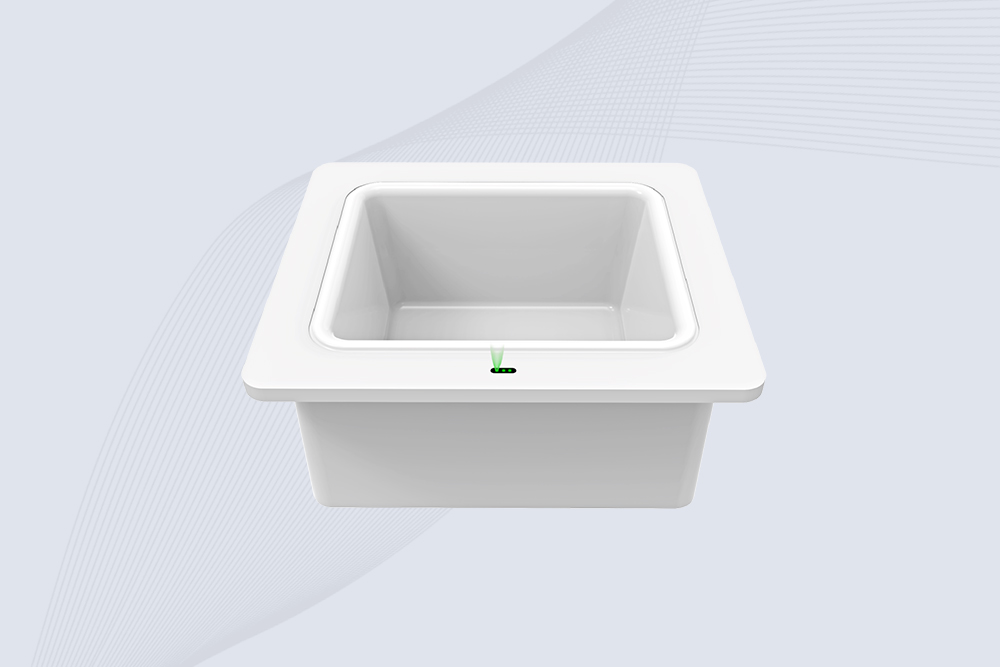
Cykeo’s CYKEO-D8C UHF RFID gate reader achieves 200-tag/batch scanning with adjustable power control, ideal for retail inventory and smart warehouse management.
RFID technology brings greater operational efficiency and visibility to logistics providers. This article explores five critical factors for successful RFID deployment in logistics, helping companies reduce implementation risks and achieve intelli...
Step-by-step guide on how to connect an RFID reader to Arduino. Learn correct wiring for RC522 modules, fix common "no tag found" errors, and get your CYKEO kit working fast.
RFID asset management software improves inventory visibility, asset tracking, and operational efficiency using UHF RFID technology and real-time monitoring.
 Cykeo RFID IoT Solution Products R&D Manufacturer