Tracking tags for equipment are RFID or smart identifiers used to locate, monitor, and manage tools, machines, and assets in real time with high accuracy.
That’s the core answer. In real deployments, the impact is less about “tagging items” and more about eliminating uncertainty—knowing exactly where equipment is, who used it, and when it moved.
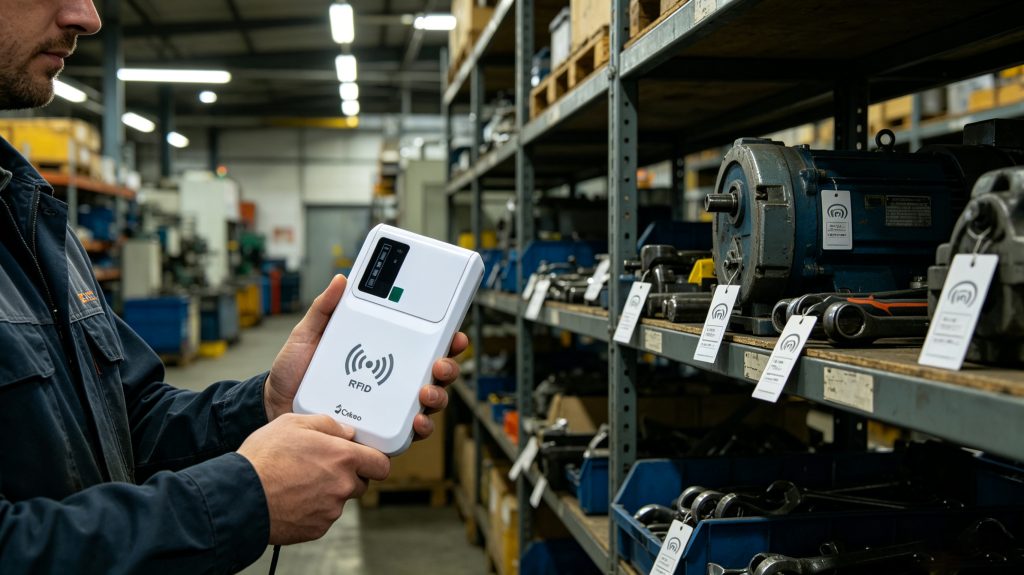
At Cykeo, we’ve worked with industrial warehouses and maintenance workshops where missing tools used to trigger daily downtime checks. After RFID tagging, the same process shifted from manual searching to near-instant identification.
Why tracking tags for equipment matter in real operations
Across logistics, manufacturing, and healthcare, equipment loss and misplacement remain a hidden cost center.
A widely referenced study from U.S. Government Accountability Office (GAO) highlights that inefficient asset tracking systems contribute significantly to operational delays and inventory inaccuracies in large organizations.
In practice, the issue is not only loss—it is time fragmentation:
technicians searching instead of working
duplicated purchases due to “missing” assets
delayed maintenance cycles
incomplete audit trails
Tracking tags reduce this gap between physical reality and recorded data.
How RFID tracking tags for equipment work
Most industrial tracking systems rely on UHF RFID tags combined with handheld or fixed readers.
Each tag carries a unique ID linked to a database entry. When scanned, the system updates:
asset location
movement history
usage records
assigned operator
Unlike barcode labels, RFID does not require direct line-of-sight. That alone changes field behavior—equipment can be identified inside crates, cabinets, or stacked storage.
Field experience: where tracking tags change workflows
Maintenance workshops
In one equipment maintenance workshop scenario, technicians previously spent 15–25 minutes locating specialized tools before each shift.
After RFID deployment:
tool retrieval time dropped sharply
misplaced assets became traceable instantly
shift handovers became data-driven
The biggest change was behavioral: staff stopped “remembering where things were placed” and started relying on system visibility.
Warehouse asset control
In warehouse environments, tracking tags solve a different problem—scale.
When thousands of items move daily, manual counting becomes unreliable. RFID enables batch identification instead of item-by-item scanning.
This aligns with findings from RAIN Alliance RFID Industry Insights, which reports large-scale adoption of UHF RFID for inventory automation across global supply chains.
Cykeo RFID tracking tag ecosystem (equipment focused)
Cykeo systems typically combine:
UHF RFID tracking tags for equipment
handheld readers for mobility
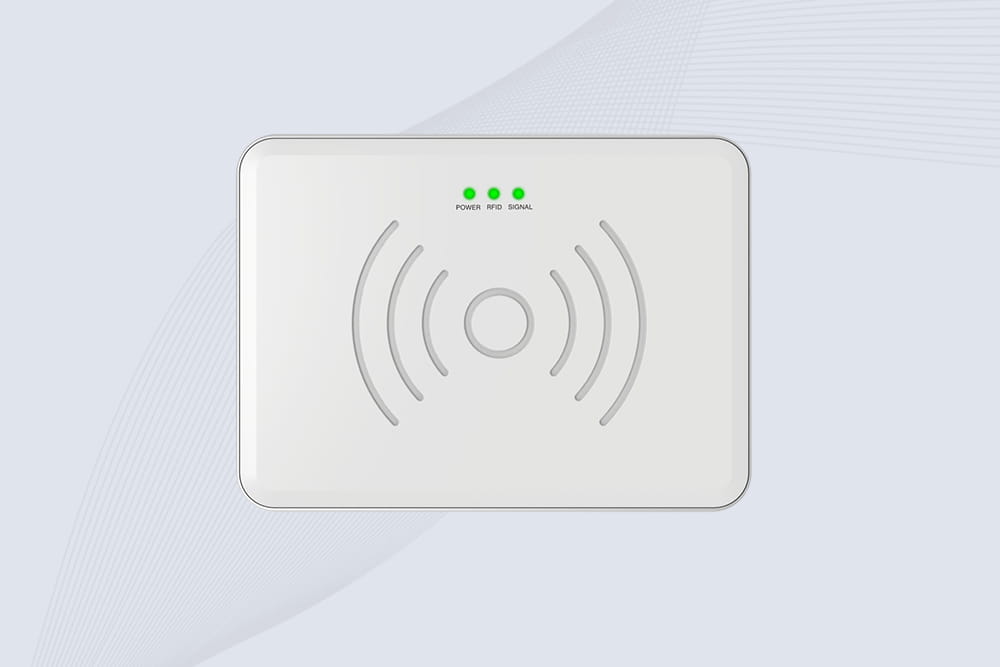
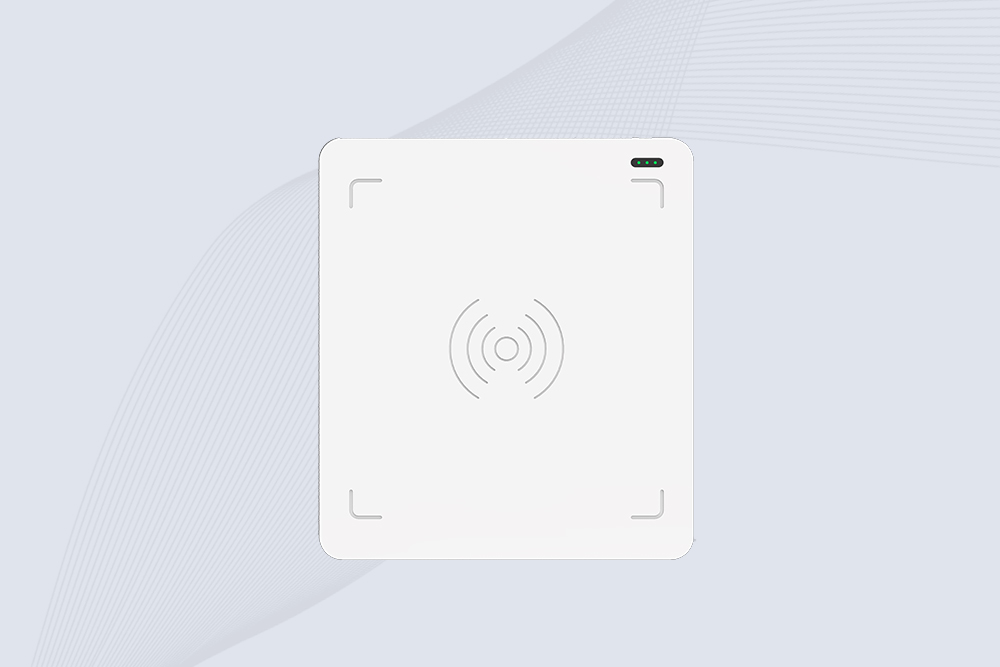
fixed readers for gates or checkpoints
database software for asset mapping
The goal is not just tagging—it is continuous visibility.
Key advantages of tracking tags for equipment
1. Real-time asset visibility
Know where equipment is without manual searching.
2. Reduced loss and replacement cost
Tagged assets are harder to misplace or duplicate in records.
3. Faster audit and compliance
Inventory checks shift from hours to minutes.
4. Improved maintenance control
Usage history supports predictive maintenance cycles.
Tracking tags for equipment enable fast identification and real-time asset visibility in industrial operations.
Types of tracking tags for equipment
Tag Type
Use Case
Strength
RFID hard tags
Industrial tools
High durability
Metal mount tags
Machinery surfaces
Anti-metal interference
Flexible labels
Lightweight assets
Low cost deployment
High-temp tags
Foundry / heavy industry
Heat resistance
Selection depends on environment, not just tag price.
Common deployment mistakes
Field deployments often fail not because of technology, but because of planning gaps:
placing tags without mapping workflow
ignoring metal interference conditions
no defined asset database structure
inconsistent tagging rules across departments
Successful systems treat tagging as part of process redesign, not just hardware installation.
FAQ: tracking tags for equipment
What are tracking tags for equipment used for?
They are used to identify, locate, and manage tools, machines, and assets through RFID or smart labeling systems.
Do RFID tracking tags work on metal equipment?
Yes, but specialized metal-mount RFID tags are required to avoid signal interference.
Can tracking tags reduce equipment loss?
Yes. They significantly reduce misplacement by enabling real-time location tracking and audit trails.
Are tracking tags suitable for small workshops?
Yes. Even small facilities benefit from faster tool retrieval and inventory accuracy improvements.
Conclusion
Tracking tags for equipment are not just identification tools—they restructure how organizations interact with physical assets.
When visibility becomes continuous instead of manual, workflows stop relying on memory and start relying on data. That shift is where operational efficiency actually begins.
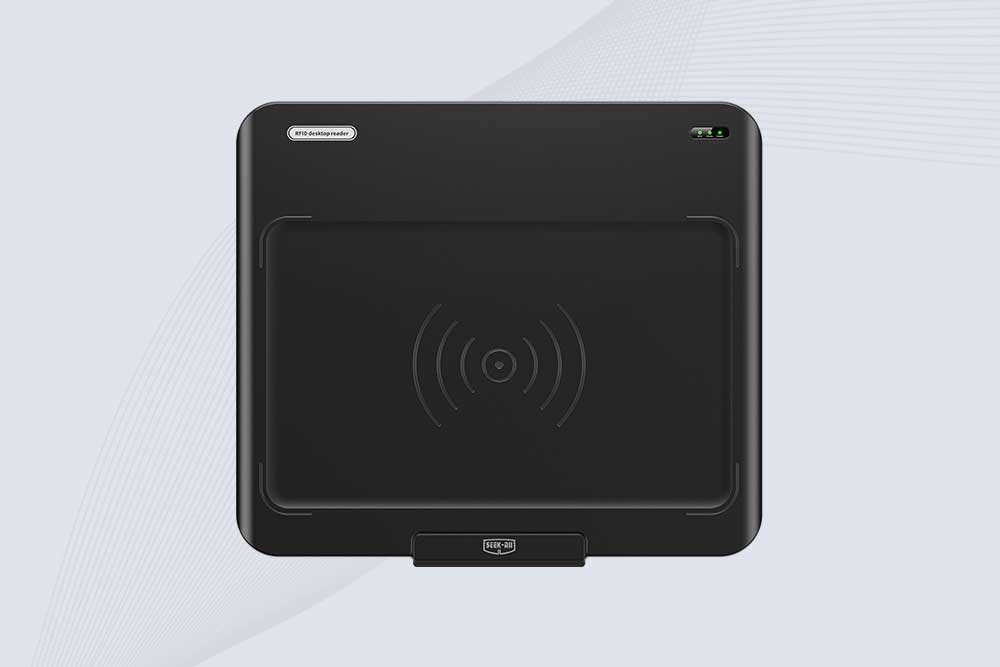
SSD-D3AL is a USB-HID UHF RFID reader with 0–30 cm reading, 0–15 cm writing, over 600 tags/s recognition, USB plug-and-play operation and OEM Logo customization.
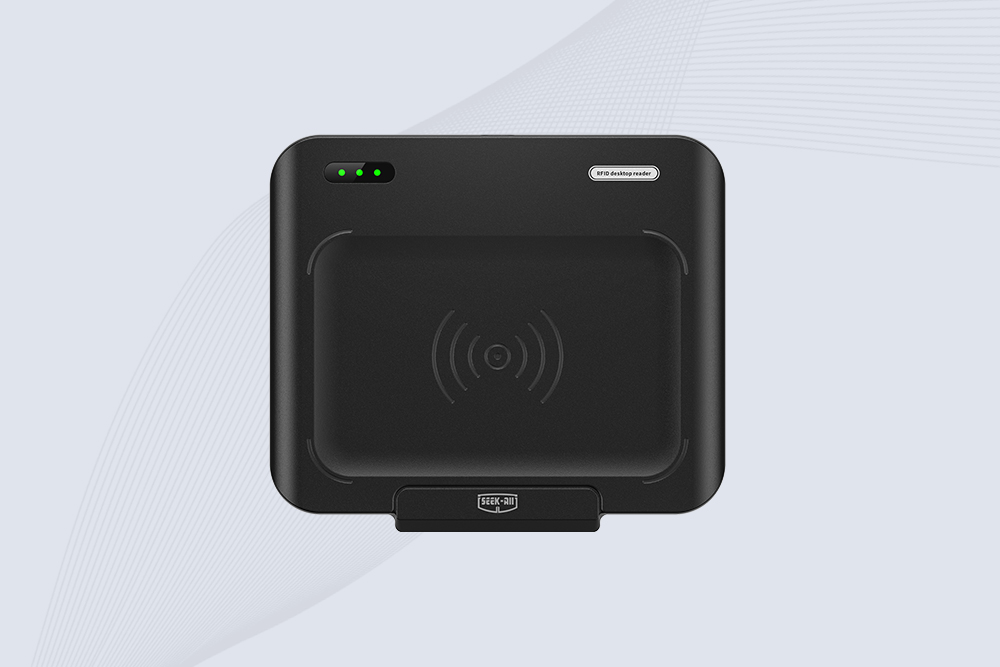
SSD-D1AL is a compact USB UHF RFID reader with Impinj E710/X3M1 chipset, USB-HID, 600+ tags/s recognition, 4/8/16 antenna support and plug-and-play USB power.
CYKEO CYKEO-D1LA USB RFID Reader is a compact desktop solution with near-field control for precise tag reading and encoding. Powered by USB, supporting ISO 18000-6C, and built for stable batch writing, this usb rfid tag reader fits retail, libraries, offices, and controlled RFID encoding tasks.
CYKEO CYKEO-D1L RFID scanner USB is a compact desktop UHF RFID scanner designed for short-range tag writing and verification. This usb rfid scanner supports batch encoding, stable 0–26 dBm output, and works across Windows, Linux, and Android systems.
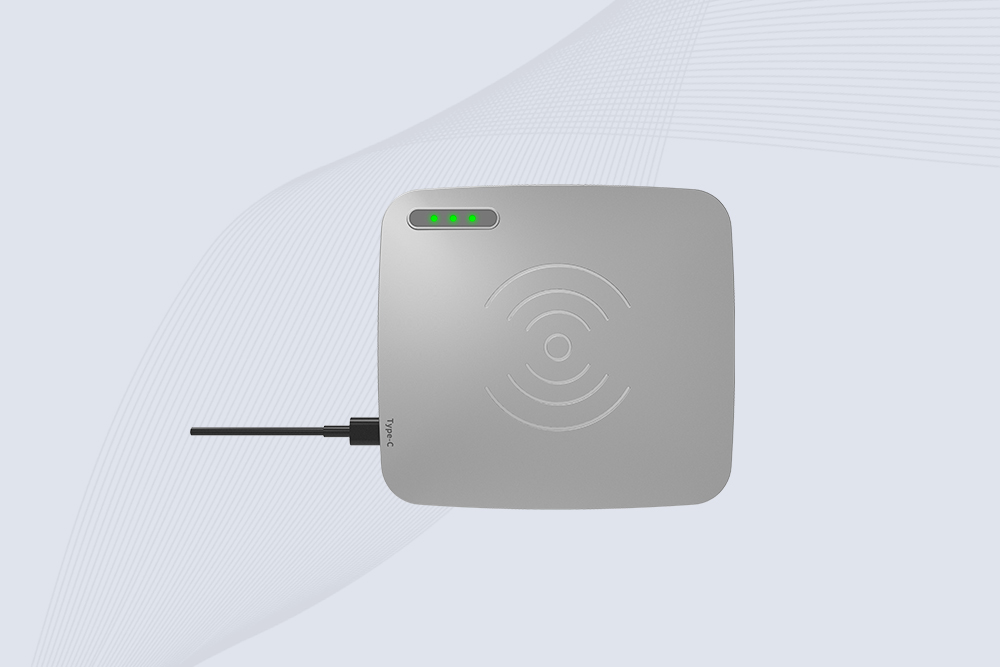
CYKEO CYKEO-D1C USB RFID Card Reader is a near-field UHF desktop writer designed for secure, short-range tag encoding. With USB-C connectivity and stable 26 dBm output, this rfid reader usb c is ideal for badge issuance, label encoding, and controlled desktop RFID workflows.
CYKEO CYKEO-D2L RFID Reader USB is a compact desktop encoder built on the Impinj R500 chip. With near-field control and stable USB power, this usb rfid card reader delivers precise tag writing for offices, retail counters, and small-scale logistics encoding tasks.
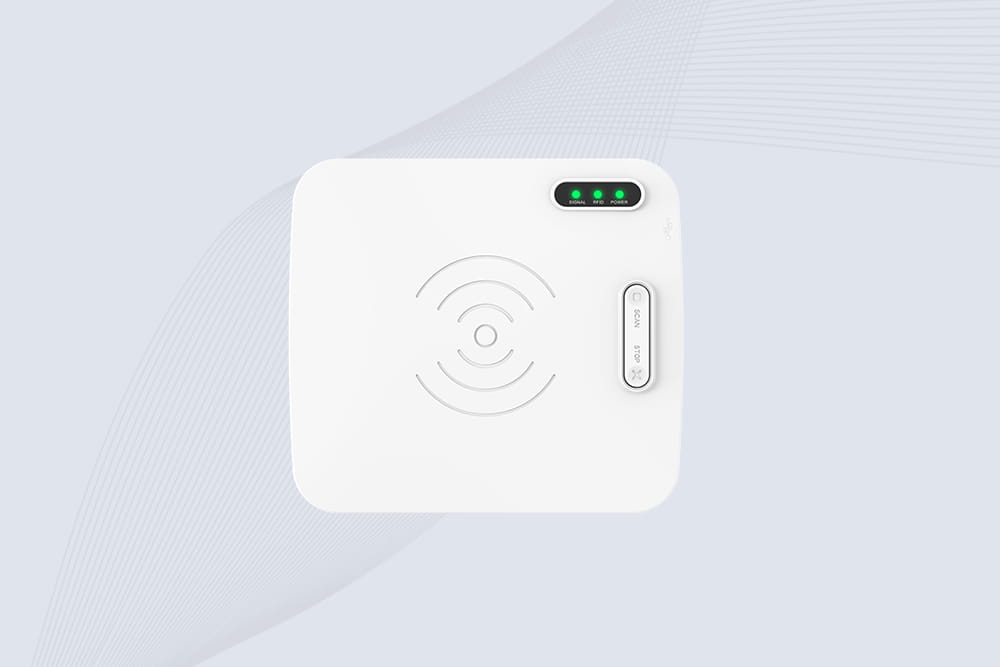
CYKEO CYKEO-D3L USB RFID Tag Reader delivers stable UHF tag reading and writing for daily desktop and light industrial tasks. Designed for controlled short-range operation, this USB RFID Tag Reader works reliably with rfid tag and reader systems in libraries, tool tracking, and inventory registration.
The CYKEO CYKEO-D4L UHF RFID Tag Reader is a stable Desktop RFID Reader designed for accurate tag registration, borrowing, and return workflows. Built with the Impinj R2000 chip, this UHF RFID Tag Reader delivers controlled short-range reads for libraries, asset tracking, and inventory management environments.
The CYKEO CYKEO-D5L Desktop RFID Card Reader is a stable UHF RFID Card Reader designed for controlled short-range reading and writing. Built for libraries, tool rooms, and asset desks, this UHF RFID Card Reader supports dense tag handling, secure data processing, and easy USB integration.
The CYKEO CYKEO-D6L RFID Reader Writer is a heavy-duty Desktop RFID Reader designed for short-range, high-accuracy tag programming. Built for libraries, labs, and asset desks, this RFID Reader Writer supports batch processing, stable 33dBm output, and seamless integration with existing management systems.
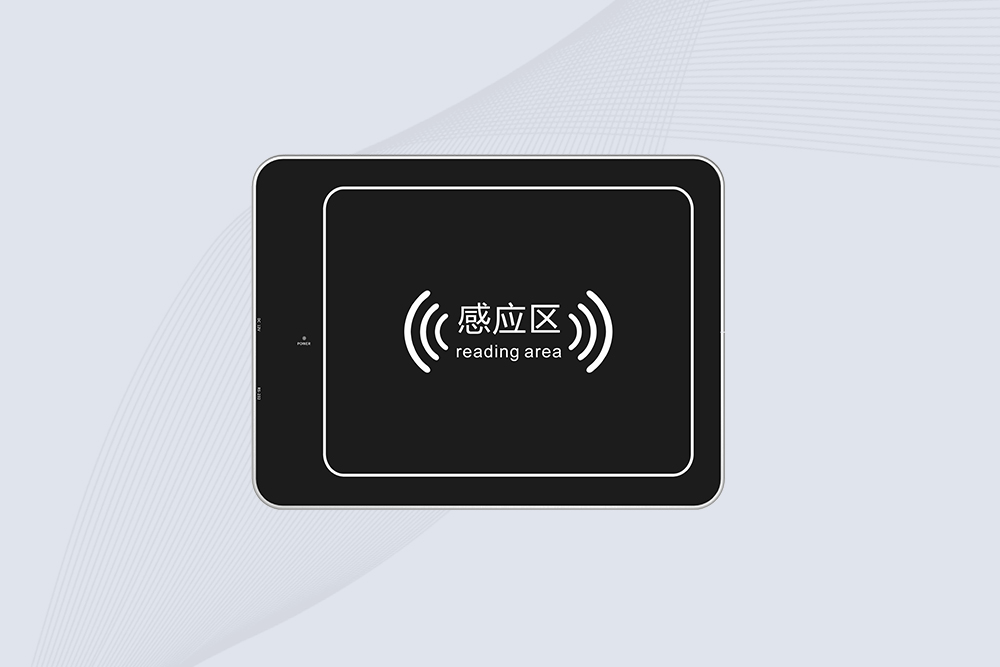
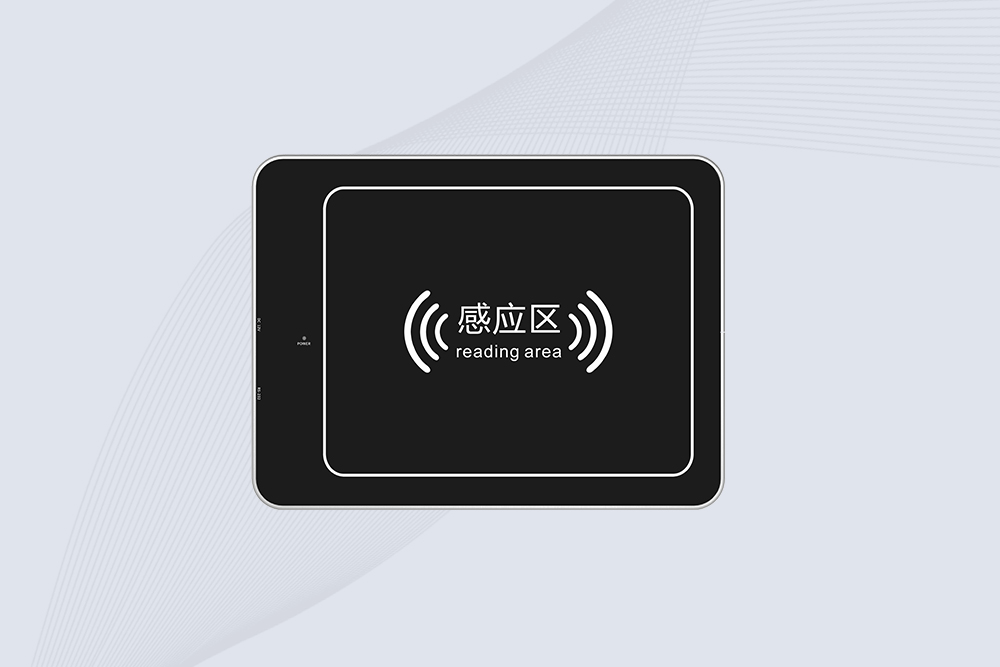
Cykeo CYKEO-D8A embedded RFID badge reader offers 30+ tags/sec scanning, 20cm anti-crosstalk precision, and DC 12V power for unmanned stores, warehouses, and smart inventory systems.
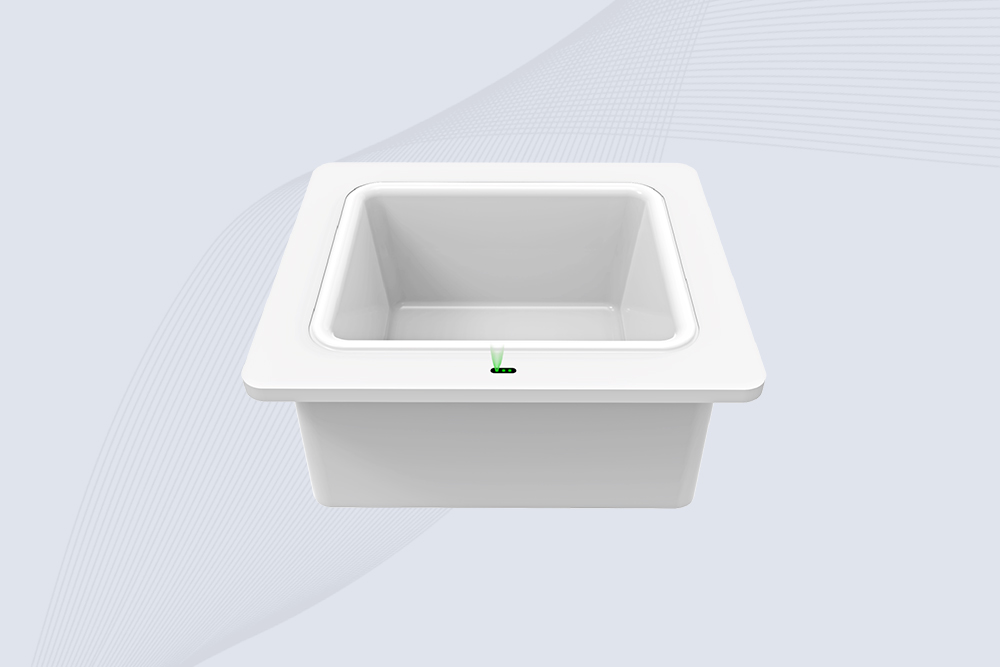
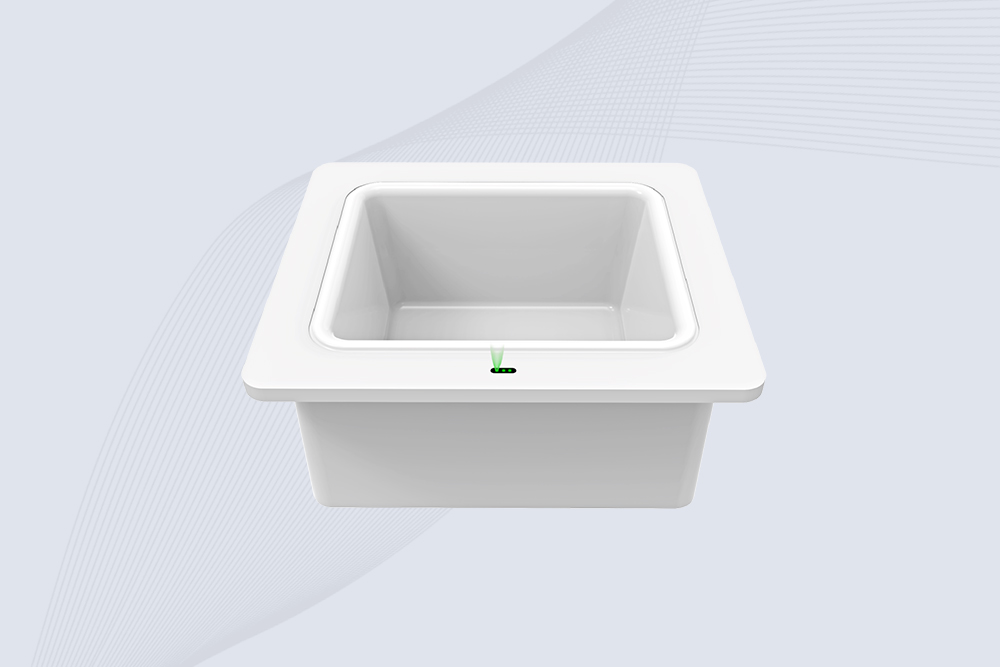
Cykeo’s CYKEO-D8C UHF RFID gate reader achieves 200-tag/batch scanning with adjustable power control, ideal for retail inventory and smart warehouse management.
Learn how RFID tool tracking systems work, from smart tool cabinets to full industrial setups. Understand how antennas and RFID modules integrate into real-world solutions.
Learn how to calculate ROI for RFID implementation in retail stores. Discover Cykeo’s proven framework to quantify cost savings, reduced shrinkage, and revenue growth.
Explore how yms with rfid compatibility delivers real-time yard visibility, automates gate processes, and boosts logistics efficiency with proven RFID data insights and Cykeo solutions.
Worried about contactless skimming? Here's how to block RFID readers effectively with wallets, sleeves, and simple habits. Learn what works and what's just hype.
 Cykeo RFID IoT Solution Products R&D Manufacturer