 Cykeo RFID IoT Solution Products R&D Manufacturer
RFID Door Reader: The Key to Solving Warehouse Efficiency Bottlenecks
203RFID door reader solutions for warehouses and factories. Supports UHF RFID gate readers, ceiling tunnel readers, and seamless WMS integration.
MoreAll RFID Product
If you’ve worked on a library RFID project before, you already know one thing: not all rfid tags perform the same.
On paper, most suppliers will tell you their tags can do long-range reading and fast scanning. In real projects, that’s where problems usually start.
HF RFID has been used in libraries for years. It works, but it’s slow when the collection gets large.
UHF changes that.
You can walk along a shelf and scan dozens of books in seconds. No need to pull books out. No need to scan one by one. For large libraries, this alone saves a huge amount of time.
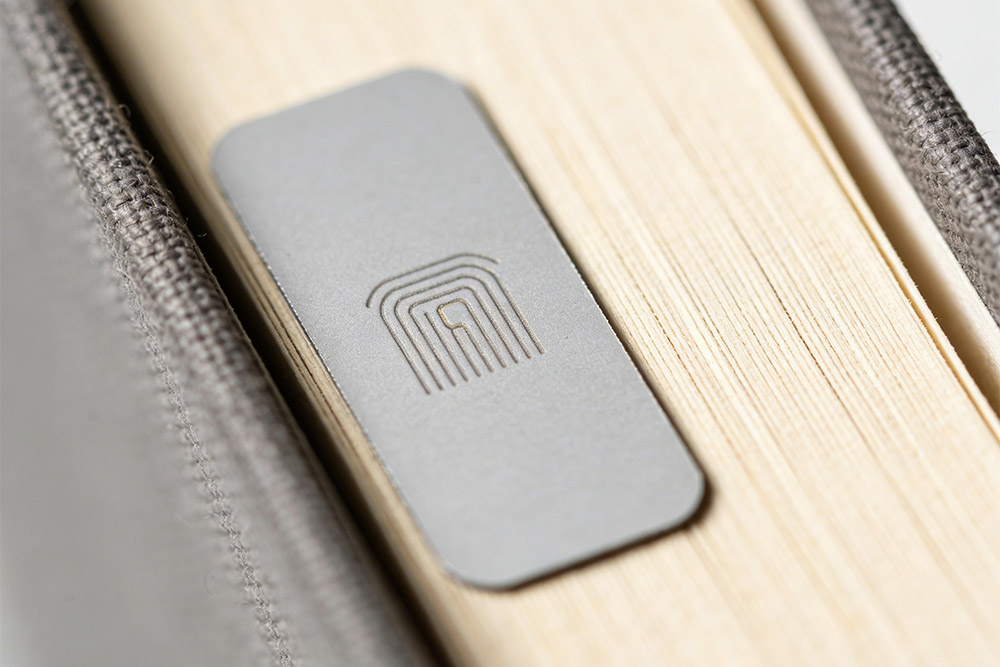
When you’re buying in bulk, a few details matter more than anything else.
1. Stability over distance
A tag that reads “far” in a lab is not the same as a tag that reads consistently in a crowded bookshelf. Go for stability, not just specs.
2. Designed for paper, not general use
Books are not metal, not plastic. Tags that work well on cartons may perform poorly inside books. Always choose tags tuned for paper.
If you’re looking at options, something like this ultra high frequency rfid tags
is built specifically for library use, not just a generic label.
3. Thin and flexible
Too thick, and it affects the book. Too stiff, and it peels off over time.
4. Batch consistency
This one gets overlooked. A sample works well, but the full batch behaves differently—that’s a common issue.
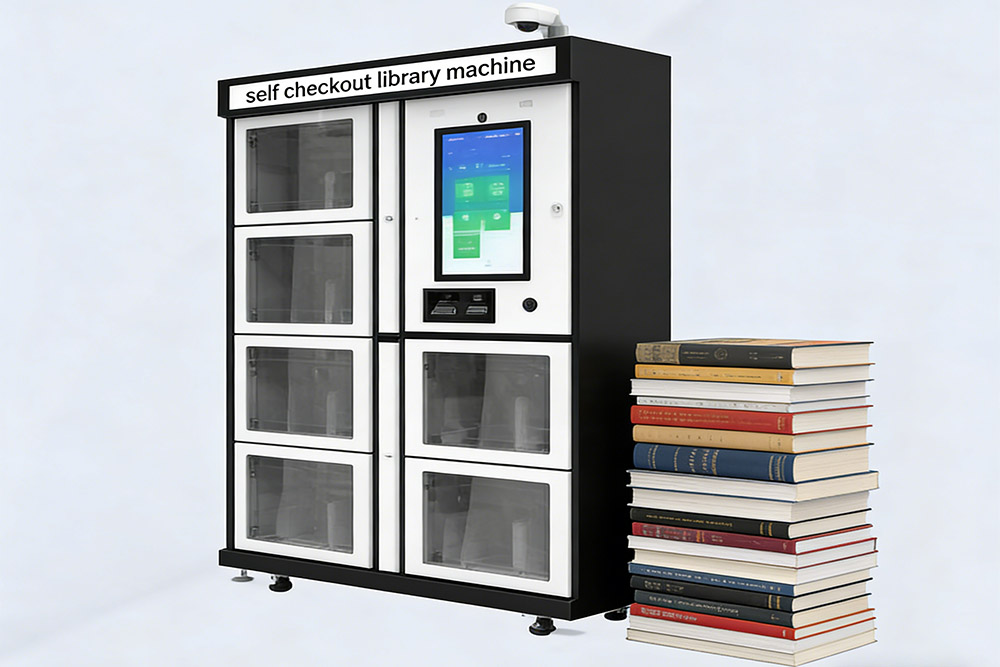
From real projects, here’s what tends to go wrong:
Always test samples in your actual environment. Not in theory.
UHF RFID works great for libraries—but only if the tags are right.
Spend a bit more time choosing at the beginning, and you’ll save a lot of trouble later.
User Guide
How to Remove RFID Tags from Clothing Safely (Without Ripping Your Shirt)
The Truth About RFID Signals: Aluminum Foil, Smartphones, and Reading Range Explained
How Security Tag Readers Work: RFID vs. Magnetic Systems – Which Is More Efficient?
How to Deactivate RFID Tags Without Guesswork or Myths?
How to Test RFID Tags with Phone
How to Test RFID Tags with Your Smartphone (No Scanner Needed)
How to Use Android Phone to Emulate RFID Tag: Full Tutorial and Application Guide
Can Your RFID Tags Reader iPhone ? Here’s How It Actually Works
Can You Use an NFC Phone as an RFID Tag?
How to Choose the Right RFID Tag for Clothing? Materials, Packaging & Attachment Explained
Industrial Essentials: 2025 Guide to the Most Durable Rugged RFID Tags
Active RFID Tag Range: The Real Difference Between Active and Passive Tags
RFID door reader solutions for warehouses and factories. Supports UHF RFID gate readers, ceiling tunnel readers, and seamless WMS integration.
More
Wondering how to make RFID tag and reader yourself? We break down what's actually possible: from encoding tags to building readers from modules, and when to just buy.
More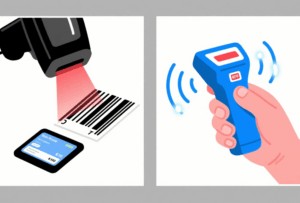
Compare RFID and barcode scanning technologies in warehouse, retail, logistics, and manufacturing. Discover their differences in efficiency, cost, and application suitability.
More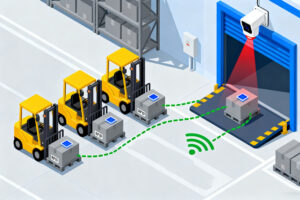
Curious about how RFID works in warehouses? This FAQ explains how RFID improves inventory accuracy, reduces errors, and streamlines operations. Learn the differences between passive and active tags, costs, and real-world benefits.
More