 Cykeo RFID IoT Solution Products R&D Manufacturer
Can NFC Read RFID Tags? Here’s the Unvarnished Truth.
287Wondering "can NFC read RFID tags"? Get the clear answer on what works, what doesn't, and why NFC won't help with industrial tracking needs.
MoreAll RFID Product
Let’s talk RFID frequencies. Honestly, picking the right one isn’t rocket science, but it does make a huge difference. Your choice affects how far a tag can be read, how fast data zips over, and whether your system actually behaves in the real world or just “works on paper.”
There are basically three main frequency types: Low Frequency (LF), High Frequency (HF), and Ultra-High Frequency (UHF). Each has its quirks, pros, cons, and ideal use cases. Let’s break them down.
Frequency Range: 30 kHz – 300 kHz (usually 125 kHz or 134.2 kHz)
Read Range: Around 10 cm – yep, really short.
Coupling Type: Inductive (near-field)
So LF tags—these guys are old-school but reliable. They use electromagnetic induction, which basically means the reader has to be close, like really close. And yes, they’re slow compared to the other types. But here’s the kicker: metal or water? Doesn’t faze them. That’s why vets, car key systems, or some medical gear still use LF.
Why it’s useful:
Watch-outs:
Typical Applications:
Access control, animal tracking, car immobilizers, medical assets. Basically, stuff where being reliable beats being fast.
Frequency Range: 3 MHz – 30 MHz (commonly 13.56 MHz)
Read Range: Up to 1 meter (about 3 feet)
Coupling Type: Inductive (near-field)
HF tags—this is where things get a bit more flexible. They’re faster than LF, and—bonus—they can read multiple tags at once. That’s thanks to anti-collision protocols. They’re smaller too, cheaper, and standard across the globe. So if you’re thinking library cards, event tickets, or some NFC-enabled stuff, HF is usually your friend.
My take:
HF is like that all-rounder teammate—you can rely on it for medium-range stuff, works decently in most environments, but it’s not perfect if metal or water is everywhere.
Limitations:
Typical Applications:
Smart cards, libraries, transit, event access, product authentication.
13.56 MHz again, but really short-range, two-way. Phones, contactless payments, secure access—yep, NFC runs on HF.
Frequency Range: 300 MHz – 1 GHz (860–960 MHz passive, 433 MHz active)
Read Range: Up to 15–20 feet (roughly 6 m or more)
Coupling Type: Backscatter (far-field)
UHF is the long-distance runner. Fast, lots of tags at once, big areas—it shines in warehouses, logistics, or when you really need speed. But, here’s the thing—metal and water can mess with it. Placement matters, tuning matters. Treat it like a high-performance car: powerful but requires care.
Expert opinion:
UHF is the obvious choice for large-scale tracking, but don’t just slap tags anywhere. Think through placement and environment.
Limitations:
Typical Applications:
Warehouses, retail, pallets, manufacturing automation.
Power source is a whole other dimension:
Thought:
If you need real-time tracking of big assets, active or semi-passive is the way to go. Passive? Fine for small stuff or where cost matters.
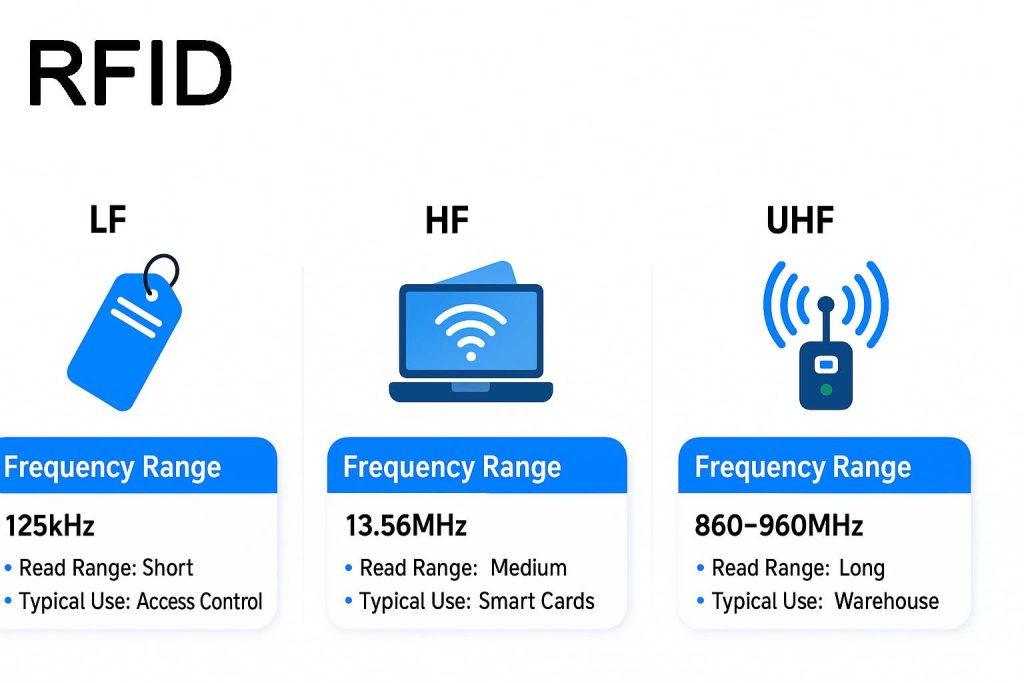
| Type | Frequency | Read Range | Coupling | Performance Metal/Water | Use Cases |
|---|---|---|---|---|---|
| LF | 125/134 kHz | ~10 cm | Inductive | Excellent | Animal ID, Access Control, Car Keys |
| HF | 13.56 MHz | <1 m | Inductive | Moderate | Smart Cards, Libraries, NFC |
| UHF | 860–960 MHz | Up to 6 m | Backscatter | Poor | Warehouse, Logistics, Retail |
| Active | 433 MHz / 2.45 GHz | 30–100 m | Backscatter | Good | RTLS, Vehicle Tracking |
Here’s the practical way to think about it:
Examples:
Look, RFID isn’t magic, but choosing the right frequency can make or break your system.
Think through your environment, goals, and constraints, and pick the one that fits. Done right, your system won’t just “work”—it’ll make life easier.
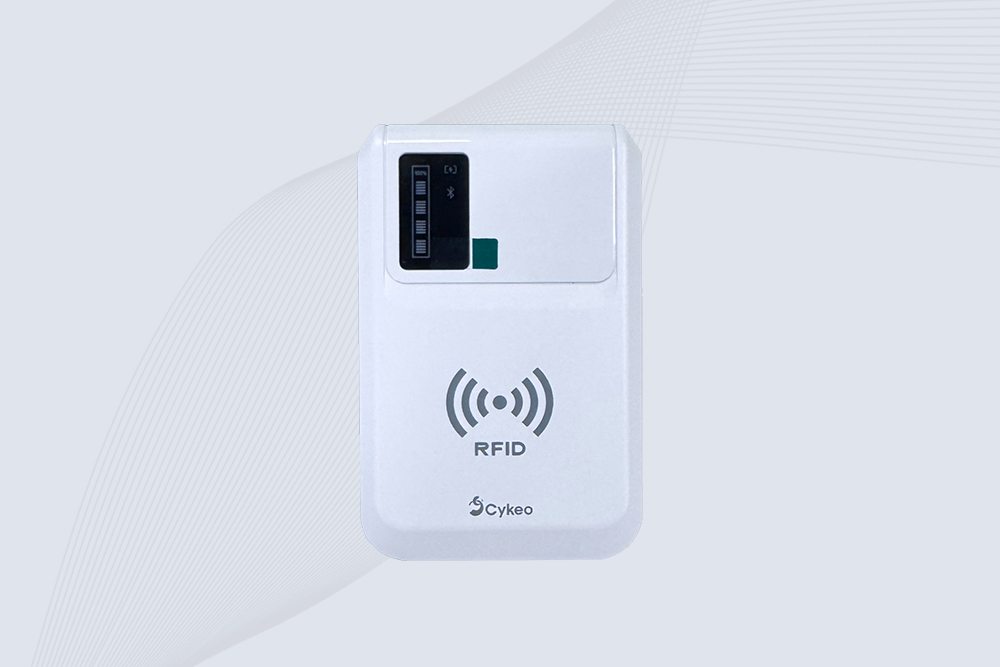
Cykeo CYKEO-B5L portable iPhone RFID reader features 8m range, 500 tags/sec scanning, and built-in 10000mAh charger. Perfect for retail/warehouse teams needing iOS integration.
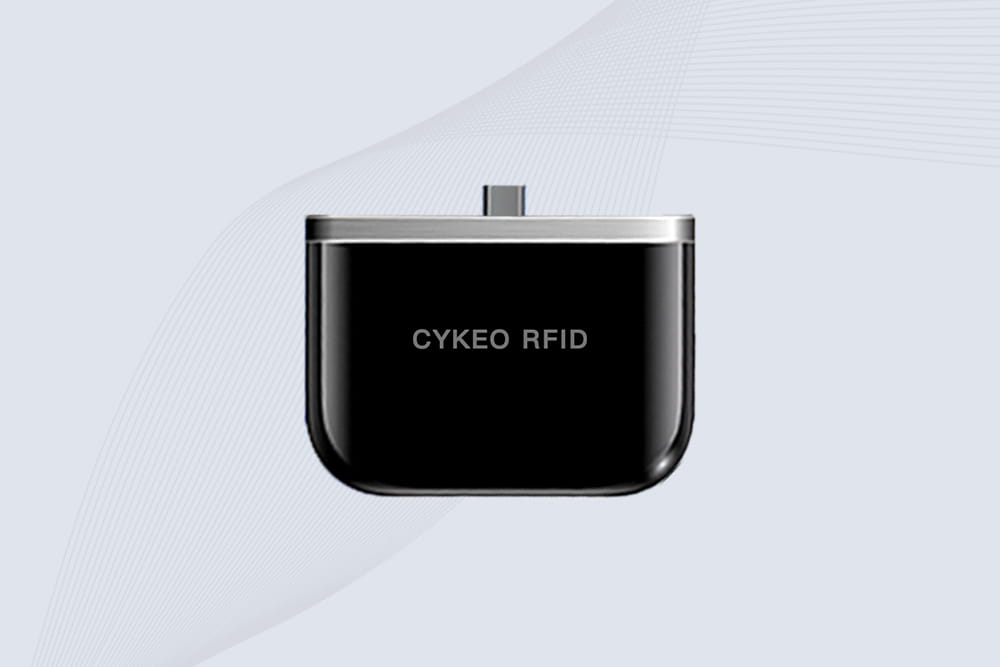
Cykeo CYKEO-B4L Android RFID reader features 37g magnetic phone attachment, 30cm UHF scanning, and Java/C# SDK for mobile asset tracking. Ideal for anti-counterfeit and warehouse verification.
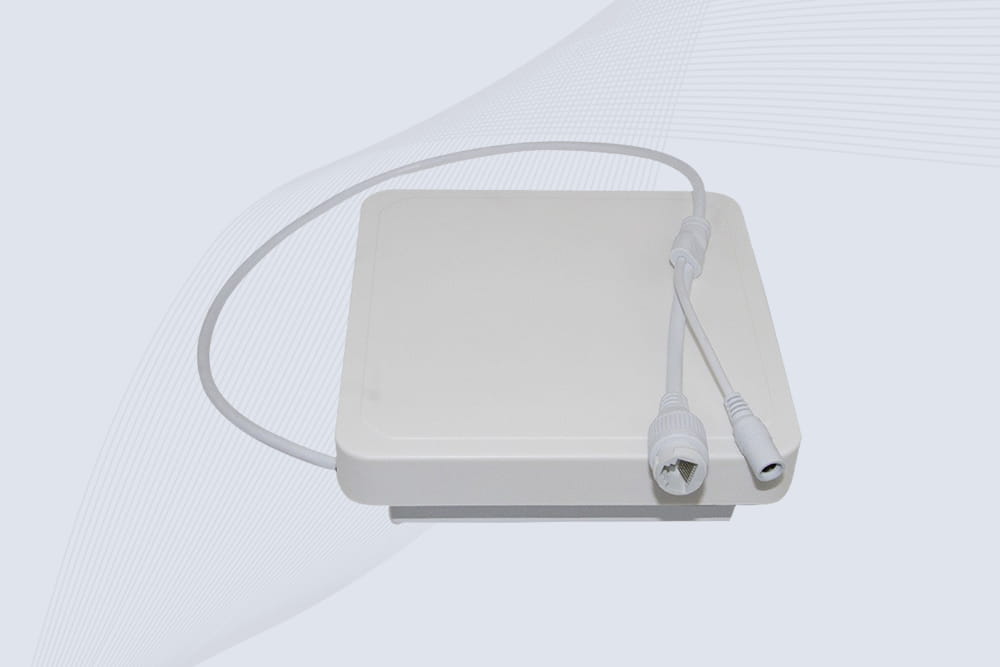
Cykeo’s industrial long range RFID reader delivers 20-meter scanning, 500+ tags/sec speed, and IP67 waterproof design for automated warehouses, logistics, and harsh environment applications.
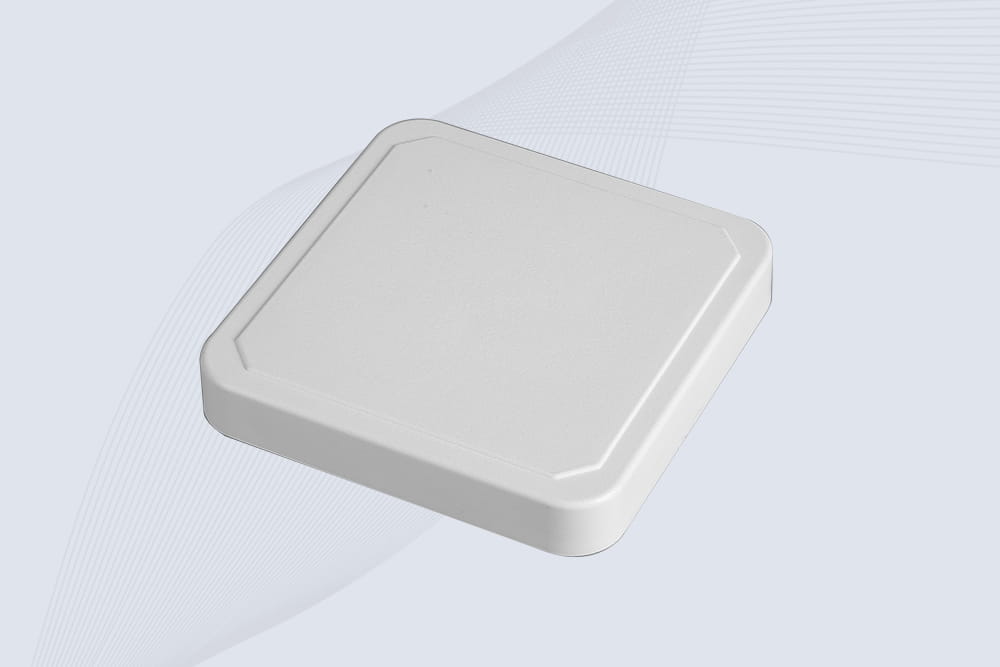
Cykeo’s CYKEO-RA6L industrial RFID long range reader features 20m read distance, 500 tags/sec speed, and IP67 protection. Ideal for warehouse automation, manufacturing WIP tracking, and smart logistics. Supports ISO 18000-6C/6B protocols.
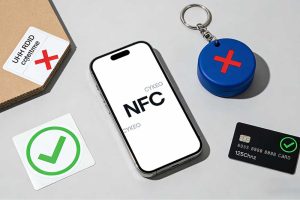
Wondering "can NFC read RFID tags"? Get the clear answer on what works, what doesn't, and why NFC won't help with industrial tracking needs.
More
Learn how to optimize long-range RFID readers for livestock tracking. Discover Cykeo’s tips to enhance range and accuracy in rugged farm and ranch environments.
More
Discover how handheld RFID scanners streamline construction asset management, reduce loss, and save time. Learn key features for rugged environments.
More
Protect your RFID systems from cyber threats with encryption, access controls, and compliance tactics. Learn how Cykeo’s solutions safeguard sensitive data in critical industries.
More