 Cykeo RFID IoT Solution Products R&D Manufacturer
How to Choose UHF RFID Long Range Reader for Warehouse Systems
139A practical guide for choosing RFID long range readers for warehouse systems. Learn how to design read zones, select antennas, and ensure stable integration.
MoreAll RFID Product
When people talk about RFID systems today, most of the time they’re referring to passive UHF RFID tags. These tiny, battery-free tags are the backbone of modern tracking and identification systems — used everywhere from warehouses and hospitals to vehicle gates and retail stores. Let’s break down how they actually work and what to consider when choosing one for your project.
A passive RFID tag doesn’t have its own power source. Instead, it draws energy from the electromagnetic field generated by the reader’s antenna. When the tag receives that power, the chip wakes up, processes the signal, and sends its data back through the antenna. Because there’s no battery inside, passive tags can be made smaller, cheaper, and last practically forever. The trade-off is that they only work within a limited range — usually a few meters, depending on the reader and environment.

Every UHF passive tag is made of a few simple parts:
The design of the antenna is what determines how well a tag performs. Different materials — metal, plastic, cardboard, even liquid containers — can reflect or absorb radio waves, so manufacturers tune antennas for specific use cases.
You’ll often hear people talk about wet inlays, dry inlays, and hard tags:
Picking the right tag isn’t just about cost or size. You’ll want to think about:
For example, a simple paper label might work perfectly in a clothing store, but it would fail quickly on a metal pallet in a factory. In that case, a hard tag or a special “on-metal” design would be the better choice.
Passive UHF tags are used pretty much everywhere now:
In large systems, readers can identify hundreds of tags at once, even without line of sight — something barcode scanners could never do.

Placement matters more than most people think. A tag stuck on a metal surface or near liquid might lose most of its range unless it’s designed for that environment. Always test in real conditions before a big rollout. Many integrators also do a quick “site survey” to see how signals behave in the actual space.
Passive UHF RFID tags may look simple, but getting them to work perfectly takes some practical tuning and real-world testing. The best approach is to start small: pick a few tag samples, test them on your actual items, and adjust based on what you see. Once you’ve got the right match, scaling up becomes straightforward.
They’re small, inexpensive, and reliable — and when matched correctly with the right reader and setup, they quietly do an amazing job of connecting the physical world to digital systems.
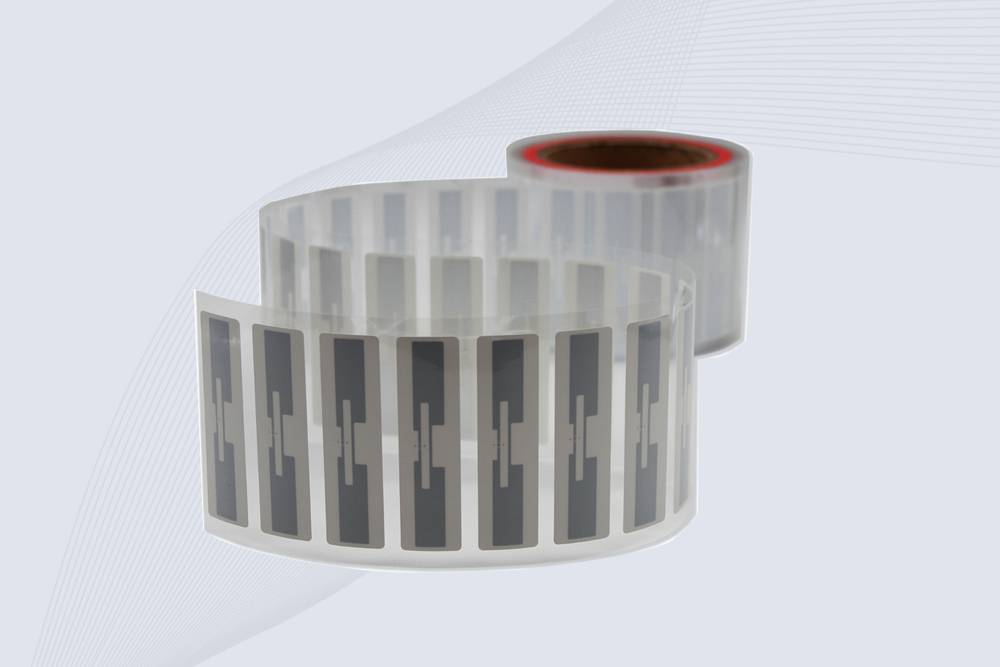
CYKEO Passive RFID Tags are made for wet and high-humidity environments where standard labels do not last. This rfid passive tag is often used around liquids, chemicals and temperature changes, providing stable reading distance and long data life for industrial tracking.
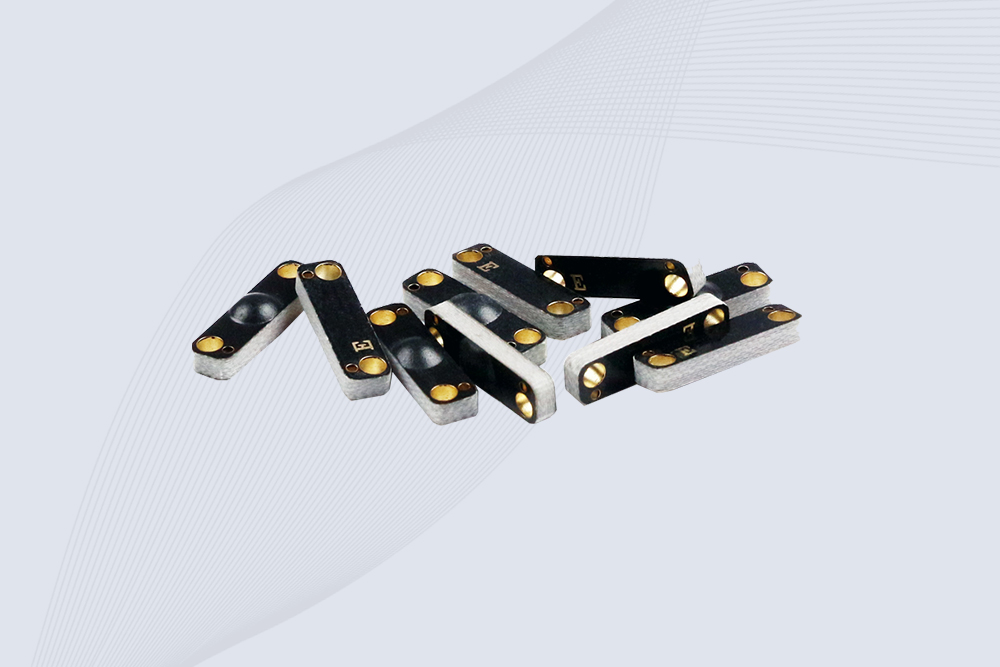
CYKEO CYKEO-PCB1504 Metal RFID Tags is a compact anti-metal UHF RFID solution built for direct mounting on metal surfaces. With stable 8-meter read range, Ucode-8 chip, and long data retention, this rfid metal tag fits tools, containers, automotive parts, and industrial asset tracking.
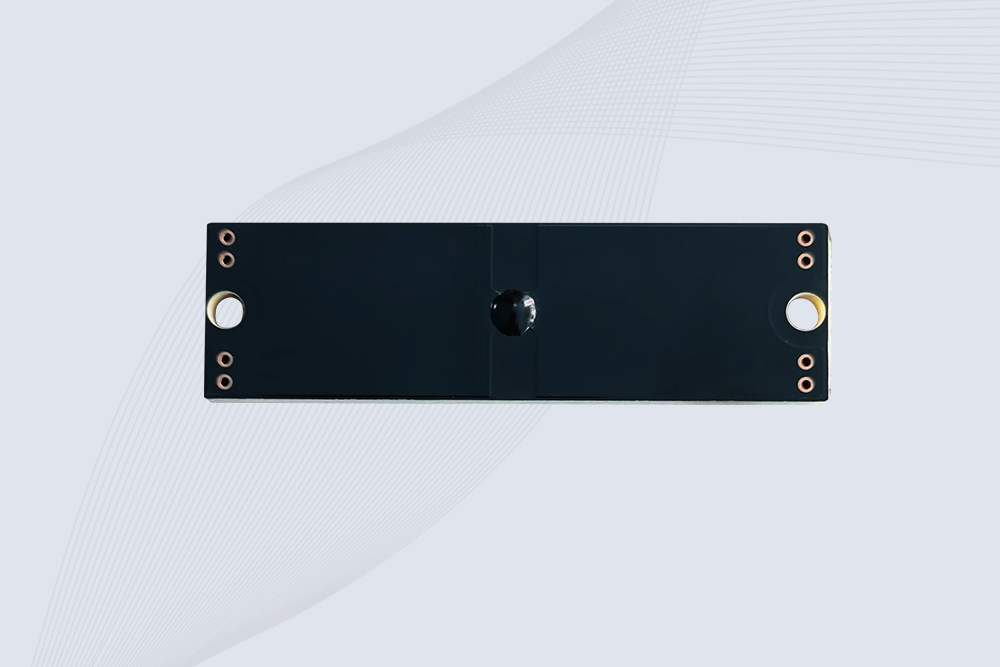
CYKEO CYKEO-PCB7020 On-Metal RFID Tags are designed for reliable tracking on steel and metal surfaces. Built with an FR4 epoxy body and industrial-grade chips, these On-Metal RFID Tags deliver stable performance, long data life, and chemical resistance, making them a dependable RFID anti-metal tag for harsh environments.
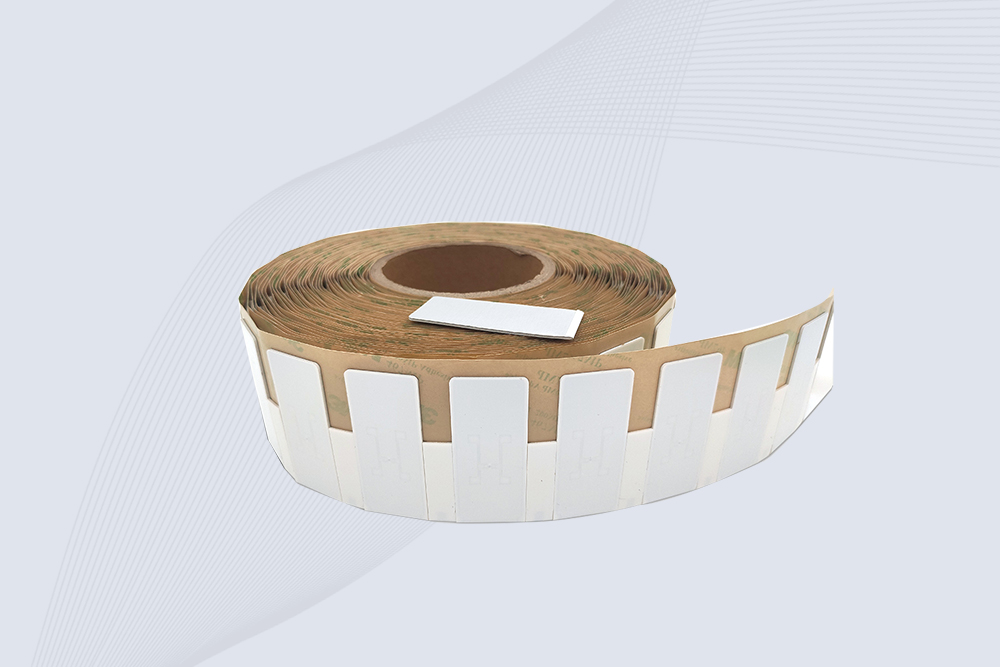
The CYKEO CYKEO-60-25 Anti-Metal RFID Tag is built for metal surfaces where standard tags fail. Designed for long-range performance, harsh environments, and stable data retention, this Anti-Metal RFID Tag is ideal for industrial assets, containers, and equipment tracking using on metal RFID tags.

A practical guide for choosing RFID long range readers for warehouse systems. Learn how to design read zones, select antennas, and ensure stable integration.
More
Not sure if you need a Bluetooth RFID handheld reader? Learn when it makes sense and how it compares to integrated devices.
More
What makes a universal UHF RFID reader antenna? We explore the real engineering trade-offs between frequency coverage, gain, and form factor for diverse applications.
More
Discover the top 5 handheld RFID readers for tracking medical equipment in hospitals. Compare features like accuracy, hygiene, and integration with healthcare systems.
More