 Cykeo RFID IoT Solution Products R&D Manufacturer
How to Make a Roll Up RFID Antenna: Our “Field-Expedient” Experiment
454Need a portable scanner? We tried figuring out how to make a roll up RFID antenna. Here's what worked, what broke, and why we usually use something else.
MoreAll RFID Product
Honestly, if you think RFID is just that little box by store doors, think again. It’s everywhere now—access cards, hospital wristbands, even your metro pass might secretly be RFID-enabled. And it’s creeping into areas you wouldn’t expect, like digital identity and smart retail. The funny thing is, behind the “tap-and-go” convenience, there’s a lot of tech most people never see.
High-frequency RFID (around 13.56 MHz) is the usual choice, but making a reader isn’t plug-and-play. You’ve got to juggle antennas, signal strength, power supply, and how well it talks to tags.
It sounds dry, but trust me, skipping any of these details will make your system a headache in the field.
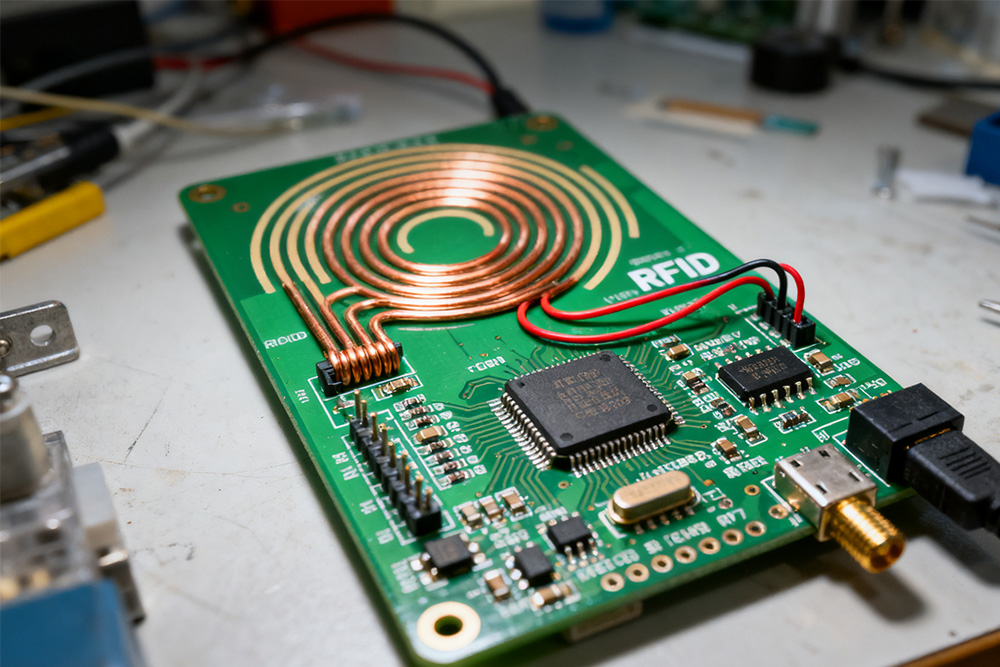
RFID used to just track inventory, but now it’s everywhere:
Basically, it’s gone from a “nice extra” to almost a necessity in certain situations.
RFID talks wirelessly, so yeah, someone could theoretically eavesdrop or clone it.
It’s like having a fancy key—you can’t just drop it in anyone’s pocket. Smooth experience up front, but the tech behind the scenes is busy keeping things locked down.

Current trends are clear:
It’s kind of funny—super simple for humans, super messy for machines. But that might just be the recipe for RFID to go mainstream.
RFID isn’t just a tag and a reader anymore. It’s security, intelligence, and utility rolled into one. You need to mind the hardware details, watch your antennas, consider protocols, and think about privacy. If done right, RFID can go from a niche tool to something as normal as QR codes—quietly everywhere, and mostly invisible, but absolutely essential.
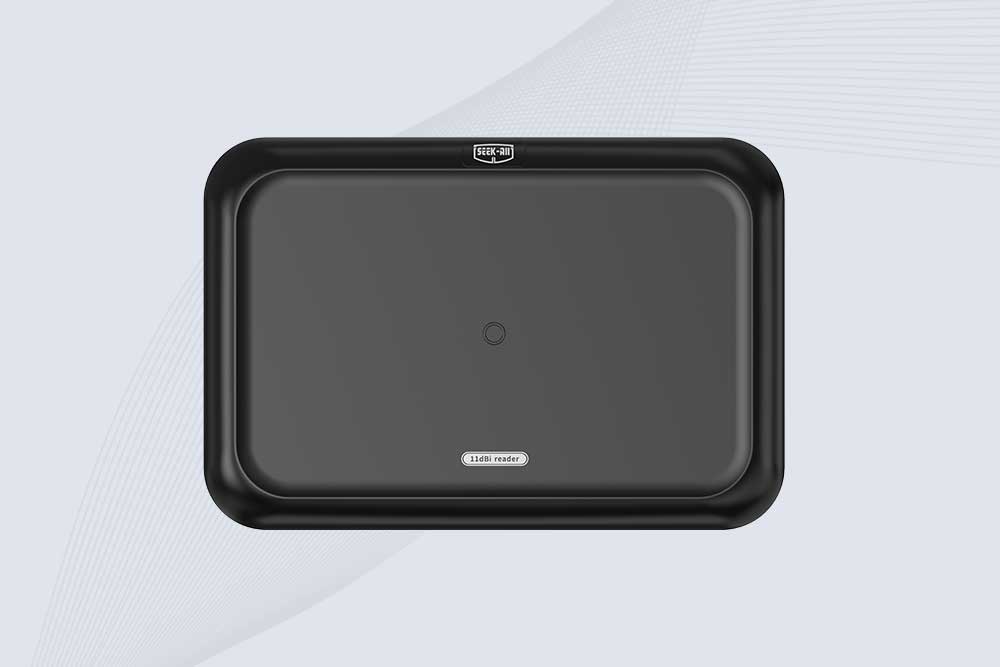
SSD-RA11L is an 11 dBi UHF RFID reader with up to 15m reading distance, 600+ tags/s speed, integrated antenna and flexible connectivity.
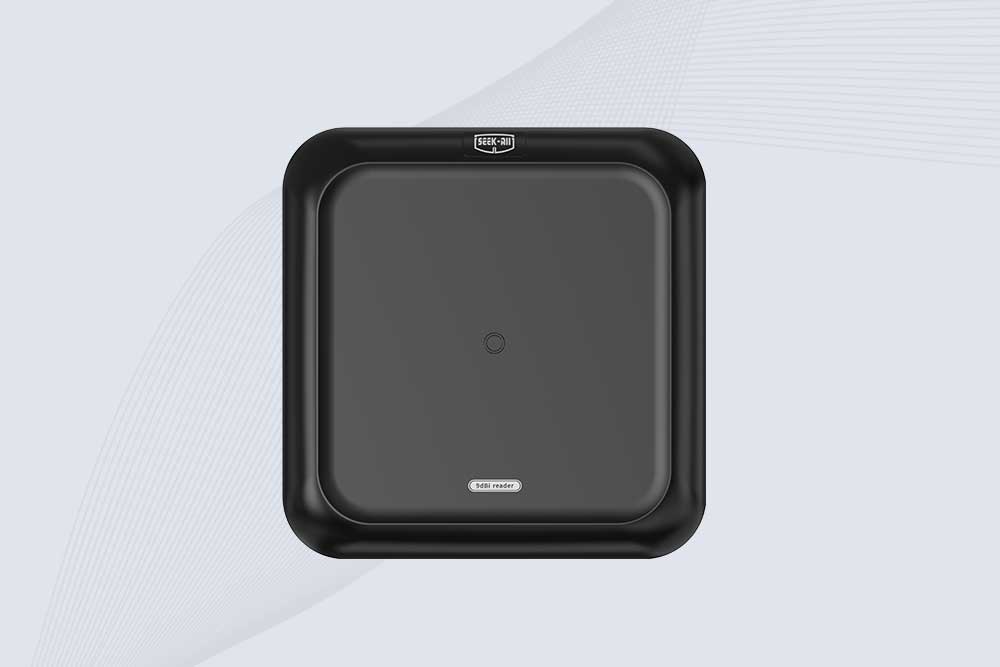
SSD-RA09L is a long range UHF RFID reader with a built-in 9 dBi antenna, 10m reading range, 600+ tags/s speed and flexible interfaces.
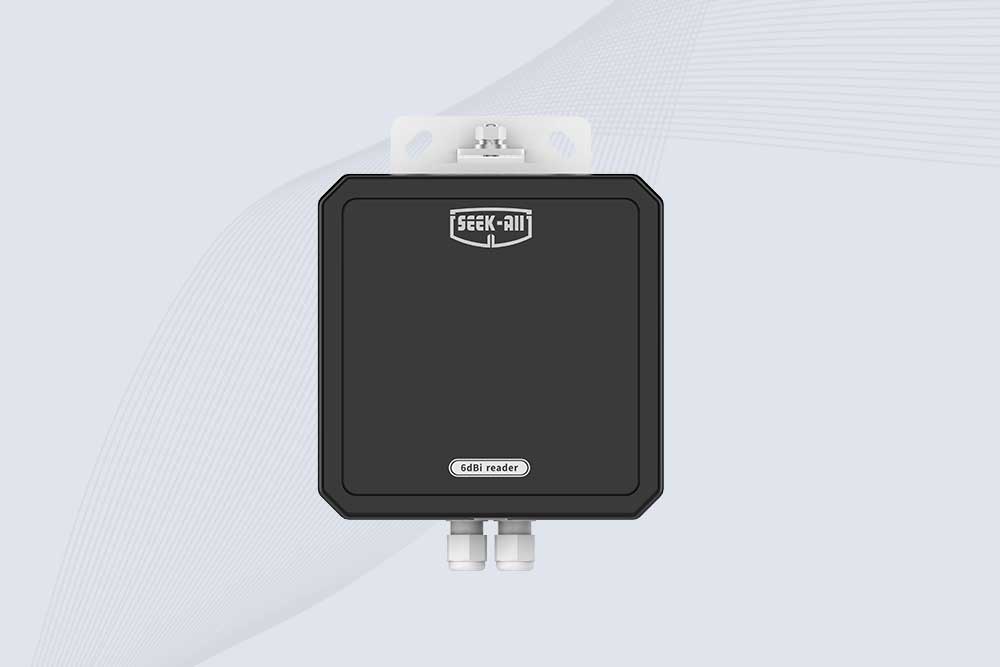
SSD-RA06L is an industrial UHF RFID reader with a built-in 6 dBi antenna, 3 m read range, 600+ tags/s, Ethernet, RS232, and optional Wi-Fi, 4G, and PoE.
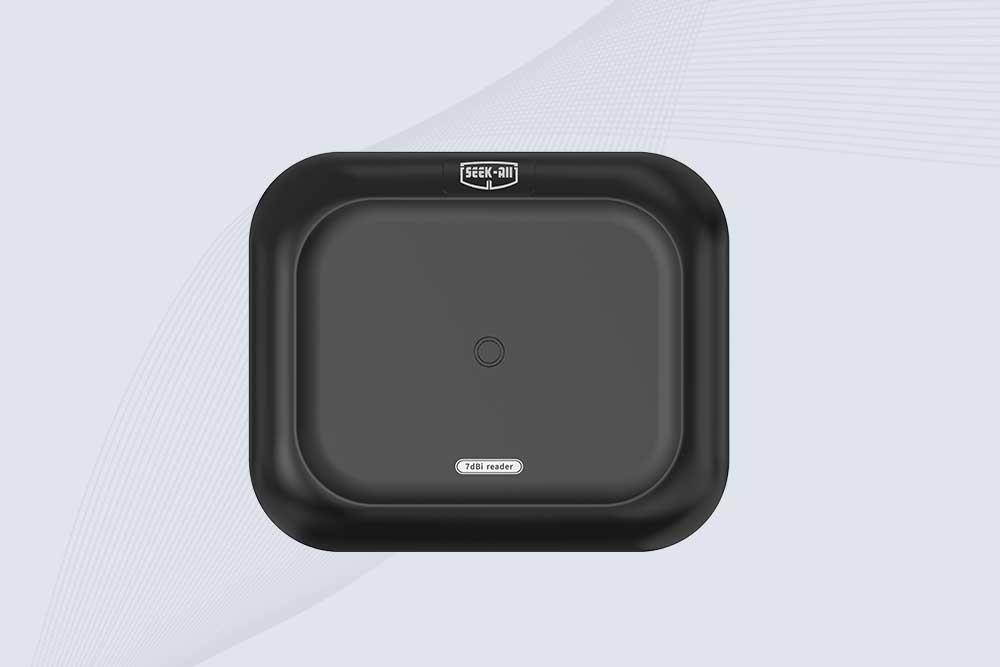
SSD-RA07L industrial UHF RFID reader with integrated 7 dBi antenna, up to 6 m reading distance, over 600 tags/s, Ethernet, RS232, and optional Wi-Fi, 4G, and PoE.

Need a portable scanner? We tried figuring out how to make a roll up RFID antenna. Here's what worked, what broke, and why we usually use something else.
More
Wondering how RFID asset tracking works? CYKEO explains how radio tags slash audit times, prevent theft, and give you real-time visibility over your equipment.
More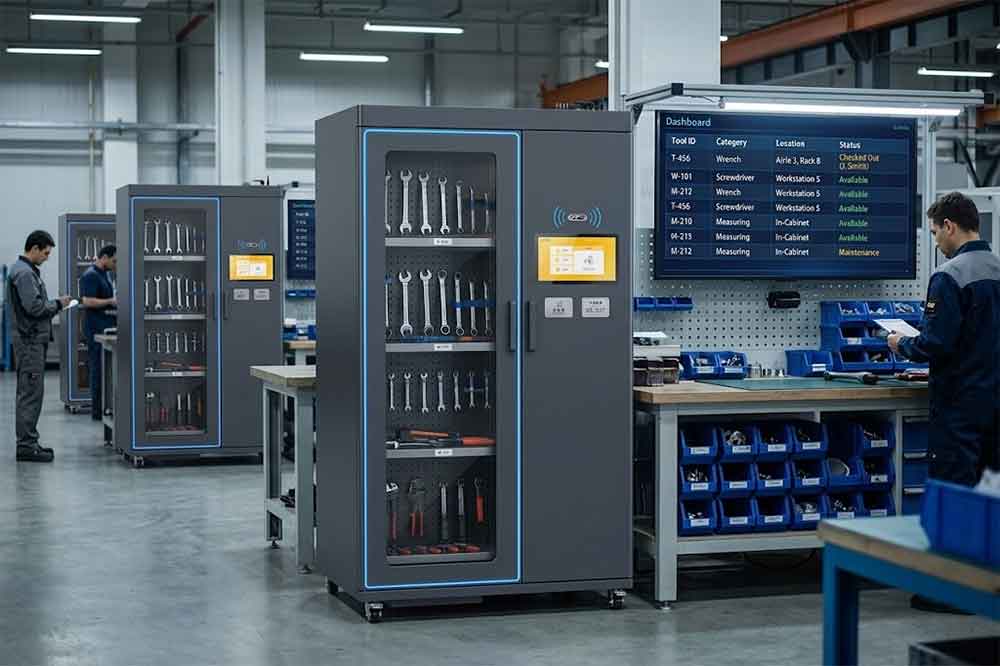
RFID tool cabinet can support tool standardization by giving tools consistent IDs, RFID tags, categories, statuses, storage rules, and management workflows. ...
More
A reliable RFID system combines UHF tags, readers, antennas, software, and business applications around defined read events and real operating conditions.
More