 Cykeo RFID IoT Solution Products R&D Manufacturer
RFID Long Range Reader SDK & API: What Actually Matters for Integration Projects
145A practical guide for developers on RFID SDK and API integration. Learn how to handle raw tag data, avoid common mistakes, and build stable RFID systems.
MoreAll RFID Product
RFID devices use ultra high frequency identification technology to automate tool tracking, inventory counting, and access management, helping companies reduce manual errors, improve accountability, and complete asset audits in seconds instead of hours.
Most factories do not lose tools because workers steal them.
They lose them because nobody can answer a simple question fast enough: “Who took it last?”
That was exactly the situation inside a power maintenance workshop we visited last year. Expensive torque tools were constantly “missing,” but after several days, they usually turned up inside another department. The problem was not theft. It was invisible movement.
That is where modern UHF RFID devices change operational behavior completely.
At Cykeo, we work closely with industrial RFID deployments involving intelligent tool cabinets, fixed readers, and automated inventory systems. In real environments, the biggest advantage is not scanning speed alone. It is traceability under pressure.
RFID devices are hardware systems that use radio frequency identification technology to identify, track, and manage tagged objects automatically without direct visual scanning.
In industrial environments, RFID devices commonly manage:
Unlike barcode systems, UHF RFID devices can identify multiple tagged items simultaneously, even when the items are inside cabinets, stacked in boxes, or partially blocked from view.
According to the official RAIN RFID Alliance, billions of RFID tags are now deployed annually across logistics, retail, healthcare, and industrial automation sectors.
Meanwhile, research published by the U.S. National Institute of Standards and Technology highlighted RFID’s effectiveness in improving industrial asset visibility and reducing inventory inaccuracies.
The shift is practical, not theoretical anymore.
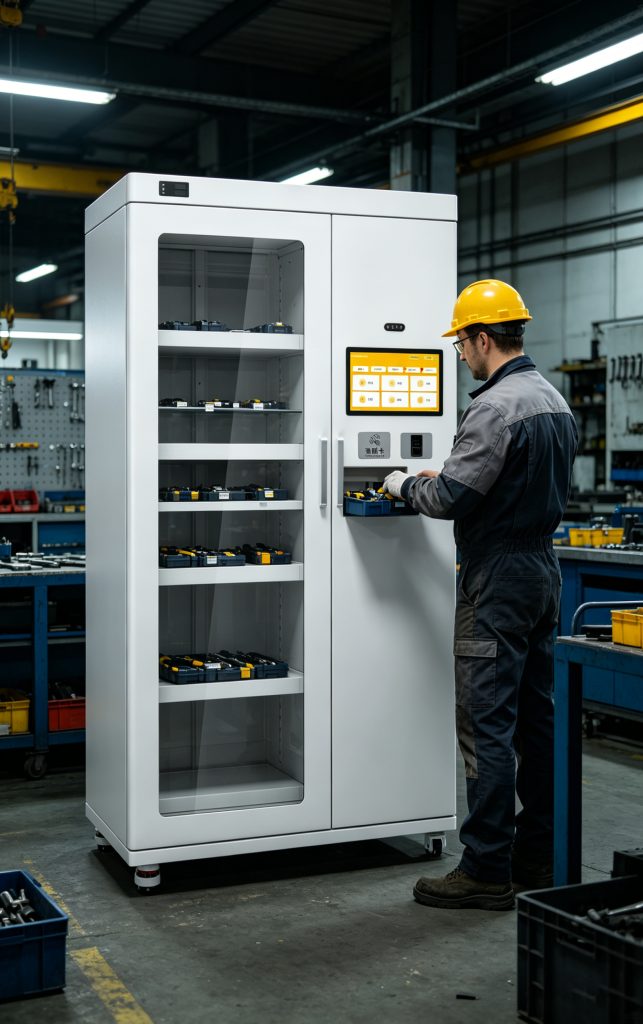
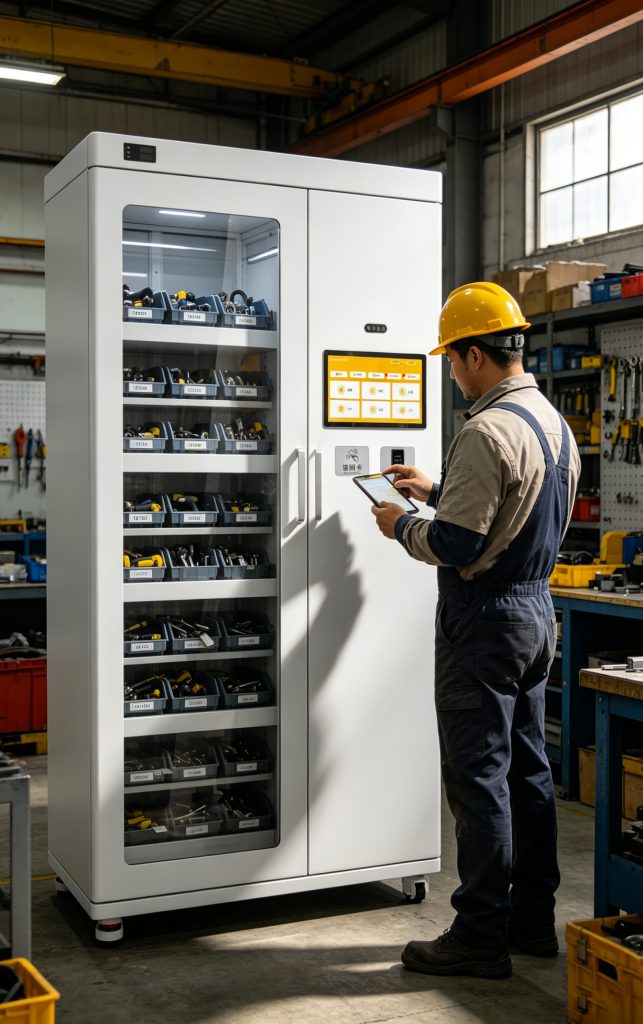
Cykeo intelligent RFID tool cabinets comply with the ISO 18000-6C protocol and are designed specifically for industrial environments requiring unattended, real-time asset management.
The cabinet operates continuously, supports 24-hour automated tracking, and combines UHF RFID recognition with intelligent access control.
| Feature | Operational Benefit |
|---|---|
| Automatic tool borrowing records | Eliminates manual registration |
| 10-second inventory counting | Speeds up daily inspections |
| Real-time tracking logs | Tracks every tool movement |
| Multi-user identity verification | Improves accountability |
| Voice prompts and alerts | Reduces operating mistakes |
| RFID automatic identification | Enables unattended operation |
One detail operators notice immediately is the silence.
Traditional tool rooms are noisy — barcode scanners beeping, supervisors asking questions, workers waiting for approvals. RFID cabinets remove most of that friction. Workers authenticate, open the cabinet, retrieve tools, and leave. The system records everything automatically.
No clipboard hanging beside the cabinet anymore.
Ultra high frequency RFID performs especially well in environments where multiple assets move frequently.
A barcode workflow handles one item at a time.
A UHF RFID cabinet can process dozens of tagged tools instantly.
That difference becomes extremely noticeable during monthly inspections or emergency maintenance situations.
Metal tools create difficult RF environments.
This is something many marketing articles conveniently skip.
Wrenches, drills, metal cases, and stacked hardware reflect RF energy unpredictably. If antenna design is poor, systems suffer from missed reads or unstable detection zones.
Cykeo RFID devices use optimized antenna layouts and intelligent filtering algorithms to improve stability inside dense industrial cabinets. In practical deployments, antenna positioning matters more than raw power output.
We learned that during one aviation maintenance project where increasing transmission power actually reduced read consistency because of excessive RF reflection inside steel storage compartments.
RFID is not magic hardware. It is precision engineering.
The most valuable operational improvement often appears several months after deployment.
Managers stop arguing about responsibility because the system already contains the history.
That level of traceability becomes extremely important in:
| Specification | Performance |
|---|---|
| RFID Protocol | ISO 18000-6C / EPC Gen2 |
| RFID Frequency | UHF |
| Inventory Speed | About 10 seconds |
| Operation Mode | Fully automatic |
| Authentication Methods | Multi-permission identity verification |
| Deployment Environment | Indoor or protected semi-outdoor |
One technician said something interesting during testing.
He was not impressed by the RFID itself. He was impressed that nobody needed to “double-check the cabinet” before shift change anymore.
That small operational change saved supervisors nearly an hour daily because inventory verification stopped depending on manual confirmation.
Sometimes the value of RFID devices is not dramatic automation.
Sometimes it is simply removing uncertainty.
RFID devices are systems that use radio frequency identification technology to identify and track tagged assets automatically.
Because UHF RFID supports longer reading distances and simultaneous multi-tag identification for faster asset management.
Yes. With optimized antenna design and appropriate RFID tags, metal tool tracking is highly effective.
Modern UHF RFID cabinets can complete inventory verification within about 10 seconds.
No. Most UHF RFID systems automatically identify tagged items without direct line-of-sight scanning.
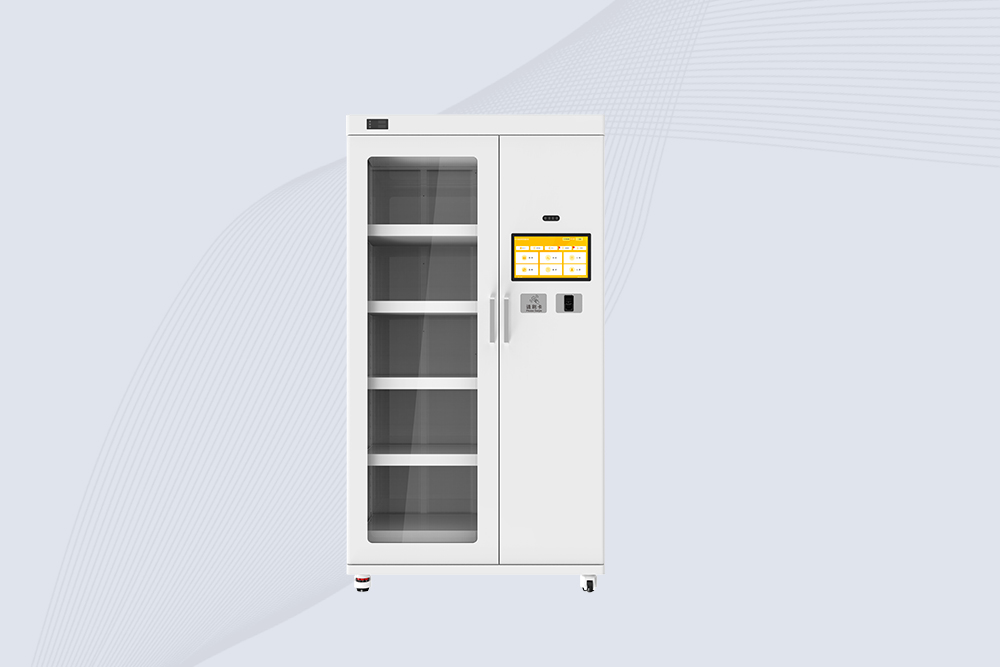
Cykeo’s RFID Smart Tool Cabinet enables 10-second tool audits, user access control & real-time alerts for construction/oil/gas. Features 21.5″ touchscreen, IP54 steel body & -30°C~60°C operation. Supports SAP/Oracle integration.
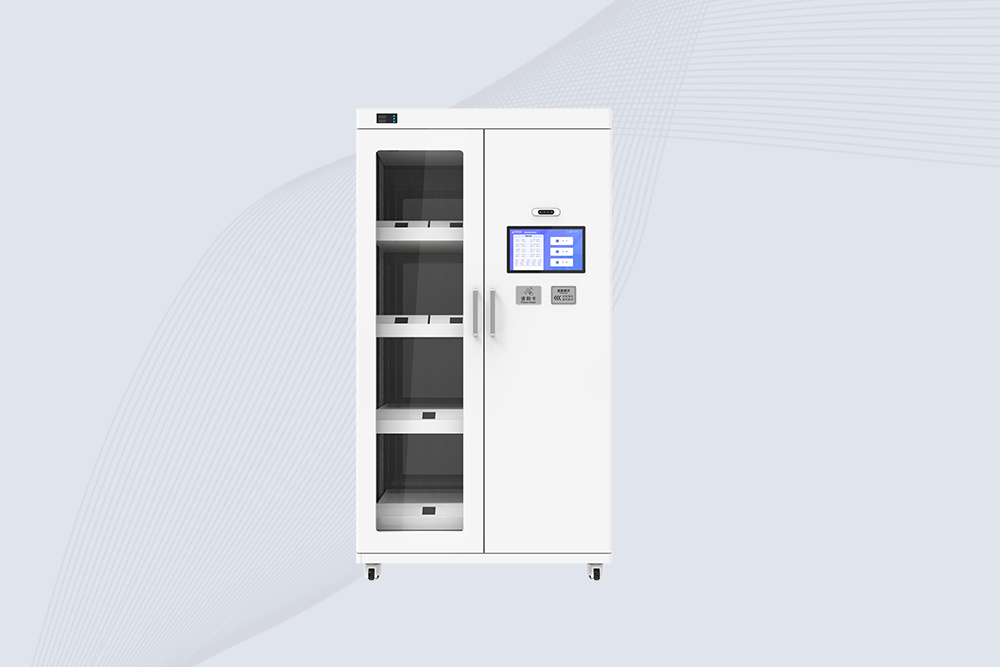
Cykeo’s Intelligent Weighing Tool Cabinet combines weight sensors & RFID for 100% tool accountability. Features solar/4G options, IP54 steel-glass body & nuclear/rail compliance. Supports SAP/Oracle integration.
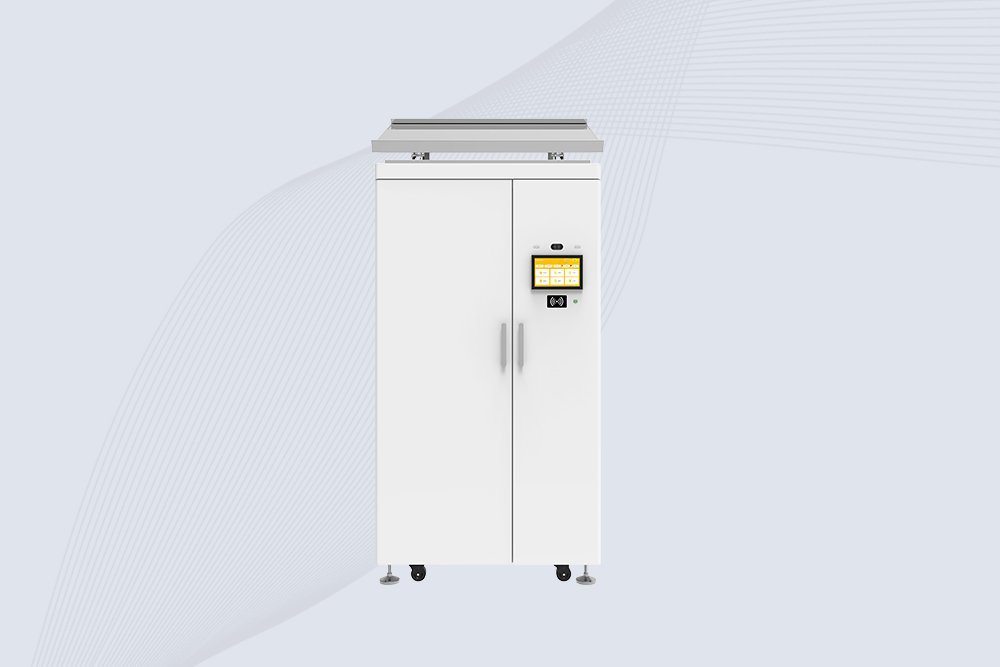
Cykeo’s solar-powered RFID Inventory Tool Cabinet enables 5-second audits for remote sites. Features 160W solar, Android 7.1, 4G & extreme temp operation for oil/energy/mining sectors.
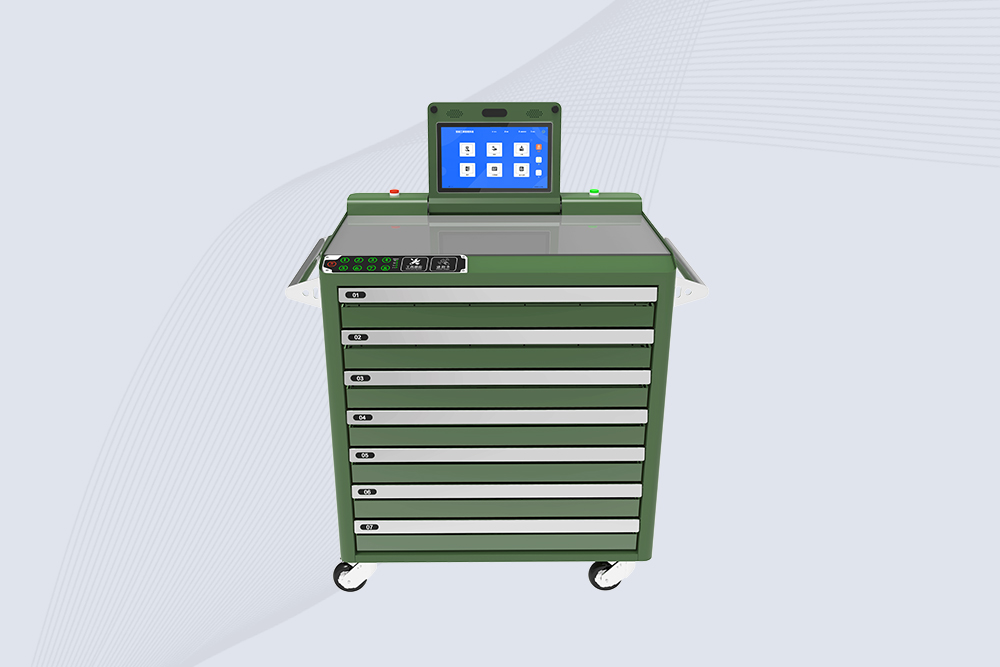
Cykeo’s industrial RFID Tool Cart features 14″ touchscreen, 400+ tool scanning, and carbon steel construction for aviation MRO, power plants and construction sites. 5-second inventory scans.
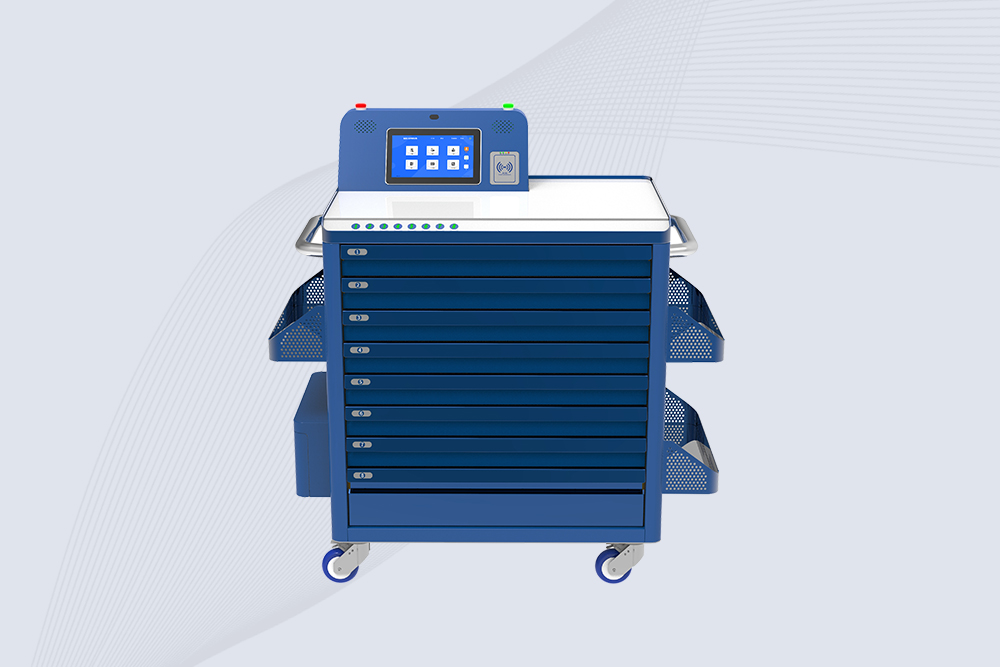
Cykeo CYKEO-TC RFID multi-drawer tool cart manages 300+ tools via UHF RFID, features fingerprint/face recognition, Android/Windows OS, and SAP integration for nuclear/railway/fire safety sectors. IP54 rated for harsh environments.
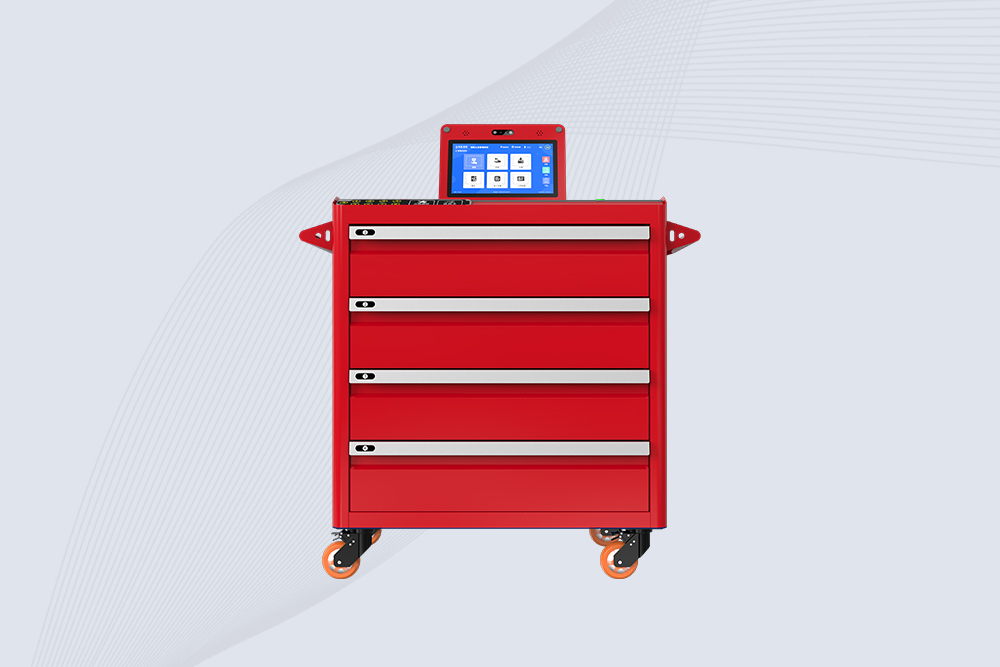
Cykeo CYKEO-GTC4 RFID tool inventory cart manages 300+ tools via UHF RFID, features instant scanning, fingerprint/face recognition, and SAP integration for nuclear/railway/fire safety sectors. IP54 rated for harsh environments.
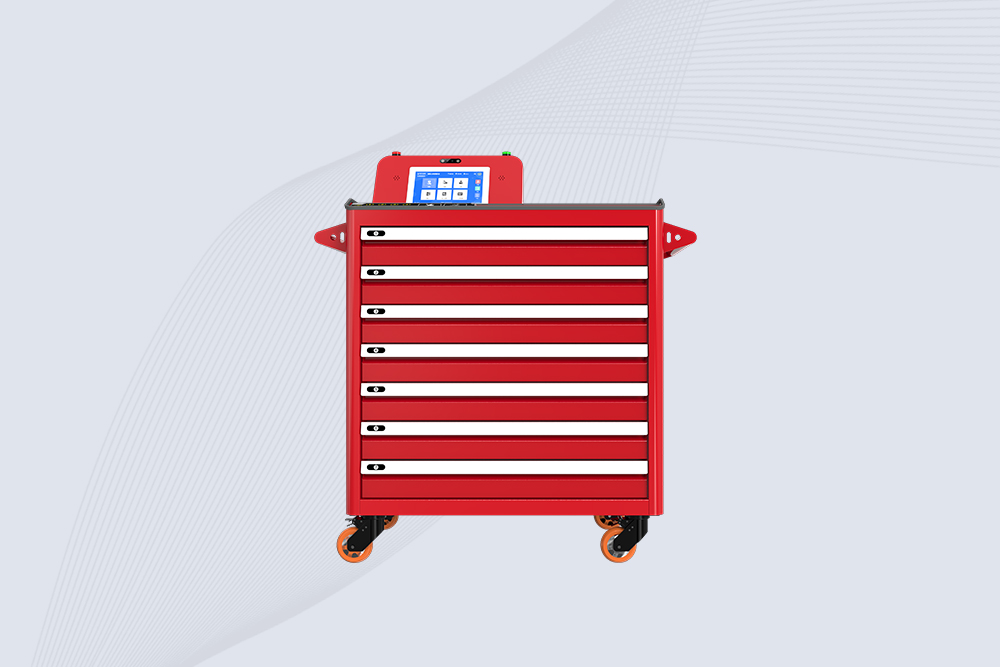
Cykeo CYKEO-GTC7 RFID aviation maintenance cart features military-grade build, blockchain audits, and predictive tool alerts for aircraft MRO. Achieves EASA/FAA compliance.
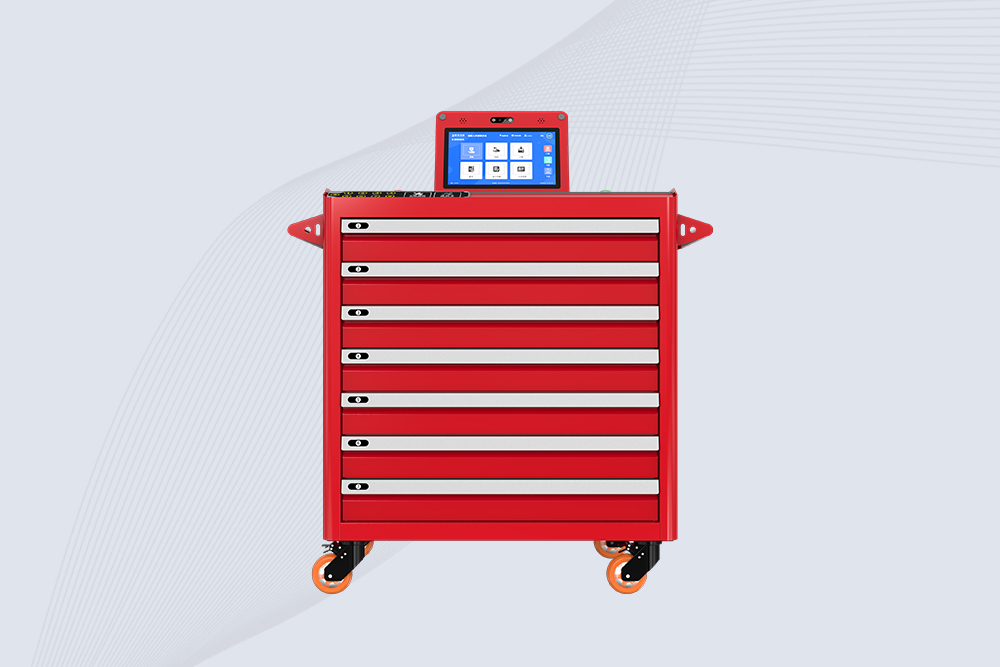
Cykeo CYKEO-GTC7A RFID real-time tool tracking cart features 99.9% accuracy, FOD prevention, and SAP integration for aviation/plant maintenance. Military-grade construction.
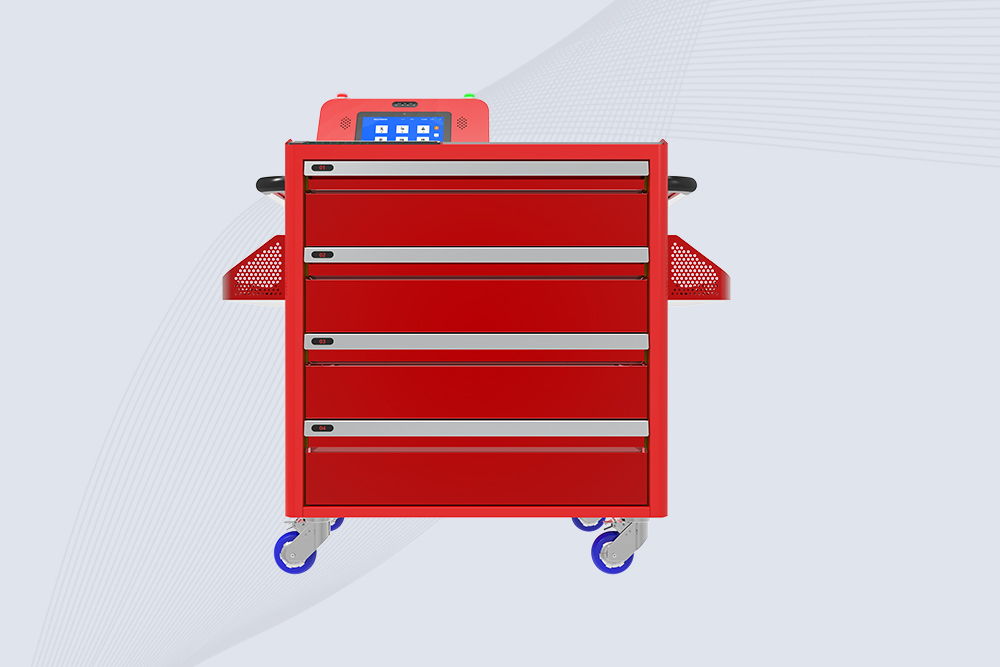
Cykeo CYKEO-GTC4B RFID mobile tool cart delivers 300-tool verification in 7 seconds with modular drawers, ≤150W power, and SAP integration for industrial/aviation use.
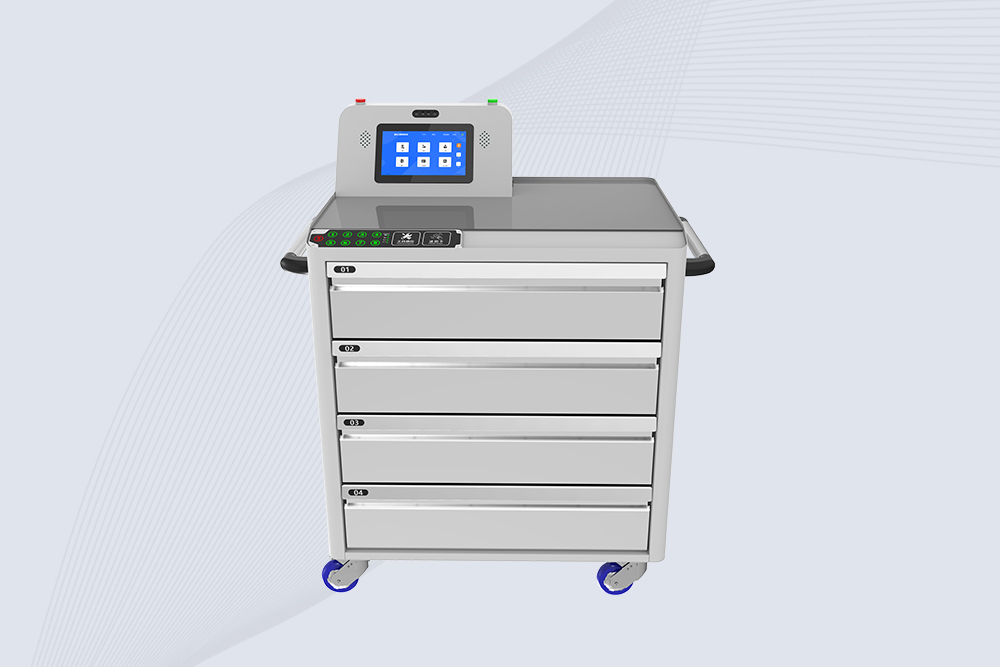
Cykeo CYKEO-GTC4C RFID workshop tool control cart delivers 300-tool inventory in 3 seconds with 10hr battery, SAP integration, and FOD prevention for industrial workshops.
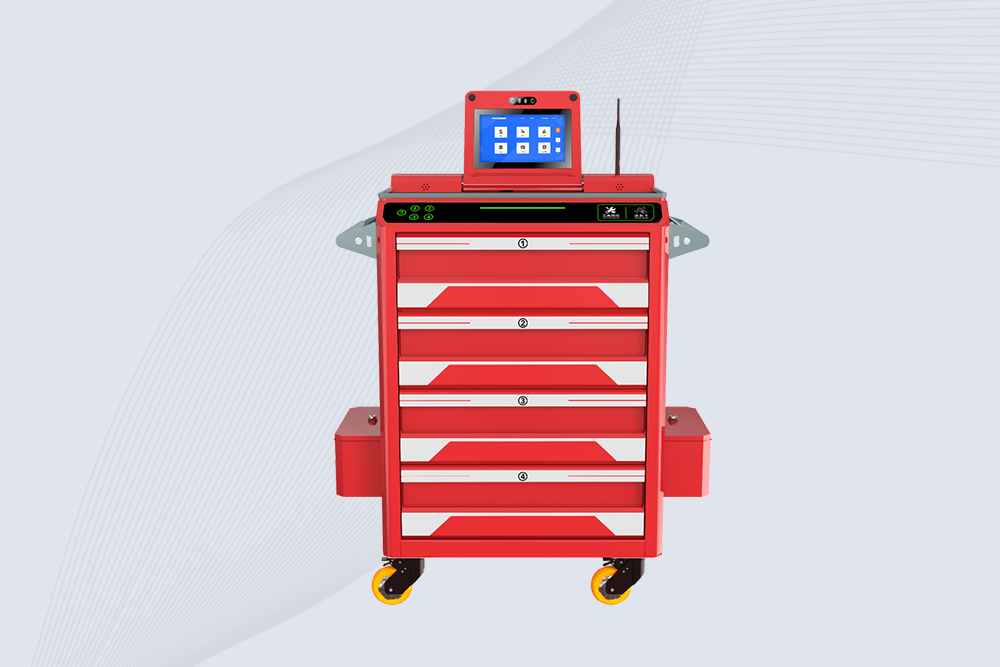
Cykeo’s CYKEO-GTC4A multi-drawer RFID tool cart delivers 7-second aviation tool inventories, 10-hour battery, and dual authentication. ISO 18000-6C compliant for MRO/manufacturing.
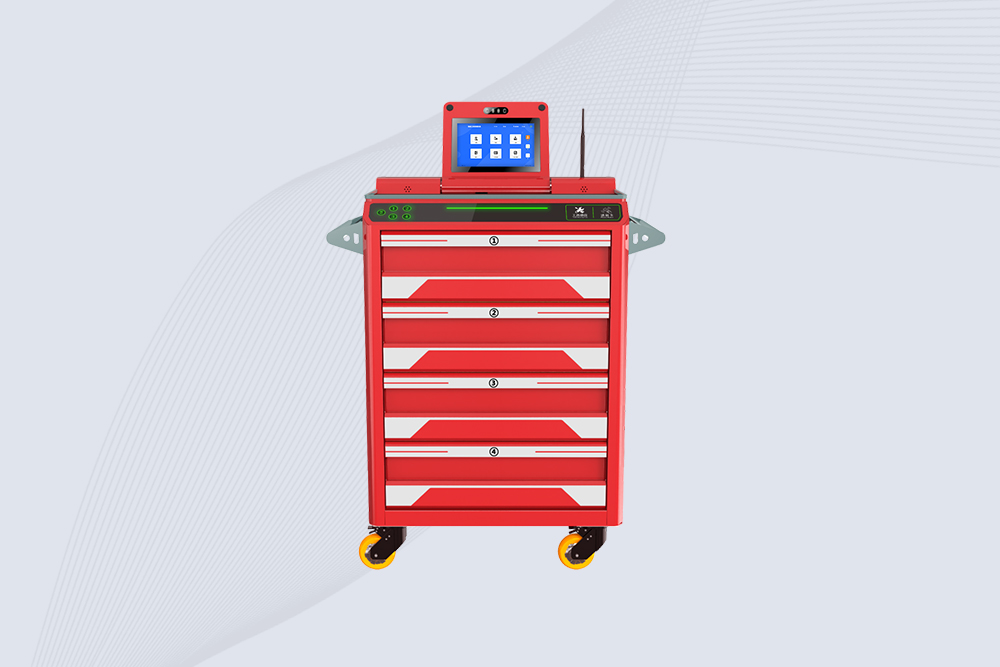
Cykeo’s MIL-STD RFID tool tracking cart scans 300 tools in 7 seconds, with -20°C~60°C operation and FOD prevention for aviation/energy industries.
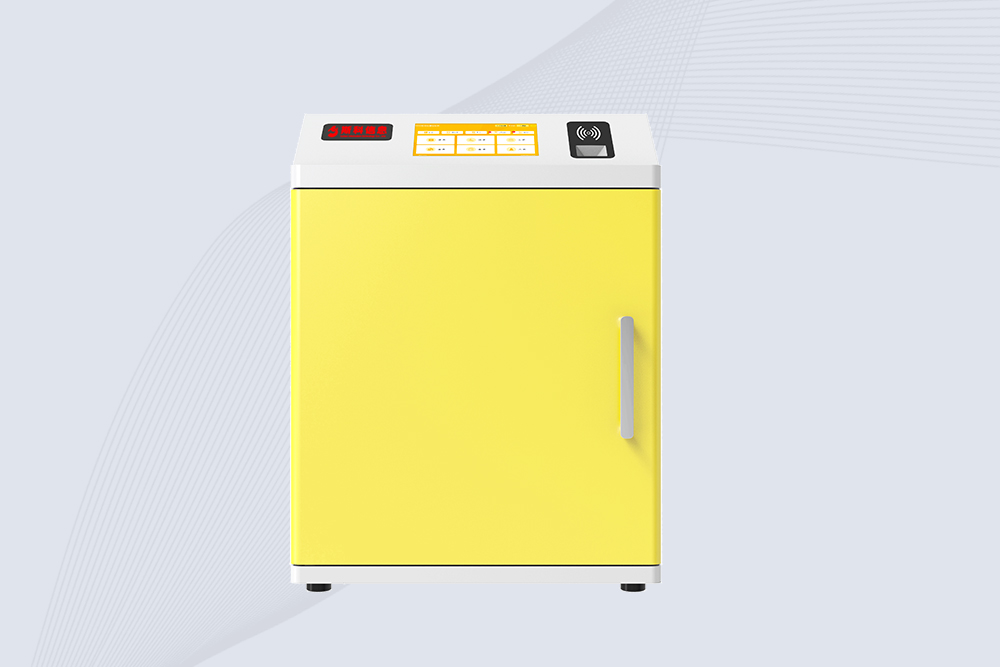
Cykeo’s space-saving RFID tool management cabinet offers 1000-tool capacity, ≤5s scans, and 24/7 unmanned operation for manufacturing/assembly plants.
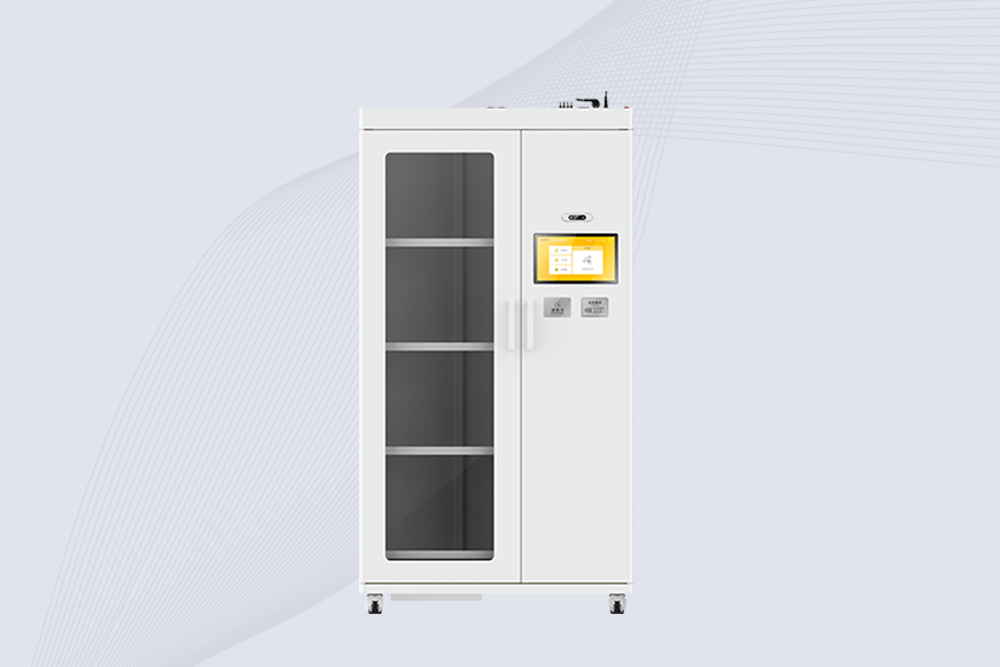
Cykeo’s RFID industrial tool cabinet offers modular shelves, 21.5″ touchscreen, and voice guidance for manufacturing/energy sectors. 24/7 operation with ≤80W power.
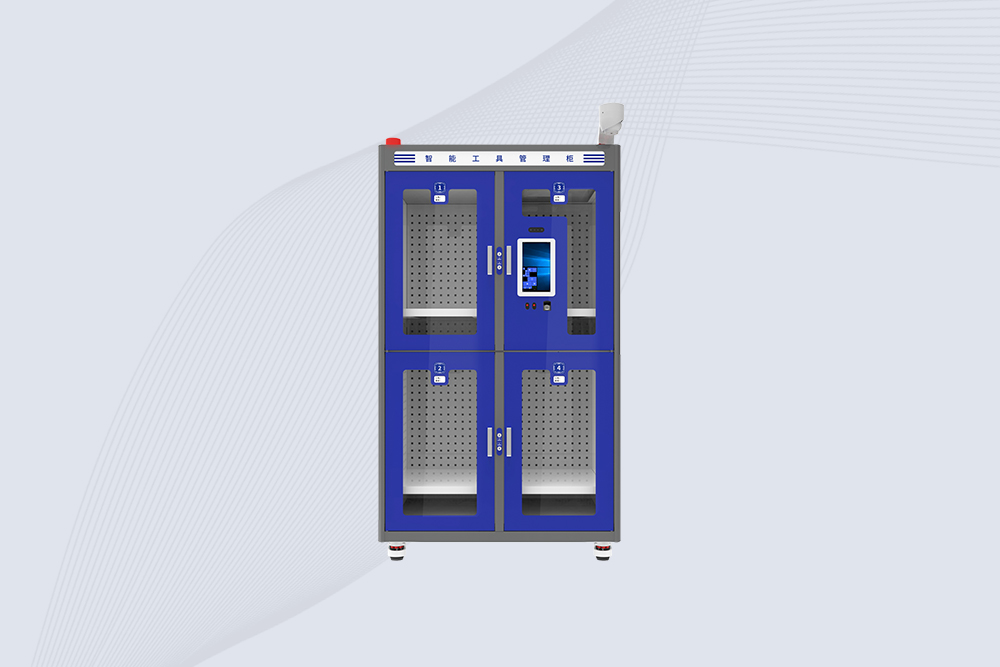
Cykeo’s RFID secure tool cabinet features 4 lockable compartments, ≤150W power, and 24/7 monitoring for pharma/aerospace/electronics industries.
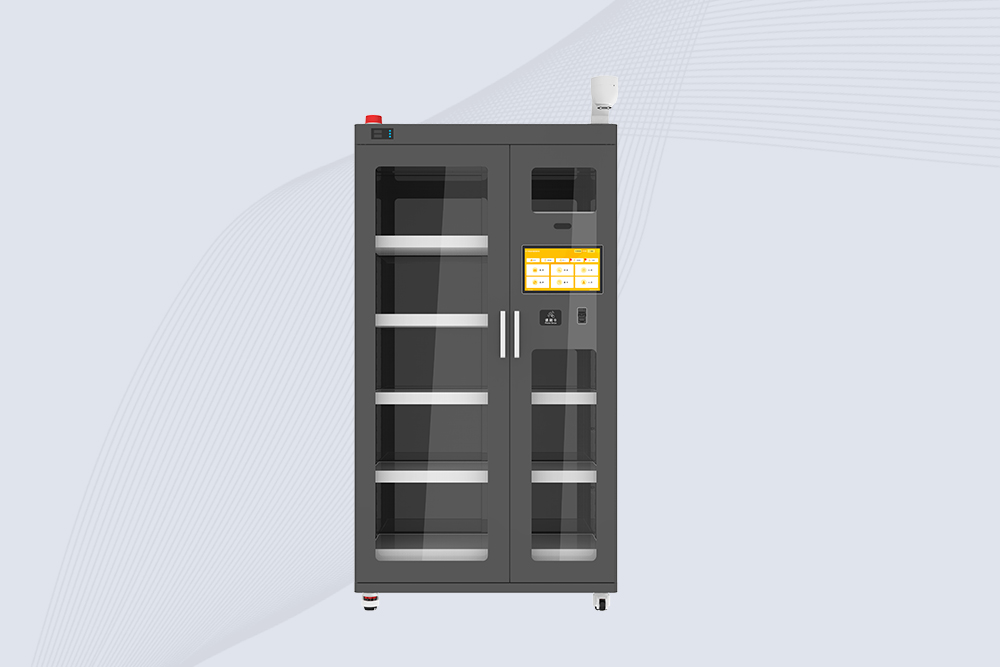
Cykeo’s RFID aviation tool cabinet features triple authentication, 14″ HD touchscreen, and thermostatic control for aircraft MRO/FAA compliance.
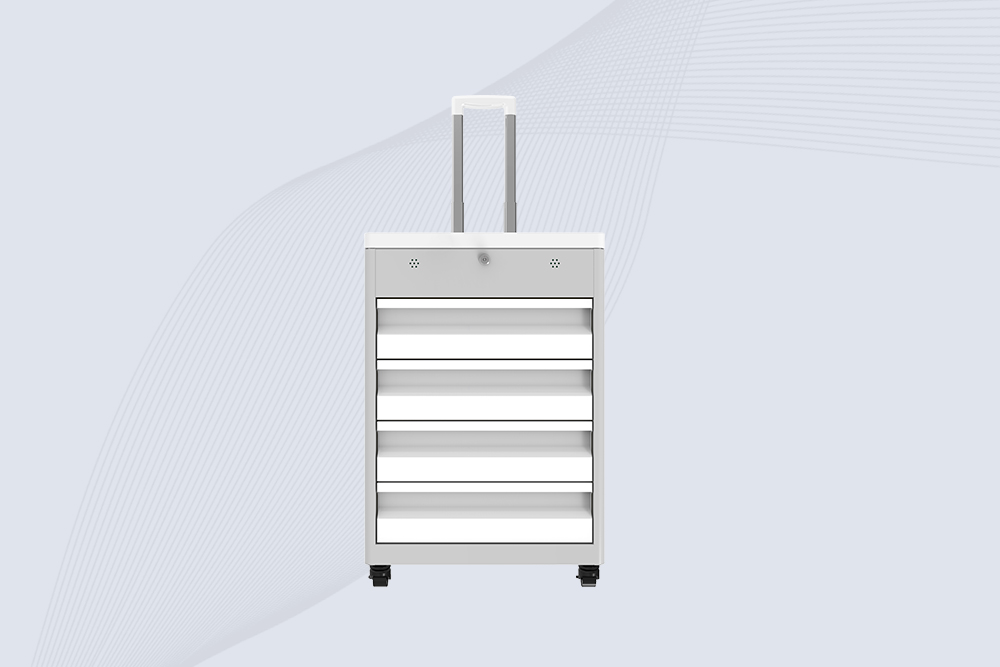
Cykeo’s RFID tool tracking system delivers self-service check-in/out, real-time alerts, and multilingual interface for correctional/military security.
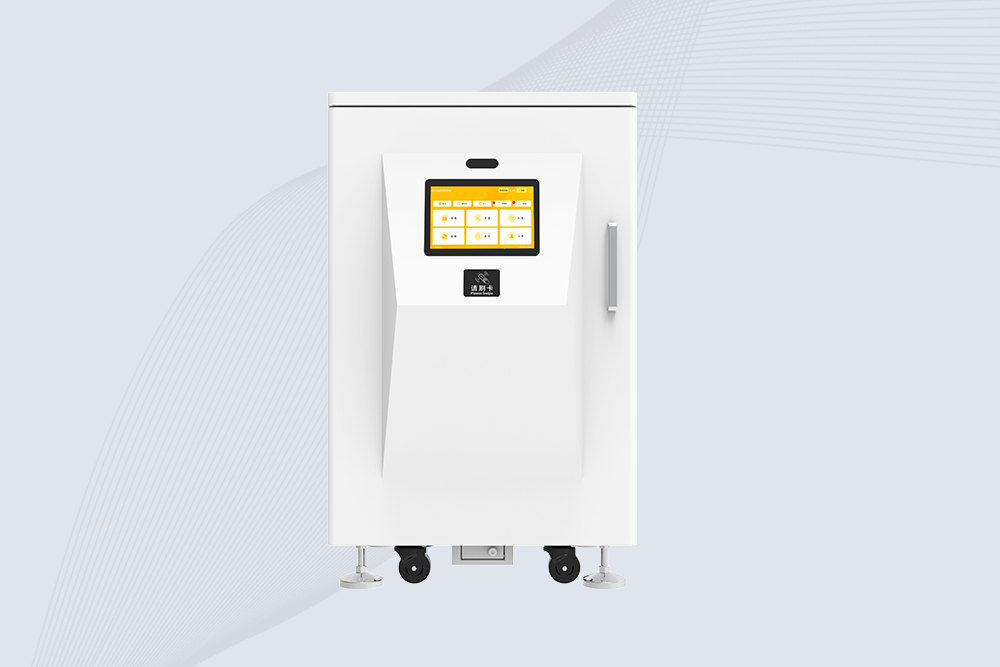
Cykeo’s off-grid RFID tool inventory system features solar/wind power, -30°C~60°C operation, and military-grade durability for mining/energy/military sectors.
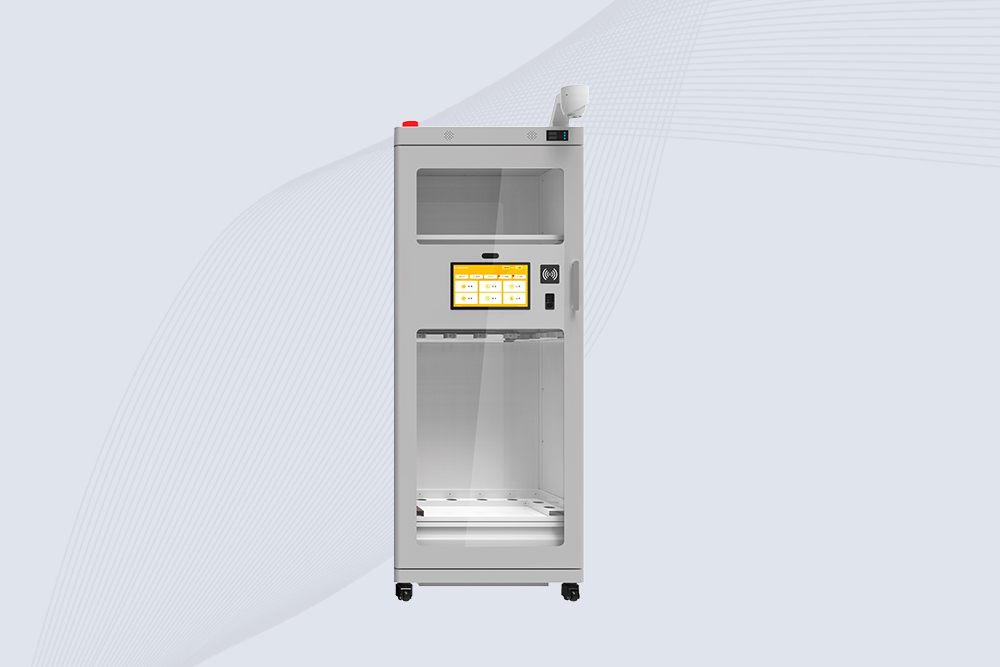
Cykeo’s industrial RFID tool accountability cabinet delivers 99.9% scan accuracy, adjustable shelves, and 24/7 operation for automotive/aerospace manufacturing.
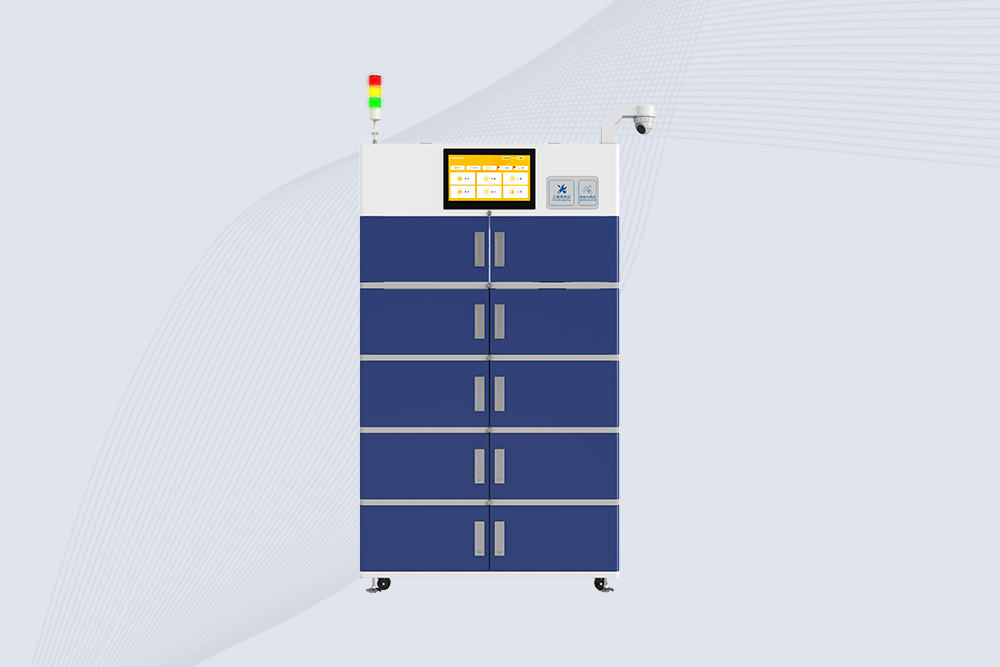
Cykeo’s RFID multi-drawer tool cabinet features 5 adjustable drawers, biometric access, and 99.9% scan accuracy for automotive/aerospace manufacturing.
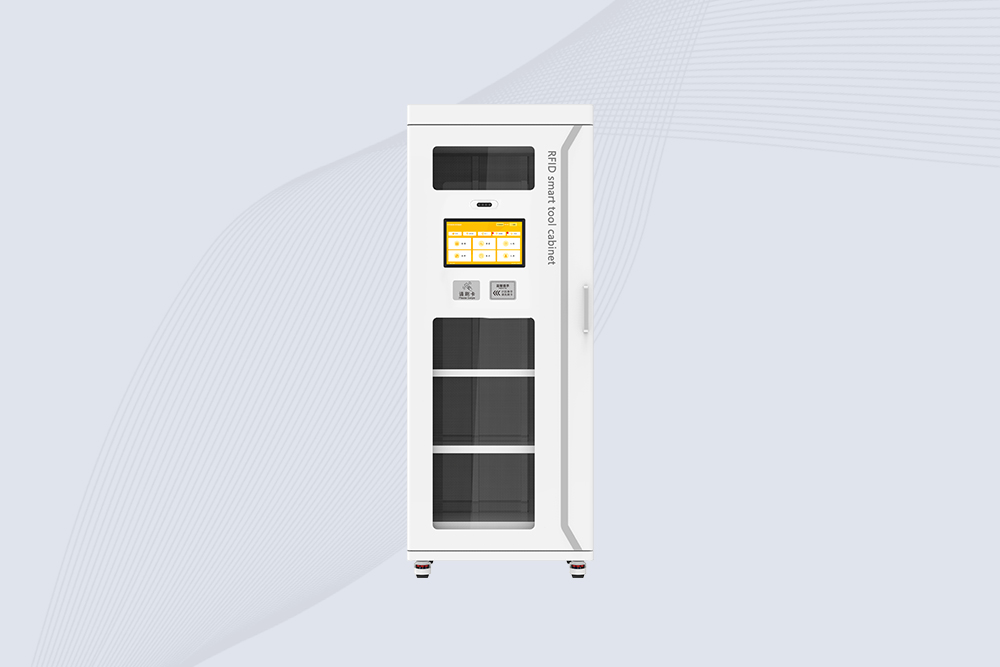
Cykeo’s RFID Automated Tool Cabinet delivers military security, adjustable shelving, and Java/C# SDK integration for defense/aerospace manufacturing.
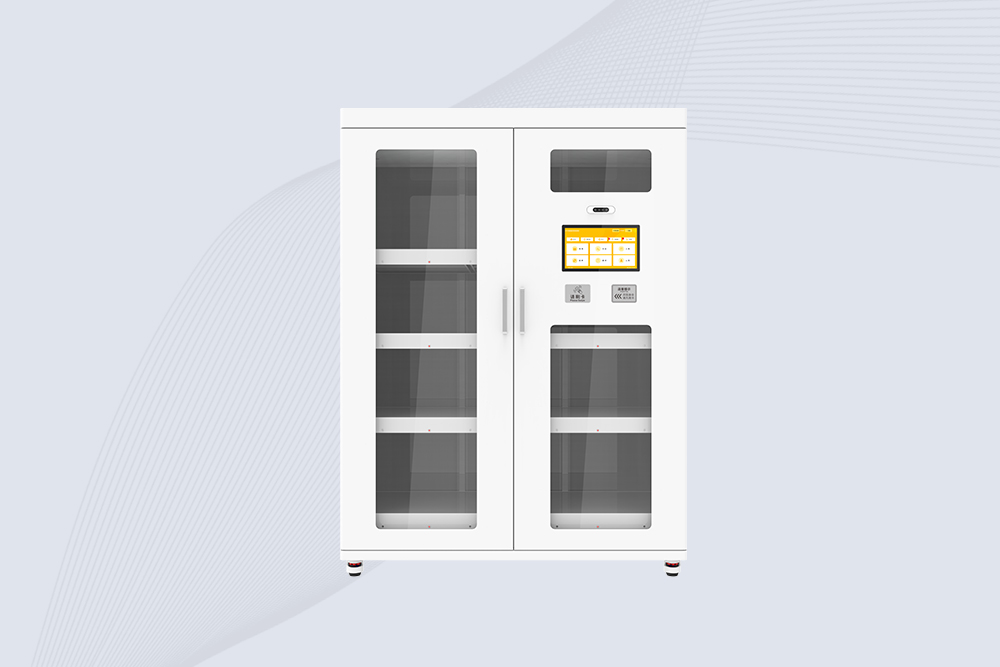
Cykeo’s RFID scalable tool cabinet features multi-unit management, voice guidance, and semi-outdoor durability for automotive/construction/logistics.
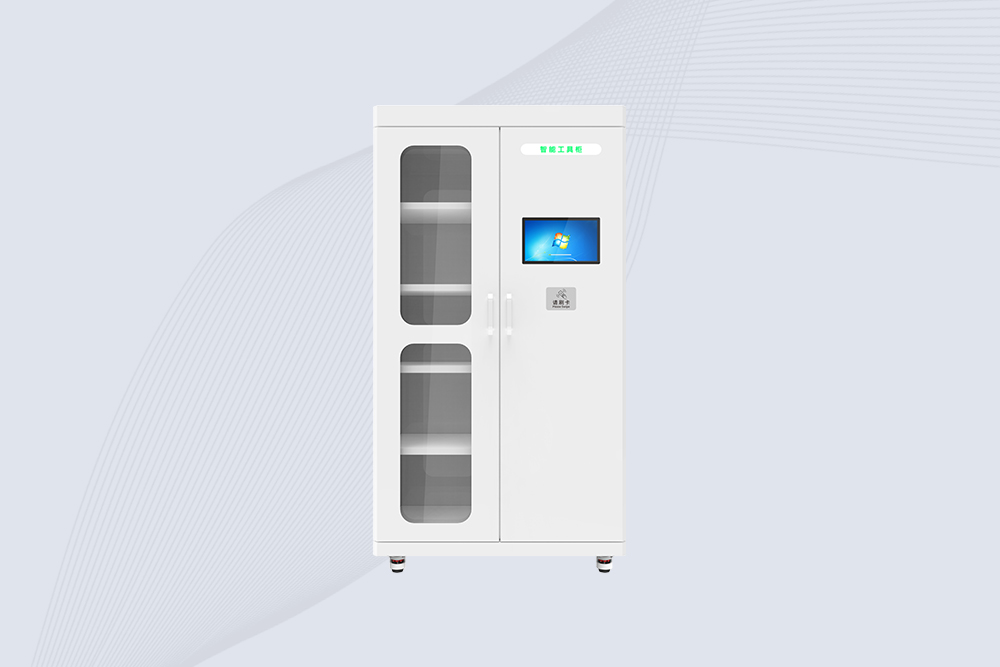
Cykeo CYKEO-GT1B industrial RFID tool storage cabinet features Impinj R2000 UHF technology, 1,000+ tool capacity, IP54 protection, and Windows/Android OS for manufacturing/aviation MRO. Includes auto check-in/out and SAP/Oracle sync.
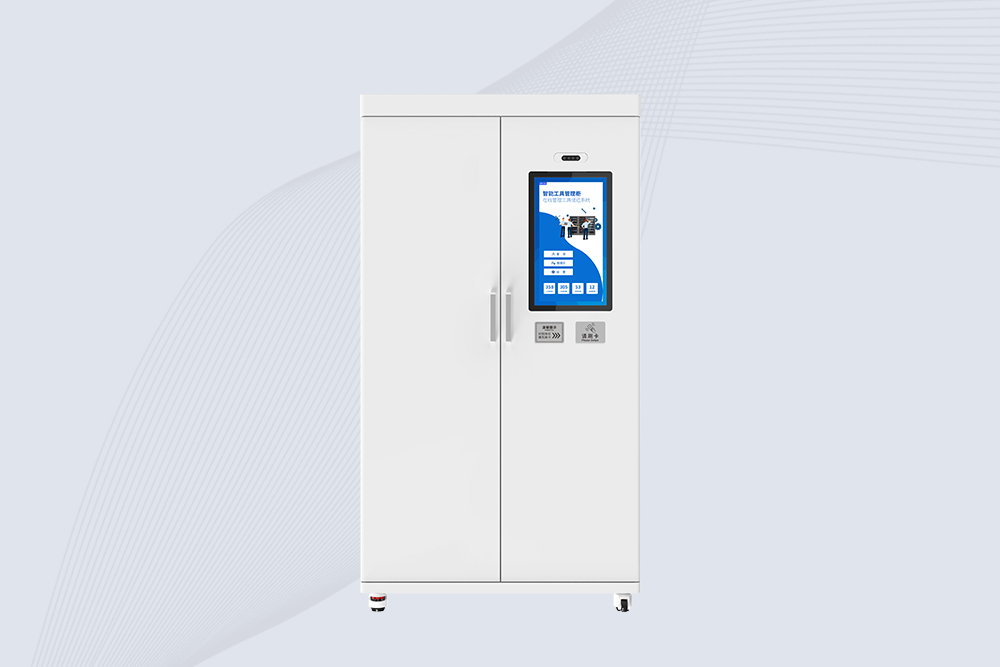
Cykeo CYKEO-GT3C industrial RFID tool checkout system Cabinet features millimeter-wave scanning, 280-layer storage, dual OS, and 99.9% accuracy for aviation/semiconductor sectors. Supports auto check-in/out and real-time SAP sync.
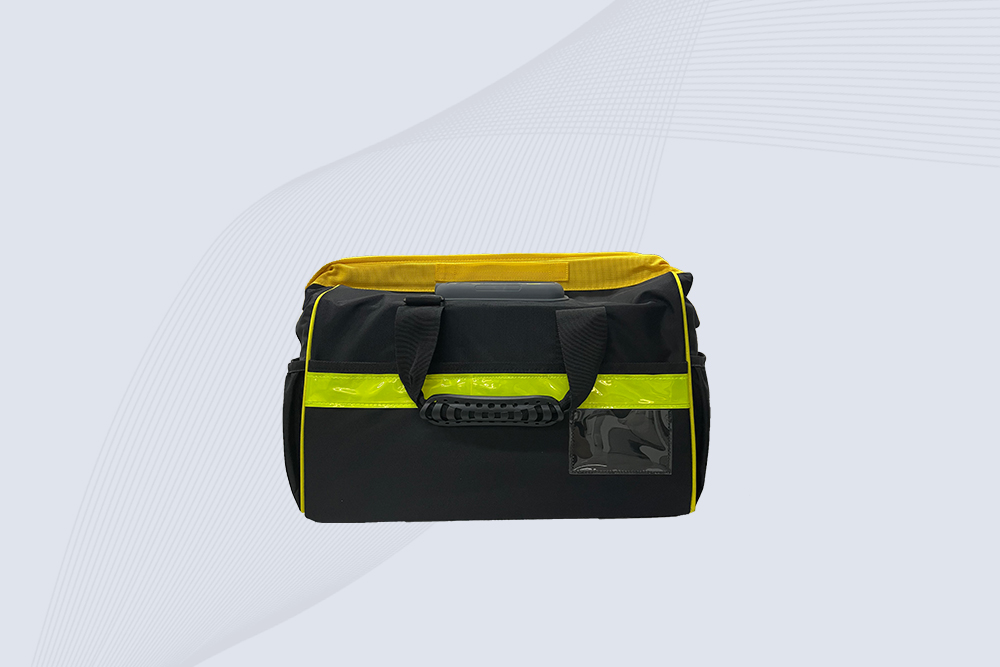
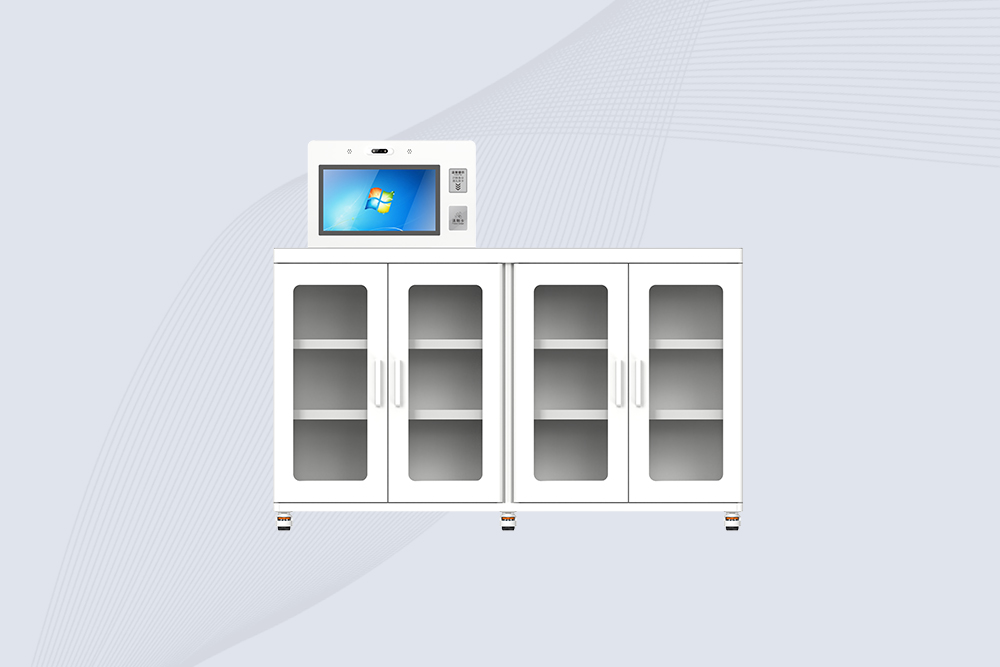
Cykeo CYKEO-GT3D RFID smart tool cabinet offers 5-second inventory scanning for 300+ tools, dual authentication, and 24/7 automated management for industrial facilities.
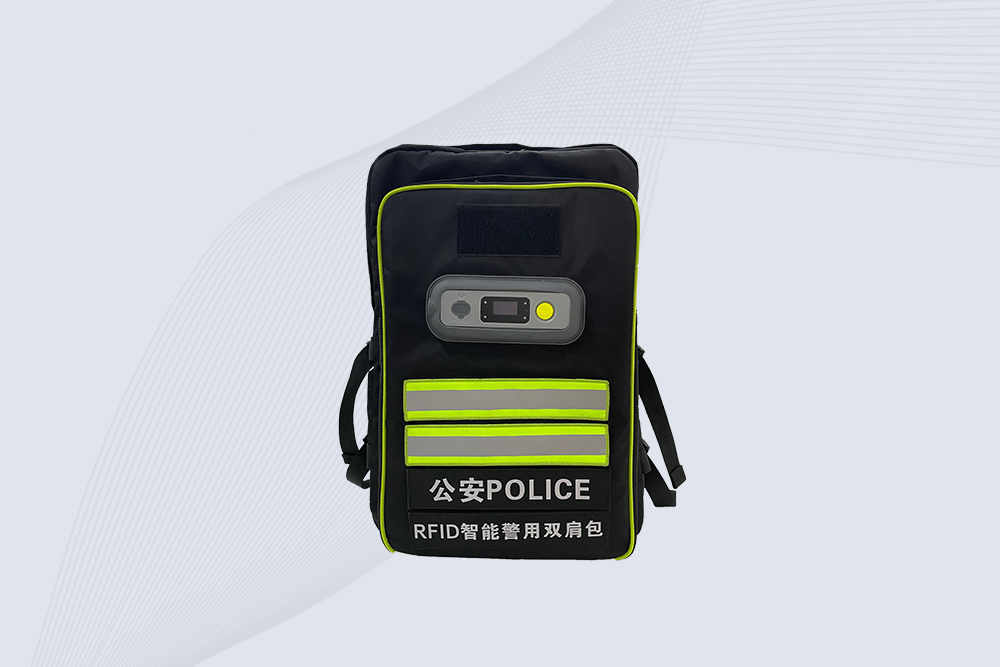
Discover the CYKEO-B1A Industrial RFID Backpack featuring advanced tool tracking technology with 25cm RF shielding, 7-day battery life, and wearable design for field maintenance professionals.

A practical guide for developers on RFID SDK and API integration. Learn how to handle raw tag data, avoid common mistakes, and build stable RFID systems.
More
Looking to buy RFID tags? Learn about customizable, high-temp, on-metal, printable, sample packs, cards, and wristbands. Discover UHF, HF, LF, and active RFID tags, their costs, and how they’re used in warehouses, hospitals, retail, and cold chain...
More
Discover how a multi-antenna RFID reader with blind adaptive beamforming intelligently focuses signals to improve read rates and reliability in dense, noisy environments.
More
Discover if handheld RFID scanners are a smart investment for small businesses. We break down costs, efficiency gains, and real-world ROI.
More