 Cykeo RFID IoT Solution Products R&D Manufacturer







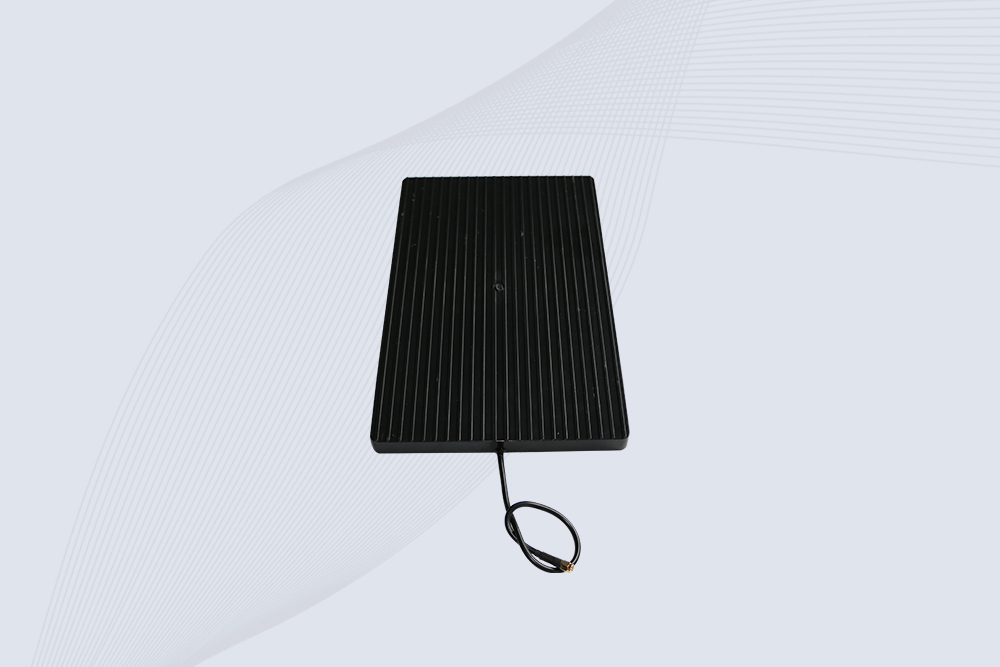

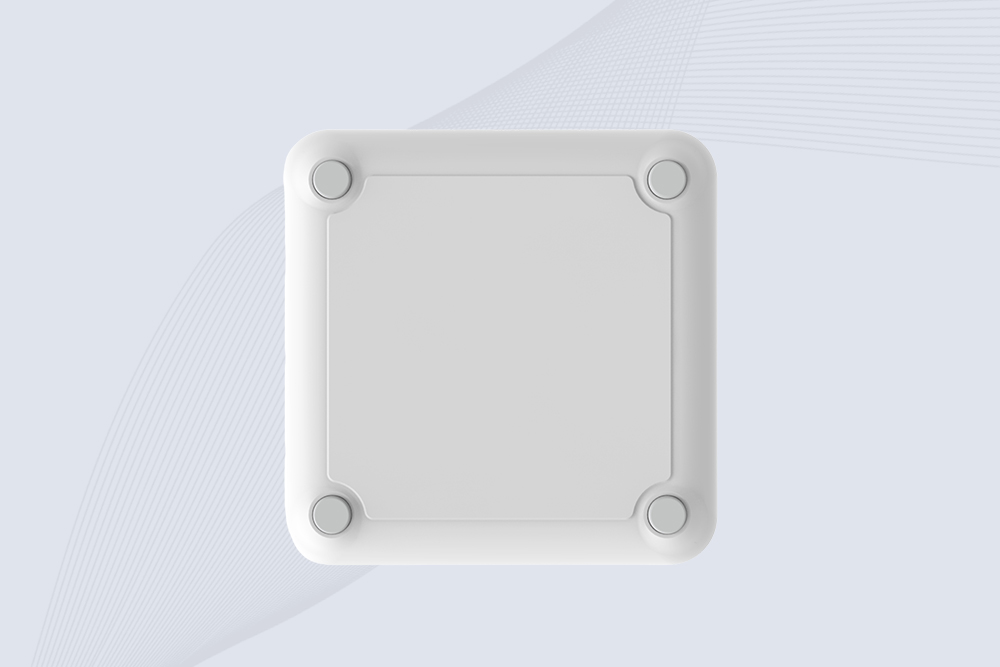

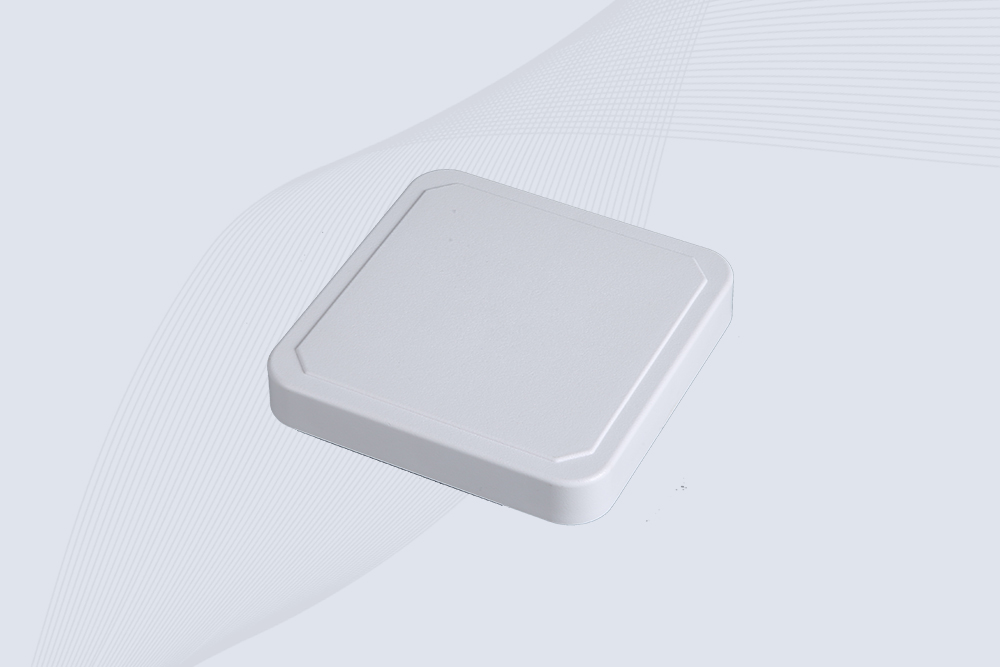
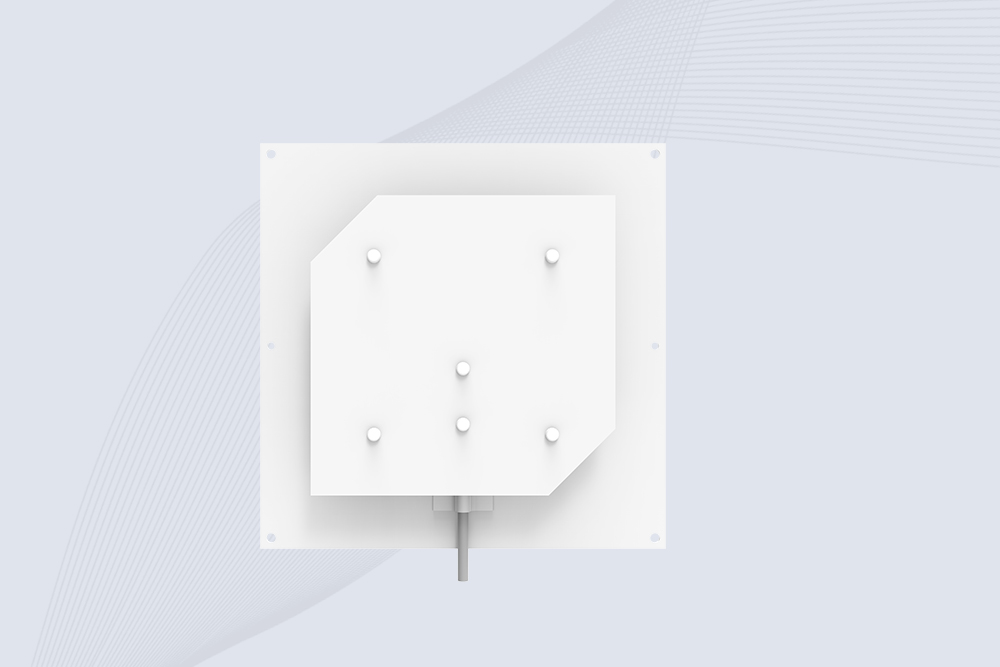

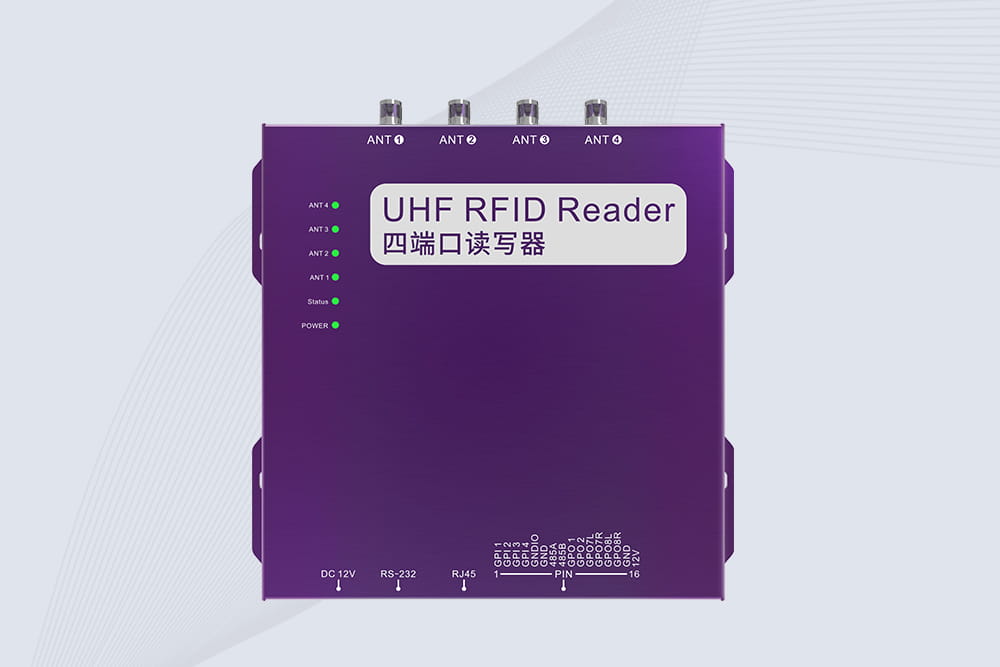
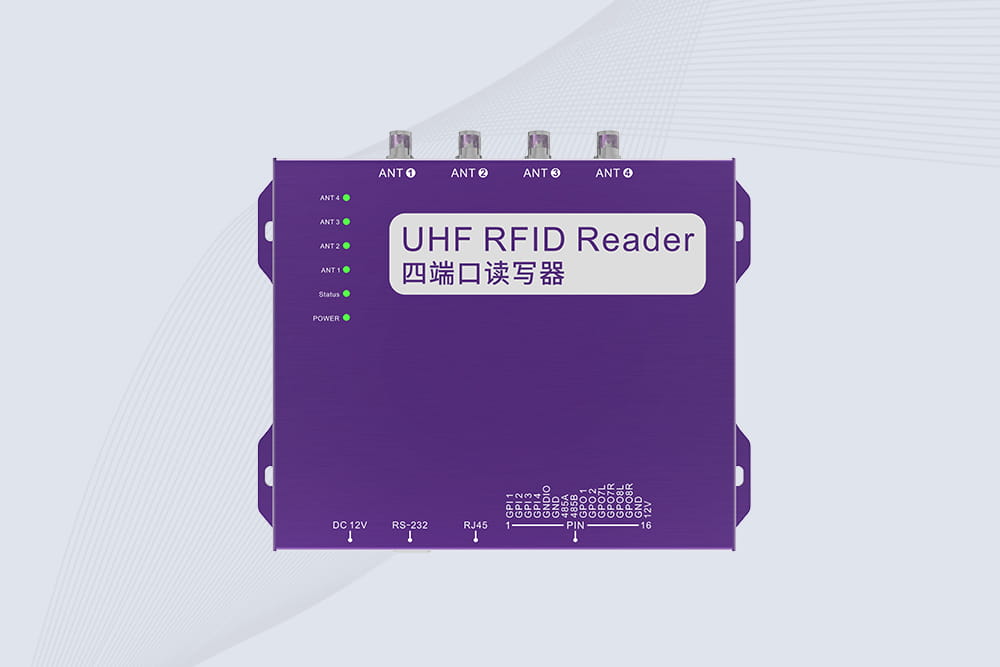
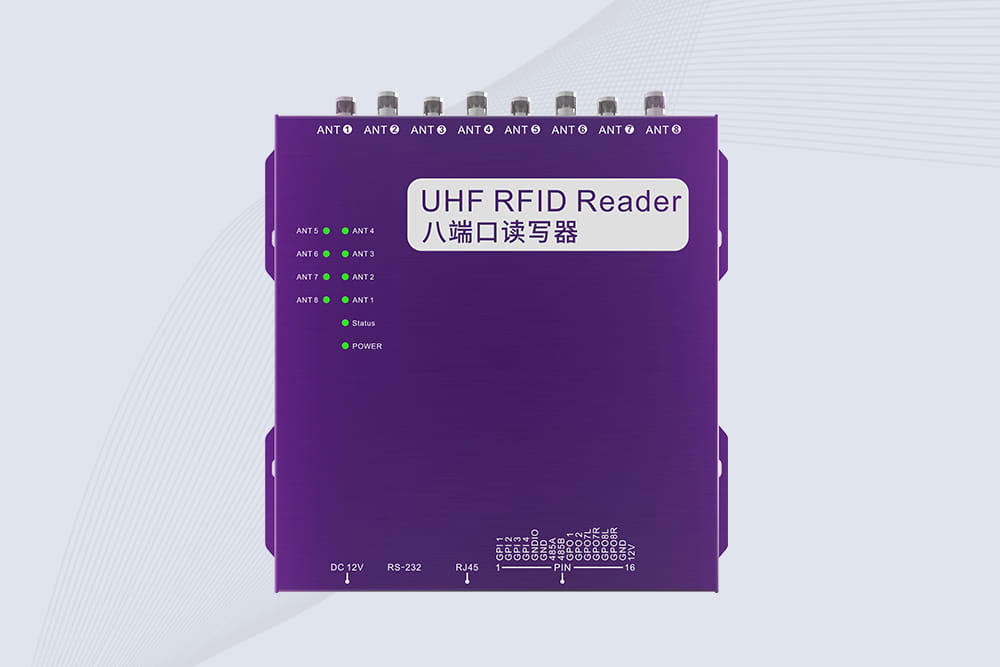
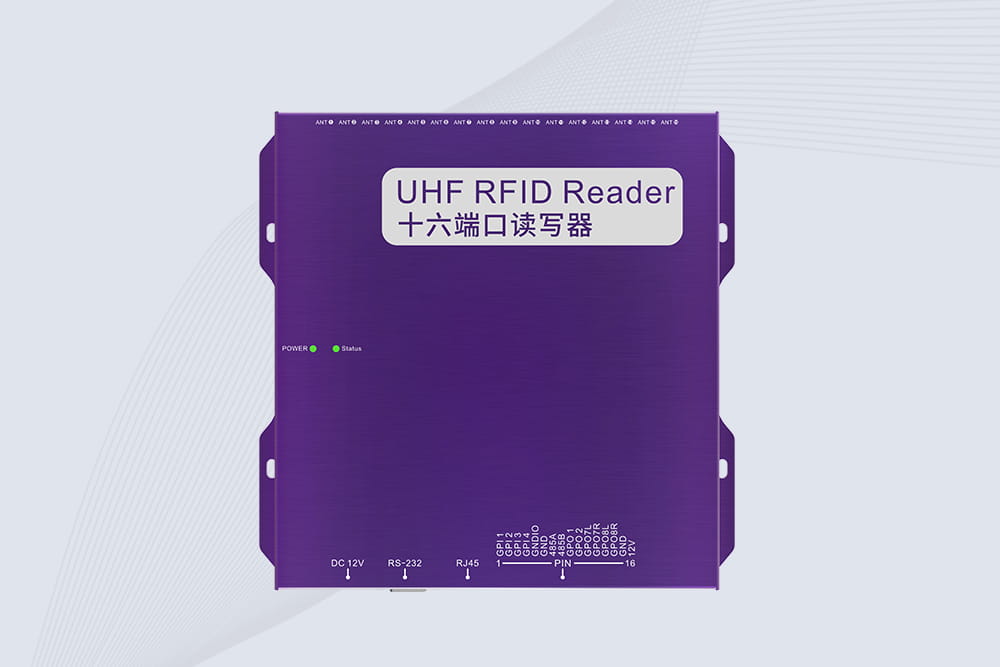
Hospital Parking System Using RFID: A Technical View
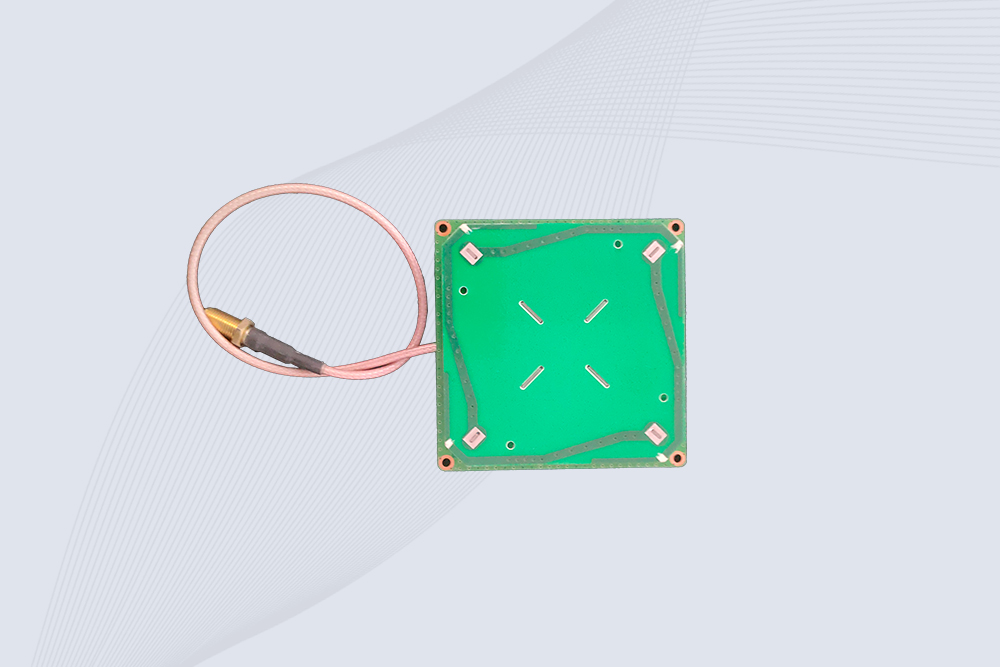
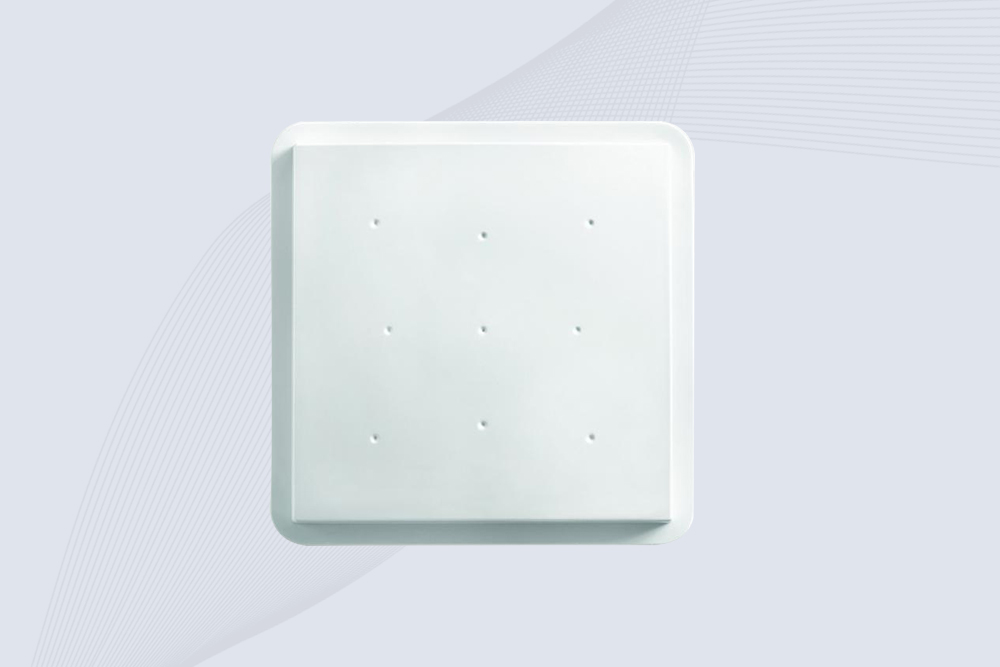
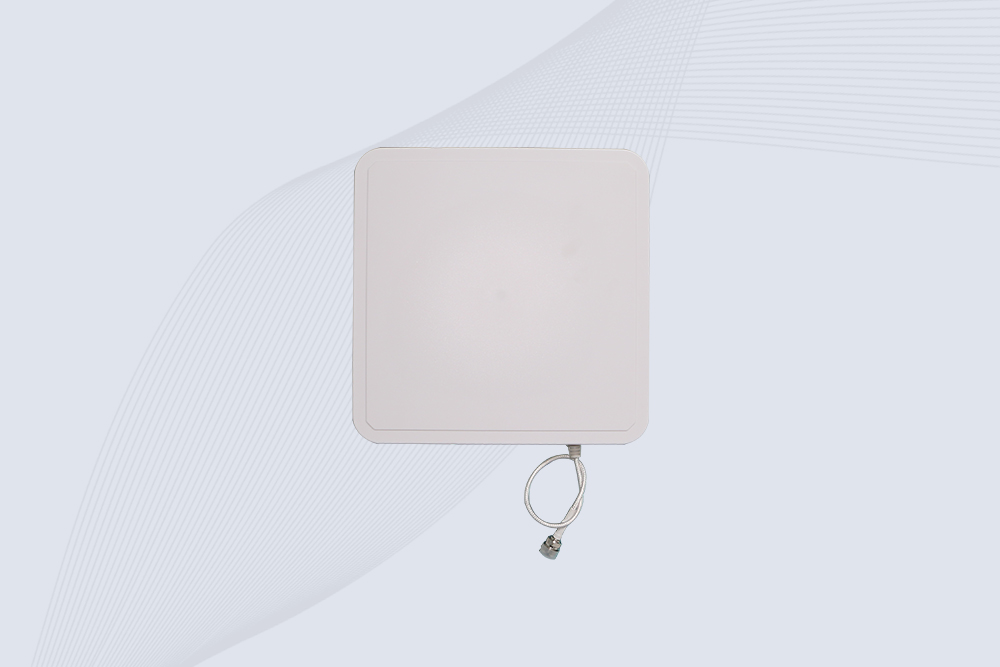
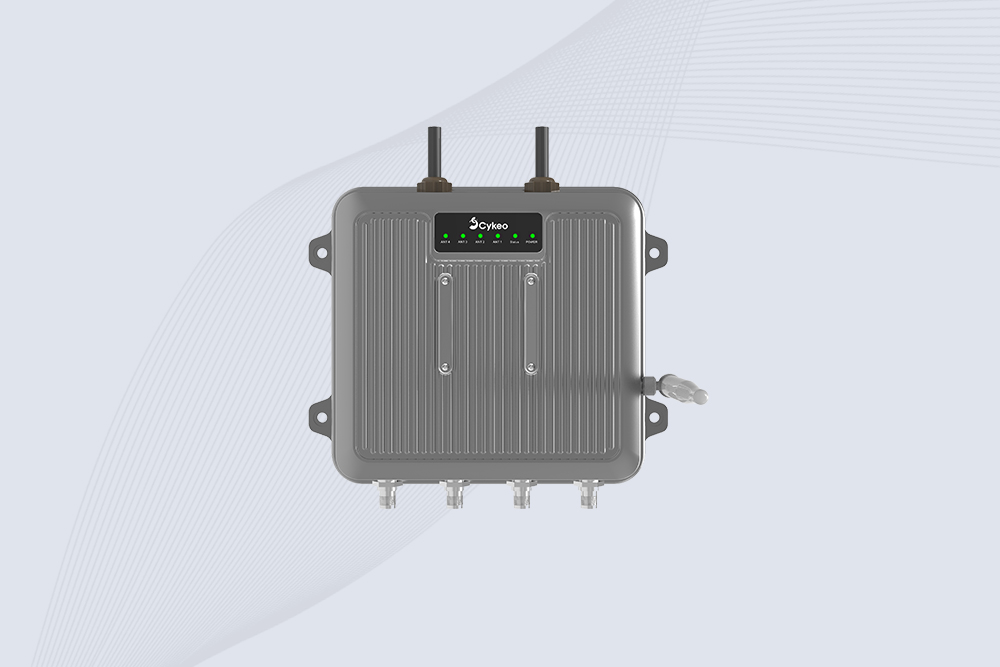
53Explore the technical structure of a hospital parking system using RFID, including reader modules, antennas, and how Cykeo RFID hardware integrates into complex hospital environments.
MoreAll RFID Product
That’s a smart question, because the antenna isn’t just a part of the tag—it’s the heart of it. At CYKEO, we get asked this daily by engineers and project managers. The short answer is: it depends entirely on what you’re tagging. There’s no one-size-fits-all, and the choice makes or breaks your project.
Let’s cut through the jargon. For most passive RFID tags (the kind that have no battery), the rfid antenna has two main jobs. First, it soaks up just enough radio energy from the RFID reader to wake up the tiny chip. Second, it shouts the chip’s ID back to the reader. How well it does this depends on its design.
You’ll mostly run into two antenna families:
Why does the “type” even matter? It’s all about the environment.
Picking an antenna isn’t an academic exercise. It’s a practical battle against physics. Here’s what actually matters on the ground:
The bottom line?
Asking what type of antenna is used for rfid tag is the right starting point. The real solution, however, comes from matching the antenna’s design to your specific item’s material, required read distance, and the operational environment. Forget the generic tag; the right antenna choice is what delivers a successful, reliable system.

Explore the technical structure of a hospital parking system using RFID, including reader modules, antennas, and how Cykeo RFID hardware integrates into complex hospital environments.
More
Learn how to clean and maintain RFID handheld readers to extend their lifespan. Discover best practices for sanitization, battery care, and preventing hardware failures.
More
In today's fast-paced society, innovative shopping models such as unmanned stores and self-checkout systems are increasingly popular with consumers. At the heart of these innovations lies a key technology: Radio Frequency Identification (RF...
More
Explore key challenges in UHF passive RFID technology, including signal interference, material limitations, and scalability. Discover how Cykeo addresses these issues.
More