 Cykeo RFID IoT Solution Products R&D Manufacturer
RFID for Tool Tracking: Stop Losing Tools and Start Managing Them Properly
25Learn how RFID for tool tracking works, its real benefits, and how smart tool cabinets improve inventory control, reduce loss, and boost efficiency.
MoreAll RFID Product
Most businesses start with barcodes. They’re simple, cheap, and easy to use.
But once operations grow, the limits become obvious.
Barcodes depend on line-of-sight. That means every item has to be seen and scanned individually.
That’s fine when volume is low. Not when you’re dealing with thousands of items.
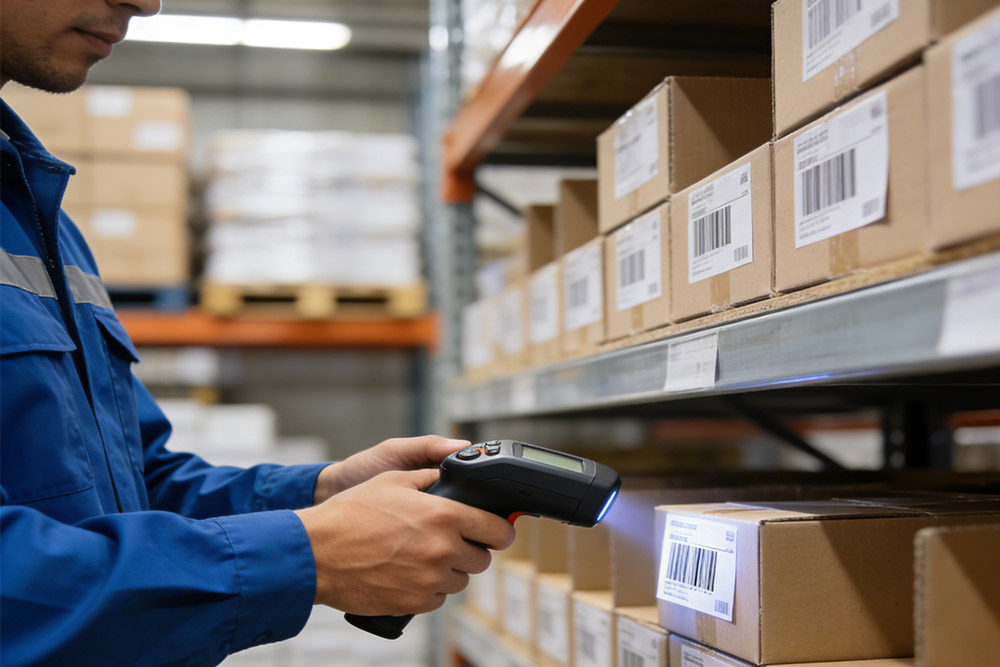
Common issues:
With ultra high frequency RFID tags, scanning becomes a different process.
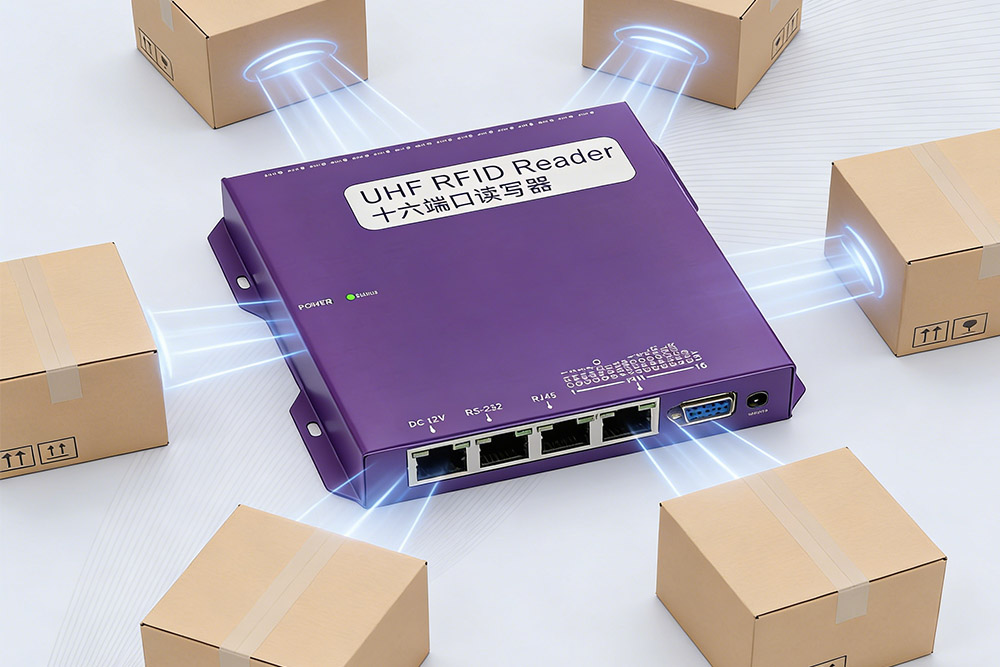
You don’t scan items—you scan areas.
A reader can capture multiple tags at once, even if they’re inside boxes or stacked together.
In a warehouse or library, this makes a big difference.
A lot of people compare only hardware cost. That’s misleading.
The real cost is time.
If your team spends hours scanning items manually, that’s ongoing cost every day.
RFID reduces that workload significantly. In many cases, inventory that took a full day can be done in under an hour.
Manual processes always come with errors.
RFID systems reduce human involvement, which means fewer mistakes and better data.
That’s especially important if you rely on inventory data for decision-making.
RFID makes sense when:
Libraries are a good example. With UHF RFID book tags, entire shelves can be scanned quickly without touching each book.
Barcodes still have their place.
But if you’re scaling up, RFID isn’t just faster—it changes how the whole workflow operates.
User Guide
How to Remove RFID Tags from Clothing Safely (Without Ripping Your Shirt)
The Truth About RFID Signals: Aluminum Foil, Smartphones, and Reading Range Explained
How Security Tag Readers Work: RFID vs. Magnetic Systems – Which Is More Efficient?
How to Deactivate RFID Tags Without Guesswork or Myths?
How to Test RFID Tags with Phone
How to Test RFID Tags with Your Smartphone (No Scanner Needed)
How to Use Android Phone to Emulate RFID Tag: Full Tutorial and Application Guide
Can Your RFID Tags Reader iPhone ? Here’s How It Actually Works
Can You Use an NFC Phone as an RFID Tag?
How to Choose the Right RFID Tag for Clothing? Materials, Packaging & Attachment Explained
Industrial Essentials: 2025 Guide to the Most Durable Rugged RFID Tags
Active RFID Tag Range: The Real Difference Between Active and Passive Tags

Learn how RFID for tool tracking works, its real benefits, and how smart tool cabinets improve inventory control, reduce loss, and boost efficiency.
More
Learn how to distinguish fake RFID tags from genuine ones. Discover security features, performance differences, and Cykeo’s solutions for counterfeit detection.
More
Confused about passive vs active RFID readers? Compare range, cost, and use cases to determine which system aligns with your business goals. Expert insights from Cykeo.
More
Learn how to streamline healthcare asset tracking with handheld RFID scanners. Discover best practices for inventory management, compliance, and reducing equipment loss.
More