 Cykeo RFID IoT Solution Products R&D Manufacturer
Long Range RFID Scanner for Warehouse Management: Where It Actually Makes Sense
89Learn how long range RFID scanners improve warehouse receiving, inventory tracking, pallet movement, and shipping. Practical advice for RFID integrators and ...
MoreAll RFID Product
Let’s skip the corporate jargon for a second — tool management isn’t about fancy dashboards. It’s about that moment when someone yells, “Who took the torque wrench again?” and no one answers. RFID tool tracking solves that kind of mess by replacing human memory with actual, searchable data.
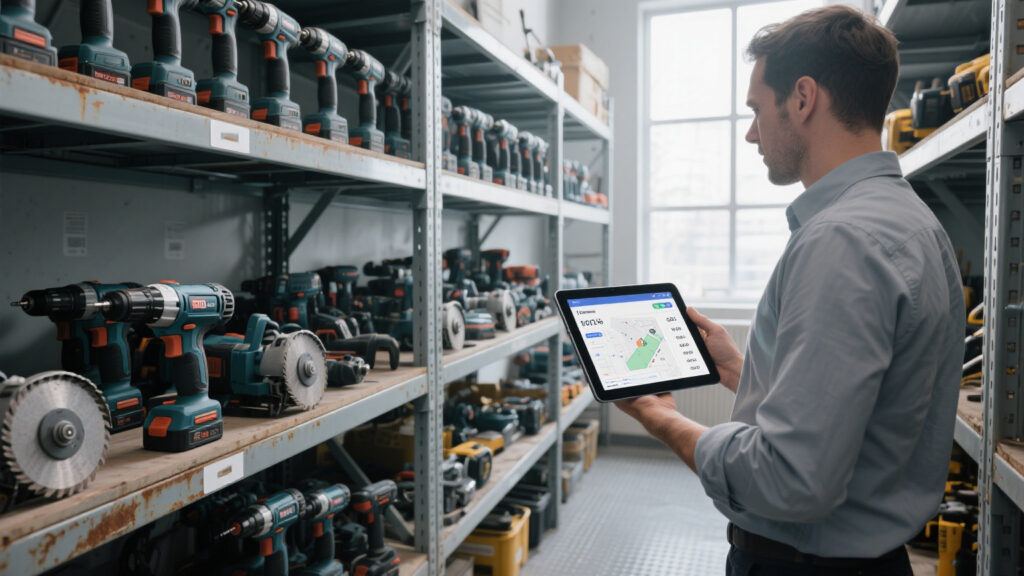
In simple terms, it means tagging tools with RFID labels and using readers plus backend software to automatically record where each tool is, who took it, and when it was returned. It transforms a frustrating manual process into something transparent and traceable.
Barcodes require line-of-sight and manual scanning. RFID doesn’t. When tools are stacked, boxed, or stored in drawers, RFID shines because:
In environments where tools move fast and accountability matters, RFID becomes the natural choice.
Here’s the rule of thumb from real engineers: don’t start with the most expensive setup — match your tools first.
Quick tip: if your tools sit on metal racks, use metal-compatible tags. If tools leave the area occasionally, combine handheld and desktop readers for balance.
Remember: technology is 40%, people and process are the other 60%.
| Problem | Cause | Solution |
|---|---|---|
| Tags not reading | Metal interference or bad placement | Use on-metal tags, apply isolation pads |
| False reads | Reader power too high | Lower power, narrow the read zone |
| Tag damage | Harsh handling | Choose rugged or encapsulated tags |
| Missed check-ins | No reader at key point | Add fixed reader at cabinet or exit |
| User resistance | Too many extra steps | Make scanning part of natural workflow |
Pro tip: placing a low-range near-field reader at the tool cabinet prevents cross-reads while keeping accuracy near 100%.
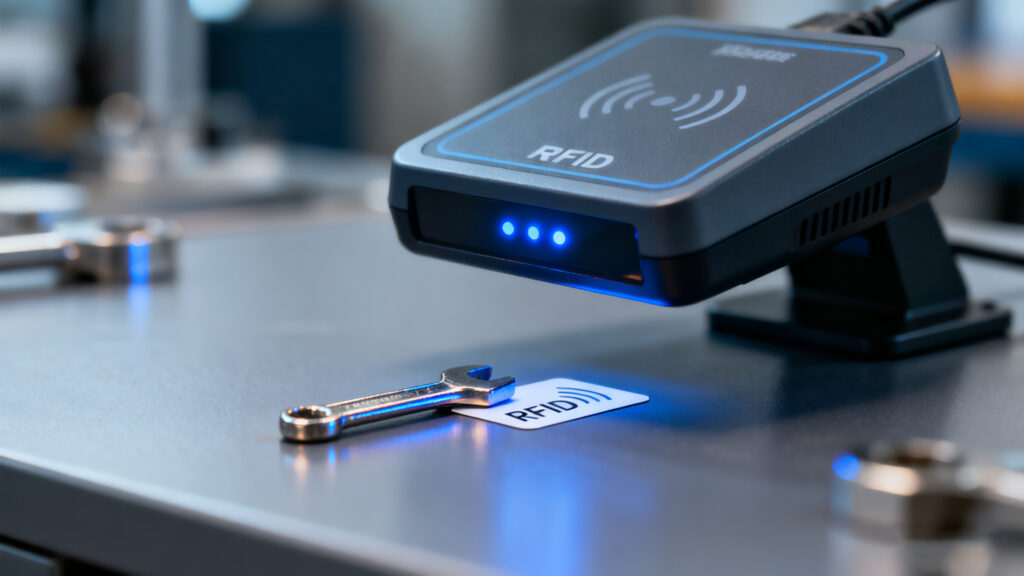
Don’t just count equipment cost — measure time saved and losses avoided:
Calculate ROI by tracking hours lost each month to “missing tools,” convert that to labor cost, and compare it against RFID deployment cost. You’ll see how fast it pays off.
RFID isn’t just “tags + readers.” It’s a workflow trigger.
Once data starts moving between systems, management shifts from reactive to proactive.
Tool chaos is rarely a big headline problem — it’s a thousand small ones that pile up. Every missing wrench, every delayed shift, chips away at productivity. RFID tool tracking doesn’t fix human forgetfulness, but it gives visibility and accountability that make operations smoother.
The real success isn’t in how many tags you buy, but in how naturally the system fits your workflow, how consistently it’s used, and how much data you can trust. Get those right, and you’ll never hear “who took my wrench” again.
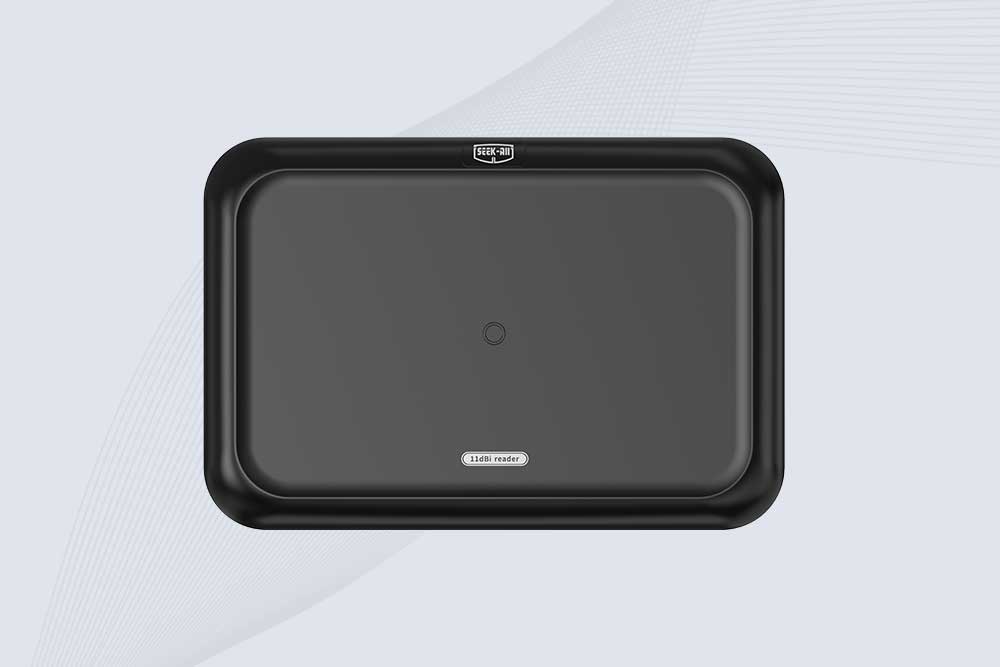
SSD-RA11L is an 11 dBi UHF RFID reader with up to 15m reading distance, 600+ tags/s speed, integrated antenna and flexible connectivity.
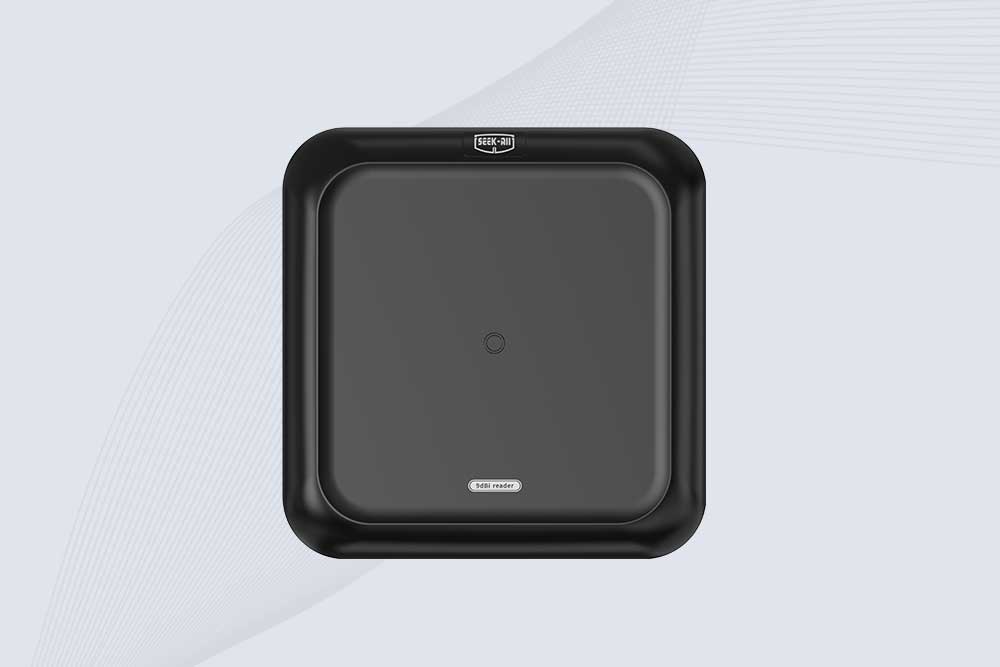
SSD-RA09L is a long range UHF RFID reader with a built-in 9 dBi antenna, 10m reading range, 600+ tags/s speed and flexible interfaces.
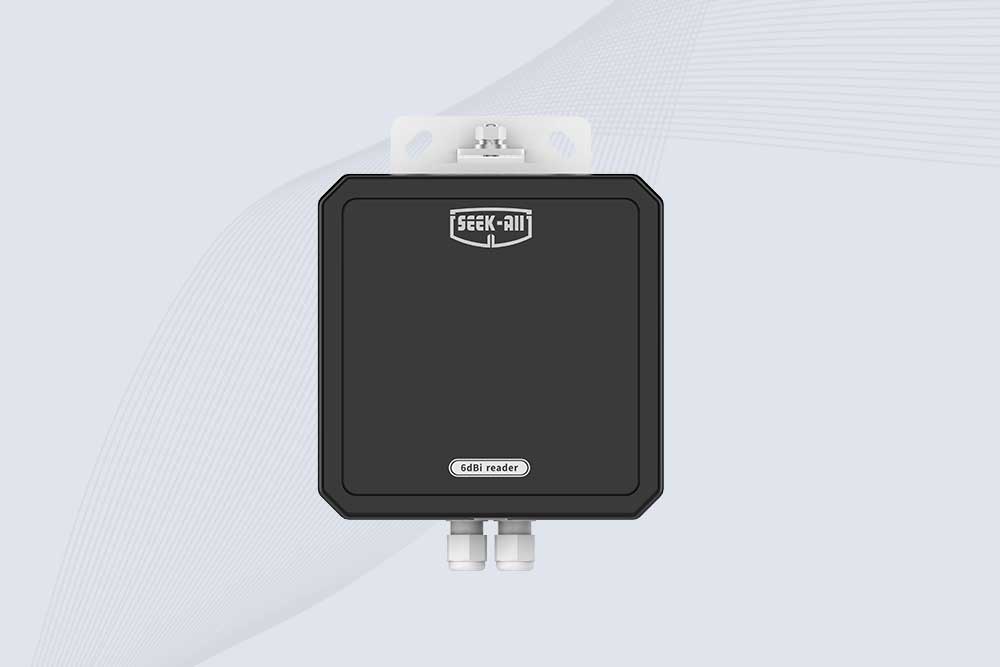
SSD-RA06L is an industrial UHF RFID reader with a built-in 6 dBi antenna, 3 m read range, 600+ tags/s, Ethernet, RS232, and optional Wi-Fi, 4G, and PoE.
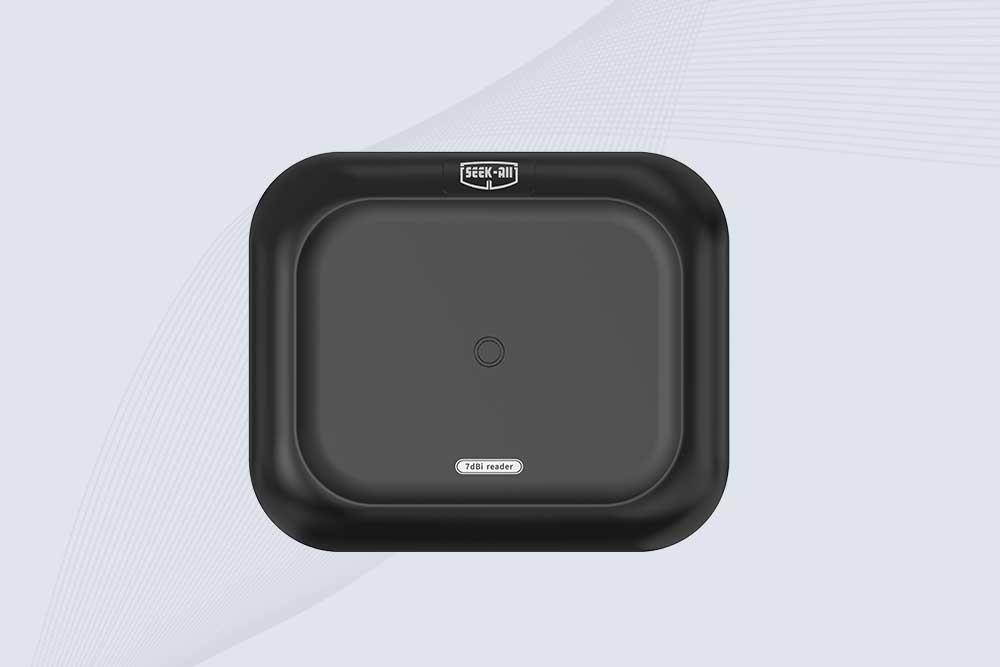
SSD-RA07L industrial UHF RFID reader with integrated 7 dBi antenna, up to 6 m reading distance, over 600 tags/s, Ethernet, RS232, and optional Wi-Fi, 4G, and PoE.
Learn how long range RFID scanners improve warehouse receiving, inventory tracking, pallet movement, and shipping. Practical advice for RFID integrators and ...
More
Discover practical tips for selecting the right UHF RFID antenna for warehouses, retail, and industrial applications. Learn from real-world insights and see Cykeo RFID antenna solutions.
More
RFID transponder technology enables reliable identification across logistics, assets, and industry. Learn how it works and when to use it.
More
Learn how RFID retail inventory antenna systems improve shelf monitoring and warehouse inventory accuracy. Discover practical RFID shelf zone control methods and smart inventory solutions for retail and distribution centers.
More