 Cykeo RFID IoT Solution Products R&D Manufacturer

Top Mistakes to Avoid When Using Handheld RFID Scanners
1481Avoid costly errors with handheld RFID scanners! Learn common mistakes like poor tag placement, interference issues, and how to optimize scans.
MoreAll RFID Product
If you search for “RFID system,” most articles tell you a system consists of four components: tags, readers, antennas, and software. That’s correct — and useless when you’re about to spend money, because it doesn’t tell you which parts, how many, or what the whole thing costs when assembled.
This article answers the question that comes next: what do I actually buy? We’ll go through the UHF parts one by one with realistic price bands, then lay out complete parts lists — bills of materials — for three common starting setups, and finish with the five mistakes people make when assembling a first system.
If you’re still deciding whether you need a system at all, start with our guide to what the RFID system actually is — it covers the five forms a system can take and how to size yours. This article assumes you’ve made that decision and need the shopping list.
The classic four-component list quietly merges several purchasable items into one. When you request quotes, suppliers price them separately. Here’s the real list:
| # | Part | What it does | Typical price band (UHF) |
| 1 | Tags / labels | Identify each item | $0.08 – $5+ per tag |
| 2 | Reader (fixed or handheld) | Powers and reads tags | $120 – $3,500 |
| 3 | Antennas (fixed readers only) | Radiate and receive the RF field | $80 – $450 each |
| 4 | Antenna cables | Connect reader to antenna | $25 – $120 each |
| 5 | Mounting & enclosure | Protect hardware at the read point | $50 – $800 |
| 6 | Network & power accessories | PoE injectors, switches, UPS | $50 – $400 |
| 7 | Software | Turns raw reads into usable records | $0 – $10,000+ |
Two of these deserve a warning before we go further.
Software is the part buyers underestimate. A reader out of the box streams raw tag reads — dozens of duplicates per second. Without software that filters and converts reads into events (“pallet A entered dock door 2 at 10:41”), you have expensive hardware and a log file nobody can use. For a first deployment, a $200 middleware-lite package is enough; you do not need a $10,000 platform to validate the concept.
ags are the part buyers over-simplify. A $0.08 tag works on cardboard and fails on anything containing metal or liquid. Tag selection depends on the surface — our [RFID tags selection guide](https://www.cykeorfid.com/rfid-tags-selection-guide/) walks through the matches. On difficult surfaces the difference between a $0.10 and a $0.60 tag is the difference between a working system and a pilot that dies.
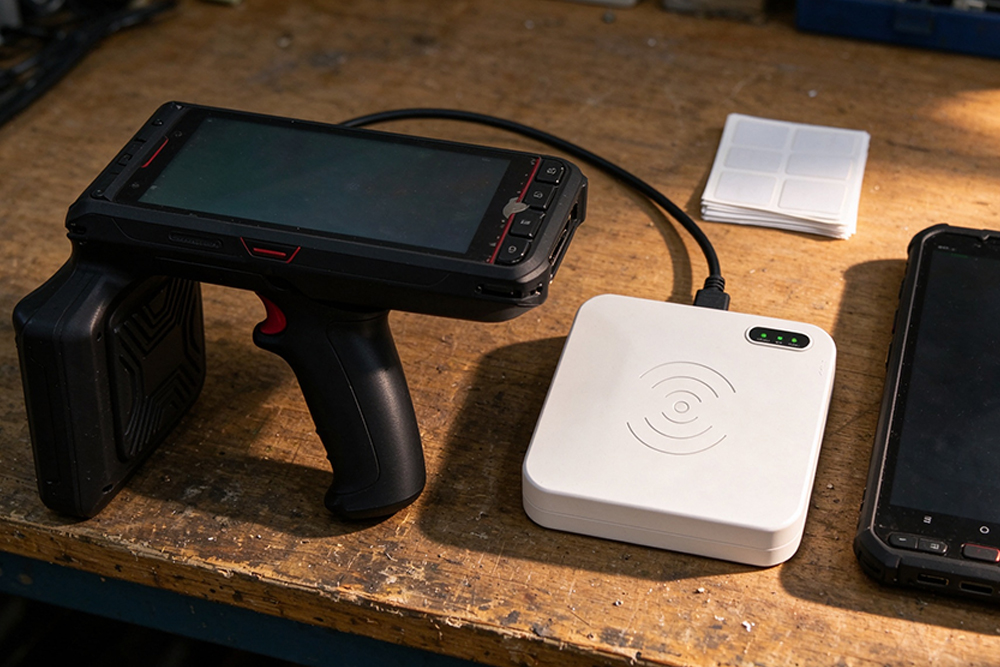
Here’s the mental shift that makes system planning easier: you don’t buy “a system” — you buy read points, each of which is a small system of its own.
A read point is one place where tags get identified: a desk where you encode labels, a shelf where a handheld passes, a doorway pallets drive through. Each read point needs its own combination of the seven building blocks. A whole “system” is usually one to five read points plus software that collects events from all of them — which is why quoting “an RFID system” as a single number is nearly meaningless, and why the three bills of materials below will do more for your budgeting than any article listing components.
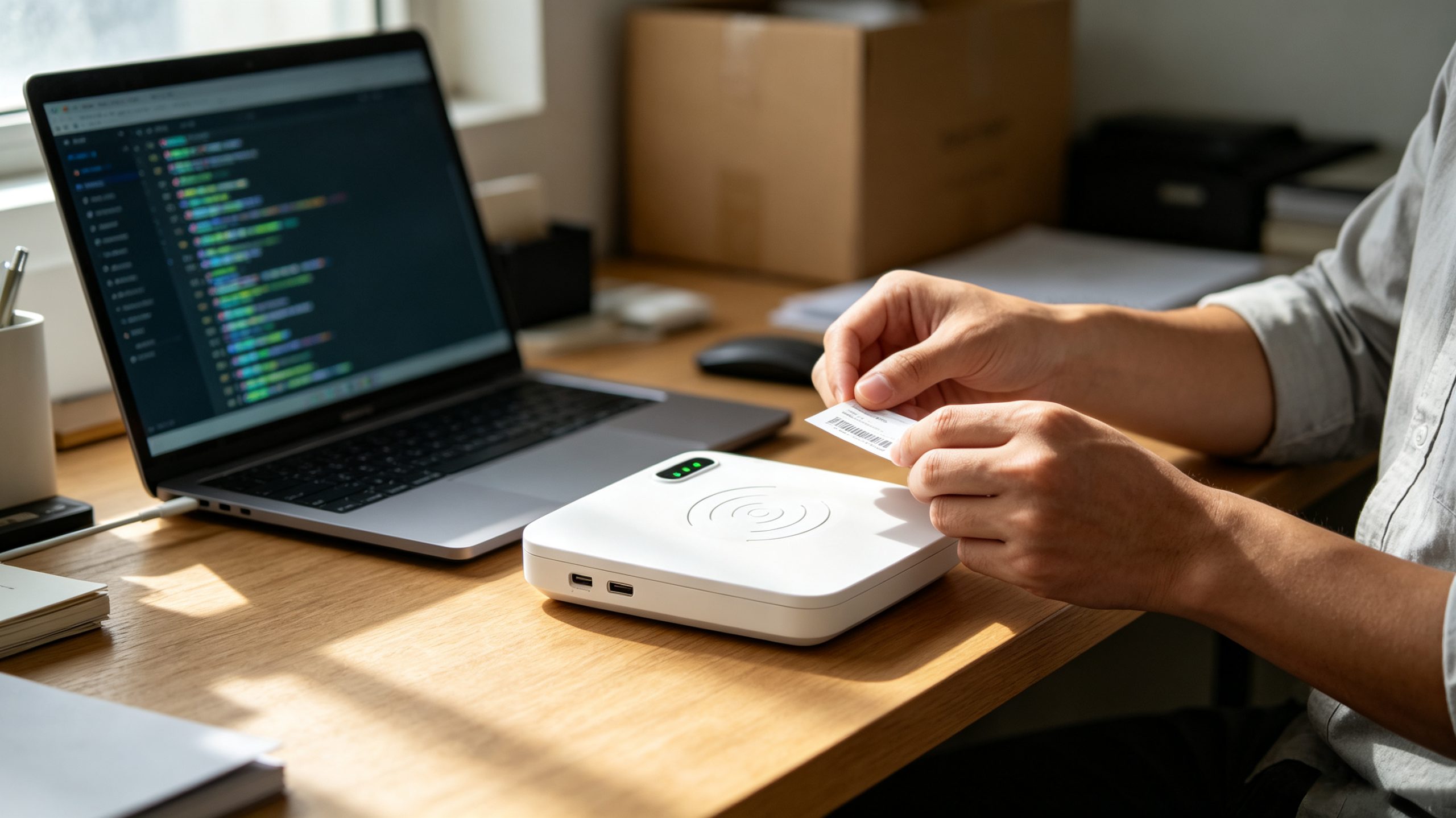
The cheapest complete system, and the right first purchase for almost everyone. Purpose: write IDs to tags at a desk, verify them, and print or apply labels.
| Item | Spec to ask for | Price |
| USB desktop UHF reader/encoder | Your region’s band (e.g. 902–928 MHz US, 865–868 MHz EU), USB HID/CP interface, includes SDK | $120 – $250 |
| UHF labels (sample pack) | General-purpose paper/wet inlay, 500–1,000 pcs for trials | $30 – $60 |
| PC or laptop | Any existing machine — no special requirements | $0 (existing) |
| Starter software or utility | Basic read/write utility, often bundled with the reader | $0 – $100 |
| Label printer (optional) | Thermal printer if you print encoded labels | $150 – $250 (add later if needed) |
What this setup does: you can encode and verify tags the same day the hardware arrives, test them on your actual items, and measure real read behavior before committing to anything bigger. Total spend: under $550 including a printer.
When to buy more: when hand-encoding one tag at a time becomes the bottleneck — typically past a few hundred tags per day. That’s the signal to add a handheld.
This is also the setup to evaluate before any larger order: if a $200 desktop reader can’t reliably read a tag on your product at desk distance, a $3,000 portal won’t magically fix it — the problem is the tag or the placement, and it’s cheaper to learn that now. For this tier, our USB RFID reader product line is the natural starting point.
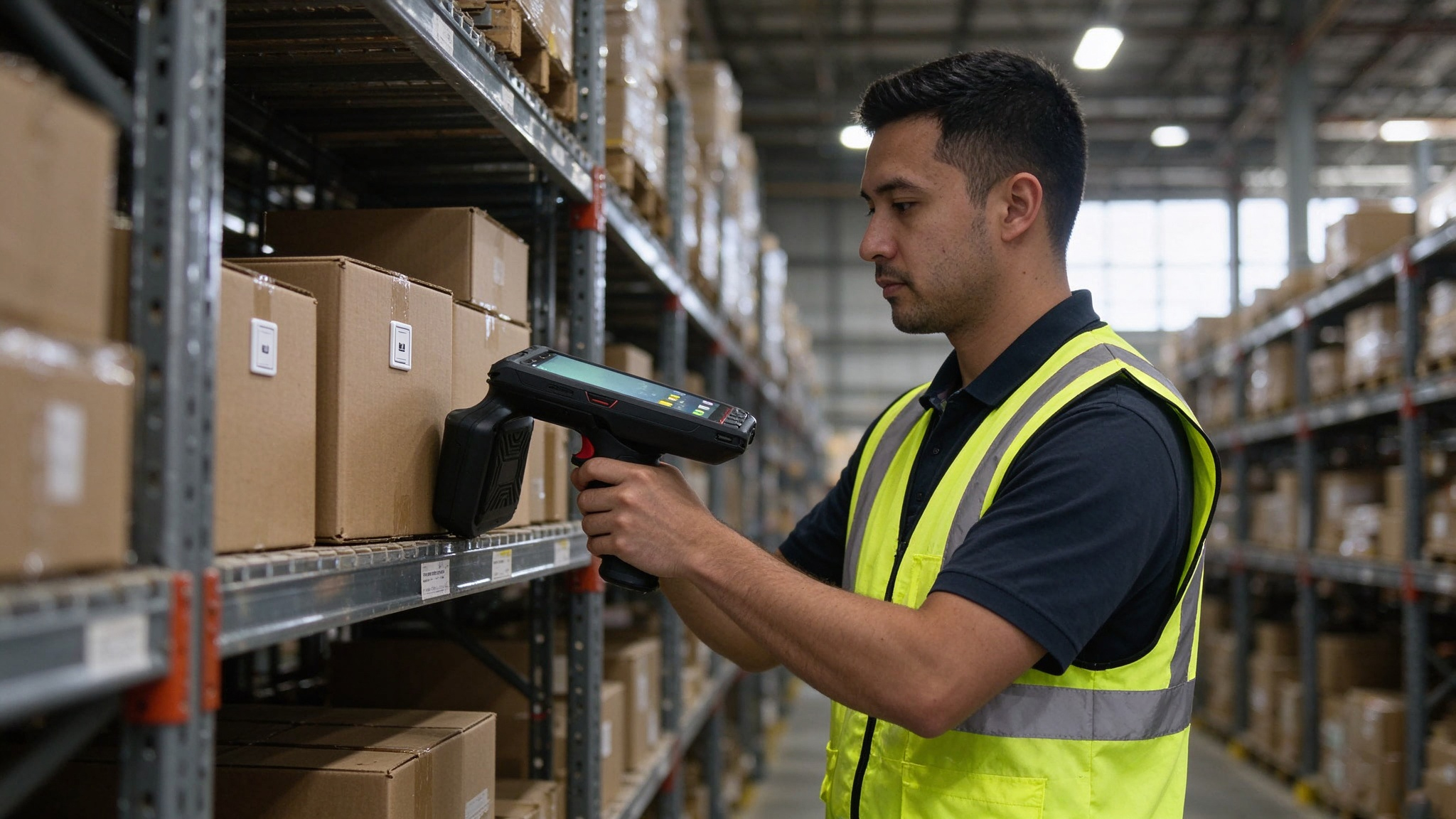
The workhorse of most first deployments. Purpose: cycle counts, shelf audits, finding specific items, receiving checks — anywhere a person walks.
| Item | Spec to ask for | Price |
| UHF handheld reader (gun-style or PDA) | Region band, IP65 rating, Bluetooth/Wi-Fi, battery for a full shift, Android or Windows | $900 – $2,800 |
| Charging dock + spare battery | So the unit never sits dead mid-count | $100 – $250 |
| Tags | Matched to your items (apparel hang tags, carton labels, hard tags for assets) | $50 – $500 depending on volume |
| Mobile app or spreadsheet workflow | Count mode, lookup mode, export to CSV or your inventory system | $0 – $800 |
| Protective case / holster (optional) | For warehouse environments | $40 – $100 |
What this setup does: one worker counts 500–1,200 tagged items per hour versus roughly 150–250 by barcode — and without line-of-sight, so items inside totes and behind other items get read too. This is the fastest payback in RFID: pure labor replacement for counting work you already do.
Two purchasing notes that save money:
First, you do not need the most expensive handheld. Mid-range units ($1,200–1,800) read just as far as flagship models for indoor inventory work — the price gap buys screen size, keyboard, and ruggedness certification, not read performance. Our guide on fixed-mount vs handheld readers covers when each type earns its keep.
Second, buy the handheld before any fixed infrastructure. A handheld works on day one, needs no installation, and teaches you where your real read points are. Ports and tunnels should be bought after a handheld pilot has told you where traffic concentrates.
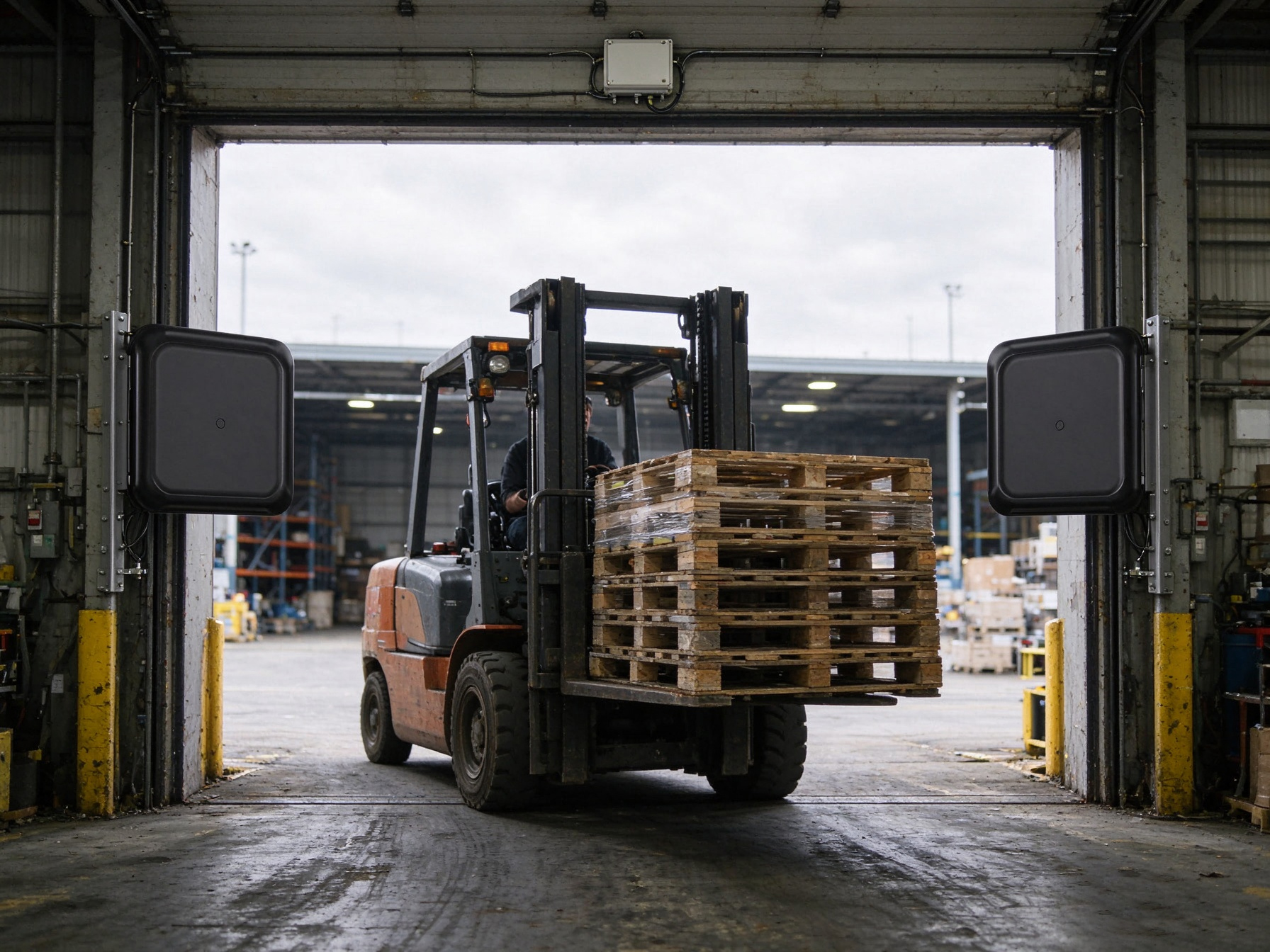
The first “automatic” read point most operations build. Purpose: capture every tagged pallet or carton passing through a doorway, hands-free.
| Item | Spec to ask for | Price |
| 4-port fixed UHF reader | Gen2 protocol, PoE or 12V, Ethernet, SDK, dense-reader mode | $1,200 – $2,500 |
| 2 × UHF antennas | 8–9 dBi circular-polarized panel antennas | $150 – $400 each |
| 2 × antenna cables | Low-loss (LMR-240 or better), correct connectors, length matched to install | $40 – $120 each |
| Mounting brackets & enclosure | Adjustable brackets; IP-rated enclosure if the door is exposed | $100 – $500 |
| PoE injector or power supply | PoE simplifies cabling if supported | $50 – $120 |
| Beacon/light stack (optional) | Visual confirmation of a successful read event | $80 – $200 |
| Edge software or middleware | Deduplication, event formation, output to your system | $300 – $2,000 |
What this setup does: a forklift passes through the door and every tagged pallet on it is logged in under two seconds — no stopping, no scanning, no human. This is the read point that produces the “RFID feels like magic” moment, and the one that justifies planning deployment costs properly before ordering.
The engineering reality, stated plainly: the portal’s performance is decided by antenna placement and tag placement, not by reader price. Two antennas flanking the door at pallet height, circular polarization to tolerate fork orientation, and tags placed consistently on pallet corners will outperform a portal with better hardware and careless geometry. Budget for an hour of installation tuning — moving an antenna 15 centimeters can change read rates more than upgrading a component.
Before anyone quotes you a platform, know what the software layer must minimally do:
Options at each budget level: a spreadsheet fed by reader output (0) works for encoding stations and small handheld counts; a **lightweight app on the handheld** (0–800) handles count and lookup workflows well; middleware (300–2,000 per read point) is justified once you have two or more fixed read points; **full platforms** (5,000–10,000+) belong to multi-site rollouts, not first pilots.
The failure mode to avoid: buying the platform first. Teams that do end up paying platform maintenance while their tags and placement aren’t tuned yet, so the platform receives garbage data. Fix the physics first; scale the software second.
These are the mistakes we see in first-time builds, roughly in order of frequency:
1. Mixing frequency regions. A reader configured for the North American band (902–928 MHz) reads European-tuned tags poorly and may not be legal to operate in your region. Confirm the operating band of every component — reader and tags — against the country of deployment before ordering. This single check prevents the most common cross-border order disaster.
2. Buying antenna gain you can’t aim. High-gain antennas (12+ dBi) produce a narrow beam: impressive on a spec sheet, easy to miss in a real doorway where pallets don’t pass through an exact line. For portals, 8–9 dBi circular-polarized panels are the workhorse. More gain is not more coverage — it’s a narrower cone.
3. Ignoring cable loss. Every meter of antenna cable costs you performance — roughly 0.3–0.5 dB per meter at UHF frequencies with common cable types. A 6-meter run with cheap cable can quietly erase a third of your read range. Keep runs short, buy low-loss cable, and never extend cables with generic adapters.
4. Mounting electronics where they die. A fixed reader bolted to an unprotected dock door frame lives with forklift strikes, rain, and temperature swings. IP-rated enclosures and position — high on the frame, out of the strike zone — are $100–500 items that prevent $2,000 replacements.
5. No network plan for fixed readers. Each fixed read point needs power and a network connection back to wherever your software runs. Discovering “this door has no Ethernet” after hardware arrives delays go-live by weeks. Walk the cable route during the site survey.
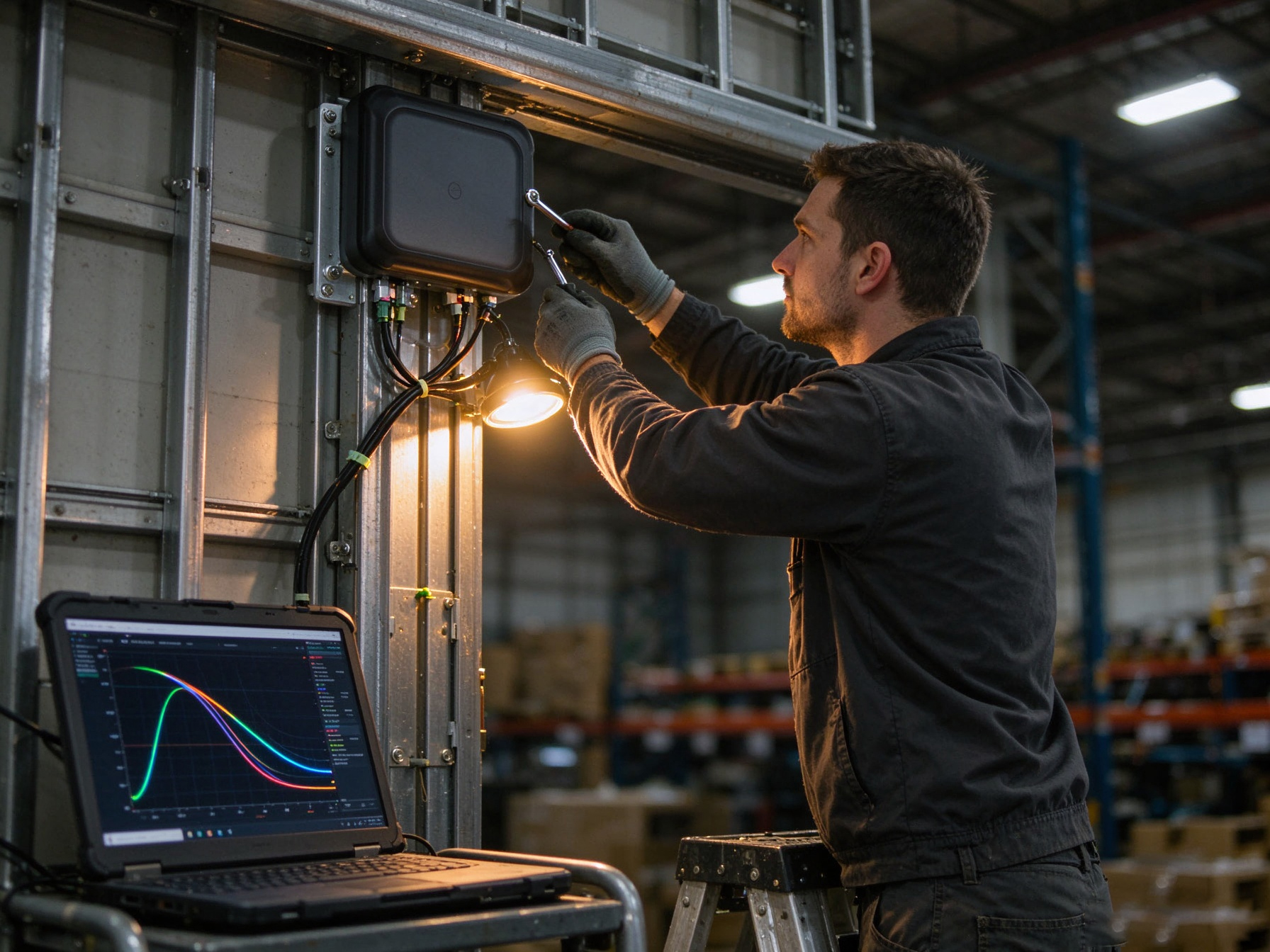
| Tier | Components | Best for | Total cost |
| Validate | Desktop encoder + sample tags + utility software | Proving tags work on your items | $250 – $550 |
| Operate | Handheld kit + tags + mobile app | Replacing manual counts; fastest payback | $1,400 – $4,000 |
| Automate | Handheld kit + one portal + middleware | Hands-free gate capture on a known traffic route | $5,000 – $12,000 |
Most operations should climb these tiers in order, and most should stop at the second tier — handheld-based counting covers the majority of real-world RFID payback. The third tier is worth it only where traffic through a specific point is heavy and constant. Our RFID tracking setup guide shows six real scenarios with this same budget logic.
Hardware assembled, software chosen — before declaring victory, run this on-site:
90 minutes here prevents the classic outcome: a system that “works” during installation and produces unusable data the first busy week.
A pattern worth internalizing before you order anything: in a typical portal deployment, the reader is about 30% of the hardware spend. Antennas, cables, mounting, network, and installation are the other 70% — and software is a separate line entirely. Buyers who budget “reader price × number of doors” run out of money at roughly 60% of the project. Budget the BOM, not the headline component.
The same logic applies when comparing quotes: a quote that includes antennas, cables, brackets, and commissioning against one that lists only the reader is not a price difference — it’s a completeness difference. Make suppliers quote against the full BOM above.
Tags (identify items), readers (power and read them), antennas (extend fixed readers’ coverage), and software (turn raw reads into usable events). In practice you also budget cables, mounting, network accessories, and installation — the reader is usually only about 30% of hardware cost.
A desktop encoding setup costs $250–550. A handheld inventory kit runs $1,400–4,000. Adding one automatic dock-door portal brings a working first system to roughly $5,000–12,000 including middleware.
Yes for the desktop and handheld tiers — both are plug-and-play with bundled utilities. Fixed portals need RF tuning: antenna placement, power calibration, and zone testing. A first portal typically needs a few hours of competent installation to reach 99% read rates.
At minimum: deduplication of raw reads, read-point identification, timestamped event storage, and export. A spreadsheet fed by reader output works for a first pilot; middleware ($300–2,000 per read point) is justified from two or more fixed read points upward.
Yes — on frequency. UHF tags are tuned for regional bands (902–928 MHz in North America, 865–868 MHz in Europe, 920–925 MHz in China). A reader and tags from mismatched regions will underperform or fail. Confirm both against the deployment country before ordering.
Hundreds of tags per second in a read zone — batch reading is the core advantage over barcode. Real throughput depends on tag density, orientation, and anti-collision performance; a well-tuned portal captures every tagged pallet on a passing forklift in under two seconds.

Discover SSD-D4AL, a USB-HID UHF RFID reader with 4/8/16 antenna options, Impinj E710/X3M1 chipset, plug-and-play USB power, and OEM customization.
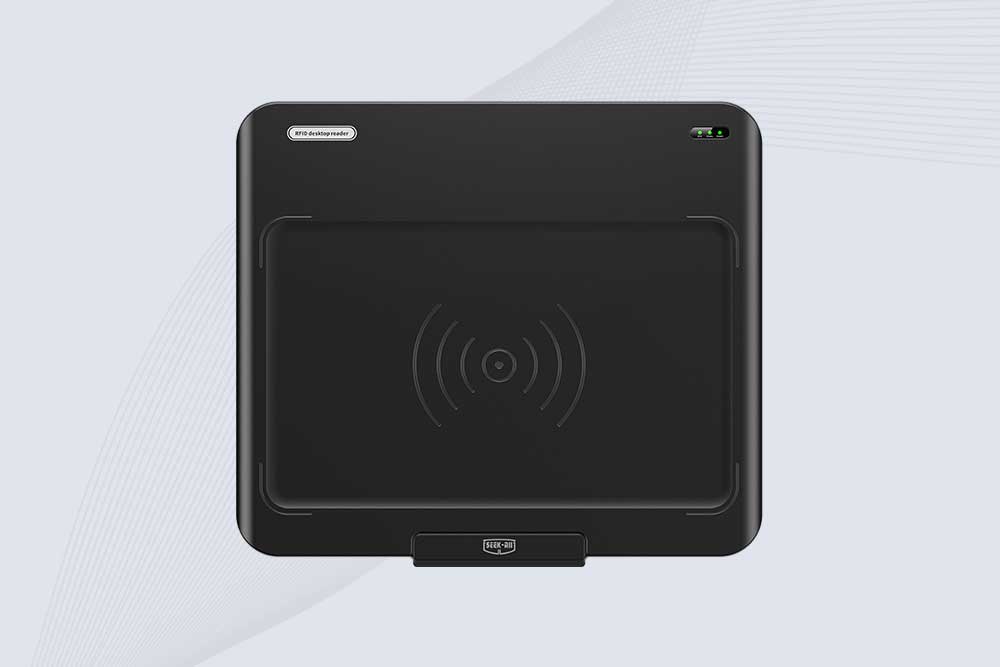
SSD-D3AL is a USB-HID UHF RFID reader with 0–30 cm reading, 0–15 cm writing, over 600 tags/s recognition, USB plug-and-play operation and OEM Logo customization.
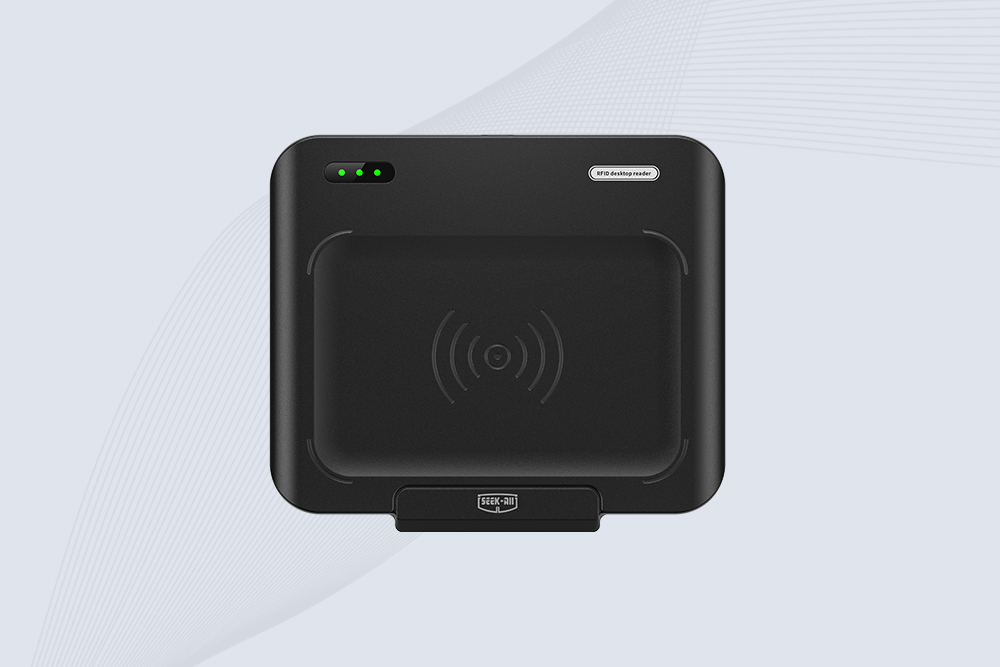
SSD-D1AL is a compact USB UHF RFID reader with Impinj E710/X3M1 chipset, USB-HID, 600+ tags/s recognition, 4/8/16 antenna support and plug-and-play USB power.
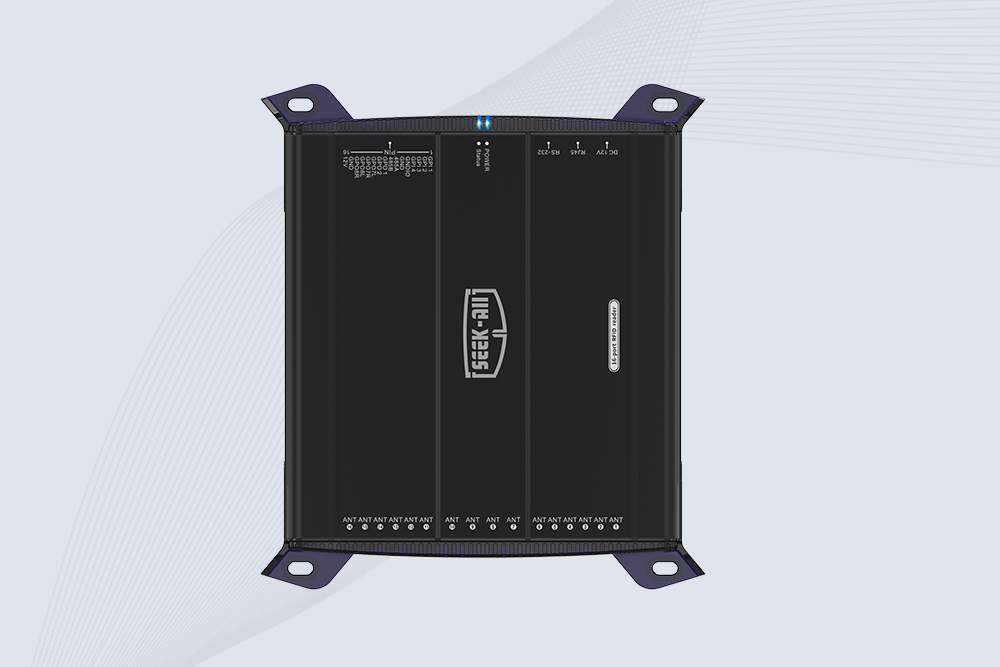
SSD-R16L Multi-Channel RFID Infrastructure for Automated Inventory Management ✔️ 16-Port High-Density RFID Reading Equipped with 16 SMA antenna ports, SSD-R16L supports multi-antenna deployment for warehouses, retail stores, logistics, production lines, and large-area RFID identification. ✔️ High-Speed & Long-Range Performance With up to 33…
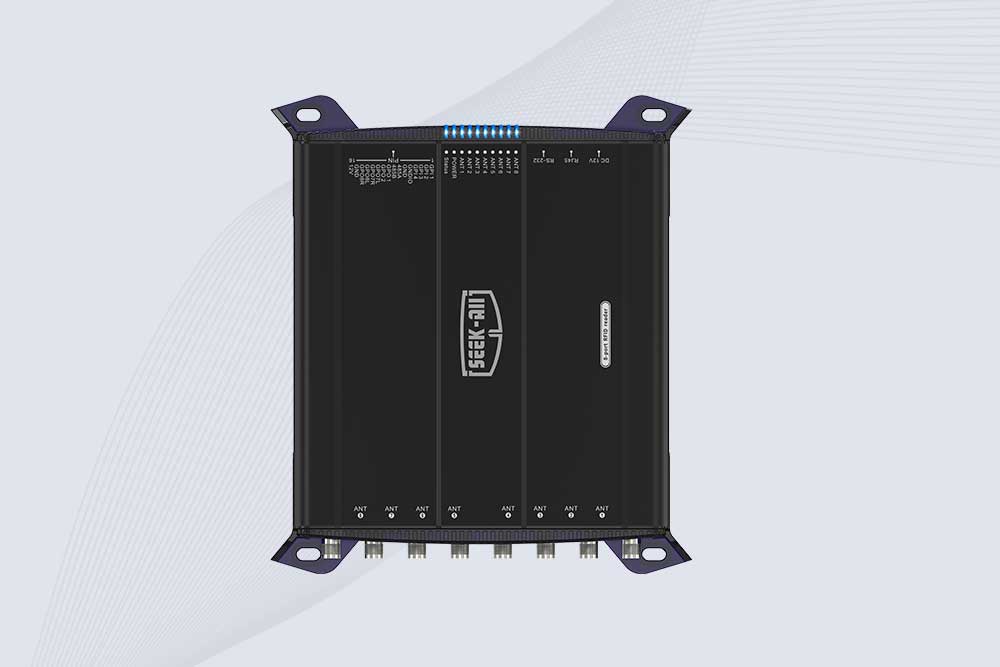
SSD-R8L 8-port UHF RFID reader with 33dBm output, up to 20m reading range and 600+ tags/s recognition. Ideal for warehouse, logistics, retail and asset tracking.
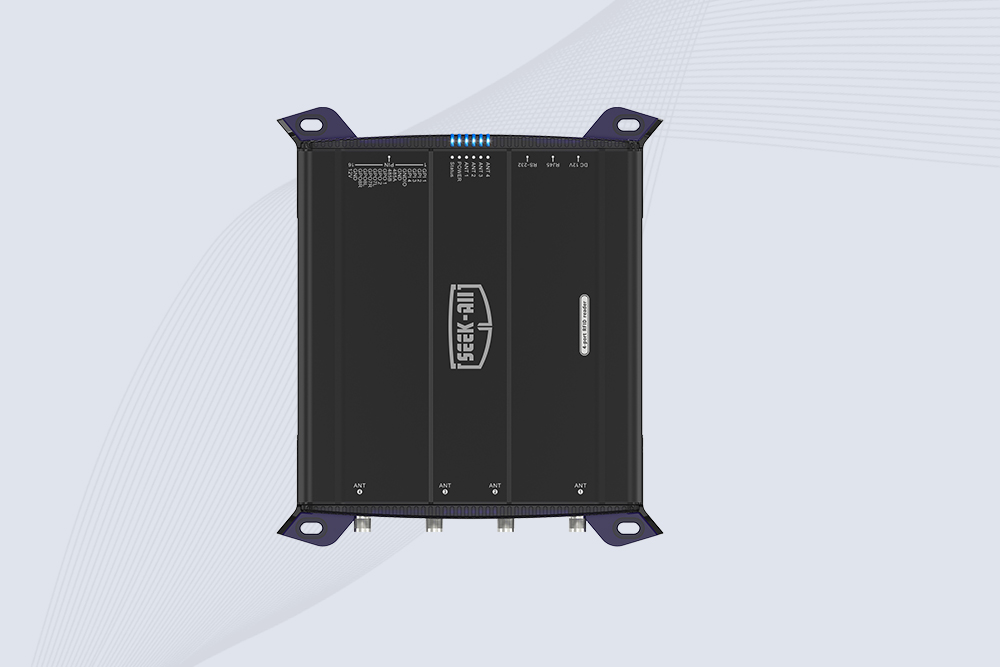
SSD-R4L is a 4-port UHF RFID fixed reader with 33dBm output power, up to 20m reading range, EPC C1G2 support and 600+ tags/s reading speed.

CYKEO CYKEO-D1LA USB RFID Reader is a compact desktop solution with near-field control for precise tag reading and encoding. Powered by USB, supporting ISO 18000-6C, and built for stable batch writing, this usb rfid tag reader fits retail, libraries, offices, and controlled RFID encoding tasks.
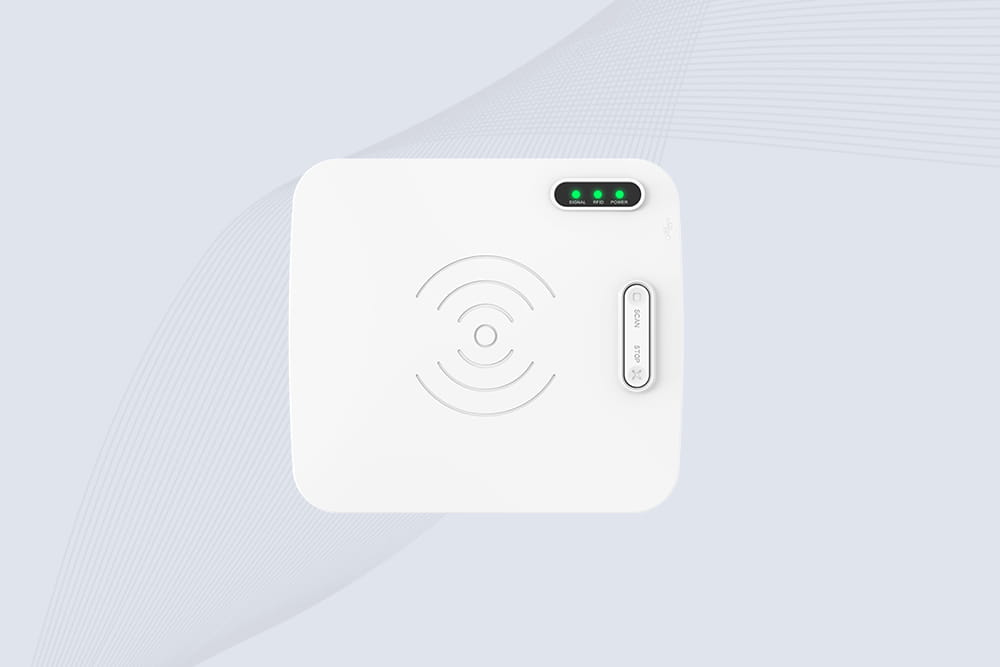
CYKEO CYKEO-D1L RFID scanner USB is a compact desktop UHF RFID scanner designed for short-range tag writing and verification. This usb rfid scanner supports batch encoding, stable 0–26 dBm output, and works across Windows, Linux, and Android systems.
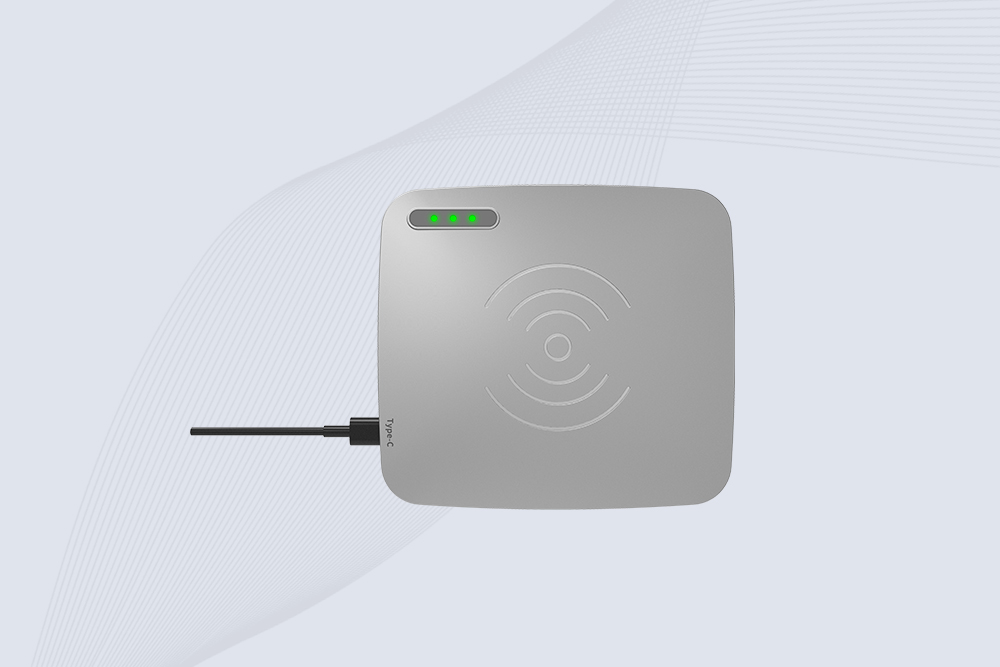
CYKEO CYKEO-D1C USB RFID Card Reader is a near-field UHF desktop writer designed for secure, short-range tag encoding. With USB-C connectivity and stable 26 dBm output, this rfid reader usb c is ideal for badge issuance, label encoding, and controlled desktop RFID workflows.
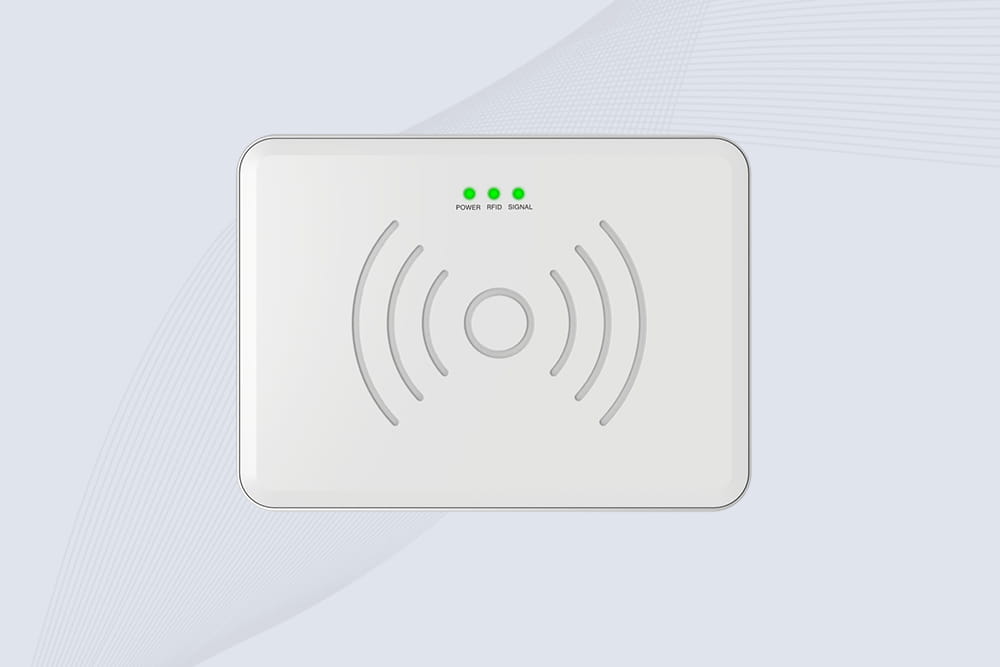
CYKEO CYKEO-D2L RFID Reader USB is a compact desktop encoder built on the Impinj R500 chip. With near-field control and stable USB power, this usb rfid card reader delivers precise tag writing for offices, retail counters, and small-scale logistics encoding tasks.
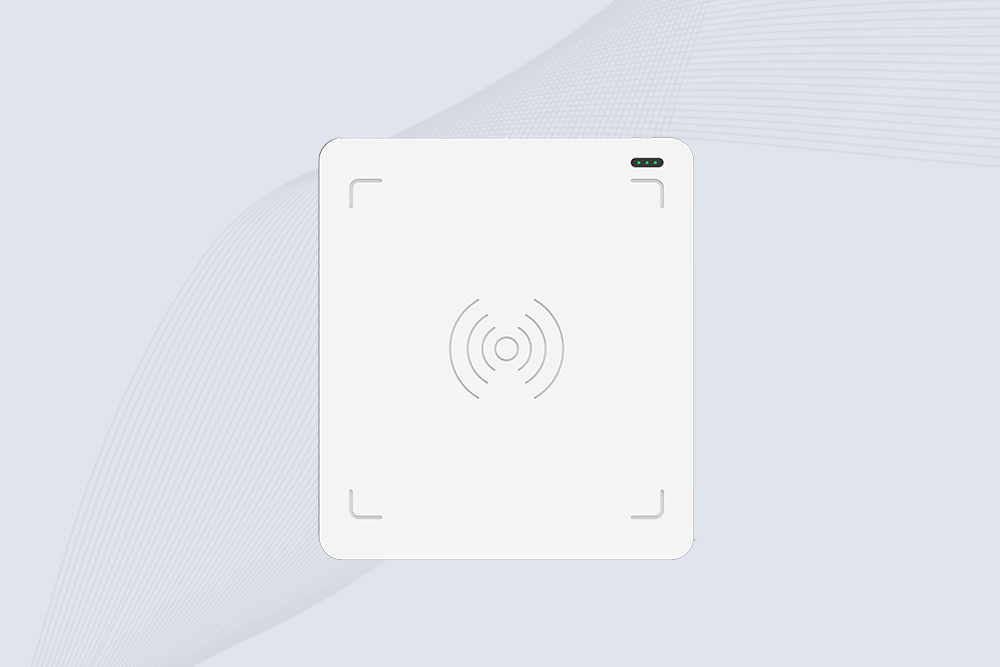
CYKEO CYKEO-D3L USB RFID Tag Reader delivers stable UHF tag reading and writing for daily desktop and light industrial tasks. Designed for controlled short-range operation, this USB RFID Tag Reader works reliably with rfid tag and reader systems in libraries, tool tracking, and inventory registration.
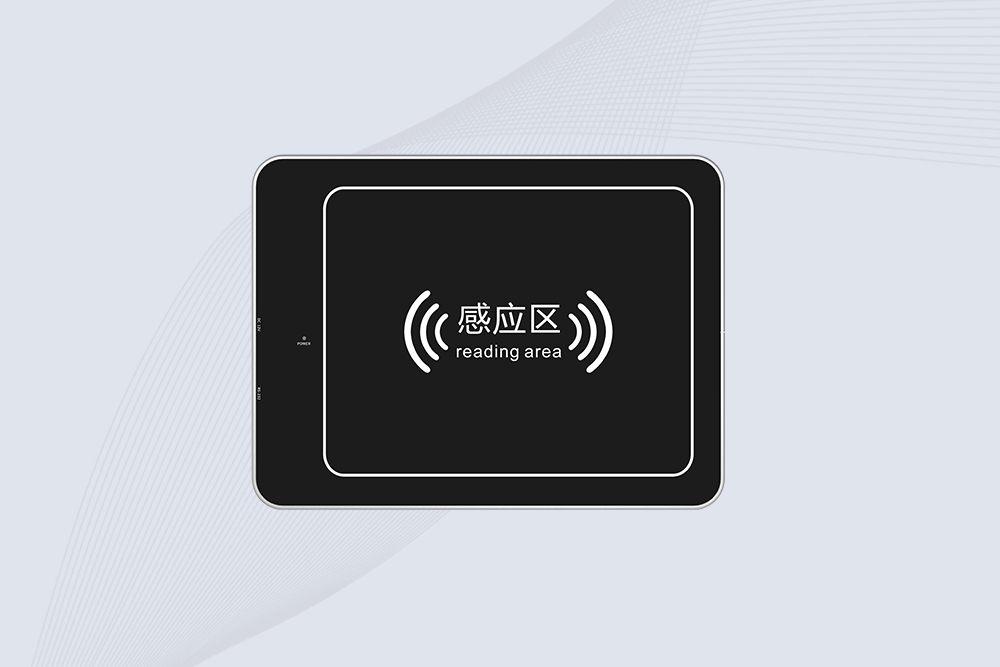
The CYKEO CYKEO-D4L UHF RFID Tag Reader is a stable Desktop RFID Reader designed for accurate tag registration, borrowing, and return workflows. Built with the Impinj R2000 chip, this UHF RFID Tag Reader delivers controlled short-range reads for libraries, asset tracking, and inventory management environments.
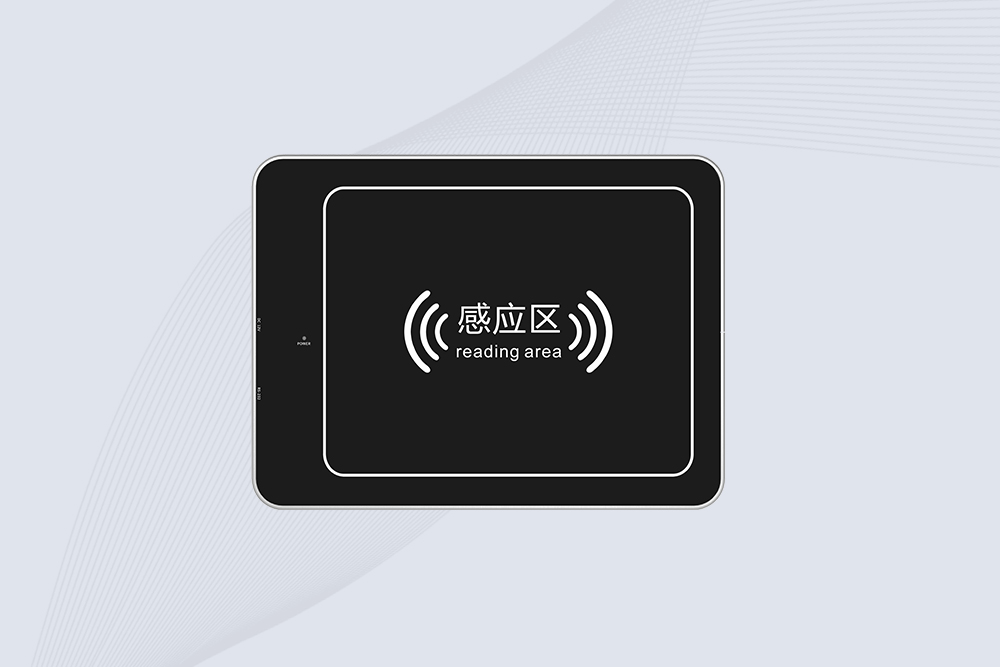
The CYKEO CYKEO-D5L Desktop RFID Card Reader is a stable UHF RFID Card Reader designed for controlled short-range reading and writing. Built for libraries, tool rooms, and asset desks, this UHF RFID Card Reader supports dense tag handling, secure data processing, and easy USB integration.
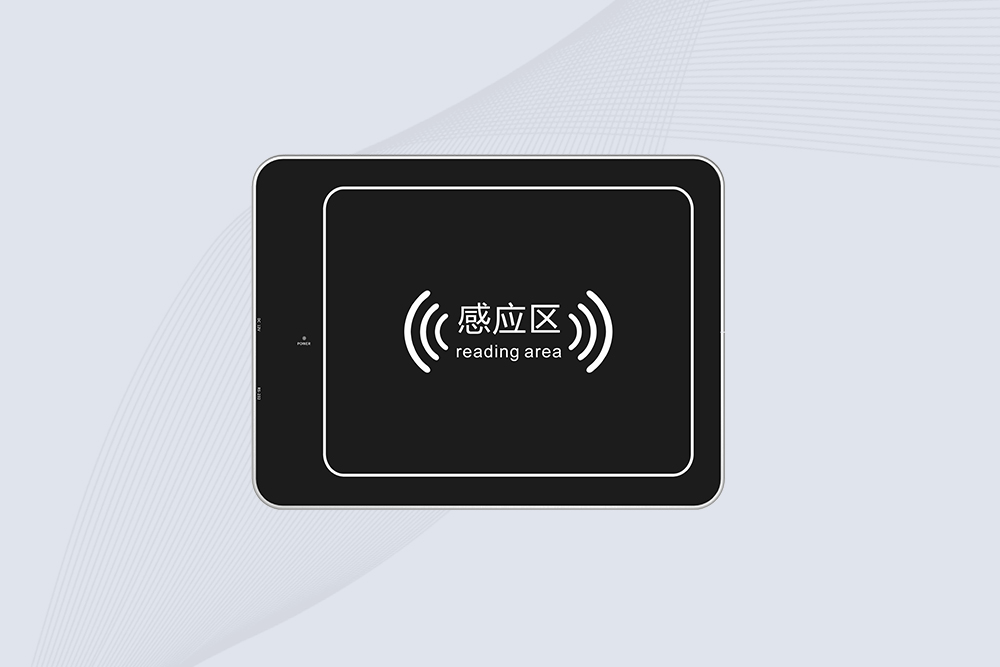
The CYKEO CYKEO-D6L RFID Reader Writer is a heavy-duty Desktop RFID Reader designed for short-range, high-accuracy tag programming. Built for libraries, labs, and asset desks, this RFID Reader Writer supports batch processing, stable 33dBm output, and seamless integration with existing management systems.
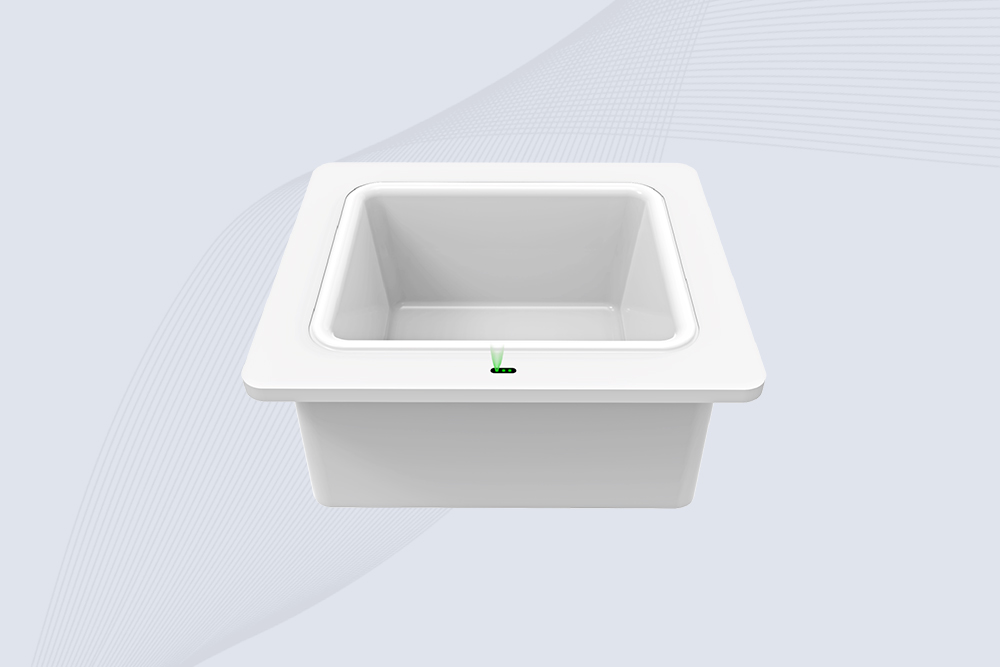
Cykeo CYKEO-D8B UHF RFID tunnel and RFID Desktop Reader features 30+ items batch reading,
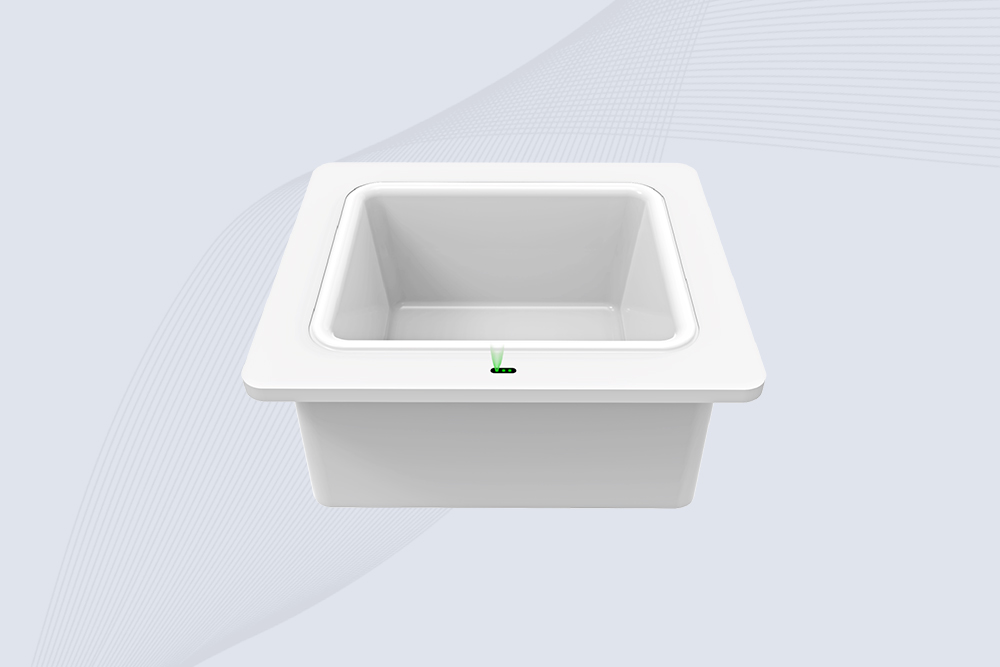
Cykeo CYKEO-D8A embedded RFID badge reader offers 30+ tags/sec scanning, 20cm anti-crosstalk precision, and DC 12V power for unmanned stores, warehouses, and smart inventory systems.
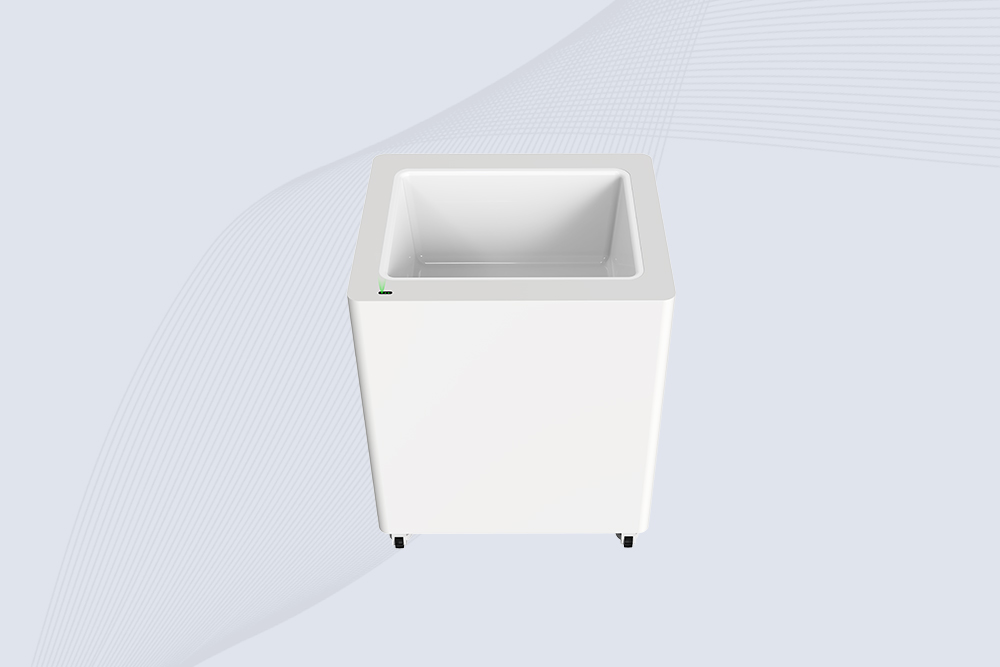
Cykeo’s CYKEO-D8C UHF RFID gate reader achieves 200-tag/batch scanning with adjustable power control, ideal for retail inventory and smart warehouse management.
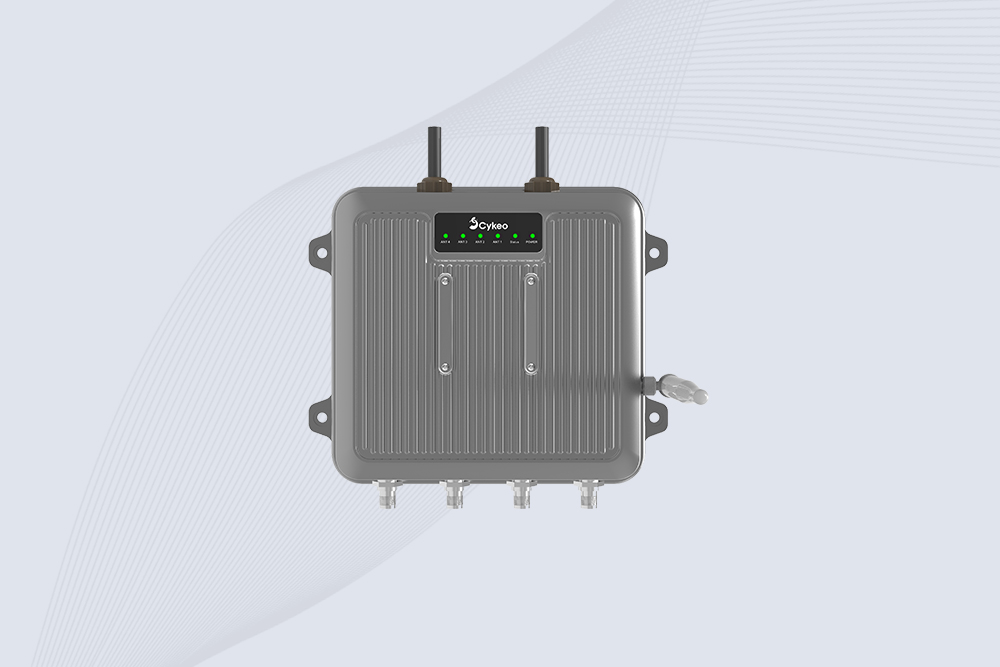
Cykeo CYKEO-C1 industrial Forklift RFID Reader features 20m read range, 600 tags/sec scanning, Impinj R2000 chipset, and IP67 rugged design. Ideal for warehouse logistics and manufacturing. Supports ISO 18000-6C/6B protocols.
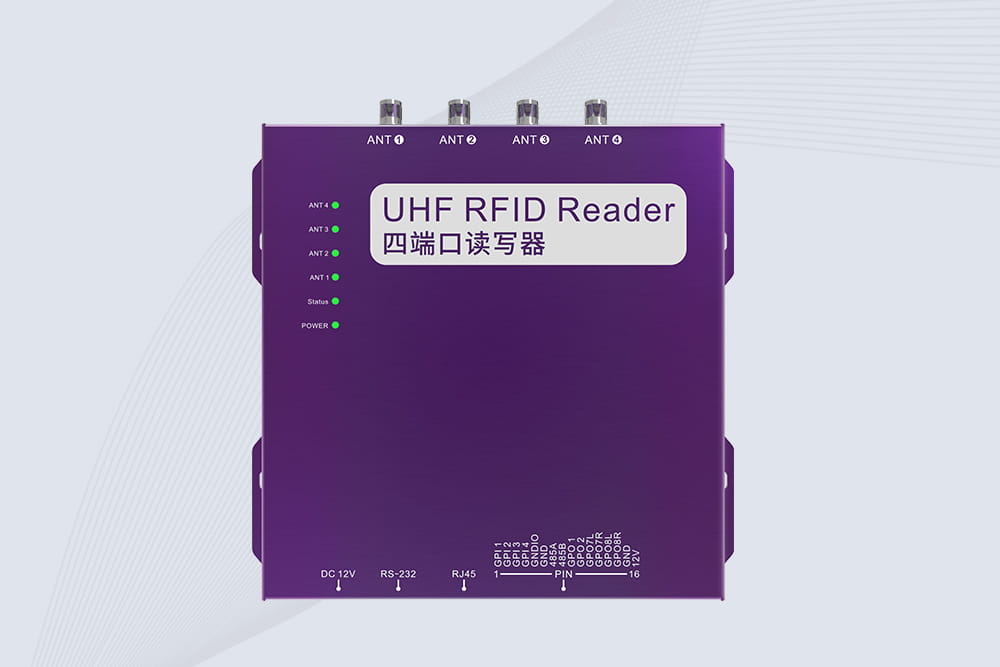
Cykeo CYKEO-R4 industrial UHF RFID Fixed Reader features 4 TNC ports, 400+ tags/sec speed, IP67 housing, and global frequency compliance for vehicle inspection, smart warehouse, and asset management systems.
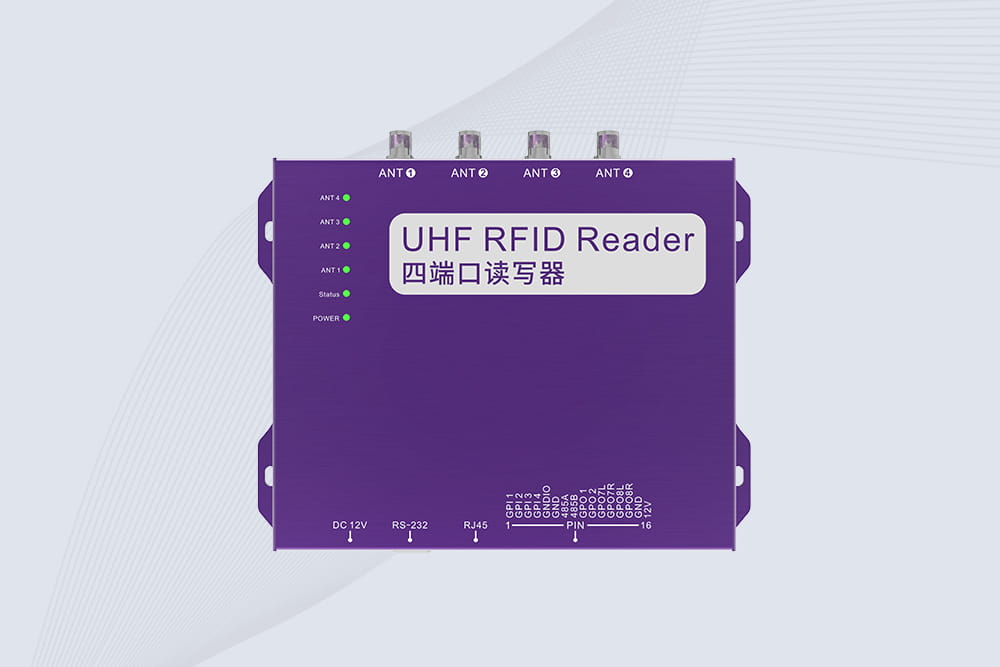
Cykeo’s CYKEO-R4L 4-port Fixed UHF RFID Reader delivers 400 tags/sec scanning, ISO 18000-6C compliance, and IP65 protection. Ideal for warehouse automation, manufacturing WIP tracking, and logistics management.
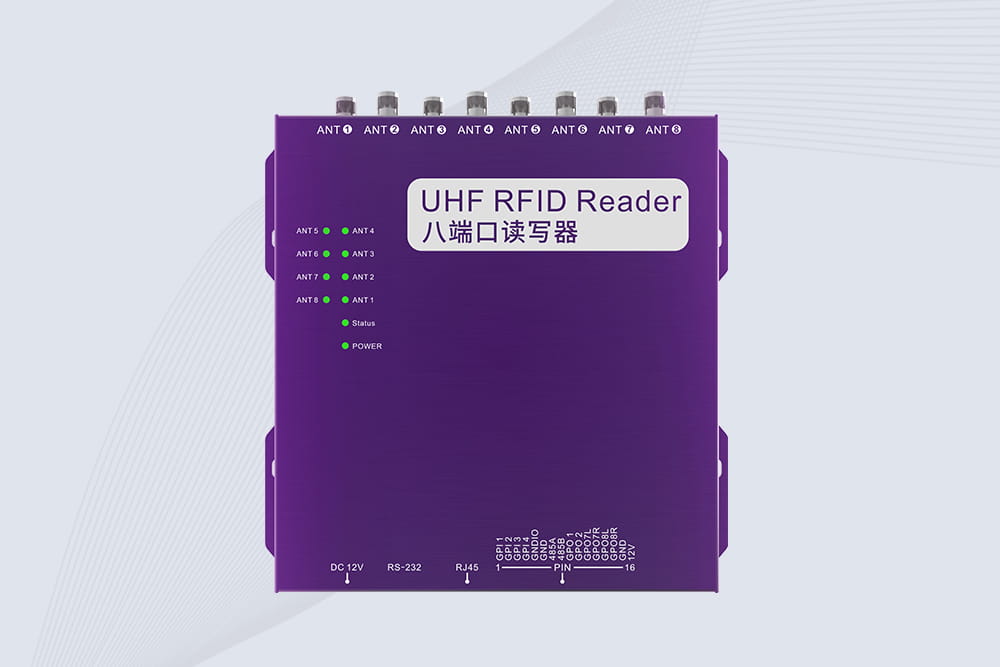
CYKEO CYKEO-R8L Fixed RFID Reader with 8-port UHF design, Impinj-based RF core and up to 20m read range. An industrial Fixed RFID Reader for vehicle inspection, warehouse portals, smart manufacturing lines and secure access checkpoints.
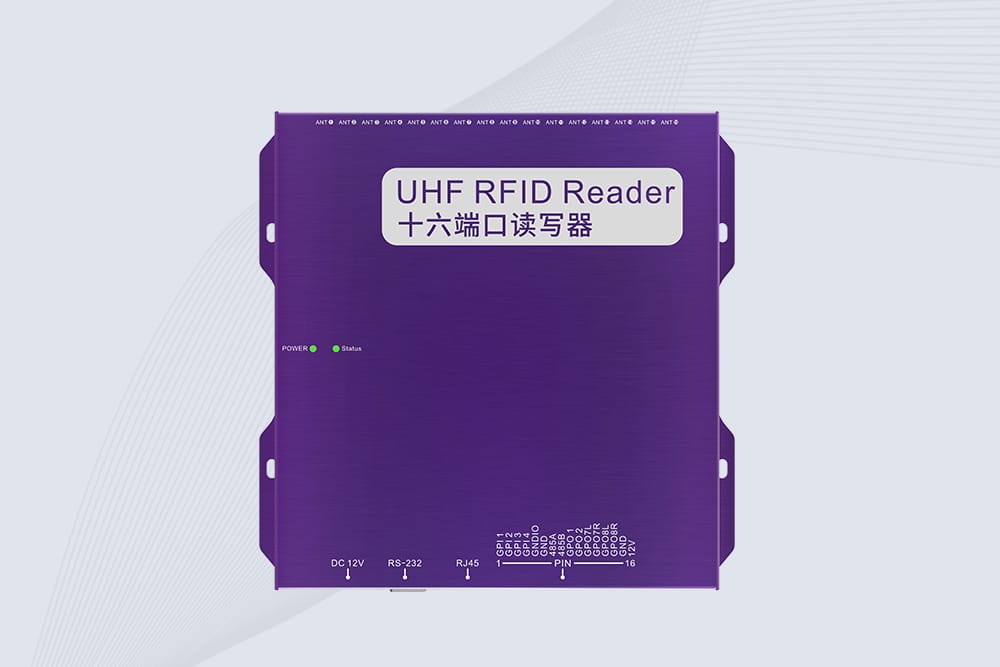
RFID Fixed Reader from CYKEO – the CYKEO-R16L 16-port UHF fixed reader for warehouses, smart cabinets, and production lines. Long-range, multi-tag reading, stable performance for 24/7 industrial use.

Avoid costly errors with handheld RFID scanners! Learn common mistakes like poor tag placement, interference issues, and how to optimize scans.
More
A practical guide on how to read RFID with Android. Learn why your phone's NFC fails for most tags and the steps to connect an external UHF reader for real scanning apps.
More
Curious about how RFID works in warehouses? This FAQ explains how RFID improves inventory accuracy, reduces errors, and streamlines operations. Learn the differences between passive and active tags, costs, and real-world benefits.
More
RFID technology is used for automatic identification, tracking, and management of physical objects, helping businesses improve inventory visibility, asset co...
More