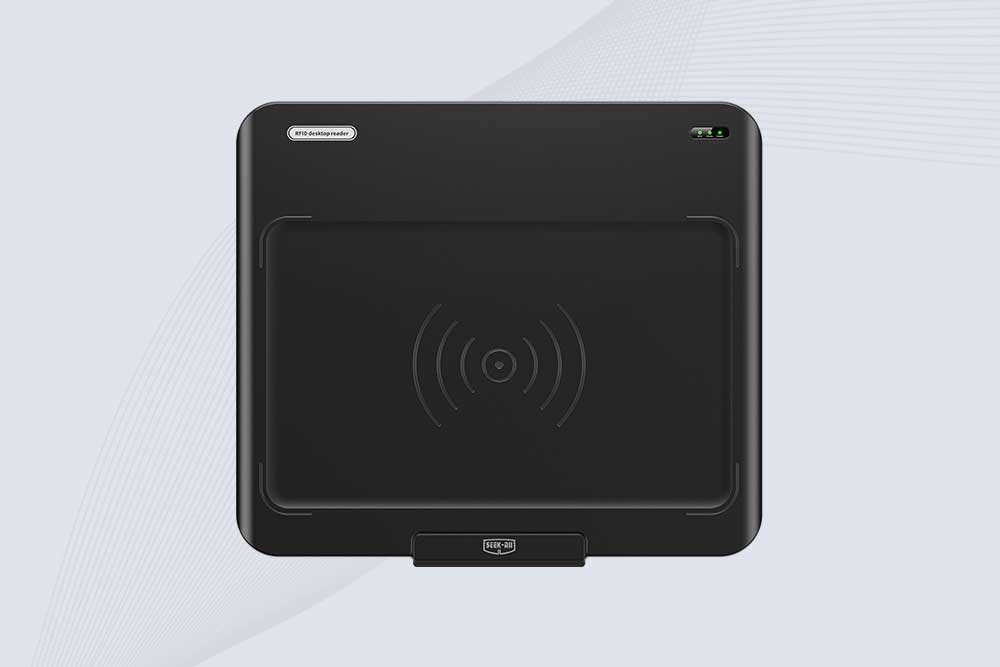
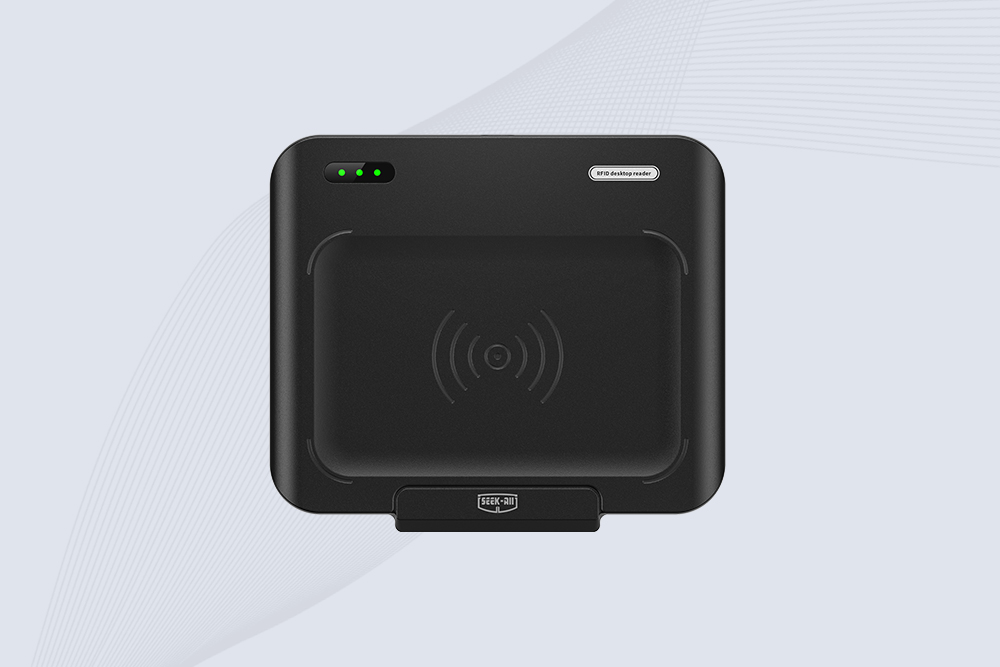
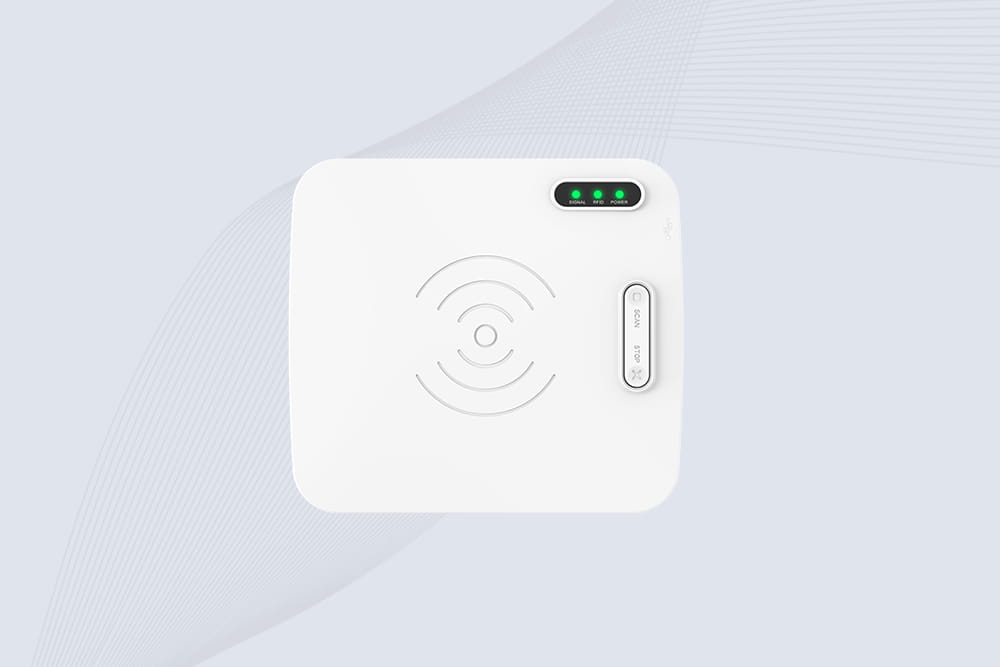
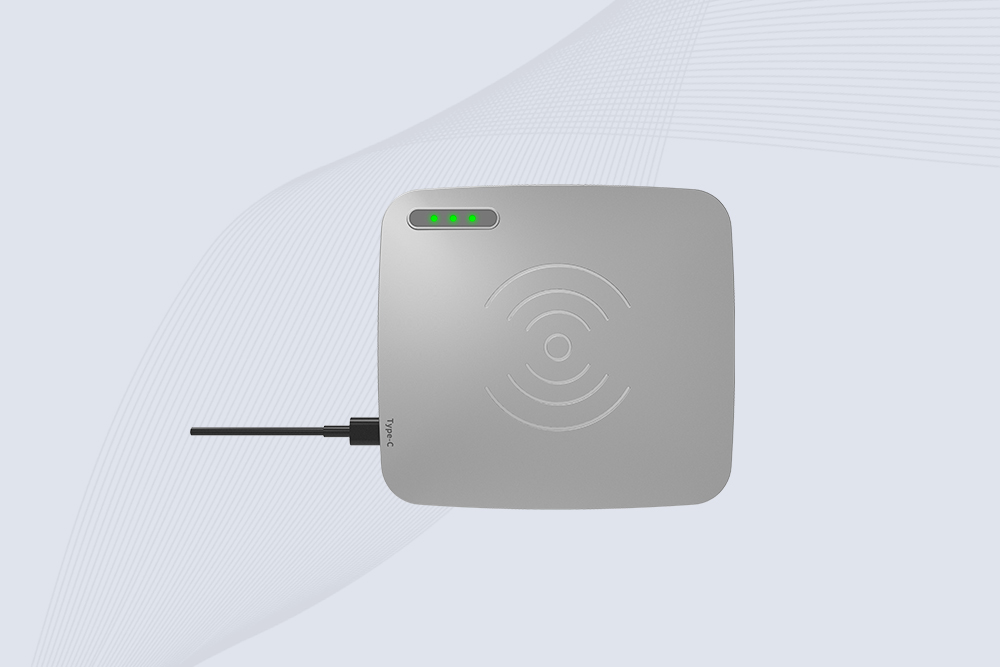
RFID reader writer USB does more than identify an RFID tag. With compatible tags, it can read stored information and write or update data through a computer connection. That makes it useful for RFID encoding, product registration, access cards, asset management, and software development.
The catch is that “read/write RFID” does not mean one device can work with every RFID card or tag. Frequency, chip type, protocol, software, and the actual memory structure all matter.
If you are still comparing different types of USB RFID hardware, our USB RFID Scanner Guide looks at the wider range of USB RFID readers, including their applications, reading distance, tag compatibility, and selection considerations.
A Reader Writer Is Not Just a Reader With an Extra Button
This is where the terminology can get confusing.
A basic RFID reader mainly identifies a compatible RFID tag and sends the tag information to a host system.
An RFID reader writer can also communicate with writable memory on supported RFID tags.
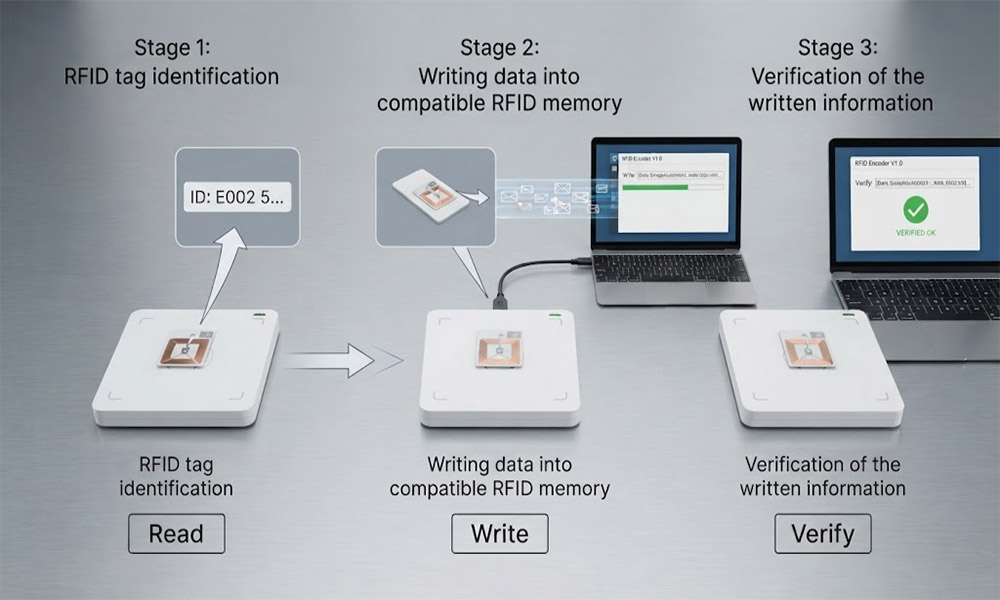
For example, imagine a manufacturer preparing 500 RFID tags for a new product line.
The operator may need to:
Read the tag UID.
Write product information.
Verify the written data.
Record the result in the database.
A USB RFID reader writer can sit on the workstation and handle this process through software.
It sounds simple, and sometimes it is. But the reader, tag, and software all have to agree on what they are doing.
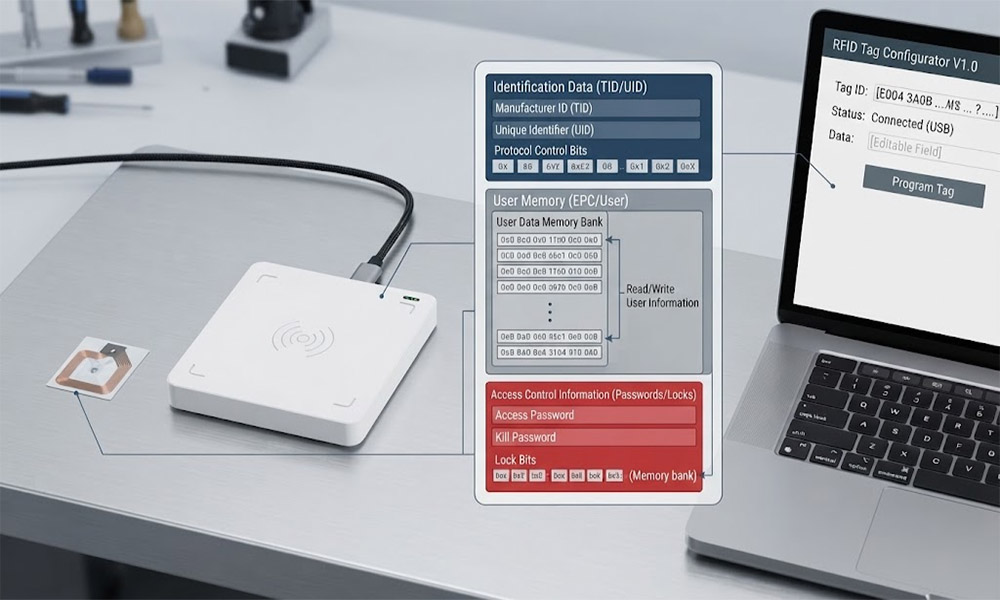
What Can You Actually Write to an RFID Tag?
That depends on the RFID chip.
Some RFID tags contain writable user memory. Others may have limited writable areas, while certain identifiers are fixed or protected.
This is why I would not recommend buying a reader writer based only on the phrase “read/write supported.”
Ask a supplier:
Which chip types can it read and write?
Then check:
Frequency
RFID protocol
Memory structure
Read/write blocks
Access permissions
Lock functions
Data format
For a development project, this information can be more useful than a long list of marketing features.
USB Makes the Reader Writer Convenient
The USB connection is one of the main reasons these devices are popular for desktop applications.
Connect the reader writer to a laptop or PC, install the required software or SDK, and the device can become part of the RFID encoding workflow.
A small production team might use one at a desk for tag programming.
A software company might use one for development and testing.
An RFID distributor might use it to demonstrate different tag functions to customers.
In these cases, you probably do not need a large fixed RFID installation.
The small USB device is doing a very specific job.
HF, UHF, or Something Else?
This is probably the first technical question to settle.
An HF RFID reader writer and a UHF RFID reader writer are designed for different applications.
HF RFID is commonly associated with 13.56 MHz systems and is widely used for cards, identification, NFC-related applications, and short-range data interaction.
UHF RFID is often used for inventory and asset tracking where longer reading distances and multiple-tag identification are important.
Writing requirements can be different as well.
If a buyer tells a supplier, “I need a USB RFID writer,” that is not enough information to select the hardware.
A better request would include the RFID chip or tag model, frequency, application, and what information needs to be written.
That saves quite a bit of back-and-forth later.
Read and Write Speed Can Matter in Production
For a single RFID card, writing speed may not be a major concern.
For 1,000 tags, it becomes more noticeable.
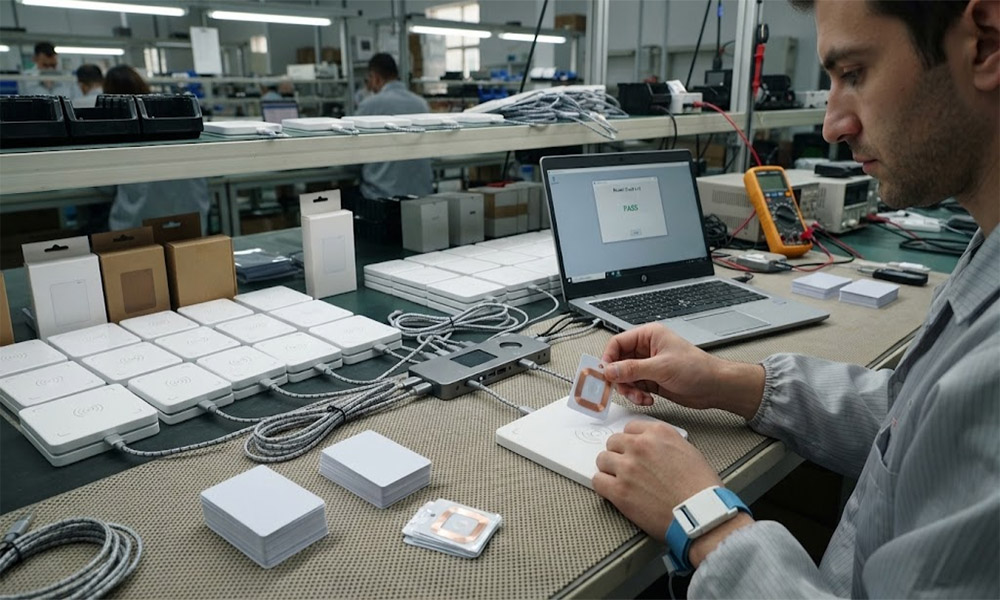
Imagine an operator sitting at a workstation with a stack of blank RFID tags. If every tag requires several seconds of manual confirmation, the labor adds up.
This is where software workflow becomes important.
A good system may automatically:
Detect → Write → Verify → Save
rather than asking the operator to manually confirm every step.
Still, actual writing speed should be tested with the exact tags being used. Different chip types and memory operations can behave differently.
A number on a product sheet does not always tell the whole story.
What About Data Security?
Some RFID projects only need a simple ID.
Others may store information that should not be freely changed.
Depending on the RFID technology, there may be password protection, memory locking, access conditions, or other security functions.
For example, an RFID manufacturer may want customers to read a product ID but prevent them from changing certain programmed information.
In that situation, the reader writer must support the required security functions. Otherwise, having write capability is not necessarily an advantage.
For commercial projects, it is worth discussing the complete data structure with the supplier rather than simply asking whether the reader can “write tags.”
Software Integration Is Often the Real Project
The hardware may be sitting on the desk, but the software is what makes the reader writer useful.
A distributor selling a standard reader may only need basic communication.
An OEM customer integrating RFID into its own software may need more.
Before purchasing, ask about:
USB communication mode
HID support
Virtual COM support
SDK
API
Windows compatibility
Programming examples
Data output format
Read/write commands
Development documentation
If a developer can connect the device and start testing within an afternoon, that can be worth more than a long specification sheet.
RFID Reader Writer USB for OEM Projects
OEM projects are a little different from ordinary product purchases.
A customer may want a custom enclosure, company logo, USB cable, firmware behavior, packaging, or a specific software interface.
The hardware may also need to fit inside another product.
For that reason, I would recommend sending the supplier the actual application requirements before asking for a large quantity.
For example:
“We need to write data to this specific RFID chip, connect through USB to Windows software, and process approximately 500 tags per day.”
That tells the manufacturer much more than:
“Please quote a USB RFID writer.”
Cykeo provides USB RFID reader solutions for RFID identification, integration, and customized projects.
When Does a Reader Writer Make More Sense Than a Basic Reader?
If you only need to identify an RFID tag, a standard reader may be enough.
There is no reason to pay for write functionality you will never use.
A reader writer becomes more interesting when your workflow includes:
RFID tag encoding
Product registration
Data updating
Access card programming
RFID testing
Asset identification
Custom RFID software
OEM product development
A small USB reader writer can therefore be a useful development tool even if the final commercial system uses different RFID hardware.
I have found this distinction useful when planning RFID projects: the device used for development does not always have to be the device used for final deployment.
What Should Wholesale Buyers Ask the Supplier?
For bulk purchasing, I would keep the initial technical questions fairly direct.
Ask for:
Supported RFID frequency
Compatible RFID chip models
Read/write memory support
USB interface
SDK/API availability
Supported operating systems
Writing speed
Security functions
Sample availability
OEM customization options
Most importantly, provide your actual RFID tag sample or chip model whenever possible.
Testing the real tag with the real reader writer is usually much more reliable than comparing two specification sheets.
Summary
RFID reader writer USB device can read compatible RFID tags and write data to writable tag memory through a computer connection. It is useful for RFID encoding, product registration, card programming, testing, and OEM projects, but compatibility with the exact RFID chip and software should be confirmed before bulk purchasing.
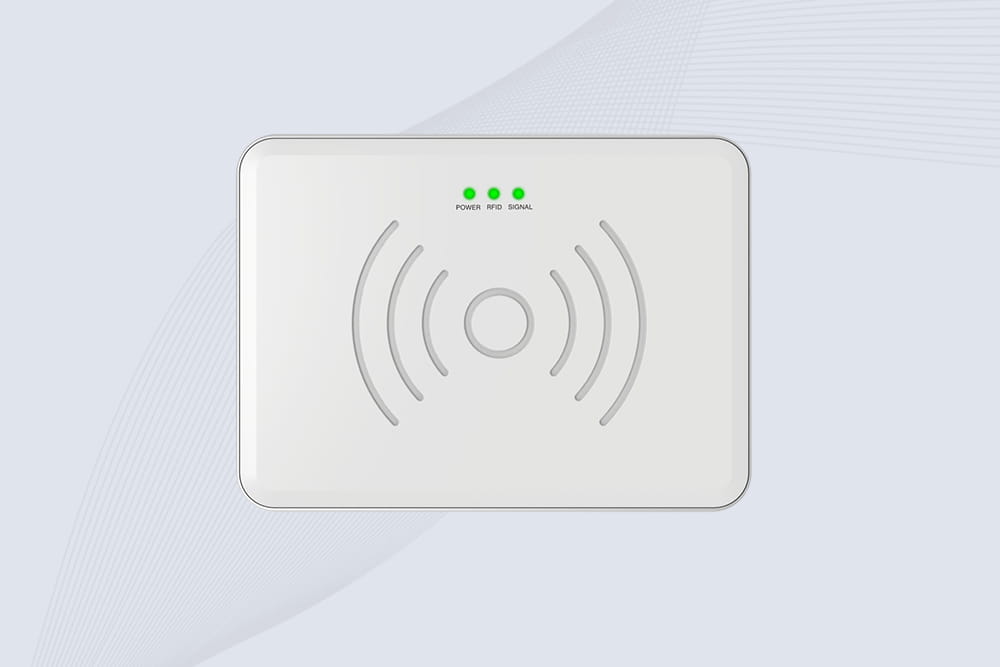
SSD-D3AL is a USB-HID UHF RFID reader with 0–30 cm reading, 0–15 cm writing, over 600 tags/s recognition, USB plug-and-play operation and OEM Logo customization.
SSD-D1AL is a compact USB UHF RFID reader with Impinj E710/X3M1 chipset, USB-HID, 600+ tags/s recognition, 4/8/16 antenna support and plug-and-play USB power.
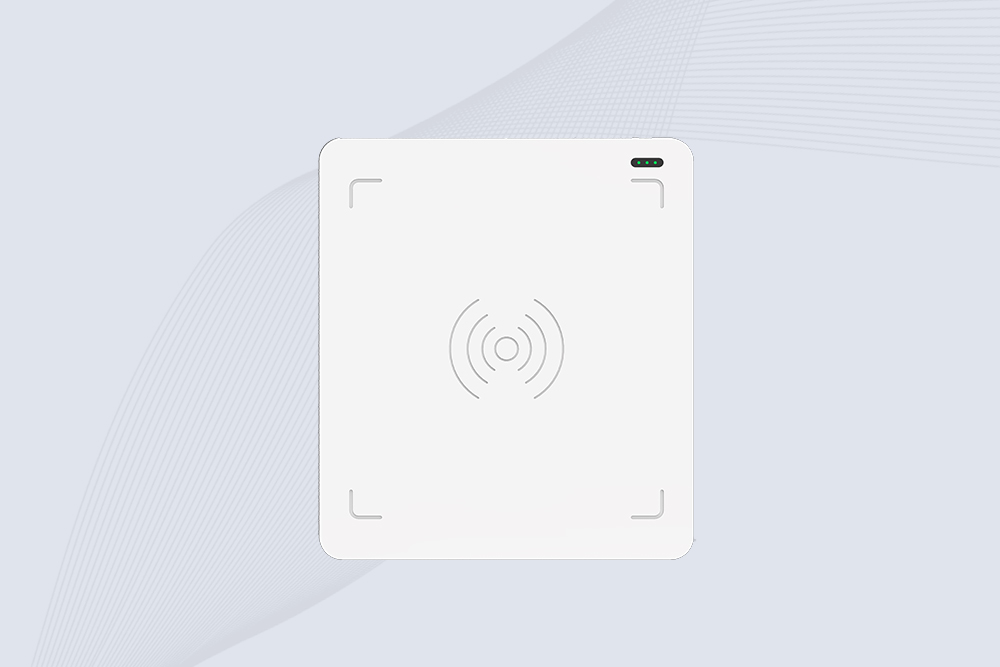
CYKEO CYKEO-D1LA USB RFID Reader is a compact desktop solution with near-field control for precise tag reading and encoding. Powered by USB, supporting ISO 18000-6C, and built for stable batch writing, this usb rfid tag reader fits retail, libraries, offices, and controlled RFID encoding tasks.
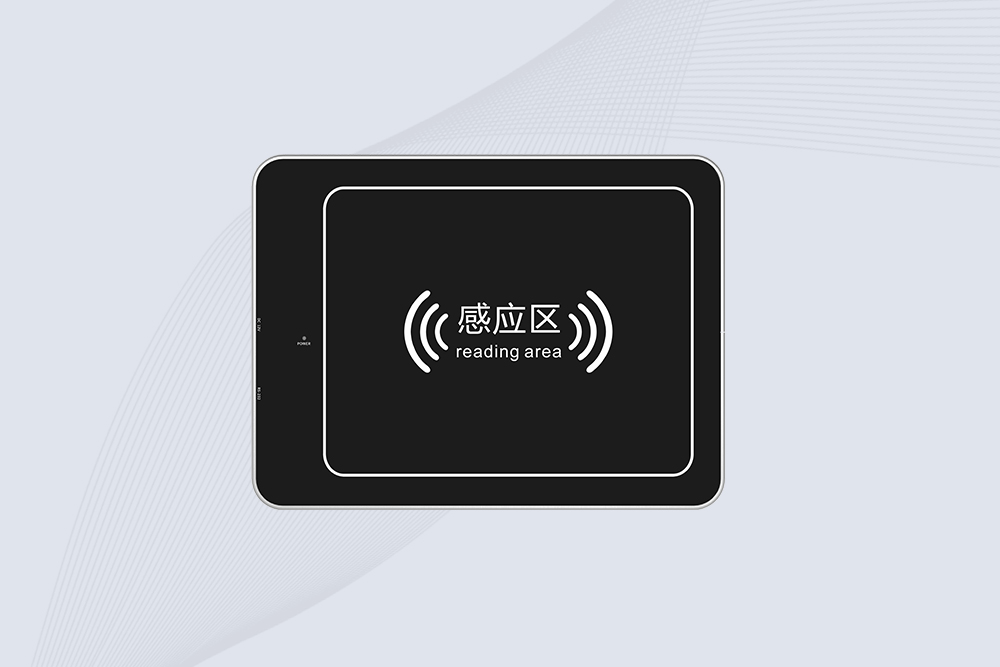
CYKEO CYKEO-D1L RFID scanner USB is a compact desktop UHF RFID scanner designed for short-range tag writing and verification. This usb rfid scanner supports batch encoding, stable 0–26 dBm output, and works across Windows, Linux, and Android systems.
CYKEO CYKEO-D1C USB RFID Card Reader is a near-field UHF desktop writer designed for secure, short-range tag encoding. With USB-C connectivity and stable 26 dBm output, this rfid reader usb c is ideal for badge issuance, label encoding, and controlled desktop RFID workflows.
CYKEO CYKEO-D2L RFID Reader USB is a compact desktop encoder built on the Impinj R500 chip. With near-field control and stable USB power, this usb rfid card reader delivers precise tag writing for offices, retail counters, and small-scale logistics encoding tasks.
CYKEO CYKEO-D3L USB RFID Tag Reader delivers stable UHF tag reading and writing for daily desktop and light industrial tasks. Designed for controlled short-range operation, this USB RFID Tag Reader works reliably with rfid tag and reader systems in libraries, tool tracking, and inventory registration.
The CYKEO CYKEO-D4L UHF RFID Tag Reader is a stable Desktop RFID Reader designed for accurate tag registration, borrowing, and return workflows. Built with the Impinj R2000 chip, this UHF RFID Tag Reader delivers controlled short-range reads for libraries, asset tracking, and inventory management environments.
The CYKEO CYKEO-D5L Desktop RFID Card Reader is a stable UHF RFID Card Reader designed for controlled short-range reading and writing. Built for libraries, tool rooms, and asset desks, this UHF RFID Card Reader supports dense tag handling, secure data processing, and easy USB integration.
The CYKEO CYKEO-D6L RFID Reader Writer is a heavy-duty Desktop RFID Reader designed for short-range, high-accuracy tag programming. Built for libraries, labs, and asset desks, this RFID Reader Writer supports batch processing, stable 33dBm output, and seamless integration with existing management systems.
Cykeo CYKEO-D8A embedded RFID badge reader offers 30+ tags/sec scanning, 20cm anti-crosstalk precision, and DC 12V power for unmanned stores, warehouses, and smart inventory systems.
Cykeo’s CYKEO-D8C UHF RFID gate reader achieves 200-tag/batch scanning with adjustable power control, ideal for retail inventory and smart warehouse management.
RFID Industry Writer | IoT & Asset Tracking Analyst
James writes about RFID technology, asset tracking, and the practical challenges of digital transformation across warehousing, retail, manufacturing, and logistics.
His work focuses on how RFID is applied in real-world operations—improving inventory visibility, automating workflows, and helping businesses manage assets with greater accuracy and efficiency.
He regularly covers topics including UHF RFID, smart cabinets, RFID portals, tool tracking, warehouse automation, and industrial IoT trends..
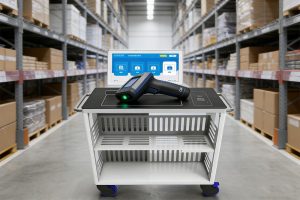
CK-C2 UHF RFID Inventory Scanner Cart makes tracking tools, books, and medical equipment simple. Roll it down the aisle, scan hundreds of items in minutes, customize with Cykeo antennas and readers, and integrate with ERP or IoT systems using SDK ...
rfid tagged solutions help businesses track assets, inventory, and equipment in real time. Discover how Cykeo improves accuracy, visibility, and operational control.
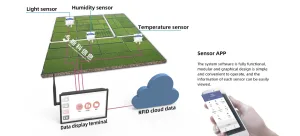
With the continuous development of technology, RFID (Radio Frequency Identification) is gradually making its way into the agricultural sector. This article explores how RFID technology is being applied in smart agriculture to achieve precise crop ...
 Cykeo RFID IoT Solution Products R&D Manufacturer