If you’ve been involved in more than one parking project, you’ve probably noticed something interesting.
The same RFID reader can perform beautifully at one site and become a headache at another.
A residential community may run for months without a single complaint, while a shopping mall using almost identical hardware suddenly starts missing vehicles during weekends. It’s tempting to blame the reader first, but that’s rarely where the story ends.
Parking environments behave differently. Vehicle speed changes. Traffic density changes. Even the shape of nearby buildings can influence RFID performance.
That’s why choosing an RFID parking reader isn’t really about finding the “highest reading distance.” It’s about finding the reader that fits the project.
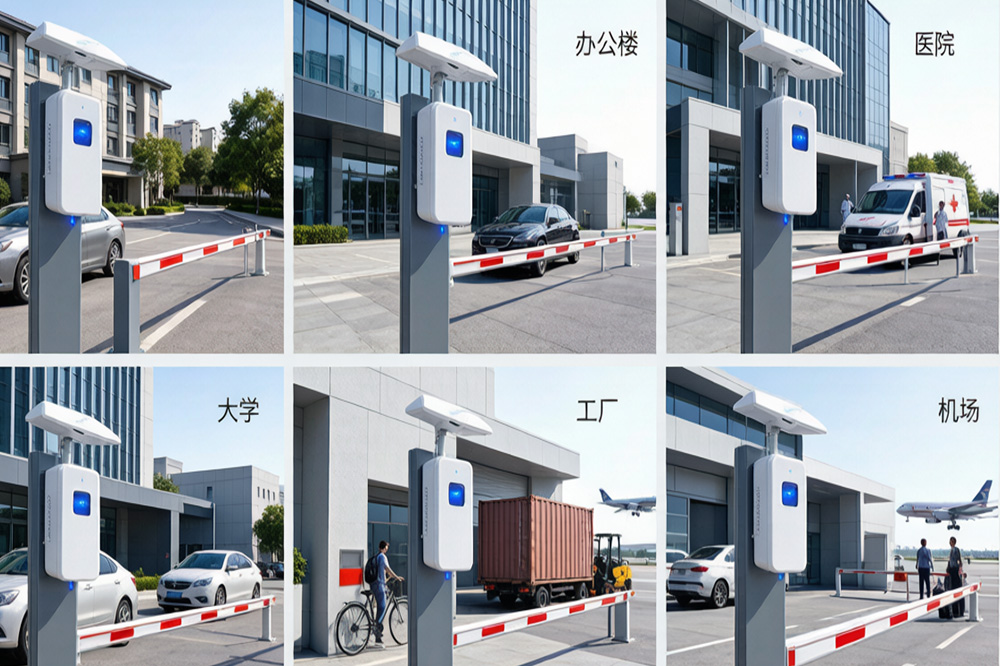
Apartment Parking: Stability Usually Matters More Than Maximum Distance
Residential communities normally have predictable traffic.
Most vehicles belong to residents. They drive slowly, use the same entrance every day, and windshield tags stay in fixed positions.
Because of that, integrators often don’t need the most powerful industrial reader.
A reader with adjustable RF power, stable firmware, and support for common communication protocols is usually the better investment.
One thing we’ve noticed is that apartment managers care less about maximum reading distance than about avoiding false openings. Reading the wrong vehicle once is often remembered much longer than reading slightly later.
Office Buildings: Fast Response Makes a Bigger Difference
Office parking follows a very different rhythm.
Every weekday morning, dozens or even hundreds of employees arrive within a short period.
During rush hour, nobody wants to stop at the barrier.
Readers should identify vehicles early enough for the gate to lift before the driver slows down.
Here, low communication latency becomes almost as important as RF performance.
Some projects also connect RFID with employee databases, making API compatibility an important purchasing factor.
Hospital Parking: Expect More Exceptions Than You Planned
Hospitals rarely have predictable traffic.
Staff vehicles.
Patient vehicles.
Emergency vehicles.
Visitors.
Temporary contractors.
All of them may use different access rules.
This is one of those environments where RFID alone isn’t always enough. Many hospitals combine RFID with license plate recognition to reduce manual intervention.
The reader itself should support continuous operation without overheating, since entrances often remain busy throughout the day.
Recommended specifications include industrial-grade housing, IP65 protection, and reliable firmware capable of long operating hours.
University Campuses: Large Coverage Doesn’t Always Mean Better Coverage
Universities usually have multiple entrances and mixed vehicle types.
Students.
Faculty.
Logistics vehicles.
Campus buses.
It’s common to see wide entry lanes where installers assume a stronger reader will solve everything.
Sometimes it actually creates another issue—reading vehicles from neighboring lanes.
In these projects, proper antenna selection becomes more important than simply increasing transmit power.
Directional antennas often produce more predictable results than omnidirectional coverage.
Factory Parking: Reliability Comes Before Speed
Factories usually operate around shift changes.
Hundreds of employees may arrive within fifteen or twenty minutes.
Then heavy trucks begin entering loading areas.
Dust, vibration and outdoor temperatures can all affect equipment.
Readers used here should prioritize durability.
Recommended setup:
Item
Recommendation
Reader
Industrial Long Range RFID Reader
RF Power
Adjustable up to 30 dBm
Interface
TCP/IP + RS485
Antenna
High-Gain Directional Antenna
Protection
IP66 or above
A factory rarely complains because reading takes another half second.
They complain when production vehicles cannot enter at all.
Airport Parking: The Environment Is Usually More Complicated Than Expected
Airport entrances often look simple from outside.
Inside the system, things become much more demanding.
Higher vehicle speed.
Multiple adjacent lanes.
Security requirements.
Continuous operation.
Large metal structures.
RF reflections become much stronger than in residential parking lots.
Many airport projects also integrate RFID with central access management platforms, so readers supporting SDKs and secondary development tend to save engineers significant integration time.
One experienced installer once described airport parking as “less about reading tags and more about controlling reading zones.”
That observation still feels accurate.
Shopping Malls: Probably the Most Difficult Parking Environment
Retail parking changes every hour.
Weekdays may feel almost empty.
Weekends become completely different.
Temporary visitors.
Rental cars.
Delivery vehicles.
Holiday traffic.
It’s difficult to optimize one reader setting for every situation.
Many shopping malls now combine RFID with ANPR cameras because visitor vehicles don’t usually carry RFID tags.
If RFID is used mainly for VIP members or employees, the reader should support whitelist synchronization and quick database updates.
Before Comparing Reader Specifications, Ask These Questions
Many buyers immediately compare reading distance.
That makes sense, but perhaps not at the beginning.
A few questions usually reveal much more.
How fast are vehicles moving?
How many lanes share one entrance?
Will the reader work outdoors all year?
Are SDKs required?
Will software developers integrate APIs?
Is future expansion expected?
The answers often narrow reader choices much faster than comparing datasheets.
Parking Systems, Vehicle Identification, Access Control
Reader Features Worth Paying Attention To
Some specifications consistently matter across different parking projects.
Adjustable RF output power
EPC Gen2 compatibility
Ethernet communication
RS232 / RS485 support
Wiegand output
Multi-reader synchronization
Industrial IP65/IP66 enclosure
Stable SDK and API documentation
OTA firmware upgrade support
Interestingly, these features tend to become more valuable after deployment than during product evaluation.
Final Thoughts from Real Projects
If there’s one pattern that keeps showing up, it’s this:
Successful parking systems rarely depend on choosing the reader with the longest advertised distance.
More often, they come from matching the right reader to the traffic pattern, installing the antenna correctly, and leaving enough flexibility for software integration later.
In many projects, those practical decisions end up making a much bigger difference than another two or three meters of theoretical reading range.
Call to Action
Whether you’re building an apartment parking system, a factory vehicle access solution, or a multi-lane airport entrance, selecting the right RFID reader is only part of the job.
A reliable supplier should also provide matching rfid antennas, SDKs, APIs, firmware customization, and engineering support throughout the integration process.
If you’re looking for OEM or ODM RFID parking readers for your next project, our engineering team can help recommend the right hardware based on your installation environment rather than simply quoting the highest reading distance.
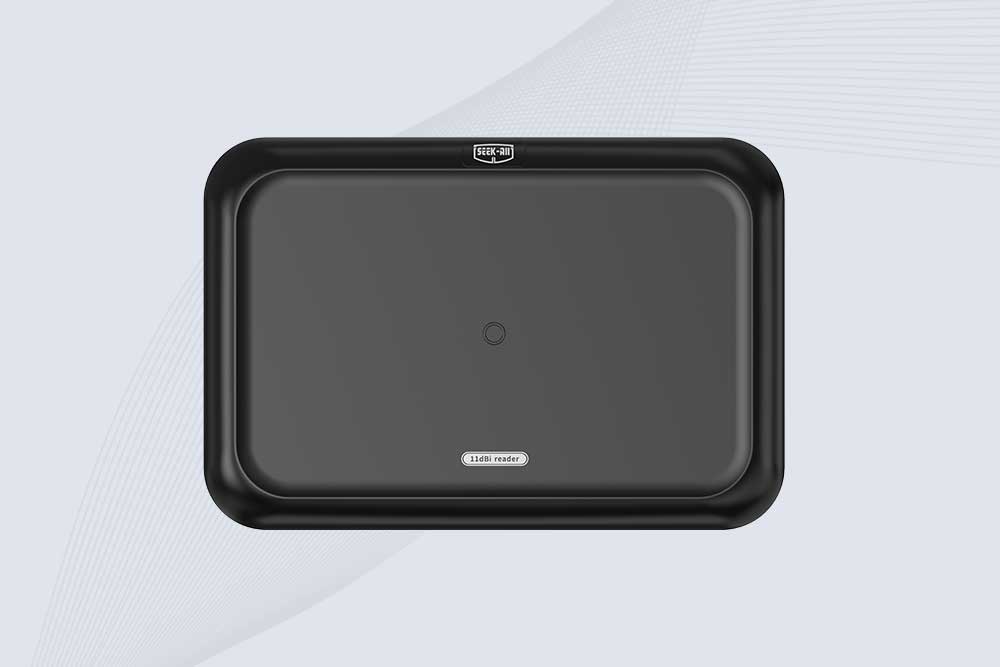
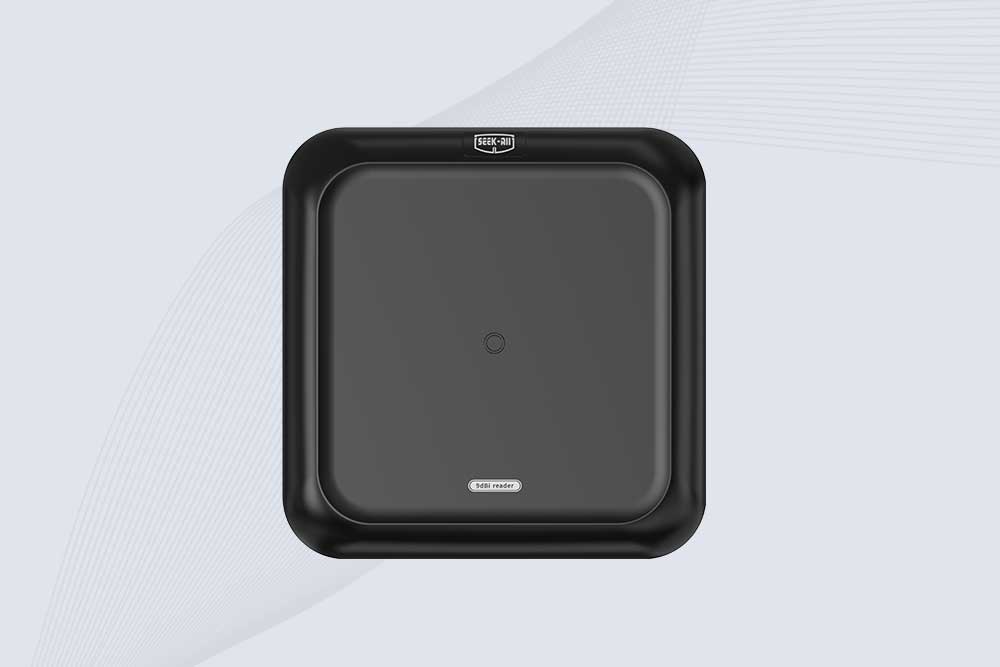
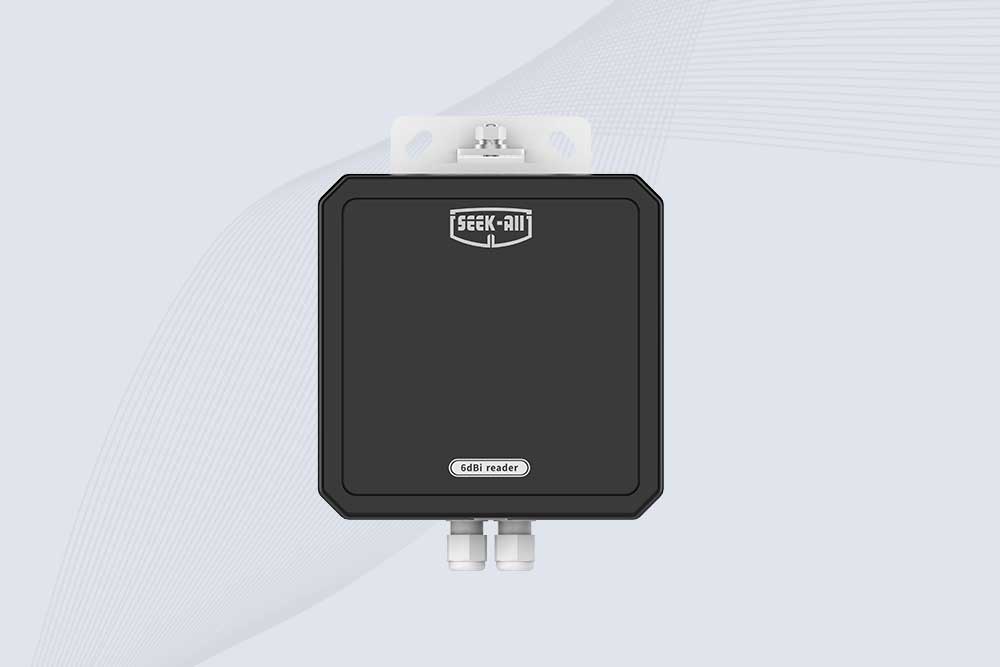
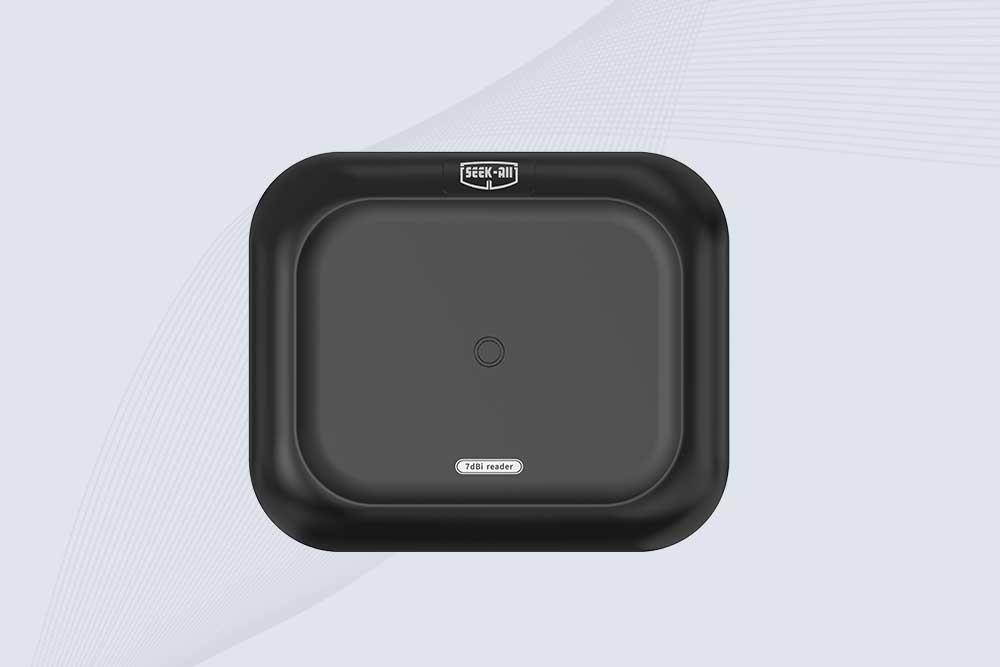
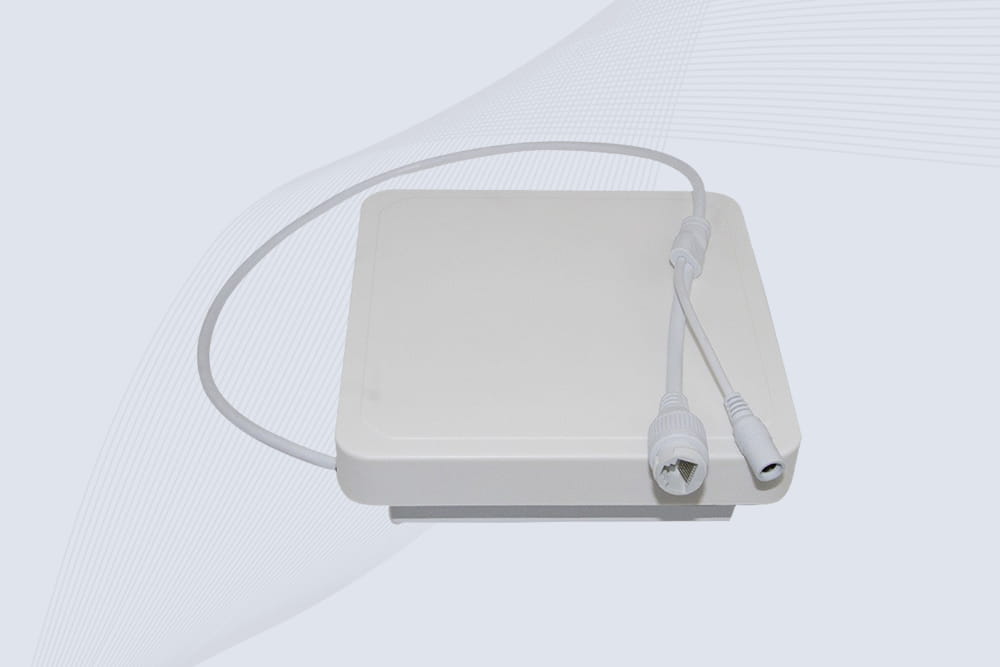
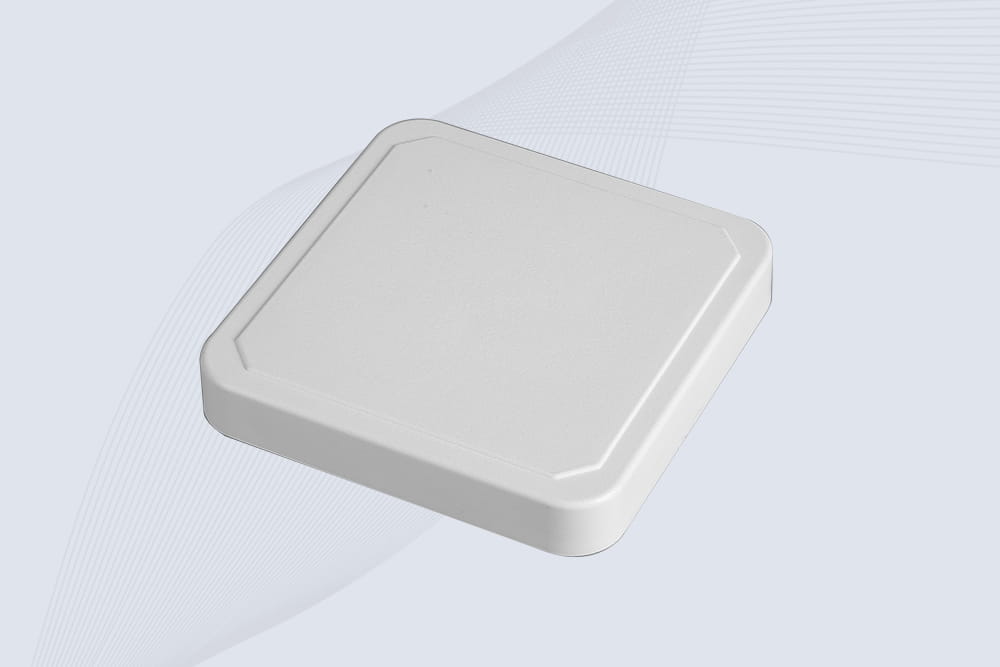
SSD-RA06L is an industrial UHF RFID reader with a built-in 6 dBi antenna, 3 m read range, 600+ tags/s, Ethernet, RS232, and optional Wi-Fi, 4G, and PoE.
SSD-RA07L industrial UHF RFID reader with integrated 7 dBi antenna, up to 6 m reading distance, over 600 tags/s, Ethernet, RS232, and optional Wi-Fi, 4G, and PoE.
Cykeo’s industrial long range RFID reader delivers 20-meter scanning, 500+ tags/sec speed, and IP67 waterproof design for automated warehouses, logistics, and harsh environment applications.
Cykeo’s CYKEO-RA6L industrial RFID long range reader features 20m read distance, 500 tags/sec speed, and IP67 protection. Ideal for warehouse automation, manufacturing WIP tracking, and smart logistics. Supports ISO 18000-6C/6B protocols.
CYKEO Long Range RFID Tag Reader built for outdoor and industrial operations. This Outdoor RFID Reader delivers 20m read distance, fast tag processing, and IP67 durability for wide-area tracking.
Cykeo CYKEO-RA12L industrial Long Range RFID Reader delivers 20m read range, 200+ tags/sec scanning, and IP67 protection for manufacturing/logistics applications. Supports ISO 18000-6C/GB protocols.
RFID Industry Writer | IoT & Asset Tracking Analyst
James writes about RFID technology, asset tracking, and the practical challenges of digital transformation across warehousing, retail, manufacturing, and logistics.
His work focuses on how RFID is applied in real-world operations—improving inventory visibility, automating workflows, and helping businesses manage assets with greater accuracy and efficiency.
He regularly covers topics including UHF RFID, smart cabinets, RFID portals, tool tracking, warehouse automation, and industrial IoT trends..
RFID card readers aren’t just gadgets. This practical guide explores real-world setups, common hiccups, and lessons learned in offices, warehouses, schools, and DIY projects, with hands-on tips and observations.
A practical, step-by-step guide to building an RFID tool tracking system using smart cabinets, antennas, and RFID modules. Designed for integrators and bulk buyers.
Learn how to deploy multi-reader RFID systems for seamless warehouse coverage. Optimize placement, avoid interference, and integrate Cykeo’s solutions for maximum efficiency.
A long range RFID scanner helps shipyards track components, tools, material kits, containers, and equipment across production and maintenance areas. Proper t...
 Cykeo RFID IoT Solution Products R&D Manufacturer