 Cykeo RFID IoT Solution Products R&D Manufacturer

Handheld RFID Scanners vs. Barcode Scanners: Key Differences Explained
760Discover the key differences between handheld RFID and barcode scanners—speed, accuracy, durability, and which suits your workflow.
MoreAll RFID Product
You have probably used RFID without realizing it.
A card that opens an office door. A toll tag that lets a car pass through a highway gate. A warehouse worker scanning hundreds of products without touching a barcode scanner.
Behind all of these situations is RFID technology.
RFID stands for Radio Frequency Identification, a wireless technology that uses radio waves to identify and track objects, people, or assets automatically. Unlike barcodes, RFID does not always require direct line-of-sight scanning, which is one reason it has become widely adopted across logistics, retail, healthcare, manufacturing, and access control systems.
According to the commonly accepted definition, RFID systems use electromagnetic fields to transmit data between a tag and a reader, allowing information to be captured quickly and often from a distance.
When people first hear the term “Radio Frequency Identification,” it sounds technical.
In reality, the basic idea is straightforward.
An RFID system normally consists of three main parts:
The tag stores information.
The reader sends and receives radio signals.
The antenna creates the communication bridge between them.
Imagine walking through a warehouse entrance. Hundreds of tagged boxes move through the doorway. Instead of scanning each item one by one, the RFID reader can collect data from multiple tags almost instantly.
That is where RFID starts saving time.
A common question is whether RFID works like Bluetooth or Wi-Fi.
Not exactly.
The process usually looks something like this:
Depending on the system design, this communication may happen within a few centimeters or over dozens of meters.
The actual reading distance depends on several factors:
Metal surfaces, liquids, and electromagnetic interference can sometimes affect performance, which is why proper RFID antenna selection is often a critical part of deployment.
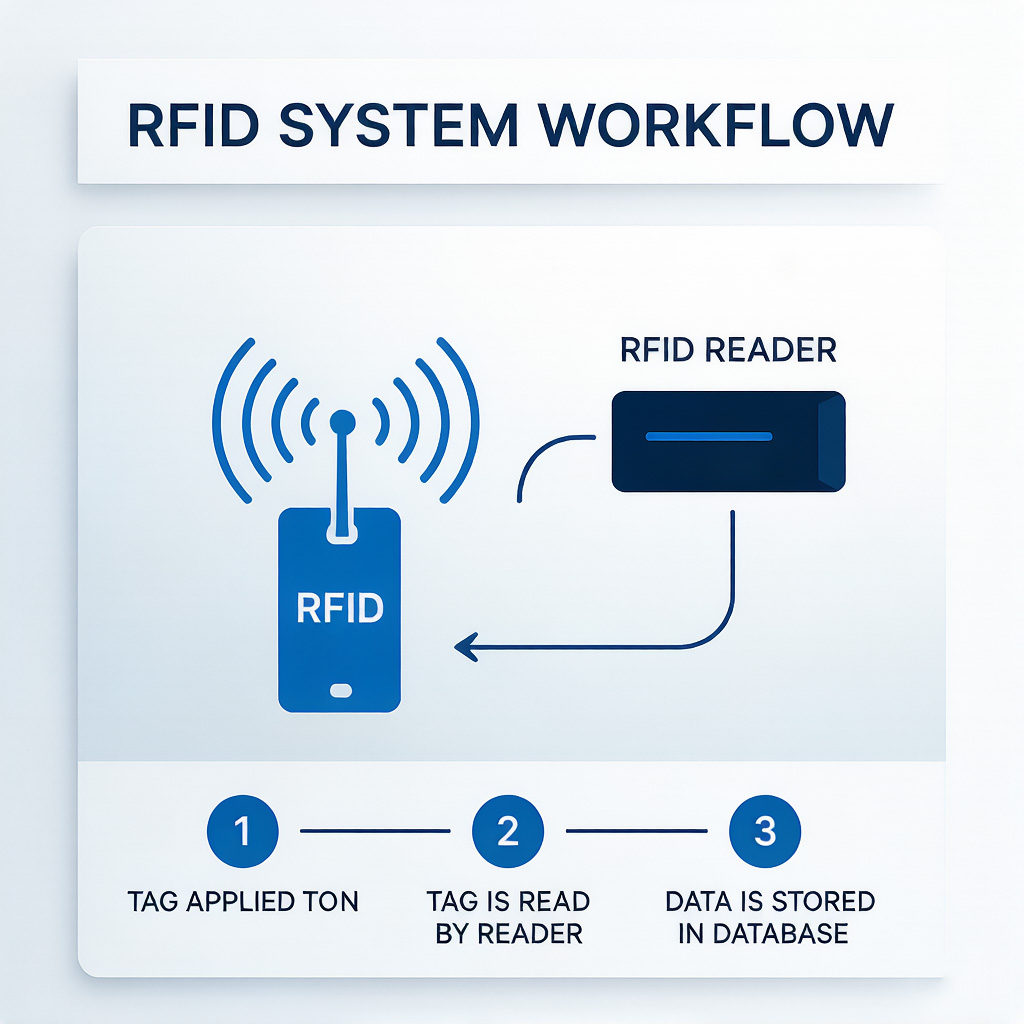
Not all RFID tags work the same way.
Passive tags do not contain a battery.
Instead, they receive energy from the reader signal itself.
Because they are inexpensive and small, passive tags are commonly used for:
Most RFID deployments around the world use passive tags.
Active tags contain an internal battery.
This allows them to transmit signals over much greater distances.
They are often found in:
Semi-passive tags sit somewhere between passive and active designs.
They use a battery to power internal circuitry but still rely on the reader signal for communication.
Another thing that often confuses newcomers is frequency.
RFID systems generally operate within three frequency ranges.
LF systems offer short read ranges but perform relatively well around water and metal.
Common uses include:
HF RFID typically operates around 13.56 MHz.
This frequency is widely used for:
UHF RFID is probably the most recognizable in logistics and supply chain operations.
Advantages include:
This is why many warehouses and distribution centers rely heavily on UHF technology.
Walk into a modern fulfillment center and you may notice very few people manually counting products.
That’s not accidental.
One of RFID’s biggest advantages is visibility.
Instead of guessing where products are located, businesses can often see inventory movement in near real time.
Some commonly reported benefits include:
For organizations handling thousands or even millions of items, those small time savings can add up quickly.
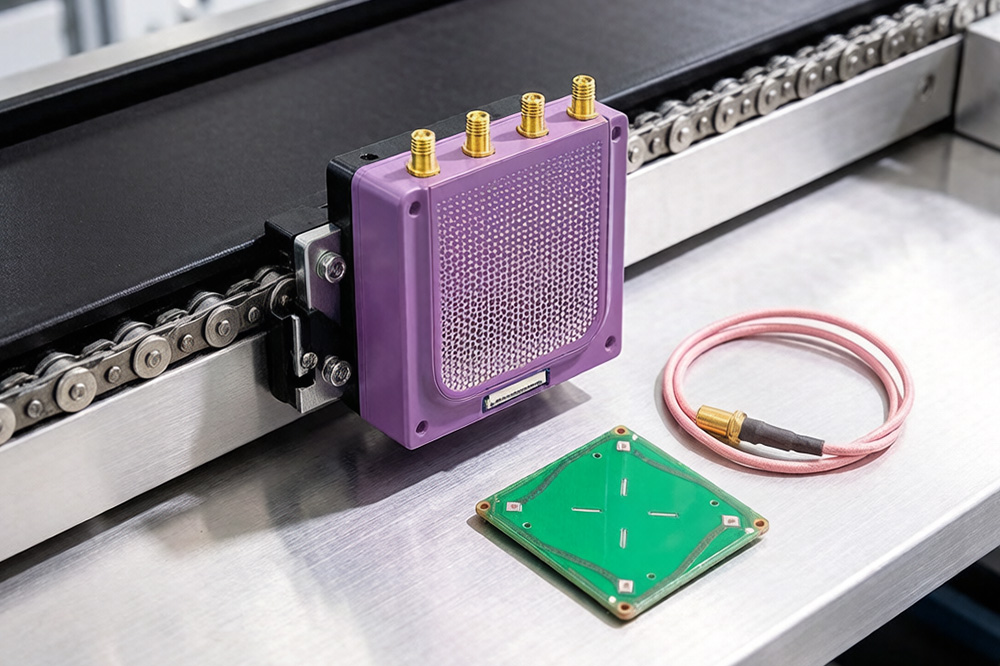
As RFID systems become more integrated into smart devices and automated equipment, RFID modules have become increasingly important.
An RFID module acts as the core communication component inside a larger system.
You can find RFID modules integrated into:
Businesses developing customized RFID solutions often choose dedicated RFID modules to simplify hardware integration while maintaining flexibility for future upgrades.
When people think about RFID performance, they often focus on tags or readers.
The antenna is frequently overlooked.
Yet antenna design can dramatically influence:
In a warehouse doorway, for example, properly positioned RFID antennas can help ensure every tagged item is captured as it moves through a portal.
In manufacturing environments, specialized antenna designs may be required to overcome interference from metal machinery and surrounding equipment.
A poorly selected antenna can make an otherwise capable RFID system perform below expectations.
Many consumers encounter RFID through contactless payment cards or access cards and naturally wonder about security.
The reality is a bit more nuanced.
RFID itself is simply a communication technology.
Security depends largely on how the system is designed.
Modern RFID solutions may include:
For everyday users, RFID cards generally present a low level of risk when used within properly secured systems.
That said, organizations handling sensitive information typically implement additional layers of protection beyond the RFID technology itself.
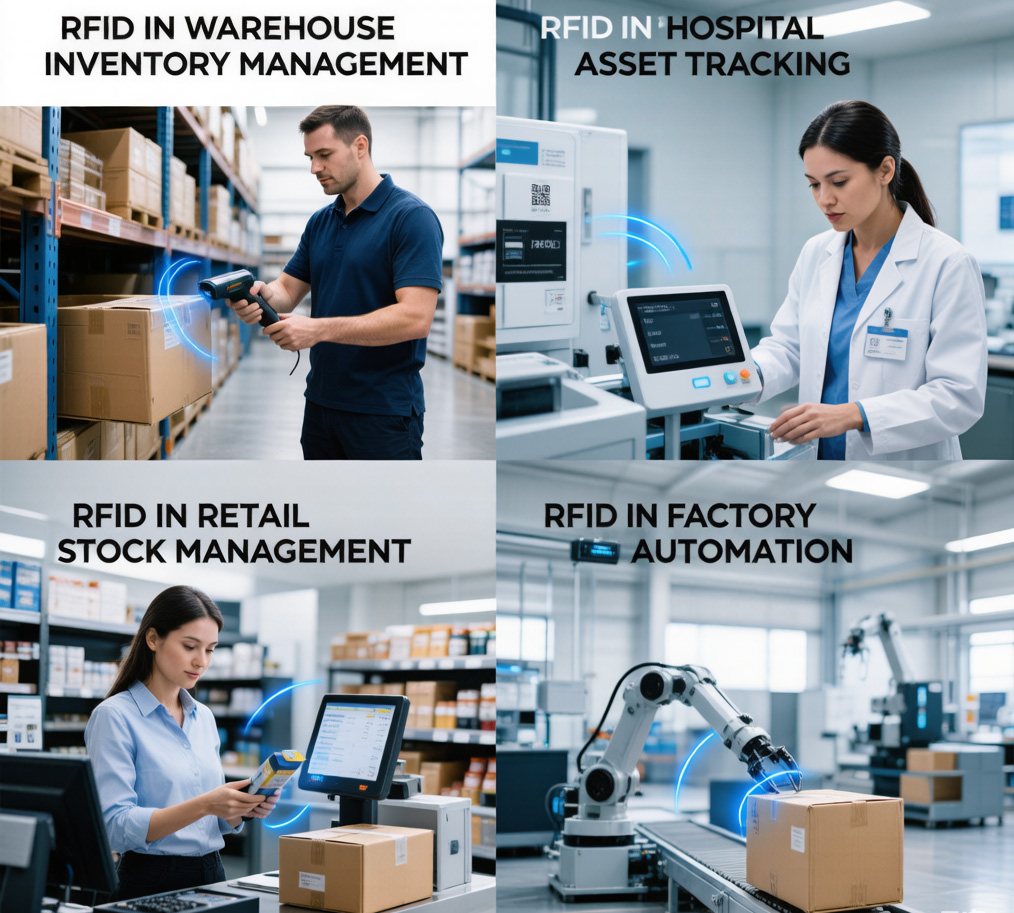
RFID has expanded far beyond warehouses.
You can now find RFID technology in:
In many cases, people interact with RFID every day without even noticing it.
RFID stands for Radio Frequency Identification, a technology that uses radio waves to identify and track objects, assets, or people.
No. Unlike traditional barcodes, RFID can often be read without direct visual contact between the reader and the tag.
NFC is essentially a subset of high-frequency RFID technology designed for short-range communication, commonly used in smartphones and contactless payments.
Reading distance varies significantly depending on the frequency, tag type, reader power, and antenna configuration. Some systems work within a few centimeters, while others can operate over tens of meters.
Many RFID tags can be reused and rewritten multiple times, depending on the tag type and application requirements.
For readers interested in the technical history and standard definition of RFID technology, the RFID overview published by the free encyclopedia Wikipedia provides additional background information:Radio-frequency identification
When people first hear the phrase RFID label, many imagine it’s just another type of barcode sticker. But that’s not really the case. RFID labels (Radio Frequency Identification labels) carry a small electronic chip and an antenna, so they can store and send information wirelessly.RFID Labels Meaning: From Basics to Real-World Uses
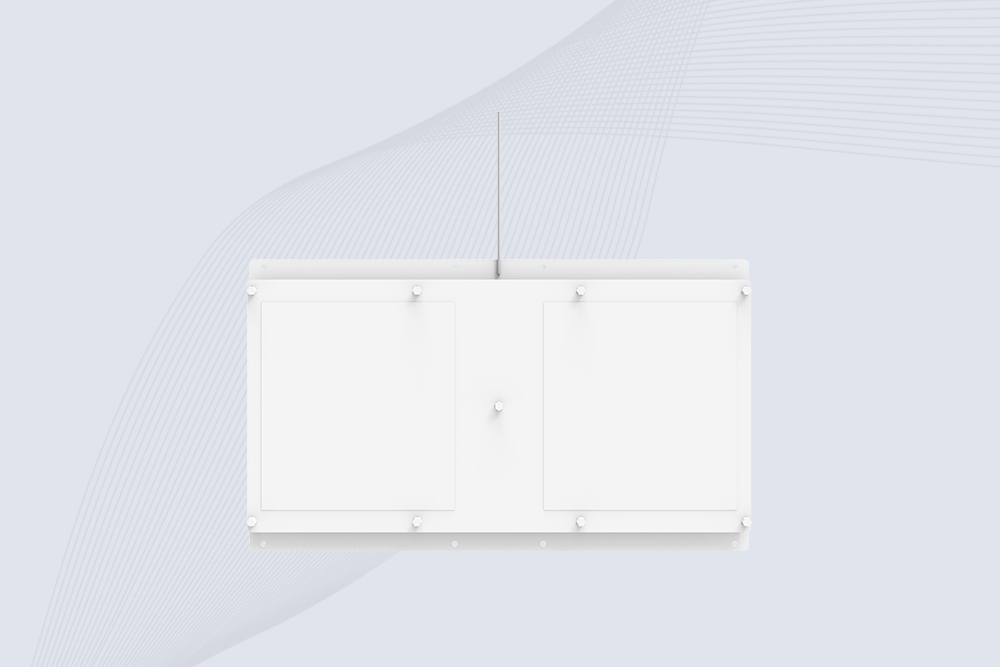
Cykeo CYKEO-A11 UHF RFID reader antenna delivers 11dBi gain, 840-960MHz frequency range, and IP65 ruggedness for retail, logistics, and industrial RFID systems. Features low VSWR and easy installation.

CYKEO Antenna RFID Reader delivers stable long-range UHF performance with a 10.5dBi directional design, built for warehouses, conveyor portals, and industrial RFID systems. This rfid reader antenna provides 20m+ read distance and rugged IP67 protection.

Cykeo CYKEO-PHF3 industrial HF RFID Antenna offers 24-point dynamic tracking, ISO 14443A/15693 protocols, metal-environment stability for archives/libraries/manufacturing.

Cykeo CYKEO-A5B industrial Linear RFID Antenna delivers 5dBi gain, ≤1.5:1 VSWR, and IP65 rugged design for warehouse, production line, and logistics UHF systems.

Cykeo’s CYKEO-B12 Long Range RFID Antenna delivers 15m+ read range with 12dBi gain, IP65 rugged design, and global 840-960MHz UHF support. Ideal for warehouse/logistics asset tracking.
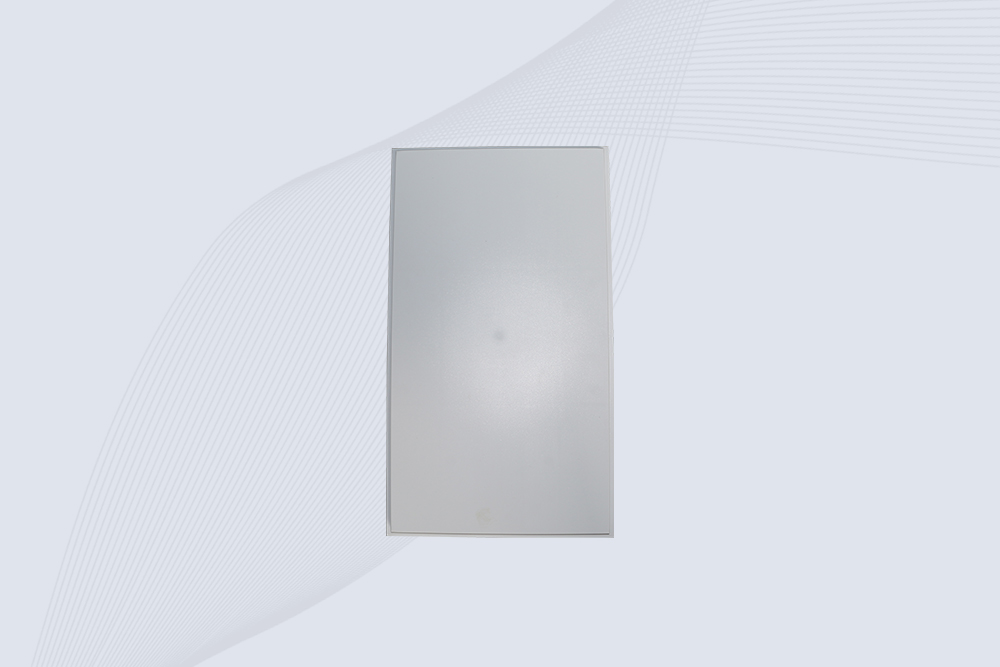
Cykeo CYKEO-B10 Long Distance RFID Antenna offers 10dBi gain, 840-960MHz frequency range, IP65 rating, and 20m+ coverage for logistics/warehousing/ETC systems. Low VSWR ensures stable signal transmission.
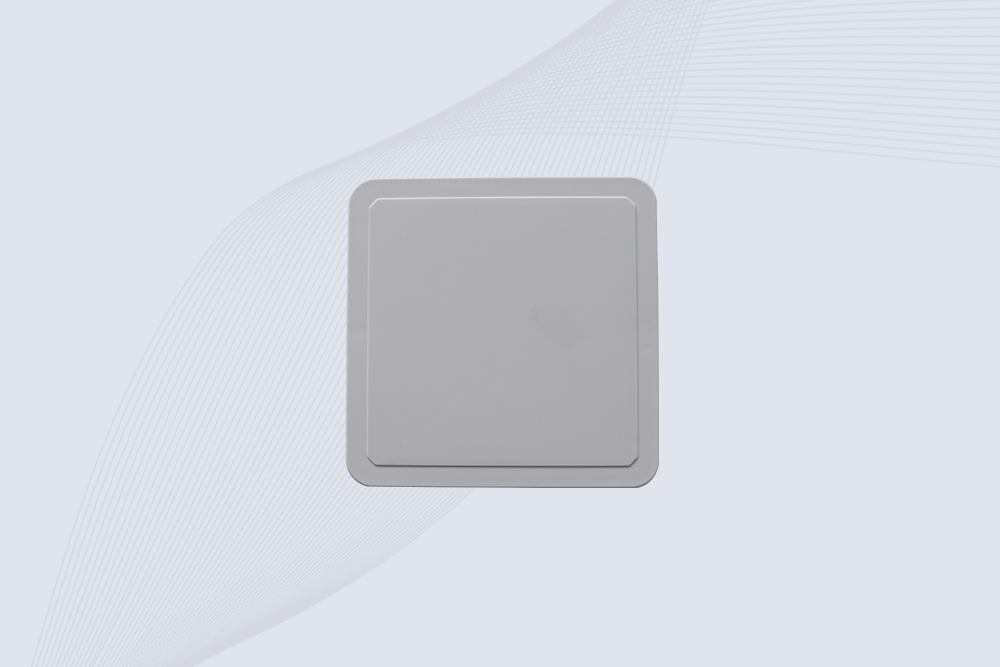
Cykeo CYKEO-A6 UHF RFID panel antenna features 6dBi gain, 840-960MHz broadband, IP65 metal-ready housing for logistics/smart retail. 18mm ultra-thin design with tool-free mounting.

Cykeo CK-A3 industrial antenna RFID UHF offers 5m+ tag detection, ≤1.3:1 VSWR, IP65 rugged design, and global UHF spectrum compatibility (840-960MHz) for warehouses, factories, and retail.
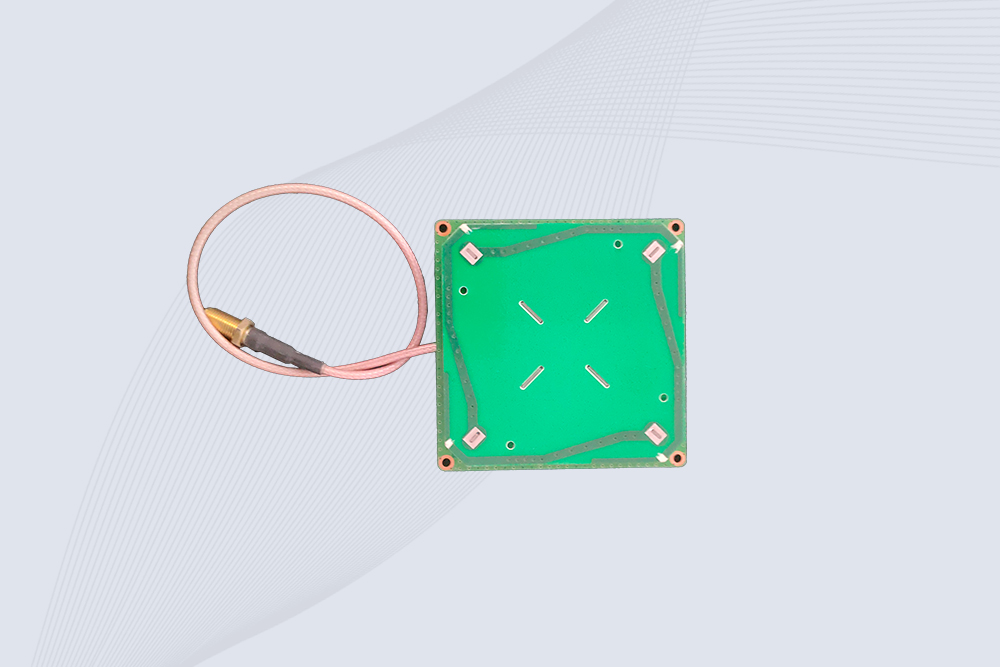
Cykeo CYKEO-B5 directional RFID antenna provides 5dBi gain with 60° narrow beamwidth for precise inventory tracking. IP65-rated, global UHF frequency support, and low VSWR.
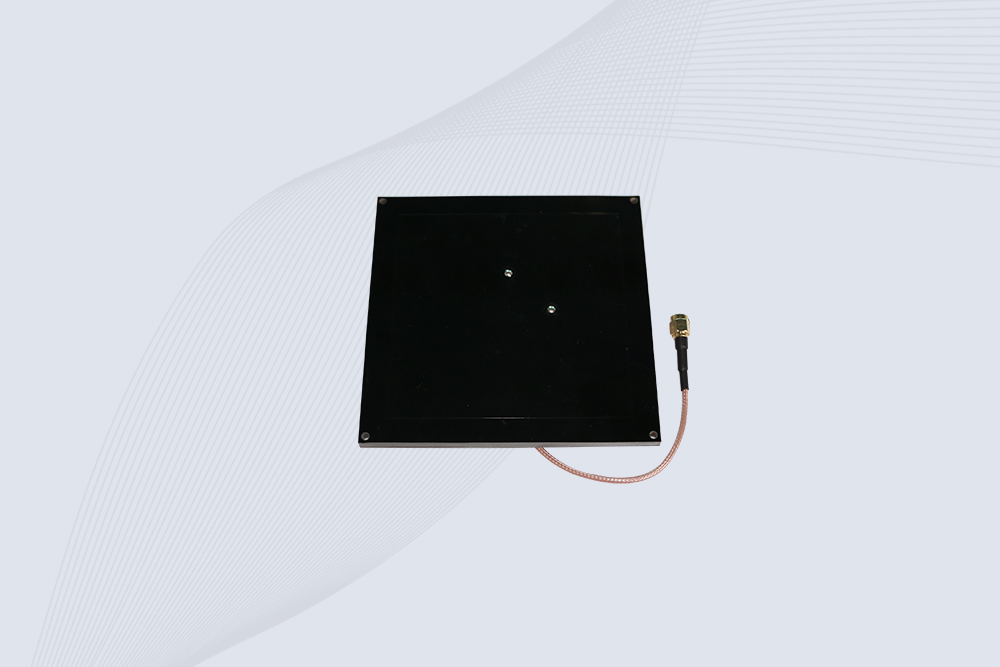
Create your own high-performance DIY RFID antenna! 5dBi gain, 840-960MHz tunable, step-by-step guides. Compatible with Arduino, Raspberry Pi, and commercial UHF readers.
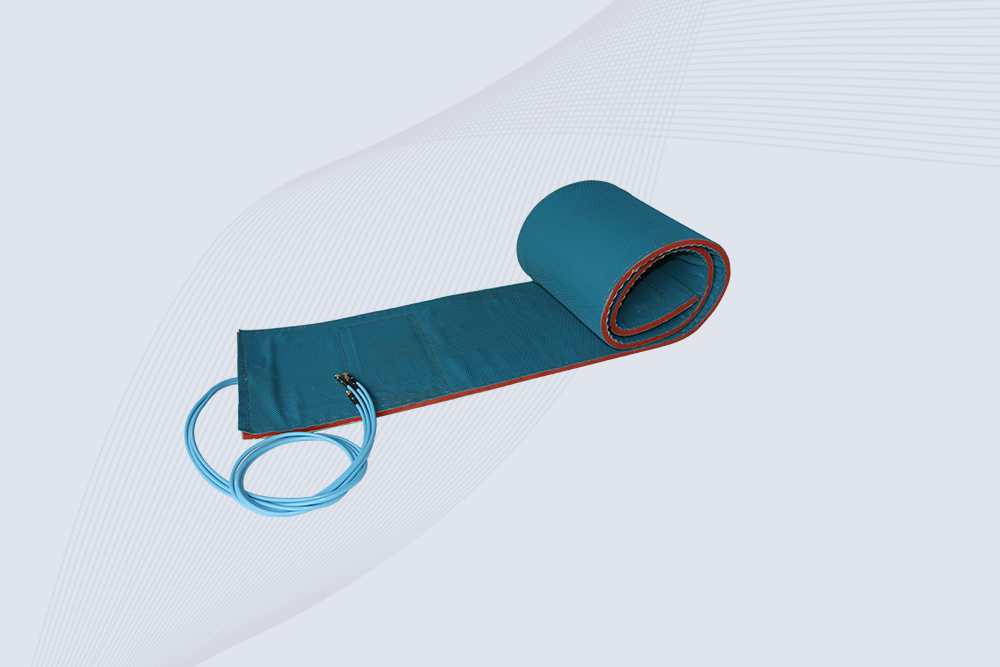
Cykeo CYKEO-A7 Flexible RFID Antenna features 840-960MHz wideband tuning, 7dBi gain, and IP68 rating for medical/retail/industrial curved surface deployments. 98% read accuracy with peel-and-stick installation.

Cykeo CYKEO-B5A industrial Passive RFID Antenna delivers 5dBi gain, 70° beamwidth, and -40°C~55°C operation for warehouses/smart cabinets. Compatible with Zebra/Impinj readers.
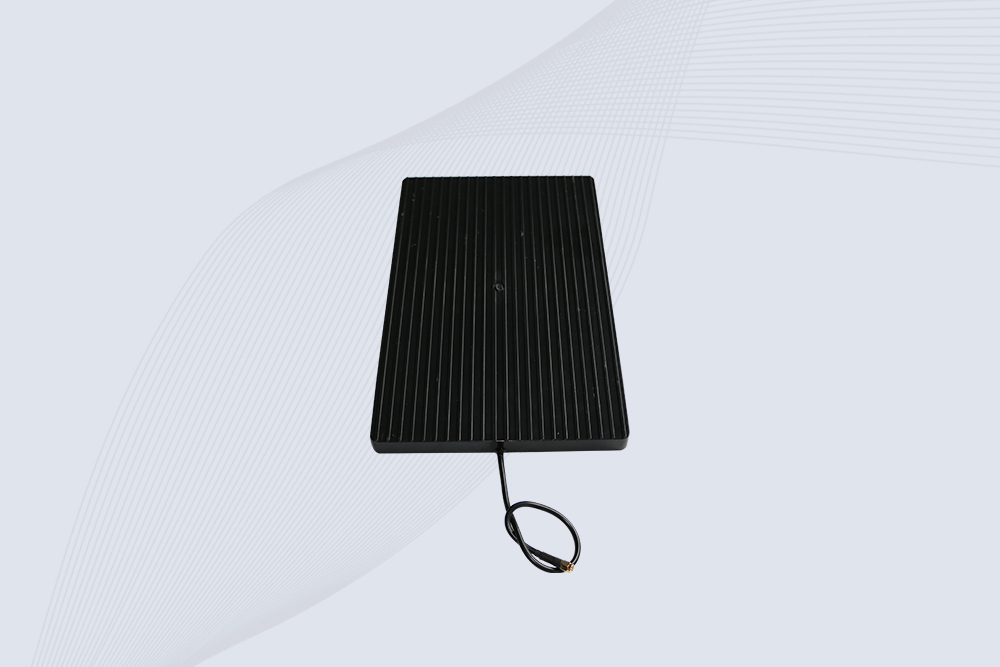
Cykeo’s CYKEO-A9B High Gain RFID Antenna delivers 15m+ read range with 9dBi amplification. Features IP54 rugged design, 840-960MHz bandwidth, and 80° beamwidth for warehouse/manufacturing RFID systems.

Cykeo’s enterprise-grade 8dbi Impinj RFID Antenna 10m+ read range with 840-960MHz tuning. Features IP65 housing, 1.4 VSWR, 35° beamwidth for retail/warehouse RFID systems.
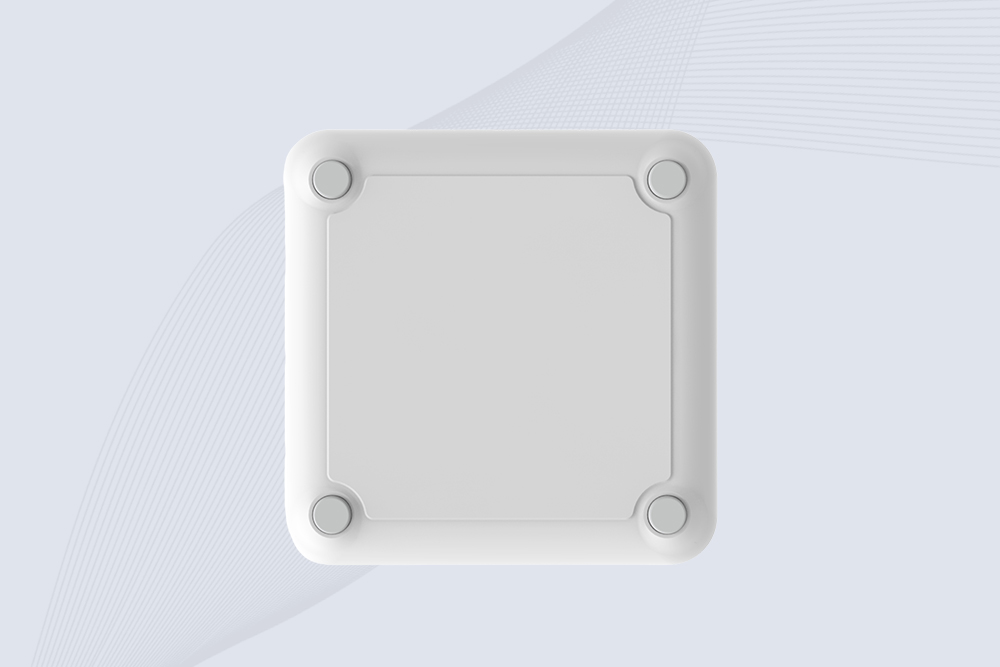
Cykeo CYKEO-A9 industrial UHF RFID antenna delivers 9dBi gain, 840-960MHz frequency range, and IP65 protection for warehouse/logistics/retail RFID systems. Features N-type connector and ≤1.3:1 VSWR.
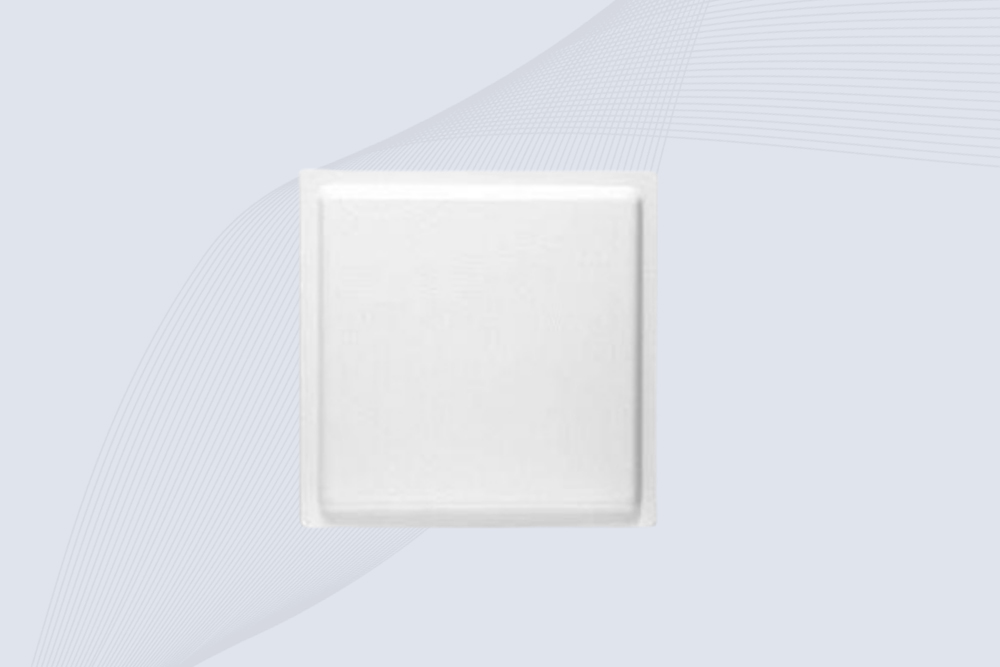
CYKEO UHF RFID Antenna built for long-distance and industrial applications. This antenna rfid uhf delivers strong gain, outdoor durability, and reliable tag performance in warehouses, yards, and vehicle ID systems.
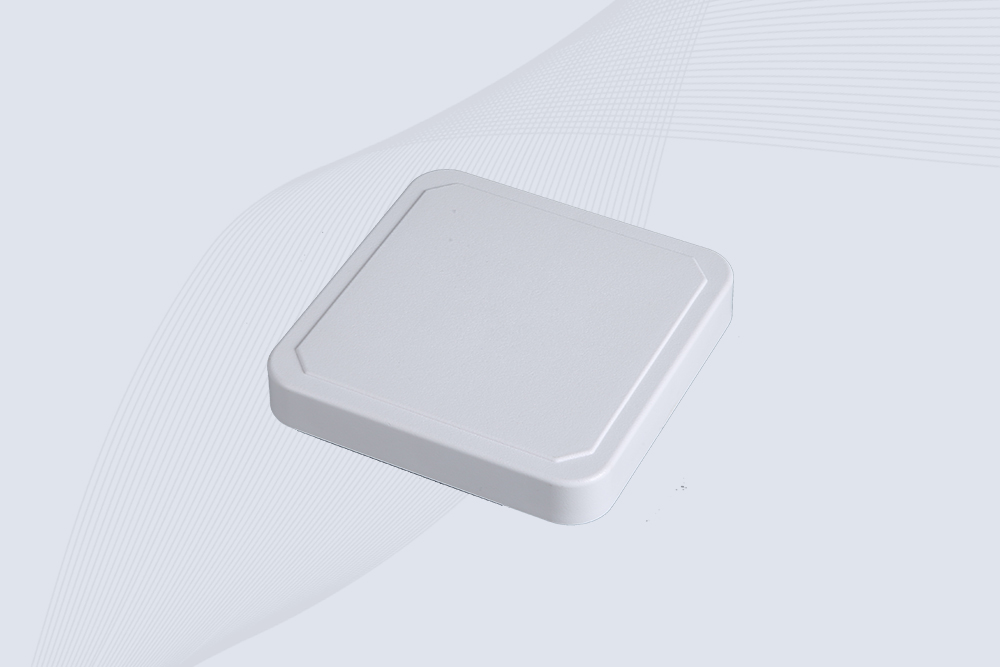
CYKEO Antenna RFID delivers reliable long-range UHF performance in warehouses, retail shelves, and cold-chain environments. This compact uhf rfid antenna provides stable reads with circular polarization and ultra-wide 840–960 MHz support, ideal for industrial tracking, smart shelves, and asset monitoring.
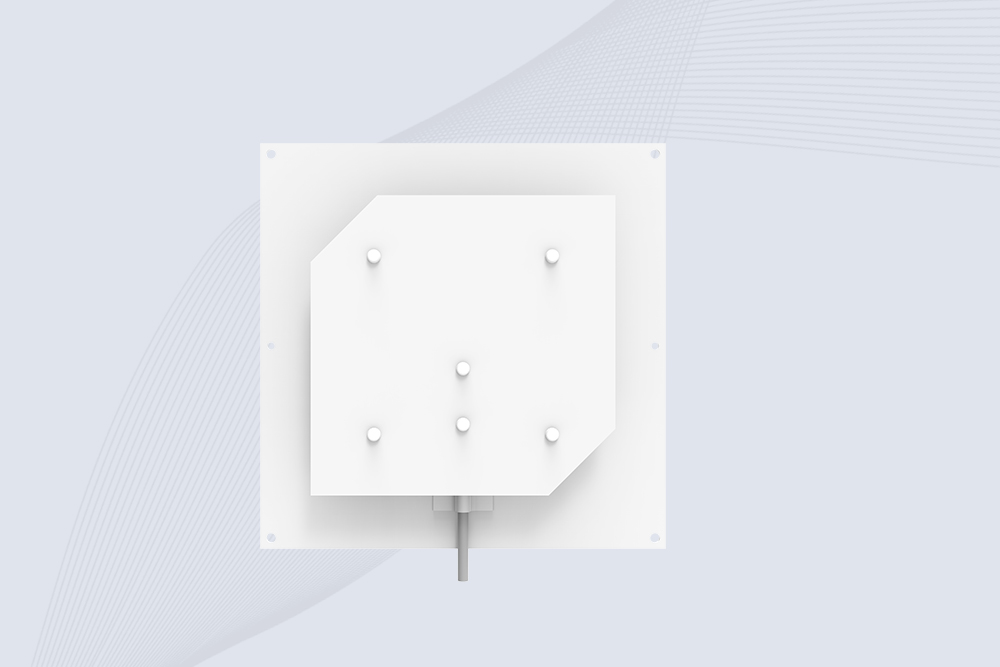
Cykeo’s CYKEO-C8 UHF RFID antennas delivers 8dBi gain, 840-960MHz full-band coverage, and IP65 ruggedness for manufacturing/warehouse RFID systems. Industrial RFID Antennas Features
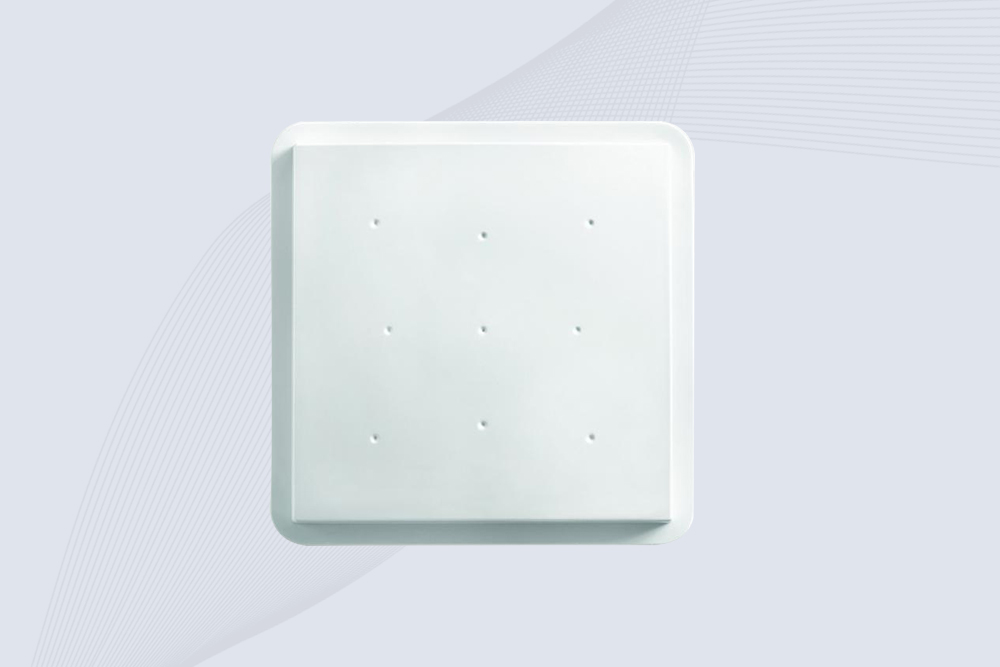
Cykeo’s 8dBi UHF RFID antenna and reader kit delivers 10m+ range, 840-960MHz broadband, and IP65 ruggedness for factories, warehouses, and logistics. ISO 18000-6C & EPC Gen2 certified.
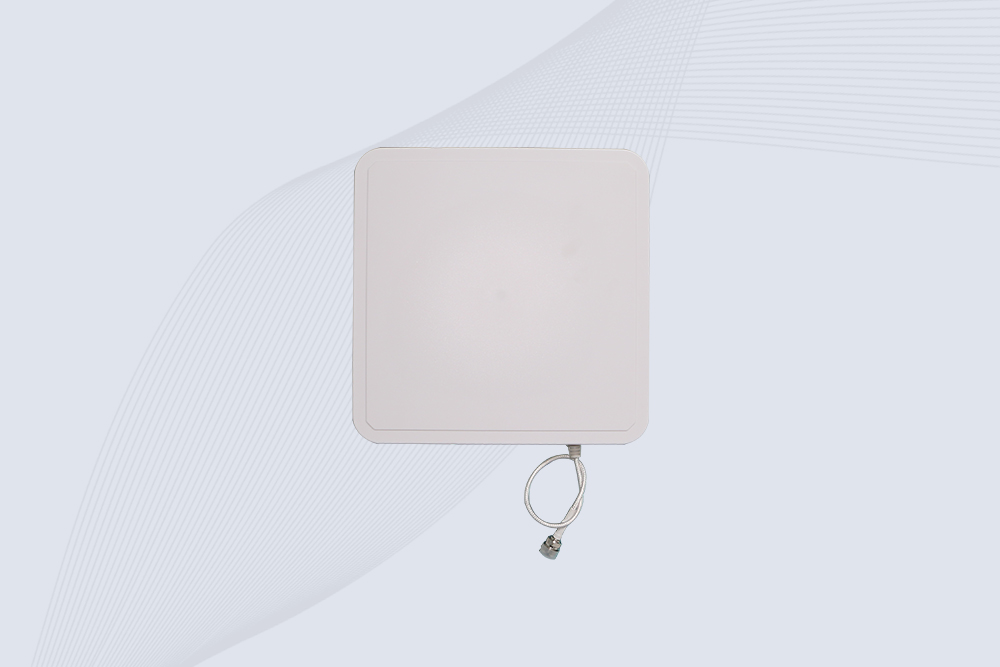
Cykeo CYKEO-A9A industrial UHF RFID reader and antenna kit delivers 10m range, 500 tags/sec, IP65 ruggedness for manufacturing/logistics. Supports EPC Gen2, ISO18000-6C.
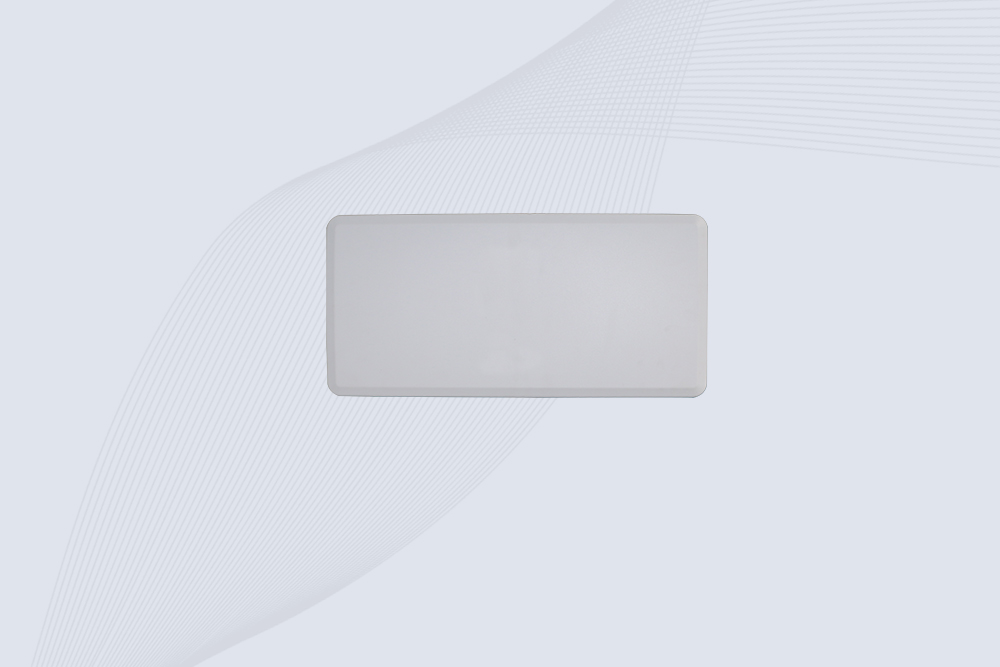
Cykeo’s CYKEO-A12C UHF Large RFID Antenna delivers 12dBi gain, 840-960MHz global frequency, IP65 ruggedness for logistics/warehousing/automotive. 40° beamwidth ensures stable 15m+ tag reads.

CYKEO Near Field RFID Antenna provides precise 5–30 cm reading for shelves, cabinets, and workstations. This compact rfid shelf antenna delivers stable short-range performance around metal and clutter, ideal for pharmacies, libraries, and electronics sorting.
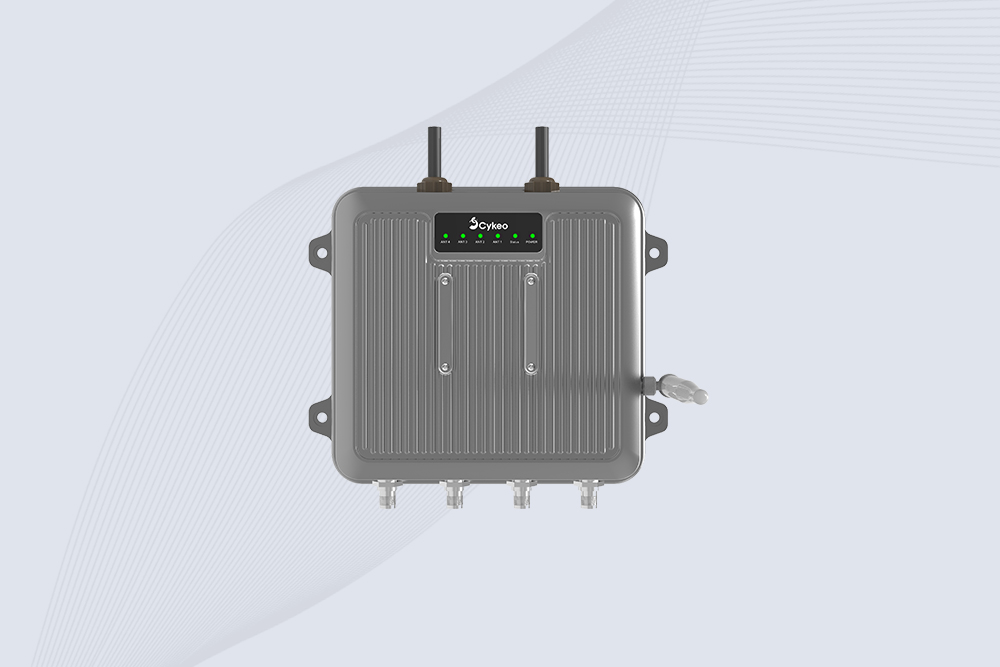
Cykeo CYKEO-C1 industrial Forklift RFID Reader features 20m read range, 600 tags/sec scanning, Impinj R2000 chipset, and IP67 rugged design. Ideal for warehouse logistics and manufacturing. Supports ISO 18000-6C/6B protocols.
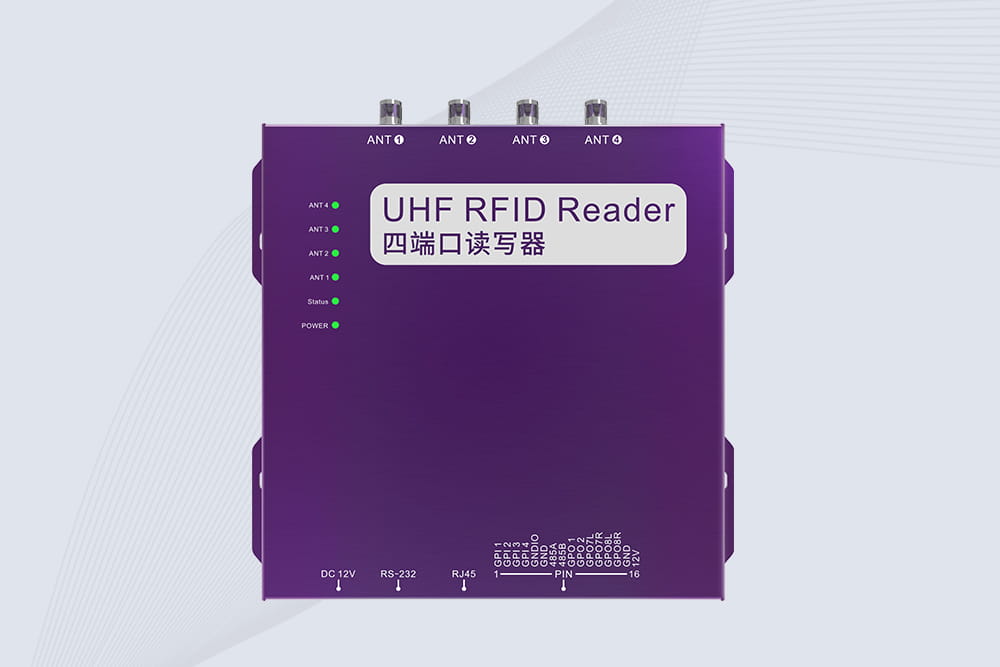
Cykeo CYKEO-R4 industrial UHF RFID Fixed Reader features 4 TNC ports, 400+ tags/sec speed, IP67 housing, and global frequency compliance for vehicle inspection, smart warehouse, and asset management systems.
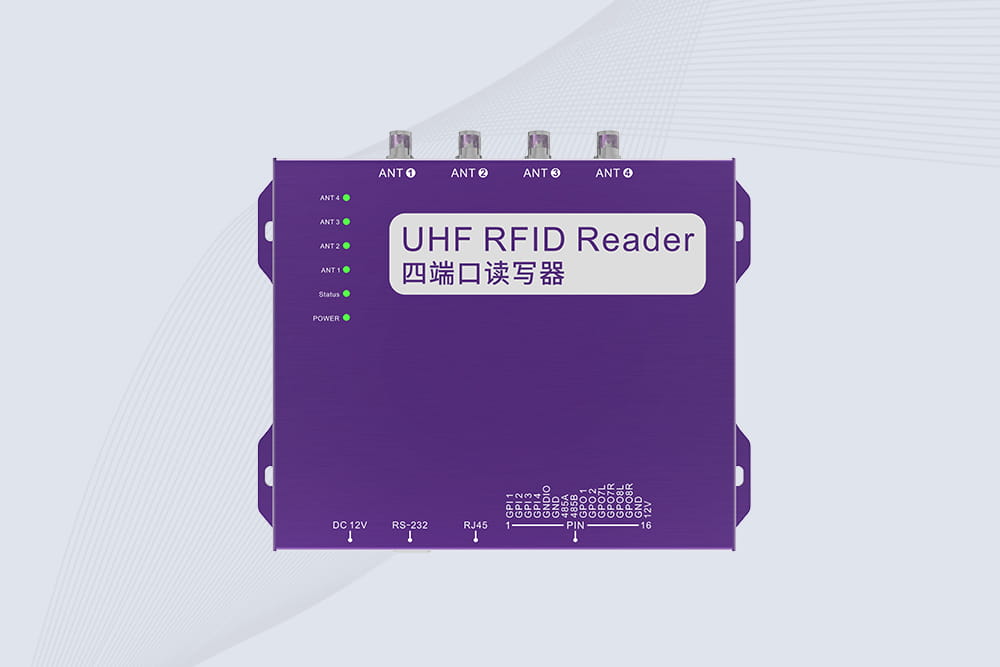
Cykeo’s CYKEO-R4L 4-port Fixed UHF RFID Reader delivers 400 tags/sec scanning, ISO 18000-6C compliance, and IP65 protection. Ideal for warehouse automation, manufacturing WIP tracking, and logistics management.
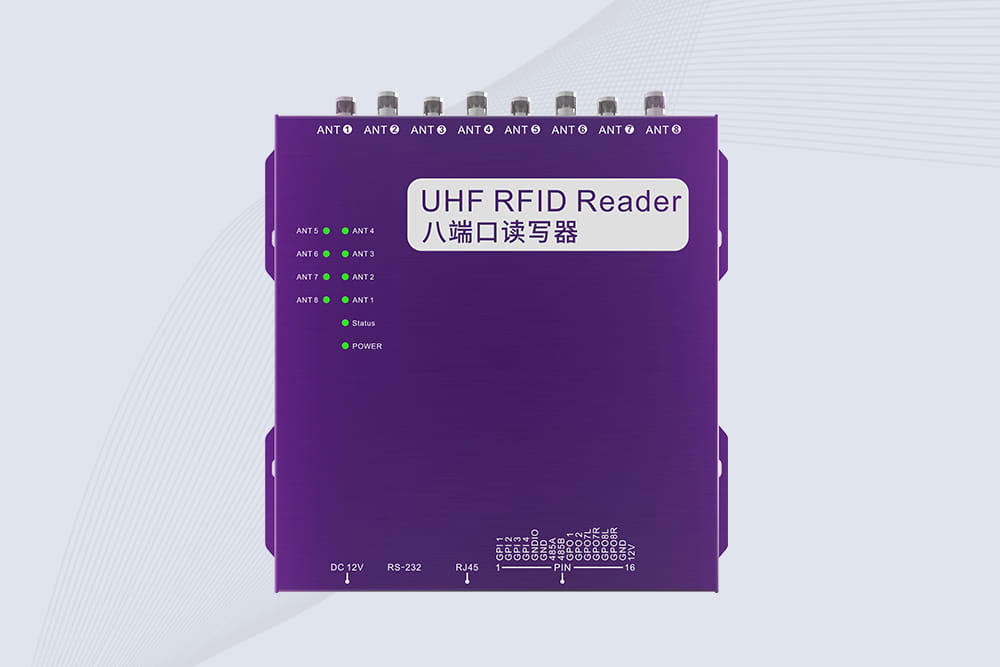
CYKEO CYKEO-R8L Fixed RFID Reader with 8-port UHF design, Impinj-based RF core and up to 20m read range. An industrial Fixed RFID Reader for vehicle inspection, warehouse portals, smart manufacturing lines and secure access checkpoints.
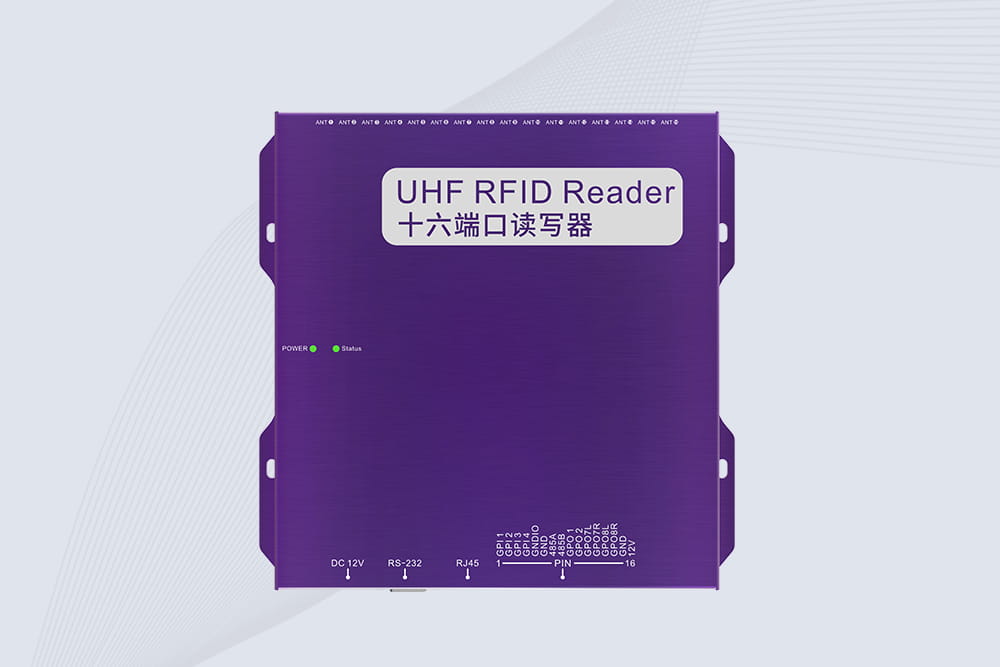
RFID Fixed Reader from CYKEO – the CYKEO-R16L 16-port UHF fixed reader for warehouses, smart cabinets, and production lines. Long-range, multi-tag reading, stable performance for 24/7 industrial use.
RFID Industry Writer | IoT & Asset Tracking Analyst
James writes about RFID technology, asset tracking, and the practical challenges of digital transformation across warehousing, retail, manufacturing, and logistics.
His work focuses on how RFID is applied in real-world operations—improving inventory visibility, automating workflows, and helping businesses manage assets with greater accuracy and efficiency.
He regularly covers topics including UHF RFID, smart cabinets, RFID portals, tool tracking, warehouse automation, and industrial IoT trends..

Discover the key differences between handheld RFID and barcode scanners—speed, accuracy, durability, and which suits your workflow.
More
how to scan rfid using handheld readers. Learn real-world scanning steps, accuracy tips, and high-efficiency workflows with Cykeo UHF RFID devices.
More
Learn proven techniques to eliminate RFID signal interference caused by metal, liquids, or wireless devices. Optimize antenna placement and frequency settings for reliable reads.
More
Can I make my own RFID reader? Yes, with Arduino or Raspberry Pi for HF tags. But UHF is harder, and commercial deployment is a different game. Here's what to expect.
More