 Cykeo RFID IoT Solution Products R&D Manufacturer

Why Relay on RFID Module?
319Need a physical action from an RFID scan? Learn why relay on RFID module is key for access control, automation, and safety systems. See real-world setup examples.
MoreAll RFID Product
If you’ve ever walked through a warehouse and wondered how workers seem to know exactly where thousands of products are located, RFID labels are often part of the answer.
A few years ago, barcode labels were still doing most of the heavy lifting in inventory management. They worked well enough, but there was always one limitation—someone had to point a scanner directly at each barcode.
RFID labels changed that.
Instead of requiring line-of-sight scanning, RFID labels can communicate using radio waves. In some situations, hundreds of tagged items can be identified in seconds without opening a box or handling individual products.
That’s one reason RFID adoption has accelerated across logistics, retail, manufacturing, healthcare, and asset management.
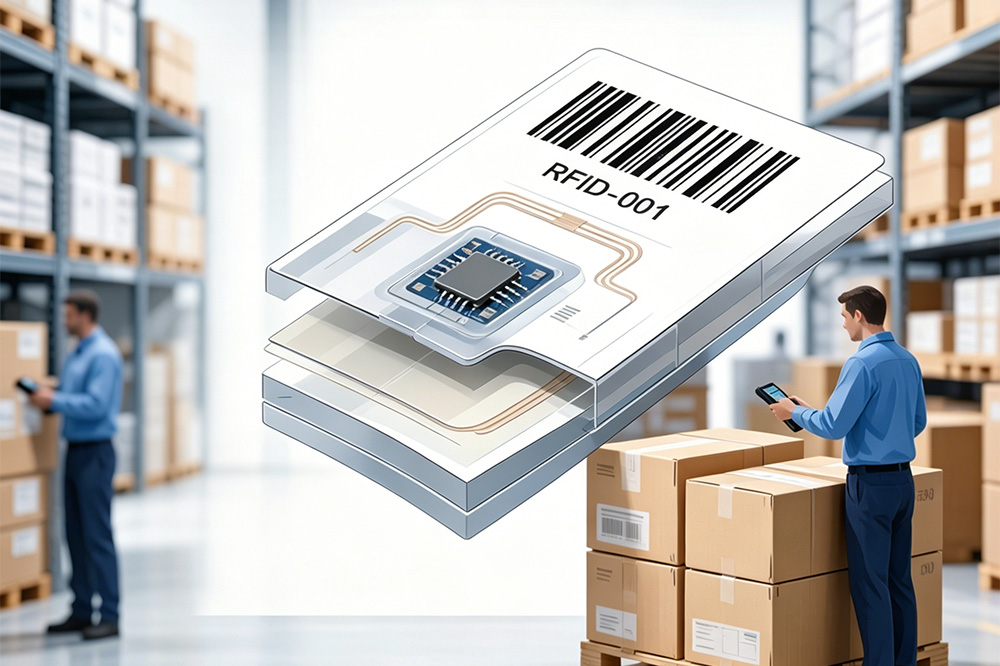
At first glance, an RFID label doesn’t look very different from a normal sticker label.
The difference is hidden inside.
An RFID label typically combines:
The RFID chip stores information.
The antenna allows communication with RFID readers.
Together, they create a smart label capable of identifying an item without physical contact.
In many warehouses today, a carton may look completely ordinary from the outside. Yet hidden beneath the printed shipping information is an RFID label quietly transmitting identification data whenever it enters a reader’s field.
The process sounds complicated until you break it down.
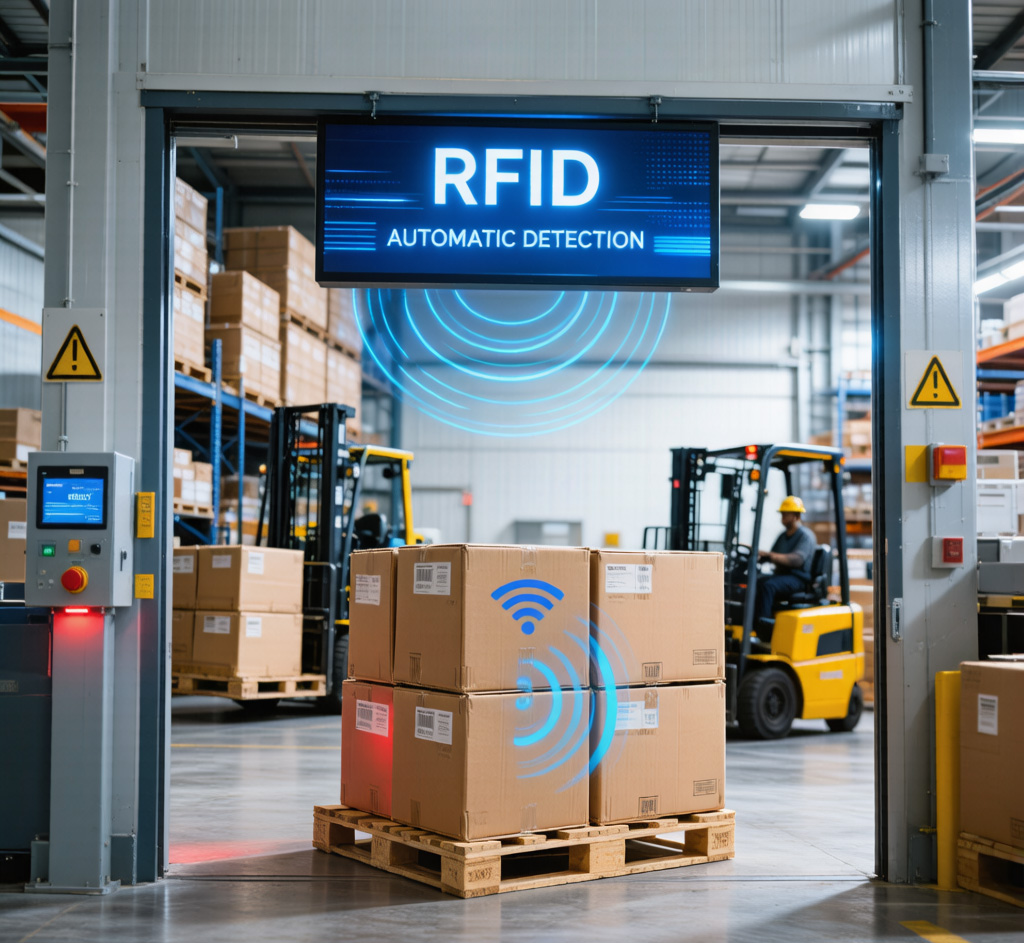
Imagine a pallet of products moving through a warehouse doorway.
Mounted nearby is an RFID reader.
When the pallet enters the reader’s coverage area, the reader sends out radio frequency signals.
The antenna inside each RFID label receives those signals.
The RFID chip then responds with stored information such as:
The reader captures that information and transfers it to management software.
From the worker’s perspective, it may seem like inventory updates happen automatically.
In reality, the RFID label, reader, antenna, and software are all working together behind the scenes.
This is usually the first thing people find surprising.
Traditional barcodes need a clear visual path.
RFID labels don’t necessarily need that.
As long as the RFID signal can reach the tag, communication may occur even when products are:
Of course, performance isn’t unlimited.
Metal surfaces, liquids, dense packaging materials, and environmental interference can affect read reliability.
That’s why RFID system design often requires testing before full deployment.
A setup that performs perfectly in a retail store may behave very differently inside a metal-heavy manufacturing facility.
Most RFID labels used today are passive.
Passive RFID labels do not contain batteries.
Instead, they harvest energy from the reader’s radio signal.
This offers several advantages:
Walk through a distribution center handling thousands of cartons every day and there’s a good chance the majority of RFID labels in use are passive tags.
Their simplicity is one reason they have become the standard choice for inventory applications.
Not every RFID label is built for the same environment.
In practice, there are several common categories.
These are frequently used for:
They are affordable and easy to deploy.
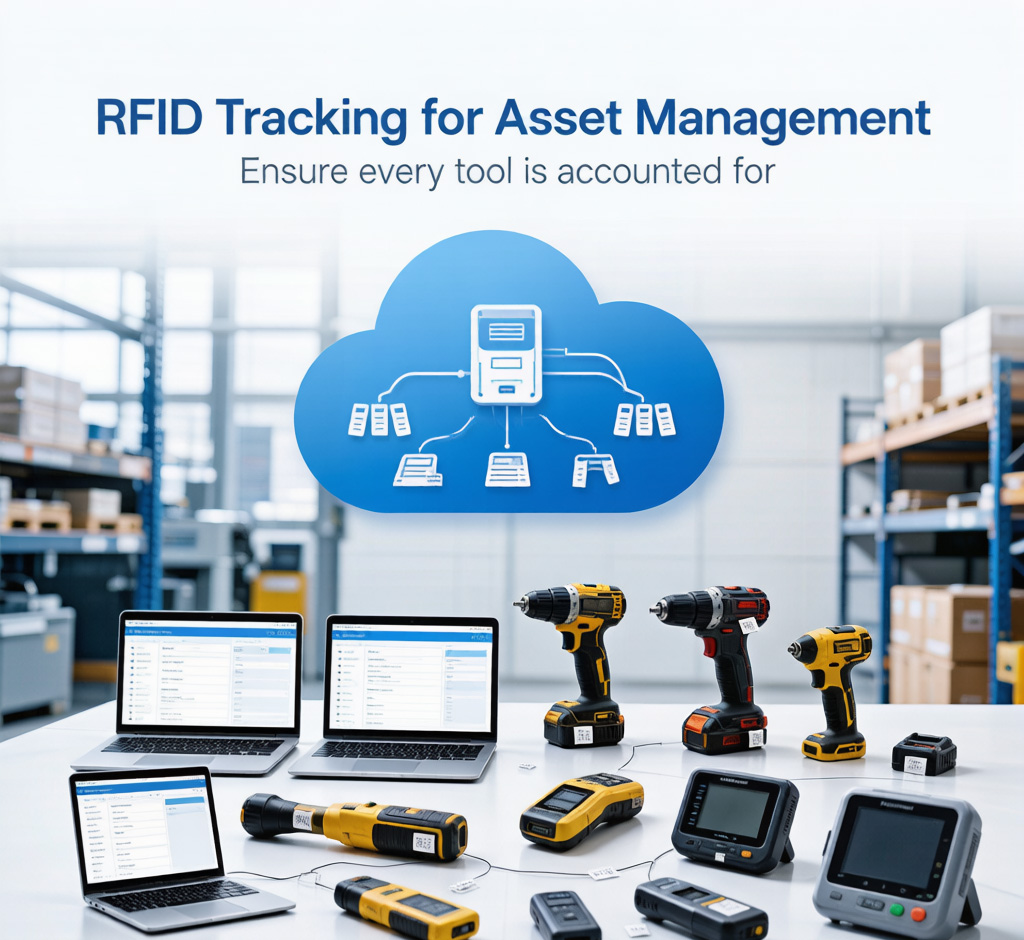
Asset labels are usually built to withstand harsher environments.
They are commonly attached to:
Durability becomes much more important here.
Metal can interfere with radio frequency signals.
To address this challenge, specially designed RFID labels are often used for:
Without the proper design, read performance may drop significantly.
Perhaps the biggest impact of RFID labels has been in logistics.
Picture a truck arriving at a distribution center.
Instead of scanning every carton manually, fixed RFID readers can often identify large volumes of tagged products as they move through receiving areas.
The result is faster processing and fewer manual scans.
Companies frequently use RFID labels for:
In large facilities, even saving a few seconds per item can add up to substantial operational improvements over time.
Many shoppers interact with RFID technology without noticing.
A garment hanging on a rack may contain an RFID label hidden inside the care tag.
When inventory counts are performed, staff can often scan entire sections of merchandise without touching individual products.
This makes stock accuracy easier to maintain.
Accurate inventory data can help retailers:
The customer never sees the technology, but it quietly helps products stay available when needed.
One thing people sometimes overlook is that not all RFID tags perform the same way.
The operating environment plays a huge role.
Questions often include:
Selecting the right RFID tags for the application often has a greater impact on performance than simply choosing the most expensive hardware.
In many projects, tag selection is one of the first areas engineers evaluate before moving into full deployment.
Sometimes.
Some RFID labels are designed for single-use applications such as shipping and retail packaging.
Others can be rewritten and reused multiple times.
Reusable RFID tags are commonly found in:
The choice usually depends on operational requirements rather than technology limitations.
From the outside, an RFID label often looks like an ordinary sticker.
Yet inside that thin layer of material is a combination of microelectronics and radio frequency technology capable of transforming how products, assets, and inventory are tracked.
Whether it’s a warehouse processing thousands of cartons every hour or a retailer trying to maintain accurate stock levels, RFID labels have become one of those technologies that quietly works in the background.
Most people never notice them.
Businesses, however, notice the visibility and efficiency they can provide.
An RFID label is a smart label that combines a traditional printable label with an embedded RFID chip and rfid antenna, allowing wireless identification and tracking.
Most RFID labels are passive and do not require batteries. They receive power from the RFID reader’s radio signal.
In many cases, yes. RFID labels can often be read without direct line-of-sight, making them useful for inventory and logistics operations.
Barcodes require visual scanning, while RFID labels use radio waves and can often be read automatically from a distance.
Standard RFID labels may struggle on metal. Specialized RFID tags and on-metal RFID labels are typically used for those applications.
When people first hear the phrase RFID label, many imagine it’s just another type of barcode sticker. But that’s not really the case. RFID labels (Radio Frequency Identification labels) carry a small electronic chip and an antenna, so they can store and send information wirelessly.RFID Labels Meaning: From Basics to Real-World Uses
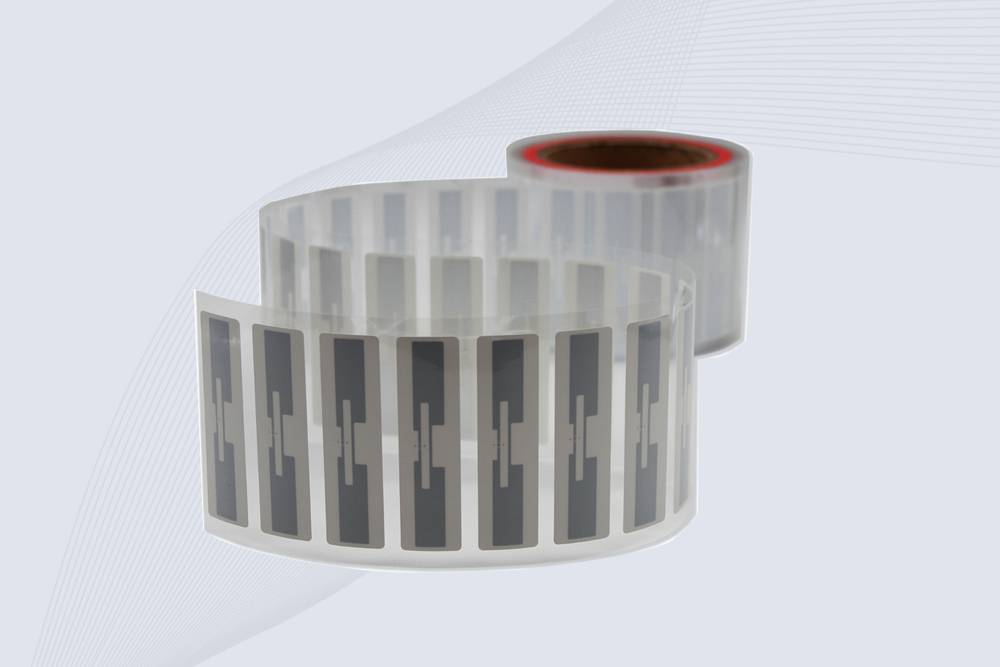
CYKEO Passive RFID Tags are made for wet and high-humidity environments where standard labels do not last. This rfid passive tag is often used around liquids, chemicals and temperature changes, providing stable reading distance and long data life for industrial tracking.
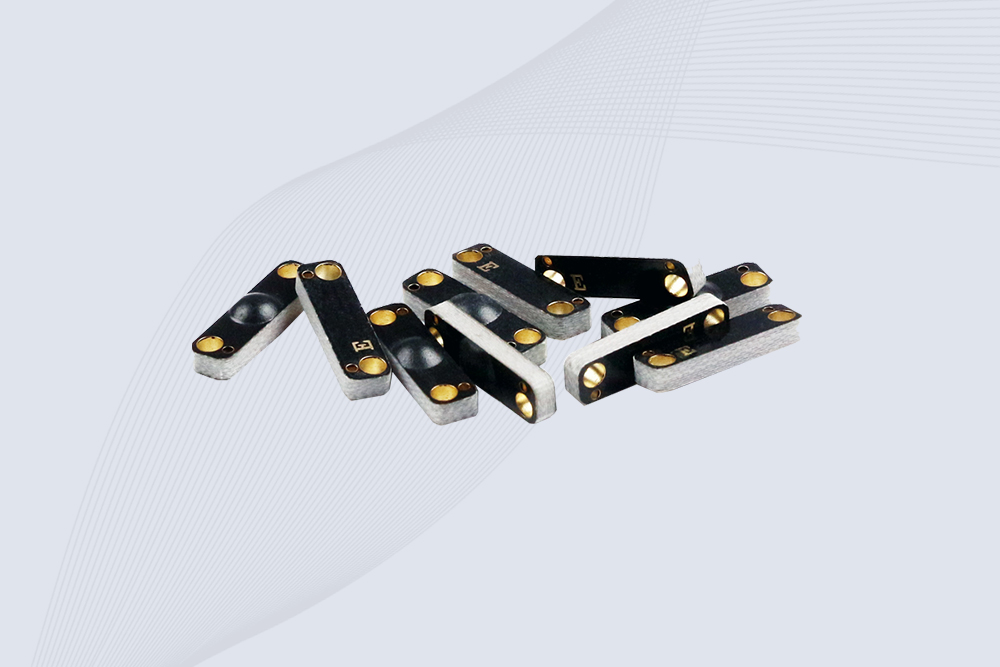
CYKEO CYKEO-PCB1504 Metal RFID Tags is a compact anti-metal UHF RFID solution built for direct mounting on metal surfaces. With stable 8-meter read range, Ucode-8 chip, and long data retention, this rfid metal tag fits tools, containers, automotive parts, and industrial asset tracking.
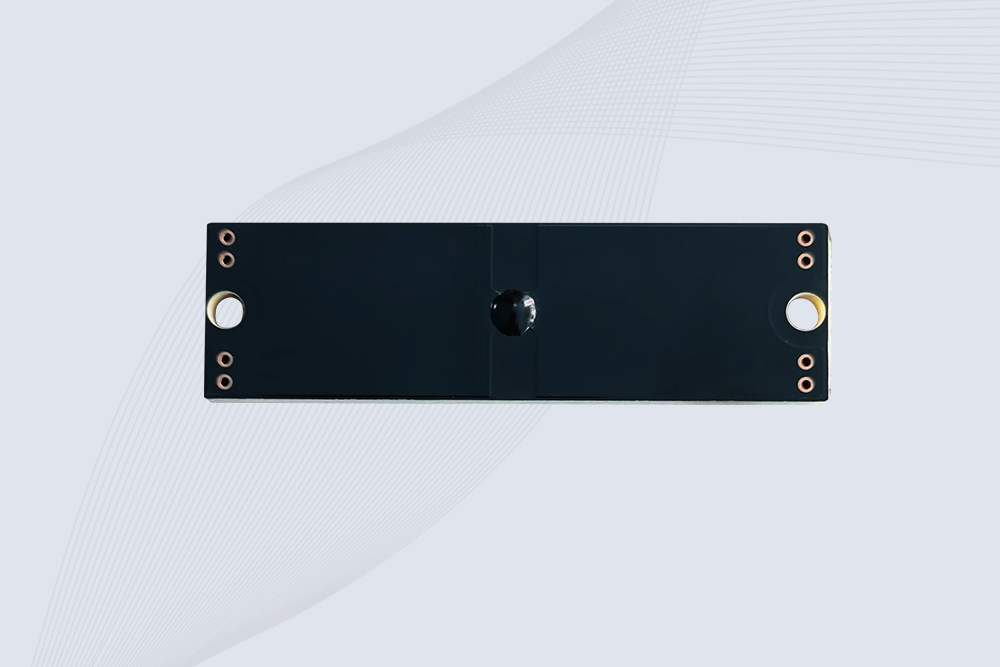
CYKEO CYKEO-PCB7020 On-Metal RFID Tags are designed for reliable tracking on steel and metal surfaces. Built with an FR4 epoxy body and industrial-grade chips, these On-Metal RFID Tags deliver stable performance, long data life, and chemical resistance, making them a dependable RFID anti-metal tag for harsh environments.
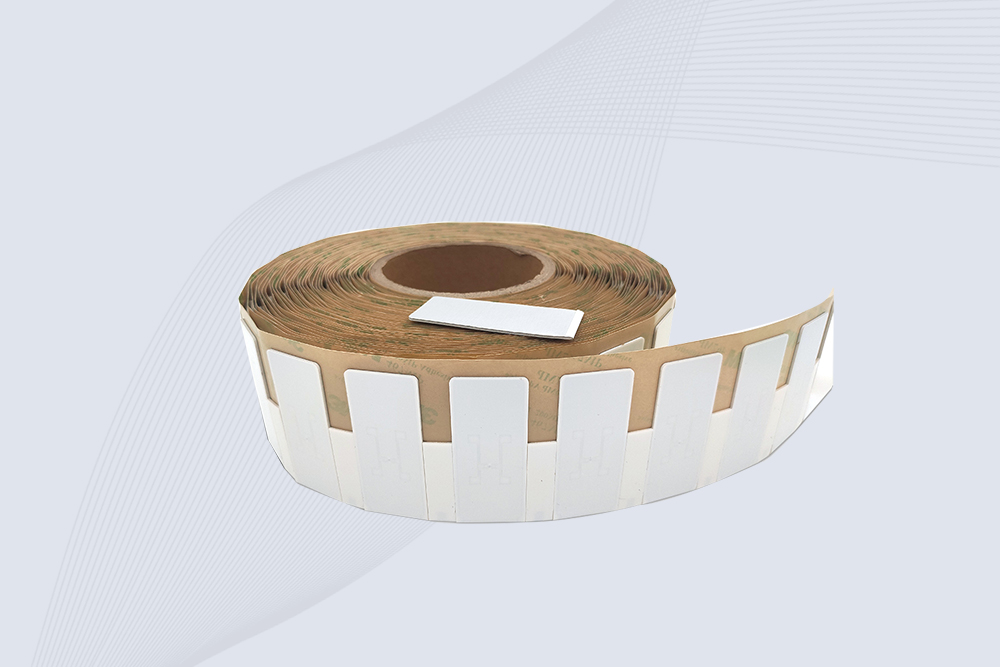
The CYKEO CYKEO-60-25 Anti-Metal RFID Tag is built for metal surfaces where standard tags fail. Designed for long-range performance, harsh environments, and stable data retention, this Anti-Metal RFID Tag is ideal for industrial assets, containers, and equipment tracking using on metal RFID tags.
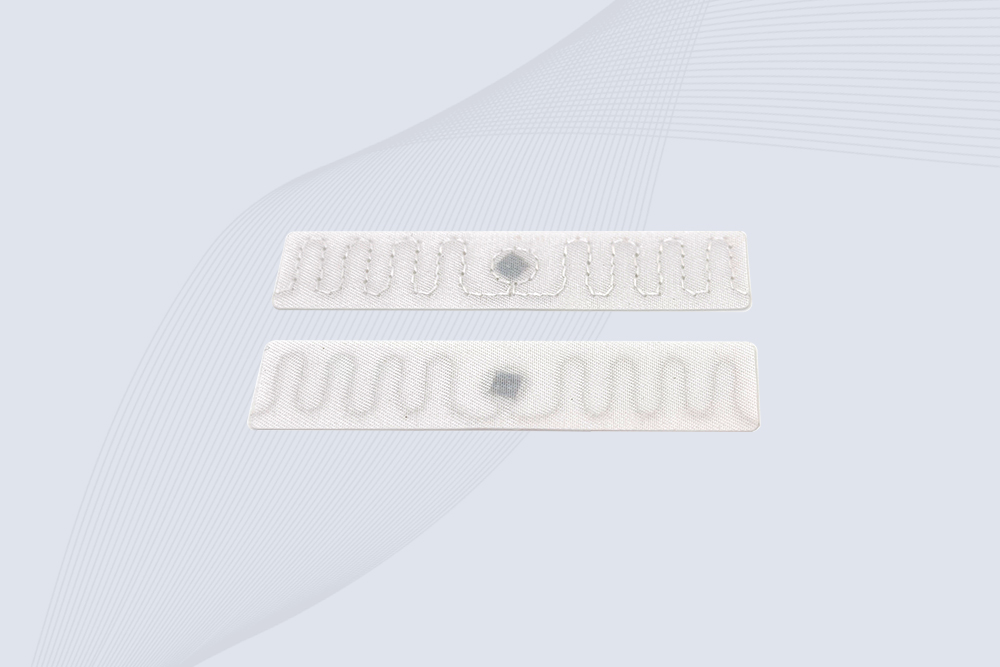
The CYKEO RFID Laundry Tag is designed for long-term textile identification in harsh laundry environments. Built to withstand high heat, chemicals, and repeated washing, this RFID Laundry Tag delivers stable performance for hotels, hospitals, and industrial laundry operations using laundry rfid tags at scale.
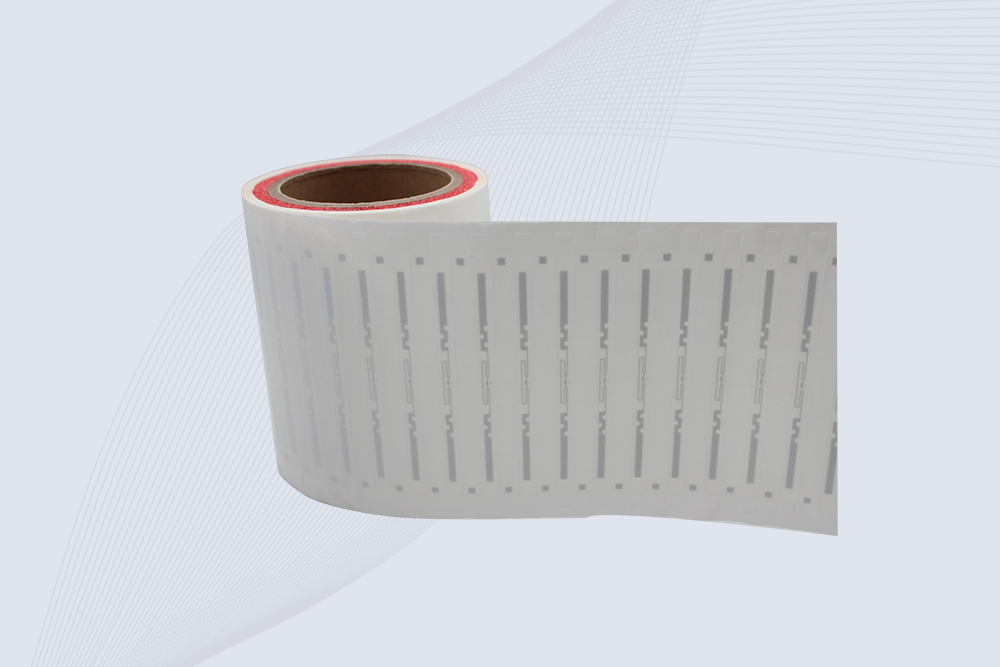
The CYKEO CYKEO-125-7 RFID Book Tag is designed for reliable book and document tracking in libraries and archives. This RFID Book Tag delivers long read range, dense placement support, and stable performance on shelves, making it a practical rfid tag on books for library automation, file management, and archival systems.
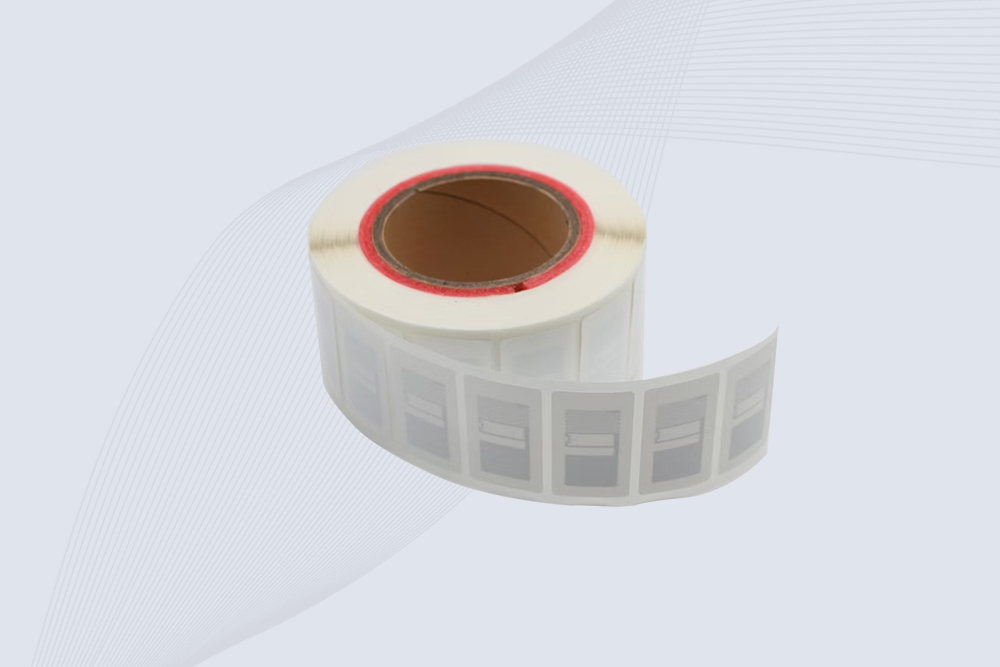
CYKEO RFID tags in hospitals are designed for sterile environments where accuracy matters. These autoclavable RFID tags support long-term tracking of surgical tools, implants, and medications, helping hospitals improve visibility, compliance, and patient safety.

CYKEO RFID Cable Tie Tag is built for reliable identification on metal surfaces. This UHF RFID Cable Tie Tag is widely used in rfid tags for inventory systems, industrial asset management and Hospital RFID Tags, offering stable read performance, long service life and global EPC Gen2 compatibility.
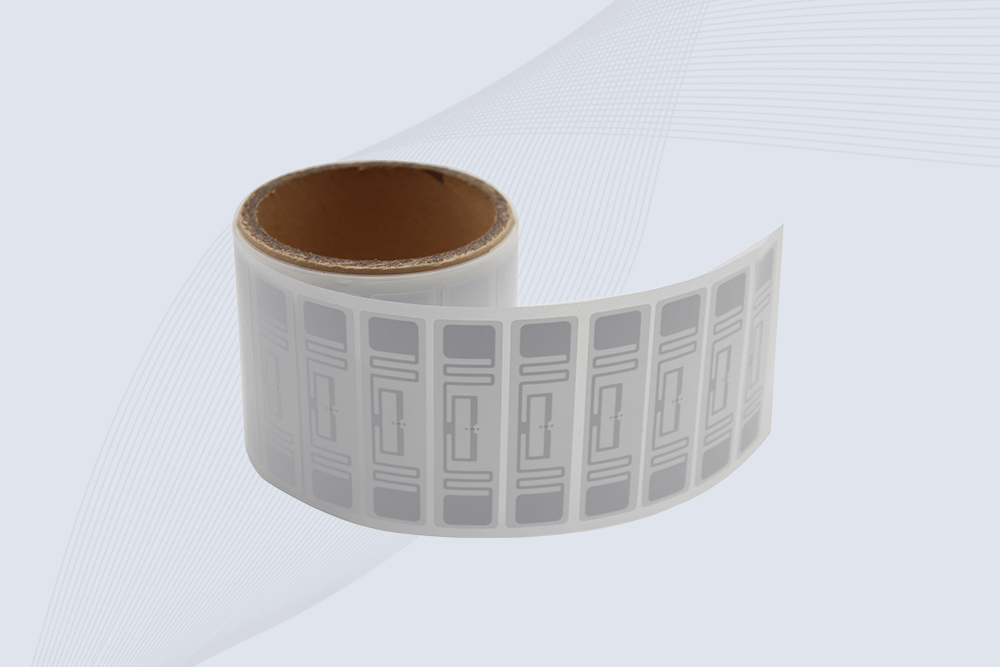
CYKEO RFID Asset Tag is designed for stable identification of metal assets in industrial environments. This UHF RFID Asset Tag is commonly used for rfid tag asset tracking on equipment, tools and containers, providing reliable reads, long service life and ISO/IEC 18000-6C support.

CYKEO UHF RFID Card is designed for fast identification and long-term use in industrial and commercial systems. Supporting ISO 18000-6C, this UHF RFID Card works at 860–960 MHz and is suitable for custom RFID cards used in asset tracking, access control and inventory management.
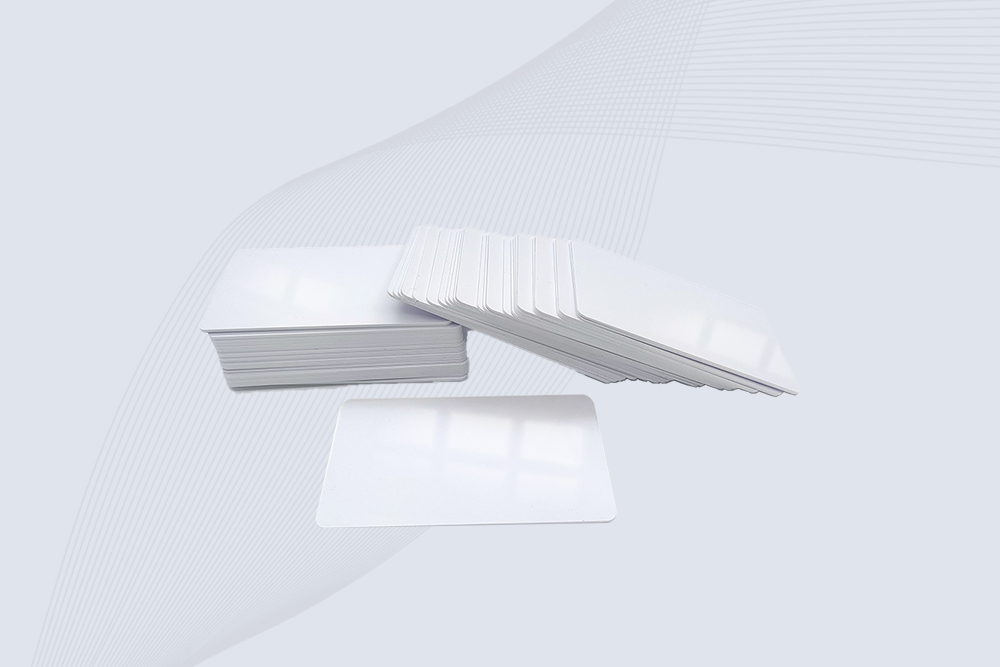
CYKEO HF RFID Cards are designed for secure and stable access control systems. These 13.56 MHz RFID key cards support ISO 14443-A, reliable rewriting and long service life, making HF RFID Cards suitable for offices, campuses, events and membership management.
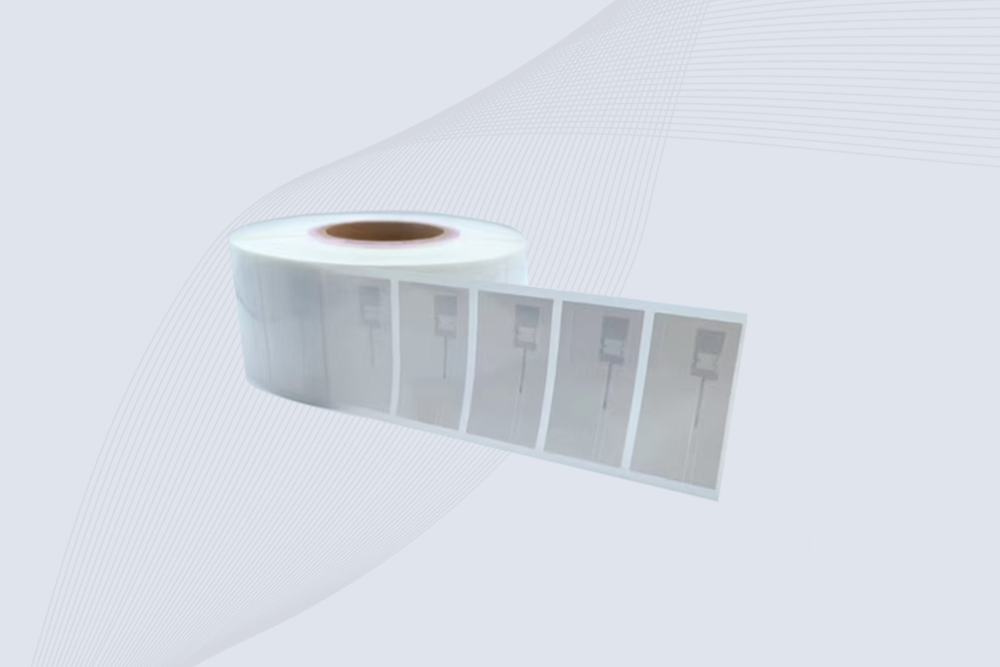
CYKEO UHF RFID Tag is designed for reliable tracking of metal jewelry and high-value items. This Jewelry RFID Tag supports long-range reading up to 8 meters, anti-counterfeit protection and stable performance on metal, making it suitable for retail, inventory control and asset management.
RFID Industry Writer | IoT & Asset Tracking Analyst
James writes about RFID technology, asset tracking, and the practical challenges of digital transformation across warehousing, retail, manufacturing, and logistics.
His work focuses on how RFID is applied in real-world operations—improving inventory visibility, automating workflows, and helping businesses manage assets with greater accuracy and efficiency.
He regularly covers topics including UHF RFID, smart cabinets, RFID portals, tool tracking, warehouse automation, and industrial IoT trends..
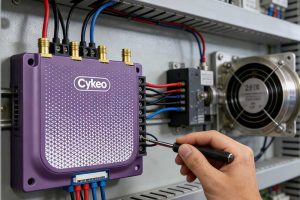
Need a physical action from an RFID scan? Learn why relay on RFID module is key for access control, automation, and safety systems. See real-world setup examples.
More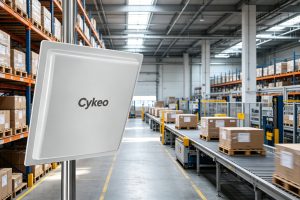
Discover how RFID for asset tracking and inventory management improves visibility, inventory accuracy, and operational efficiency. Learn proven RFID strategies from Cykeo experts.
More
Wondering how does rfid reader work? We explain the basics of RFID technology in plain language, showing how readers and tags communicate wirelessly.
More
Wondering what is a fixed RFID reader? We explain the definition, how it differs from handhelds, common applications in warehouses and factories, and key features like multi-port antennas. Real guidance from CYKEO engineers.
More