 Cykeo RFID IoT Solution Products R&D Manufacturer
How to Choose an RFID Handheld Reader Writer for Warehouse Inventory
0Looking for an RFID handheld reader writer for warehouse inventory? Learn how to choose the right device based on range, speed, durability, and system compatibility.
MoreAll RFID Product
A few months ago, I visited a mid-sized warehouse. Trucks kept coming and going, and at the entrance, a gate slid open automatically for each authorized vehicle. No guards checking IDs, no delays—everything was recorded automatically. That’s an RFID gate access control system at work.
At its simplest, the system allows authorized people or vehicles to enter without keys. Each person or vehicle carries a small tag, card, or fob. When it comes near a reader at a gate or door, the system checks the ID. If it’s allowed, the gate opens. If not, it stays closed. Every entry is logged, making tracking easy.
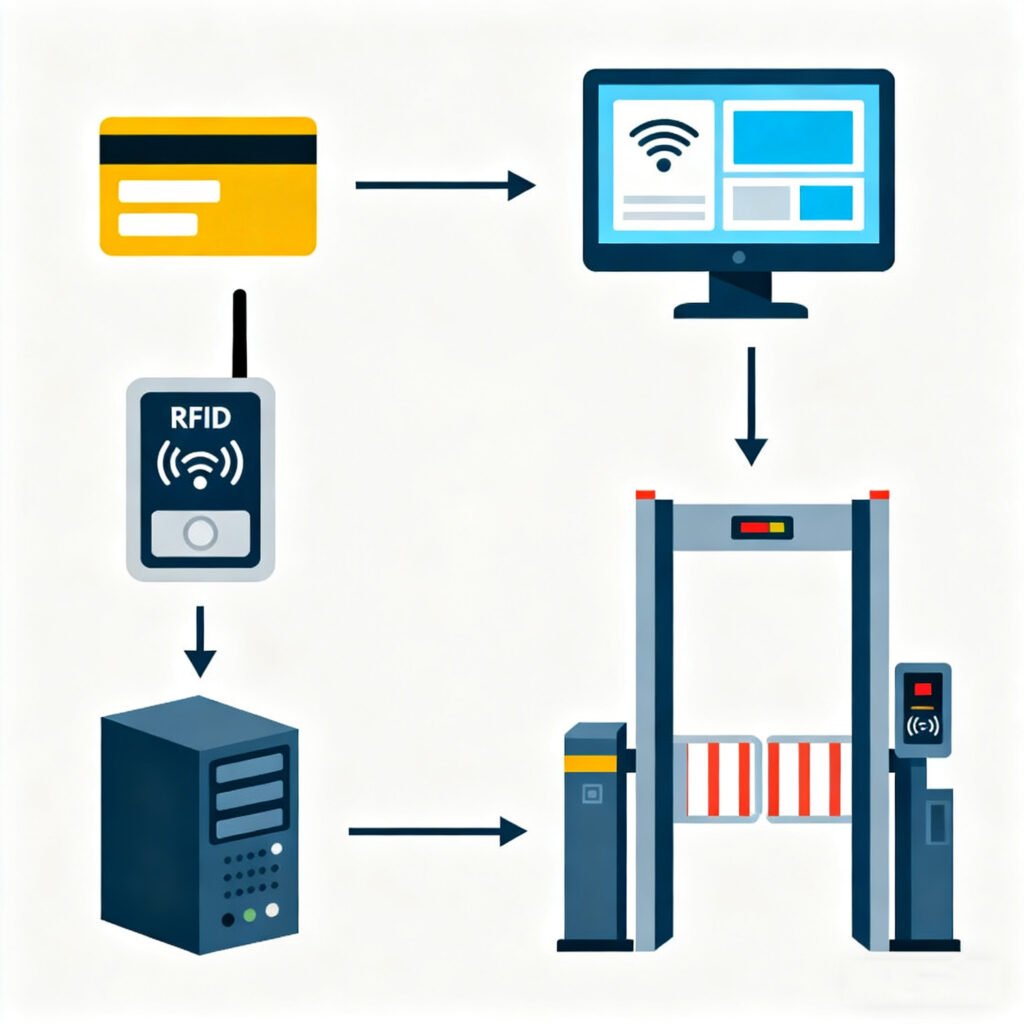
For example: an employee drives to the office parking lot. They wave their RFID card near the reader, the barrier lifts, and the system records the time. Later, the same system logs which employees entered specific areas inside the building. It works seamlessly for both vehicles and people.
A typical setup has four parts:
In practice, outdoor gates need weatherproof readers. Indoor doors don’t. A single system can control multiple gates, manage parking lots, or integrate with visitor management software.
Take a warehouse I visited recently: delivery trucks arrive all day. Without RFID, guards would check every truck manually, leading to delays and mistakes. With RFID, gates open automatically, and the system records everything. Employees inside the office can see exactly when trucks arrived and departed.
Even the best system needs planning:
I also saw a residential complex where residents’ cars had RFID stickers. Visitors got temporary passes valid only for a few hours. It worked so well that residents rarely waited more than 10 seconds at the gate, even during peak hours.
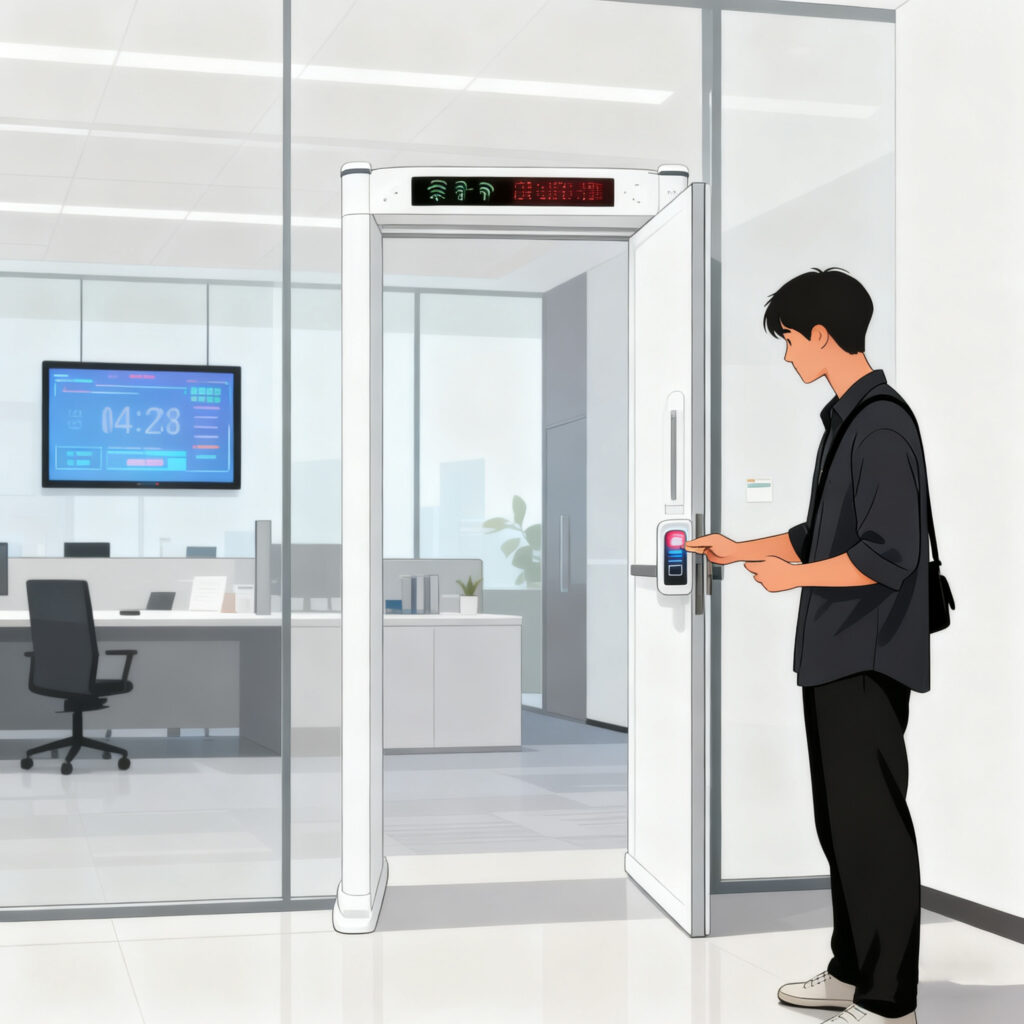
The difference is subtle but noticeable. With keys or codes, you wait, check, or manually record. With RFID, it’s effortless, almost invisible. That’s why so many organizations are adopting it.
A well-designed RFID gate access control system makes life simpler. People move faster, vehicles flow smoothly, and security staff can focus on real issues rather than routine checks. For offices, warehouses, or gated communities, it’s not just about security—it’s about convenience and efficiency.

Cykeo’s CYKEO-T1D industrial RFID ceiling reader features 500 tags/sec scanning, IP54 protection, and -20℃~60℃ operation for retail/warehouse security. Supports ISO18000-6C and GB/T29768 protocols.
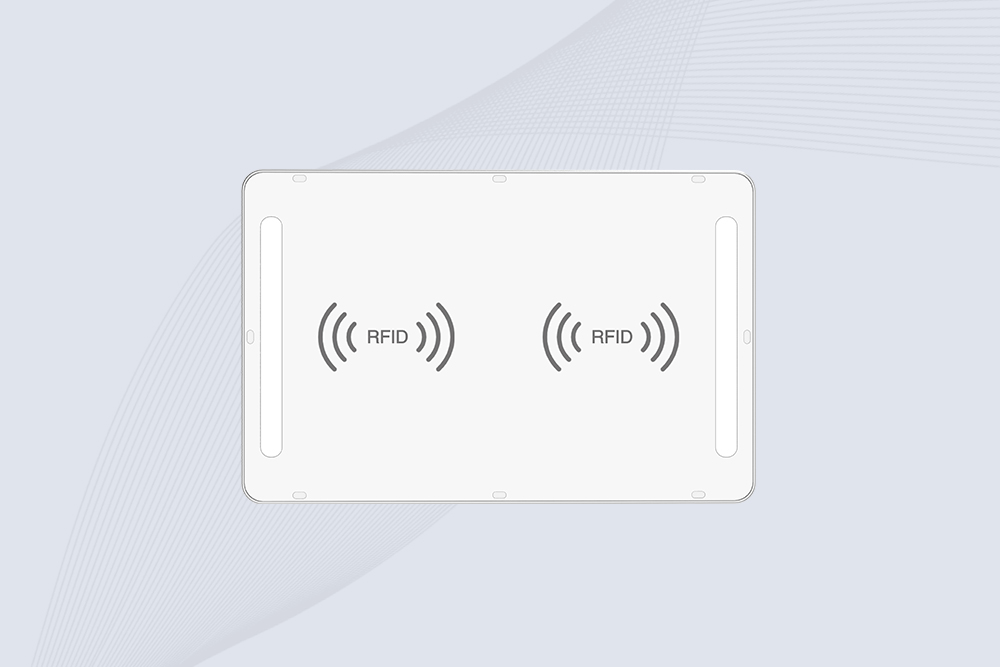
Cykeo’s ceiling-mounted RFID reader enables hands-free 5m inventory tracking with 500 tags/min speed. Features dual alerts, ERP integration, and IP54 rating for warehouse security.
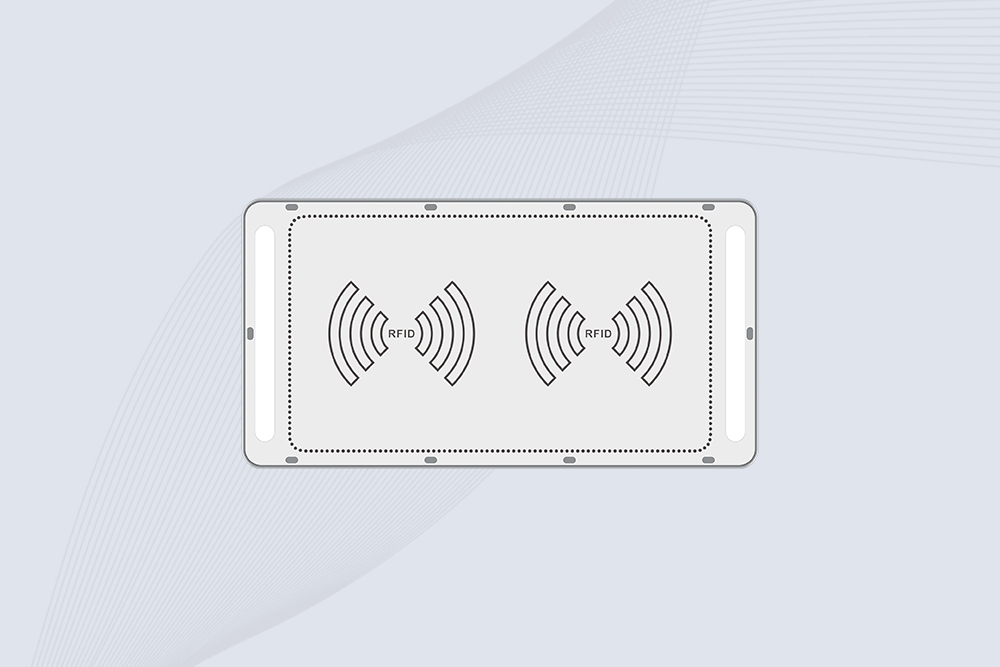
Cykeo CK-T1E RFID gate system features 120° coverage, AI motion filtering, and 5m detection for retail/warehouse security. IP67 rugged design with ERP integration.
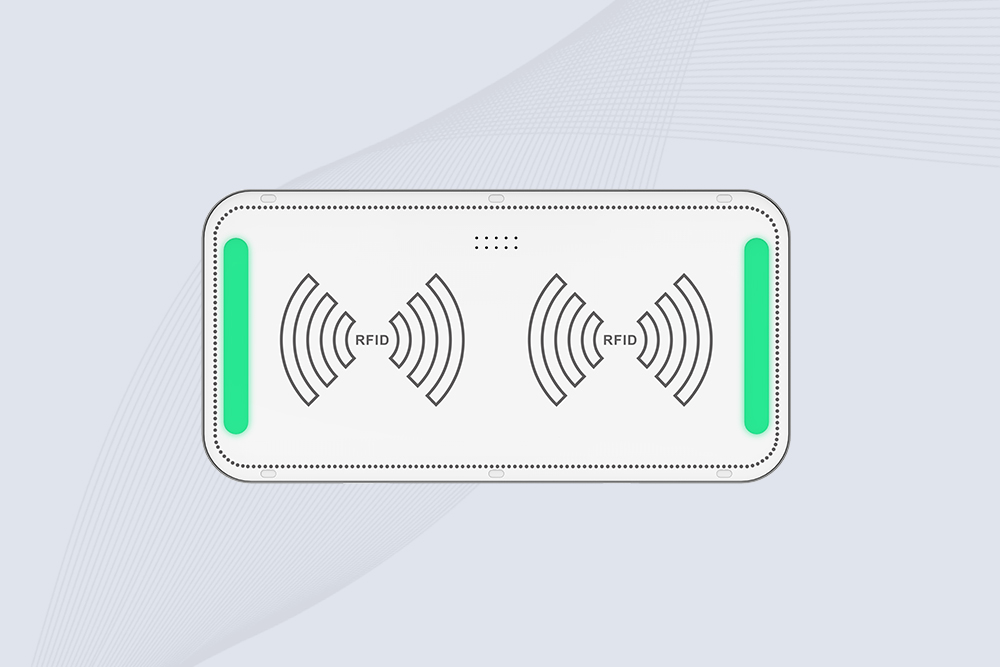
Cykeo CYKEO-T1A industrial ceiling RFID system offers 10-20m read range, 500+ tags/sec speed, and IP65 protection for smart warehousing. Supports multi-protocol integration and real-time inventory alerts.

Looking for an RFID handheld reader writer for warehouse inventory? Learn how to choose the right device based on range, speed, durability, and system compatibility.
More
rfid chip types determine reading range, memory, and tracking performance. Explore UHF RFID chip categories for industrial inventory and asset management.
More
Curious about the different types of RFID readers? This guide explains fixed, handheld, and portal RFID readers in simple terms, highlighting their features and real-world applications so you can easily understand their differences.
More
Setting up your system? We answer 'do RFID readers require antenna' and explain why this component is critical for any functional RFID setup.
More