 Cykeo RFID IoT Solution Products R&D Manufacturer
Long Range RFID: Practical Considerations for RFID Solution Providers
251Professional guide to long range RFID for solution providers, covering rfid reader performance, industrial selection, and real deployment considerations
MoreAll RFID Product
If you have ever tapped a badge to get into your office or used a key fob for the gym, you have used an RFID card reader. But when it comes time to actually buy one for your own business, things get confusing fast. Do you need a desktop reader or a door reader? What is the difference between 125 kHz and 13.56 MHz? And how do you actually get the cards programmed? At CYKEO, we get these questions every day. Let us walk through what people actually want to know before they invest in RFID access control.
An RFID card reader is a device that communicates wirelessly with RFID cards or key fobs using radio frequency signals . When you hold your card near the reader, it sends out a low-power radio wave. The card picks up that energy, powers itself, and sends back its unique ID number. The reader grabs that number and passes it to your access control system, which decides whether to unlock the door or not.
In simple terms, the reader is the “gatekeeper.” It does not store the access decisions—it just reads the card and passes the information along. The actual brain of the system is the controller or server that checks permissions and tells the door lock what to do .
The process is faster than you might think. Here is the step-by-step:
All of this takes less than 100 milliseconds. You tap your card, hear a beep, and the door clicks open before you even finish pulling your hand back.
There is no one-size-fits-all answer. The right reader depends entirely on where and how you are using it.
Desktop RFID readers are the ones that sit on a desk and connect to a computer via USB. They are used for programming cards, managing user access, or logging attendance . You swipe a new employee’s card on the desktop reader, the software captures the ID, and you assign that ID to the person. These are essential for any system where you need to issue new cards or manage user permissions.
Wall-mounted access control readers are the ones you see next to doors. They are weatherproof or indoor-rated, mounted on walls or door frames, and wired into the building’s access control system . These are the workhorses. They sit there 24/7, waiting for someone to present a card.
Mobile RFID readers are handheld devices used for field operations, inventory audits, or temporary access control. Think event check-in or warehouse inventory counts .
Multi-protocol readers can handle different frequencies and card types. If you have a mix of old 125 kHz ID cards and newer 13.56 MHz smart cards, a multi-protocol reader can talk to both .
This is probably the most common point of confusion. The frequency determines what kind of cards you can use and how secure your system is.
125 kHz readers (Low Frequency) are the older standard. They work with proximity cards that basically just store a simple ID number. The cards are cheap—sometimes under a dollar—and the readers are simple . The downside? Security is minimal. These cards can be cloned with off-the-shelf equipment in a few seconds. If you are securing a supply closet, maybe that is fine. If you are securing a server room, it is not.
13.56 MHz readers (High Frequency) are the modern standard. They work with smart cards like MIFARE or DESFire, which support encryption and mutual authentication . The reader and the card verify each other before any data is exchanged. These systems are much harder to clone or hack. The trade-off? Cards cost a bit more—a few dollars instead of pennies—but the security jump is enormous.
UHF readers (860-960 MHz) are a different category entirely. They are used for long-range applications like vehicle access gates or warehouse inventory, not typically for door entry. The read range can be several meters, which is great for drive-through gates but a security risk for pedestrian doors .
Yes, and this is exactly what desktop readers are for. A USB RFID programmer connects to your computer and lets you read card IDs or write data to writable cards .
The setup is usually straightforward. Plug the reader into a USB port. Open your access control software. Place a card on the reader. The software captures the card’s unique ID. Then you assign that ID to a user in the system .
Some desktop readers work like a keyboard—they just type the card number into whatever field is active. Others require drivers and come with SDKs for custom software integration . If you are just managing a small office, the keyboard-emulation style is fine. If you need to encode hundreds of cards with specific data formats, you want the more advanced version.
This depends entirely on what frequency and card type you choose.
125 kHz proximity cards are notoriously insecure. The technology was designed for convenience, not security. Attackers can buy a $20 USB reader, sit near someone with a card, and capture the card’s ID. Then they can write that ID to a blank card and walk right in . If your system uses 125 kHz, you are essentially trusting that no one with bad intentions will spend 30 seconds cloning a card.
13.56 MHz smart cards are much more secure. Cards like MIFARE DESFire use AES-128 encryption and mutual authentication . The reader and the card both have secret keys. Before any data is exchanged, they verify that the other knows the correct key. Even if someone intercepts the communication, they cannot clone the card without those keys.
Some modern readers also support biometric integration—fingerprint or facial recognition combined with RFID . That gives you two-factor authentication. Even if someone steals the card, they still cannot get in without the fingerprint.
The process varies by system, but here is a typical workflow using a desktop RFID encoder:
If your system uses a web-based interface for a door controller, you can sometimes add cards directly by holding them up to the wall-mounted reader and using the controller’s “learn mode.” But for most installations, a desktop reader is the cleanest way.
If you are installing a wired access control system, yes, this matters.
Wiegand is the old standard. It is simple and works with almost everything. But the data is sent in clear text. Someone with physical access to the cable could tap into it and read every card ID going through .
OSDP (Open Supervised Device Protocol) is the newer standard. It encrypts communication between the reader and the controller. It also supports two-way communication, so the system knows if a reader has been tampered with. If you are installing new readers today, especially for a security-sensitive facility, look for readers that support OSDP over RS-485 .
Absolutely. Access control is the most visible use, but RFID readers show up in all sorts of places.
Time and attendance systems use desktop rfid readers at entry points. Employees tap their badges when they arrive and leave, and the system automatically tracks hours . No more paper timesheets or buddy punching.
Secure login for computers is another use. Some desktop readers double as a login device. Tap your badge to unlock your workstation instead of typing a password .
Visitor management systems use readers to issue temporary badges. A receptionist scans a visitor’s ID, prints a badge with an RFID chip, and that chip is programmed to work only for the day .
Inventory and asset tracking sometimes uses the same hardware. The readers that track which employee entered a server room can also track which laptop left the building.
For door access readers, the range is deliberately short—usually 2 to 10 centimeters . You have to hold the card close to the reader. That is a security feature. If the range were longer, someone could walk past a door with a reader in their pocket and capture card IDs without anyone knowing.
For vehicle access gates, UHF readers can have ranges of several meters. That is fine because the reader is mounted on a pole and the vehicle has a windshield tag. No one is walking close enough to get their card skimmed accidentally.
Yes, if your reader supports NFC. Many modern RFID card readers also support NFC (Near Field Communication), which is essentially the same as 13.56 MHz high-frequency RFID . If your phone has NFC—most Android phones and iPhones do—you can store a virtual credential on your phone and tap it to the reader just like a physical card.
Some readers also support Bluetooth as an alternative. You walk within range, your phone connects automatically, and the door unlocks . That is convenient, but it introduces battery dependency. If your phone dies, you are locked out unless you carry a physical backup.
Start with your security requirements. If you just need to control who enters a storage room, a basic 125 kHz system with a stand-alone reader might be fine. If you are securing a lab, server room, or office with sensitive data, go with 13.56 MHz smart card readers and encrypted cards.
Then consider the environment. Indoor readers are fine for offices. Outdoor or warehouse readers need IP65 or higher ratings to handle dust, moisture, and temperature swings .
Finally, think about integration. If you already have an access control system, make sure the reader supports the same communication protocol—Wiegand, RS-485, or OSDP. If you are starting from scratch, consider whether you want cloud-based management or a local server.
CYKEO offers a range of RFID card readers for different scenarios, from simple USB desktop encoders to industrial-grade door readers with OSDP support. We help you match the reader to the job, so you are not paying for features you do not need or missing the security features you do.
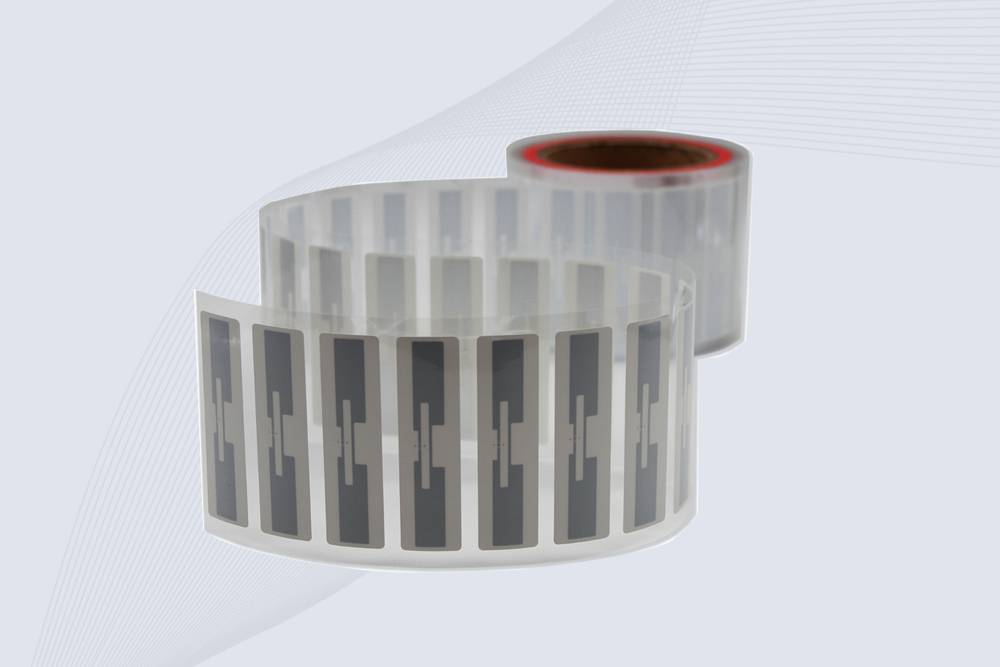
CYKEO Passive RFID Tags are made for wet and high-humidity environments where standard labels do not last. This rfid passive tag is often used around liquids, chemicals and temperature changes, providing stable reading distance and long data life for industrial tracking.
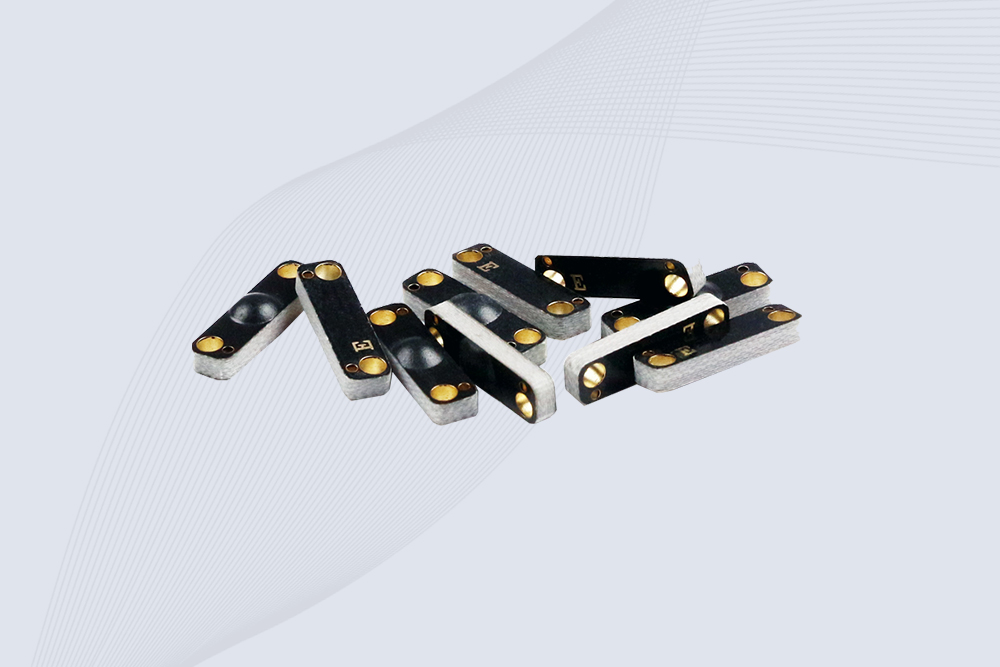
CYKEO CYKEO-PCB1504 Metal RFID Tags is a compact anti-metal UHF RFID solution built for direct mounting on metal surfaces. With stable 8-meter read range, Ucode-8 chip, and long data retention, this rfid metal tag fits tools, containers, automotive parts, and industrial asset tracking.
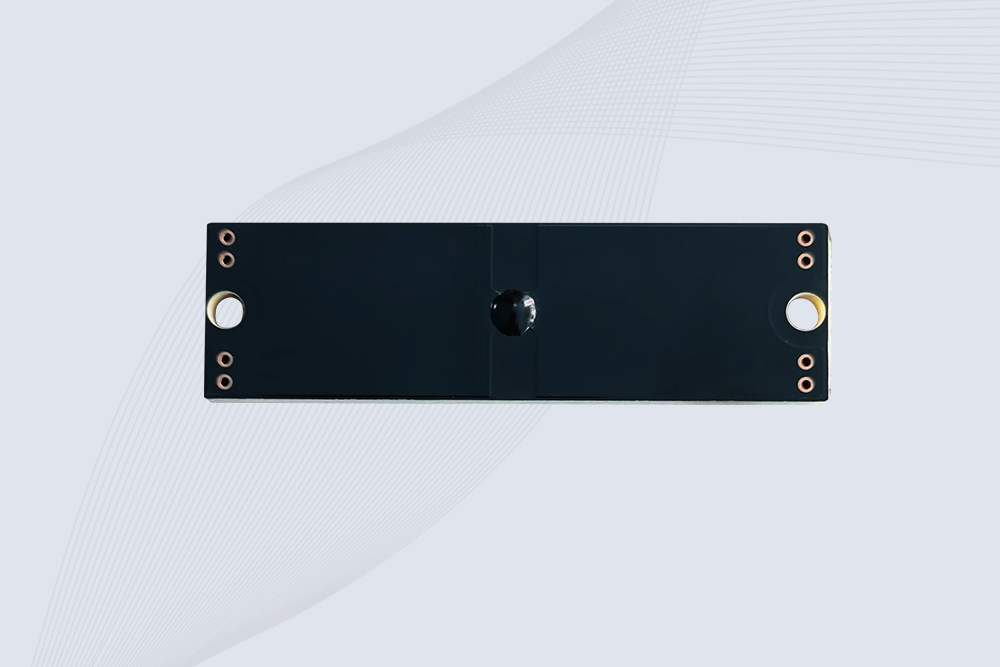
CYKEO CYKEO-PCB7020 On-Metal RFID Tags are designed for reliable tracking on steel and metal surfaces. Built with an FR4 epoxy body and industrial-grade chips, these On-Metal RFID Tags deliver stable performance, long data life, and chemical resistance, making them a dependable RFID anti-metal tag for harsh environments.
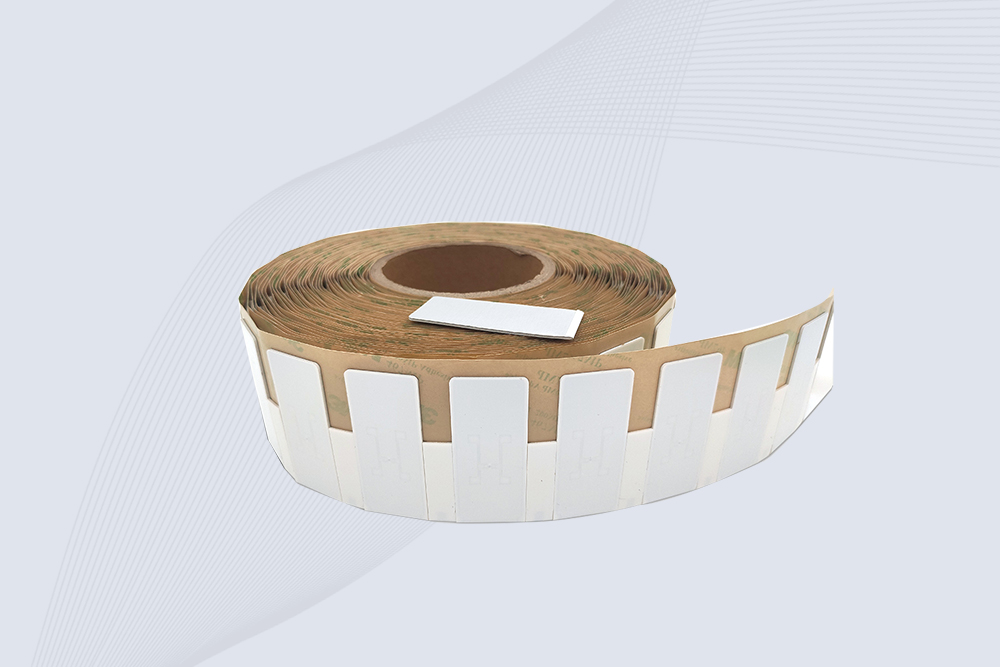
The CYKEO CYKEO-60-25 Anti-Metal RFID Tag is built for metal surfaces where standard tags fail. Designed for long-range performance, harsh environments, and stable data retention, this Anti-Metal RFID Tag is ideal for industrial assets, containers, and equipment tracking using on metal RFID tags.
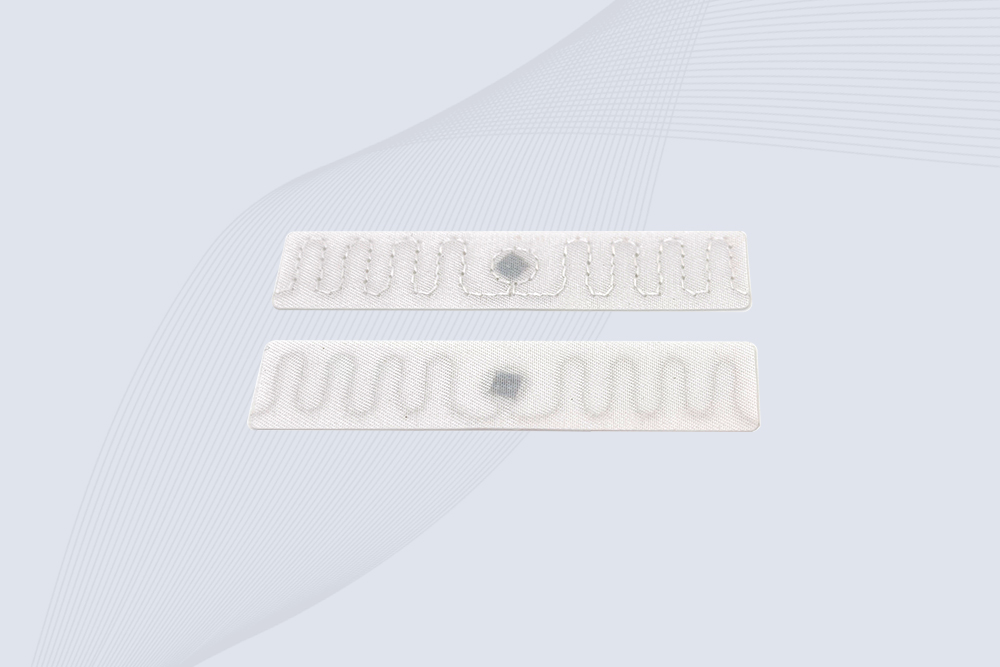
The CYKEO RFID Laundry Tag is designed for long-term textile identification in harsh laundry environments. Built to withstand high heat, chemicals, and repeated washing, this RFID Laundry Tag delivers stable performance for hotels, hospitals, and industrial laundry operations using laundry rfid tags at scale.
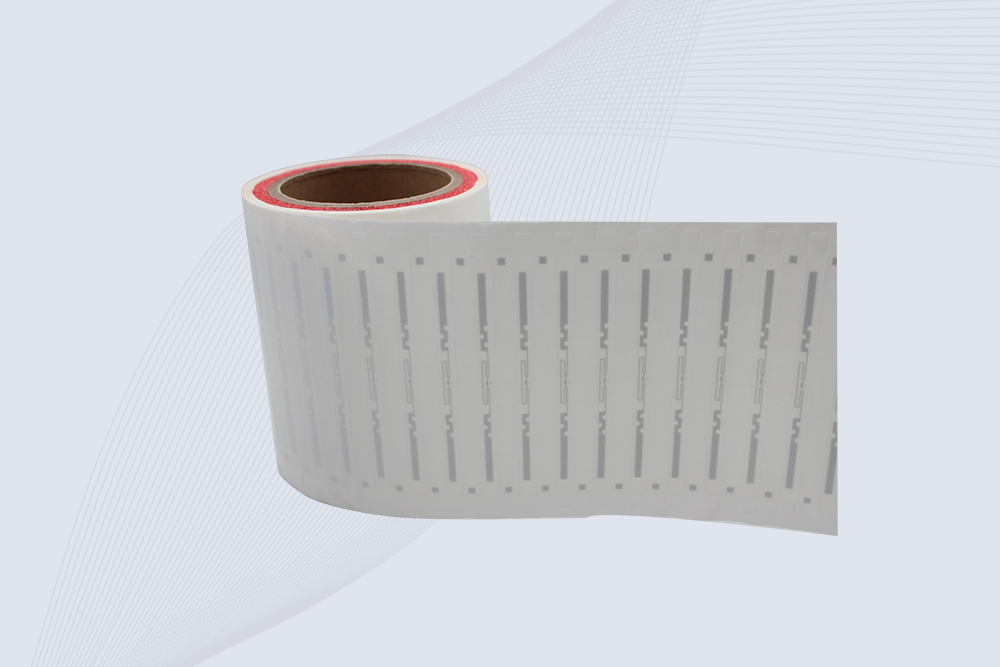
The CYKEO CYKEO-125-7 RFID Book Tag is designed for reliable book and document tracking in libraries and archives. This RFID Book Tag delivers long read range, dense placement support, and stable performance on shelves, making it a practical rfid tag on books for library automation, file management, and archival systems.
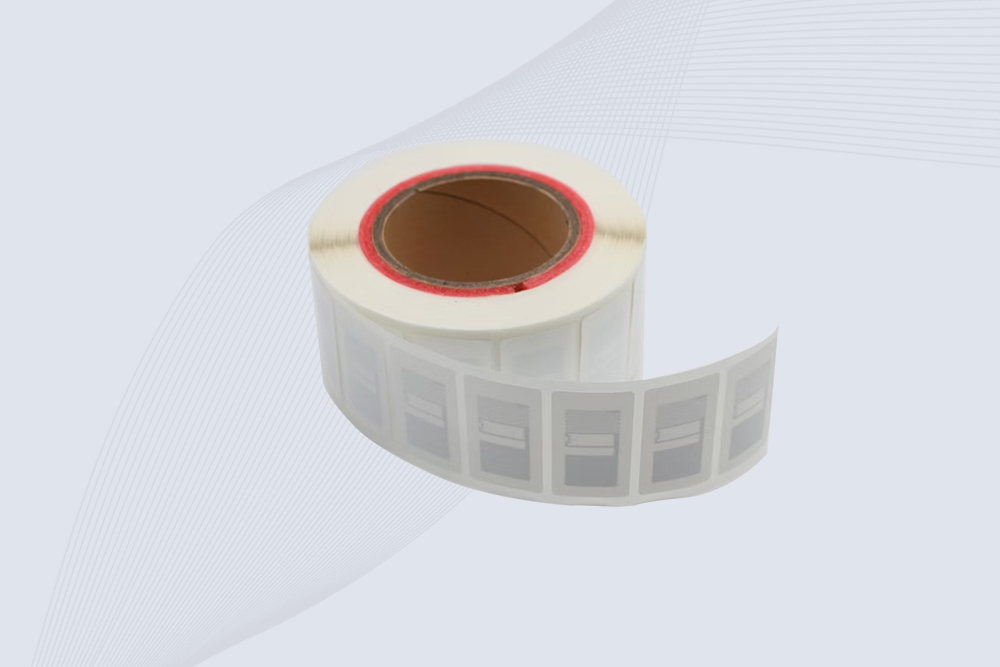
CYKEO RFID tags in hospitals are designed for sterile environments where accuracy matters. These autoclavable RFID tags support long-term tracking of surgical tools, implants, and medications, helping hospitals improve visibility, compliance, and patient safety.

CYKEO RFID Cable Tie Tag is built for reliable identification on metal surfaces. This UHF RFID Cable Tie Tag is widely used in rfid tags for inventory systems, industrial asset management and Hospital RFID Tags, offering stable read performance, long service life and global EPC Gen2 compatibility.
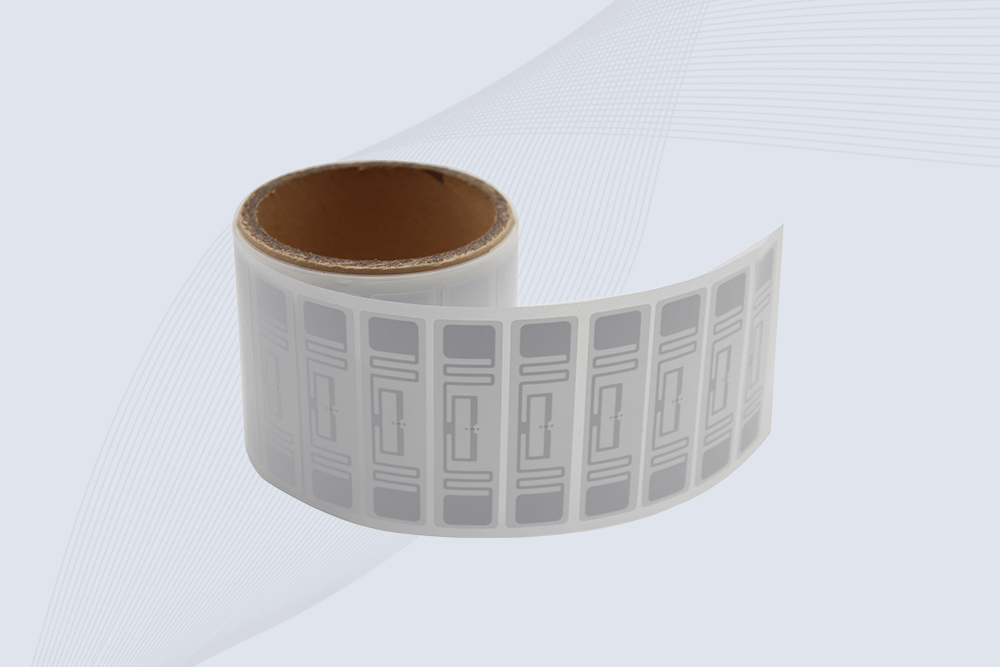
CYKEO RFID Asset Tag is designed for stable identification of metal assets in industrial environments. This UHF RFID Asset Tag is commonly used for rfid tag asset tracking on equipment, tools and containers, providing reliable reads, long service life and ISO/IEC 18000-6C support.
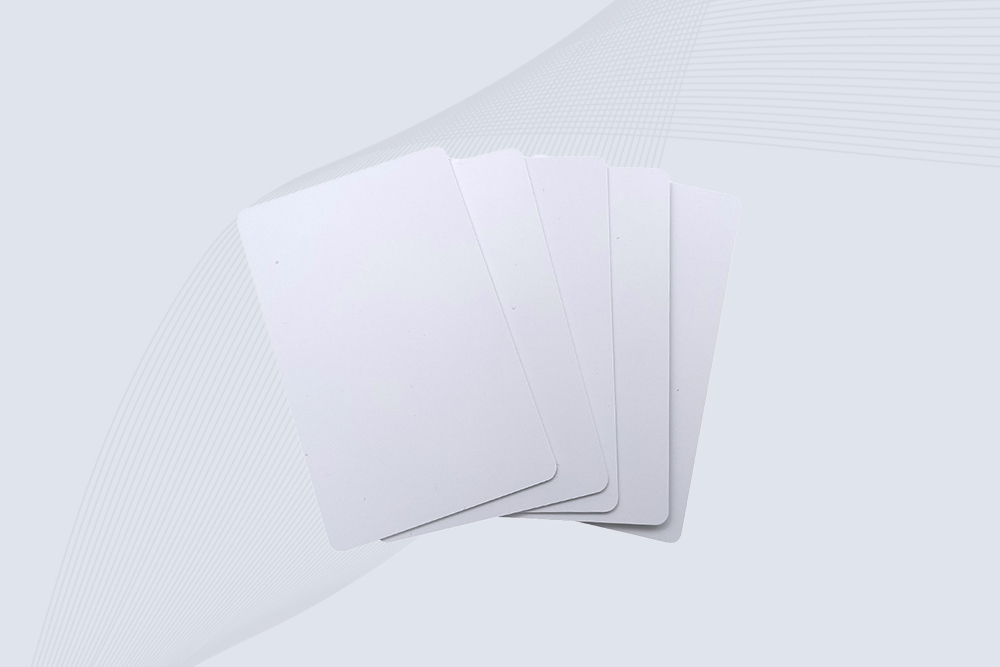
CYKEO UHF RFID Card is designed for fast identification and long-term use in industrial and commercial systems. Supporting ISO 18000-6C, this UHF RFID Card works at 860–960 MHz and is suitable for custom RFID cards used in asset tracking, access control and inventory management.
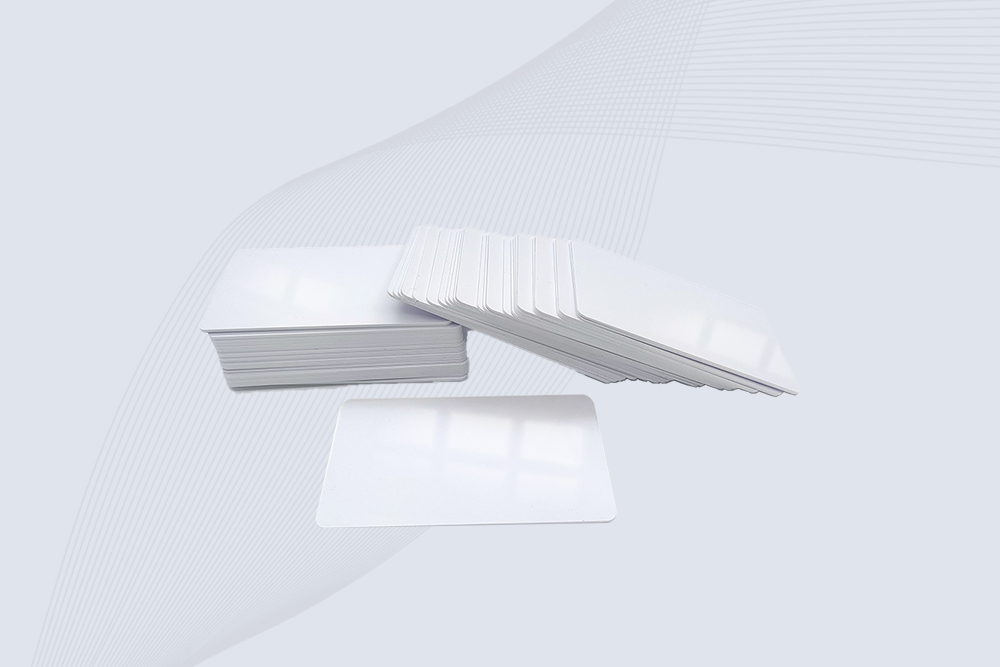
CYKEO HF RFID Cards are designed for secure and stable access control systems. These 13.56 MHz RFID key cards support ISO 14443-A, reliable rewriting and long service life, making HF RFID Cards suitable for offices, campuses, events and membership management.
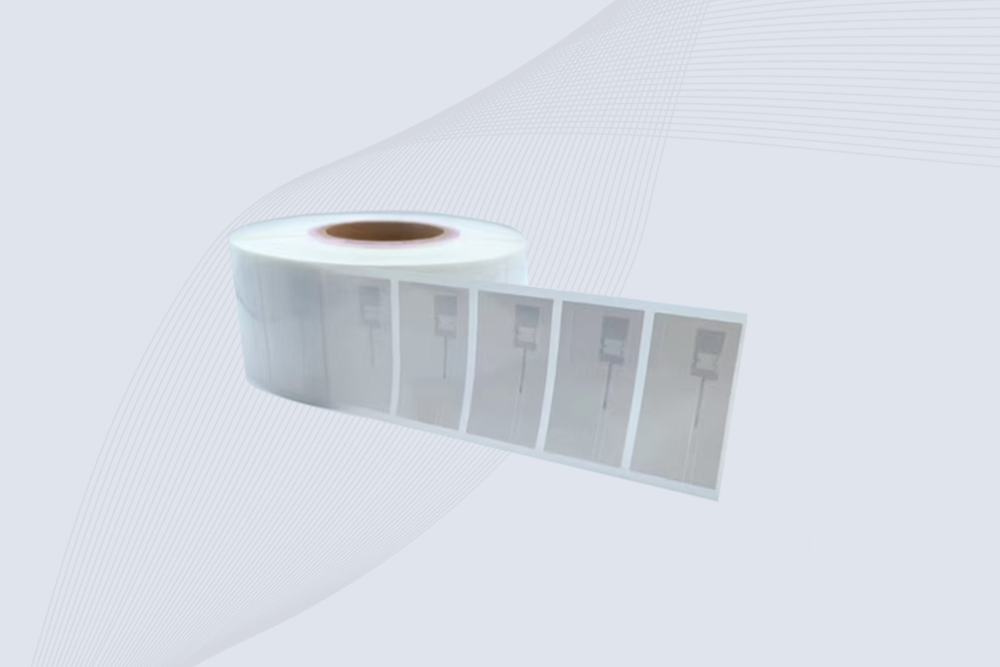
CYKEO UHF RFID Tag is designed for reliable tracking of metal jewelry and high-value items. This Jewelry RFID Tag supports long-range reading up to 8 meters, anti-counterfeit protection and stable performance on metal, making it suitable for retail, inventory control and asset management.
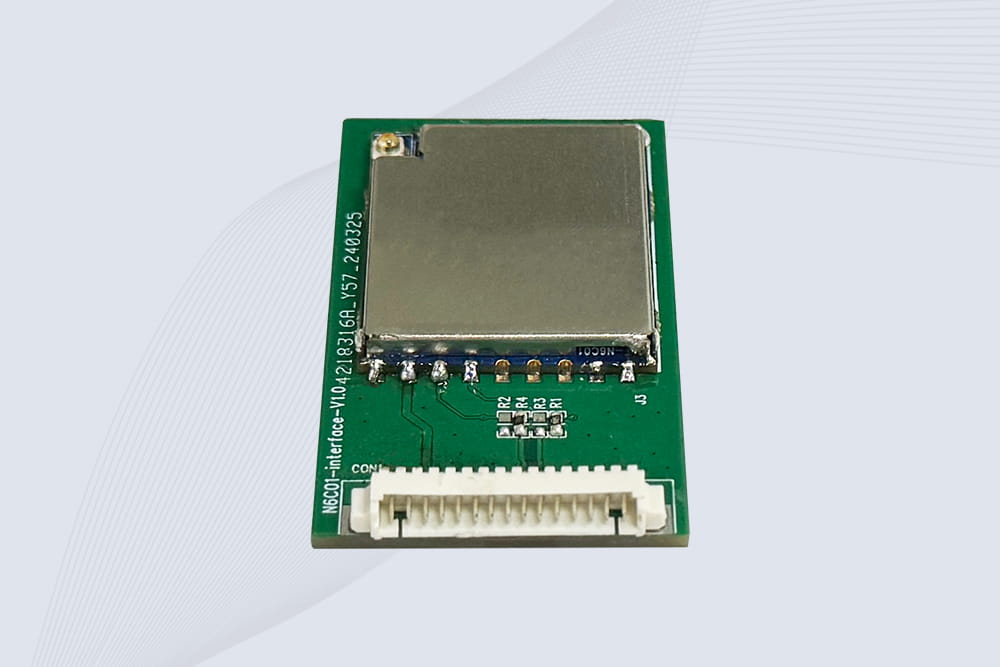
CYKEO Embedded RFID Modules are designed for compact industrial and IoT devices that require stable UHF performance. These UHF RFID Modules support global protocols, flexible power control, and reliable multi-tag reading for smart cabinets, production lines, and asset tracking systems.
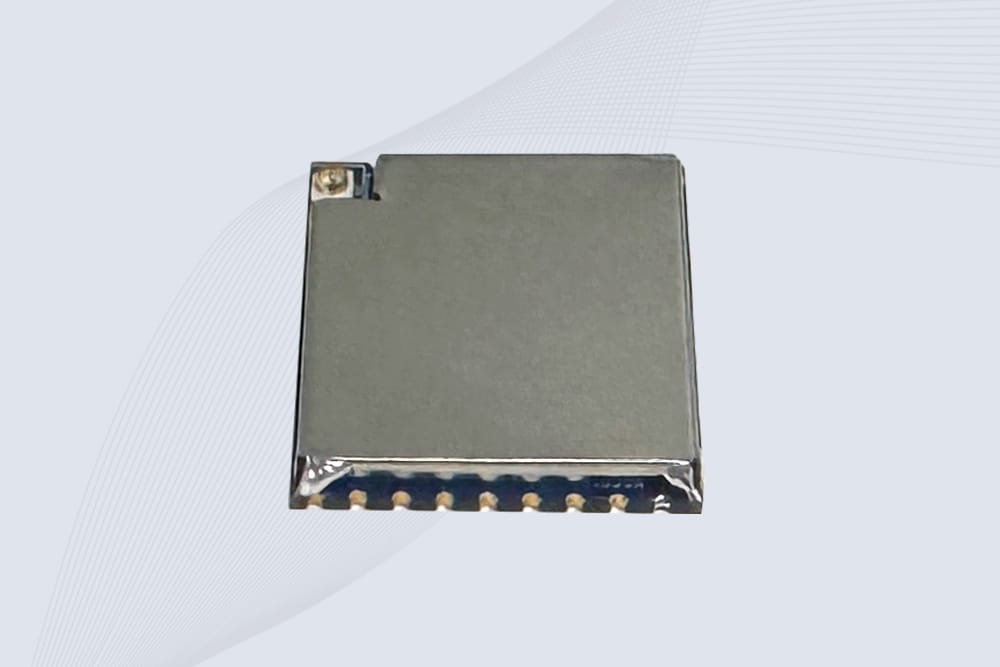
CYKEO Embedded RFID Module is built for compact IoT and industrial devices that need stable UHF performance. This UHF module supports global protocols, low power operation, and reliable multi-tag reading for smart lockers, production lines, and always-on RFID systems.
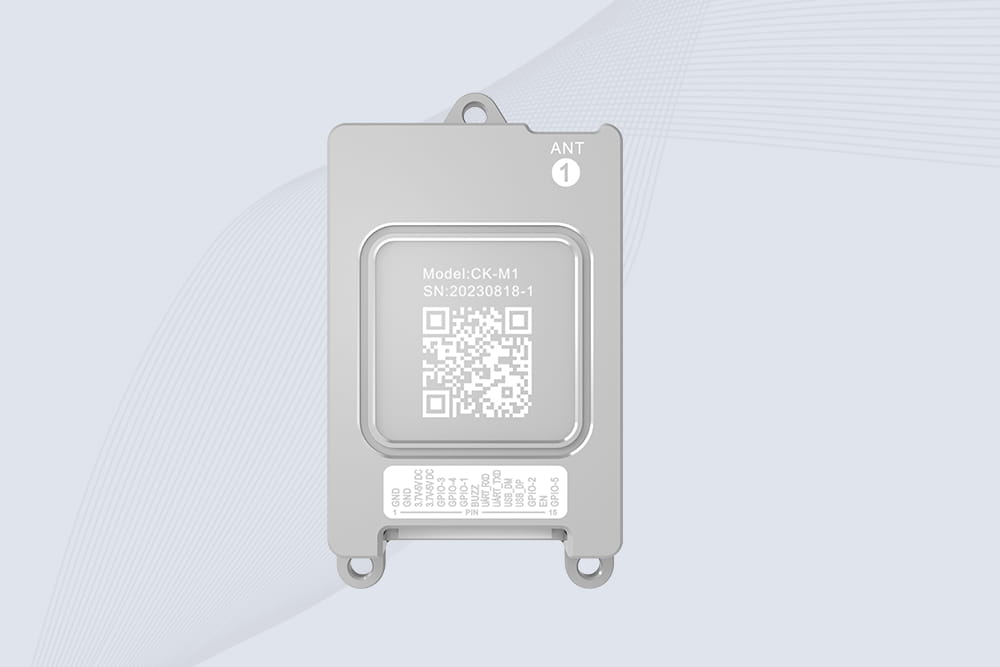
CYKEO CYKEO-M1 drone rfid module is a compact UHF RFID reader module designed for drones and UAV platforms. It supports long-range aerial scanning, fast multi-tag reading, and stable performance in wind, vibration, and outdoor environments.
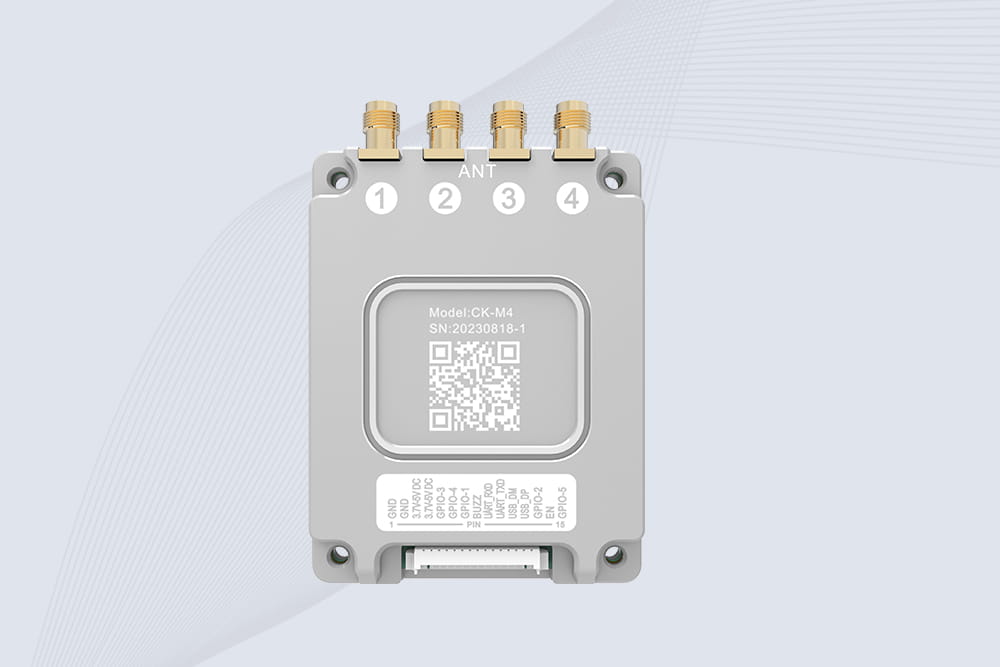
CYKEO CYKEO-M4 RC522 RFID Module is an industrial-grade UHF RFID reader with 4 ports, supporting ISO, EPC, and GB protocols. High-speed, accurate reading for IoT, automation, and warehouse applications.
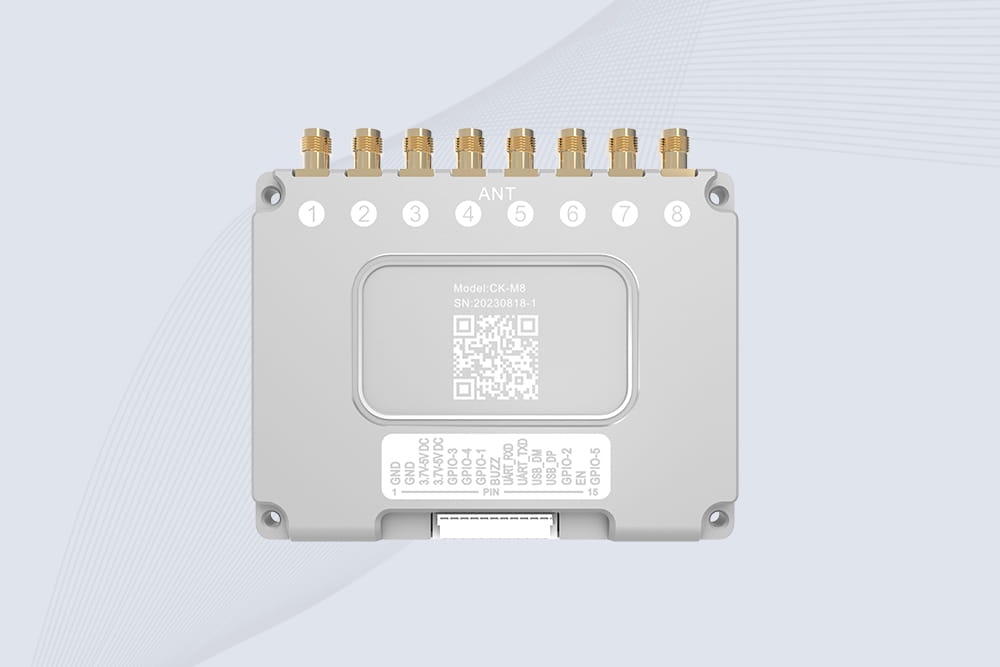
CYKEO CYKEO-M8 Module RFID is an 8-port UHF R2000 RFID Module designed for high-density, multi-tag environments. Stable 33dBm output, ISO & GB protocol support, ideal for warehouses, factories, and automated systems.
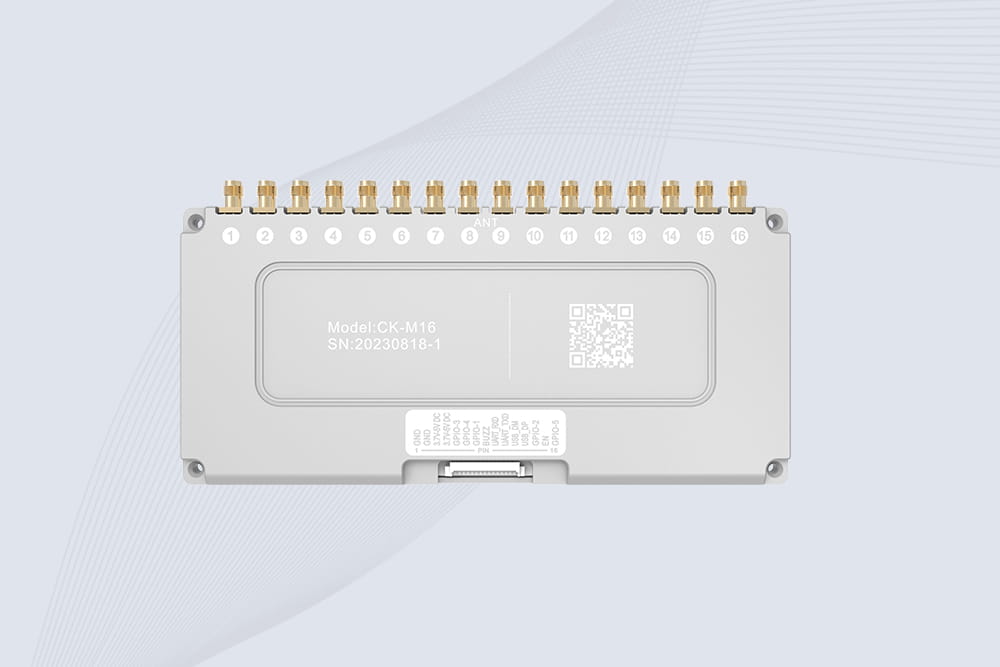
CYKEO CYKEO-M16 RFID Module is a 16-port UHF RFID reader module based on the R2000 chipset. Designed for dense tag environments, it supports ISO and GB standards and delivers stable multi-antenna control for industrial automation.
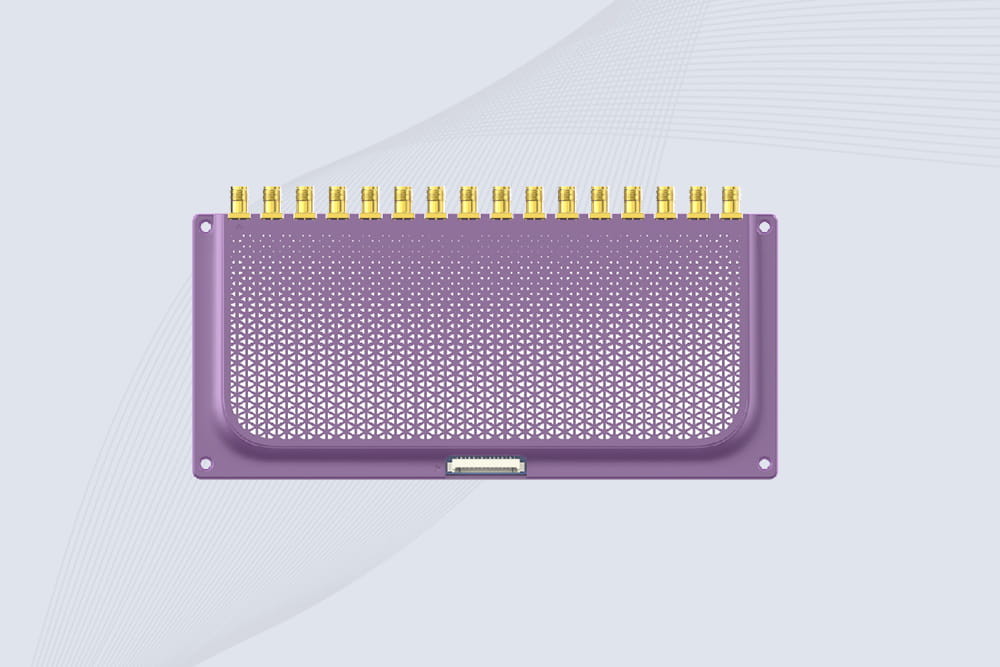
The CYKEO CYKEO-M16L RFID Reader Module is a 16-channel UHF RFID core designed for dense tag environments. With adjustable 33dBm output, multi-protocol support, and stable multi-antenna control, this RFID Tag Reader Module fits industrial automation, warehouse systems, and large-scale IoT deployments.
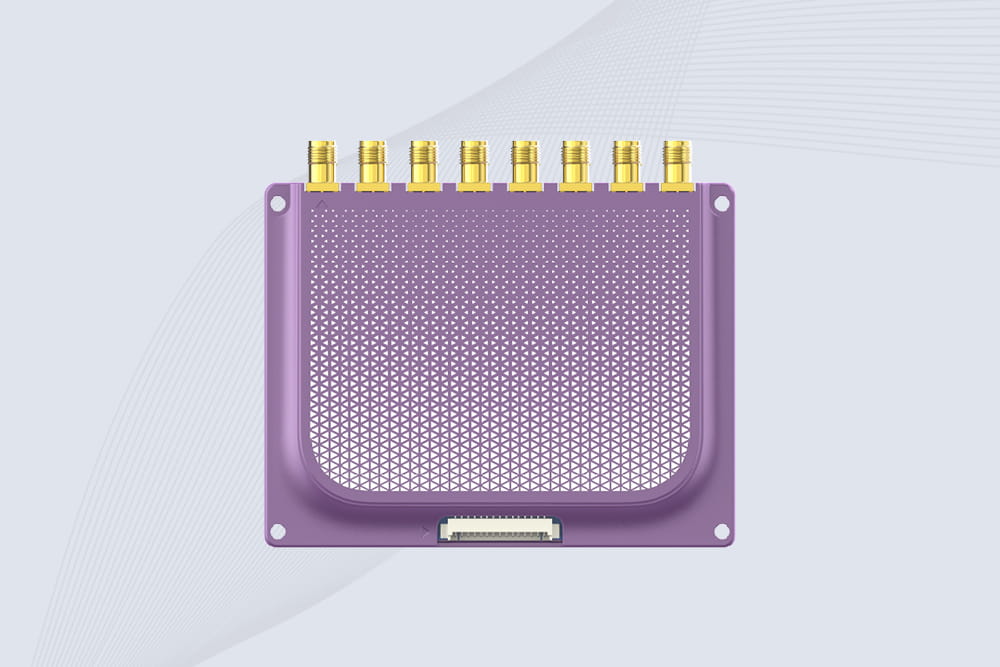
CYKEO CYKEO-M8L module RFID is a compact industrial UHF module built for dense tag and multi-antenna environments. With 8 RF ports, adjustable 33 dBm output, and ISO & GB protocol support, it is widely used in factories, warehouses, and automated tracking systems.
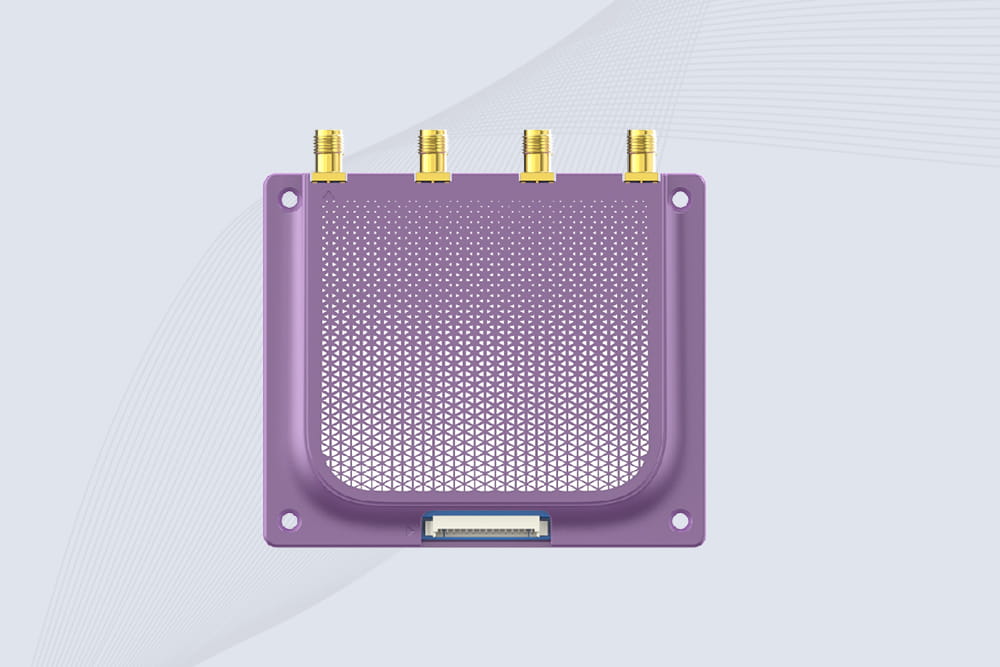
CYKEOCYKEO-M4L UHF RFID Module is a compact 4-channel RFID tag reader module designed for dense tag environments. Supporting ISO and GB protocols, it delivers stable reads up to 10 meters for industrial and IoT systems.
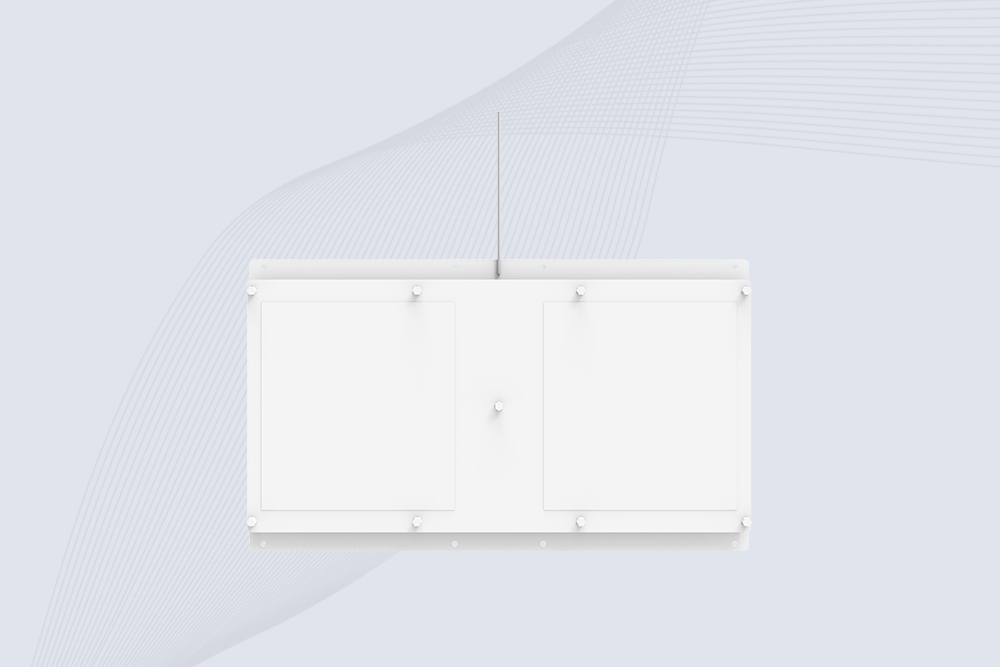
Cykeo CYKEO-A11 UHF RFID reader antenna delivers 11dBi gain, 840-960MHz frequency range, and IP65 ruggedness for retail, logistics, and industrial RFID systems. Features low VSWR and easy installation.
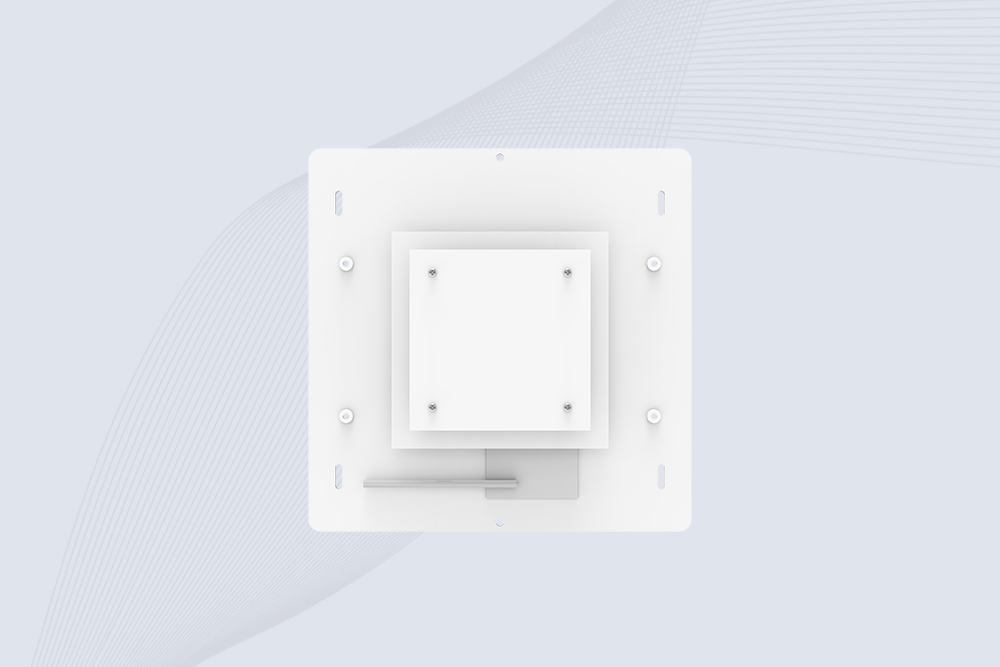
CYKEO Antenna RFID Reader delivers stable long-range UHF performance with a 10.5dBi directional design, built for warehouses, conveyor portals, and industrial RFID systems. This rfid reader antenna provides 20m+ read distance and rugged IP67 protection.

Cykeo CYKEO-PHF3 industrial HF RFID Antenna offers 24-point dynamic tracking, ISO 14443A/15693 protocols, metal-environment stability for archives/libraries/manufacturing.

Cykeo CYKEO-A5B industrial Linear RFID Antenna delivers 5dBi gain, ≤1.5:1 VSWR, and IP65 rugged design for warehouse, production line, and logistics UHF systems.

Cykeo’s CYKEO-B12 Long Range RFID Antenna delivers 15m+ read range with 12dBi gain, IP65 rugged design, and global 840-960MHz UHF support. Ideal for warehouse/logistics asset tracking.
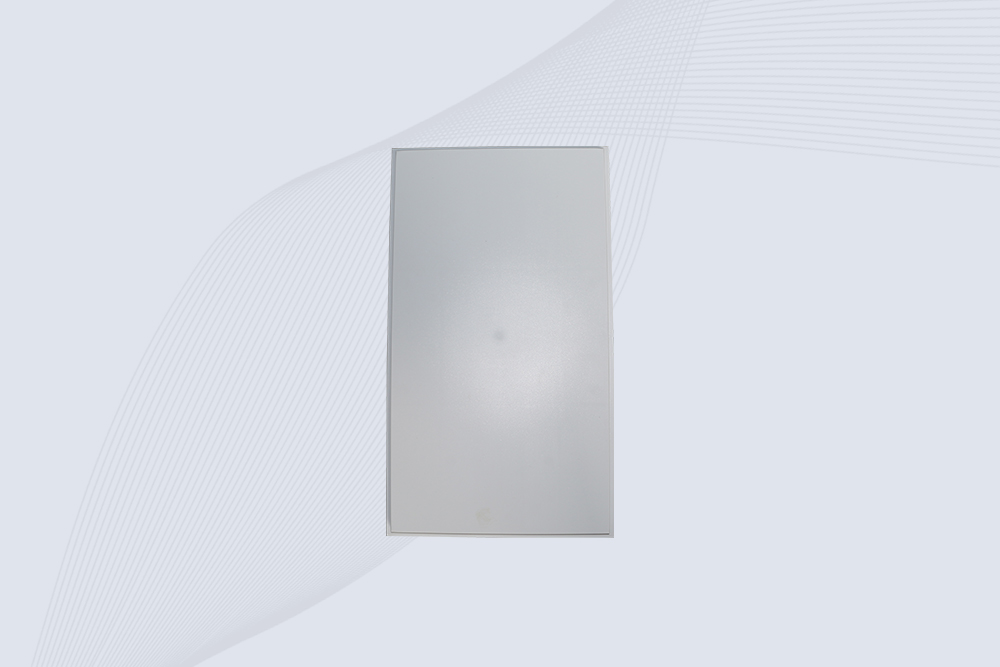
Cykeo CYKEO-B10 Long Distance RFID Antenna offers 10dBi gain, 840-960MHz frequency range, IP65 rating, and 20m+ coverage for logistics/warehousing/ETC systems. Low VSWR ensures stable signal transmission.
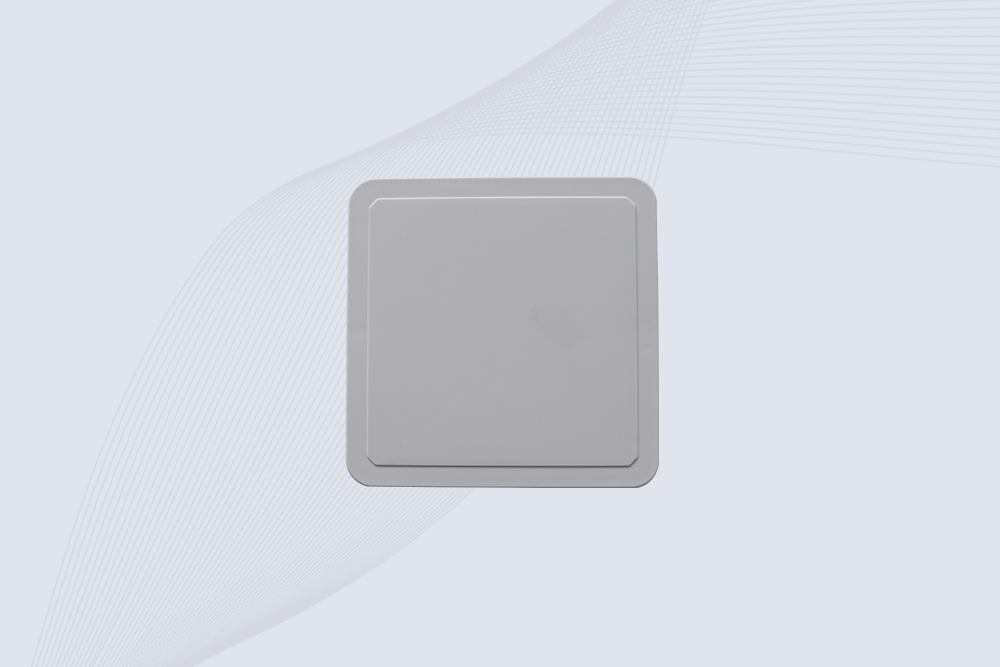
Cykeo CYKEO-A6 UHF RFID panel antenna features 6dBi gain, 840-960MHz broadband, IP65 metal-ready housing for logistics/smart retail. 18mm ultra-thin design with tool-free mounting.

Cykeo CK-A3 industrial antenna RFID UHF offers 5m+ tag detection, ≤1.3:1 VSWR, IP65 rugged design, and global UHF spectrum compatibility (840-960MHz) for warehouses, factories, and retail.
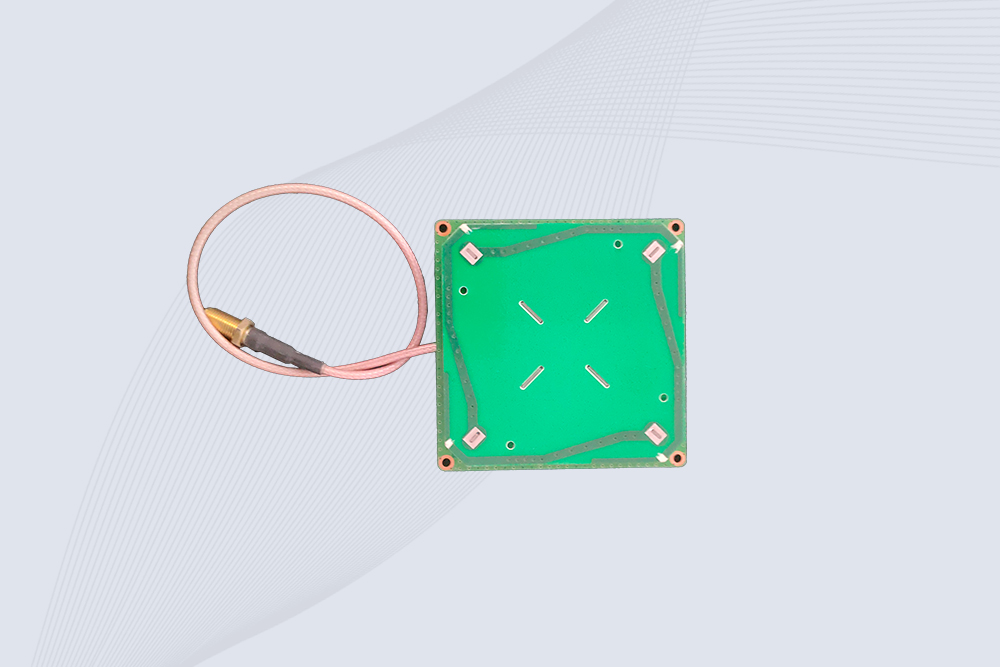
Cykeo CYKEO-B5 directional RFID antenna provides 5dBi gain with 60° narrow beamwidth for precise inventory tracking. IP65-rated, global UHF frequency support, and low VSWR.
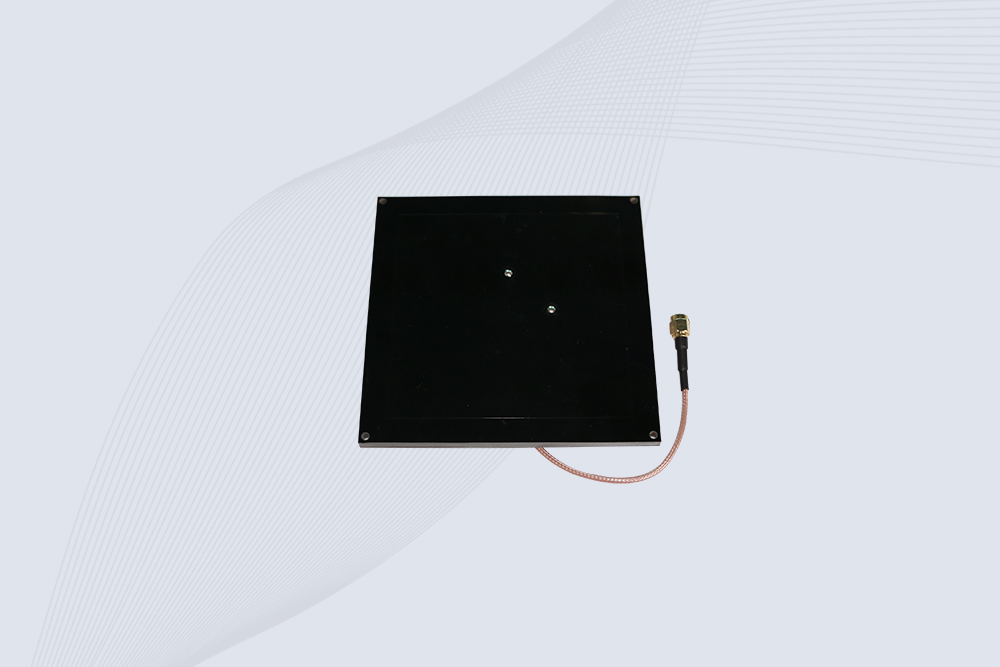
Create your own high-performance DIY RFID antenna! 5dBi gain, 840-960MHz tunable, step-by-step guides. Compatible with Arduino, Raspberry Pi, and commercial UHF readers.
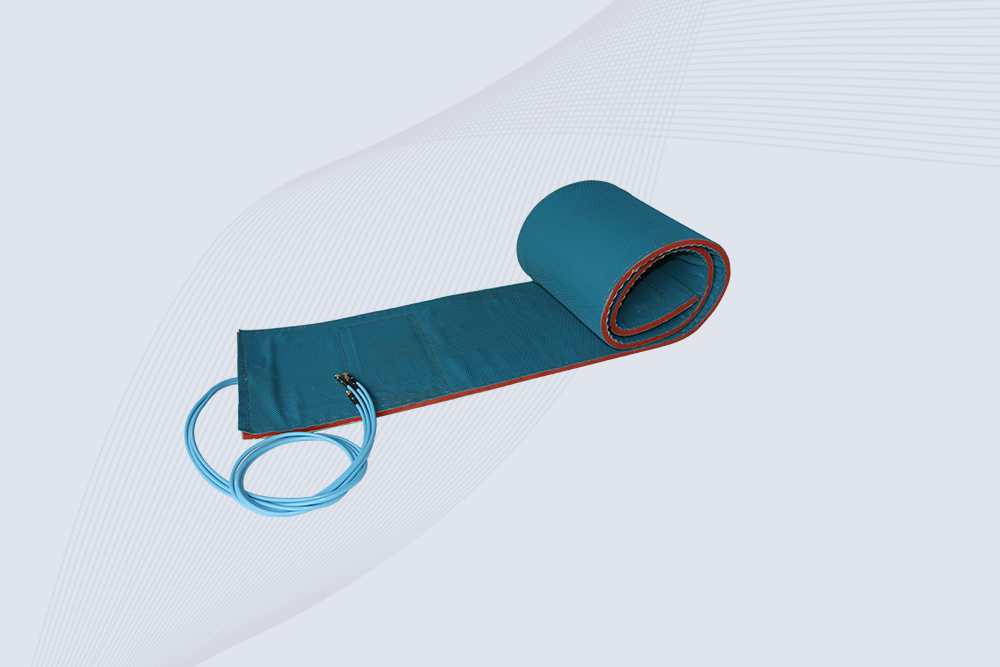
Cykeo CYKEO-A7 Flexible RFID Antenna features 840-960MHz wideband tuning, 7dBi gain, and IP68 rating for medical/retail/industrial curved surface deployments. 98% read accuracy with peel-and-stick installation.
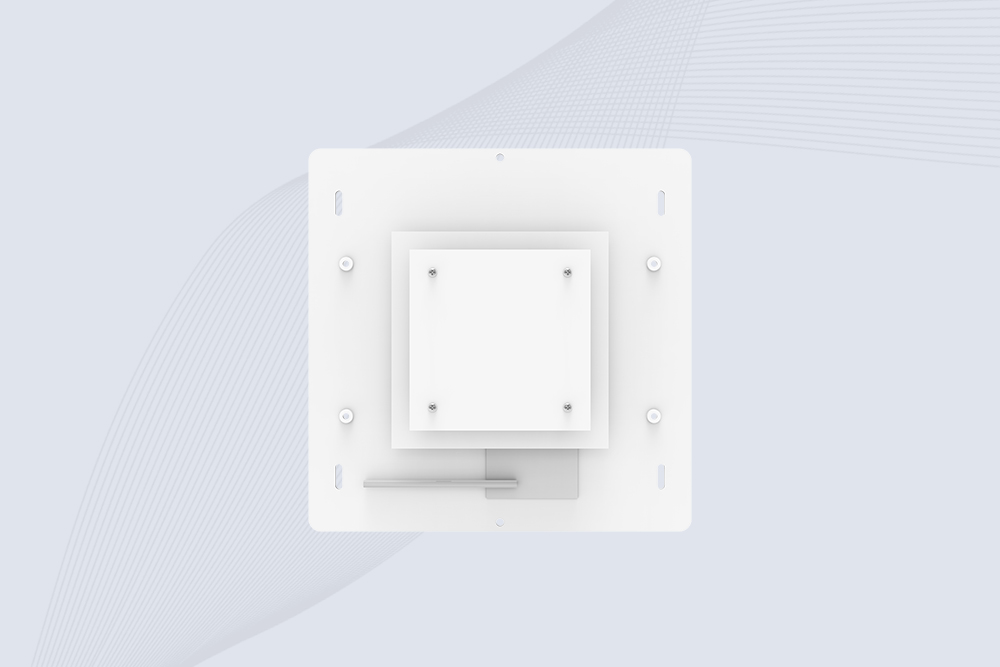
Cykeo CYKEO-B5A industrial Passive RFID Antenna delivers 5dBi gain, 70° beamwidth, and -40°C~55°C operation for warehouses/smart cabinets. Compatible with Zebra/Impinj readers.
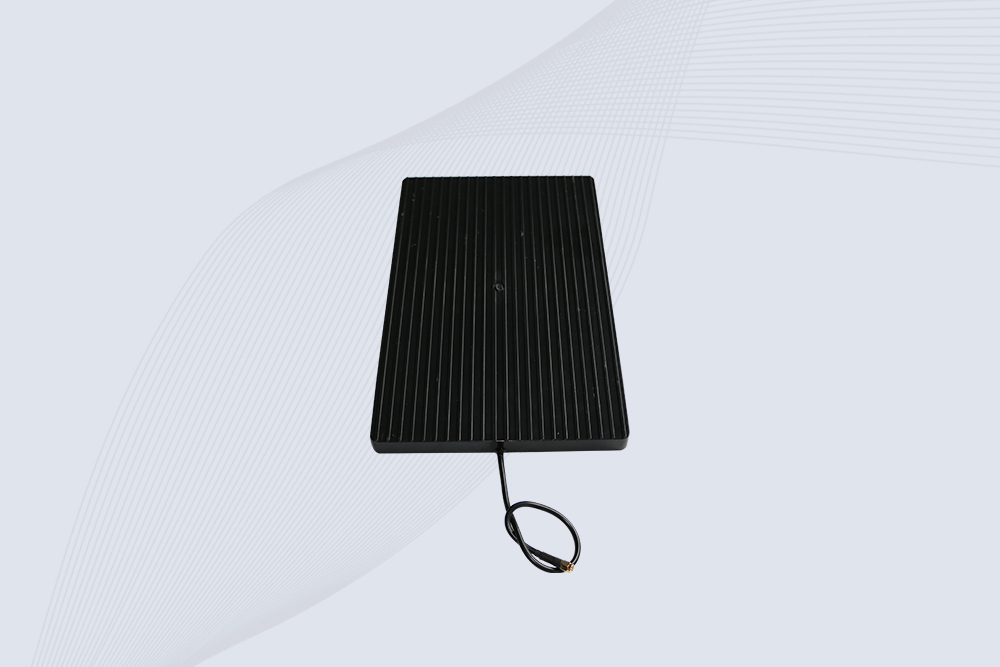
Cykeo’s CYKEO-A9B High Gain RFID Antenna delivers 15m+ read range with 9dBi amplification. Features IP54 rugged design, 840-960MHz bandwidth, and 80° beamwidth for warehouse/manufacturing RFID systems.

Cykeo’s enterprise-grade 8dbi Impinj RFID Antenna 10m+ read range with 840-960MHz tuning. Features IP65 housing, 1.4 VSWR, 35° beamwidth for retail/warehouse RFID systems.
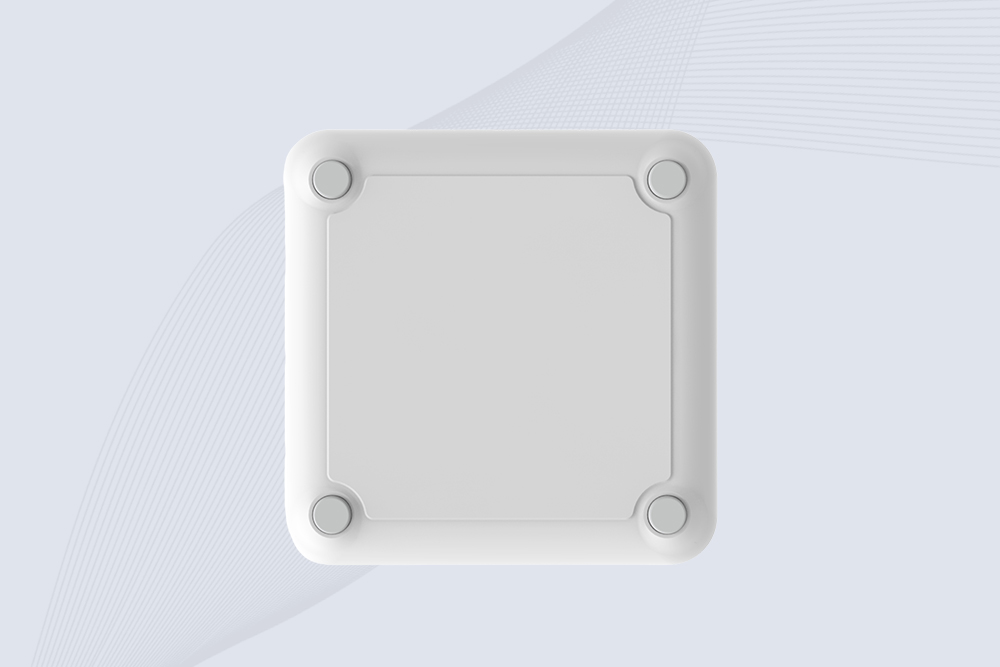
Cykeo CYKEO-A9 industrial UHF RFID antenna delivers 9dBi gain, 840-960MHz frequency range, and IP65 protection for warehouse/logistics/retail RFID systems. Features N-type connector and ≤1.3:1 VSWR.
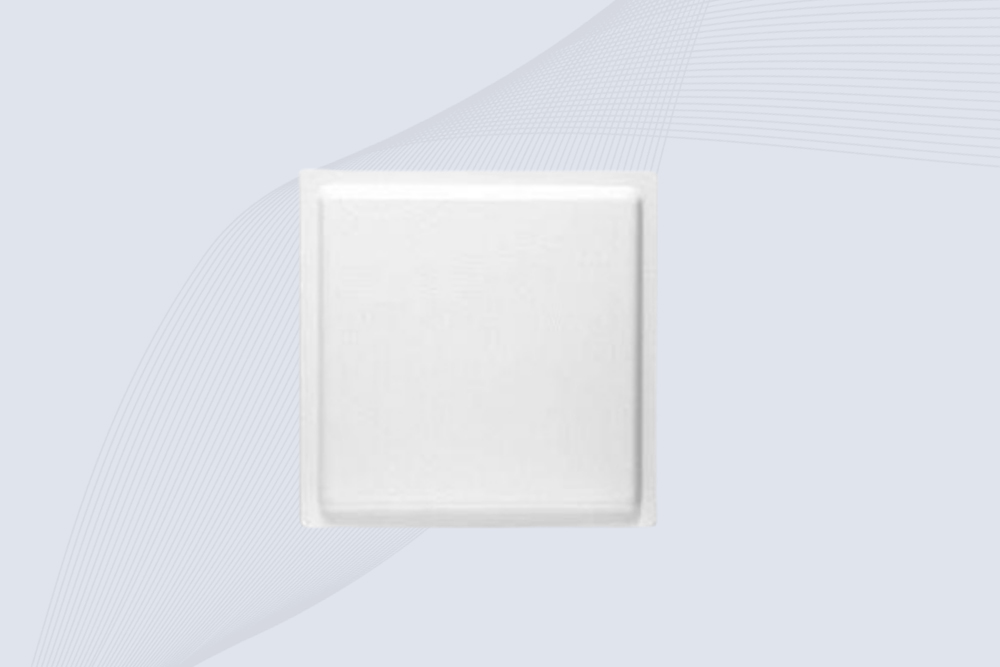
CYKEO UHF RFID Antenna built for long-distance and industrial applications. This antenna rfid uhf delivers strong gain, outdoor durability, and reliable tag performance in warehouses, yards, and vehicle ID systems.
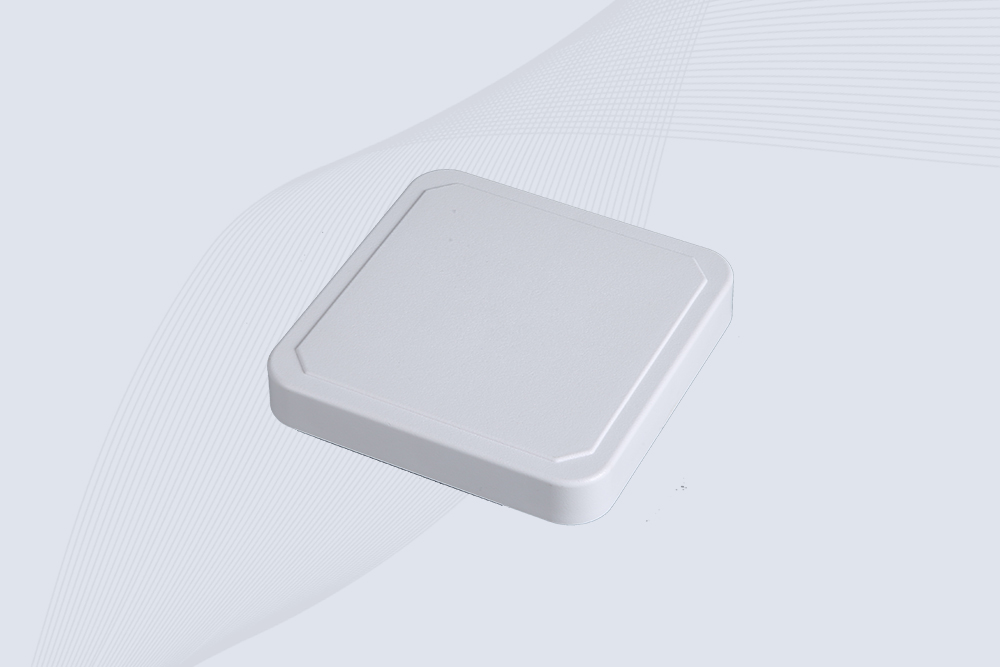
CYKEO Antenna RFID delivers reliable long-range UHF performance in warehouses, retail shelves, and cold-chain environments. This compact uhf rfid antenna provides stable reads with circular polarization and ultra-wide 840–960 MHz support, ideal for industrial tracking, smart shelves, and asset monitoring.
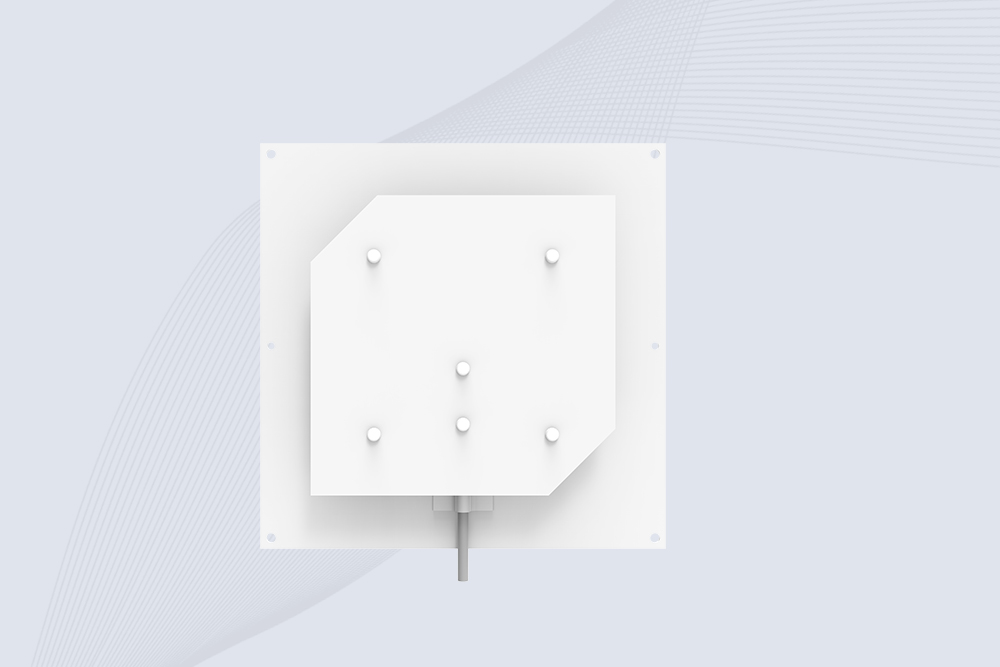
Cykeo’s CYKEO-C8 UHF RFID antennas delivers 8dBi gain, 840-960MHz full-band coverage, and IP65 ruggedness for manufacturing/warehouse RFID systems. Industrial RFID Antennas Features
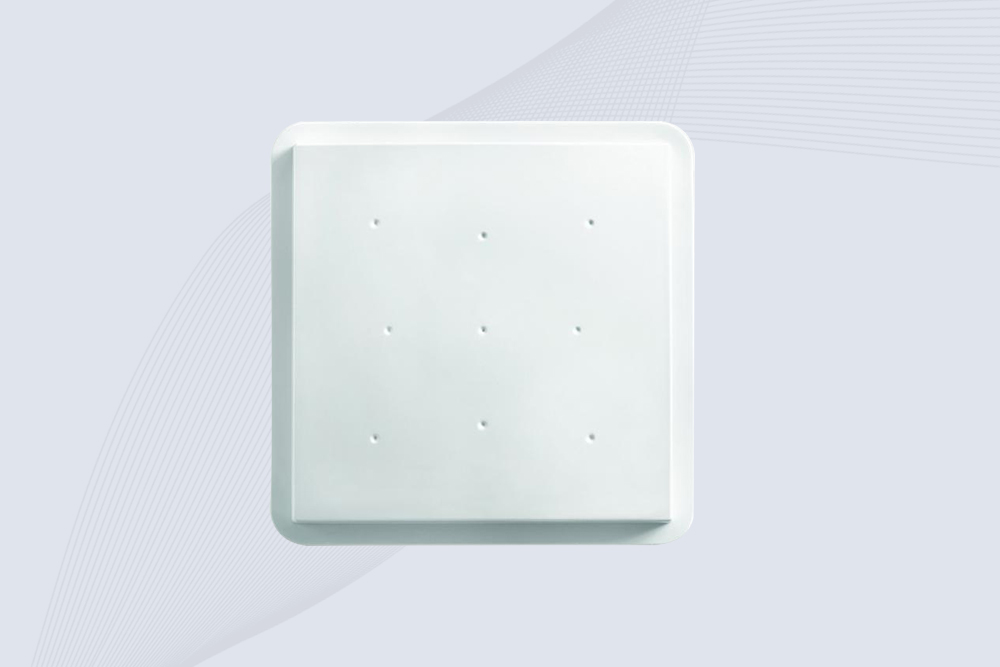
Cykeo’s 8dBi UHF RFID antenna and reader kit delivers 10m+ range, 840-960MHz broadband, and IP65 ruggedness for factories, warehouses, and logistics. ISO 18000-6C & EPC Gen2 certified.
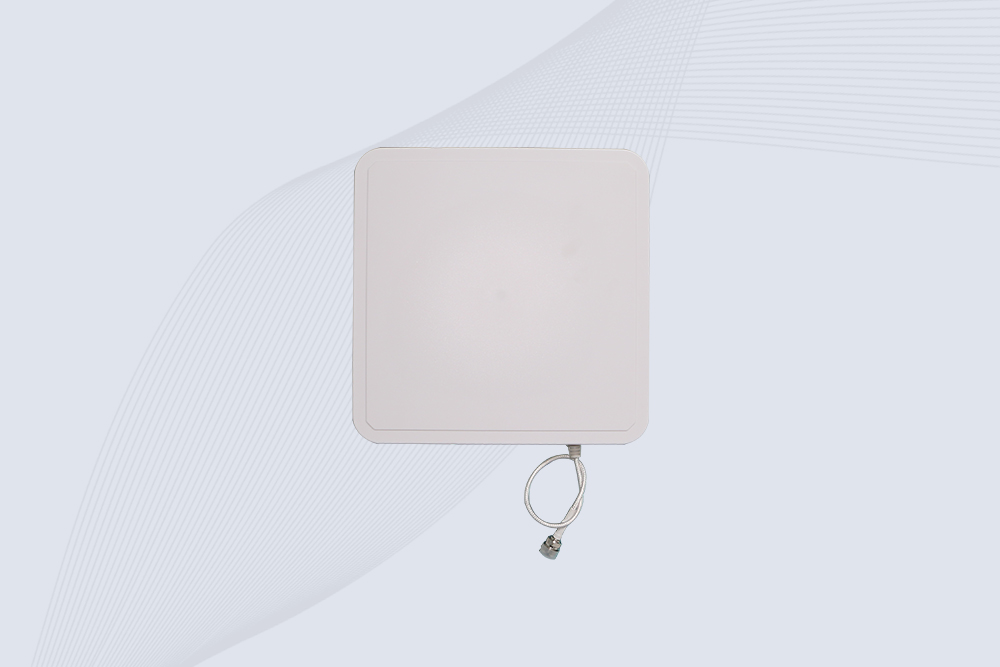
Cykeo CYKEO-A9A industrial UHF RFID reader and antenna kit delivers 10m range, 500 tags/sec, IP65 ruggedness for manufacturing/logistics. Supports EPC Gen2, ISO18000-6C.
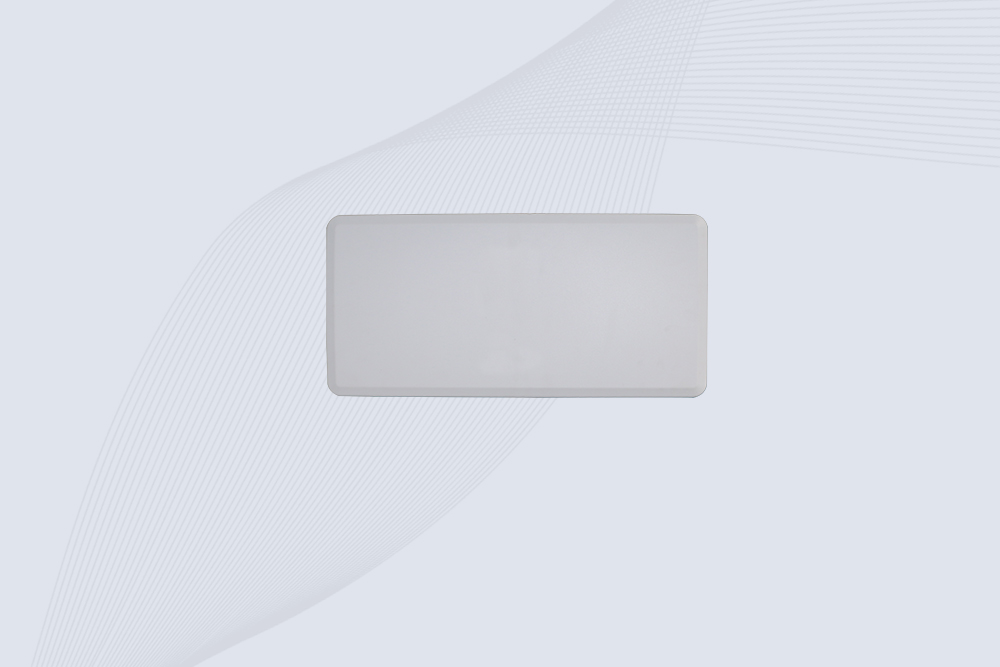
Cykeo’s CYKEO-A12C UHF Large RFID Antenna delivers 12dBi gain, 840-960MHz global frequency, IP65 ruggedness for logistics/warehousing/automotive. 40° beamwidth ensures stable 15m+ tag reads.

CYKEO Near Field RFID Antenna provides precise 5–30 cm reading for shelves, cabinets, and workstations. This compact rfid shelf antenna delivers stable short-range performance around metal and clutter, ideal for pharmacies, libraries, and electronics sorting.
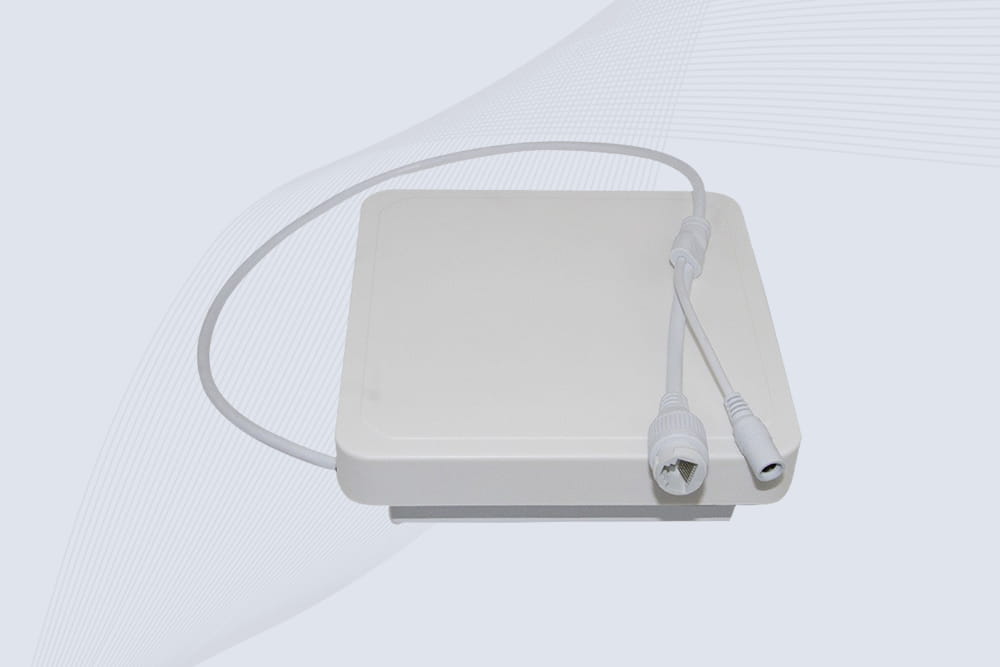
Cykeo’s industrial long range RFID reader delivers 20-meter scanning, 500+ tags/sec speed, and IP67 waterproof design for automated warehouses, logistics, and harsh environment applications.
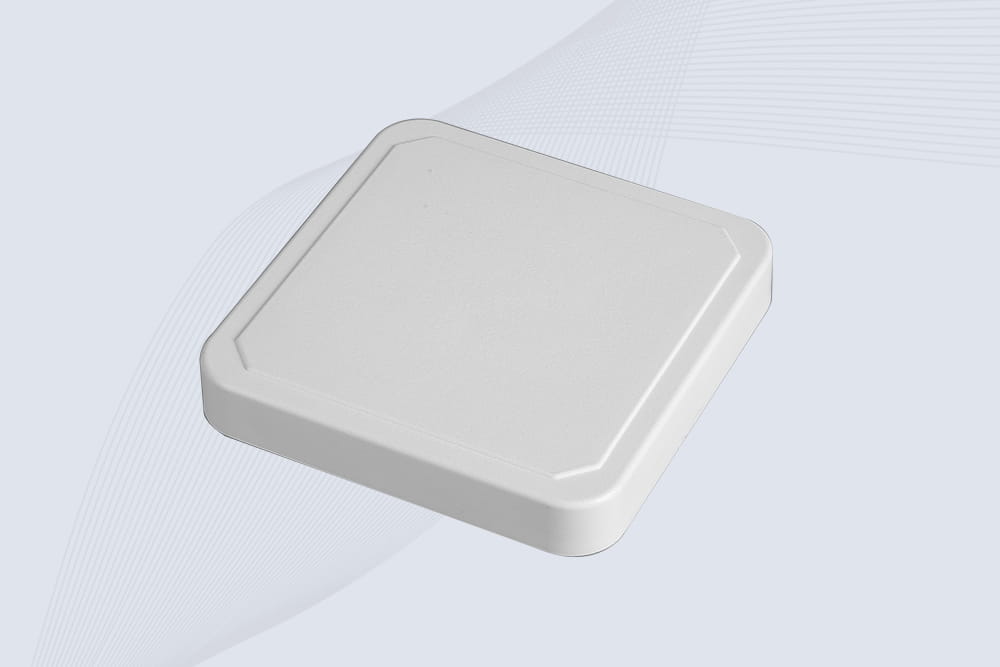
Cykeo’s CYKEO-RA6L industrial RFID long range reader features 20m read distance, 500 tags/sec speed, and IP67 protection. Ideal for warehouse automation, manufacturing WIP tracking, and smart logistics. Supports ISO 18000-6C/6B protocols.
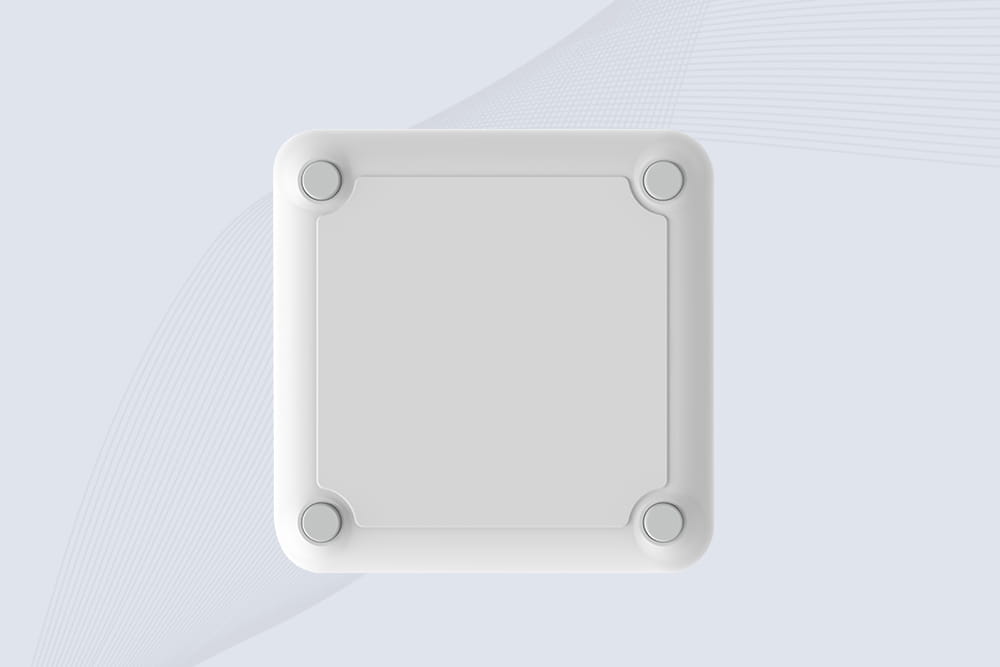
CYKEO Long Range RFID Tag Reader built for outdoor and industrial operations. This Outdoor RFID Reader delivers 20m read distance, fast tag processing, and IP67 durability for wide-area tracking.
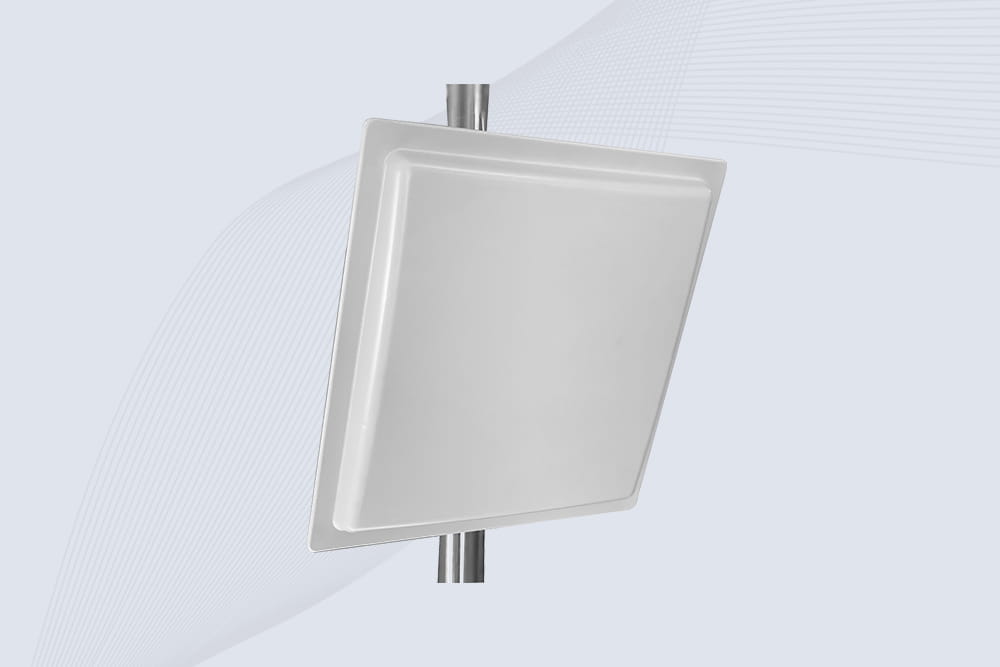
Cykeo CYKEO-RA12L industrial Long Range RFID Reader delivers 20m read range, 200+ tags/sec scanning, and IP67 protection for manufacturing/logistics applications. Supports ISO 18000-6C/GB protocols.
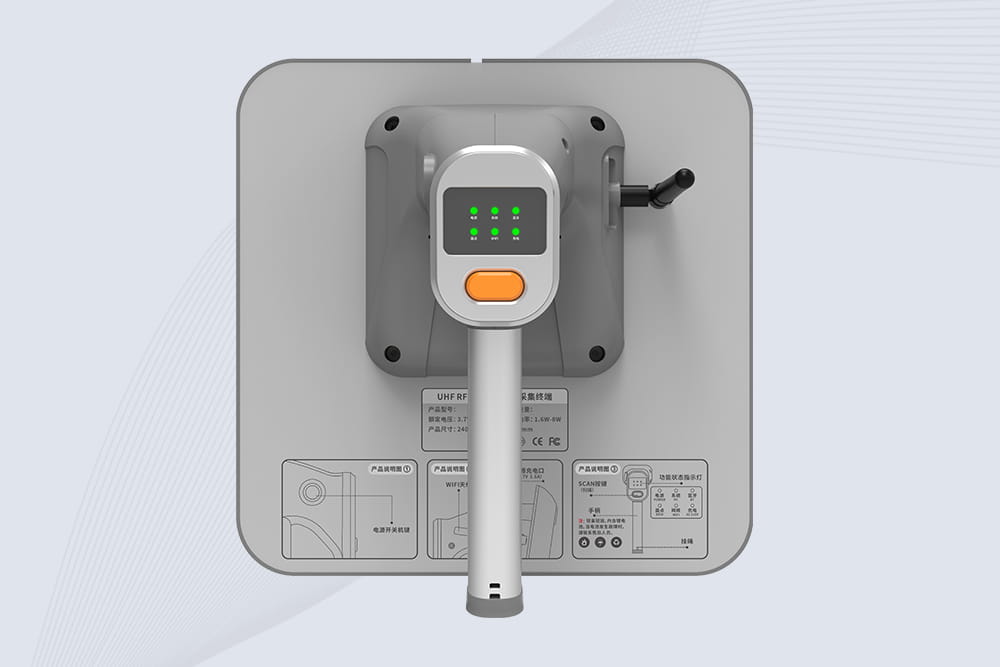
Cykeo CYKEO-B9 UHF Bluetooth handheld RFID scanner features 12m UHF range, 200+ tags/sec scanning, IP67 rugged design for retail/warehouse/pharma. Supports Android SDK & real-time Bluetooth 5.0 transmission.
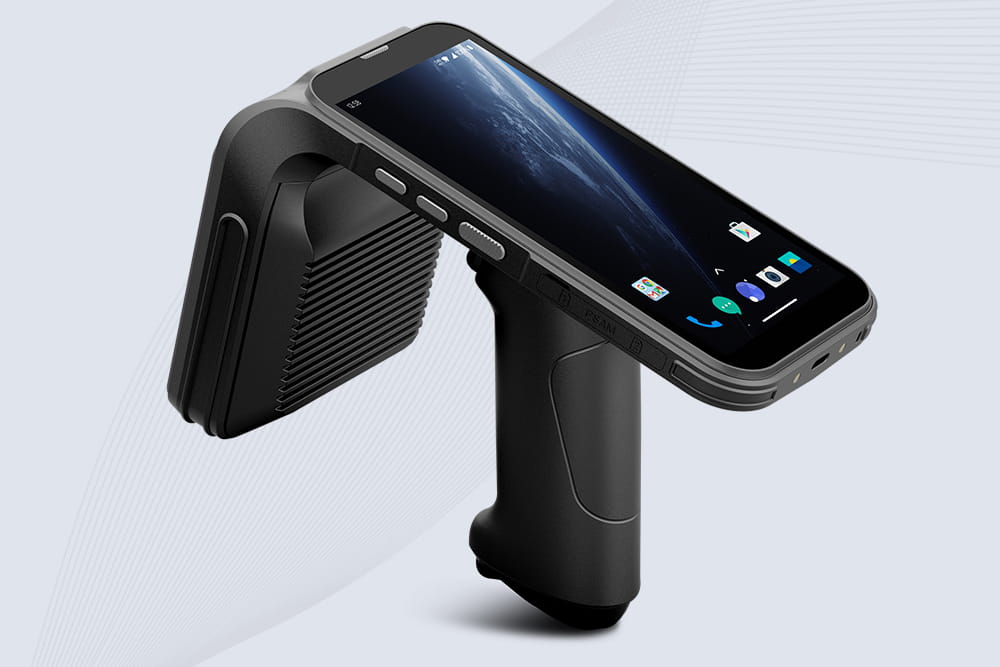
Cykeo CYKEO-B4 UHF Handheld RFID Reader scanner delivers 1300 tags/sec reading, 30m UHF range, and 12-hour battery life. IP65 rugged design with barcode/NFC/ID scanning for retail/manufacturing/logistics.
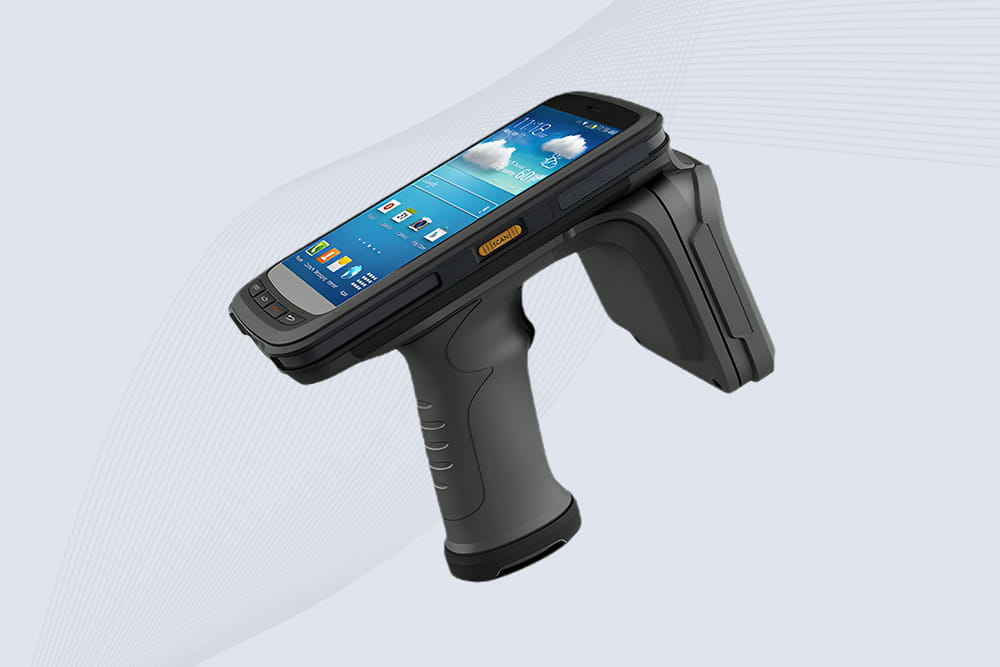
Cykeo CYKEO-B2 industrial UHF RFID handheld offers 10m range, 500 tags/sec scanning, Android 11 OS, and IP65 rugged design for retail/warehouse/manufacturing.
Professional guide to long range RFID for solution providers, covering rfid reader performance, industrial selection, and real deployment considerations
More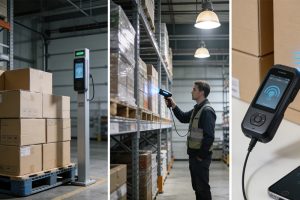
Learn how different types of RFID readers work, including fixed RFID readers, handheld RFID readers, and portable RFID scanners. Discover their features, applications, and how to choose the right RFID reader for your business.
More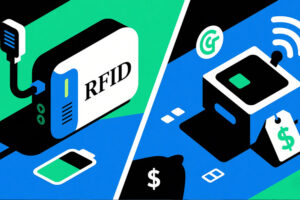
Understand the differences between active and passive long-range RFID readers. Learn how to select the best option for your needs with Cykeo’s expert guidance.
More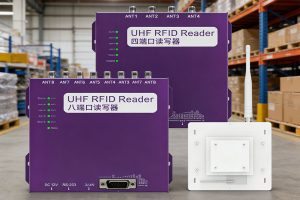
best RFID reader to pair with the CK-A10A 10dBi antenna,Check out my top picks for Cykeorfid readers that give you better range, accuracy, and overall performance — tested in real-world environments.
More