 Cykeo RFID IoT Solution Products R&D Manufacturer
What is rfid reader handheld and common applications
67Explore how rfid reader handheld devices improve UHF RFID inventory accuracy, warehouse efficiency, and real-time asset tracking across retail, healthcare, and logistics industries.
MoreAll RFID Product
For RFID solution providers, long range RFID is no longer just a “nice-to-have” feature. In real projects—warehouses, factories, yards, gated facilities, or industrial asset tracking—it often becomes the backbone of automation efficiency. The challenge isn’t whether long range RFID works, but how to make it work reliably in the field.
This article pulls together hands-on experience, performance fundamentals, and industrial selection logic, while referencing proven resources and products that solution providers can directly use in system design.
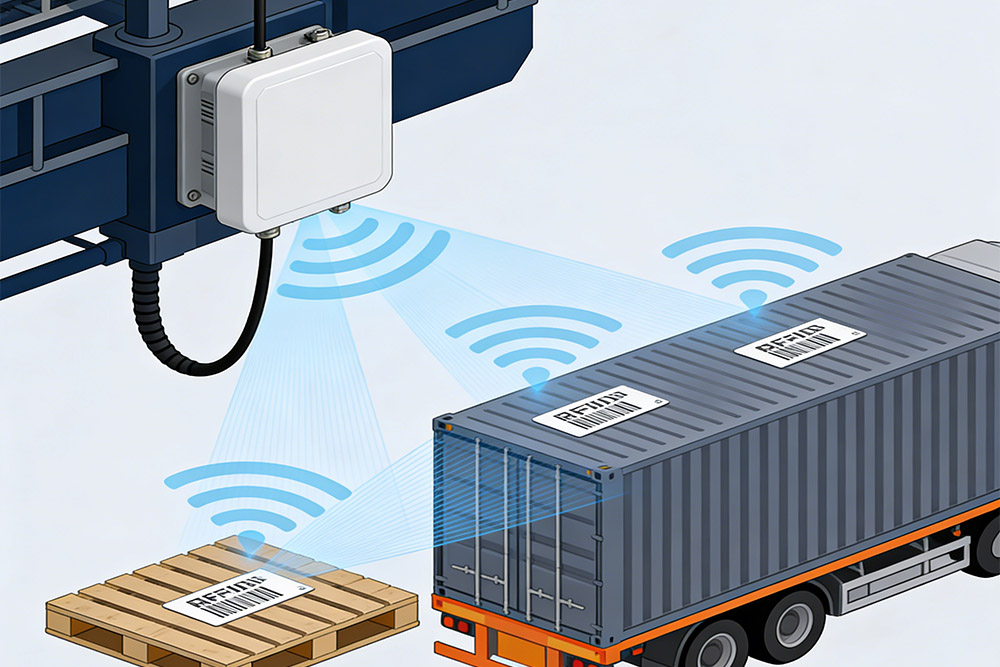
In practice, long range RFID usually refers to UHF RFID systems operating in the 860–960 MHz band, where reading distances can reach 10–20 meters or more, depending on configuration and environment.
But distance alone doesn’t define success. As discussed in Long Range RFID Reader: Hands-On Experience and Tips, many early-stage projects fail not because of the reader itself, but because of underestimated factors like antenna orientation, tag polarization, and surrounding materials.
For solution providers, “long range” should be interpreted as:
Many engineers start by testing long range RFID using modules or development boards. This phase is useful—but limited.
According to the hands-on insights shared in Long Range RFID Reader: Hands-On Experience and Tips, typical issues during early testing include:
These problems usually trace back to antenna gain, matching, and placement, rather than the RF chip itself.
Once projects move toward production, solution providers generally shift to industrial-grade long range RFID readers, where enclosure design, RF shielding, and interface stability matter just as much as raw RF power.
Before finalizing system architecture, it’s critical to understand what truly affects read performance. RFID Reader Performance breaks this down clearly.
Key influencing factors include:
Higher RF power helps, but compliance with regional regulations (FCC, CE, etc.) defines the real ceiling.
A 12 dBi directional antenna can dramatically extend distance—but at the cost of coverage width. This tradeoff must match the application layout.
Even high-quality UHF tags behave very differently depending on mounting surface, orientation, and polarization alignment.
Metal structures, liquid materials, reflections, and other RF devices often matter more than datasheet specs.
For solution providers, these variables should be evaluated together—not in isolation.
When systems scale up, reader selection becomes strategic. What Are the Best Long Range RFID Readers for Industrial Asset Tracking outlines why industrial deployments demand more than basic read distance.
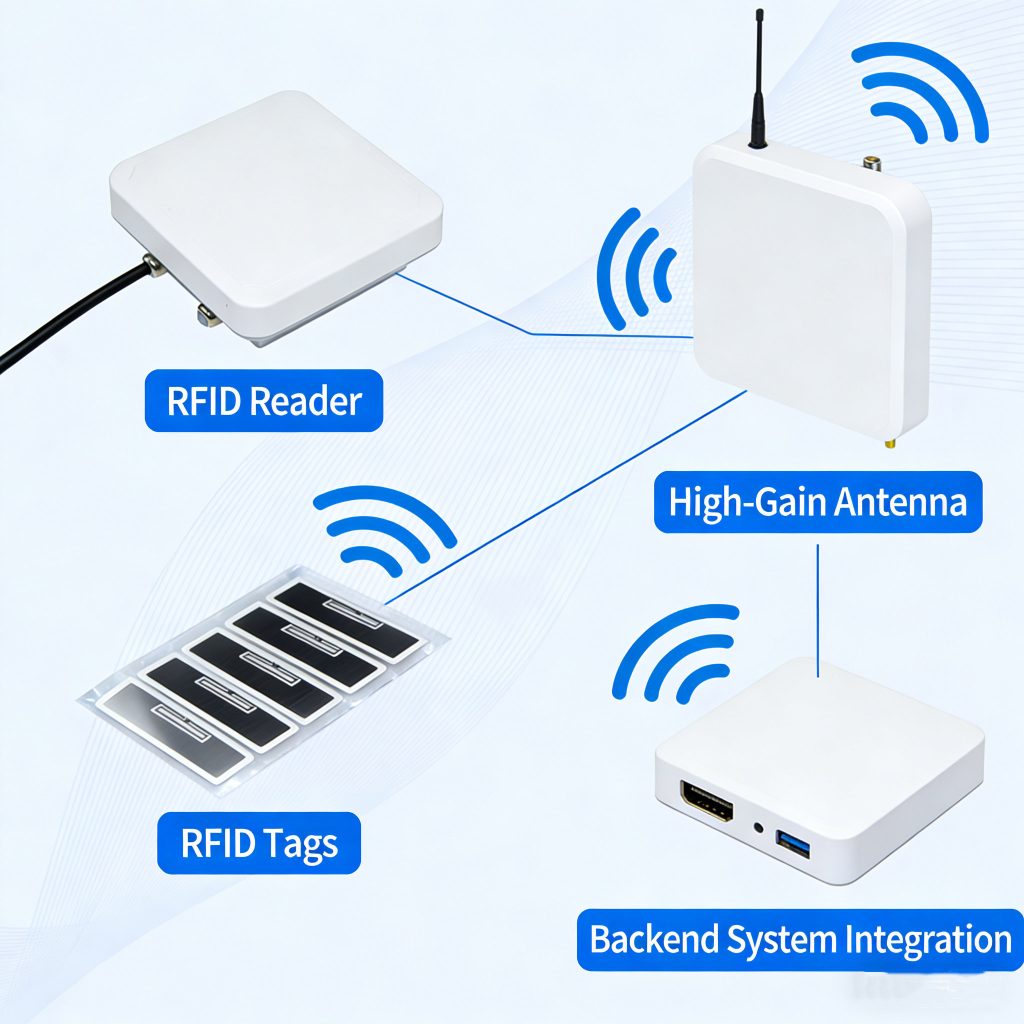
Read range and multi-tag throughput
Industrial UHF readers must handle dense tag populations without collision issues.
Mechanical durability and protection level
IP-rated enclosures and vibration resistance are essential for factories, docks, and outdoor sites.
System integration capability
Ethernet, PoE, REST APIs, SDK support, and compatibility with WMS, MES, or ERP systems directly affect project delivery speed.
Long-term stability and maintainability
Downtime costs money. Reliable firmware and remote management support are not optional.
For solution providers preparing proposals or system documentation, it’s useful to reference concrete hardware options.
The Long Range RFID Reader product series offers multiple antenna gain configurations (4 dBi, 6 dBi, 9 dBi, 12 dBi), making it easier to match readers to different layouts such as:
Linking product specifications directly within solution documentation also helps align technical design with procurement expectations.
Based on real deployment experience and the referenced materials:
These steps reduce redesign cycles and improve client satisfaction.
For RFID solution providers, long range RFID is less about pushing distance limits and more about engineering predictable, stable systems. By understanding performance fundamentals, choosing industrial-grade readers, and aligning hardware with system architecture, long range RFID becomes a reliable tool rather than a deployment risk.
For RFID solution providers, long range RFID is no longer just a “nice-to-have” feature. In real projects—warehouses, factories, yards, gated facilities, or industrial asset tracking—it often becomes the backbone of automation efficiency. The challenge isn’t whether long range RFID works, but how to make it work reliably in the field.
This article pulls together hands-on experience, performance fundamentals, and industrial selection logic, while referencing proven resources and products that solution providers can directly use in system design.
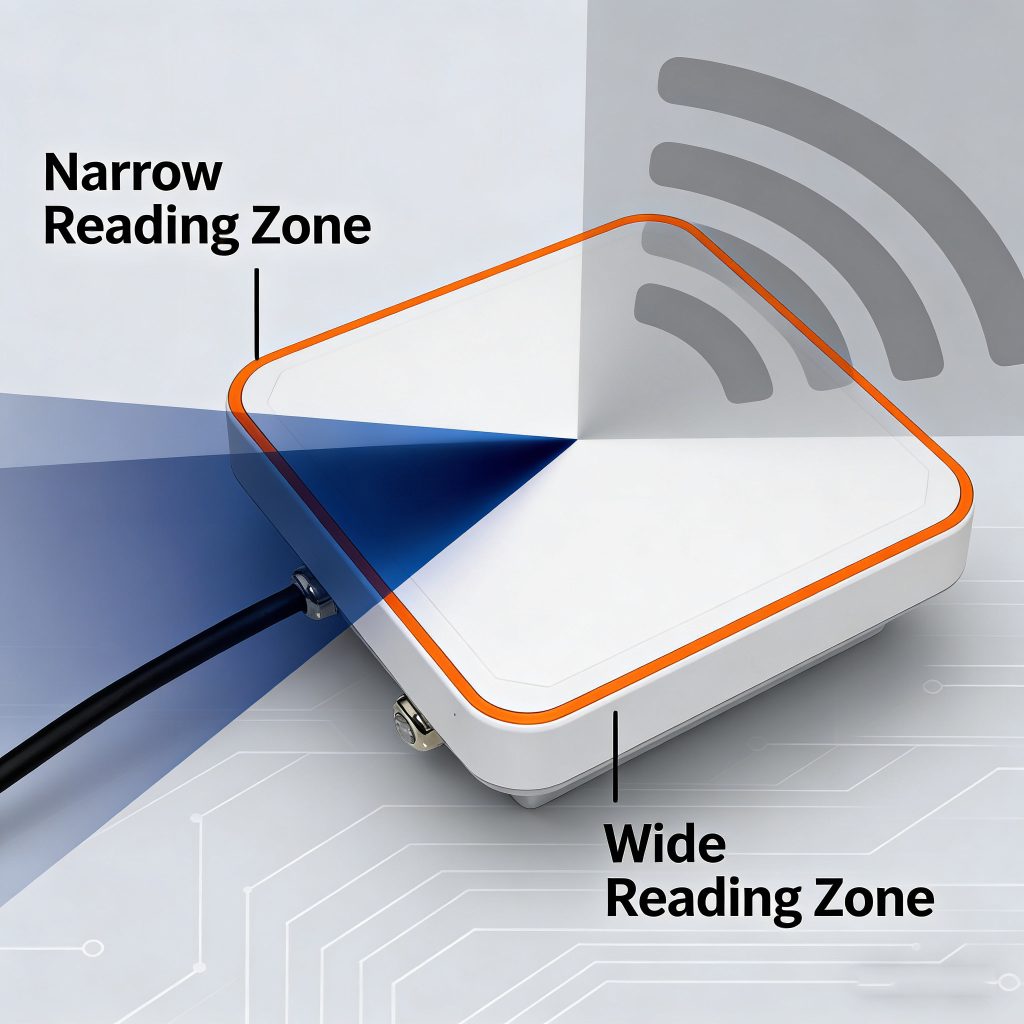
In practice, long range RFID usually refers to UHF RFID systems operating in the 860–960 MHz band, where reading distances can reach 10–20 meters or more, depending on configuration and environment.
But distance alone doesn’t define success. As discussed in Long Range RFID Reader: Hands-On Experience and Tips, many early-stage projects fail not because of the reader itself, but because of underestimated factors like antenna orientation, tag polarization, and surrounding materials.
For solution providers, “long range” should be interpreted as:
Many engineers start by testing long range RFID using modules or development boards. This phase is useful—but limited.
According to the hands-on insights shared in Long Range RFID Reader: Hands-On Experience and Tips, typical issues during early testing include:
These problems usually trace back to antenna gain, matching, and placement, rather than the RF chip itself.
Once projects move toward production, solution providers generally shift to industrial-grade long range RFID readers, where enclosure design, RF shielding, and interface stability matter just as much as raw RF power.
Before finalizing system architecture, it’s critical to understand what truly affects read performance. RFID Reader Performance breaks this down clearly.
Key influencing factors include:
Higher RF power helps, but compliance with regional regulations (FCC, CE, etc.) defines the real ceiling.
A 12 dBi directional antenna can dramatically extend distance—but at the cost of coverage width. This tradeoff must match the application layout.
Even high-quality UHF tags behave very differently depending on mounting surface, orientation, and polarization alignment.
Metal structures, liquid materials, reflections, and other RF devices often matter more than datasheet specs.
For solution providers, these variables should be evaluated together—not in isolation.
When systems scale up, reader selection becomes strategic. What Are the Best Long Range RFID Readers for Industrial Asset Tracking outlines why industrial deployments demand more than basic read distance.
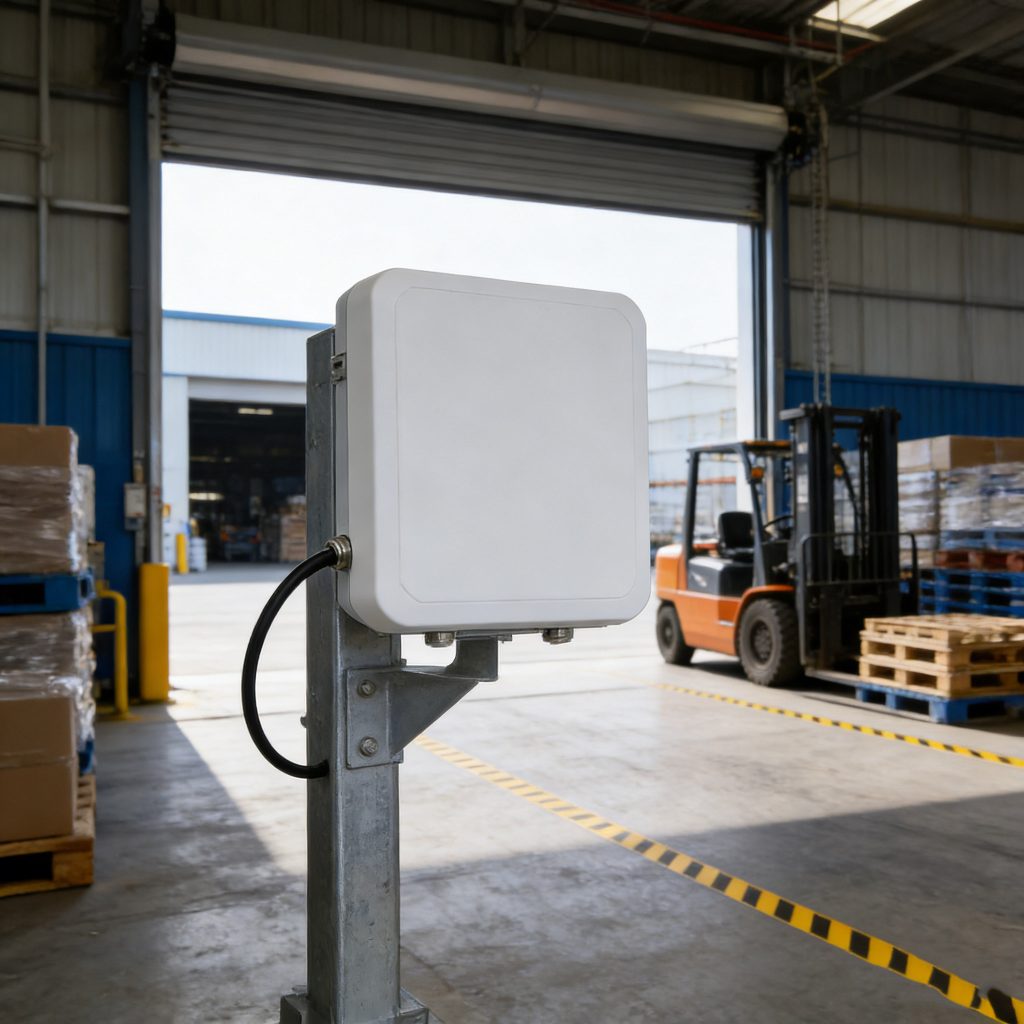
Read range and multi-tag throughput
Industrial UHF readers must handle dense tag populations without collision issues.
Mechanical durability and protection level
IP-rated enclosures and vibration resistance are essential for factories, docks, and outdoor sites.
System integration capability
Ethernet, PoE, REST APIs, SDK support, and compatibility with WMS, MES, or ERP systems directly affect project delivery speed.
✔ Long-term stability and maintainability
Downtime costs money. Reliable firmware and remote management support are not optional.
For solution providers preparing proposals or system documentation, it’s useful to reference concrete hardware options.
The Long Range RFID Reader product series offers multiple antenna gain configurations (4 dBi, 6 dBi, 9 dBi, 12 dBi), making it easier to match readers to different layouts such as:
Linking product specifications directly within solution documentation also helps align technical design with procurement expectations.
Based on real deployment experience and the referenced materials:
These steps reduce redesign cycles and improve client satisfaction.
For RFID solution providers, long range RFID is less about pushing distance limits and more about engineering predictable, stable systems. By understanding performance fundamentals, choosing industrial-grade readers, and aligning hardware with system architecture, long range RFID becomes a reliable tool rather than a deployment risk.
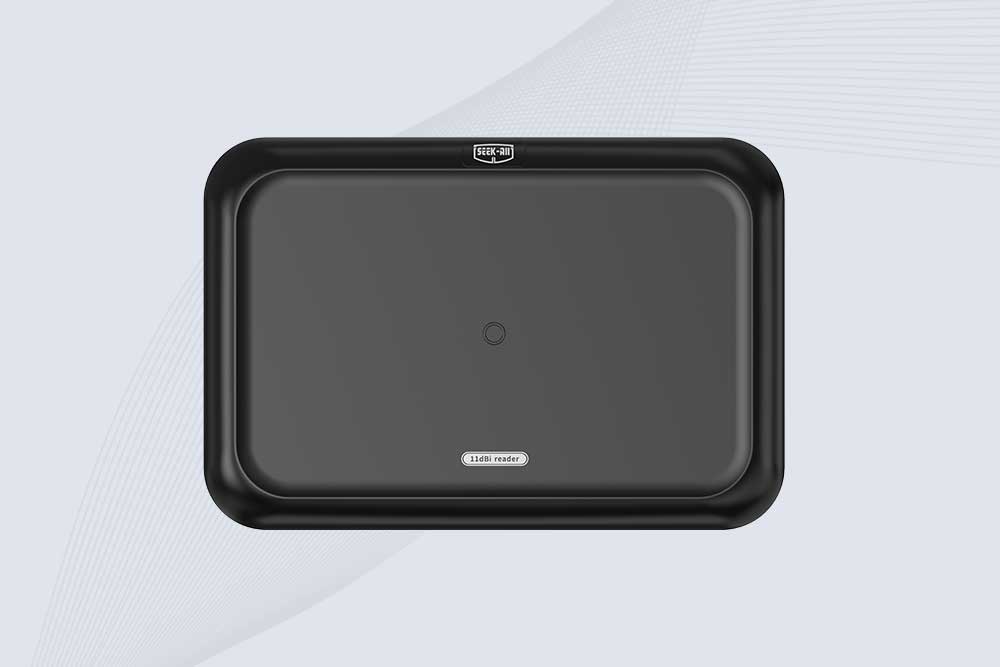
SSD-RA11L is an 11 dBi UHF RFID reader with up to 15m reading distance, 600+ tags/s speed, integrated antenna and flexible connectivity.
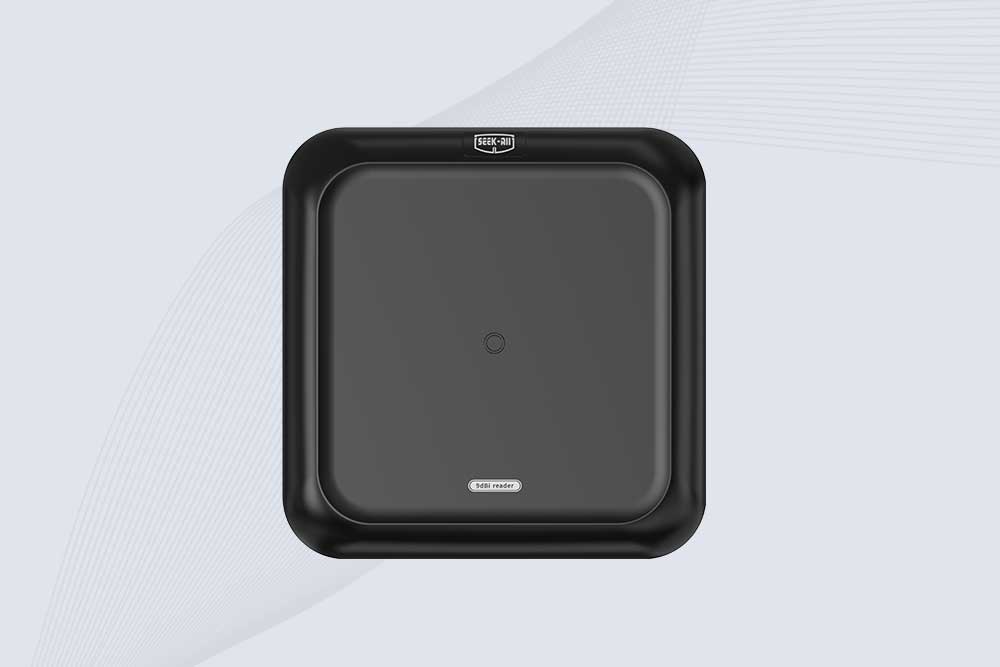
SSD-RA09L is a long range UHF RFID reader with a built-in 9 dBi antenna, 10m reading range, 600+ tags/s speed and flexible interfaces.
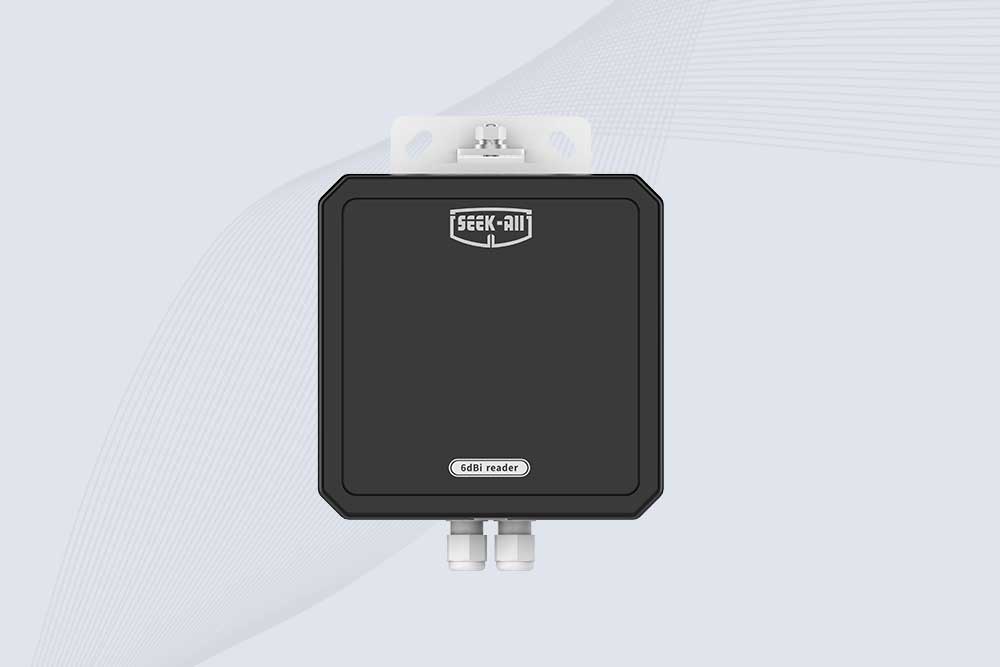
SSD-RA06L is an industrial UHF RFID reader with a built-in 6 dBi antenna, 3 m read range, 600+ tags/s, Ethernet, RS232, and optional Wi-Fi, 4G, and PoE.
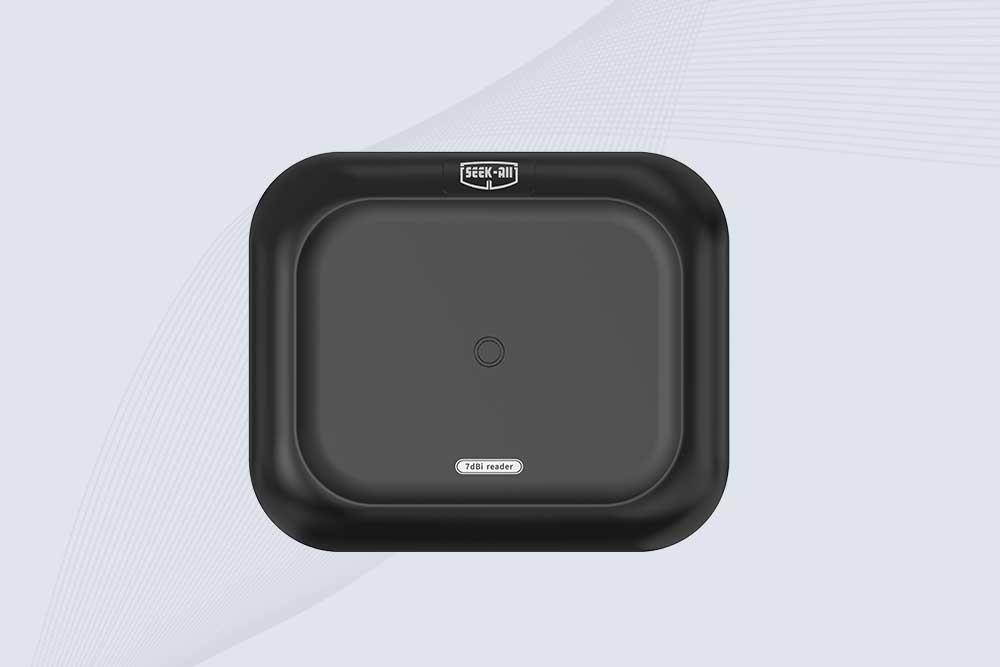
SSD-RA07L industrial UHF RFID reader with integrated 7 dBi antenna, up to 6 m reading distance, over 600 tags/s, Ethernet, RS232, and optional Wi-Fi, 4G, and PoE.
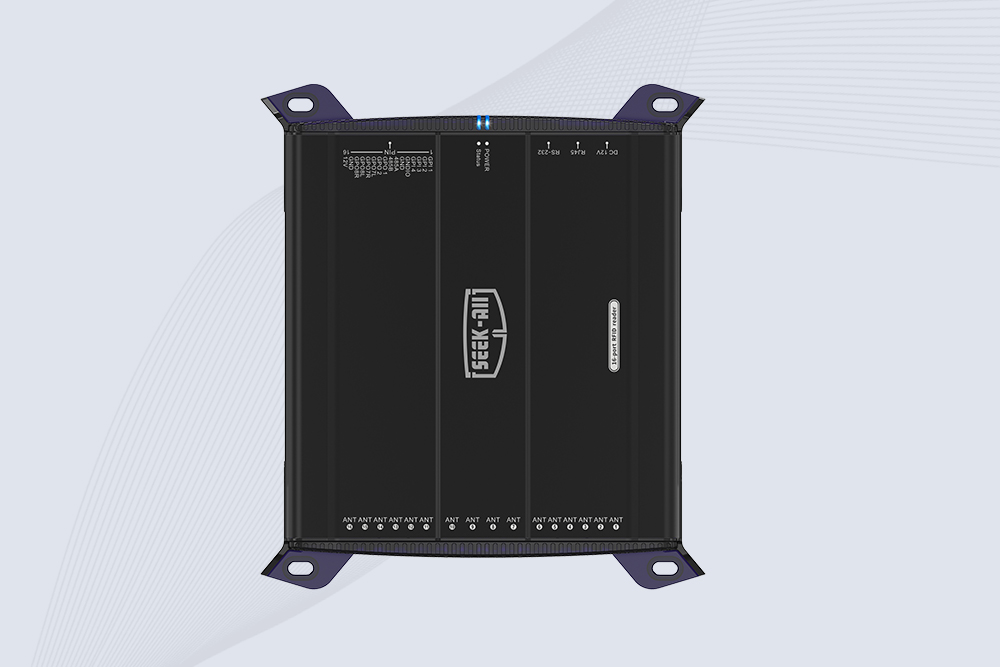
SSD-R16L Multi-Channel RFID Infrastructure for Automated Inventory Management ✔️ 16-Port High-Density RFID Reading Equipped with 16 SMA antenna ports, SSD-R16L supports multi-antenna deployment for warehouses, retail stores, logistics, production lines, and large-area RFID identification. ✔️ High-Speed & Long-Range Performance With up to 33…
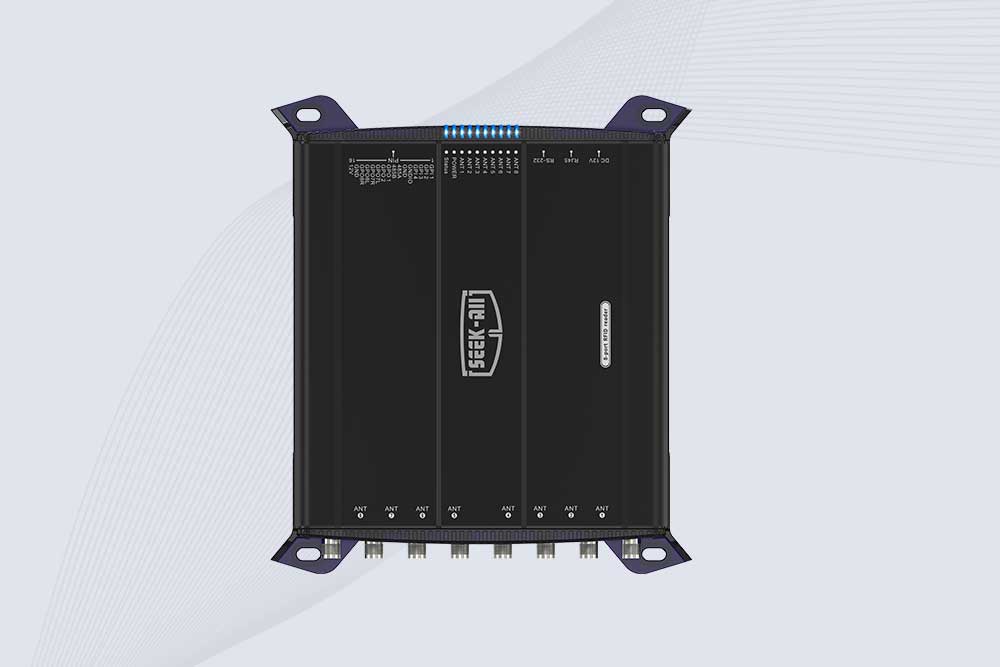
SSD-R8L 8-port UHF RFID reader with 33dBm output, up to 20m reading range and 600+ tags/s recognition. Ideal for warehouse, logistics, retail and asset tracking.
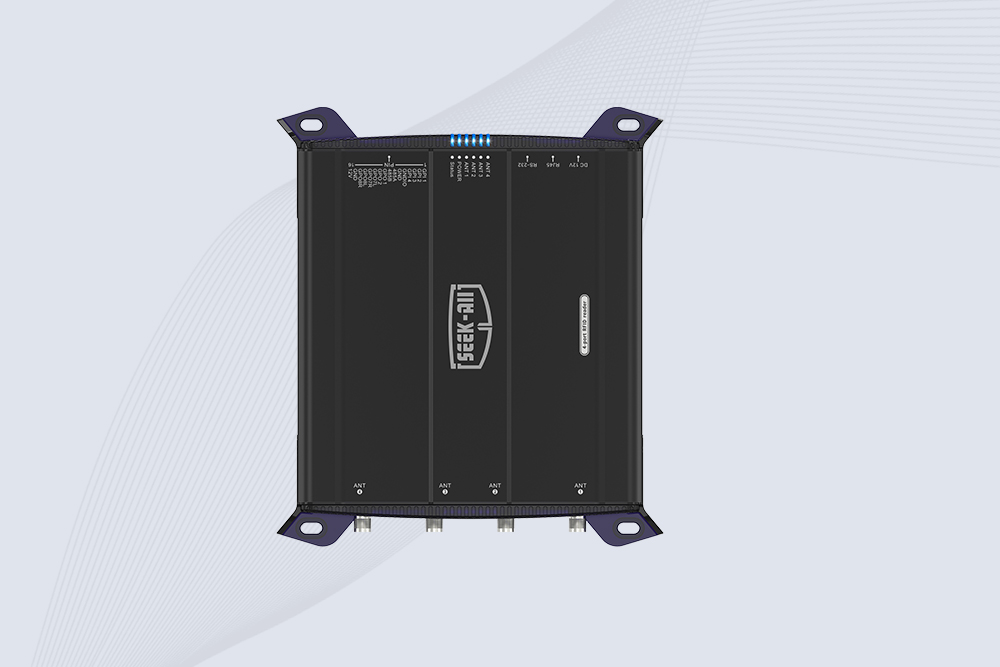
SSD-R4L is a 4-port UHF RFID fixed reader with 33dBm output power, up to 20m reading range, EPC C1G2 support and 600+ tags/s reading speed.
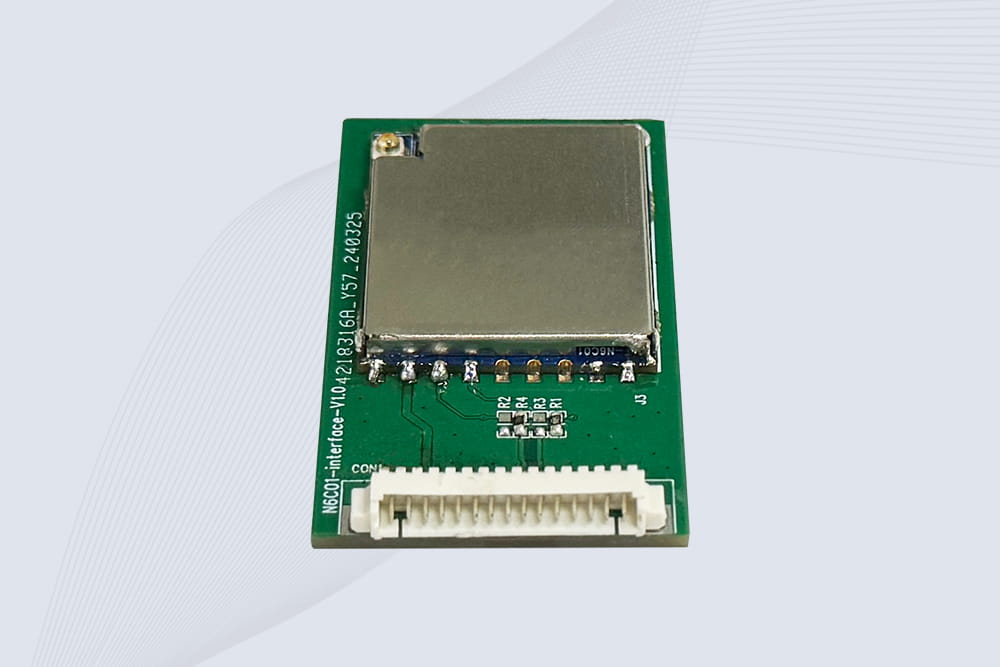
CYKEO Embedded RFID Modules are designed for compact industrial and IoT devices that require stable UHF performance. These UHF RFID Modules support global protocols, flexible power control, and reliable multi-tag reading for smart cabinets, production lines, and asset tracking systems.
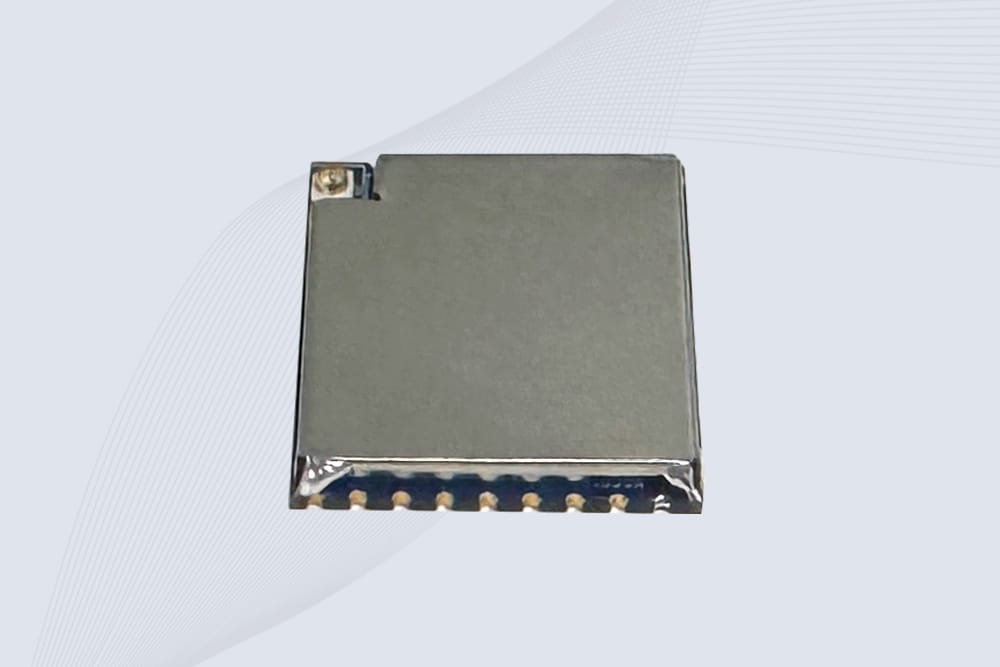
CYKEO Embedded RFID Module is built for compact IoT and industrial devices that need stable UHF performance. This UHF module supports global protocols, low power operation, and reliable multi-tag reading for smart lockers, production lines, and always-on RFID systems.
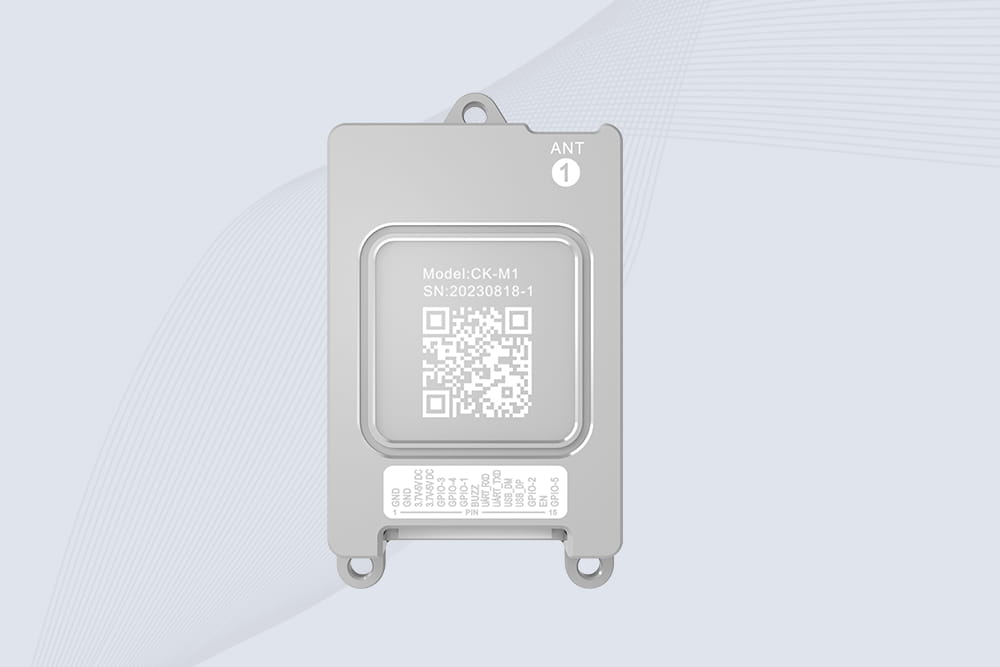
CYKEO CYKEO-M1 drone rfid module is a compact UHF RFID reader module designed for drones and UAV platforms. It supports long-range aerial scanning, fast multi-tag reading, and stable performance in wind, vibration, and outdoor environments.
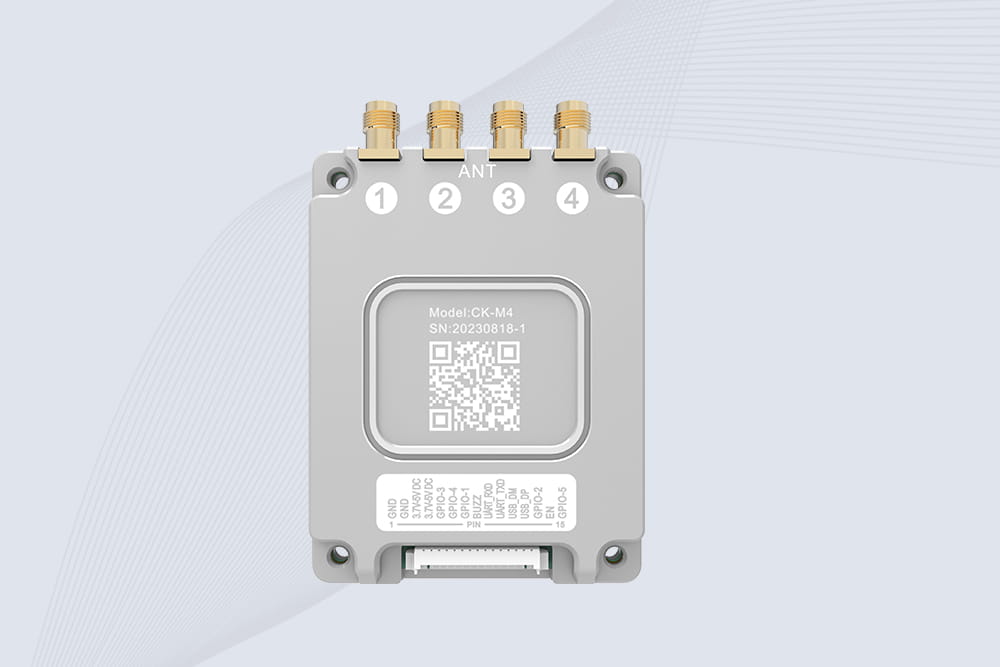
CYKEO CYKEO-M4 RC522 RFID Module is an industrial-grade UHF RFID reader with 4 ports, supporting ISO, EPC, and GB protocols. High-speed, accurate reading for IoT, automation, and warehouse applications.
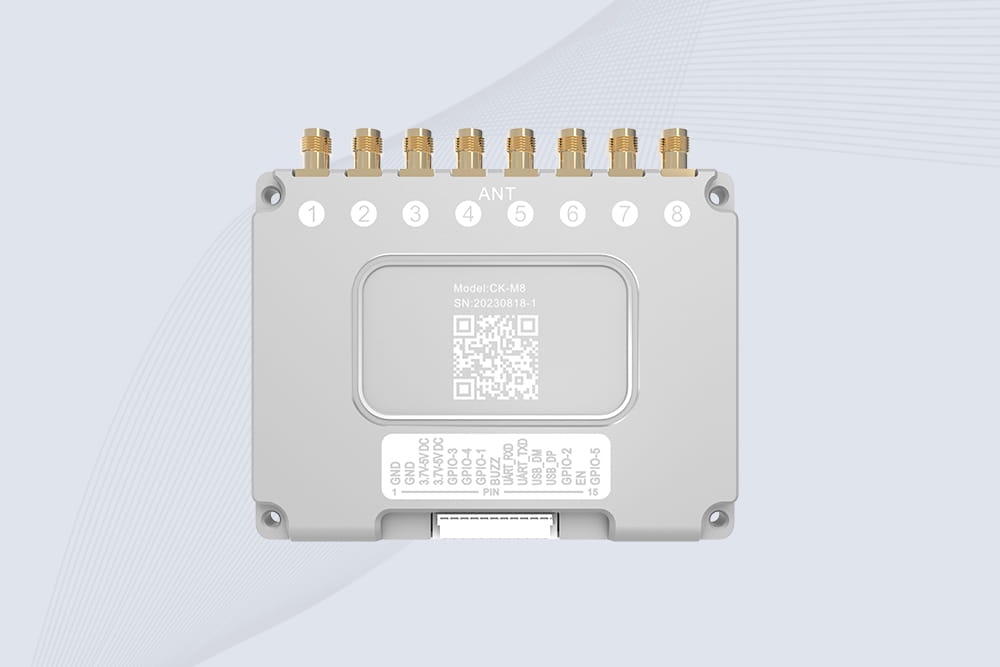
CYKEO CYKEO-M8 Module RFID is an 8-port UHF R2000 RFID Module designed for high-density, multi-tag environments. Stable 33dBm output, ISO & GB protocol support, ideal for warehouses, factories, and automated systems.
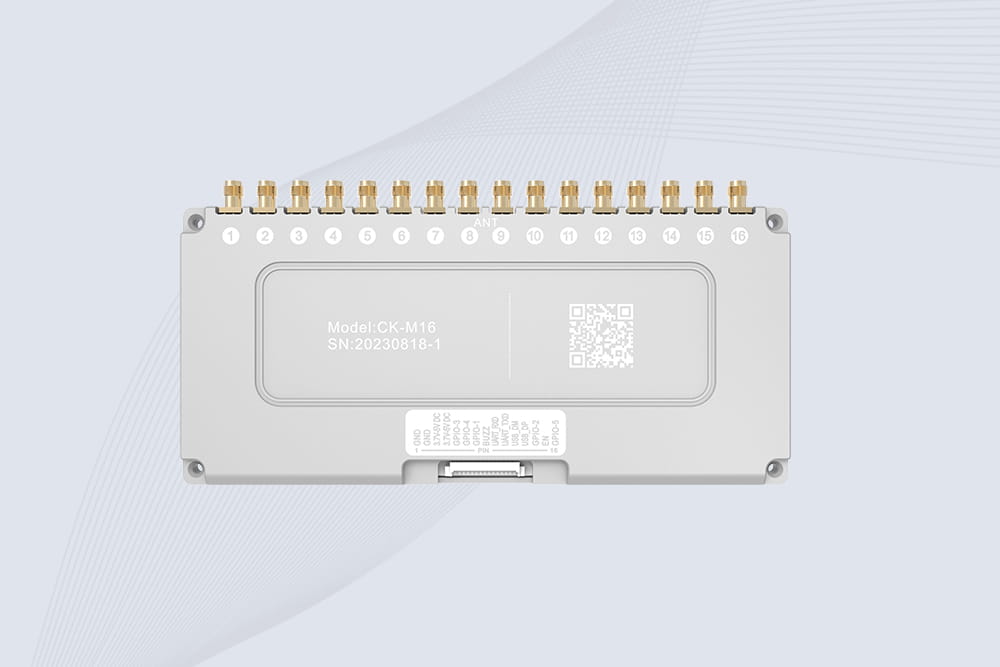
CYKEO CYKEO-M16 RFID Module is a 16-port UHF RFID reader module based on the R2000 chipset. Designed for dense tag environments, it supports ISO and GB standards and delivers stable multi-antenna control for industrial automation.
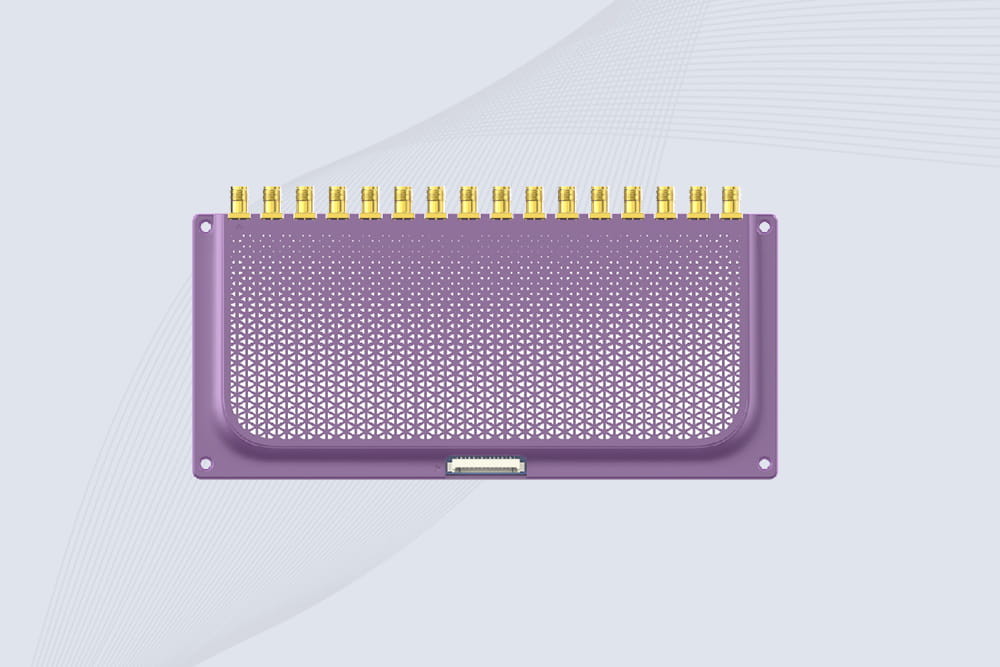
The CYKEO CYKEO-M16L RFID Reader Module is a 16-channel UHF RFID core designed for dense tag environments. With adjustable 33dBm output, multi-protocol support, and stable multi-antenna control, this RFID Tag Reader Module fits industrial automation, warehouse systems, and large-scale IoT deployments.
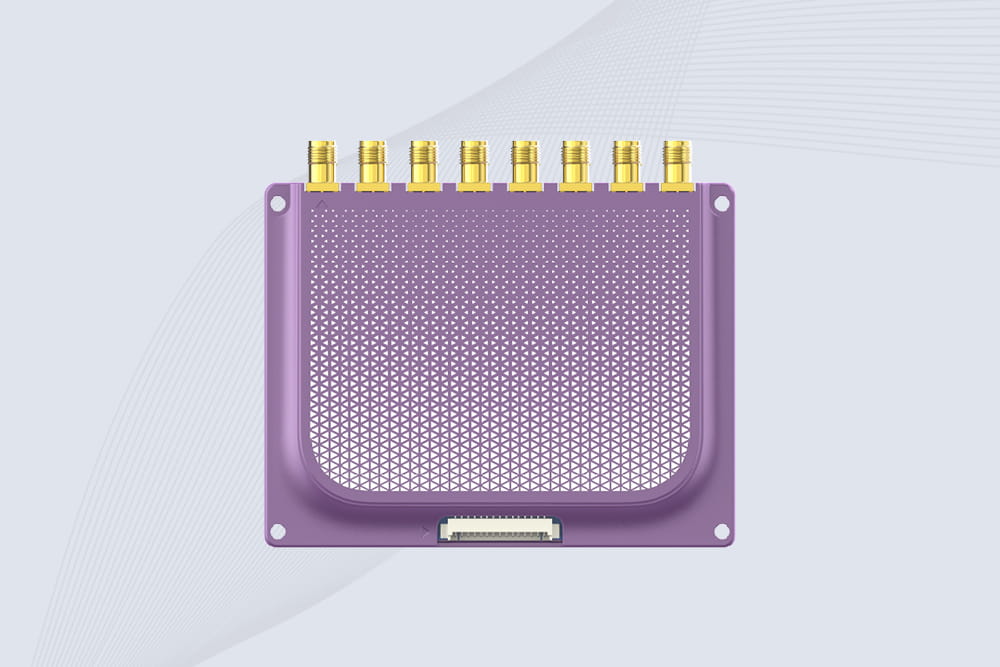
CYKEO CYKEO-M8L module RFID is a compact industrial UHF module built for dense tag and multi-antenna environments. With 8 RF ports, adjustable 33 dBm output, and ISO & GB protocol support, it is widely used in factories, warehouses, and automated tracking systems.
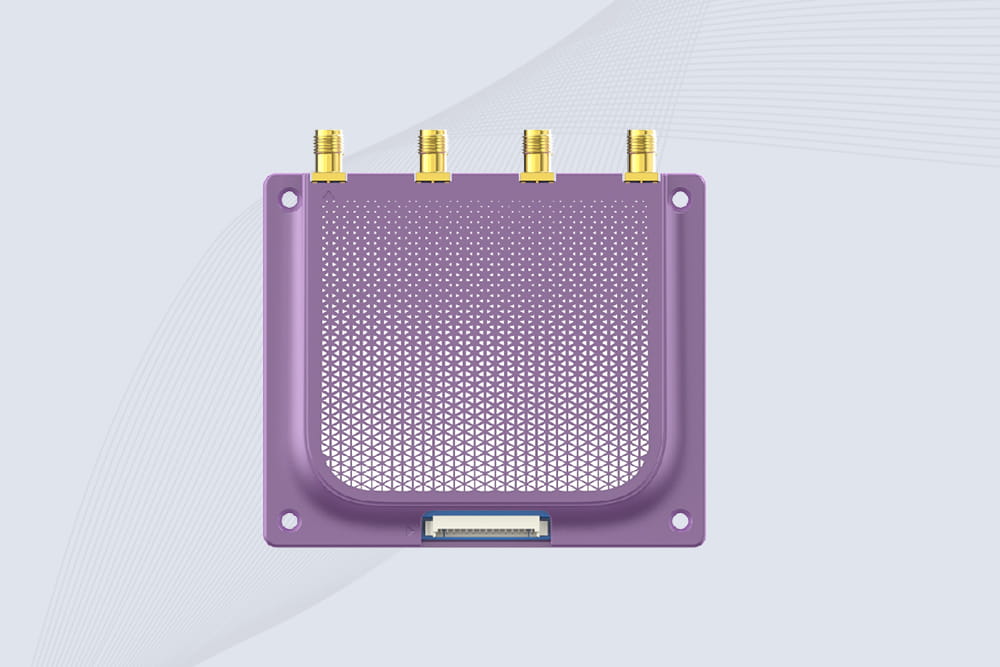
CYKEOCYKEO-M4L UHF RFID Module is a compact 4-channel RFID tag reader module designed for dense tag environments. Supporting ISO and GB protocols, it delivers stable reads up to 10 meters for industrial and IoT systems.
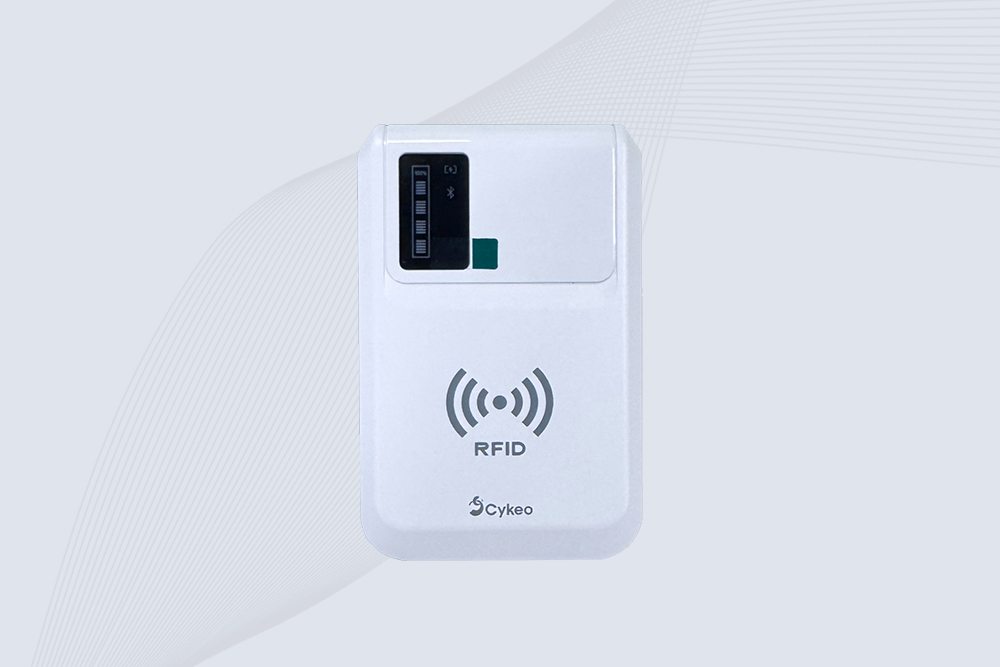
Cykeo CYKEO-B5L portable iPhone RFID reader features 8m range, 500 tags/sec scanning, and built-in 10000mAh charger. Perfect for retail/warehouse teams needing iOS integration.
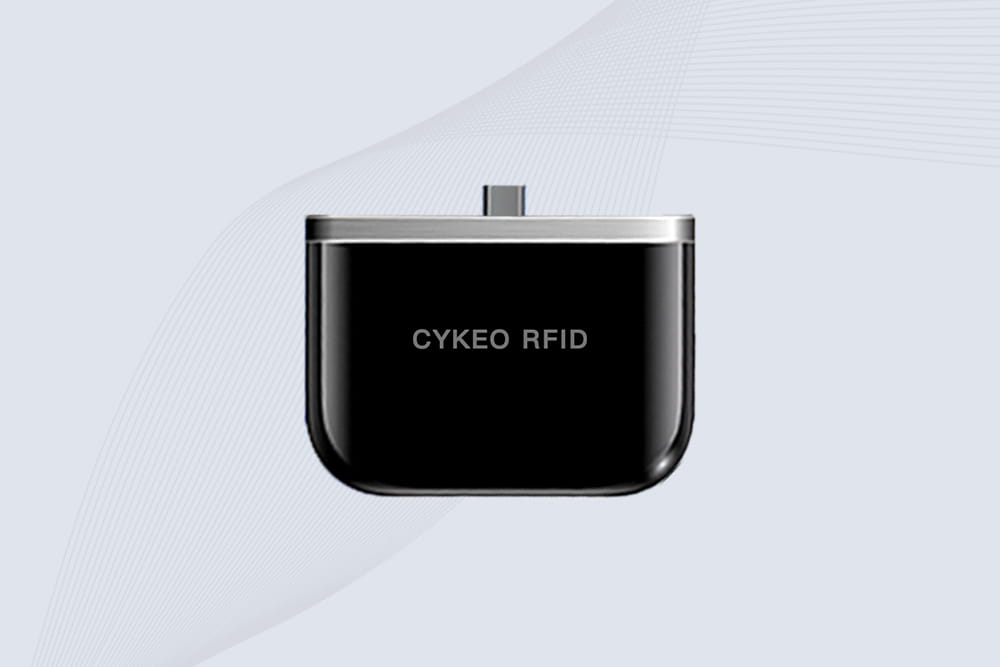
Cykeo CYKEO-B4L Android RFID reader features 37g magnetic phone attachment, 30cm UHF scanning, and Java/C# SDK for mobile asset tracking. Ideal for anti-counterfeit and warehouse verification.
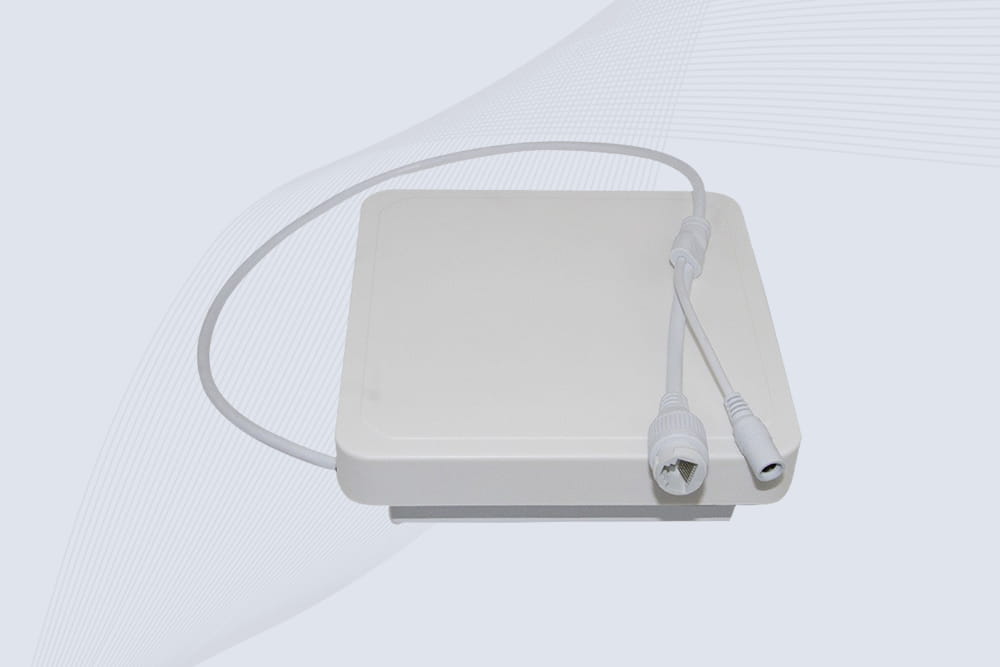
Cykeo’s industrial long range RFID reader delivers 20-meter scanning, 500+ tags/sec speed, and IP67 waterproof design for automated warehouses, logistics, and harsh environment applications.
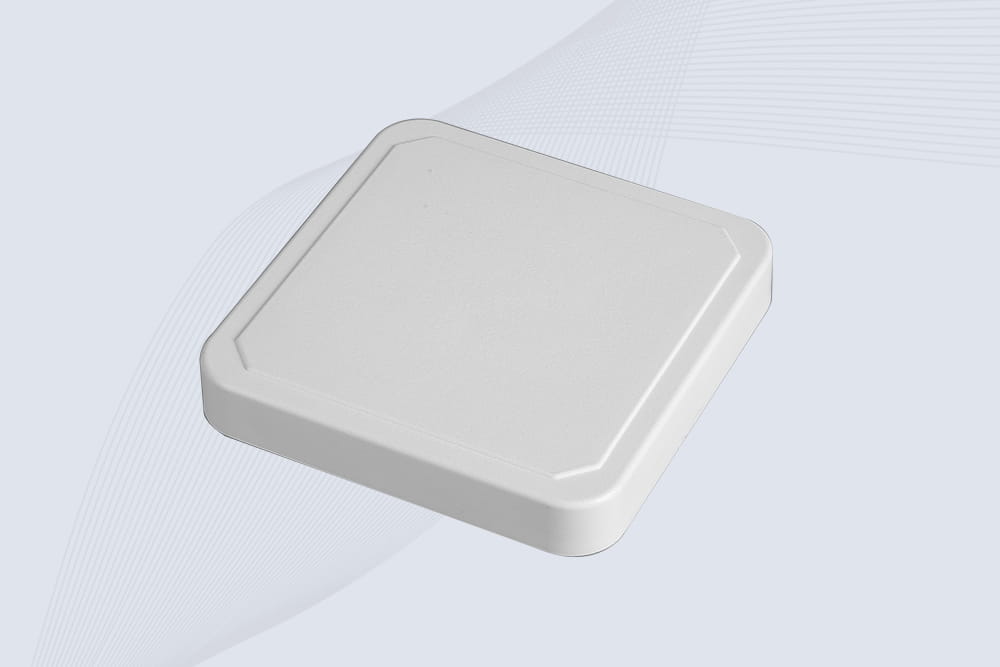
Cykeo’s CYKEO-RA6L industrial RFID long range reader features 20m read distance, 500 tags/sec speed, and IP67 protection. Ideal for warehouse automation, manufacturing WIP tracking, and smart logistics. Supports ISO 18000-6C/6B protocols.
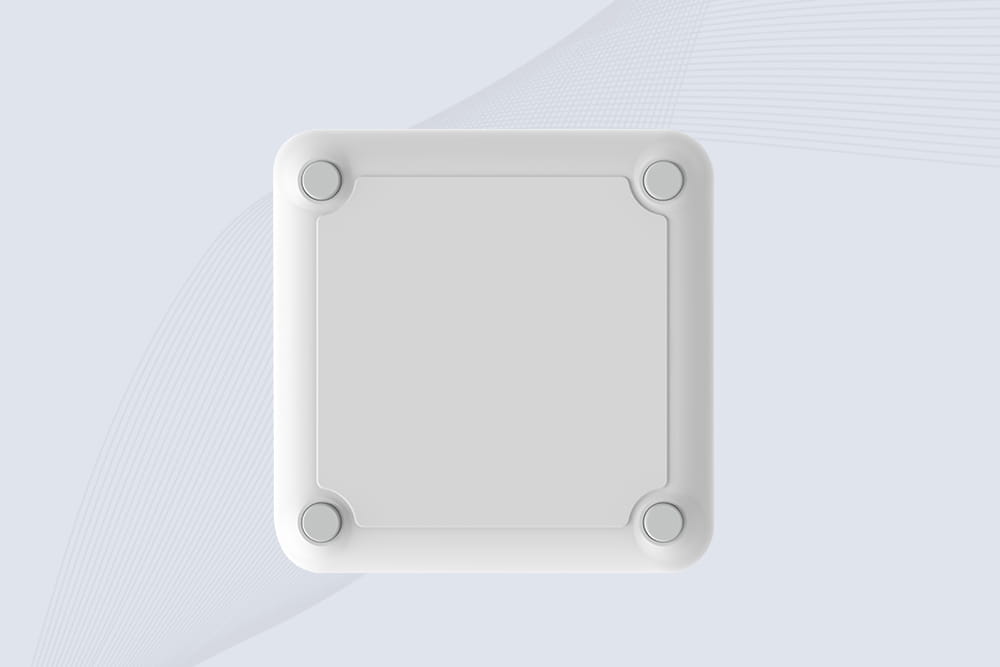
CYKEO Long Range RFID Tag Reader built for outdoor and industrial operations. This Outdoor RFID Reader delivers 20m read distance, fast tag processing, and IP67 durability for wide-area tracking.
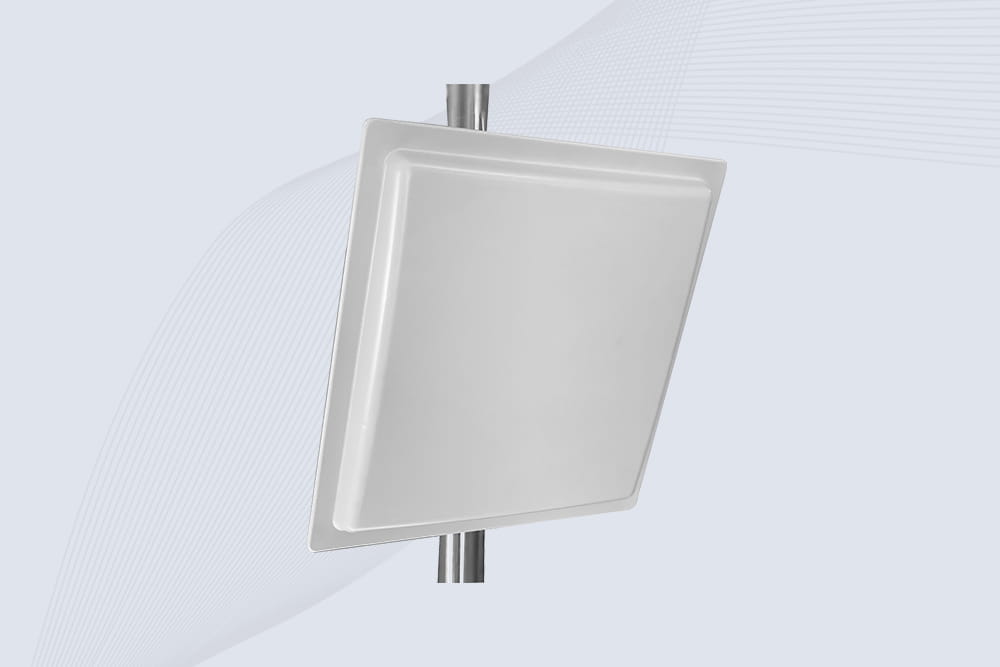
Cykeo CYKEO-RA12L industrial Long Range RFID Reader delivers 20m read range, 200+ tags/sec scanning, and IP67 protection for manufacturing/logistics applications. Supports ISO 18000-6C/GB protocols.
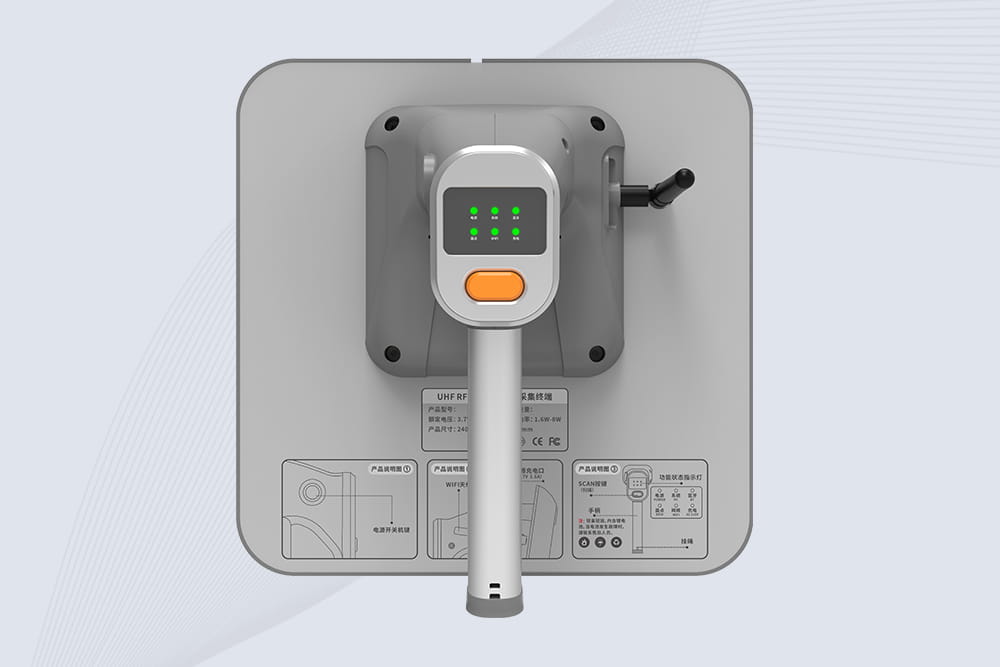
Cykeo CYKEO-B9 UHF Bluetooth handheld RFID scanner features 12m UHF range, 200+ tags/sec scanning, IP67 rugged design for retail/warehouse/pharma. Supports Android SDK & real-time Bluetooth 5.0 transmission.
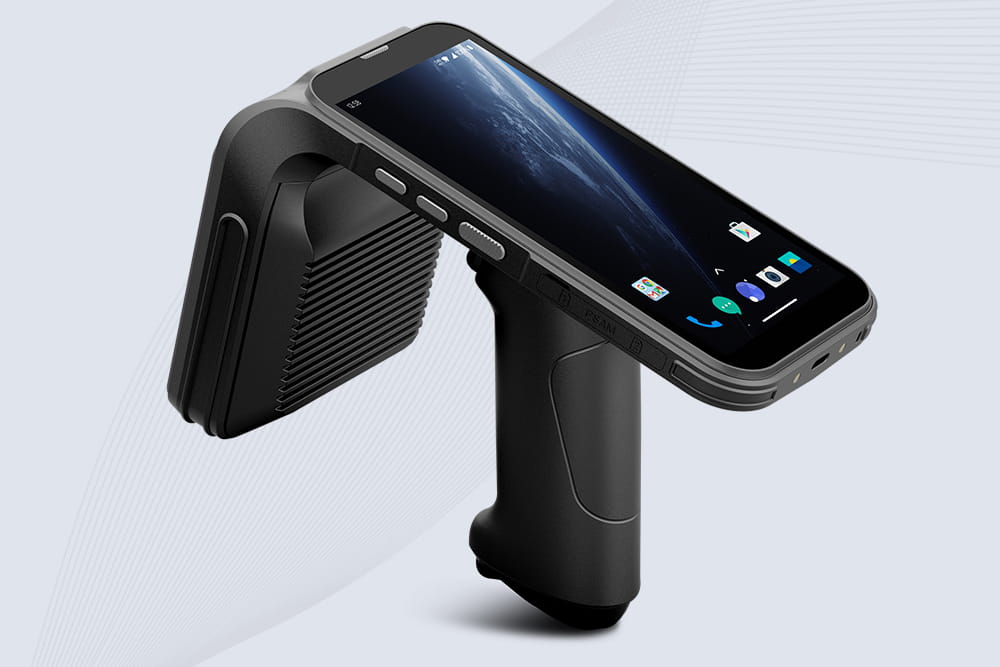
Cykeo CYKEO-B4 UHF Handheld RFID Reader scanner delivers 1300 tags/sec reading, 30m UHF range, and 12-hour battery life. IP65 rugged design with barcode/NFC/ID scanning for retail/manufacturing/logistics.
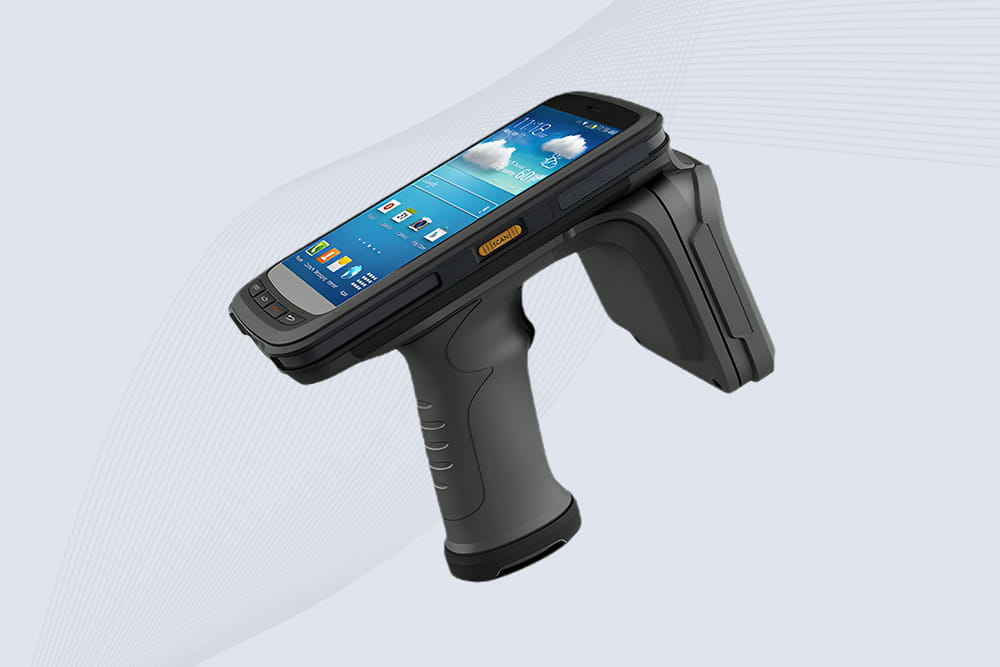
Cykeo CYKEO-B2 industrial UHF RFID handheld Scanner offers 10m range, 500 tags/sec scanning, Android 11 OS, and IP65 rugged design for retail/warehouse/manufacturing.
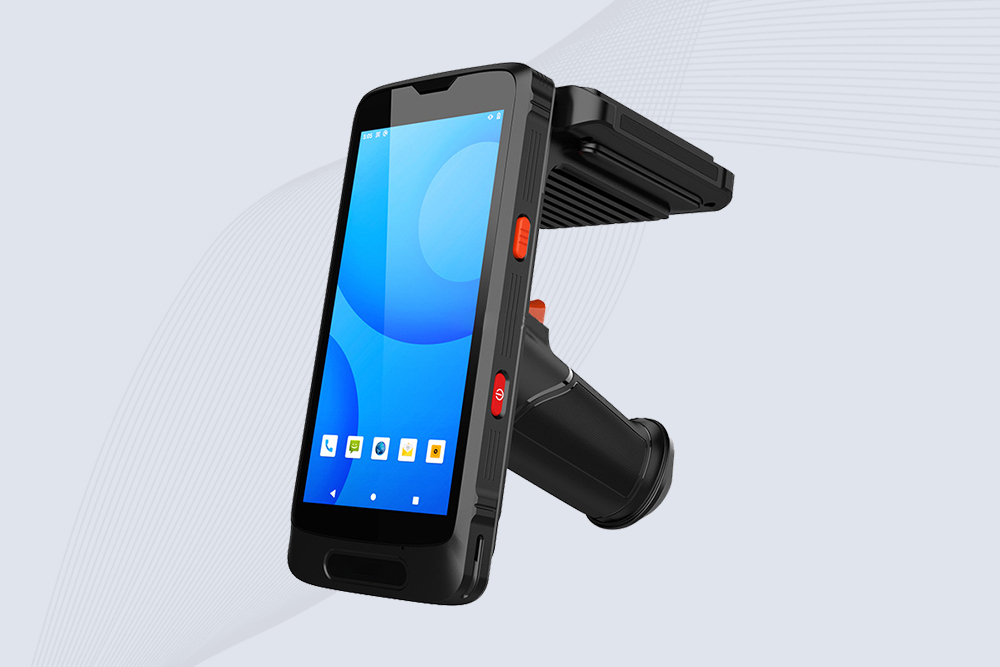
Cykeo CYKEO-B3 industrial RFID Reader Handheld, terminal offers 2m read range, multi-protocol scanning (NFC/barcode/ID), Android 10 OS, and IP65 ruggedness for logistics/retail/manufacturing.
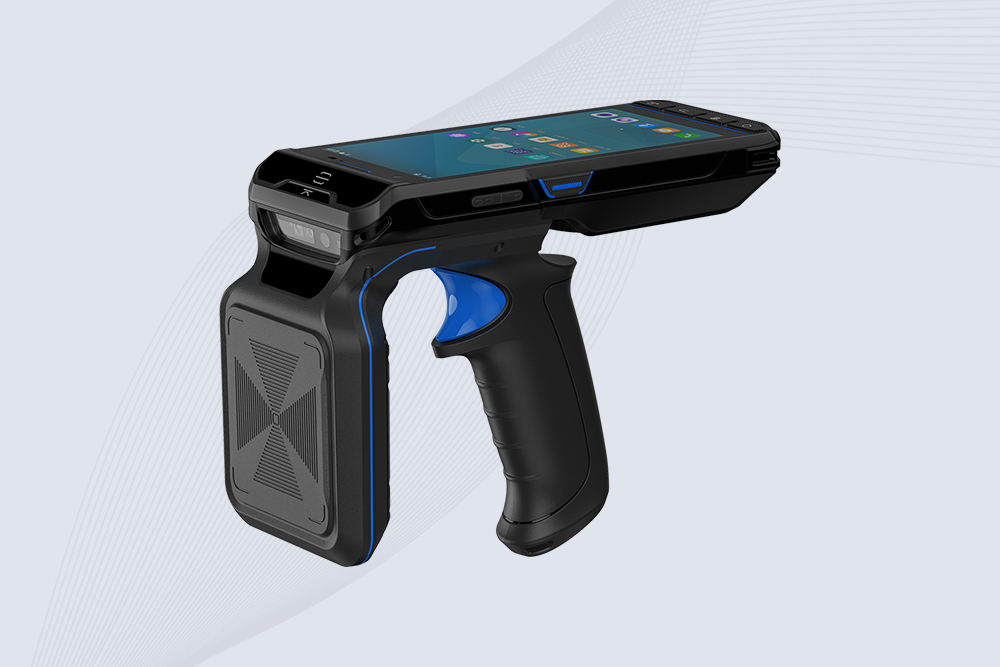
Cykeo CYKEO-B3L industrial handheld UHF RFID Reader terminal features 20m read range, 500 tags/sec scanning, Android 13 OS, 12-hour battery for logistics/retail/manufacturing. Supports barcode/NFC/ID reading.
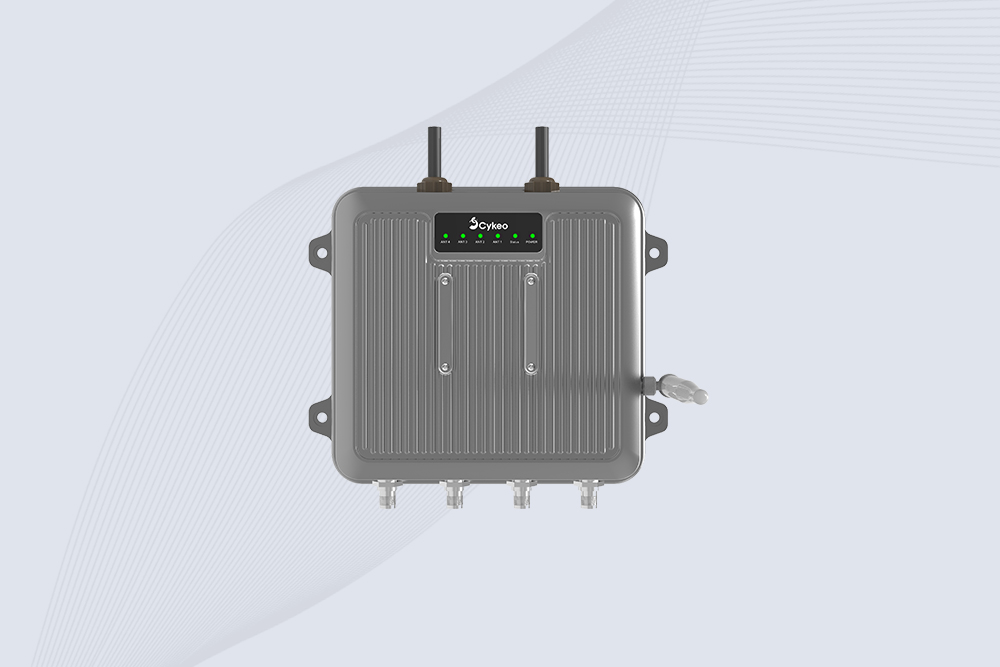
Cykeo CYKEO-C1 industrial Forklift RFID Reader features 20m read range, 600 tags/sec scanning, Impinj R2000 chipset, and IP67 rugged design. Ideal for warehouse logistics and manufacturing. Supports ISO 18000-6C/6B protocols.
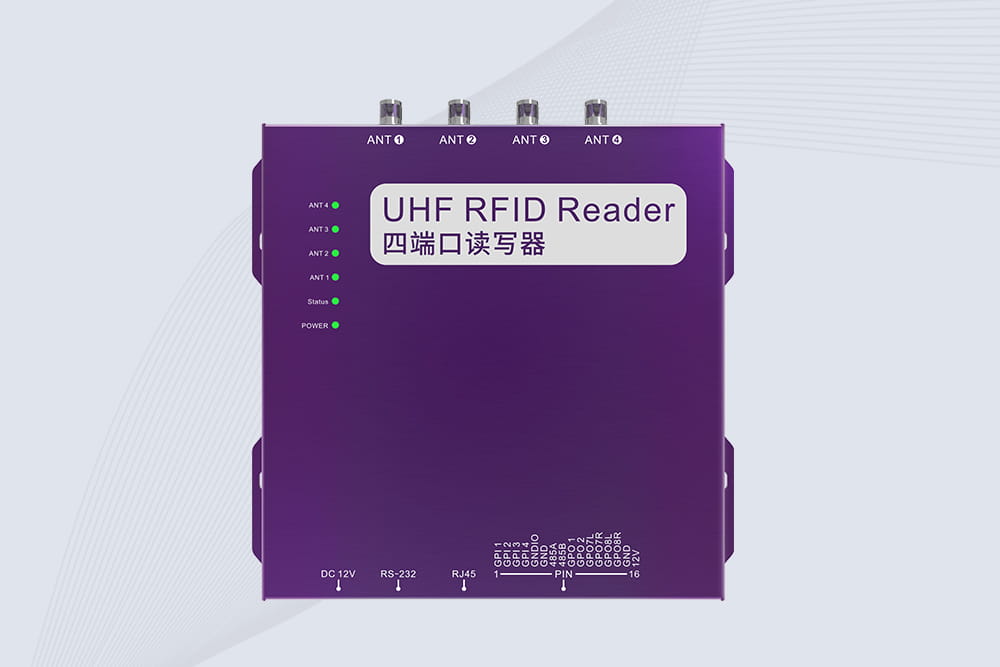
Cykeo CYKEO-R4 industrial UHF RFID Fixed Reader features 4 TNC ports, 400+ tags/sec speed, IP67 housing, and global frequency compliance for vehicle inspection, smart warehouse, and asset management systems.
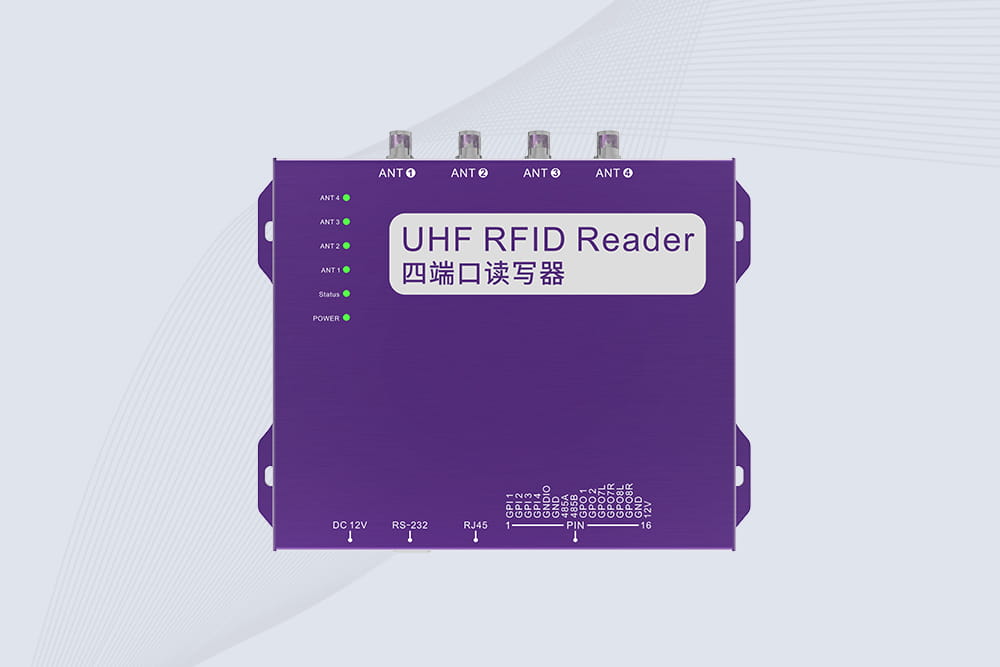
Cykeo’s CYKEO-R4L 4-port Fixed UHF RFID Reader delivers 400 tags/sec scanning, ISO 18000-6C compliance, and IP65 protection. Ideal for warehouse automation, manufacturing WIP tracking, and logistics management.
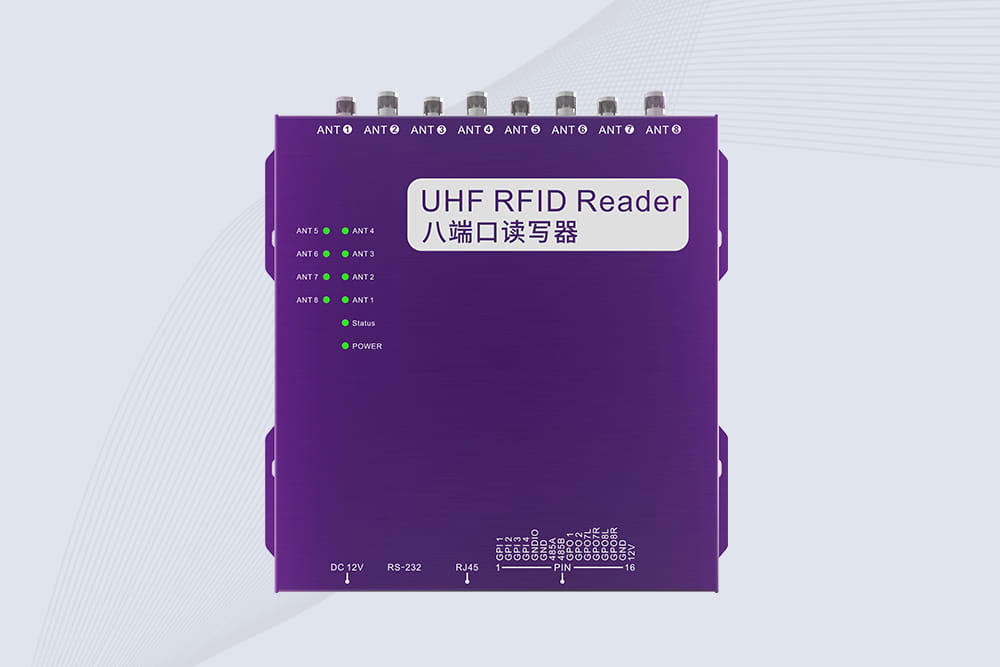
CYKEO CYKEO-R8L Fixed RFID Reader with 8-port UHF design, Impinj-based RF core and up to 20m read range. An industrial Fixed RFID Reader for vehicle inspection, warehouse portals, smart manufacturing lines and secure access checkpoints.
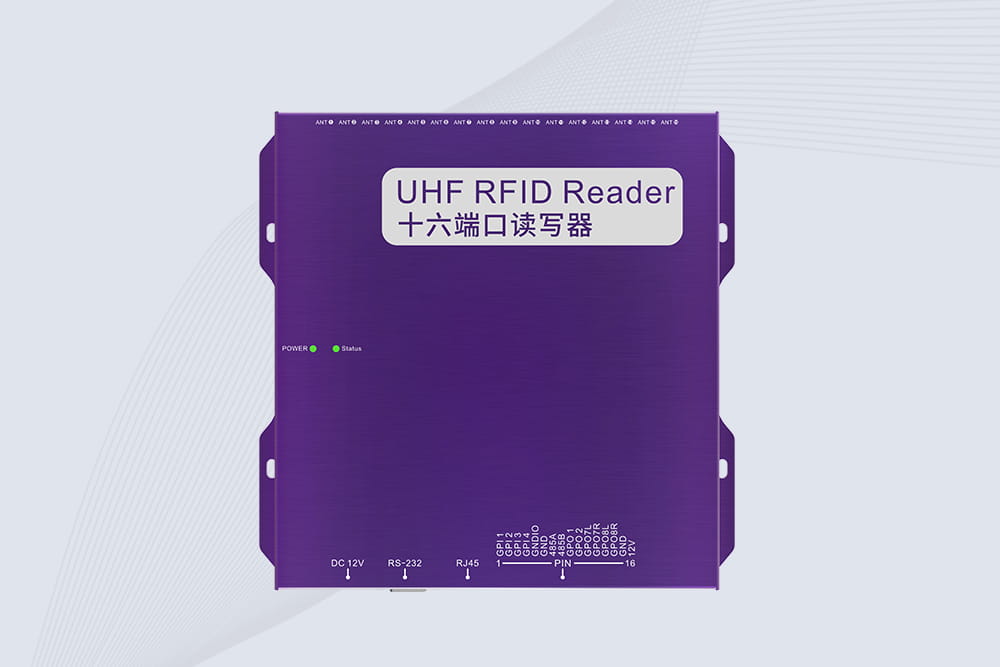
RFID Fixed Reader from CYKEO – the CYKEO-R16L 16-port UHF fixed reader for warehouses, smart cabinets, and production lines. Long-range, multi-tag reading, stable performance for 24/7 industrial use.
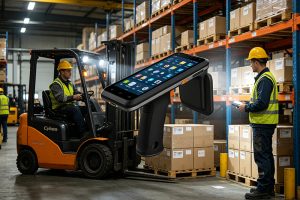
Explore how rfid reader handheld devices improve UHF RFID inventory accuracy, warehouse efficiency, and real-time asset tracking across retail, healthcare, and logistics industries.
More
Learn how to integrate handheld RFID readers with ERP systems like SAP or Oracle. Follow expert steps for data sync, API setup, and real-time inventory updates.
More
Discover how to select the best RFID handheld reader for warehouse inventory management. Learn Cykeo’s expert tips on durability, range, and software integration.
More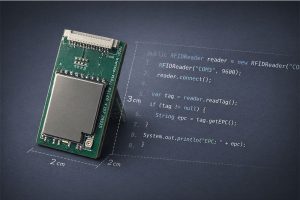
Cykeo UHF embedded RFID modules are designed for developers who need stable performance, clean APIs, and real SDK support. Easy to integrate, predictable in real systems, and ready for custom development.
More