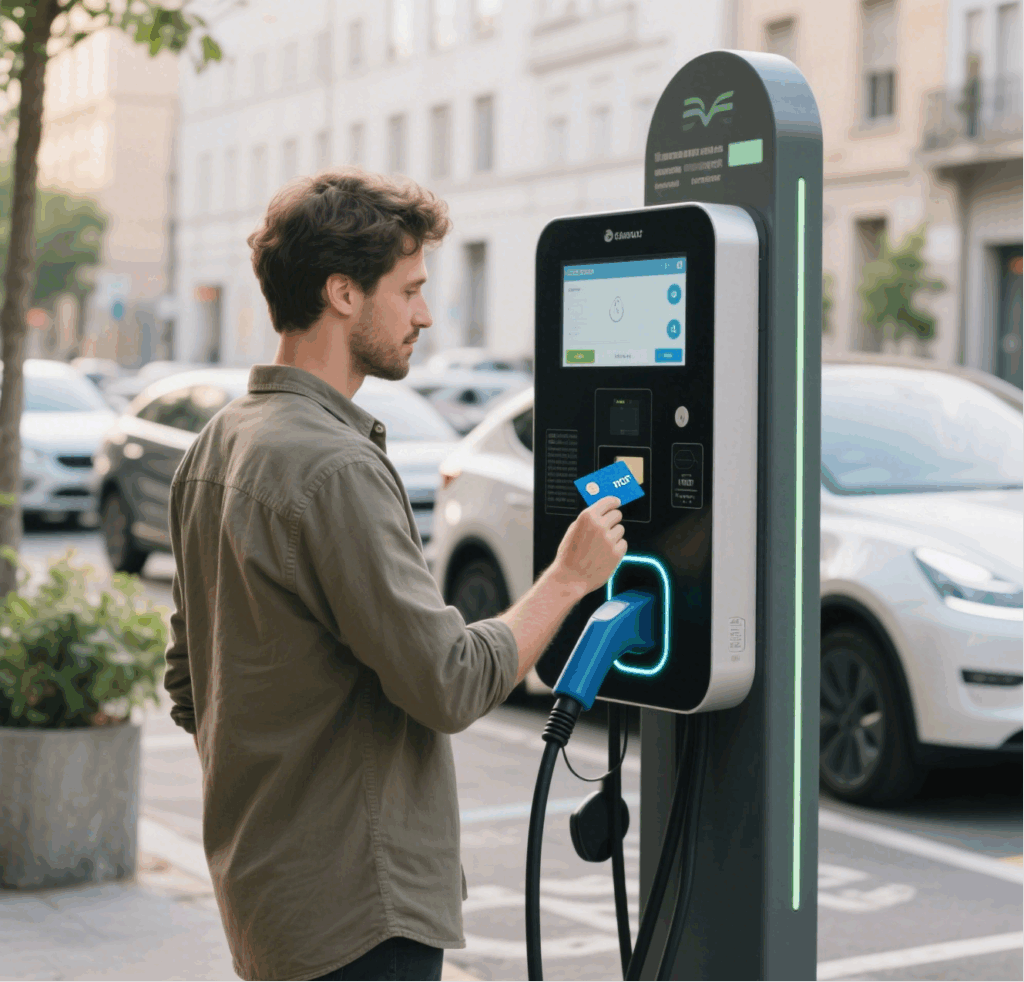
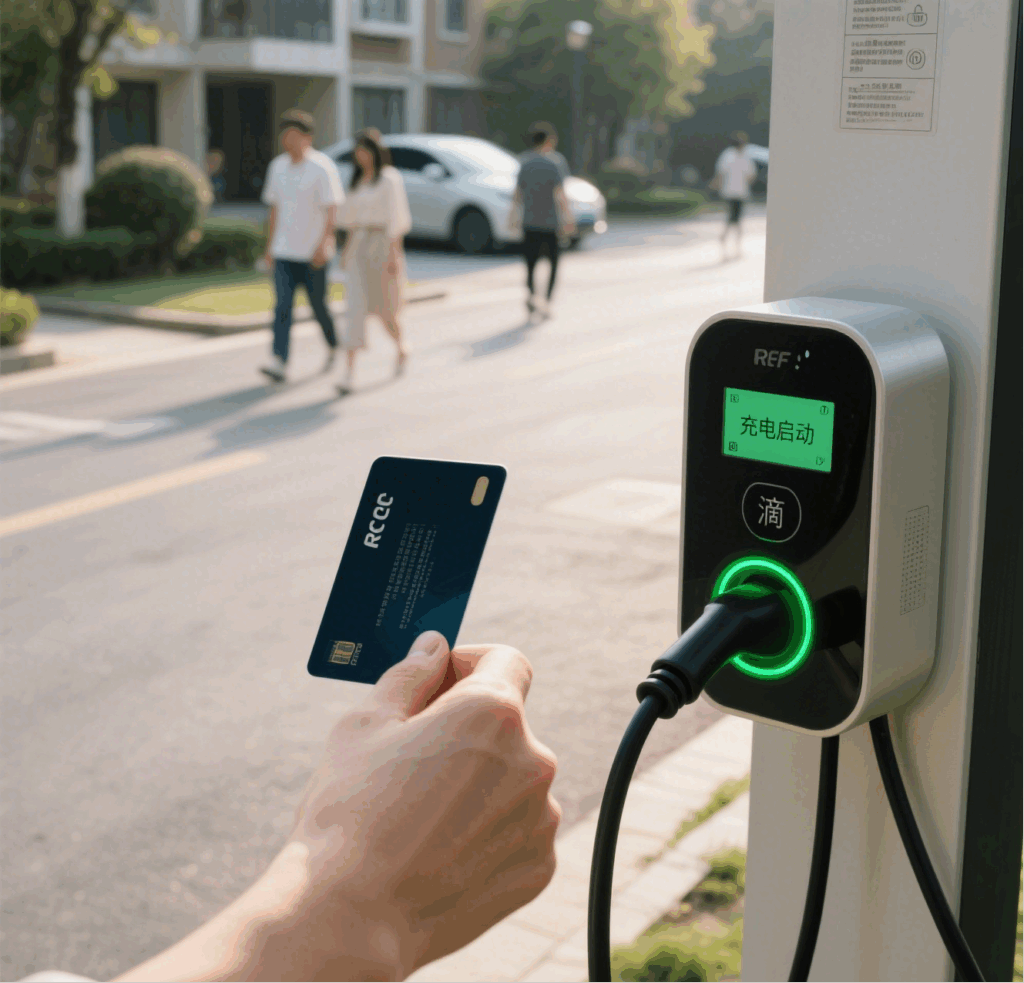
With the widespread adoption of electric vehicles (EVs), users now demand faster, more secure, and user-friendly charging experiences. RFID (Radio Frequency Identification) technology has become an integral part of modern EV charging stations, enabling users to initiate or stop charging with a simple card tap—eliminating the need for QR codes or mobile apps and streamlining the process.
How RFID EV Charging Systems Work
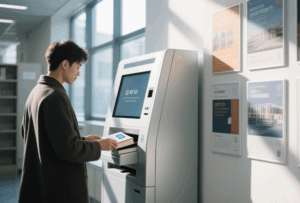
RFID EV charging system typically consists of three components: RFID cards, card reader, and backend management platform. When the user taps the RFID card near the reader, the system reads the card’s unique ID and verifies it with the backend database. Upon successful authentication, the charging process begins.
Applications of RFID-Based EV Charging
RFID charging technology is ideal for a variety of environments, such as residential community charging stations, underground office parking lots, logistics fleet depots, and public commercial garages. It is especially suited for scenarios requiring user authentication, charging history tracking, and tiered user management.
Key Benefits of RFID-Based Charging
Fast & Convenient: Tap-and-go without relying on unstable mobile networks.
Clear User Identity: One card per user, simplifying data tracking and billing.
System Integration: Easily integrates with existing access control or membership systems.
Operational Efficiency: Streamlines billing, access control, and user tier management.
How to Customize and Procure RFID Charging Systems
Businesses can customize RFID cards with various encryption levels, choose compatible reader protocols (e.g., ISO14443A/B), and deploy backend platforms tailored to their needs. Cykeo offers an all-in-one service—from card printing to system integration and remote support—empowering clients to deploy intelligent EV charging networks quickly.
Choose Cykeo as Your RFID EV Charging Solution Provider
As a leading provider of RFID hardware and system services, Cykeo has extensive experience in EV charging applications. Our products are exported to the Middle East, Europe, and Southeast Asia. We offer OEM support, SDK development, and flexible system integration, serving charging operators, governments, utilities, and property management firms.
Conclusion
RFID cards enable secure, efficient, and intelligent identity verification and billing in EV charging systems. As RFID solutions become the standard for charging infrastructure, Cykeo’s professional RFID hardware and system support ensure you build a scalable, future-proof charging network. Need custom RFID EV charging cards and systems? Contact us now for pricing and project consultation!
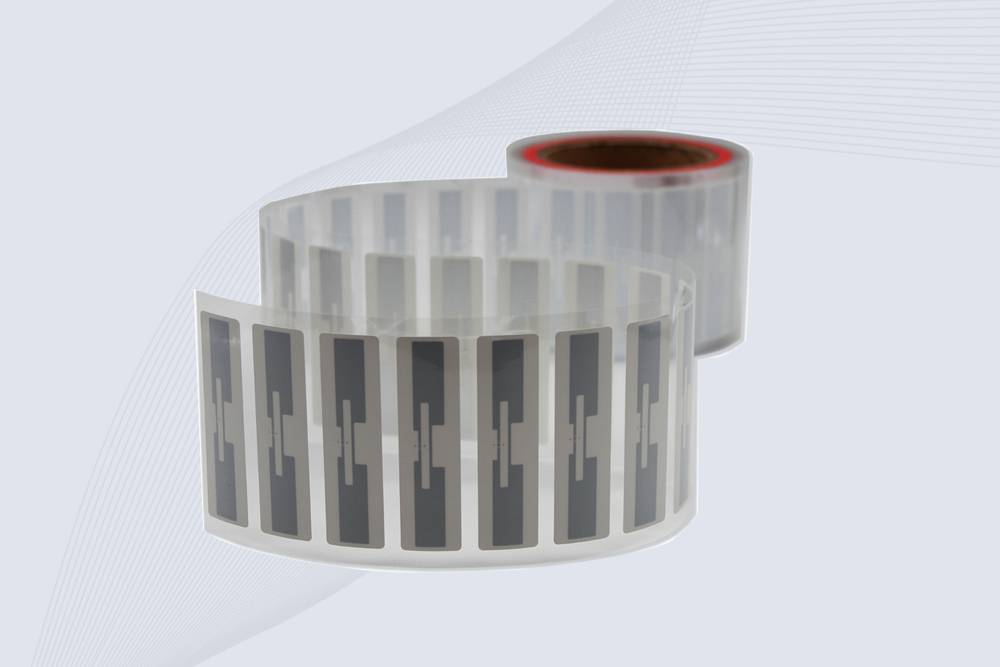
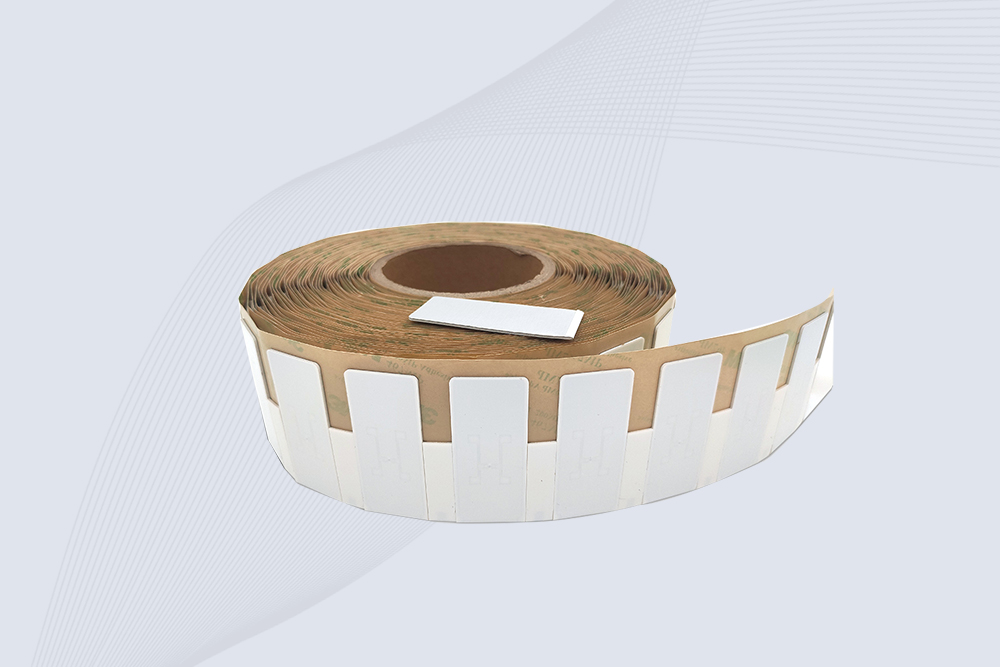
CYKEO Passive RFID Tags are made for wet and high-humidity environments where standard labels do not last. This rfid passive tag is often used around liquids, chemicals and temperature changes, providing stable reading distance and long data life for industrial tracking.
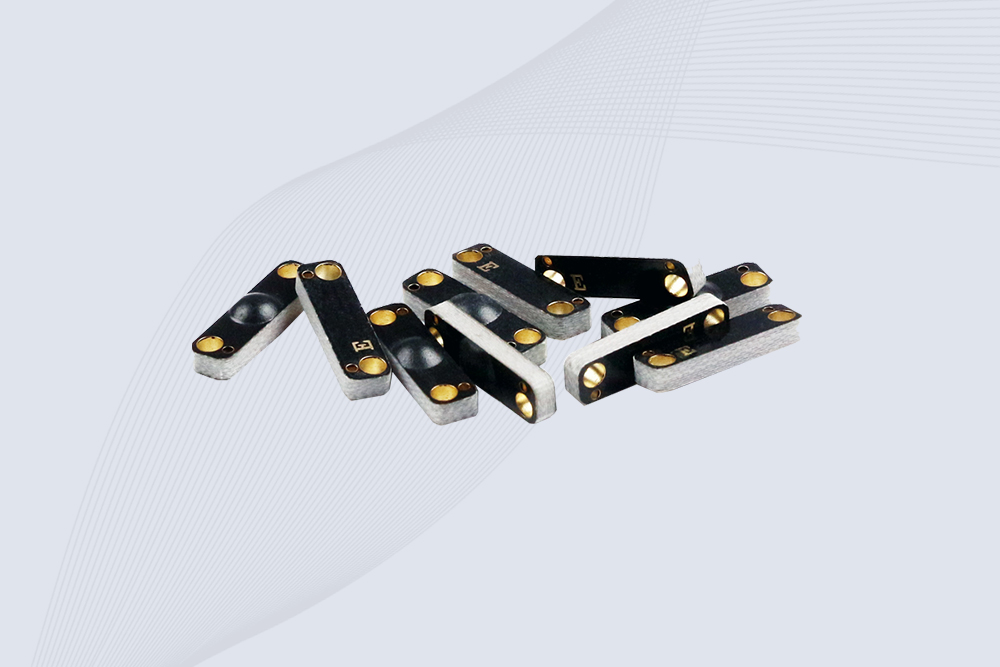
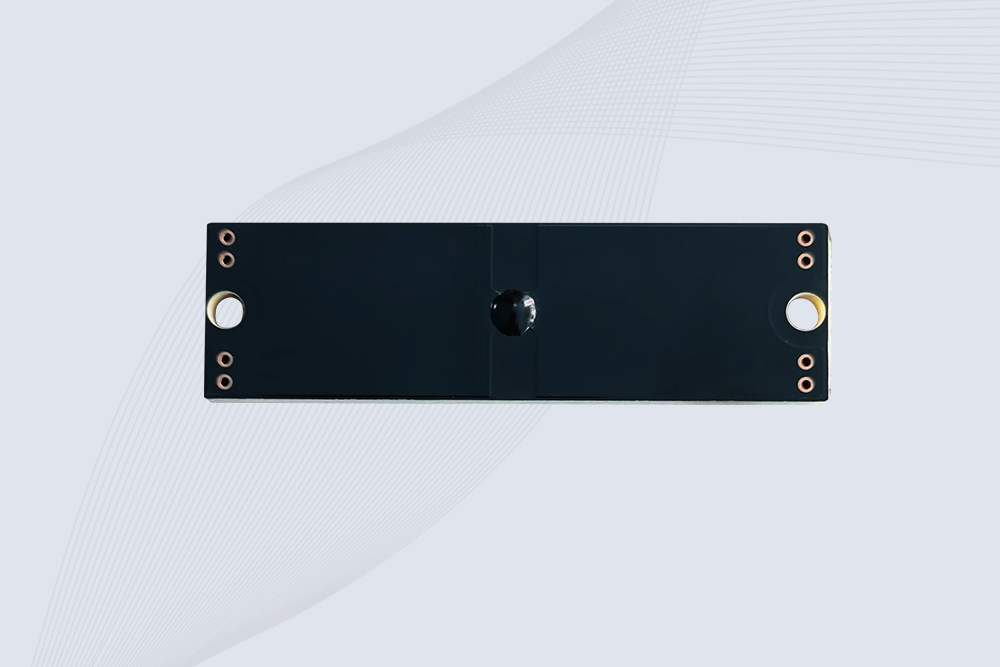
CYKEO CK-BQ1504 Metal RFID Tags is a compact anti-metal UHF RFID solution built for direct mounting on metal surfaces. With stable 8-meter read range, Ucode-8 chip, and long data retention, this rfid metal tag fits tools, containers, automotive parts, and industrial asset tracking.
CYKEO CK-BQ7020 On-Metal RFID Tags are designed for reliable tracking on steel and metal surfaces. Built with an FR4 epoxy body and industrial-grade chips, these On-Metal RFID Tags deliver stable performance, long data life, and chemical resistance, making them a dependable RFID anti-metal tag for harsh environments.
The CYKEO CK-BQ6025 Anti-Metal RFID Tag is built for metal surfaces where standard tags fail. Designed for long-range performance, harsh environments, and stable data retention, this Anti-Metal RFID Tag is ideal for industrial assets, containers, and equipment tracking using on metal RFID tags.
Discover the differences between passive and active RFID tags, their applications, and how to select the best solution for asset tracking, logistics, and industrial use.
RFID tags use wireless identification to enable fast book check-in/out, accurate inventory, and anti-theft management. This article explains how RFID works and its advantages over traditional barcode systems.
Discover whether GPS or RFID is the most effective technology for tracking inventory in stores. Compare accuracy, cost, and use cases for retail operations.
Learn how to clean and maintain RFID handheld readers to extend their lifespan. Discover best practices for sanitization, battery care, and preventing hardware failures.
 Cykeo RFID IoT Solution Products R&D Manufacturer