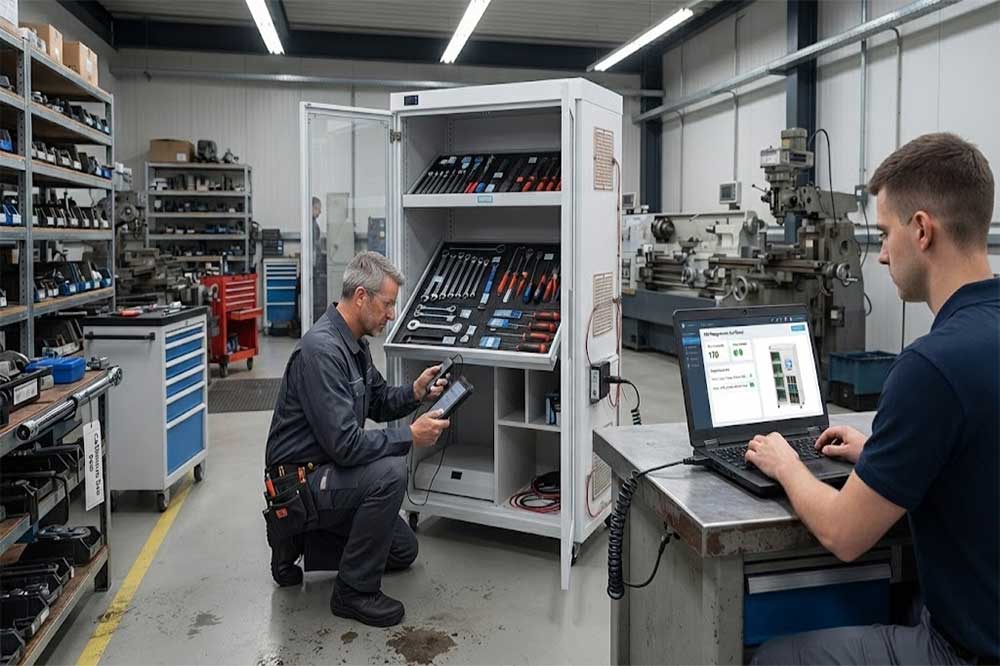
In modern asset management, RFID technology has increasingly replaced traditional barcodes and manual registration methods thanks to its advantages in automatic identification, long-range reading, and batch scanning. Whether in manufacturing, warehouse logistics, medical equipment, or high-value tool management, RFID significantly enhances asset visibility and dispatch efficiency.
Main Cost Components of an RFID Asset Tracking System
When deploying an RFID asset tracking system, the total cost typically includes the following components:
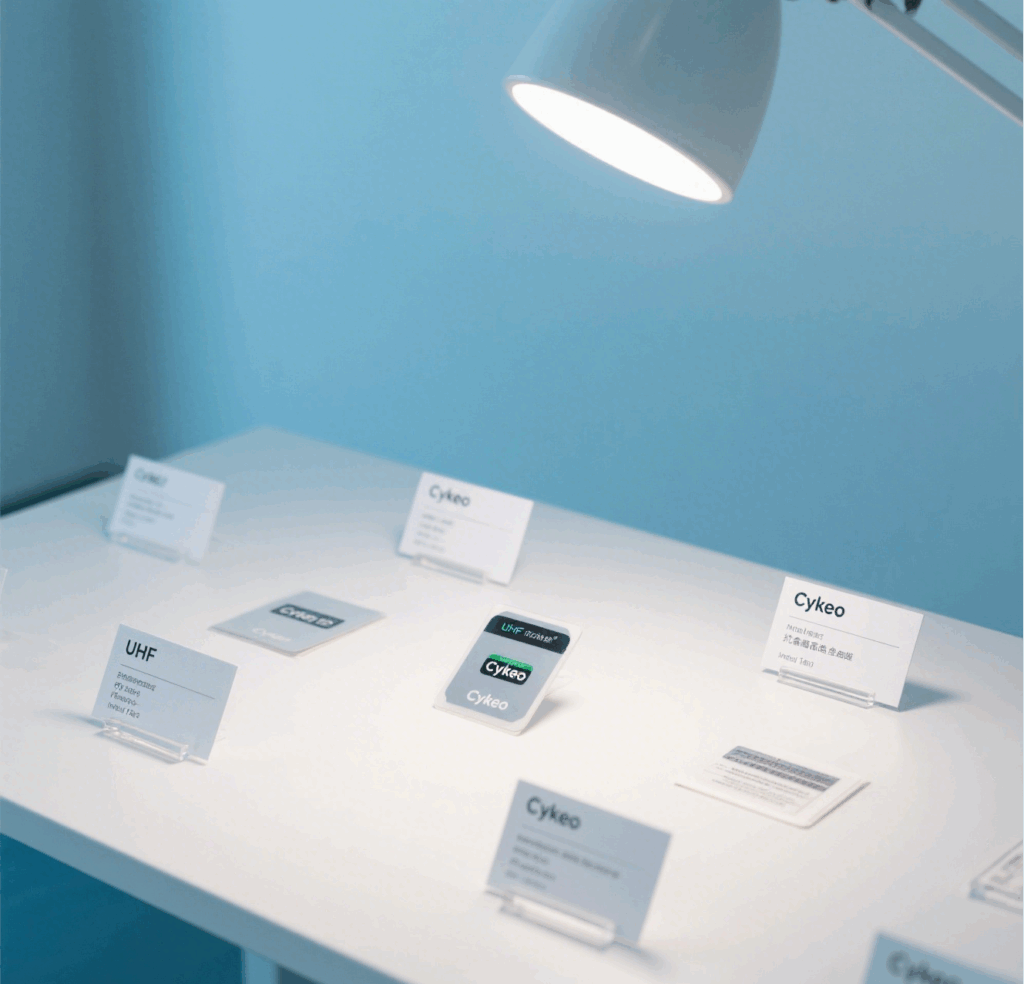
RFID Tags: Attached to assets, available in passive/active types, with anti-metal, waterproof options
Software Systems: Handles data collection, asset location, alarms, inventory reports
Network Installation: Covers cabling, power supply, and network infrastructure
Integration & Operation: Includes system interfacing, data cleansing, and staff training
Deployment Cost Differences by Business Size
The total cost of RFID deployment varies greatly depending on company size:
Small Businesses: May only need a few handheld readers, several hundred tags, and basic software—typically within a few thousand USD
Medium to Large Enterprises: Require multi-point deployment, ERP/WMS integration, and full infrastructure—budgets usually range from $20,000 to $100,000
Hidden and Ongoing Costs to Consider
Beyond the upfront investment, businesses should also consider these long-term costs:
Software licensing or upgrade fees
Tag replacement due to wear or asset turnover
Device maintenance and calibration
Employee training
Cost Comparison with Other Tracking Technologies
Technology
Cost
Automation Level
Ideal Use Case
RFID
Medium
High
High-volume, mobile assets
Barcode
Low
Low
Static assets, low budget
GPS
High
High
Outdoor wide-area tracking
RFID offers automatic identification, batch reading, and indoor positioning. While it’s more expensive than barcodes, its cost-effectiveness surpasses GPS in most indoor scenarios.
How to Reduce the Cost of RFID Asset Tracking Systems
Choose appropriate frequency bands and tag types (e.g., anti-metal tags to avoid duplication)
Optimize reader deployment with handhelds instead of full infrastructure
Use modular platforms to reduce development cost
Work with professional RFID providers like Cykeo, who offer end-to-end services from tags to software
ROI of Investing in RFID Asset Tracking
Although the initial investment is relatively high, RFID brings considerable value:
Inventory accuracy improves to over 99%
Inventory time is reduced by 80%
Loss of assets is significantly reduced
Labor cost and error rates decrease
Conclusion & Call to Action
The cost of an RFID asset tracking system is more than just hardware—it’s about how well the solution fits your operational needs. With proper selection, strategic deployment, and working with professionals like Cykeo, businesses can greatly enhance asset utilization and transparency while keeping costs under control.
Contact us to get a customized quote for your RFID asset tracking solution. Choose Cykeo to begin your journey toward efficient, intelligent, and manageable asset tracking.
SSD-T4A-P Smart access control with real-time crowd tracking ✔️ AI Tag Filtering for Reduced Misreads SSD-T4A-P supports AI-based tag filtering and up to 6 EPC filtering sets, helping reduce unwanted reads and improve identification accuracy in busy entrances, exits, and retail environments. ✔️ Fast In & Out Detection with Visual & Audio…
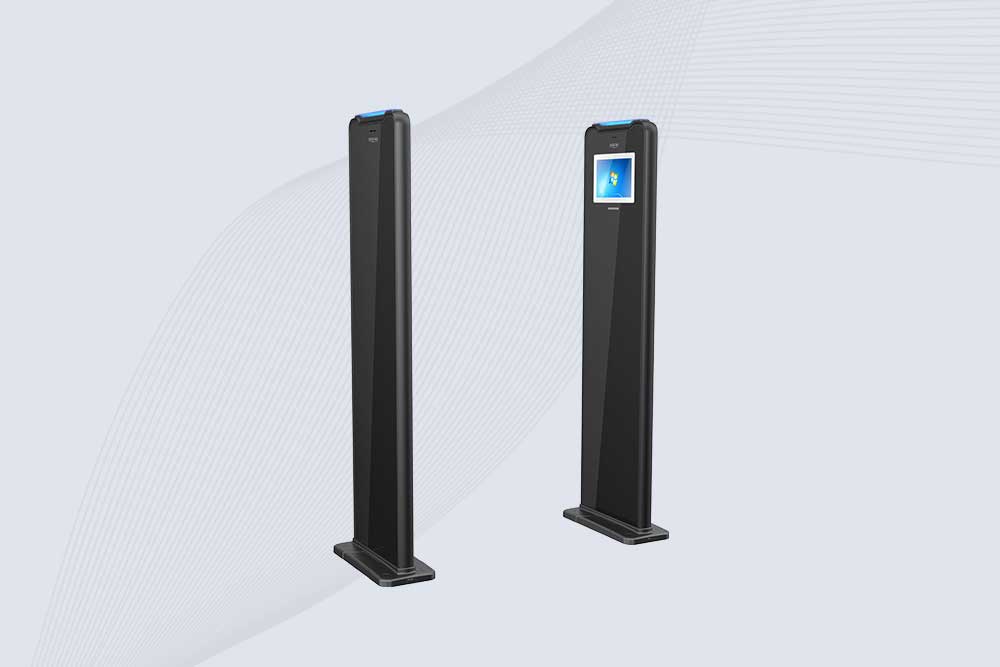
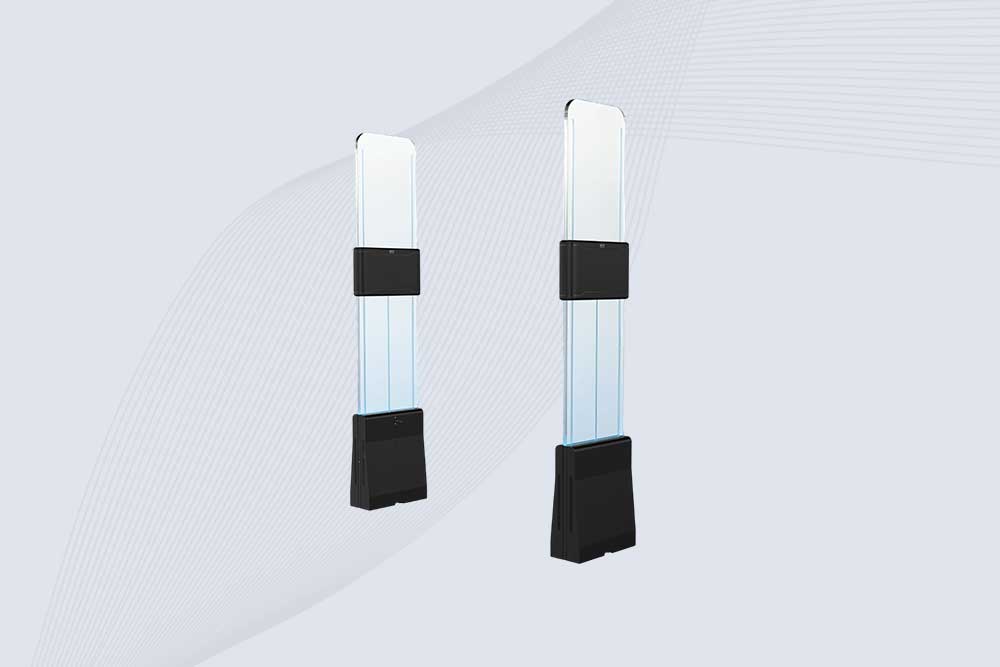
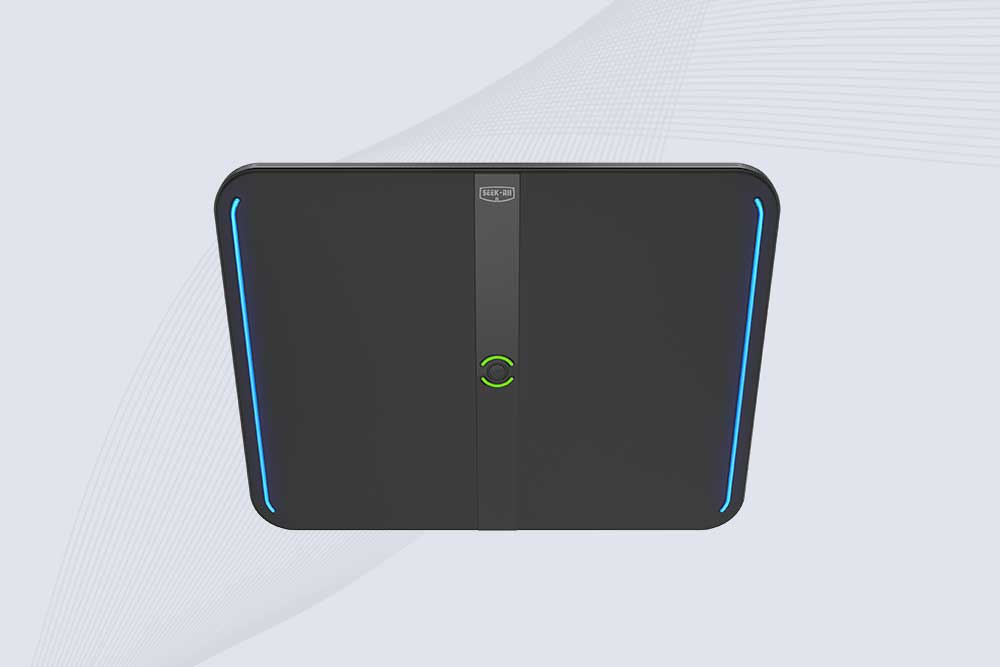
SSD-T4A UHF RFID Gate Reader with 11 dBi antenna, up to 10 m reading distance, AI tag filtering, in/out detection, 300,000 data storage, and TCP/HTTP/MQTT support.
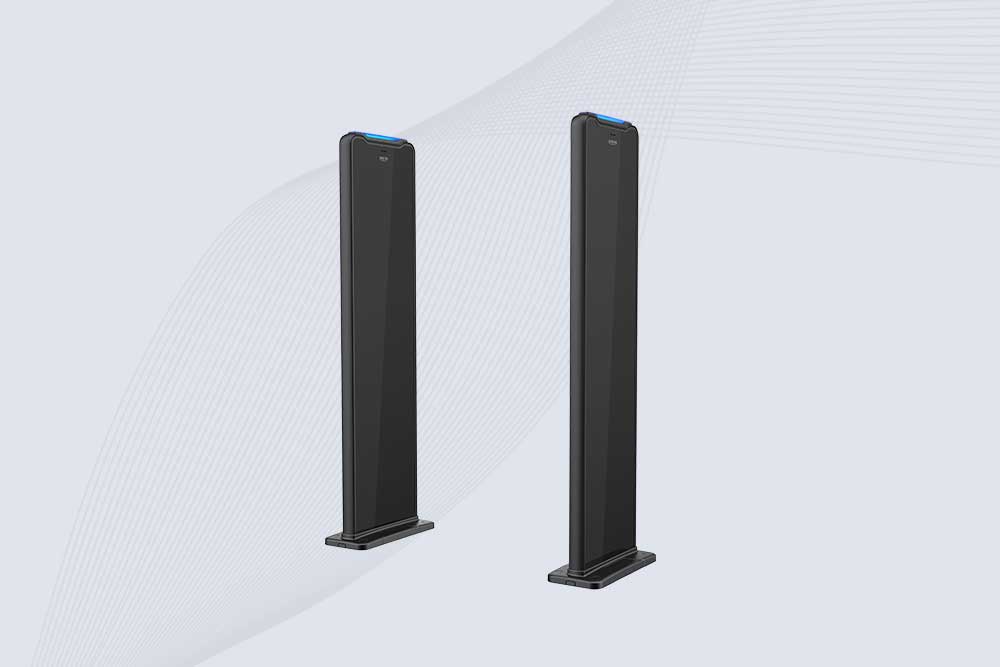
SSD-T2D UHF RFID Gate Reader with 11dBi circular antenna, Impinj E710/X3M1 chipset, up to 10m reading distance, AI tag filtering, in/out detection, and audio-visual alarms.
SSD-T1 ✔️ AI-Powered Tag Filtering SSD-T1 supports AI-based tag filtering with up to 6 EPC filtering sets, helping reduce unwanted tag reads and improve identification accuracy in busy retail and access-control environments. ✔️ Reliable In & Out Detection With a 7dBi antenna and a reading range of up to 2.5 meters, SSD-T1 can detect tagged i…
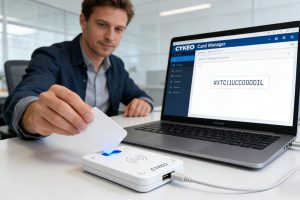
Learning how to use USB RFID reader? Step-by-step guide for Windows and Android. Plug-and-play setup, driver installation, software connection, and fixing common issues. Real advice from CYKEO engineers.
how do rfid labels work? Discover how RFID labels store identity data, communicate wirelessly, and support fast inventory, asset tracking, retail, and logistics operations.
Wondering how many things can you hack with an RFID reader? The real answer: door badges, passports, credit cards, and more. We break down the risks and the reality.
Regular RFID tool cabinet maintenance helps keep tool identification, access control, inventory records, and software communication reliable. This guide expl...
 Cykeo RFID IoT Solution Products R&D Manufacturer