 Cykeo RFID IoT Solution Products R&D Manufacturer
UHF Reader: Is It the Right Choice for Long-Range RFID Applications?
178UHF reader explained from real deployments: read range, stability, common mistakes, and how companies actually use UHF readers in RFID systems.
MoreAll RFID Product
If you’ve ever played with RFID modules, chances are you’ve come across the RC522 library. The RC522 module uses the MFRC522 chip and is one of the most popular RFID readers for hobbyists. It’s small, cheap, and surprisingly versatile. With the right library, you can read and write RFID cards, track access, or integrate RFID into DIY projects. I’ve put together a full guide covering both the Arduino and ESP32 versions of the RC522 library, how it works, what it supports, and practical tips from real-world use.
In simple terms, the RC522 library is a set of code that lets your microcontroller talk to the RC522 RFID module. There are two main implementations people use:
Both libraries make using RC522 modules simpler, no need to dive into low-level RFID protocol details. But they have differences, so choosing the right one depends on your setup.
The RC522 module communicates with your microcontroller through SPI (Arduino) or SPI/I2C (ESP32). The workflow is straightforward:
mfrc522.PCD_Init();rc522_init() or a similar initialization function.if (!mfrc522.PICC_IsNewCardPresent()) return;PICC_ReadCardSerial().This workflow lets you build access control systems, inventory trackers, or simple ID systems.
Arduino RC522 Library
ESP-IDF RC522 Library
Limitations
Arduino Setup
#include <MFRC522.h>.ESP32 Setup
idf.py add-dependency "abobija/rc522"Pro Tip: Always use 3.3V logic. Using 5V may permanently damage the RC522 module.
The RC522 library is reliable, practical, and widely used. For Arduino users, Miguel Balboa’s version is mature and stable. For ESP32, abobija’s ESP-IDF library works better with tasks and events. Both libraries simplify RFID reading and writing. While they’re not meant for high-security applications, they’re perfect for DIY projects, prototypes, and learning.
If you want to integrate RFID quickly and effectively, the RC522 library is the go-to solution—well-documented, supported by a community, and beginner-friendly.
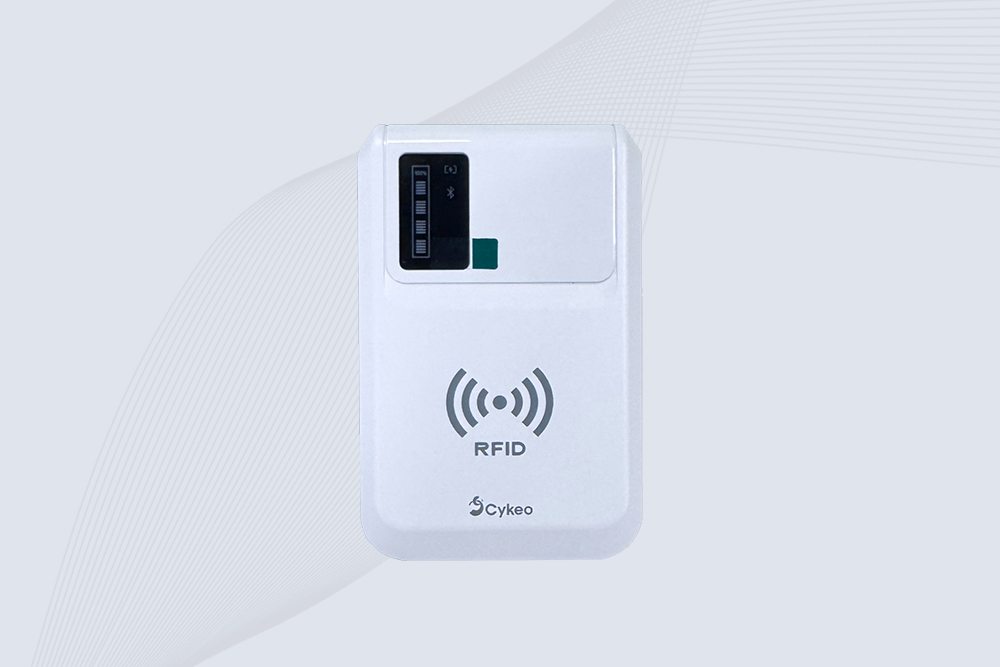
Cykeo CYKEO-B5L portable iPhone RFID reader features 8m range, 500 tags/sec scanning, and built-in 10000mAh charger. Perfect for retail/warehouse teams needing iOS integration.
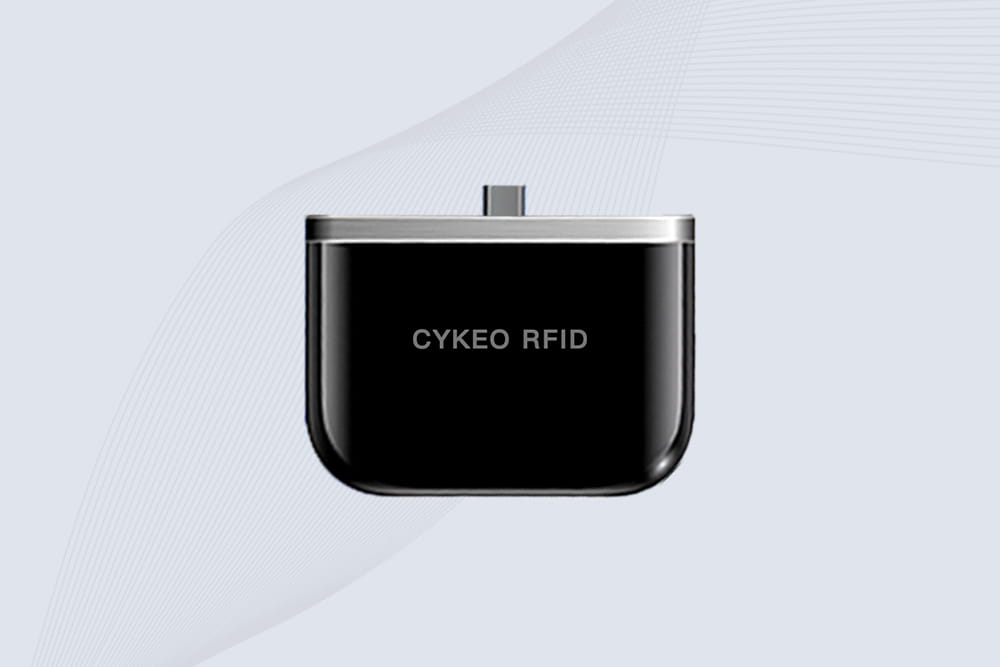
Cykeo CYKEO-B4L Android RFID reader features 37g magnetic phone attachment, 30cm UHF scanning, and Java/C# SDK for mobile asset tracking. Ideal for anti-counterfeit and warehouse verification.
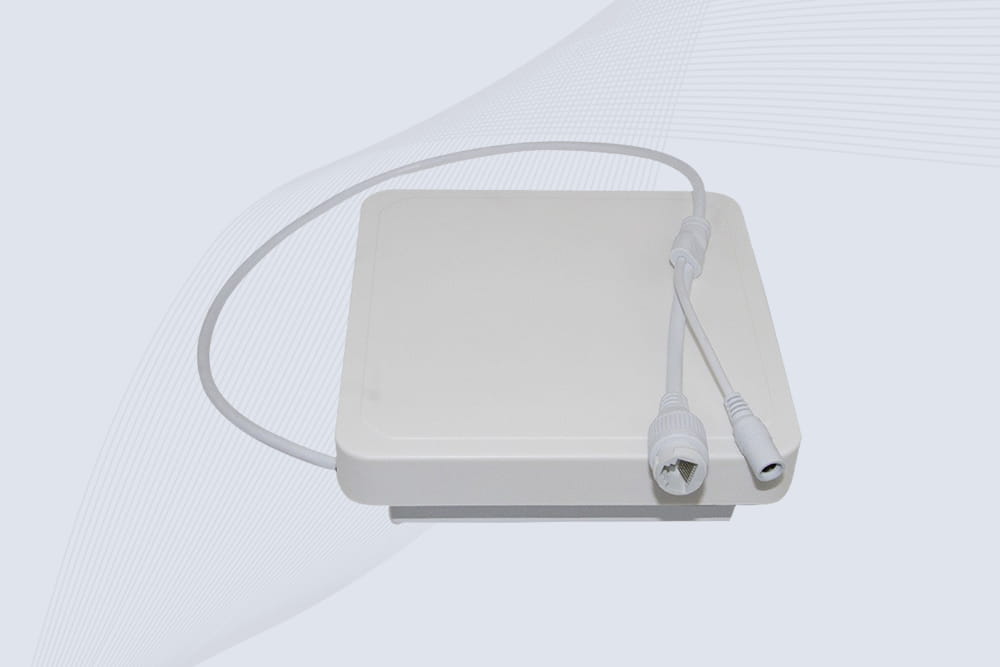
Cykeo’s industrial long range RFID reader delivers 20-meter scanning, 500+ tags/sec speed, and IP67 waterproof design for automated warehouses, logistics, and harsh environment applications.
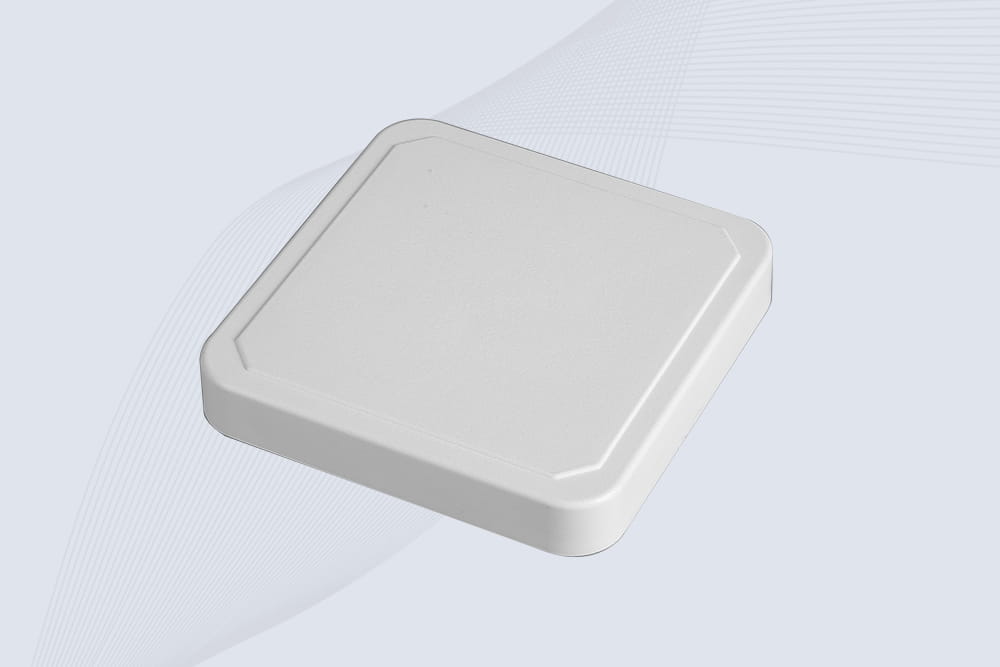
Cykeo’s CYKEO-RA6L industrial RFID long range reader features 20m read distance, 500 tags/sec speed, and IP67 protection. Ideal for warehouse automation, manufacturing WIP tracking, and smart logistics. Supports ISO 18000-6C/6B protocols.

UHF reader explained from real deployments: read range, stability, common mistakes, and how companies actually use UHF readers in RFID systems.
More
Discover how a multi-antenna RFID reader with blind adaptive beamforming intelligently focuses signals to improve read rates and reliability in dense, noisy environments.
More
Discover how the RFID Tool Cabinet simplifies tool management and integration for ERP and IoT systems. Learn about flexible hardware, RESTful and native APIs, SDK support, and custom development options for developers and system integrators.
More
Discover how RFID inventory management helps businesses track assets and stock in real time. Learn from real-world cases in retail, warehouses, and hospitals, and see how RFID improves accuracy, efficiency, and visibility.
More