All RFID Product

On-Metal RFID Tags vs Regular RFID Tags: What Actually Works in Real Projects

If you’re new to RFID, this is one mistake almost everyone makes:

Buying regular RFID tags… and sticking them on metal.

Result?
Doesn’t read. Or reads badly.

The Core Difference

Regular RFID tags

  • 适用于塑料、纸张或非金属表面
  • Cheap
  • Works fine in retail, packaging, etc.
standard rfid tag not working on metal surface with weak signal

On-metal RFID tags (metal mount RFID tags)

  • Built specifically for metal surfaces
  • More expensive
  • Stable performance on steel, aluminum, machinery

Why Metal Breaks Normal RFID Tags

金属会反射和吸收射频信号。
所以,当你把一个普通标签贴在金属上时:

  • 信号失真
  • Reading distance drops to near zero
  • Sometimes completely unreadable

That’s why projects fail—not because RFID doesn’t work, but because the wrong tag was used.

Real Comparison

FeatureRegular RFID TagOn-Metal RFID Tag
Works on metal❌ No✅ Yes
Read rangeShort / unstableLong / stable
PriceLowHigher
DurabilityLowIndustrial grade
Use caseRetail, labelsTools, assets, equipment

Where This Matters Most

If you’re buying in bulk for:

  • Tool tracking
  • Warehouse metal racks
  • Equipment management
  • Containers

You must use metal mount RFID tags bulk

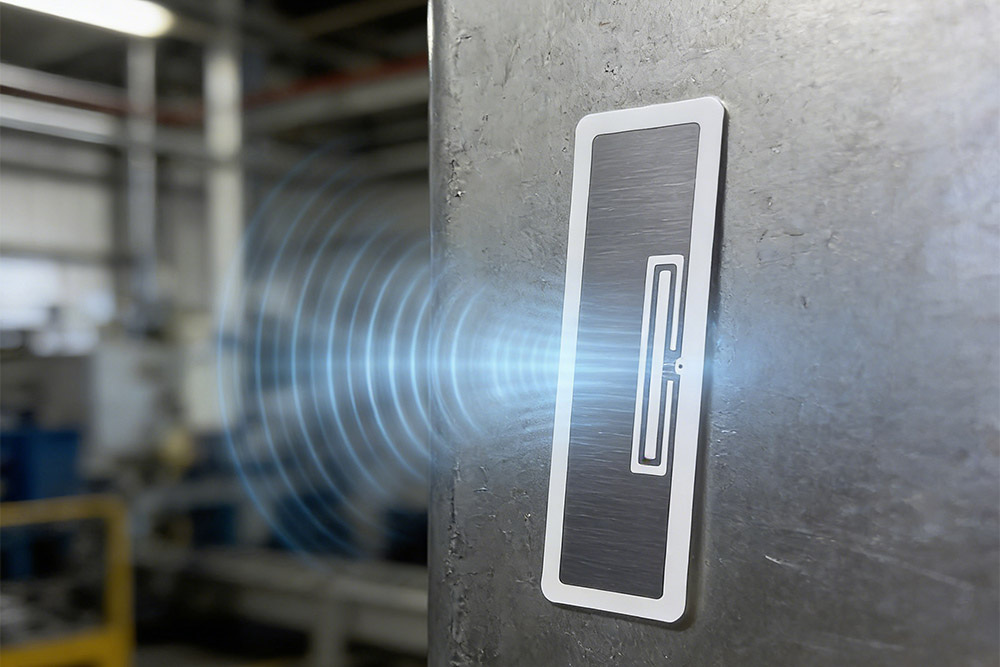
on metal rfid tag working reliably on steel surface with strong signal

Example That Actually Works

Here’s a typical industrial option: CK BQ7020 metal rfid tags

Why this type works:

  • Designed for direct metal mounting
  • Stable UHF reading
  • Strong casing (not just sticker label)
  • Suitable for long-term asset tracking

Common Mistake in Bulk Orders

A lot of buyers do this:

“Let’s save cost and try normal tags first”

Then:

  • Project fails
  • Rebuy correct tags
  • Double cost

Bottom Line

If there’s metal involved, don’t experiment.

Use on metal RFID tags from the start, especially in bulk deployment.

PgUp: PgDn:

Relevance

View more