 Cykeo RFID IoT Solution Products R&D Manufacturer
Optimizing RFID Reader Module Placement: Expert Tips for Peak Performance
860Struggling with RFID read errors? Learn how to position RFID reader modules for maximum coverage, accuracy, and efficiency in warehouses and retail spaces.
MoreAll RFID Product
If you’re sourcing RFID laundry tags in bulk, you’re probably not just looking for “a tag that works.”
You care about durability, consistency, and whether it can survive real laundry conditions—not lab tests.
Let’s break it down in a practical way.
RFID laundry tags are small chips sewn or sealed into textiles like towels, uniforms, and linens.
They let you track items automatically using RFID readers—no manual counting needed.
In real operations, that means:
And the big advantage?
No line-of-sight needed—everything can be read in bulk.
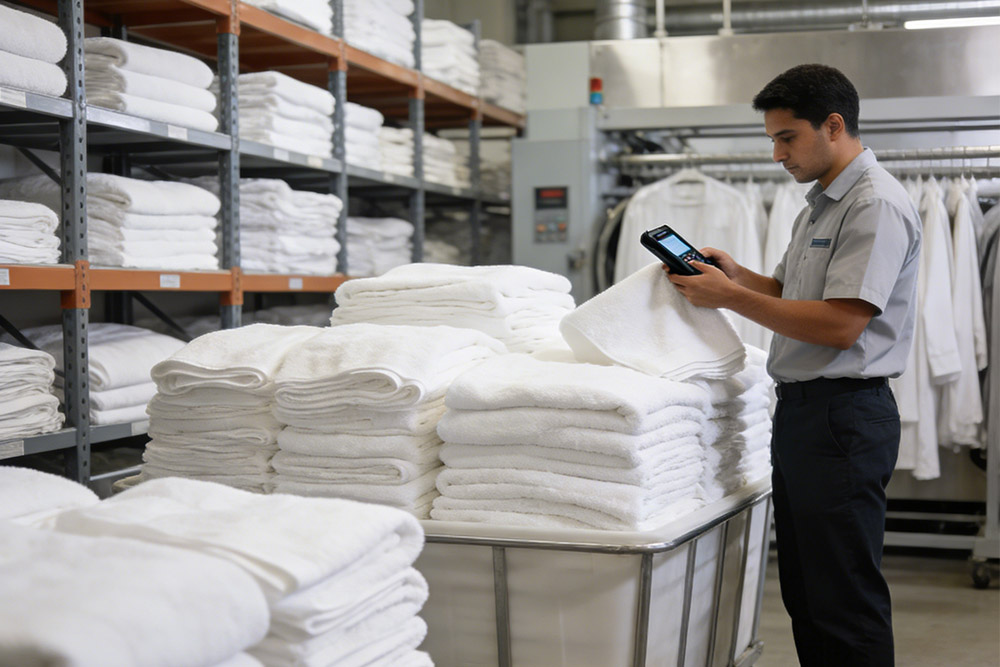
From what we’ve seen in real projects (hotels, hospitals, rental uniforms), the reasons are pretty straightforward:
Inventory that used to take hours now takes minutes.
Some operations cut counting time by over 90%.
Without tracking, linen loss can hit 15–20% yearly.
With RFID, it drops significantly because every item is traceable.
You actually know:
A lot of buyers make the same mistake:
They compare price per tag… not cost over lifecycle.
Here’s where low-quality tags fail:
And once tags fail, your whole system breaks.
If you’re buying in bulk, these specs matter more than anything:
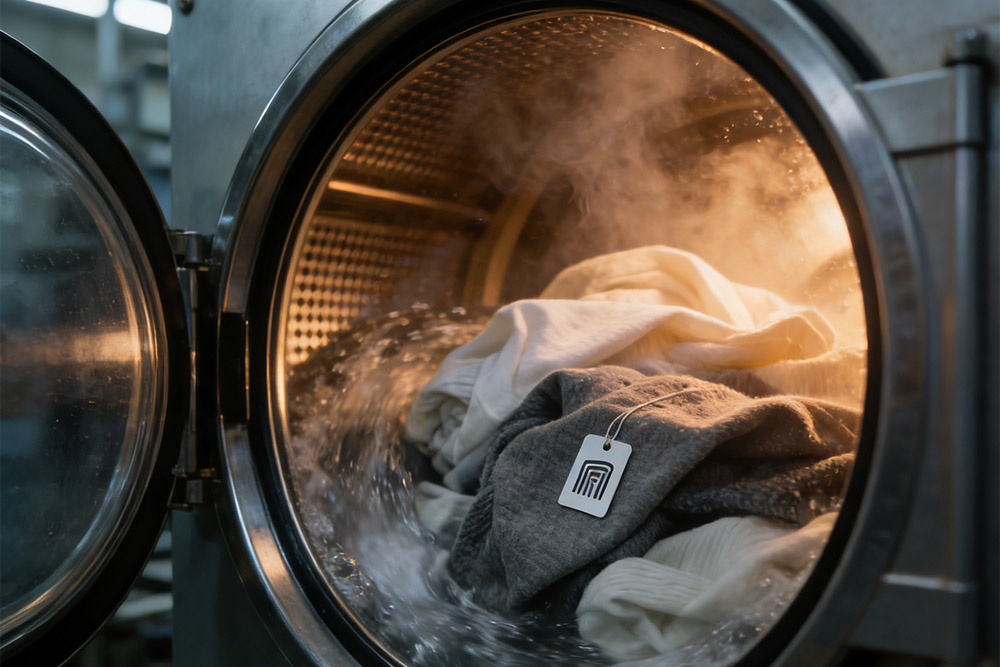
Look for 200+ wash cycles minimum
Anything less = frequent replacement
Laundry isn’t just water—it’s:
Good tags should handle up to 180°C heat exposure
Hospital laundries use strong alkaline detergents (pH 12+)
If the tag can’t handle that, it won’t last
Tags must still read when:
If you want something built for actual laundry environments, this is a solid reference:
CK-BQ7015 Industrial RFID Laundry Tag
What stands out:
This is the kind of tag you use when downtime or replacement isn’t acceptable.
Most wholesale orders come from:
When you’re placing bulk orders, don’t just ask for price—ask this:
If they can’t answer clearly, move on.
RFID laundry tags are not expensive—but bad ones are.
If you’re doing wholesale or large-scale deployment, focus on:
Because once tags fail in the field, fixing it costs way more than choosing the right one from the start.
User Guide
How to Remove RFID Tags from Clothing Safely (Without Ripping Your Shirt)
The Truth About RFID Signals: Aluminum Foil, Smartphones, and Reading Range Explained
How Security Tag Readers Work: RFID vs. Magnetic Systems – Which Is More Efficient?
How to Deactivate RFID Tags Without Guesswork or Myths?
How to Test RFID Tags with Phone
How to Test RFID Tags with Your Smartphone (No Scanner Needed)
How to Use Android Phone to Emulate RFID Tag: Full Tutorial and Application Guide
Can Your RFID Tags Reader iPhone ? Here’s How It Actually Works
Can You Use an NFC Phone as an RFID Tag?
How to Choose the Right RFID Tag for Clothing? Materials, Packaging & Attachment Explained
Industrial Essentials: 2025 Guide to the Most Durable Rugged RFID Tags
Active RFID Tag Range: The Real Difference Between Active and Passive Tags

Struggling with RFID read errors? Learn how to position RFID reader modules for maximum coverage, accuracy, and efficiency in warehouses and retail spaces.
More
UHF textile services use RFID technology to automate linen tracking, laundry management, and textile inventory control. Discover how Cykeo improves visibility and efficiency.
More
Discover how RFID readers support asset tracking for tools, equipment, containers and valuable items. Learn about fixed and handheld RFID readers, tags and s...
More
Discover what an RFID scanner is, how it works, and its role in industries like retail, logistics, and healthcare. Learn about UHF, HF, and LF systems for efficient tracking.
More