 Cykeo RFID IoT Solution Products R&D Manufacturer
Can Phone Read RFID?
75Can phone read RFID on its own? We clarify the technical reality of phone NFC vs. UHF RFID for business and how CYKEO bridges the gap.
MoreAll RFID Product
In IoT development, access control testing, and smart hardware prototyping, using physical RFID cards often involves cost, logistics, and management overhead. Android phones with built-in NFC modules can emulate standard RFID cards—such as MIFARE Classic, NTAG, or ISO 14443 types—by leveraging Host-based Card Emulation (HCE), enabling rapid prototyping and system testing without requiring physical cards.
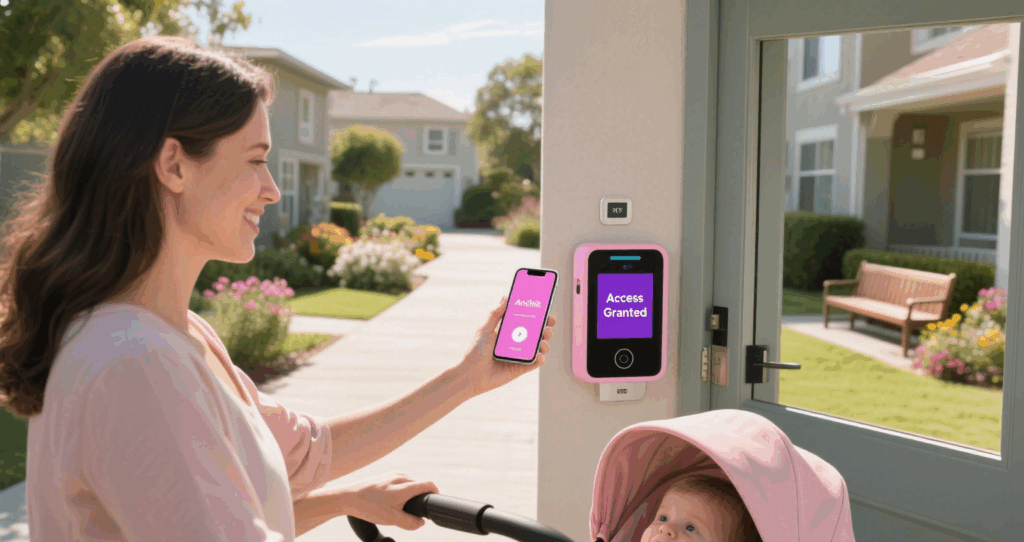
Host-based Card Emulation (HCE), introduced in Android 4.4, enables smartphones to emulate smartcards and communicate with RFID readers via the APDU protocol:
This means software-based simulation can replace physical RFID cards entirely.
To successfully emulate RFID tags using an Android phone, ensure the following conditions are met:
| Item | Requirement |
|---|---|
| Android version | 4.4 and above (Android 8.0+ recommended) |
| NFC chip with HCE support | Preferably Qualcomm / NXP chips |
| NFC functionality | Enabled in system settings |
| Development platform | Android Studio |
Popular HCE-compatible devices include Google Pixel series and Samsung Galaxy models.
AndroidManifest.xmlHostApduService: Handle APDU commands from RFID readersres/xml/apduservice.xml
While Android can emulate card data and even simulate UID in some cases, not all RFID types can be cloned or simulated securely:
Q1: Can all Android phones emulate RFID tags?
A: No. The phone must support HCE and have NFC enabled.
Q2: Can I emulate any card type?
A: No. Emulation is limited to ISO 14443-4 (APDU-based) cards.
Q3: Why does my emulated phone not work with some access control systems?
A: The reader may be sensitive to UID length or rely on proprietary vendor protocols.
As RFID and NFC technologies evolve, using Android phones to emulate RFID tags has become essential tool for developers, testers, and system integrators. Mastering HCE not only improves testing efficiency but also cuts development costs. With proper setup, your smartphone can serve as a flexible, reusable RFID card alternative.
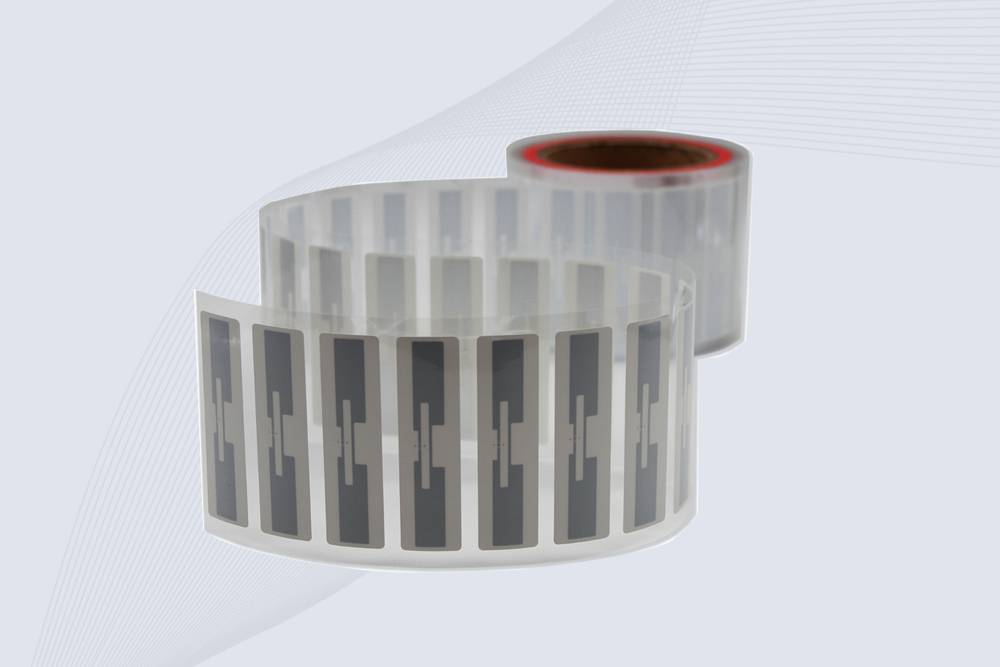
CYKEO Passive RFID Tags are made for wet and high-humidity environments where standard labels do not last. This rfid passive tag is often used around liquids, chemicals and temperature changes, providing stable reading distance and long data life for industrial tracking.
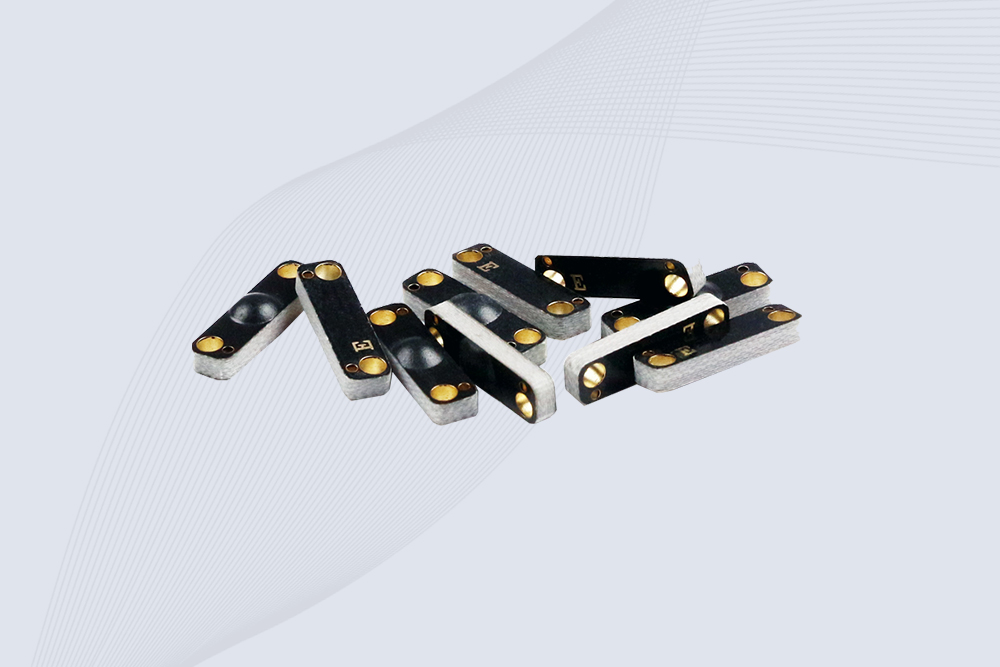
CYKEO CK-BQ1504 Metal RFID Tags is a compact anti-metal UHF RFID solution built for direct mounting on metal surfaces. With stable 8-meter read range, Ucode-8 chip, and long data retention, this rfid metal tag fits tools, containers, automotive parts, and industrial asset tracking.
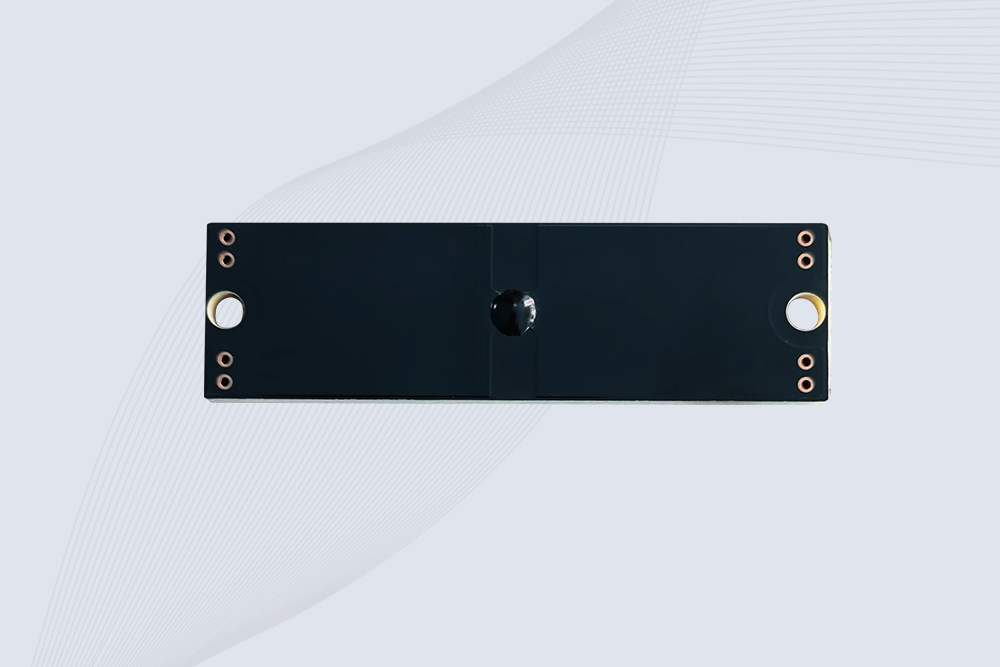
CYKEO CK-BQ7020 On-Metal RFID Tags are designed for reliable tracking on steel and metal surfaces. Built with an FR4 epoxy body and industrial-grade chips, these On-Metal RFID Tags deliver stable performance, long data life, and chemical resistance, making them a dependable RFID anti-metal tag for harsh environments.
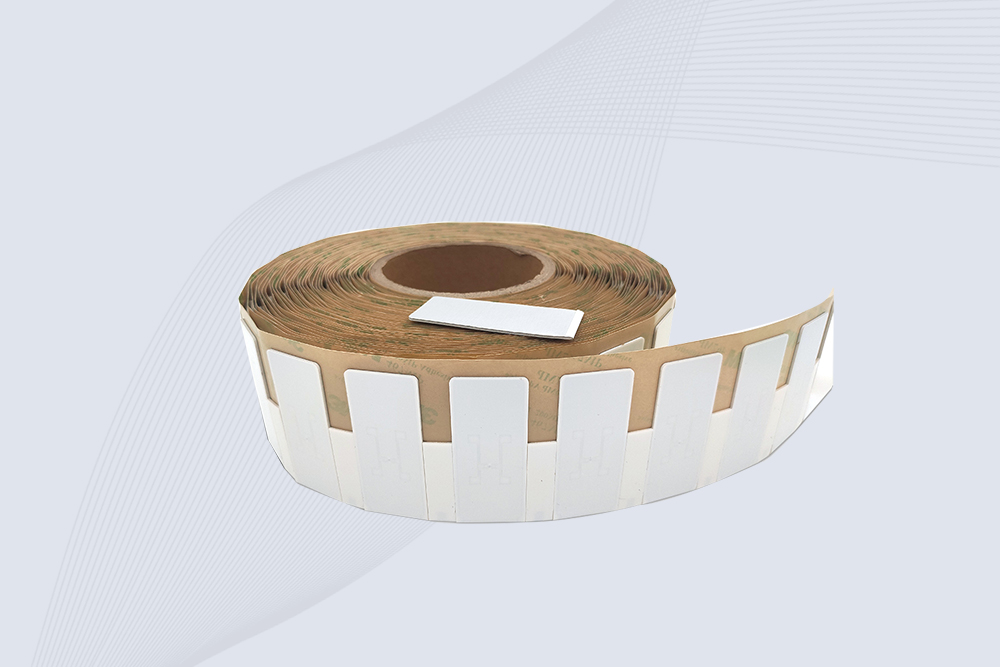
The CYKEO CK-BQ6025 Anti-Metal RFID Tag is built for metal surfaces where standard tags fail. Designed for long-range performance, harsh environments, and stable data retention, this Anti-Metal RFID Tag is ideal for industrial assets, containers, and equipment tracking using on metal RFID tags.
Can phone read RFID on its own? We clarify the technical reality of phone NFC vs. UHF RFID for business and how CYKEO bridges the gap.
More
Discover proven strategies to reduce interference in outdoor long-range RFID systems. Learn how Cykeo’s rugged solutions maintain accuracy in challenging environments.
More
Learn how to test RFID tags using your smartphone’s NFC feature. Discover apps, DIY methods, and troubleshooting tips for quick verification.
More
Learn how to identify RFID tags by frequency, appearance, and behavior. Understand the differences between LF, HF/NFC, and UHF RFID in everyday use.
More